




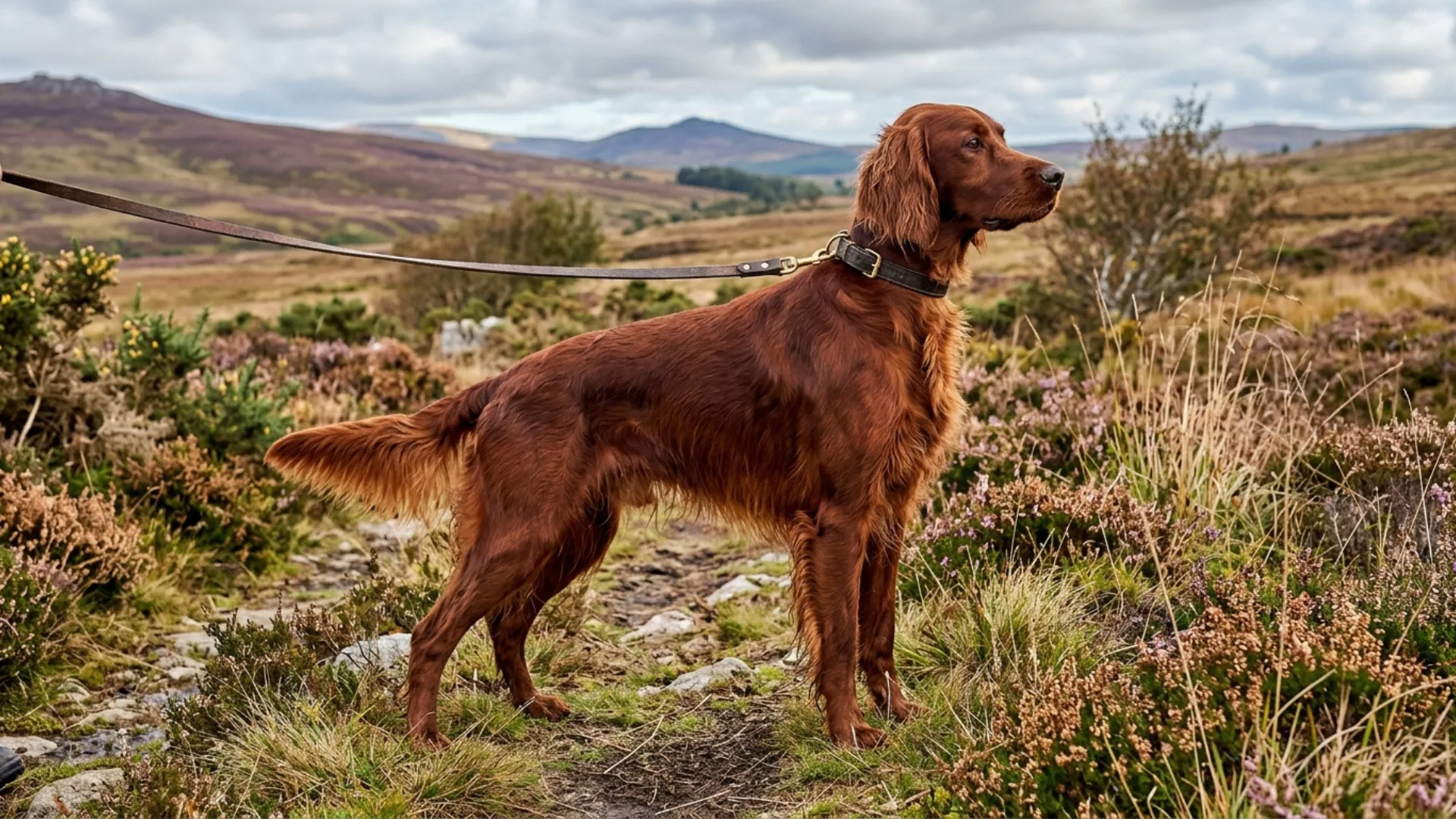
Upland game hunting demands dogs with sharp instincts, steady focus, and an ability to work closely with hunters across varied terrain.
These hunting breeds are prized for their natural pointing, flushing, or retrieving skills, which help locate and recover birds in upland hunting, especially during pheasant hunting in fields and grasslands.
Success in upland environments relies on endurance, scent tracking accuracy, and the willingness to stay attentive over long hunts where birds move quickly.
Many of these dogs excel when trained to respond to whistle commands and subtle hand signals, ensuring coordination between hunter and dog remains seamless.
Their versatility allows them to adapt to different game birds and shifting terrain, making them dependable partners in varied outdoor conditions across seasons.
Beyond physical skill, temperament matters greatly, as these dogs must remain calm during waiting periods yet energetic when action begins in the field.
Proper training and early exposure to hunting scenarios help shape reliable performance, ensuring they respond effectively in real upland bird hunting situations. These qualities make them trusted companions for dedicated upland hunters every season.
Top Dog Breeds Perfect for Upland Game Hunting
1. German Shorthaired Pointer
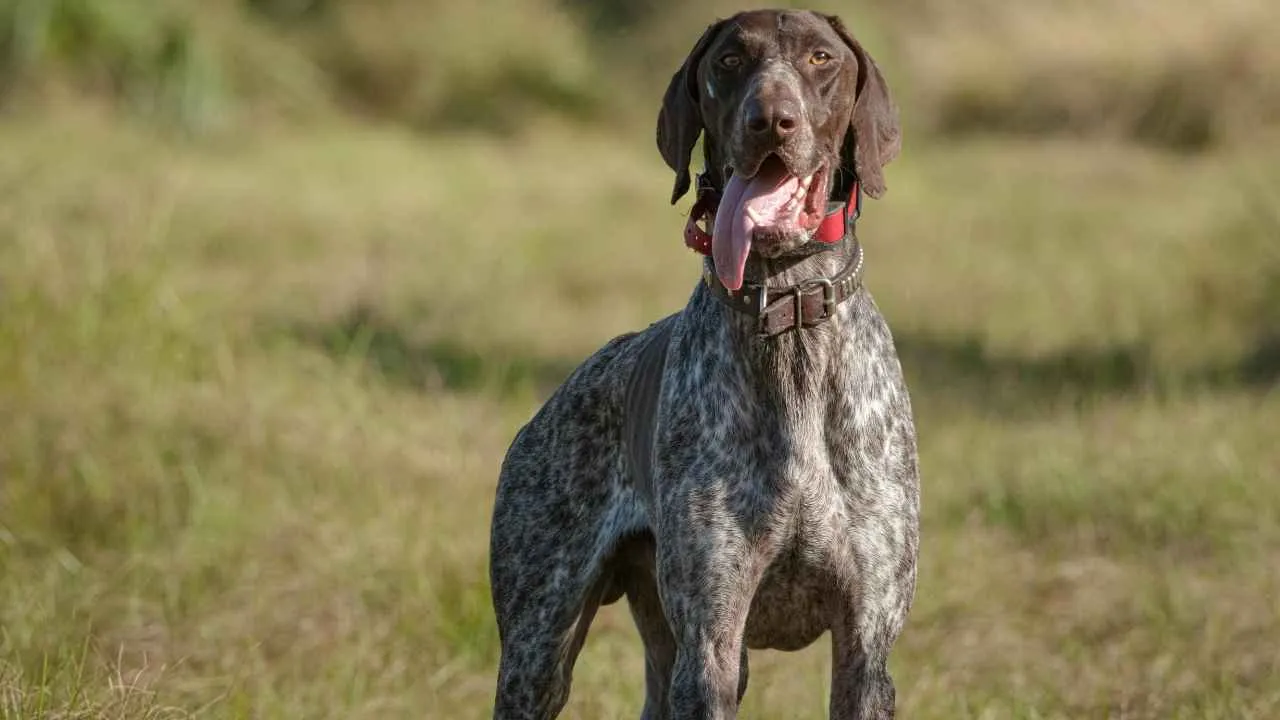
The German Shorthaired Pointer stands out among upland game hunting breeds for its balance of athleticism, intelligence, and tireless drive in the field, as mentioned by Orvis.
Built for efficiency, this versatile dog moves with a smooth, coordinated gait that allows it to cover ground quickly while conserving energy during long hunts.
Its keen nose and natural pointing instinct make it highly effective at flushing upland birds, while its retrieving ability ensures clean recovery on land or water.
This pointing dog breed is known for its expressive face and alert demeanor, reflecting constant awareness of its surroundings.
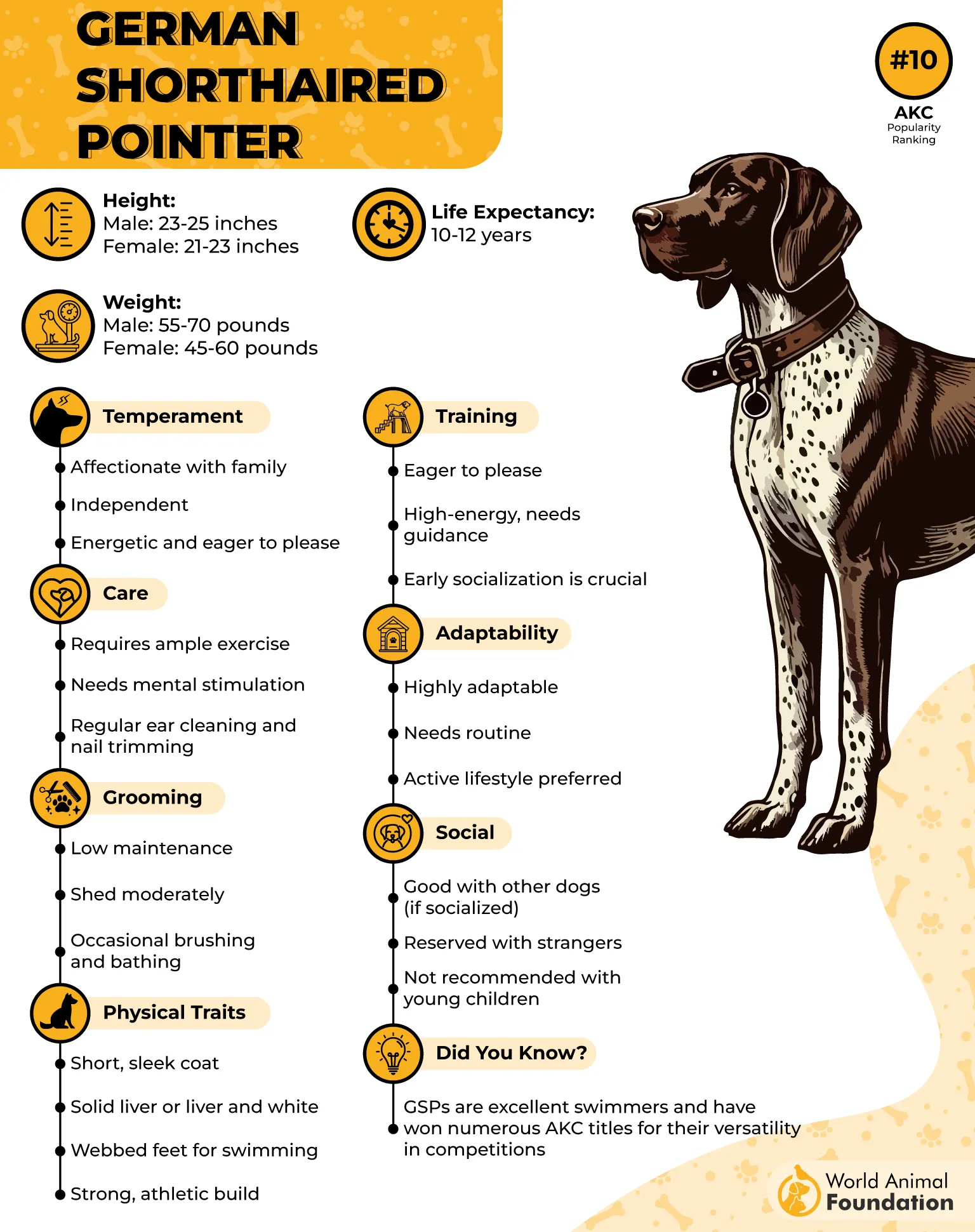
Strong yet refined in structure, this pointing breed is capable of sustained physical work and thrives when given daily vigorous activity such as running, hiking, or field training.
Without consistent engagement, its energy level demands constructive outlets. Highly trainable and eager to work, the German Shorthair responds well to structured guidance and forms a close partnership with handlers.
Its versatility has earned it a respected place among upland hunters who value reliability, endurance, and adaptability in changing terrain and conditions in diverse hunting environments overall.
2. American Foxhound
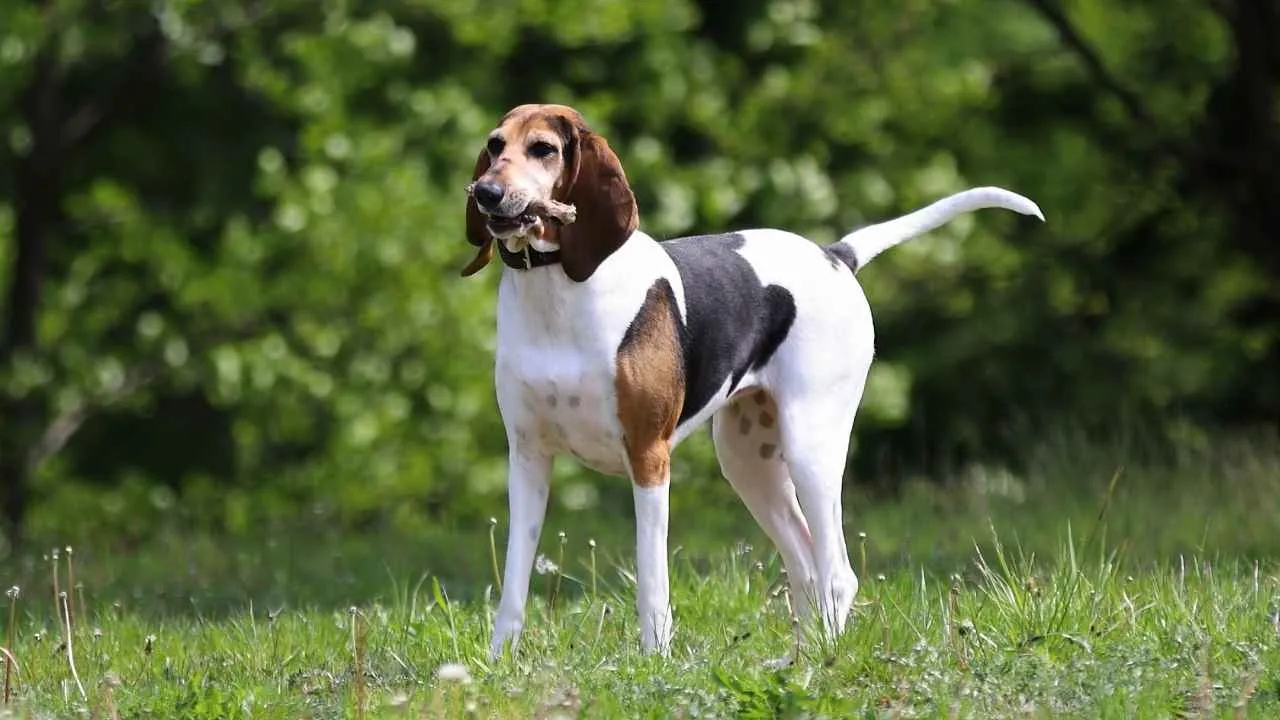
American Foxhounds bring exceptional scenting ability and stamina to upland hunting environments, where tracking over long distances is often required.
Bred from early hound lines associated with American hunting traditions, they are driven by an instinct to follow trails with determination and precision.
Their steady pace and endurance allow them to work fields and wooded edges for extended periods without losing focus.
Known for their friendly and easygoing temperament, they typically integrate well with families and other animals when properly socialized, though their strong hunting drive requires supervision outdoors.
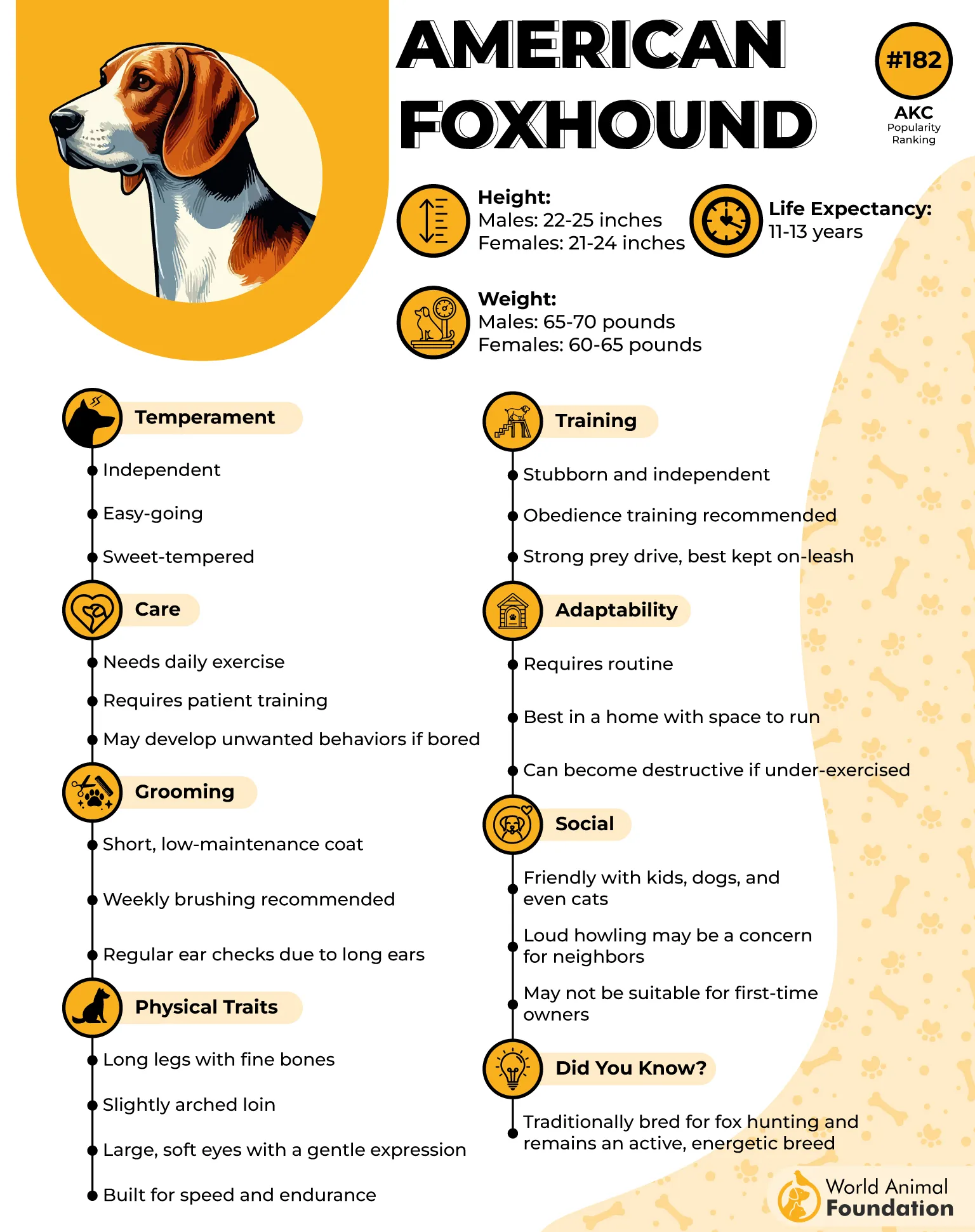
Early training is important, as their independent nature can make consistent recall challenging.
These dogs thrive on daily vigorous activity and perform best when given structured exercise that engages both body and mind. Their short, weather-resistant coat is low-maintenance, requiring only occasional brushing to remove dirt and loose hair.
Regular veterinary care supports their overall well-being, as with all working breeds. When given purpose and space to work, they become reliable, tireless partners in upland field pursuits and training success consistently.
3. Irish Setter
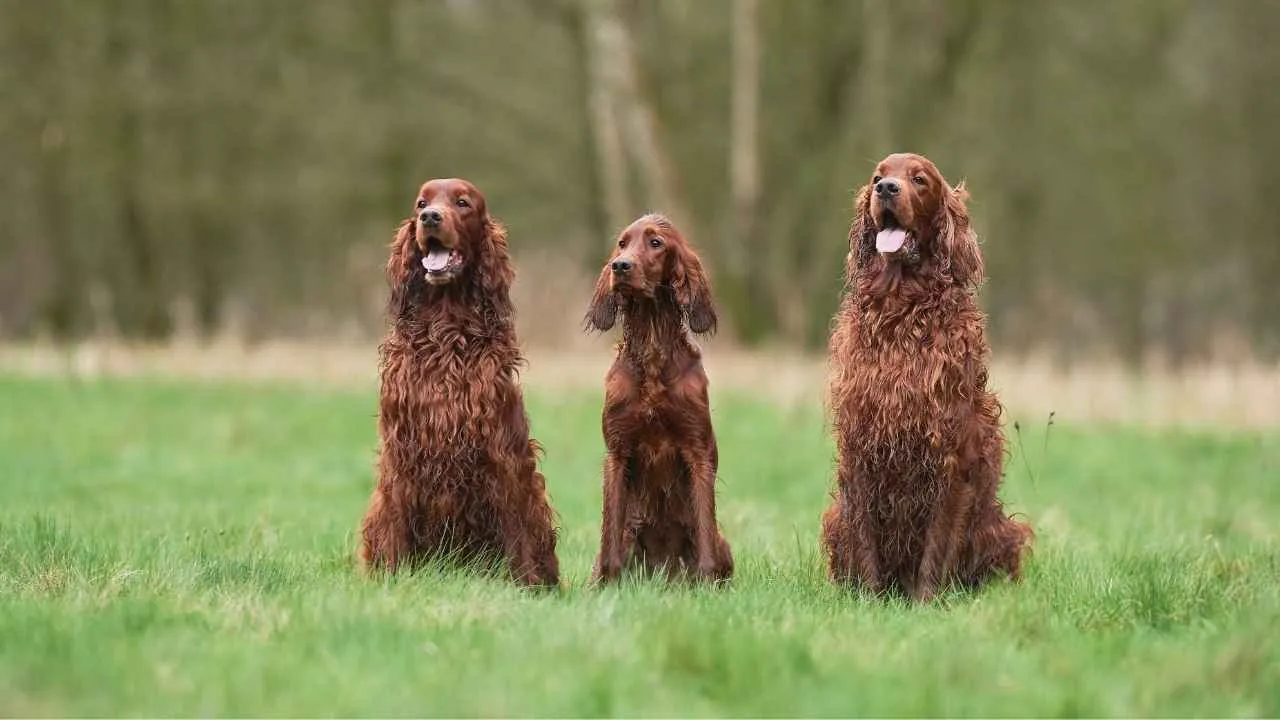
Irish Setter is a classic upland game hunting breed known for using a strong sense of smell to flush birds across fields and grasslands, often signaling by instinctively lowering into a setting position when game is found, as noted by the AKC.
This behavior reflects centuries of selective breeding for cooperative hunting alongside handlers, where patience, scent tracking, and steady focus are essential in upland environments.
Irish Setters are energetic companions that thrive with daily exercise, enjoying long walks, fieldwork, and mentally engaging activities that help channel their natural drive.
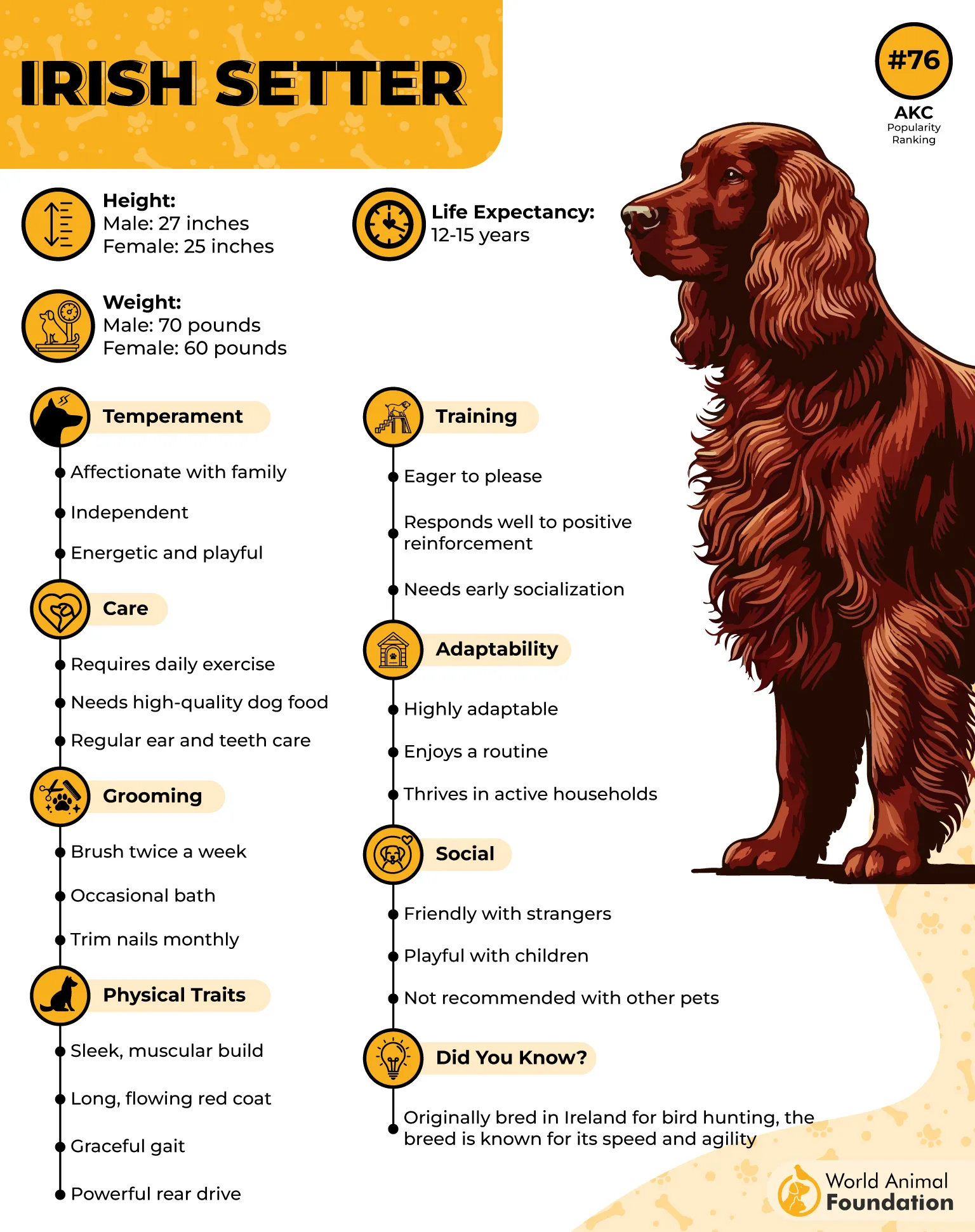
These bird dog breeds are known for their affectionate nature and strong bonds with people, making them responsive partners in training when handled with consistency and positive reinforcement methods.
In upland hunting roles, their endurance, keen scenting ability, and enthusiasm for working cover make them valuable field dogs capable of sustained performance.
Early socialization and structured training further refine their abilities, ensuring they remain focused in the field while still being adaptable and well-mannered, making them great companions at home. making them dependable upland hunting partners across varied terrain and seasons consistently.
4. Nova Scotia Duck Tolling Retriever
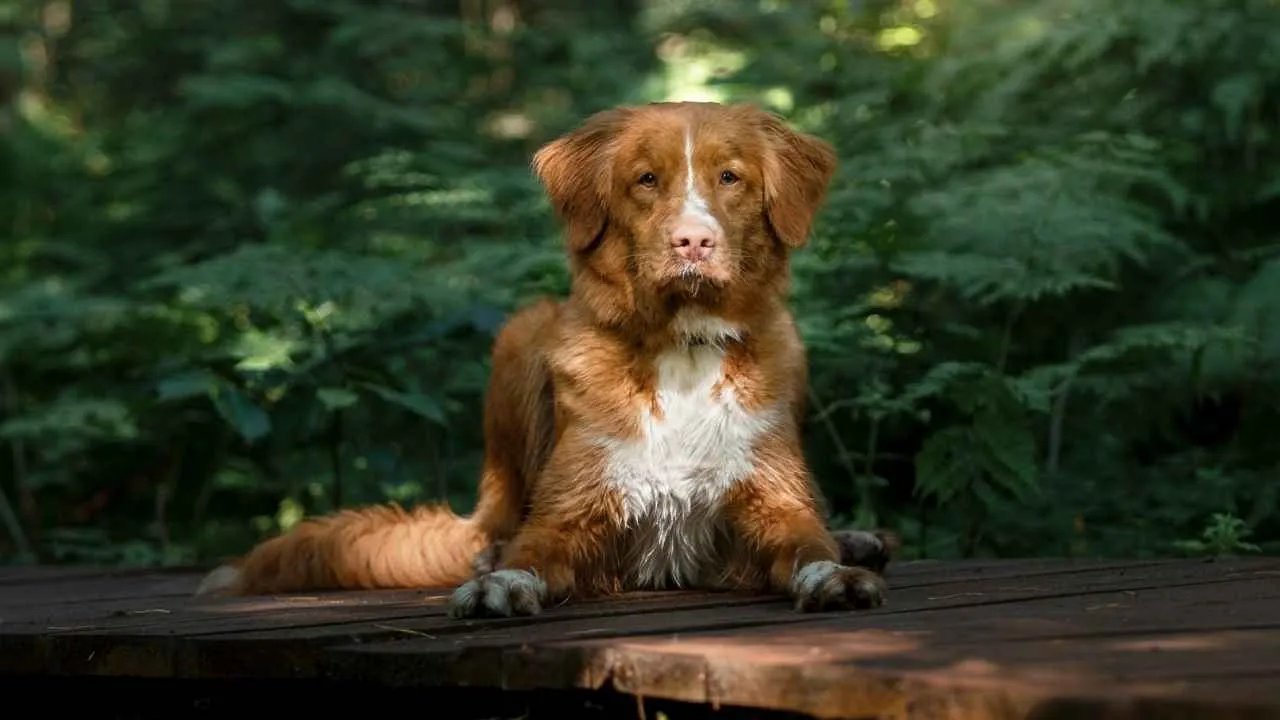
The Nova Scotia Duck Tolling Retriever is a lively hunting breed valued for its intelligence, enthusiasm, and strong retrieving instincts in upland game environments.
It works with remarkable energy, moving through fields and marsh edges to locate and recover birds with precision and drive.
Known for its playful style of work, this gun dog uses motion and focus to maintain engagement during long hunting sessions while remaining responsive to handler direction.
This breed thrives on active lifestyles requiring consistent physical and mental stimulation through field training, hiking, or retrieving drills.
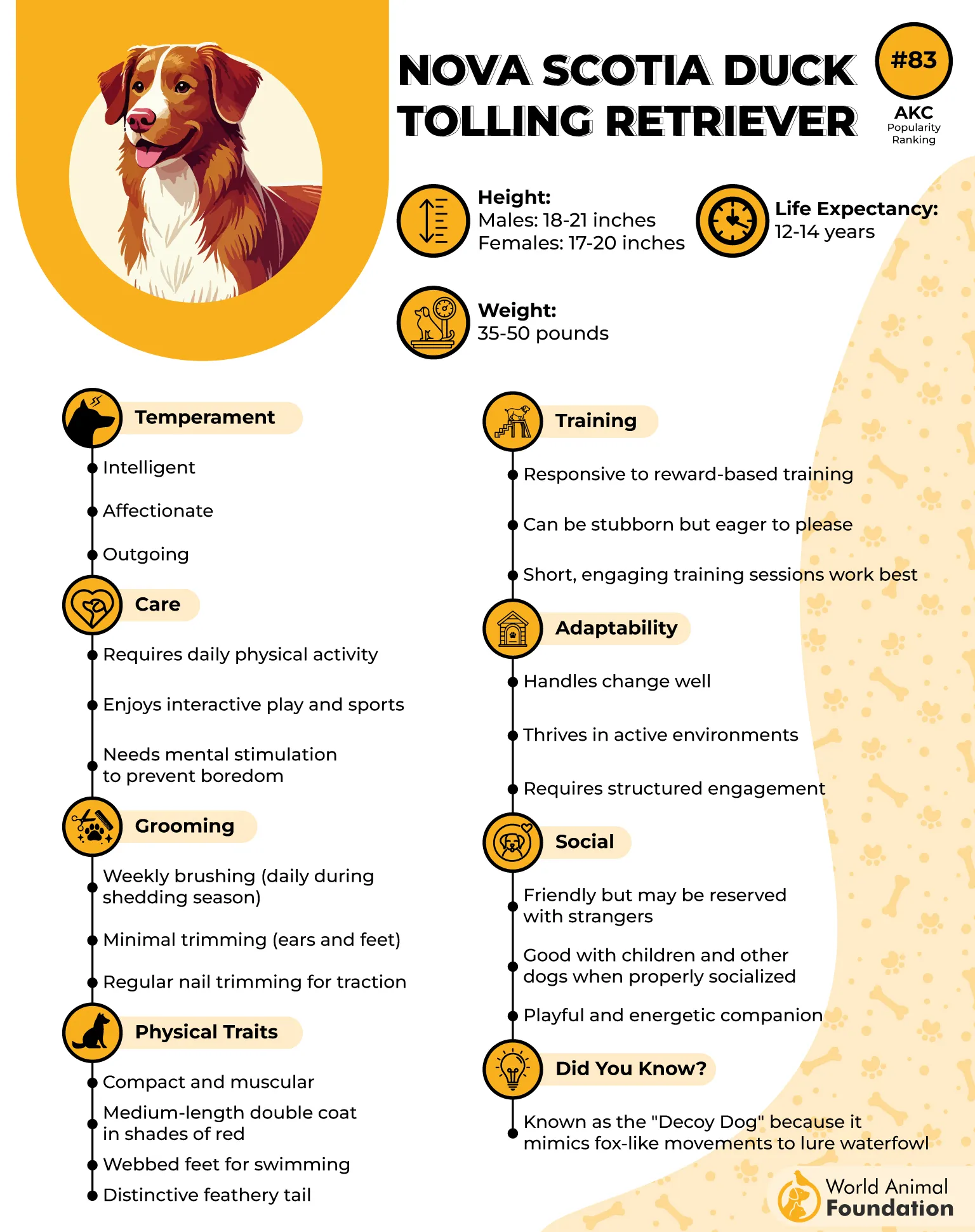
Its dense, weather-resistant coat helps it perform in varied outdoor conditions, making it reliable across seasons.
In upland hunting roles, it is especially appreciated for its focus, eagerness, and ability to work closely with hunters while maintaining enthusiasm throughout demanding field work.
It makes it a dependable partner in retrieving game from varied terrain and reinforces its reputation as a versatile upland hunting companion that excels when given structured purpose and active engagement in the field and consistent training routines.
5. Pharaoh Hound
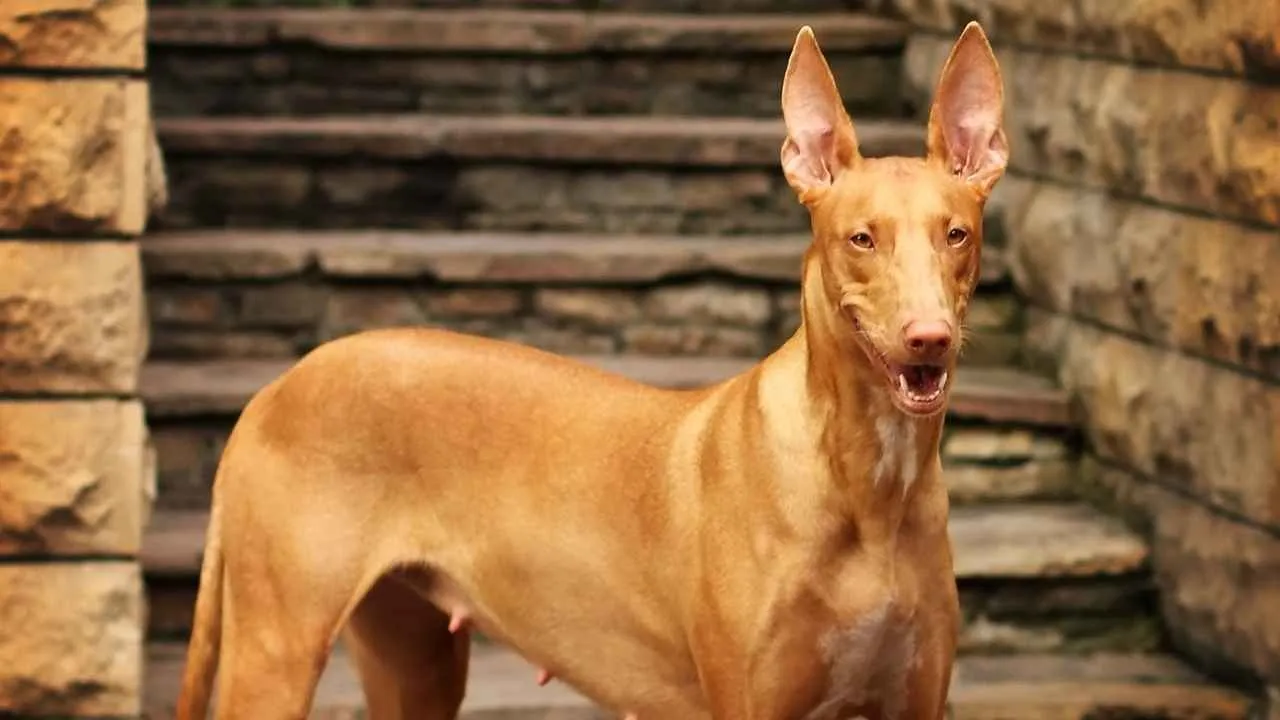
The Pharaoh Hound represents a distinct hunting style among hunting hounds, relying on sharp eyesight and explosive speed rather than scent tracking to pursue game across open terrain.
Originating from Malta, it is known for its alert intelligence and quick reactions, making it especially effective when chasing fast-moving quarry such as rabbits in wide fields and scrublands.
Its hunting approach involves spotting movement from a distance and launching into rapid pursuit, maintaining focus until the target is flushed or captured.
In upland-style environments with open ground, this flushing dog breed’s agility and endurance allow it to cover large areas efficiently while working in coordination with hunters.
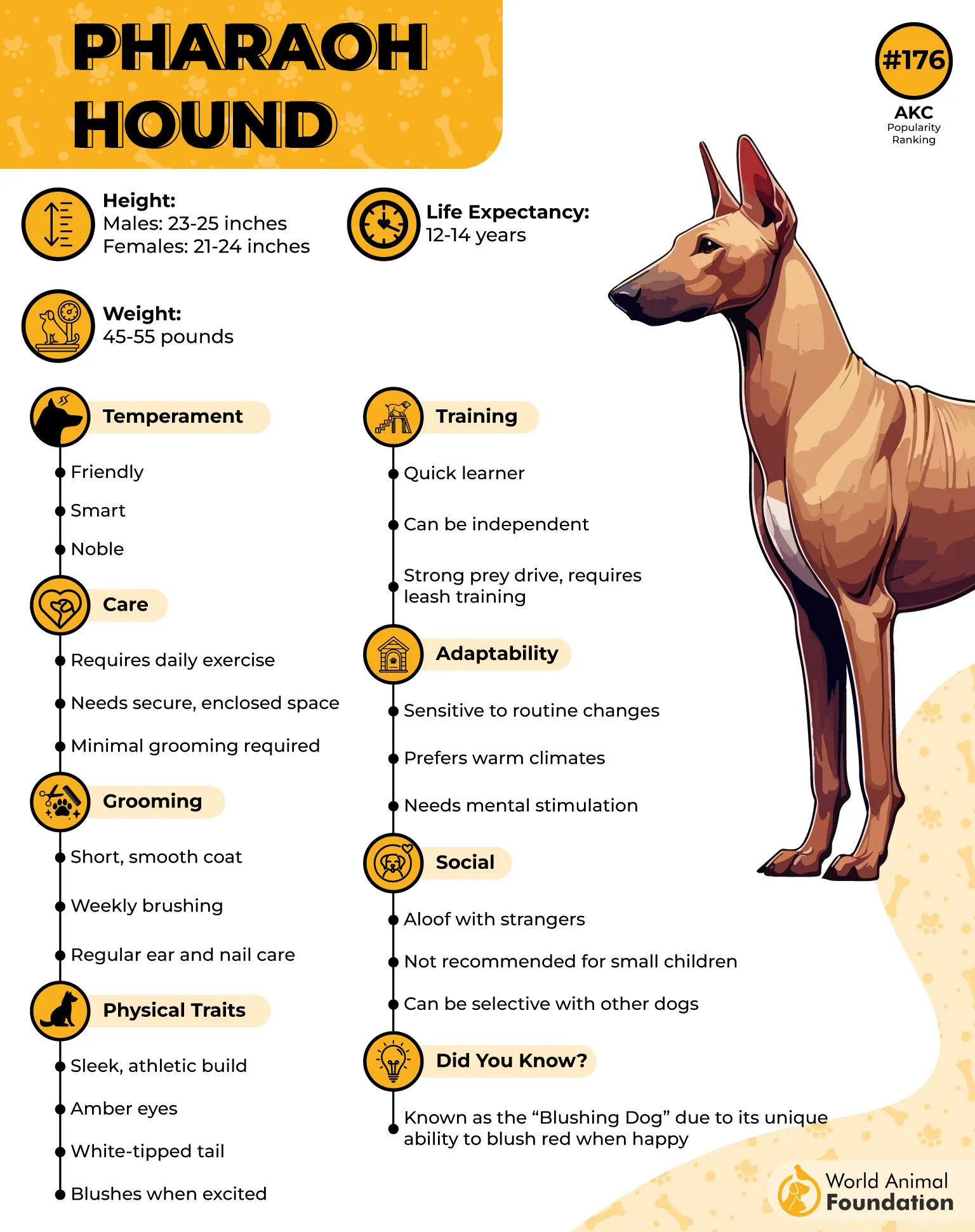
Historically valued for coursing game, it can also adapt to working alongside traditional methods of rabbit control.
Its keen awareness, independent thinking, and natural athleticism make it a capable field partner when given space to run and opportunities to engage its instinct-driven pursuit style during active outdoor hunting sessions.
This combination of vision, speed, and focus makes it a unique contributor to open-country upland hunting pursuits.
6. Mountain Cur
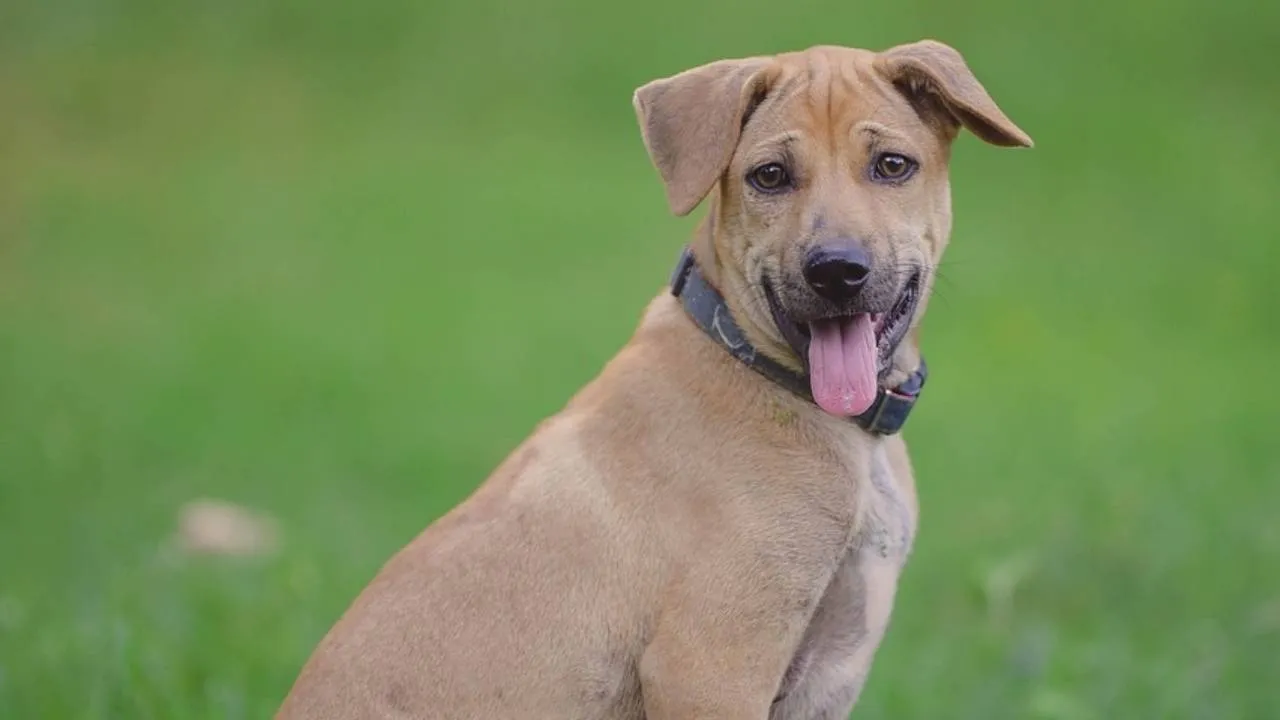
The Mountain Cur is a rugged American hunting breed developed for working demanding terrain, where endurance, intelligence, and determination are essential, as mentioned by PetMD.
Historically used by frontier hunters, it played an important role in tracking and treeing game across forests and hills, making it a dependable partner in early upland-style hunting conditions.
This breed is known for its strong prey drive, sharp awareness, and willingness to work closely with handlers when properly trained.
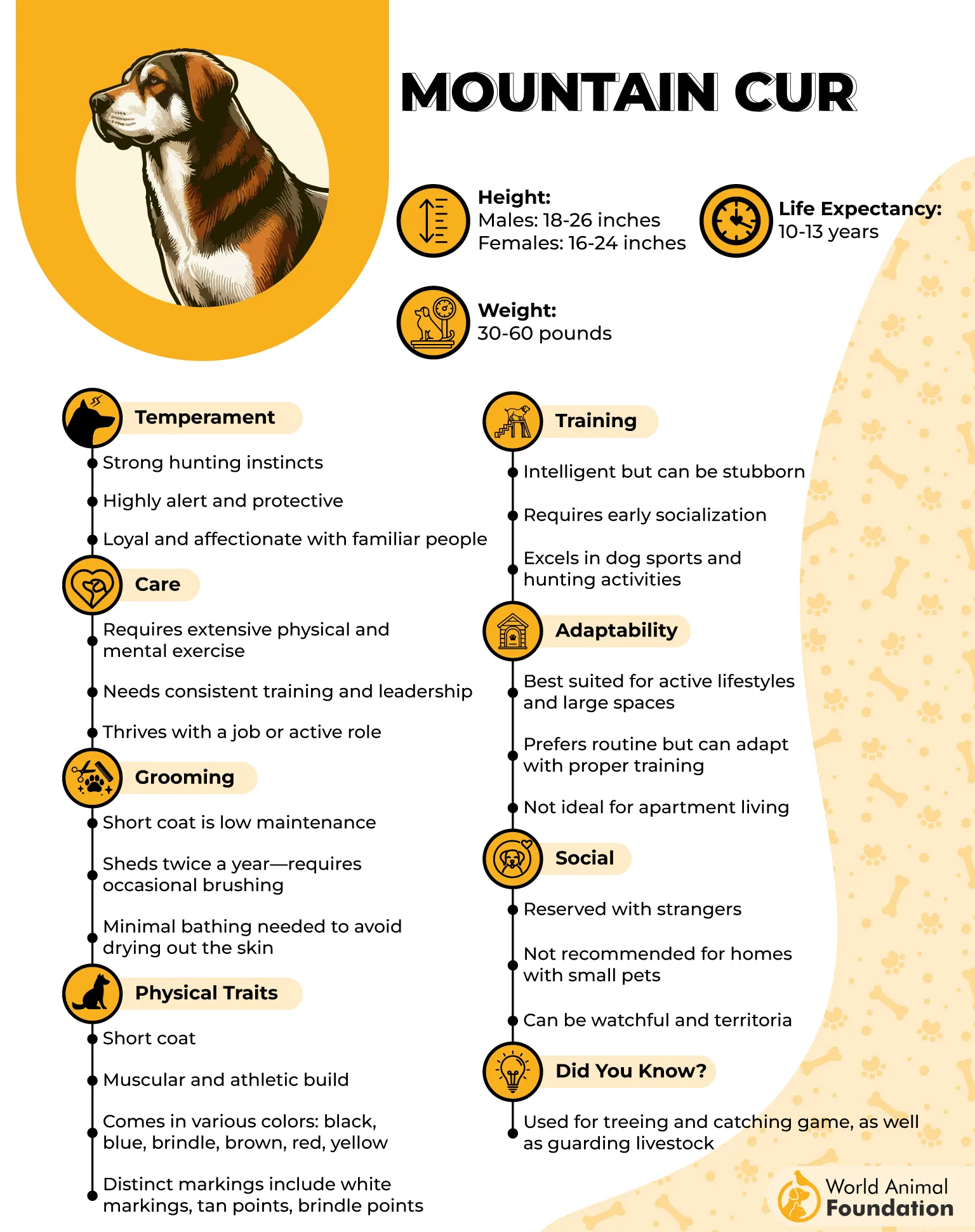
In upland environments, it excels at navigating dense cover, flushing game, and maintaining focus over long periods of activity.
Its natural guarding instinct also made it valuable around homesteads, reflecting its versatility as both a hunting and protection dog.
Mountain Cur thrives in active settings where it can run, track, and problem-solve, requiring consistent physical and mental engagement to stay balanced. Its short, functional coat supports outdoor work in varying conditions.
With proper guidance and exercise, it becomes a loyal, hardworking field companion suited for demanding upland hunting tasks and adapts well to structured training in the field.
7. English Springer Spaniel
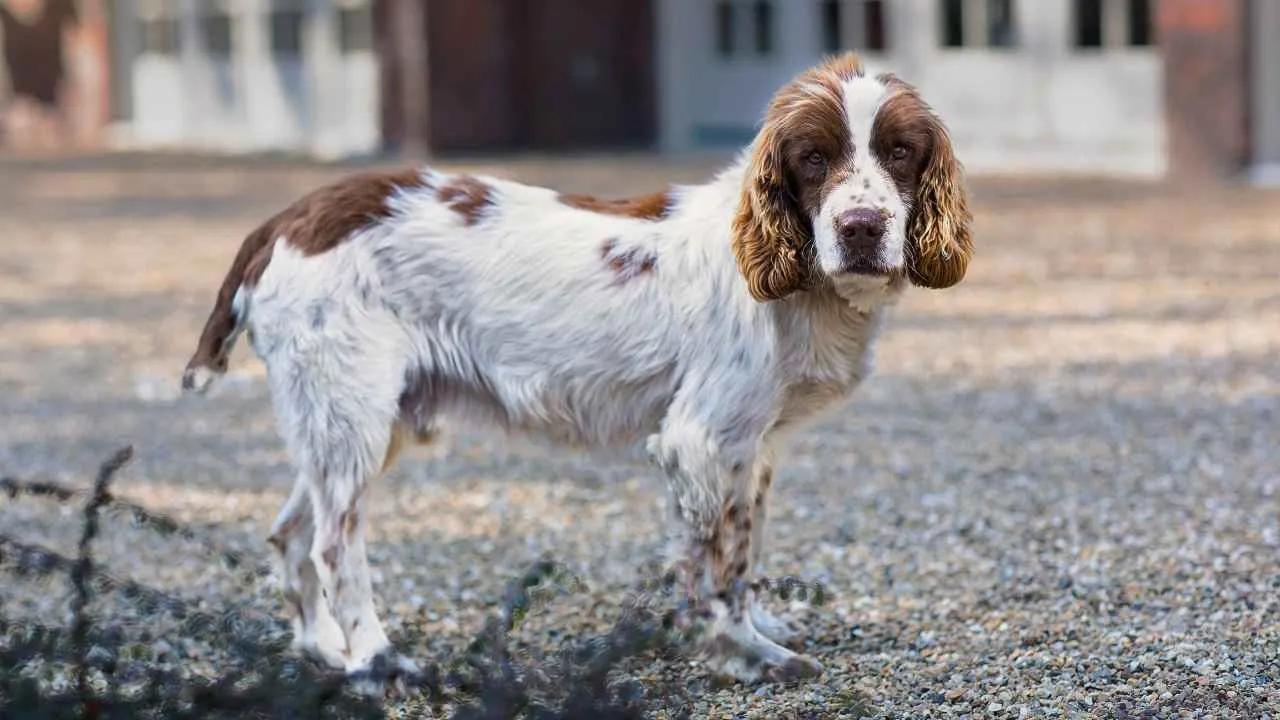
The English Springer Spaniel is a lively yet focused hunting spaniel bred for flushing upland game birds from dense cover. For centuries, it has been valued for its ability to move through fields and brush, using scent and energy to flush running birds into flight for hunters.
Once the game is flushed, it holds steady cooperation with the handler, making it highly reliable in traditional wing shooting.
The breed combines an affectionate, people-oriented nature with strong field drive, switching smoothly between home companionship and working focus.
Its expressive eyes and dense, protective coat suit long days in varied outdoor conditions, especially in wet grasslands and thickets.
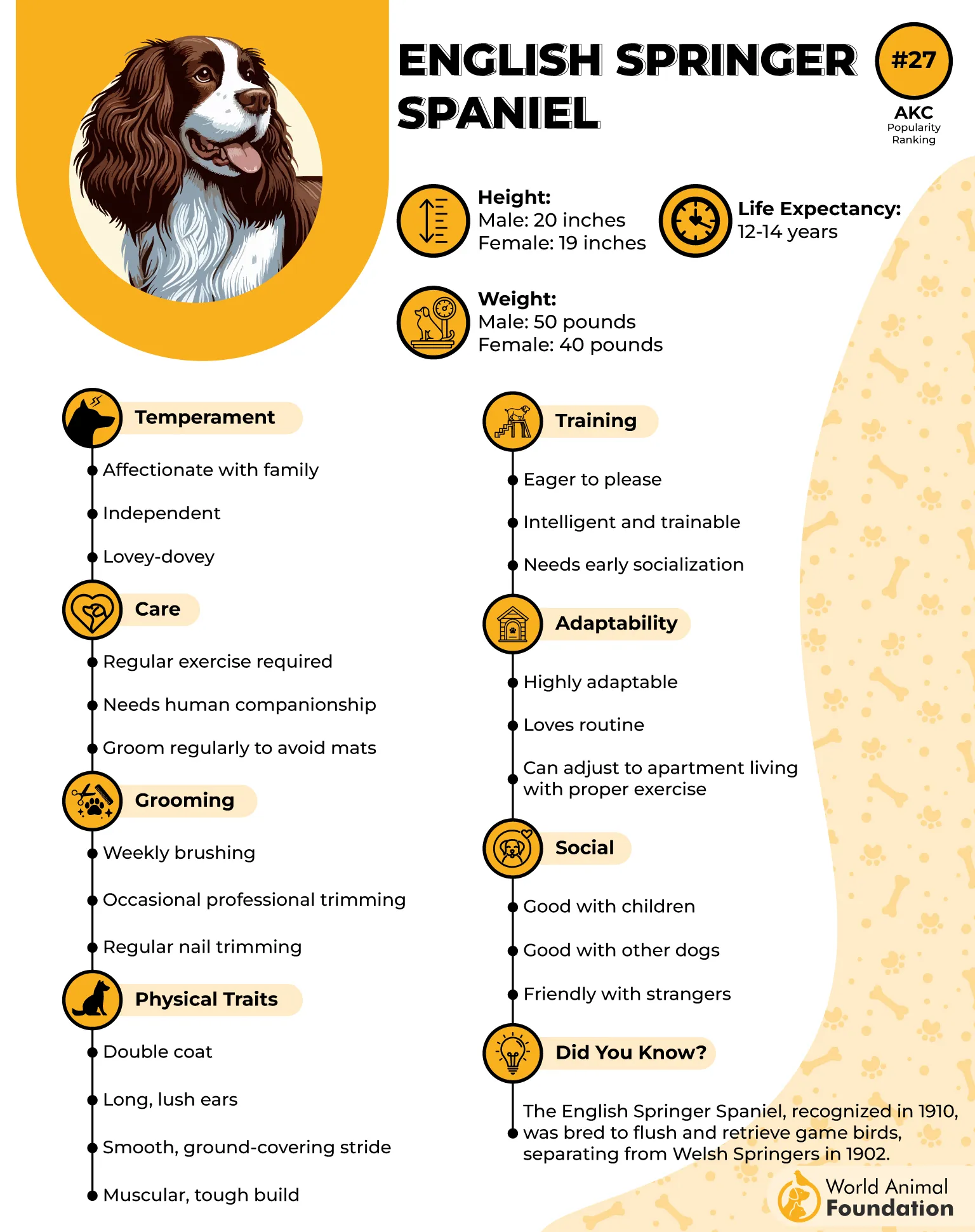
Early spaniels were grouped with smaller and larger types based on hunting roles, with flushing specialists eventually refined into distinct field breeds.
Today, this spaniel remains a popular dog breed among upland hunters for its responsiveness, endurance, and eagerness to work closely in the field.
Consistent training and active engagement are essential to channel its enthusiasm into controlled hunting performance and reliable fieldwork success, making it a trusted field partner.
Conclusion
Upland hunting dogs combine endurance, sharp scenting or sight abilities, and strong cooperation with handlers to perform across fields, grasslands, and wooded edges.
Their success depends on disciplined training, mental engagement, and consistent physical activity that channels instincts into controlled fieldwork.
These excellent companions must adapt to changing terrain, maintain focus during long pursuits, and respond reliably to commands in dynamic outdoor conditions.
When properly guided, they become dependable partners that enhance efficiency, improve retrieval accuracy, and support successful game management throughout seasonal environments, making them invaluable to dedicated hunters.
