




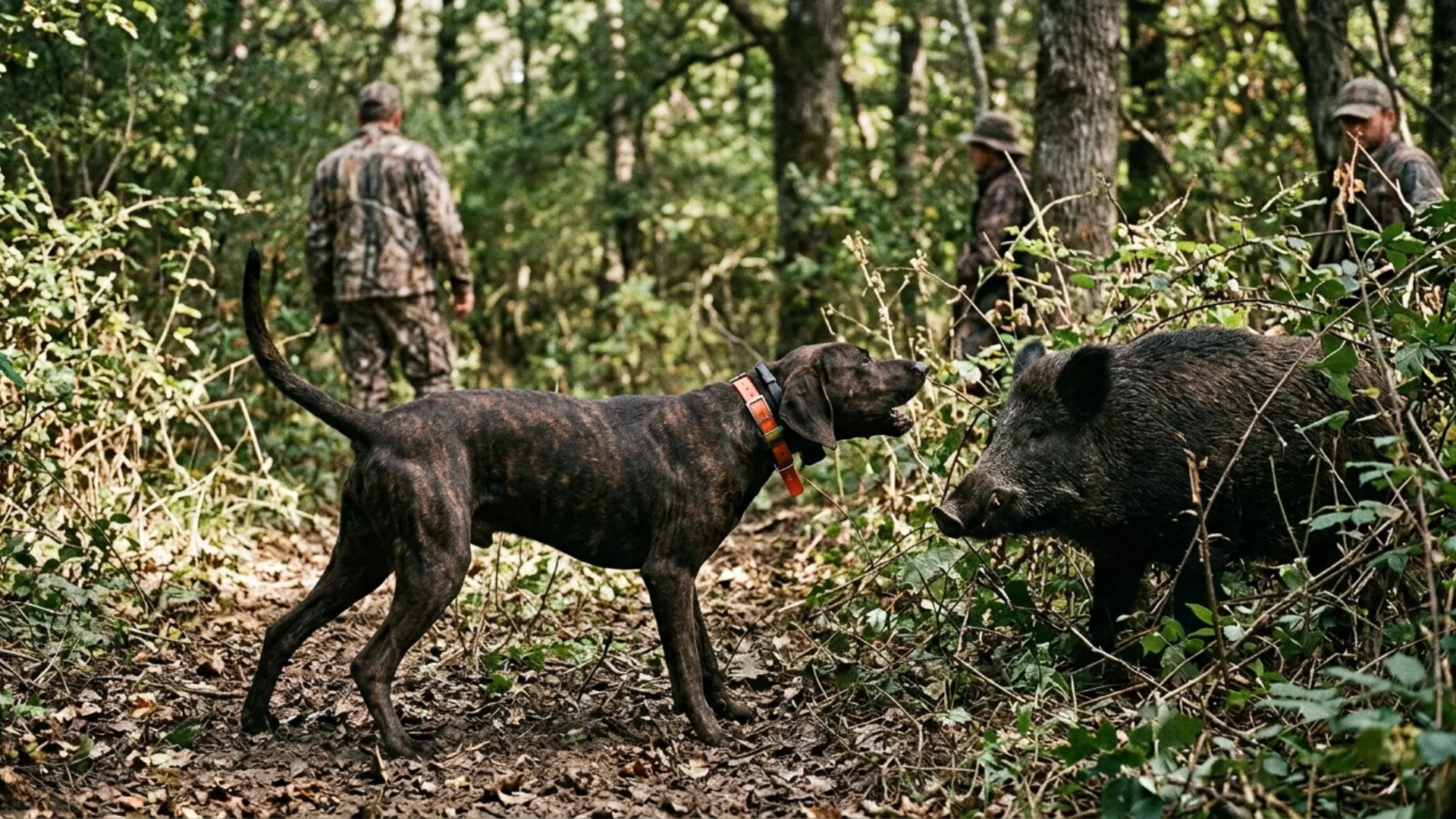
Wild boar hunting changes the moment the terrain becomes thick, the visibility drops, and the animal refuses to slow down.
Many dogs can handle open ground for short periods, but dense forests and aggressive game expose weaknesses very quickly. A dog that loses focus, hesitates under pressure, or struggles to maintain stamina can completely disrupt the hunt. That is why experienced hunters pay close attention to breeds developed specifically for this kind of work.
These dogs are expected to track moving scent trails through rough terrain, react quickly when a boar charges, and stay mentally sharp during long pursuits that demand constant awareness. Strength alone is never enough in these situations. Control, endurance, and instinct matter just as much once the pressure builds deep in the woods.
Ahead are the proven hunting breeds known for handling brutal boar encounters where persistence, courage, and control decide how the chase ends.
Key Takeaways
Wild boar hunting pushes dogs into terrain where hesitation can end the chase before it even begins
Dogo Argentino and Catahoula Leopard Dog are built for exactly this kind of pressure, where strength and control decide how far the hunt goes.
Plott Hound and Bluetick Coonhound carry scent trails through long distances, keeping focus even when the terrain gets rough and visibility drops.
Stay till the end to see which breeds bring the mix of courage, stamina, and control that defines real boar hunting power.
Proven Dog Breeds for Dominating Wild Boar Hunts
1. Catahoula Leopard Dog The
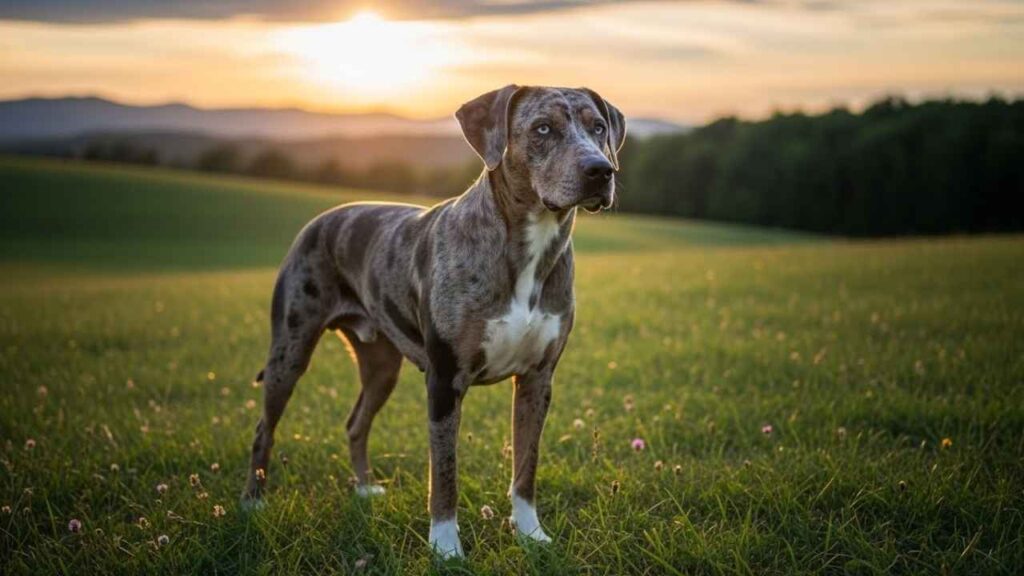
The Catahoula Leopard Dog originated in Louisiana near Catahoula Lake, a name tied to the Choctaw term meaning “sacred lake”, as mentioned in PetMD.
It was bred to track and drive hogs and cattle through swamp terrain, shaping a determined working identity. That foundation explains its strong focus and independent field behavior.
Strength and agility on rugged ground
This hunting dog combines muscular power with agile movement, allowing confident performance across uneven terrain. Its short coat supports practical outdoor use and requires minimal grooming.
That working drive is reflected in clear needs:
Demands consistent daily activity
Performs well in running and tracking tasks
Benefits from a secure, fenced space
Focused behavior during field work
They approach tasks with intensity, especially when tracking or driving a game in open land. When under-engaged, it may channel energy into digging or chewing, reflecting its strong working instincts. Proper direction keeps its drive aligned with purposeful hunting roles.
2. Plott Hound
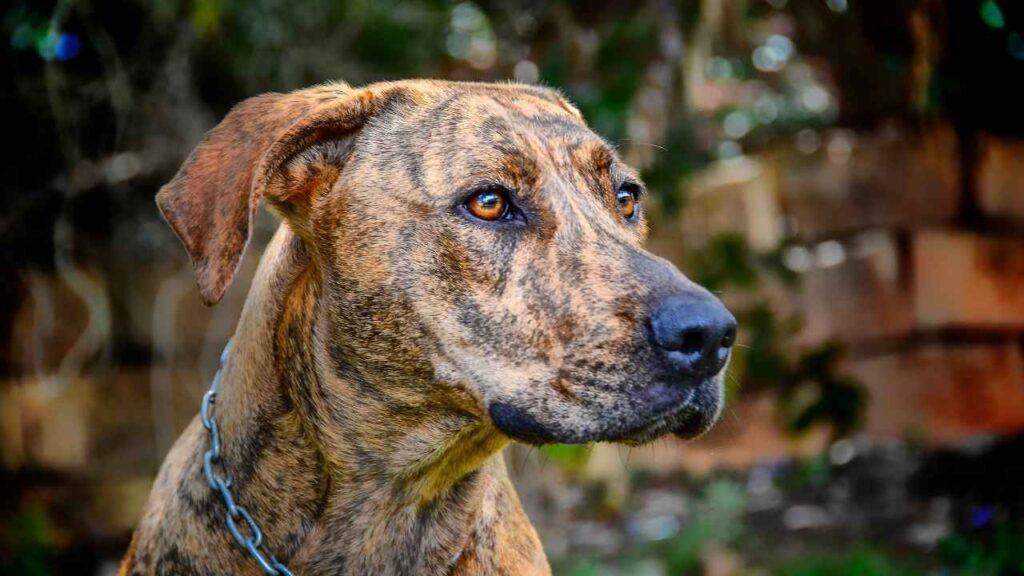
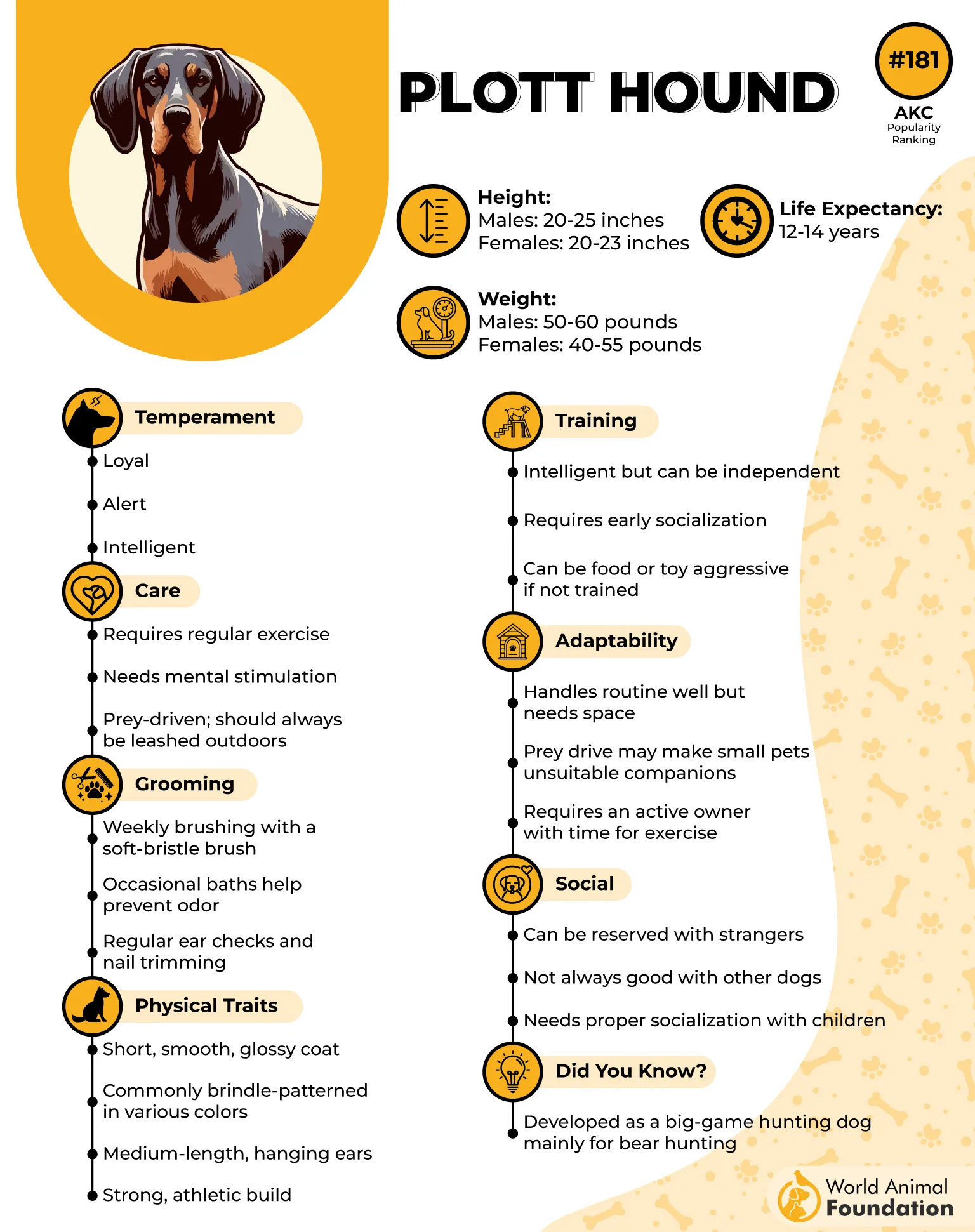
Plott Hound developed in North Carolina after German Hanover hounds were brought in during the 1700s for serious big game hunting.
Its lineage focused on tracking large quarry such as wild boar and bears across demanding terrain. That heritage shaped a determined scent hound built for forest pursuit work.
Forest tracking power with vocal control
This hog hunting breed uses a strong scent drive paired with a distinctive, far-reaching bay that signals progress during hunts. Its alert nature helps it stay connected to moving quarry across wooded landscapes.
That working style is reflected in key abilities:
Tracks scent trails over long forest distances
Uses a clear, powerful bay during pursuit
Learns quickly with consistent guidance
Behavior shaped by task focus
Plott Hound stays engaged when given structured activity and can show a stubborn streak without clear direction. Social interaction with people and other dogs keeps a dog’s temperament balanced, as per the AKC. Early training and positive reinforcement help channel its energy into productive field behavior.
3. Dogo Argentino
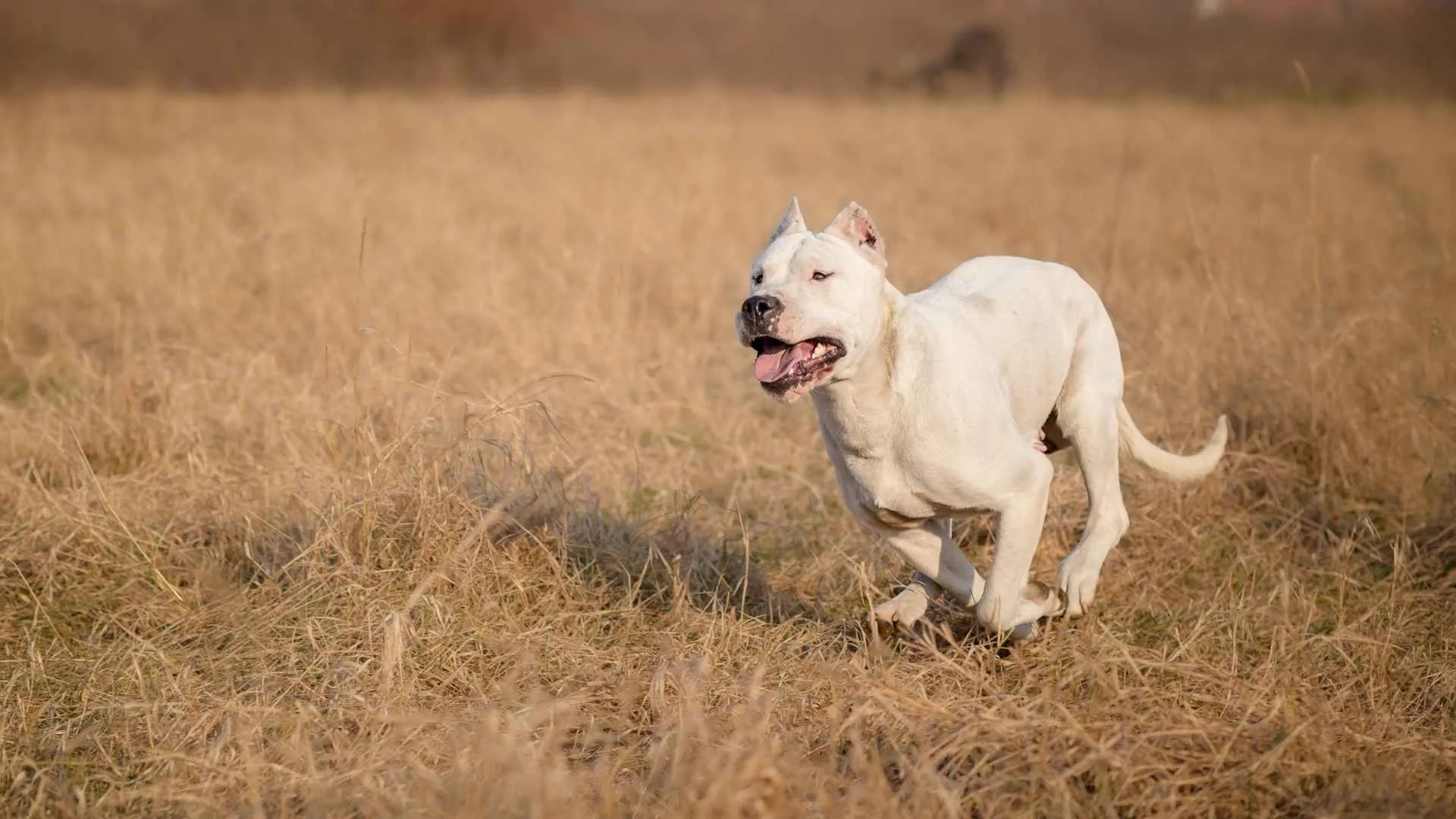
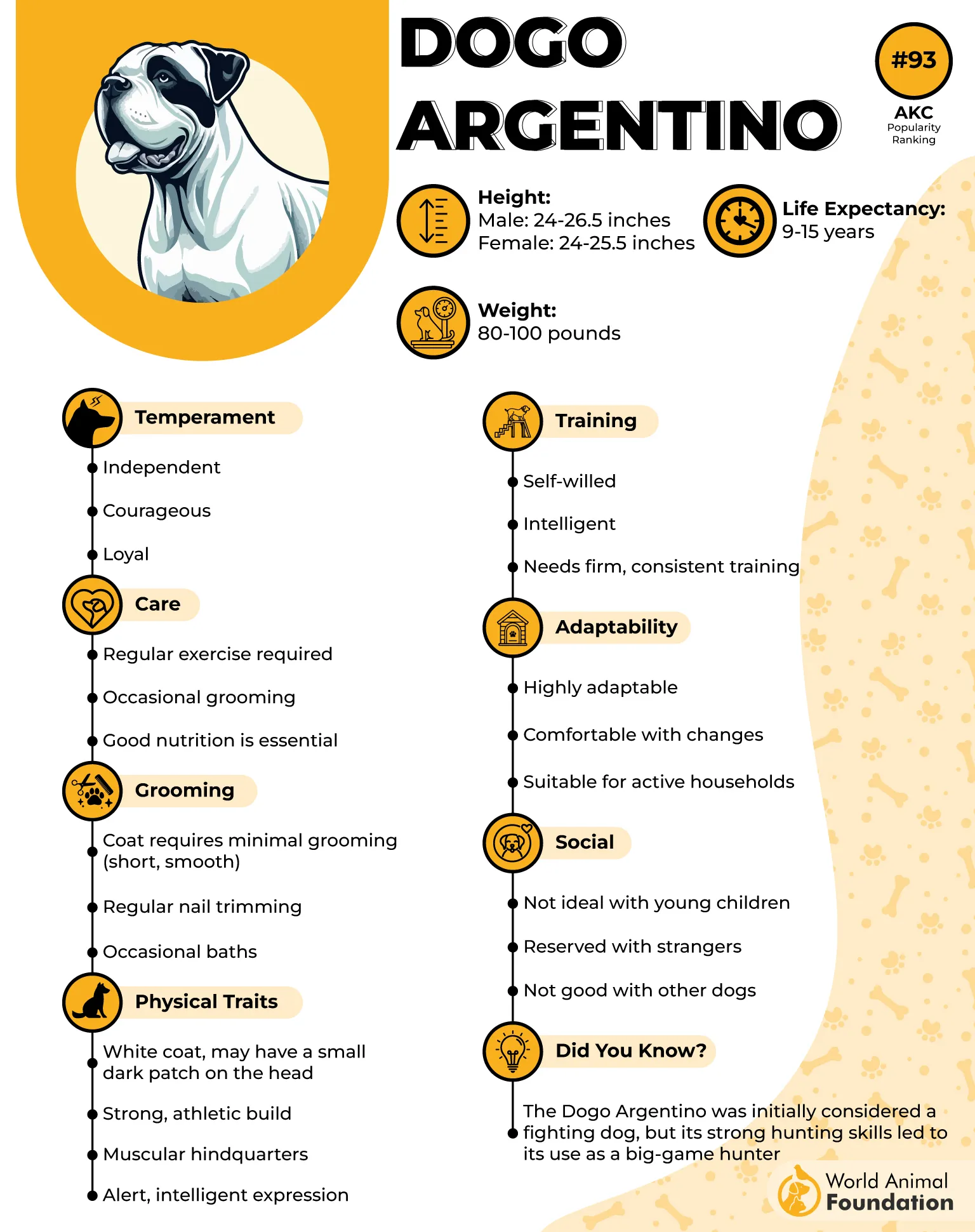
Dogo Argentino was originally bred in Argentina for coordinated pack hunting, developed to locate and control large game, including wild boar and puma, across open terrain and dense brush.
Its role demanded speed, strength, and a steady presence under pressure. The white coat became a clear visual marker in fast-moving hunts.
Built for power and pursuit
Its physical build reflects that demanding purpose, where power and balance work together in a compact but explosive frame. The structure supports long pursuit and sudden engagement without hesitation.
That foundation becomes clearer through:
High lung capacity for extended pursuit
Dense muscle structure for controlled force
Strong directional focus during tracking
Working response in motion
Control and responsiveness define its working nature when it enters a task-driven environment. The breed reacts quickly to movement and maintains pressure without losing direction, especially in coordinated pack situations. Its attention stays fixed on assigned targets rather than scattered activity.
4. Airedale Terrier
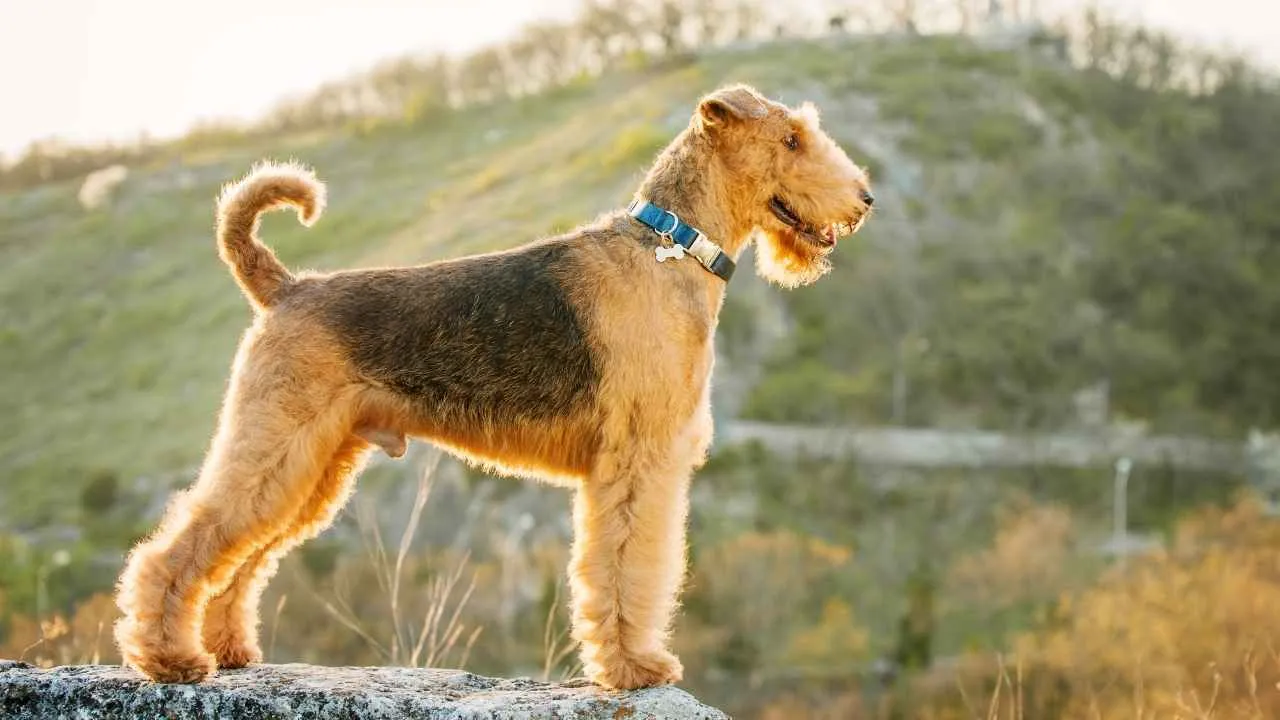
Airedale Terrier takes shape as a bold hunting terrier refined in England’s river valleys, where it was used for fox, rat, and even larger quarry like boar and otter. Its background blends land and water work, shaping a dog that handles unpredictable terrain with steady control.
King of terriers with a sharp drive
Airedale Terrier stands tall among terriers with a wiry frame and alert expression, built for long activity and quick problem-solving in rough ground. It’s working past around rivers strengthened its scenting ability and independent decision style.
That balance shows clearly in action patterns:
Strong scent response across mixed terrain
Quick adjustment between land and water pursuit
Independent thinking during tracking work
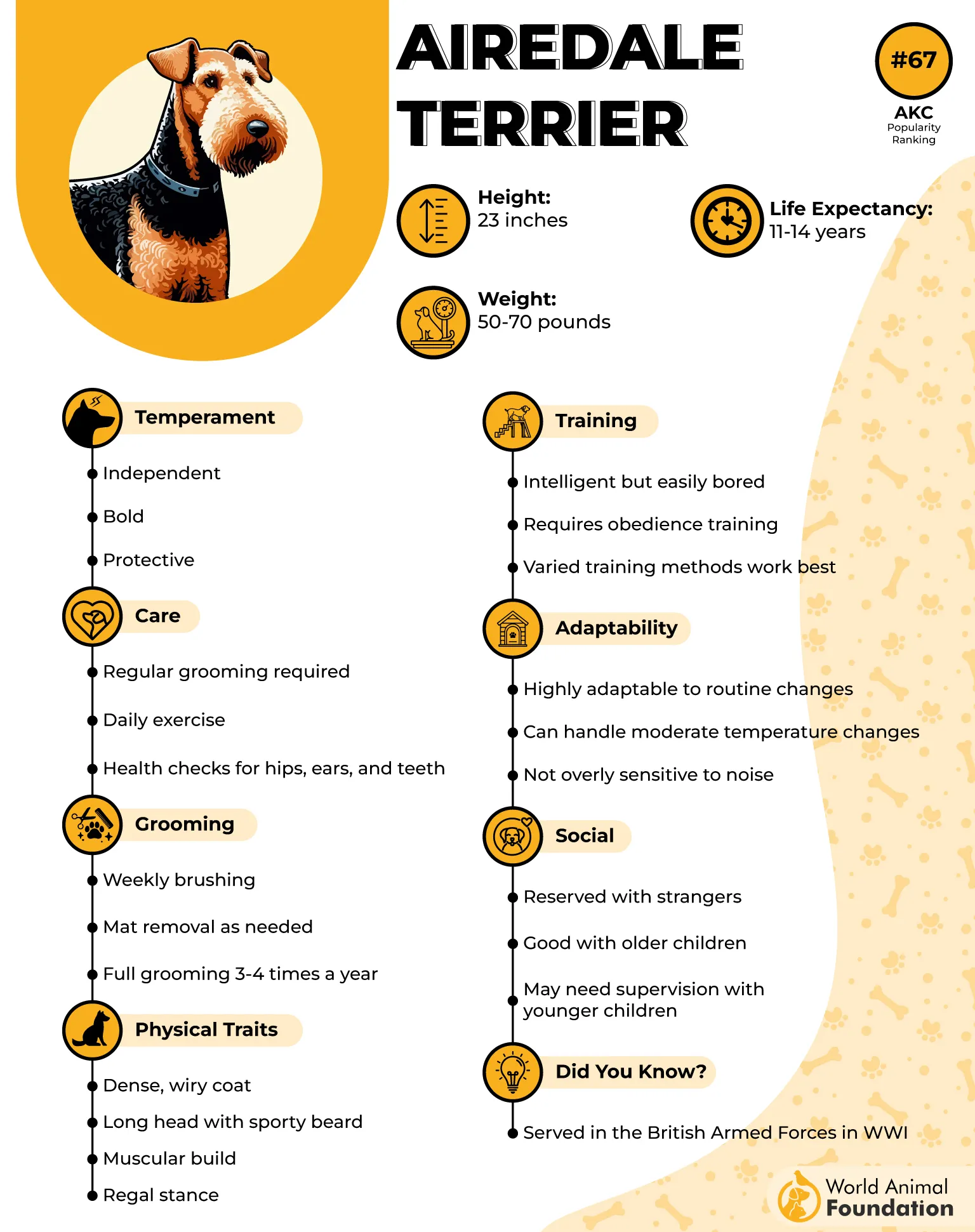
Field behavior shaped by alert independence
It moves with a curious, self-directed style that keeps it engaged even in complex outdoor settings, as Omlet notes. Without structured tasks, it tends to create its own activity through exploration and digging behavior. Consistent direction keeps its focus aligned with work-based tasks.
5. Weimaraner
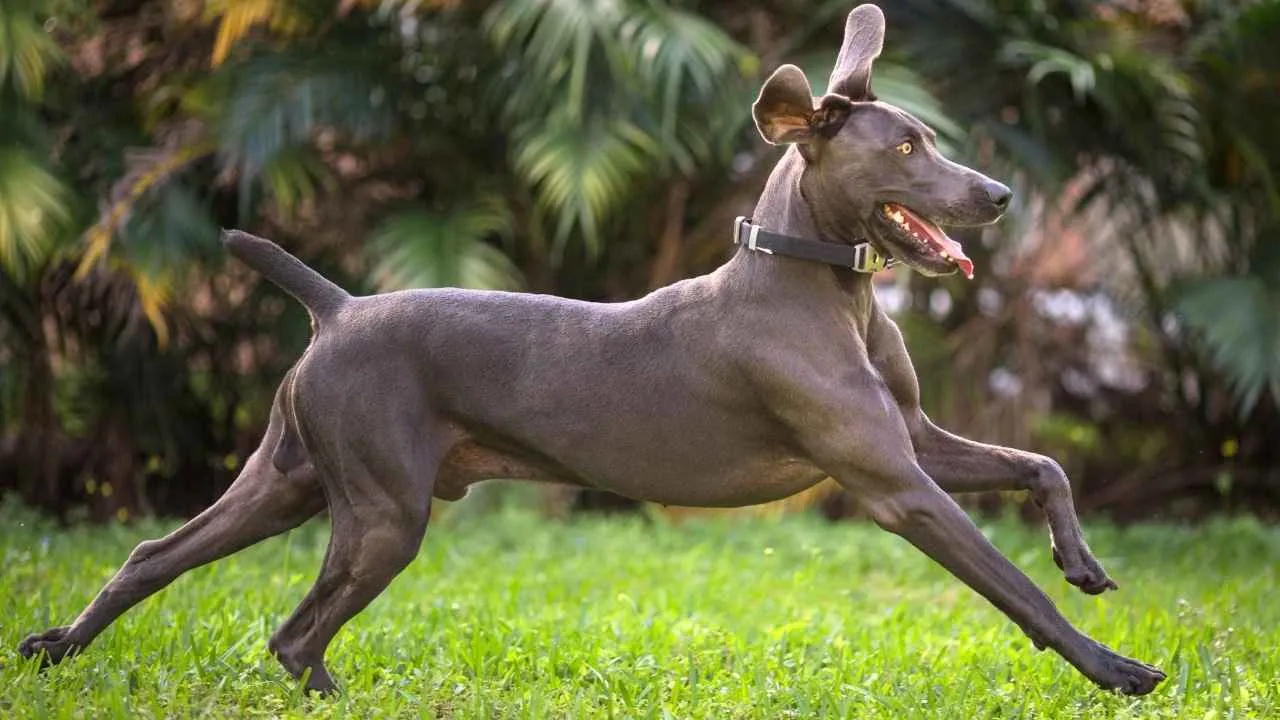
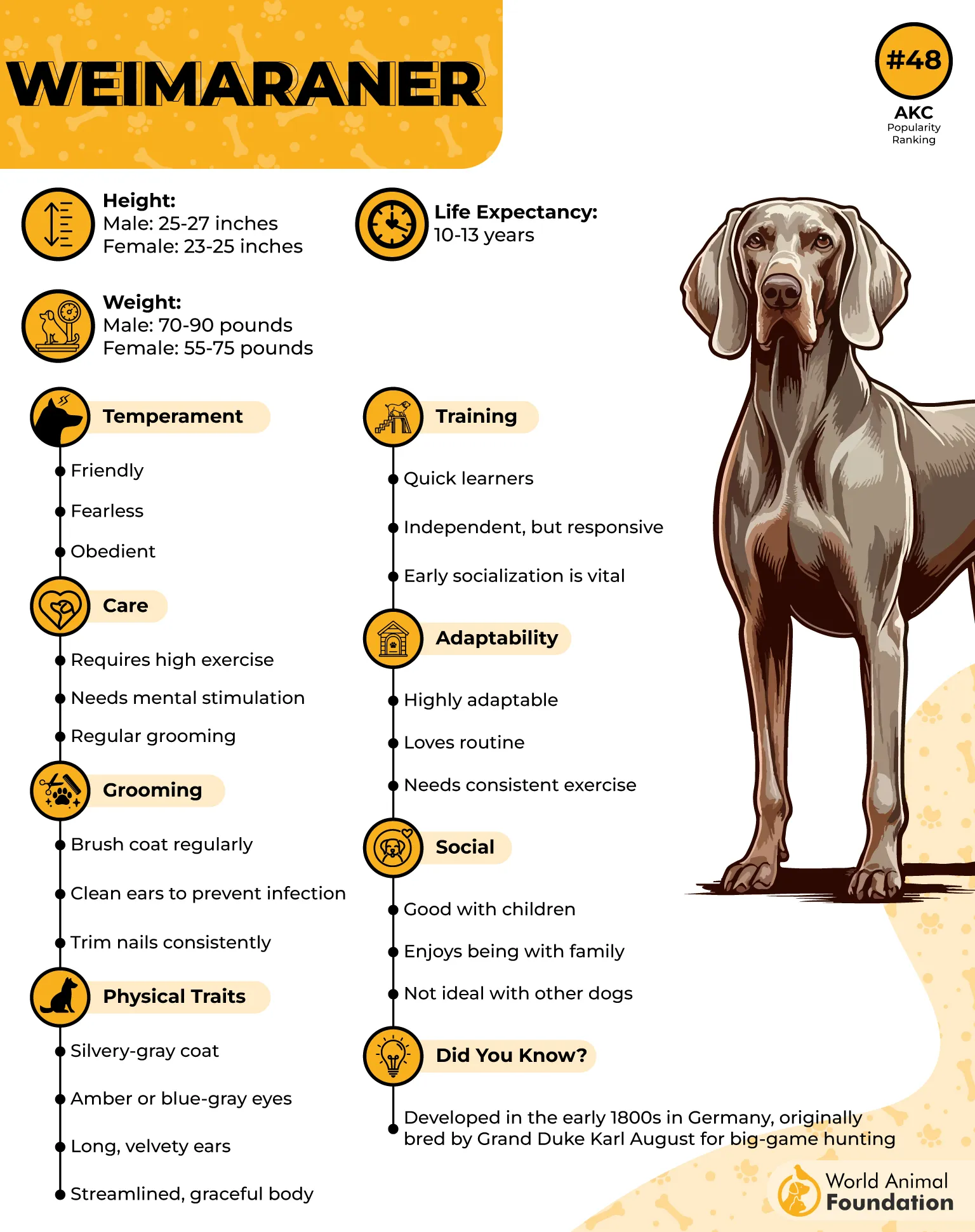
The Weimaraner traces back to early 19th-century German courts, where it was developed for aristocratic hunting of large game like bear, deer, and wild boar across demanding terrain.
Its identity also reflects its origin in the court of a hunting-focused duke, shaping both elegance and working intensity in one frame.
Long-limbed field hunter
Weimaraner moves with an extended stride and a gray-coated frame that stands out in open ground, while its long muzzle and alert posture support close tracking work during pursuit.
That structure reflects key working traits:
An extended stride suited for covering wide hunting grounds
Strong visual awareness during fast-moving pursuit
Persistent curiosity that scans the surroundings constantly
Behavior shaped by attachment and high-energy output
As a family dog, a Weimaraner forms a close bond with its human direction, often staying engaged through constant interaction and structured activity.
Without enough mental or physical involvement, its intelligence pushes it toward restless behaviors like chewing or digging. Its hunting drive may also extend toward smaller animals if not guided early.
6. Bluetick Coonhound
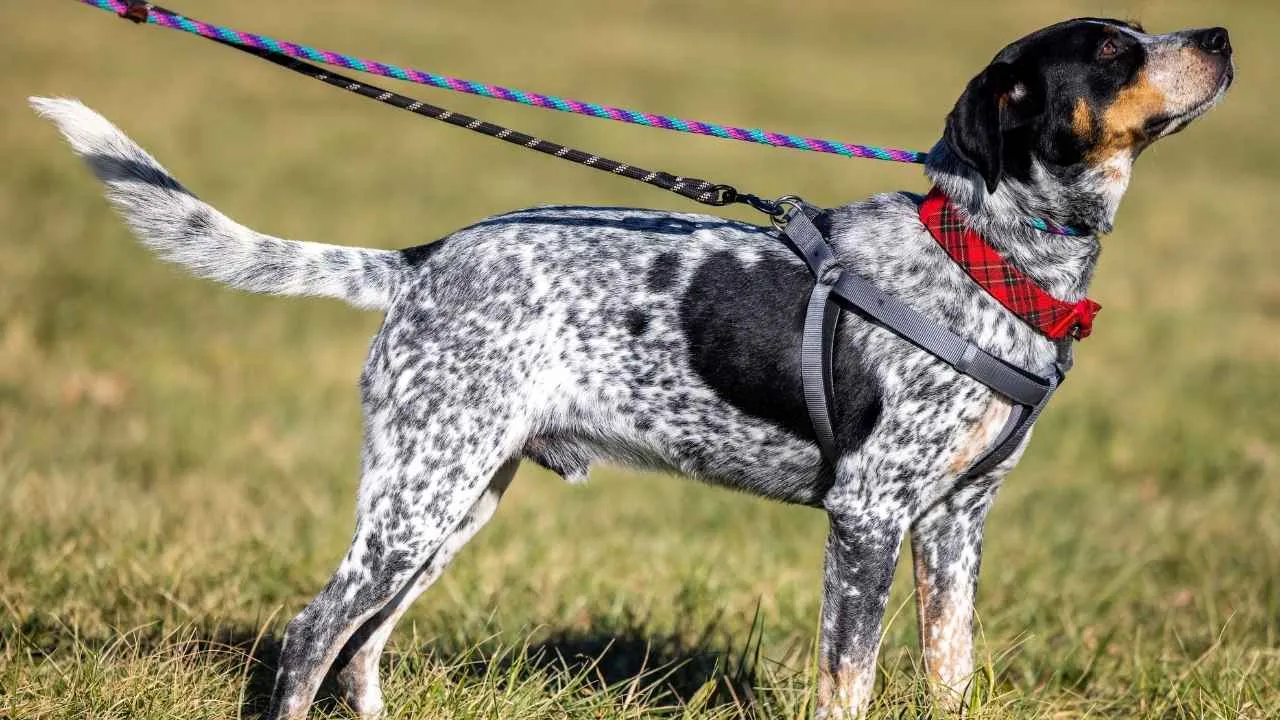
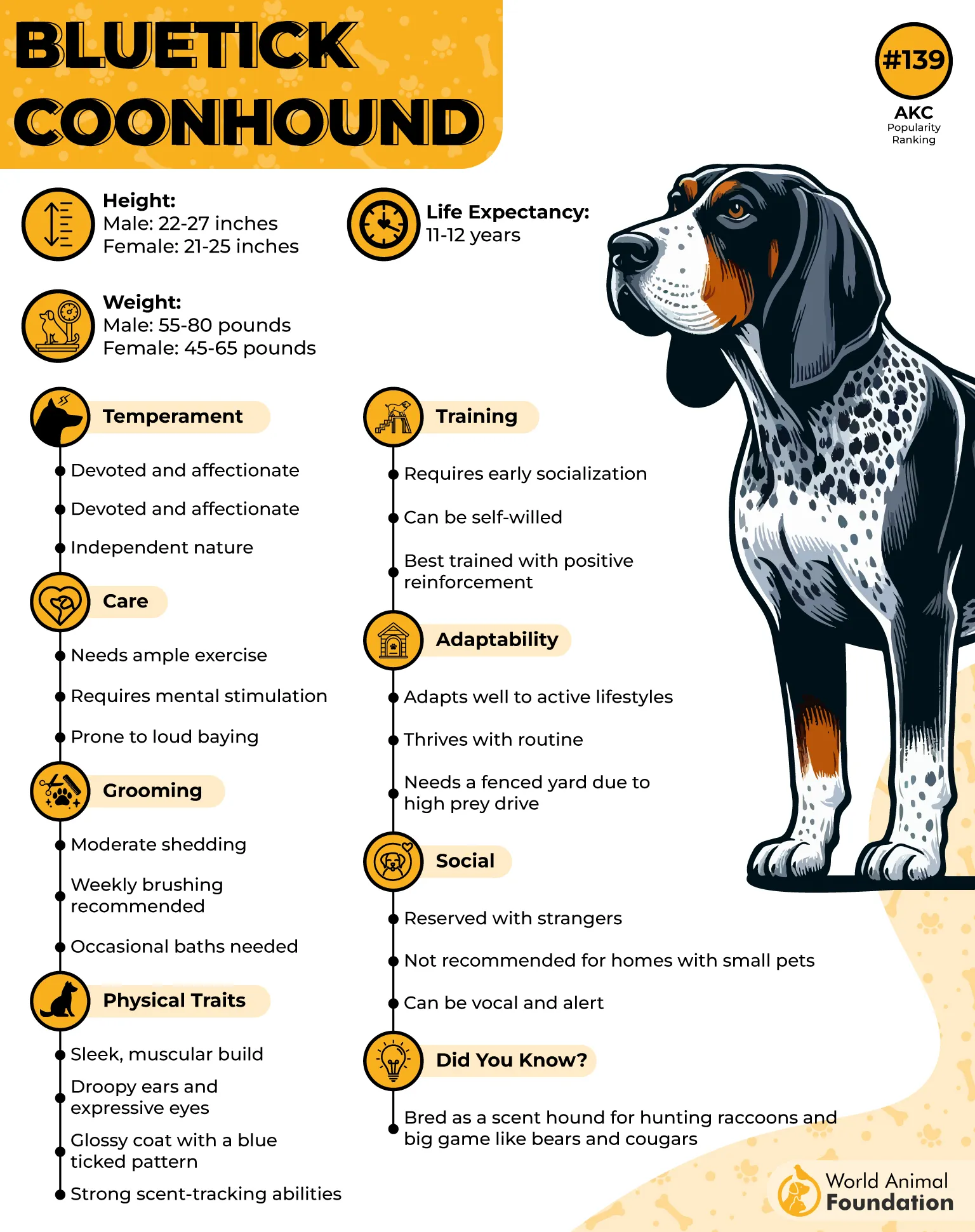
Bluetick Coonhound traces back to French staghounds brought into early American hunting lines, later linked to dogs gifted to George Washington by Marquis de Lafayette. Its development focused on long-distance scent pursuit through forests where tracking mattered more than speed bursts.
Scent-led field tracker
They work with a cold-nose style that locks onto faint trails and follows them across uneven terrain used in raccoon and larger game pursuit. Its build supports steady ground coverage rather than quick directional changes.
That tracking approach reflects key field functions:
Maintains scent focus across fading trails
Covers wide forest zones without losing direction
Works independently during long pursuit phases
Focused hunting behaviour
Its behavior stays tightly linked to scent engagement, often showing strong persistence once a trail is found. This same focus can lead to extended vocal signaling during pursuit, especially in open forest settings. Clear handling helps keep the drive structured during working activity.
7. Treeing Walker Coonhound
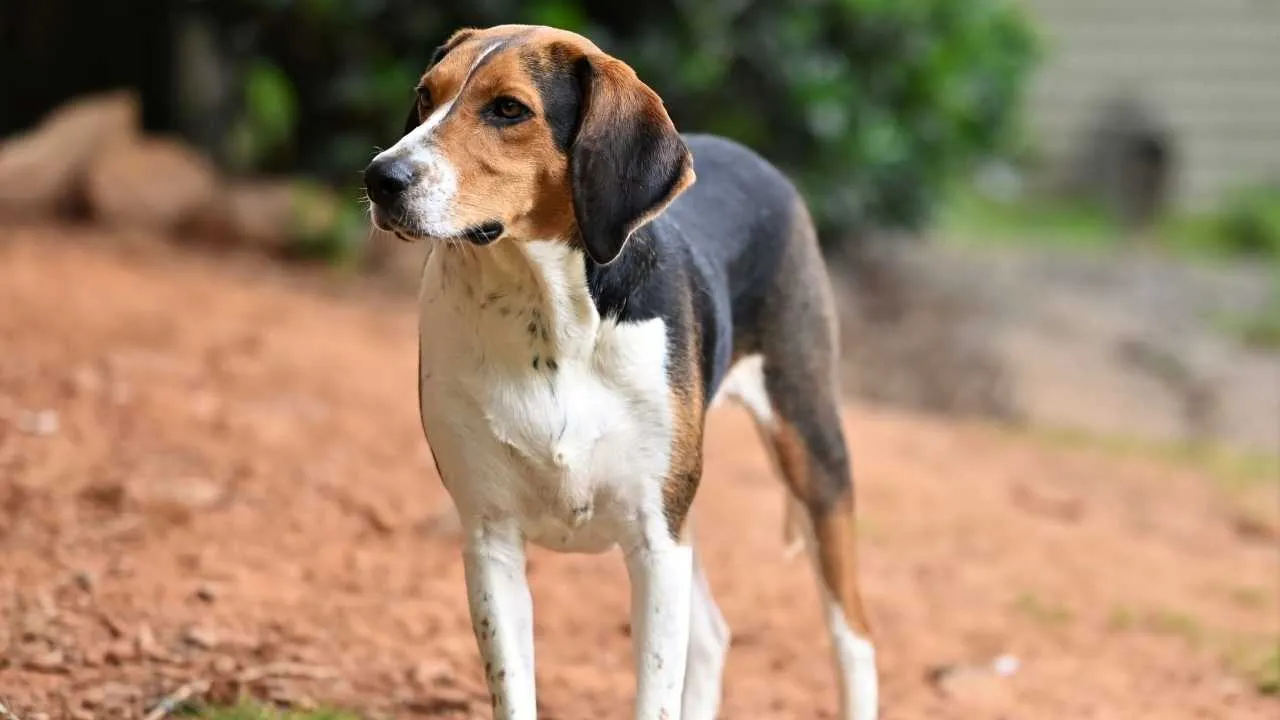
Treeing Walker Coonhound earned its place in American hunting culture as a fast, sharp-minded hound built for covering wide forest ground while tracking raccoons and other game with steady focus.
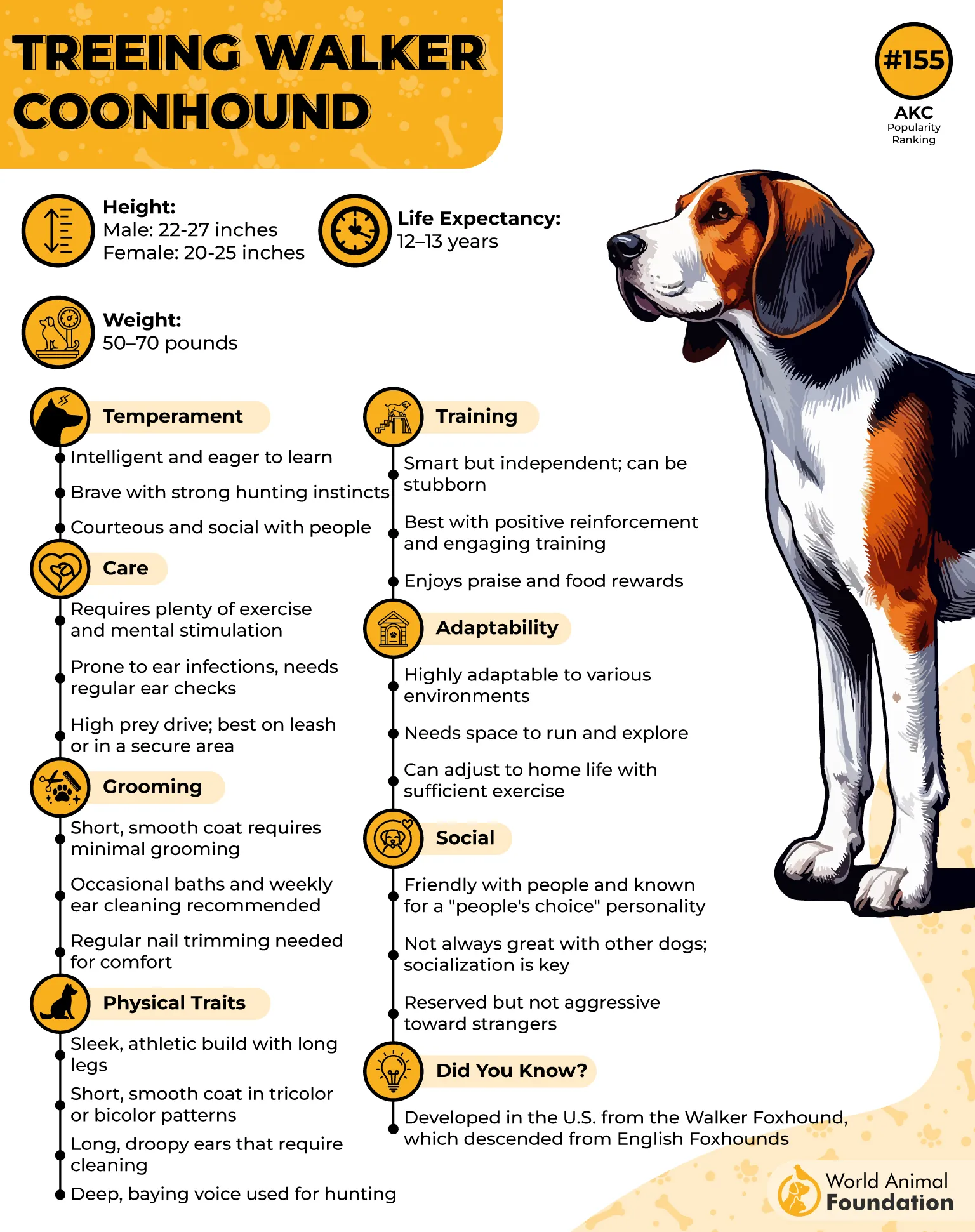
Known as “The People’s Choice,” its identity comes from speed, endurance, and a natural drive to push through long hunting nights.
Fast-ground tracker built for distance pressure
They move with long, efficient strides and a streamlined frame that helps them stay ahead in wide tracking runs. Its muscular hindquarters and alert nose work together to lock onto scent trails that stretch across challenging paths.
That field design shows up in action patterns:
Strong ground-covering stride during long pursuit
High scent persistence across dense forest routes
Quick directional response when tracking shifts
Work-rest balance in behavior
Its behavior stays driven by movement and scent, often showing intense focus once a trail is picked up. At the same time, it keeps a friendly, open temperament around people when off duty, making its switch between work and rest quite distinct.
Conclusion
Wild boar hunts place dogs in situations where stamina, focus, and control matter just as much as strength. Thick woods, uneven terrain, and aggressive wild hogs quickly expose breeds that are not truly built for demanding hunting work. Once the chase becomes longer and more unpredictable, a strong nose starts separating reliable dogs from the rest.
The breeds covered here continue proving themselves because their instincts were shaped around difficult pursuit work over generations. Some dominate through scent tracking and persistence across rough ground, while others rely on courage and controlled pressure during close encounters with large and small game. What ties them together is why hog hunters trust them to stay composed and effective in hunts where conditions rarely stay easy for long.
