




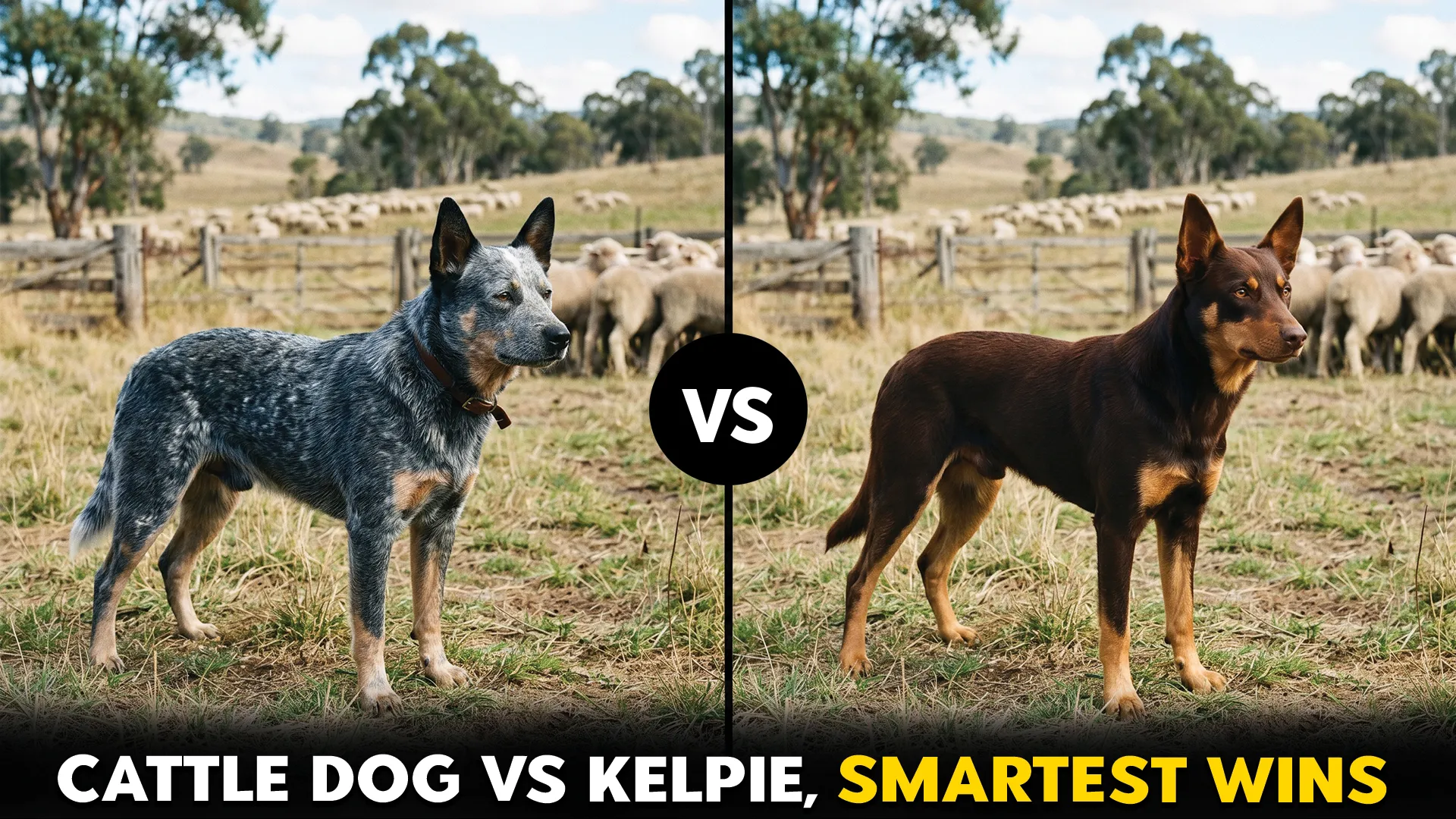
Australian Cattle Dogs and Australian Kelpies are two of the hardest-working herding breeds you’ll ever meet, each built for long days, sharp thinking, and nonstop action.
Both are known for their intelligence, loyalty, and strong work drive, which can make choosing between them surprisingly tricky.
But when it comes to “smarts,” what does that really mean for a dog? Is it trainability, problem-solving, or the ability to work independently in the field?
In this comparison, we’ll break down how these two Australian working dogs think, learn, and perform, so you can decide which herding powerhouse truly stands out.
Australian Cattle Dog vs. Kelpie: Which Herding Dog Is Actually Smarter?
Origins & Purpose
Both breeds were shaped by Australia’s demanding farming conditions, but they were developed with slightly different goals in mind.
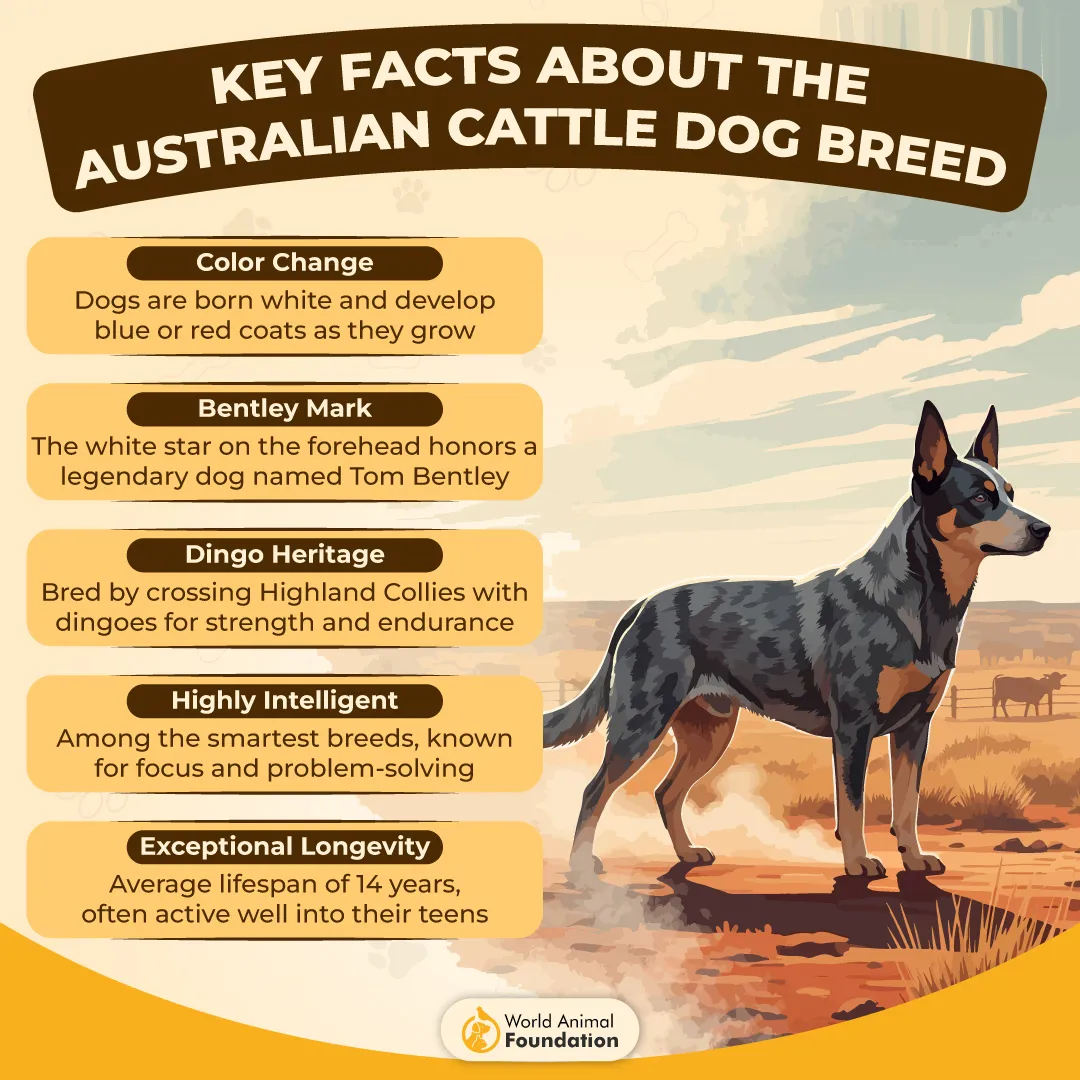
According to the AKC, the Australian Cattle Dog, or the Blue Heeler, was bred to move stubborn cattle across long distances, combining endurance, toughness, and problem-solving ability. Its lineage includes early British herding dogs and the Dingo, creating a resilient, highly intelligent, and capable worker.
The Australian Kelpie, on the other hand, was refined primarily for herding sheep. Descended from Scottish collies, it became known for its agility, speed, and ability to work independently across vast open land.
In simple terms, the Cattle Dog is a powerhouse built for control and pressure, while the Kelpie is a nimble specialist designed for fast-paced herding and adaptability.
Size & Physical Build
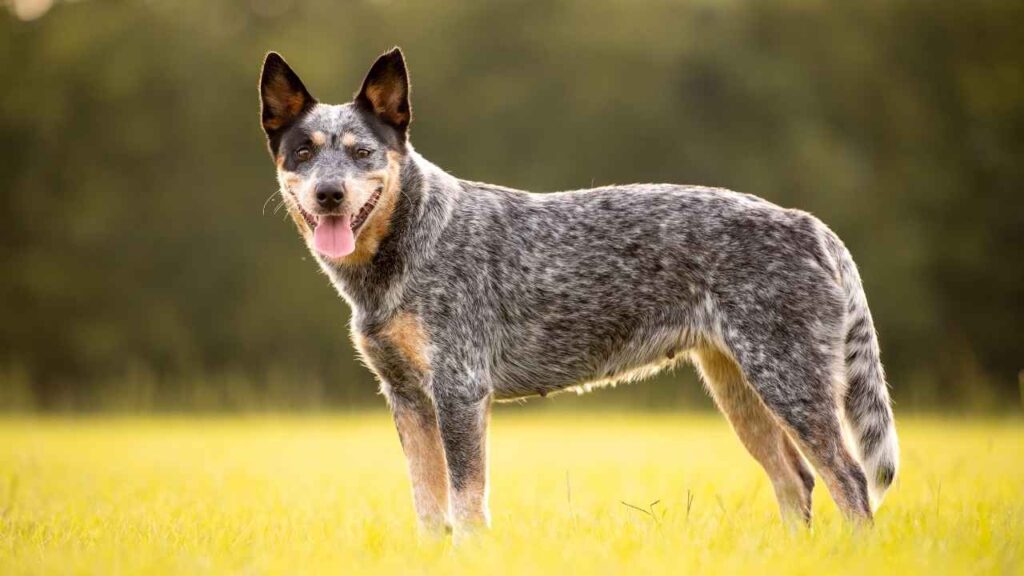
At first glance, these breeds look similar in size, but their builds reflect different working styles. Australian Cattle Dogs are compact, muscular, and sturdy, typically standing around 17–20 inches tall with a strong, stocky frame built for strength and endurance.
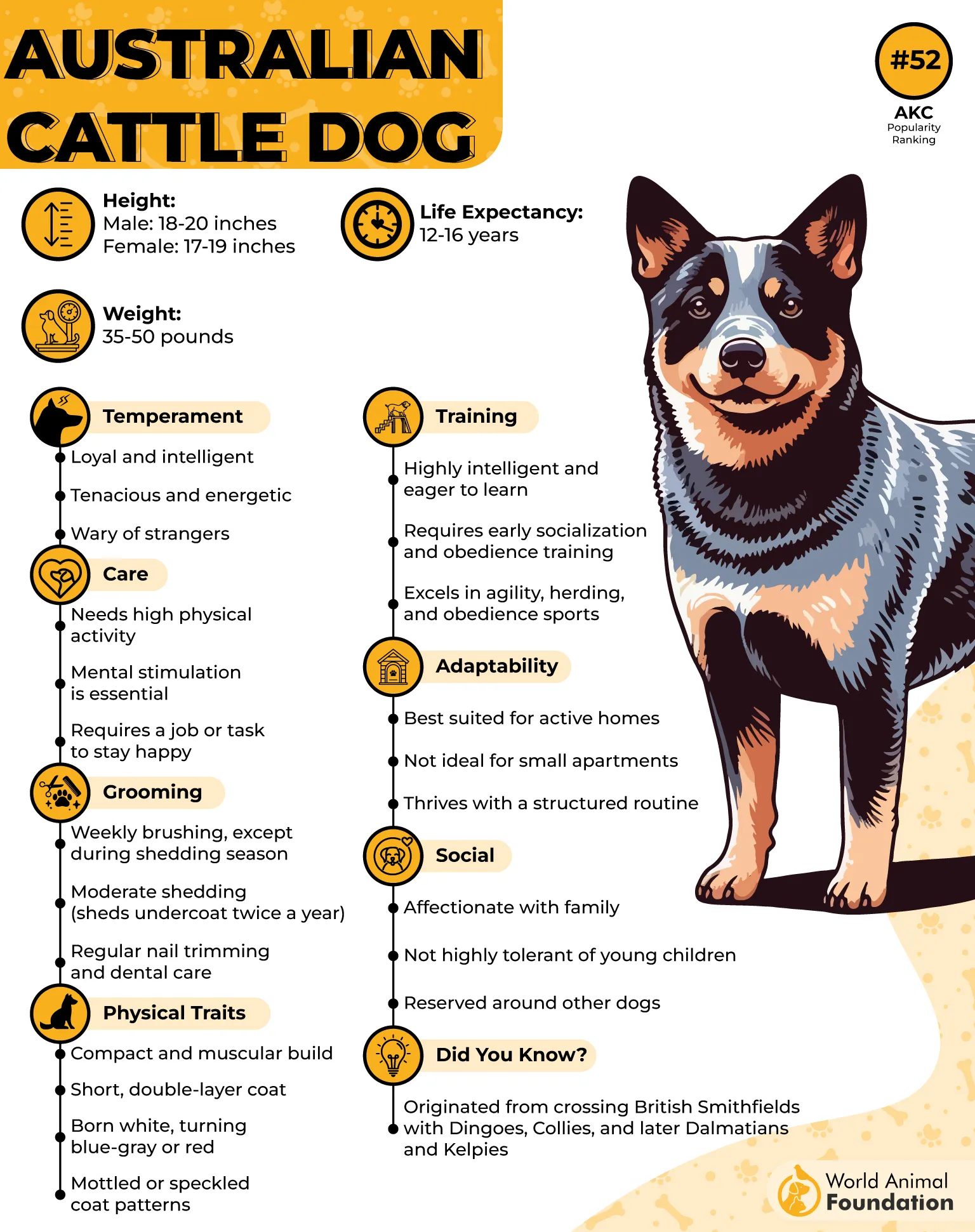
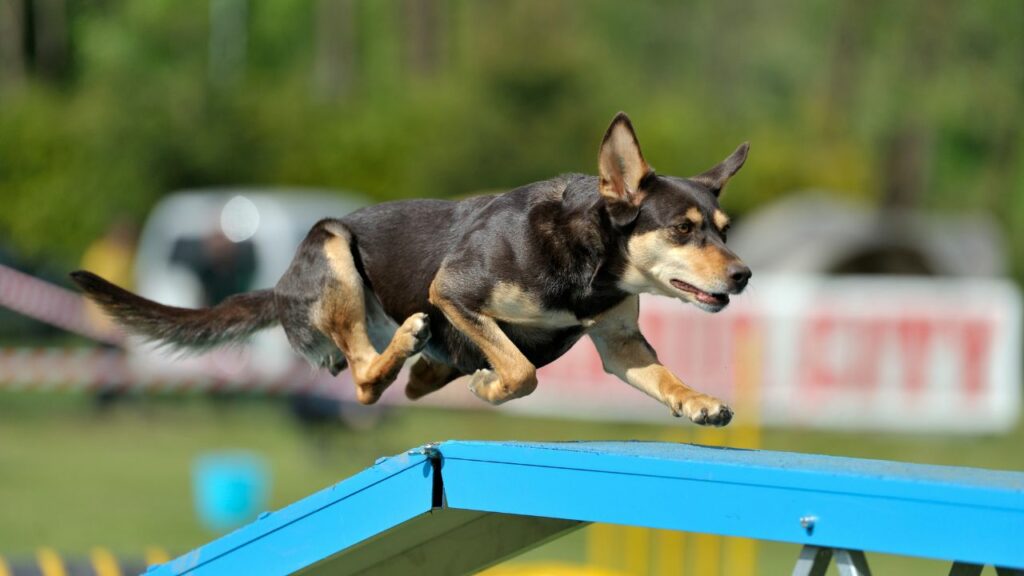
Kelpies fall in a similar height range but are noticeably leaner and more athletic in appearance. Their lighter frame allows for quick movements, sharp turns, and sustained speed while working livestock.
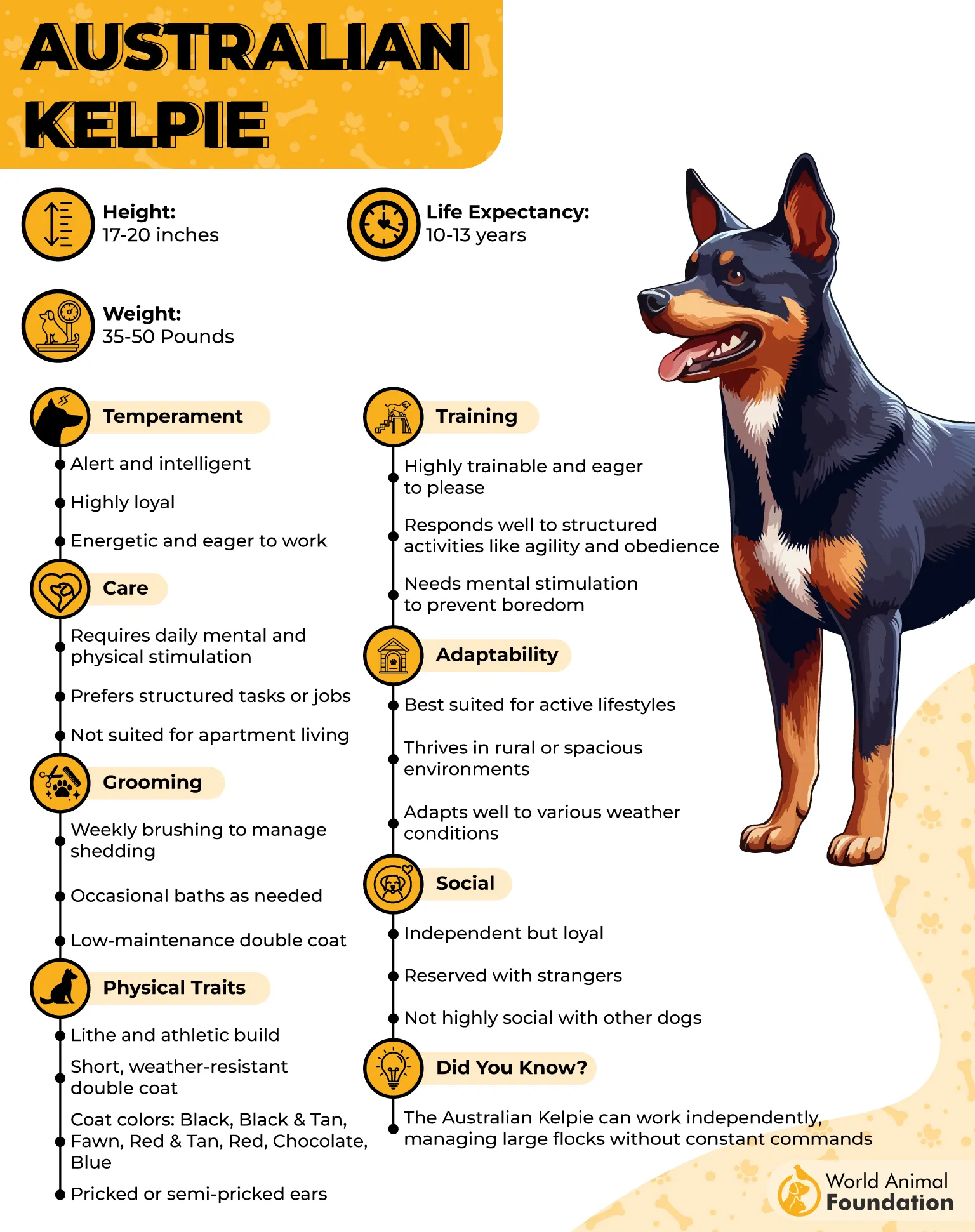
The difference is functional. The Cattle Dog’s heavier build helps it handle tough cattle, while the Kelpie’s streamlined body supports agility and long-distance work. Both are efficient, just in different ways.
Temperament & Personality
Australian Cattle Dogs are known for their intense loyalty and protective instincts. They often form a strong bond with one person and can be cautious around strangers, making them naturally alert and watchful companions.
Kelpies are equally loyal but tend to be more outgoing and adaptable in social settings. As per PetMD, they thrive on interaction, enjoy having a job, and can settle well with their family once their energy is spent.
Both breeds are highly driven and intelligent, but their personalities differ in tone. The Cattle Dog leans toward protective and independent, while the Kelpie is more energetic, responsive, and eager to stay constantly engaged.
Exercise & Energy Levels
These are not low-energy dogs, and both demand serious daily activity. Australian Cattle Dogs require regular physical exercise, such as running, agility work, or structured play, to stay balanced and avoid boredom-related behaviors.
Kelpies take that intensity even further. Bred for long hours of farm work, they need both physical exercise and mental stimulation throughout the day. Without it, they can quickly become restless or destructive, as noted by Purina.
In practical terms, both breeds suit highly active owners. However, the Kelpie often requires more continuous engagement, while the Cattle Dog can adapt slightly better to structured routines.
Training & Intelligence
Both breeds rank among the most intelligent working dogs, but they express it differently. Australian Cattle Dogs are excellent problem-solvers and highly trainable, though they can show a stubborn streak and benefit from consistent, firm guidance. Because they were bred to control tough cattle, they are confident decision-makers and may try to take charge if training is inconsistent.
Kelpies are equally smart and often more eager to please, making training feel smoother when paired with positive reinforcement. Their natural drive to work helps them stay focused and responsive during training sessions. They usually do best when commands are clear, active, and connected to a task, such as herding, agility, or obedience work.
The key distinction lies in style. Cattle Dogs think independently and may challenge commands, while Kelpies tend to respond quickly and enthusiastically, especially when given a clear task to complete. Both breeds need mental stimulation, as boredom can lead to problem behaviors.
Coat Maintenance
Both breeds have practical, weather-resistant coats suited to outdoor work. Australian Cattle Dogs have a dense double coat that sheds regularly and needs brushing, especially during seasonal shedding.
Kelpies also have a double coat, but their grooming needs are usually lighter. Weekly brushing is often enough to remove loose hair and keep the coat healthy.
Neither breed is difficult to groom, but the Cattle Dog may need more frequent brushing. Both breeds also need basic care such as nail trimming, ear checks, dental care, and occasional baths. Since they are active outdoor dogs, it is also useful to check their paws and skin after heavy work.
Health & Lifespan
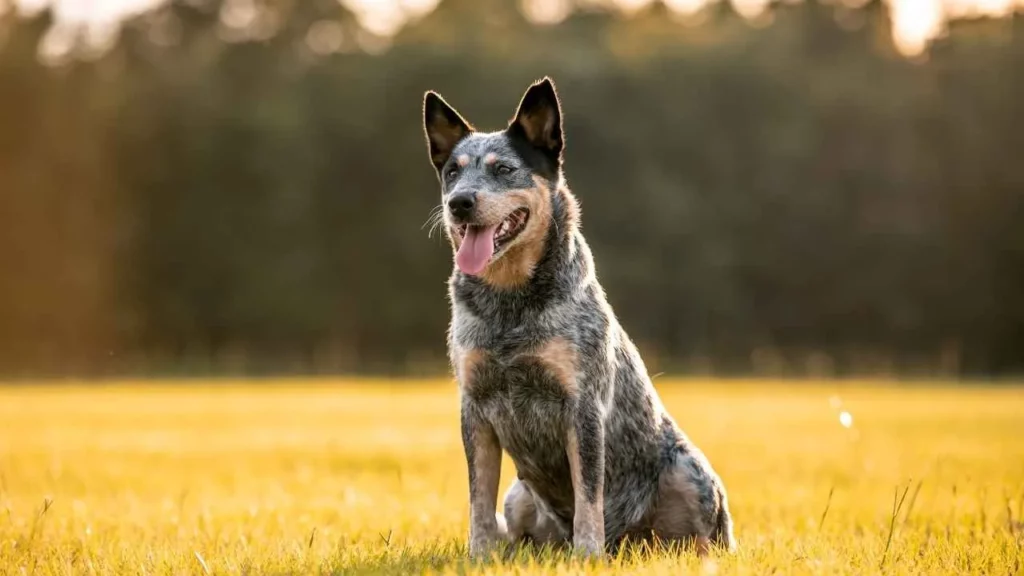
Australian Cattle Dogs are considered a hardy breed with relatively few major health concerns, though they can be prone to conditions like hip dysplasia, deafness, and certain eye issues. They are known for their toughness and can remain active well into their senior years when properly cared for.
Kelpies are also generally healthy but may face issues such as hip dysplasia, progressive retinal atrophy, and some joint-related conditions. Their lifespan typically ranges from 10 to 13 years. Because they are energetic working dogs, joint health and injury prevention are especially important.
Overall, both breeds are robust working dogs when properly cared for. Regular vet checkups, proper exercise, and a balanced diet play a key role in maintaining their long-term health. Owners should also avoid overfeeding, as extra weight can place unnecessary stress on their hips, legs, and back.
Suitability as Farm Dog vs. Guard Dog
Both breeds are excellent farm dogs, but they are suited to slightly different jobs. Australian Cattle Dogs are strong, confident livestock controllers and are especially useful for working cattle. They handle pressure well and can be firm with stubborn animals.
Kelpies are better known for speed, stamina, and large-scale herding, especially with sheep. They can cover wide spaces quickly and work efficiently over long periods.
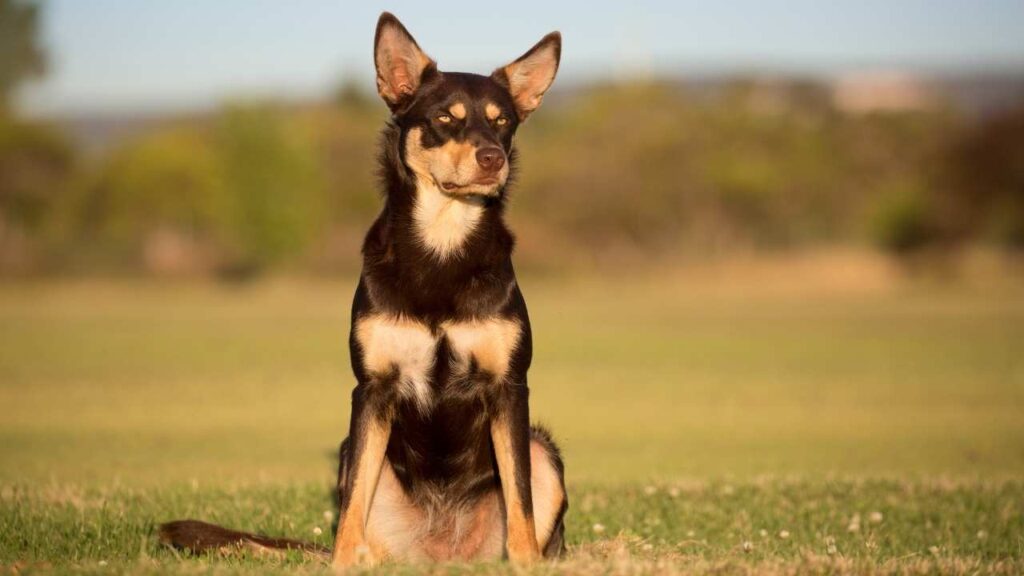
As guard dogs, Australian Cattle Dogs usually have the advantage. They are naturally alert, protective, and more likely to defend their home or property. Kelpies can be good watchdogs, but they are generally less defensive.
Choose a Cattle Dog if you need a tough cattle worker and a stronger protector. Choose a Kelpie if you need a fast, responsive herding dog for large open areas.
Conclusion
Both the Australian Cattle Dog and the Australian Kelpie are exceptionally intelligent, hardworking herding breeds, but their strengths show up in different ways.
The Cattle Dog stands out for its toughness, loyalty, and protective instincts, making it a strong all-around worker and watchdog, whether the job is to herd cattle or protect. The Kelpie, on the other hand, excels in speed, agility, and responsiveness, thriving in fast-paced herding environments.
When it comes to “smarter,” it depends on what you value. For independent problem-solving, the Cattle Dog shines. For quick learning and responsiveness, the Kelpie takes the lead. The better choice ultimately comes down to your lifestyle and the job you need your dog to do.
If you’re looking at more such breeds, the Border Collie is also a great dog breed that is highly intelligent with a strong herding instinct.
