




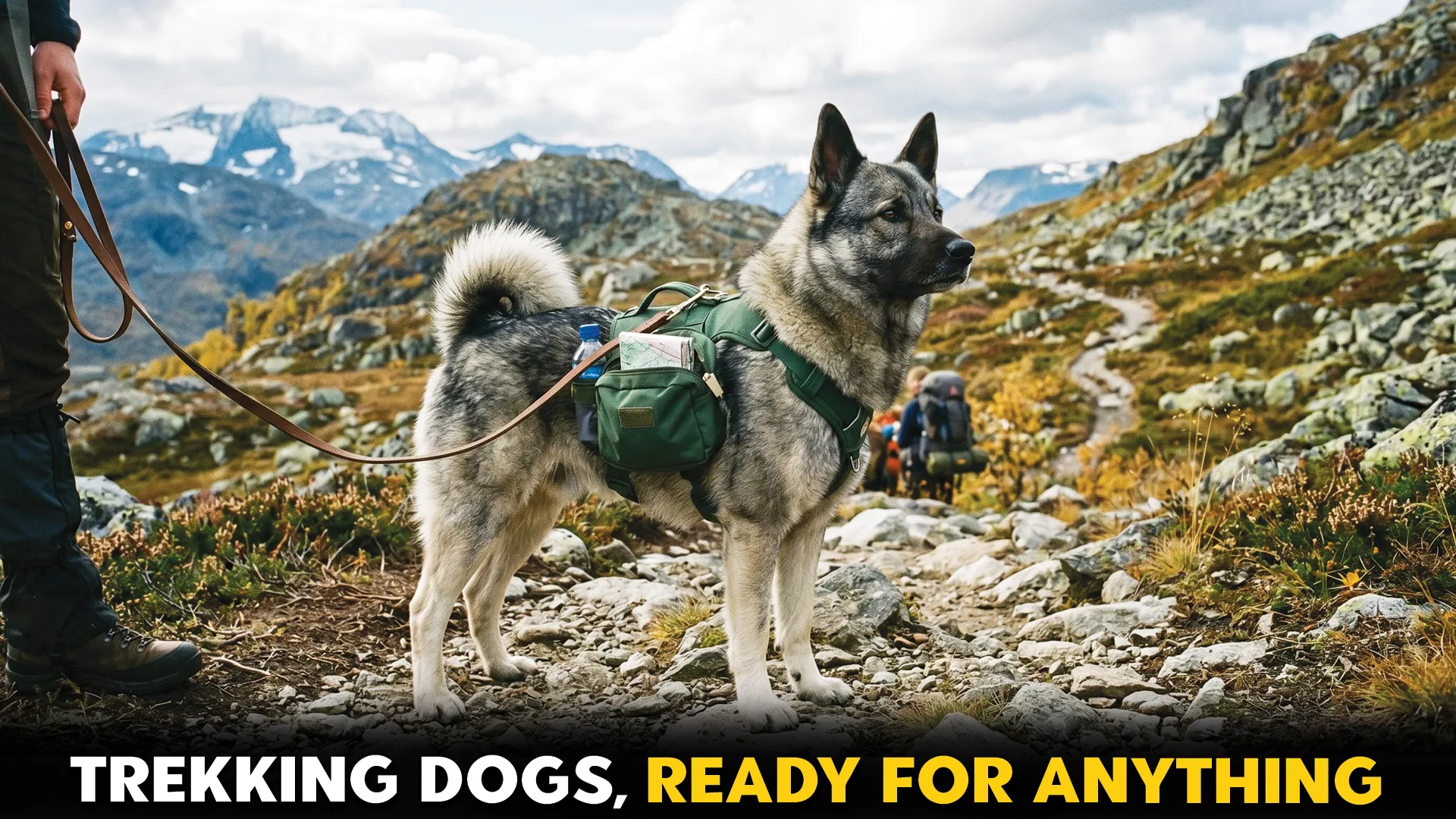
Some dogs hear the word “hike” and immediately start acting like they are training for an expedition across the Rockies. Mud? Amazing. Steep trails? Even better. Random forest sounds at 2 a.m.? They are already investigating while you are still figuring out where you packed the flashlight.
The truth is, not every dog is built for rugged outdoor adventures or survival-style living. Some breeds were practically designed for long treks, rough weather, difficult terrain, and staying alert when things get unpredictable. These dogs thrive when they have space to roam, a challenge to tackle, and a human willing to keep up with them.
And honestly? Watching a tough adventure dog power through the wilderness like it owns the mountain is pretty unforgettable. So, let’s go ahead and meet these wonderful breeds.
Did you know?
Dogs often form even stronger emotional bonds with familiar humans than with other dogs they know well. A familiar person’s scent can be incredibly comforting to them, which may explain why many dogs insist on following their favorite human absolutely everywhere.
Dog Breeds That Excel in Wilderness Survival and Rugged Trek
1. Alaskan Malamute
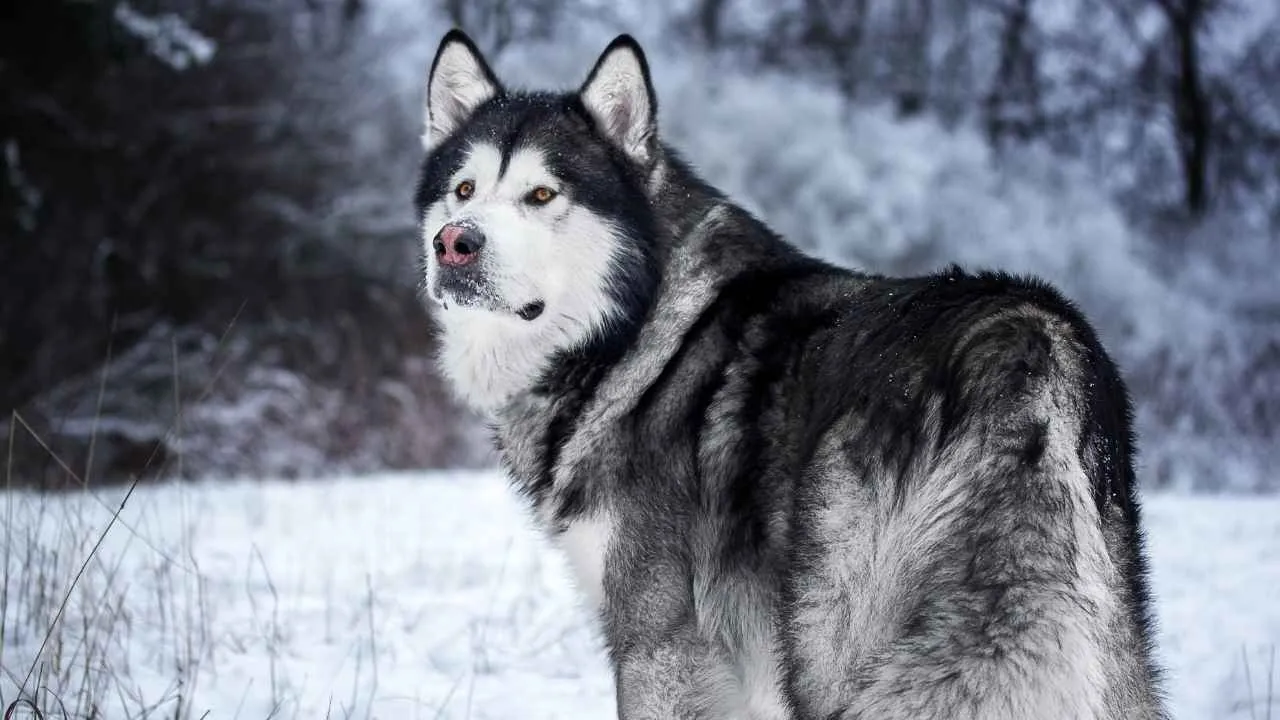
Snowstorms, icy trails, and rough terrain do not exactly scare an Alaskan Malamute. This dog looks like it walked straight out of an Arctic survival story with a big fluffy coat and the attitude of a seasoned wilderness explorer who forgot what “bad weather” even means.
Long before modern hiking gear existed, Alaskan Malamutes worked alongside the Mahlemiut Inuit tribe hauling heavy loads across huge frozen distances. During the Gold Rush and polar expeditions, these dogs earned a reputation for powering through brutal conditions without backing down halfway through the journey.
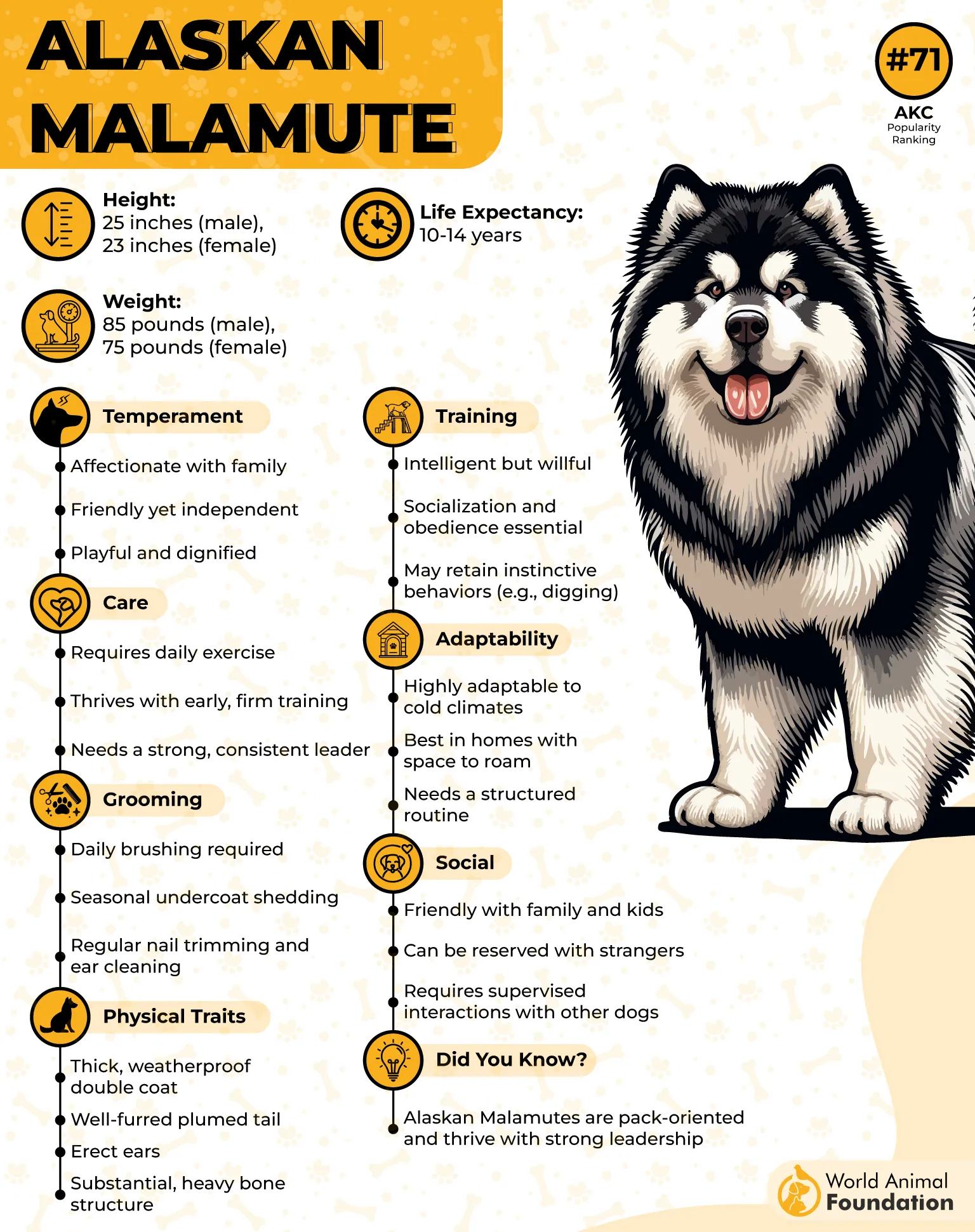
Out on rugged treks, Malamutes bring endurance, strength, and serious determination. They enjoy hiking, backpacking, sledding, and other physically demanding activities that let them move with purpose. A bored Malamute will absolutely invent its own entertainment, and your backyard fence may not survive the experience.
Why This Breed Excels in Wilderness Survival and Rugged Trek
Dense weatherproof coat helps handle freezing temperatures comfortably
Strong problem-solving instincts keep them mentally engaged during long adventures
2. Norwegian Elkhound
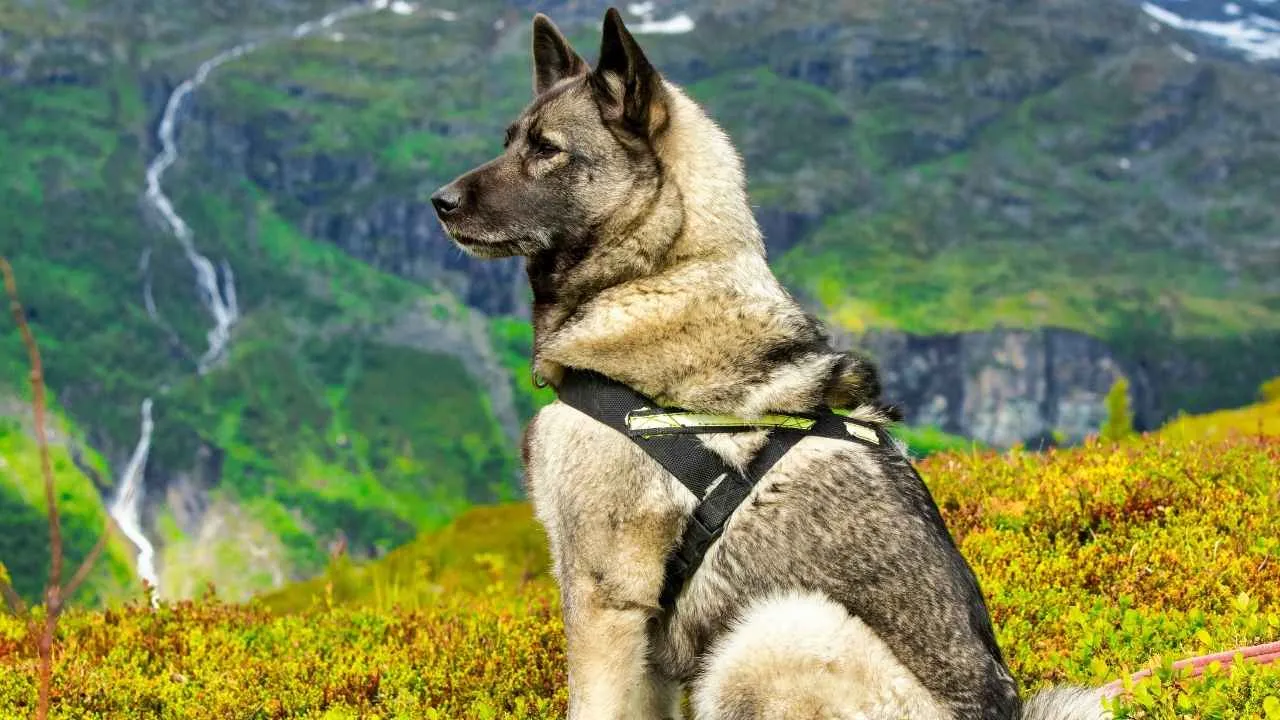
A Norwegian Elkhound looks like the kind of dog that would casually guide you through a snowy forest while you are still trying to figure out where your gloves disappeared. These silver-gray dogs carry serious “ancient northern legend” energy everywhere they go.
Vikings sailed with Norwegian Elkhounds long before outdoor adventure became a weekend hobby. These fearless dogs tracked massive moose across rugged Scandinavian landscapes and stood guard beside wandering Norse explorers, hunters, and remote farm families surrounded by wolves and bears.
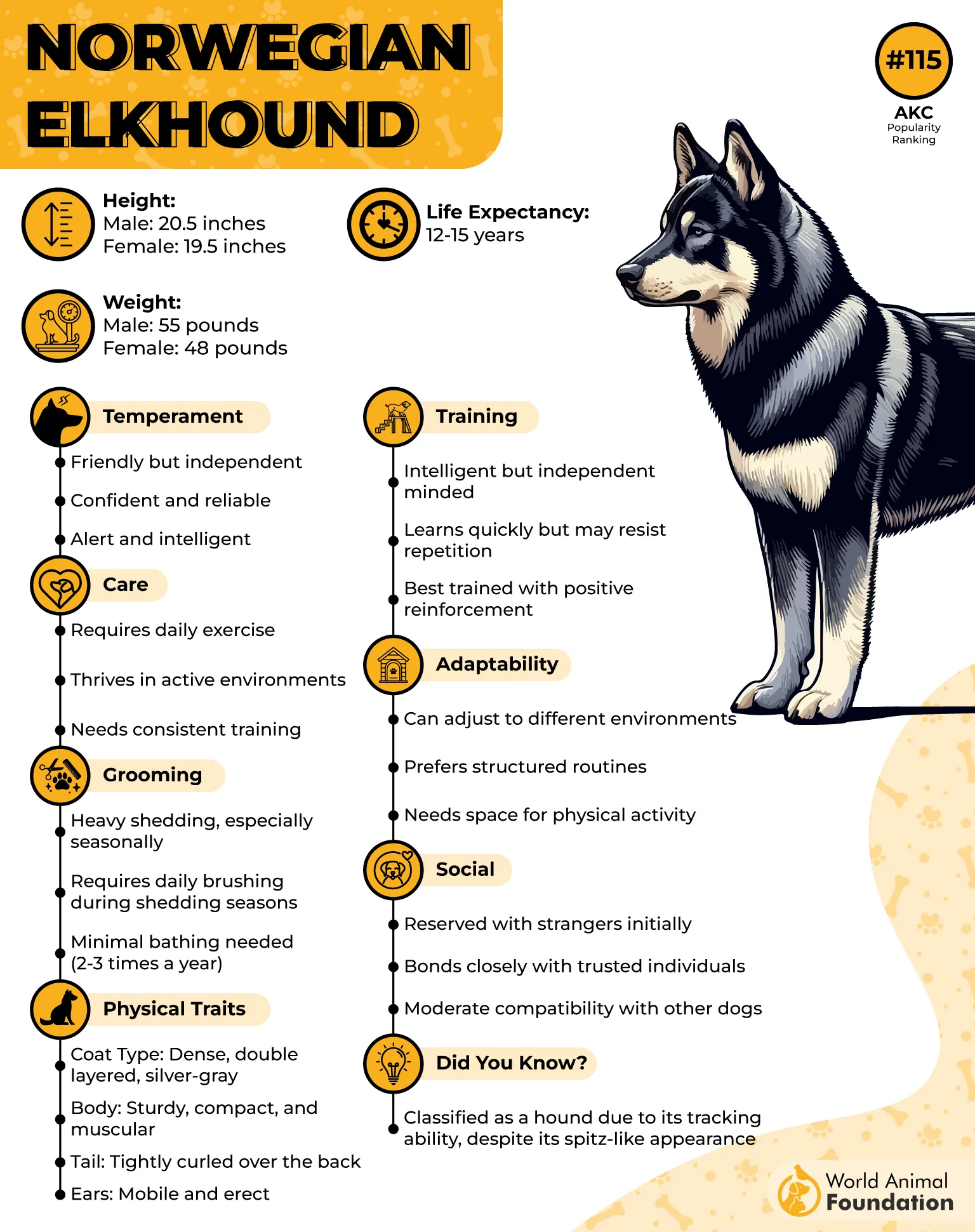
As noted by PetMD, Norwegian Elkhounds have an independent streak, so training works best when it stays positive, fun, and reward-based. These dogs enjoy activities like hiking, swimming, agility, and long outdoor walks that keep both their bodies and busy minds fully engaged.
Why This Breed Excels in Wilderness Survival and Rugged Trek
Comfortable spending long hours outdoors in cold climates
Naturally alert and vocal when something unusual grabs their attention
3. Vizsla
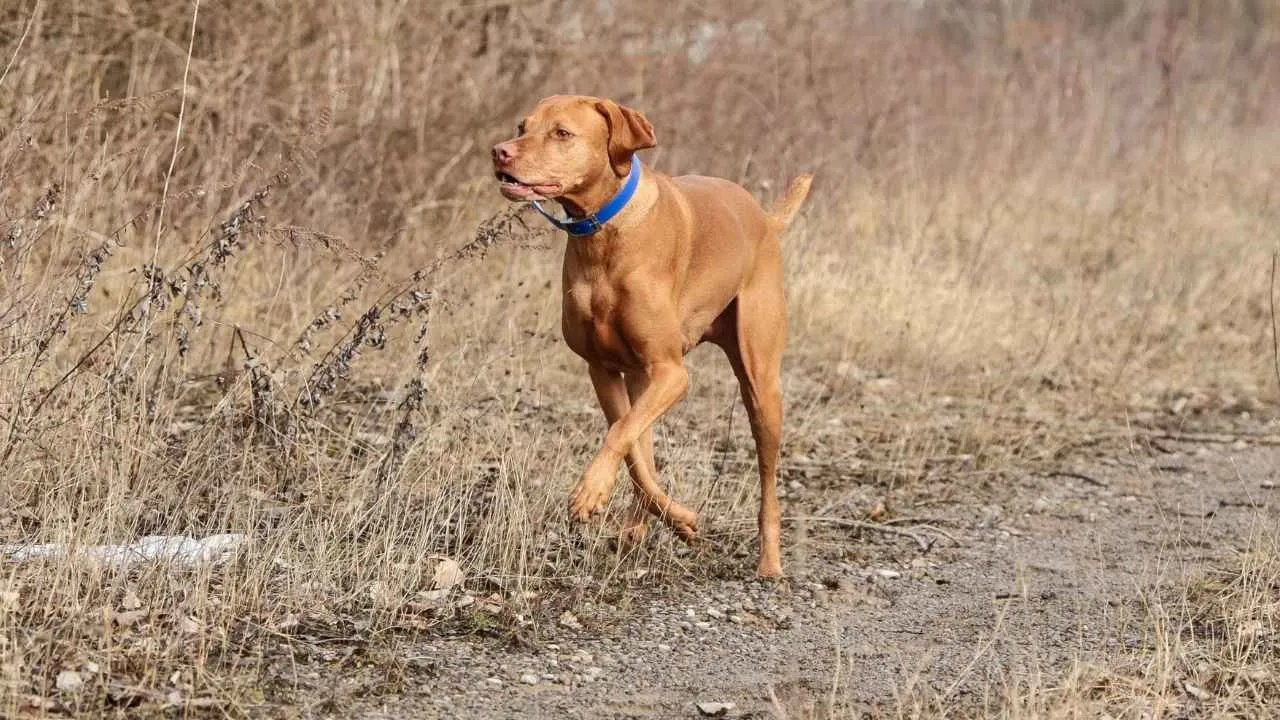
The Vizsla moves through the outdoors like it drank three espressos and immediately signed up for an all-day hiking trip. This sleek red-coated dog is fast, energetic, wildly affectionate, and somehow still convinced it belongs directly in your lap after every adventure.
Originally bred alongside the Magyar people and later refined by Hungarian nobles, the Vizsla became an all-purpose hunting companion built for speed, agility, and endurance. These dogs spent centuries keeping pace with horseback hunters and working closely beside humans in the field.
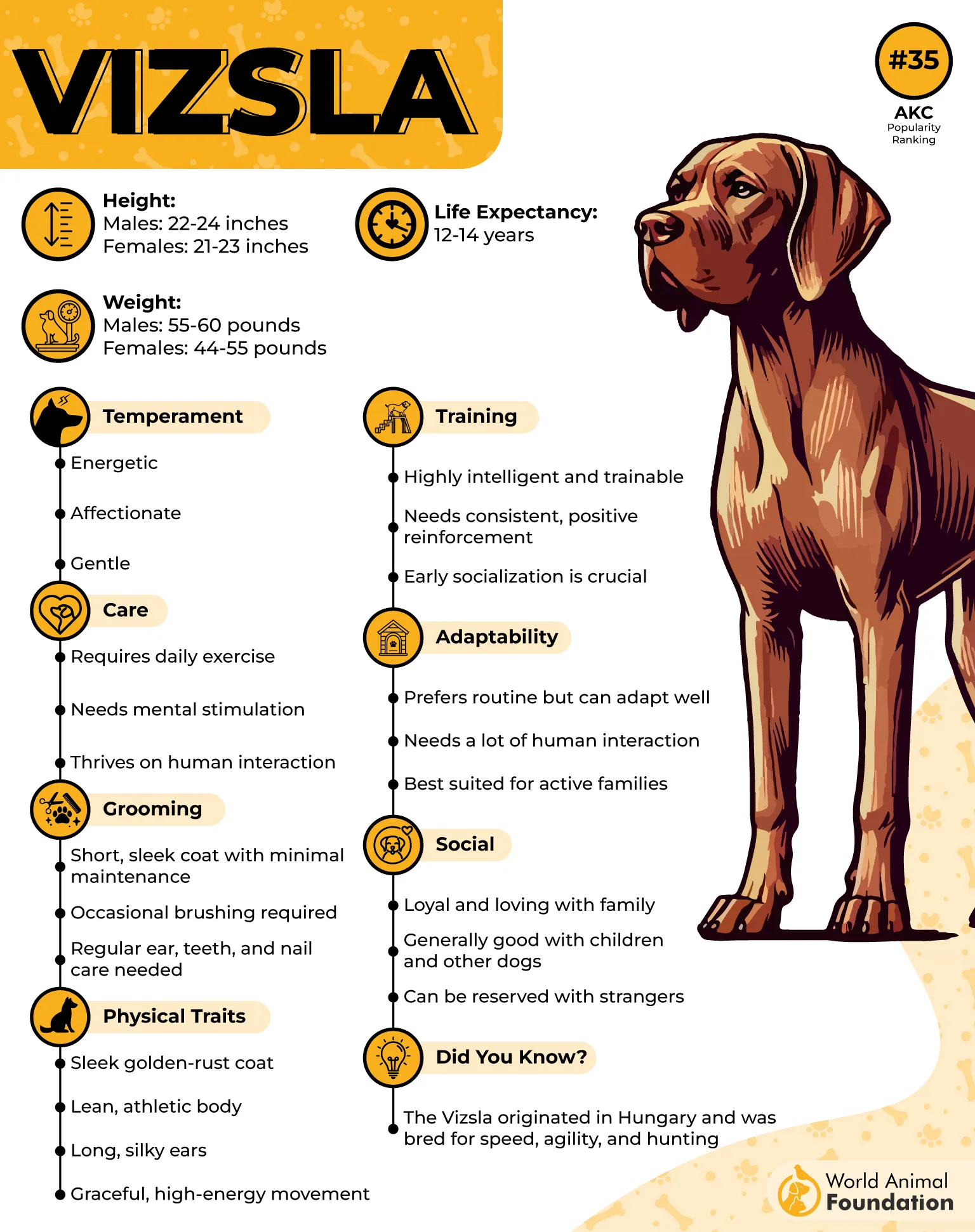
Energy levels with a Vizsla are absolutely not casual. These athletic dogs crave physical activity, mental stimulation, and outdoor adventures that let them run, track, and explore. Hiking trails, jogging routes, and active days outside suit them perfectly because sitting still for too long is simply not their personality.
Why This Breed Excels in Wilderness Survival and Rugged Trek
Highly trainable and eager to participate in different challenges
A lean athletic build allows smooth movement across long distances
4. German Shepherd
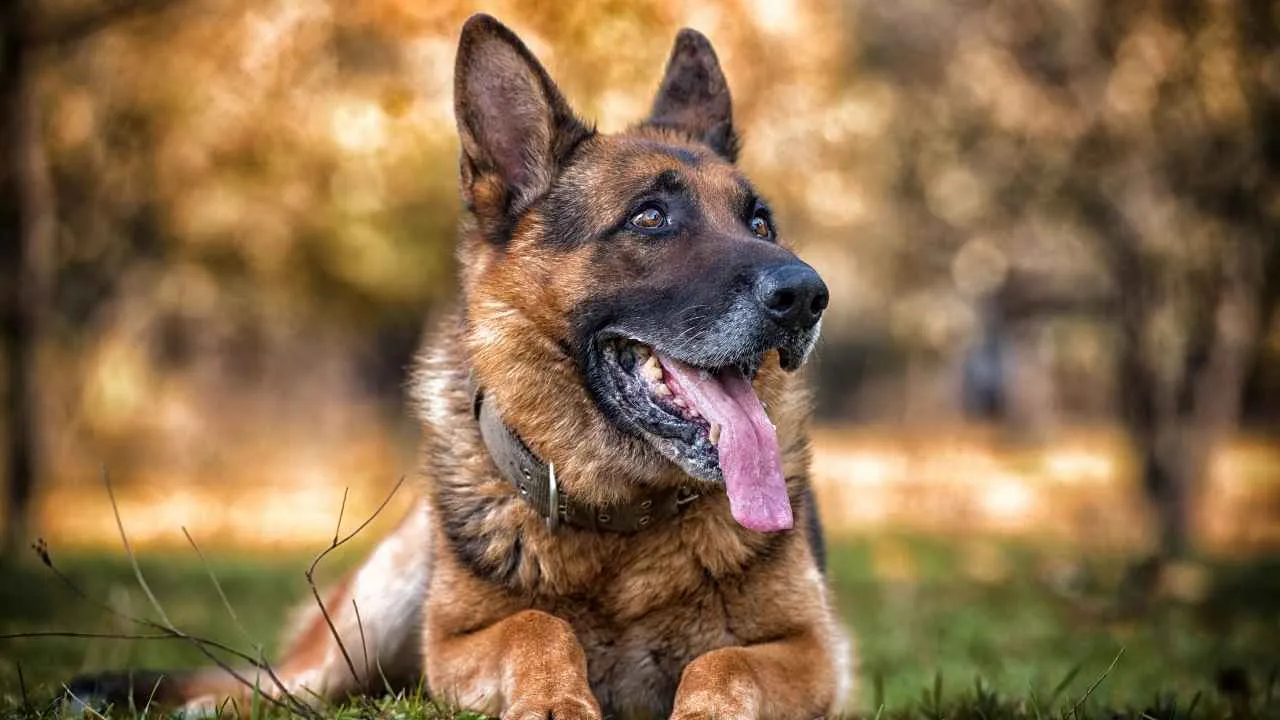
A German Shepherd on a wilderness trail carries itself as if it has already reviewed the route, assessed potential dangers, and quietly decided it will handle security for the entire group. Recognized by the AKC in 1908, this breed combines intelligence, athleticism, and confidence in a way that feels almost unfair.
German Shepherds have handled some seriously demanding roles over the years, including military work, police patrols, bomb detection, search and rescue, service work, and herding. They thrive when given responsibility, structure, and tasks that challenge both their brains and physical abilities.
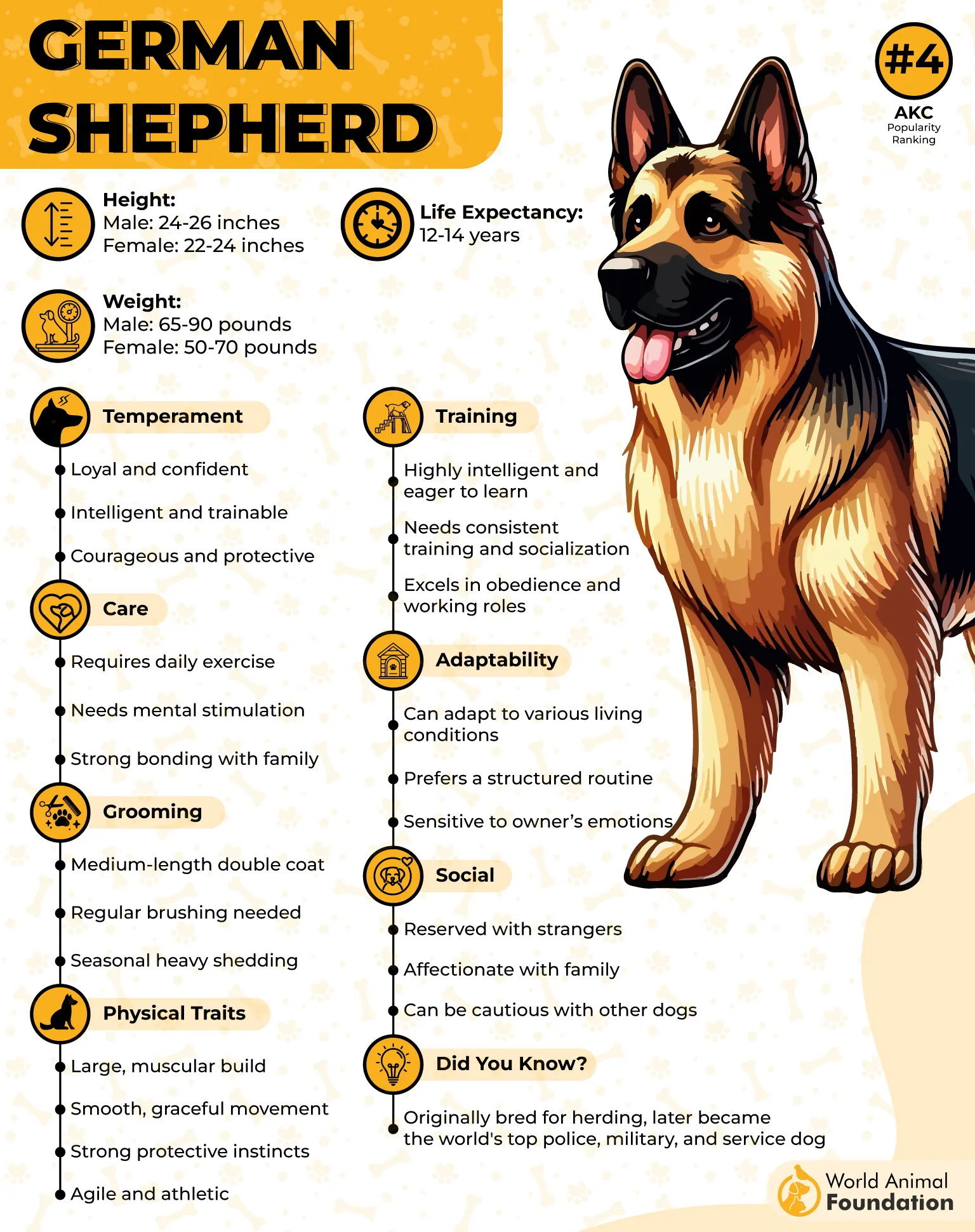
Hiking suits this breed remarkably well because German Shepherds love movement, purpose, and active environments. They need regular exercise and mental engagement to stay balanced, and outdoor adventures give them room to explore, track scents, and stay fully involved with their people instead of pacing around bored at home.
Why This Breed Excels in Wilderness Survival and Rugged Trek
Exceptionally responsive during advanced obedience and activity training
Protective instincts make them dependable companions on isolated trails
5. Rhodesian Ridgeback
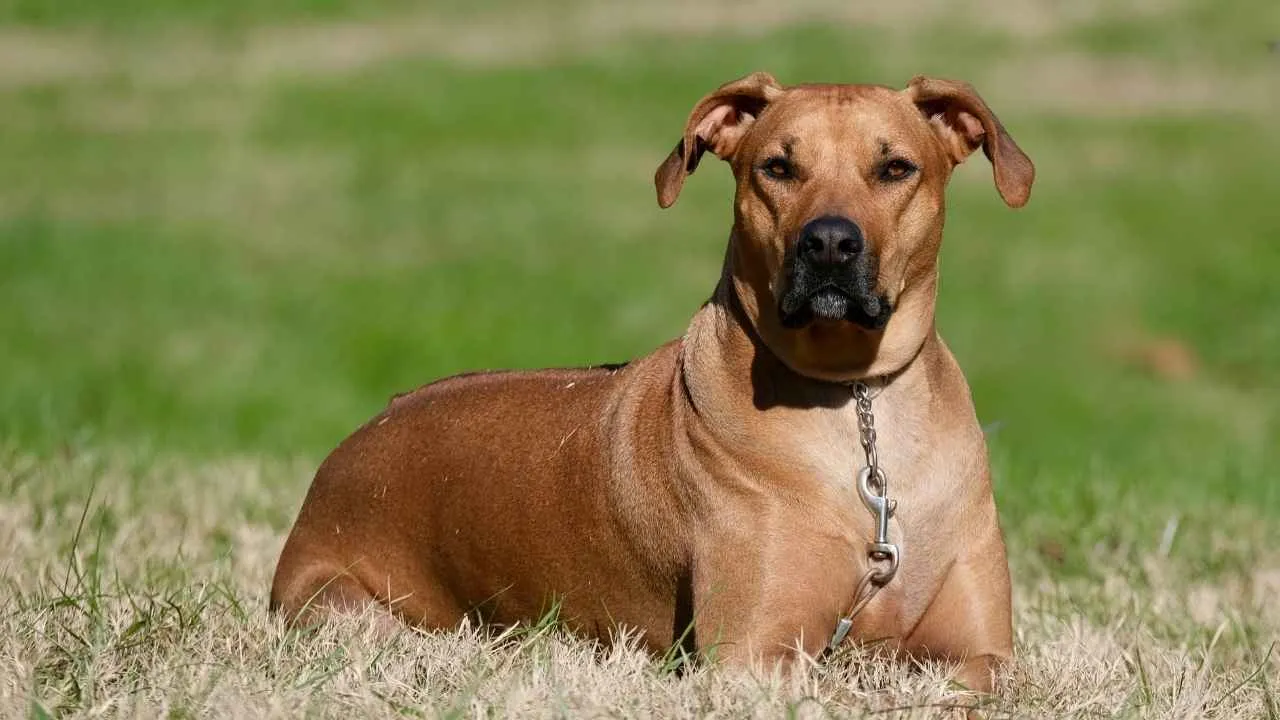
A Rhodesian Ridgeback carries itself like the calmest dog on the trail while secretly being built like an athlete that could probably outlast everyone else on the hike. That famous ridge along the back only adds to the whole “serious explorer with excellent posture” vibe.
Rhodesian Ridgebacks fit active lifestyles beautifully because stamina and movement are part of their nature. They enjoy running, hiking, swimming, tracking, and agility activities that keep both their muscles and minds occupied. A Ridgeback with nothing to do will absolutely start inventing questionable hobbies around the house.
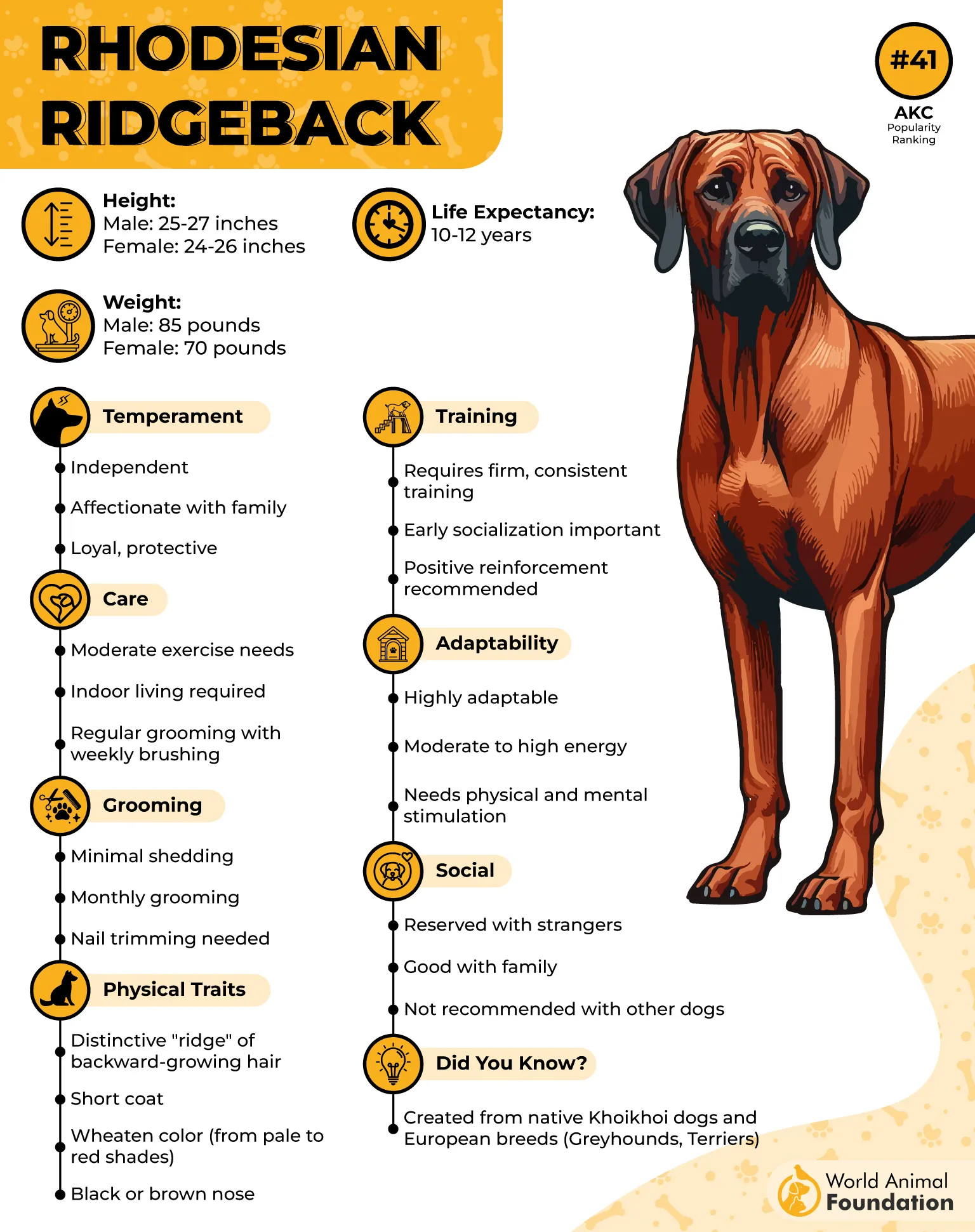
Long outdoor routes feel natural for this breed thanks to their endurance, athletic build, and curious personality. They were developed to track large predators and travel challenging terrain, so rough trails and long-distance adventures do not exactly make them nervous companions who turn around after ten minutes.
Why This Breed Excels in Wilderness Survival and Rugged Trek
A short, low-maintenance coat is practical for active outdoor lifestyles
Naturally quiet behavior makes them calm companions during long excursions
6. Weimaraner
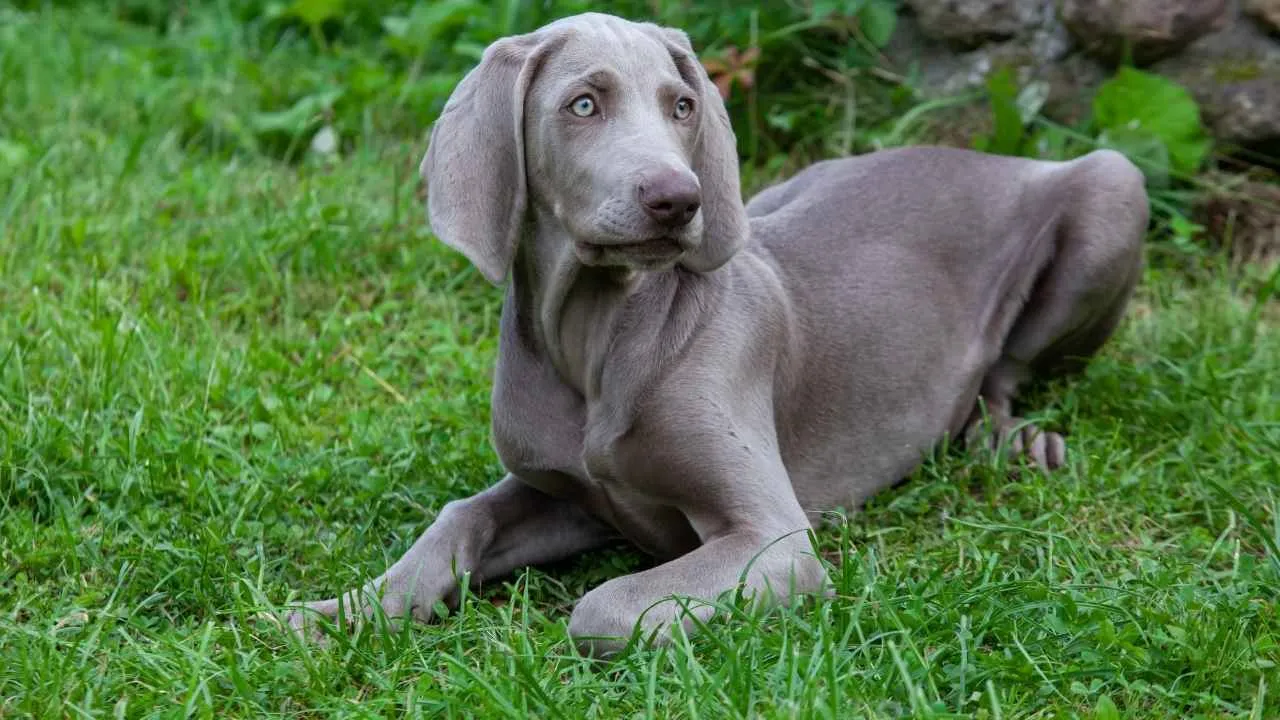
A Weimaraner somehow manages to look elegant and wildly chaotic at the same time. One minute, this dog is sprinting through a field like a silver blur, and the next minute, it is glued to your side, wondering why bathroom breaks are suddenly private events.
Dog sports are basically a playground for the Weimaraner’s endless enthusiasm. Agility, lure coursing, dock diving, running, fetch, and hiking all give this breed the action-packed routine it craves. Sitting around all day is not really part of the Weimaraner lifestyle plan.
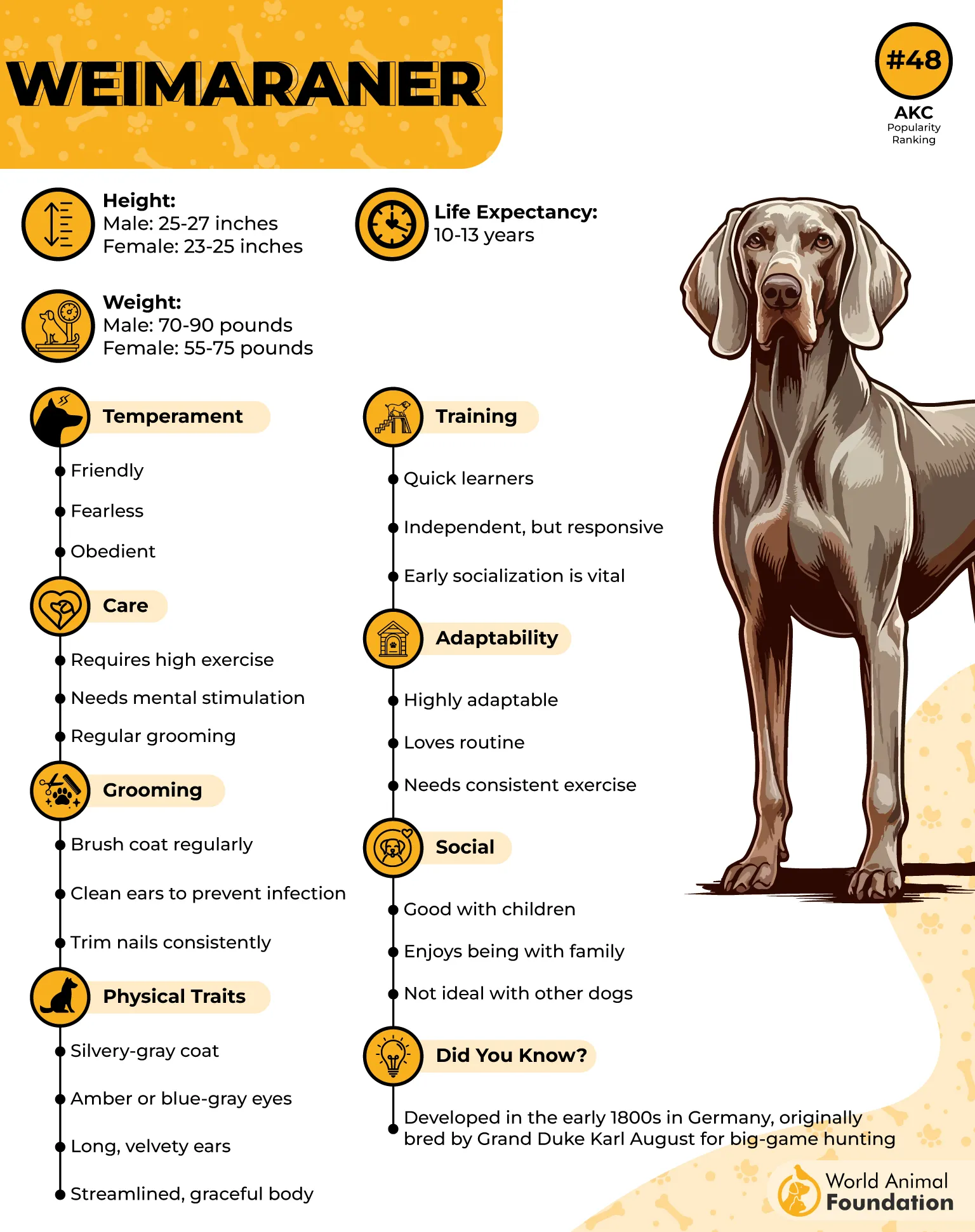
As mentioned by WebMD, Weimaraners learn incredibly fast, which is both impressive and slightly dangerous when bad habits sneak in. Positive reinforcement works best with this breed, especially when tasty rewards are involved, and early puppy training helps shape them into wonderfully well-mannered companions.
Why This Breed Excels in Wilderness Survival and Rugged Trek
Strong curiosity encourages confident exploration during adventures
Athletic frame supports fast movement across demanding terrain
7. Australian Cattle Dog
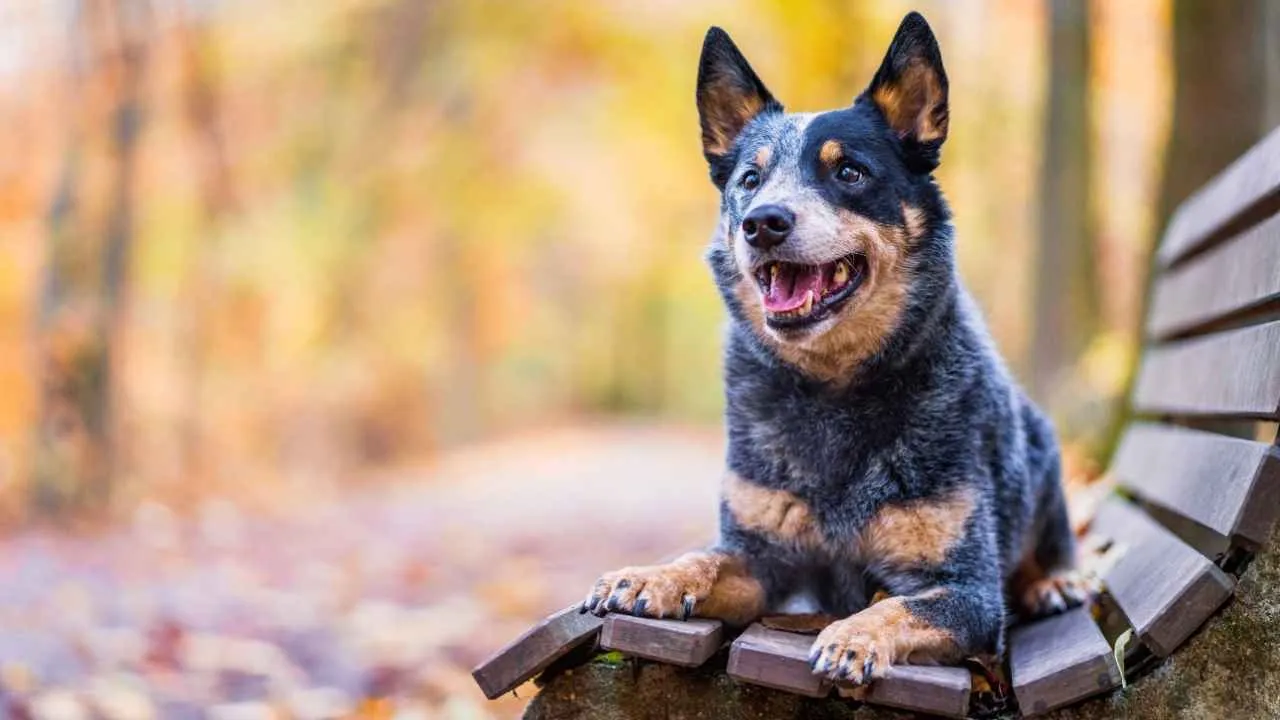
An Australian Cattle Dog acts like every single day should include action, movement, and at least one exciting mission. These dogs do not stroll through life casually. They tackle it with the energy of someone who drank too much coffee and immediately volunteered for outdoor work.
Herding sits right at the center of this breed’s identity. Australian Cattle Dogs were developed to move cattle across rough Australian terrain, and that tough working background still shows in their intelligence, stamina, and fearless attitude around large animals and physically demanding tasks.
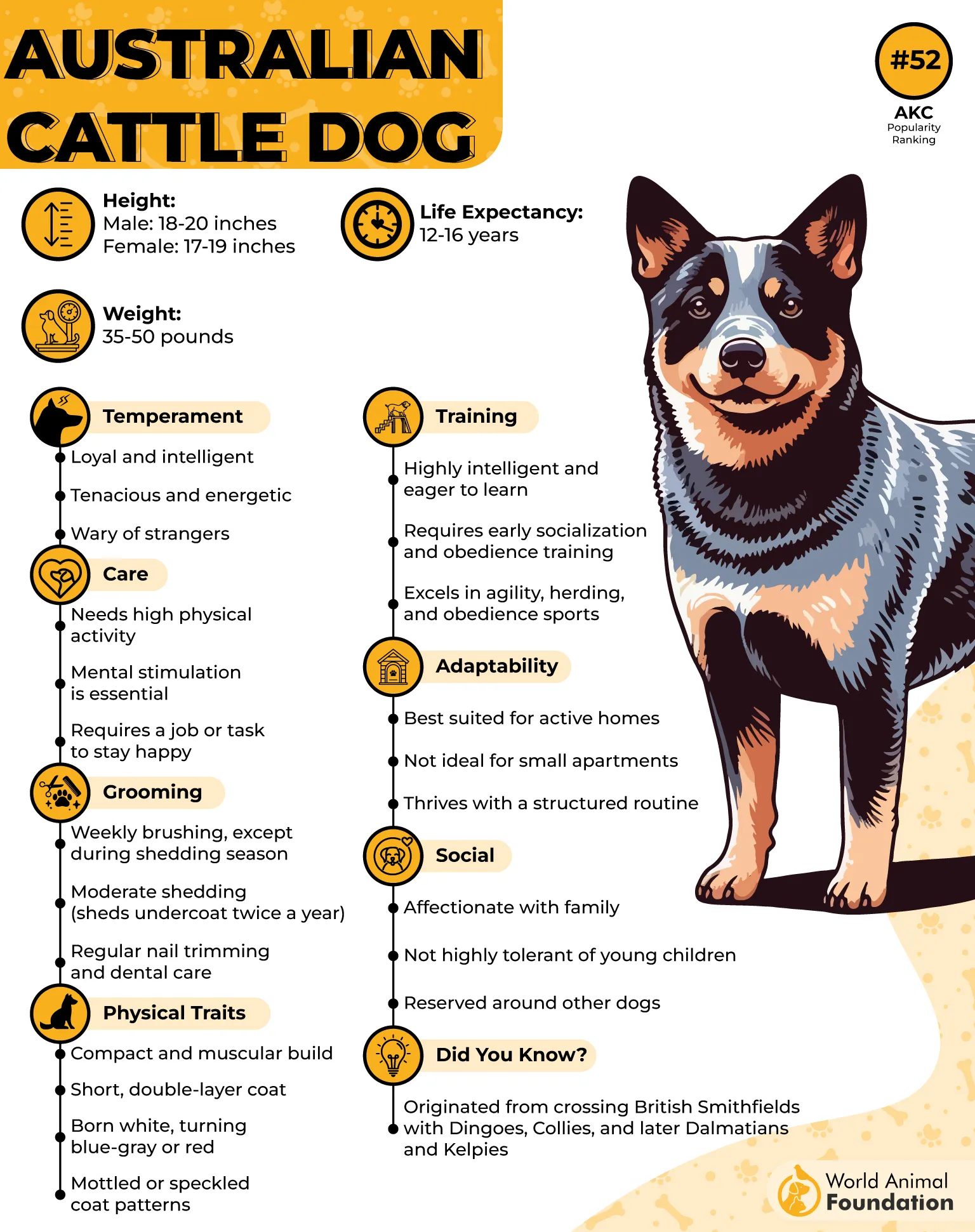
Wilderness settings suit this breed because they thrive when constantly active and mentally engaged. Long hikes, running trails, agility work, and outdoor adventures give them the challenge they crave. When boredom appears, an Australian Cattle Dog quickly becomes a full-time inventor of chaos and destruction.
Why This Breed Excels in Wilderness Survival and Rugged Trek
Handles hot weather, rough ground, and changing climates comfortably
Deep loyalty keeps them highly focused on their owners during activities
Conclusion
Some dogs are perfectly happy with short walks and couch naps. Then there are these adventurous legends who seem personally offended by flat sidewalks and boring routines. They want trails, challenges, muddy paws, fresh air, and a human partner who is ready to keep moving right beside them.
The best wilderness companion is not only athletic or energetic. It is the dog that matches your lifestyle, your pace, and your idea of adventure. So grab the leash, pack the snacks, and start exploring because the right dog can turn every rugged journey into something unforgettable.
If you are further interested in such wonderful breeds, some other dogs you can look up include the Bernese Mountain Dog, Siberian Husky, Labrador Retriever, Jack Russell Terrier, German Shorthaired Pointer, Australian Shepherd, Border Collie, and Belgian Malinois.
