




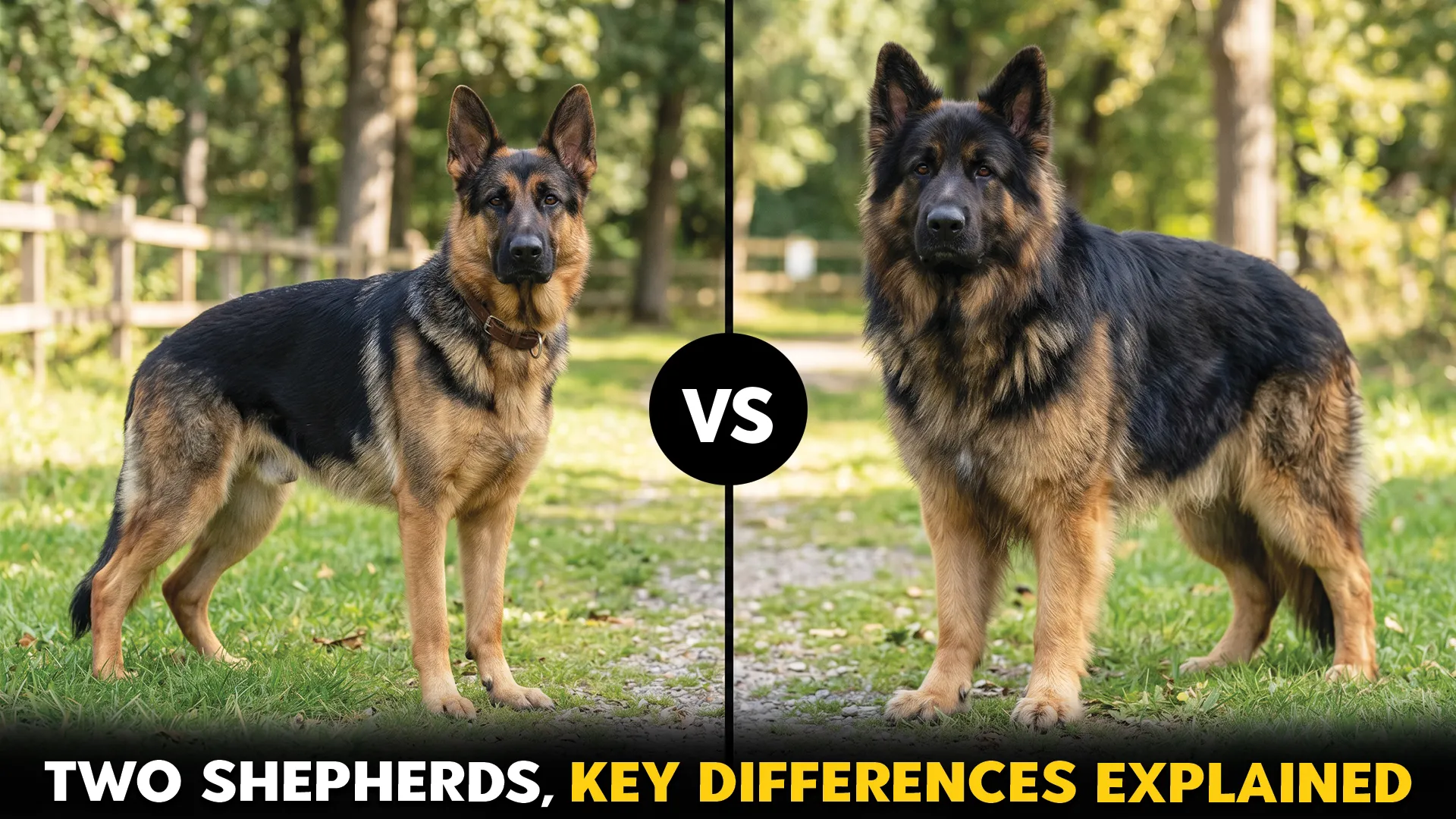
Did you know the King Shepherd and the German Shepherd are not the same breed? While they share similar roots and a striking appearance, these dogs differ in important ways that can impact your choice as a pet owner.
The German Shepherd is widely known for its intelligence and versatility, while the King Shepherd was developed to offer a larger, more family-oriented companion.
In this guide, we compare their size, temperament, care needs, and overall suitability for different lifestyles.
Whether you want a loyal working partner or a gentle family guardian, understanding these differences will help you choose the right dog for your home.
German Shepherd vs. King Shepherd Dog Breeds: Comparative Stats Explained
Deciding between these two massive protectors often comes down to a choice between high-drive athleticism and steady, oversized companionship. While they share a common lineage, their differences in bone structure, temperament, and health requirements are significant.
In this breakdown, we compare the essential statistics—from height and weight to lifespan and exercise needs—to help you determine which of these majestic shepherds is the right fit for your home.
Origins & Purpose
According to the AKC, the German Shepherd was developed in late 19th-century Germany as a herding dog, originally bred for intelligence, agility, and strong working ability. Over time, it became one of the world’s most versatile working breeds, widely used in police, military, and search-and-rescue roles due to its trainability and loyalty.
In contrast, the King Shepherd is a much newer breed, developed in the United States in the 1990s. Breeders aimed to create a larger, more robust companion with a stable temperament and fewer health concerns by mixing German Shepherds with breeds like the Alaskan Malamute and Great Pyrenees.
While the German Shepherd was originally purpose-built for herding and later adapted for demanding jobs, the King Shepherd was intentionally designed as a family-friendly guardian with working potential. Both share protective instincts, but their origins reflect different priorities: performance versus refinement and companionship.
Size & Physical Build
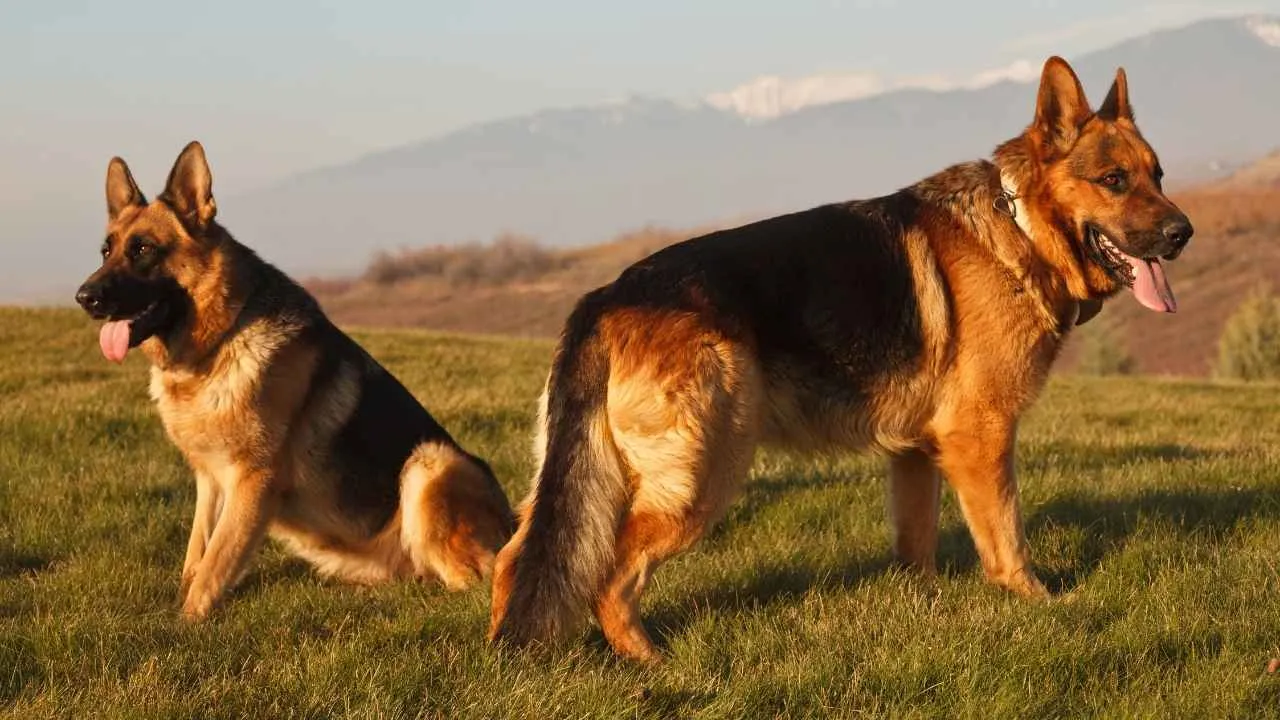
German Shepherds are large, athletic dogs with a lean, muscular build designed for agility and endurance. Males typically stand 24–26 inches tall and weigh 65–90 pounds, while females are slightly smaller. Their structure supports speed, stamina, and efficient movement, making them ideal for active working roles.
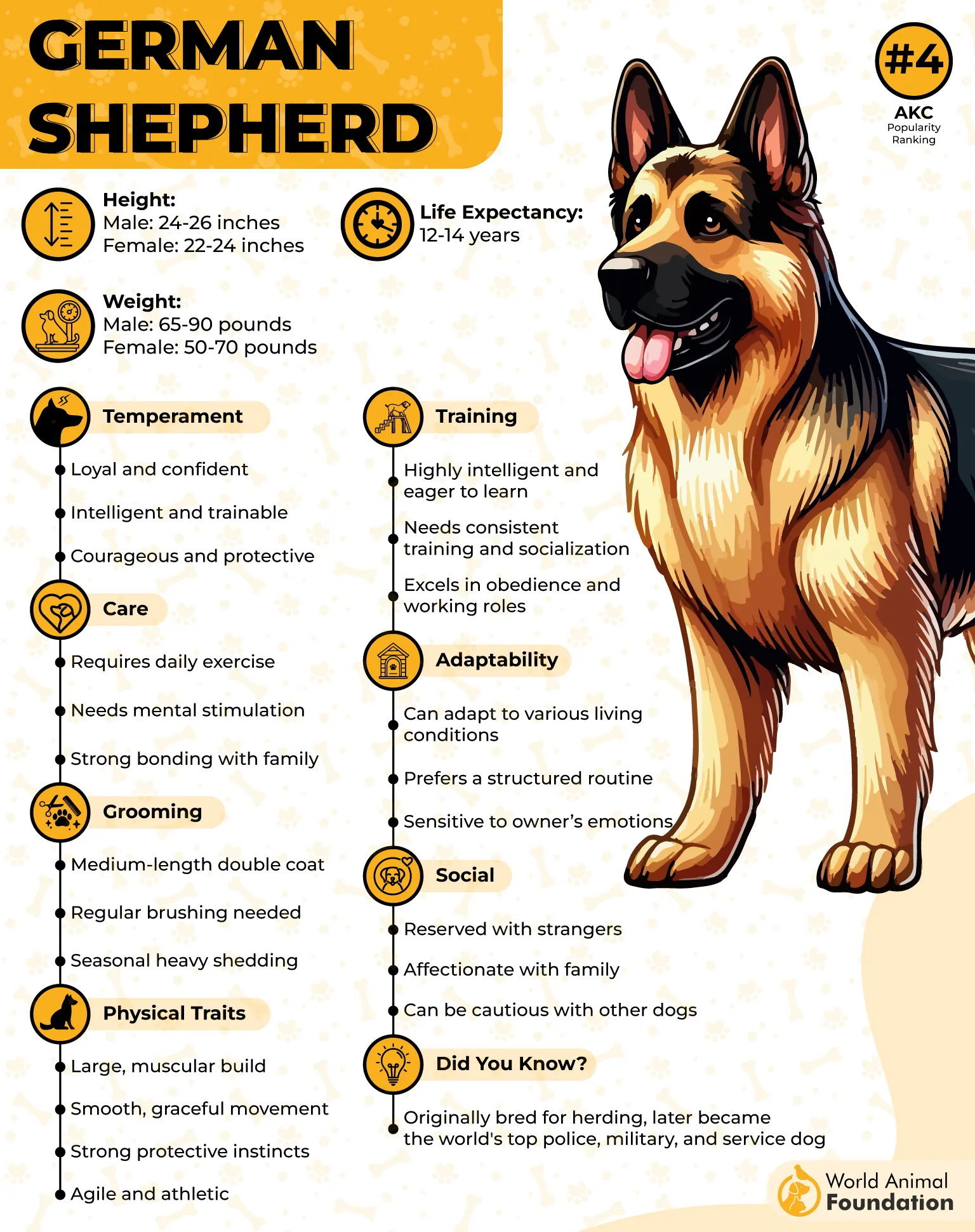
King Shepherds are noticeably larger and heavier. As per CKC, they usually stand around 25–32 inches tall and can weigh between 90–150 pounds, giving them a more massive, powerful appearance. Their build is broader, with heavier bone structure and a more imposing presence compared to the sleeker German Shepherd.
Overall, the German Shepherd emphasizes athletic performance and balance, while the King Shepherd leans toward size and strength. This difference affects not only appearance but also space needs, handling, and suitability for different households.
Temperament & Personality
German Shepherd puppies are known for their loyalty, confidence, and courage. They form strong bonds with their families and are often protective, while remaining reserved around strangers. With proper training and socialization, they can be gentle and reliable companions, especially in structured environments.
King Shepherds tend to have a calmer, more relaxed personality. They are affectionate, social, and generally easier going, making them well-suited as family dogs. While still of a protective nature, they are less intense and often more approachable than German Shepherds.
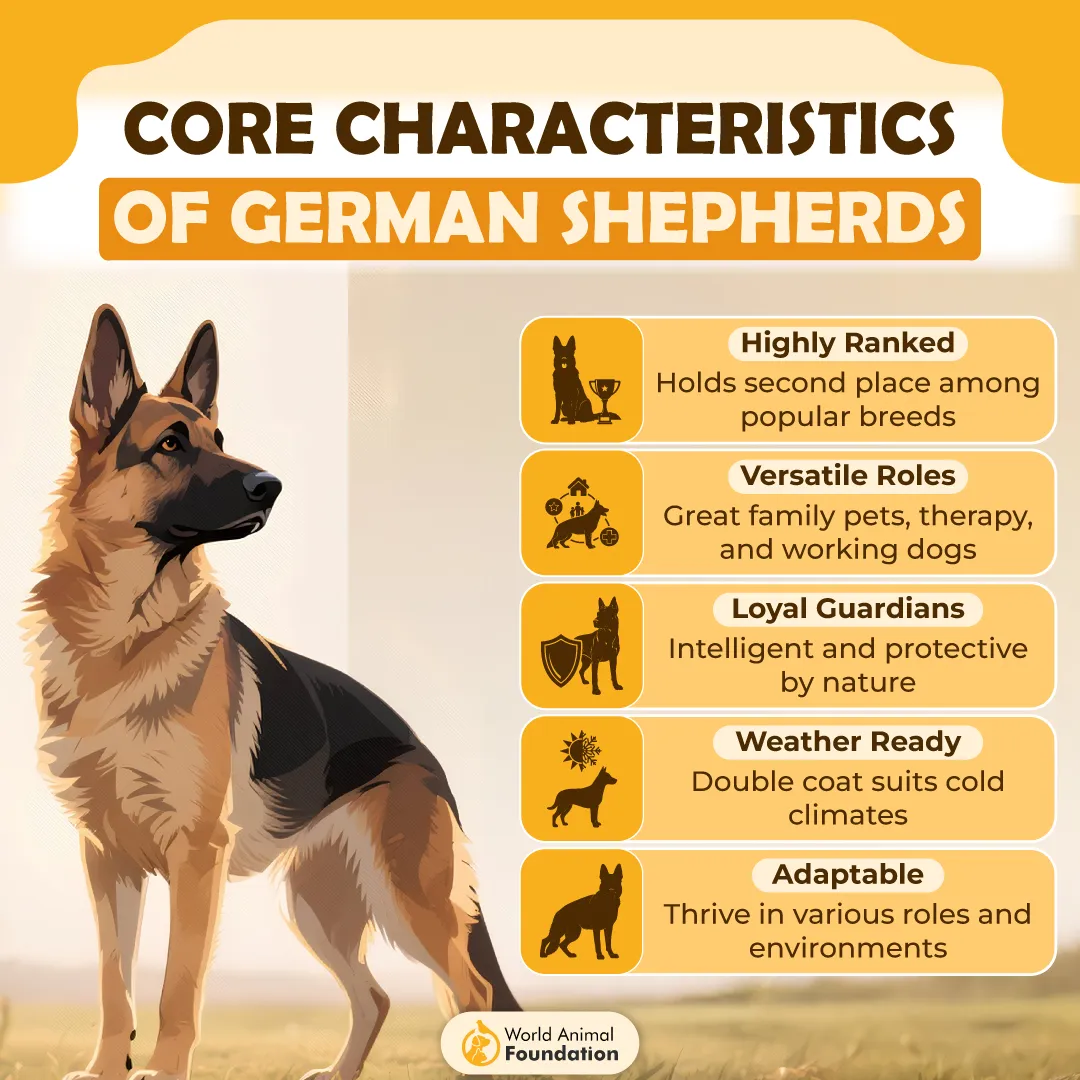
Both breeds are intelligent and loyal, but their personalities differ in intensity. The German Shepherd is more driven and task-focused, while the King Shepherd offers a softer, more laid-back temperament. Choosing between them often comes down to whether you prefer a high-drive working partner or a gentler family guardian.
Exercise & Energy Levels
German Shepherds are high-energy dogs that require consistent physical and mental stimulation. They typically need one to two hours of exercise daily, including activities like walking, training, and play. Without enough activity, they can become bored and develop unwanted behaviors.
King Shepherds also need regular exercise, but their energy levels are generally more moderate. They still require around 1.5–2 hours of activity each day, including walks and mental challenges, but they tend to be calmer indoors compared to German Shepherds.
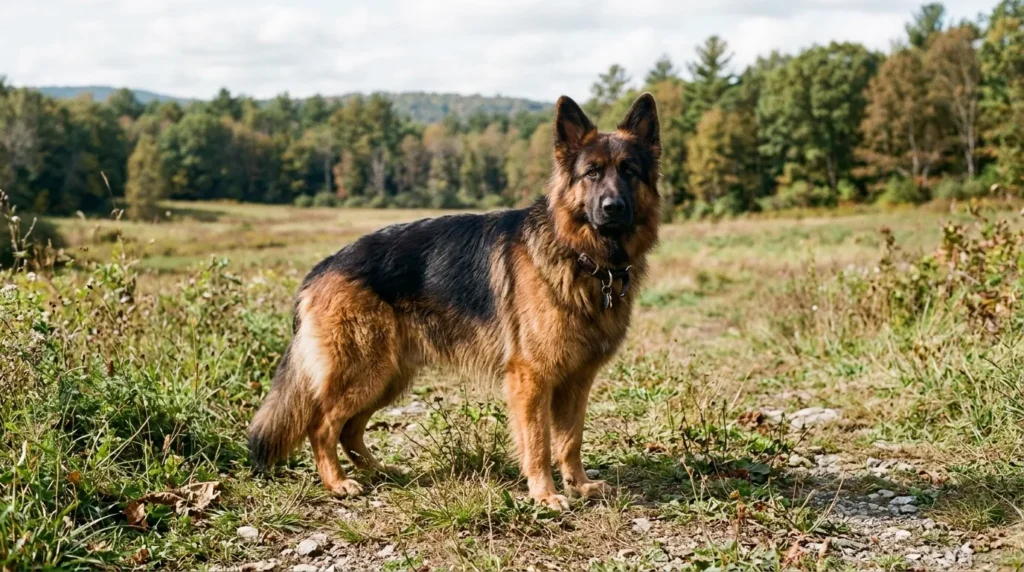
The key difference lies in intensity. German Shepherds thrive on constant engagement and structured tasks, while King Shepherd puppies balance activity with a more relaxed home demeanor. Both breeds need committed owners, but the German Shepherd typically demands a more active lifestyle overall.
Training & Intelligence
German Shepherds are widely recognized for their intelligence and trainability. As per PetMD, they respond well to consistent, reward-based training and excel in obedience, making them ideal for complex tasks such as police or military work. Early socialization and structured training are essential to channel their strong drive effectively.
King Shepherds are also highly intelligent and eager to please, often making them easier for less experienced owners to train. Their calmer nature can make training sessions more manageable, though consistency is still important.
While both breeds are smart and capable learners, German Shepherds tend to be more intense and work-driven, whereas King Shepherds combine intelligence with a more relaxed attitude. This makes the German Shepherd better suited for demanding roles, while the King Shepherd may feel more approachable for family-focused training.
Coat Maintenance
German Shepherds have a dense double coat that sheds heavily year-round, with increased shedding during seasonal changes. Regular brushing, often several times a week or even daily, helps manage loose hair and maintain coat health. Occasional baths are sufficient, as overbathing can strip natural oils.
King Shepherds also have thick, medium-length coats that shed significantly. Their grooming needs are similar, requiring frequent brushing to prevent matting and control shedding, especially during peak shedding seasons.
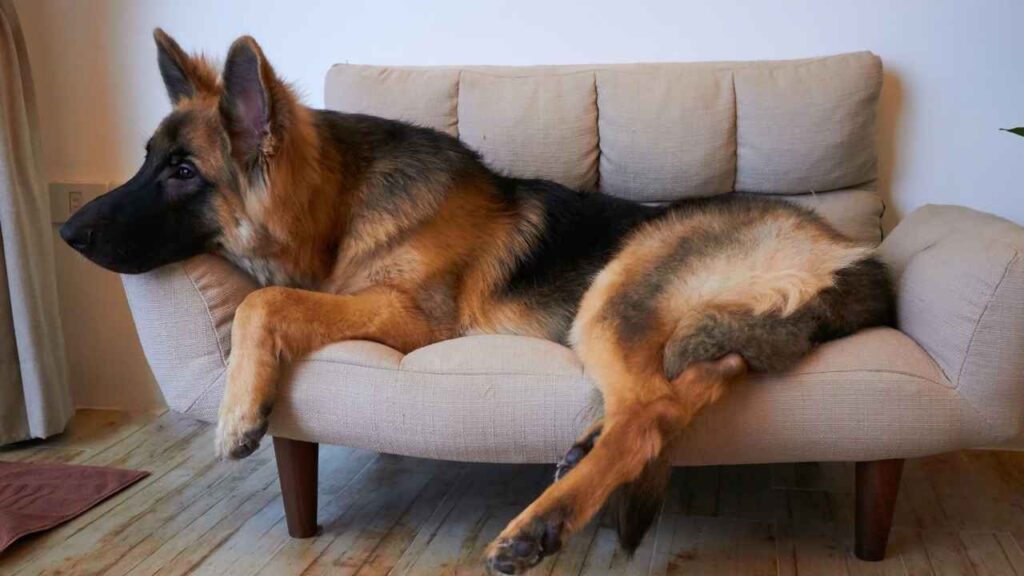
In terms of maintenance, both breeds are high-shedding and require consistent grooming. However, the King Shepherd’s longer or denser coat may need slightly more attention. Owners of either breed should be prepared for regular brushing and noticeable shedding in the home.
Health & Lifespan
German Shepherds typically live around 7–10 years and are prone to several health issues, including hip and elbow dysplasia, degenerative conditions, and bloat. Responsible breeding and regular veterinary care are important to manage these risks.
King Shepherds were developed partly to reduce some of these inherited health problems. They generally have a longer lifespan of about 10–13 years and may experience fewer structural issues, though they can still face joint problems, bloat, and other conditions.
Overall, the King Shepherd may have a slight advantage in longevity and health due to its mixed lineage, but both breeds require attentive care. Proper diet, exercise, and regular vet checkups play a key role in ensuring a healthy life for either dog.
Conclusion
Choosing between a King Shepherd and a German Shepherd dog comes down to your lifestyle and expectations. The German Shepherd stands out as a highly driven, intelligent working dog that thrives with structure, training, and activity. The King Shepherd, on the other hand, offers a larger, more relaxed companion with a family-friendly temperament and similar protective instincts.
These two breeds are loyal, capable, and impressive in their own ways. If you want a high-performance partner, the German Shepherd may be ideal. If you prefer a gentler giant with strong guarding ability, the King Shepherd could be the better fit.
