




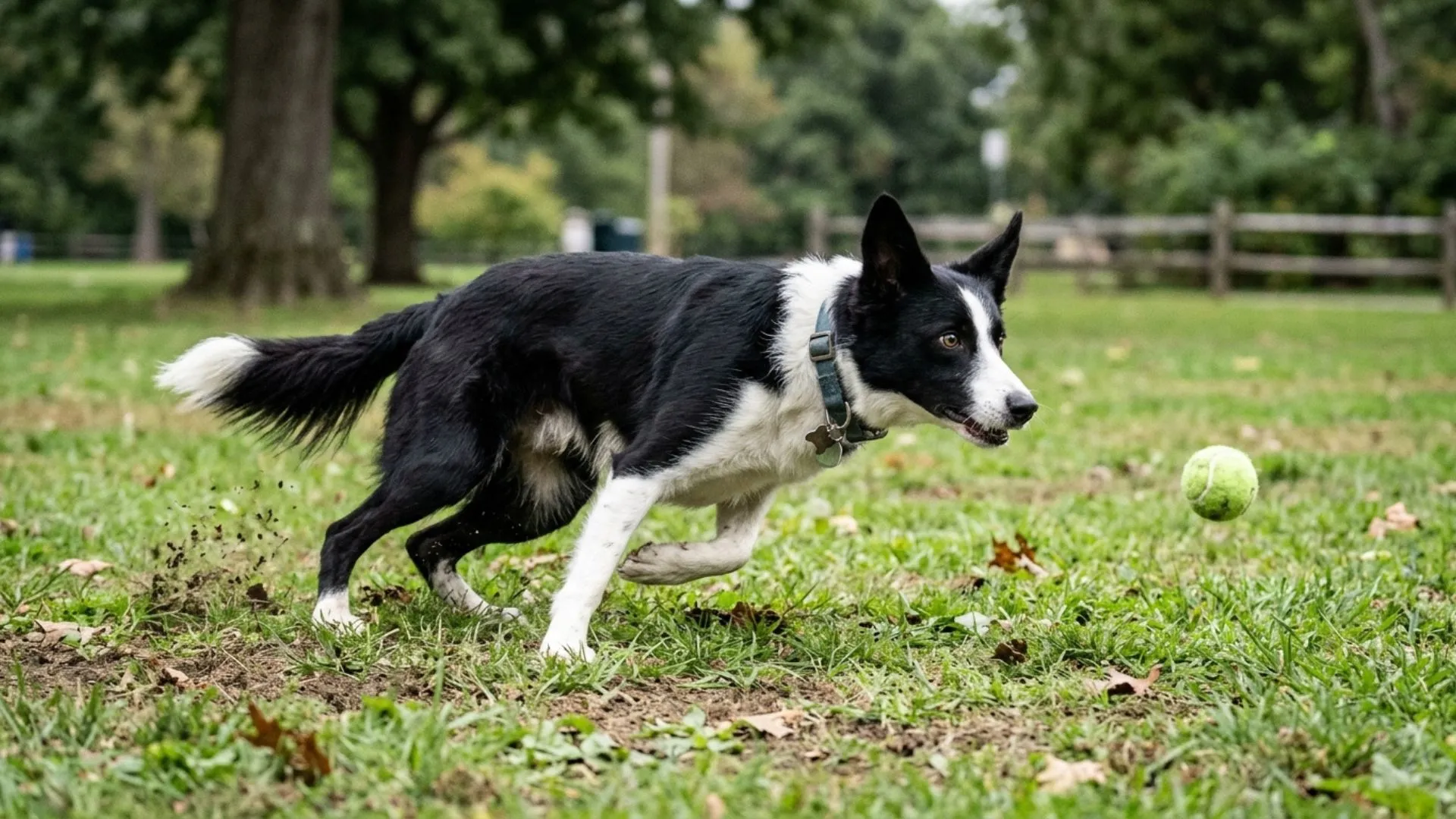
Ever noticed how some dogs instantly lock onto anything that moves—a bird, a shadow, even a drifting leaf—and just have to chase it? That intense reaction comes from something called prey drive, a natural instinct passed down from their wild ancestors who relied on hunting to survive.
The important thing to understand is that this instinct doesn’t simply disappear in a home environment. It can show up during walks, playtime, or around children and smaller pets—and it’s not something you can “train out.” What you can do is manage it.
Dogs with strong prey drive do best with structured outlets like chase games, interactive toys, and consistent training that channels their energy in a safe and controlled way.
That’s why knowing about prey drive before choosing a dog really matters. Some dogs are naturally more intense, focused, and quick to react to movement, and without enough physical and mental stimulation, that energy can turn into frustration or destructive behavior.
In this article, you’ll learn about some of the best high prey drive breeds and what makes this instinct so powerful.
Key Takeaways
Some dogs are built to chase—instantly reacting to anything that moves.
Prey drive isn’t aggression; it’s instinct that needs smart management.
Breeds like Saluki, Greyhound, and Border Collie show it in very different ways.
Understanding it helps you choose the right dog and live with them better.
Best Dog Breeds with a Remarkable Prey Drive
1. Saluki
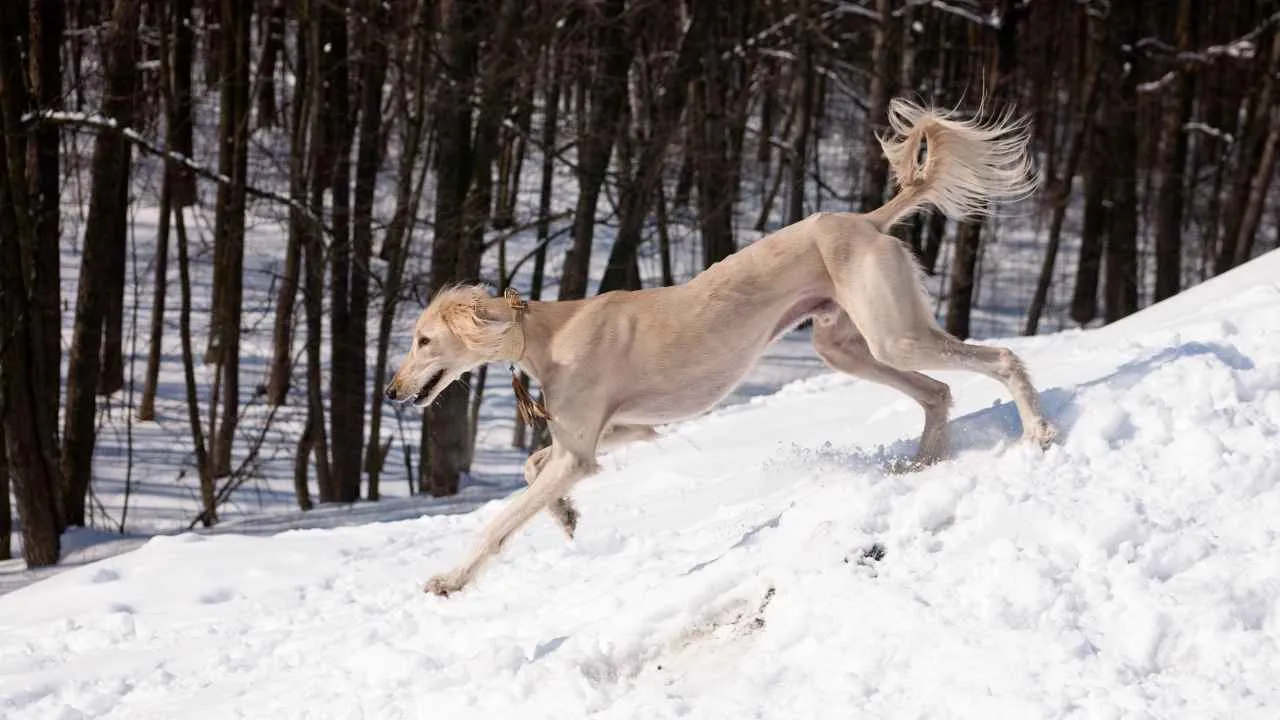
The Saluki is one of the oldest hunting dogs in the world. Often called the “Royal Dog of Egypt,” it was bred thousands of years ago to chase fast prey across deserts. This history still shows today. It has a strong prey drive and will chase anything that moves.
It is fast, focused, and hard to stop once it starts running. Because of this, it should never be trusted off-leash in open areas.
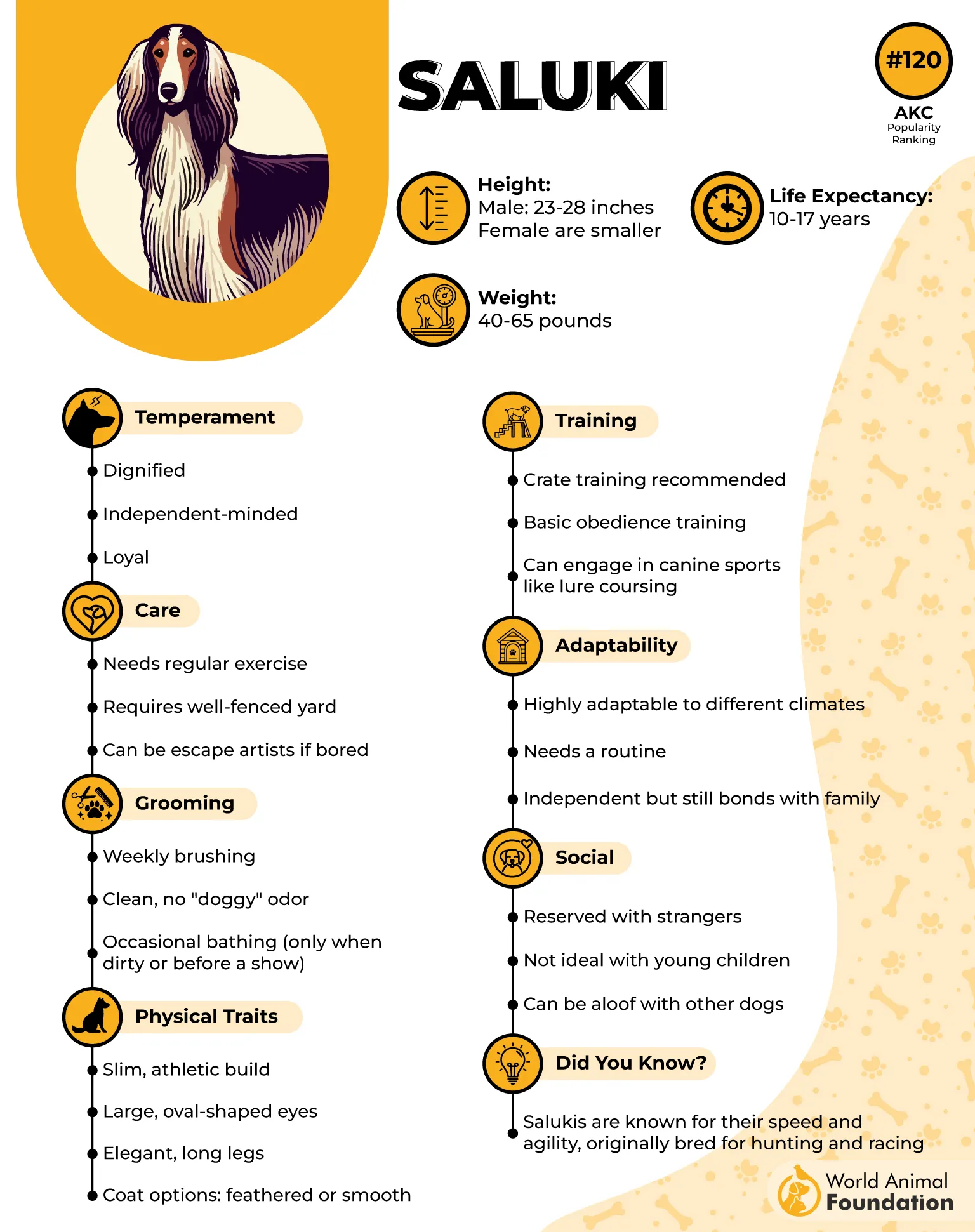
Despite its hunting instincts, the Saluki is gentle and calm at home. It is clean, quiet, and loves resting on sofas or beds. It forms strong bonds with its owners but can be reserved with strangers, as mentioned by Royal Canin.
This breed is sensitive, so it responds best to kind and patient training. Harsh methods do not work well. Early socialization is important to help it grow into a confident and well-mannered dog.
Key Things to Know
Exercise: Needs regular, vigorous activity. A secure fenced space is essential.
Prey Drive: Will chase small animals. Always supervise around pets.
Temperament: Gentle, independent, and slightly aloof.
Grooming: Low maintenance. Occasional brushing is enough.
Living Needs: Prefers homes with space to run. Sensitive to extreme heat and cold.
Owning a Saluki can be rewarding, but it requires effort. It needs space, attention, and safe outlets for its energy. With the right care, it becomes a loyal and elegant companion.
2. Weimaraner
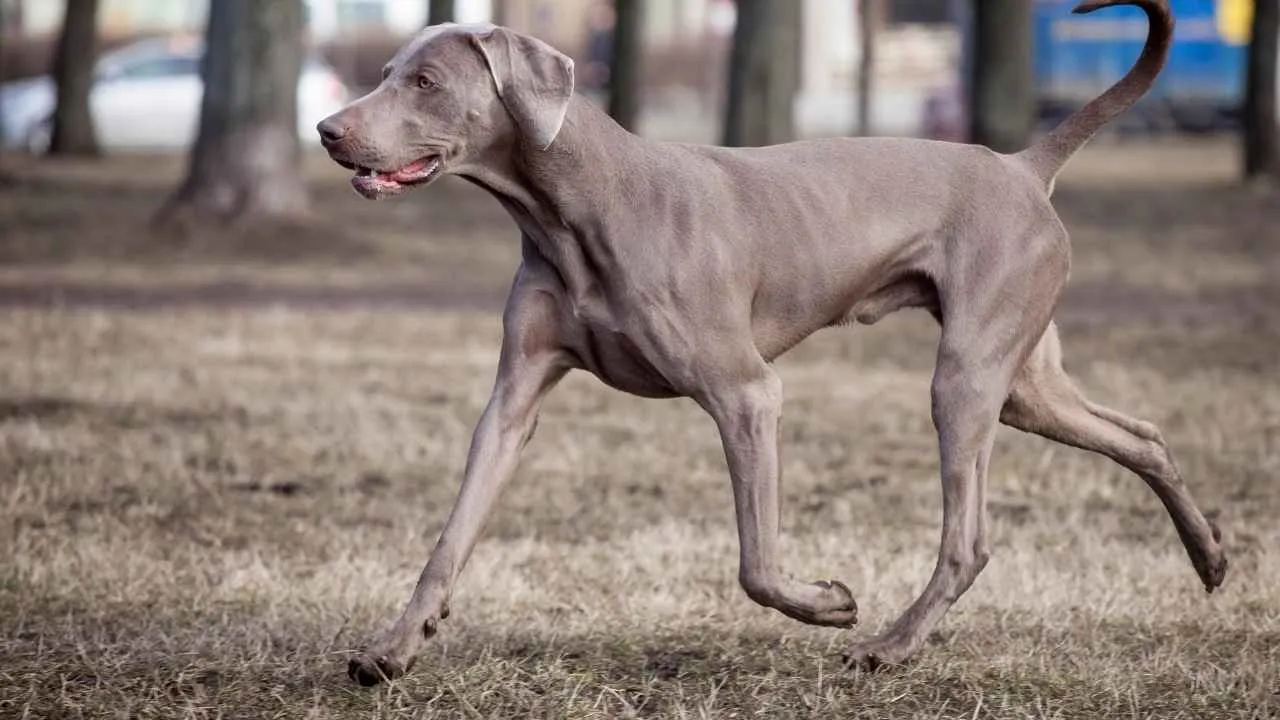
The Weimaraner is a true “velcro dog.” It loves staying close to its owner and will follow you everywhere—even into the bathroom. This breed craves constant attention and does not do well when left alone for long hours. Without enough interaction, it can become anxious, destructive, or overly hyper.
Despite its strong, athletic build, it also loves comfort and will happily curl up beside you on the couch or even under blankets, making a great family dog.
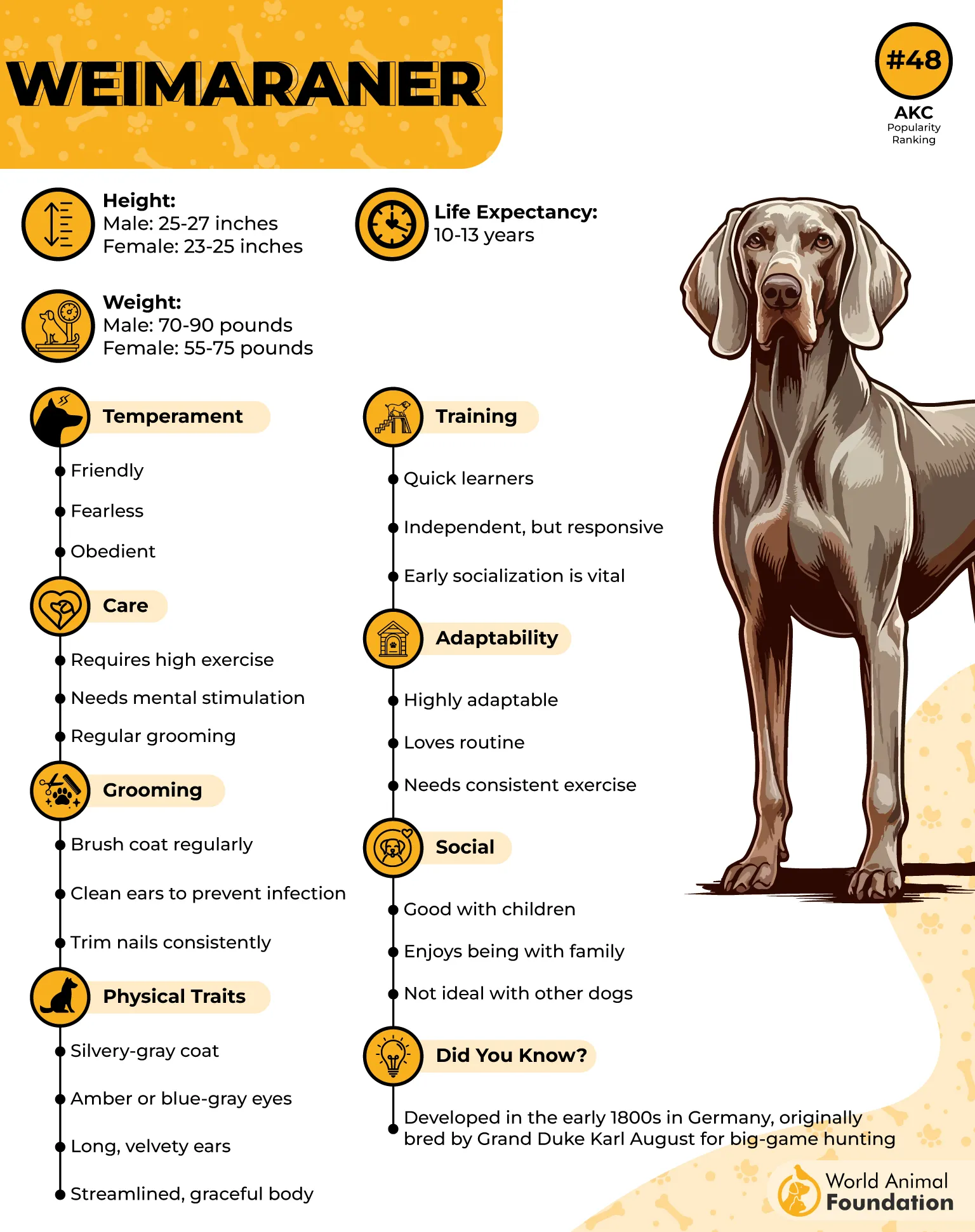
Weimaraners are extremely active and need intense daily exercise. A short walk is never enough—they need running, games, and outdoor activities to stay balanced. They are intelligent and curious, often figuring out how to open doors, cabinets, or grab food from counters.
Training is essential from an early age. They respond best to consistent, positive management strategies, as harsh discipline can damage their trust. They can be stubborn at times, so firm but patient leadership is important.
Prey Drive & Living Needs
Prey Drive: Strong hunting instinct. Will chase animals, bikes, or anything that moves.
Exercise: Needs long, vigorous activity every day to avoid boredom.
Behavior: Loyal and affectionate but prone to separation anxiety.
Training: Smart but can learn bad habits quickly—early training is key.
Compatibility: May not be safe with small pets due to chasing instincts.
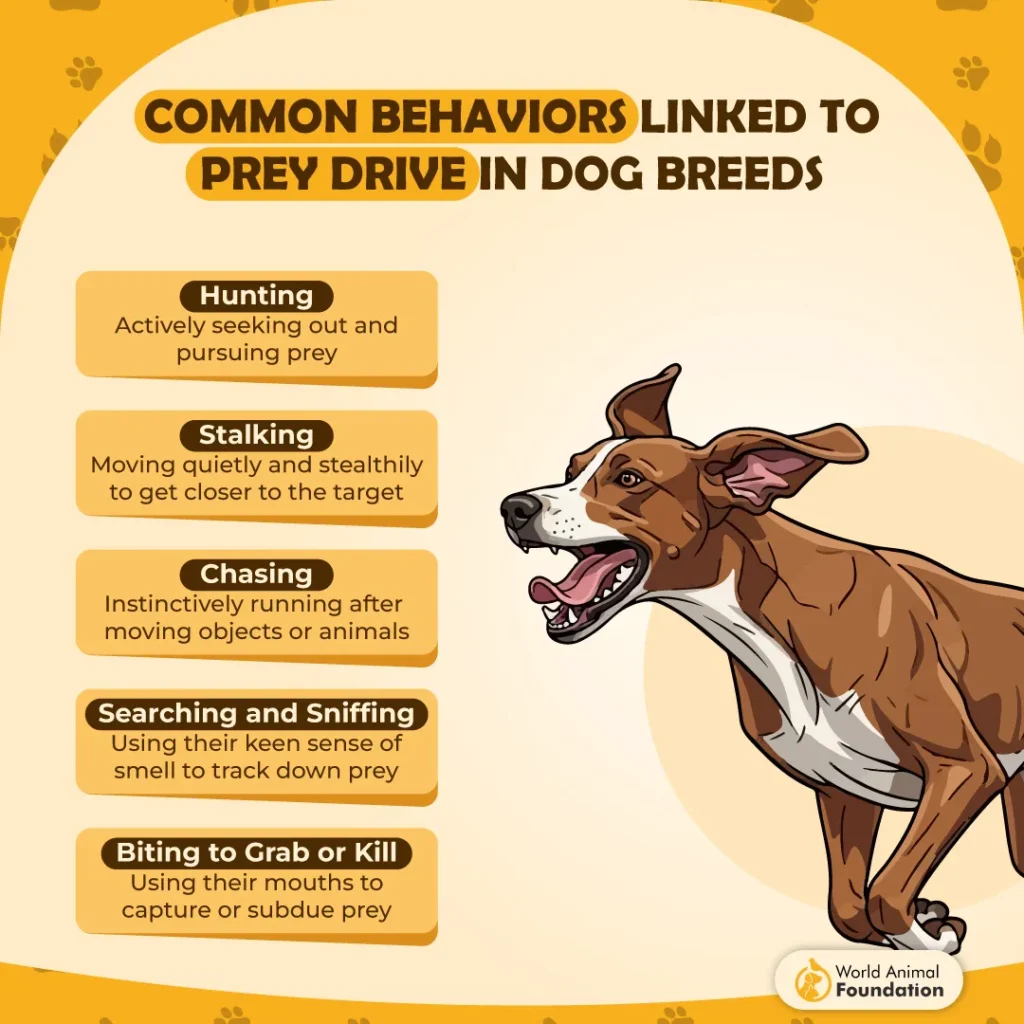
Originally bred as an all-purpose hunting dog, the Weimaraner has a powerful prey drive that cannot be trained out—only managed. It may chase cats, birds, or even fast-moving objects like vehicles. In some cases, sudden movement can trigger this instinct, so supervision is important.
3. Greyhound
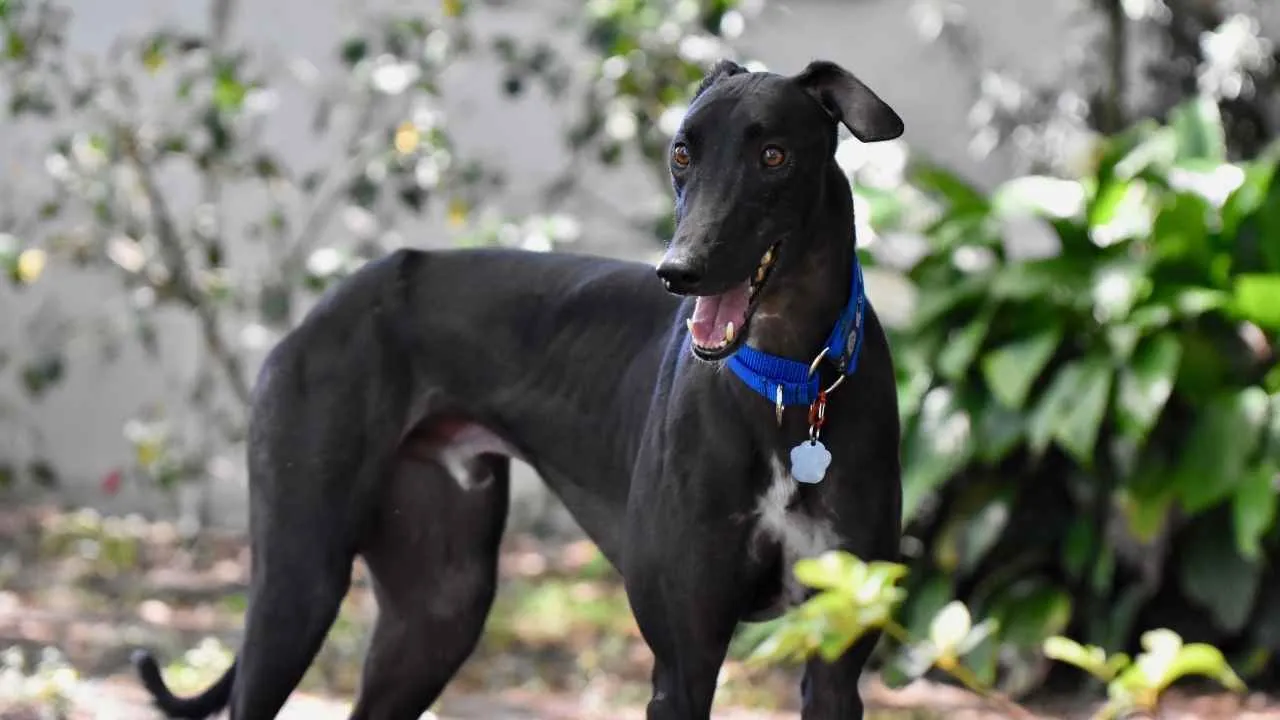
The Greyhound is one of the clearest examples of prey drive in action. As a sighthound, it hunts using its keen vision, not smell, and reacts instantly to movement. This instinct, also called predatory behavior, is natural and usually happens when the dog is calm and alert—not angry.
That’s what makes it different from aggression, which is fear-based. Greyhounds are built for speed and pursuit, and once they spot something moving, their focus can be intense and immediate.
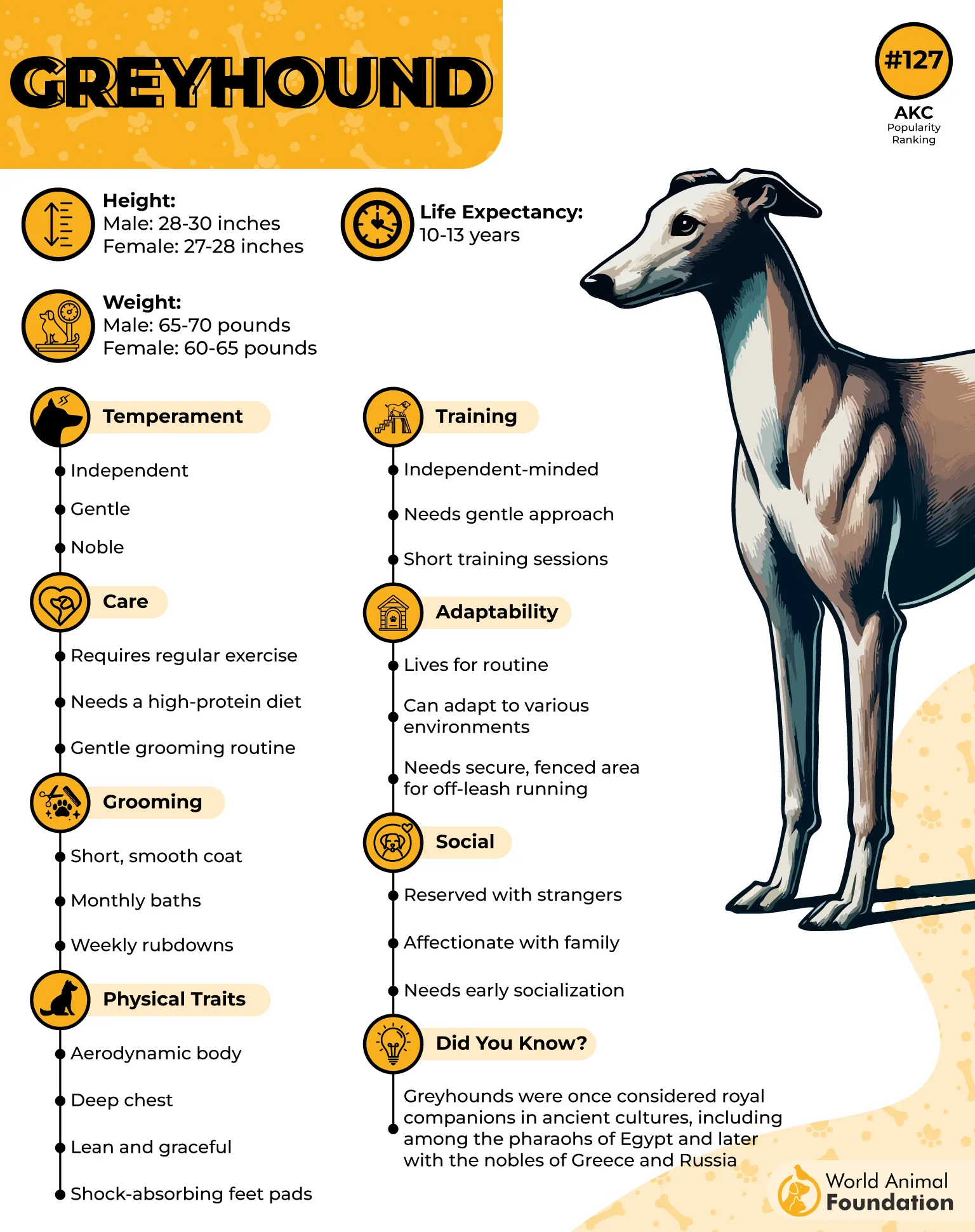
At home, they are gentle, quiet, and calm dogs. Many Greyhounds are affectionate with their families and enjoy lounging for long hours. But their behavior can change quickly outdoors.
They may be calm with familiar pets but react strongly to unfamiliar small animals, especially in new environments like parks. Limited early exposure to different animals can make this reaction stronger, as they may not always recognize smaller dogs or pets as “companions.”
Key Behaviors & Care
Prey Drive: Strong instinct to chase small animals, especially unfamiliar ones
Common Signs: Staring, stalking, lunging, chasing, stiff posture, fast tail movement
Training: Needs gentle, short, and consistent sessions—harsh methods don’t work
Exercise: Requires safe spaces to run freely; never off-leash in open areas
Socialization: Early exposure to small pets and different dogs is important
Even though many Greyhounds can learn to live peacefully with known pets, their prey drive can still appear unexpectedly, and as a result, they can harm small animals.
This is why understanding their instincts and managing their environment is essential. With proper care, they remain calm, loving companions at home while still carrying the heart of a high-speed hunter.
4. Irish Setter
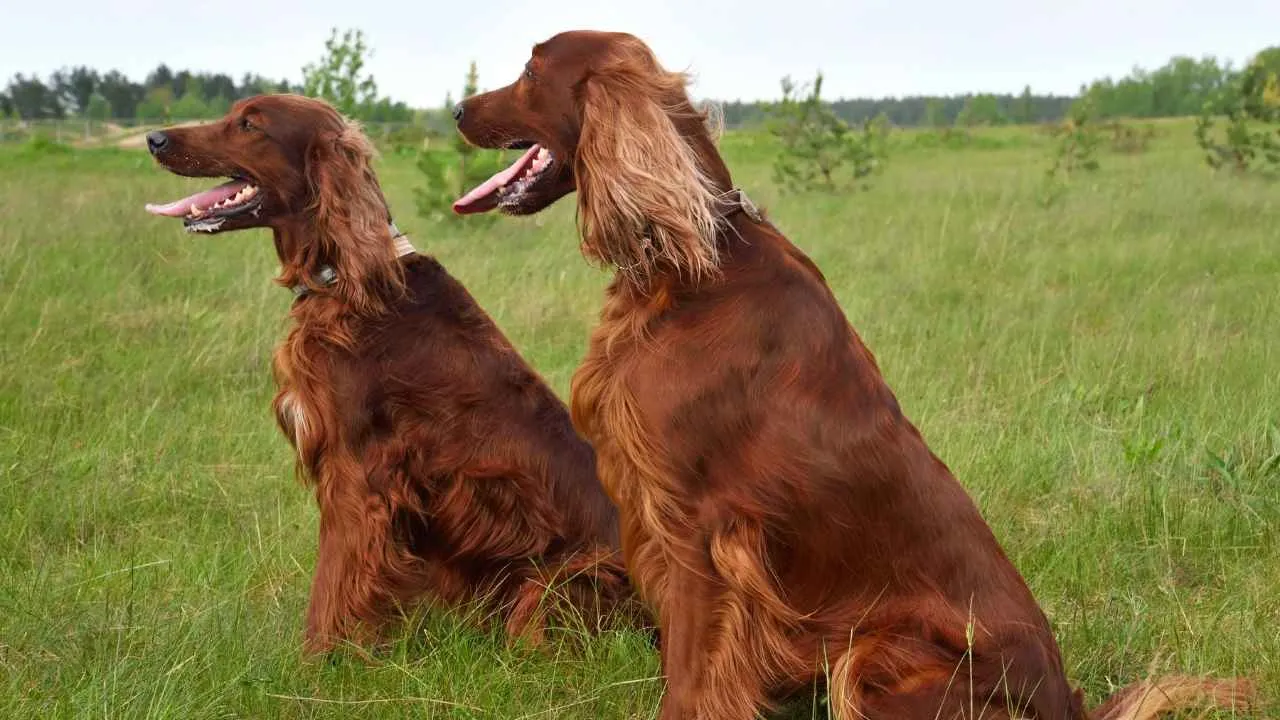
The Irish Setter is a lively and affectionate dog, loved for its beautiful red coat and playful nature. Originally bred in Ireland as a bird-hunting dog, it still carries a strong prey drive today. It uses its strong sense of smell to locate birds and “set” by lowering its body close to the ground.
While it is friendly with people and other animals, it may still chase smaller animals, so supervision is important.
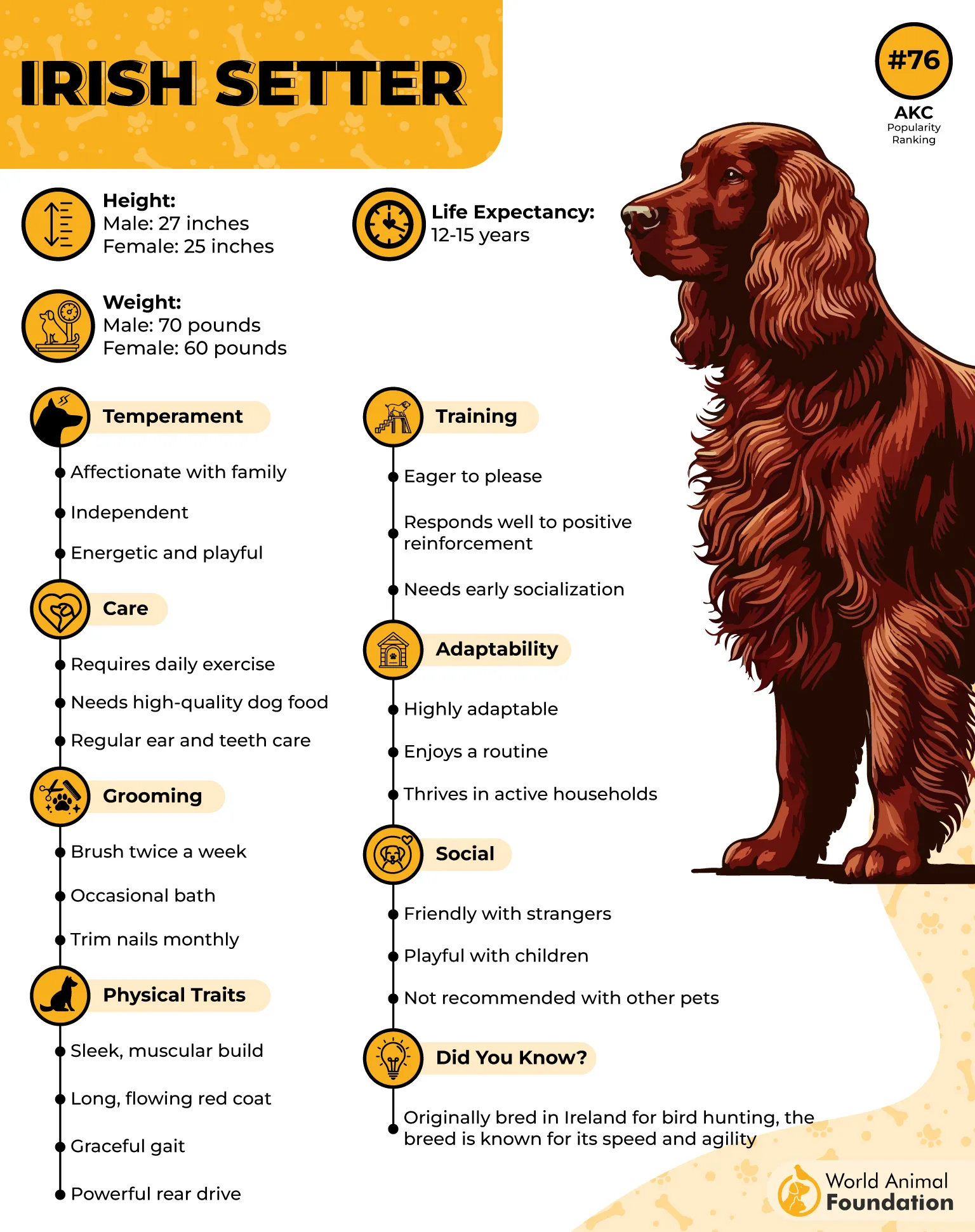
At home, this breed is cheerful, gentle, and great with families. It gets along well with children and enjoys constant companionship. However, it is slow to mature and may act like a puppy for years, according to the American Kennel Club.
Its high energy and playful personality mean it is better suited for older children. It is intelligent and eager to please, but also a bit mischievous, so training requires patience, consistency, and positive reinforcement.
Key Traits & Care
Unstoppable Prey Drive: Strong instinct to chase birds and small animals
Exercise: Needs at least an hour of vigorous activity daily
Temperament: Friendly, affectionate, and highly social
Training: Smart but easily distracted—early training is essential
Grooming: Regular brushing is needed to maintain its coat
Irish Setters thrive in active homes with space to run. They do not like being alone for long and may bark or become restless if bored. With proper exercise, training, and attention, they make loving, energetic companions while still holding onto their natural hunting instincts.
5. German Shorthaired Pointer
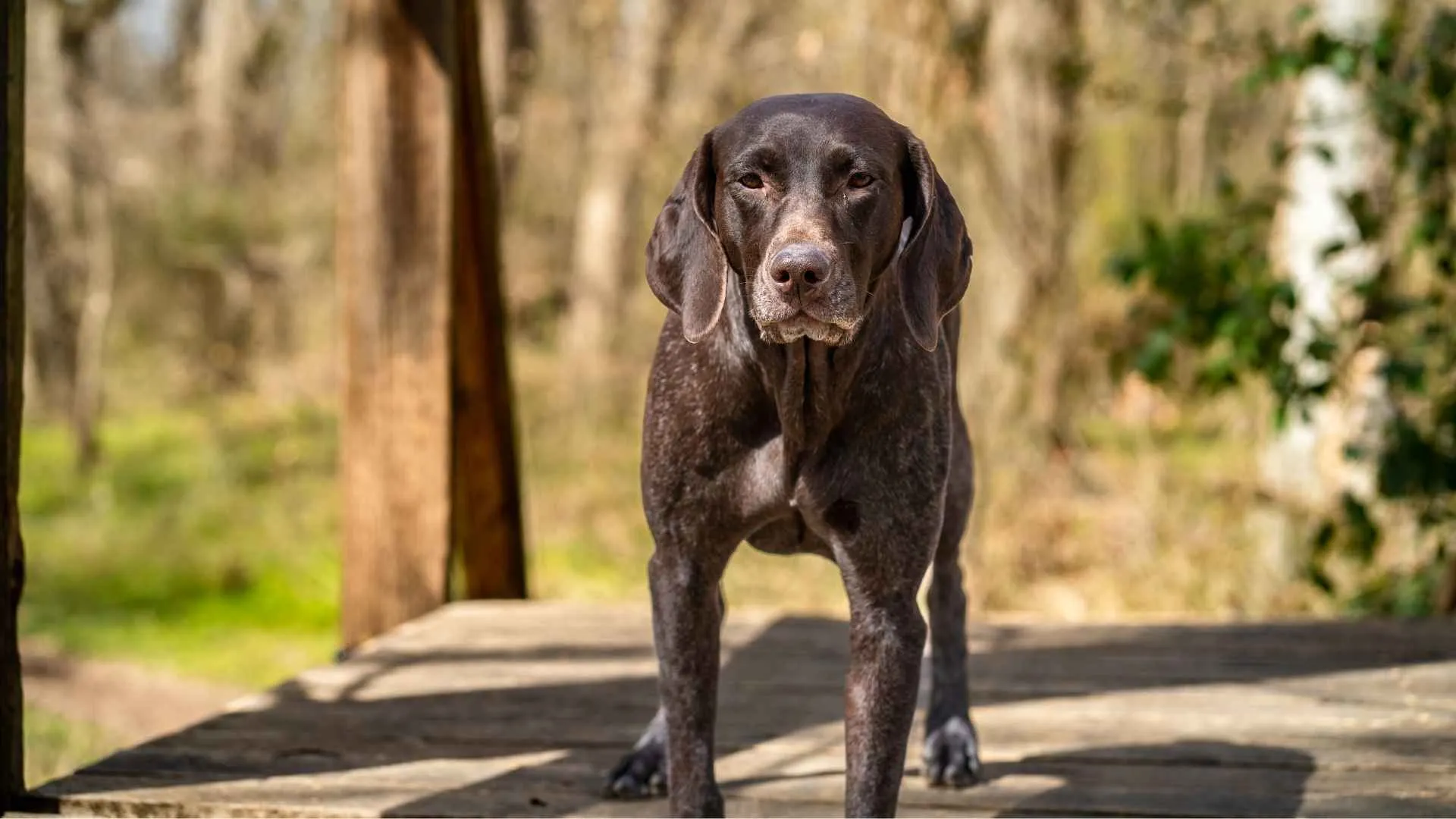
The German Shorthaired Pointer is a skilled hunting dog bred to track, point, and retrieve game. It uses its nose to locate prey, then freezes in place until the hunter gives the signal to move forward.
In some regions, these dogs are even expected to track larger animals like wild boar, which shows just how strong and serious their prey drive can be. This instinct makes them highly focused and quick to react to movement.
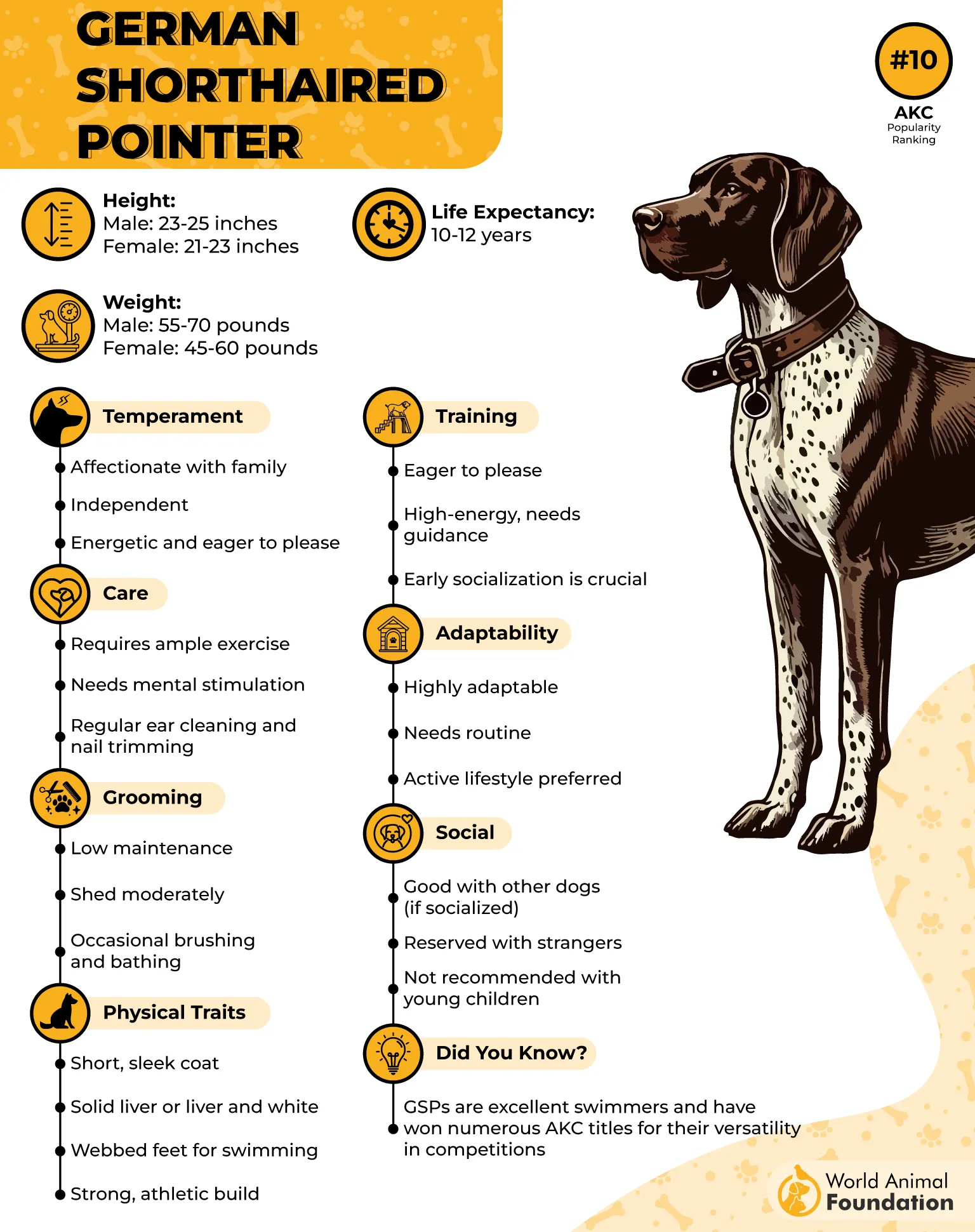
At home, they are friendly, loyal, and very people-oriented. They love being involved in daily activities and do best when they have a clear routine and purpose. However, they are not low-effort dogs. They need attention, structure, and early training to stay balanced.
Their intelligence makes them incredibly fast learners, but without proper guidance, their energy can become overwhelming.
Key Traits & Care
Prey Drive: Strong instinct to chase, point, and sometimes grab prey
Exercise: Needs 1–2 hours of intense activity daily
Temperament: Energetic, intelligent, and eager to work
Training: Responds best to consistent, positive reinforcement
Best Activities: Fetch, tracking, mantrailing, and scent games
German Shorthaired Pointers thrive in active homes where they can run, explore, and use their instincts. Activities like hide-and-seek with toys, flirt poles, and structured training help keep them satisfied.
Pups with unmet prey instincts can become bored and destructive. With the right care, they are loyal companions with impressive hunting abilities.
6. Pharaoh Hound
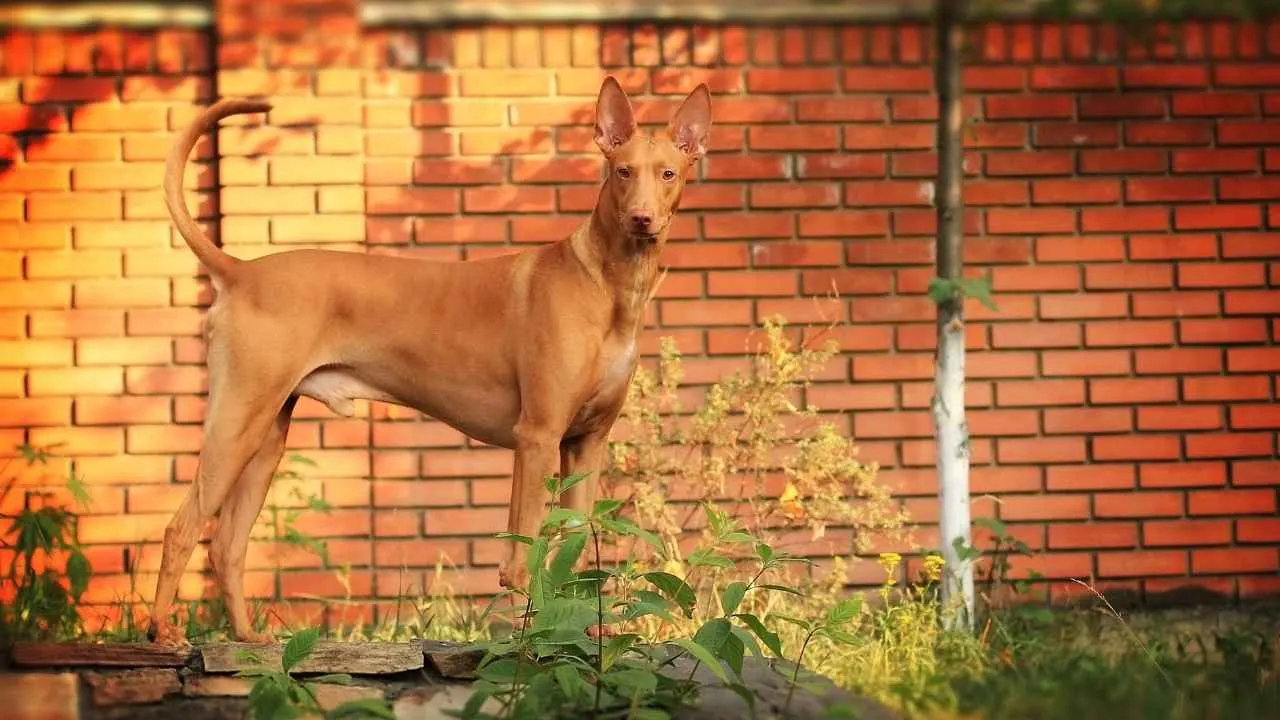
The Pharaoh Hound is an ancient hunting dog known for its speed, elegance, and sharp eyesight. Originally used to hunt rabbits for thousands of years, this sighthound reacts instantly to movement.
Its prey drive is strong and natural, meaning it will chase anything that runs—especially small animals like birds or mammals. Omlet UK mentions that it even has a unique trait: when excited, its ears and nose turn pink, earning it the nickname “Blushing Dog of Malta.”
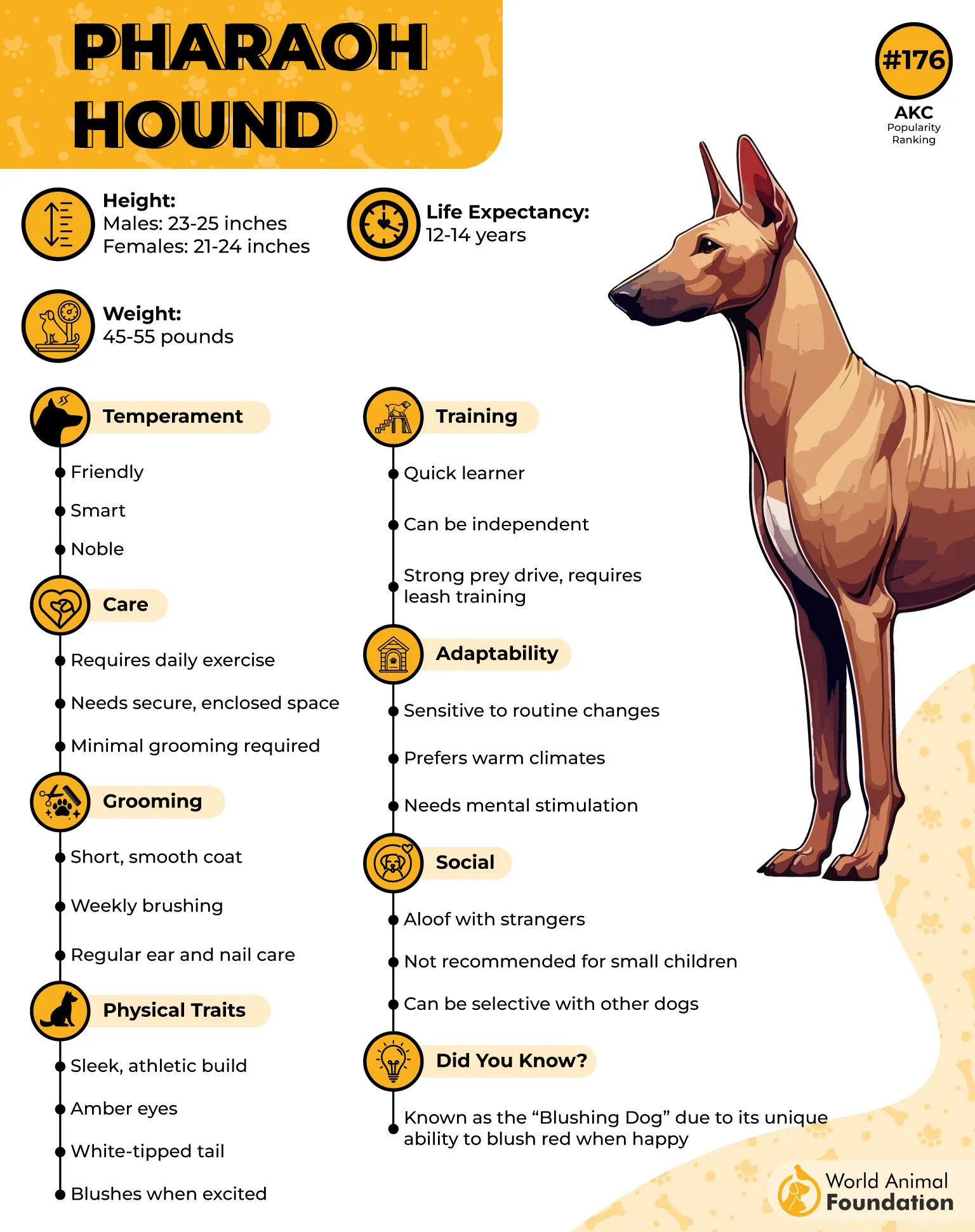
At home, this breed is friendly, playful, and affectionate. It gets along well with people and other dogs, thanks to its pack-oriented nature. However, it can be sensitive and slightly reserved in new environments.
It bonds closely with its family and may develop separation anxiety if left alone too often. While it is intelligent, it can also be independent and a bit stubborn, so training requires patience and a gentle approach.
Key Traits & Care
Prey Drive: Very high—will chase fast-moving animals without hesitation
Temperament: Playful, loyal, and people-friendly
Training: Sensitive and independent—responds best to positive methods
Exercise: Needs regular activity and space to run
Living Needs: Secure fencing and supervision around small pets
Pharaoh Hounds are energetic and curious, so boredom can lead to unwanted behavior like barking or mischief. They thrive in active homes where they can run and have constant engagement.
With proper training, socialization, and care, they become loving companions—while still holding onto their strong hunter instincts.
7. Border Collie
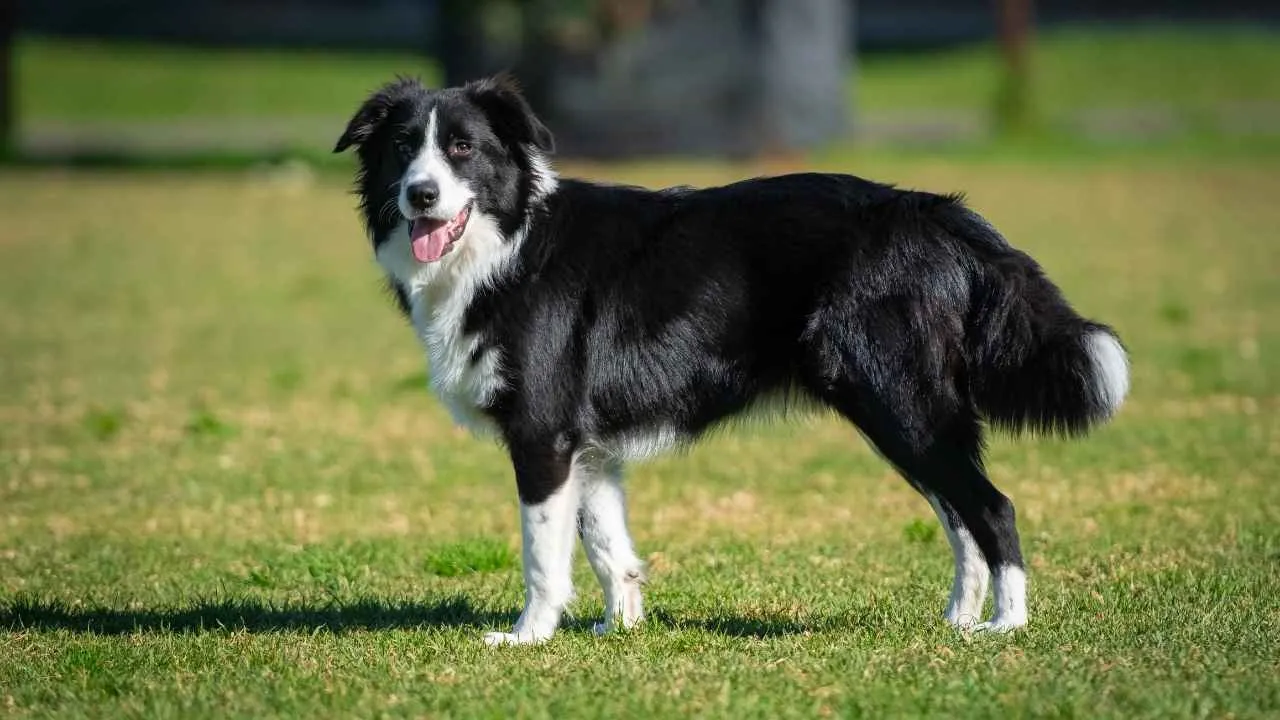
The Border Collie is often called the smartest dog breed—and it shows in everything it does. Originally bred to herd livestock, it uses its famous “herding eye” to control movement with intense focus.
While not a hunting dog in the traditional sense, it still has a high prey instinct to chase and control anything that moves. This can include other pets, animals, or even children if not properly trained.
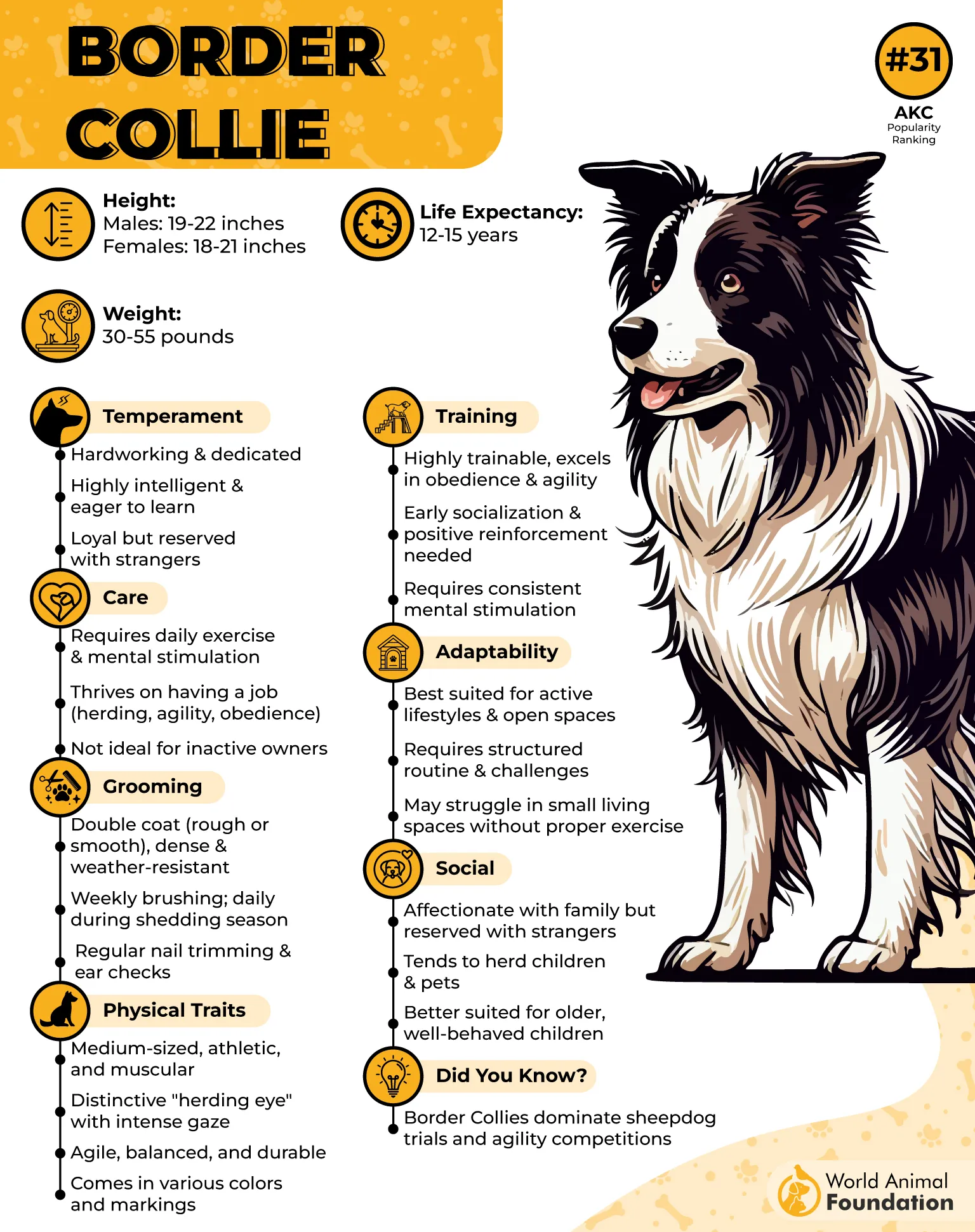
At home, this high-energy pup is playful and deeply loyal. It loves being around people but always needs something to do. A simple walk is not enough. Without proper activity, it can become bored and turn to chewing, digging, or excessive barking.
It is highly trainable and picks up commands quickly, but its intelligence also means it needs constant mental stimulation and structured routines.
Key Traits & Care
Drive: Strong instinct to chase, herd, and control movement
Exercise: Needs 1–2 hours of intense daily activity
Temperament: Intelligent, active, and work-focused
Training: Learns quickly but needs consistency and early guidance
Best Activities: Herding, agility, frisbee, and advanced training games
Border Collies thrive in active homes where they have space and purpose. They are not suited for inactive owners or long periods alone. With proper exercise, training, and mental challenges, they become incredibly loyal companions—but without it, their energy can quickly become overwhelming.
Conclusion
Living with dogs with high prey drives can be both exciting and challenging. These breeds are intelligent, energetic, and deeply connected to their instincts, which is exactly what makes them so impressive.
But that same instinct also means they need the right environment, proper training, and consistent mental and physical stimulation. Without it, their natural drive can turn into frustration or difficult behavior.
Before choosing one of these dogs, take a moment to honestly consider your lifestyle, time, and energy level. If you can meet their needs, you’ll gain a loyal, driven companion that thrives by your side.
