




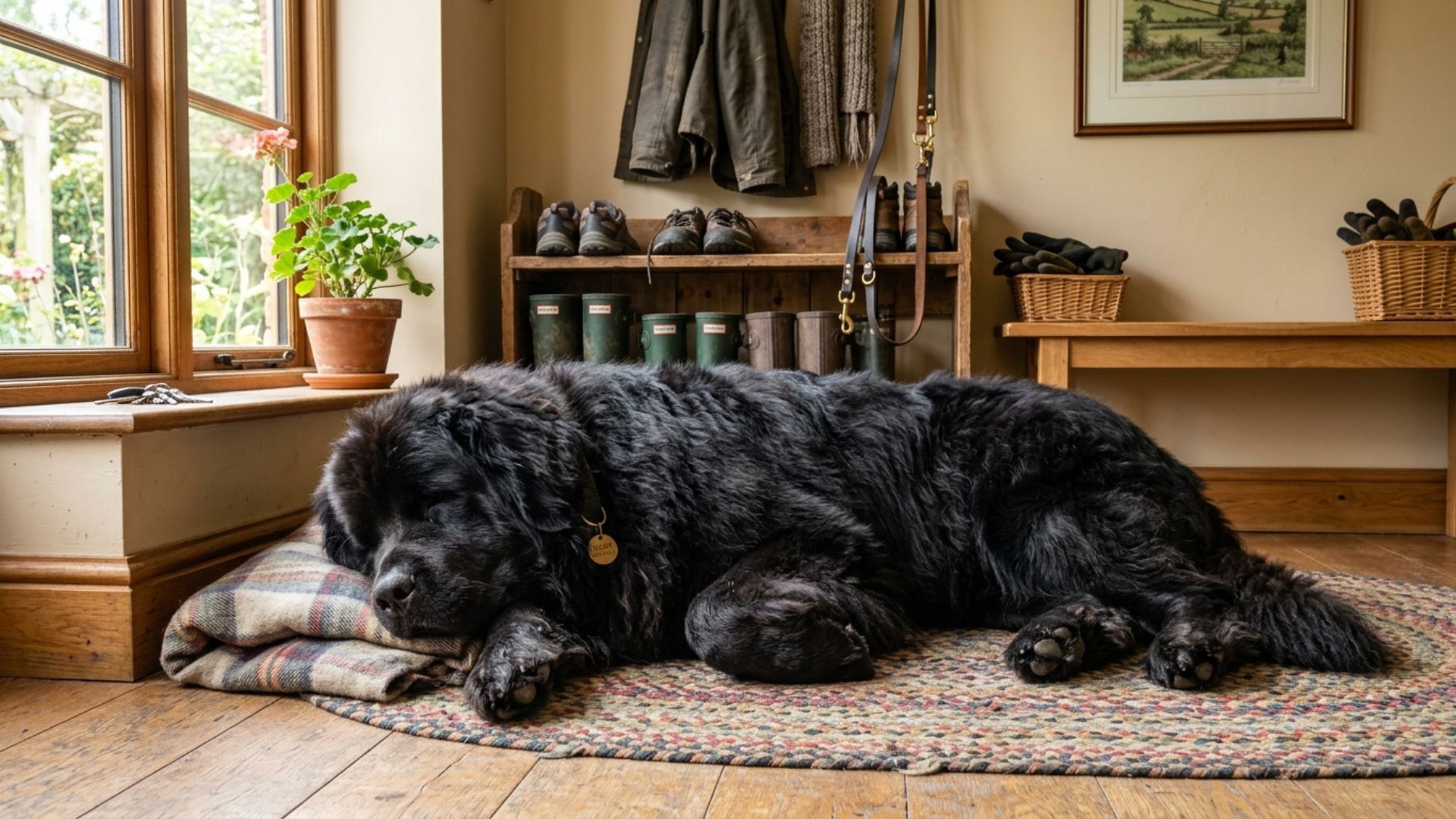
Some dogs don’t just enjoy sleeping—they seem built for it. If you’ve ever seen a pup stretched out on the sofa, fully committed to a long nap, you know the vibe: calm, cozy, and completely unbothered by the world.
Adult dogs sleep around 12–14 hours a day, and puppies can sleep up to 18–20 hours daily. This is because dogs are naturally “polyphasic sleepers,” meaning they rest in multiple short sessions instead of one long sleep cycle like humans. So, that love for lounging isn’t laziness—it’s just how they’re wired.
Of course, not every dog is naturally calm or quiet, and behavior can vary a lot depending on training, routine, and stimulation. But with the right environment, many dogs happily lean into a peaceful lifestyle—preferring soft beds, slow walks, and minimal noise.
That’s what makes certain quiet, low-energy companions so special: they don’t just share your space, they turn it into a calm little nap haven.
Quiet Dog Breeds That Turn Any Spot Into a Nap Haven
1. Cavalier King Charles Spaniel
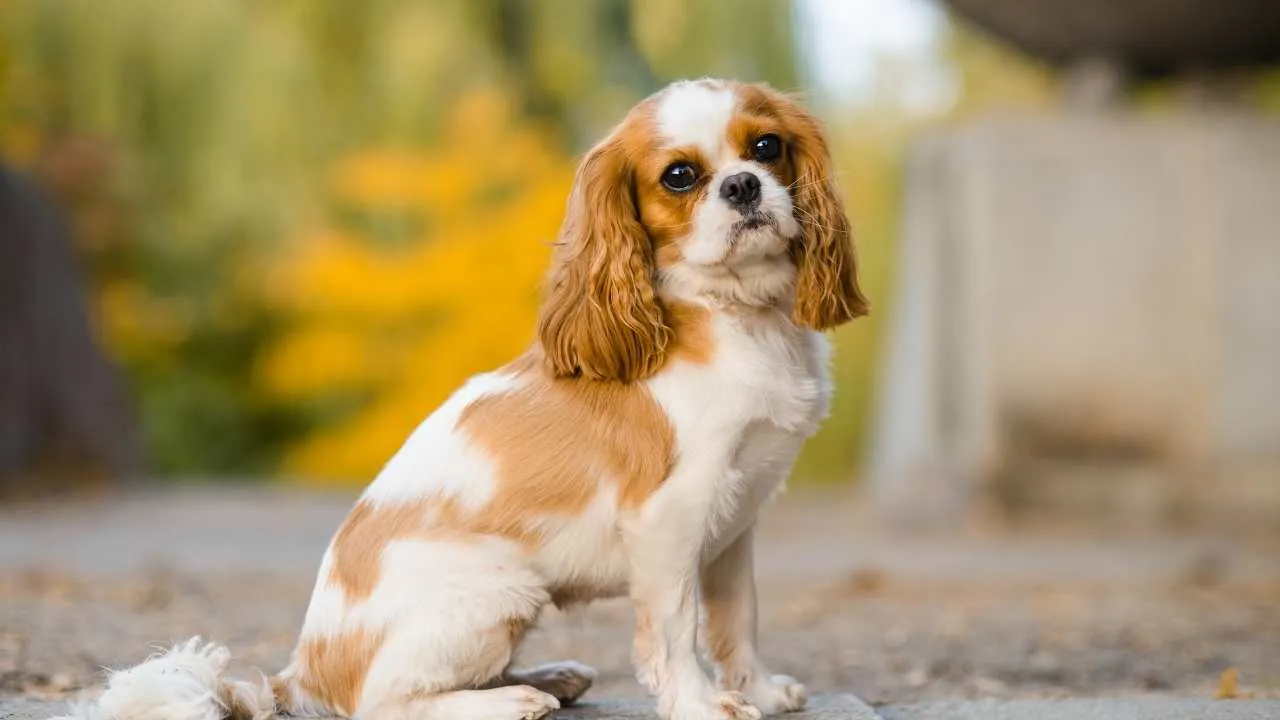
The Cavalier King Charles Spaniel has a strong royal background and was once a favorite of British nobility. Despite its elegant history, it is not a demanding or overly active dog. It blends gentle toy-breed affection with the light spirit of a sporting spaniel.
This makes it a calm, people-loving companion that easily settles into home life. Its soft expression and warm personality naturally create a soothing presence in any space.
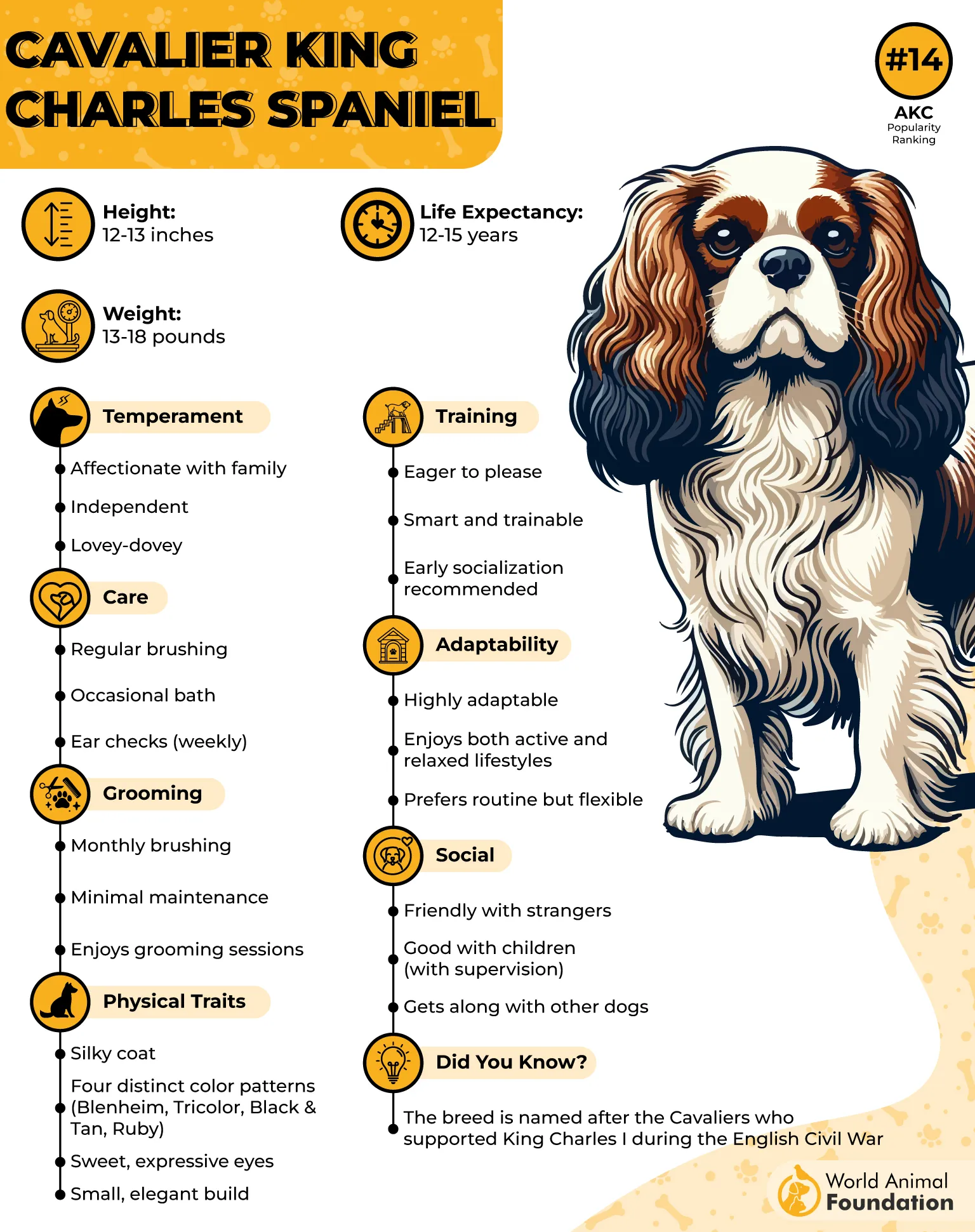
Friendly, Loving, and Easy to Live With
Very affectionate and eager to please
Friendly with strangers, children, and other pets
Gentle temperament with no aggression or shyness
Intelligent and easy to train with reward
Can excel in obedience, rally, agility, and therapy work
This breed is known for its sweet and patient nature. It enjoys human company and builds strong bonds with its family. Cavaliers do well in both active homes and quiet households.
They only need regular walks and attention, but their true happiness comes from being close to their people. They are social dogs that dislike long hours alone.
A True Nap-Lover for Peaceful Homes
Even though they have a sporting background, Cavaliers are not high-energy dogs. They enjoy light outdoor activity but are equally happy spending long hours resting on a sofa. Their calm behavior and love for cuddling make them perfect for a relaxed lifestyle.
However, they should not be let off-leash, as their curiosity may lead them to wander. With early and consistent socialization, training, and positive reinforcement, they grow into quiet, well-mannered companions that turn any corner of the house into a cozy nap haven.
2. Basset Hound
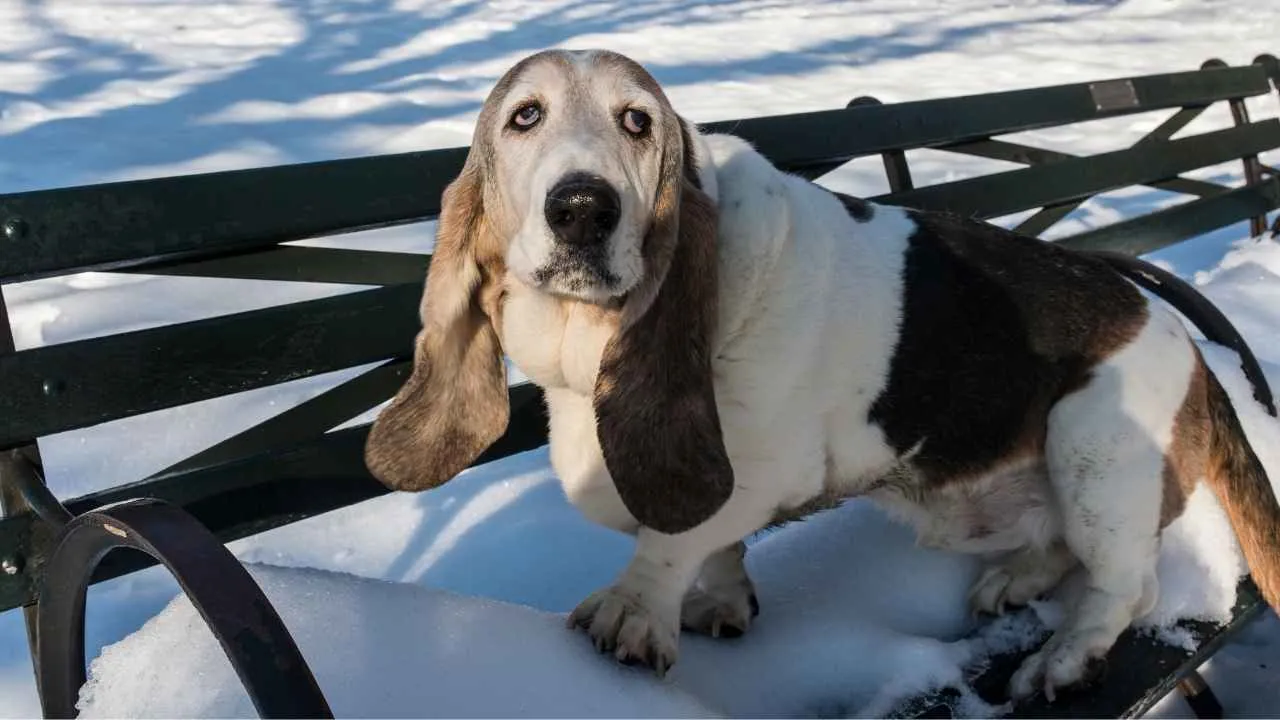
The Basset Hound is one of the most instantly recognizable dog breeds, known for its low build and relaxed presence. Originally developed in France for hunting rabbits and hares, it comes from strong scent-hound ancestry.
Despite its working background, it is now more commonly a companion pet. Its heavy bone structure, large paws, and slow, steady movement give it a grounded, easygoing personality. It is calm at home, but can become stubborn when focused on a scent.
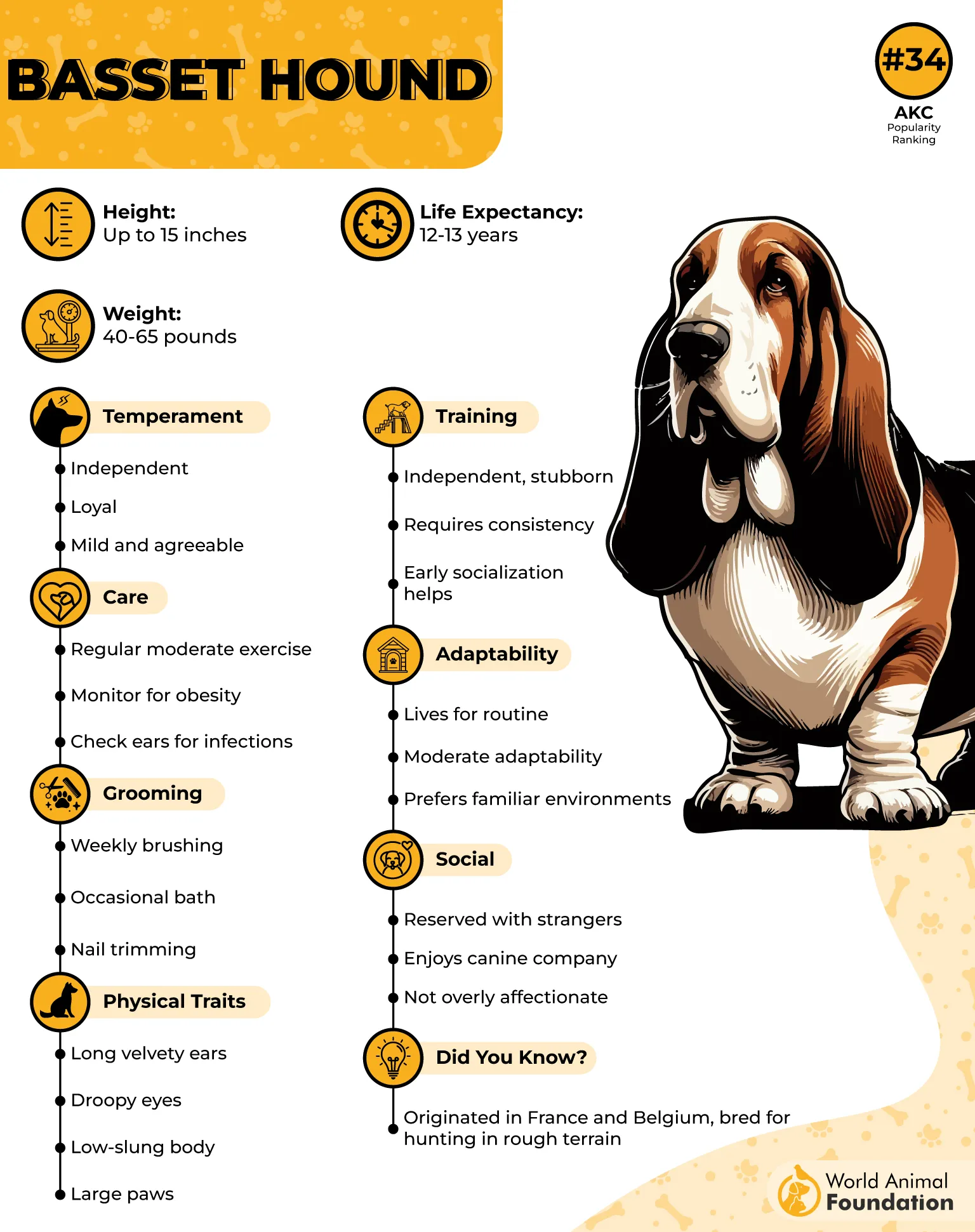
Gentle Temperament with a Strong Nose
Friendly, good-natured, and people-oriented
Generally good with children and other pet
Independent and sometimes stubborn in training
Strong scent drive and excellent tracking ability
Can be vocal with a deep, loud bark
According to the AKC, Basset Hounds are pack dogs by nature, which makes them social and comfortable around other animals. They are affectionate but not overly expressive. Training can be challenging because they are independent thinkers. Early socialization and positive reinforcement work best.
They respond well to treats and consistency, but they do things at their own pace. They are intelligent, just not always eager to obey instantly.
Low-Energy Lifestyle Perfect for a Nap Haven Home
Bassets are not high-energy dogs and prefer a slow, relaxed routine. A daily walk is usually enough to keep them healthy and prevent weight gain.
After minimal exercise, they are happiest resting or sleeping for long hours. However, they should not be left without stimulation for too long, as boredom can lead to barking or digging.
They also do not like being alone for extended periods and prefer company. With their calm demeanor, steady loyalty, and love for comfort, Basset Hounds fit perfectly into a quiet home where every soft corner becomes a nap-friendly space.
3. Irish Wolfhound
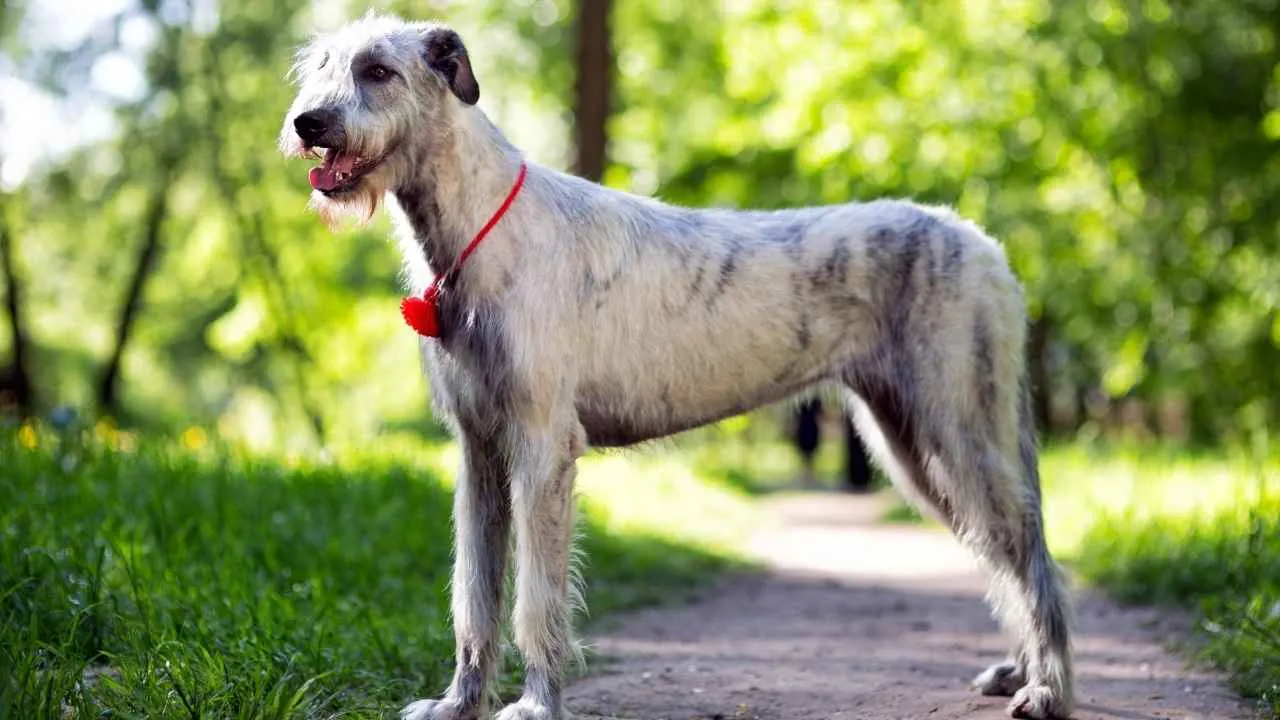
The Irish Wolfhound is the tallest of all dog breeds and has a calm, noble presence that naturally fills a home with quiet dignity. Once bred for hunting wolves, it has now become one of the most peaceful and gentle companion dogs.
Despite its massive size and strong build, it moves with slow grace and rarely shows aggression. Its rough, wiry coat and distinctive beard give it a wise, soft expression that matches its calm nature perfectly.
Calm Temperament with a Soft, Loyal Heart
Extremely gentle, patient, and easygoing
Friendly with children, families, and other dogs
Sensitive, affectionate, and people-oriented
Generally have a quiet nature and are not excessive barkers
Eager to please but slow-paced in obedience
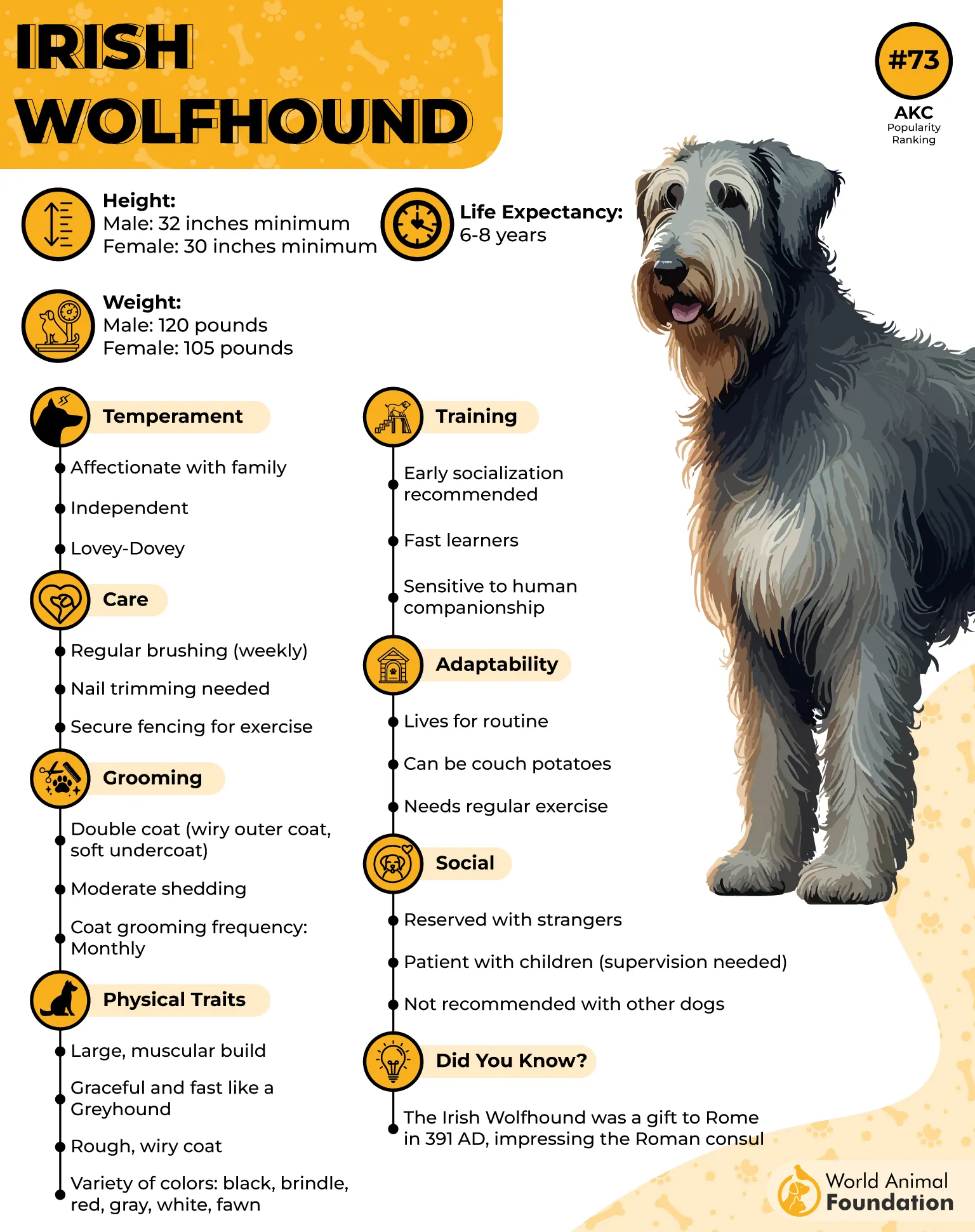
Irish Wolfhounds are known for their calm and dignified personality. They bond deeply with their families and prefer a peaceful environment. They are not naturally protective or aggressive, but their size alone is often enough to deter strangers.
They respond well to early socialization and positive reinforcement training, though they tend to learn at their own relaxed pace. Their strong prey drive means outdoor supervision is important.
A Slow-Motion Companion for a Quiet Nap Haven
This breed is a calm dog that thrives in a home where it can rest comfortably for most of the day. A daily walk or light exercise is usually enough to keep it healthy and balanced. After activity, it enjoys long hours of resting and stretching out in quiet spaces.
Irish Wolfhounds are sensitive and should not be left alone for long periods, as they can develop separation anxiety, as mentioned by PetMD.
They need room to relax due to their size, but in return, they bring unmatched serenity. With their gentle nature and slow lifestyle, they turn any space into a peaceful, nap-filled retreat.
4. Newfoundland
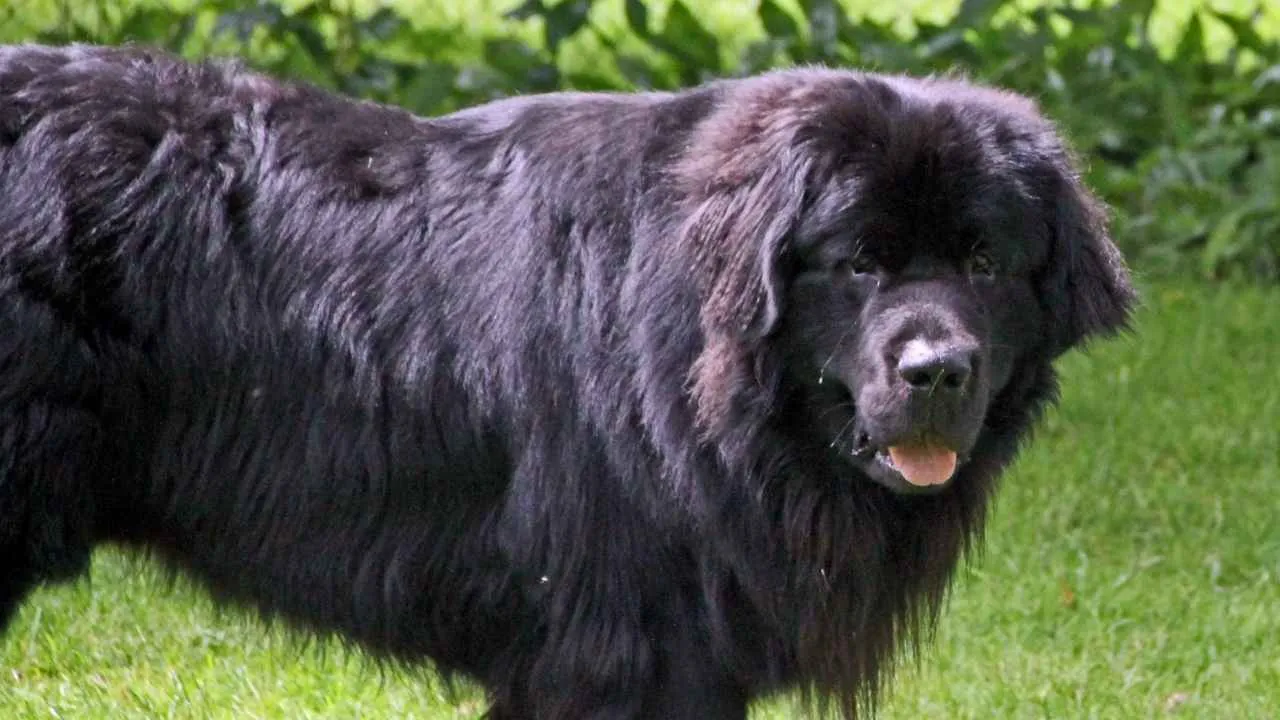
The Newfoundland is one of the largest working dog breeds, known for its powerful build and deeply gentle nature. Despite its size, it has a calm, dignified presence that feels soft and comforting rather than overwhelming.
Originally developed for water rescue and working tasks, it is now widely loved as a loyal family companion. Its thick, water-resistant coat and soulful expression give it a calm, steady appearance that fits perfectly into a peaceful home environment.
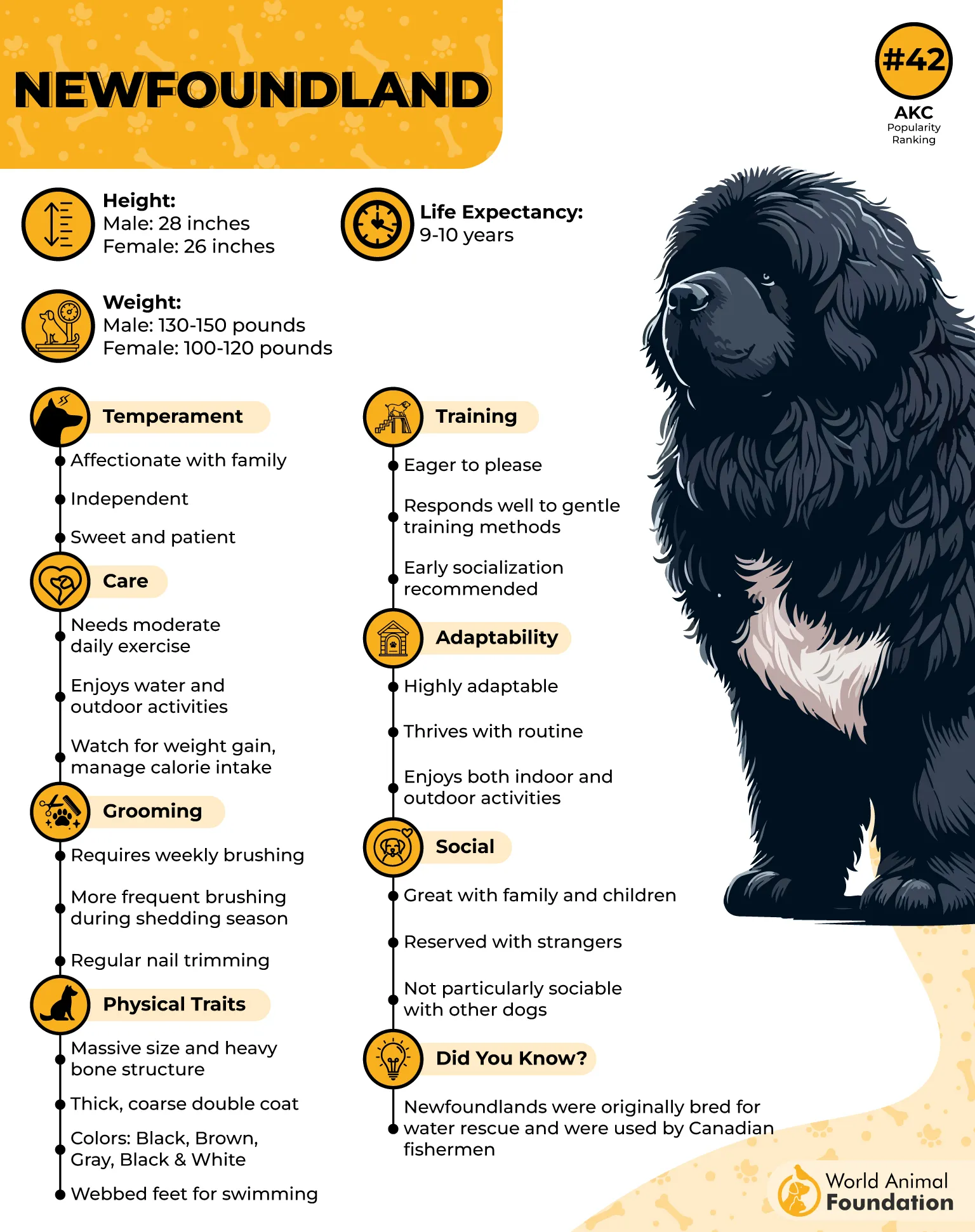
Sweet Temperament and Loyal “Nanny Dog” Nature
Exceptionally gentle, patient, and affectionate
Very good with children and often called a “nanny dog.”
Friendly with strangers, pets, and family members
Intelligent and generally easy to train with gentle methods
Calm, watchful, and protective without being aggressive
Newfoundlands are known for their kind and trustworthy personalities. They form strong bonds with their families and are especially tolerant of children. Early socialization and positive reinforcement training help them grow into well-mannered adults.
They respond best to gentle guidance and do not do well with harsh training methods. Though calm, they are naturally watchful and may quietly place themselves between their family and strangers if needed.
A Calm, Water-Loving Giant That Loves to Rest
Despite their working background, Newfoundlands are not overly active dogs. They need only moderate exercise, such as a walk or light play, and they especially enjoy swimming. After activity, they are content to relax indoors and rest for long hours, making them excellent companions for quiet homes.
However, they require space, proper grooming, and careful weight management due to their size. They shed year-round and need regular brushing, along with daily human interaction to stay emotionally balanced.
5. Greyhound
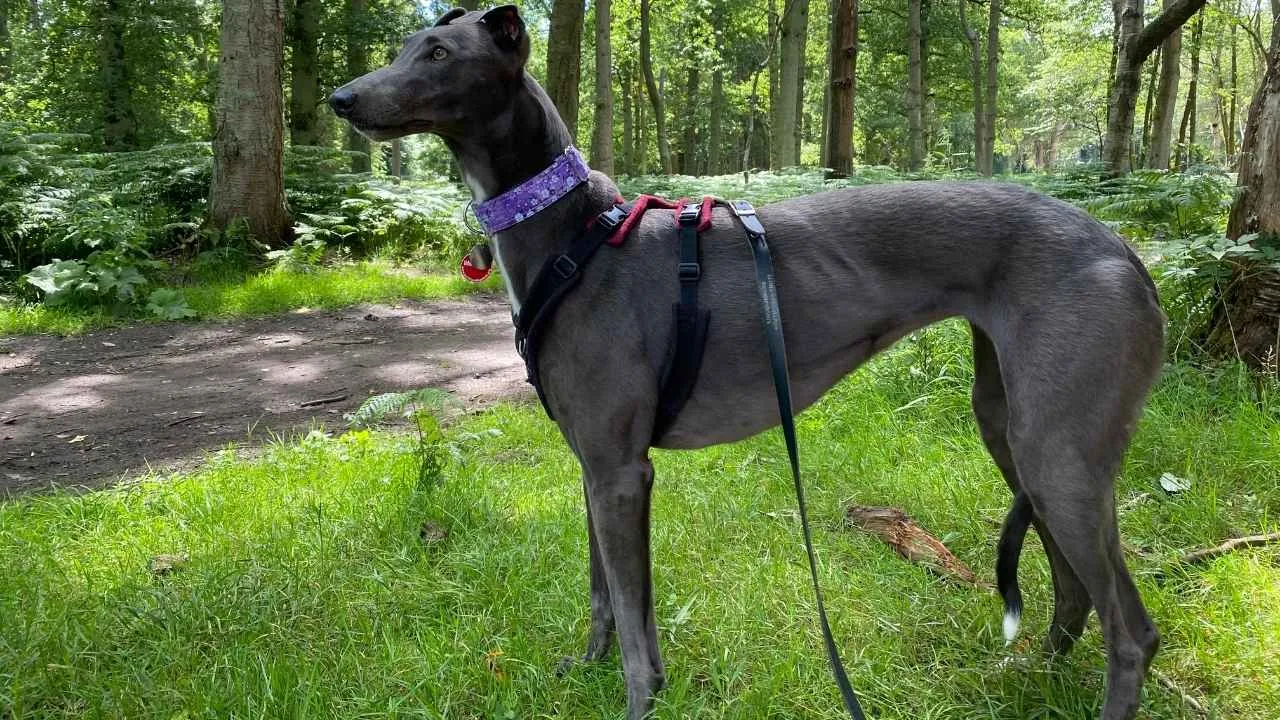
The Greyhound is a legendary sprinter known for its incredible speed, but at home, it transforms into one of the calmest and most relaxed companions. Built with a sleek, aerodynamic body, it is designed for short bursts of high-speed chase rather than constant activity.
Despite its athletic history in racing and coursing, it is often described as a “couch potato” because it loves resting for most of the day. Its quiet, gentle presence makes it an ideal fit for a peaceful home environment.
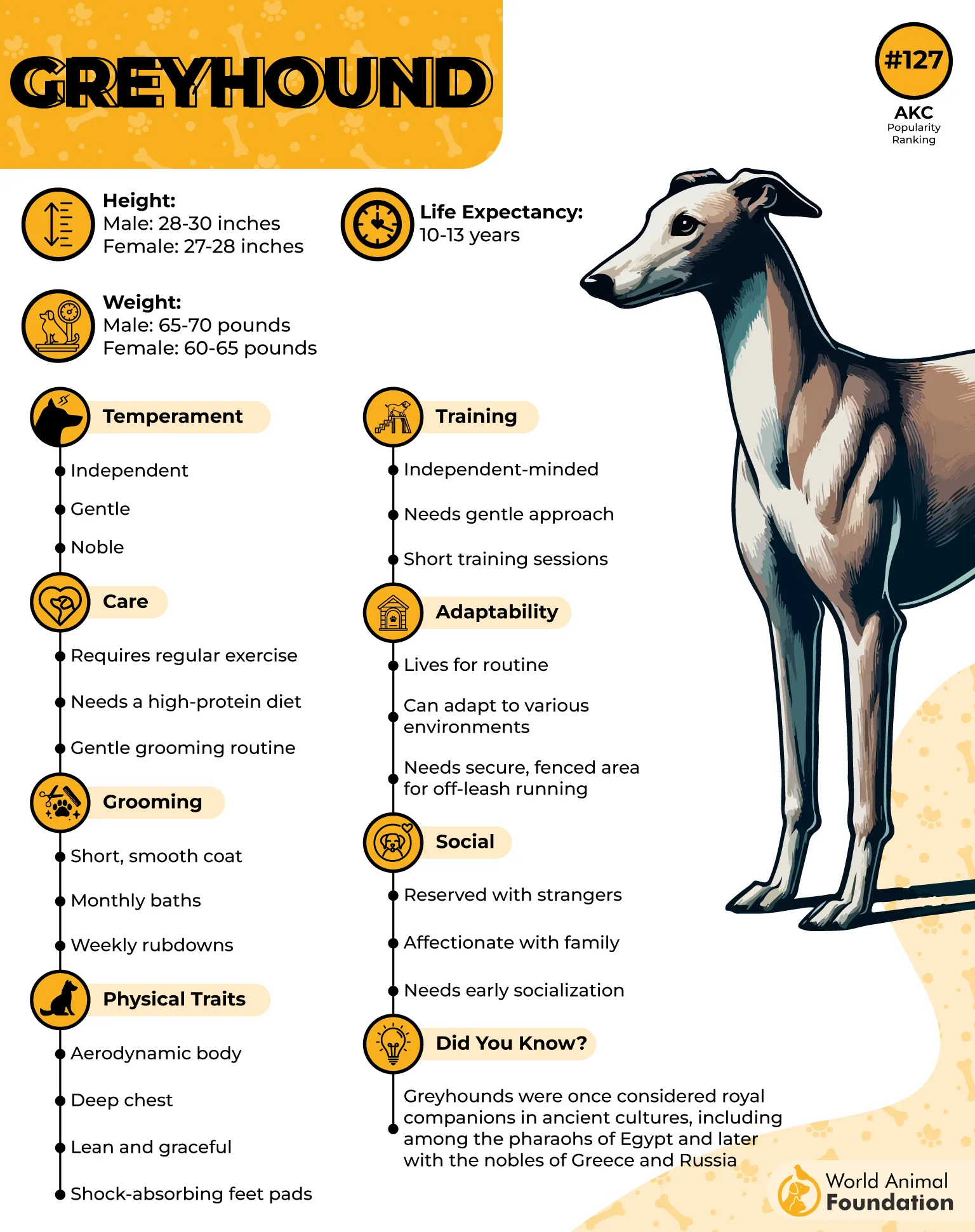
Gentle, Sensitive, and Calm-Tempered Companion
Extremely gentle and non-aggressive in nature
Affectionate with family but reserved with strangers
Calm indoors and often enjoys long hours of sleep
Intelligent but sensitive to harsh training methods
Generally good with other dogs, but has a strong prey drive
Greyhounds are independent thinkers due to their hunting background, where they relied on sight rather than commands. This can make training a bit challenging, so short, positive sessions work best.
They bond closely with their families and prefer doing things with their people rather than simply obeying commands. Early socialization is important, especially around small animals and children.
Fast on the Field, Still and Silent at Home
Although Greyhounds are built for speed, they do not need constant exercise. A short daily walk and occasional safe running space are usually enough. Once their energy is released, they quickly settle into long periods of rest and sleep.
They must be kept in secure, fenced areas when off-leash due to their strong instinct to chase. With their short coat, minimal grooming needs, and naturally quiet temperament, Greyhounds easily turn any home into a calm, low-noise, nap-friendly space.
6. Pug
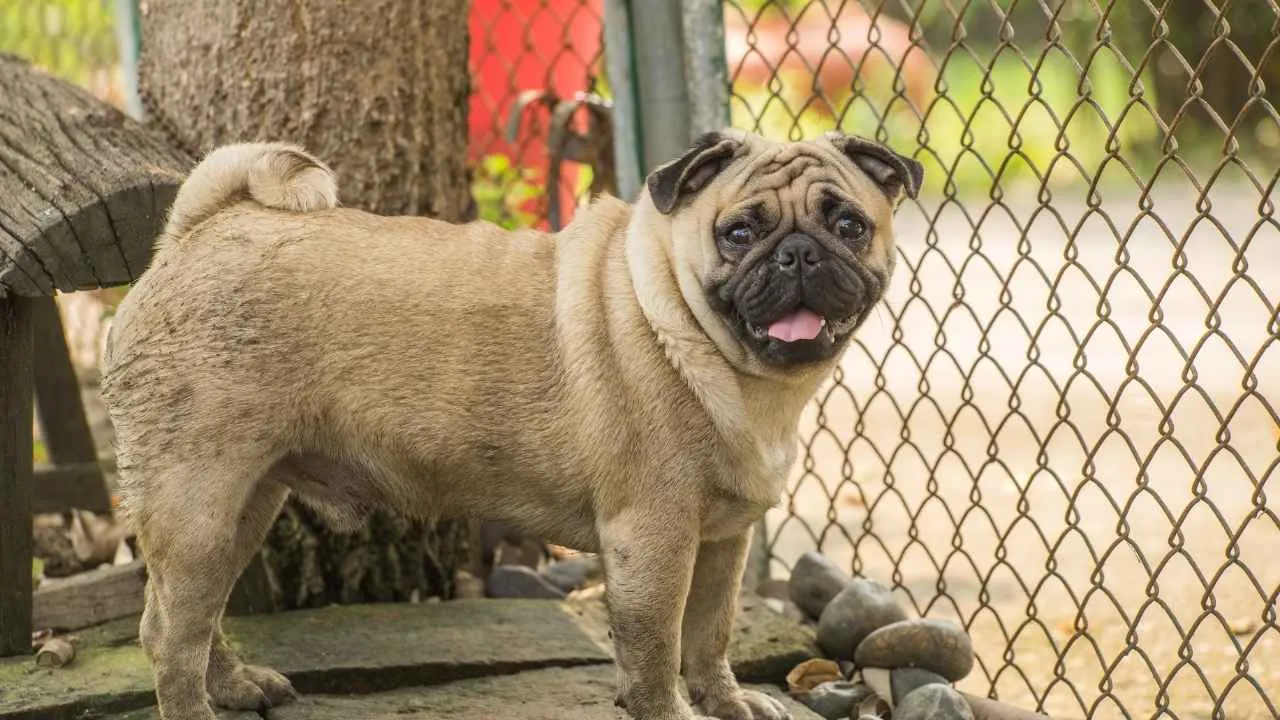
The Pug is an ancient breed with royal roots, once loved by Chinese emperors and later admired by European nobility. Known for its motto “multum in parvo” (a lot in a little), it truly lives up to being a small dog with a big presence.
With its wrinkled face, round expressive eyes, and curled tail, it has a naturally charming and almost human-like expression. Despite its playful look, the Pug is calm, sturdy, and deeply people-oriented, making it a perfect indoor companion.
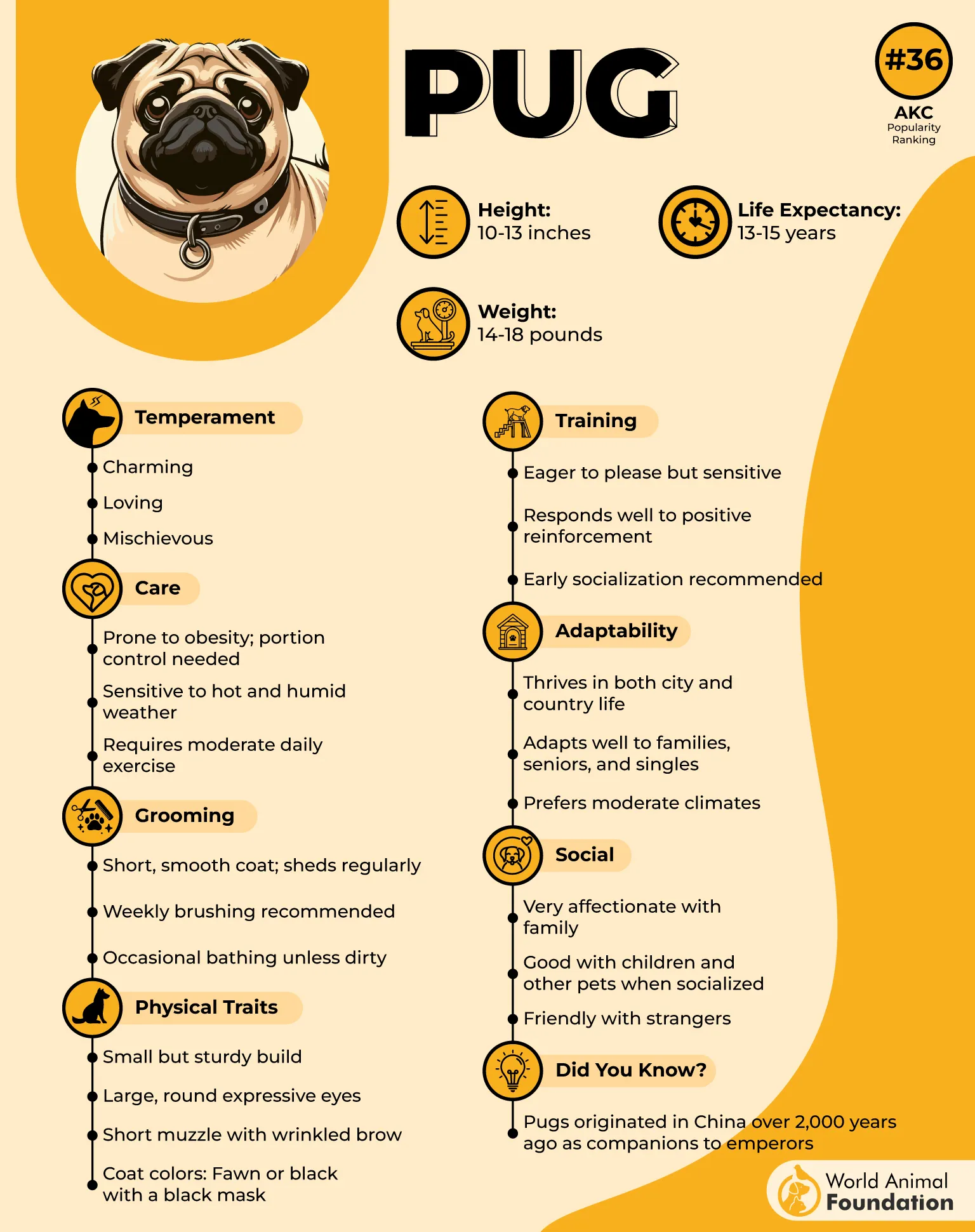
Loving, Easygoing, and People-Focused Nature
Extremely affectionate and thrives on human attention
Friendly with children and usually good with other pets
Generally easy to train with positive reinforcement
Sensitive and does not respond well to harsh training
Can be a little stubborn but aims to please
Pugs are bred purely as companion dogs, so they love being close to their family. They do not like being left alone for long periods and prefer constant interaction. Early socialization helps them become well-adjusted and confident.
They are food-motivated, which makes training easier, but care is needed to avoid overfeeding. Their gentle temperament makes them excellent family pets in both small and large households.
Calm Indoor Lifestyle with a Strong Love for Rest
Pugs are not highly active dogs and often enjoy spending much of the day resting or cuddling on the sofa. However, they still need daily moderate walks and playtime to stay healthy and prevent weight gain.
Due to their short, flat faces, they are sensitive to heat and should avoid strenuous activity in warm or humid weather, as stated by Britannica. With proper care, mental stimulation, and a relaxed routine, Pugs adapt beautifully to indoor living.
7. Scottish Deerhound
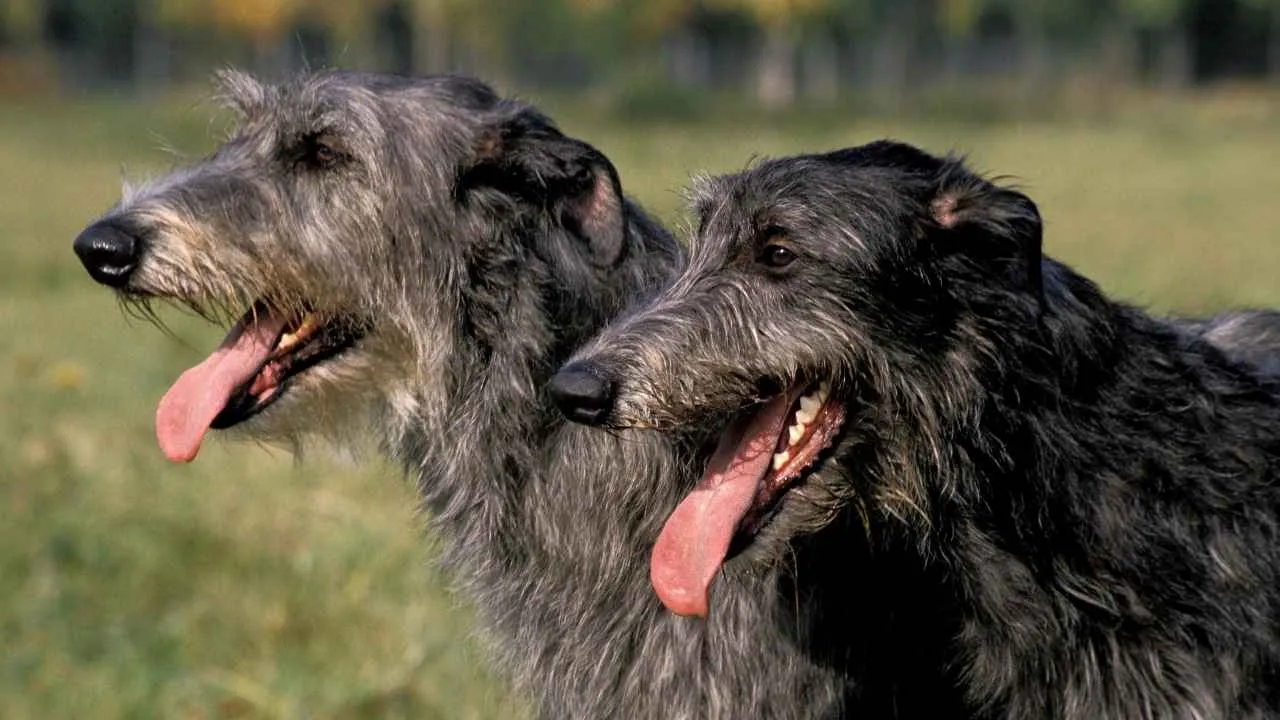
The Scottish Deerhound, often called the “Royal Dog of Scotland,” is one of the tallest and most elegant sight hounds in the canine world. Originally bred in the Scottish Highlands to hunt large deer, it carries the classic Greyhound-like structure but in a more powerful, substantial form.
With its long neck, lean frame, and rough, weather-resistant coat, it has a naturally noble and calm presence. Despite its hunting origins, it is now best known as a gentle, peaceful companion that fits beautifully into quiet homes.
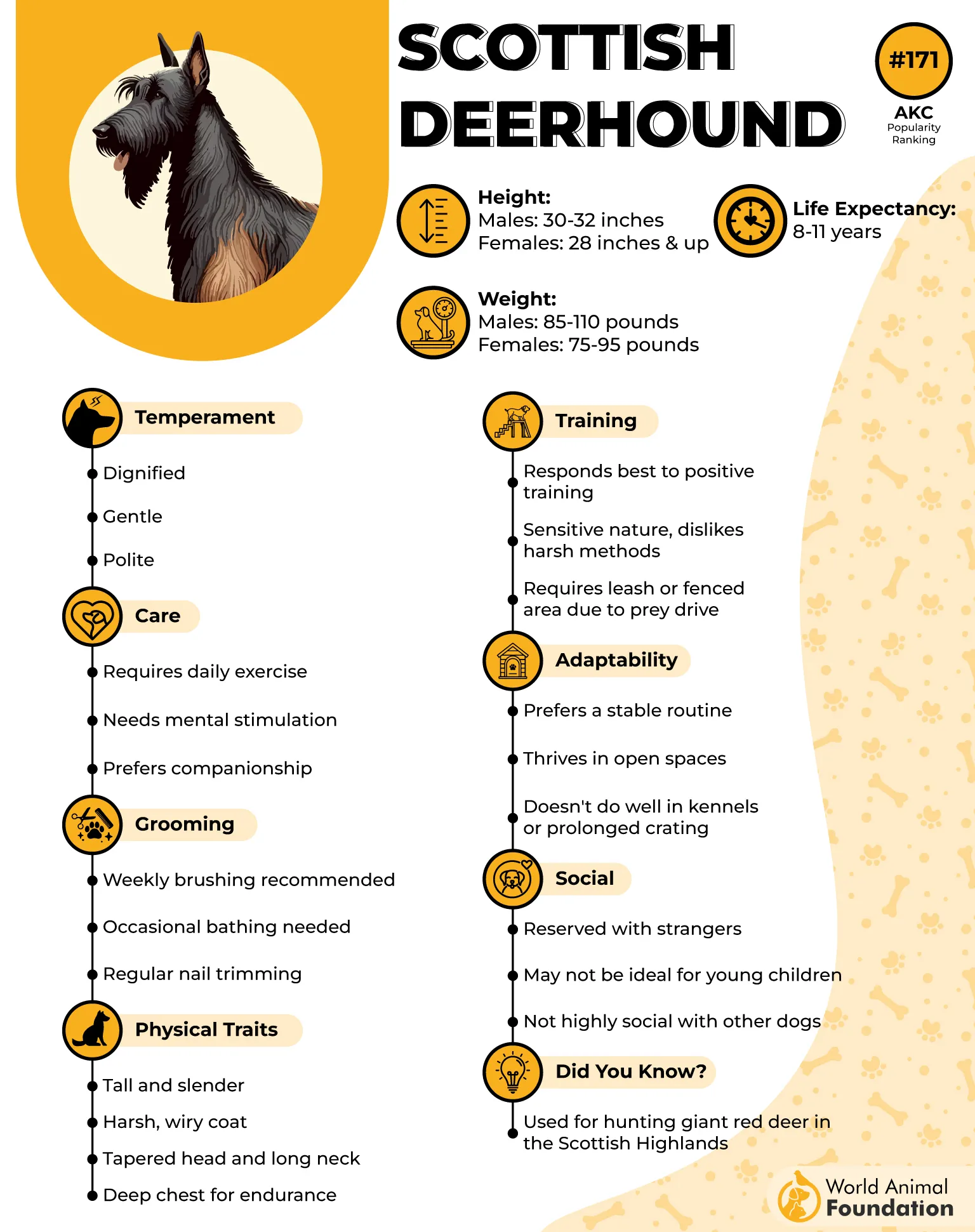
Gentle, Independent, and Deeply Calm Temperament
Calm, friendly, and easygoing nature
Gentle with family members and generally good with children
Independent thinker with a soft, non-demanding personality
Low aggression and rarely reactive indoors
Strong prey drive outdoors, especially with smaller animals
Scottish Deerhounds are known for their soft temperament and relaxed behavior once fully mature. They bond quietly with their families but are not overly clingy or demanding. Training requires patience because they are independent and not strongly driven to please.
Positive reinforcement works best, along with varied and engaging routines to prevent boredom. Early socialization is important, especially around small pets due to their natural chase instinct.
A Slow, Sleepy Giant Made for Peaceful Living
This breed is naturally low-energy and spends much of its time resting indoors. While it does need daily exercise—about an hour or more split into sessions—it quickly shifts between brief bursts of speed and long hours of calm sleep.
Adults, especially, are known for enjoying extended naps on sofas or beds, making them perfect for quiet households. However, they should always be exercised in secure areas due to their strong instinct to chase.
Conclusion
In the end, some dogs are simply built for a slower, quieter way of life. From gentle giants to tiny lap lovers, these calm and low-energy companions all share one beautiful trait—they know how to turn ordinary spaces into peaceful nap havens.
If you’re someone who values calm mornings, quiet evenings, and a home that feels more like a cozy retreat than constant chaos, one of these breeds could be a perfect match. Take your time, understand their temperament, and choose a perfect companion that fits your lifestyle—not just your heart.
Because at the end of the day, the best kind of dog isn’t just one that stays by your side, but one that brings a little more peace into every corner of your life.
Looking for more chill dog breeds? You can also check out the Great Dane, Shih Tzu, Japanese Chin, Tibetan Spaniel, Clumber Spaniel, Chow Chow, Pekingese, and Saint Bernard.
