




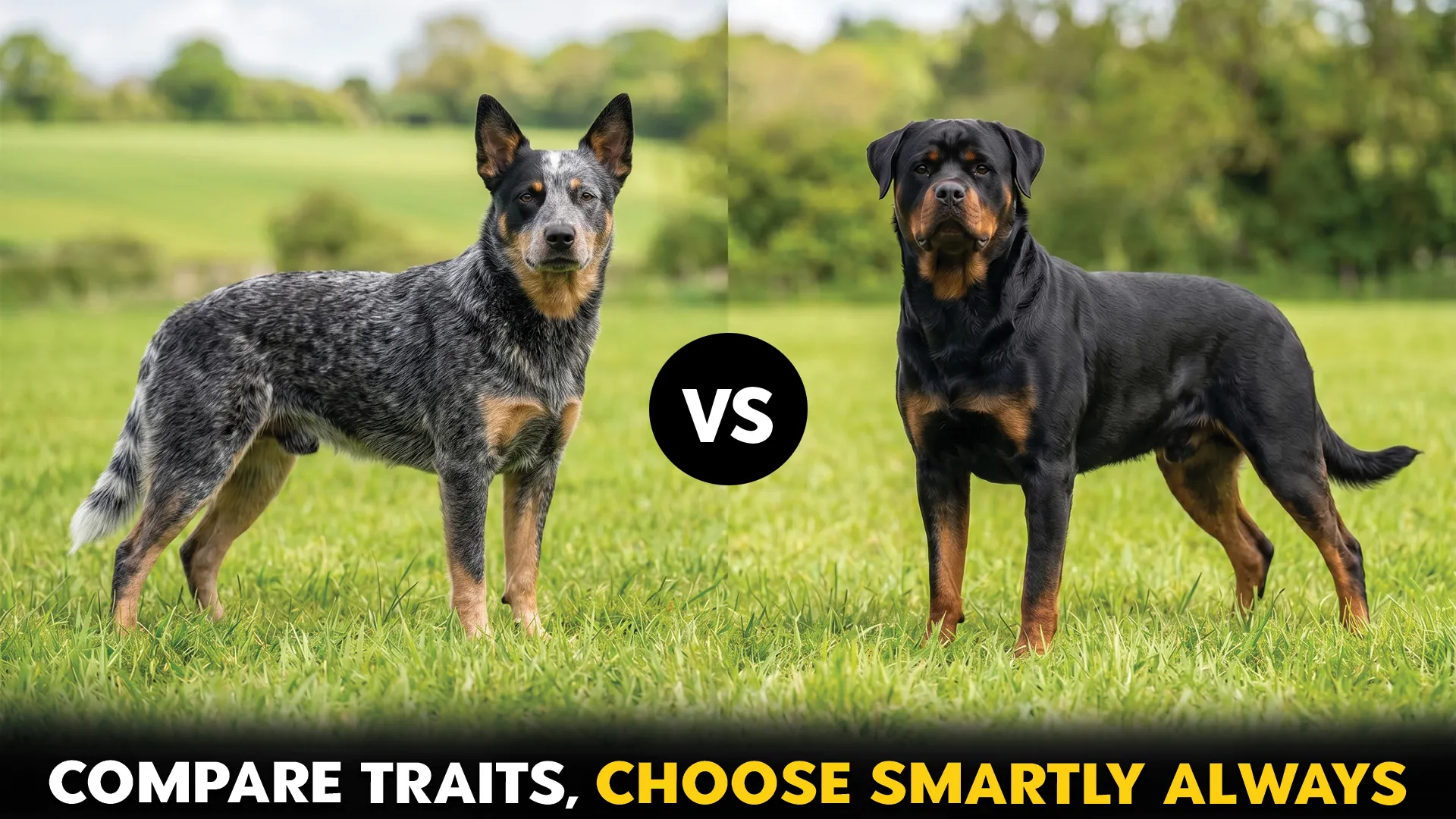
Two dogs, both legendary in the working-dog world, yet built for completely different kinds of strength—the Blue Heeler and the Rottweiler stand out the moment you compare them.
One is a fast-thinking, tireless herder shaped to control cattle across harsh Australian landscapes, while the other is a powerful guardian bred for protection, control, and steady reliability. Their differences go far beyond appearance—they reflect two very different working instincts.
The Australian Cattle Dog, also known as the Blue or Red Heeler, is compact, energetic, and extremely intelligent. It is known for independent thinking, quick reactions, and a strong work drive that keeps it constantly engaged.
The Rottweiler, in contrast, is calm, powerful, and naturally protective. Built for strength and endurance, it is confident and steady rather than restless, responding best to structure and guidance. Known for its guarding instincts and deep family loyalty, it balances seriousness with surprising affection at home.
Together, these breeds highlight two extremes of working-dog traits—one built for constant motion and problem-solving, the other for controlled strength and dependable protection.
Key Takeaways
Compare the Australian Cattle Dog and Rottweiler as energy-driven intelligence meets calm, protective strength.
See why the Australian Cattle Dog demands nonstop activity, purpose, and mental engagement.
Understand the Rottweiler’s loyal, confident, and naturally protective personality.
Learn key differences in care, training, health, and energy to find your ideal match.
Blue Heeler vs Rottweiler: Important Differences Before You Choose
Size and Strength
Australian Cattle Dog
The Australian Cattle Dog is compact but impressively strong for its size, typically standing between 17 and 20 inches at the shoulder. Its build is solid and athletic, with a muscular neck, broad shoulders, and a deep chest that supports endurance rather than sheer bulk.
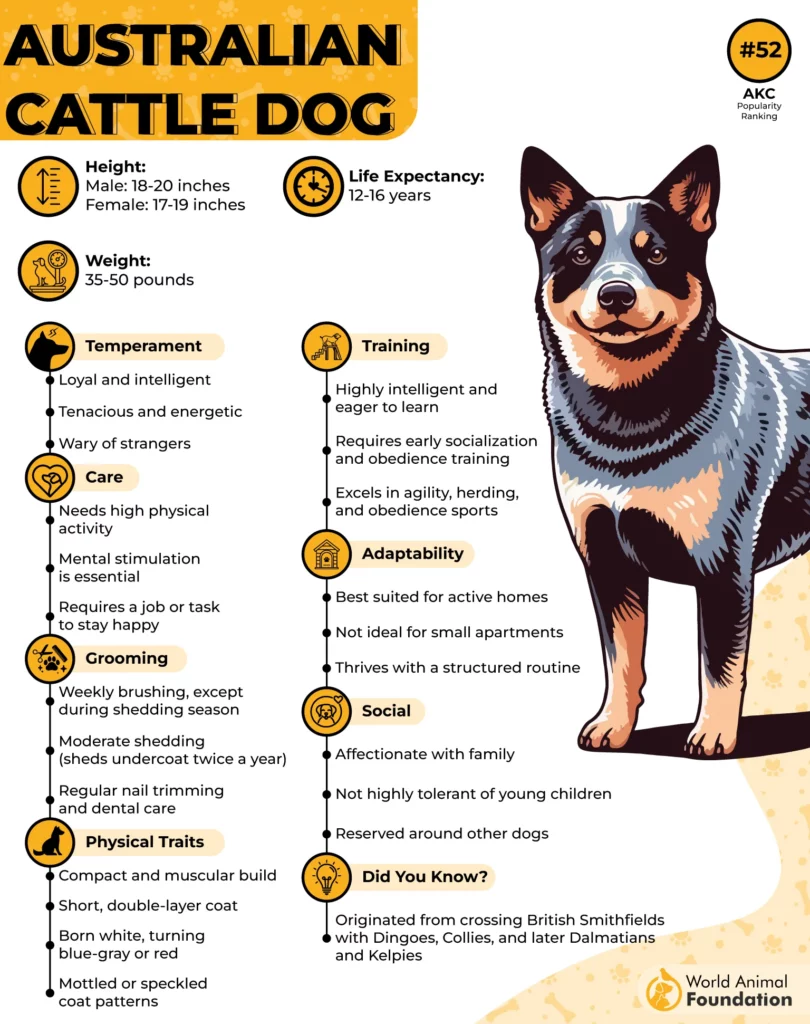
Every part of its body is designed for agility and stamina, allowing it to move quickly and work tirelessly over long distances. Despite not being large, its powerful jaws, sturdy frame, and balanced structure give it a rugged strength perfectly suited for herding tough livestock.
Rottweiler
In contrast, the Rottweiler is built for sheer power and presence, standing 22 to 27 inches tall and weighing anywhere from 80 to over 120 pounds. Its body is slightly longer than tall, with a massive head, broad chest, and heavily muscled frame that becomes even more pronounced as it matures.
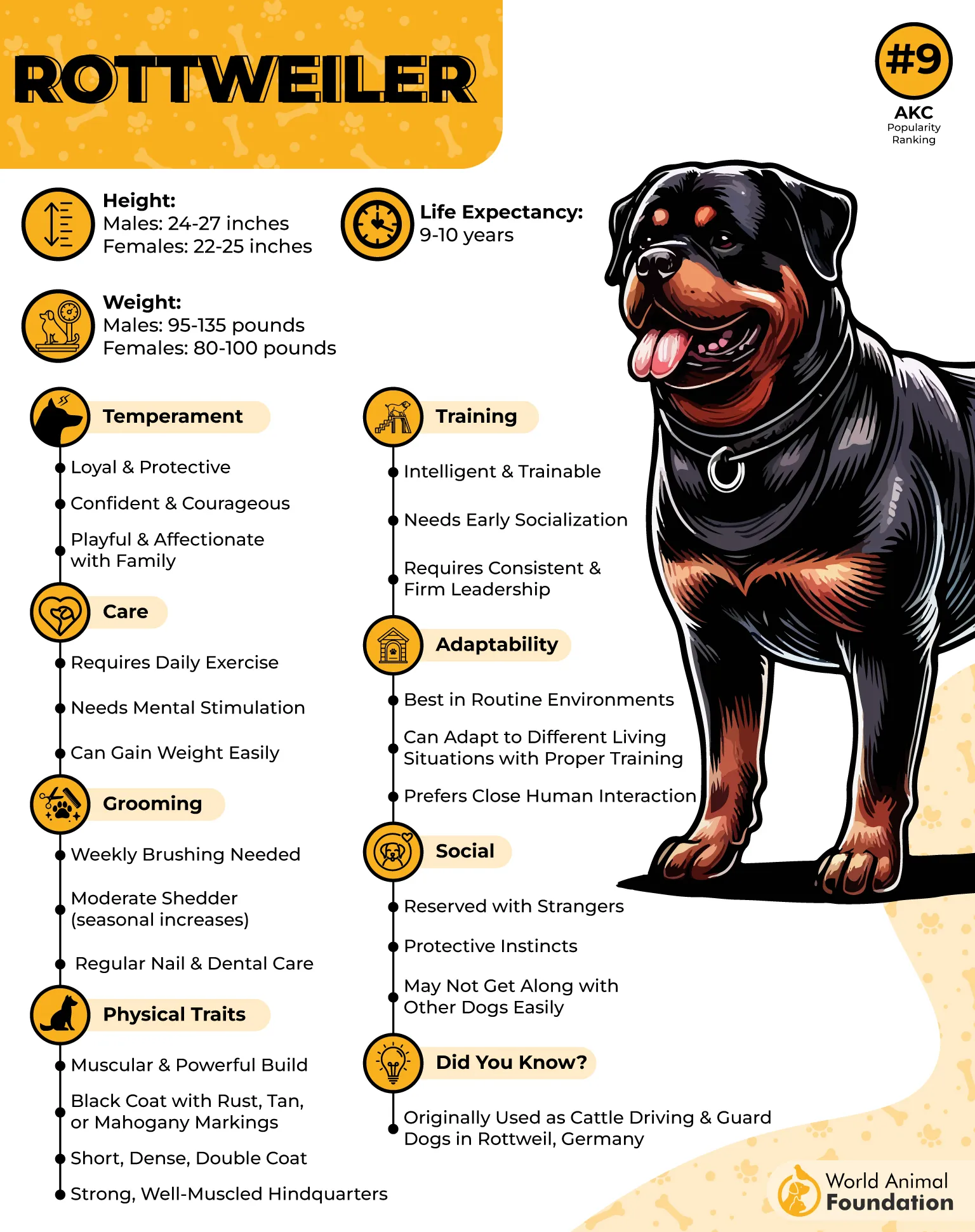
According to Hill’s Pet, Rottweilers develop slowly, often reaching full physical strength around 2 to 3 years of age, at which point they display the full extent of their imposing build.
Unlike the Heeler’s endurance-focused strength, the Rottweiler’s power lies in its size, weight, and raw muscular force, making it one of the most physically commanding working breeds.
Temperament and Personality
Australian Cattle Dog
The Australian Cattle Dog is a highly alert, intelligent, and purpose-driven breed with a strong sense of duty. Bred for demanding herding work, it is naturally watchful, courageous, and quick to react, often anticipating situations before they happen.
This sharp mindset makes it incredibly trainable—but also independent enough to challenge inexperienced owners.
Key traits
Deeply loyal and devoted to its owners
Naturally wary of strangers and protective when needed
Extremely intelligent and fast-learning
Energetic, playful, and thrives on activity
Strong herding instinct (may try to herd children or other pets)
Despite its tough exterior, the Blue Heeler is affectionate and enjoys being around its family. However, its instinct to control movement—sometimes by nipping—means early training and socialization are essential. It can also show dominance or aggression toward other breeds if not properly managed.
Rottweiler
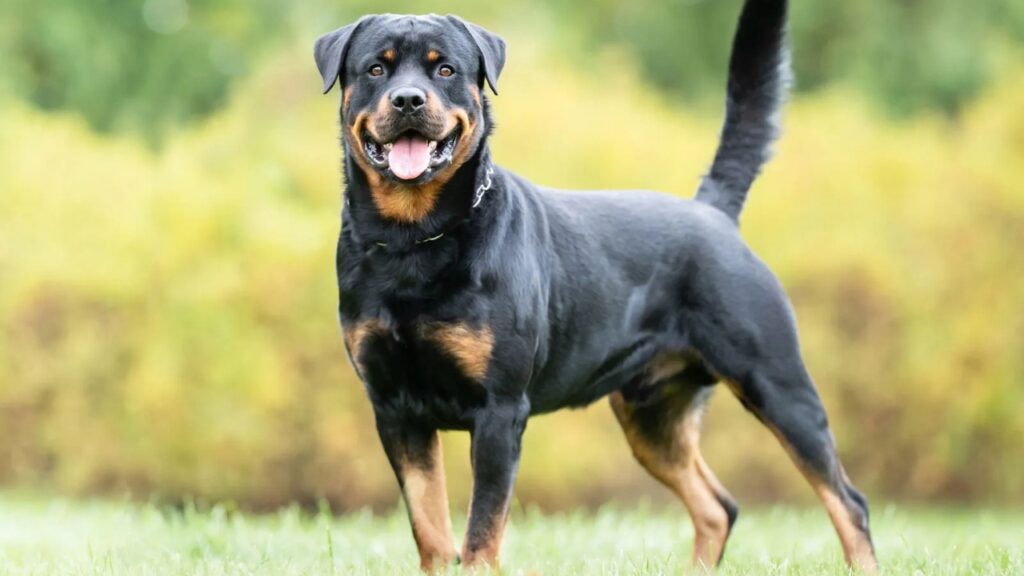
The Rottweiler combines calm confidence with powerful protective instincts, making it one of the most dependable guardian breeds. Bred for protection and working roles, it is naturally self-assured and capable of independent decision-making, which requires consistent guidance from an early age.
Key traits
Confident, calm, and naturally protective
Loyal and affectionate with family (“people dog”)
Intelligent but needs firm, structured training
Can be territorial and dominant, especially males
Playful and even goofy with trusted people
A well-socialized Rottweiler is balanced—serious and watchful with strangers, yet affectionate and even silly at home. However, without proper training and direction, its strength and instincts can lead to unwanted behaviors like aggression, excessive barking, or destructiveness.
Health and Lifespan
Australian Cattle Dog (Blue Heeler)
The Australian Cattle Dog is known for its impressive longevity, typically living 12 to 16 years. Bred for endurance and harsh working conditions, this breed often remains active and energetic even in later years.
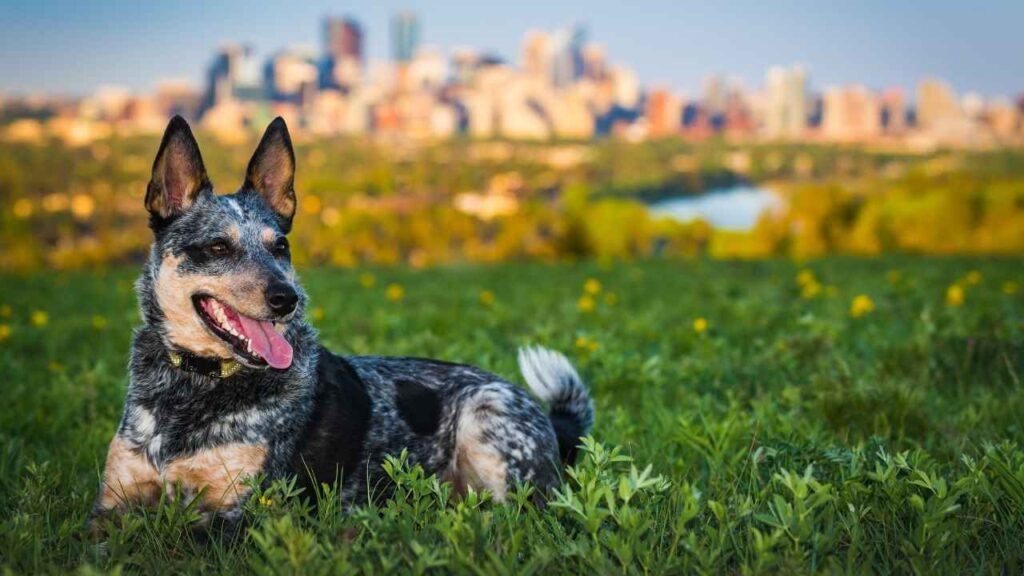
However, like all breeds, it is prone to certain inherited and developmental health conditions, making regular checkups and responsible breeding essential.
Common health concerns
Progressive Retinal Atrophy (PRA)
Primary Lens Luxation (PLL)
Dermatitis
Deafness
Urolithiasis
Hip Dysplasia
Elbow Dysplasia
Luxating Patella
Portosystemic Shunt
Rottweiler
The Rottweiler has an average lifespan of 9 to 10 years, which is typical for large, muscular breeds. While generally healthy with proper care, they are still susceptible to several conditions that require attention, especially as they age.
Common health concerns
Hip Dysplasia
Parvovirus
Cruciate Ligament Damage
Osteochondritis Dissecans
Epilepsy
Allergies
Inflammatory Bowel Disease (IBD)
Progressive Retinal Atrophy
Cataracts
Cancer
Maintaining a healthy lifestyle, including proper diet, exercise, and routine veterinary care, plays a key role in supporting their lifespan.
Training and Exercise
Australian Cattle Dog (Blue Heeler)
The Australian Cattle Dog is an extremely high-energy, work-driven breed that needs far more than basic daily exercise. This dog was bred to stay active all day, which means it thrives when given a purpose rather than just casual playtime. Without enough physical and mental stimulation, it can quickly become bored and destructive.
Regular training and structured activities are essential, not optional. Early socialization and obedience training help manage instincts like nipping and herding behavior. Due to its intelligence and independence, it responds best to consistent, firm, but positive training methods.
Exercise & activity needs
Requires intense daily exercise (running, jogging, long play sessions)
Needs a “job” or structured tasks to stay mentally satisfied
Excels in dog sports and performance activities
Not suitable for small spaces or inactive lifestyles
Best activities
Agility
Frisbee
Fetch
Obedience training
Herding/farm work
Daily running or jogging
Rottweiler
The Rottweiler is an athletic and capable working dog that requires regular exercise and structured training to stay balanced. While not as hyperactive as the Blue Heeler, it still needs consistent daily activity to maintain both physical health and mental stability.
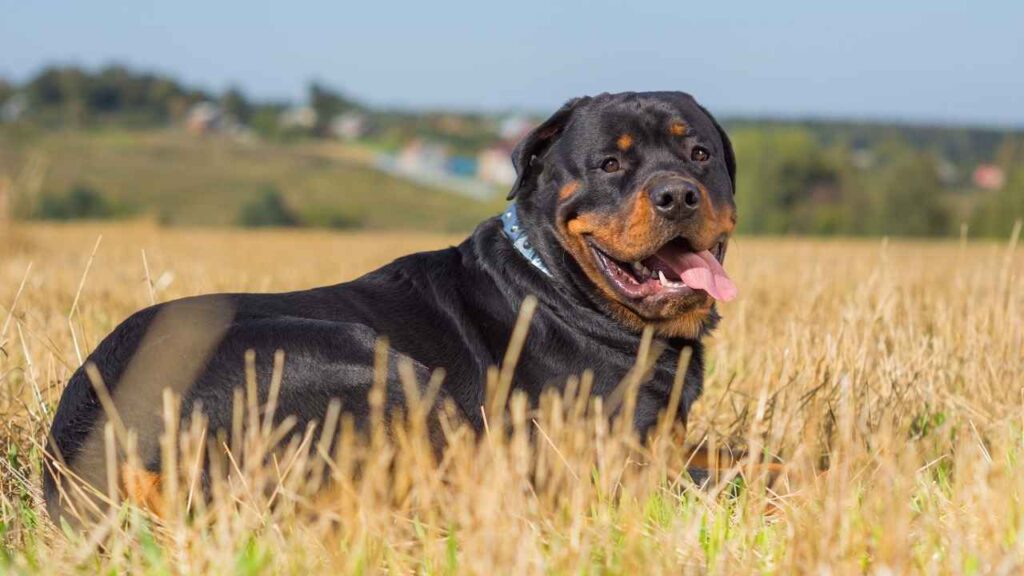
PetMD mentions that Rottweilers are intelligent and eager to please, making them highly trainable when guided properly from an early age.
Early socialization, firm leadership, and positive reinforcement are crucial to shaping a well-behaved and confident dog. They do best when raised closely with their family and given regular interaction.
Exercise & training needs
Requires at least 60 minutes of daily exercise
Benefits from structured training and early socialization
Needs mental stimulation to prevent boredom and destructive behavior
Responds best to consistent, positive reinforcement
Best activities
Walking and running
Swimming
Tracking
Obedience training
Hiking and camping
Agility and dock diving
Grooming Needs
Australian Cattle Dog (Blue Heeler)
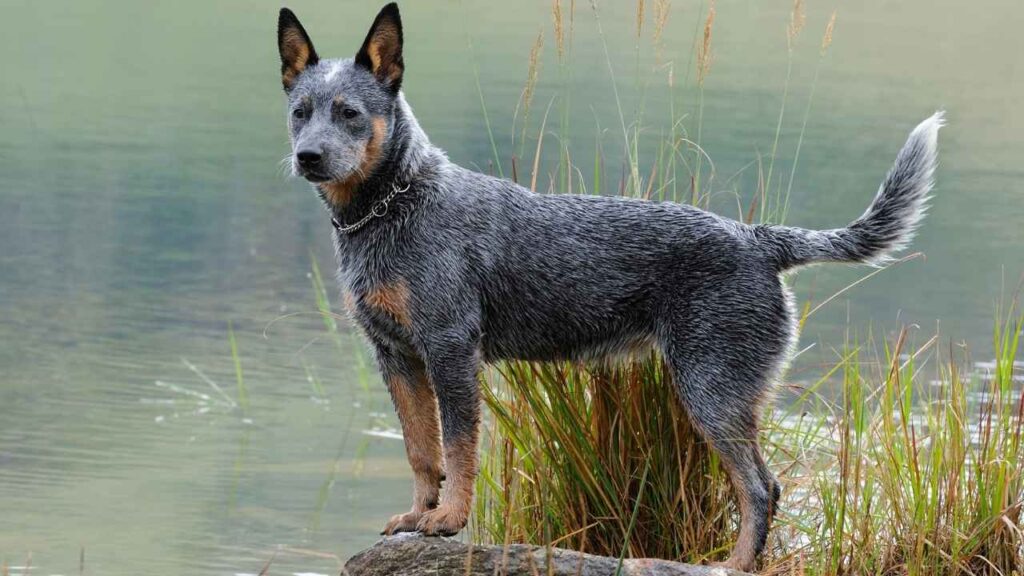
The Australian Cattle Dog is relatively low-maintenance when it comes to grooming, thanks to its short, weather-resistant double coat.
Bred to work outdoors, its coat naturally repels dirt and doesn’t carry much odor, meaning frequent bathing isn’t necessary. However, shedding—especially during seasonal changes—does require attention.
Coat & shedding
Double coat with a dense undercoat and protective outer layer
Moderate to heavy shedding, especially twice a year
Weekly brushing is usually enough, but more frequent grooming during shedding season
Basic grooming care
Occasional baths (only when dirty)
Regular nail trimming
Routine ear cleaning to prevent buildup
Eye checks for irritation or vision issues
Despite being easy to maintain, this breed benefits from consistent grooming during heavy shedding periods. Its active outdoor lifestyle also makes parasite prevention and general hygiene important.
Rottweiler
The Rottweiler may have a short coat, but it still requires consistent grooming to stay healthy and clean. Its dense, double-layer coat sheds moderately year-round, with heavier shedding during seasonal changes. Overall, grooming is manageable but should not be neglected.
Coat & shedding
Short, dense double coat
Moderate shedding year-round, heavier during spring and fall
Weekly brushing, with more frequent sessions during heavy shedding
Basic grooming care
Bathing only when necessary
Regular nail trimming (grinding tools can help)
Routine ear cleaning to prevent infections
Frequent dental care (brushing multiple times a week)
Eye checks for irritation or discharge
Even though grooming needs are not excessive, consistency is key. Regular care not only keeps the Rottweiler looking its best but also helps prevent common hygiene-related issues.
Energy Level
Australian Cattle Dog (Blue Heeler)
The Australian Cattle Dog is one of the most high-energy dog breeds, built for constant movement and demanding work.
Bred to herd cattle across vast distances, it has exceptional stamina and thrives on both physical and mental challenges. This is not a dog that’s satisfied with short walks—it needs purpose, activity, and engagement every single day.
Without enough stimulation, this breed can quickly become bored and destructive. Its intelligence and independence mean it will often find its own “job” if none is provided—usually not the kind owners appreciate.
Energy characteristics
Extremely high energy and endurance
Needs daily intense exercise and mental stimulation
Thrives in active, outdoor environments
Not suitable for apartment living or sedentary lifestyles
Can become destructive if under-stimulated
This breed is ideal for highly active owners who enjoy running, training, or engaging in dog sports regularly.
Rottweiler
The Rottweiler is also an energetic and athletic breed, but its energy is more balanced and controlled compared to the relentless drive of the Blue Heeler. Its activity levels vary depending on age, health, and personality, typically following clear life stages.
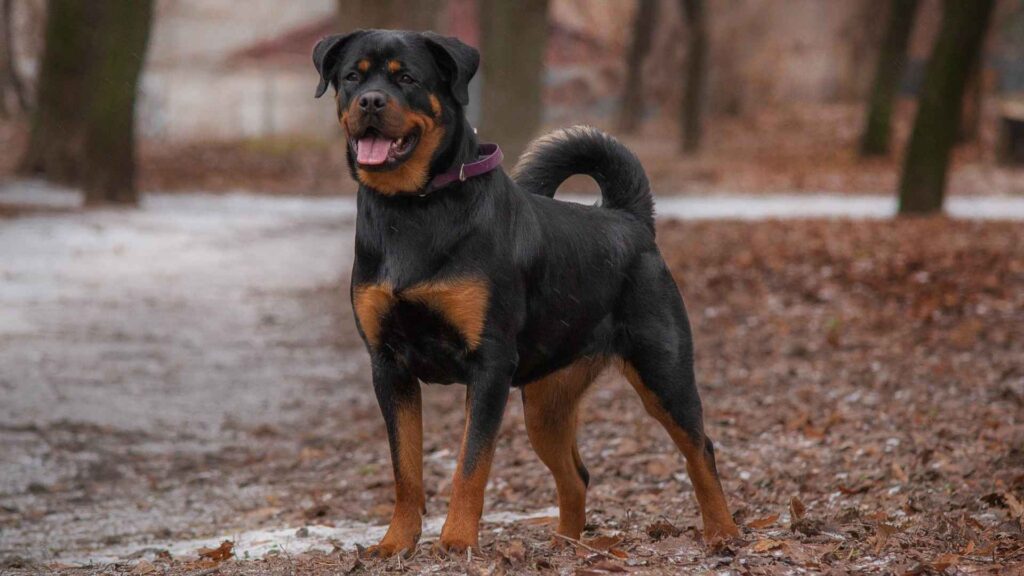
Puppy Stage
Very playful and energetic, but tire easily
Requires short, frequent play sessions
Needs rest to support proper growth
Adult Stage
High energy with strong exercise needs
Requires 1 to 2 hours of daily exercise
Enjoys structured activities like walking, running, and training
Senior Stage
Energy levels gradually decrease
Still requires regular, moderate activity to stay healthy
Rottweilers are powerful dogs, so their energy must be managed with regular exercise and guidance. Without enough activity or stimulation, they may develop unwanted behaviors such as excessive barking, digging, or destructiveness.
Natural Guard Instincts
Australian Cattle Dog (Blue Heeler)
The Australian Cattle Dog may not be a traditional guard dog, but its protective instincts come from its strong herding dog background and deep loyalty to its “pack.” Bred to control and manage livestock independently, it is naturally alert, watchful, and quick to respond to anything unusual in its environment.
WebMD says that this breed tends to be reserved around strangers and highly observant, making it an effective watchdog. However, its guarding style is more about awareness and control rather than intimidation or force. Its instinct to herd can also translate into protective behaviors within the home.
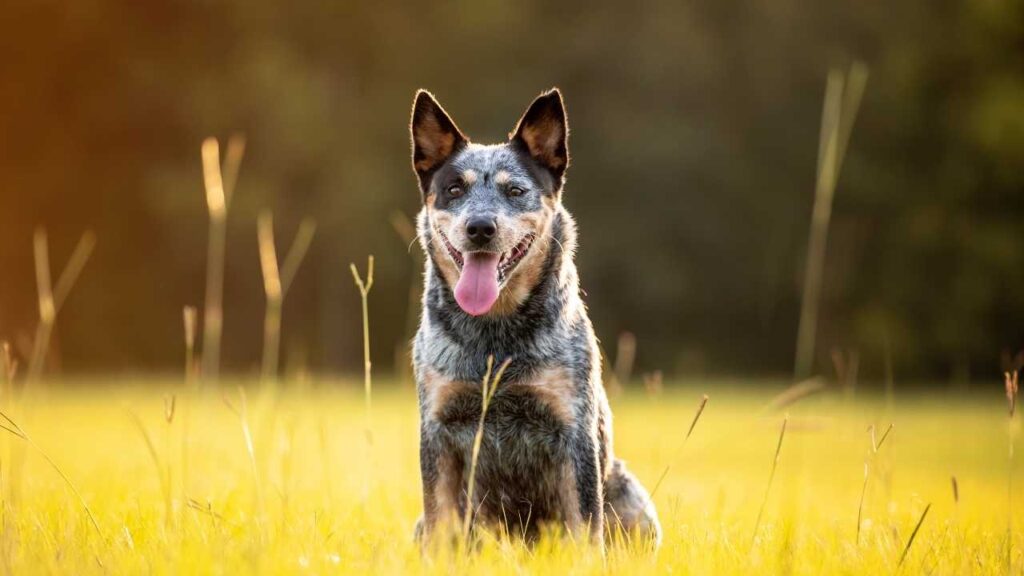
Guarding traits
Highly alert and aware of surroundings
Naturally wary of strangers
Strong loyalty to family often bonds with one person
Protective through control (herding, nipping tendencies)
Independent thinker, capable of making decisions on their own
While not bred specifically for guarding, the Blue Heeler’s intelligence and vigilance make it a reliable early-warning companion.
Rottweiler
The Rottweiler is a true natural guardian, bred for protection and defense for centuries. Its guarding instincts are deeply ingrained, making it one of the most effective and dependable protection breeds. With a powerful build, confident demeanor, and strong territorial sense, it naturally deters threats even without training.
Rottweilers are known for their calm, controlled approach to guarding—they observe first, then act if necessary. Their loyalty and attachment to their family make them highly protective, often instinctively stepping in when they sense danger.
Guarding traits
Strong natural protective and territorial instincts
Confident, brave, and self-assured
Highly alert and aware of the environment
Loyal and willing to defend family if needed
Physically powerful with a strong bite force
Despite their guarding abilities, proper training and socialization are essential to ensure their instincts are controlled and expressed appropriately. When raised correctly, the Rottweiler becomes a balanced guardian—calm, dependable, and fiercely loyal.
Protective Temperament
Australian Cattle Dog (Blue Heeler)
The Australian Cattle Dog displays a protective temperament shaped by its herding roots rather than traditional guarding. Bred to control livestock and think independently, it is naturally alert, cautious, and quick to respond to unfamiliar situations. This makes it an excellent watchdog, always aware of its surroundings and ready to signal any disturbance.
However, its protection style is more about control and vigilance than confrontation. It tends to be wary of strangers and may show defensive behavior if it feels its family or territory is threatened. Its strong bond—often with one primary owner—further strengthens its protective instincts.
Protective traits
Naturally alert and suspicious of strangers
Strong loyalty and attachment to family
Protective through herding behaviors (nipping, controlling movement)
Independent and quick to react
Can show aggression toward unfamiliar dogs
While affectionate and playful with its family, this breed requires early socialization and firm, consistent training to ensure its protective instincts remain balanced and well-managed.
Rottweiler
The Rottweiler is a true protection breed, with guarding instincts deeply embedded in its temperament. Bred for tasks like protecting livestock, property, and people, it combines strength, intelligence, and confidence to create a naturally reliable guardian.
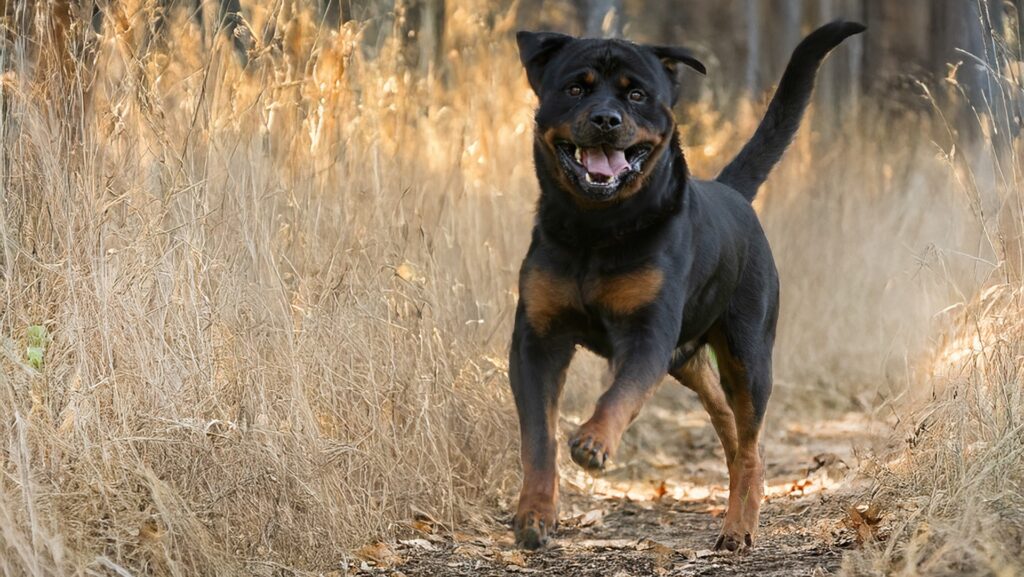
Rottweilers are calm and observant, often taking a “wait and assess” approach before reacting. They are not typically reactive without reason, but when they perceive a threat, they are fully capable of defending their family. Their protective nature is balanced by a surprisingly affectionate and even playful side within their trusted circle.
Protective traits
Strong natural guarding and territorial instincts
Calm, confident, and courageous demeanor
Loyal and deeply devoted to family members
Aloof and cautious with strangers
Capable of independent decision-making
Because of their size, strength, and protective instincts, Rottweilers require early training, proper socialization, and a firm but fair handler. With the right guidance, they become steady, dependable protectors and loving companions.
Conclusion
In the end, the choice between the Australian Cattle Dog and the Rottweiler comes down to lifestyle and expectations. The Blue Heeler stands out for its unmatched energy, sharp intelligence, and constant need for purpose, while the Rottweiler offers calm strength, deep loyalty, and natural guarding ability.
Both breeds are incredibly capable, but they demand commitment, structure, and an owner who understands their unique instincts. If you’re considering one of these dogs, think beyond appearance—consider your time, activity level, and ability to train and engage them daily.
The right match can be deeply rewarding, giving you not just a pet but a devoted companion with a strong sense of purpose. Choose wisely, invest in proper training, and you’ll build a bond that’s as powerful as the breed itself.
