




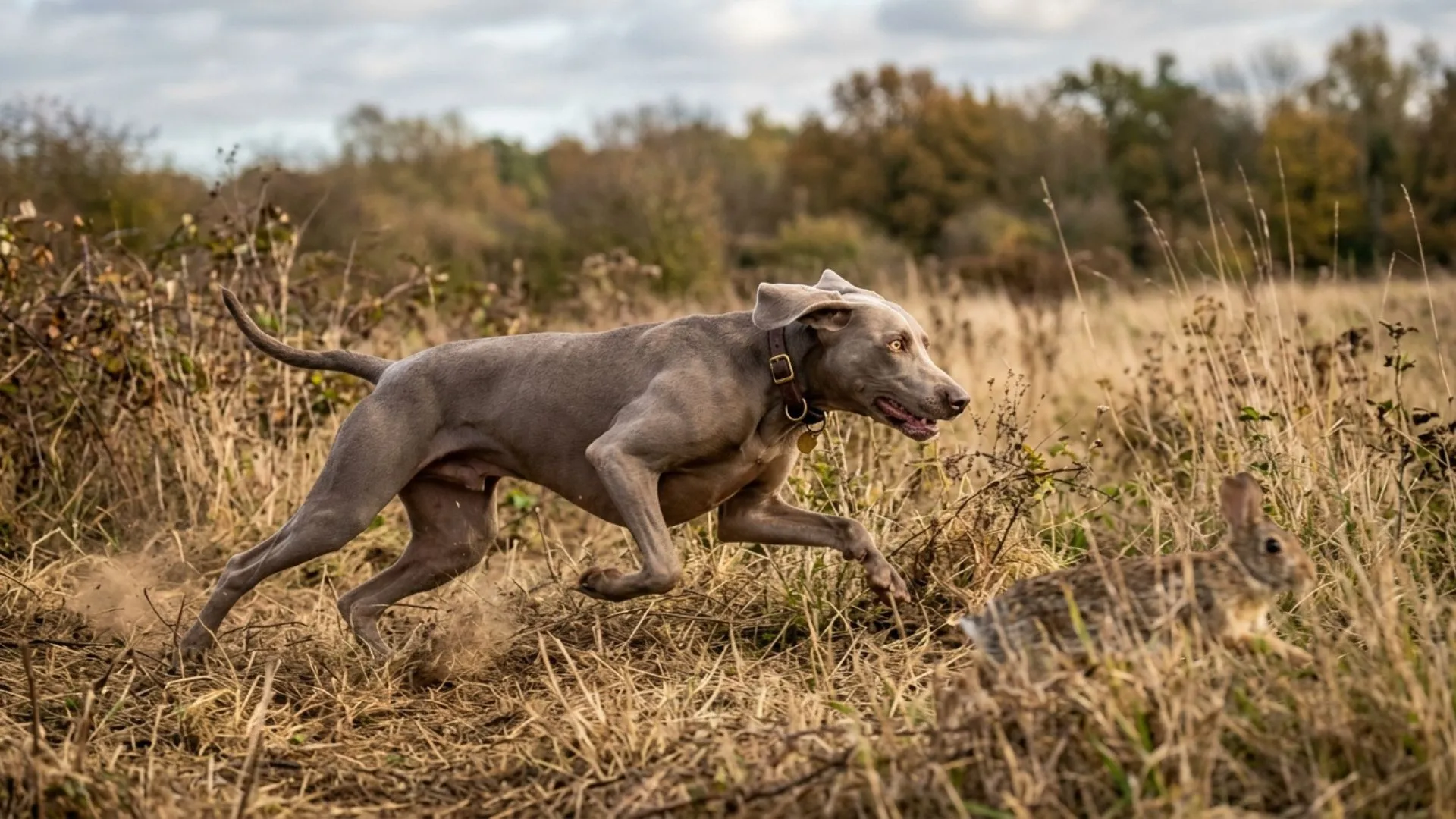
Ever noticed how some dogs instantly lock onto anything that moves—like a leaf, a bird, or even a passing shadow? That intense focus comes from something called prey drive, a deeply rooted instinct that goes all the way back to their wild ancestors.
It’s not “bad behavior” or stubbornness—it’s biology in action. But here’s the part many people don’t realize—this instinct doesn’t just disappear with training. You can guide it, manage it, and channel it, but you can’t completely erase it.
That’s why high prey drive dogs often need more than just basic walks; they thrive on structured play, mental challenges, and activities that mimic the thrill of the chase.
In this article, we’ll explore what makes these dogs so driven, how to live happily with them, and which remarkable breeds are known for having the strongest prey instincts.
Key Takeaways
Some dogs are built to chase—movement can instantly trigger their deep hunting instinct.
Breeds like Afghan Hound, Greyhound, and Whippet may look calm, but they can switch to full chase mode in seconds.
Saluki, Weimaraner, and Borzoi show that prey drive isn’t trainable away—it can only be managed wisely.
With the right guidance, these intense hunters become loyal, focused, and surprisingly loving companions
Remarkable Dog Breeds With a High Prey Drive
1. Afghan Hound
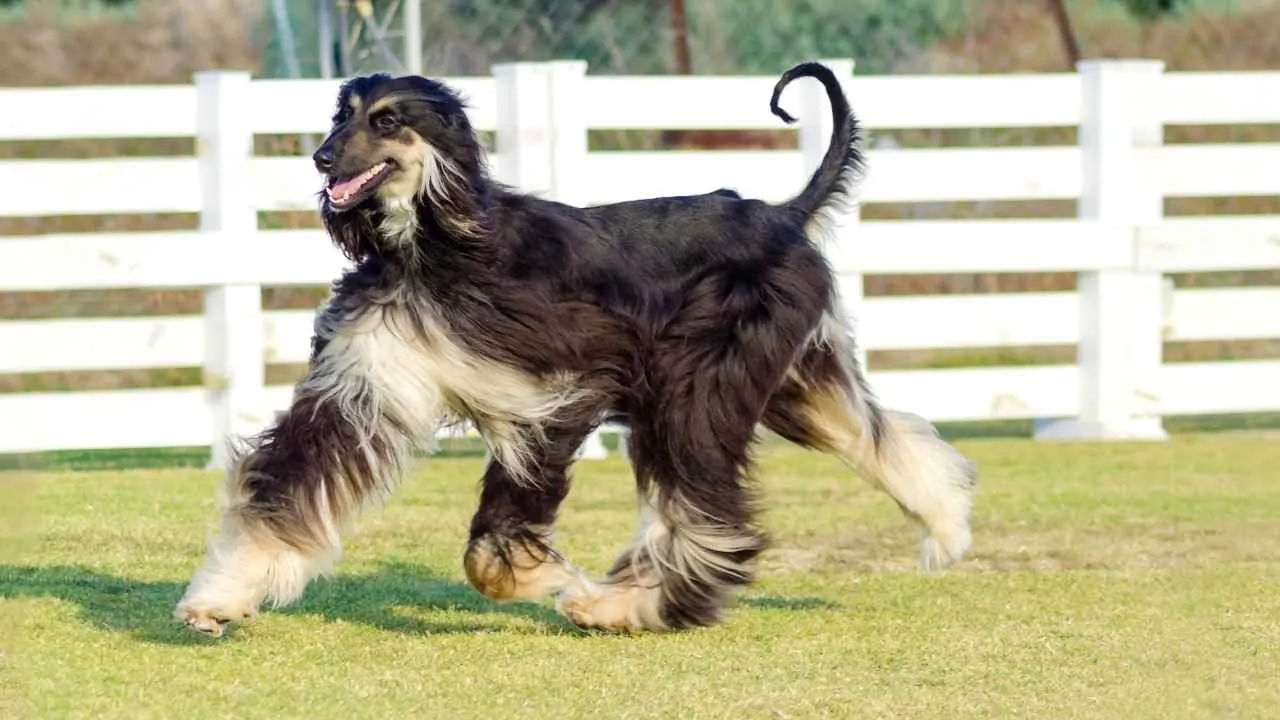
The Afghan Hound is a classic sighthound, built to spot and chase prey with speed and precision. Originally from Afghanistan, this breed was developed to hunt independently, which explains its strong will and self-reliant nature, as noted by the AKC.
Today, that same instinct shines in activities like lure coursing, where its speed and focus truly stand out. Its long, silky coat and graceful movement make it one of the most striking dogs you’ll ever see.
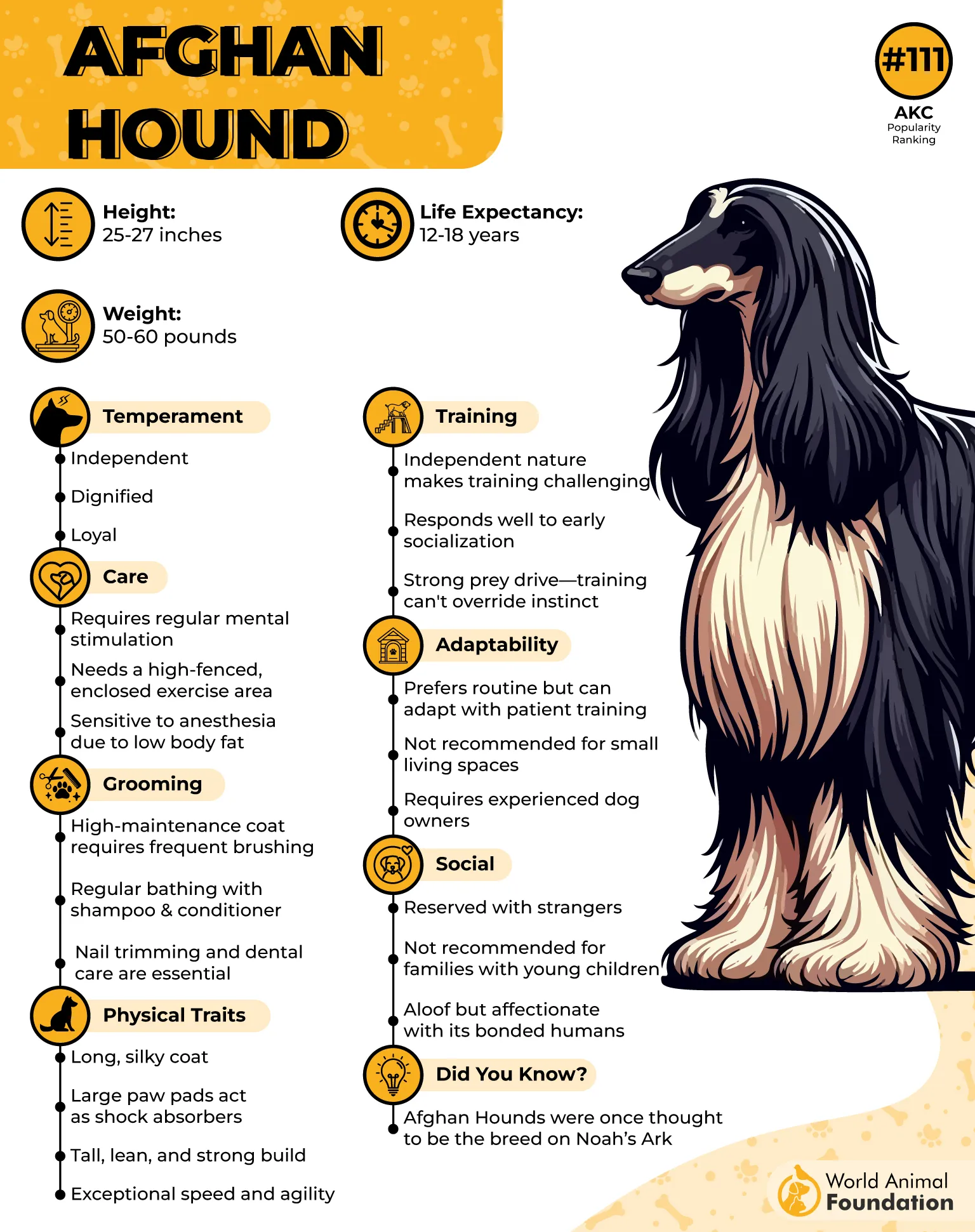
What Makes Them Stand Out
Extremely fast and agile, with a powerful prey drive
Independent thinkers who like doing things their own way
Reserved and dignified, often described as aloof but not shy
Form strong, loyal bonds with their family
Because of their hunting instincts, Afghan Hounds can quickly harm small animals like squirrels and rabbits. They are not overly vocal, but their attention shifts fast when something moves.
Early socialization can help them live with other pets, but supervision is still important—especially around smaller animals and young children.
Care and Training Essentials
Afghan Hounds need daily exercise, such as long walks or runs, to stay balanced and happy. Training requires patience and consistency, as they are not naturally eager to obey.
Always keep them on a leash or inside a secure, tall fence—they are skilled jumpers and can disappear in seconds if something catches their eye. With the right care and commitment, their unique personality and athletic nature make them truly remarkable companions.
2. Greyhound
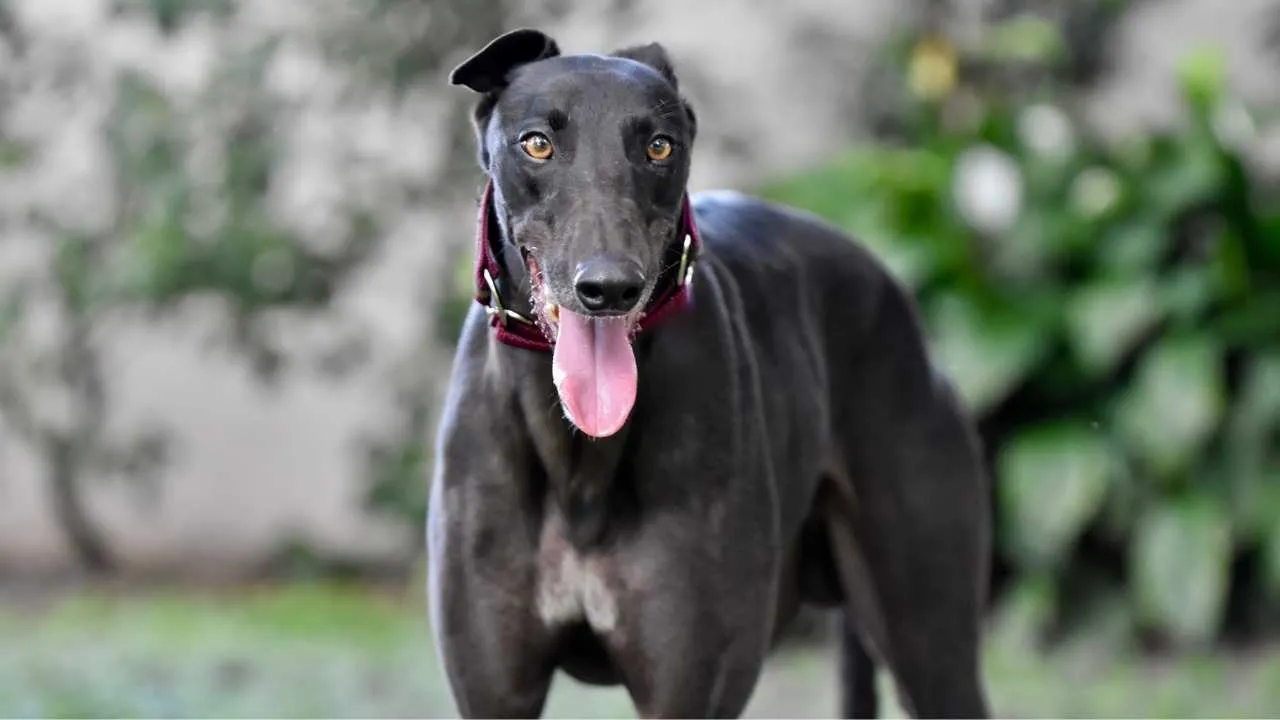
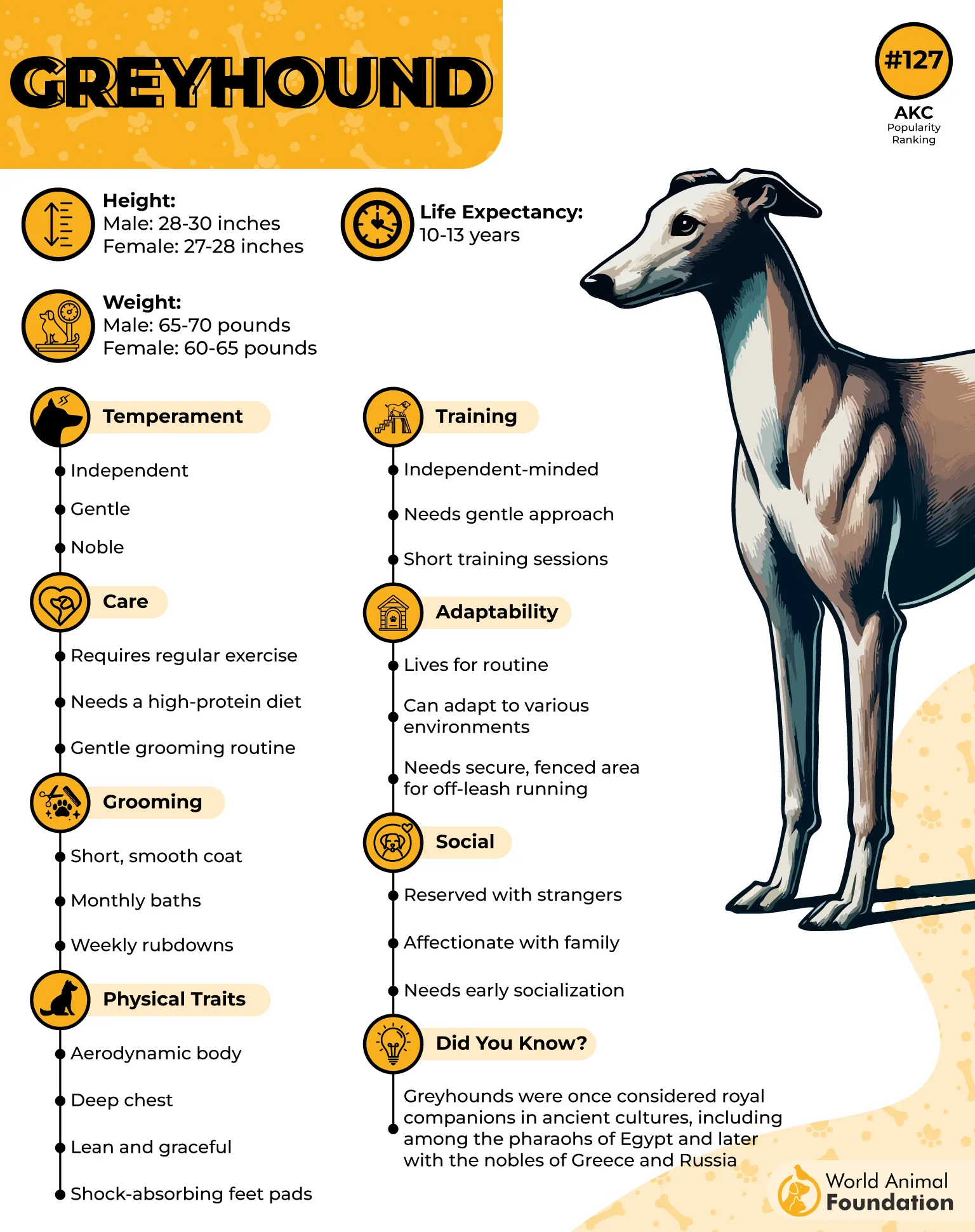
The Greyhound is one of the oldest and fastest dogs in the world, built perfectly for high-speed chasing. As a sighthound, it relies on sharp vision and explosive speed to pursue moving targets. This breed can reach incredible speeds and has been used for hunting for thousands of years.
Interestingly, prey drive in dogs like this often appears when they are calm and happy—not aggressive—because it is a natural hunting instinct, not fear or anger.
What Makes Them Unique
Extremely fast, with a strong instinct to spot and chase movement
Gentle, quiet, and sweet-tempered despite their hunting background
Often relaxed at home, earning the nickname “couch potato.”
May chase small animals, especially in new or open environments
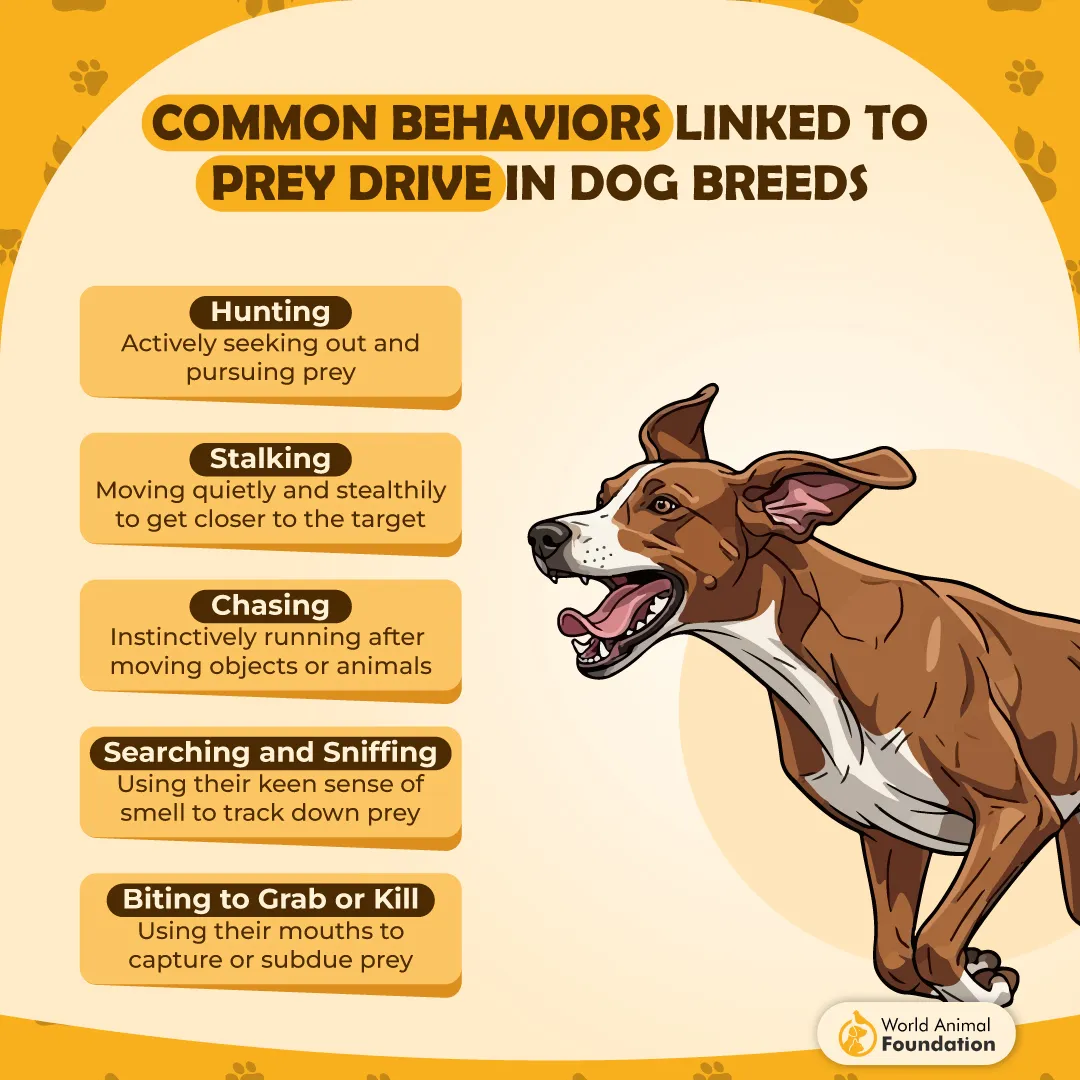
Greyhounds usually get along well with dogs they know, especially their own kind. However, they may become overly excited or show predatory behavior toward unfamiliar small dogs or animals.
This can include staring, stalking, chasing, or sudden lunging. These reactions are instinctive and can happen even if the dog behaves perfectly at home.
Behavior and Care Tips
Greyhounds don’t need intense exercise all day, but they do need a safe, enclosed space to run. They should always be kept on a leash or within a secure area, as they can sprint away in seconds if something catches their eye.
Early socialization helps, but pet owners should still be cautious around small pets. With the right understanding, this ancient and elegant breed makes a calm and loving companion while still carrying its remarkable prey drive.
3. Saluki
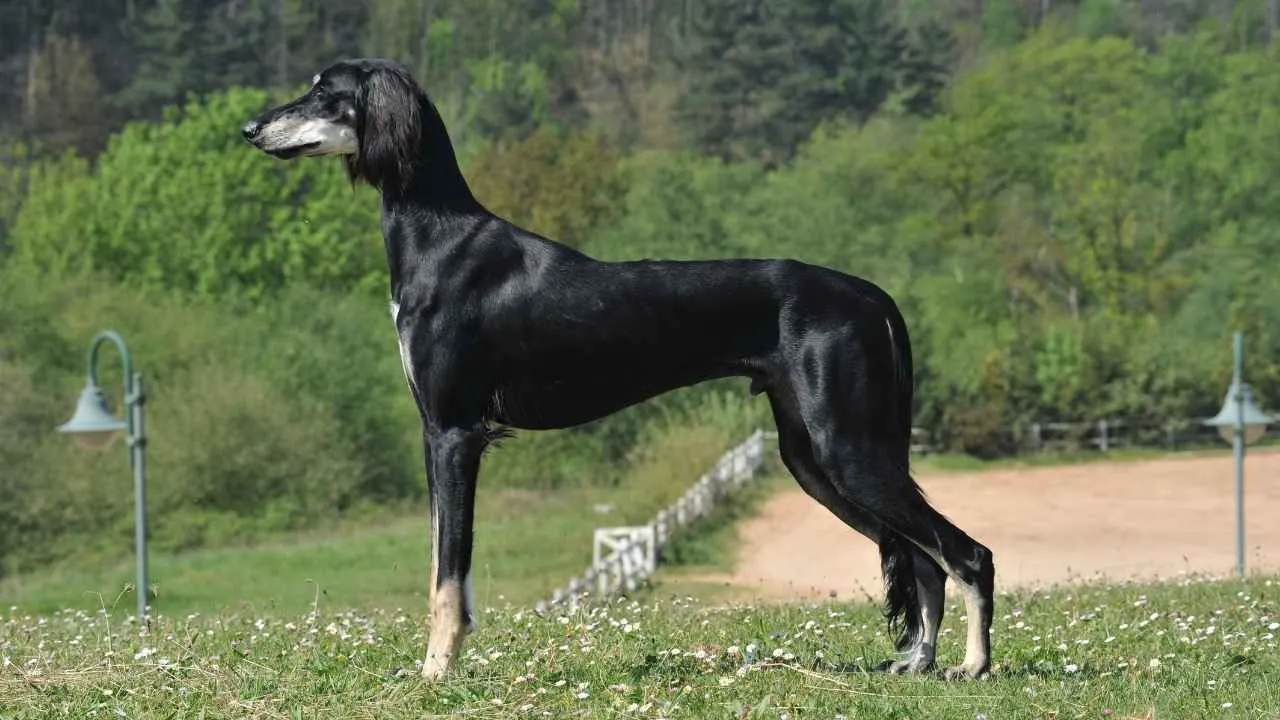
Salukis are one of the fastest and most graceful hunting dogs, built for speed and endurance. For centuries, these dogs were used by nomadic tribes to chase animals like gazelles, hares, and foxes, as mentioned by PetMD.
Their slim build, long legs, and powerful stride make them natural sprinters. They closely resemble other sight hounds but stand out with their silky ears and flowing tail.
What Makes Them Stand Out
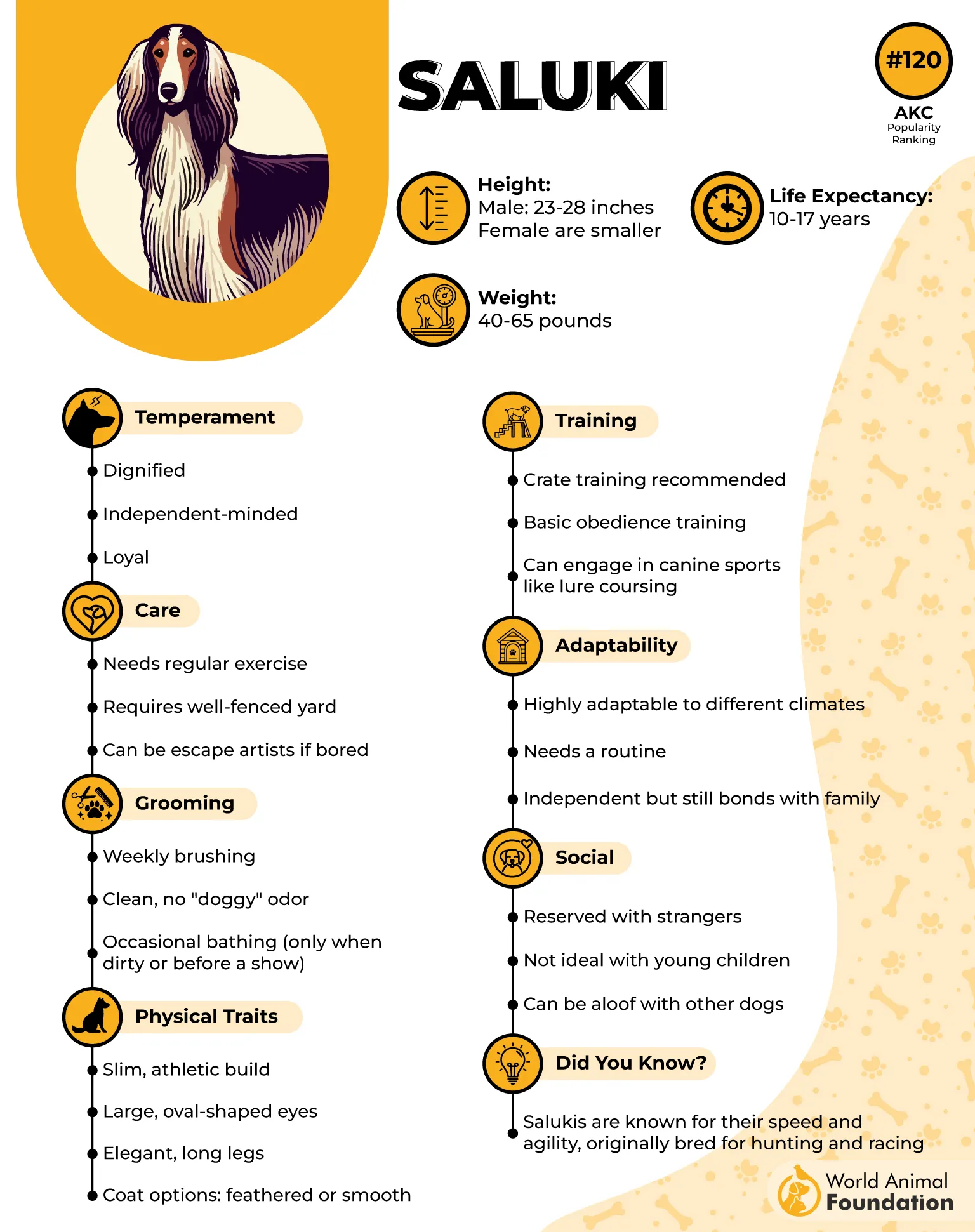
High prey drive dog and instinct to chase anything that moves
Independent and strong-willed, often difficult to train
Gentle and affectionate with family, but reserved with strangers
Calm indoors but highly energetic outside
Salukis love their people but prefer quiet environments. They usually do best with older children or calm households. While they can get along with other dogs if socialized early, smaller pets may trigger their chase instinct. They are known to ignore strangers and interact on their own terms.
Care and Training Essentials
Salukis need at least two hours of daily exercise, along with mental stimulation like dog sports or running in a secure area. They should never be off-leash in open spaces, as they can run faster than you can react. A large, fenced yard is ideal.
Training requires patience and positive reinforcement, as harsh methods don’t work well. Though low-maintenance in grooming, they need constant companionship and may develop separation anxiety if left alone too long.
4. Weimaraner
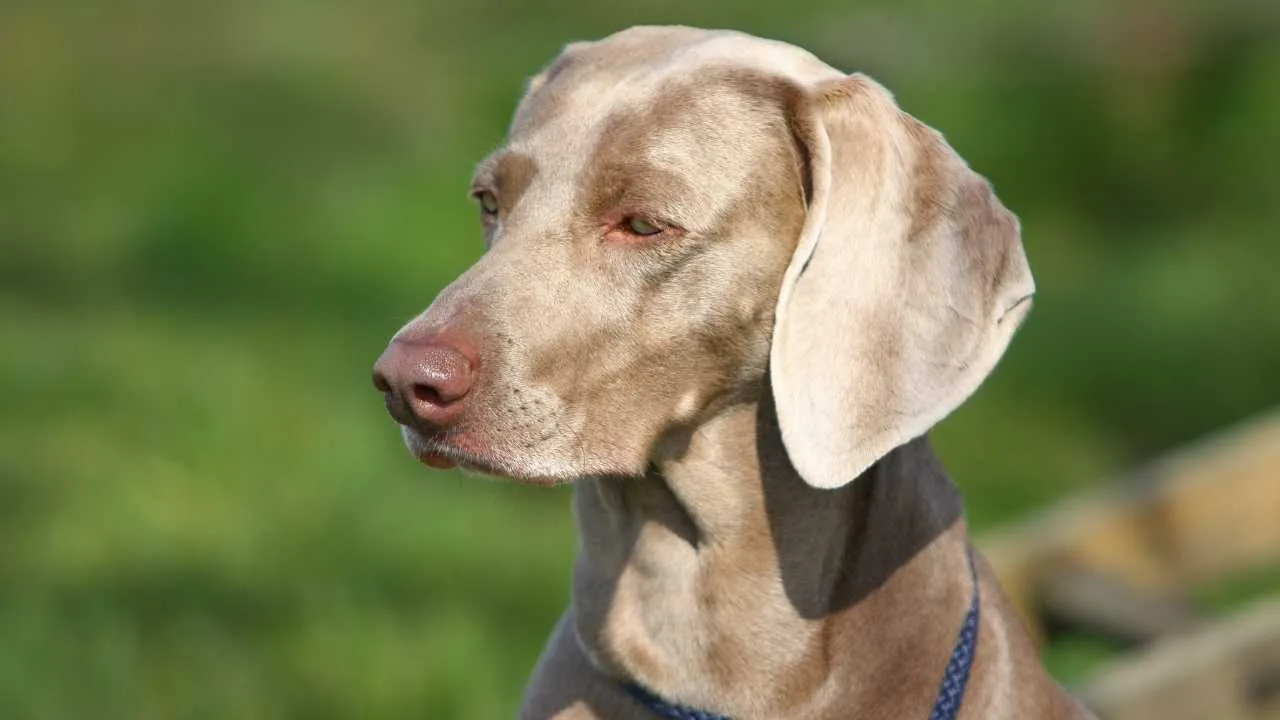
The Weimaraner is a powerful hunting dog known for its speed, intelligence, and strong prey drive. Developed in 19th-century Germany by nobles, this breed was designed for tracking, hunting, and endurance. Even today, that instinct remains strong.
Weimaraners are natural chasers and may go after anything that moves—whether it’s animals, bikes, or even fast-moving objects.
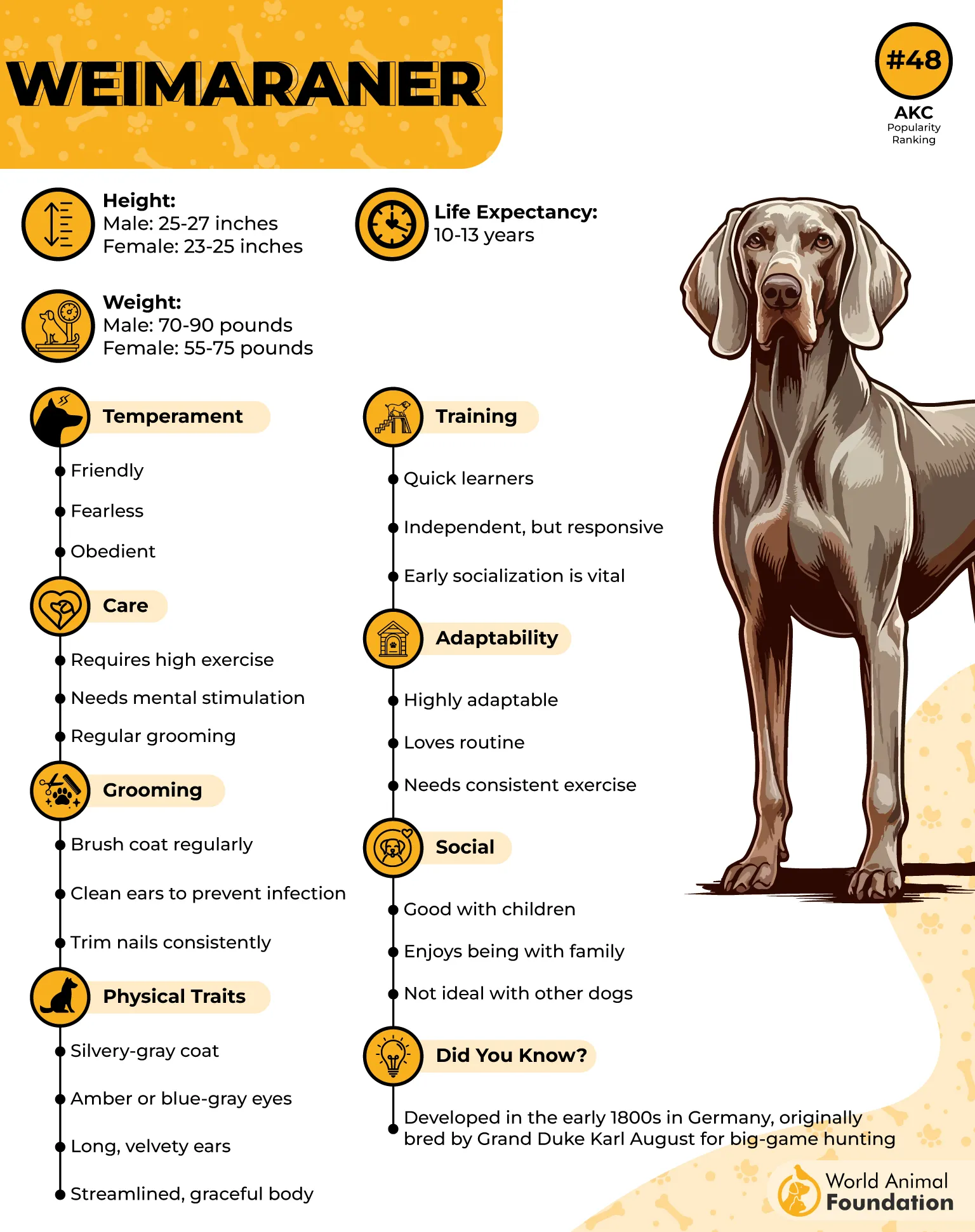
What Makes Them Stand Out
High prey drive breed and instinct to chase moving targets
Highly intelligent and quick to learn (both good and bad habits)
Loyal, friendly, and deeply attached to their family
Energetic and always in need of activity and constant engagement
Weimaraners are loving dogs, but they don’t do well with boredom. Without enough exercise and mental stimulation, they may chew, dig, bark, or try to escape.
They can get along with other dogs if socialized early, but smaller pets are often seen as prey. In some cases, even fast movement—like a running child—can trigger their chasing instinct.
Care and Training Essentials
PDSA mentions that these high-energy pups need at least two hours of daily exercise and plenty of interaction with their owners. A large, fenced yard is ideal, as they love to run and explore. Training should start early and stay consistent, using positive management strategies.
They are clever problem-solvers and may open doors or sneak food if left unsupervised. With proper care, structure, and attention, they become loyal and active companions—but their unmet prey instincts must always be managed carefully.
5. Whippet
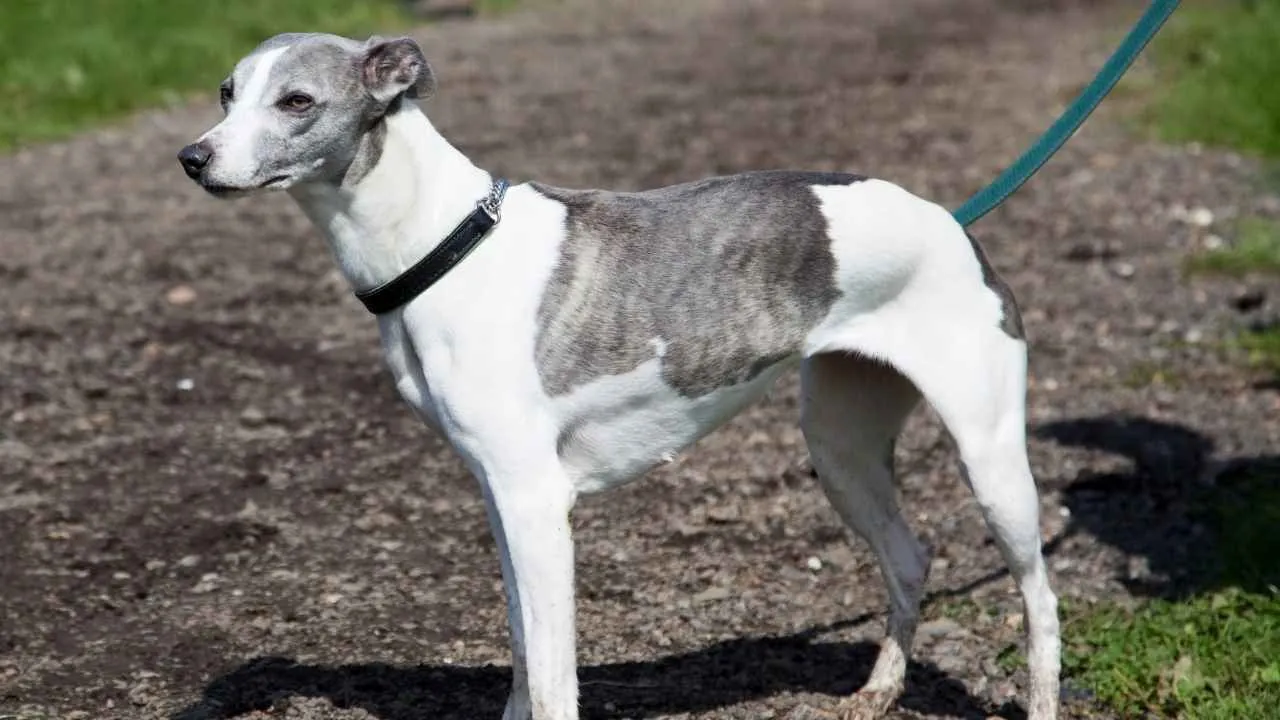
Whippets may be smaller than other sight hounds, but their prey drive is just as powerful. Bred to hunt small game like rabbits, these dogs rely on sharp vision and incredible speed to chase anything that moves.
Once they lock onto a target, they can completely tune out everything else. This strong instinct is natural and deeply wired into the breed.
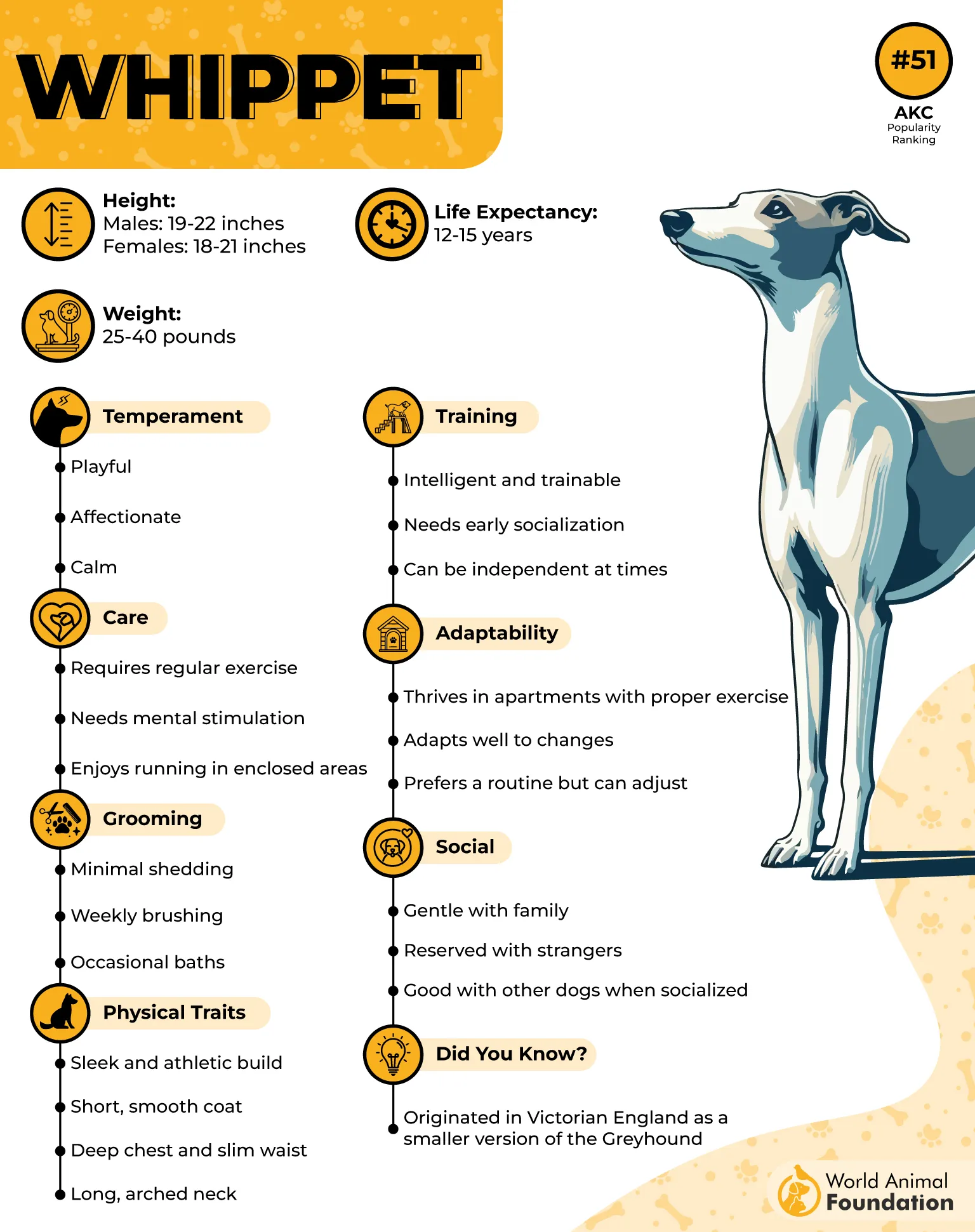
What Makes Them Stand Out
Strong chase instinct, especially triggered by small, fast-moving animals
Fast and agile, built for quick bursts of speed
Gentle and quiet at home, rarely excessive barkers
Friendly with people and dogs, but not reliable with small pets
Whippets enjoy outdoor activity and need space to run, but they are equally happy relaxing indoors. However, their prey drive means they should always be on a leash unless in a secure area. Even a squirrel or rabbit can send them sprinting off in seconds.
Care and Training Essentials
Whippets benefit from safe outlets that mimic hunting, especially chase-based games. Toys made from sheepskin or rabbit fur can grab their attention and help satisfy their instincts. Regular play, like chase and tug, builds focus and strengthens your bond.
They are intelligent and eager to please, but may test boundaries if bored. With the right balance of exercise, structured training, and controlled play, their prey drive becomes easier to manage.
6. Borzoi
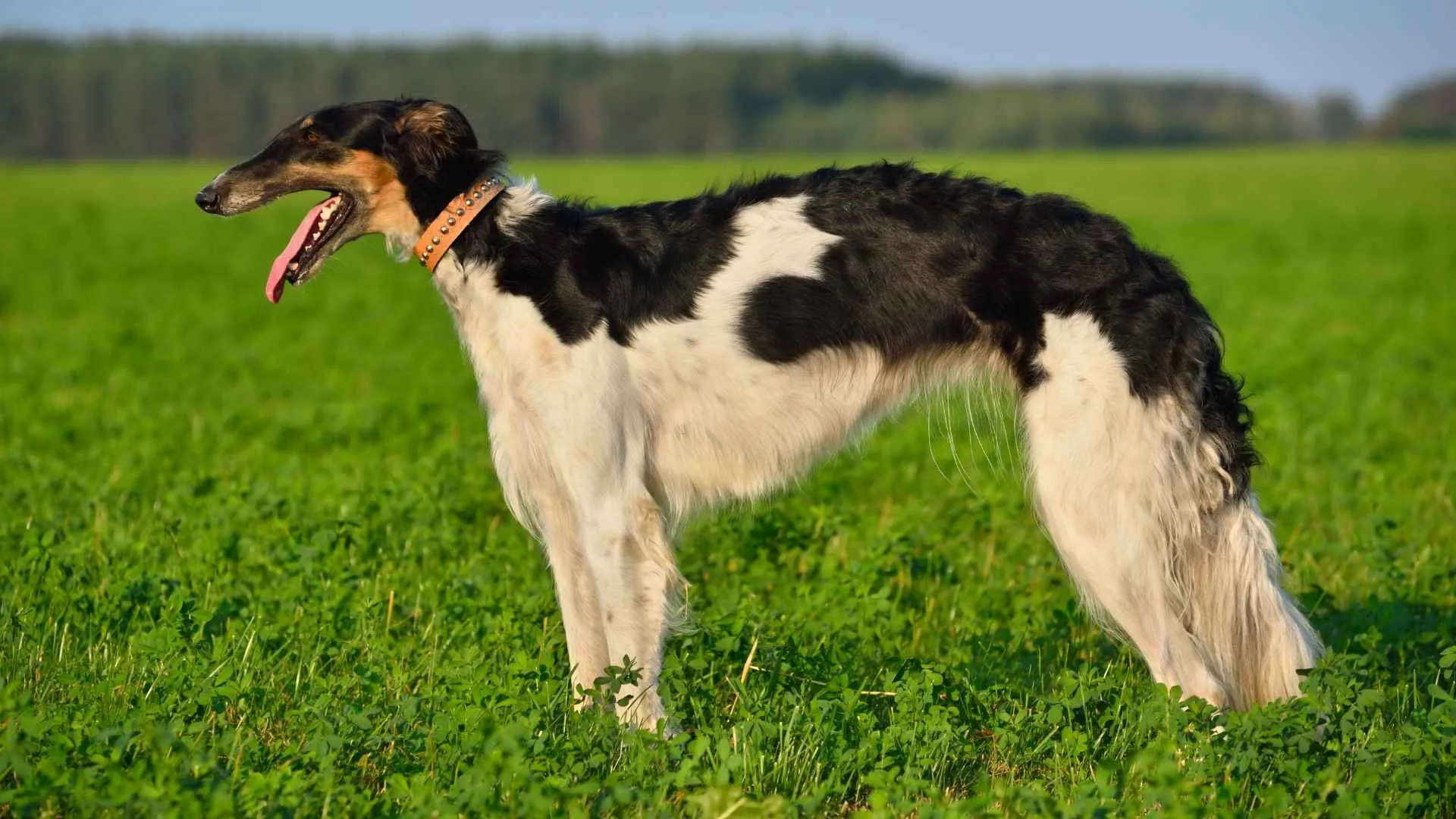
The Borzoi, also known as the Barsoi, is a graceful Russian sight hound known for its calm indoor nature and explosive chase instinct outdoors. At home, it is gentle, quiet, and affectionate, often showing a relaxed and “velvet-like” temperament.
But once it spots movement in the distance, its prey drive switches on instantly. This is a visual hunter, meaning it reacts strongly to anything it sees running.
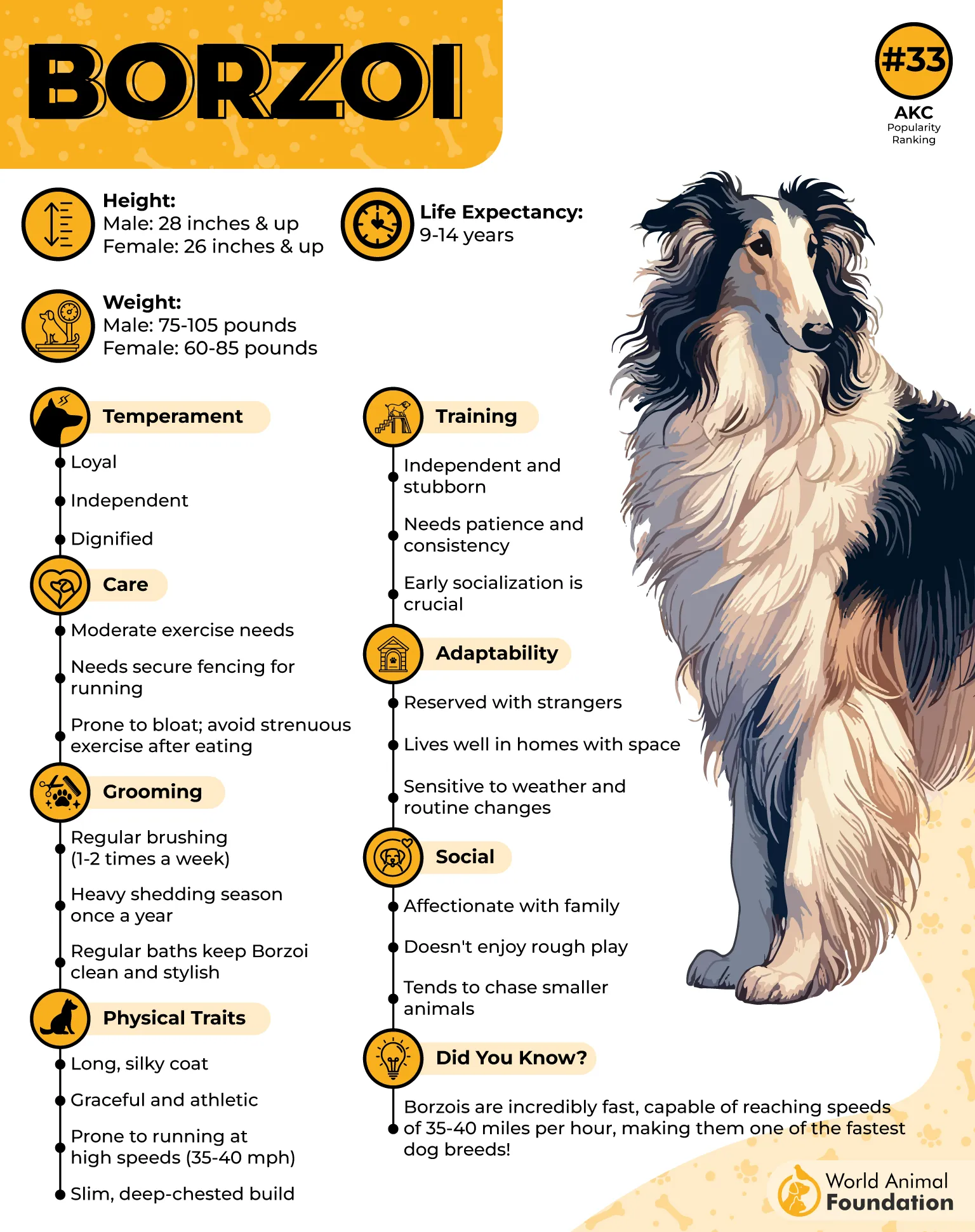
What Makes Them Stand Out
Extremely strong visual prey drive triggered by movement
Calm, sensitive, and polite indoors with family
Independent thinker with a soft and sensitive temperament
Best known for short, powerful bursts of speed rather than endurance
The Borzoi can live peacefully with respectful families, but it prefers calm environments and predictable routines. It is not a rough or playful breed and usually avoids chaos. While it is generally polite with other dogs, it needs space and should not be forced into overwhelming interactions.
Care and Training Essentials
These breeds require daily walks and secure areas for controlled sprinting. Long-distance exercise is not necessary, but short bursts of high-speed running are essential for their well-being. Activities like lure coursing are especially suitable, as they safely channel their natural chase instinct.
Training must be calm, consistent, and gentle—harsh methods do not work well. Their prey drive is so strong that it should never be trusted off-leash in open areas.
With proper management, structure, and understanding, they become peaceful yet powerful companions with a deeply instinct-driven nature.
7. Rhodesian Ridgeback
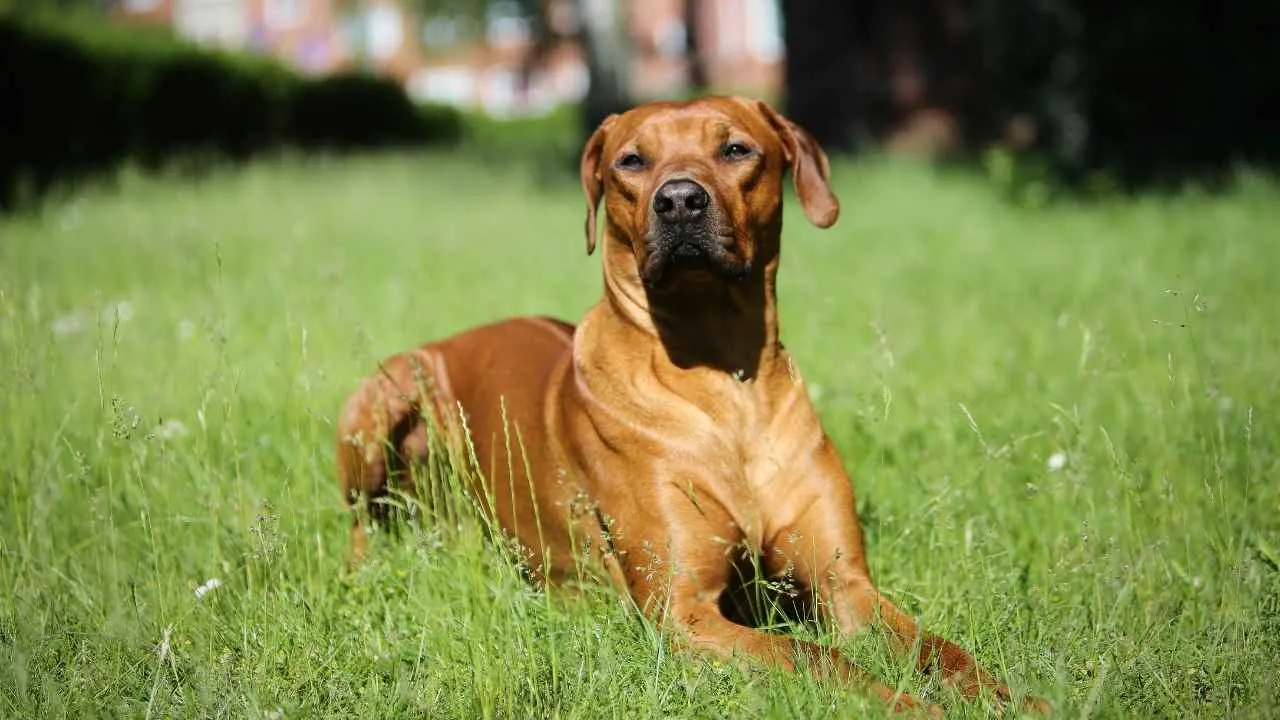
The Rhodesian Ridgeback is a strong, athletic hunting dog originally developed in Africa for tracking and holding large game. Originally lion hunters, this breed is often called the “African Lion Hound.”
That history explains its confident nature and strong prey drive, which still shows today in its alertness and chase instincts.
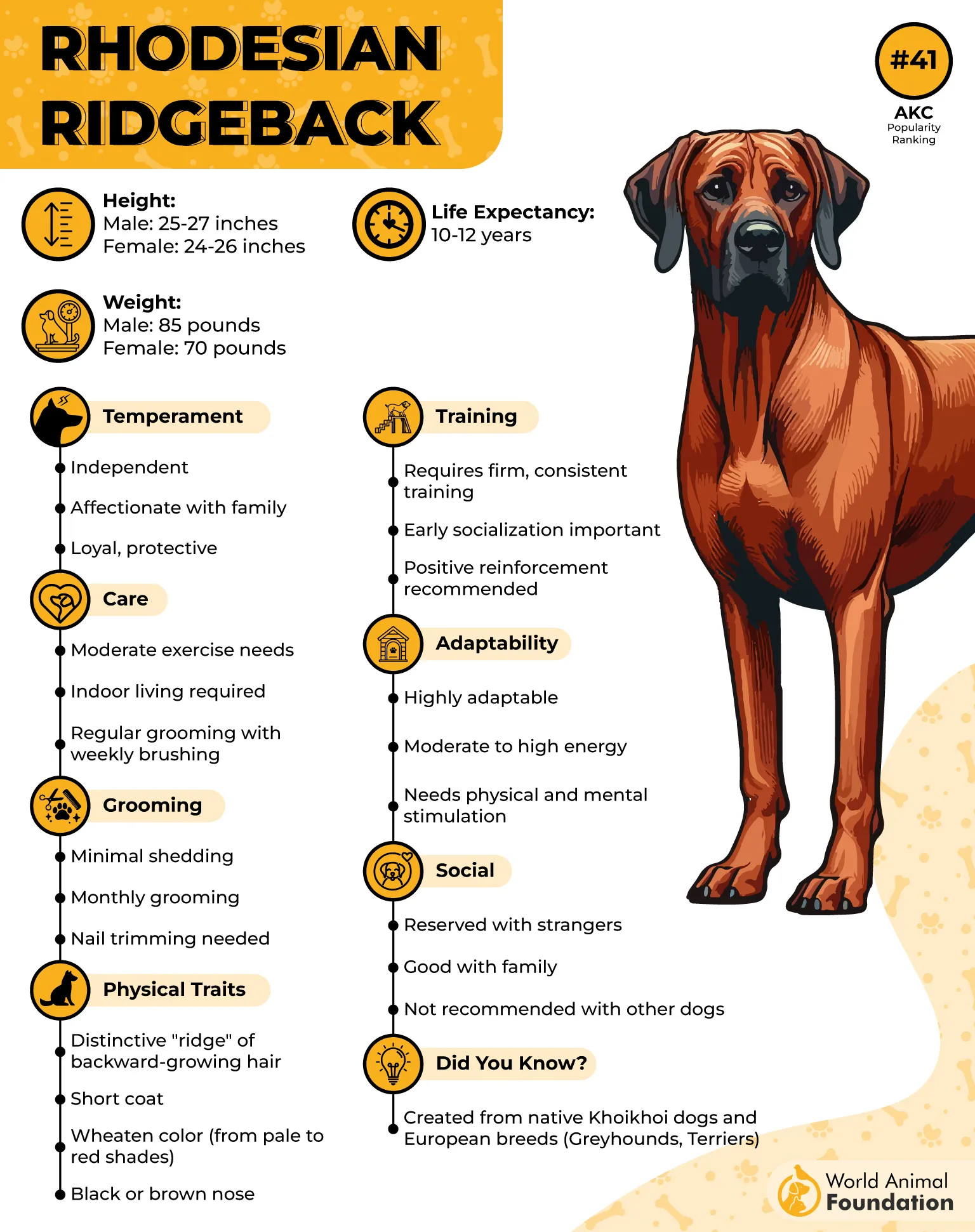
What Makes Them Stand Out
Strong prey drive developed for hunting and tracking large animals
Loyal, gentle, and deeply bonded with family members
Naturally protective instincts and often aloof with strangers
Intelligent, independent, and physically powerful
Ridgebacks can be excellent family companions when properly socialized and trained. They are affectionate with their owners but naturally reserved around unfamiliar people. Their prey drive means they may chase smaller animals, so early guidance is important if other pets are in the home.
Care and Training Essentials
These breeds need at least two 30-minute walks per day, along with mental stimulation to prevent boredom. Without enough activity, they can become destructive or restless. However, well-exercised Ridgebacks are calm, quiet, and well-behaved indoors.
Training should begin early and continue consistently throughout life, using positive reinforcement. They are intelligent and quick learners, but their independent streak means they need patient and consistent handling.
Conclusion
Across all these remarkable dog breeds with high prey instincts, one thing becomes clear—this instinct is not a flaw, but a deeply rooted part of their identity. From lightning-fast sprinters to focused visual hunters, these dogs share a natural urge to chase, track, and respond to movement.
It shapes their behavior, energy levels, and even the kind of environment they need to thrive. With the right understanding, owners can manage this drive through structure, exercise, and mentally engaging activities instead of trying to suppress it.
The key is choosing a breed that matches your lifestyle and being honest about the commitment it takes. Because once you learn to work with their nature instead of against it, you don’t just own a dog—you build a partnership shaped by instinct, trust, and understanding.
Looking for more such dog breeds? You can also check out the Border Collies, Pit Bulls, Jack Russell Terriers, German Shepherds, and Doberman Pinschers.
