




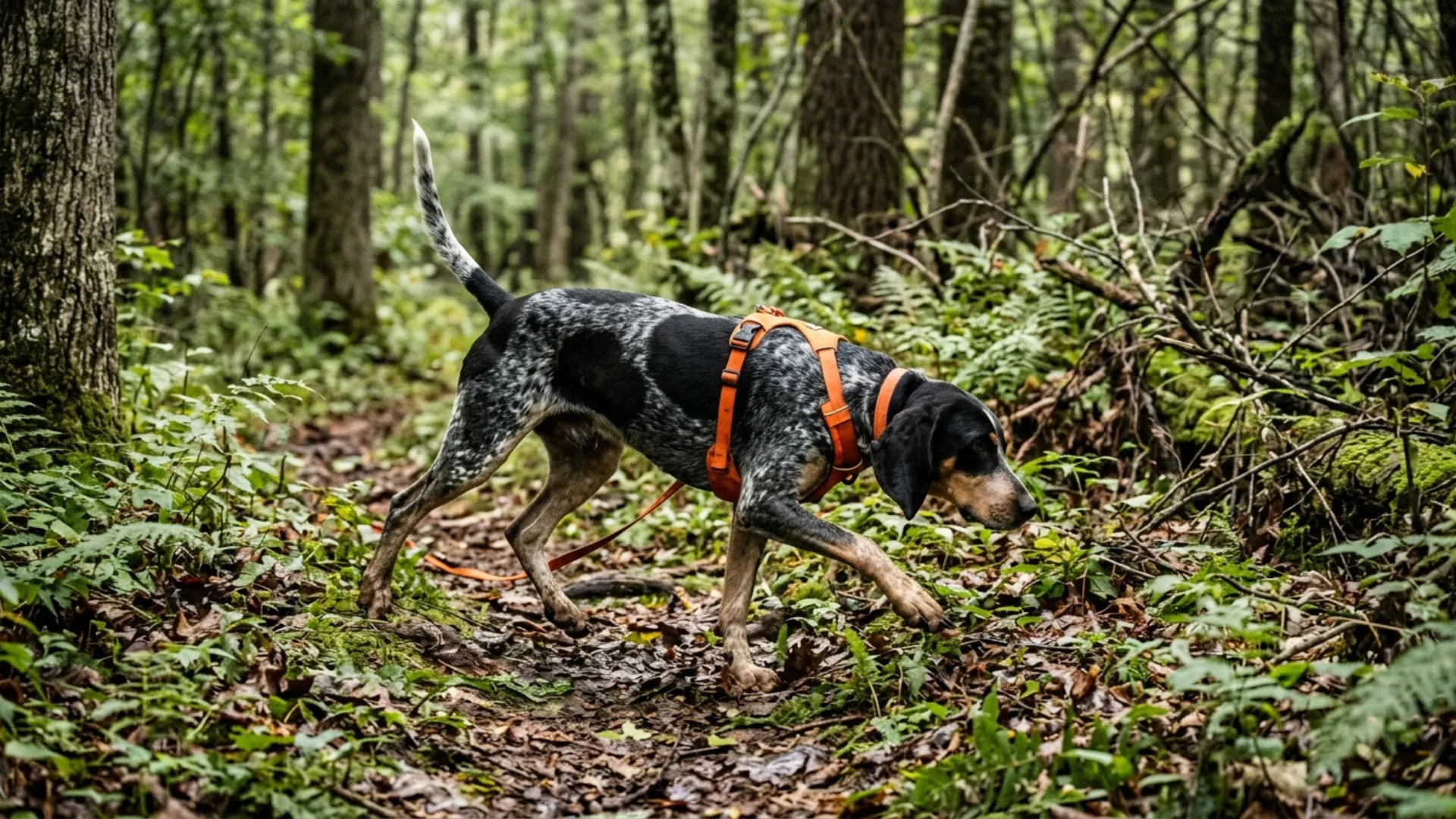
Hunting with hounds has deep roots in American history, long before the nation’s independence.
From the early colonial packs brought by settlers like Robert Brooke to George Washington’s own prized foxhounds, these dogs quickly became essential partners in tracking game across vast, untamed landscapes.
Over time, their role evolved from fox chasing to pursuing raccoons, bears, deer, and other wild game, shaping some of the most skilled scent hound lines known today.
What makes these breeds truly remarkable is their instinct, an ability to read the land through scent, often following trails invisible to the human eye.
In the field, they are not just helpers but co-workers, driving the rhythm of the hunt with endurance, intelligence, and relentless focus.
Even today, top hunting and tracking breeds carry forward this legacy. They continue to bridge tradition and modern wildlife management, proving that the bond between hunter and hound remains one of the most powerful partnerships in the natural world.
Key Takeaways
Hunting and tracking dogs have played a vital role in human history, especially in early American and European hunting traditions.
Scent hounds are among the most effective working dogs, valued for their extraordinary ability to follow scent trails over long distances and time.
Breeds like Bloodhounds, American Foxhounds, Beagles, and Irish Setters are specially developed for stamina, endurance, and tracking accuracy.
Many hunting breeds were originally used in packs, making cooperation and persistence key traits in their working style.
Hound dogs rely more on instinct and scent drive than obedience alone, often prioritizing a trail over commands.
Top Performing Dog Breeds for Hunting and Tracking
1. Bluetick Coonhound
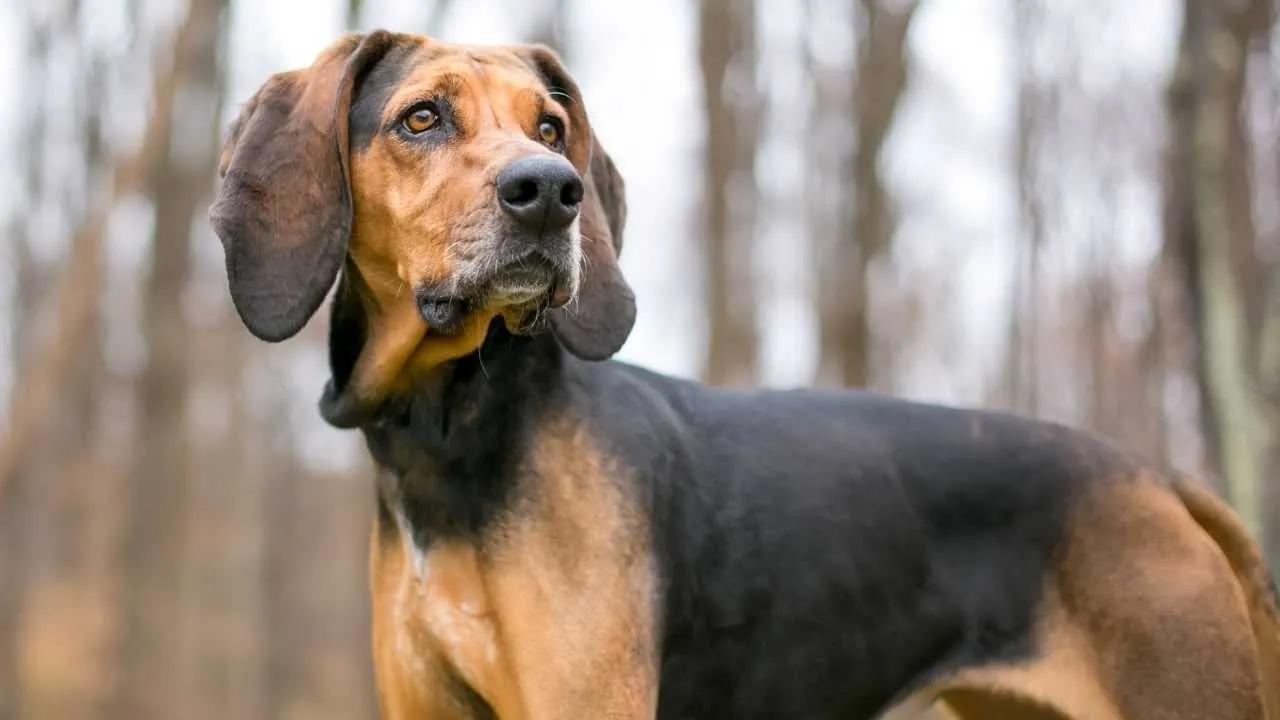
The Bluetick Coonhound is a strikingly sleek and affectionate hunting companion, equally content dozing in the shade or bursting into determined pursuit when a scent catches its attention.
Bred as a scent hound, it is known for its powerful prey drive, bold focus, and relentless tracking ability, especially during nocturnal hunts.
Its glossy blue-ticked coat, long droopy ears, and athletic yet lean build give it a distinctive presence.
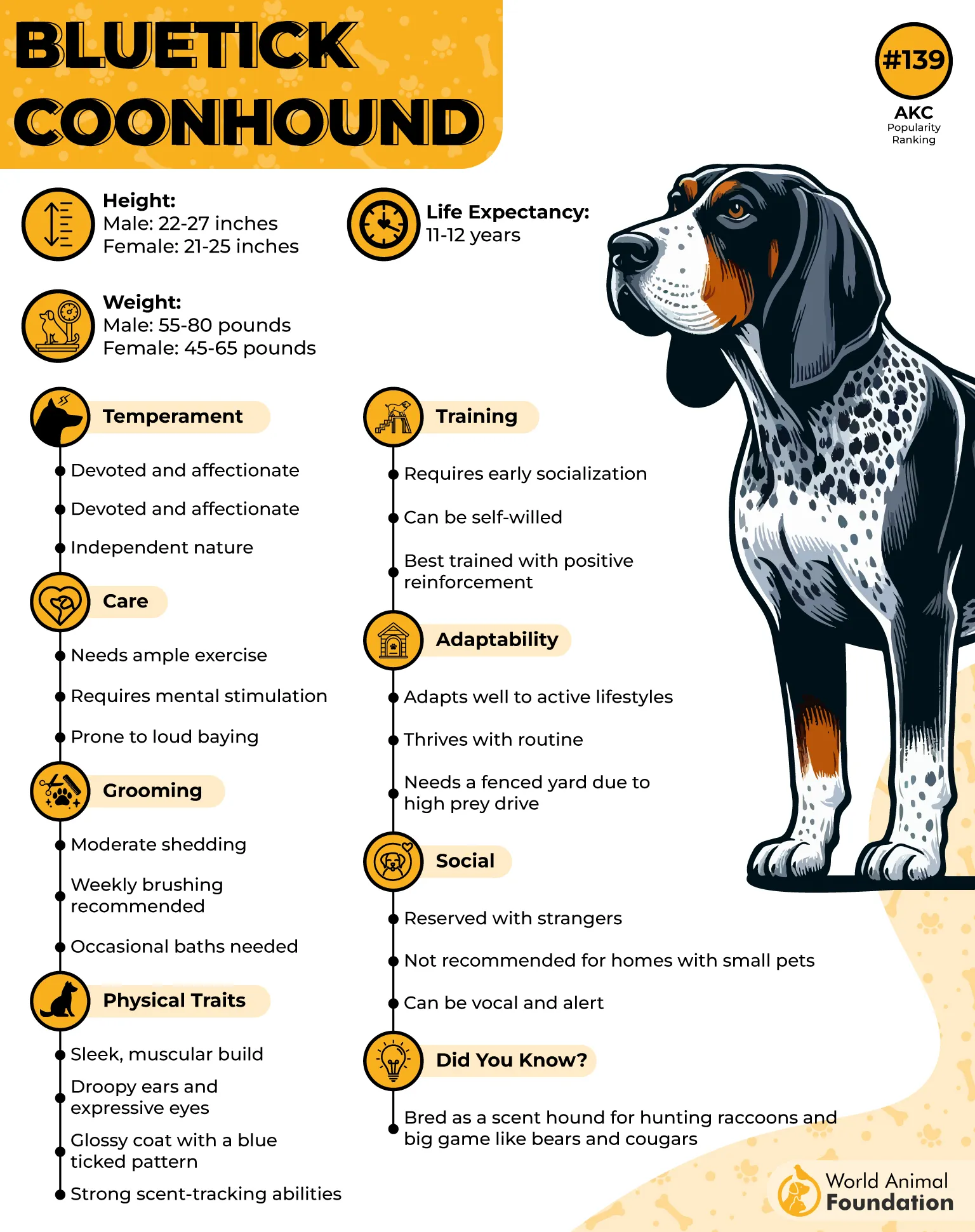
Behind his soulful eyes lies an intelligent dog that thrives on purpose, according to the American Kennel Club.
Without adequate exercise and mental stimulation, it may express its energy through loud, mournful vocalizations. Regular activity, training, and socialization help channel its instincts positively.
Grooming needs are moderate, requiring weekly brushing and routine ear and dental care. Like many deep-chested breeds, it can be prone to bloat, making mindful feeding and monitoring essential for its well-being.
2. Black And Tan Coonhound
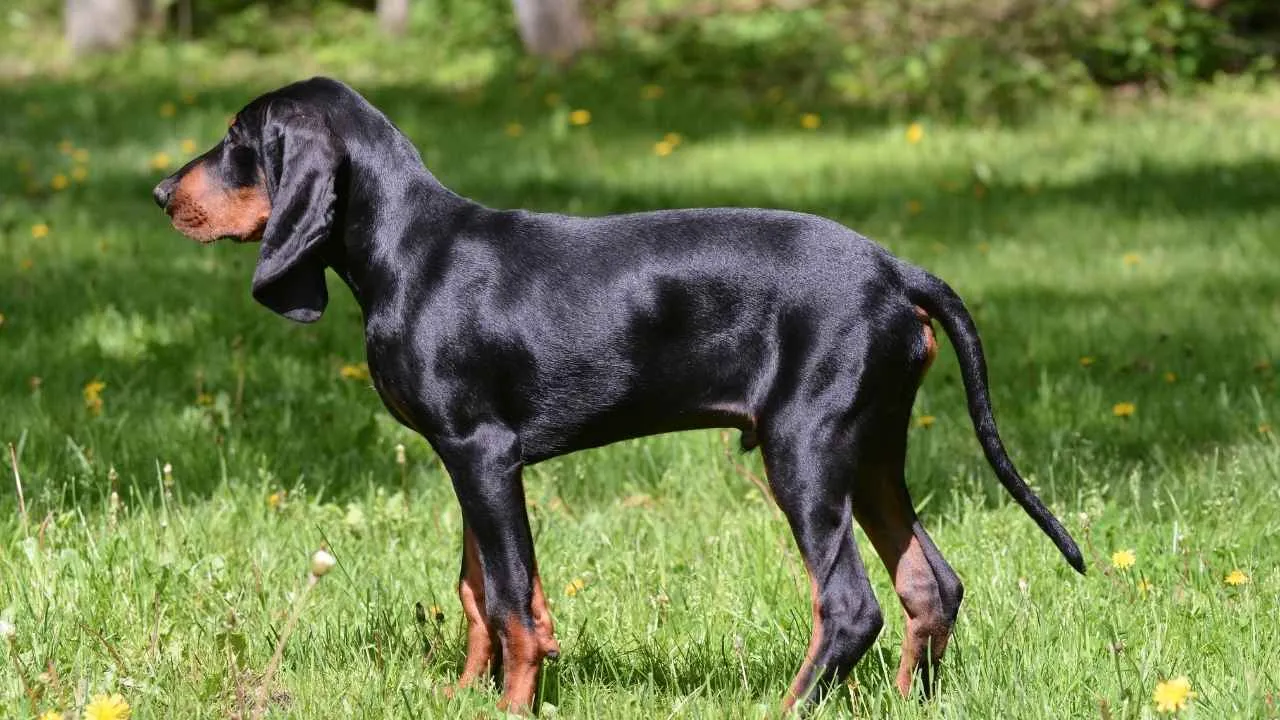
The Black and Tan Coonhound is a tall, powerful scent hound with a calm, almost noble presence that hides a relentless working drive.
Built for endurance, it moves with strength and purpose, following scent trails with unwavering concentration across forests and rugged terrain.
Its long, pendulous ears and deep muzzle are not just striking features; they support its exceptional tracking ability, making it a natural in the field.
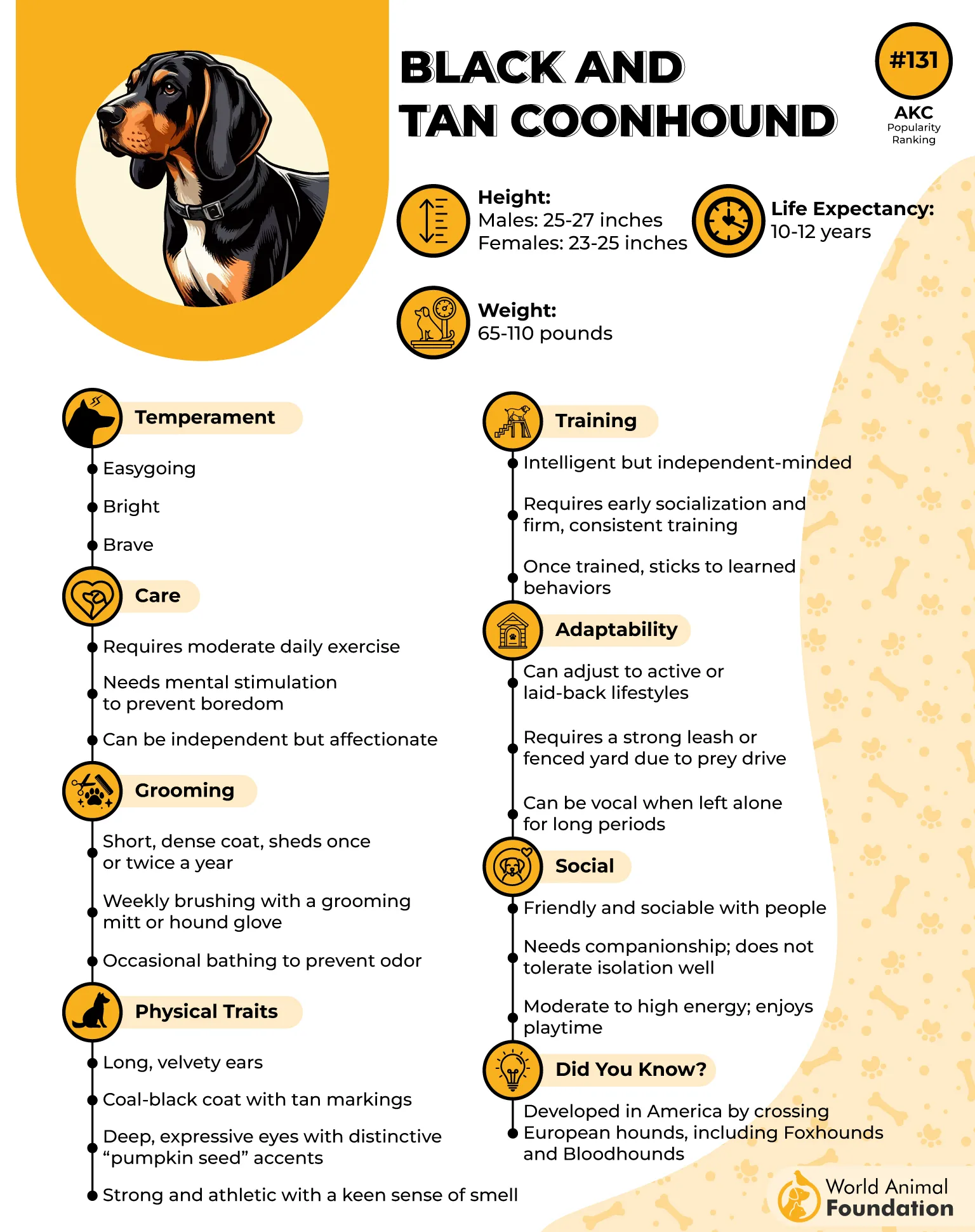
In temperament, this breed is sociable and good-natured, yet deeply focused when on a scent. It matures slowly and responds best to patient, consistent handling rather than repetitive drill-style training. A strong bond with its owner is key to unlocking its full potential.
Bred for long hours of hunting, it thrives on extensive daily exercise combined with mental challenges like scent work.
Best suited to rural or spacious homes, it needs room to roam, explore, and work out its instincts, where it truly comes alive.
3. Pharaoh Hound
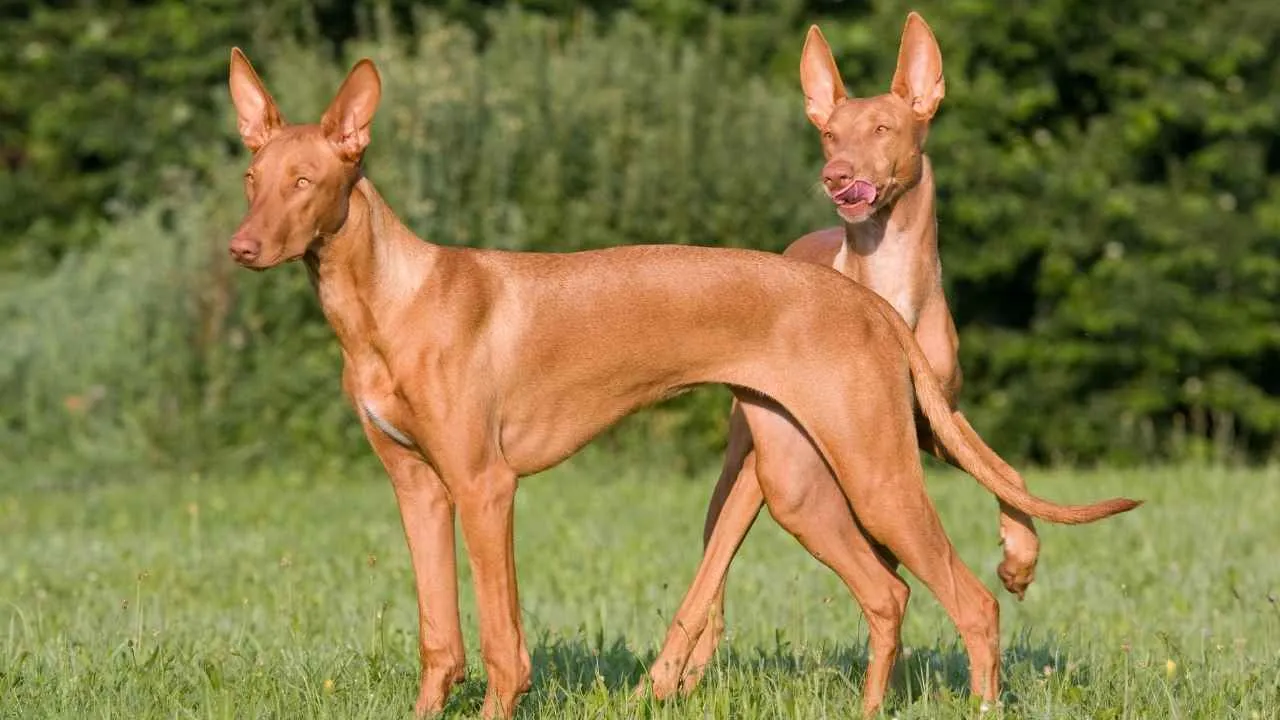
The Pharaoh Hound is a striking sight hound that carries an air of ancient elegance, its lean frame and poised stance often evoking imagery from early Egyptian art.
Built for speed and precision, it is a natural hunter that relies on sharp vision and quick reflexes, moving with effortless grace across open terrain.
Its short coat, usually in warm shades of tan or red, adds to its clean, athletic silhouette, while its large, expressive ears give it an alert, ever-watchful presence.
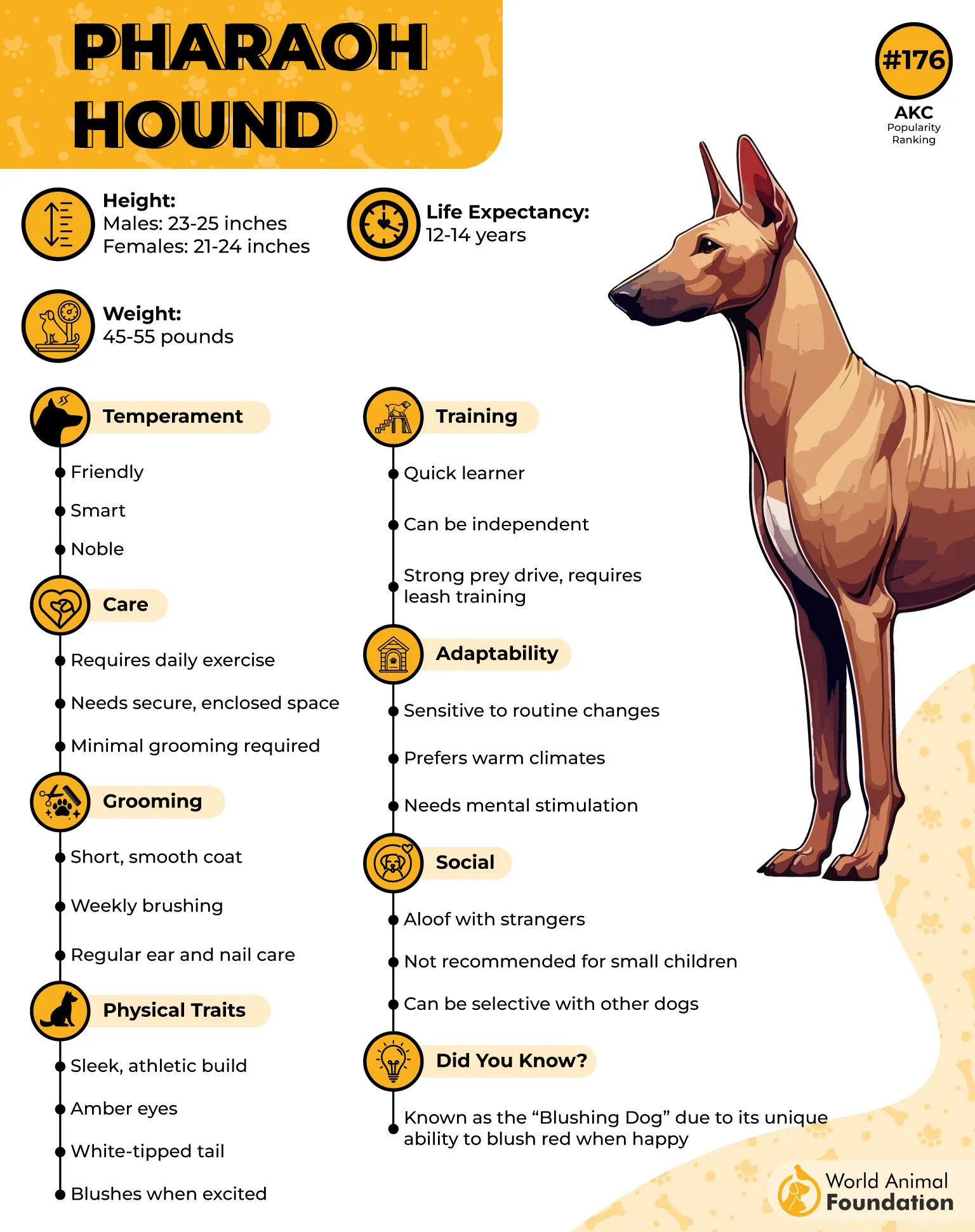
Beyond its regal appearance lies a lively, affectionate temperament. The Pharaoh Hound is sociable, playful, and thrives in active environments where it can run freely and engage its instincts, as stated by PetMD.
Like many sight hounds, it has a strong chase drive and requires secure spaces or controlled outings during exercise.
Intelligent yet independent, it responds best to patient, positive training. With regular activity, companionship, and mental stimulation, it becomes a devoted and graceful partner in both home life and field pursuits.
4. Treeing Walker Coonhound
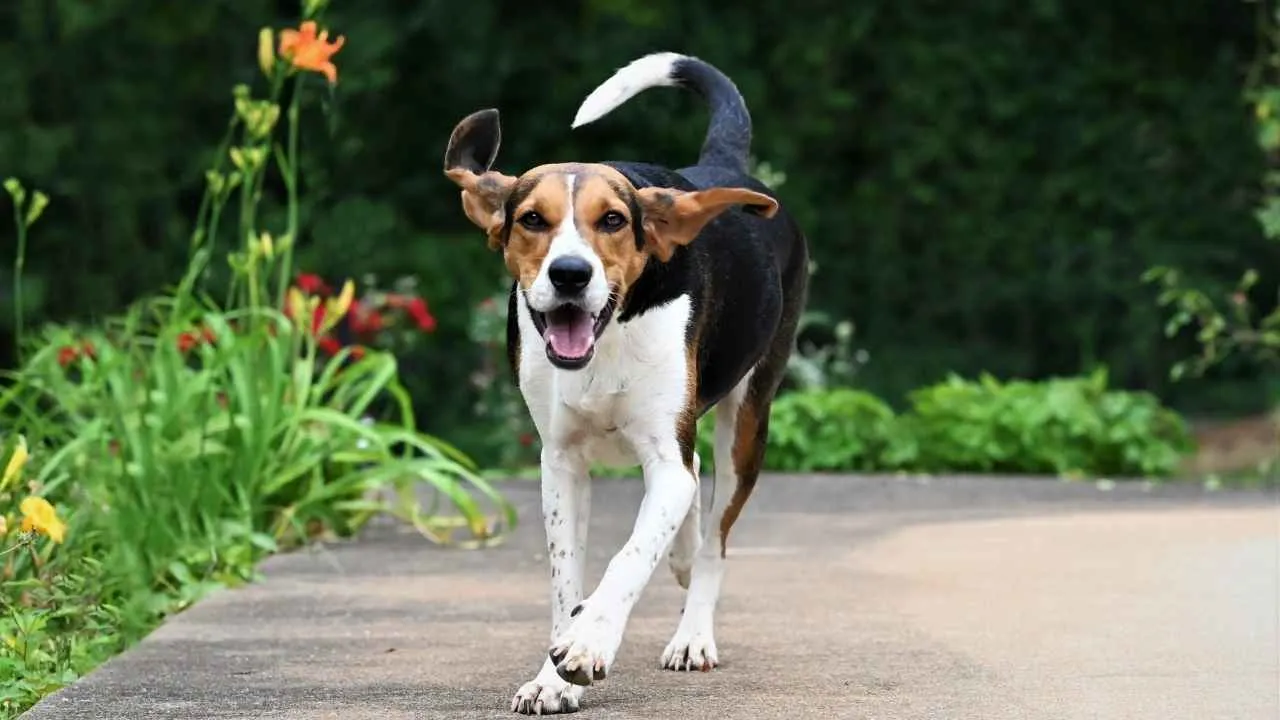
The Treeing Walker Coonhound is a fast, determined scent hound bred for the thrill of the chase and the discipline of the trail.
Descended from English Foxhounds brought to America in the 18th century, this breed was refined for one clear purpose: tracking prey with speed, intelligence, and unwavering drive, especially animals that take to the trees.
In the field, the Treeing Walker is all focus and fire.
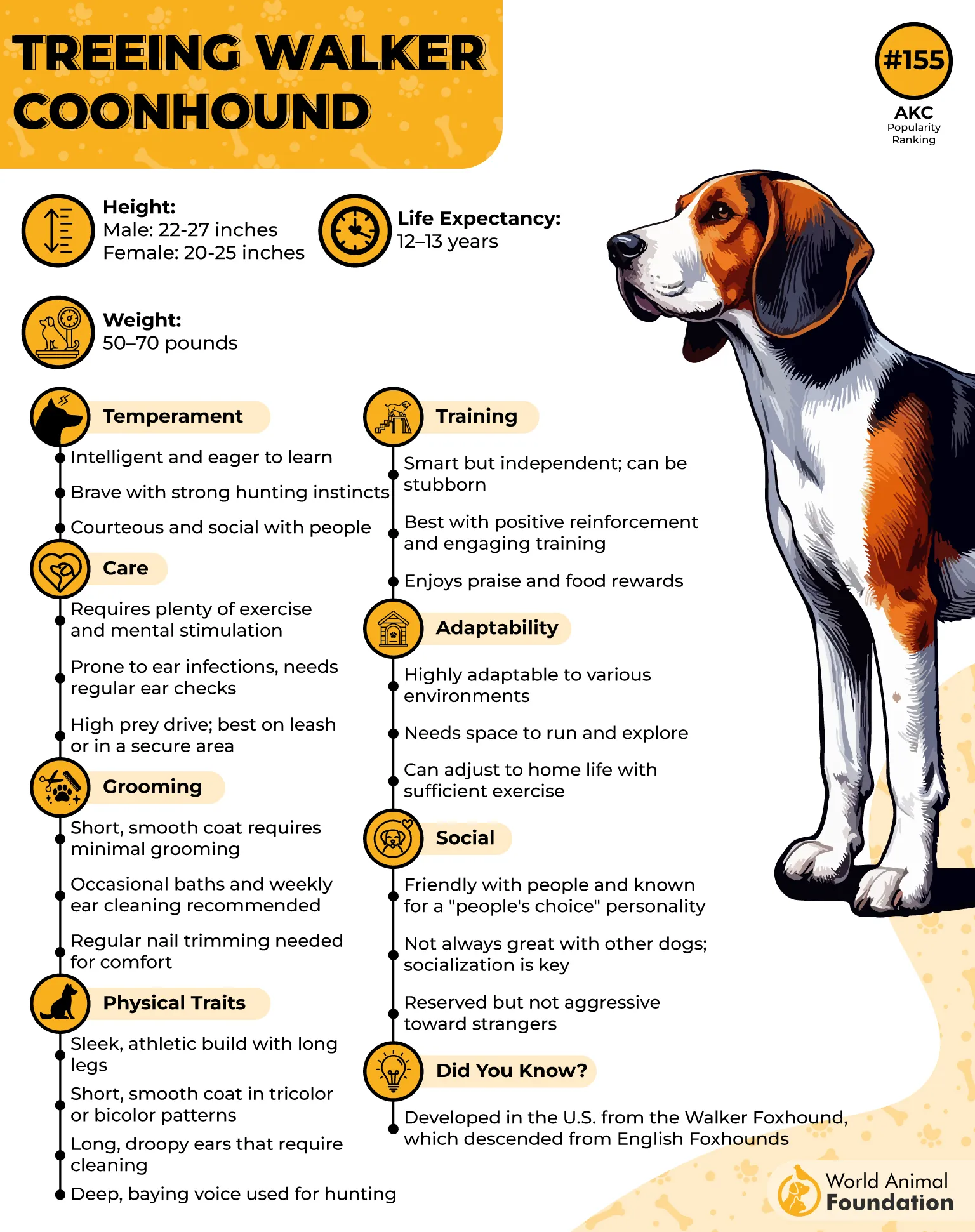
It moves with remarkable stamina, following scent trails over long distances and responding with its distinctive, powerful voice when it has cornered its quarry.
Yet outside the hunt, this intensity softens into a surprisingly gentle, affectionate companion that enjoys rest, comfort, and close family bonds.
Highly energetic and easily bored, it needs daily physical exercise paired with mental stimulation to stay balanced. With the right outlet for its instincts, the Treeing Walker becomes both a skilled tracking partner and a loyal, good-natured presence at home.
5. Redbone Coonhound
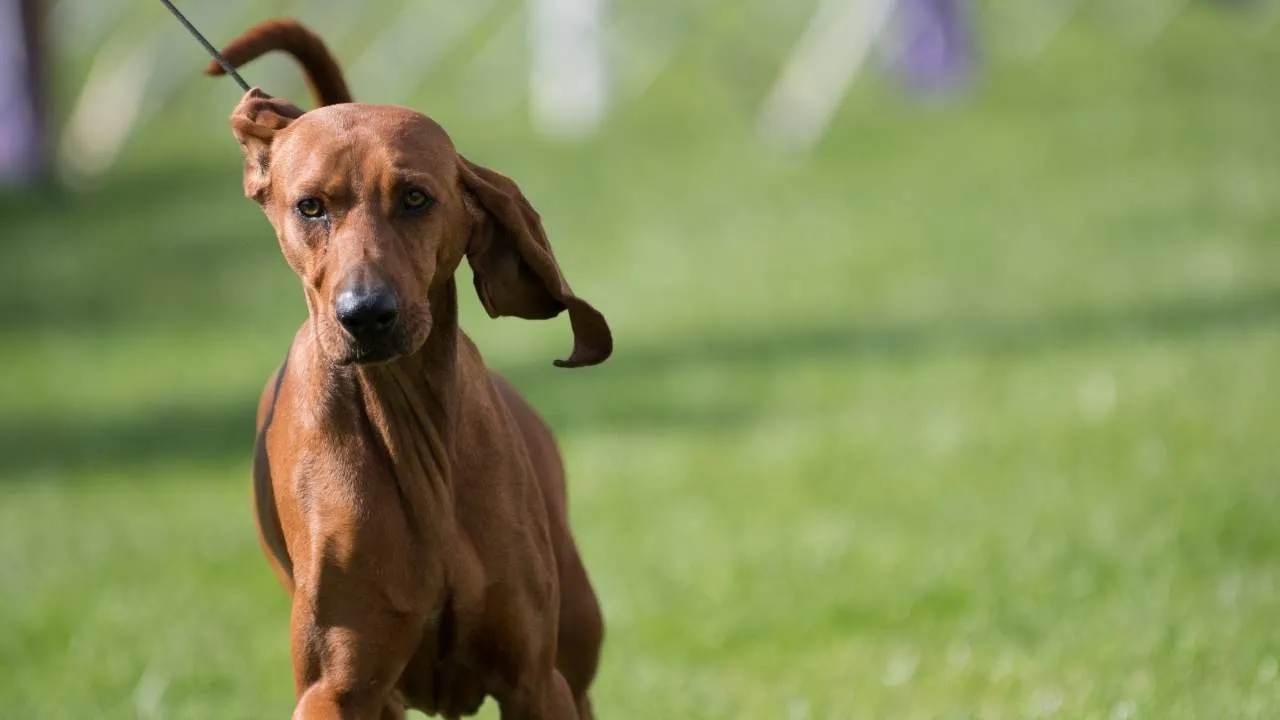
The Redbone Coonhound is a classic American hunting breed, admired for its rich red coat, steady temperament, and deep-rooted history in tracking game across rugged terrain.
Bred for endurance and precision, this hound has long been trusted to trail raccoons and larger game with remarkable focus, using both intelligence and instinct to stay locked onto scent.
Behind its athletic build and glossy, mahogany-colored coat lies a dog with real heart.
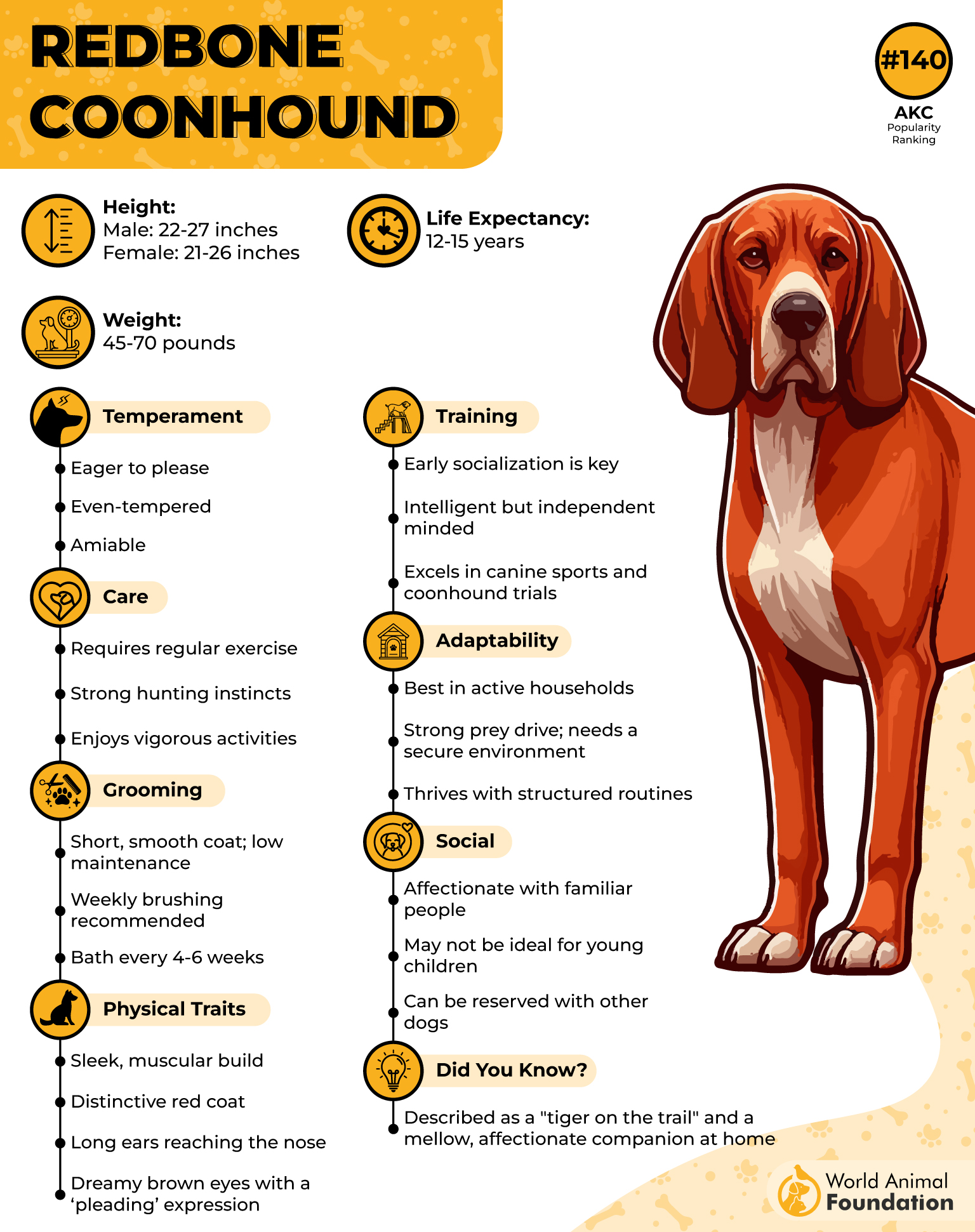
Redbones are loyal, affectionate, and deeply connected to their families. They can be gentle with children and generally enjoy the company of other dogs, making them as suited to home life as they are to the field.
Energetic by nature, they need regular exercise and mental engagement to stay balanced—without it, boredom can lead to restlessness.
Easy grooming, moderate care needs, and a friendly personality make them approachable, but their strong drive and need for activity mean they thrive best with committed, active owners.
6. Beagle
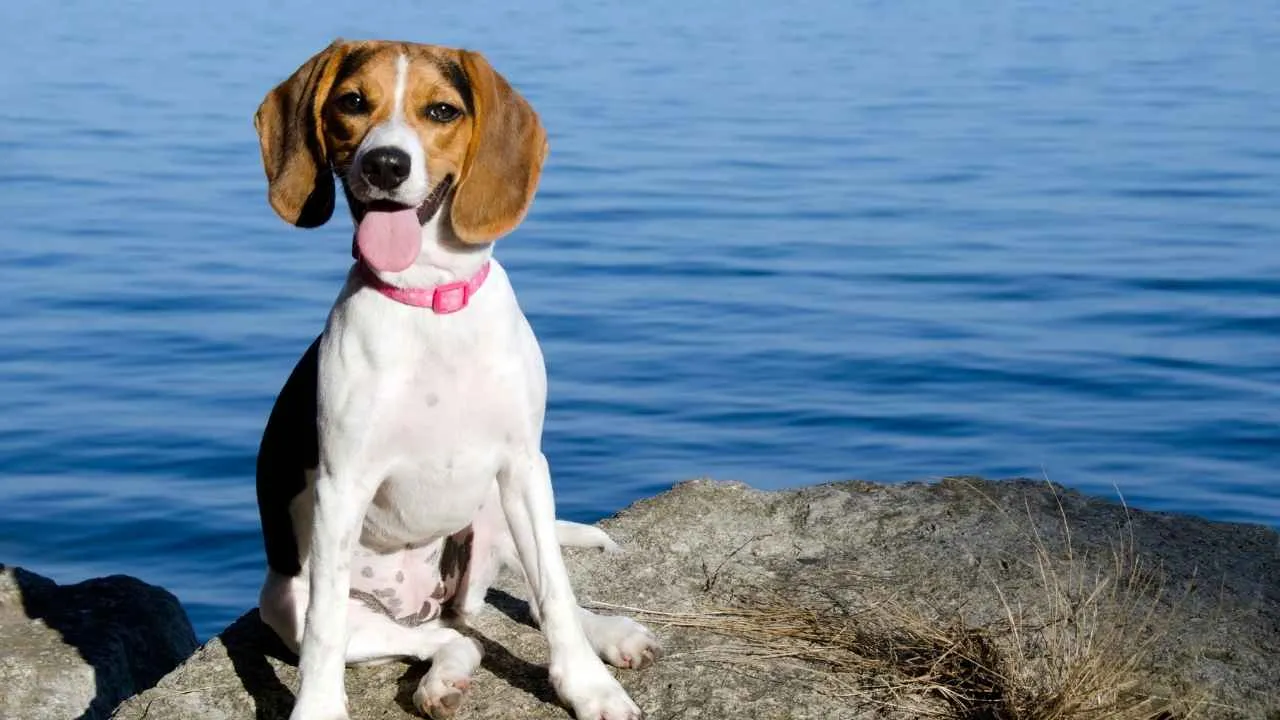
The Beagle is one of the most enduring and beloved scent hounds in history—so deeply rooted in the past that its exact origins remain uncertain.
Traces of similar hunting dogs appear as far back as ancient Greece, where small hounds were used to track hare and rabbit.
Centuries later, in medieval England, even tinier “pocket Beagles” were bred for close-range hunting, small enough to sit in a hunter’s pocket, before larger hunting demands shaped the breed we recognize today.
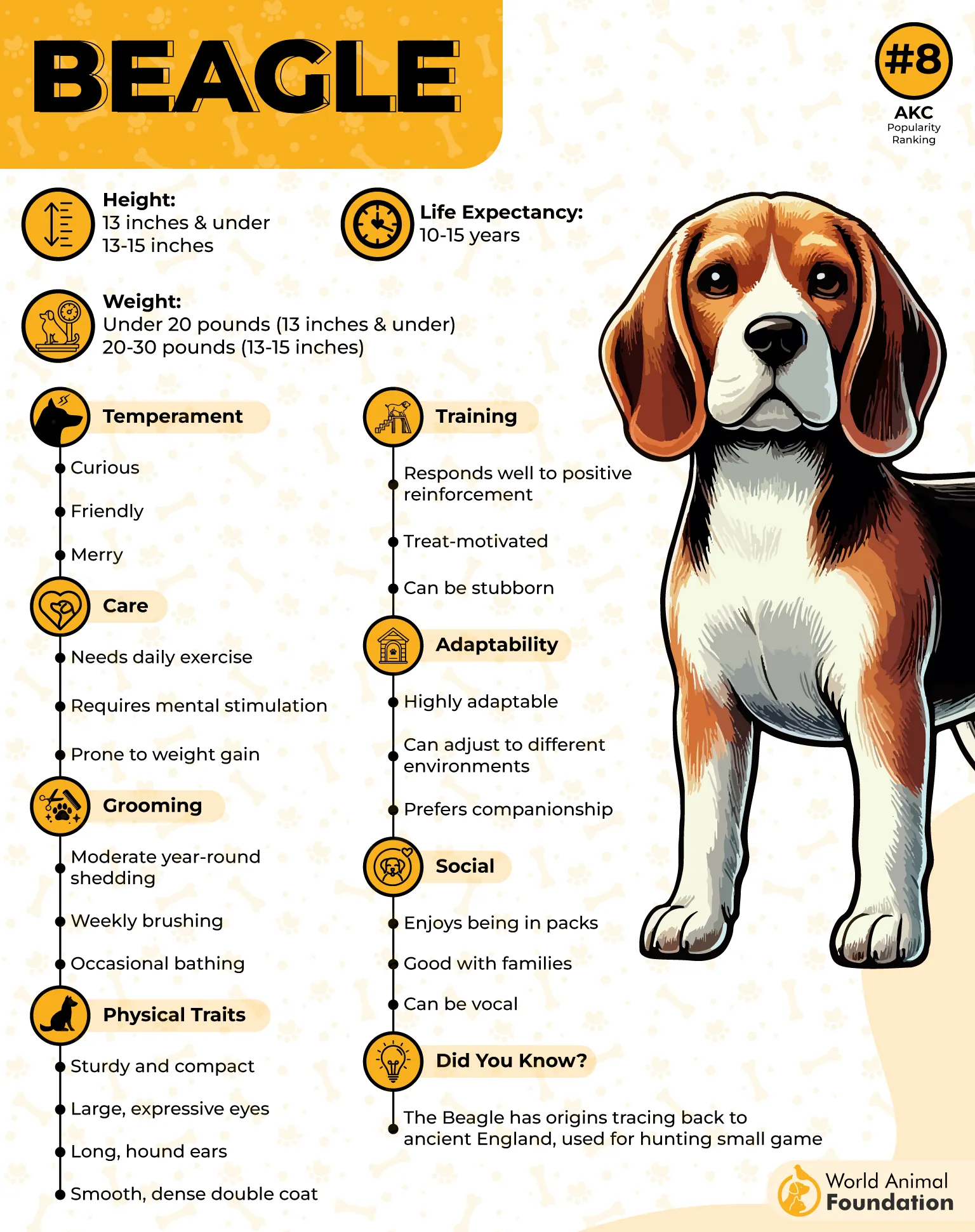
Modern Beagles emerged in 19th-century Britain, refined into compact, energetic trackers built for stamina and scent work.
Behind their soft, pleading eyes lies a dog driven by instinct—curious, determined, and famously led by its nose above all else.
In the field, they are tireless trackers with extraordinary scenting ability, as explained by Bark Busters. At home, they are affectionate, social, and endlessly expressive.
But that same independence makes them stubborn learners who need patience, structure, and secure boundaries.
A Beagle thrives where it can explore, follow scents, and feel included—because for this breed, silence is rare, but devotion runs deep.
7. Irish Setter
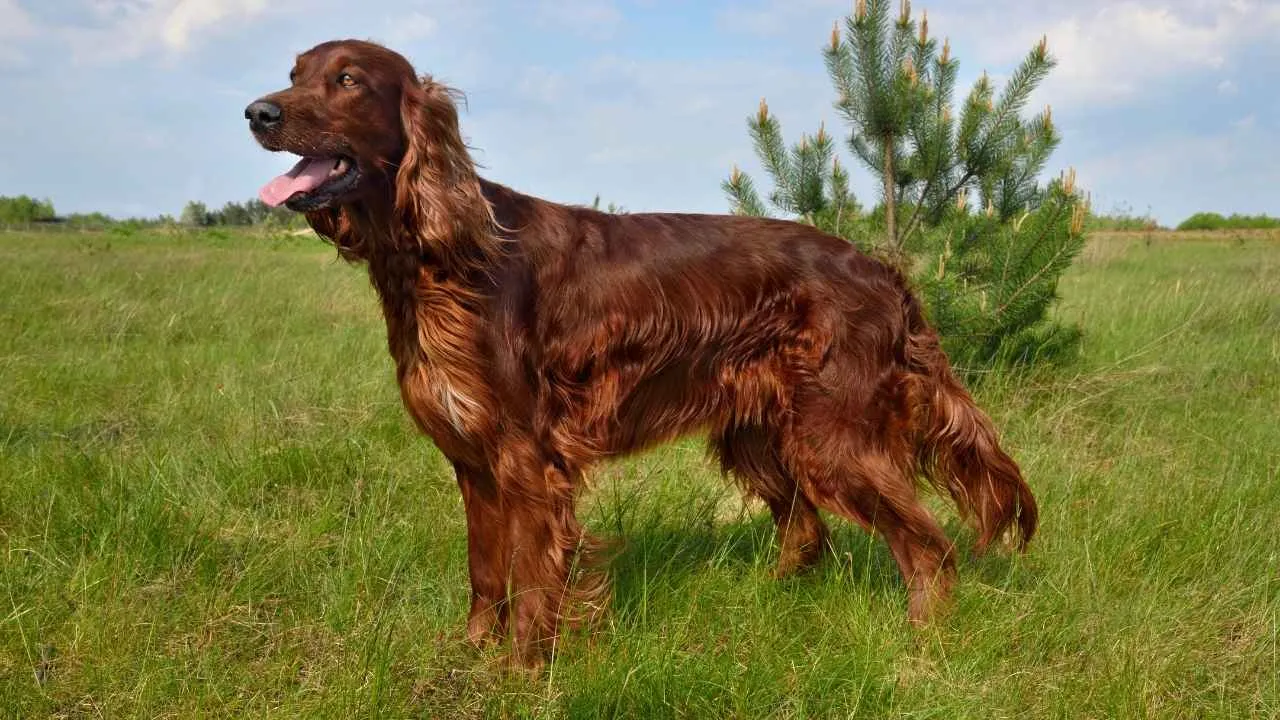
The Irish Setter is a hunting dog breed that seems to carry joy in every stride, known among hunting dog breeds for finding birds. With its flowing red coat and spirited nature, it is as striking in the field as it is unforgettable at home.
Bred for working alongside hunters, this versatile hunting dog relies on speed, scent awareness, and tireless enthusiasm to locate and indicate game birds across open terrain, excelling in retrieving skills and tracking dog roles.
What sets the Irish Setter apart is its personality as much as its ability as a gun dog and hunting companion.
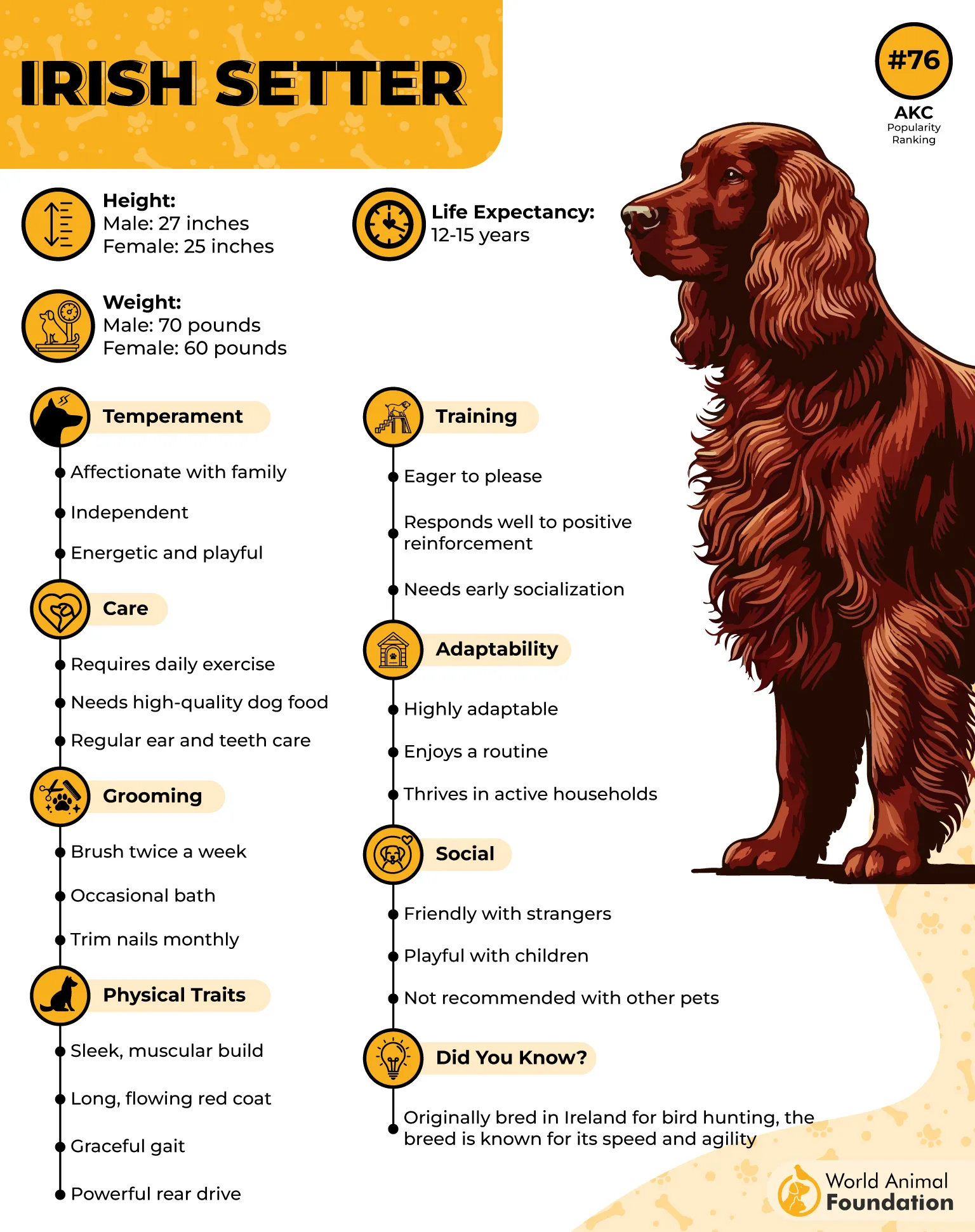
Energetic, playful, and deeply affectionate, it thrives on human connection and quickly forms strong bonds with its family. In the field, it is focused and driven as a bird dog for upland birds and hunting tasks. At home, it becomes a lively companion that craves activity, attention, and purpose.
Highly intelligent but easily distracted, it requires patient, consistent training and plenty of physical and mental stimulation for hunting skills and scent trails work. Without it, its boundless energy can turn restless.
For active handlers, the Irish Setter offers not just a capable tracking dog and retrieving upland birds partner, but a joyful, loyal presence that brings life to every environment it enters as a versatile hunting companion.
8. American Foxhound
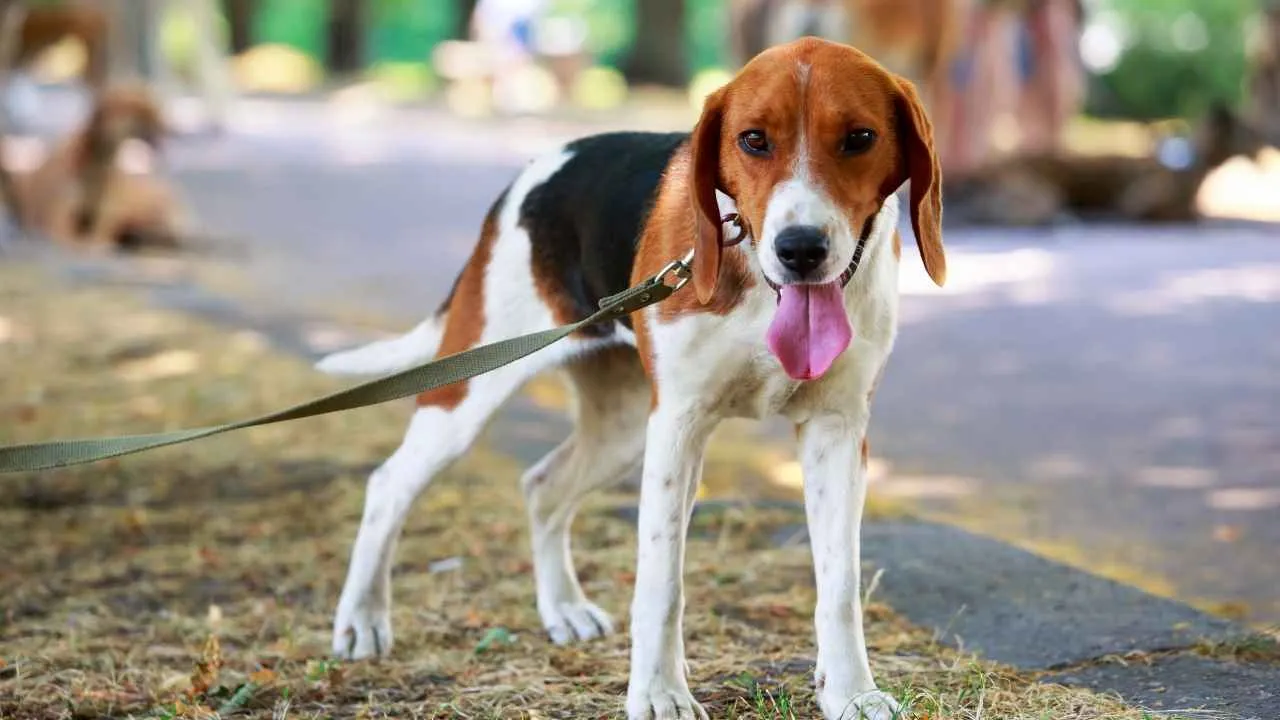
The American Foxhound stands out as a tireless hunting and tracking breed, built for endurance and instinct rather than appearance alone.
With a lean, muscular frame, deep chest, and long legs, it was developed for sustained speed across vast terrain while working in packs.
Its history traces back to early crossbreeding efforts in North America, shaping a hound refined for fox hunting alongside riders on horseback.
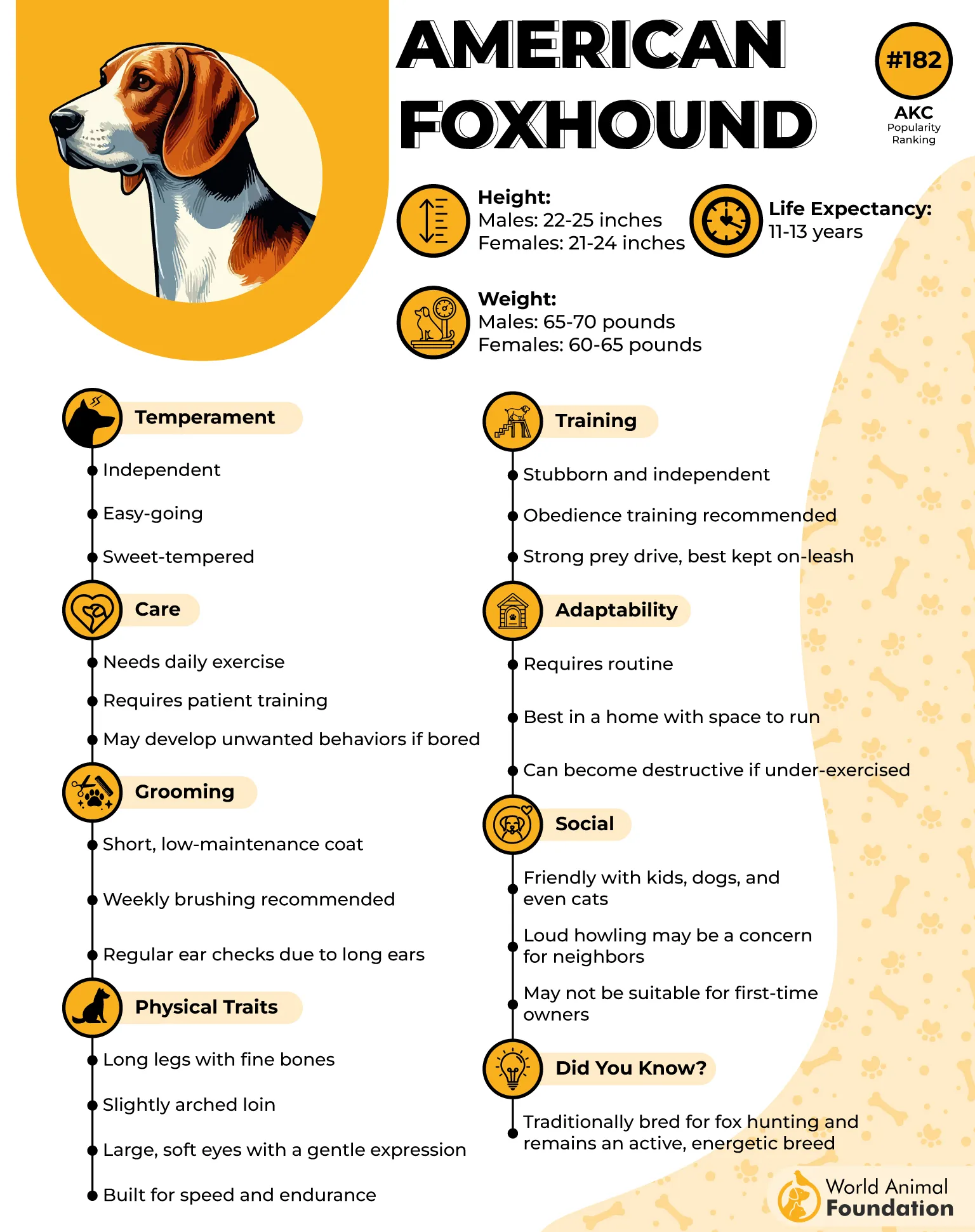
Known for its powerful scenting ability and independent nature, the breed excels at following trails over long distances, often relying on instinct as much as training.
Friendly and sociable with other dogs, it performs best in group settings but can be strong-willed when focused on a scent.
Its distinctive voice carries far, a trait once valued during hunts. While easy to maintain in coat care, it demands intense daily exercise and space, making it best suited for active handlers who understand working hounds properly.
9. Bloodhound
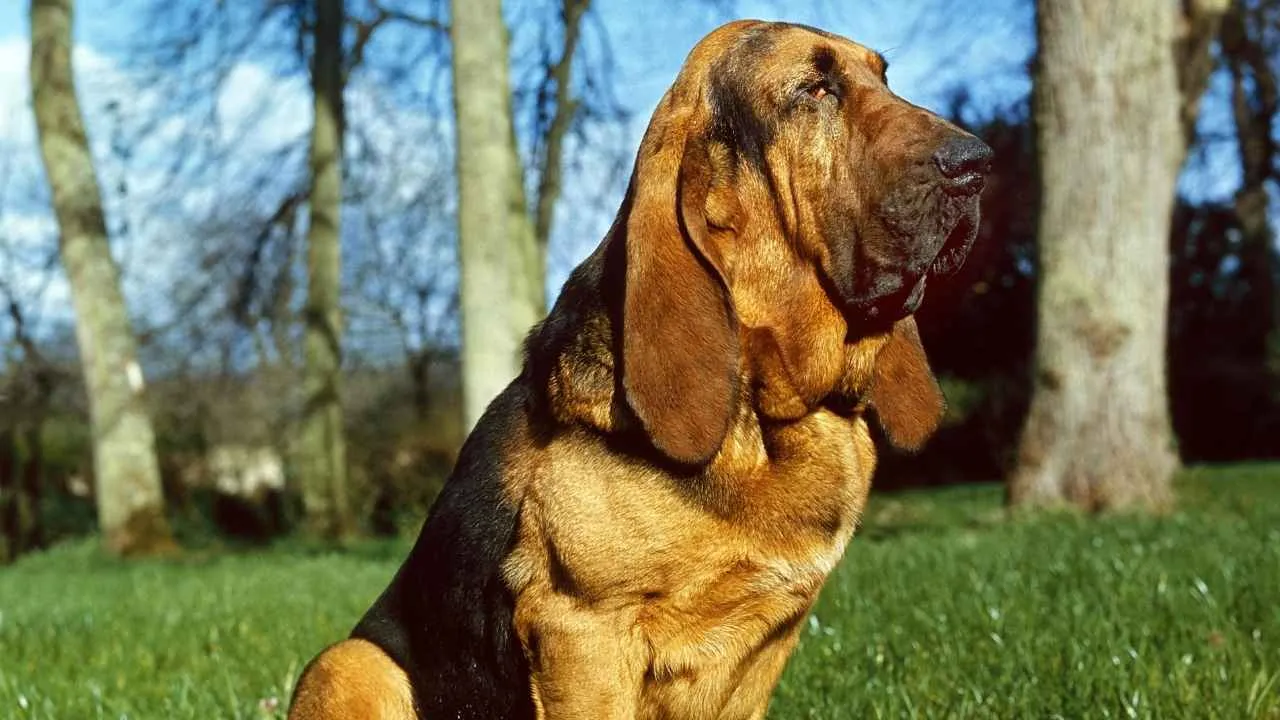
The Bloodhound is widely regarded as the ultimate scent-tracking specialist in the dog world, with an extraordinary nose capable of following trails that are days old.
One of the oldest scent hound breeds, its roots are believed to trace back to early medieval Europe, where it was carefully developed for its unmatched tracking ability.
Due to its high energy, it remains a cornerstone in search-and-rescue work and law enforcement, trusted for its remarkable accuracy in following human scent over vast distances.
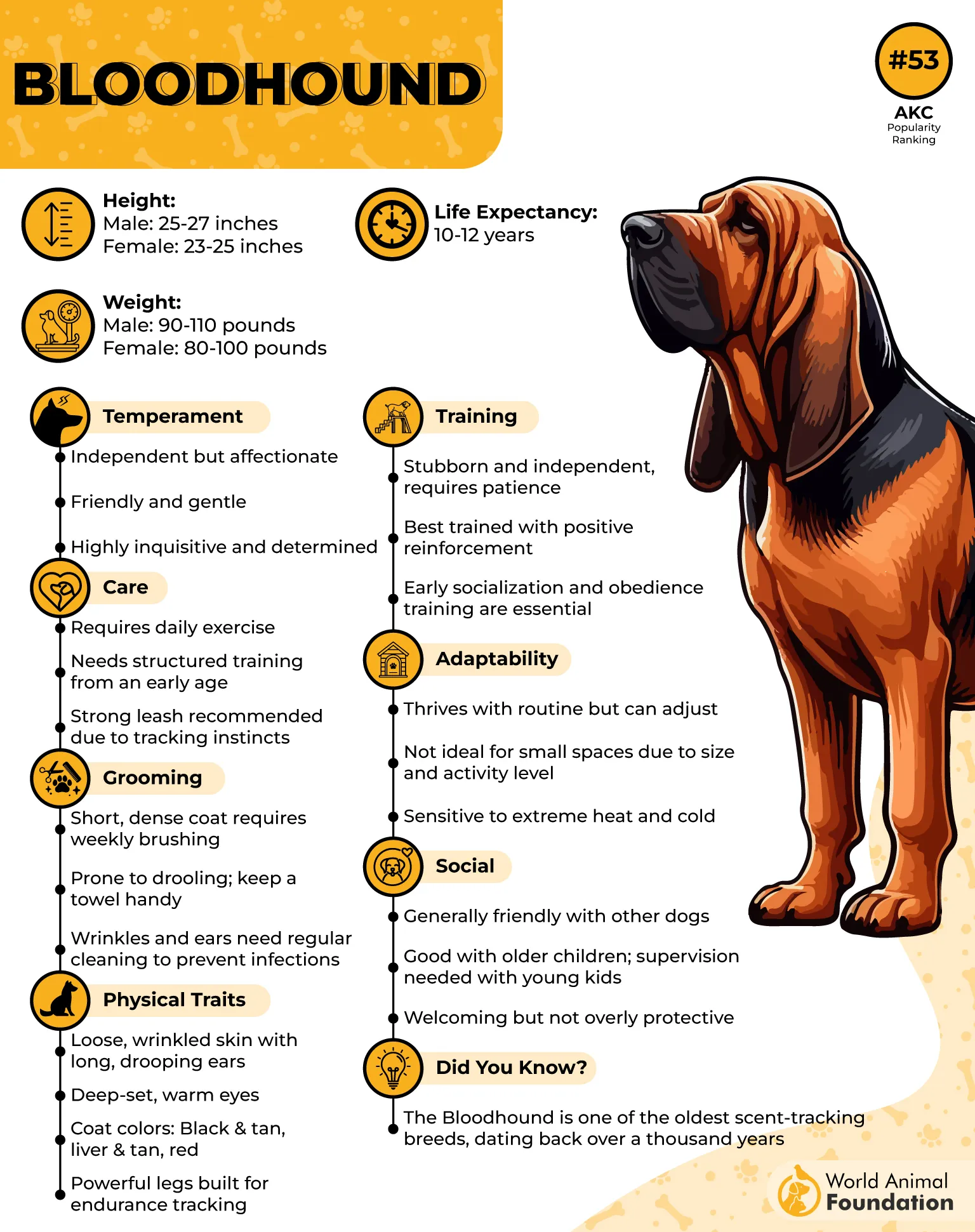
Physically, the Bloodhound is unmistakable; long, drooping ears, deeply wrinkled skin, and soulful, sunken eyes give it a solemn, almost thoughtful expression.
Its powerful build and determined stride allow it to work tirelessly across challenging terrain, fully focused on the scent it has locked onto.
Despite its working brilliance, the Bloodhound is gentle and affectionate at heart, forming strong bonds with its family.
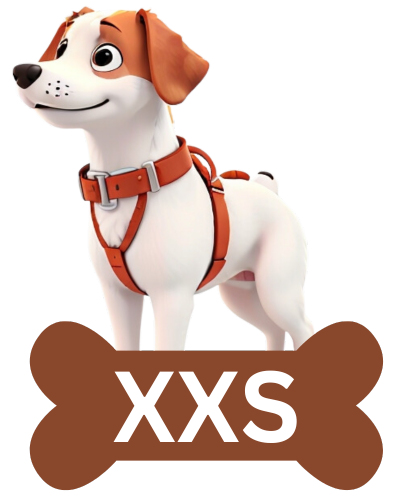
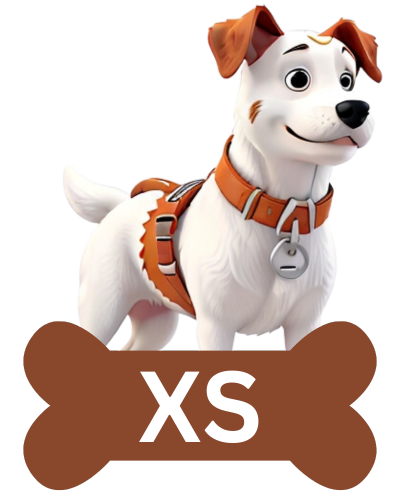
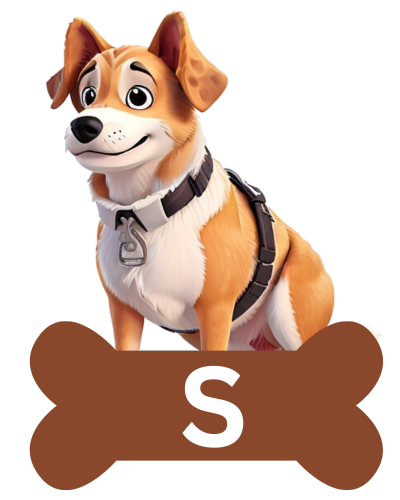
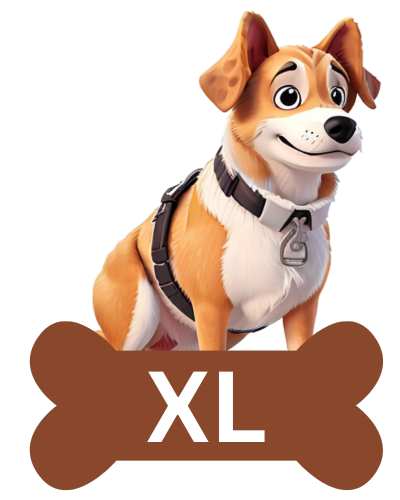
This simple dog harness calculator will help you find the perfect fit in just a few steps.
Dog Harness Size Calculator


However, its instincts are powerful, often overriding commands once a scent is detected. This makes leash control and early training essential. Loyal, loving, and endlessly driven, the Bloodhound is both a devoted companion and an unmatched tracker.
Conclusion
The top-performing dog breeds for hunting and tracking continue to play an essential role in the dog world, especially for those involved in hunting tasks and outdoor work.
These hunting dogs, often bred specifically as gun dogs and bird dogs, excel at tracking dog duties like following scent trails, retrieving upland birds, and locating wounded game or small game in varied terrain.
Their intelligence, stamina, and eagerness to please make them highly effective in both search and rescue operations and field hunting. Many of these energetic dogs are also well-suited as family dogs or family companions when given proper training and mental stimulation.
With traits like short coats, double coats, floppy ears, and strong retrieving skills, they remain some of the most versatile hunting companions, whether working in South Carolina fields or adapting as good house dogs in active families alongside other pets.
