




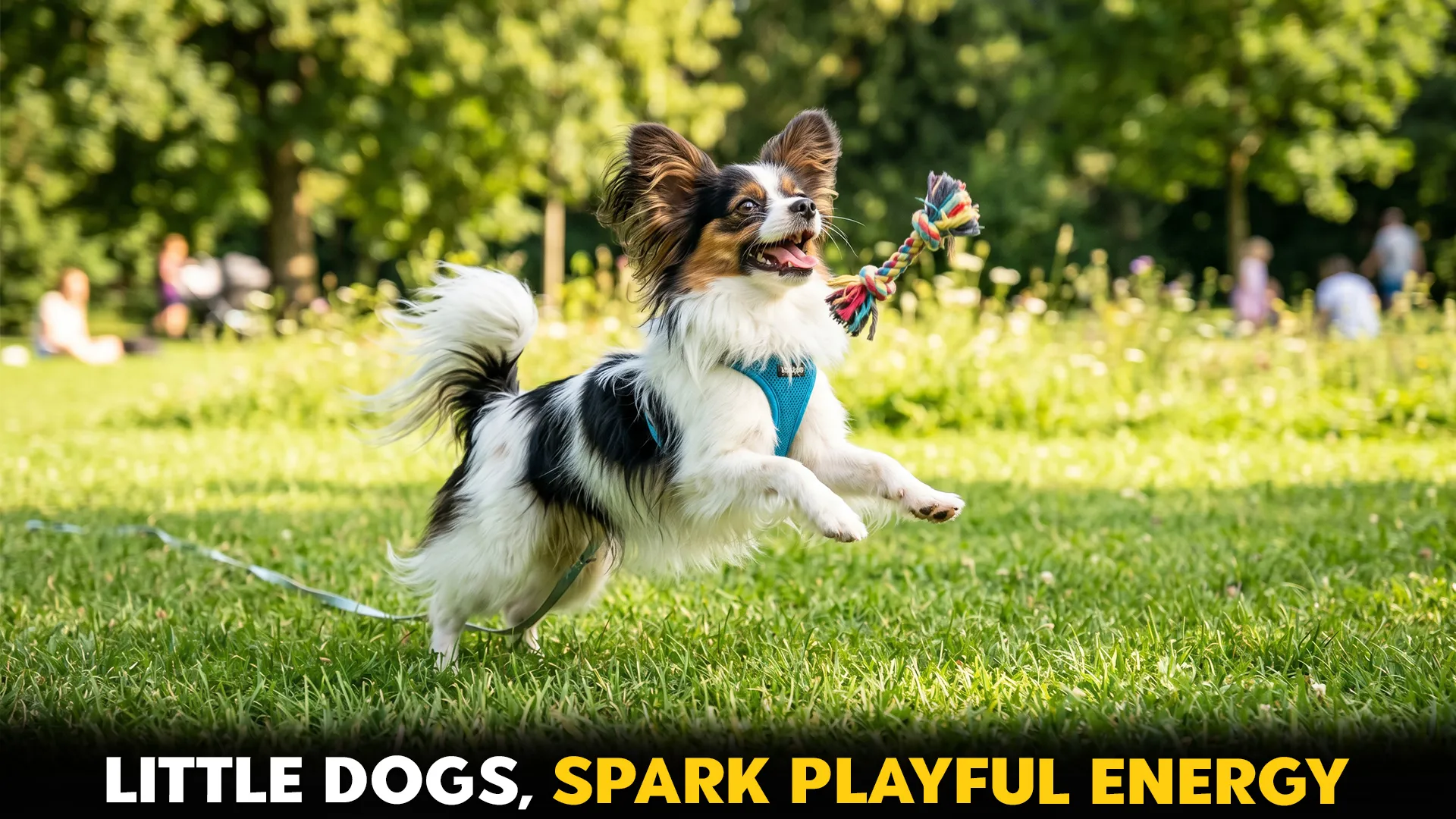
There is no age limit when it comes to play; you can enjoy playful activities at any stage of life. But for dog lovers, having a canine companion by your side makes those moments even more joyful. Sharing these lighthearted experiences with a four-legged friend adds energy, warmth, and a sense of fun that can brighten even the dullest routine.
While herding breeds are also a great option, as they naturally enjoy both work and play, small and compact dog breeds often come with their own unique advantages. They are typically more adaptable, making them well-suited for smaller homes and apartments.
Many also have calm, friendly temperaments, and with proper training, they can be safe and gentle companions around children.
Below is a list of ten dog breeds that are especially known for their playful personalities and family-friendly nature.
Top Small Dog Breeds That Spark Endless Playfulness
1. Papillon
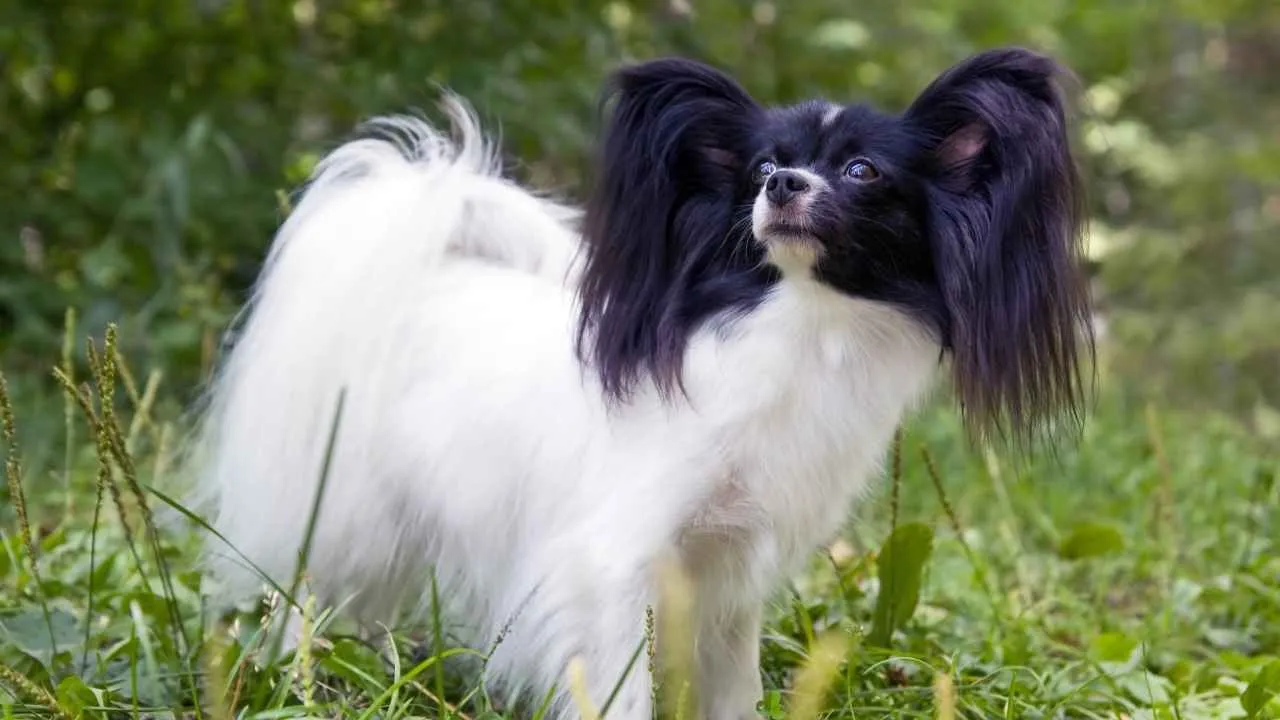
The Papillon is an alert, friendly, and cheerful toy breed known for its elegance and lively personality. Weighing around 5–10 pounds and standing 8–11 inches tall, this small dog is instantly recognizable by its distinctive butterfly-like ears, expressive face, and bright, intelligent eyes. Despite its delicate appearance, the Papillon is highly energetic and always ready for an adventure.
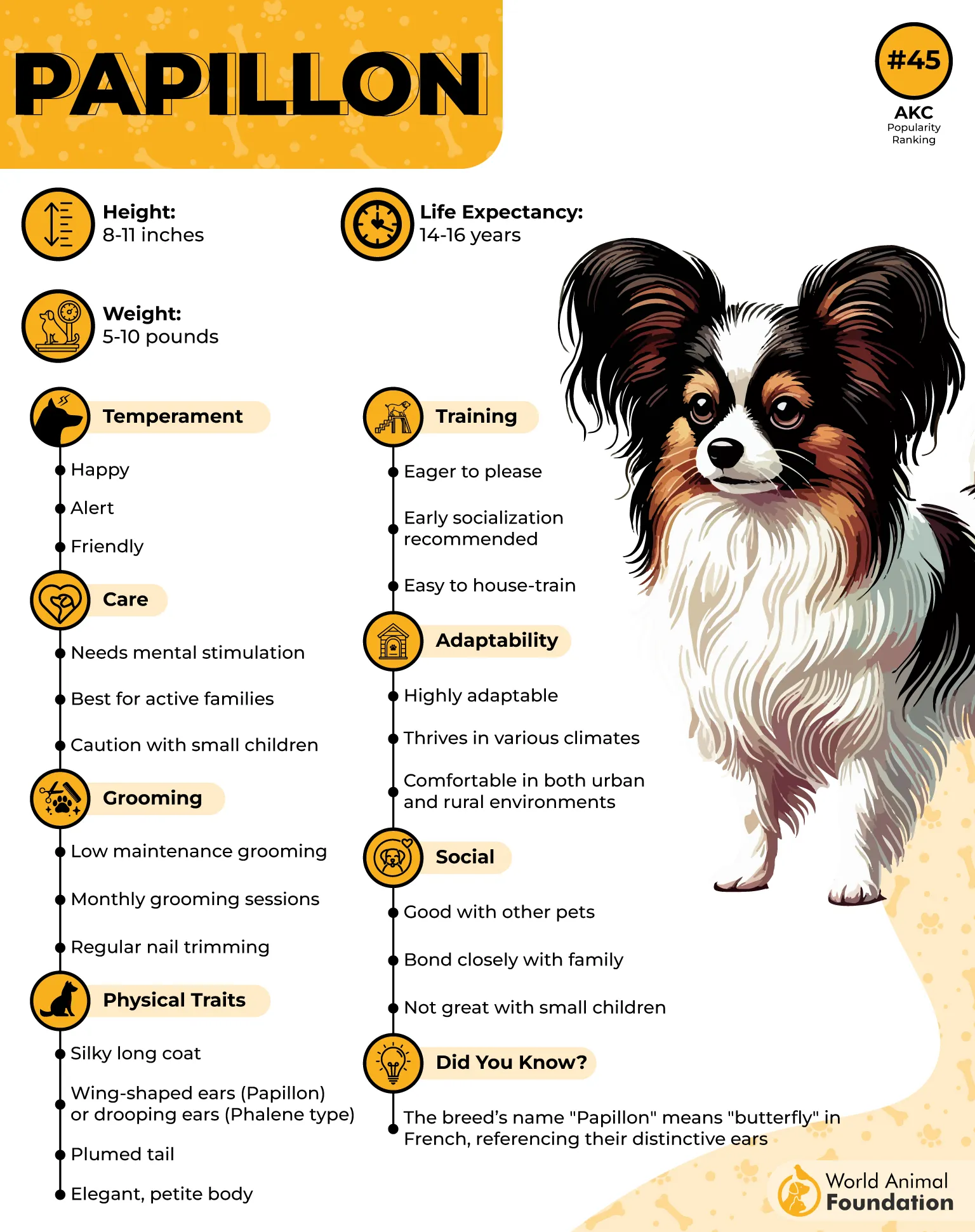
Papillons can adapt well as lap dogs, but they are far from lazy. They do not require excessive exercise, yet they thoroughly enjoy daily walks, indoor games, and light outdoor activities. Their curious and active nature keeps them mentally engaged and eager to participate in whatever their owner is doing.

According to PDSA, reward-based training methods work best for this breed, helping develop a confident, well-behaved, and responsive companion. Their intelligence makes them quick learners, especially when training is kept positive and engaging.
Like all active small breeds, the Papillon thrives on a balanced diet tailored to its nutritional needs. Proper feeding is important not only for maintaining energy levels but also for preventing common health issues such as obesity. With the right care, this lively little dog remains healthy, playful, and full of personality.
2. Toy Poodle
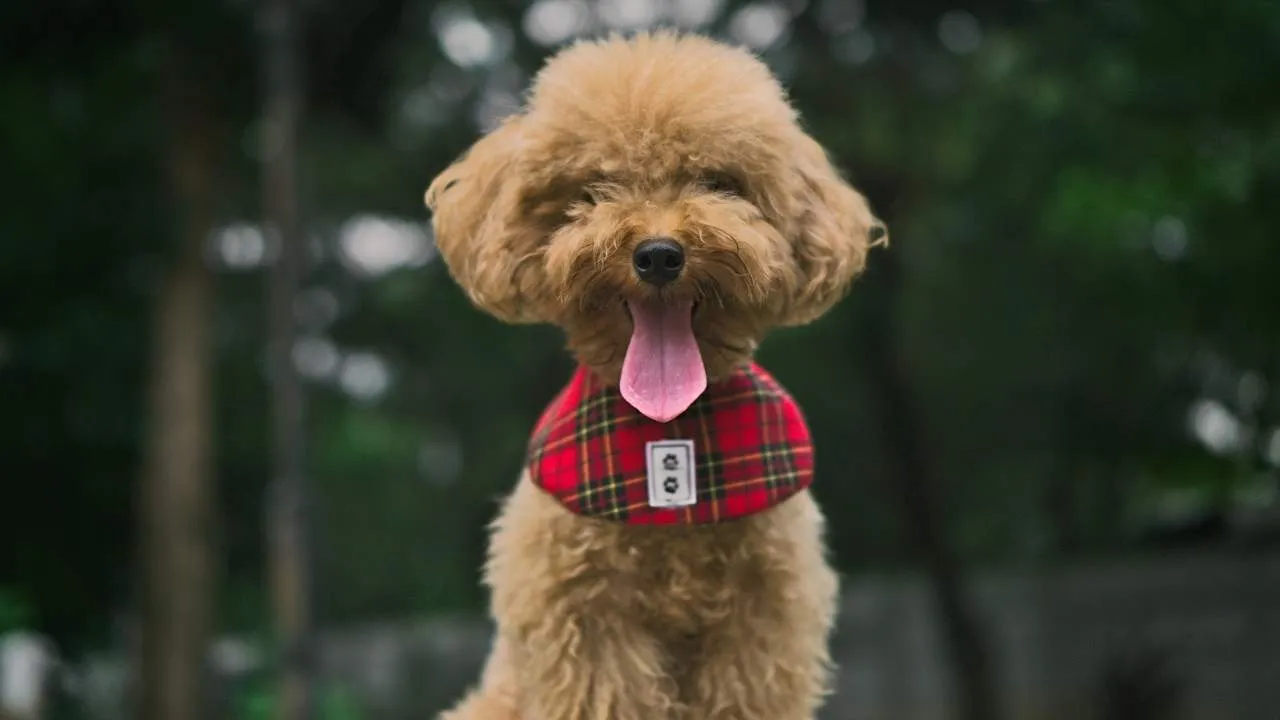
Toy Poodles are highly intelligent, agile, and self-confident dogs known for their proud yet charming personality. Weighing around 10–15 pounds and standing 10–15 inches tall, they are among the most popular small breeds.
Their curly, hypoallergenic coat also makes them a preferred choice for many families, especially those seeking a low-shedding companion. Playful, alert, and easy to train, they adapt well to a variety of households.
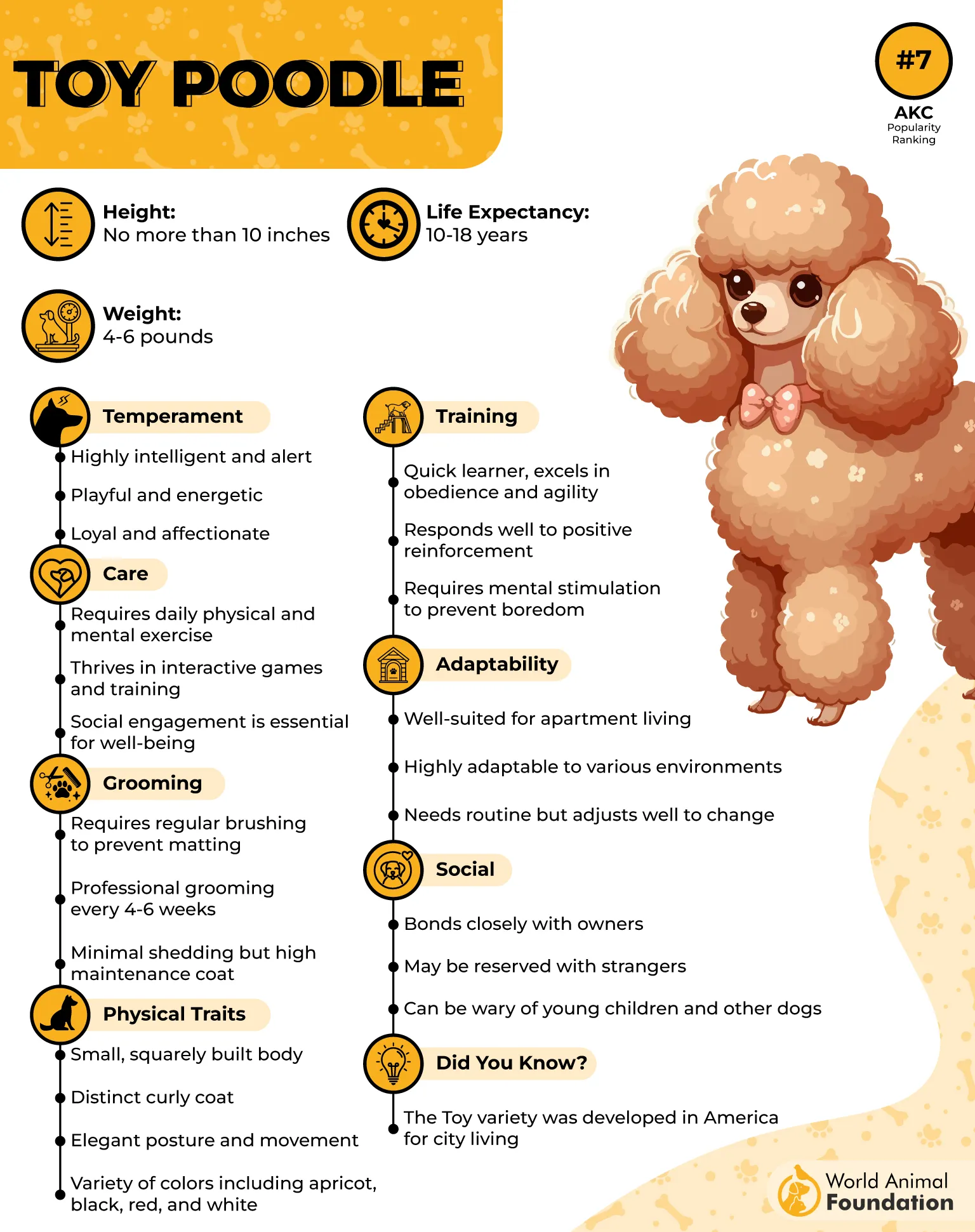
Poodles are known for forming strong emotional bonds with their owners and often become deeply attached to their family. However, they do require consistent grooming and regular exercise, both of which also help keep them mentally stimulated and emotionally balanced.
Exceptionally intelligent, they learn commands quickly and respond best to positive reinforcement methods such as praise and treats. Their eagerness to learn makes training both effective and enjoyable for owners who stay consistent.
Although Toy Poodles can comfortably live in cities, suburbs, or rural environments, they are far from inactive “lap-only” dogs. They enjoy staying mentally and physically engaged through play, training, and interactive activities. Their alert nature also makes them capable watchdogs, always aware of their surroundings and quick to notice anything unusual.
3. Bichon Frise
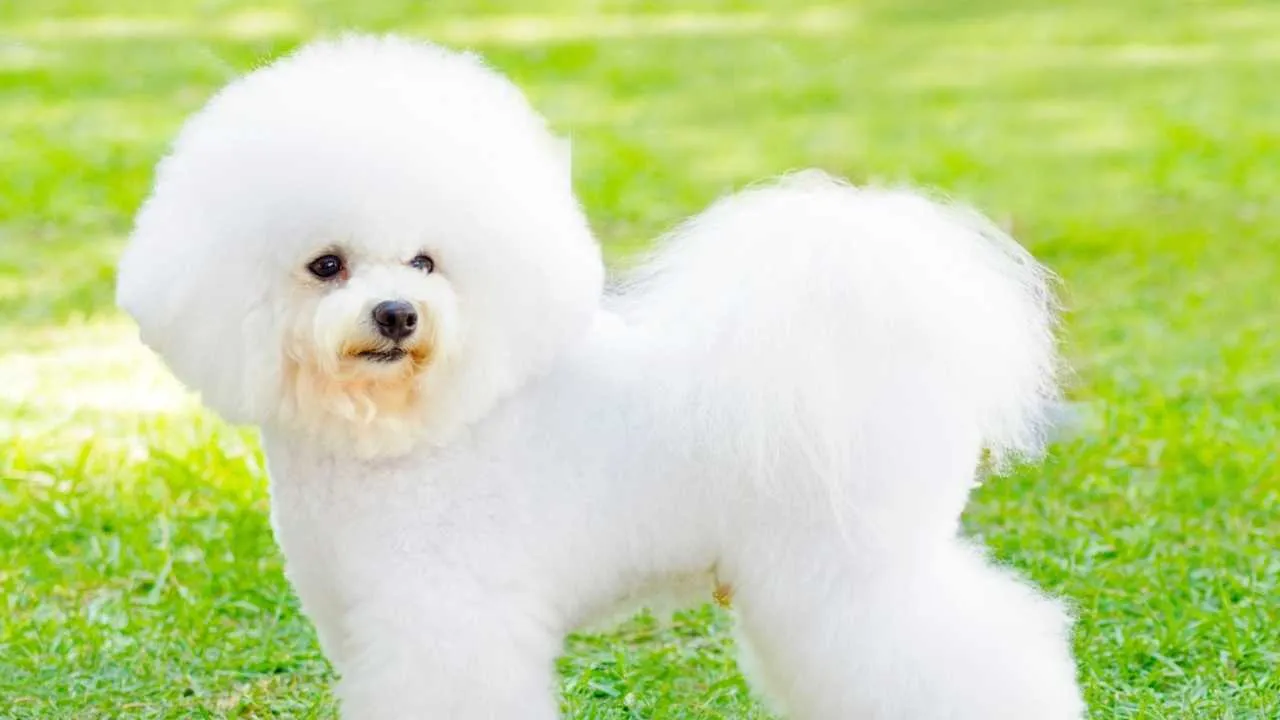
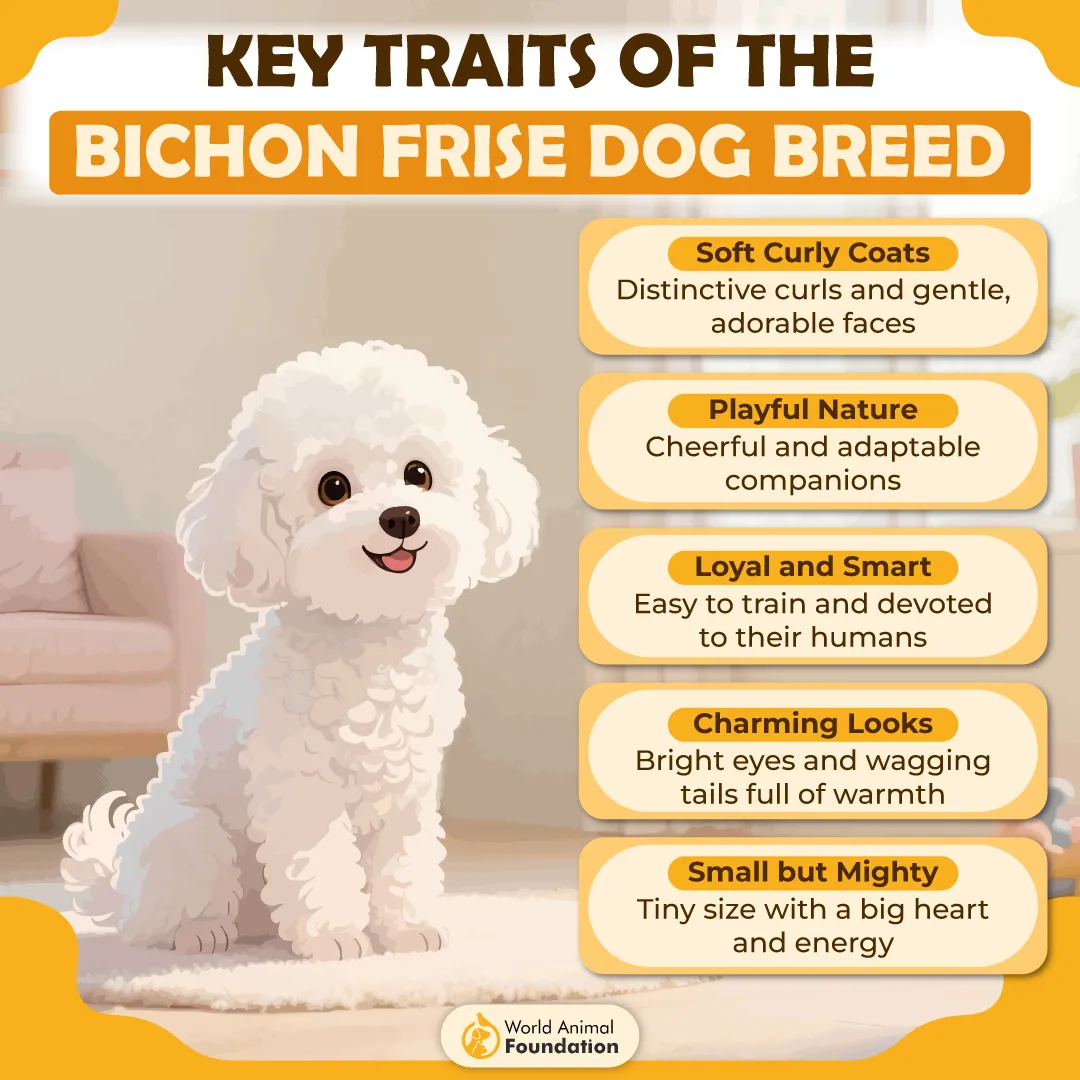
The Bichon Frise is a curious, playful, and affectionate breed, best known for its soft, fluffy coat and expressive, cheerful face. These small dogs typically weigh around 12–18 pounds and stand about 9–11 inches tall. Despite their compact size, they are admired for their athleticism, lively personality, and charming appearance, often looking like little animated clouds of joy.
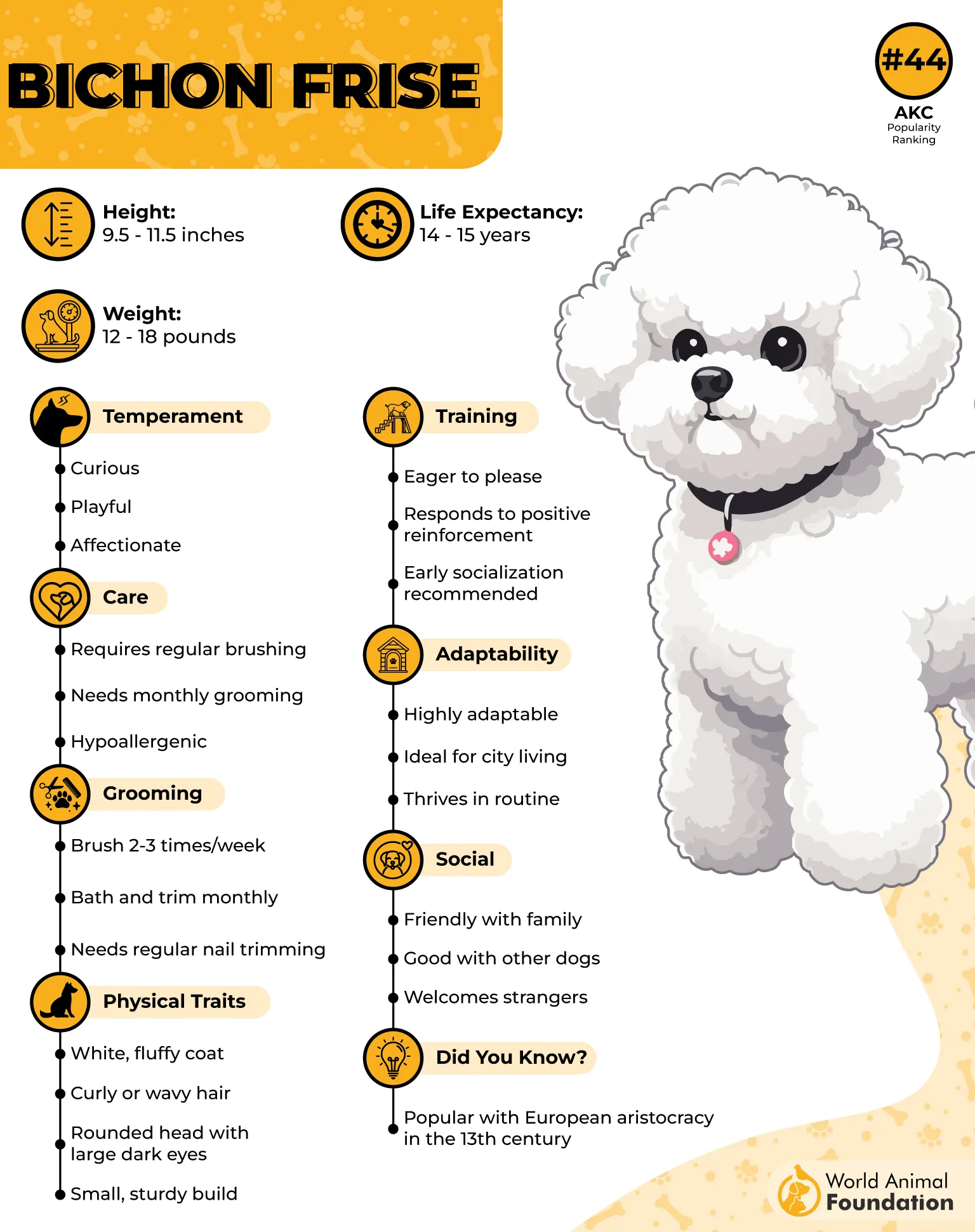
Bichon Frises are highly social dogs that enjoy meeting new people and generally get along well with children and other pets, especially when properly socialized from an early age. Their friendly and outgoing nature makes them excellent companions in family environments.
These playful dogs require around an hour of daily exercise to stay healthy and happy. This can include walks, interactive play sessions, and fun dog activities such as fetch or tug of war. Mental stimulation is just as important as physical activity for this intelligent breed.
Quick learners by nature, Bichon Frises often enjoy performing tricks and love the attention that comes with it. Unlike many breeds that bark primarily as a warning, Bichons often bark out of excitement or enthusiasm, reflecting their cheerful and expressive personality.
4. Havanese
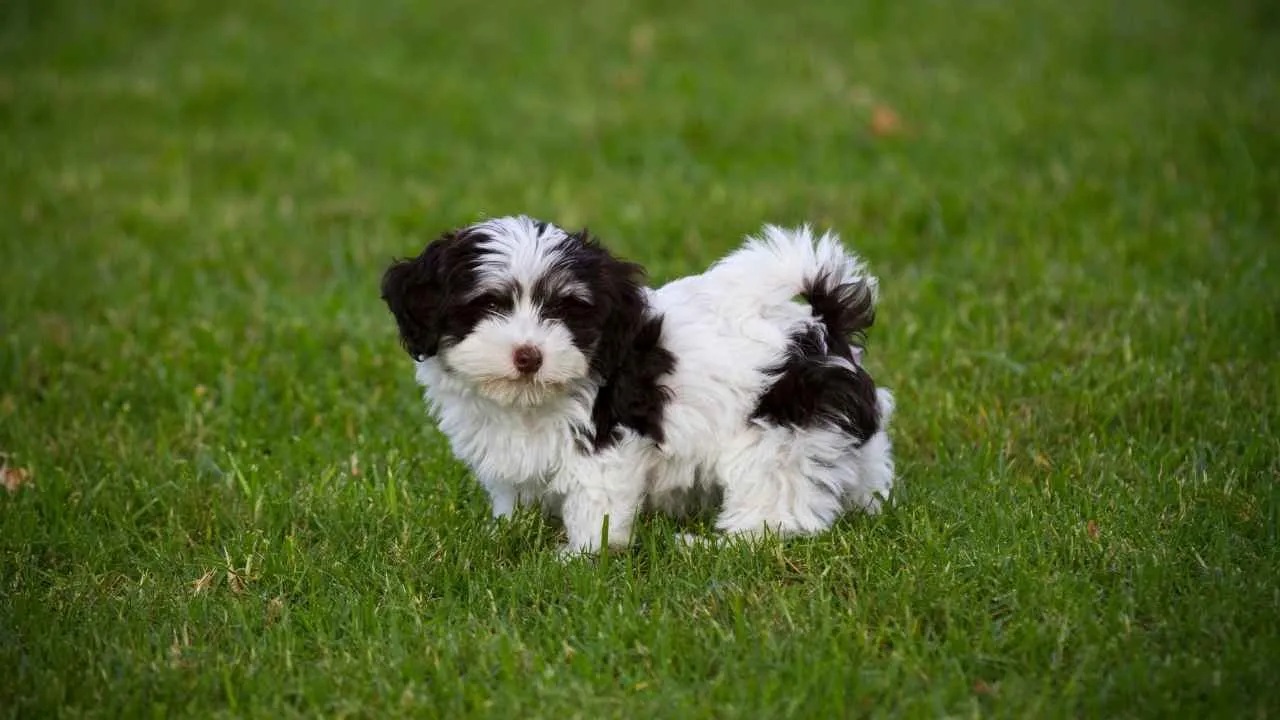
The Havanese is a funny, outgoing, and highly intelligent toy breed known for its affectionate nature and strong bond with people. This small but lively dog typically weighs around 7–13 pounds and stands about 8–11.5 inches tall.
With their expressive eyes and cheerful personality, Havanese dogs carry big personalities in a compact body, making them excellent companions for families, especially in city environments when properly socialized from an early age.
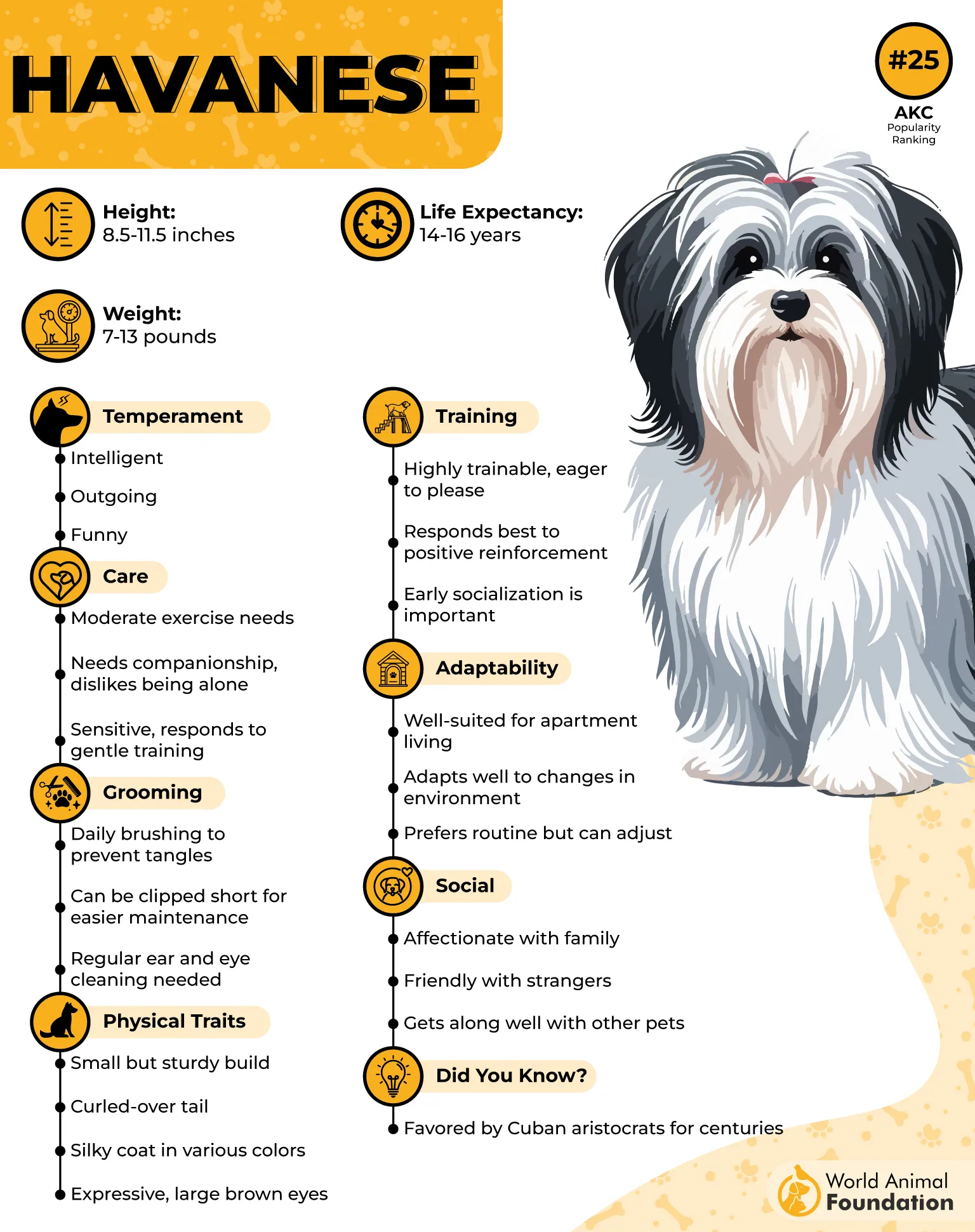
The Havanese is a hearty, people-oriented breed that thrives on consistent human interaction. It enjoys short, frequent walks, indoor play sessions, brain games, puzzles, and agility-based activities that keep both its mind and body engaged.
Because of its strong attachment to its owners, this breed can develop separation anxiety if left alone for long periods. For this reason, it is best suited to homes where it can receive regular attention and companionship throughout the day. The average life expectancy of a Havanese is around 14–16 years, making it a long-term family companion.
According to Purina, carefully planned nutrition, including home-cooked or well-balanced meals, can help meet the breed’s dietary needs and support overall health. While the Havanese can adapt to many lifestyles, it ultimately thrives in environments where it receives consistent care, affection, and mental stimulation from its owner.
5. Dachshund
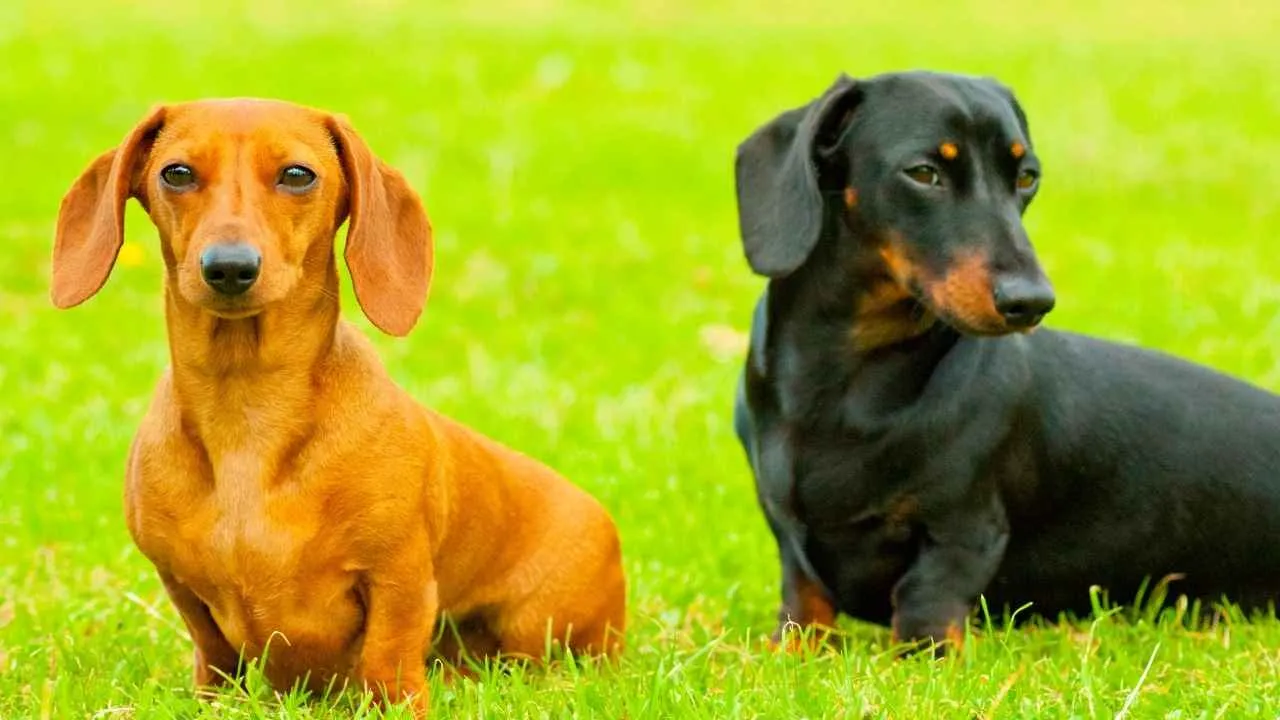
The Dachshund is a playful, curious, and spirited companion known for its unmistakable long body and short legs. Originally bred to hunt badgers, this hound has evolved into a lively mix of spunk, friendliness, and determination. Its unique silhouette makes it instantly recognizable, but its personality is what truly sets it apart.
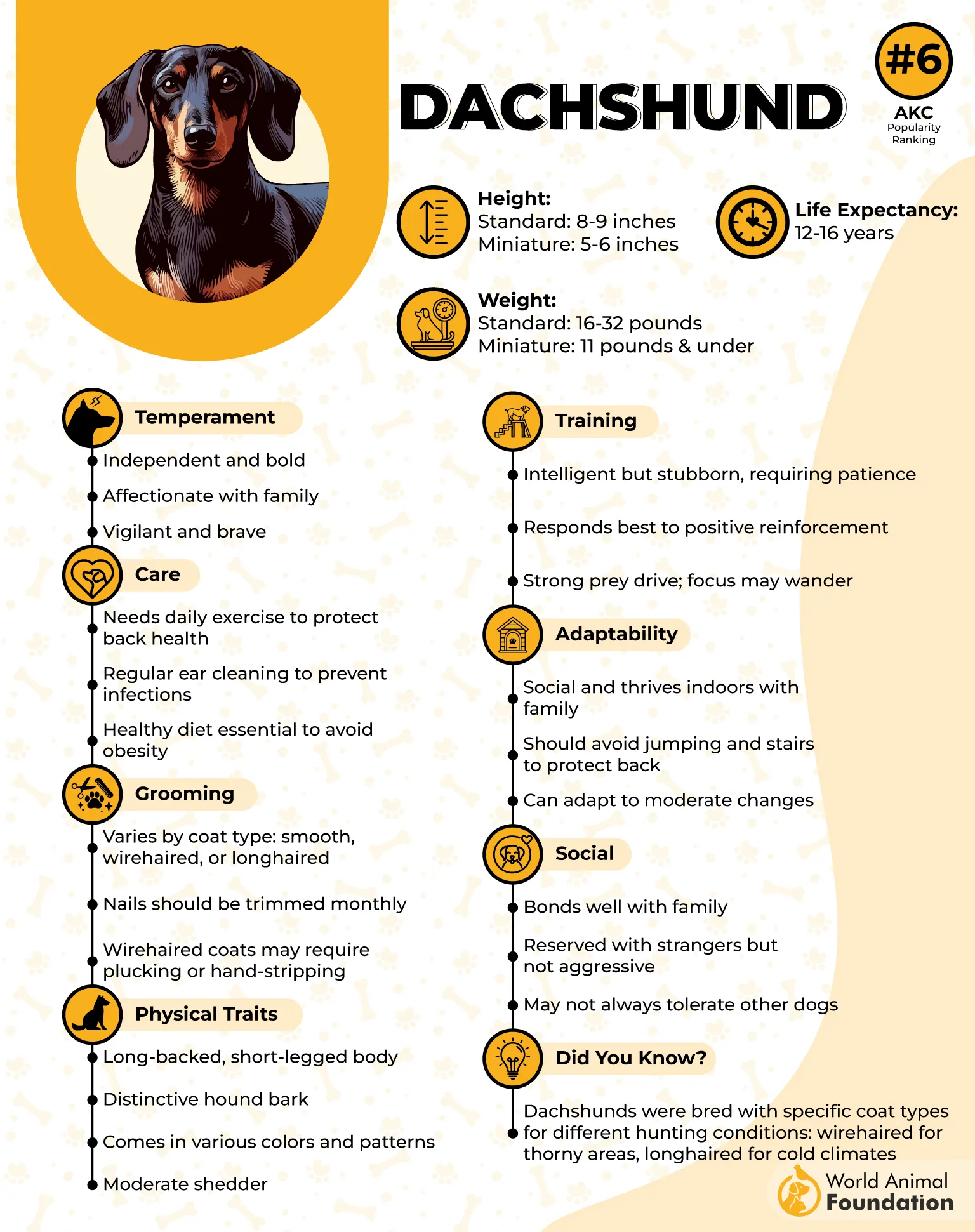
Belonging to the Hound group, the Dachshund typically weighs around 11 pounds and stands about 5–6 inches tall. Despite its small size, it is an energetic breed that thrives on moderate daily exercise. It enjoys walks, interactive play, and social time with other dogs, often displaying surprising stamina and enthusiasm for activity.
Dachshunds are not only affectionate companions but also alert and capable watchdogs. Their natural curiosity and strong hunting instincts mean they are always aware of their surroundings, making them quick to alert their owners if something seems unusual.
However, care should be taken during exercise. Activities that involve excessive jumping or high-impact running should be avoided, as this breed is prone to back issues due to its elongated spine. With proper care, balanced activity, and attention to their physical limits, Dachshunds make loyal, entertaining, and long-lasting companions.
6. Jack Russell Terrier
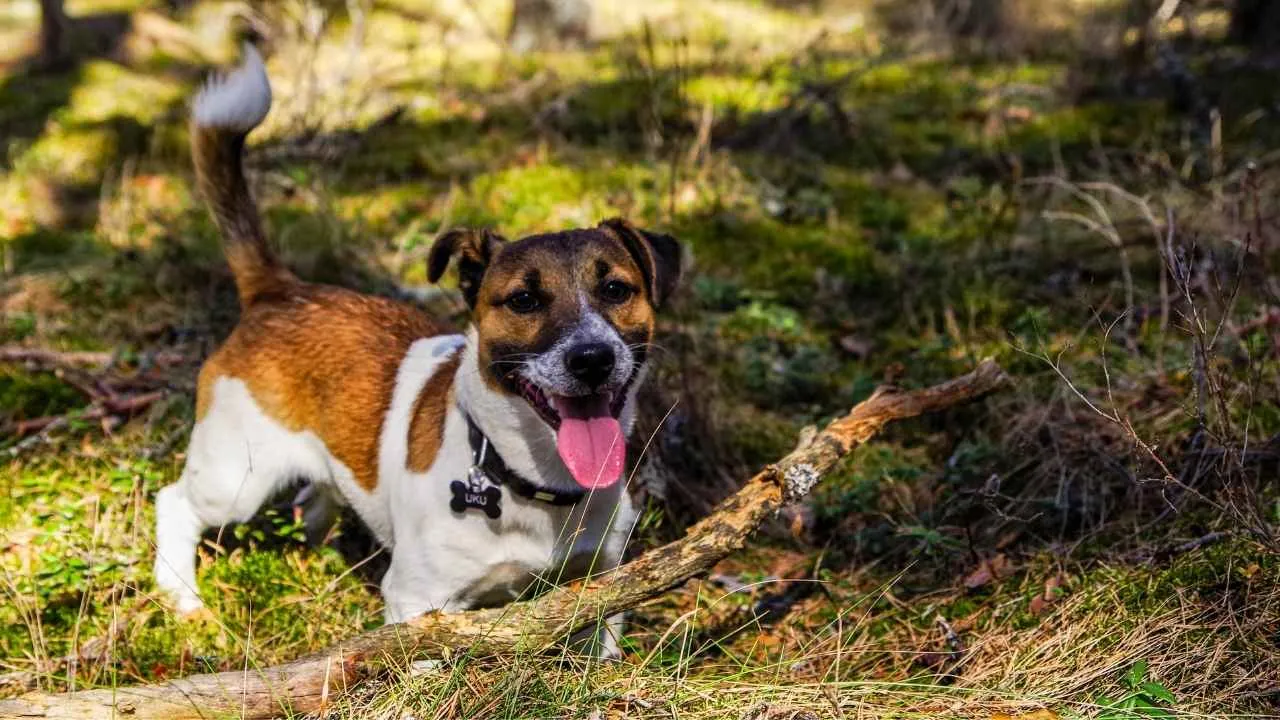
The Jack Russell Terrier is a small but incredibly energetic dog that feels like a living bundle of motion and personality. Compact in size yet overflowing with energy, this breed is known for being alert, bold, playful, and highly intelligent. Originally bred for fox hunting, it has retained its strong working instincts while also becoming a beloved family companion.
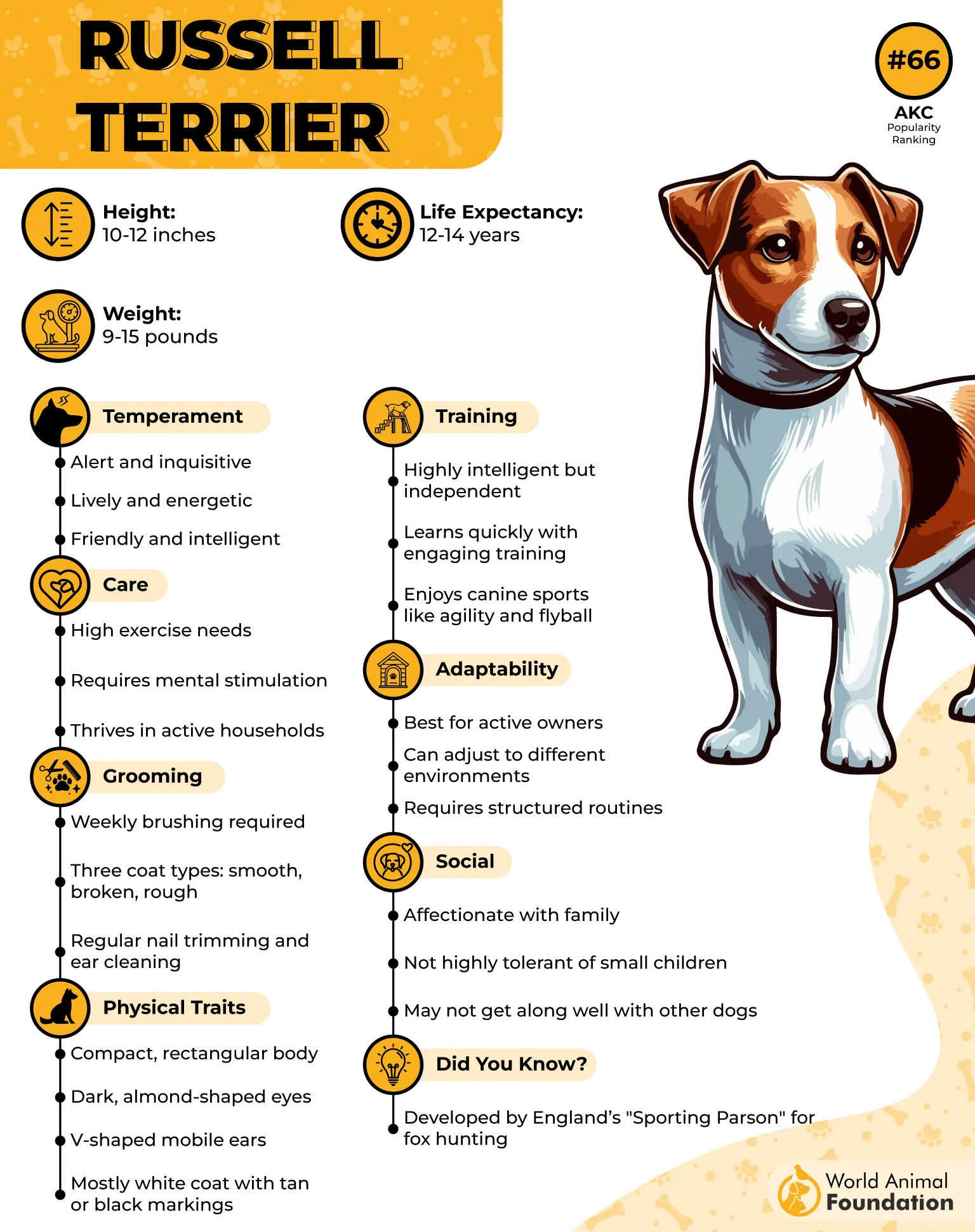
The Jack Russell Terrier’s hunting background explains its high drive and need for structure during exercise and training. It benefits from secure environments such as enclosed spaces or carefully managed outdoor areas, where it can safely channel its energy. Consistent training is essential to help manage its strong instincts and prevent unwanted wandering or chasing behavior.
This breed thrives when kept mentally and physically engaged. Activities such as fetch, flyball, rally training, hiking, and other interactive games are ideal for keeping it happy and balanced. Without proper stimulation, it can become restless and difficult to manage.
With its smooth, short coat and compact build, the Jack Russell Terrier is a great match for active owners who enjoy outdoor adventures. However, due to its strong-willed and determined nature, it is best suited to experienced dog owners who can provide firm, consistent guidance. In return, it offers endless enthusiasm, loyalty, and entertainment as a lively little athlete and companion.
7. Miniature Pinscher
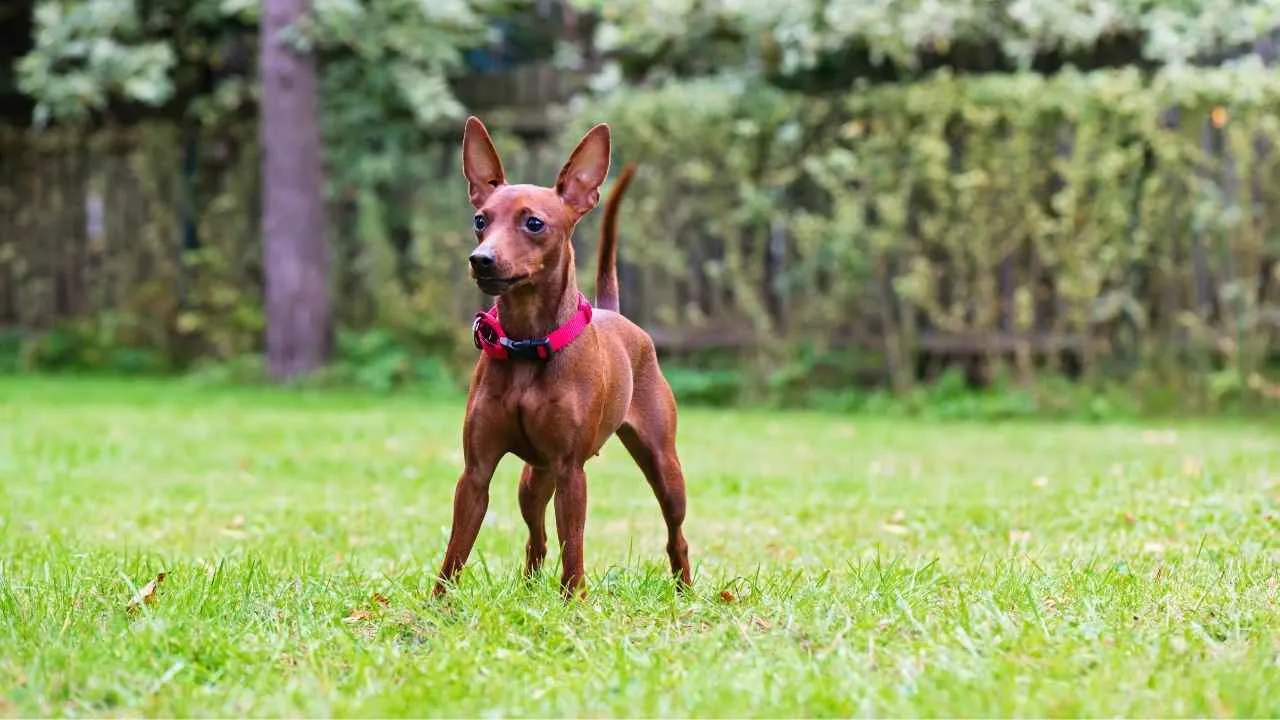
The Miniature Pinscher is a spirited, confident, and fearless toy breed often described as a “big dog in a small body.” Proud, alert, and full of energy, this little dog weighs around 8–10 pounds and stands about 10–12 inches tall. Despite its compact size, it carries itself with remarkable confidence, making it both an entertaining companion and an effective watchdog.
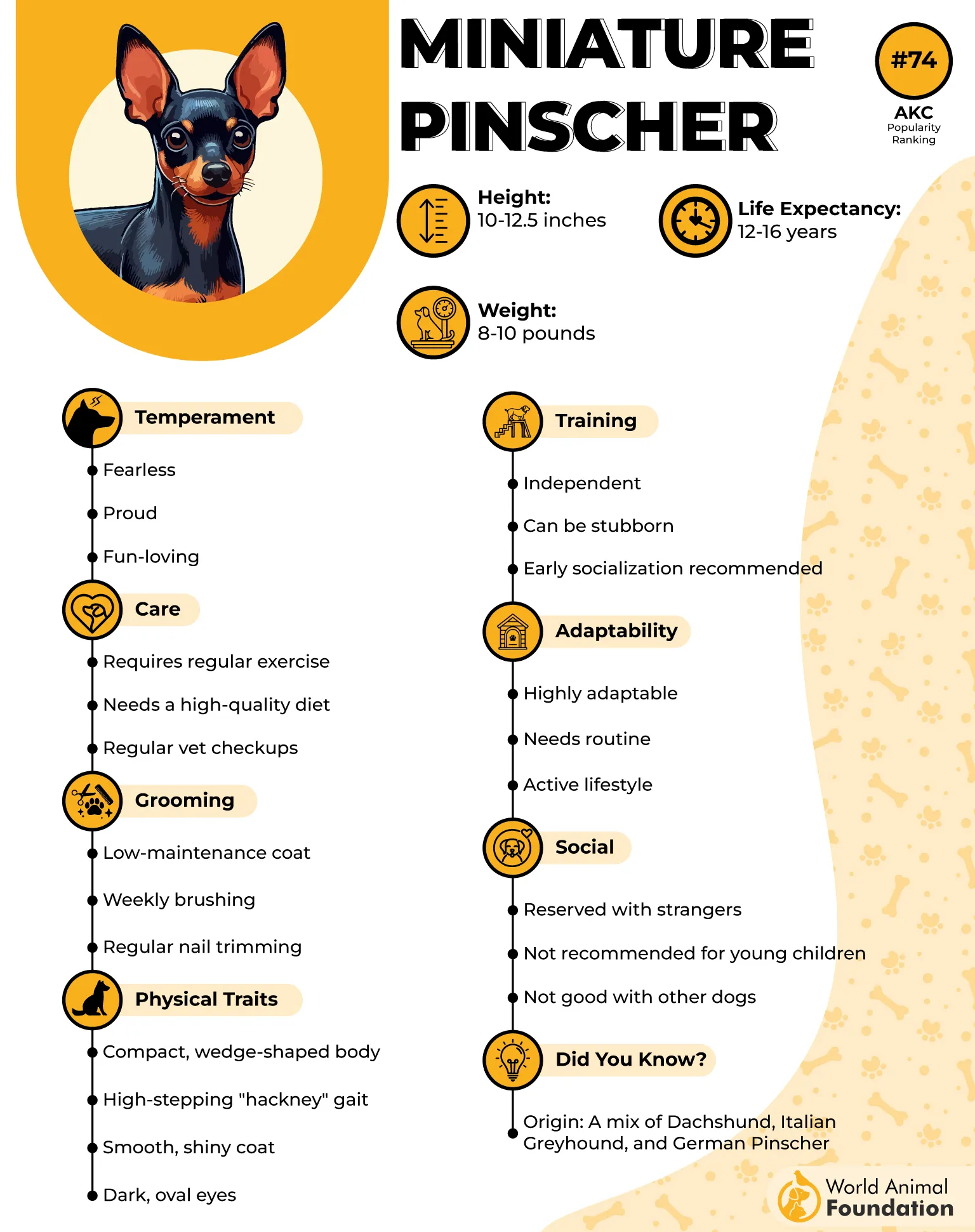
Miniature Pinschers enjoy being close to their owners and can happily relax indoors, often curling up on the sofa. However, they are far from low-energy dogs; their active and intelligent minds constantly seek stimulation and purpose.
They are happiest when engaged in structured activities such as obedience training, fetch, agility-style games, dock jumping, and field trials. They also enjoy interactive chew toys and respond very well to reward-based training using treats and encouragement.
Without proper mental and physical stimulation, this breed can become bored, which may lead to unwanted or destructive behaviors. For this reason, consistency and engagement are key.
Miniature Pinschers are deeply devoted dogs that do best with experienced owners who understand their energetic and independent nature. They adapt well to apartment living, provided they receive enough daily activity. Ideal for active individuals, they bring a lively mix of loyalty, confidence, and nonstop personality to any home.
8. West Highland White Terrier
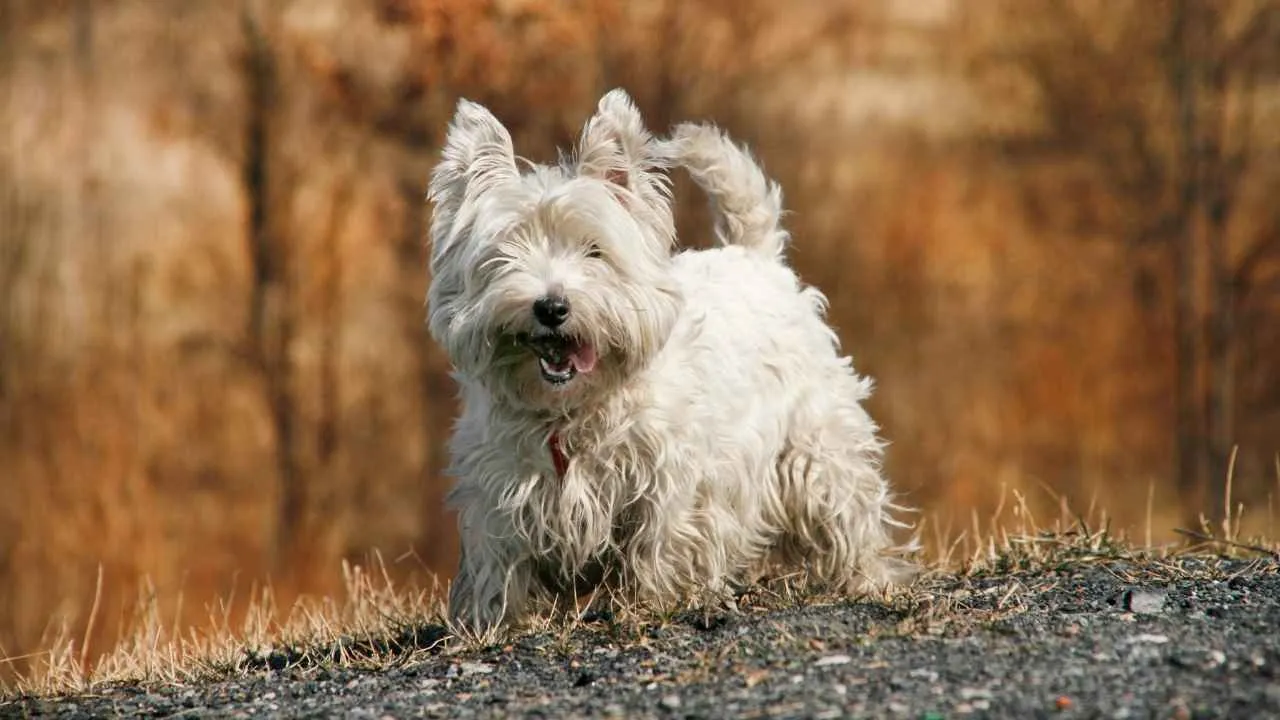
The West Highland White Terrier, commonly known as the Westie, is a lively, confident, and affectionate small dog with a cheerful, easygoing temperament. Weighing around 15–20 pounds and standing about 11 inches tall, it belongs to the Terrier group. Originally bred for hunting rodents, the Westie has evolved into a loyal and spirited companion that still carries its classic terrier determination.
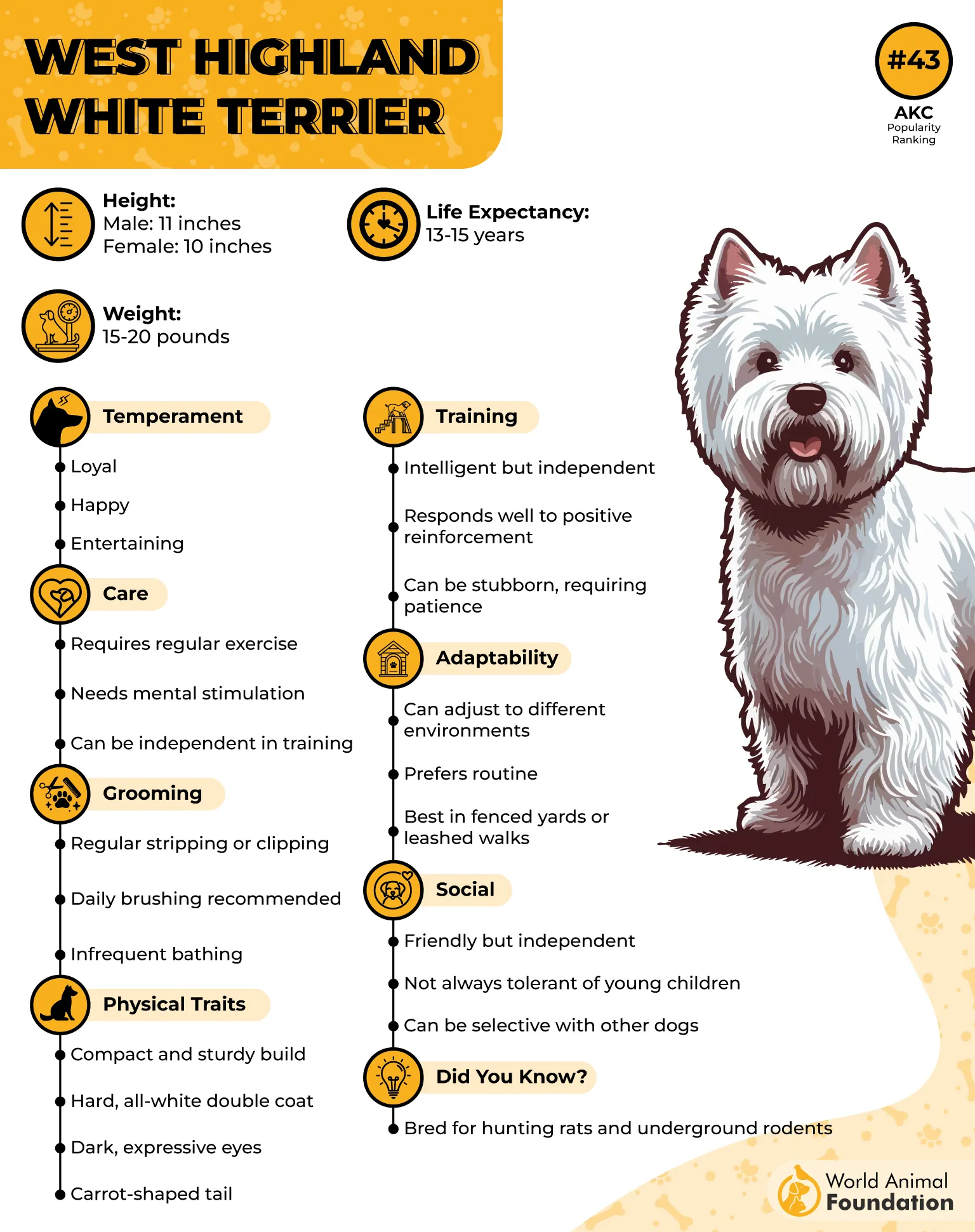
The Westie is a fun-loving and friendly breed that thrives on moderate daily exercise to stay healthy, balanced, and happy. Early training and socialization are essential parts of its development, helping shape its confident yet well-mannered personality. Regular physical activity also helps it burn both mental and physical energy, reducing the risk of weight gain and restlessness.
This intelligent breed enjoys a variety of activities, including agility courses, rally training, puzzle games, and nose work, all of which keep it mentally stimulated and engaged.
With its distinctive white coat, the Westie sheds moderately and requires regular grooming to maintain coat health and overall comfort. According to WebMD, consistent grooming not only keeps the coat in good condition but also supports the dog’s general well-being and mood.
9. Tibetan Spaniel
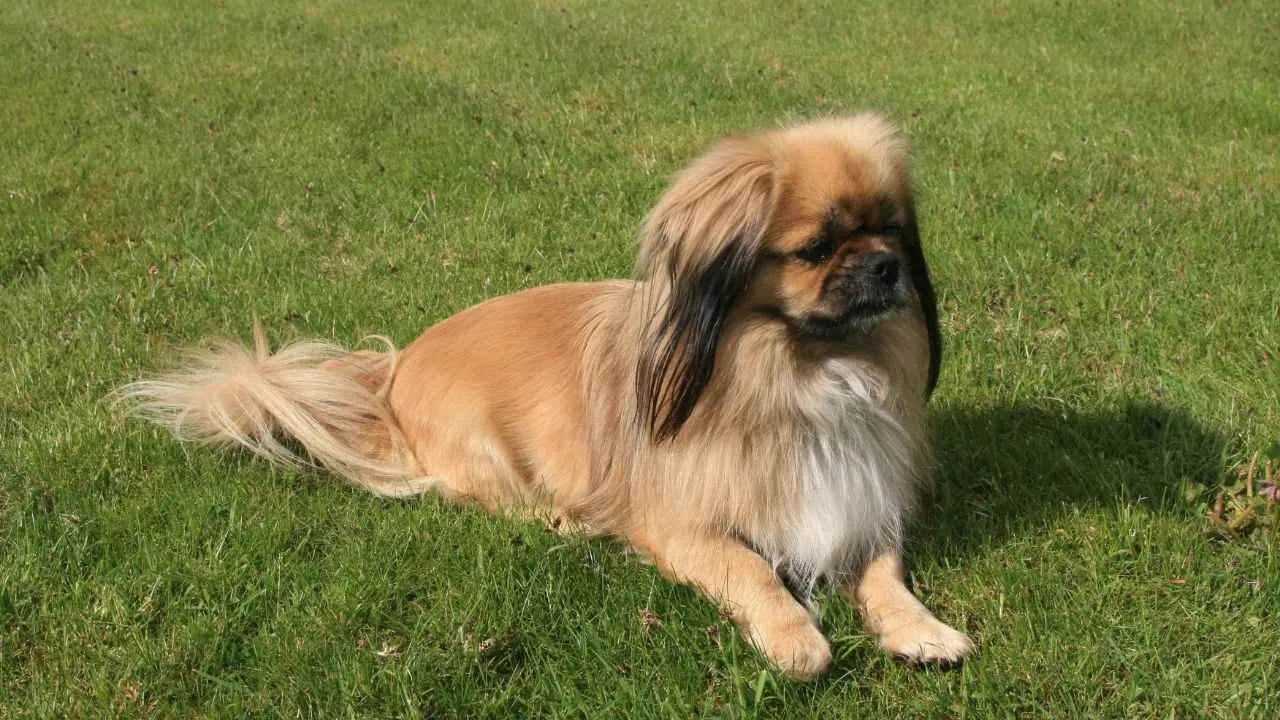
Among the Spaniel breeds, the Tibetan Spaniel is a small, alert, and playful dog known for its agility and sharp awareness. Despite its compact size, it carries a confident and expressive personality. Standing around 10 inches tall and weighing approximately 9–15 pounds, it is well-suited for apartment living and smaller spaces.
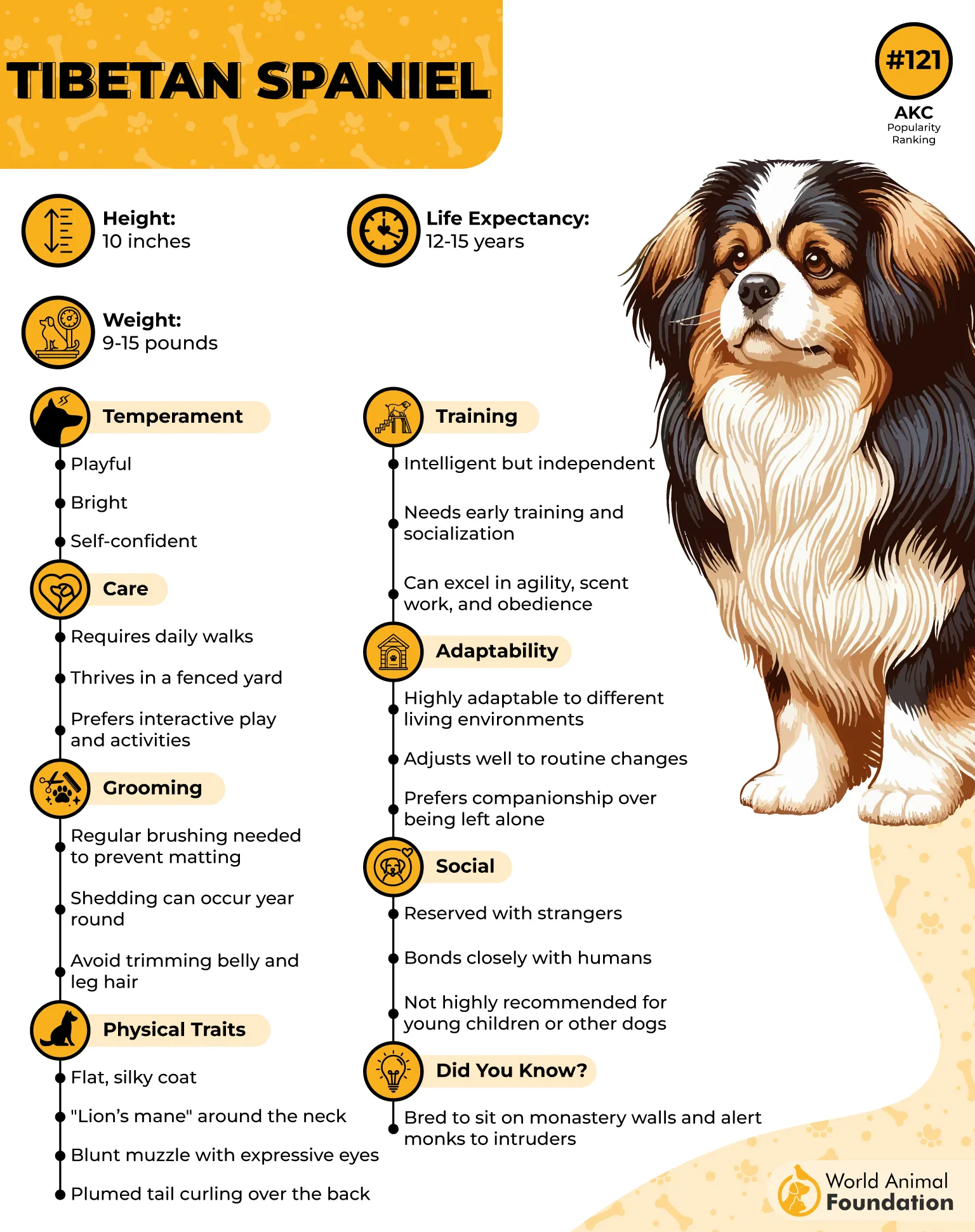
The Tibetan Spaniel is affectionate and observant, often forming a close emotional bond with its people. It enjoys human companionship and is known for its ability to pick up on its owner’s moods, making it a sensitive and intuitive companion.
However, it is also an independent breed, which can make training somewhat challenging for first-time owners. Consistent, patient guidance works best. This active little dog benefits from about an hour of daily exercise, along with mentally stimulating activities such as rally training, scent work, puzzle toys, and obedience exercises.
Bred originally as a watchdog, the Tibetan Spaniel has a natural tendency to be vocal and may bark to alert its owners to anything unusual. While this makes it an effective little sentinel, early training can help manage excessive barking.
To maintain good health, its diet should be carefully monitored, with regular feeding schedules—typically twice a day—to help prevent obesity. With proper care, exercise, and structure, the Tibetan Spaniel becomes a loyal, intelligent, and engaging companion.
10. Miniature Schnauzer
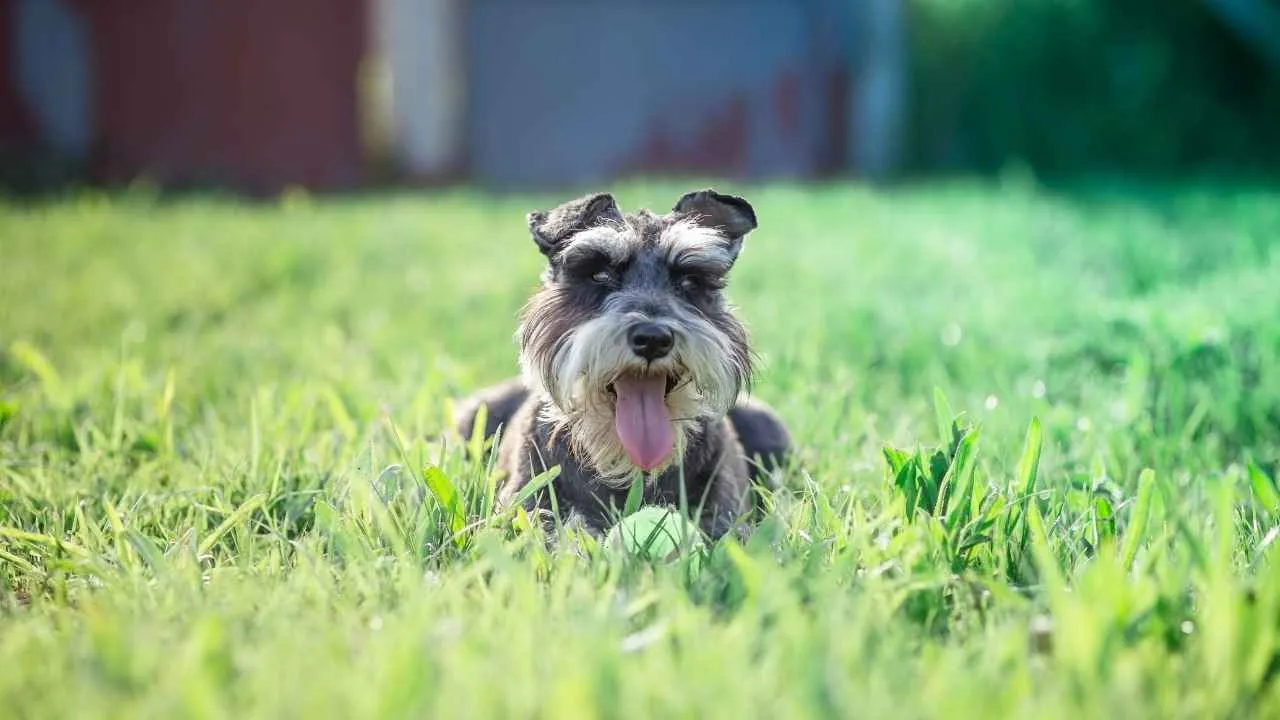
The Miniature Schnauzer is a friendly, intelligent, and obedient breed belonging to the Terrier group. Known for its energetic and outgoing personality, it is a lively little extrovert that brings both charm and enthusiasm into the home. Clever, alert, and highly adaptable, it makes an excellent family companion. Originally bred as a working dog for herding livestock and hunting rats, it still carries that focused and hardworking nature today.
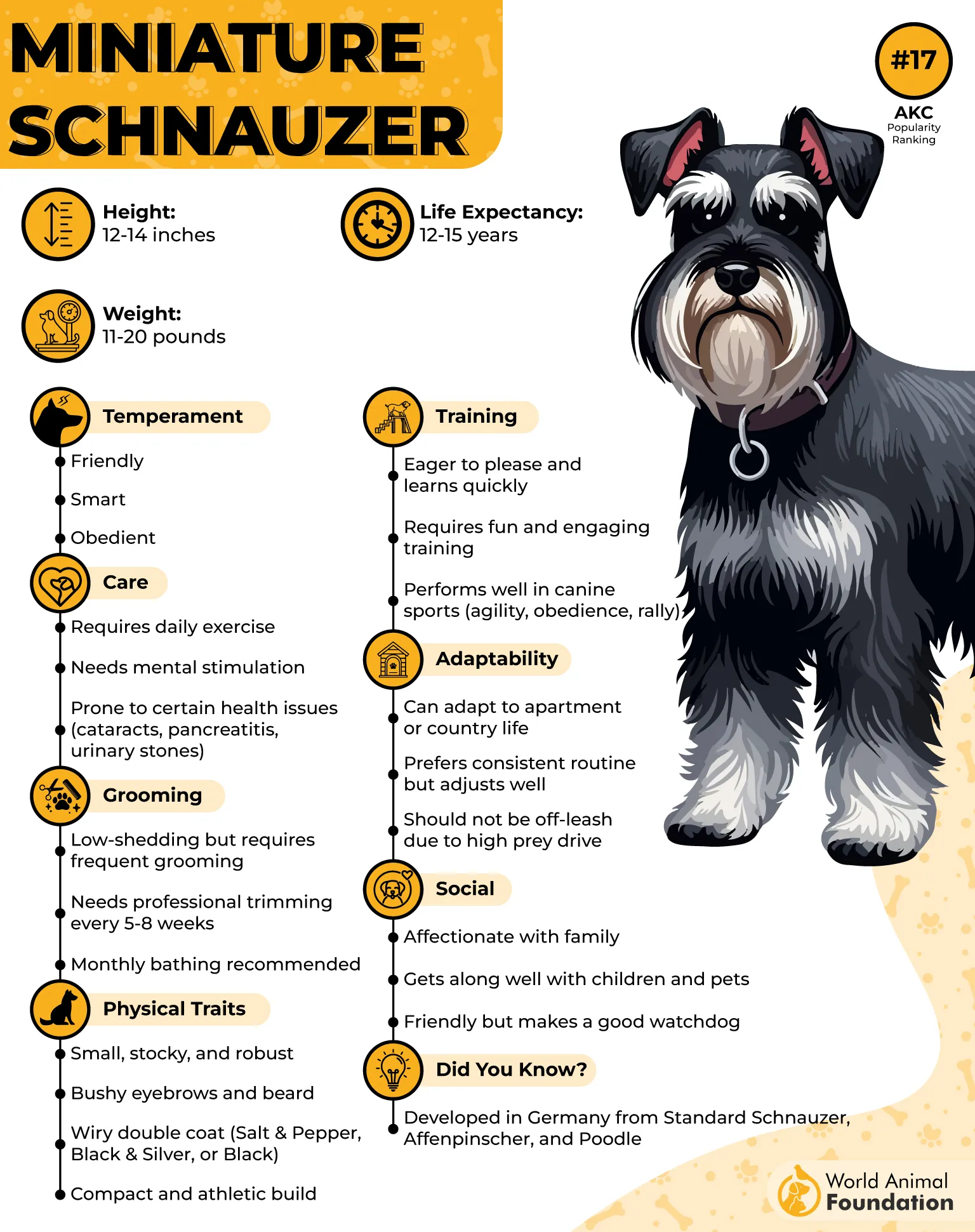
Today, the Miniature Schnauzer is recognized as a versatile and affectionate small dog with a strong personality and active energy levels. It requires around an hour of daily exercise to stay balanced and happy. This breed enjoys mental stimulation as much as physical activity, making puzzle games, trick training, and interactive play essential parts of its routine.
The Miniature Schnauzer learns quickly and responds well to training, especially when sessions are engaging and consistent. Its playful intelligence makes it a fun and rewarding companion for active households.
Generally considered a healthy breed with a lifespan of 12–15 years, the Miniature Schnauzer can still be prone to certain health concerns, including liver shunts and high cholesterol. For this reason, regular exercise and a carefully managed diet are important for maintaining its long-term well-being.
Conclusion
Breed characteristics alone are not enough when deciding to bring a dog into your home. Turning hesitation into confidence about welcoming a playful companion into your life starts with the right knowledge and preparation.
To help playful dogs adapt smoothly to your daily routine and build strong, lasting bonds, consistent training is essential. These breeds thrive on structure, positive reinforcement, and clear guidance. They also benefit greatly from regular exercise, mental stimulation, and meaningful interaction with both family members and new environments.
When their physical and emotional needs are met, playful dogs not only become well-behaved companions but also develop into deeply connected and affectionate members of the family.
