




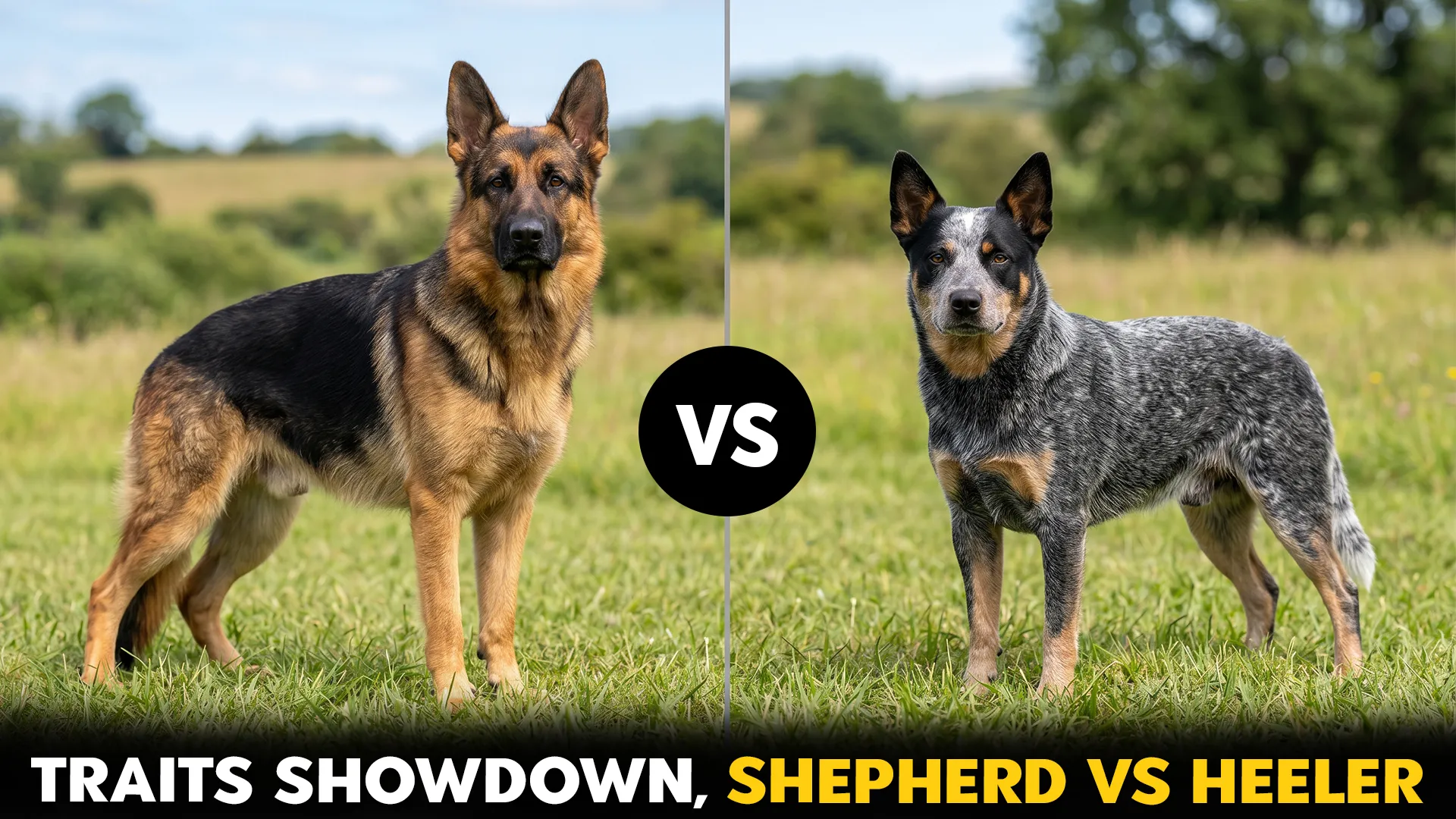
Big, bold, and ready for action or compact, quick, and always one step ahead… choosing between a German Shepherd and a Blue Heeler is not exactly a casual decision.
One brings confident, protective energy with a “give me a job” attitude, while the other is a clever, high-energy herder who might just try to organize your entire household.
Both breeds are loyal, smart, and built for purpose, but how they show it can feel very different in everyday life. From energy levels to personality quirks, there is a lot to unpack here, and trust us, it is not as straightforward as it seems.
Let’s break down what really sets these two powerhouse pups apart.
Did you know?
Australian Cattle Dogs are called “heelers” for nipping at cattle heels, and that instinct can still show up at home. On the flip side, a German Shepherd named Rin Tin Tin became a Hollywood star after being brought from France by a soldier.
German Shepherd vs Blue Heeler: Essential Traits Explained
Origins & Purpose
There’s something oddly satisfying about dogs that feel like they clocked into work before they ever learned how to sit. These two did not stumble into their roles; they were carefully shaped for them, and you can still see that purpose in how they carry themselves today.
German Shepherds trace their roots to Germany, where breeders in the late 1800s refined local herding dogs into a highly capable working breed. Originally used for managing sheep, they quickly proved their versatility and became trusted in police and military roles.
Blue Heelers were developed in Australia to herd cattle across vast, rugged landscapes. By crossing native Dingoes with imported herding breeds like Collies, settlers created a tough, resilient drover’s dog with strong herding instincts, built for endurance, quick decision-making, and long-distance livestock work.
Size & Build
Some dogs feel like they could patrol a perimeter just by standing still, while others look like they were built to zigzag through chaos without breaking a sweat. That contrast shows up immediately when you see these two side by side.
Blue Heelers are compact, muscular, and balanced in a way that screams stamina. Their build supports agility and endurance, helping them move quickly around livestock while staying steady during long, physically demanding tasks.
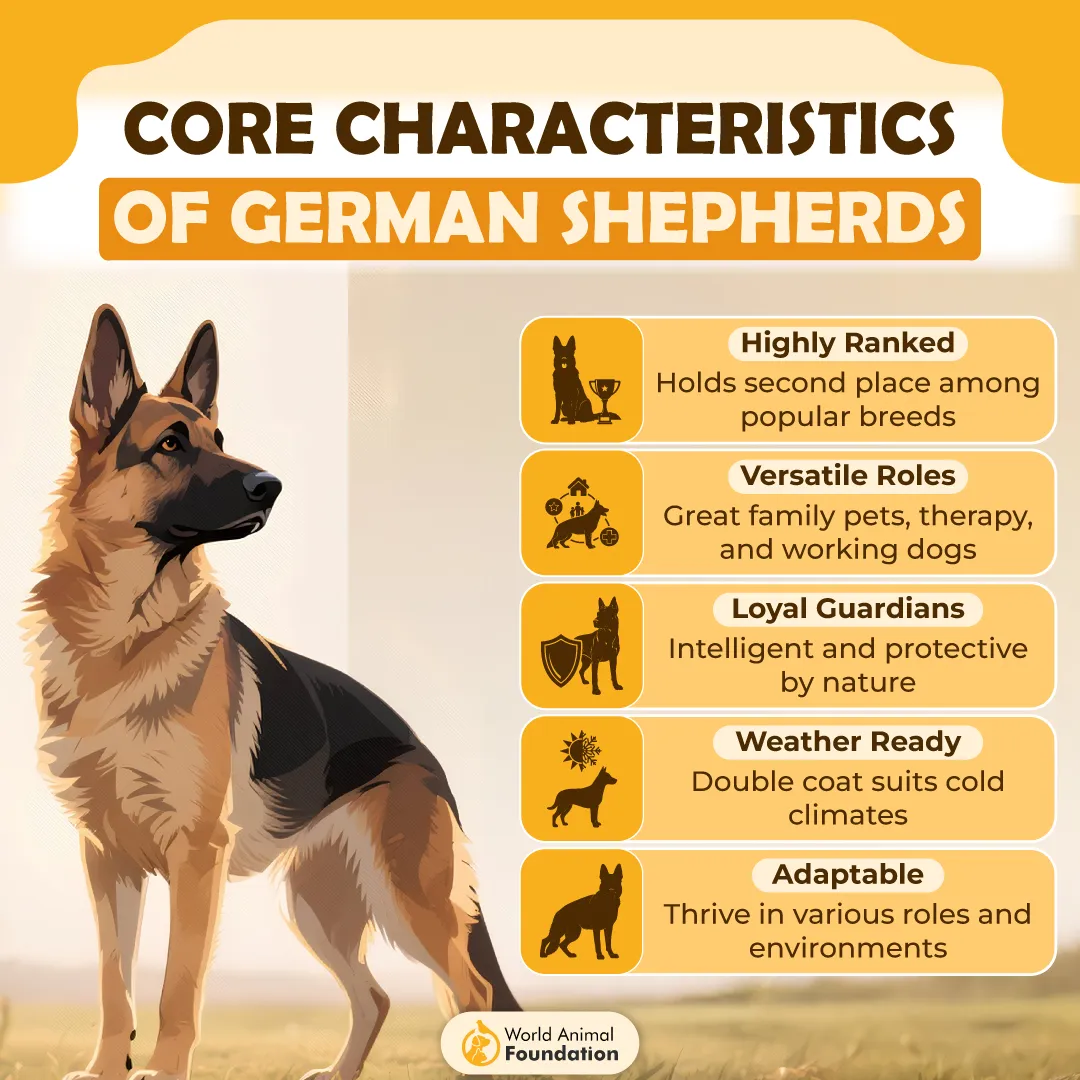
German Shepherds have a larger, athletic structure that combines strength with smooth movement. Their powerful frame supports speed and control, giving them a confident, composed presence that suits a wide range of demanding working roles.
Coat Type & Maintenance
Here is where everyday life starts whispering reality checks, especially when fur becomes part of your daily routine. Both dogs have protective coats, but living with them feels very different once shedding enters the chat.
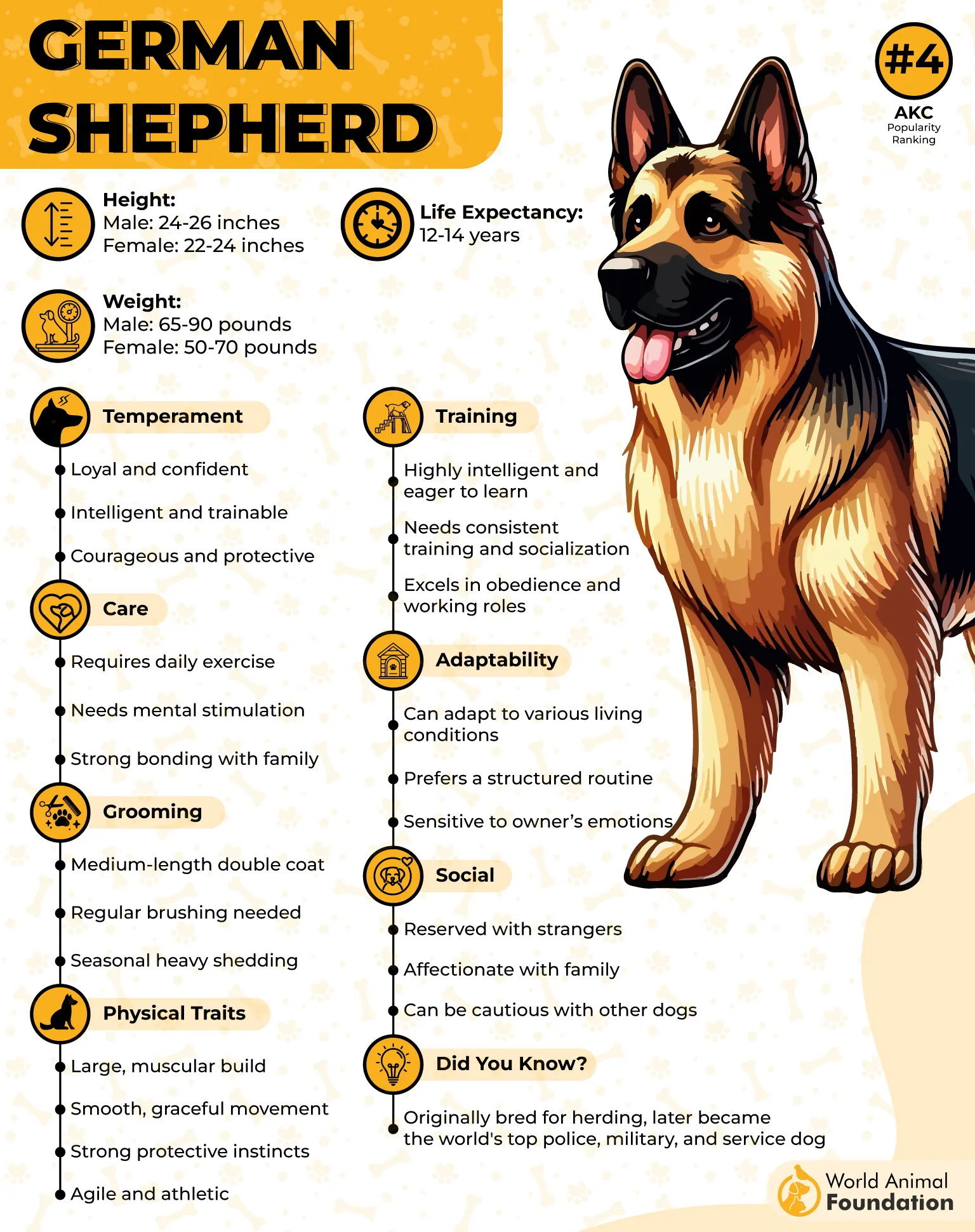
German Shepherds carry a medium-length double coat with a dense outer layer and a softer undercoat. They shed heavily, especially during seasonal changes, so brushing every few days helps manage loose hair and keeps things from getting out of hand.
Blue Heelers keep things simpler with a short, weather-resistant double coat. Grooming stays low maintenance, as their coat needs weekly brushing, although they do shed their undercoat occasionally and need a bit more attention during those periods.
Temperament and Personality
Spend a little time around these dogs, and you quickly realize their personalities do not follow the same script. One leans into connection and awareness, while the other brings a sharp, self-driven edge to everything it does.
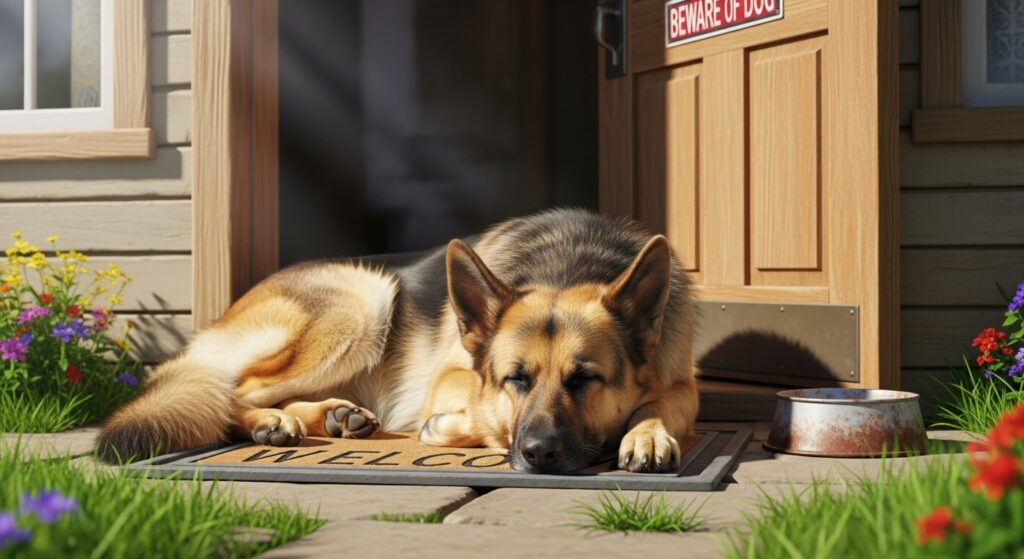
German Shepherds are loyal, confident, and deeply bonded to their families, often showing protective instincts and steady behavior. They can be reserved with strangers but remain affectionate and reliable with the people they trust.
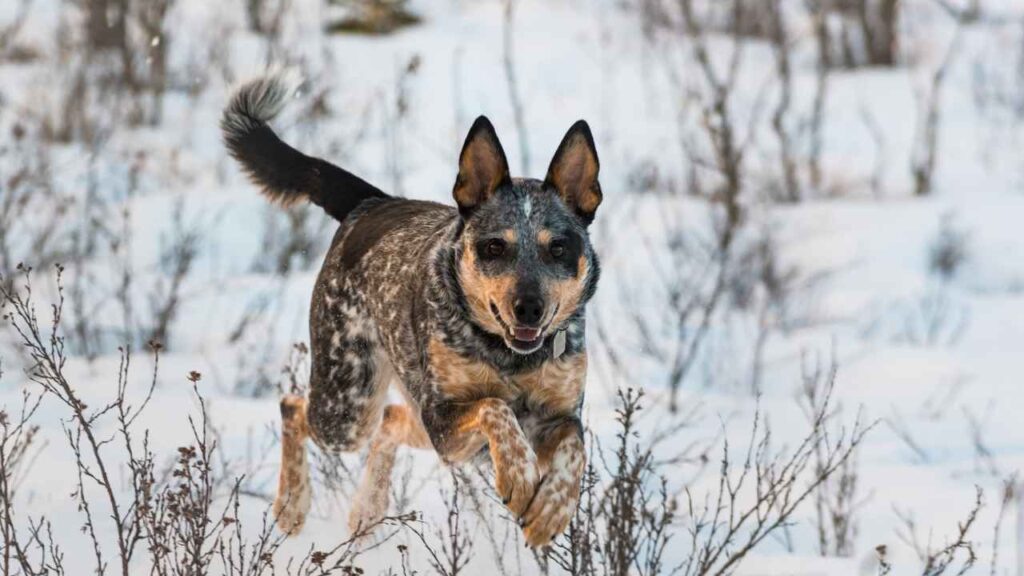
Blue Heelers are highly energetic, intelligent, and incredibly loyal, often forming strong bonds with one person. They stay alert, can be wary of strangers, and may show herding behaviors like nipping when their instincts quietly take over.
Trainability & Intelligence
Watching these dogs learn is like watching two very different students in the same class, both brilliant, just approaching things in their own style. The way they handle tasks says a lot about how they think.
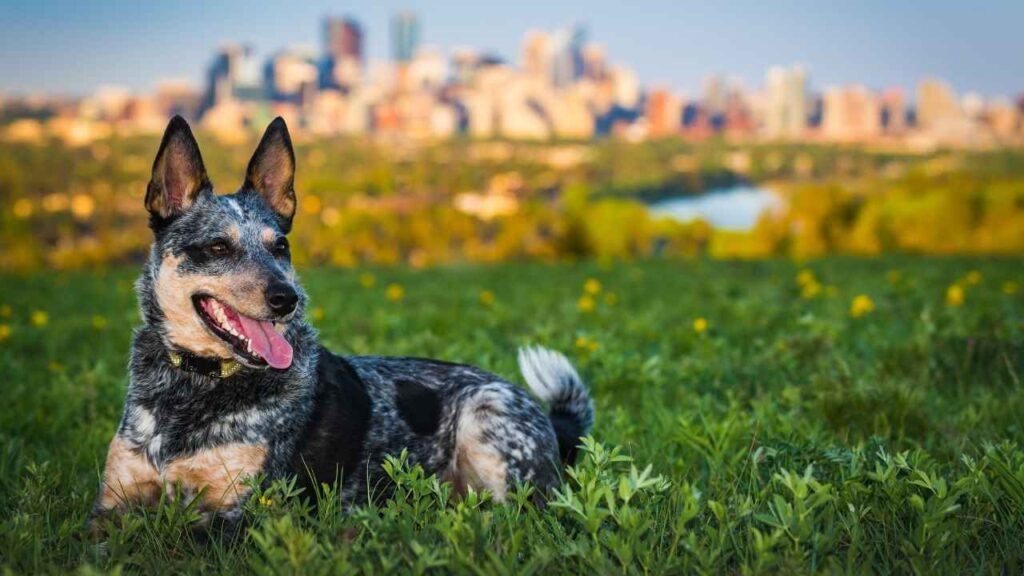
Blue Heelers are highly intelligent with strong problem-solving ability and a tendency to think independently. They respond well to training when it is engaging, but they also enjoy figuring things out on their own terms.
As noted by the AKC, German Shepherds thrive with early socialization and consistent, positive training that keeps things engaging. They are incredibly intelligent and deeply bonded to their people, so they do best when raised closely within the home and included in daily life.
Energy Levels & Exercise Needs
Some dogs politely ask for a walk… and then there are these two, who treat exercise like a full-time commitment. If you were hoping for a low-energy companion, this is where expectations quietly pack their bags and leave.
German Shepherds bring high energy paired with a real need for both physical and mental activity. These athletic dogs thrive on structured tasks like agility training, tracking, and obedience work, and without enough physical activity and mental stimulation, they can quickly become frustrated or restless.
As mentioned by Purina, Australian Cattle Dogs need at least two hours of daily exercise, and honestly, they are always ready for more. With their stamina and independent thinking, boredom does not sit well, so keeping them busy is key.
Health & Lifespan
Every dog comes with its own set of quirks, and health is one of those behind-the-scenes factors that quietly shape daily life. These two breeds carry different patterns that are worth knowing before committing long-term.
Blue Heelers are generally hardy but can face issues like hip dysplasia, deafness, and certain eye conditions. They typically live around 12 to 16 years, and with proper care and regular check-ups, they stay active, capable, and full of that rugged durability.
As noted by PetMD, German Shepherds typically live around 7 to 10 years and can be prone to issues like hip dysplasia, heart disease, exocrine pancreatic insufficiency, and bloat, so regular vet care and early attention to symptoms make a real difference.
Working Roles & Expertises
This is where things get really interesting, because both breeds shine brightest when they have a purpose. You are not just getting a pet here; you are getting a dog that was built to do something meaningful.
Blue Heelers excel in herding roles, especially when managing livestock across challenging terrain. Their ability to make quick decisions and work independently makes them reliable in situations where constant human direction is not always possible.
German Shepherds are widely used as police dogs, search and rescue dogs, and guard dogs, in which their intelligence and focus truly stand out. Their ability to follow commands and handle complex tasks makes them one of the most trusted working dogs worldwide.
Suitability & Best Lifestyle Fit
Choosing between these two is less about picking a favorite and more about matching energy, expectations, and daily routine. Both can be incredible companions, but only if their needs line up with your lifestyle.
Blue Heelers suit active owners who enjoy constant movement and mental challenges throughout the day. They thrive in environments where they can stay busy, think independently, and remain engaged in ongoing activity rather than relaxed, low-energy routines.
German Shepherds fit well with owners who want a loyal, protective companion that also enjoys structured activities. They do best in homes where they can stay mentally engaged, form deep bonds, and be involved in purposeful daily routines.
Conclusion
Alright, let’s bring it all together!
Both of these breeds bring serious personality, purpose, and presence into a home, just in completely different ways. One leans into loyalty, structure, and that dependable “I’ve got this” energy, while the other dog brings sharp instincts, nonstop movement, and a mind that is always working.
At the end of the day, it really comes down to how you live, how active you are, and what kind of bond you want to build. Get that match right, and you are not just getting a dog; you are gaining a partner.
