




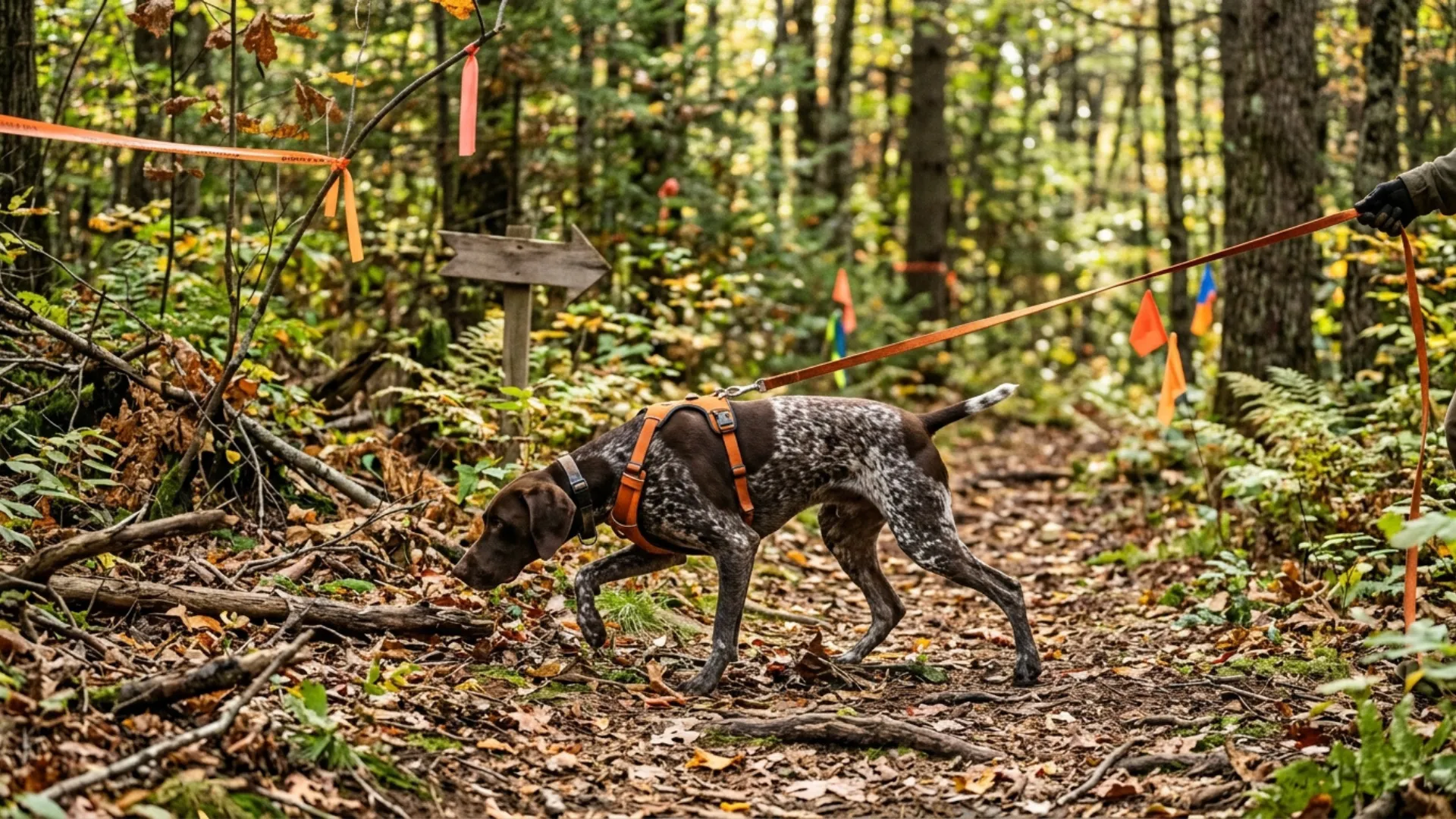
A dog’s nose can be up to 100,000 times more powerful than a human’s, and that incredible scenting ability is what makes tracking dogs truly exceptional. Their noses are not just impressive; they are finely tuned tools shaped by instinct, intelligence, and generations of selective breeding. It is this natural gift that makes them outstanding partners in the hunting field and beyond.
Tracking dogs have long been admired for their sharp noses, endurance, and ability to follow trails through even the toughest terrain. Though each breed has its own personality, they share remarkable focus, stamina, and determination. From hunting and search-and-rescue to law enforcement work, these dogs have proven time and again how invaluable they are alongside human companions.
For hunters and dog lovers looking for a skilled tracking partner, these breeds stand out for their precision and drive. The ten dogs on this list are known for following even the faintest scents, trails nearly impossible for humans to detect. Their talent is more than learned behavior; it is the result of generations of breeding that have refined these instincts into something extraordinary.
Top Dog Breeds for Tracking and Marking Trails
1. Bloodhound
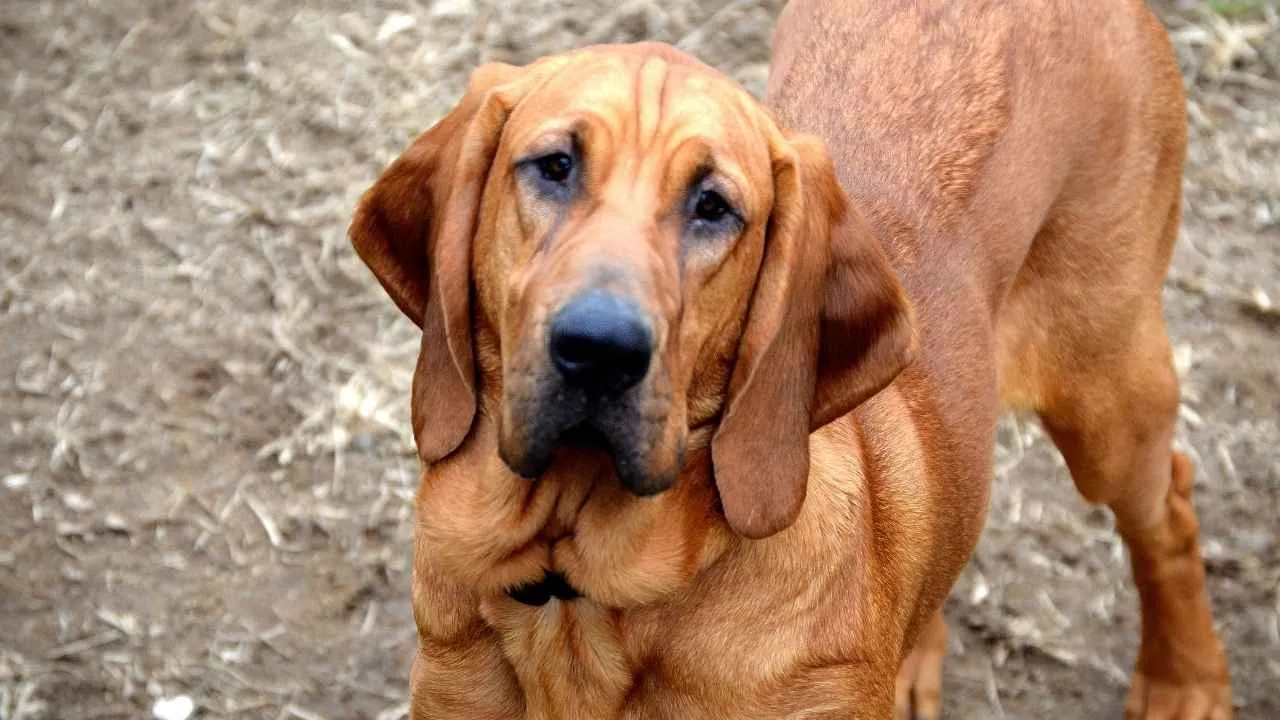
The Bloodhound is often seen as the gold standard of tracking dogs, famous for a nose few breeds can rival. Its scenting ability is so reliable that Bloodhound trails have even been accepted in court as evidence. According to the American Kennel Club, that powerful scent drive can also make them determined wanderers once they catch an interesting trail.
With around 300 million scent receptors, noted by Encyclopedia Britannica, Bloodhounds are built for serious tracking work. They can follow trails that are days old, even across rough and difficult terrain, and once locked onto a scent, they pursue it with unmatched focus.
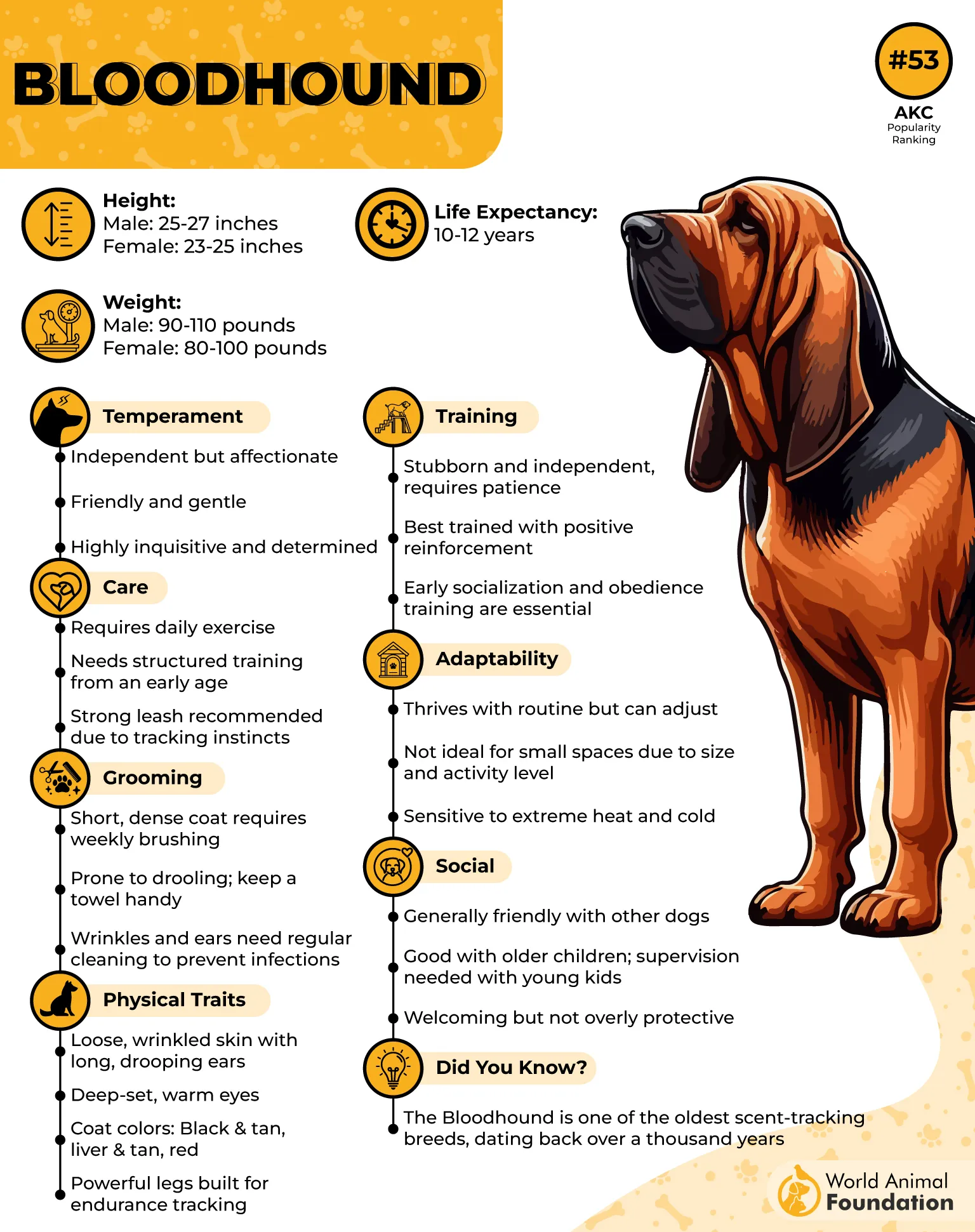
It is this extraordinary nose, paired with stamina and persistence, that gives the Bloodhound its legendary reputation as one of the finest tracking dogs in the world.
Care Tips
Training is essential for Bloodhounds, especially from an early age.
Their independent, self-assured nature requires patience and consistent guidance.
Regular training helps manage their single-minded focus when they pick up an interesting scent.
2. German Shorthaired Pointer
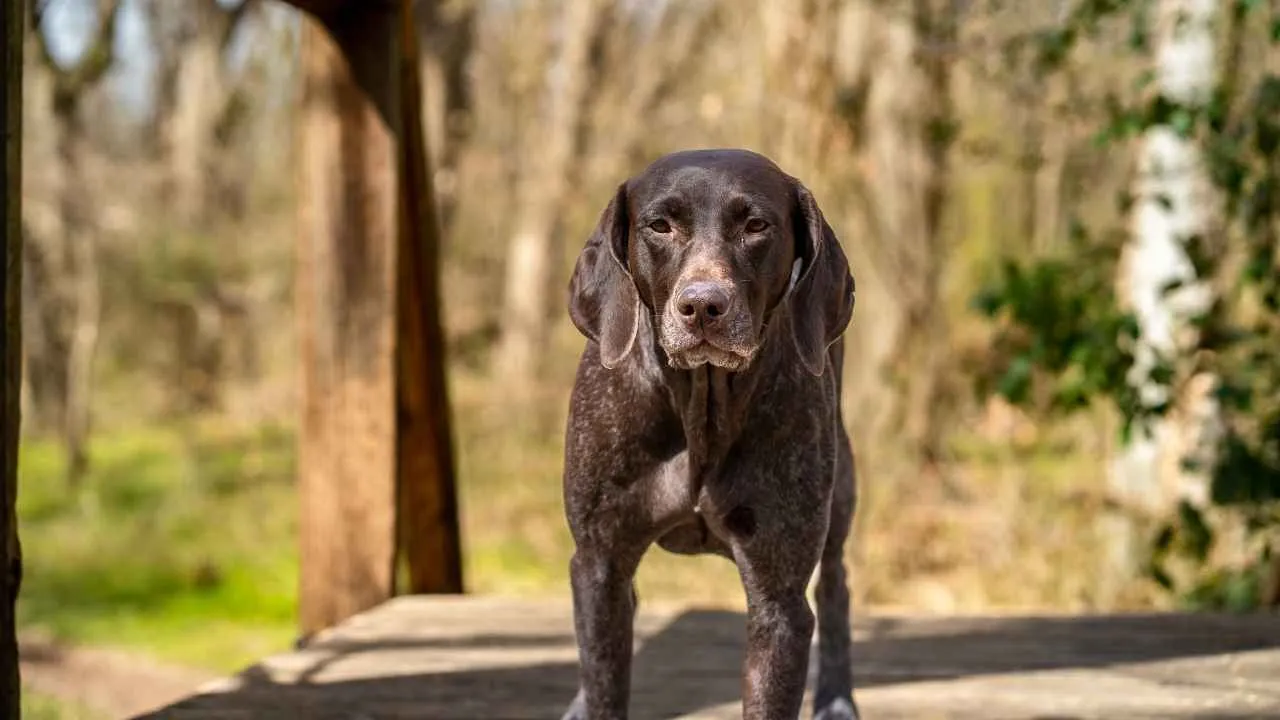
The German Shorthaired Pointer, often called the GSP, is a versatile hunting breed celebrated for its skill in tracking, pointing, and retrieving. Athletic and highly focused, these dogs handle rugged terrain with ease and can work on both small and large game.
Their ability to track wounded game, paired with strong instincts and stamina, has made them favorites among hunters, while their affectionate nature also makes them wonderful family companions.
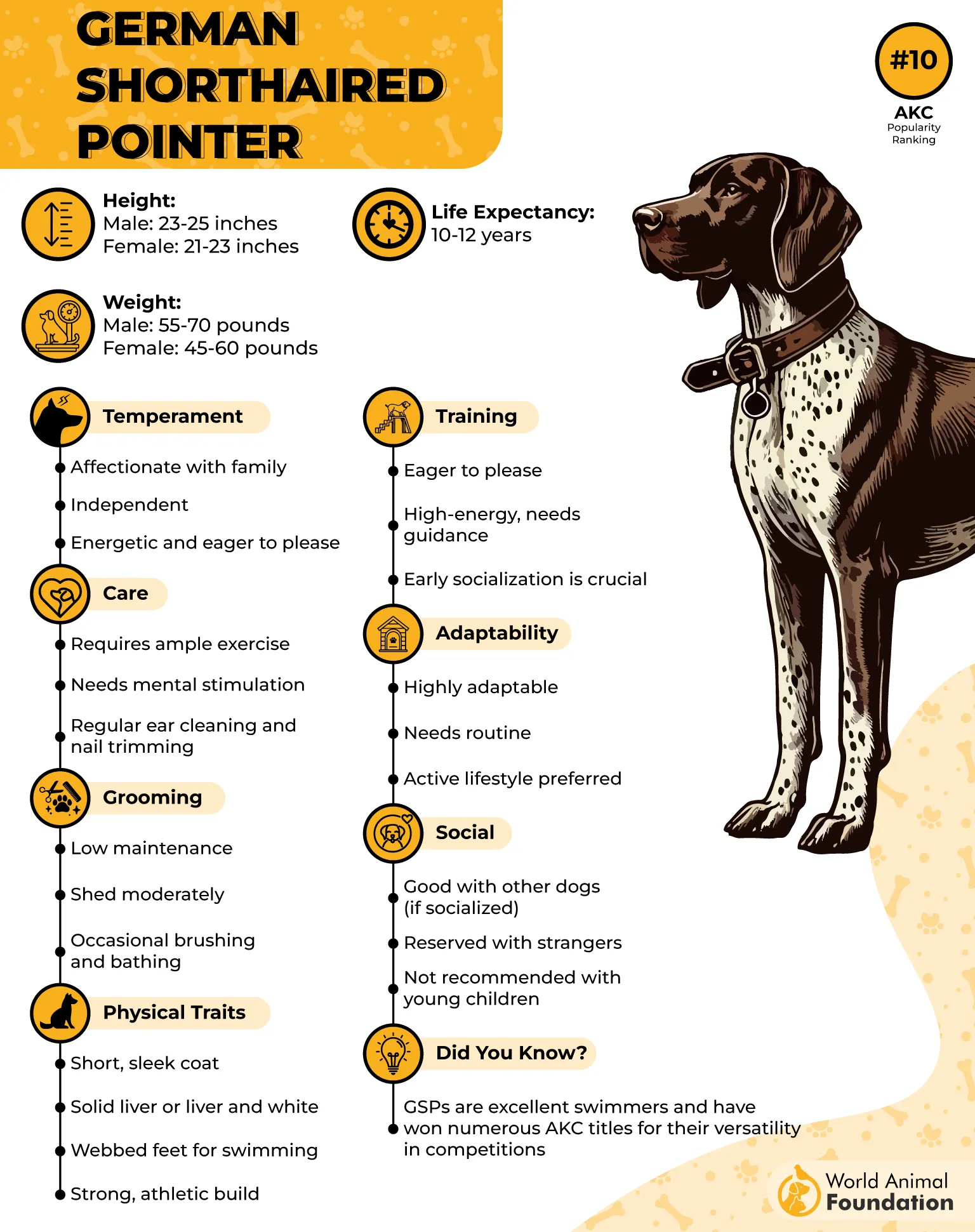
Known for their remarkable noses and tireless work ethic, GSPs were built for long days in the field. Their agility and endurance help them cover ground efficiently, while their natural pointing instinct allows them to signal prey without alarming it. They are also strong swimmers, helped by their webbed feet, making them just as capable in water as on land.
Care Tips
Early training and socialization are important for shaping a well-mannered GSP.
Consistent guidance and basic obedience can help prevent boredom-related destructive behavior.
Positive reinforcement works especially well for keeping these intelligent dogs engaged and responsive.
3. Black and Tan Coonhound
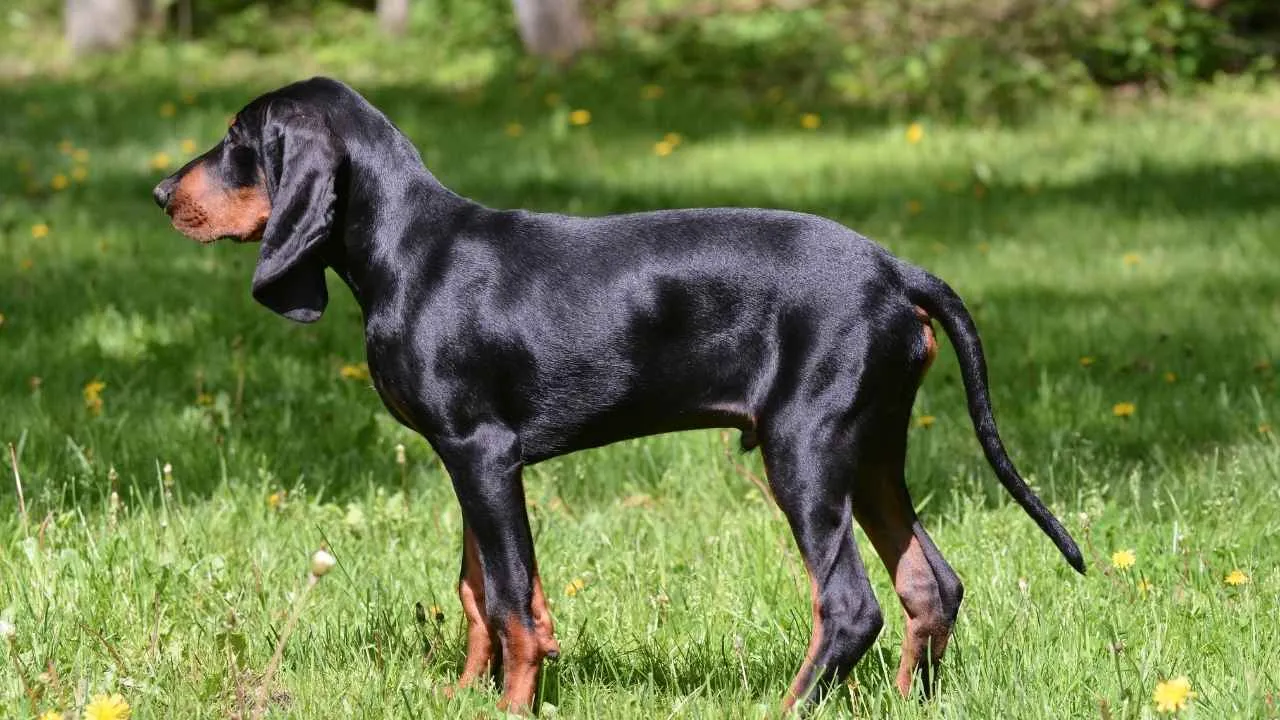
The Black and Tan Coonhound is known for combining a friendly, easygoing temperament with exceptional tracking talent. Bred to trail raccoons and other game through forests and rough terrain, these skilled hounds can follow scent trails tirelessly for hours, even through the night. According to Orvis, they are prized for their endurance, determination, and natural hunting instincts.
Their scenting ability is matched by impressive stamina and agility, allowing them to track over long distances with focus and precision. One of the breed’s signature features, its long, droopy ears, also helps stir scent toward the nose while trailing.
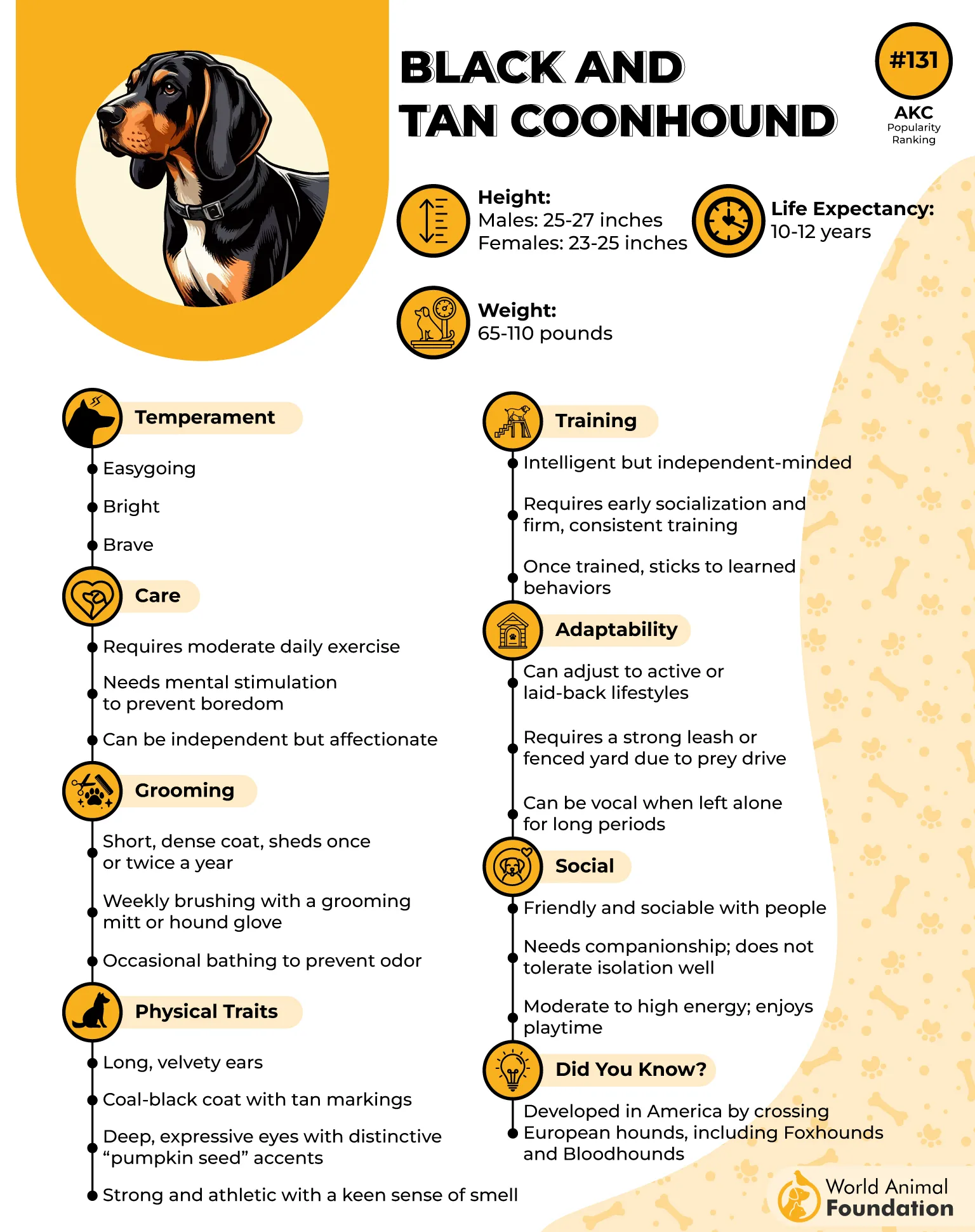
Once a Black and Tan Coonhound picks up a trail, it works with persistence and often stays with the scent until alerting the hunter.
Care Tips
Early socialization and puppy training classes are highly recommended.
Their independent nature responds well to consistent training and clear routines.
A secure leash and sturdy fencing are important, as their strong prey drive can lead them to follow scents without hesitation.
4. Redbone Coonhound
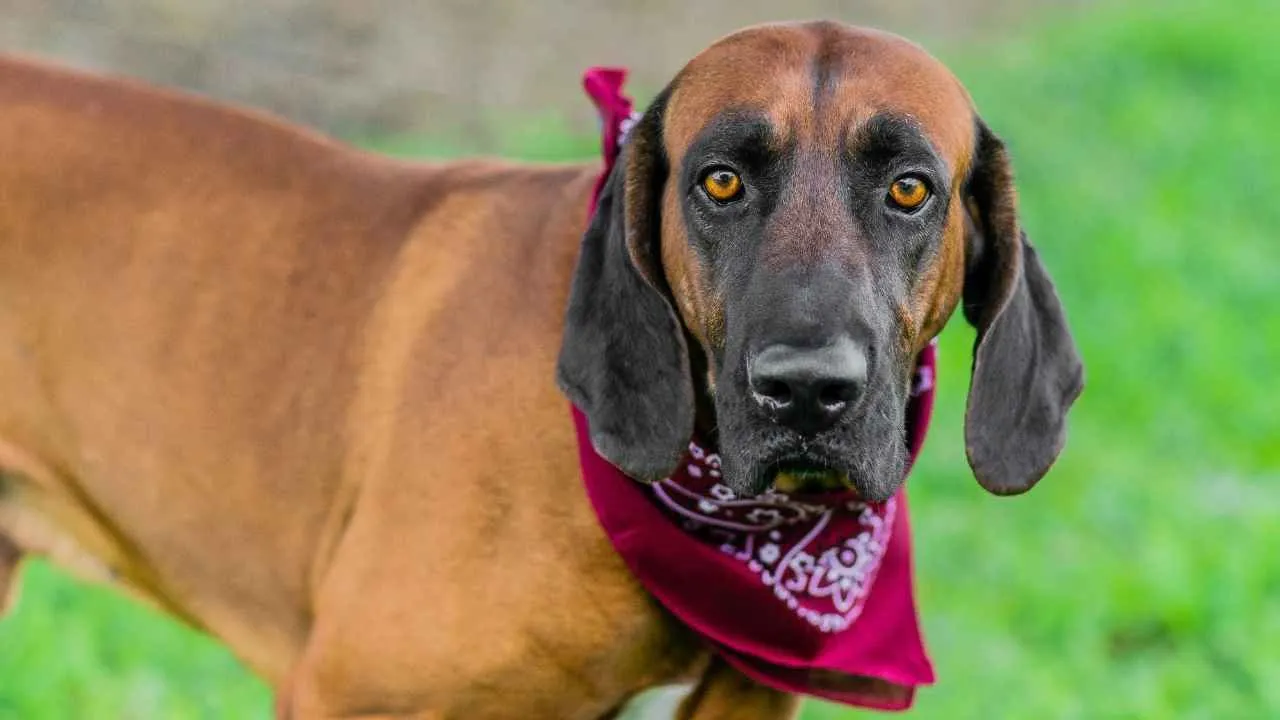
The Redbone Coonhound is admired for its striking red coat and its strong history as a skilled hunting dog. Originally bred to track raccoons, bears, and foxes, this breed is known for its even temperament paired with powerful scenting ability. Redbones are determined trackers with one of the strongest prey drives among domestic dog breeds, making them highly valued by hunters.
According to Purina, Redbone Coonhounds are capable of following cold trails and can even track through water thanks to their natural swimming ability.
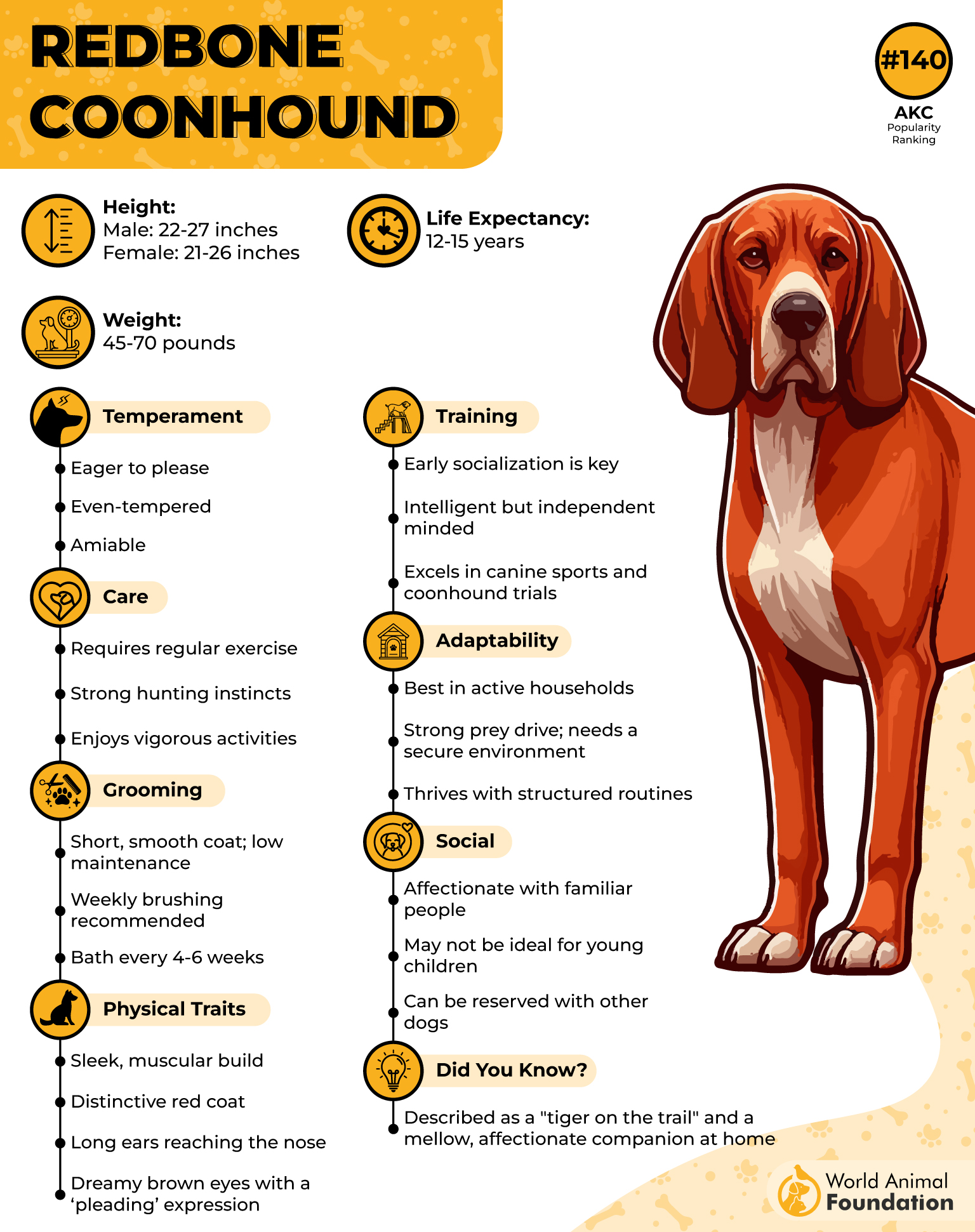
Their persistence on a scent trail is well known, as they often move at a steady pace and circle back to recheck scents for accuracy. They also use a distinctive “barking up” behavior to signal and pinpoint the location of prey.
Care Tips
Consistent training helps build a strong bond and ensures good behavior at home.
Early guidance is important to help them adapt as balanced family companions.
They are high-energy dogs and need regular physical activity to stay healthy and content.
5. Labrador Retriever
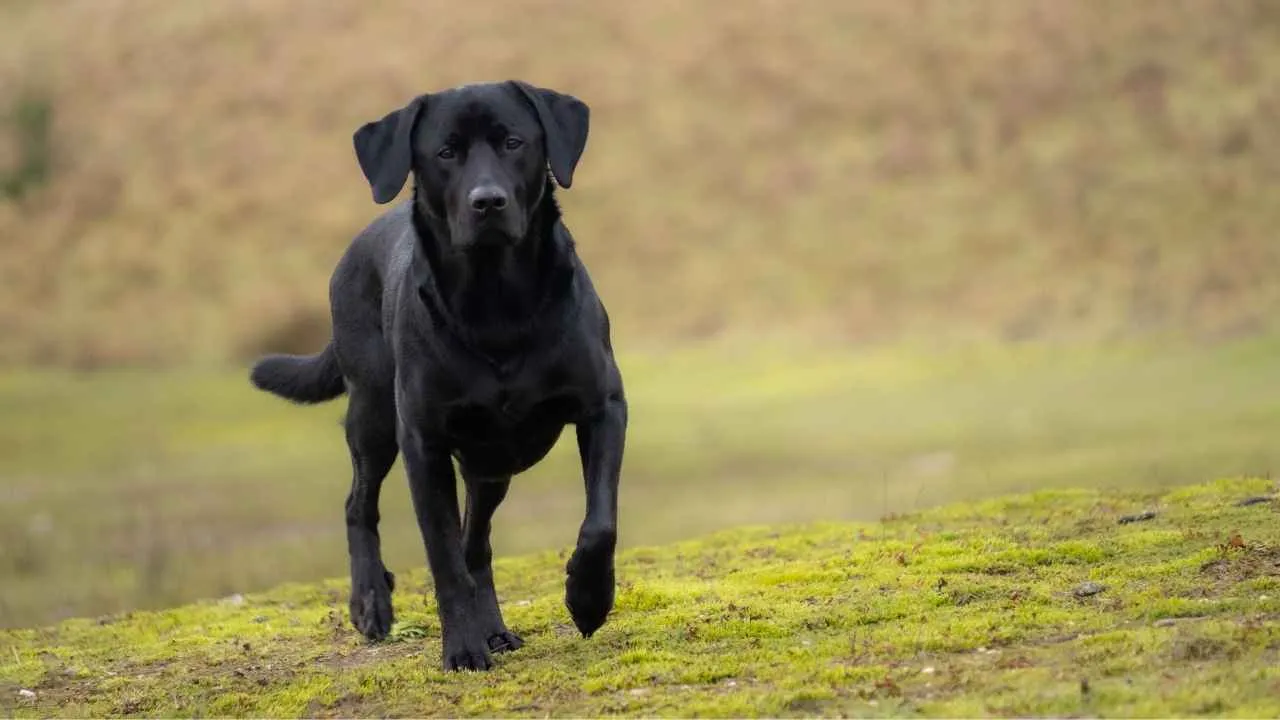
Labrador Retrievers, often called Labs, are one of America’s most popular family dogs, and they also have an impressive working side. Beyond their friendly personality, they possess a strong sense of smell and excellent tracking ability. Intelligent and eager to please, Labs are widely used in hunting, search-and-rescue, and other working roles.
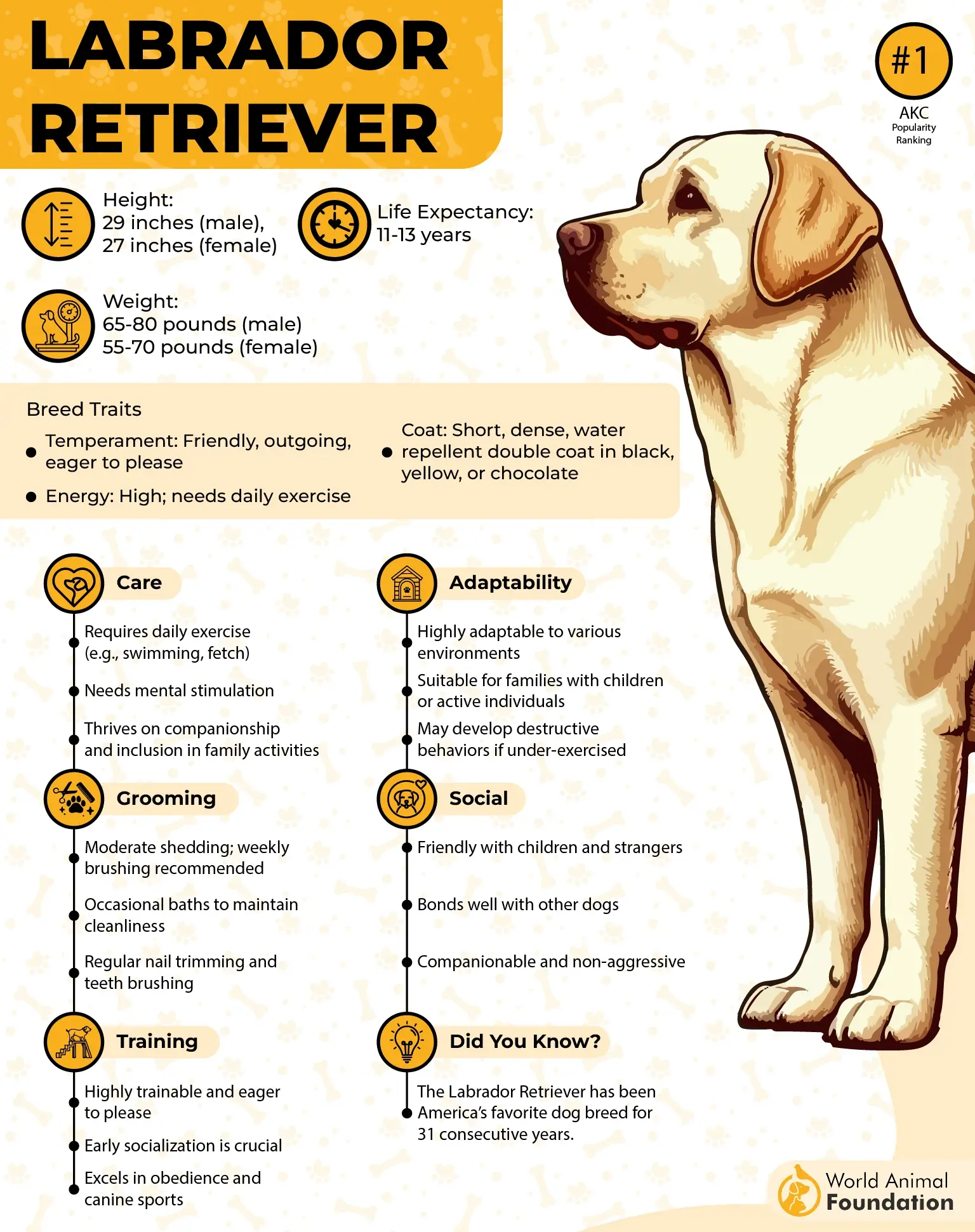
Originally bred as waterfowl retrievers, Labradors are naturally skilled at following scent trails and retrieving across different terrains. According to Hill’s Pet Nutrition, they were developed to work closely with humans and excel at their tasks. Their focus, stamina, and strong retrieving instincts make them highly dependable partners in the field.
Care Tips
Labradors respond best to consistent, positive reinforcement training.
Early training helps channel their high energy, especially during puppyhood.
Activities like scent work, swimming, and dock diving keep them mentally and physically engaged.
6. American Foxhound
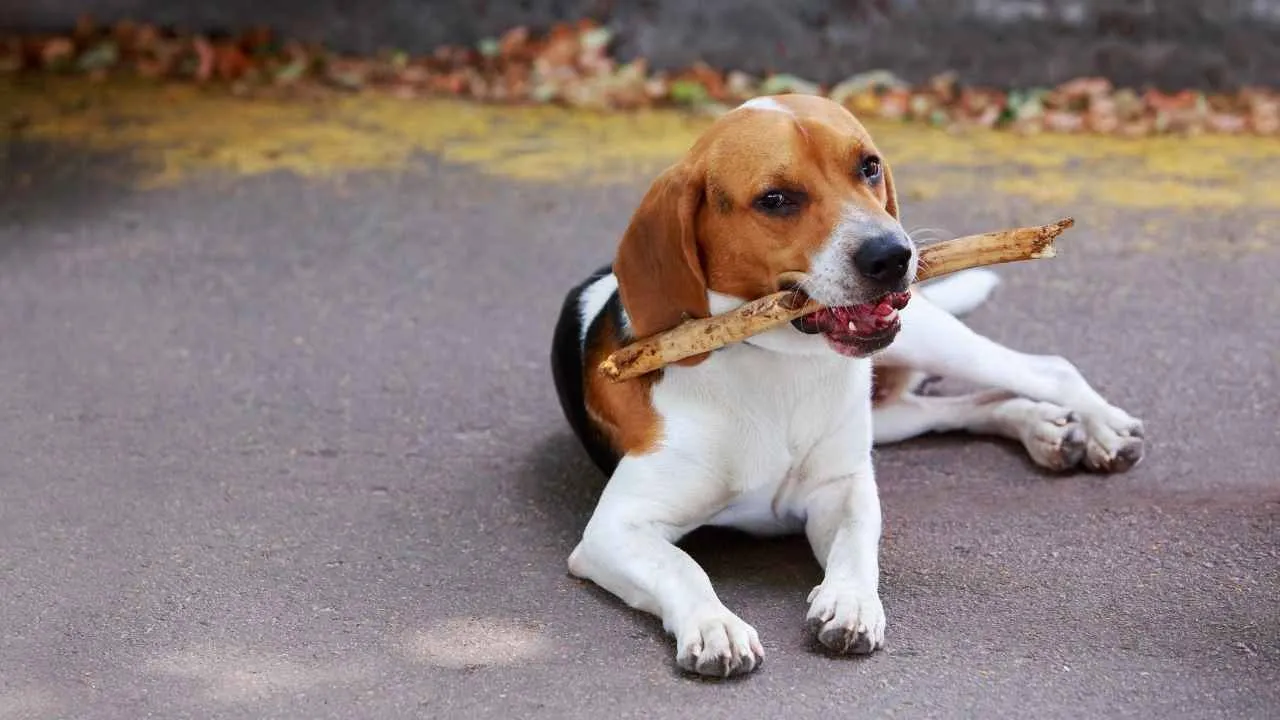
The American Foxhound is a striking tricolored scent hound originally bred for fox hunting. Like other scent hounds, it has millions of olfactory receptors, giving it an extraordinary ability to detect and distinguish even the faintest scents. This breed is energetic, independent, and always ready to stay on the move, especially when following a trail.
Known for its speed, stamina, and tracking skill, the American Foxhound is highly valued in hunting circles. Its powerful nose, combined with its famous “musical bay” (a distinctive hunting howl), makes it easy to identify in the field.
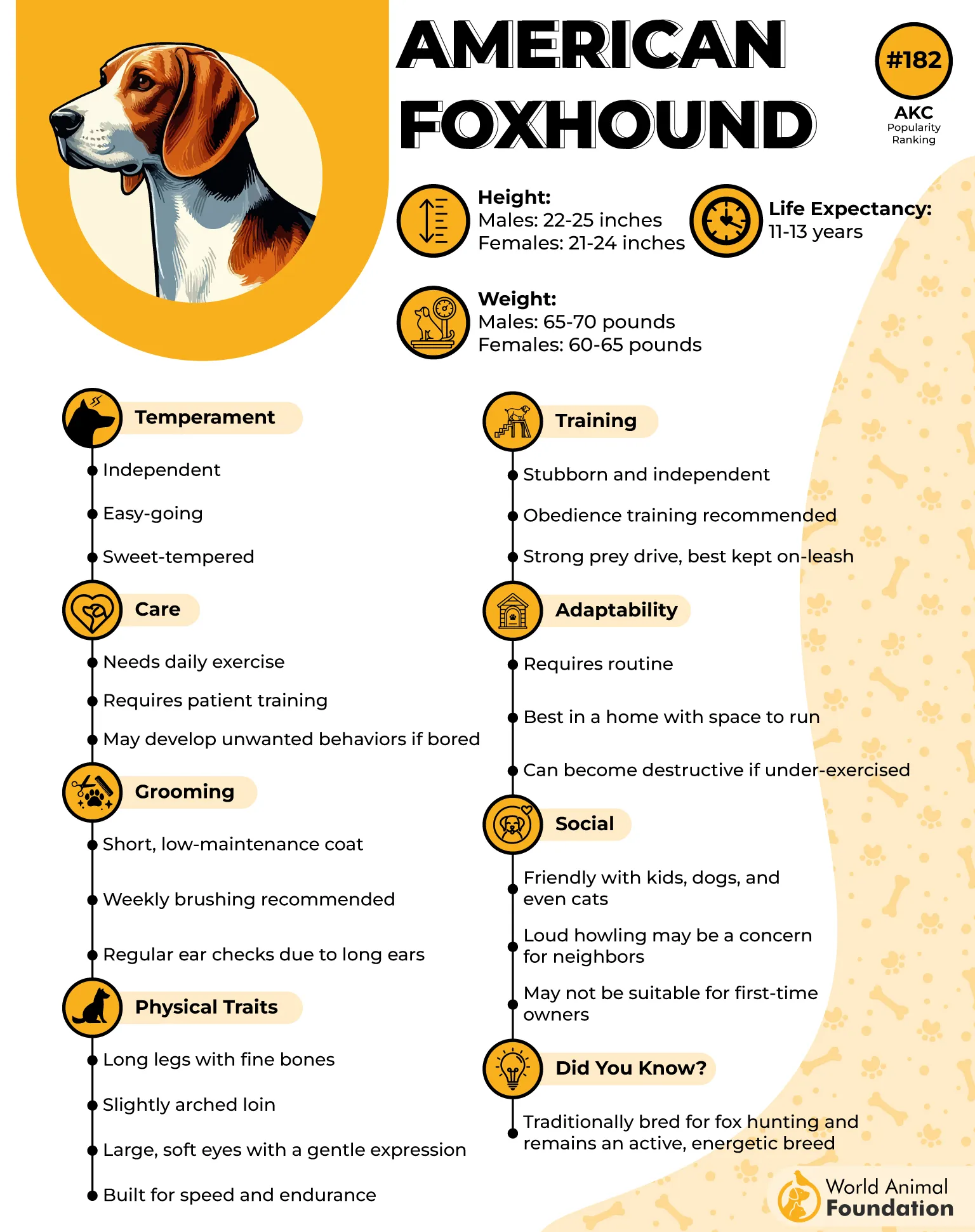
Few breeds can match its endurance, and it is capable of tracking scents for miles, or even days, under the right conditions. It can also use both air scenting and ground scenting to stay on track.
Care Tips
Scent-based games like hidden treats or toys help sharpen their natural tracking instincts.
These activities can also prepare them for fieldwork and structured training.
Patience and consistent training are important, as boredom can lead to unwanted or destructive behavior.
7. Weimaraner
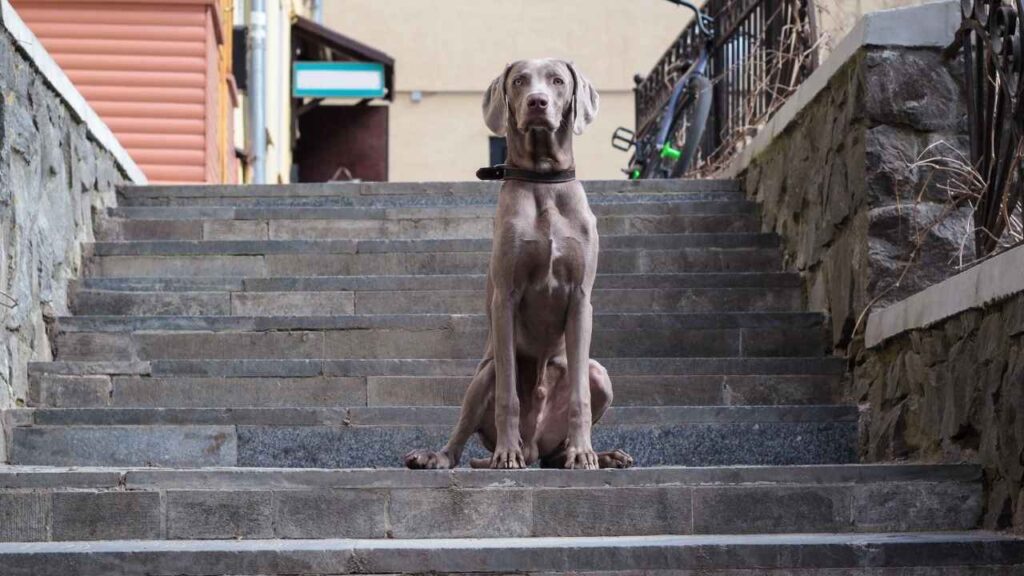
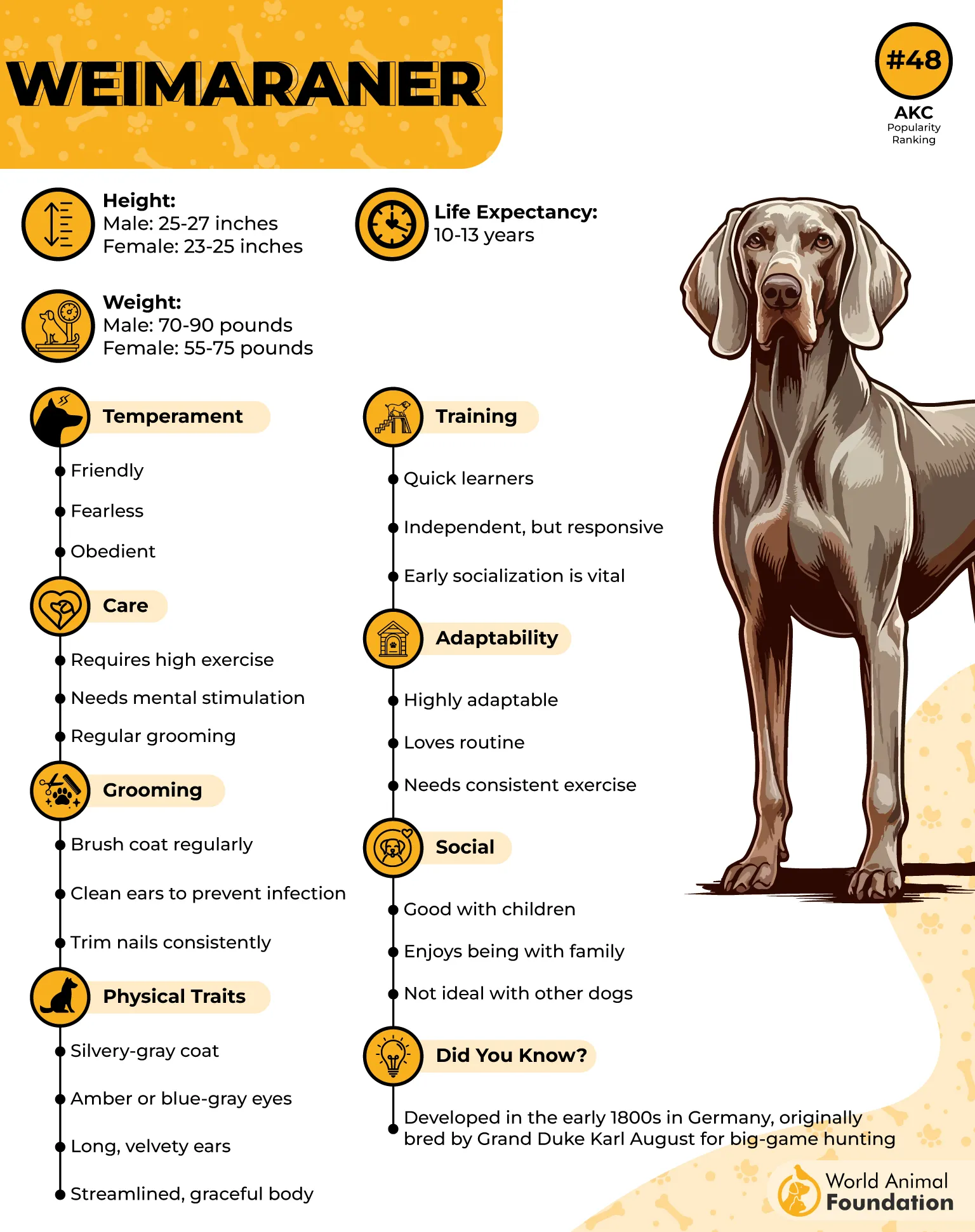
The Weimaraner, often nicknamed the “Weim” or “Gray Ghost,” is a versatile hunting breed known for its striking silver-gray coat and athletic build. Originally developed to hunt large game such as deer, bear, and wolves, this breed combines strength, speed, and endurance, making it well-suited for demanding outdoor work.
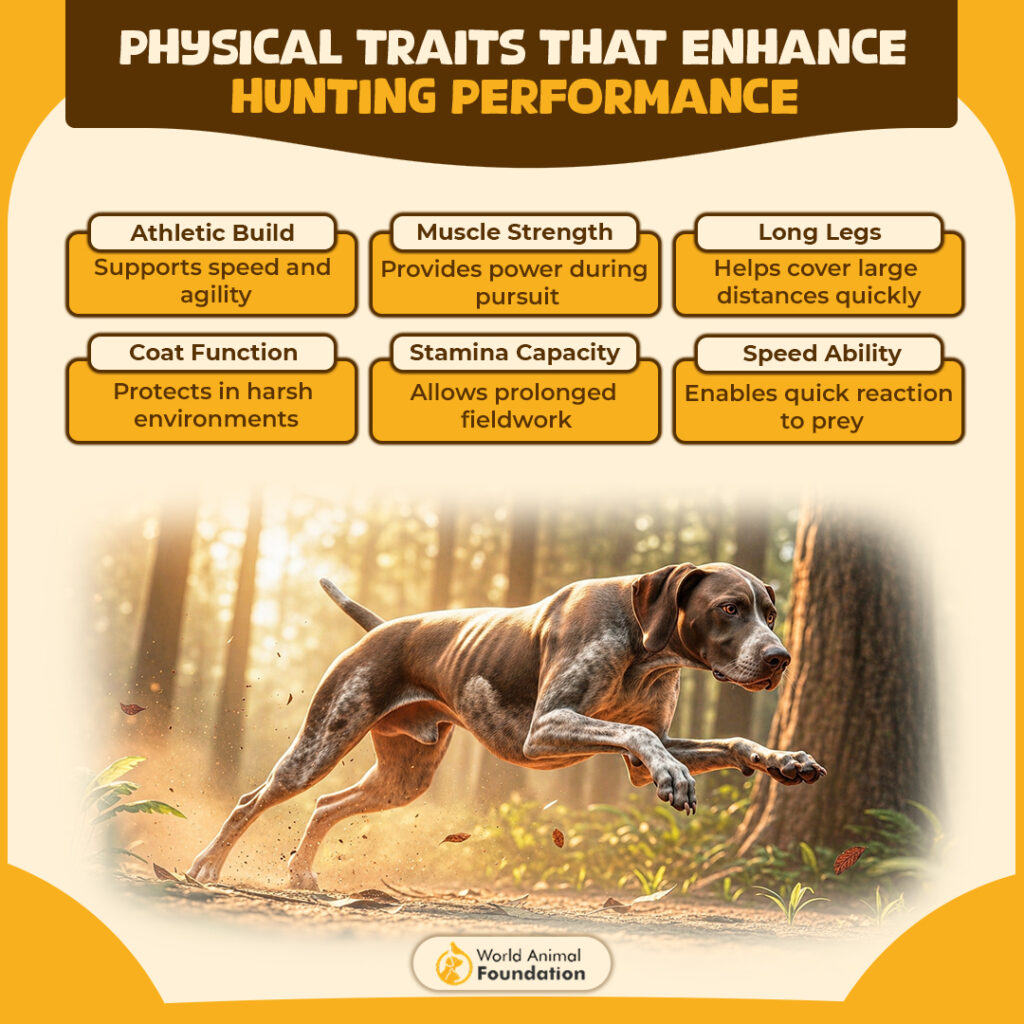
Weimaraners have a powerful nose and natural athletic ability that allows them to track scent trails over long distances. They were also widely used as bird dogs, trained to point, track, and retrieve game across forests and open fields. Their long legs and agile bodies help them cover large areas quickly, while their strong instincts keep them focused on the task at hand.
Care Tips
They require daily physical exercise and mental stimulation to stay balanced and happy.
Early socialization and consistent training help them grow into well-behaved adults.
Obedience training is especially important for channeling their energy and improving control.
8. Bluetick Coonhound
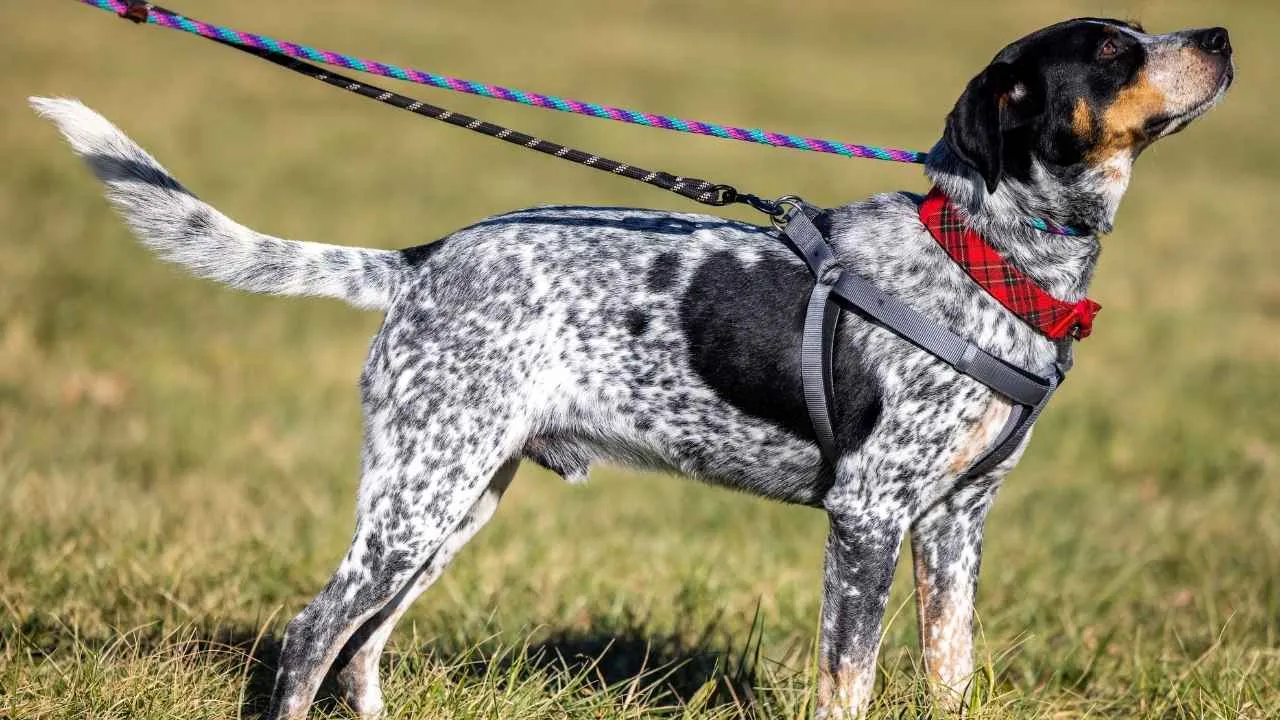
The Bluetick Coonhound is known for its cold nose, sharp tracking ability, and striking appearance, with a sleek coat and long, floppy ears that add to its charm. According to PetMD, this breed has an exceptional sense of smell and is skilled at tracking raccoons as well as larger game such as bears, wild boars, and cougars. When on a trail, Blueticks are bold, focused, and highly energetic.
Originally developed in the southern United States, including South Carolina, Bluetick Coonhounds are driven by their nose and are quick to spring into action once they pick up a scent.
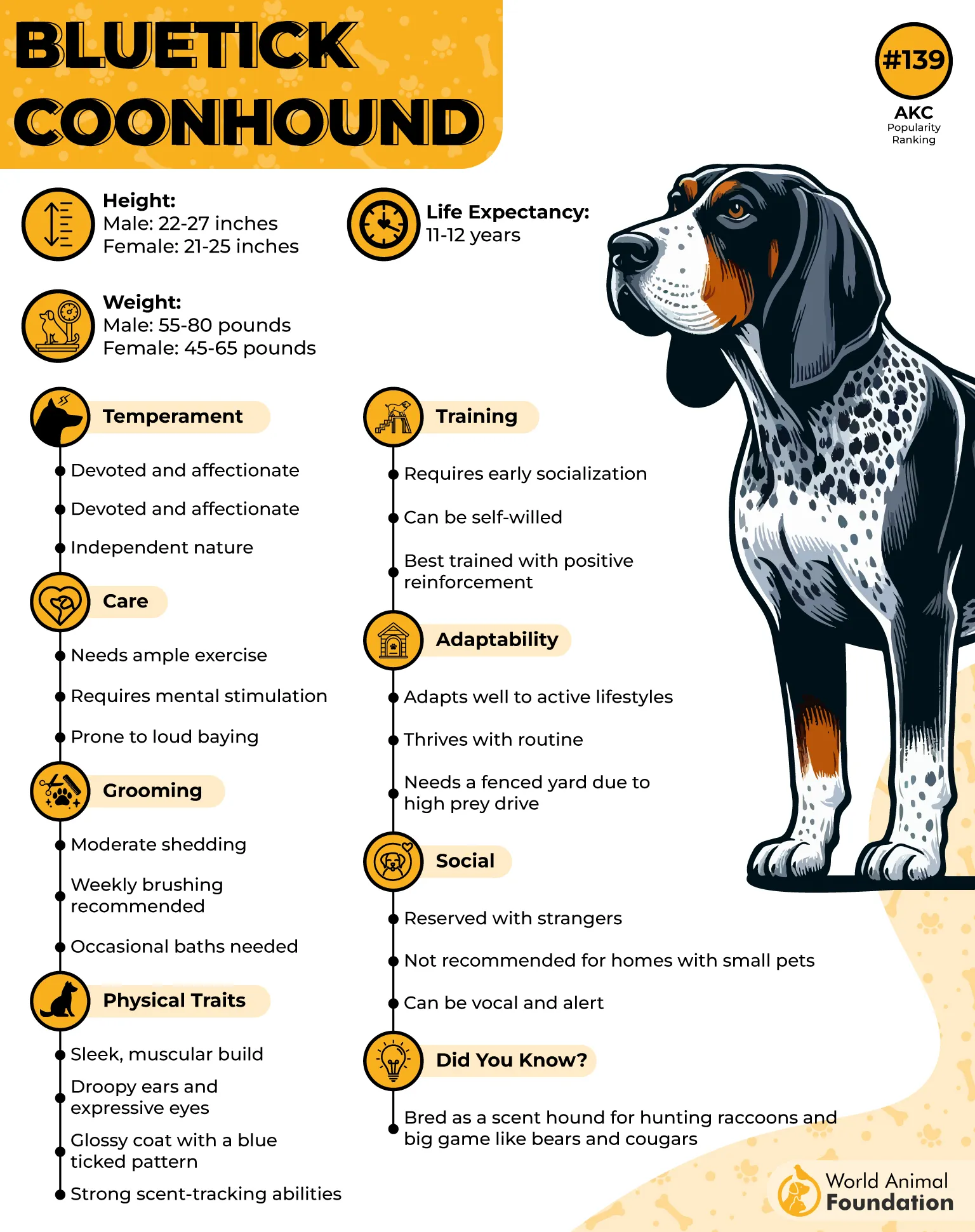
Their large number of scent receptors allows them to detect and differentiate extremely faint scent particles. They are also known for their loud, distinctive baying, which helps hunters track their progress during a hunt.
Care Tips
Blueticks respond well to reward-based, positive reinforcement training.
Consistent training helps strengthen bonding and manage their energy effectively.
Early socialization is important to help balance their strong prey drive and improve behavior around other animals.
9. English Springer Spaniel
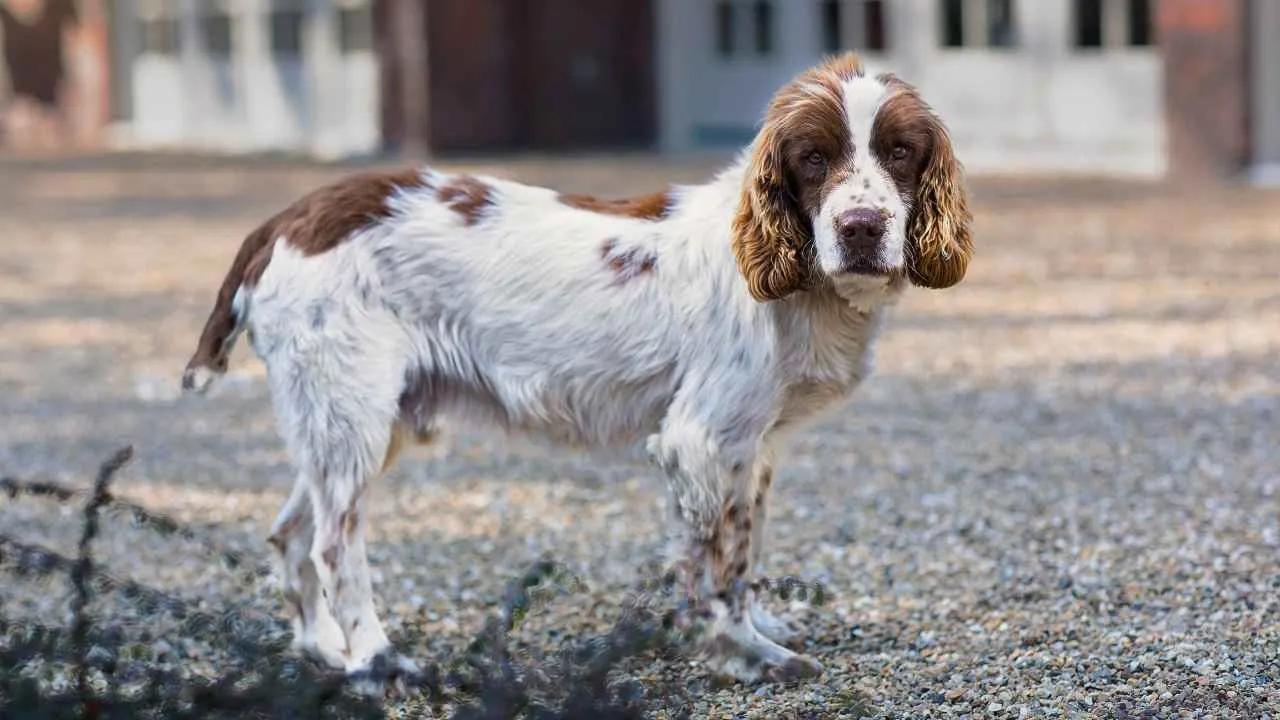
The English Springer Spaniel is a highly versatile hunting dog known for its energy, intelligence, and exceptional sense of smell. Often considered a top choice among hunters, this loyal breed is always ready to spring into action. Strong, muscular, and built for endurance, it performs well during long days in the field.
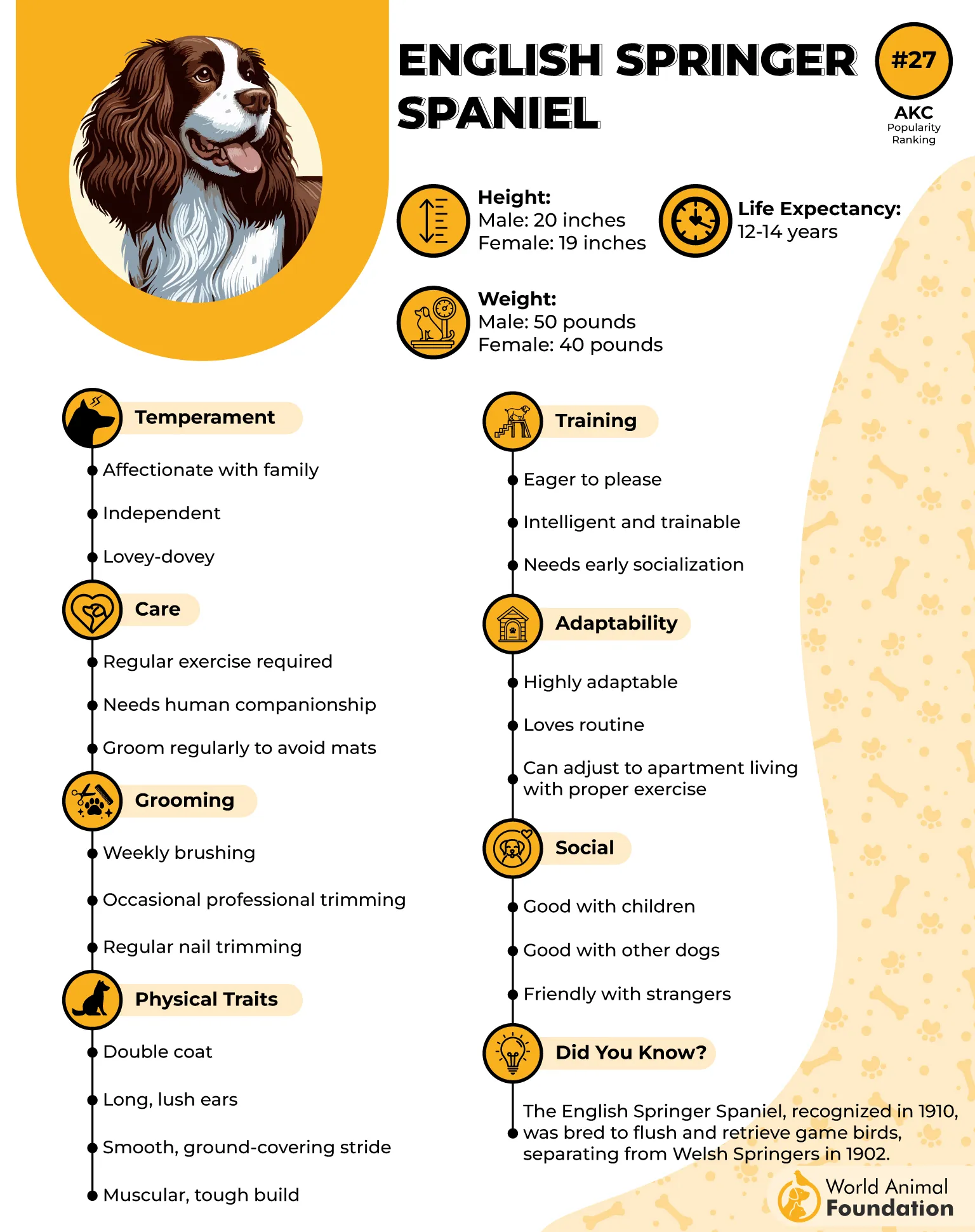
English Springer Spaniels are especially skilled at flushing and retrieving game from dense cover. Their sharp nose and athletic ability allow them to track and mark downed birds with great accuracy. They rely on a natural hunting style known as “springing,” where they flush hidden game out of cover for the hunter. This combination of instinct and agility makes them highly effective across different terrains.
Care Tips
Early training is important, as Springers are highly intelligent and responsive.
They do best with firm but gentle, consistent training methods.
Regular activity like long walks, fetch, and swimming helps keep them healthy and well-balanced.
10. English Pointer
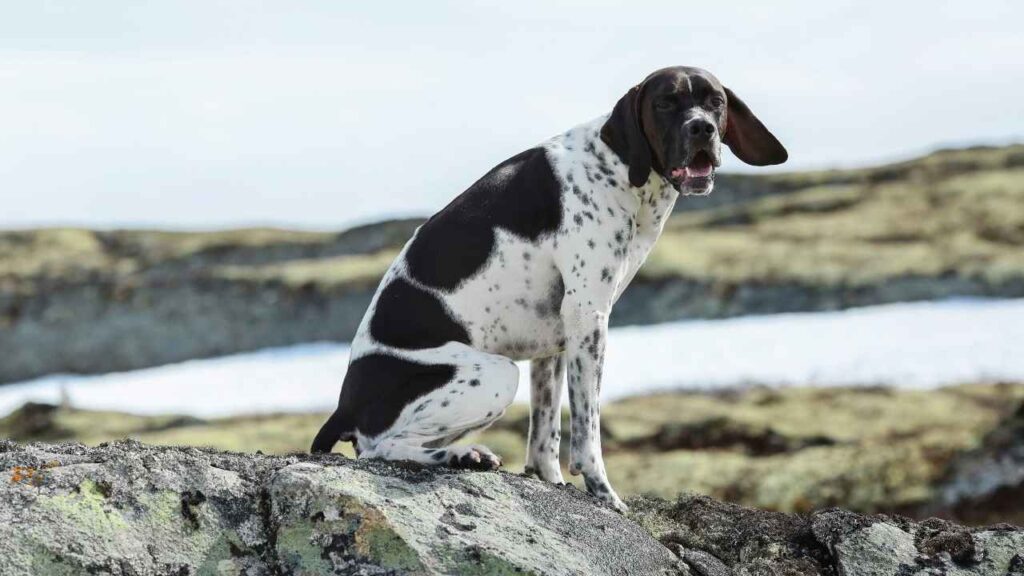
English Pointers are independent, high-energy gun dogs known for their speed, focus, and strong work ethic. Originally developed in England for bird hunting, they are experts at tracking and precisely pointing game. For centuries, they have been valued as reliable partners for hunters and active outdoor enthusiasts alike.
Primarily used in upland bird hunting, English Pointers excel at locating and indicating game with remarkable accuracy. Their signature behavior, “pointing,” involves freezing in place to signal the location of prey until the hunter arrives.
With a strong instinct to track, chase, and retrieve, they combine intelligence with natural athletic ability. Despite their working background, they can also be affectionate and loyal family companions in active homes.
Care Tips
Positive reinforcement training works best, as it aligns with their natural instincts.
Early obedience training is important due to their independent and sometimes strong-willed nature.
Early socialization with people, pets, and different environments helps prevent behavioral issues and builds confidence.
Conclusion
A great tracking dog is more than just an animal with a powerful nose; it’s a partner, a working companion, and often a lifesaver. The ten breeds in this article show how skilled hunting dogs can also excel at tracking scents with precision and consistency. From hunting fields to search-and-rescue missions, these dogs consistently bring focus, energy, and determination to every task.
Many well-known breeds are recognized worldwide for their intelligence and versatility. But the breeds featured in this list have a special gift for scent work and tracking that sets them apart.
Building a strong bond with these dogs depends on daily exercise, consistent training, and mental stimulation. When their physical and mental needs are met, they become highly reliable partners in the field. Their instincts are deeply rooted in generations of breeding—and in many cases, they prove to be remarkably accurate when following a trail.
