




Every dog carries traces of wild ancestry, and nowhere is this more visible than in prey drive—the instinct that drives chasing, tracking, and reacting to movement.
In everyday life, this appears in play, alertness, and sudden focus on small animals or objects. Understanding it helps owners interpret natural behavior in different breeds.
Prey drive unfolds through hunting stages such as searching, stalking, pursuit, and simulated capture. All dogs possess it, but selective breeding has intensified or softened these tendencies across breeds.
Working and herding breeds often show stronger chase focus, while companion breeds tend to be calmer. Recognizing these patterns supports better training, enrichment, and safe management for everyday handling and decisions.
Dog breeds vary widely in prey drive, with some excelling in high-energy chasing behaviors and others showing minimal interest in pursuit.
High prey drive breeds require structured outlets like training games and controlled exercise, while low prey drive dogs often adapt easily to relaxed environments. Understanding where a breed falls helps owners build safer, more balanced routines and stronger bonds.
Dog Breeds: A Guide to High and Low Prey Drive
1. Afghan Hound
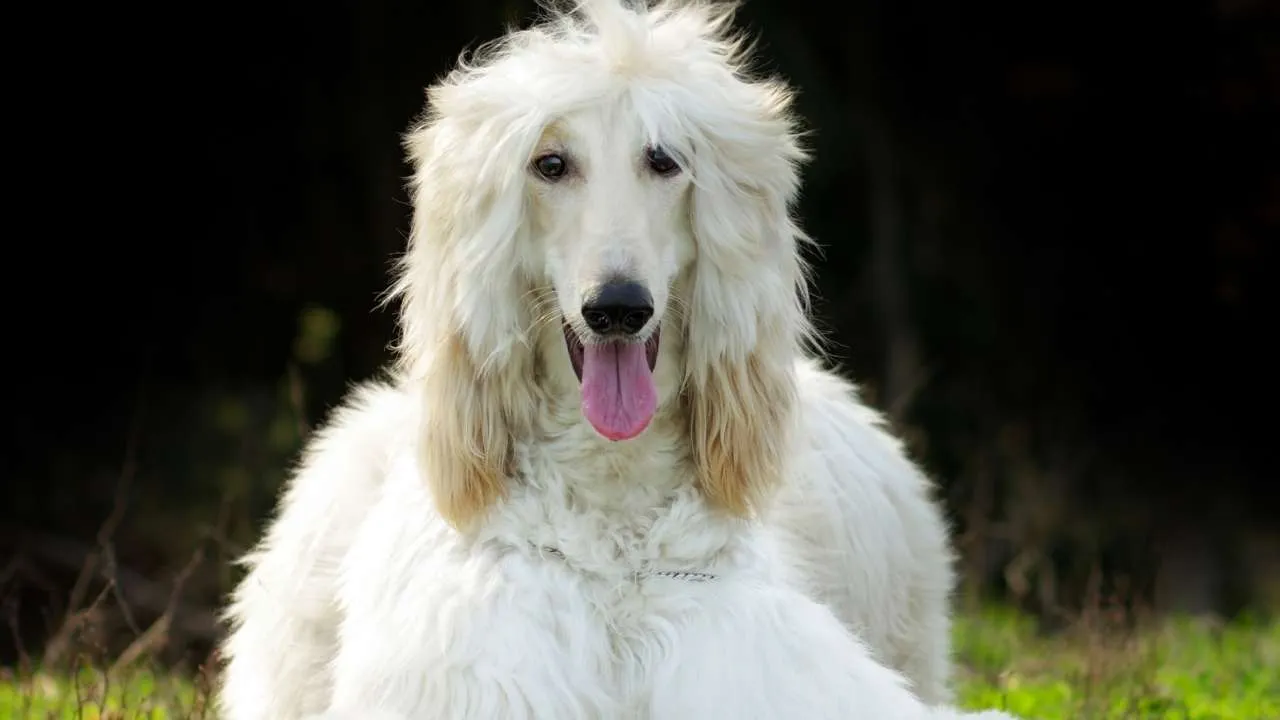
The Afghan Hound represents a classic example of a high prey drive breed within the sighthound group, where sharp vision and rapid acceleration are used to detect and pursue moving targets.
Originally developed in Afghanistan, this breed was valued for independent hunting requiring minimal direction from handlers, which explains its strong self-directed instincts.
Today, these dogs often excel in activities such as lure coursing that simulate pursuit behavior and engage their natural chase response.
Known for an aloof and dignified temperament, they form deep bonds with their families but may remain reserved with strangers.
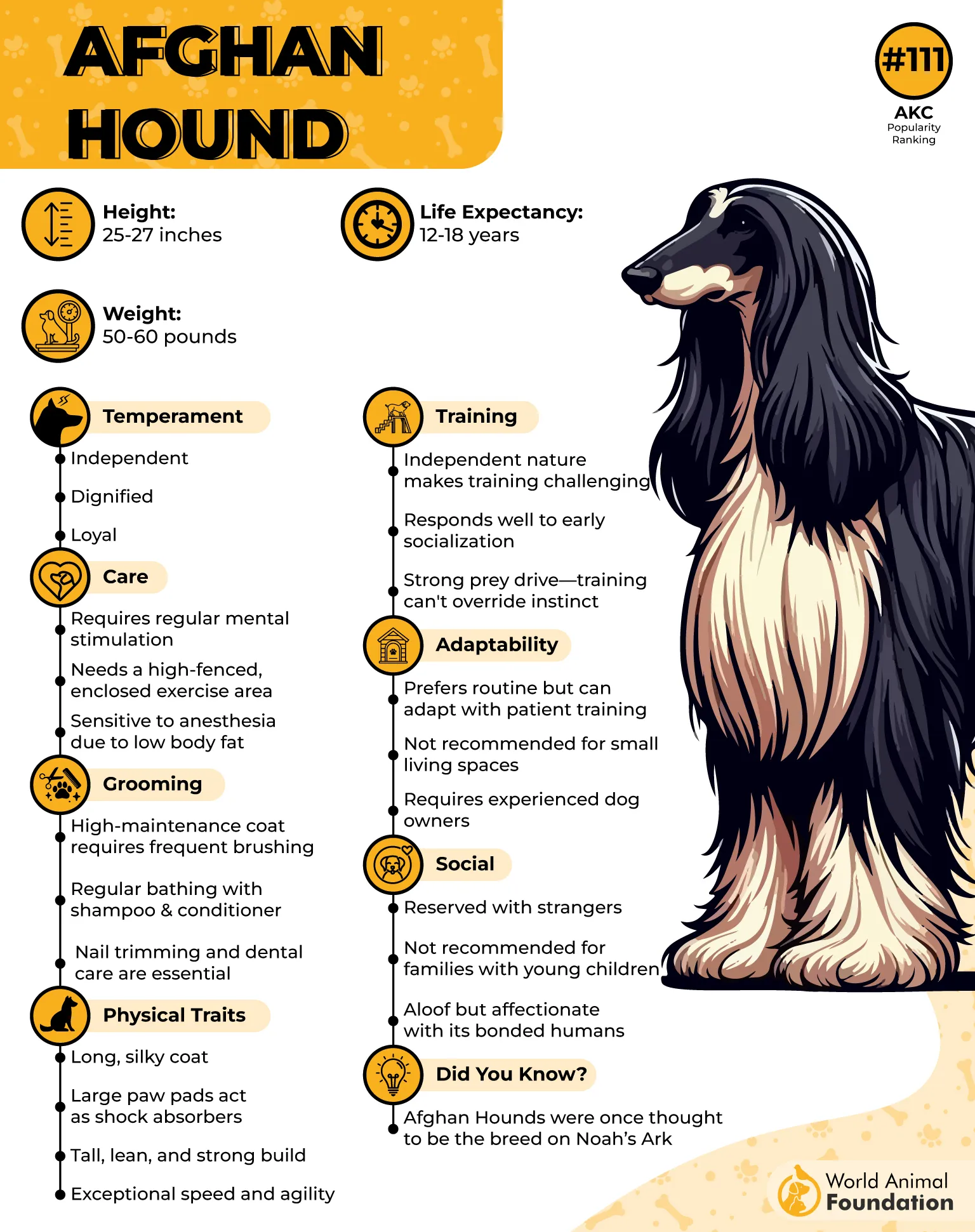
Because of their high prey drive, they require consistent training, early socialization, and secure environments to prevent impulsive chasing of small animals.
Regular exercise, including long walks or controlled runs, helps maintain balance in energy levels while mental stimulation supports focus.
Owners must avoid off-leash activity in open areas because sudden pursuit instincts can override recall training. With guidance and structure, this breed can thrive.
2. American Foxhound
The American Foxhound is a classic scent hound breed known for its strong prey drive, endurance, and ability to follow scent trails for long periods, as mentioned by the AKC.
Originally developed for hunting in open landscapes, this breed combines speed with remarkable stamina, making it highly driven by tracking and pursuit instincts.
While generally gentle and good-natured, the American Foxhounds are independent thinkers and can be challenging for first-time owners due to their strong-willed behavior.
These dogs’ prey drive means they may become intensely focused on scents, often ignoring commands once engaged. For this reason, secure fencing and leash control are essential during outdoor activity.
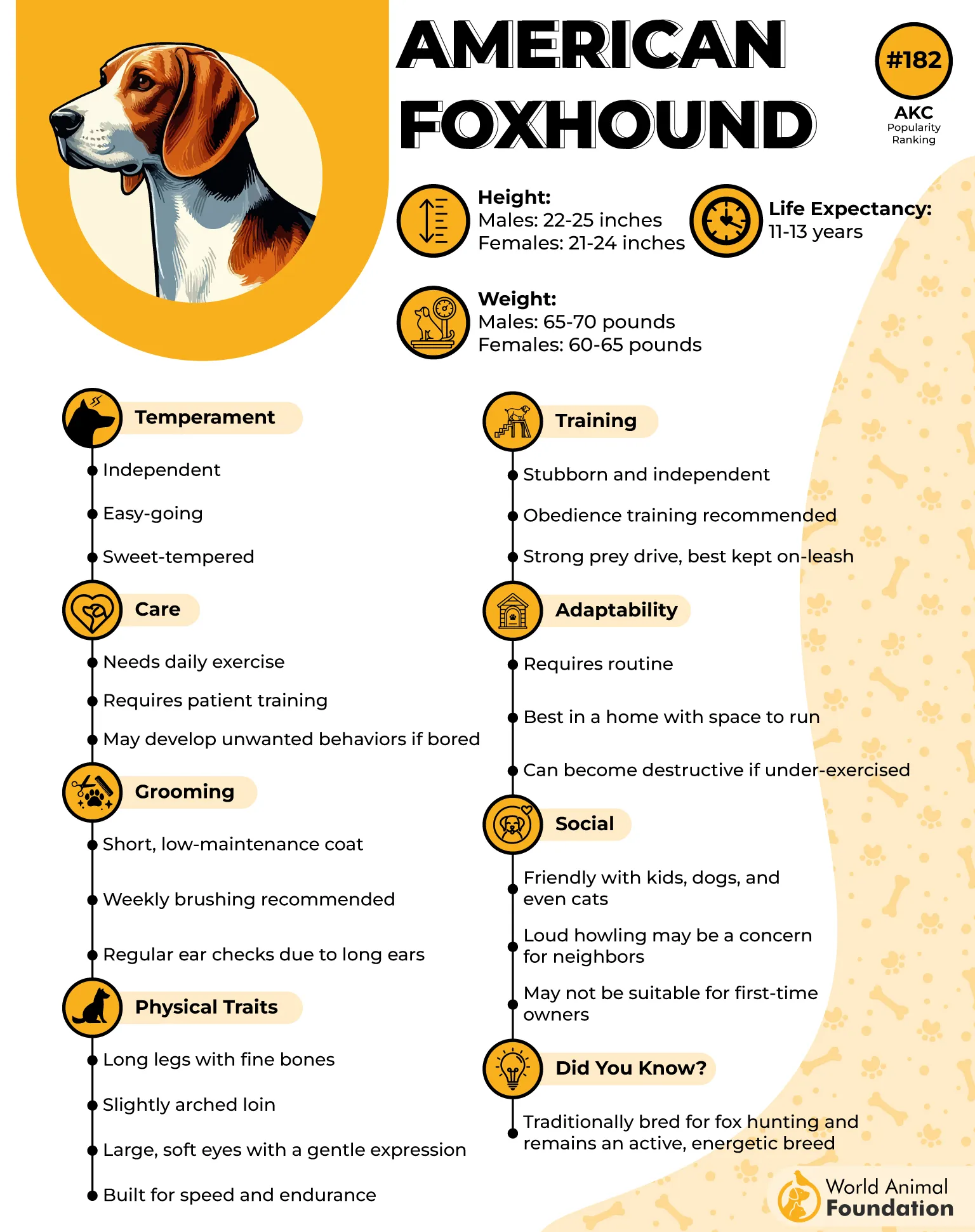
They require substantial daily exercise, including long walks, runs, or scent-based games, to prevent boredom and destructive behavior. Mental stimulation is equally important, as these dogs thrive when given purposeful tasks.
Despite their hunting background, American Foxhounds can adapt well to family life when properly trained and exercised, often enjoying companionship with children and other pets under supervision.
Their loud vocalizations are natural to their hound heritage and scent work activities, reflecting their instinct to communicate while tracking and working in the field.
3. Pharaoh Hound
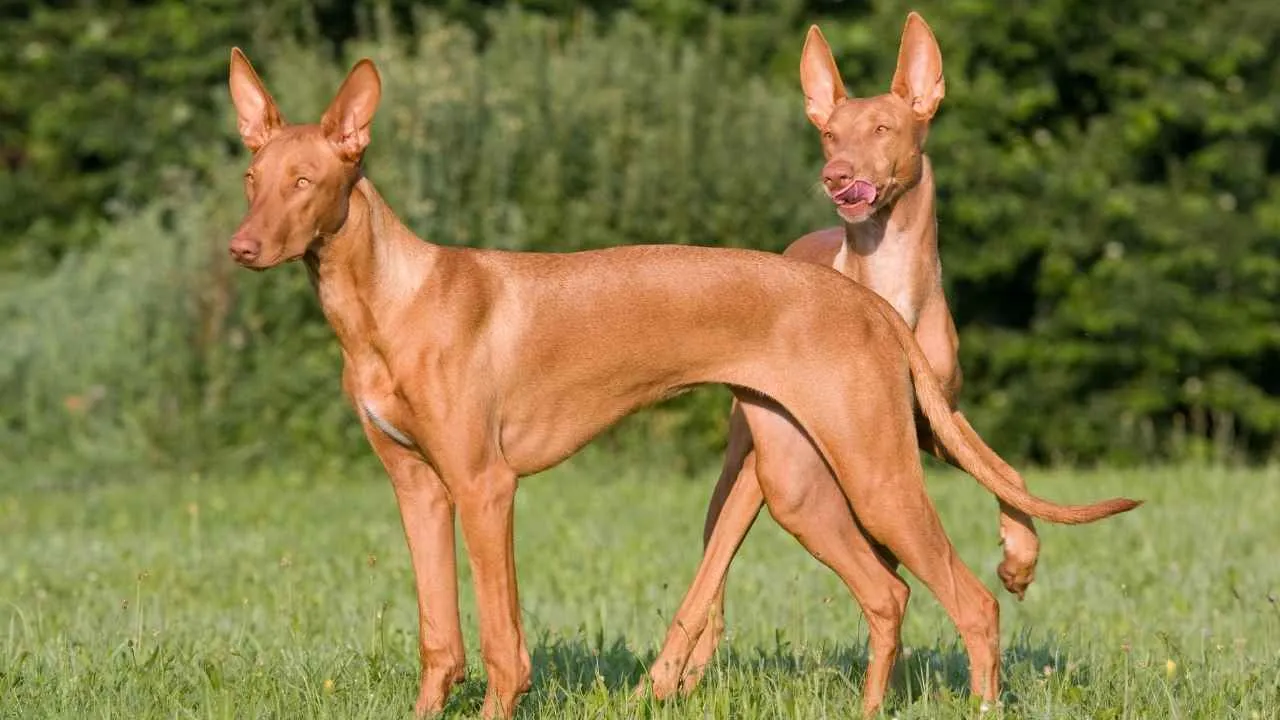
The Pharaoh Hound is a striking sight hound breed known for its strong prey drive and exceptional ability to detect and chase fast-moving animals using keen vision.
Originally developed for hunting in open terrain, it reacts quickly to movement, making secure environments essential.
A fenced area with at least a six-foot barrier is often recommended, along with leash control during outdoor activities, to prevent instinct-driven chasing. This breed is also notably vocal, often expressing excitement through sound during play or stimulation.
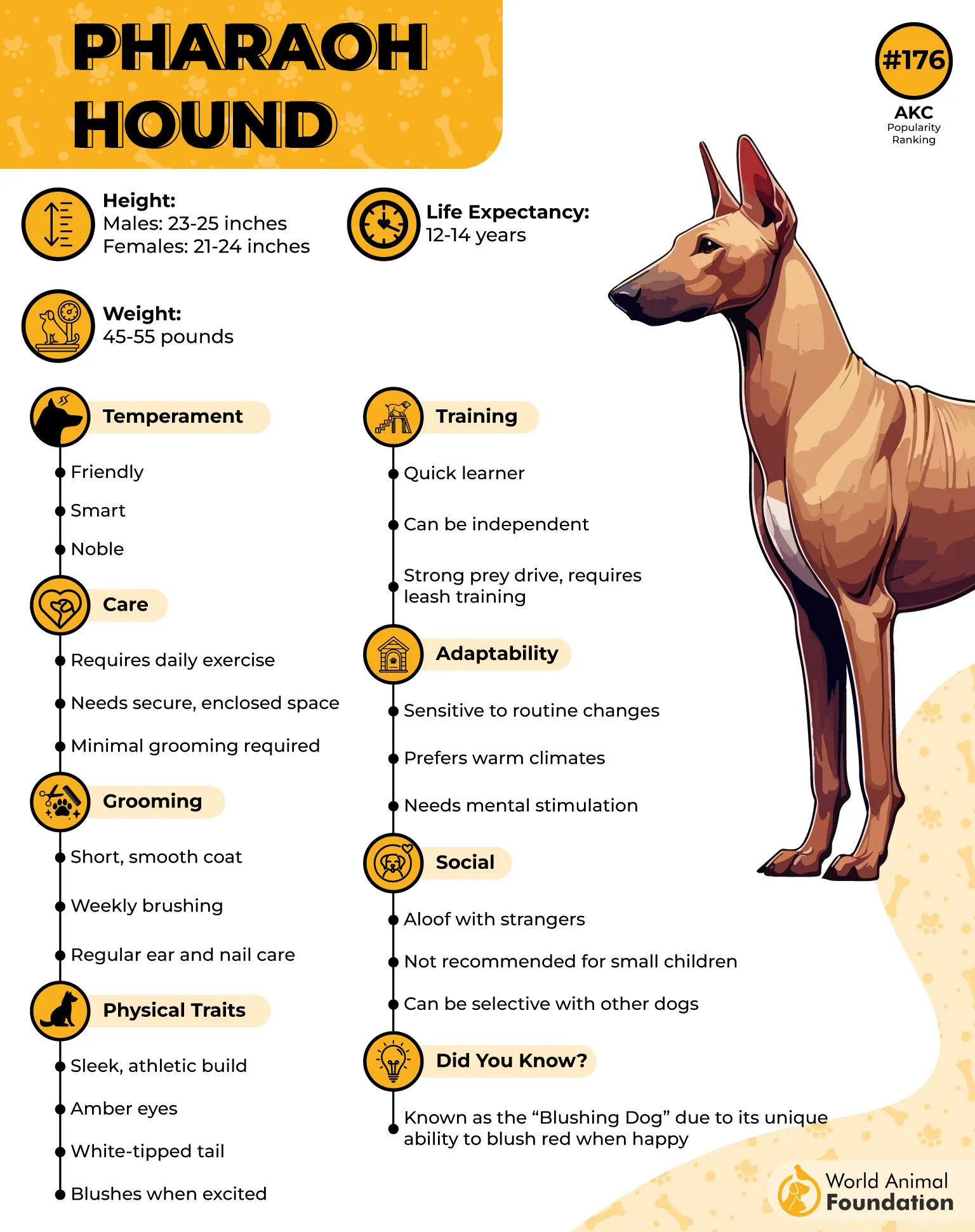
Pharaoh Hounds thrive in active households that can provide daily exercise, interactive play, and mental engagement through training or canine sports.
While affectionate, intelligent, and generally good with children and other dogs, their high prey drive makes careful introductions necessary with cats or small pets. Early socialization helps them adjust better to family life.
Grooming needs are minimal, and they are considered relatively healthy. When properly exercised, they become calm, loyal companions at home with balanced routines and consistent guidance from their owners through structured daily activity and training.
4. Black And Tan Coonhound
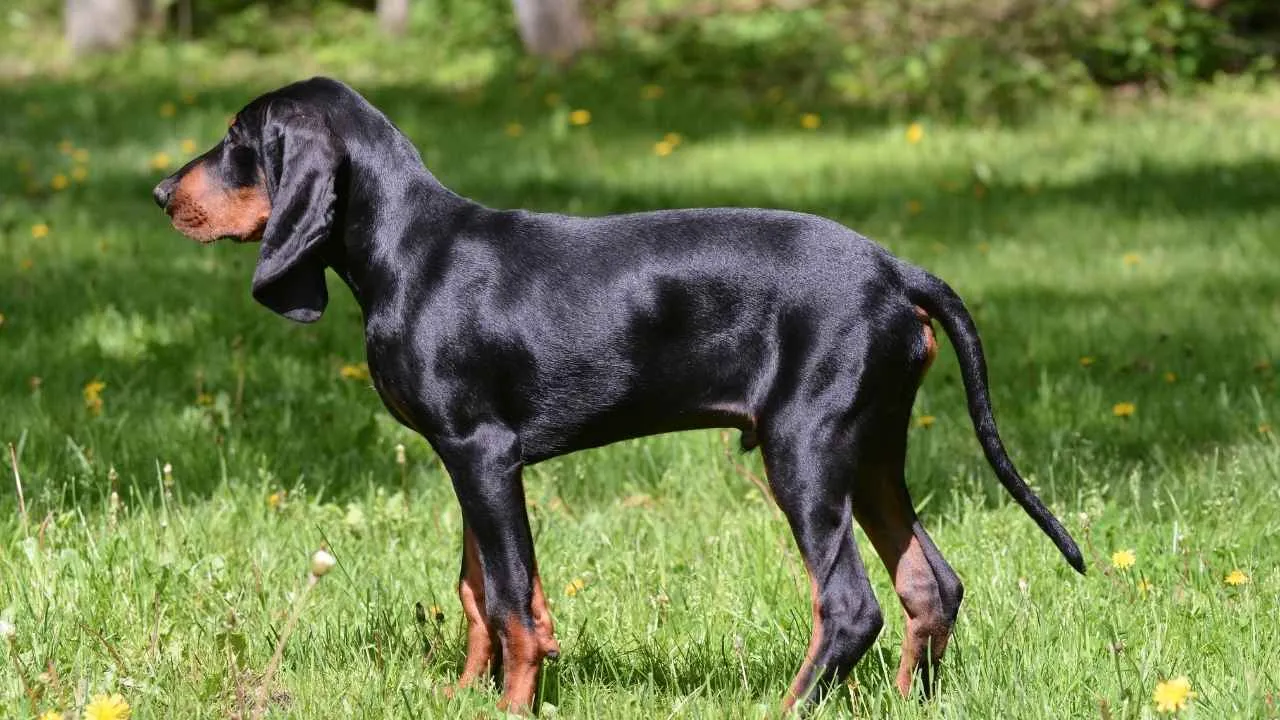
The Black and Tan Coonhound is a classic American scent hound with a powerful prey drive shaped by its history of night hunting and trailing raccoons through dense terrain.
Driven by an extraordinary sense of smell, this breed excels at following long, complex scent trails with persistence and focus. While affectionate and easygoing at home, it transforms into a determined tracker outdoors, where instinct often overrides distraction.
Its prey drive is deeply rooted in selective breeding for endurance hunting, making it highly responsive to scents and wildlife movement.
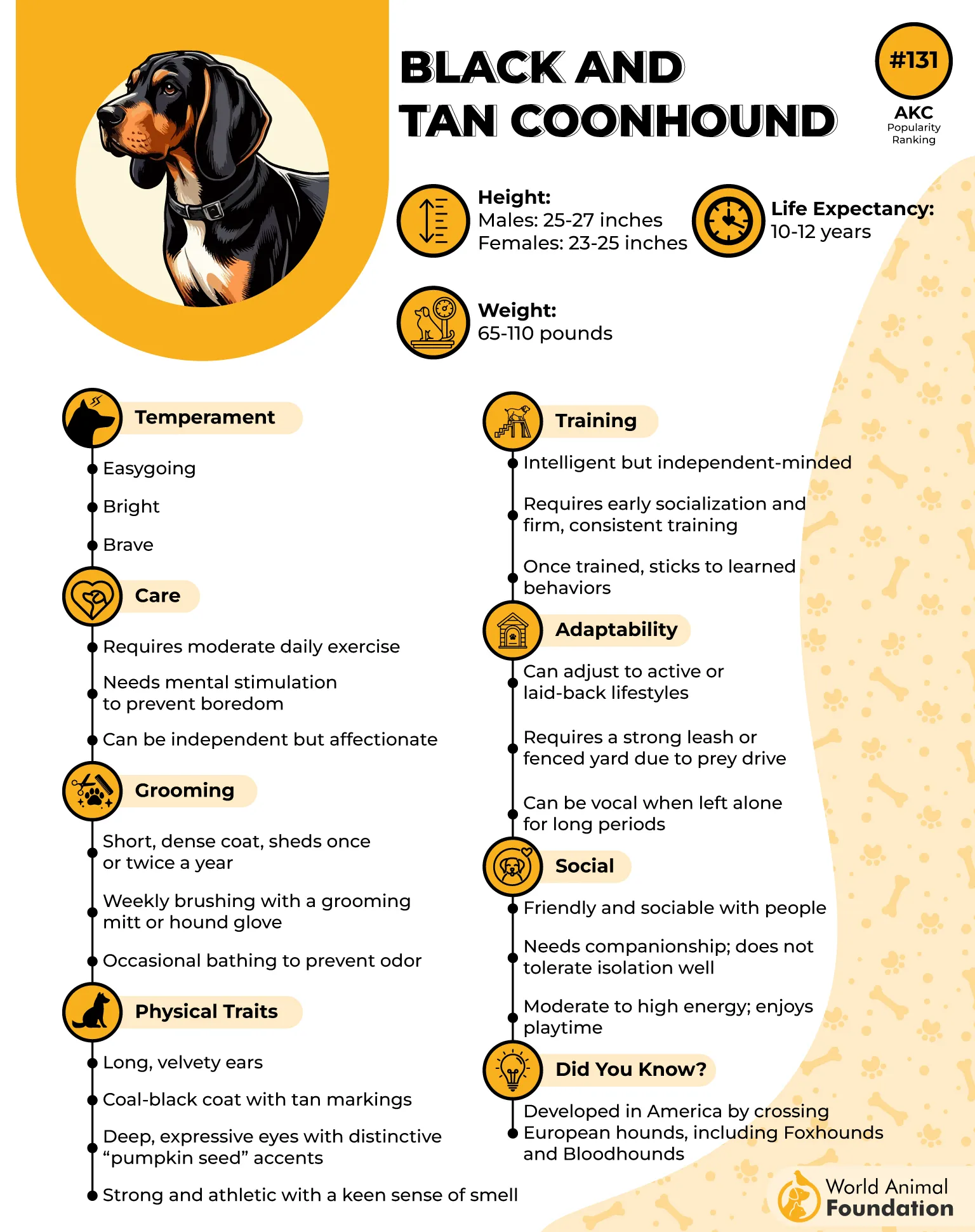
Because of this, secure fencing and leash control are essential during outdoor time. These dogs thrive in active homes that provide companionship, structure, and regular exercise to balance their strong working instincts.
Without sufficient stimulation, they may become vocal or restless. Despite their hunting drive, they are sociable and bond closely with families, often enjoying relaxed indoor life after activity.
Proper training and early guidance help channel their instincts into positive activities like tracking sports and scent work for enrichment and control.
5. Weimaraner

The Weimaraner is a high-energy sporting breed with a strong prey drive shaped by its background as a versatile hunting dog developed for tracking and retrieving game over long distances, as noted by PetMD.
This instinct makes it highly responsive to movement, especially small animals, and gives it intense focus when outdoors.
In the context of dog breeds with varying prey drive levels, the Weimaraner represents the higher end, requiring structured training, early socialization, and consistent mental stimulation to keep instincts balanced.
Without sufficient outlets, its drive can manifest as restlessness or unwanted chasing behaviors.
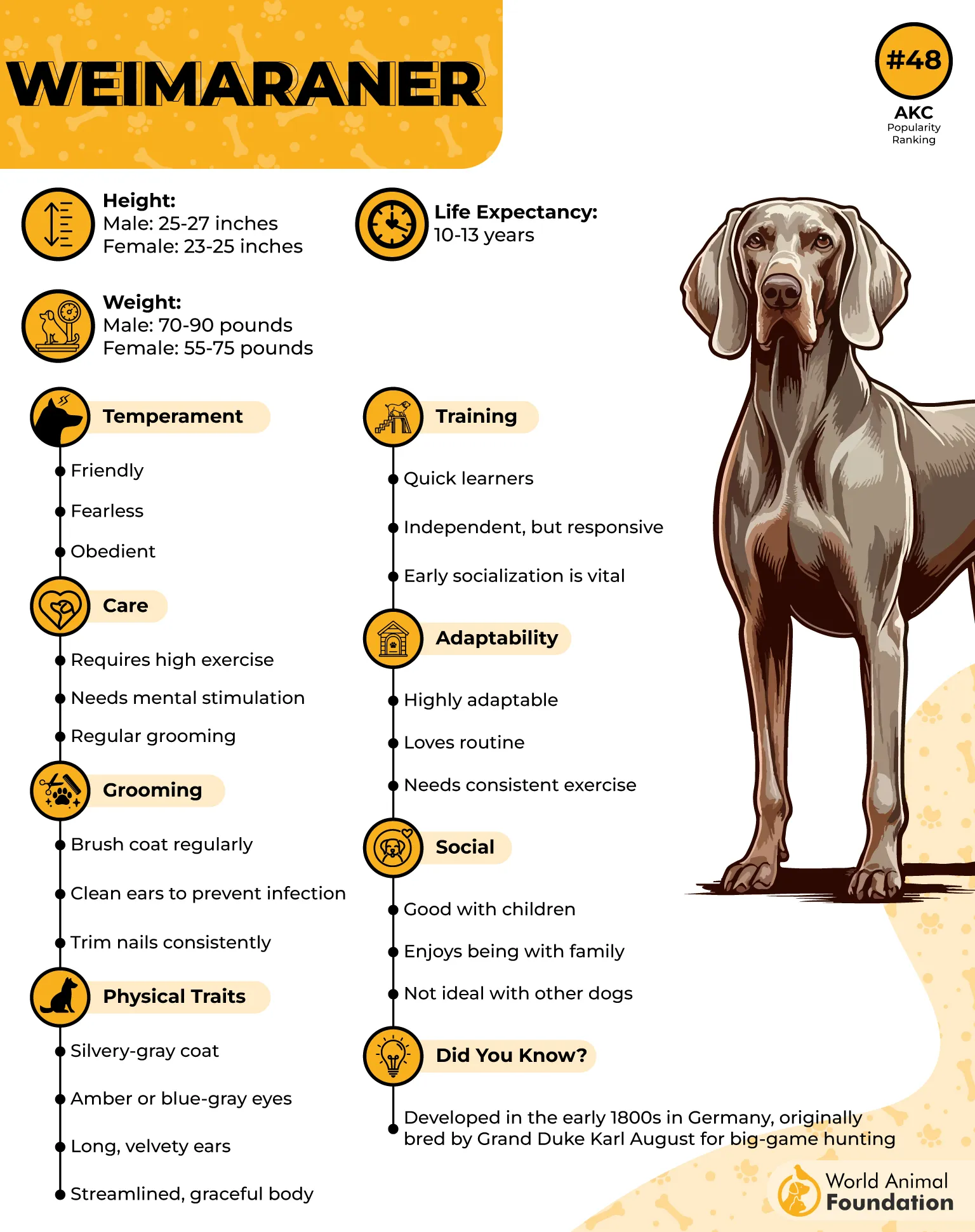
It thrives in active households that can provide daily exercise, interactive play, and obedience work that channels its intelligence and drive into productive tasks.
Because of its sensitivity to stimulation and need for companionship, it does best in environments where it is not left alone for long periods.
With guidance, structure, and engagement, it becomes a loyal and attentive companion. Early training helps manage prey instincts and supports balanced behavior in family and outdoor environments effectively over time together.
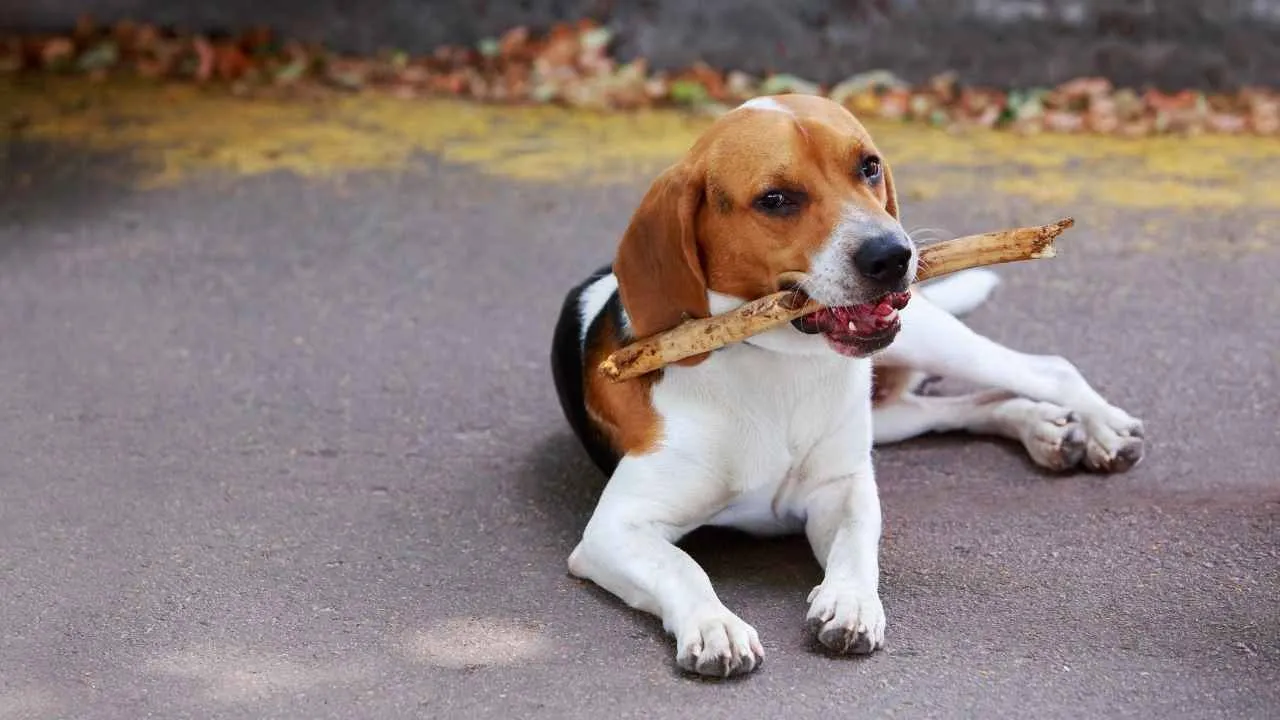
6. Beagle

The Beagle is a scent hound breed with a strong natural prey drive shaped by its history as a small-game tracker. Its exceptional nose and determination make it highly responsive to scents, often leading it to follow trails with intense focus and persistence.
In discussions of dog breeds with high and low prey drive, Beagles fall into a moderate-to-high category, driven more by scent than sight.
This instinct makes outdoor supervision and secure environments important, as they may become distracted by wildlife or interesting smells.
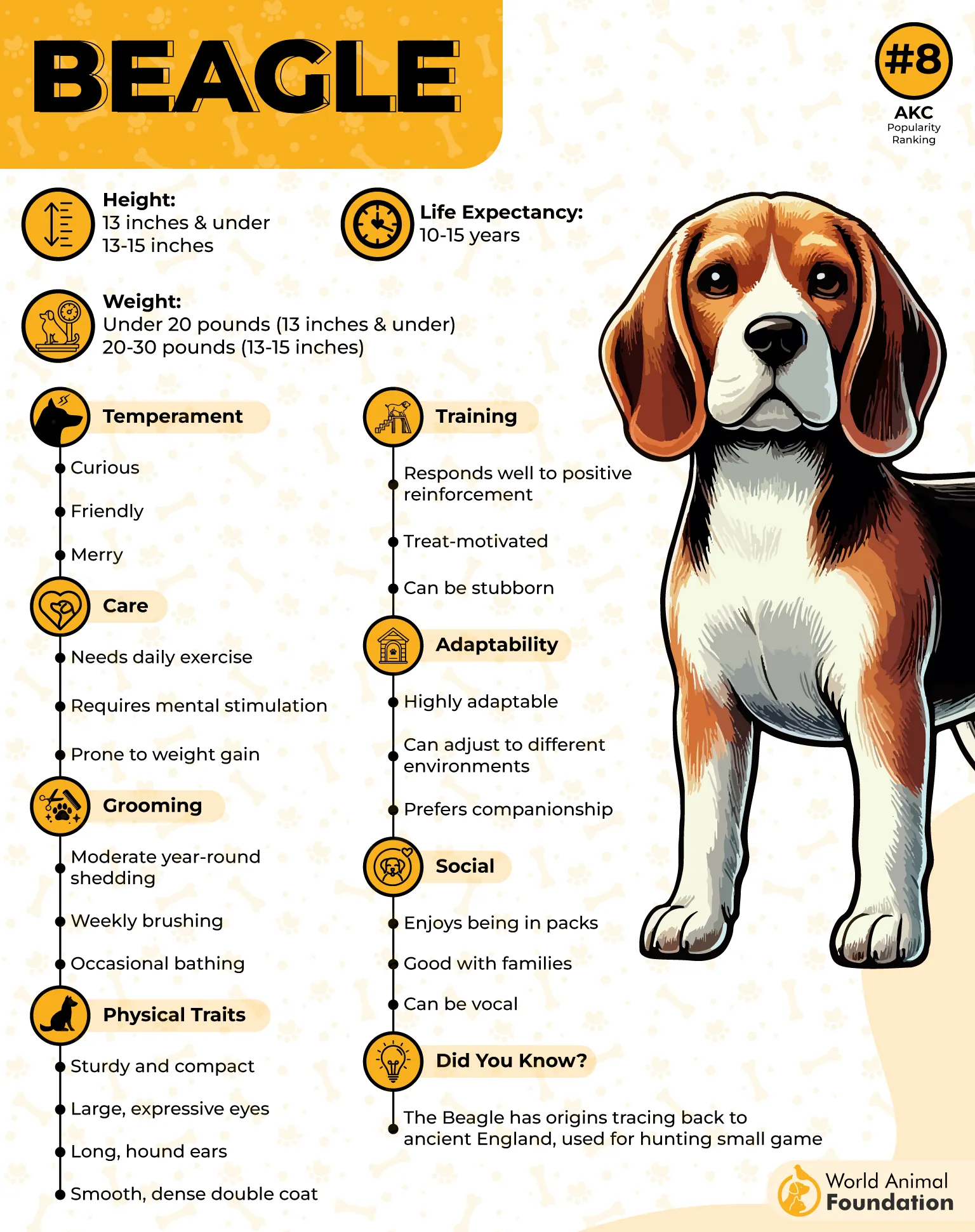
Despite this drive, Beagles are friendly, social, and generally get along well with families, children, and other dogs. Early training and consistent recall practice are essential to manage their independent streak.
Mental stimulation through scent games, tracking exercises, and interactive play helps channel their instincts productively.
While adaptable to home life, they thrive when given purpose-driven activity that engages their natural hunting behavior in a controlled and safe way for balance and happiness, with consistent guidance and enrichment supporting stable behavior and focus development over time.
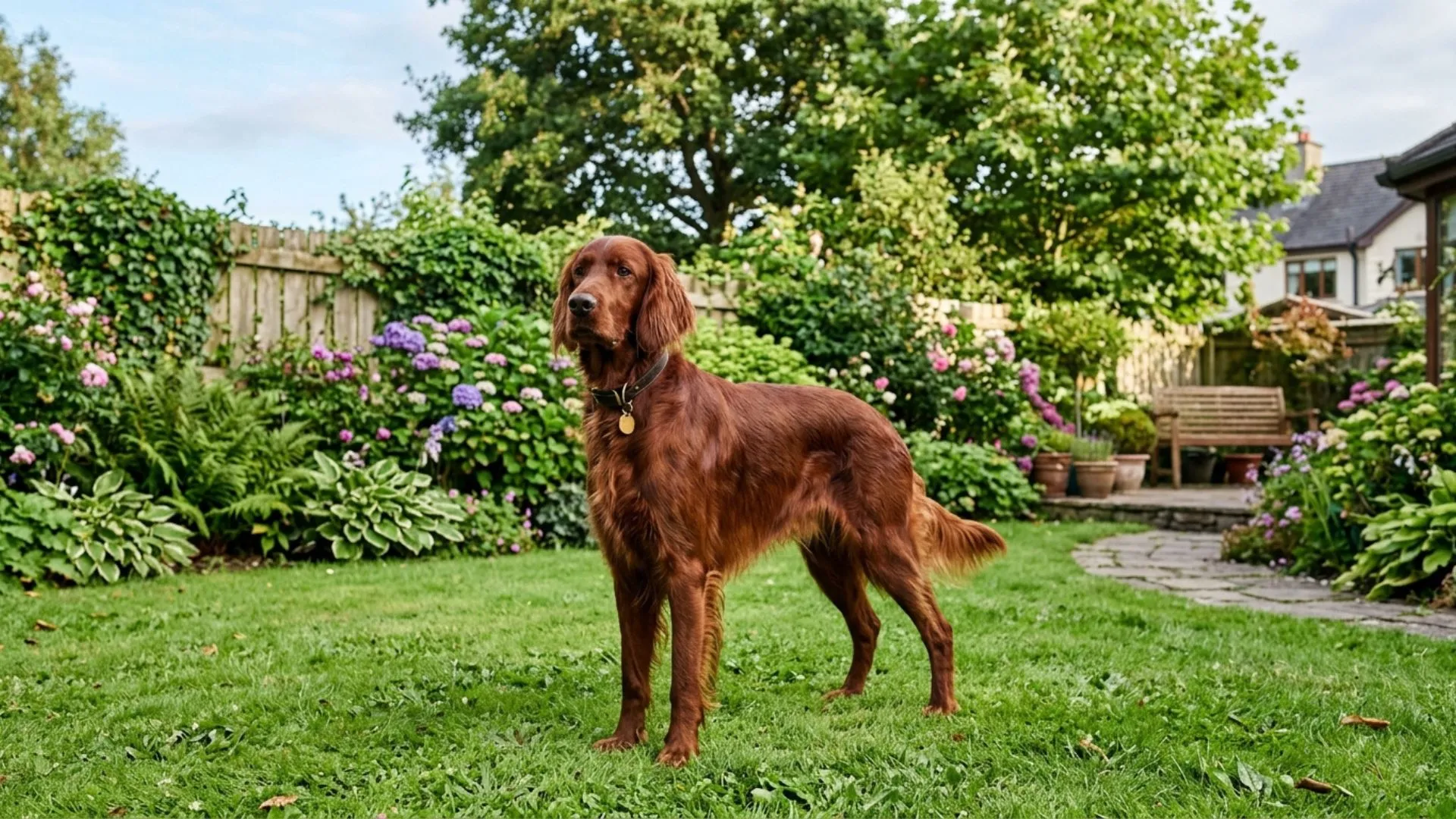
7. Irish Setter
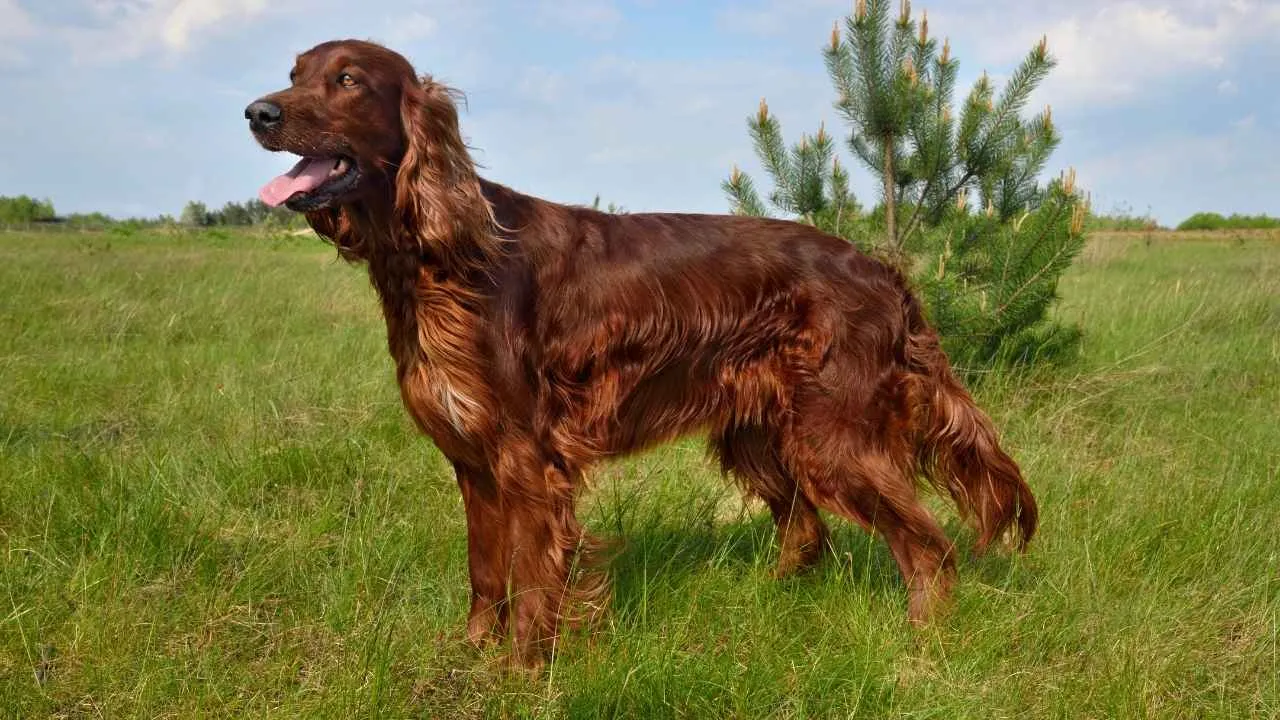
The Irish Setter represents a high prey drive pointing breed within the broader landscape of dog breeds shaped by hunting instinct and selective breeding for scent and sight coordination, as mentioned by Orvis.
It uses strong instincts to locate and freeze on game birds, making it highly responsive to movement and scent in outdoor environments.
This intensity reflects a higher prey drive profile, requiring structured training, recall reinforcement, and early socialization to prevent distraction by wildlife.
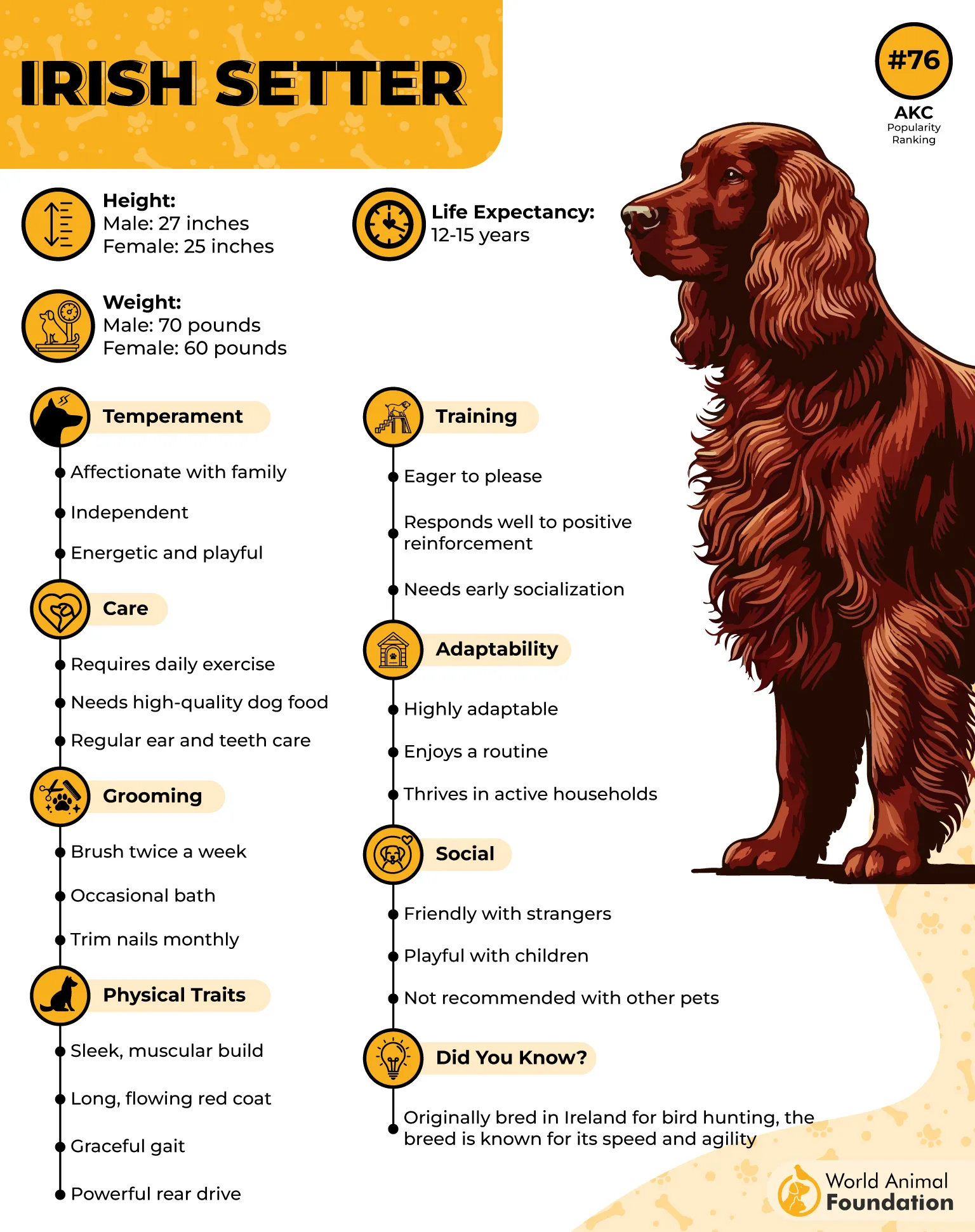
Despite its working drive, the breed is affectionate, social, and eager to bond with families when its energy is properly managed.
Its history as a skilled setter means it is naturally inclined to pause and indicate rather than immediately chase, though impulse control still requires guidance.
In a household context, small animals may trigger instinctual pursuit, so careful introductions and secure environments are essential.
When properly engaged through exercise and training, it becomes a loyal, focused companion suited to active owners who understand high prey drive management needs in everyday life and field work contexts
Conclusion
Prey drive is a fundamental instinct that shapes how different dogs interact with their environment, from subtle curiosity to intense pursuit of movement or scent.
Understanding these natural tendencies helps owners choose suitable training methods, exercise routines, and living arrangements.
Dogs with stronger instincts require structured outlets, consistent guidance, and secure spaces, while those with lower drive adapt more easily to relaxed lifestyles.
Recognizing and respecting these behavioral patterns lead to better communication, safer management, and stronger bonds between dogs and their families over time with responsible ownership and balanced enrichment.
