




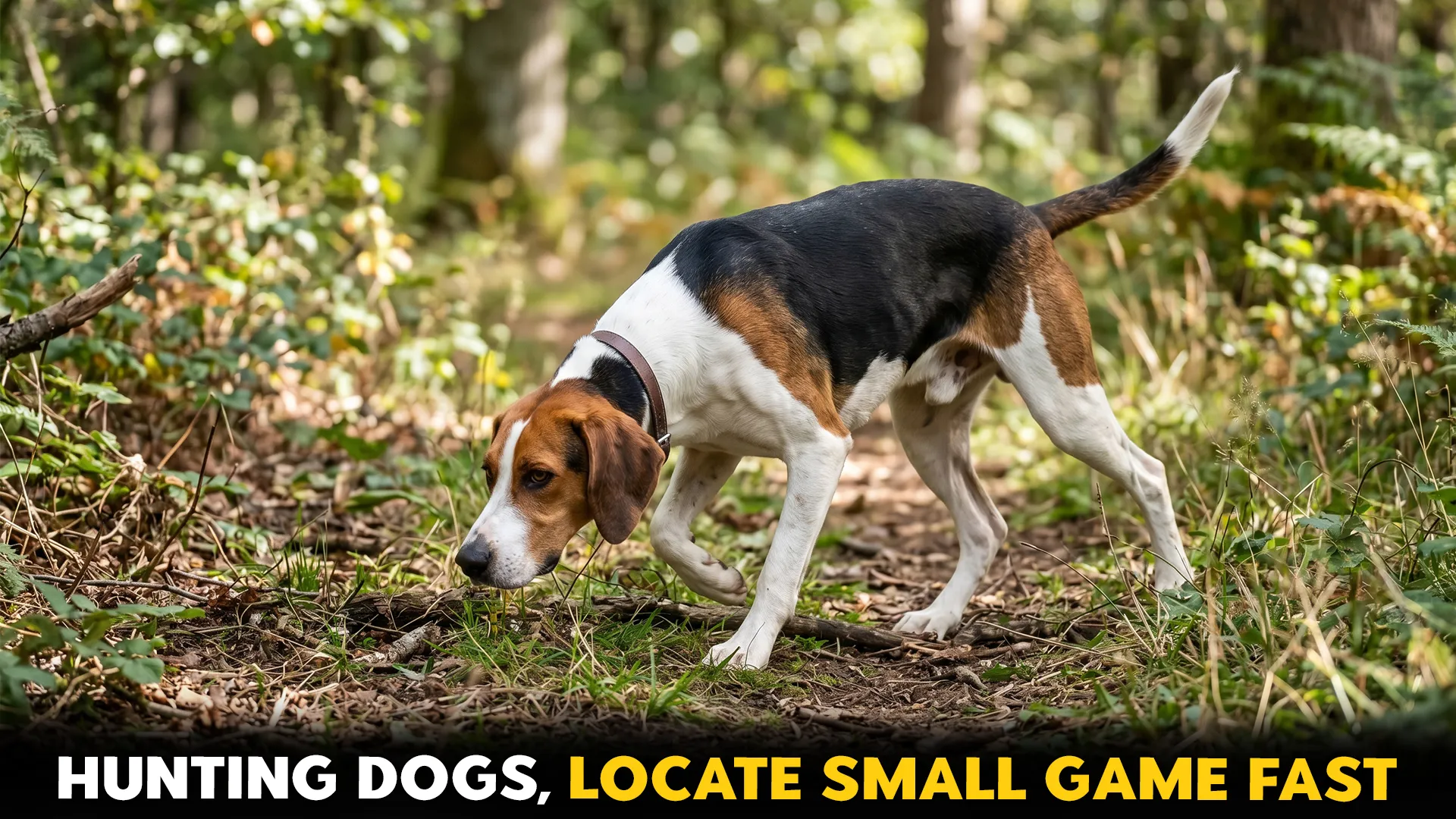
Many people assume any active dog can handle locating small game as long as it has enough energy and basic training.
That idea sounds reasonable, but it does not hold up once you step into real conditions. Energy alone does not help a dog follow a fading scent or work through dense brush with precision. In fact, dogs that lack the right instincts often create more confusion than progress in the field.
They move quickly but miss key signs, forcing you to rely on guesswork again. Dogs bred for locating small game operate differently. They stay focused, track consistently, and respond to subtle cues that others overlook. The difference is not minor. It shapes the entire outcome of your outing.
The breeds ahead are known for doing the job properly, without turning the process into something unpredictable or unnecessarily difficult for you.
Key Takeaways
Energy alone never gets the job done in the field, especially when a scent fades or the ground gets dense.
A Jack Russell Terrier stays locked on a trail with sharp focus, while an American Foxhound can follow scent for miles without losing direction.
Breeds like the Beagle and Black and Tan Coonhound rely on instinct more than speed, reading subtle cues that most dogs miss completely.
Go through each one, and it becomes clear which dogs actually know how to track, not just run.
Best Dog Breeds For Locating Small Game Animals
1. Jack Russell Terrier
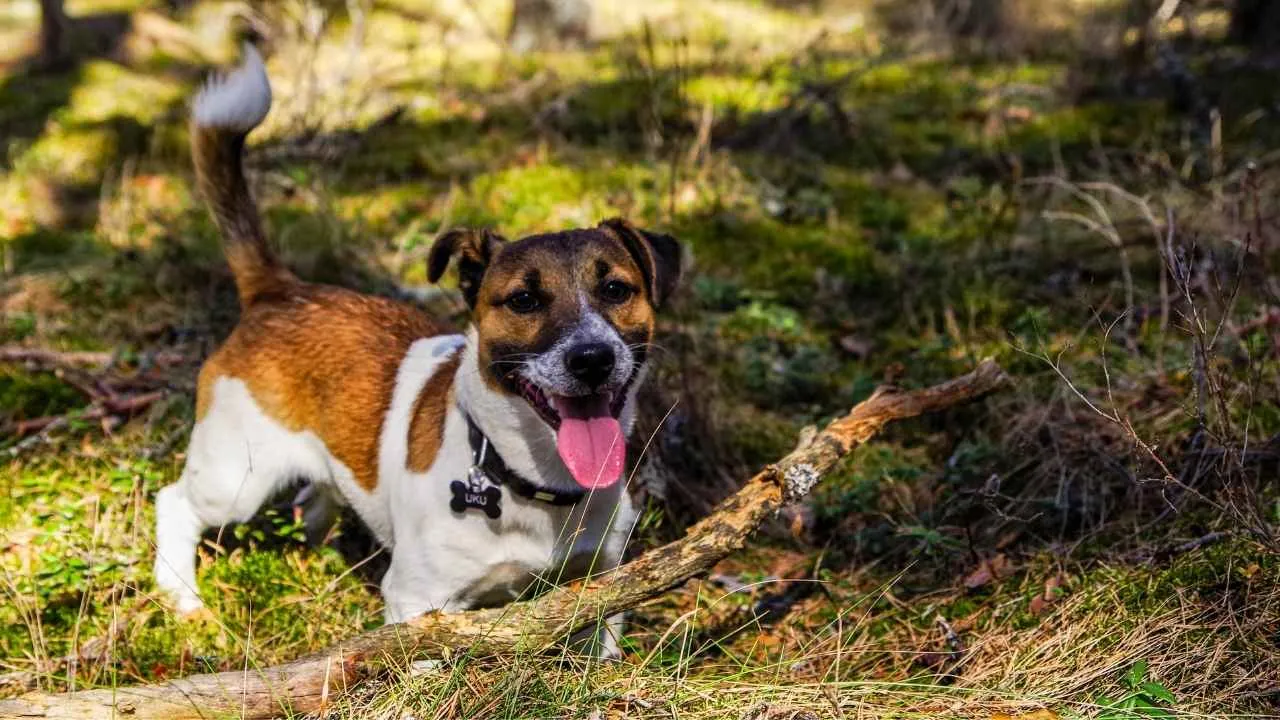
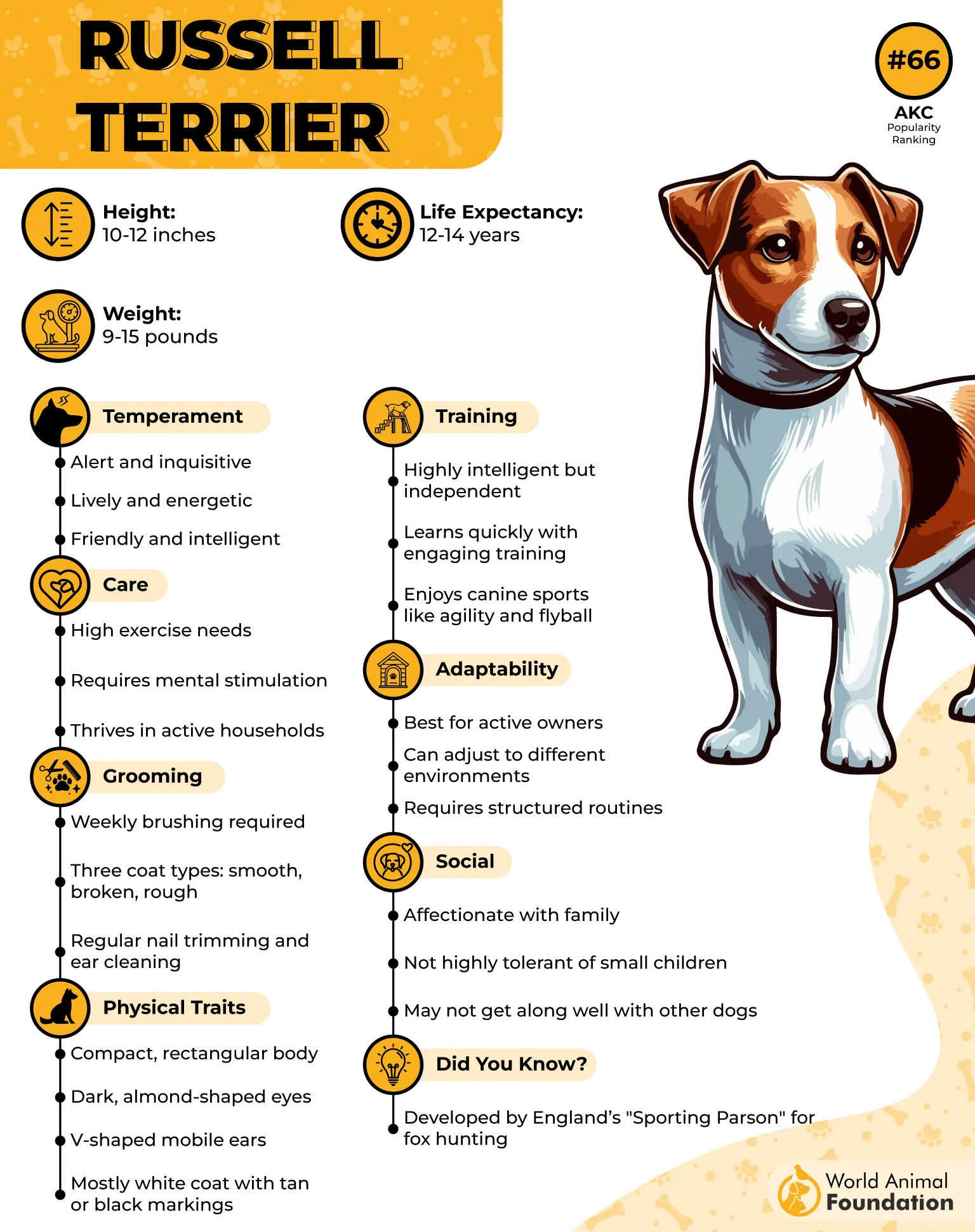
The Jack Russell Terrier began as a fox-hunting companion, bred to locate prey, dig into dens, and hold position until the hunter arrived. Its compact size works in tight spaces where larger dogs cannot reach. That early purpose still shapes how it approaches scent and ground-level movement.
Instinct driven by persistence
This little hunting dog reacts quickly to scent, often shifting from search to digging without hesitation when it detects movement below ground, as Royal Canin describes. Its focus stays locked once a trail is picked, rarely breaking attention midway.
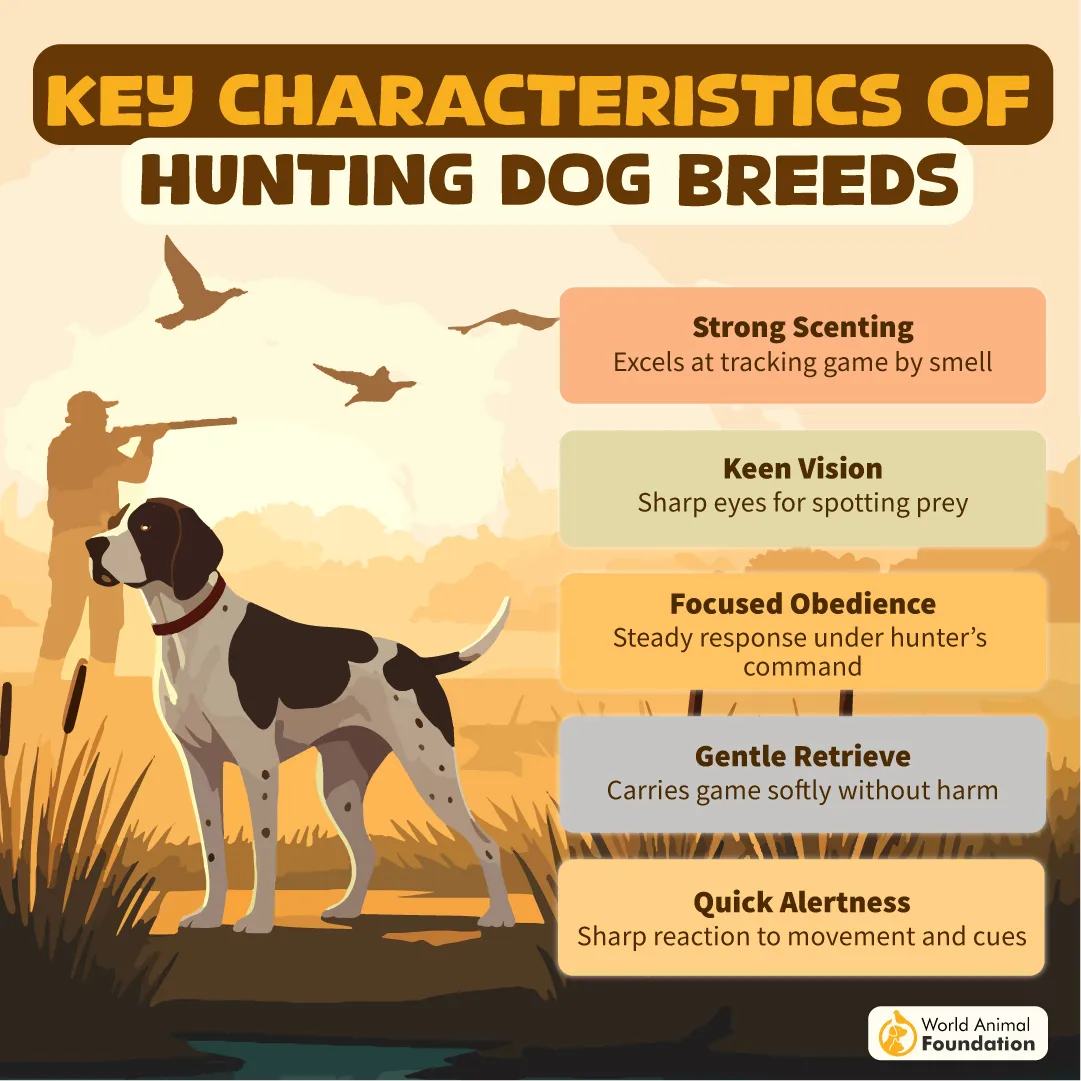
That instinct appears clearly in action:
Digs into burrows to reach hidden prey
Tracks scent close to ground level
Pursues small animals with fixed focus
Energy that fuels constant searching
As a sporting breed, they keep an active mind that rarely settles, often sniffing, exploring, or finding new areas to investigate. Even after long walks, it quickly resets and looks for another outlet. This constant alertness ties directly to its role in locating fast-moving small animals.
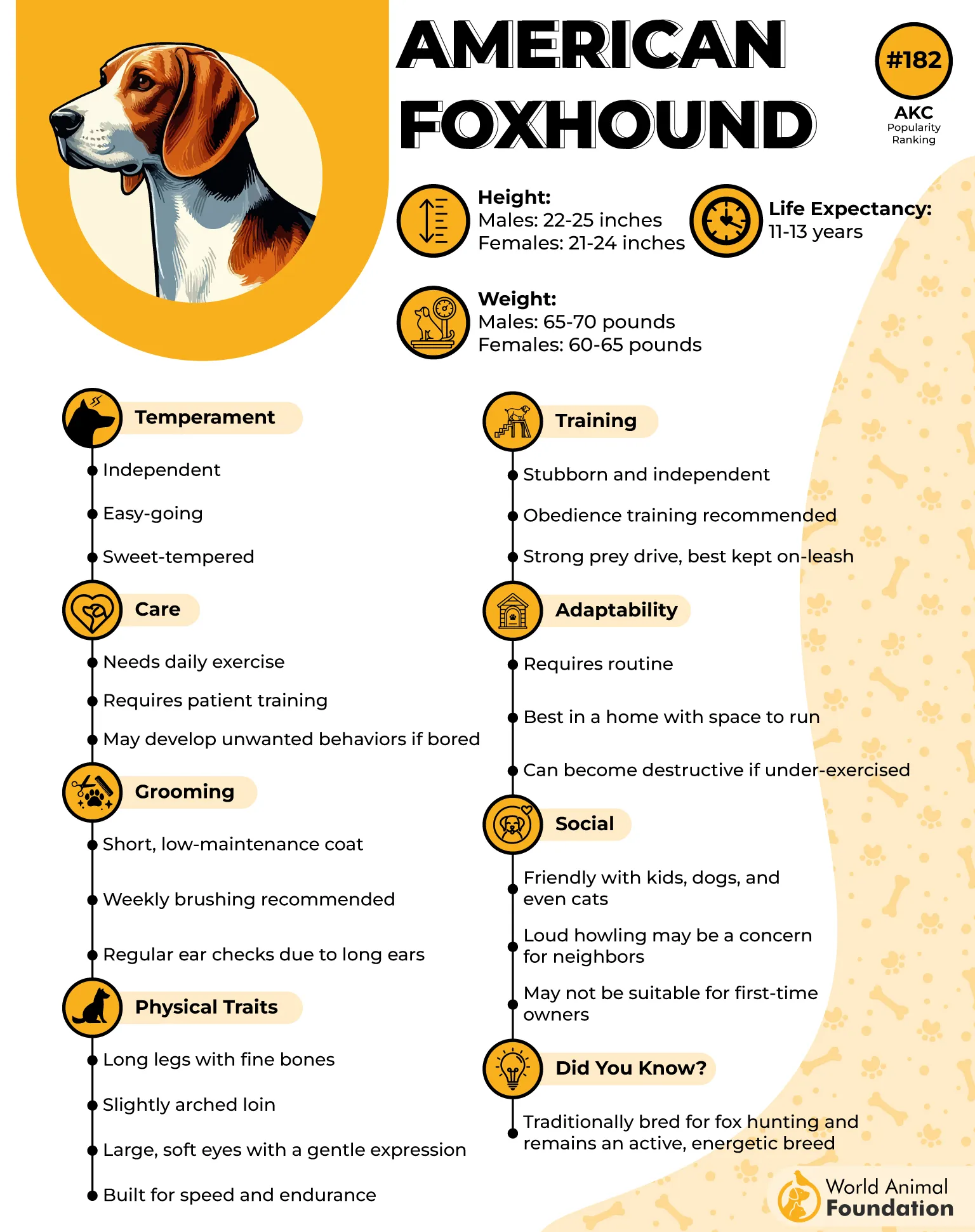
2. American Foxhound
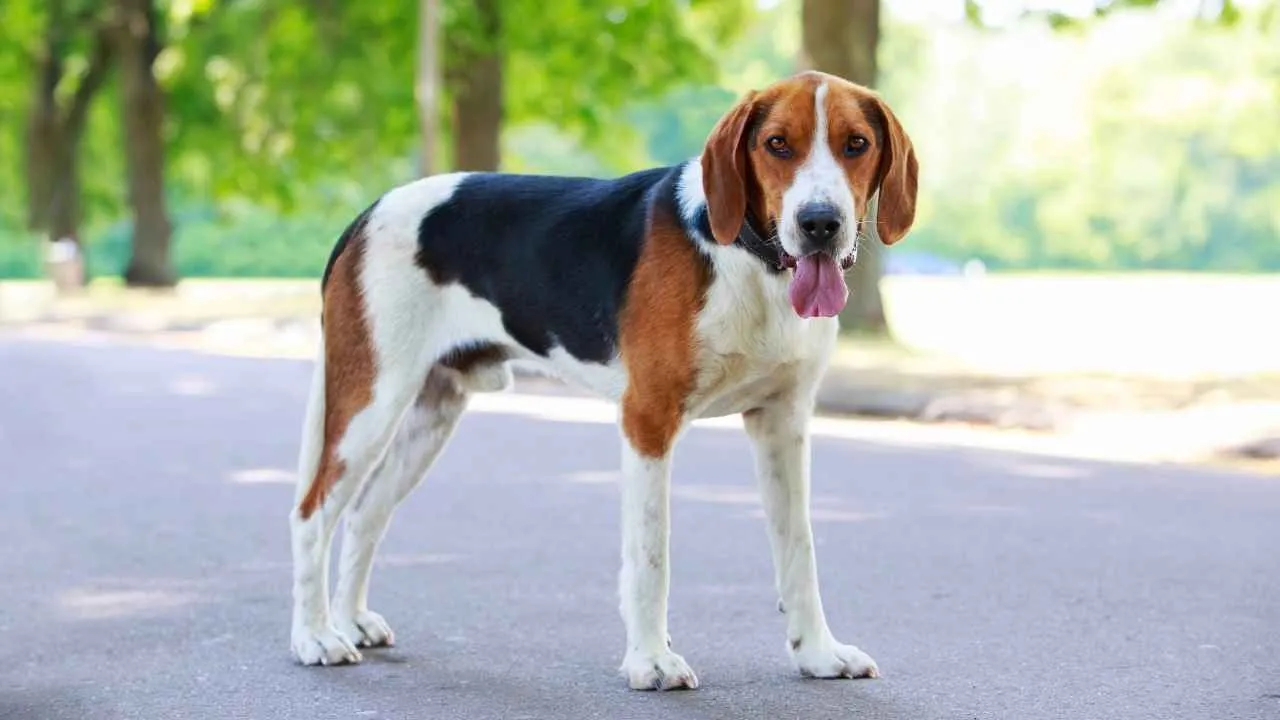
American Foxhound entered early American hunting culture alongside English imports, later becoming central to fox pursuits.
Its scenting ability drives long-distance tracking, often continuing for miles once a trail is picked. This persistence reflects a dog tuned for extended pursuit rather than short bursts.
Tracking style shaped in packs
They operate with a strong instinct for group coordination, reflecting their role within hunting packs. Its vocal bay replaces standard barking, signaling location while following a trail.
That working pattern appears in clear ways:
Follows scent trails over long distances
Uses baying to signal during tracking
Works in coordination with other dogs
Temperament within the home
This versatile hunting dog interacts with a gentle and easygoing nature, forming bonds with people and other animals, as per the American Kennel Club (AKC).
It prefers company and may struggle when left alone for long periods without interaction. Its social nature reflects the pack-oriented structure it is accustomed to.
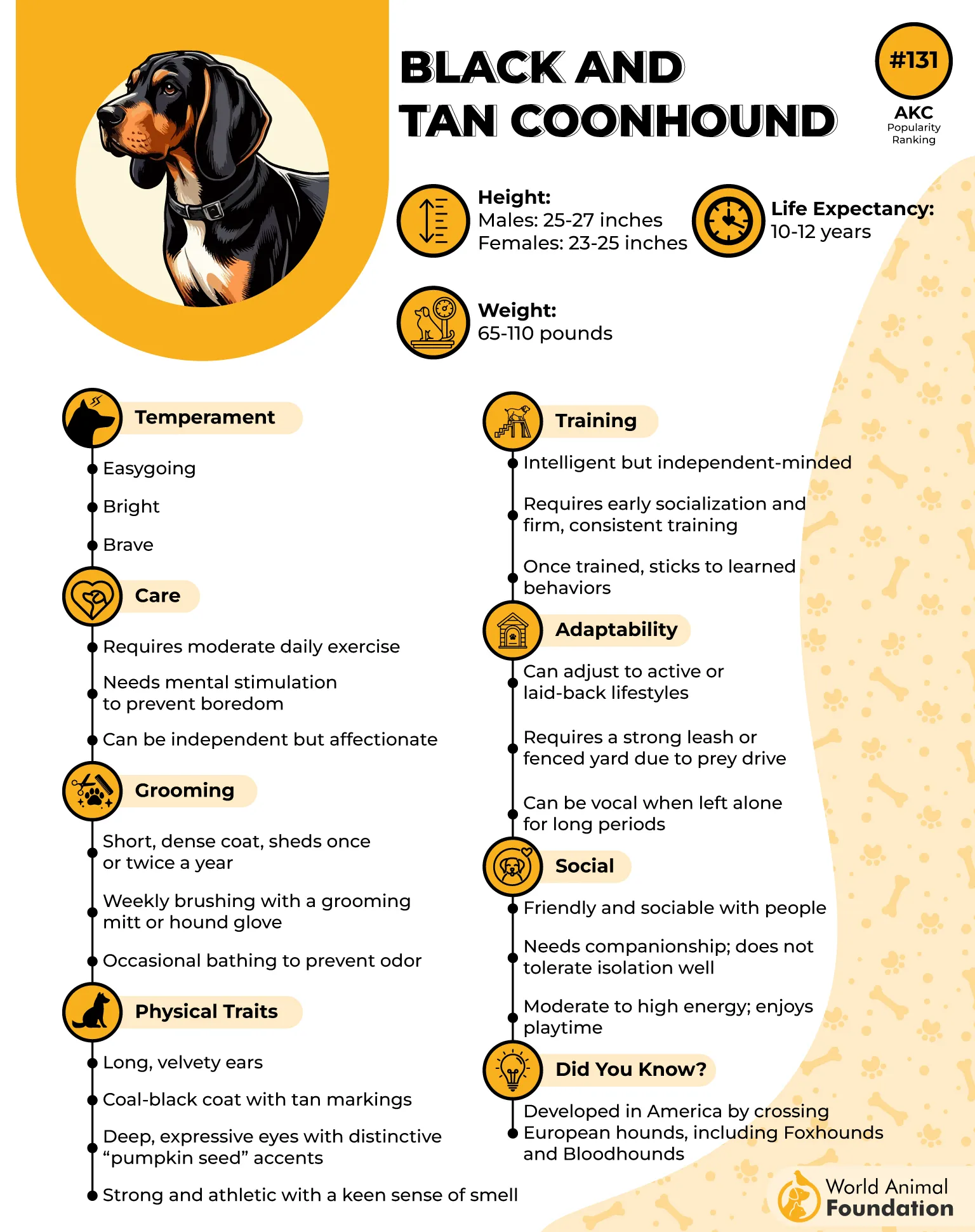
3. Black And Tan Coonhound
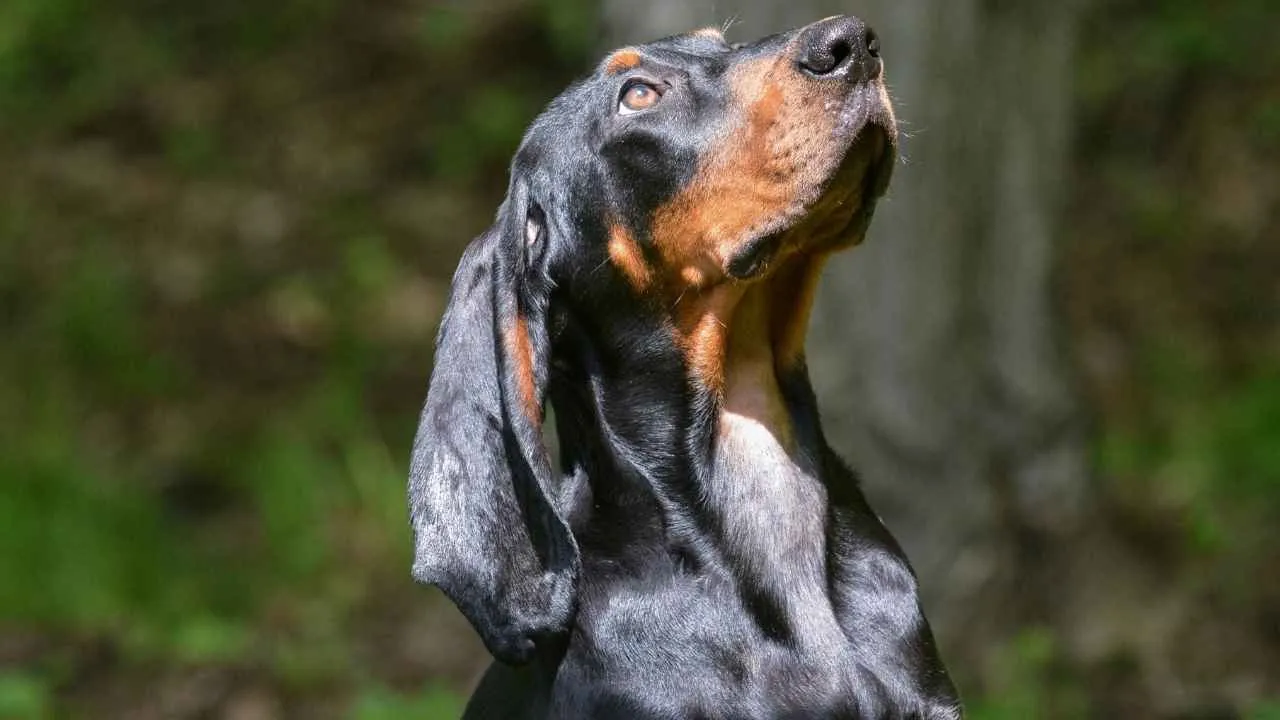
Black And Tan Coonhound comes from a blend of Bloodhound precision and Virginia Foxhound pace, shaping a dog that tracks with its nose fixed low while covering ground efficiently.
Its scent focus stays locked even across long distances. This ability defines how it locates small game like raccoons and opossums.
Scent work in action
This Coonhound follows trails with consistency, maintaining direction through layered scent paths rather than relying on sight. Its tracking method remains steady across varied terrain, reflecting deep scent recognition.
This becomes clear in how it operates outdoors:
Keeps nose close to the ground during tracking
Follows scent trails over long distances
Identifies small game through layered scent cues
Temperament shaped through early handling
They respond to early social exposure by becoming more open and steady around unfamiliar people. It’s natural reserve softens with consistent interaction and proper training from a young stage. Vocal tendencies like baying appear more in outdoor settings during active tracking.
4. Bluetick Coonhound
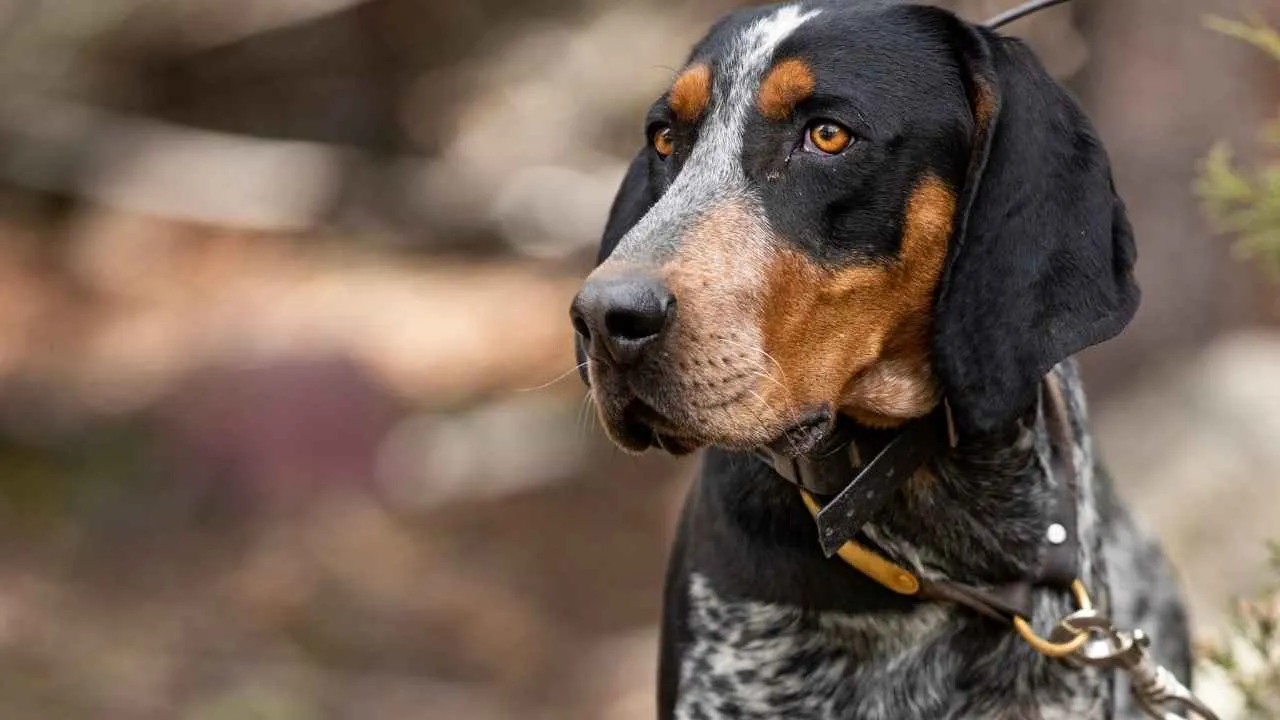
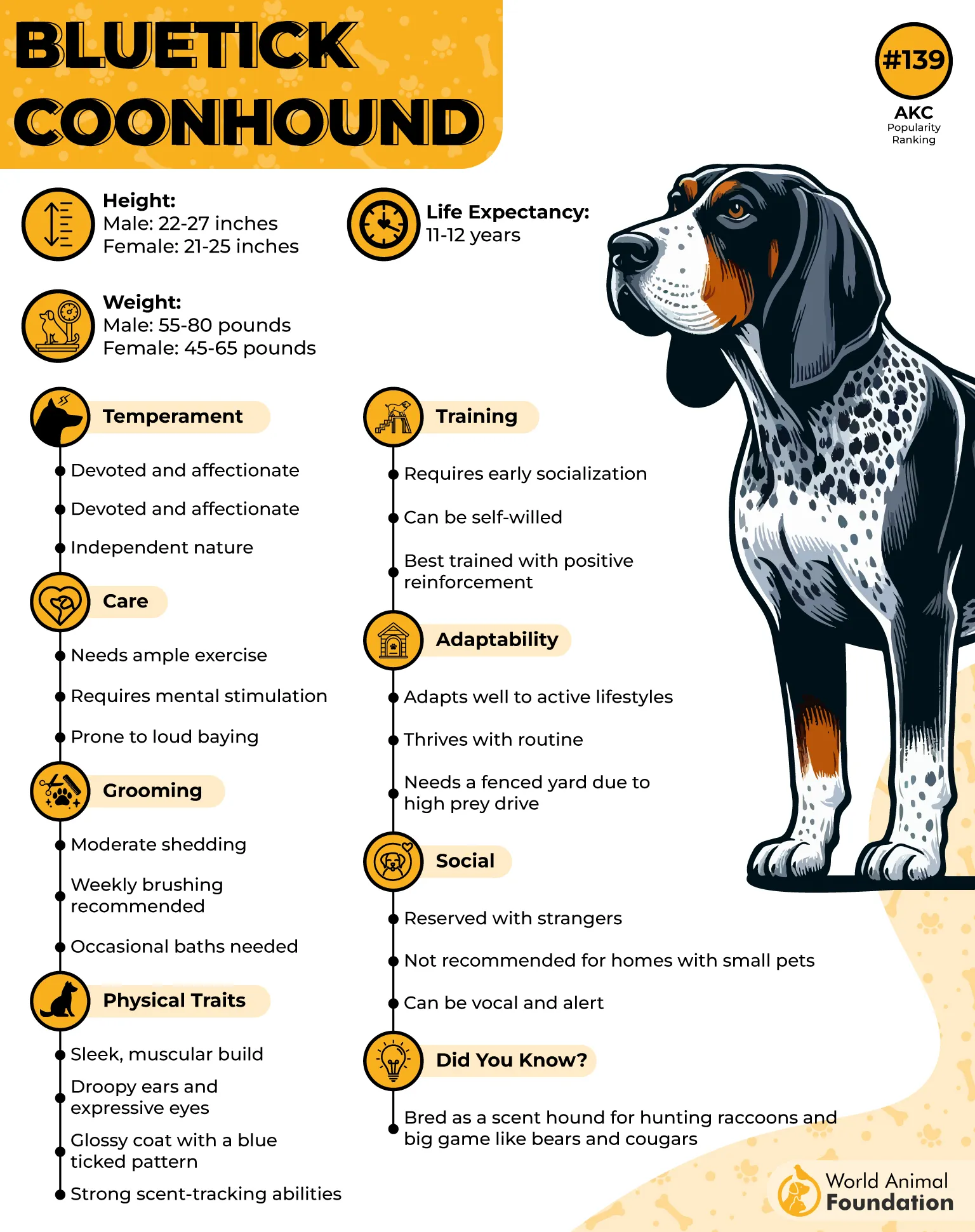
Bluetick Coonhound connects to French staghounds once gifted to George Washington, shaping a lineage tied to endurance tracking, as PetMD stated.
It was originally bred to follow scent trails over long distances while handling varied and difficult quarry. This foundation built a dog that relies on nose and persistence rather than speed alone.
Tracking style across distance
They work through scent with steady progression, covering ground while staying locked onto a trail. Its ability to pursue raccoons as well as larger animals reflects both range and determination in field conditions.
That approach becomes clear through these patterns:
Tracks scent across long distances without breaking focus
Handles both small and large game trails
Uses endurance rather than quick pursuit
Instinct control and daily handling
This hunting breed follows scent with strong determination, often requiring a leash or enclosed space during outdoor activity. Training helps manage vocal habits and keeps communication from becoming excessive. With proper direction, it can adjust between hunting focus and life as a family pet.
5. Brittany
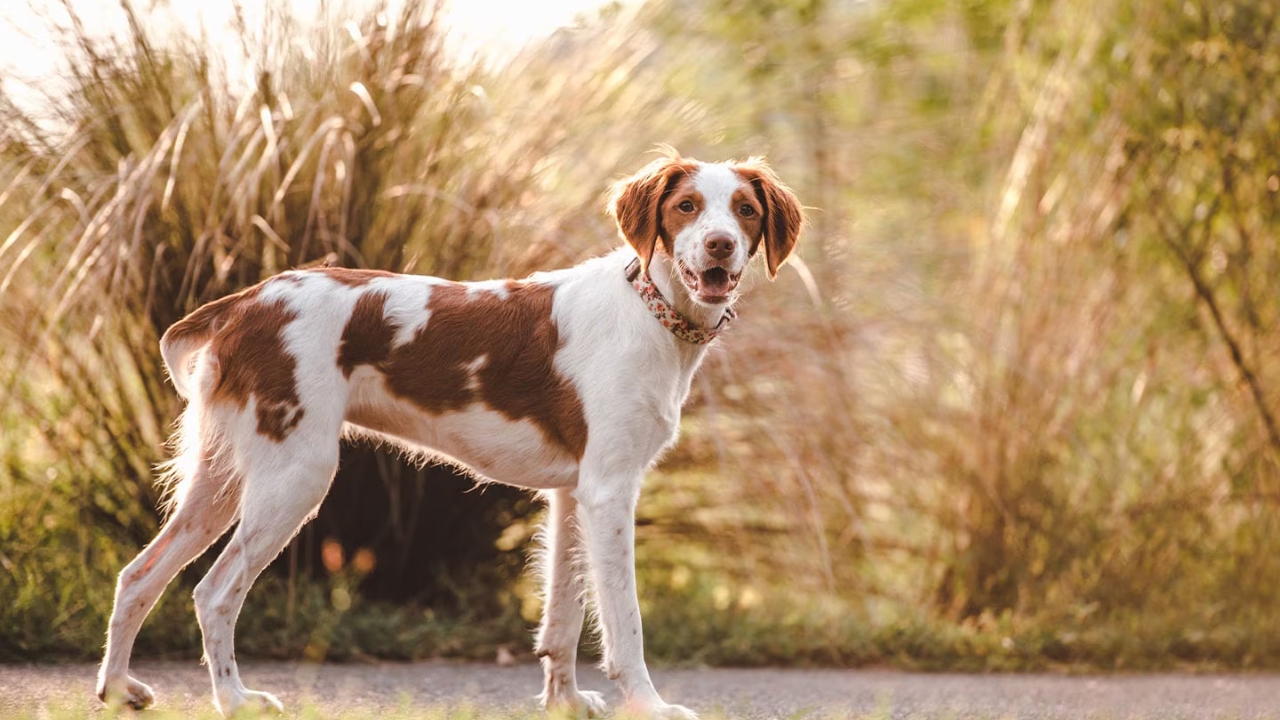
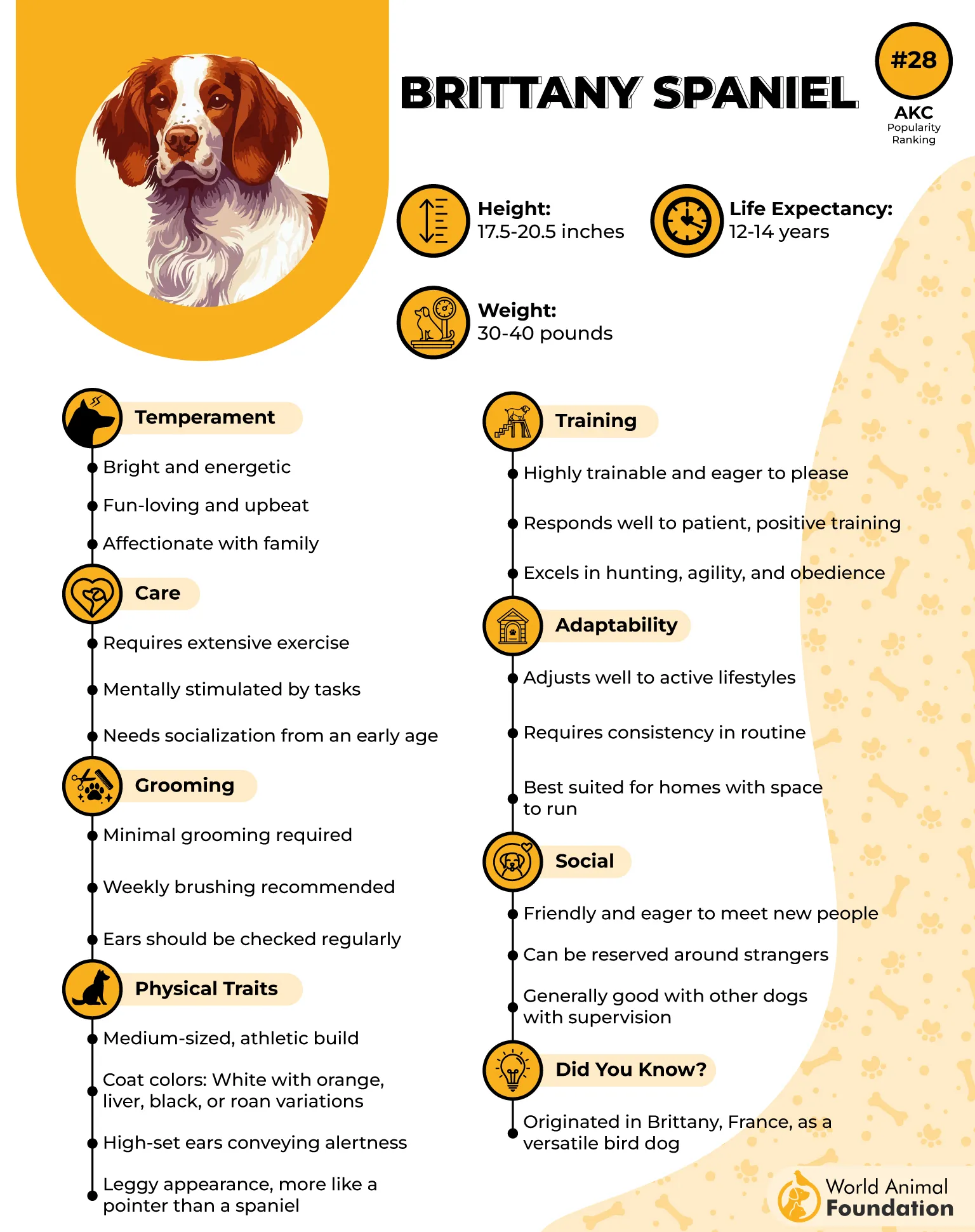
Brittany enters as a compact yet highly active bird-hunting dog from France’s Brittany region, built for fast-paced field work. Its smaller frame does not limit stamina, as it keeps up with long outdoor sessions easily. This combination suits those targeting small game across open ground.
Field instinct and prey response
As a gun dog, they react quickly to scent and movement, especially when birds or small animals are nearby. Its natural prey drive pushes it to chase, making control outdoors an essential part of handling.
That instinct becomes clear in action:
Chases birds and small animals on sight
Responds quickly to moving targets
Stays highly engaged during outdoor activity
Social nature inside the home
This medium-sized dog interacts closely with people, often seeking attention and staying involved in daily activities. Its friendly temperament extends easily to families, guests, and other pets when introduced early. This openness reflects a dog that connects quickly with its environment.
6. Boykin Spaniel
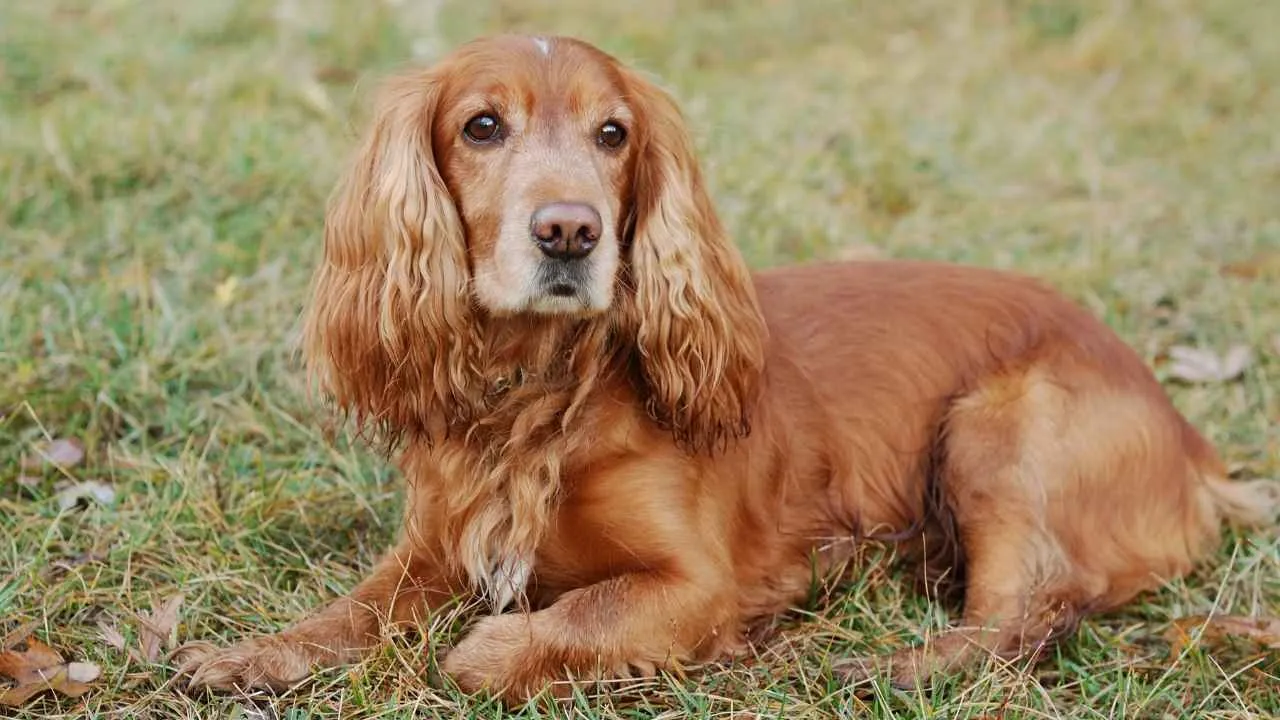
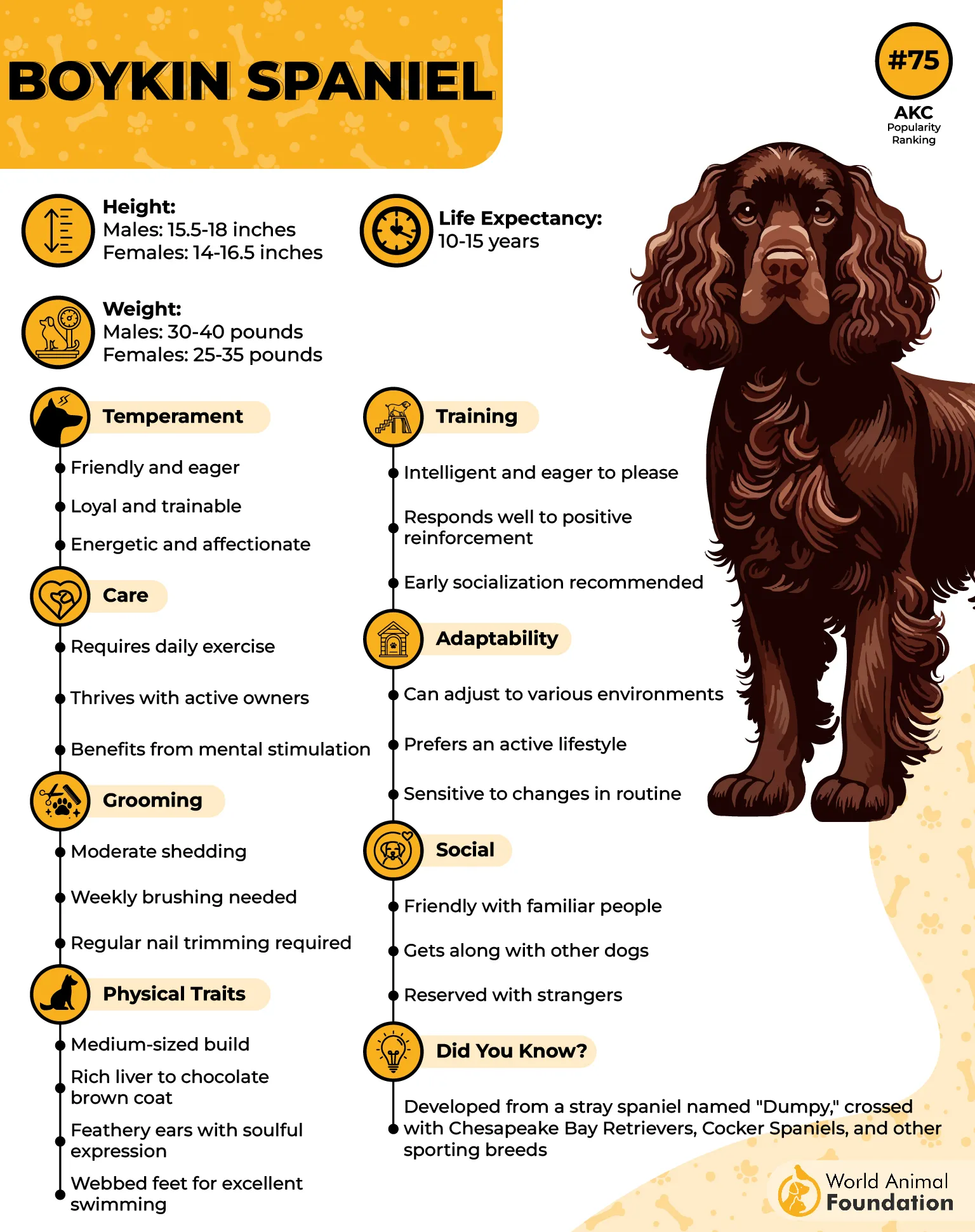
Boykin Spaniel works through dense, water-rich terrain with a compact build suited for tight spaces and marsh conditions. Its roots in South Carolina hunting grounds connect closely with flushing and retrieving smaller game birds. The breed’s size allows easy handling in boats and wooded cover.
Field versatility across terrain
This dog excels at land and water tasks, shifting from flushing birds to retrieving in wet environments. Its comfort in swimming and tracking makes it reliable in varied hunting settings where conditions change quickly.
That adaptability becomes clear in action:
Retrieves from water with ease
Flushes birds from dense cover
Tracks small game across mixed terrain
Social nature beyond the field
Boykin Spaniels interact with people and other breeds in a relaxed and friendly manner, extending beyond working scenarios. It often engages in playful activity and remains comfortable around children and familiar company. This behavior connects closely with its cooperative nature.
7. Mountain Cur
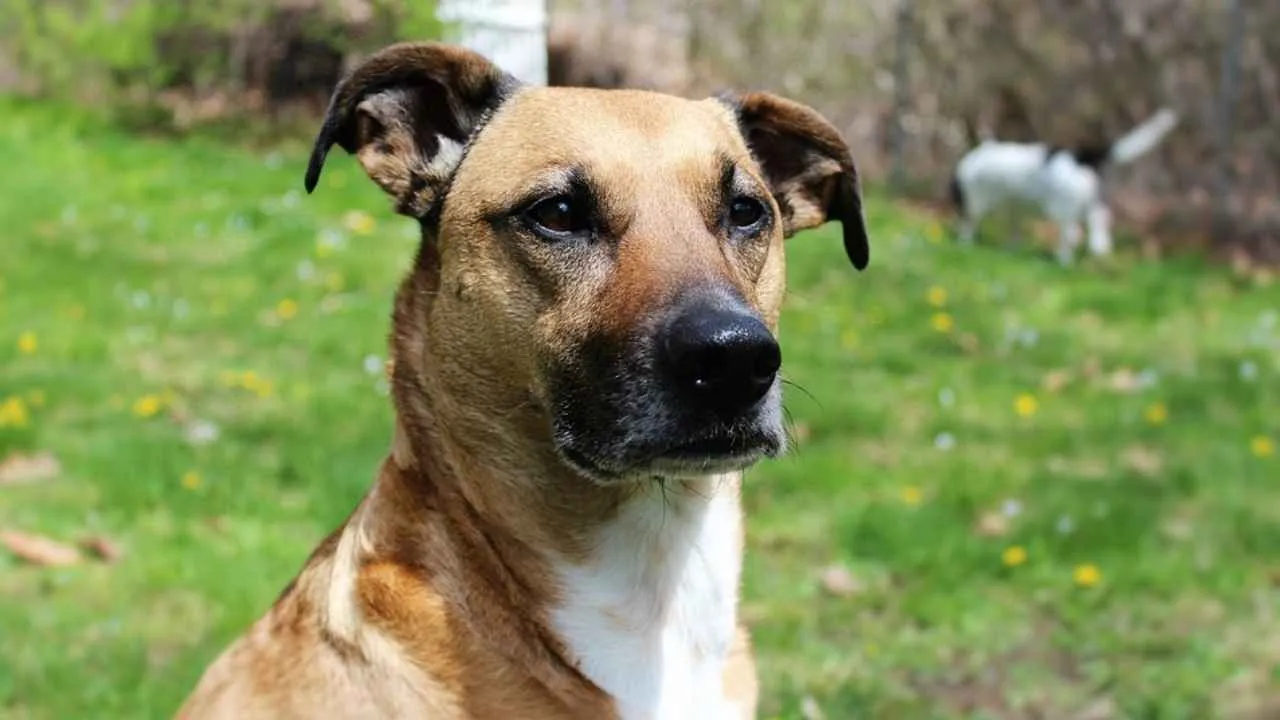
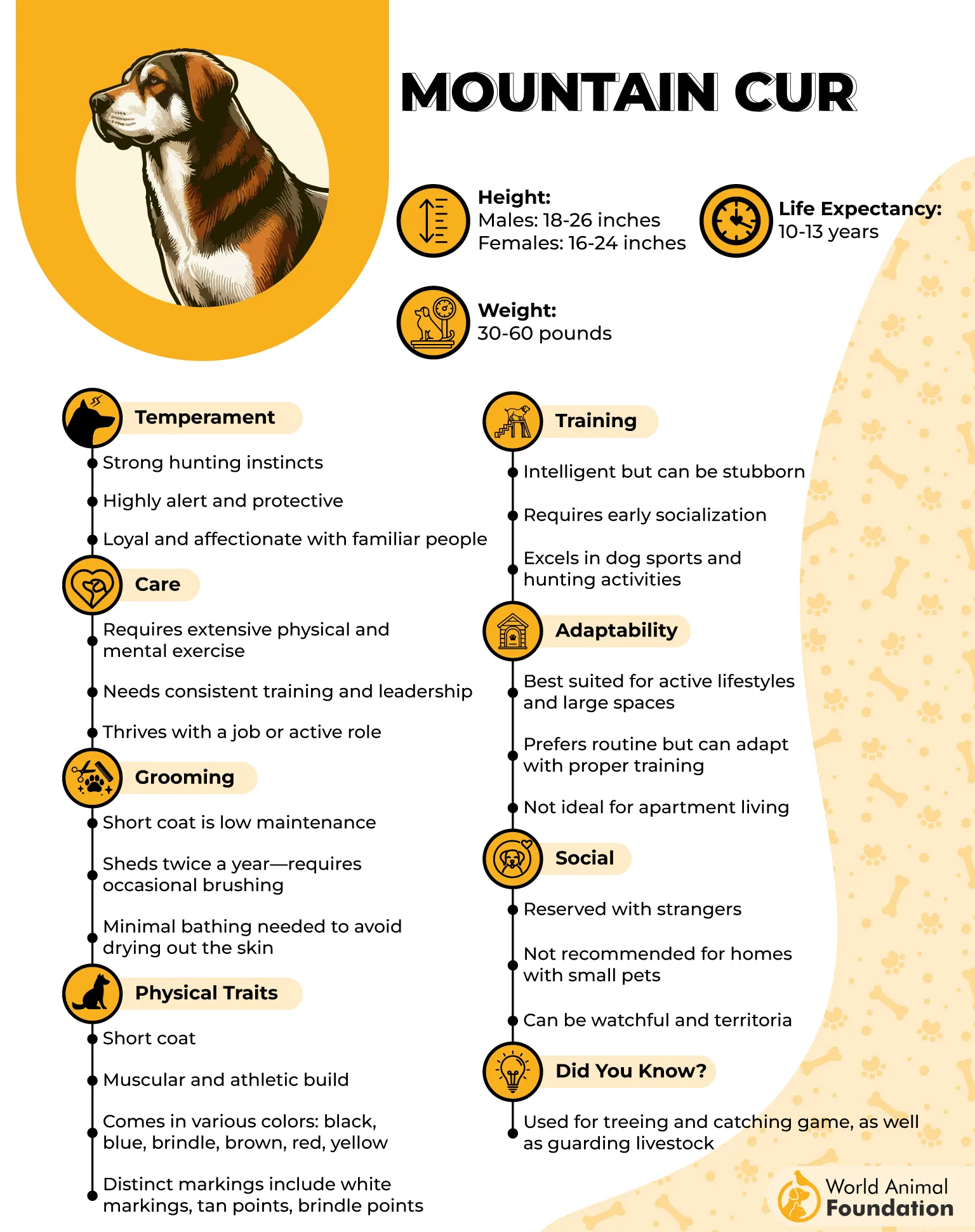
Mountain Cur works with its head raised, reading airborne scent instead of relying only on ground trails. Its tracking style allows it to locate small game across shifting terrain. Once the target is found, it directs attention upward through a strong treeing instinct.
Adaptive tracking patterns in the field
They adjusts its tracking method based on their sense of smell, shifting approach when a fresh trail is not available. It may circle and drift across an area until a stronger track is picked up.
That field adaptability appears in clear patterns:
Switches between open, semi-open, or silent tracking
Circles to relocate a workable scent trail
Uses a loud, far-reaching bark to signal location
Intelligence guided through interaction
They respond best when training includes consistent human interaction, linking instruction with direct engagement. It can be taught to ignore unwanted game, refining its natural hunting focus. Its energy level connects closely with the need for regular, structured activity.
8. English Setter
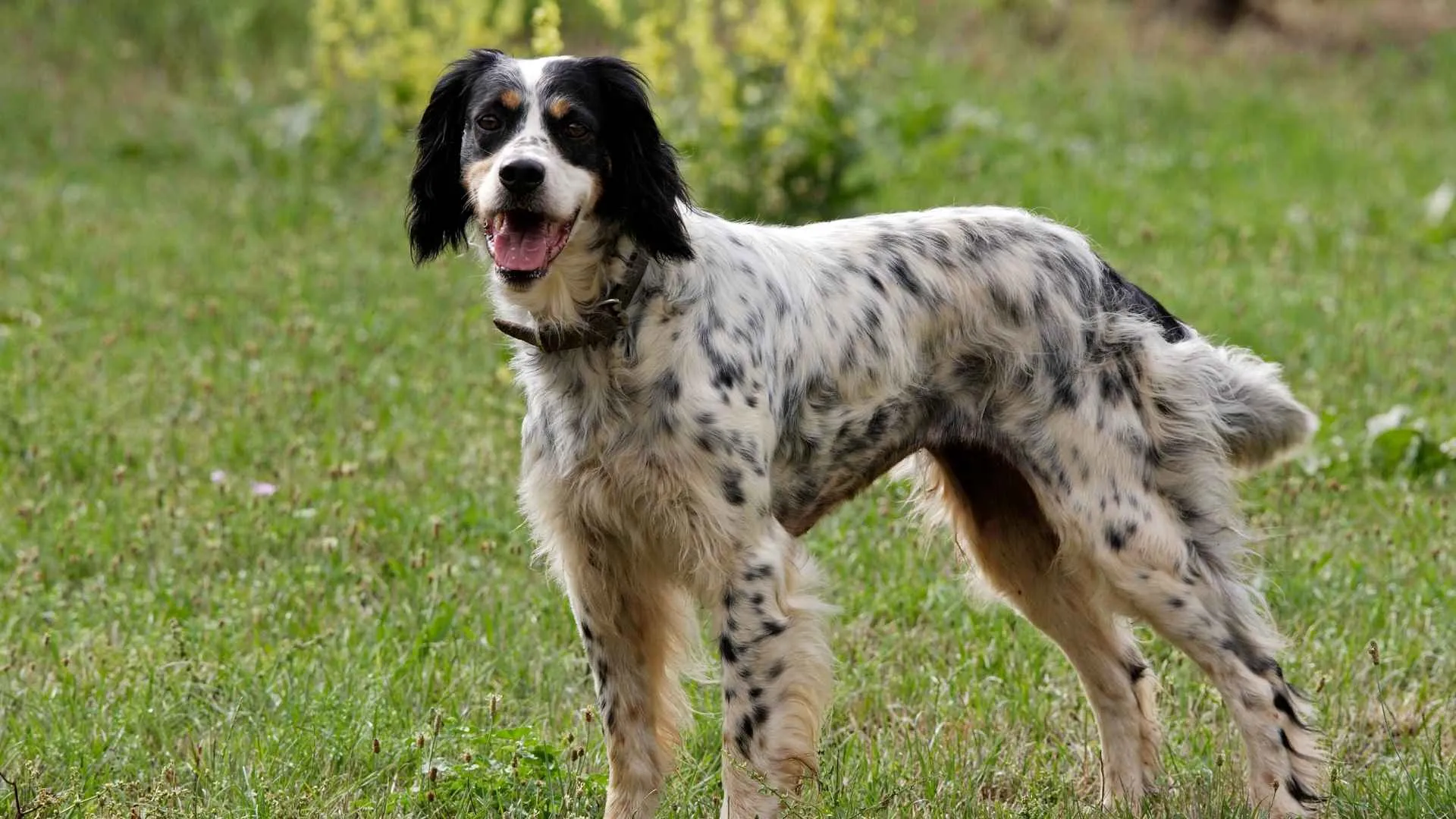
English Setter works through a distinct hunting pattern where detection ends in a sudden still posture. This instinct was shaped through early setter lines formed by crossing spaniels and pointer-type dogs. The pause signals location with precision rather than triggering pursuit.
Wide-range search behavior
They cover ground in extended sweeps, using a steady and methodical approach while scanning scent trails. Its design allows long hours outdoors, often ranging far while staying engaged with the task.
That working style becomes clearer through:
Methodical scent scanning across open areas
Instant freeze once the game is located
Ability to range far during search work
Temperament beyond the field
As a family companion, they show a people-focused and socially open nature, often engaging closely with those around them. Indoors, it shifts into a relaxed and playful state, sometimes acting younger than its age. Interaction with other dogs and children remains easygoing and approachable.
9. Beagle
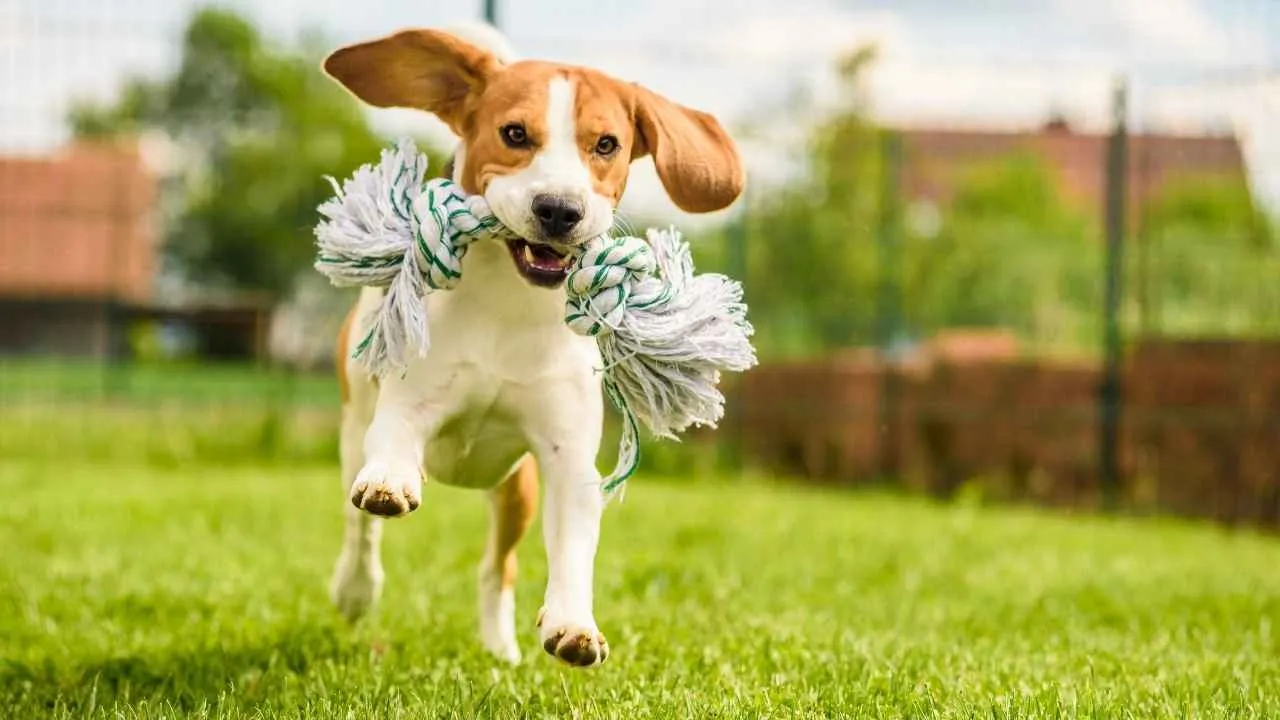
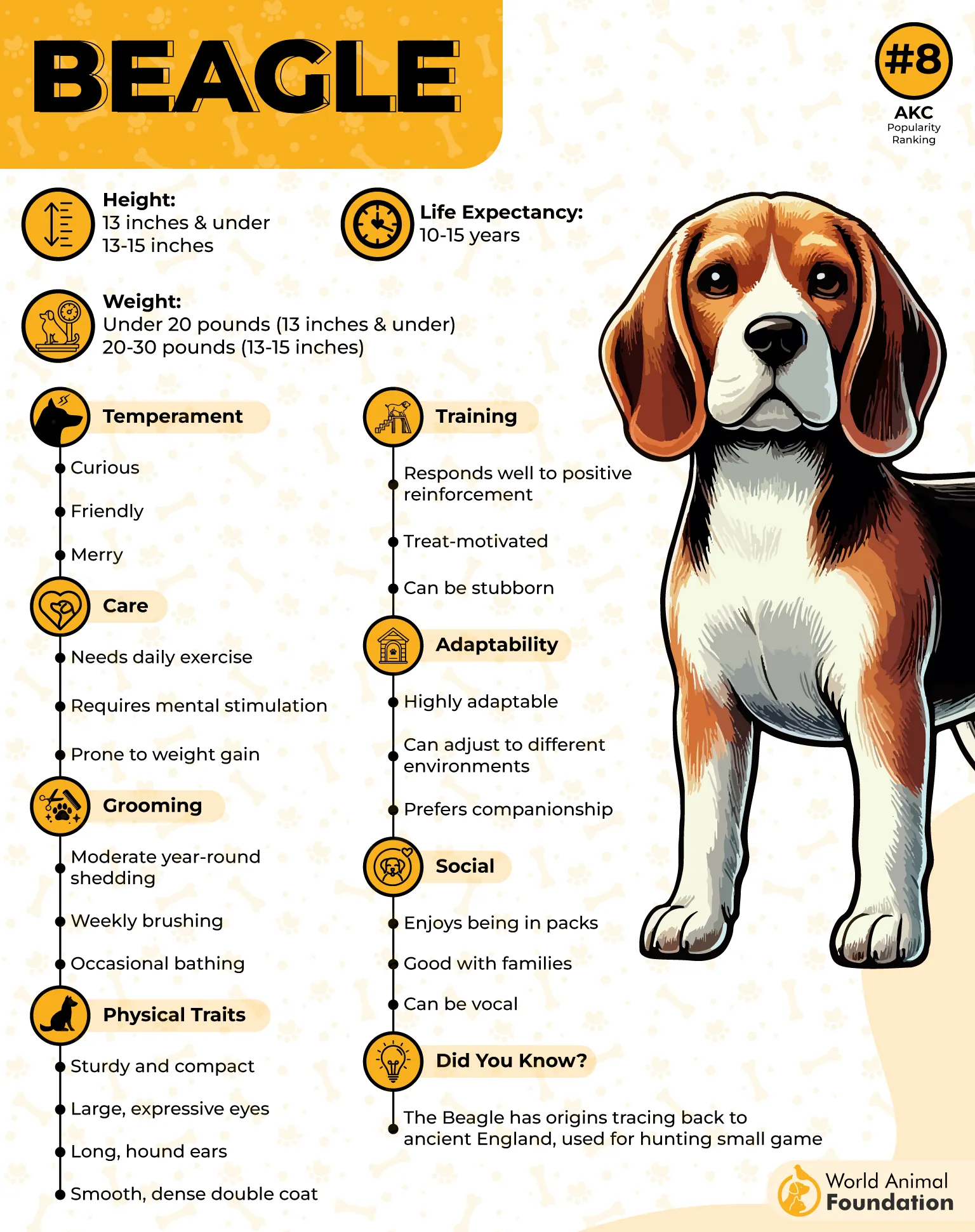
Beagles lock onto a scent with remarkable focus, often prioritizing trail over surroundings once engaged. Its nose directs its decisions, making it highly effective in locating small game across varied terrain. This instinct explains its long-standing role in tracking hare, rabbit, and fox in open countryside.
Pack-driven hunting behavior
They work best in a group setting, reflecting their breeding for coordinated hunts alongside other dogs. Its tracking style becomes more active when supported by shared movement and scent reinforcement within a pack.
That dynamic reveals itself through clear working patterns:
Follows scent trails over long distances
Uses vocal baying when a fresh trail is found
Engages more actively alongside other dogs
Social temperament and attachment
Beagles stay closely connected to people or other dogs, often seeking constant interaction rather than isolation. Its friendly and easygoing nature fits well into family settings, especially where companionship is consistent. Long periods alone can lead to restless or destructive behavior.
Conclusion
These dogs make it clear that real tracking ability comes from instinct and precision, not just energy. Their natural hunting instincts allow them to follow scent with focus, adjust to changing conditions, and stay engaged without losing direction. In the dog world, this level of control shapes how effectively small game is located across different hunting environments.
As that pattern becomes familiar, the process feels less uncertain. Movement stays purposeful, and decisions become easier to trust. Many also adapt as family dogs and good house dogs, making each one a reliable hunting companion where progress happens naturally and results come without unnecessary effort.
