




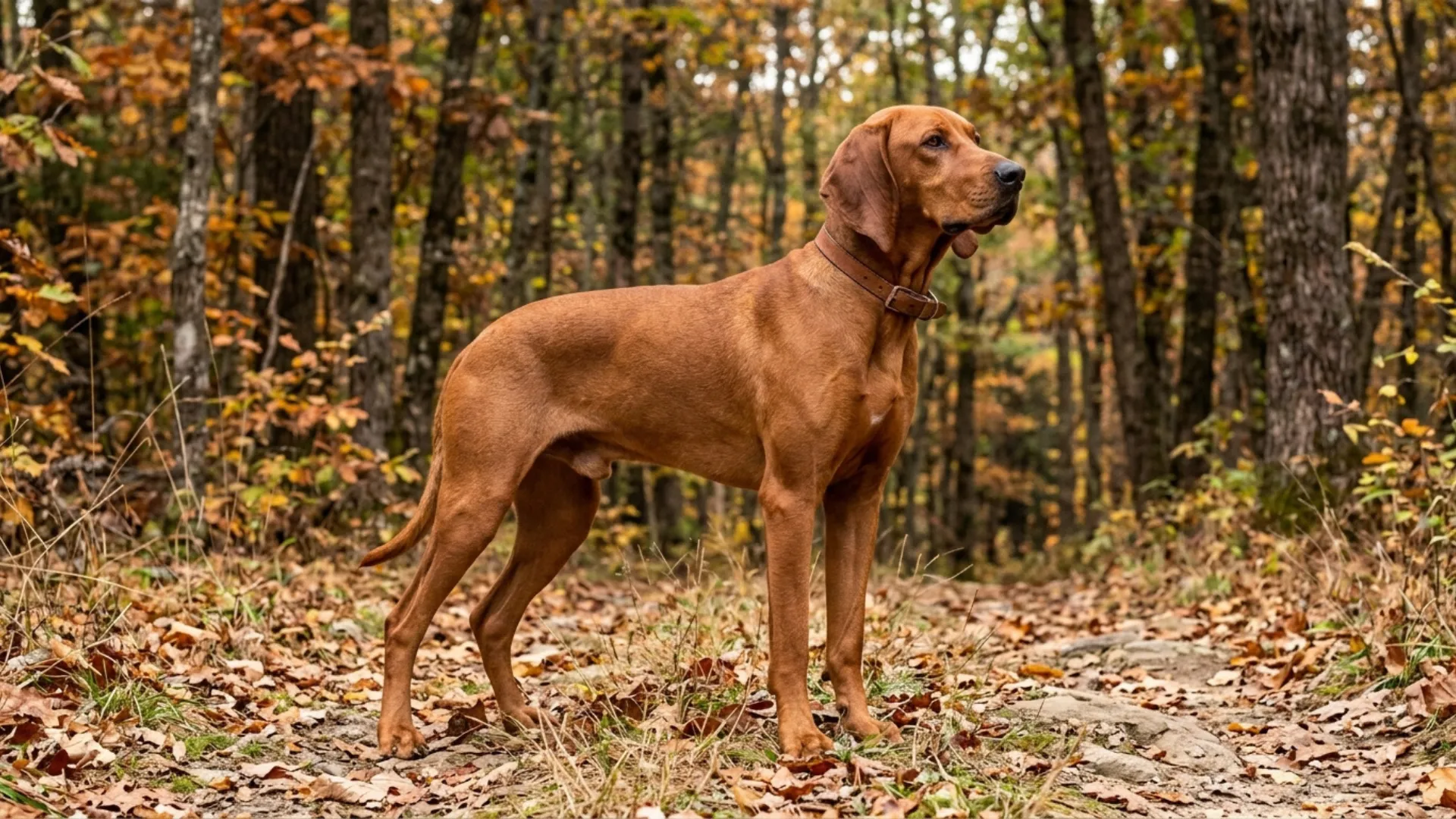
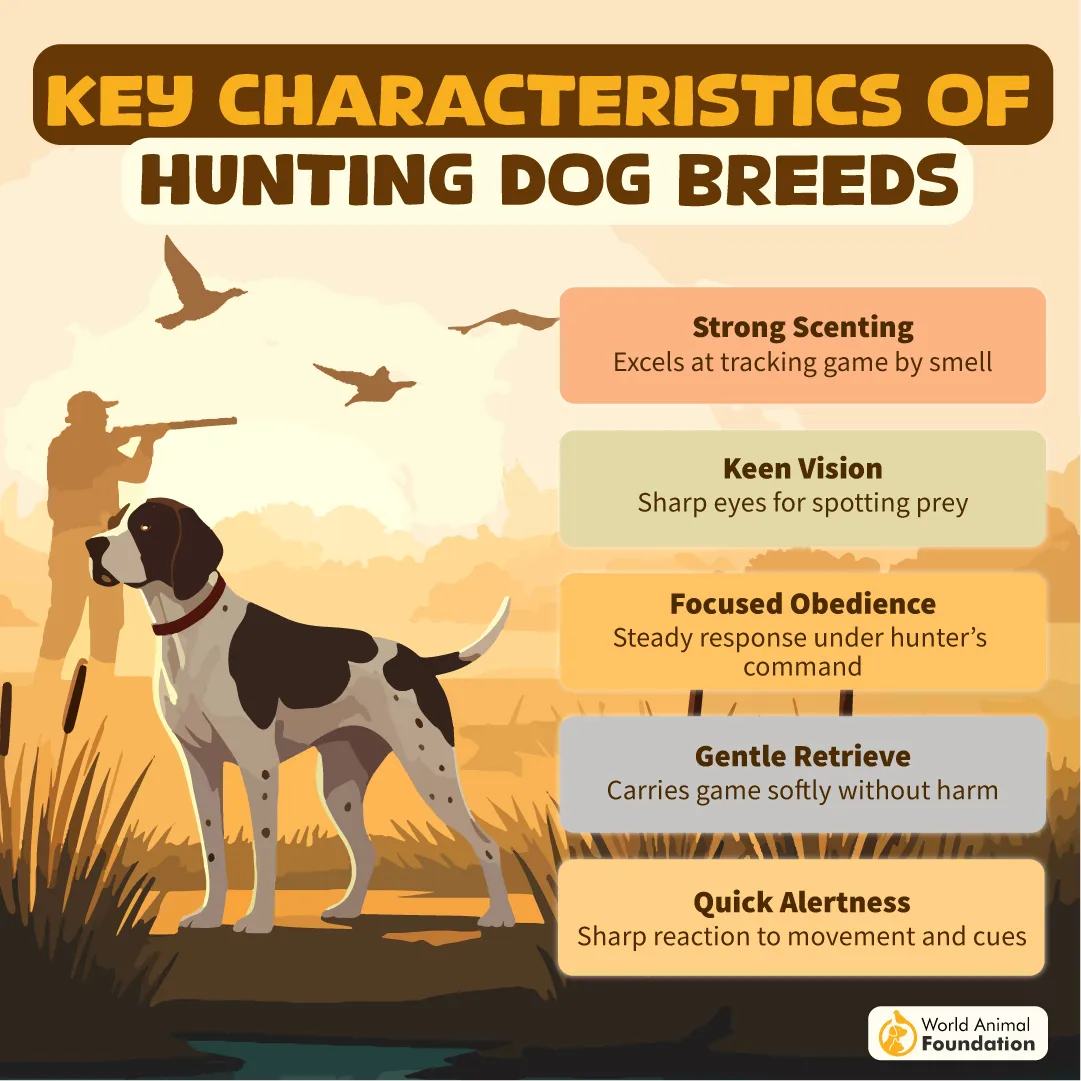
Across centuries of shared history, dogs have stood beside humans not just as companions, but as skilled partners in the field. Among their most remarkable abilities is a deeply rooted hunting instinct that has been refined through selective breeding.
Many hunting breeds have been developed to excel in specific roles during a hunt, making them invaluable for tracking, locating, flushing, and retrieving game. Their keen senses, especially their extraordinary sense of smell, allow them to detect game with impressive accuracy even over long distances or in challenging terrain.
Some breeds are specialists in tracking scent trails, while others are trained to point out the presence of hidden prey or drive it into the open. Retrievers are known for their soft mouths and strong recall instincts, ensuring the game is safely brought back. Terriers and hounds contribute with persistence and determination in pursuit.
Together, these unique dog breeds showcase the diversity of hunting instincts shaped by generations of purposeful training and partnership with humans in diverse environments and hunting traditions worldwide today.
Unique Dog Breeds Known for Their Hunting Instincts
1. Norwegian Lundehund
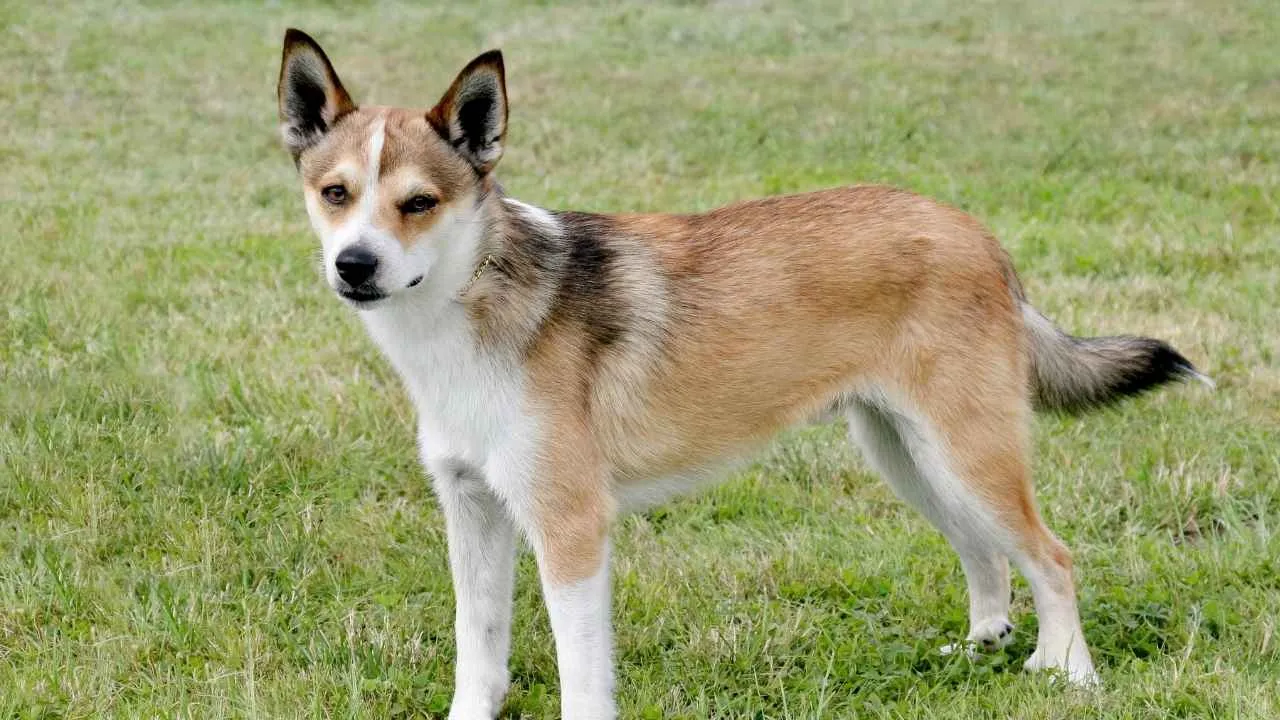
The Norwegian Lundehund is one of the most extraordinary hunting dog breeds developed in the rugged coastal regions of Norway, originally bred to locate and retrieve puffins from steep cliffside burrows, as noted by the AKC.
This breed is skilled in hunting birds and flushing birds from hidden cover. It is renowned for the rare physical adaptations that allowed it to navigate narrow rocky crevices, making it a highly specialized working companion in extreme terrain.
With multi-toed paws for superior grip, flexible joints, and an unusually elastic neck, the breed could twist, climb, and reach areas inaccessible to most other dogs.
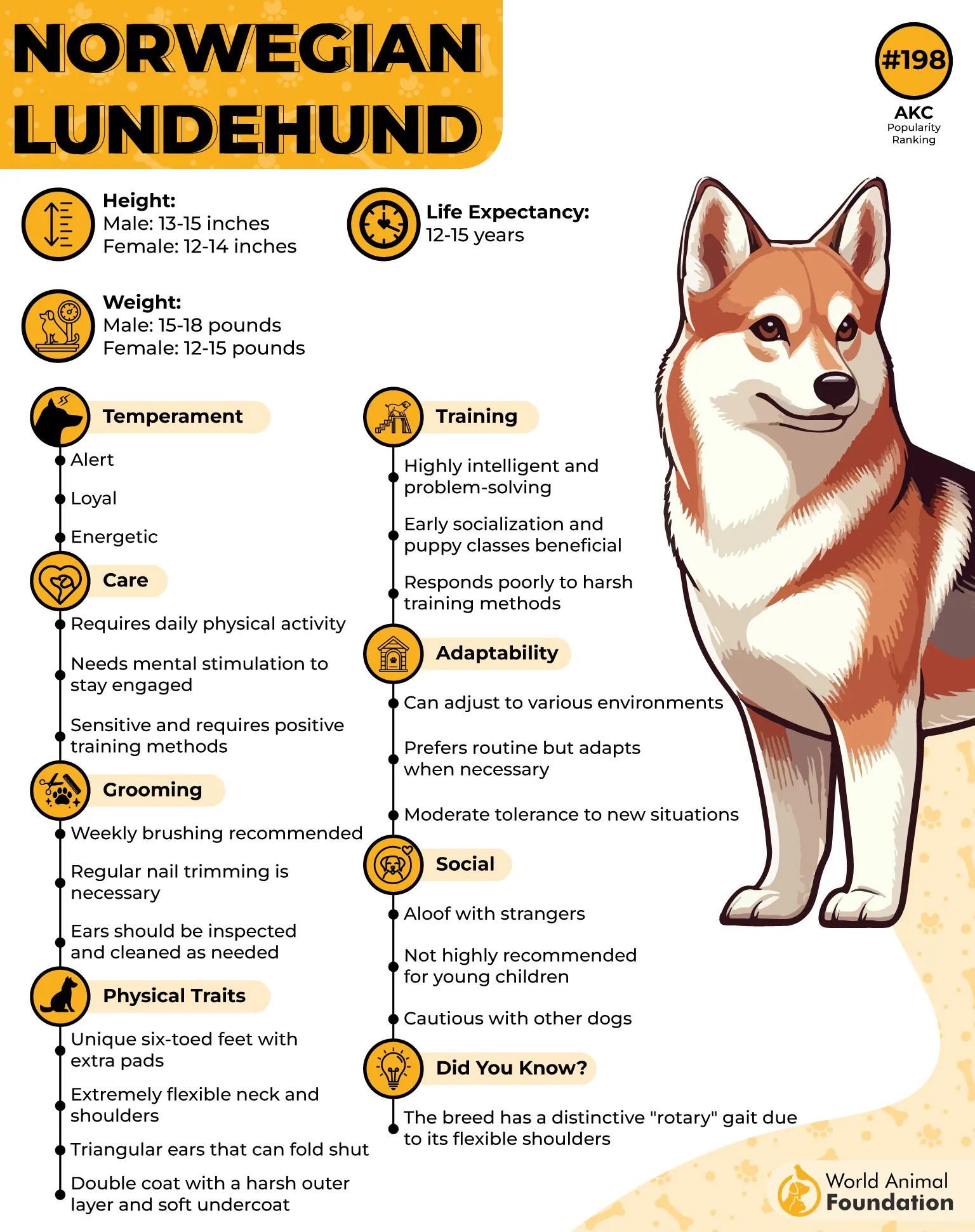
Although puffin hunting is no longer practiced due to wildlife protection, this bird dog still retains strong instincts, alertness, and problem-solving ability shaped by its working heritage.
Today, it is appreciated as a curious, intelligent, and affectionate companion breed, though it requires patient training because of its sensitive and independent nature. Norwegian has a dense double coat that helps it withstand cold temperatures.
Despite its gentle temperament, it remains deeply connected to its hunting origins, showing natural curiosity, keen observation skills, and an enduring drive to explore tight and challenging environments, reflecting its historic role as a fearless cliffside hunter breed.
2. Ibizan Hound
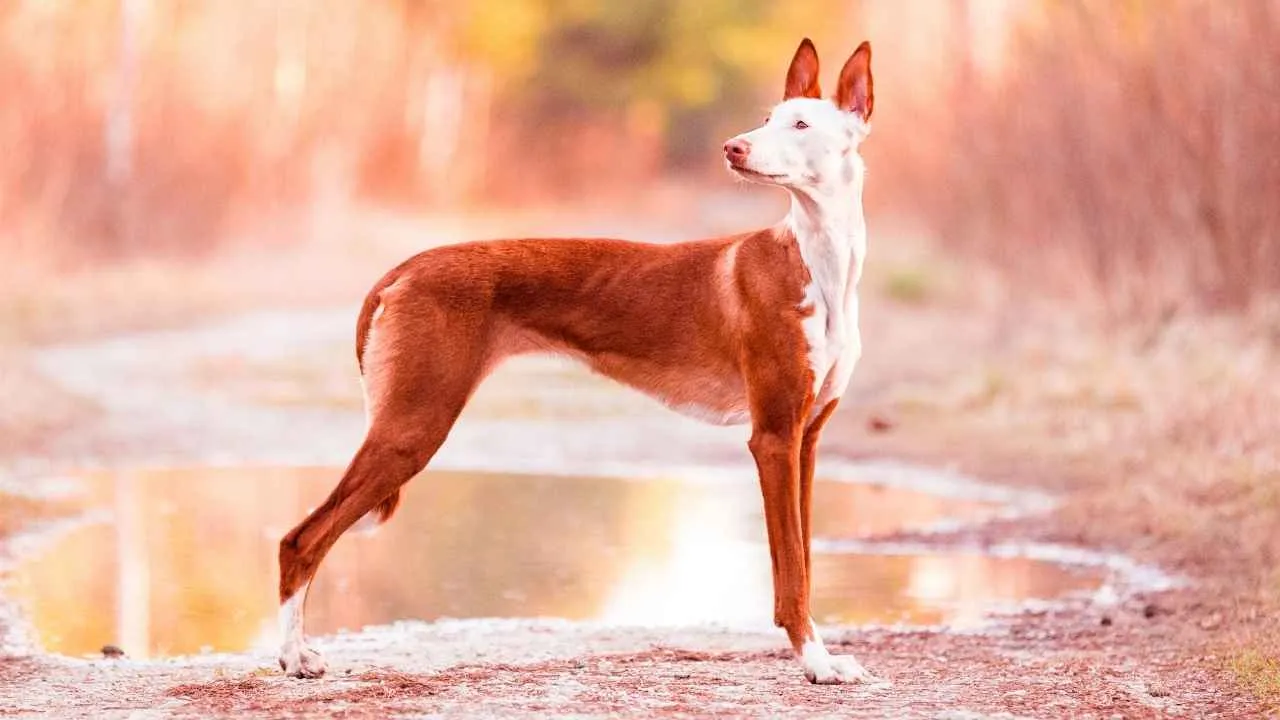
Ibizan Hound stands out as one of the most striking and versatile hunting dog breeds, with a history that dates back thousands of years to ancient Mediterranean civilizations.
Often linked to depictions found in Egyptian art, this hound breed is believed to have accompanied early hunters before eventually thriving on the island of Ibiza, where it refined its hunting skills in rugged terrain.
Known for its sharp instincts, this versatile dog is not limited to vision alone; it skillfully combines sight, hearing, and scent to track and pursue prey with remarkable efficiency.
Its hunting style is both strategic and controlled, often remaining quiet to better detect movement and only vocalizing at key moments during the chase.
Exceptional speed and powerful leaping ability allow it to overcome obstacles and adapt to various landscapes, from rocky hills to open fields.
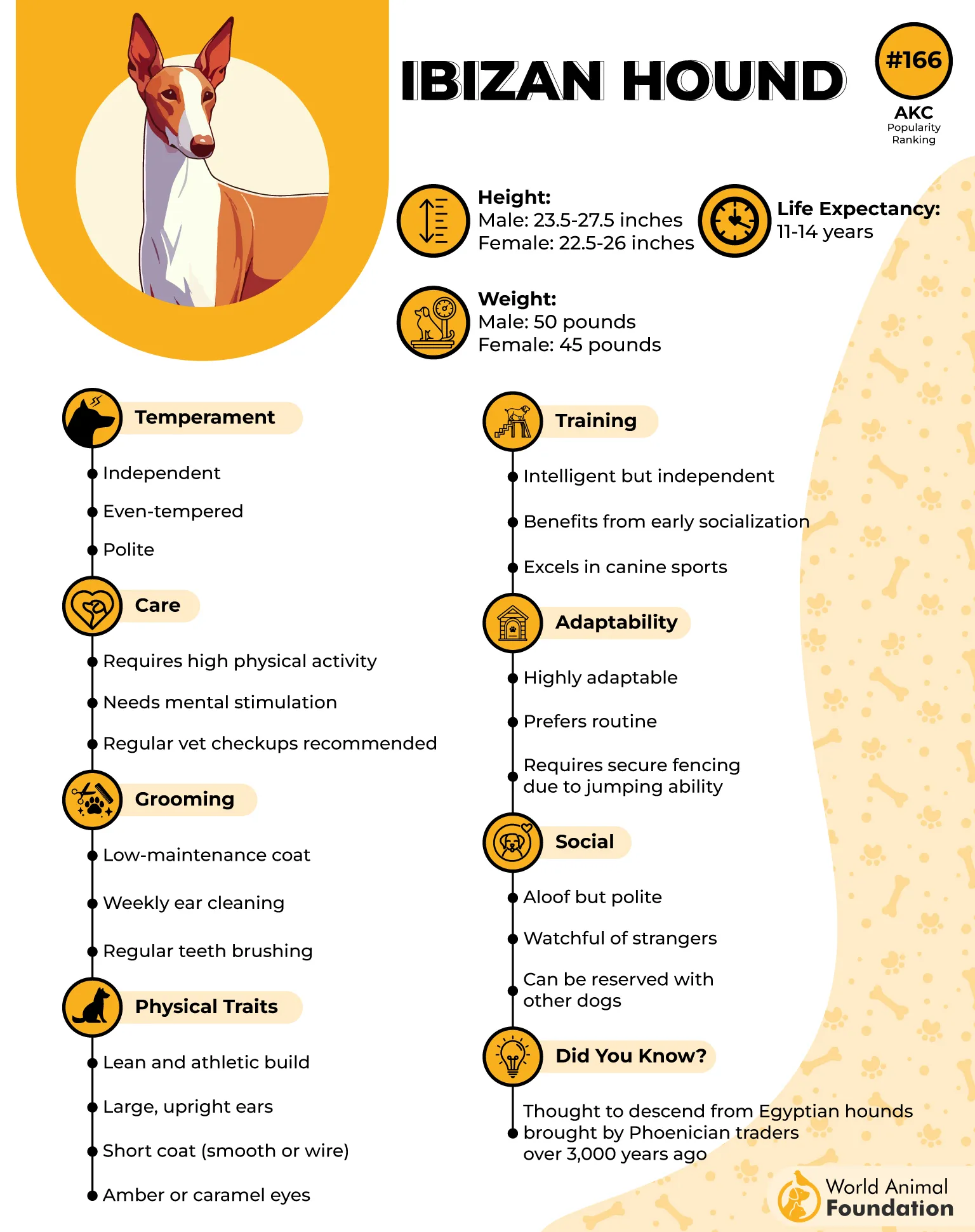
Beyond its hunting talent, this active dog breed is affectionate, intelligent, and highly trainable, making it a well-rounded companion. Its energetic nature and natural athleticism reflect a deep-rooted hunting heritage that continues to define its behavior today.
3. Otterhound
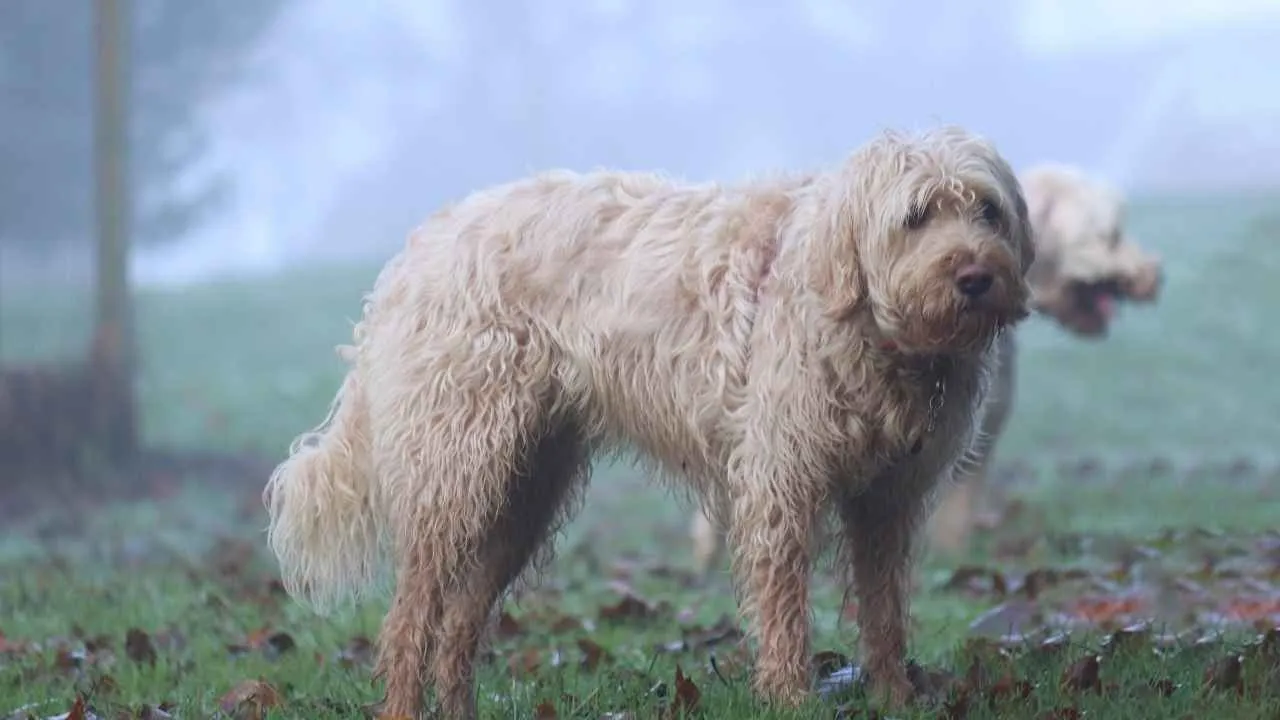
Otterhound is a rare and fascinating hunting companion breed developed in medieval England, specifically designed for tracking and pursuing otters in rivers and wetlands.
Its entire build reflects this demanding role, combining endurance, strength, and exceptional sensory ability.
Equipped with a rough, water-resistant coat and distinctly webbed feet, the Otterhound is a natural swimmer capable of navigating cold, fast-moving waters with ease.
Its powerful shoulders and deep chest support long hours of swimming without fatigue, making it highly effective in aquatic environments.
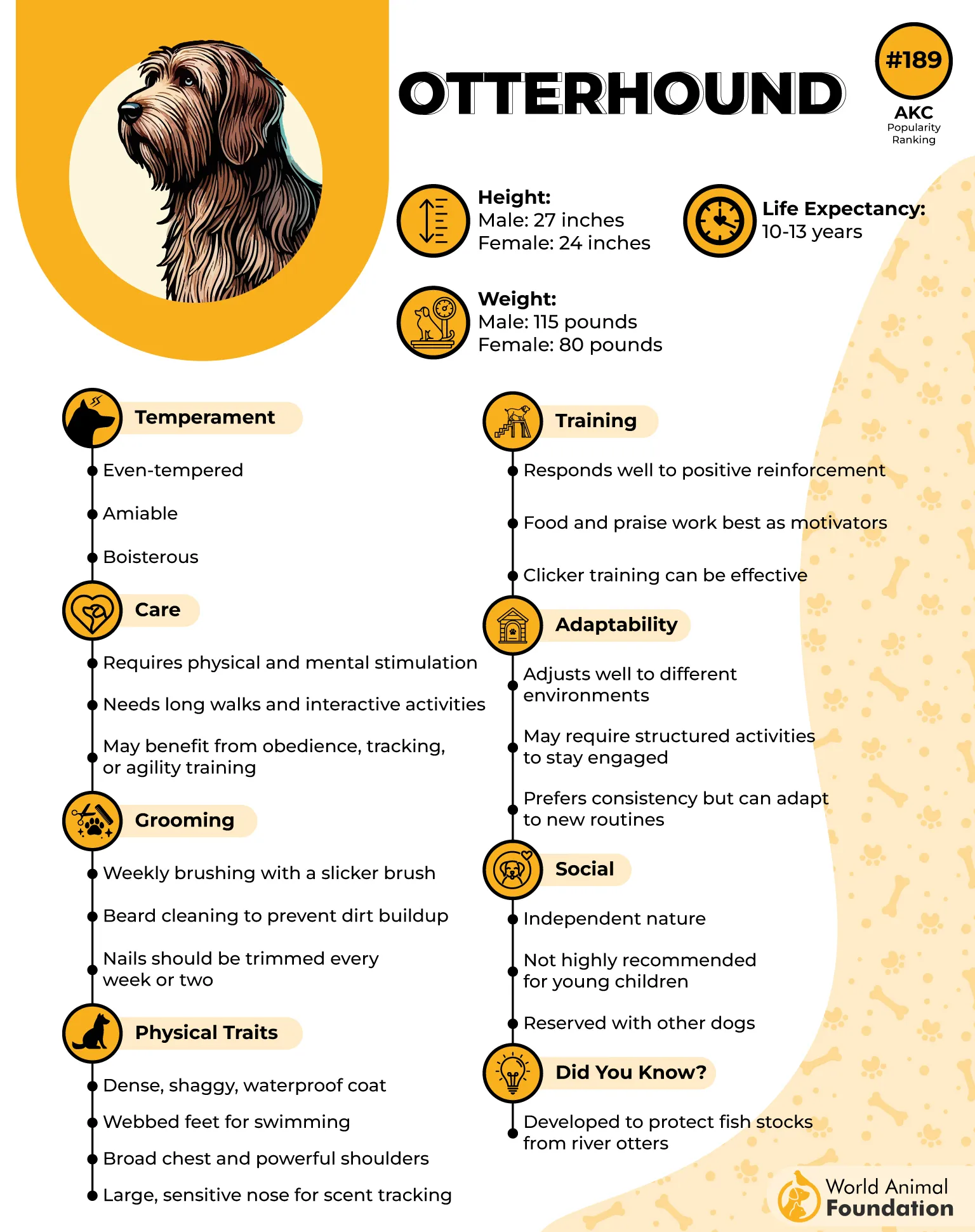
One of its most remarkable traits is its highly sensitive nose, which can detect and follow scent trails even through water, a rare ability among hunting dogs. This keen tracking skill allowed it to pursue elusive prey over long distances.
Beyond its physical strengths, the Otterhound is known for its energetic and sociable nature, reflecting the stamina and determination required for its original purpose.
Although otter hunting is no longer practiced, this high-energy dog breed remains a strong example of how specialized instincts and physical traits evolved together for a very specific hunting role.
4. Redbone Coonhound
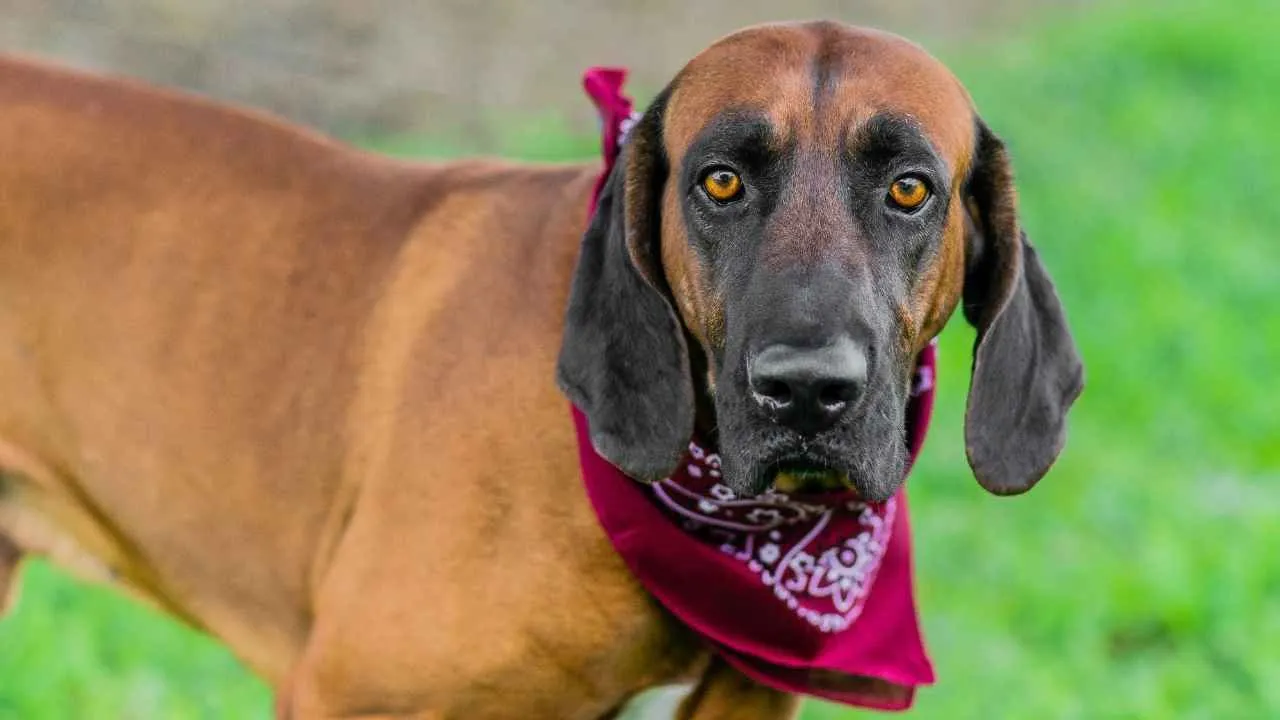
Redbone Coonhound is a classic American hunting breed known for its sharp instincts, determination, and strong bond with human companions, as mentioned by WebMD.
Developed for tracking and treeing large games such as raccoons, foxes, and even larger animals, this breed relies heavily on its keen sense of smell and distinctive vocalizations to communicate during a hunt.
Its loud, expressive howl helps hunters follow its progress through dense forests, making it especially effective in nighttime tracking.
Redbone Coonhounds are intelligent and quick learners, capable of adapting to different terrains and hunting conditions with ease. Their persistence and focus allow them to stay on a scent trail for long periods without distraction.
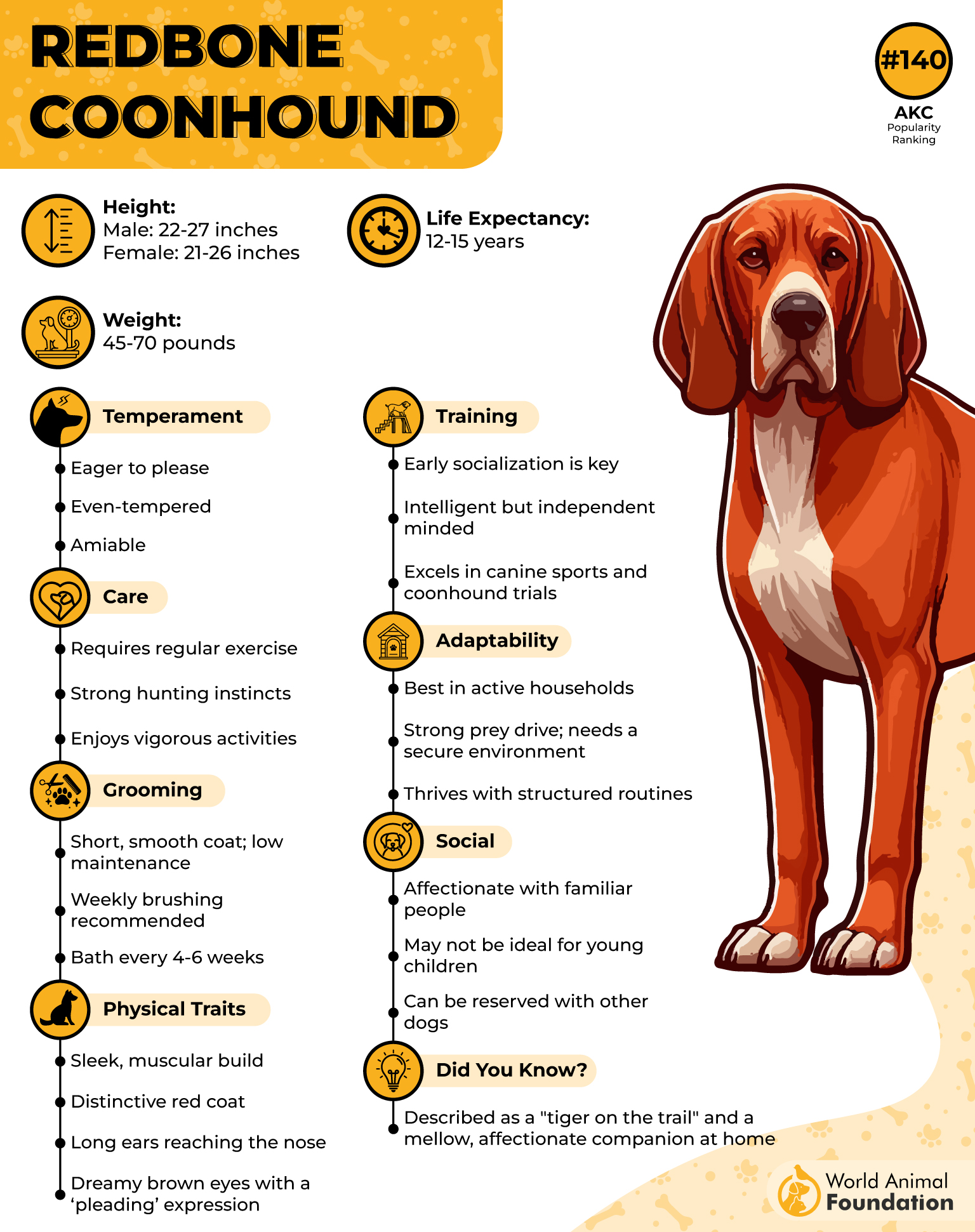
Beyond their working abilities, they are known for their loyal and affectionate nature, forming close connections with their families.
While they are generally gentle and sociable, especially with children and other dogs, these energetic dogs also possess a natural alertness that makes them reliable watchdogs.
However, their high energy levels and need for engagement reflect their hunting background, requiring regular activity and mental stimulation to keep them balanced and content.
5. Grand Basset Griffon Vendéen
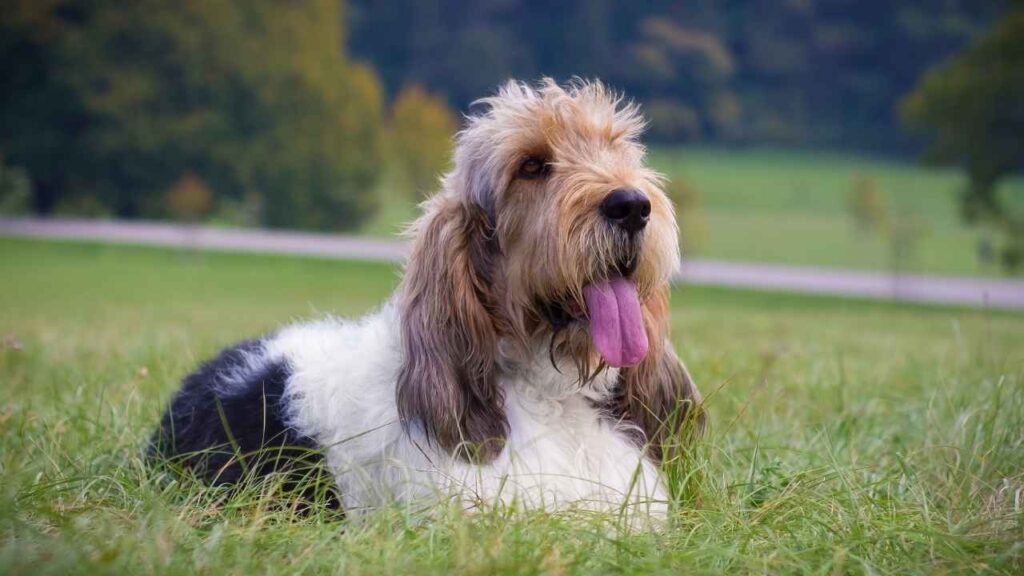
Grand Basset Griffon Vendéen is a historic French hunting breed known for its stamina, sharp scenting ability, and lively personality, as mentioned by PetMD.
Originating in the rugged Vendée region of France during the 16th century, this breed was developed to hunt small game, primarily pursuing rabbits and hares across dense, challenging terrain filled with brush and uneven ground.
As a true scent hound, it relies on its powerful nose to track prey over long distances, showing remarkable persistence and focus during the chase.
Its energetic nature and agile movement make it well-suited for covering large areas efficiently while maintaining close coordination with other breed dogs.
Although deeply rooted in hunting traditions, the breed has also proven its versatility in modern roles such as search and rescue, where its tracking instincts are highly valued. Grand Basset Griffon Vendéen can survive harsh weather due to its hardy nature.
Grand Basset Griffon Vendéens are also known for their friendly and outgoing temperament, but they also possess an independent streak that reflects their pack-hunting background.
This combination of determination, endurance, and sociability highlights their unique place among loyal hunting companion breeds shaped by centuries of purposeful work.
6. Thai Ridgeback
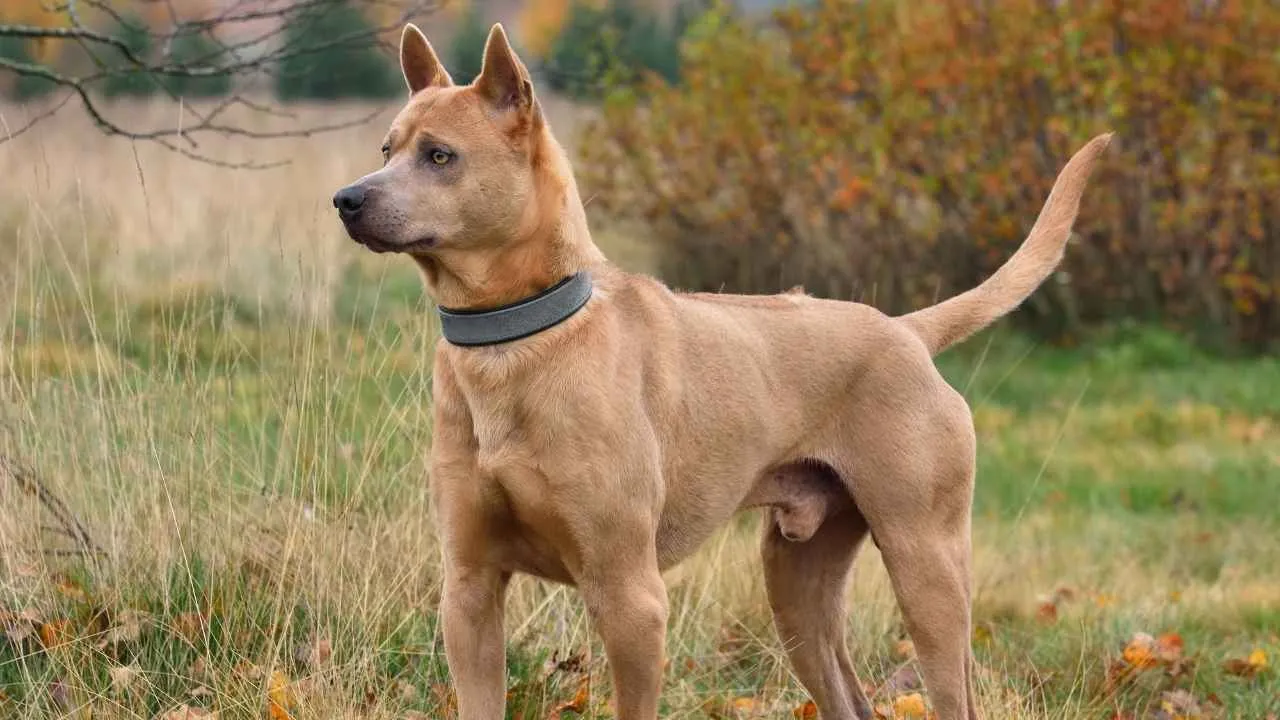
Thai Ridgeback is a powerful and agile hunting breed known for its independence, intelligence, and strong survival instincts.
Originating in Thailand, this dog developed its skills largely through natural selection, often fending for itself by hunting small animals and guarding property without constant human guidance.
Its sleek, muscular build allows for impressive speed and jumping ability, making it highly effective in pursuing prey across varied terrain.
One of its most distinctive features is the ridge of hair along its back that grows in the opposite direction, a rare trait shared by only a few breeds worldwide.
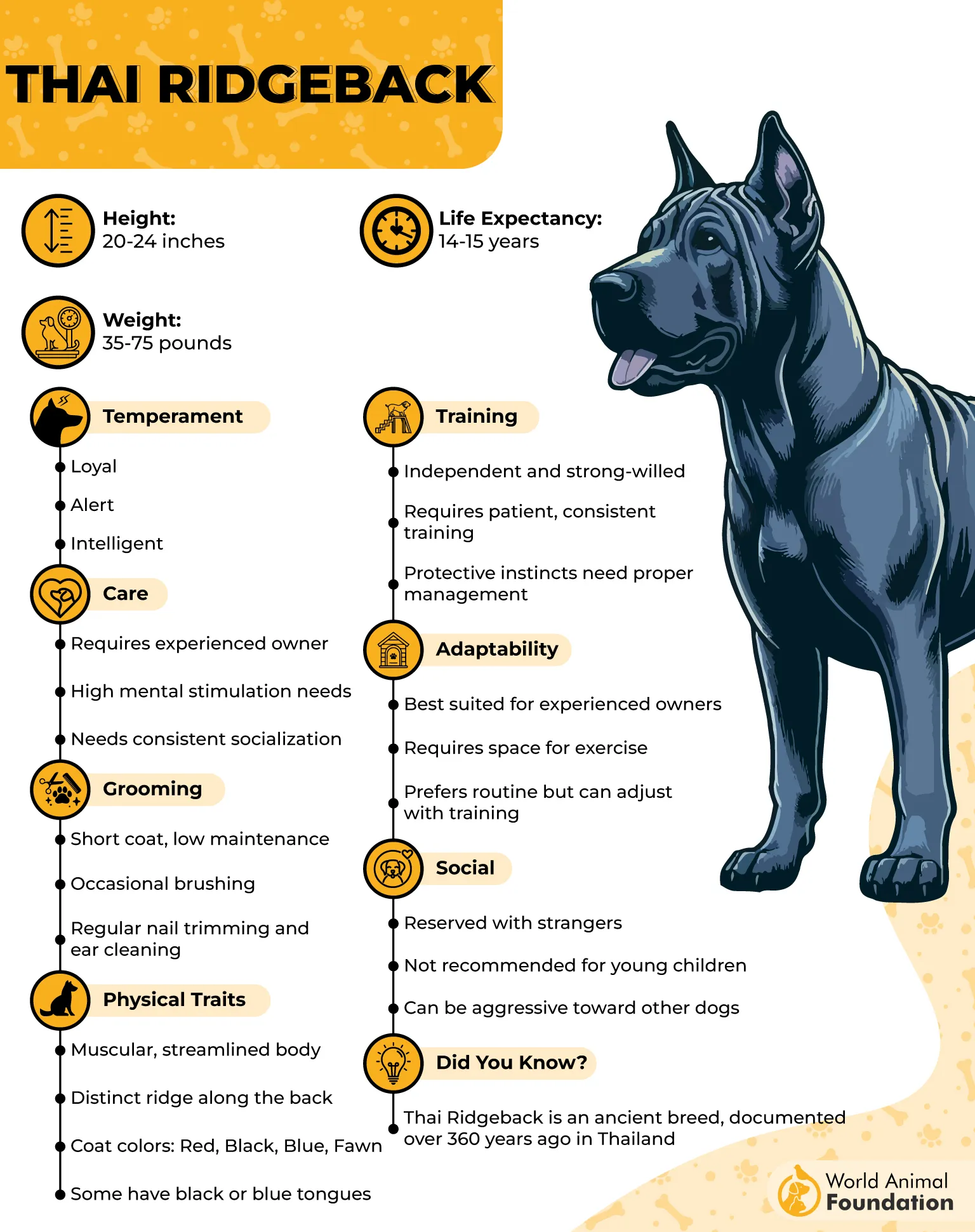
Beneath its unique appearance lies a sharp mind and a strong prey drive, both essential qualities for a self-reliant hunting dog.
Even today, while many Thai Ridgebacks are kept as companions, they retain their alertness, territorial awareness, and instinct to chase. They are naturally protective and often cautious around unfamiliar people, reflecting their guarding background.
With proper training and socialization, they form strong bonds with their owners while still carrying the instincts of a resilient and resourceful hunter.
7. Azawakh
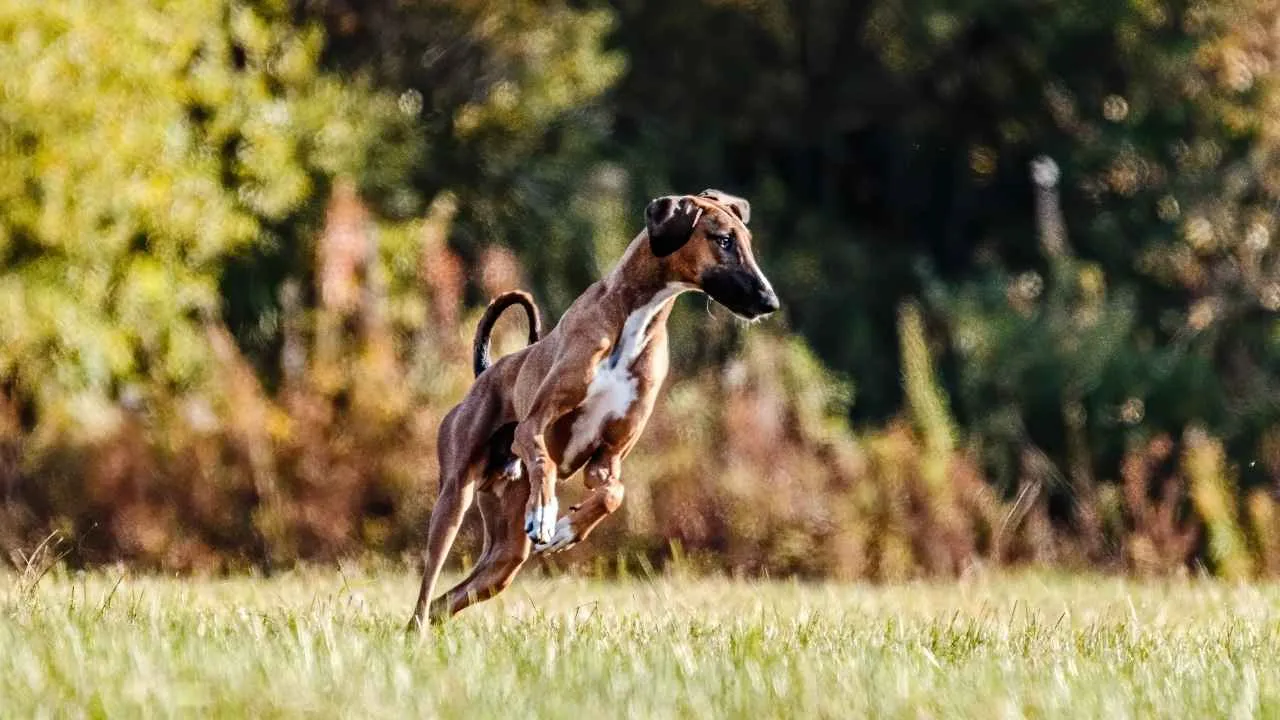
Azawakh is a rare and elegant hunting breed originating from the Sahel region of West Africa, where it has served nomadic communities for centuries as both a hunter and a guardian.
Traditionally found in countries such as Mali, Niger, and Burkina Faso, this sighthound was prized for its speed, endurance, and keen eyesight, allowing it to track and chase game across vast desert landscapes.
Unlike scent hounds, the Azawakh relies primarily on vision to detect movement, making it highly effective in open terrain. Its hunting instincts are complemented by a strong territorial awareness, which also makes it a reliable protector of camps and livestock.
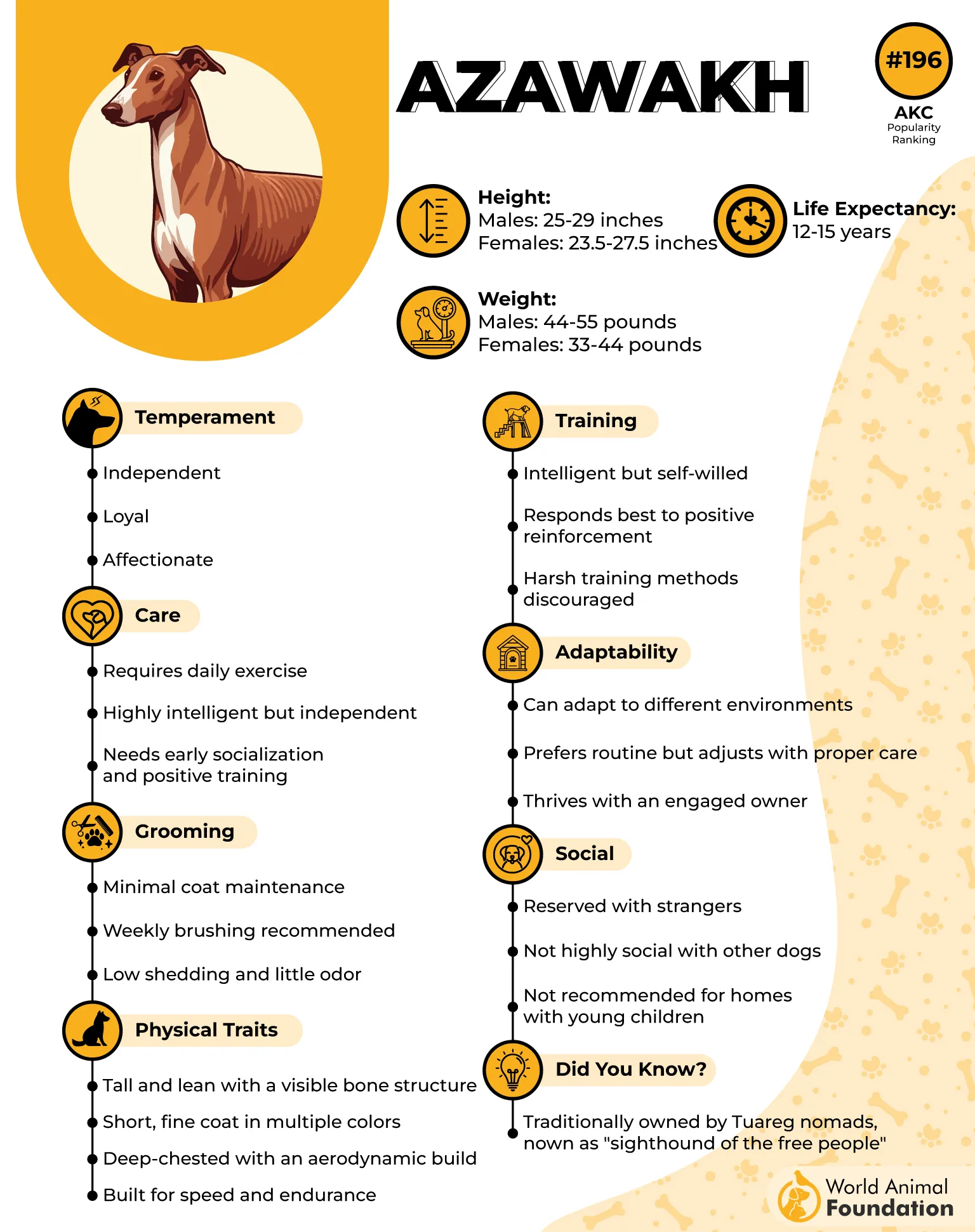
Even today, the breed retains a deep loyalty to its family and a naturally reserved attitude toward strangers, reflecting its dual role as both hunter and guardian.
Azawakhs are intelligent and observant, though they tend to be independent thinkers rather than eager-to-please trainers. They require regular physical activity to stay balanced, but these family companions are equally content resting once their energy is spent.
This unique combination of grace, vigilance, and instinct defines the Azawakh as a remarkable hunting breed and loyal family pet.
Conclusion
Dogs with strong hunting instincts represent a remarkable blend of intelligence, adaptability, and purpose-driven evolution.
Bred across different regions and terrains, these canines showcase specialized skills ranging from scent tracking and silent pursuit to endurance and agility.
Even as many transition into companion roles, their natural drives remain evident in their behavior, energy levels, and sharp awareness. Understanding these instincts helps owners provide better training, enrichment, and care.
Ultimately, these dogs are not just pets but living reflections of centuries of partnership between humans and animals in survival, work, and shared environments.
