





If dogs had career paths, the German Shepherd would be the elite military officer—fast, sharp, always alert—while the Rottweiler would be the silent security chief who doesn’t need to speak twice. Both are iconic working dogs with deep histories in protection, herding, and service roles.
These two popular dog breeds are often compared because they both scream “don’t mess with my family,” but their energy, build, and personality are actually very different. German Shepherds are lighter, more agile, and famously used in police and military work worldwide, while Rottweilers are heavier, stockier, and built for raw guarding power and presence.
So yeah, this isn’t a “which is better” situation—it’s a “which vibe fits your life” situation. One is calculated speed, the other is grounded strength. Let’s break it down properly.
German Shepherd vs. Rottweiler Dog Breeds: Traits, Temperament & Differences
Size & Build Differences
German Shepherds are medium- to large-sized, athletic dogs, usually around 22–26 inches tall and 50–90 pounds. Their bodies are lean, stretched, and built for endurance rather than brute force. Think marathon runner energy.
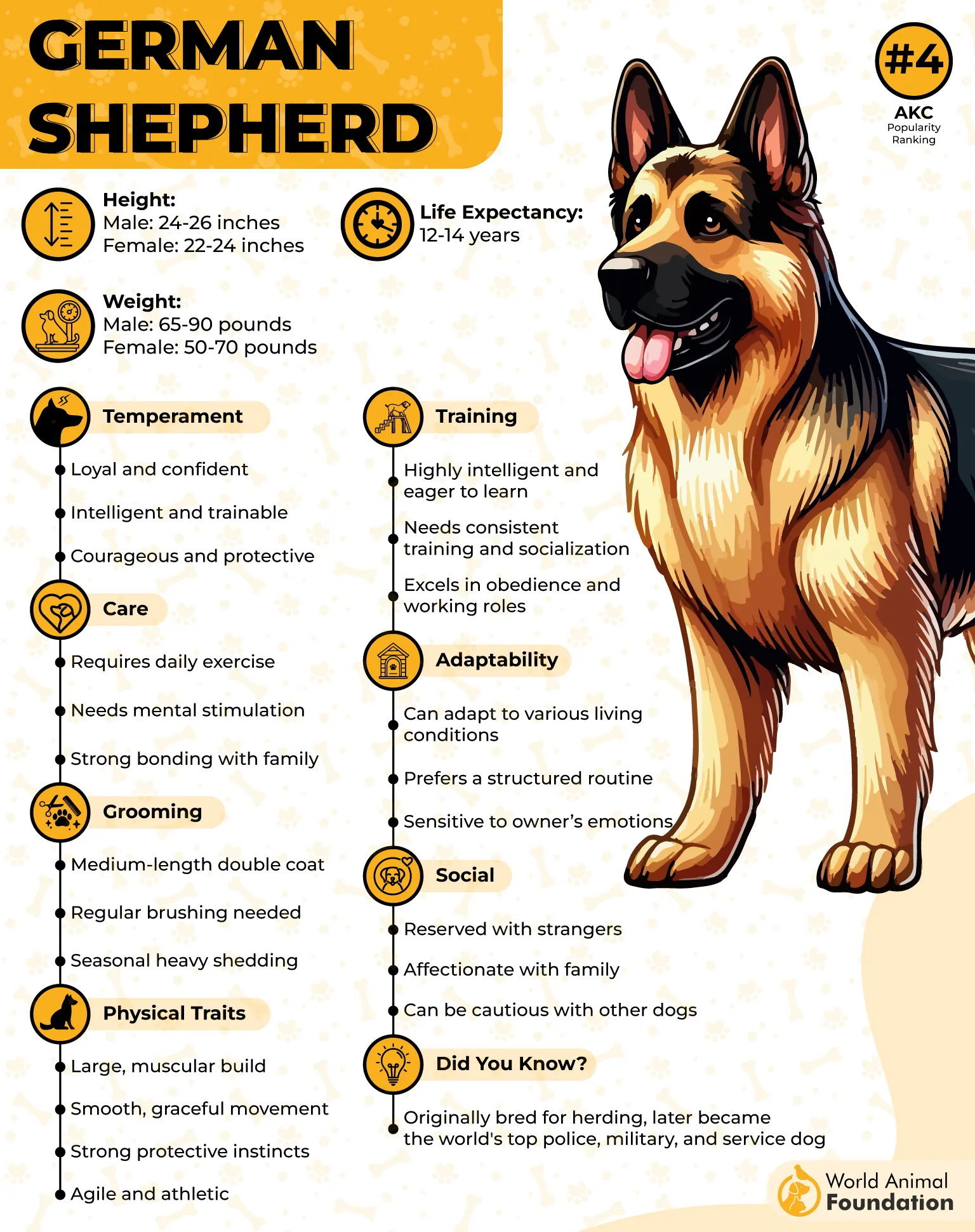
They move like they’ve got a mission every time they step outside. Their frame is designed for speed, agility, and direction changes, which is why they dominate police and search-and-rescue roles globally.
Rottweilers are heavier hitters, typically weighing 80–135 pounds and having a much more muscular, compact frame. Their chest is broad, their stance is powerful, and their presence alone can stop strangers mid-step.
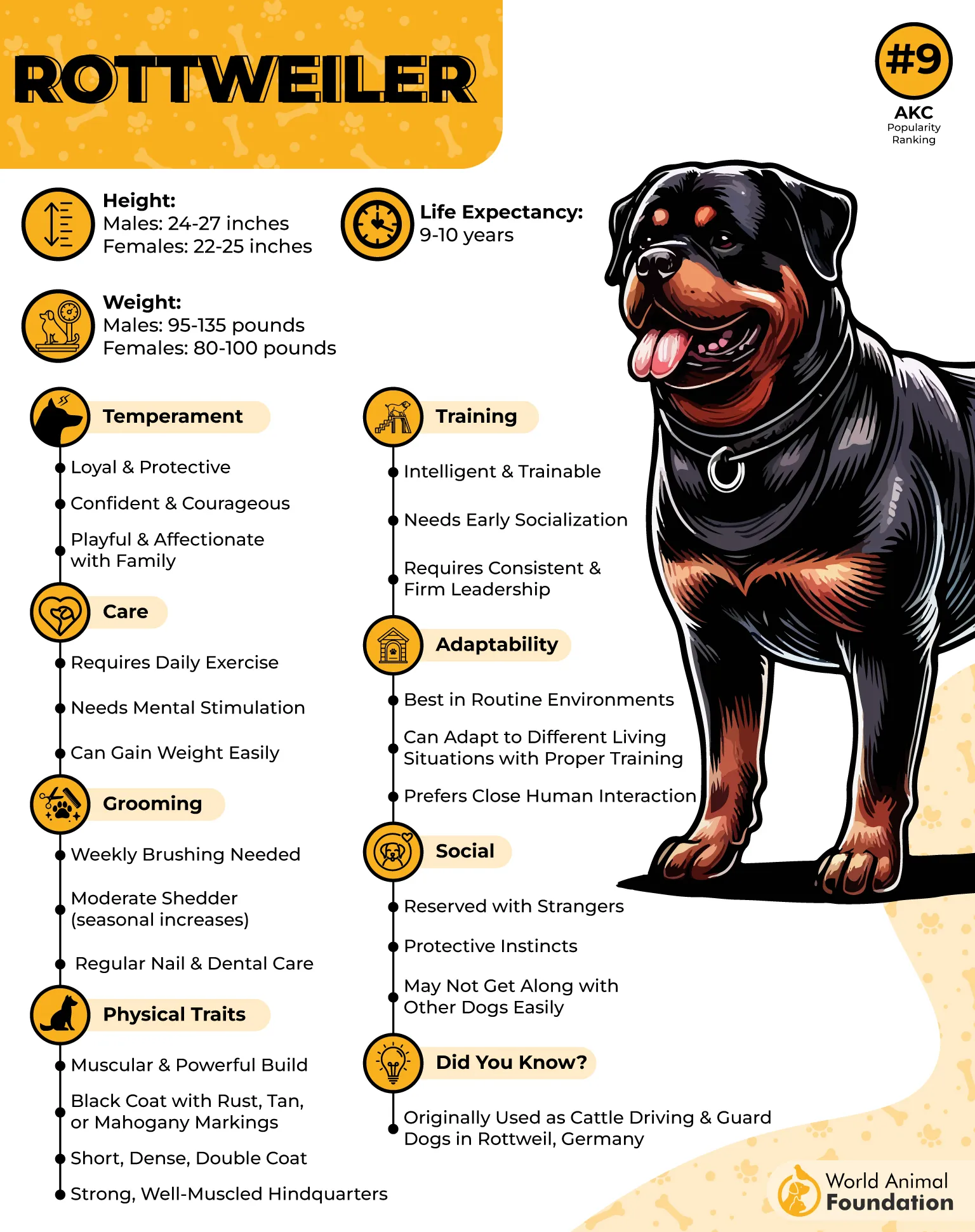
They’re not built for speed-first movement—they’re built for controlled strength and stability. In simple terms, Shepherd runs circles, Rottie stands ground.
Temperament & Personality
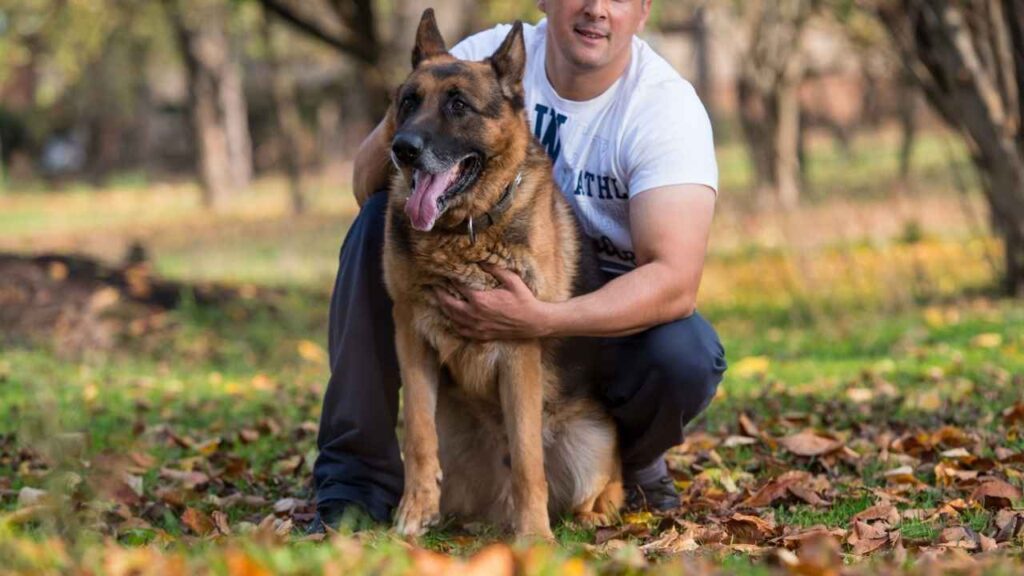
German Shepherds are famously alert, responsive, and handler-focused, meaning they want to understand and follow commands quickly. They’re often described as “always switched on,” which is great for working roles but requires daily mental stimulation.
Rottweilers, on the other hand, are confident, calm, and more self-assured. Reddit owners often describe them as emotionally stable “thinkers” who don’t react unless they decide it matters.
Both German Shepherds and Rottweiler can work as service dogs, but they’re used in slightly different ways. German Shepherds are the more common choice in professional service programs because they’re highly trainable, extremely responsive to commands, and capable of handling complex tasks like guiding, alerting, and assisting mobility with consistency and speed.
Rottweilers, on the other hand, are less frequently used in formal service programs but still excel in specific roles such as psychiatric support, deep pressure therapy, and mobility assistance, thanks to their calm temperament, strength, and emotional stability.
GSDs are the “all-round multitaskers” of service work, while Rottweilers make a confident breed that are more “specialized power-and-calm support dogs” that shine in fewer but very impactful roles.
Exercise & Energy Levels
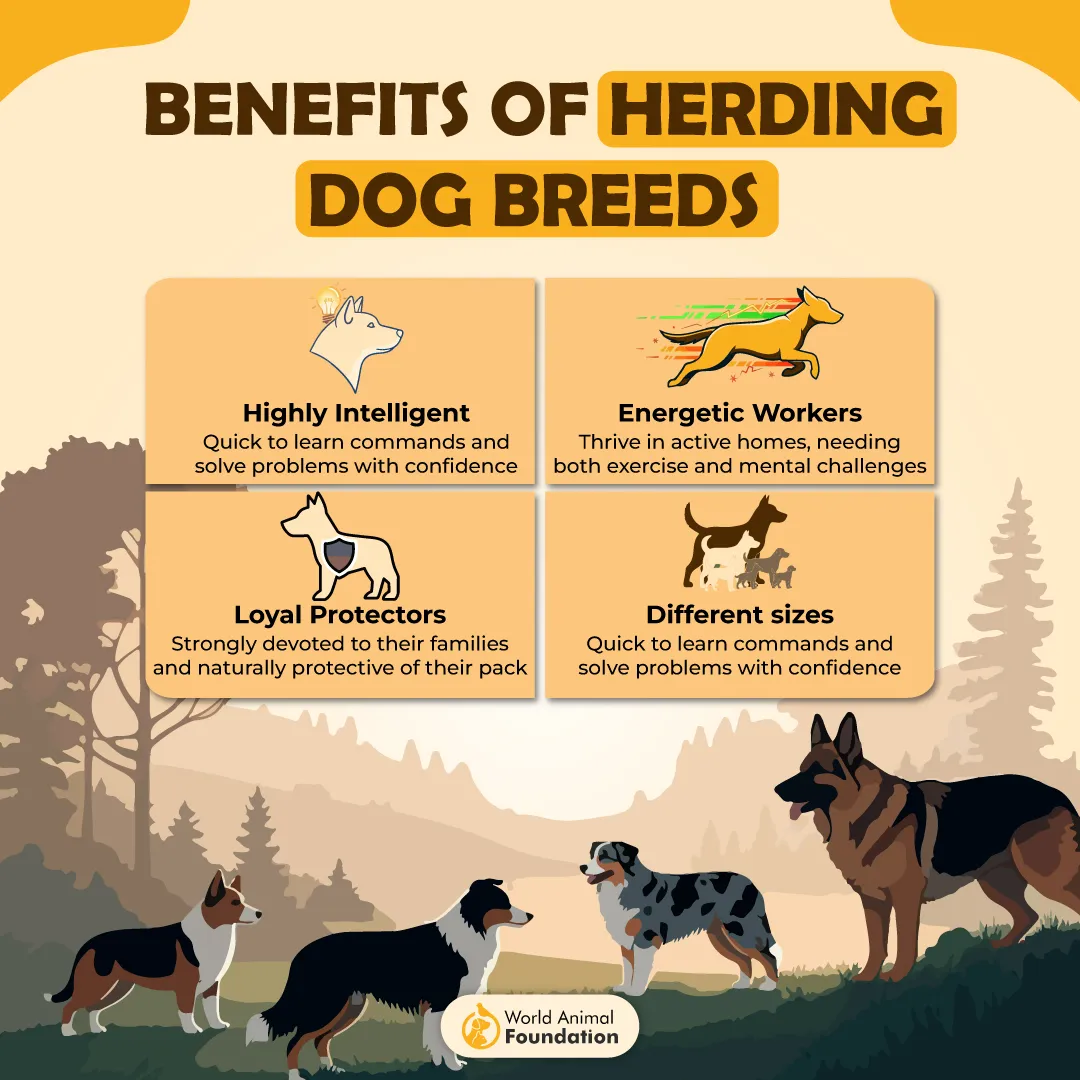
The German Shepherd breed is a high-energy machine that often needs at least an hour of exercise daily to stay balanced. Without it, these pups get bored fast—and bored Shepherds are basically chaos engineers.
This working breed is bred for herding and continuous activity, meaning these pups need lots of physical exercise and mental stimulation every day. Without it, Petplan says they get bored quickly and can become restless or destructive because their brain is basically always “on duty.”
Rottweilers still need regular activity, but are generally more “chill after workout” types. Once they’ve had their walk or playtime, they’re happy to relax and observe their environment.
In real-life owner reports, Shepherds are described as needing constant “jobs,” while Rottweilers are more satisfied with structured but shorter activity sessions.
Training & Intelligence
Both these popular breeds are extremely intelligent, but they learn differently before becoming properly trained dogs.
German Shepherds are quick learners and highly responsive to training cues, as per Britannica, which is why they dominate police, military, and service work globally. They want structure and purpose. They are highly responsive, eager to learn, and strongly focused on their handler, making them quick to pick up commands and excel in structured training such as obedience, protection work, and service tasks.
They like having a “job,” so training feels natural to them rather than forced.
Rottweilers are intelligent too, says the AKC but more independent—they may pause and “think” before obeying. That makes them slightly more stubborn but also more deliberate and steady once trained properly.
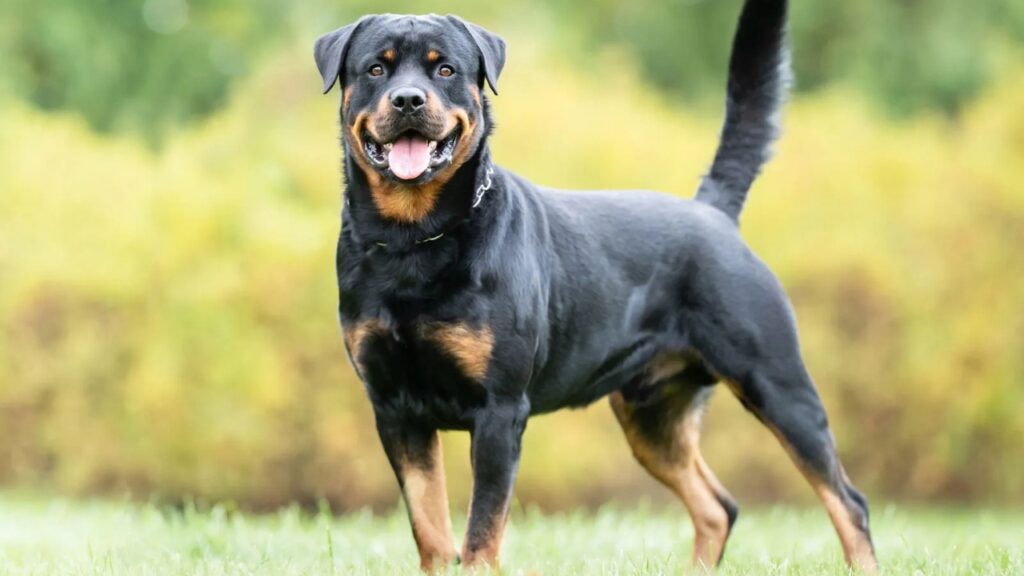
They tend to be more independent and deliberate in their responses, meaning they may pause, think, or test boundaries before fully complying.
In short, German Shepherds are usually faster and smoother to train, while Rottweilers require more patience and consistent training but can still become very well-trained with the right approach.
Vocal Behavior
German Shepherds are more vocal overall—they bark to alert, communicate, and react to their surroundings. This makes them excellent watchdogs but sometimes a bit chatty.
They tend to bark more frequently as part of their alert and protection style—they “announce” potential threats, track movement, and communicate constantly with their handler, which is why they’re widely used in police and security work.
Believe PetMD when it says that Rottweilers are generally quieter and more selective with barking. When they do bark, it usually means something actually matters. They are typically much quieter and more controlled; they rely more on their physical presence, posture, and calm intimidation rather than frequent barking.
Coat & Grooming
German Shepherds have a dense double coat that sheds heavily year-round, especially during seasonal changes. Their grooming needs are higher due to constant shedding.
Routine:
Brush 3–5 times per week (daily during shedding seasons) using an undercoat rake or slicker brush
Bathe every 6–8 weeks, or only when dirty (over-bathing strips natural oils)
Focus extra brushing during spring and fall when shedding spikes massively
Check ears weekly and trim nails every 2–3 weeks
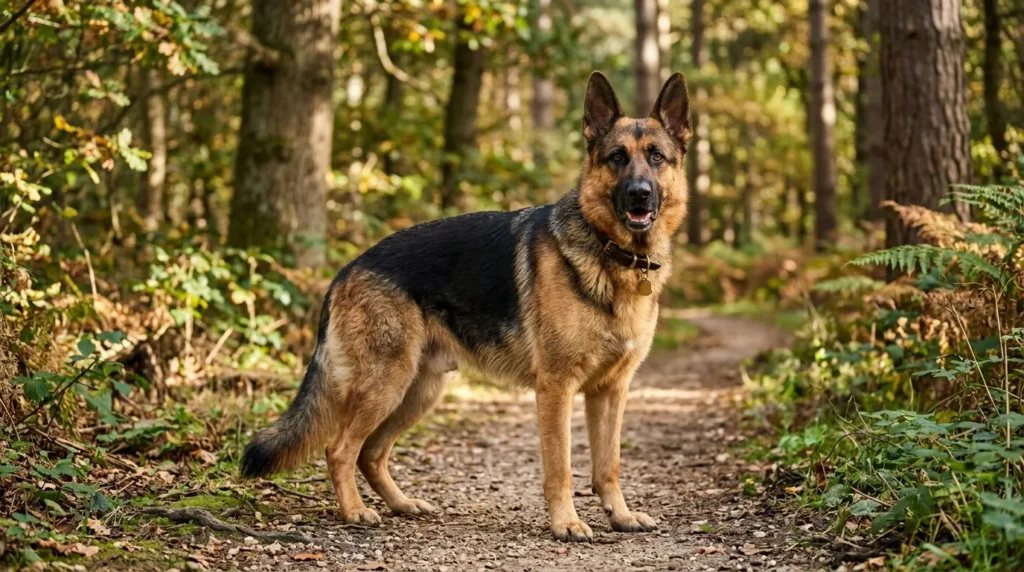
Owners often say vacuuming becomes a lifestyle because their undercoat sheds year-round, not just seasonally. Regular brushing is what keeps the coat healthy and reduces fur explosions at home.
Rottweilers have a short, dense coat that is lower maintenance and easier to manage overall, as per Purina.
Routine:
Brush 1–2 times per week with a rubber curry brush or grooming mitt
Bathe every 6–10 weeks (or when needed)
Light shedding year-round, but no extreme seasonal blowouts like Shepherds
Clean ears regularly and keep nails trimmed every 2–3 weeks
Health Issues & Lifespan
German Shepherds typically live around 10–13 years, but are prone to hip and elbow dysplasia due to their structure. Rottweilers usually live around 9–10 years and are also prone to joint issues and some heart-related conditions.
So while both are strong breeds, Shepherds generally live slightly longer, but both require responsible breeding and good lifestyle care.
Get them from reputable breeders, and they will turn out to be incredible dogs with minimal health problems.
Suitable for Home Security & Families?
Short answer: yes—but with structure.
German Shepherds are widely used in law enforcement and protection roles because of their intelligence, responsiveness, and agility. They’re naturally alert and react quickly to threats.
Rottweilers are more “presence-based” guard dogs. Their size, confidence, and calm seriousness make them strong deterrents without needing constant movement.
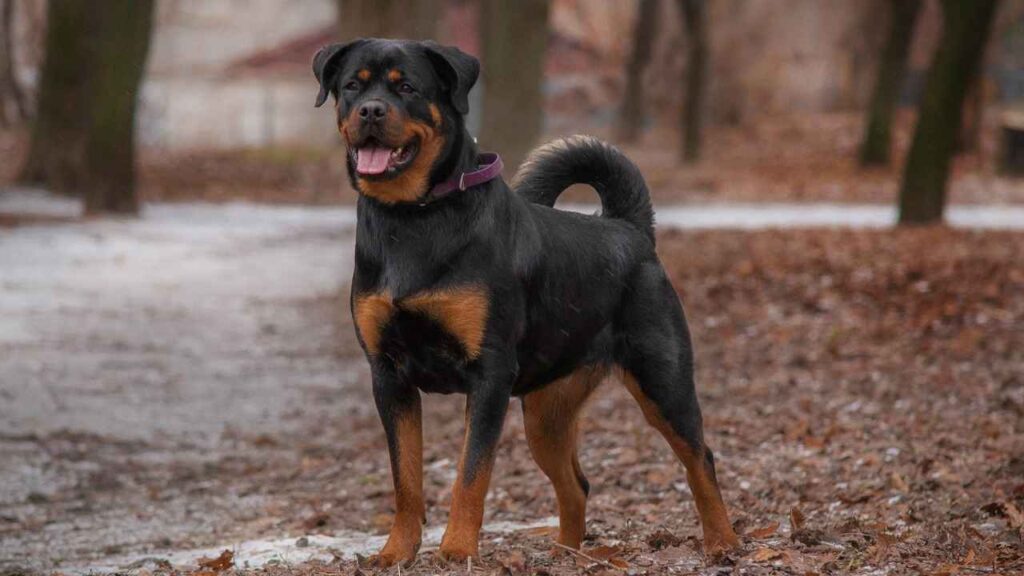
For family members, both can be excellent with proper training and socialization from an early age. Studies and breeder reports consistently show they bond deeply with their humans when raised correctly.
Conclusion
At the end of the day, the German Shepherd vs Rottweiler debate isn’t about which dog is better—it’s about which energy matches yours. One is a high-speed thinker constantly scanning the world, the other is a grounded guardian who watches everything with calm authority.
German Shepherds bring intelligence, agility, and nonstop engagement. Rottweilers bring strength, emotional stability, and quiet confidence that doesn’t need validation. Both are deeply loyal, protective, and will absolutely love their humans hard.
So, if your lifestyle is active, structured, and mentally engaging, the Shepherd fits like a glove. If you want a powerful, steady companion who feels like a calm security system with a heartbeat, the Rottweiler is your vibe.
Either way, you’re not just getting a dog. You’re getting a lifestyle upgrade with paws.
