




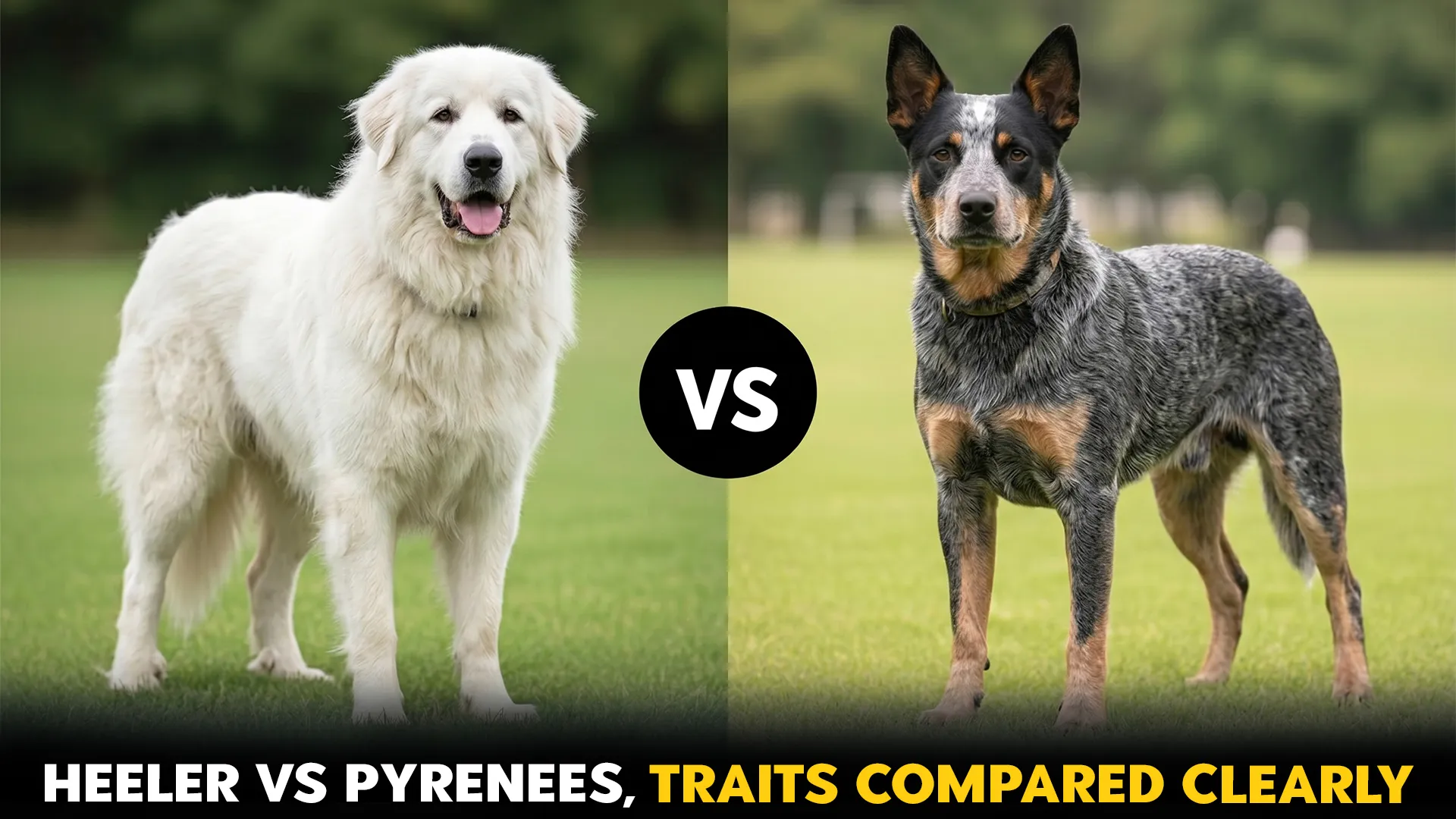
Choosing between the Great Pyrenees and the Blue Heeler is not just about size or looks. It is about finding a dog whose personality, energy level, and instincts match your lifestyle.
The Great Pyrenees is known as a calm, protective guardian with a gentle nature toward family, often forming strong bonds while staying reserved with strangers.
In contrast, the Blue Heeler, also called the Australian Cattle Dog, is an energetic, highly intelligent worker that thrives on activity and close interaction with its owner.
In this guide, we will break down the essential traits that set these two breeds apart so you can decide which companion fits your home best.
Great Pyrenees vs Blue Heeler: Essential Breed Traits
Origins & Purpose
The Great Pyrenees dogs and Blue Heeler were developed for very different working roles, which still shape their behavior today.
The Great Pyrenees originated in the Pyrenees Mountains between France and Spain, where it was bred as a livestock guardian dog to protect animals against predators like wolves and bears. This required patience, independence, and the ability to make decisions without human direction.
In contrast, the Blue Heeler, or Australian Cattle Dog, was created in 19th-century Australia to herd cattle across long distances in harsh conditions. Breeders combined multiple working dogs, including dingoes, to produce a resilient and highly driven herder.
As a result, the Pyrenees is a natural protector that monitors and defends, while the Blue Heeler is an active mover that controls livestock through speed and precision. These original purposes continue to define how each breed behaves in modern homes.
Size & Physical Build
The difference in size between the Great Pyrenees and the Blue Heeler is immediately noticeable and plays a major role in how each breed fits into a home.
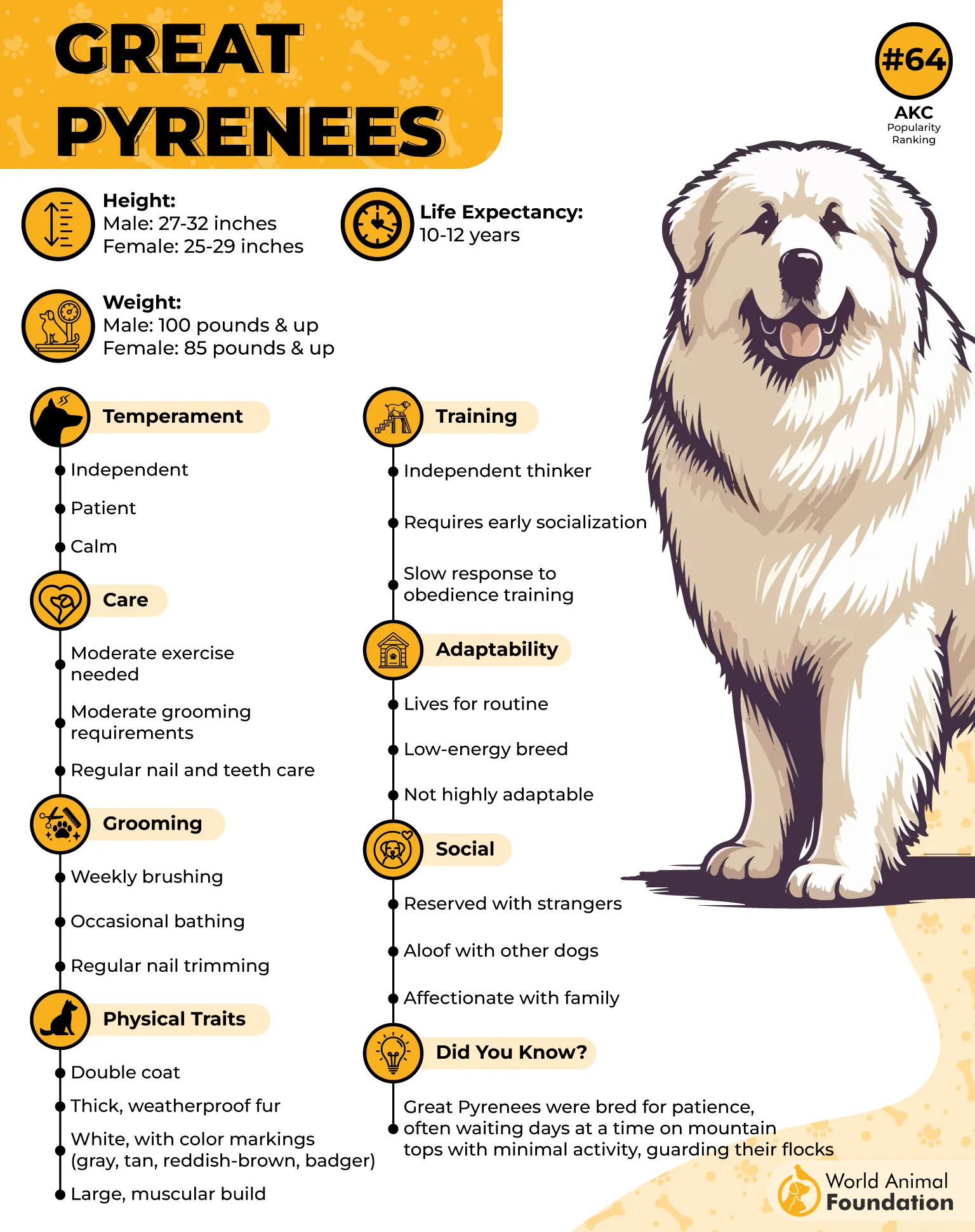
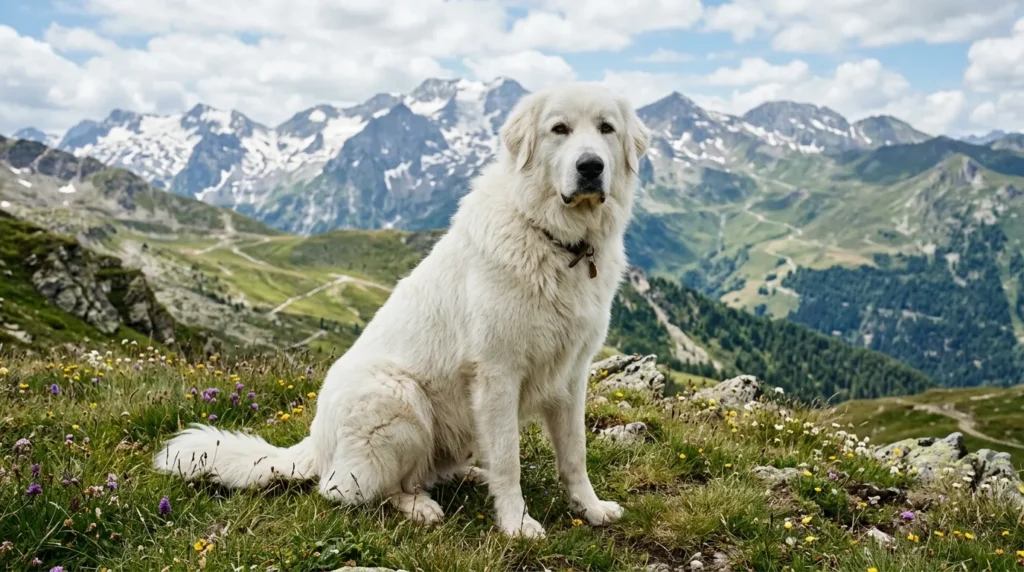
According to the AKC standards, the Great Pyrenees stands 25–32 inches tall and typically weighs 85 pounds or more, with males often exceeding 100 pounds. Its build is large, powerful, and heavily coated, designed to endure harsh mountain climates and confront predators.
The Blue Heeler is much more compact, standing 17–20 inches tall and weighing 35–50 pounds. It has a muscular, agile frame built for endurance and quick directional movement while herding livestock.
In practical terms, the Pyrenees takes up significantly more space and has a commanding presence, while the Blue Heeler is smaller but densely built for stamina and speed rather than sheer strength.
Energy Levels & Exercise Needs
Energy levels between these breeds differ sharply due to their original roles.
According to PetMD, the Blue Heeler is a high-energy working dog that thrives on constant activity. It requires structured exercise such as running, agility work, or herding tasks to stay mentally and physically balanced. Without enough physical and mental stimulation, it can become restless or develop destructive behaviors.
The Great Pyrenees, by comparison, has a much calmer energy profile. Bred to guard livestock rather than chase it, this breed conserves energy and remains alert without constant movement. Daily walks and light activity are usually enough to maintain health.
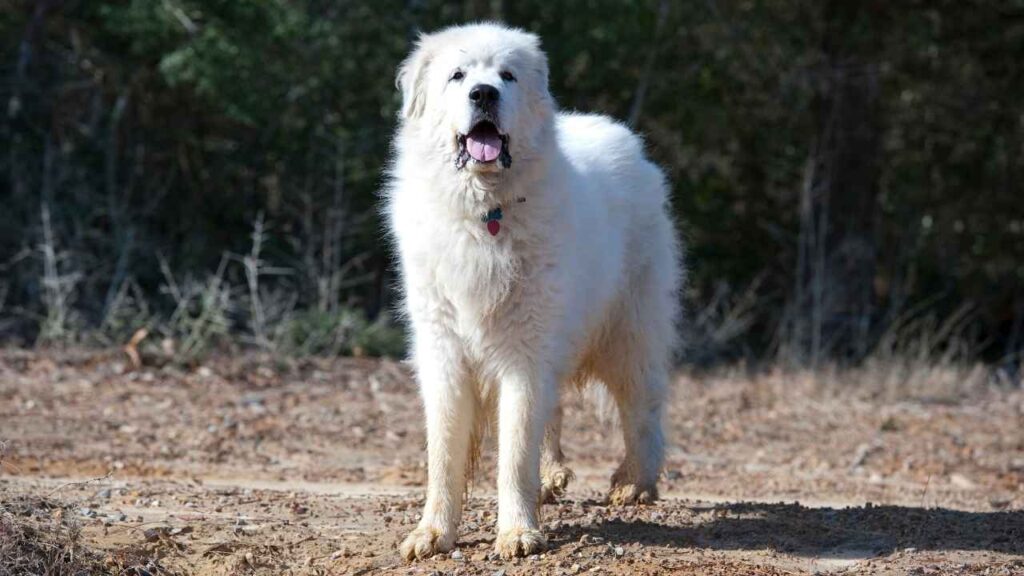
This contrast makes the Blue Heeler better suited for highly active owners, while the Great Pyrenees fits households that prefer a more relaxed, steady companion with moderate exercise needs.
Trainability & Obedience
Trainability highlights a clear contrast between these two breeds. The Blue Heeler is highly intelligent and eager to work, which makes it responsive to structured training and advanced tasks. It learns quickly and excels in obedience, agility, and problem-solving activities when given consistent guidance from an early age. However, its intelligence can also lead to stubborn behavior if not properly engaged.
The Great Pyrenees approaches training differently. While intelligent, it was bred to think independently and make decisions without human input. This can result in slower responses to commands and a tendency to question repetitive obedience tasks, as noted by WebMD.
As a result, the Blue Heeler is generally easier to train for obedience-focused owners, while the Great Pyrenees requires patience, consistency, and an understanding of its independent nature rather than strict command-based training.
Temperament & Personality
The Great Pyrenees and Blue Heeler differ significantly in how they interact with people and their environment. The Great Pyrenees is calm, patient, and naturally protective, often described as a gentle giant with a steady, watchful presence. It forms strong bonds with its family, kids, and other dogs and pets, but tends to remain reserved around strangers, reflecting its guardian background.
The Blue Heeler is more intense and alert, with a focused and driven personality. It is highly loyal and often forms a close attachment to one person, showing strong devotion but also a cautious attitude toward unfamiliar people.
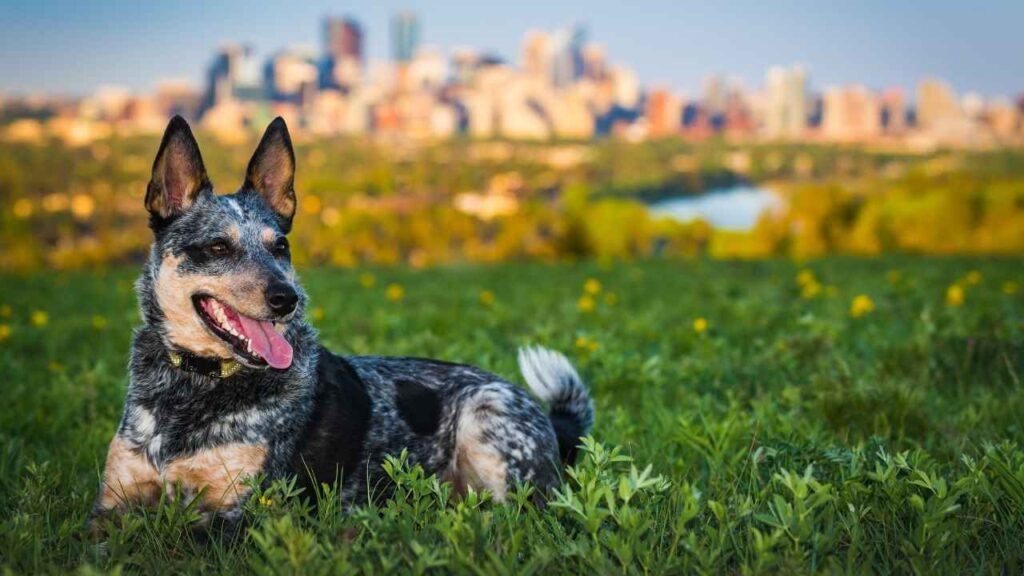
While both breeds are affectionate, the Pyrenees offers a calmer, more laid-back companionship, whereas the Blue Heeler brings a more energetic, work-oriented temperament that thrives on interaction and purpose.
Health & Lifespan
Both breeds are generally hardy, but they differ in lifespan and common health concerns.
The Great Pyrenees has a life expectancy of around 10–12 years when properly cared for, which is typical for a giant breed. Larger size can contribute to joint issues such as hip and elbow dysplasia, along with health conditions like bloat that require careful management. Hence, proper diet and weight maintenance are crucial.
The Blue Heeler tends to live longer, with the American Kennel Club listing a lifespan of 12–16 years. It is considered a resilient breed, though it can still be prone to inherited issues such as deafness, eye disorders like progressive retinal atrophy, and hip dysplasia.
Overall, the Blue Heeler typically enjoys a longer lifespan, while the Great Pyrenees may require more attention to joint health and size-related conditions.
Coat & Maintenance
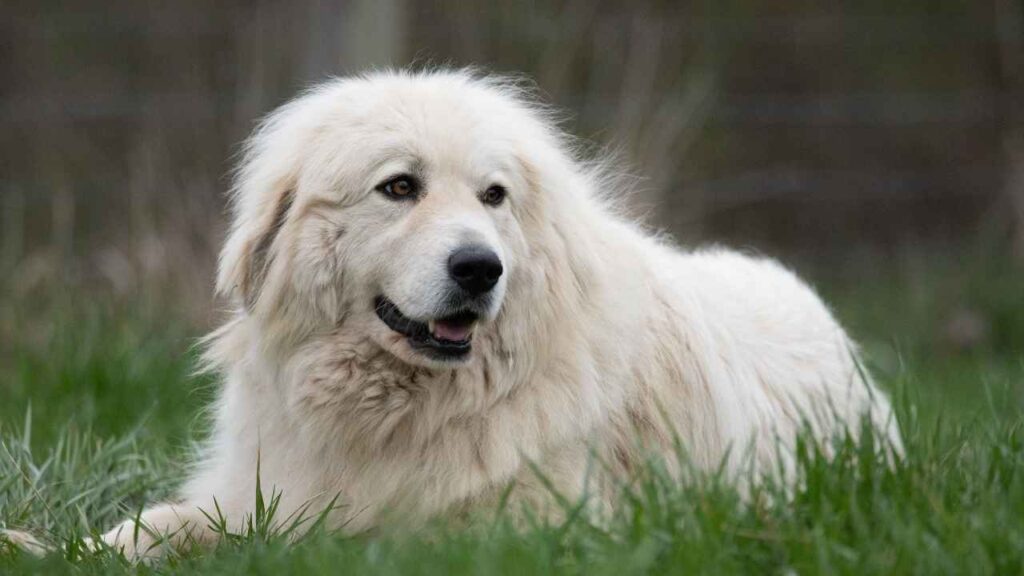
Coat type and grooming needs reflect each breed’s environment and function. The Great Pyrenees has a thick double coat with a long outer layer and soft, fine hair undercoat designed to protect against harsh weather. Despite its volume, the coat is relatively dirt-resistant and requires weekly brushing, though shedding can be heavy, especially during seasonal changes.
The Blue Heeler has a shorter, dense double coat that is easier to manage. The coat typically needs only weekly brushing and occasional baths, although it sheds more heavily during seasonal coat changes.
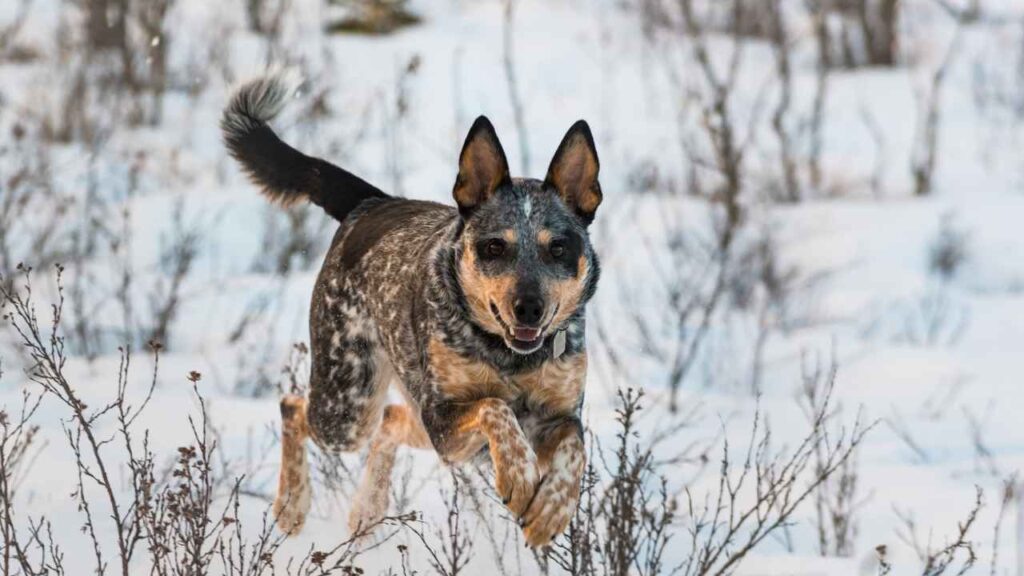
In comparison, the Pyrenees demands more time for managing shedding and coat volume, while the Blue Heeler offers a lower-maintenance grooming routine suited to active owners who prefer minimal upkeep.
Independence vs. Attachment
The Great Pyrenees and Blue Heeler differ greatly in how they relate to their owners.
The Great Pyrenees is naturally independent, a trait developed from working alone in mountain pastures while guarding livestock. It is comfortable making its own decisions and often values personal space, even within a family setting. While affectionate, it does not rely heavily on constant attention and can spend time alone without stress.
The Blue Heeler shows the opposite tendency. It forms a strong, close bond with its owner and often prefers constant interaction. This breed thrives on companionship and can struggle with separation if left alone for long periods.
In daily life, the Pyrenees suits owners who appreciate a more self-sufficient dog, while the Blue Heeler is better for those who want an engaged, highly attached companion.
Their Instincts & Working Roles
Instincts play a defining role in how these breeds behave. The Great Pyrenees was bred as a livestock guardian, meaning its instinct is to watch, protect, and respond to potential threats. It tends to patrol territory, remain alert to sounds, and act only when necessary, conserving energy for defense.
The Blue Heeler, by contrast, is a herding specialist. Its instinct is to control movement, often by nipping at the heels of livestock to guide them. This drive translates into behaviors like chasing, controlling motion, and staying highly focused on tasks.
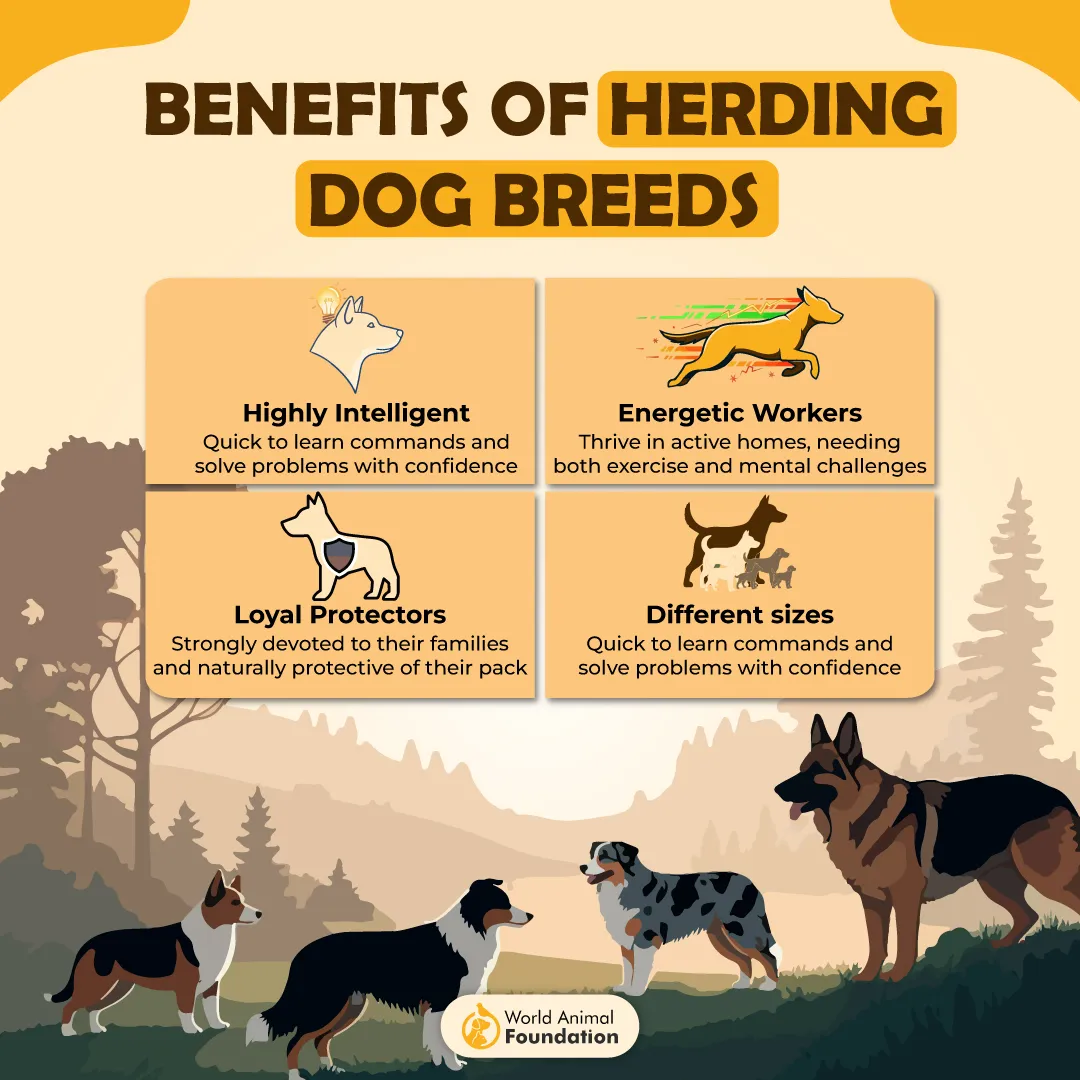
These instincts continue in modern homes. The Pyrenees may act as a natural watchdog, while the Blue Heeler often seeks activities that mimic herding, requiring structured outlets to channel its strong working drive.
Conclusion
The Great Pyrenees and Blue Heeler are built for completely different lifestyles. One furry friend is a calm, independent guardian that protects with patience and quiet strength, while the other is a high-energy herder driven by activity, focus, and close human interaction.
Choosing between them comes down to how much exercise, training involvement, and companionship you can provide. If you prefer a relaxed, watchful presence, the Pyrenees fit well.
If you want an active, highly engaged partner, the Blue Heeler is the better match. Understanding these core differences helps ensure a better long-term fit for both you and your dog.
