




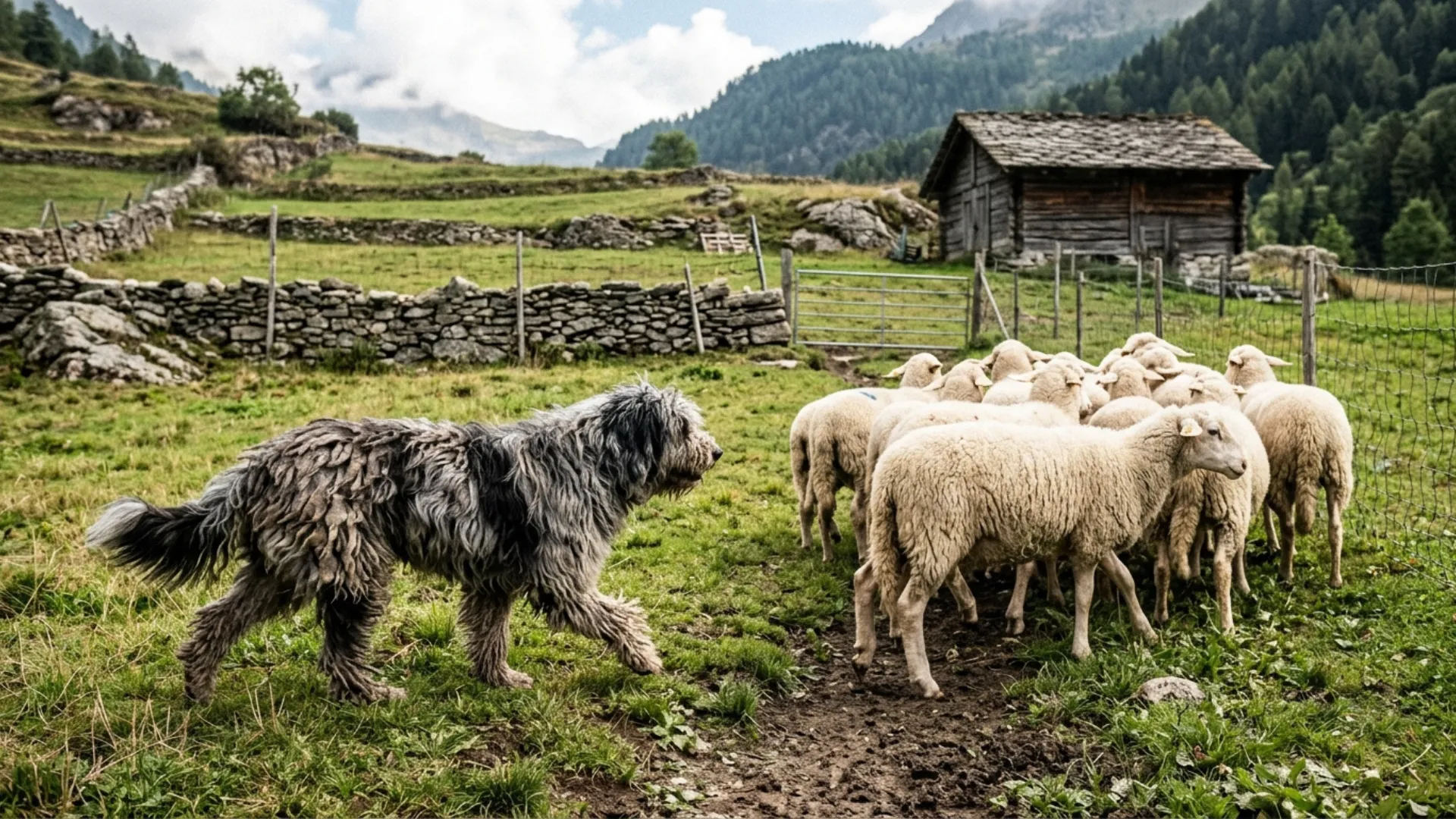
Life on the farm demands more than grit—it calls for dogs with loyalty, agility, and an instinct for hard work. While modern tools and machinery assist farmers, nothing matches the keen senses and tireless energy of a true working dog.
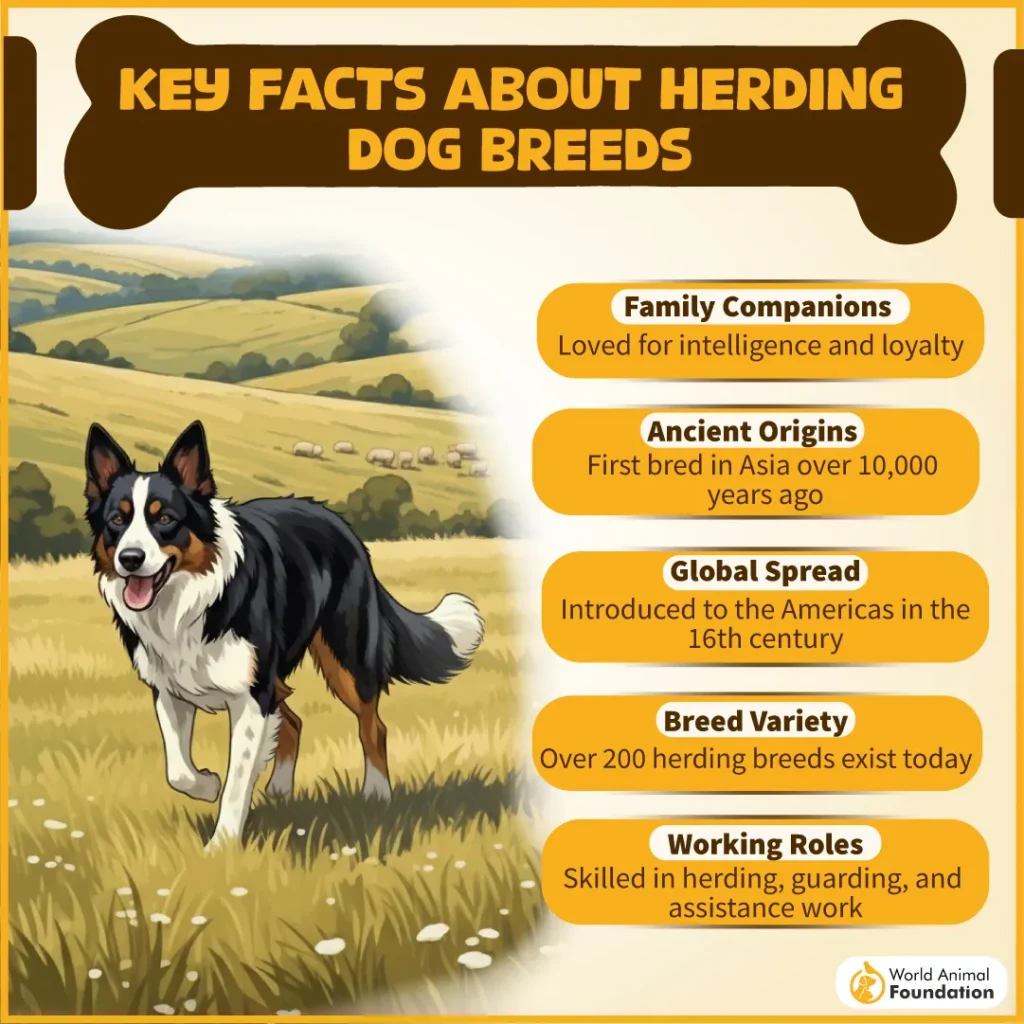
From guiding and guarding livestock to providing steadfast companionship, herding dogs have been selectively bred for generations to master the art of managing flocks and herds. Their skills vary: some drive animals forward, others keep stragglers in line, while a few combine both tactics with precision and intelligence.
Spanning the globe in countless shapes and sizes, herding breeds adapt to mountains, plains, and unpredictable weather alike. Even today, they balance farm duties with family life, proving that the heart of a herder beats in dogs of every age and breed.
Top Dog Breeds That Thrive In Agricultural Work And Herding
1. Briard
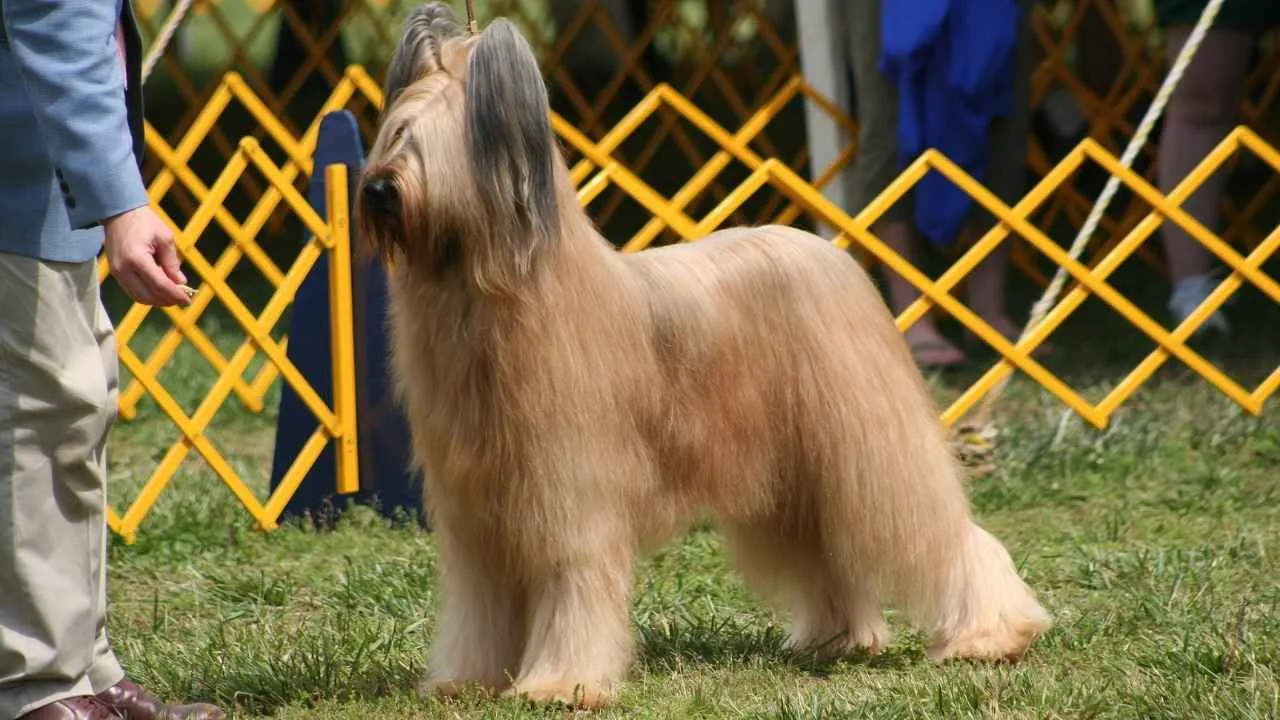
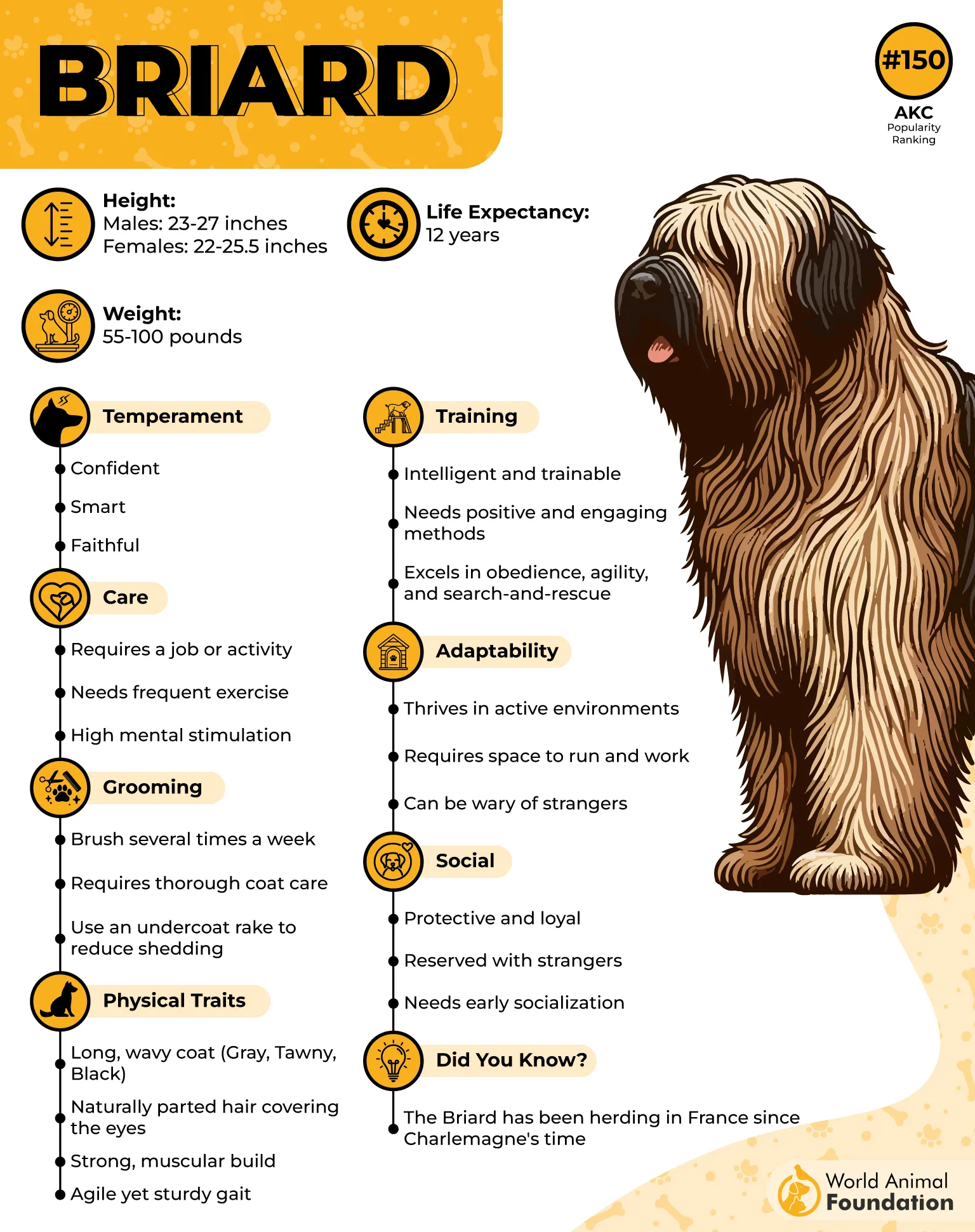
The Briard, also known as Chien Berger de Brie, boasts a lineage stretching back to the 8th century, often seen alongside Emperor Charlemagne in historical tapestries. Originally bred to herd and guard sheep, this rugged, muscular dog was valued for its strong herding instincts and quick reflexes.
Coat Care for a Hardy Farmhand
With its long, wavy double coat in shades of black, tawny, or gray, the Briard is built for the outdoors, repelling dirt and water while shedding minimally. This shaggy exterior does require regular grooming—about two hours a week—to prevent mats and tangles.
Instincts That Make a Herding Hero
Clever, alert, and independent, Briards excel at controlling livestock with intelligence and confidence. Their double dew claws aid balance on rough ground, and their natural herding instincts extend even to children and other animals at home.
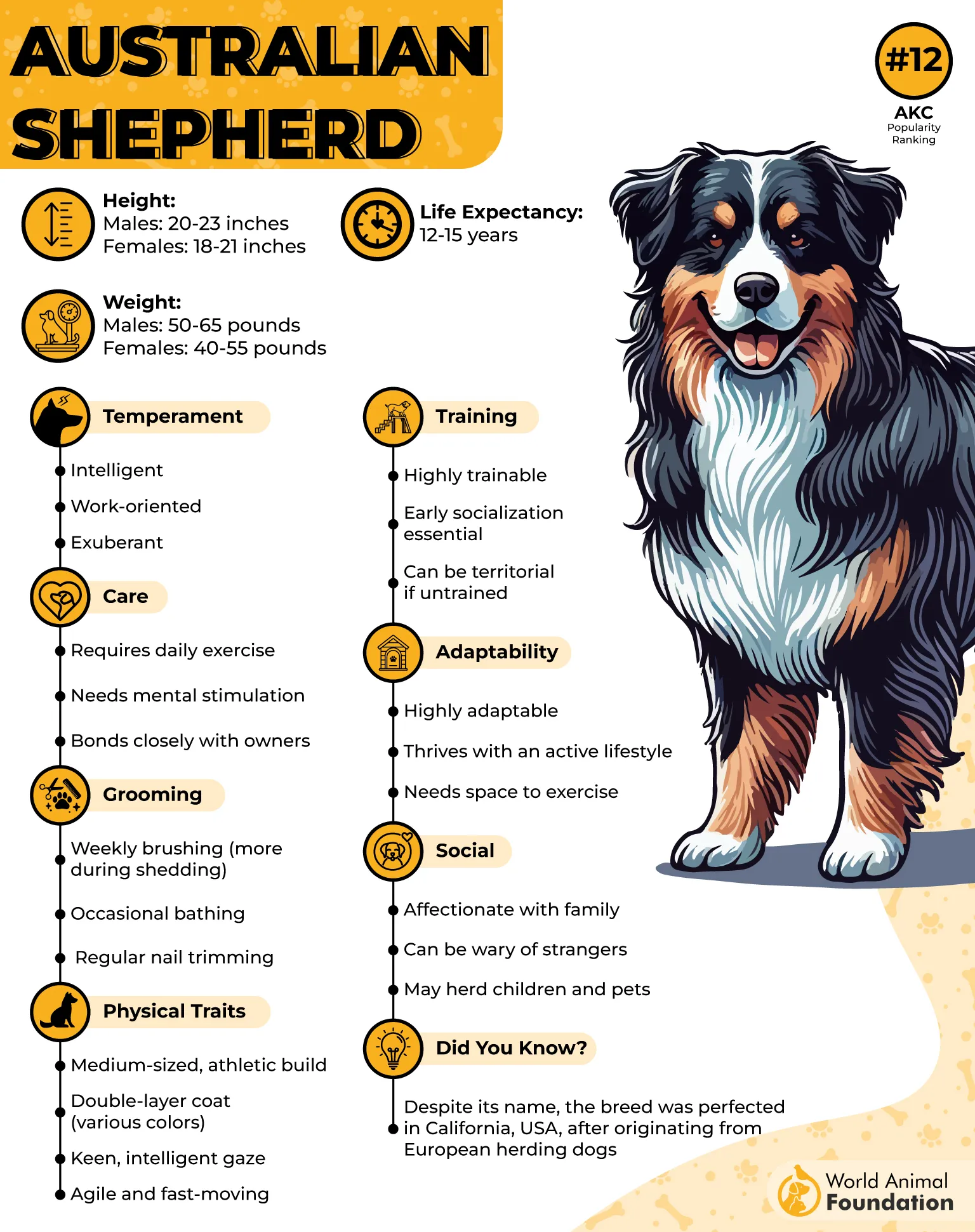
2. Australian Shepherd
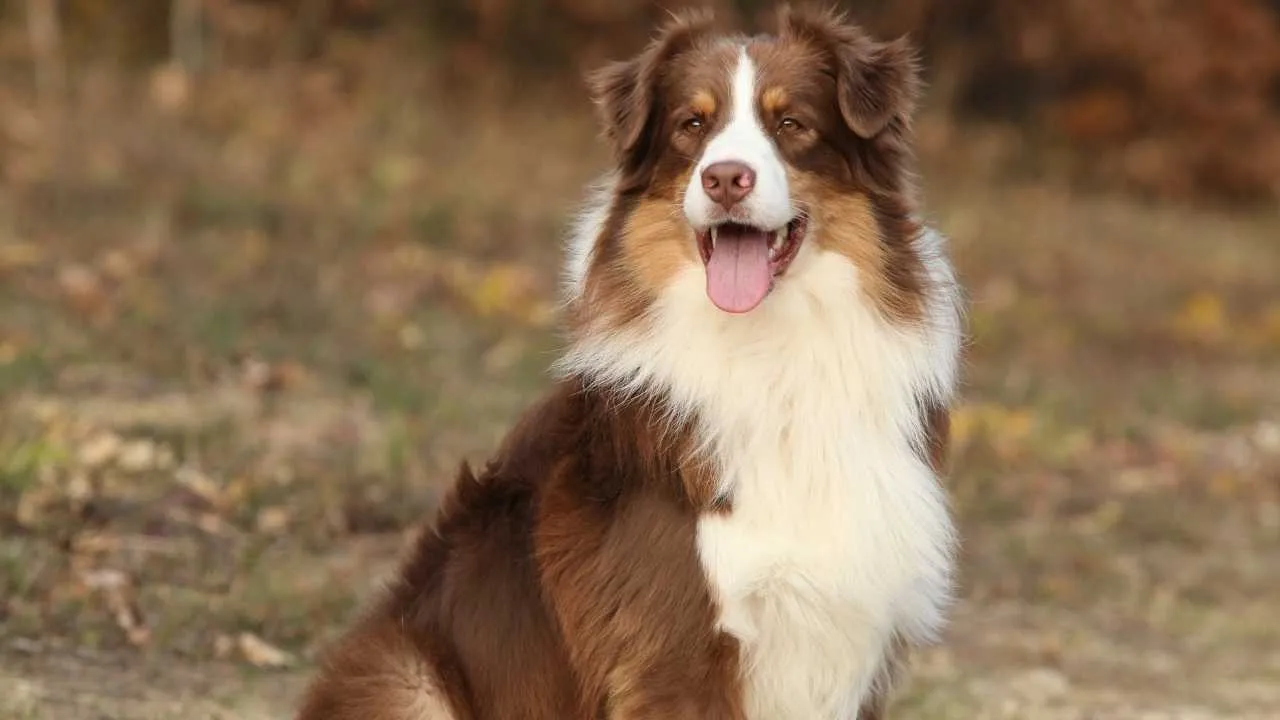
The Australian Shepherd’s journey began in the Pyrenees Mountains, where the Basque shepherds relied on nimble, clever dogs to manage their flocks, as per Hill’s Pet. This energetic dog traveled with its owners to Australia, where it was refined with Collie and Border Collie bloodlines.
Keeping That Rugged Coat Ready
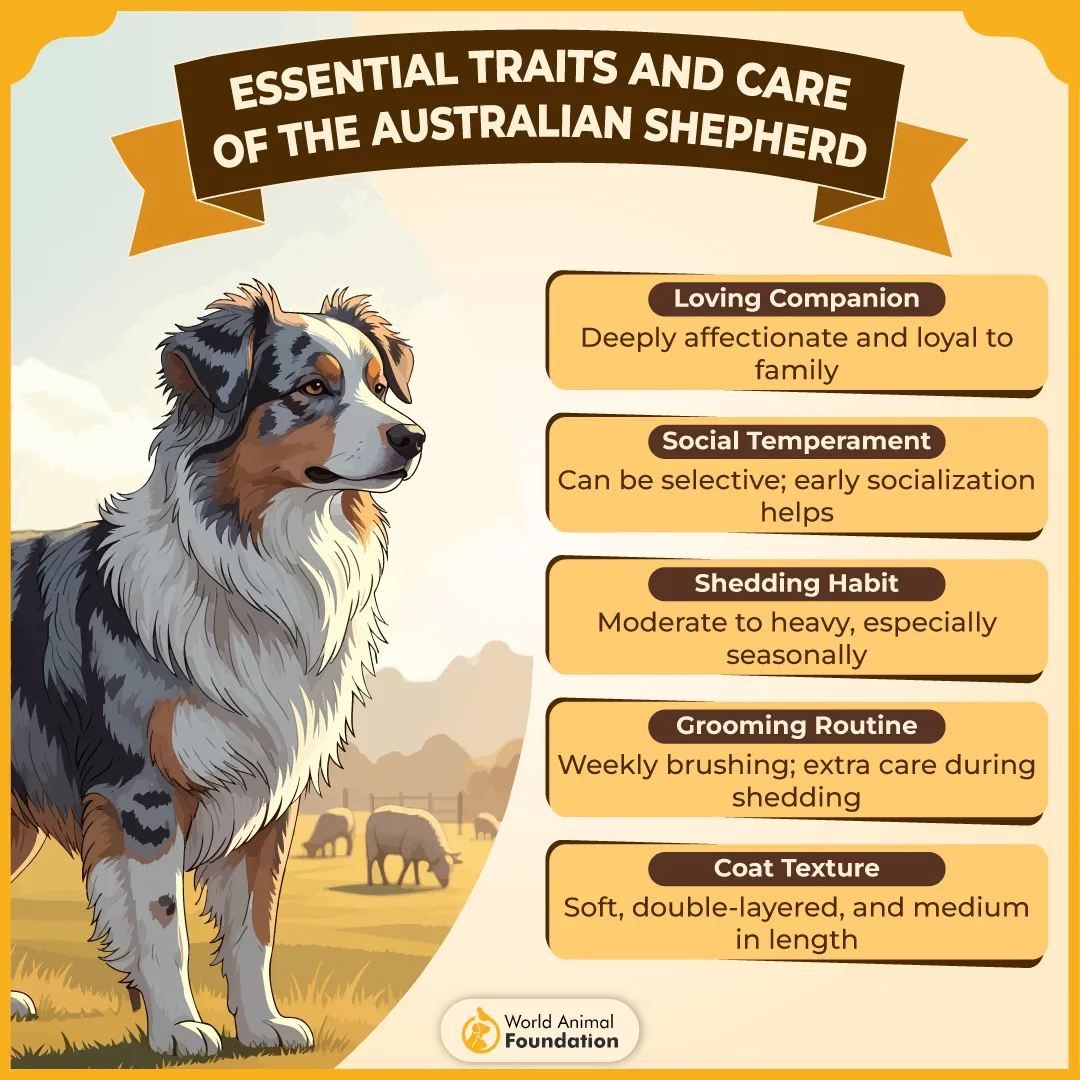
Aussies sport a lush, medium-length coat, often in merle patterns or tricolour blends, with feathering on the legs and a thick neck mane. Though hardy, this coat benefits from weekly brushing to prevent mats and occasional baths to maintain its natural resilience.
Herding Instincts That Never Quit
Known for their penetrating gaze and irresistible drive to herd, Australian Shepherds excel at moving livestock and keeping order on the range. Their intelligence, agility, and protectiveness make them versatile farm partners, able to respond independently to challenges.
3. Polish Lowland Sheepdog
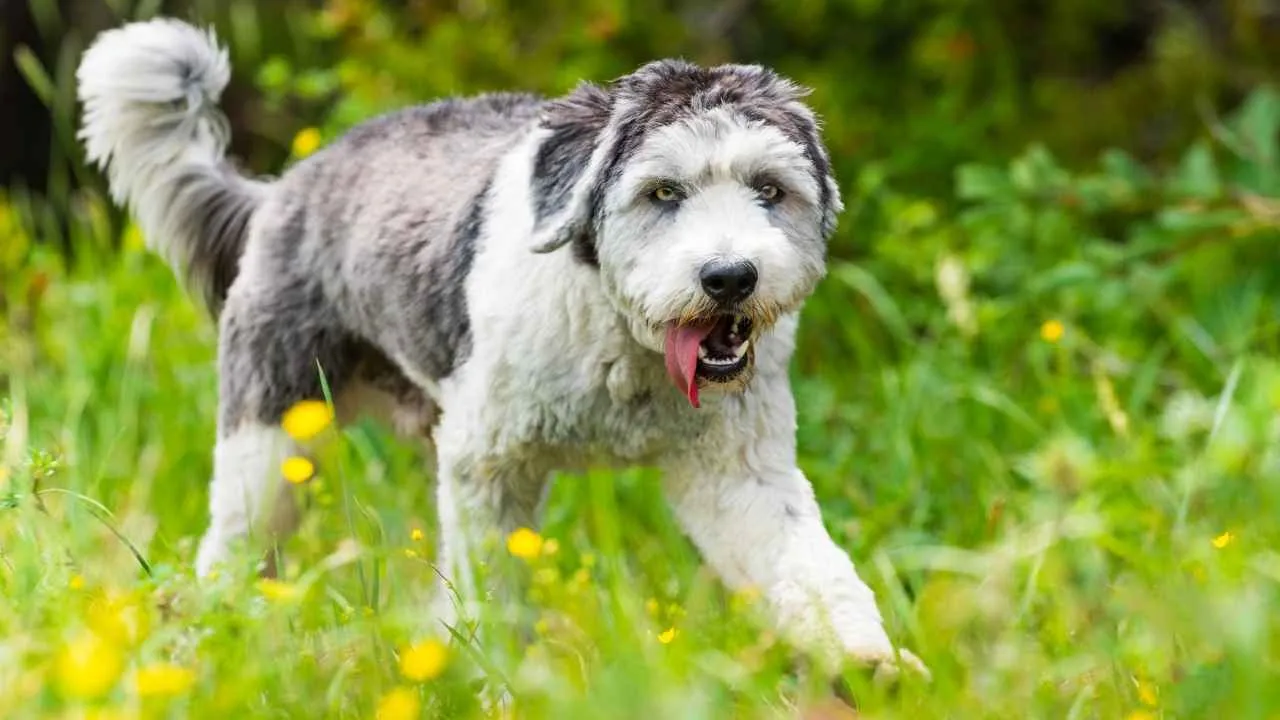
The Polish Lowland Sheepdog, or PON (Polski Owczarek Nizinny), has roamed the plains of Poland since at least the 13th century. Bred from local herding dogs and possibly Hunnic imports, this sturdy, intelligent dog was tasked with guarding flocks by night and working alongside farmers by day.
Taming the Thick, Shaggy Coat
PONs sport a dense, shaggy coat that often hangs over their eyes, protecting them from harsh weather and grazing debris. Daily brushing is essential to prevent tangles, and a shorter puppy clip can reduce upkeep while maintaining their charm.
Herding Instincts and Family Integration
Confident, perceptive, and highly energetic, Polish Lowland Sheepdogs excel at managing livestock independently, thanks to centuries of herding work. Their intelligence and drive extend to family life, where they thrive when given daily exercise, outdoor space, and tasks to challenge their minds.
4. Bergamasco Sheepdog
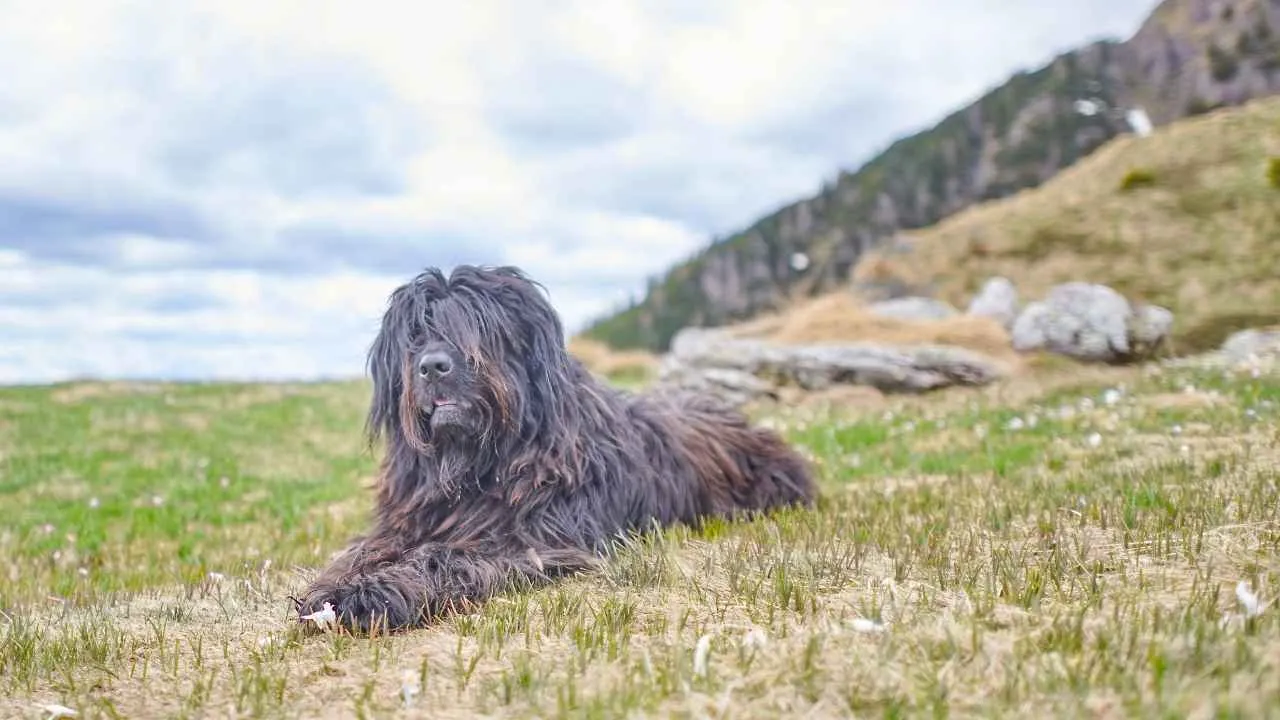
The Bergamasco Sheepdog hails from the rugged Italian Alps near Bergamo, where centuries of harsh terrain and fierce predators shaped a patient yet fearless herder, as per Purina. These service dogs learned to guard and move livestock with calm intelligence, earning a reputation as steadfast mountain companions long before modern recognition.
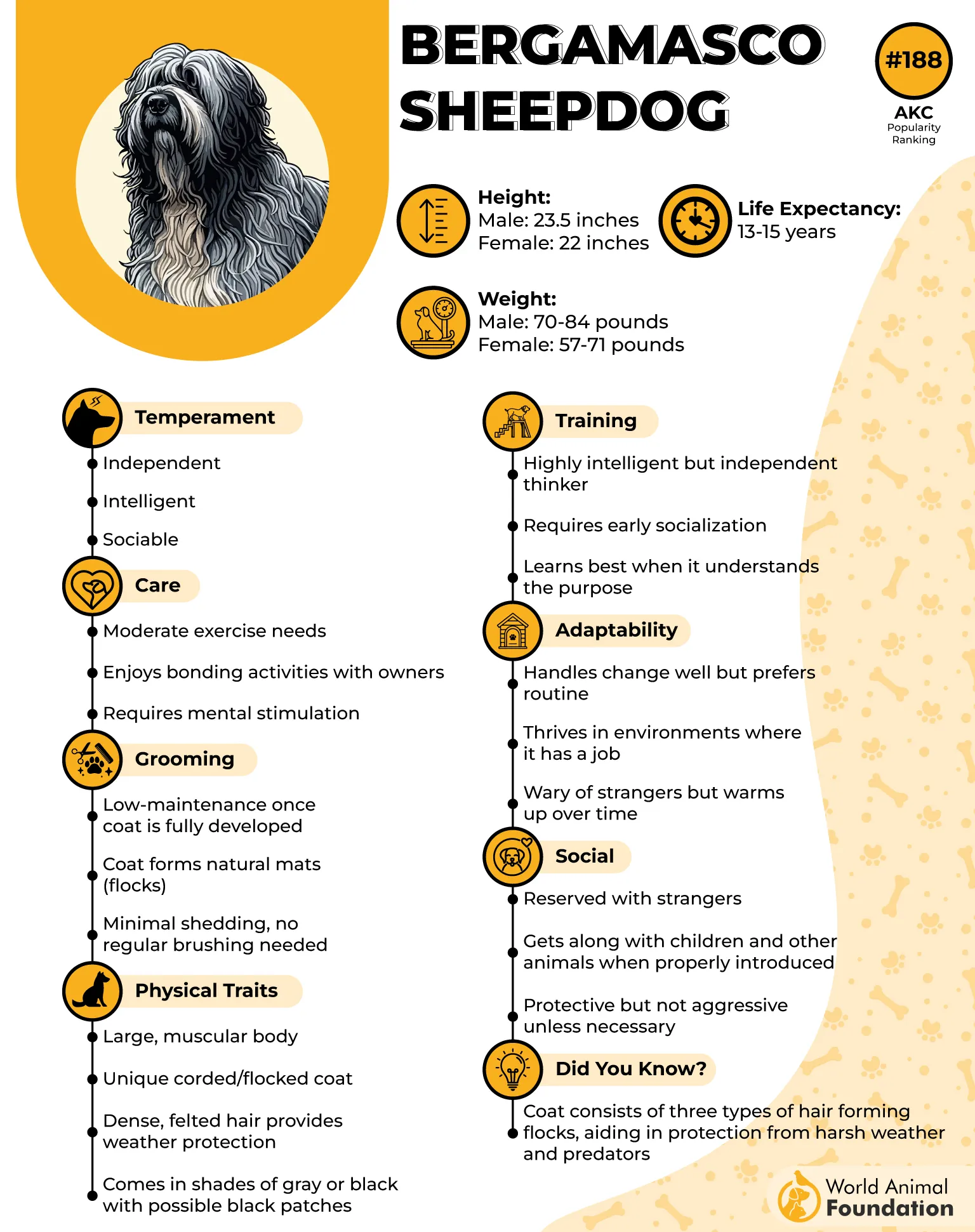
Flocks That Protect and Impress
The Bergamasco’s iconic coat forms naturally into dense, flat mats called flocks, blending soft, coarse, and woolly hair to shield the dog from cold, debris, and predators. Once formed, these flocks require minimal maintenance, with occasional baths and ear checks keeping them in top condition.
Herding With Independence and Skill
Athletic and clever, Bergamascos thrive when given a “job,” whether guiding sheep over rocky slopes or participating in agility and herding activities. Their protective instincts extend to family life, while their intelligence allows them to problem-solve independently.
5. Puli
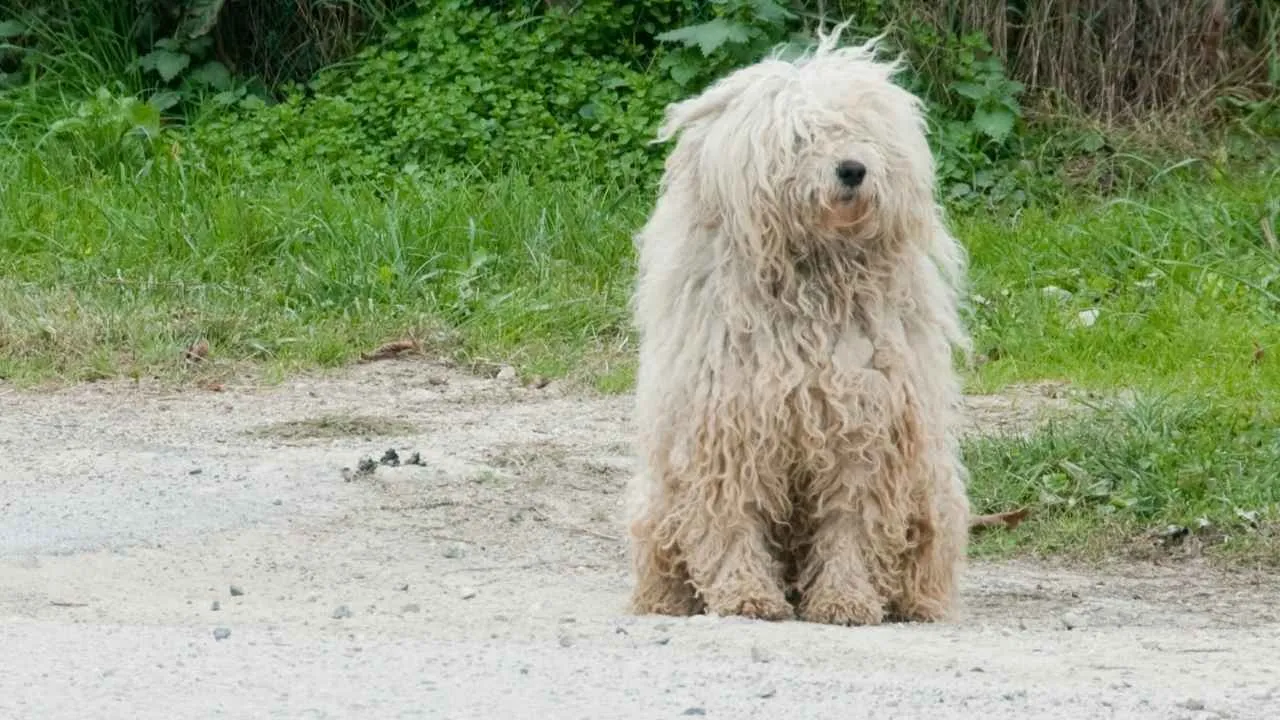
The Puli, an ancient Hungarian breed with roots tracing back to nomadic Tibetan terriers, was bred to work closely with shepherds in isolation. Known for its energy, intelligence, and independence, this small but extremely intelligent dog developed a sharp herding instinct, managing flocks with precision while remaining a loyal companion to its human.
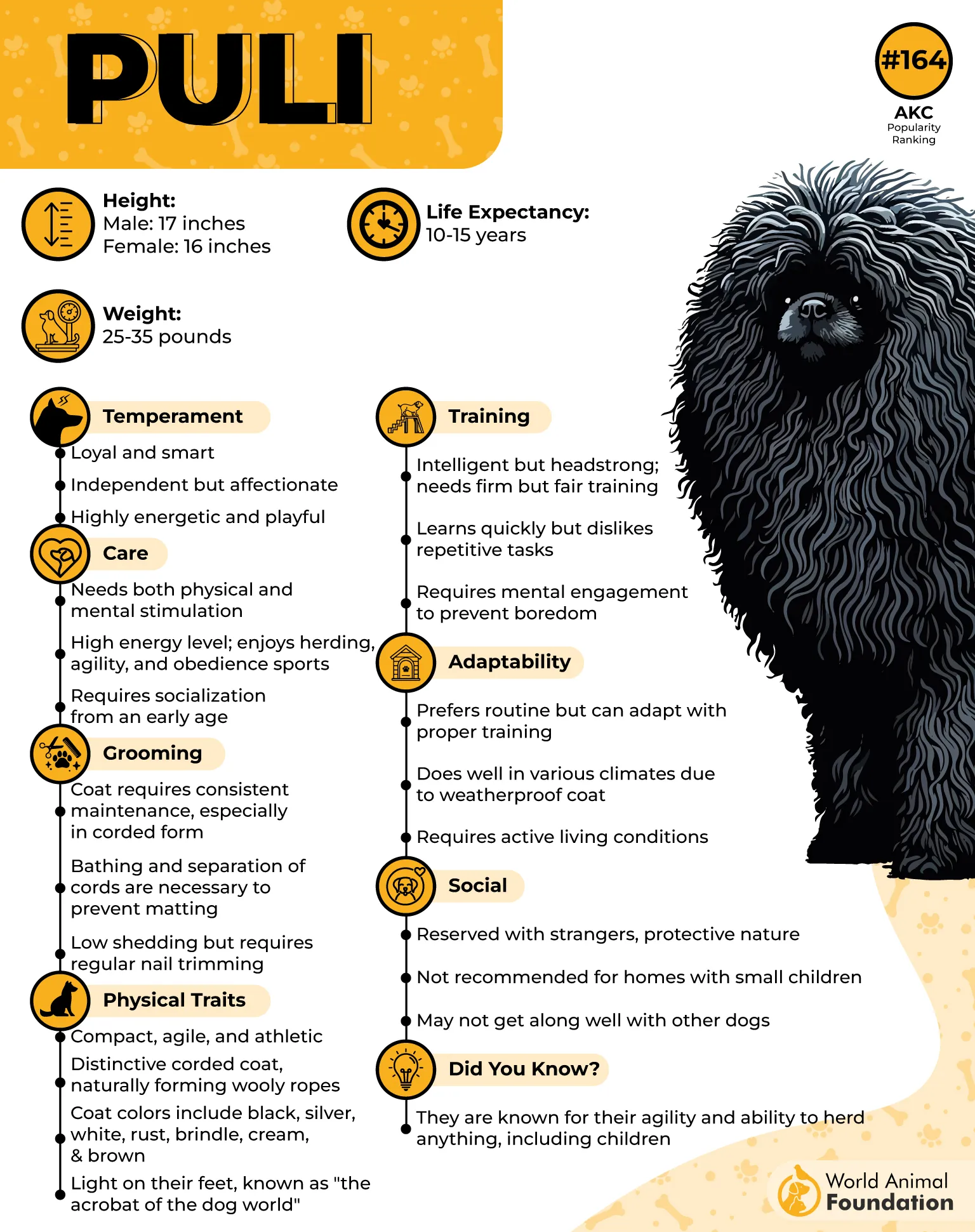
Cords That Protect and Define
The Puli’s signature corded coat, dense and weather-resistant, forms naturally as the dog matures, protecting from harsh elements and predators. Reaching the floor in adult dogs, the cords require patience during grooming but shed minimally and are hypoallergenic.
Herding Energy and Devotion
With an active mind and body, Pulik excel at circling and guiding livestock, using instinctive nips to keep flocks in line. Loyal and protective, they extend this attentiveness to family life, making excellent companions when given daily exercise and mental stimulation.
6. Belgian Malinois
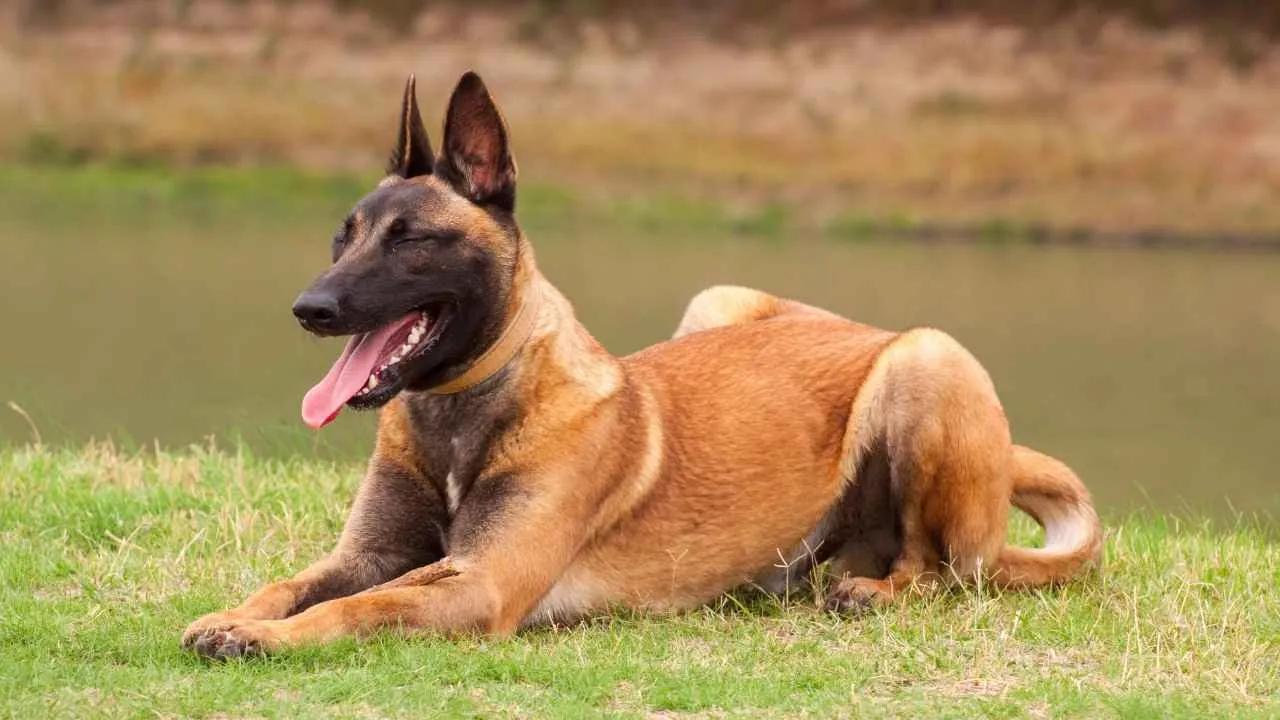
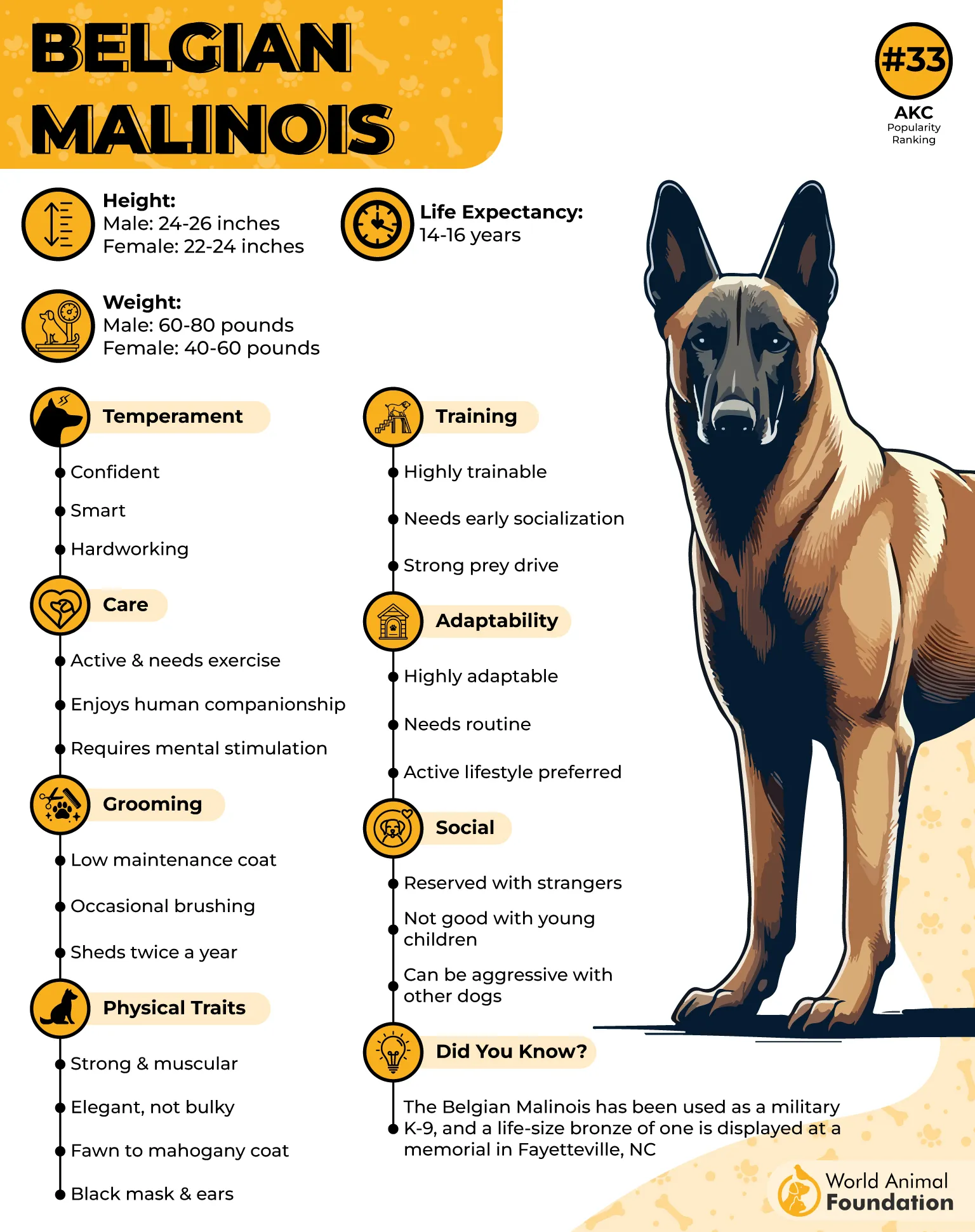
Originating near Malines in northwestern Belgium, the Belgian Malinois was developed as a confident, agile herder for sheep and cattle. Over the years, their intelligence, trainability, and stamina have made them indispensable on farms and beyond, thriving in roles ranging from herding to police, military, and search-and-rescue work.
Sleek Coat, Simple Care
Unlike many herding breeds, the Malinois sports a short, dense, waterproof coat that requires minimal upkeep. Seasonal shedding occurs twice a year, but regular brushing keeps its sleek fawn-to-mahogany coat healthy, highlighting the breed’s elegant, well-muscled frame while allowing it to work comfortably in all weather conditions.
Herding Instinct Meets Loyalty
Belgian Malinois are high-energy, alert, and fiercely devoted to their human partners, as per WebMD. Their natural herding drive extends to children and pets, requiring consistent training, daily exercise, and mental stimulation.
7. Bearded Collie
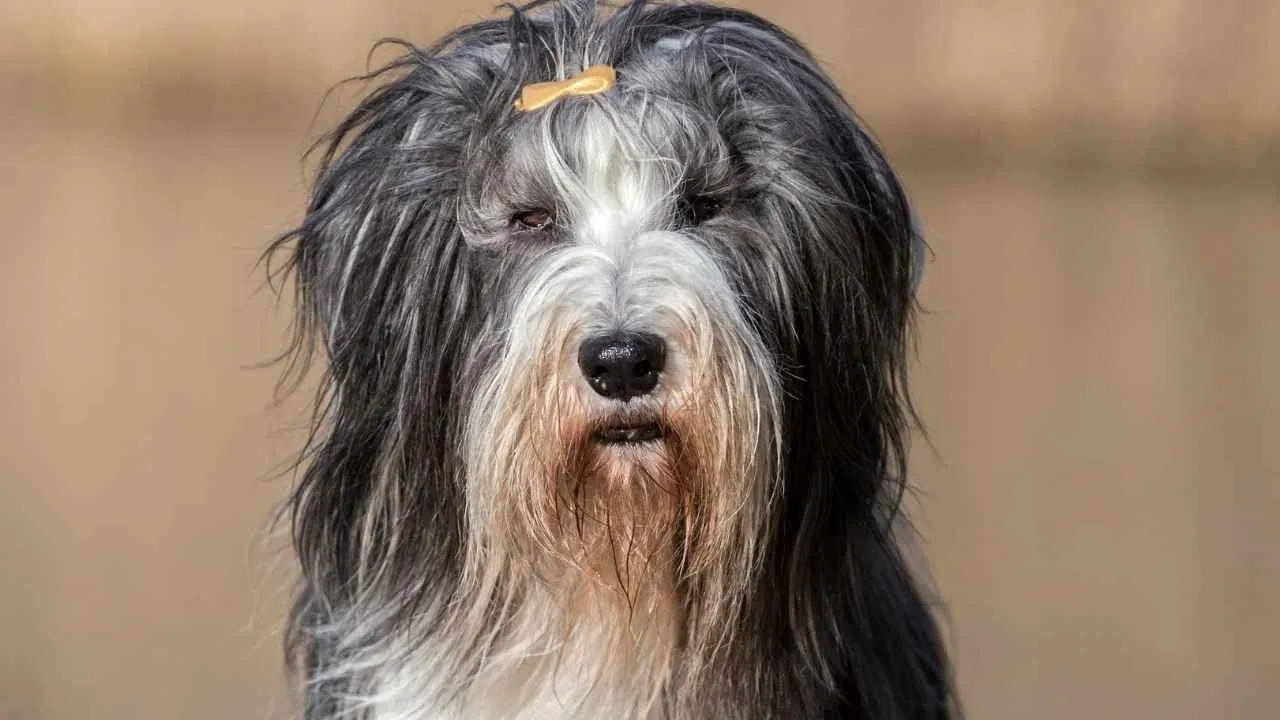
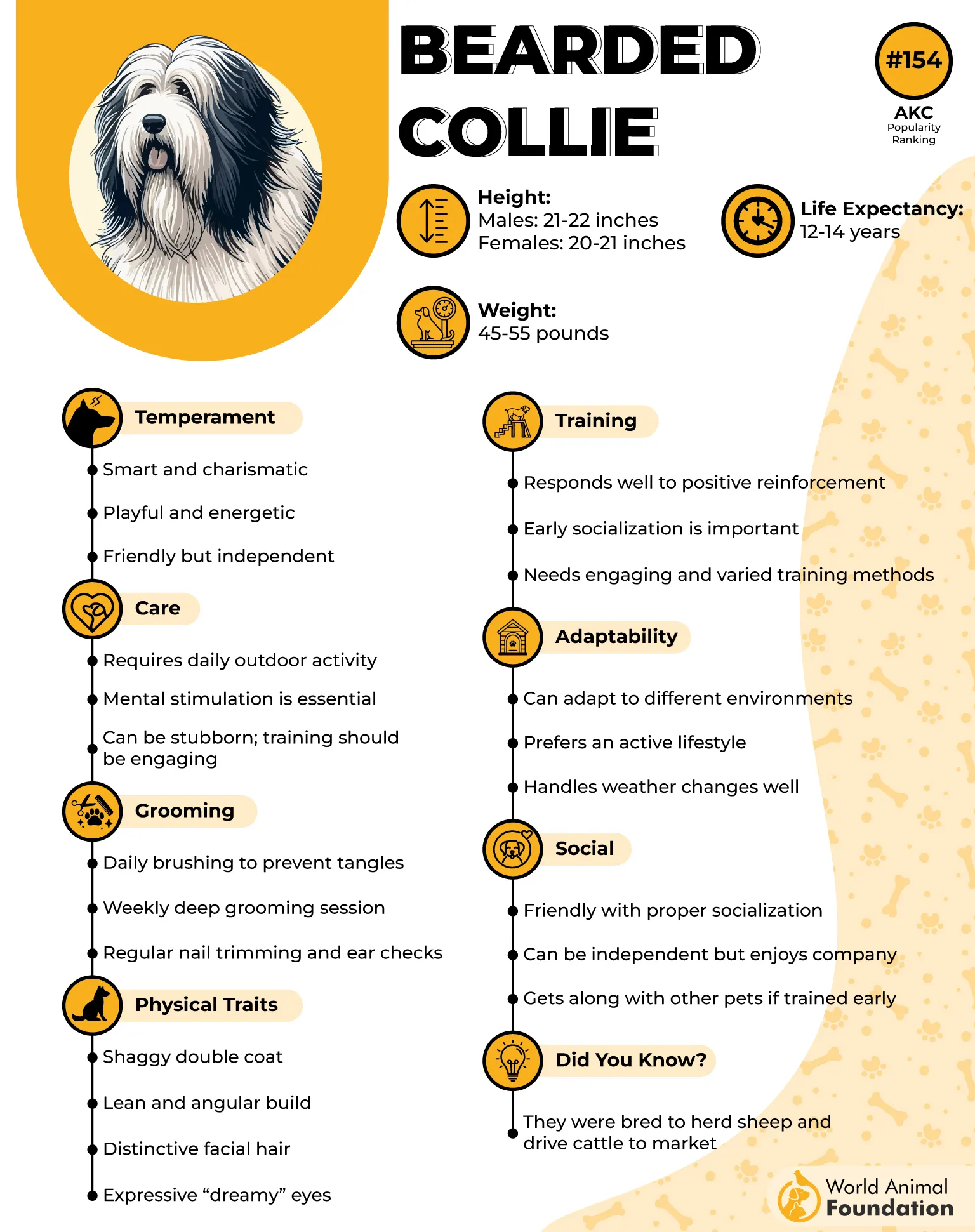
The Bearded Collie, or “Beardie,” hails from the British Isles and descends from Polish lowland sheepdogs brought to Scotland in the 1500s, as per the AKC. Bred for herding and guarding livestock, these lithe, athletic dogs are known for their intelligence, quick reflexes, and signature “beardie bounce” used to spot and manage flocks even in dense cover.
Flowing Coats That Need Care
Beardies are instantly recognizable by their long, thick, double-layered coat, which ranges in shades of brown, black, blue, or gray. Daily grooming is essential to prevent mats and debris buildup, and while the coat may be trimmed, maintaining the natural texture ensures the dog can work comfortably and stay weather-resistant in farm conditions.
Herding Instincts Meet Family Life
Highly energetic and independent, Bearded Collies thrive when given work, from herding sheep to participating in agility and obedience tasks. Their strong herding drive often extends to family members, making consistent training and exercise critical.
8. Shetland Sheepdog
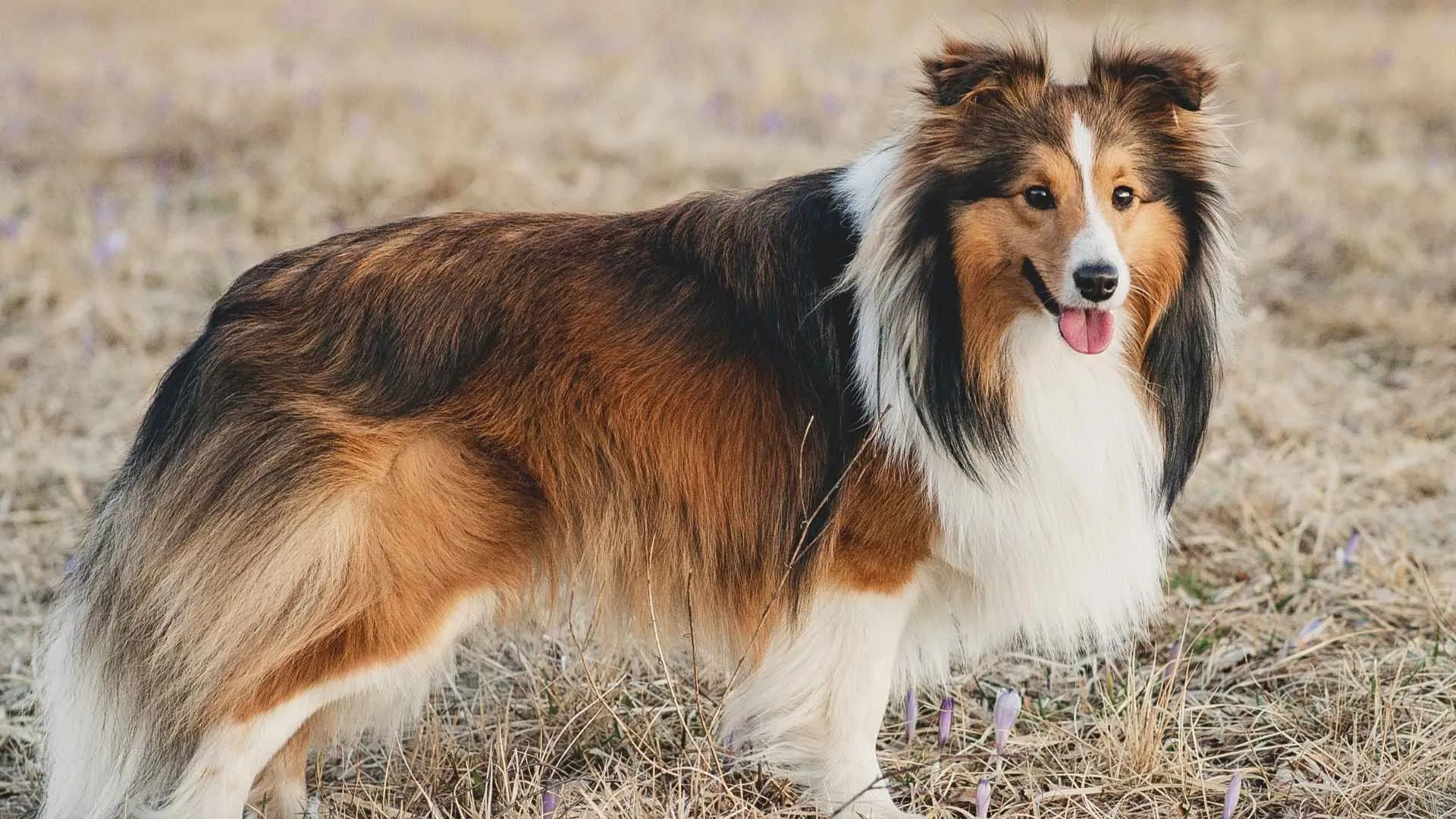
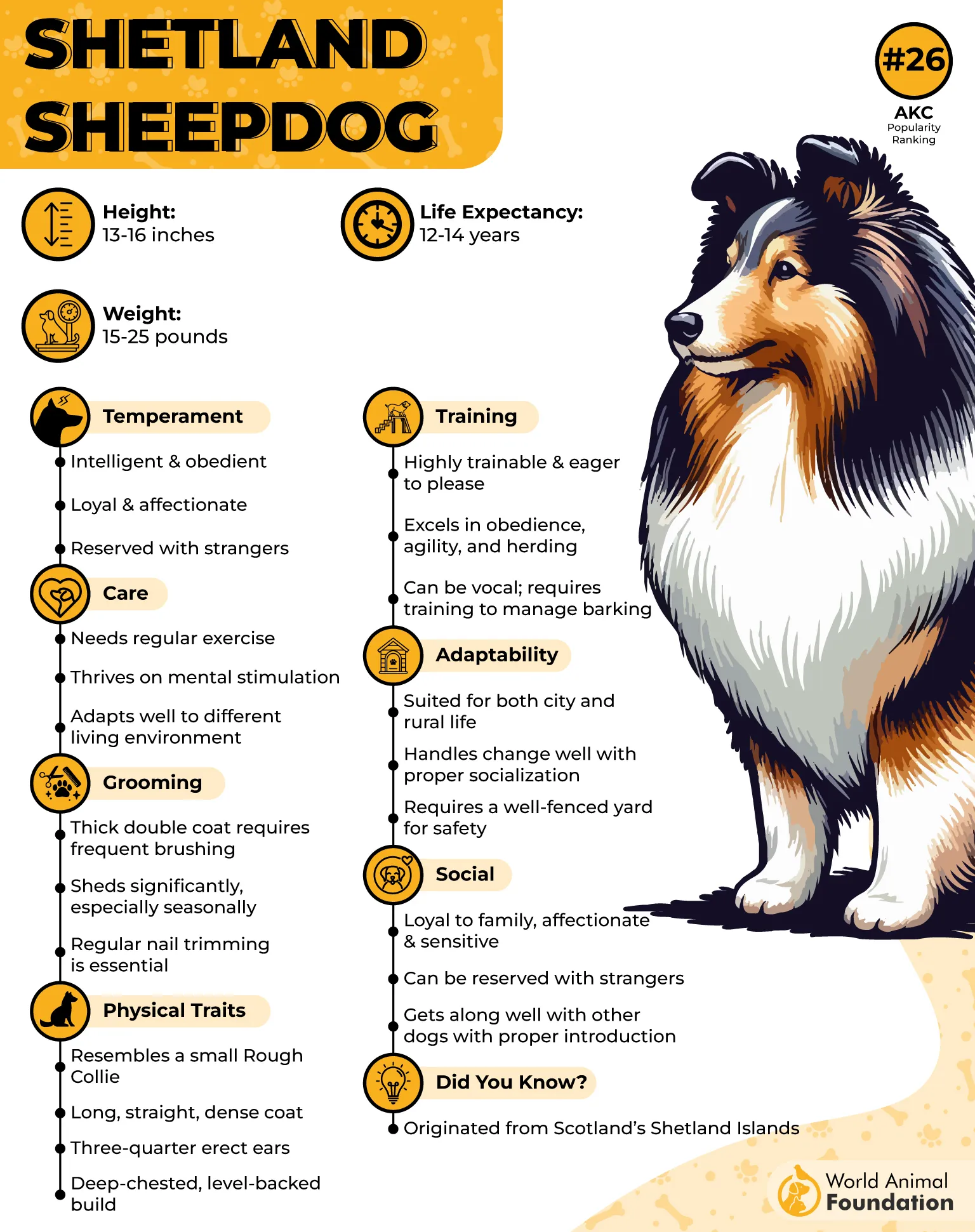
The Shetland Sheepdog, affectionately called the Sheltie, was developed on Scotland’s remote Shetland Islands to herd small sheep, ponies, and poultry, as per Britannica. Its compact size and agile build made it perfect for navigating the rocky, sparse terrain, while still keeping livestock under careful watch.
Luxurious Coats That Need Love
Shelties sport a long, thick double coat with a dense underlayer and a straight, flowing outer layer. Regular brushing several times a week prevents mats and tangles, especially around the legs, tail, and ears.
Herding Instincts Meet Family Energy
Intelligent, active, and eager to please, Shelties thrive with daily exercise, mental stimulation, and a “job” to do—whether herding, agility, or obedience tasks. Their instinct to chase and control movement extends to family life, so consistent training and early socialization are essential.
9. German Shepherd
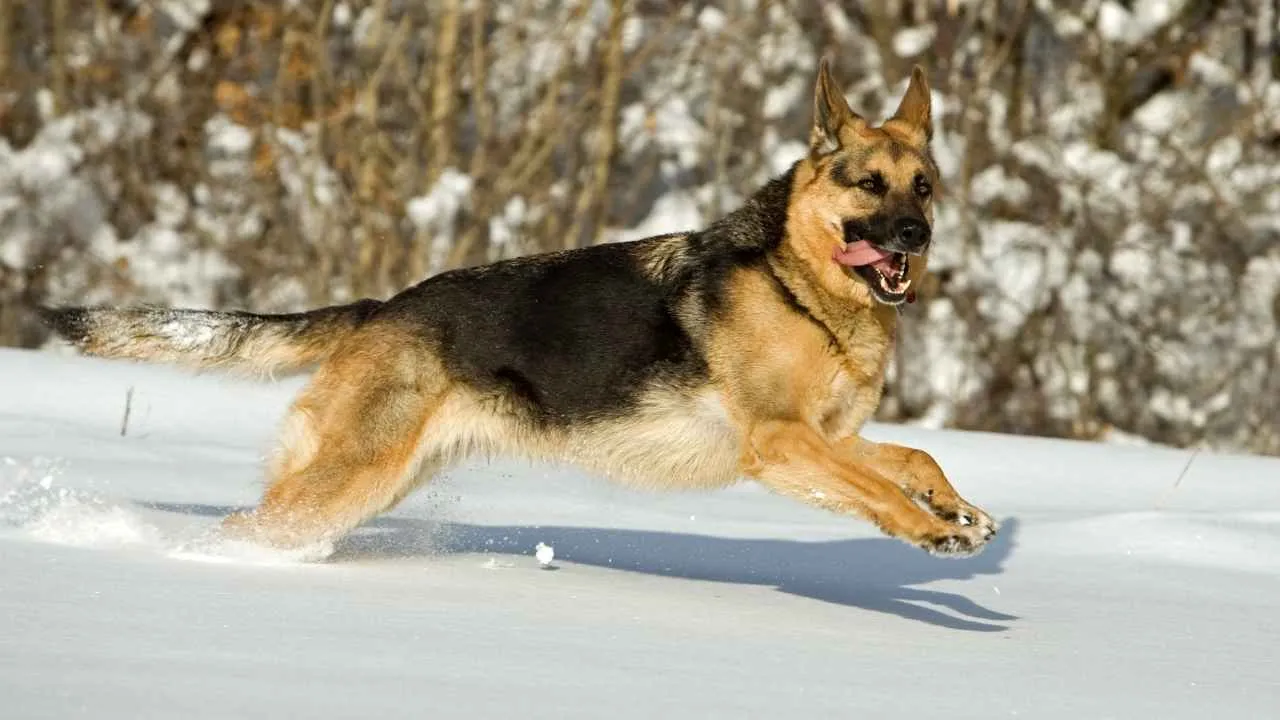
The German Shepherd was developed in Germany in the late 19th century from traditional herding and farm dogs. Captain Max von Stephanitz is credited with standardizing the breed, selecting dogs for intelligence, loyalty, and physical soundness, as per PetMD.

Dense Coat, Steady Care
German Shepherds have a double coat: a coarse, medium-length outer layer over a soft undercoat. Colors range from classic black and tan to sable, gray, or solid black. Daily brushing is recommended during shedding season, while regular weekly grooming keeps their coat healthy year-round.
Herding Instinct Meets High Energy
Intelligent, alert, and athletic, German Shepherds thrive when given both physical and mental challenges. Daily walks, training sessions, and activities like agility or tracking satisfy their herding instincts and prevent boredom.
10. Old English Sheepdog
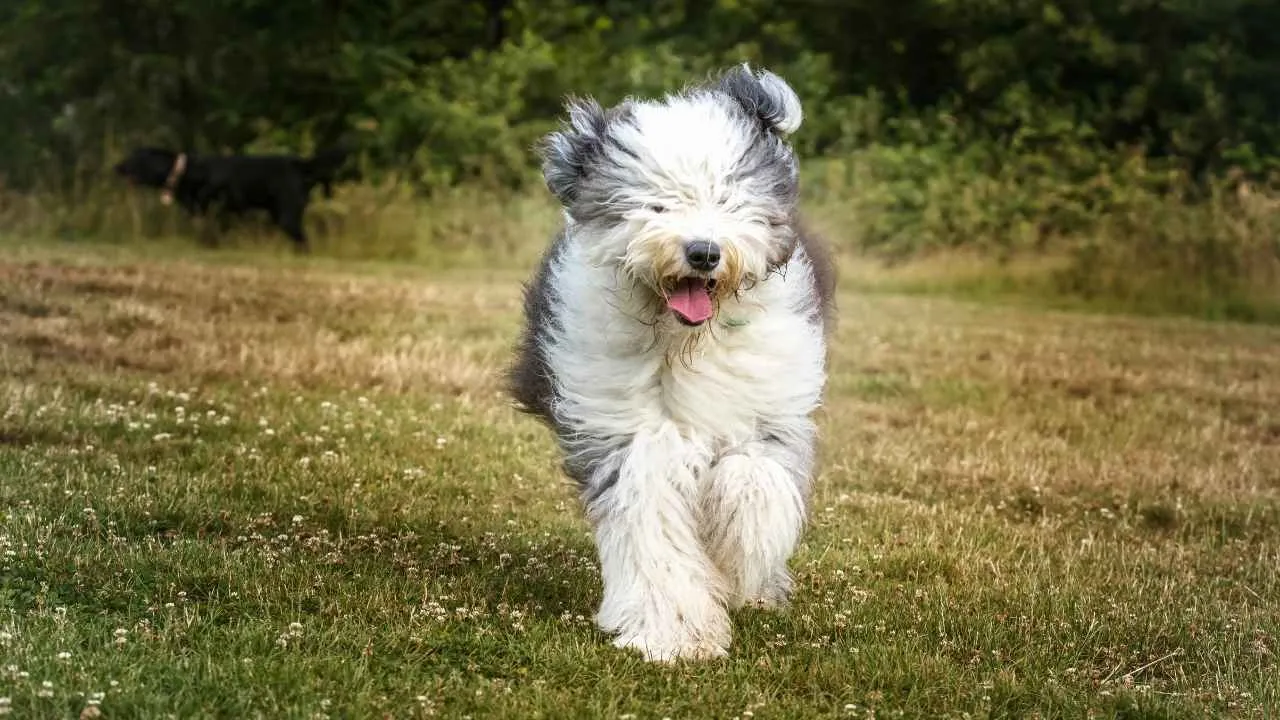
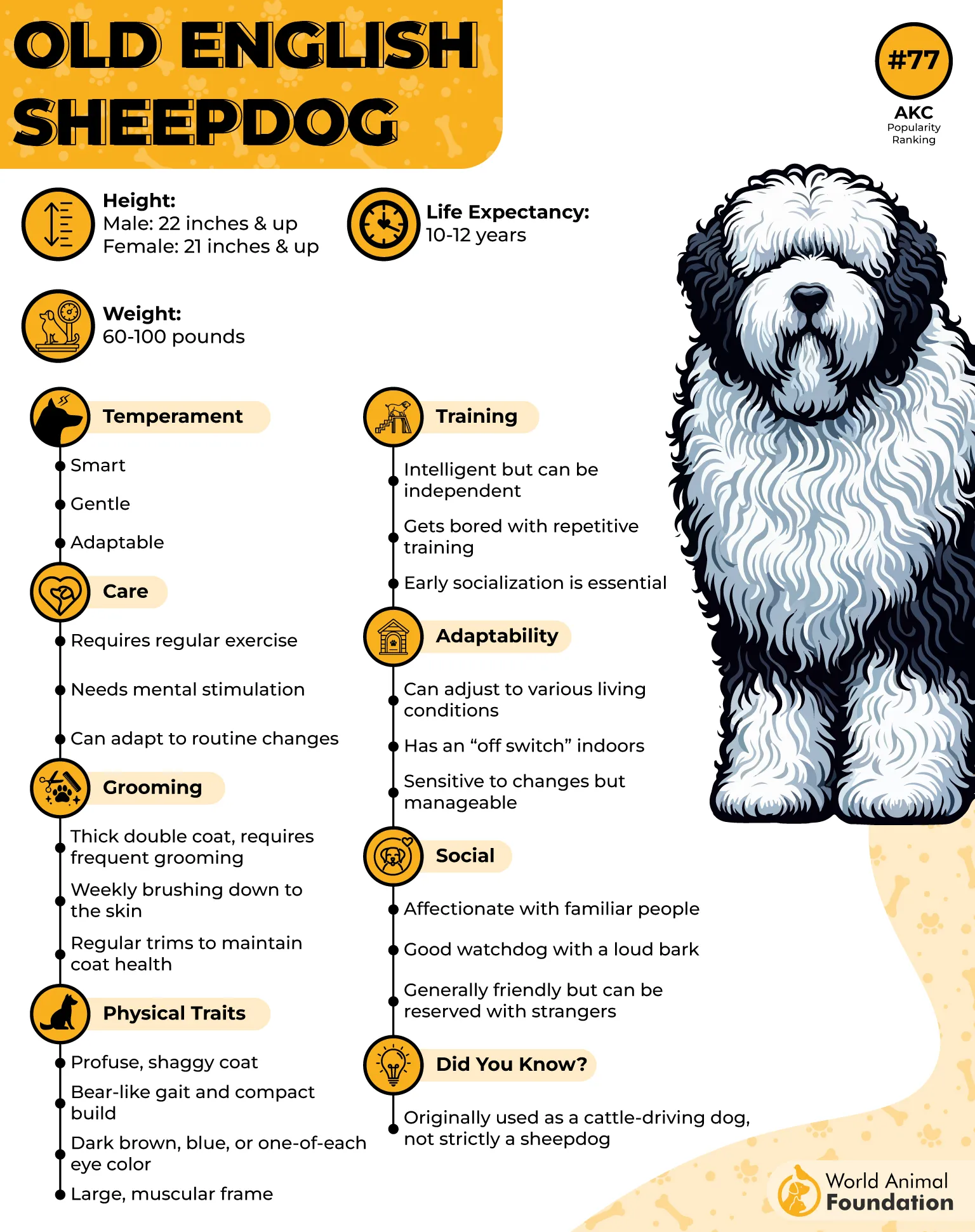
The Old English Sheepdog, often called the “bobtail,” originated in the 1700s in the west of England, particularly in Devon, Somerset, and Cornwall. Likely descended from breeds such as the Bearded Collie or Russian Owtcharka, it was bred to herd and protect livestock, driving flocks to market.
Thick Coat, Steady Grooming
Old English Sheepdogs are robust, large dogs with a double coat: a soft underlayer and a longer, rougher outer layer. Their thick, shaggy fur is waterproof and insulating, protecting them in both cold and warm weather.
Herding Instinct and Family Companion
Intelligent, strong, and lively, Old English Sheepdogs thrive when given daily exercise and mental stimulation. They enjoy long walks, play, and learning new tricks. Affectionate and loyal, they get along well with children and other pets, though their herding instincts may lead them to “guide” youngsters around the house.
Conclusion
Life on a farm demands more than tools and machinery—it calls for partners who combine strength, intelligence, and loyalty. From guiding livestock across fields to standing guard against predators, these loyal dogs excel at tasks that require both brawn and brains.
Whether moving herds, protecting flocks, or simply offering companionship, these hardworking dogs have shaped agriculture for centuries. They adapt to diverse terrains and climates, performing duties that no technology can fully replicate.
Choosing the right dog for your farm or household can transform daily life, providing both practical support and unwavering companionship. By investing in training, socialization, and care, you ensure your dog reaches its full potential.
