




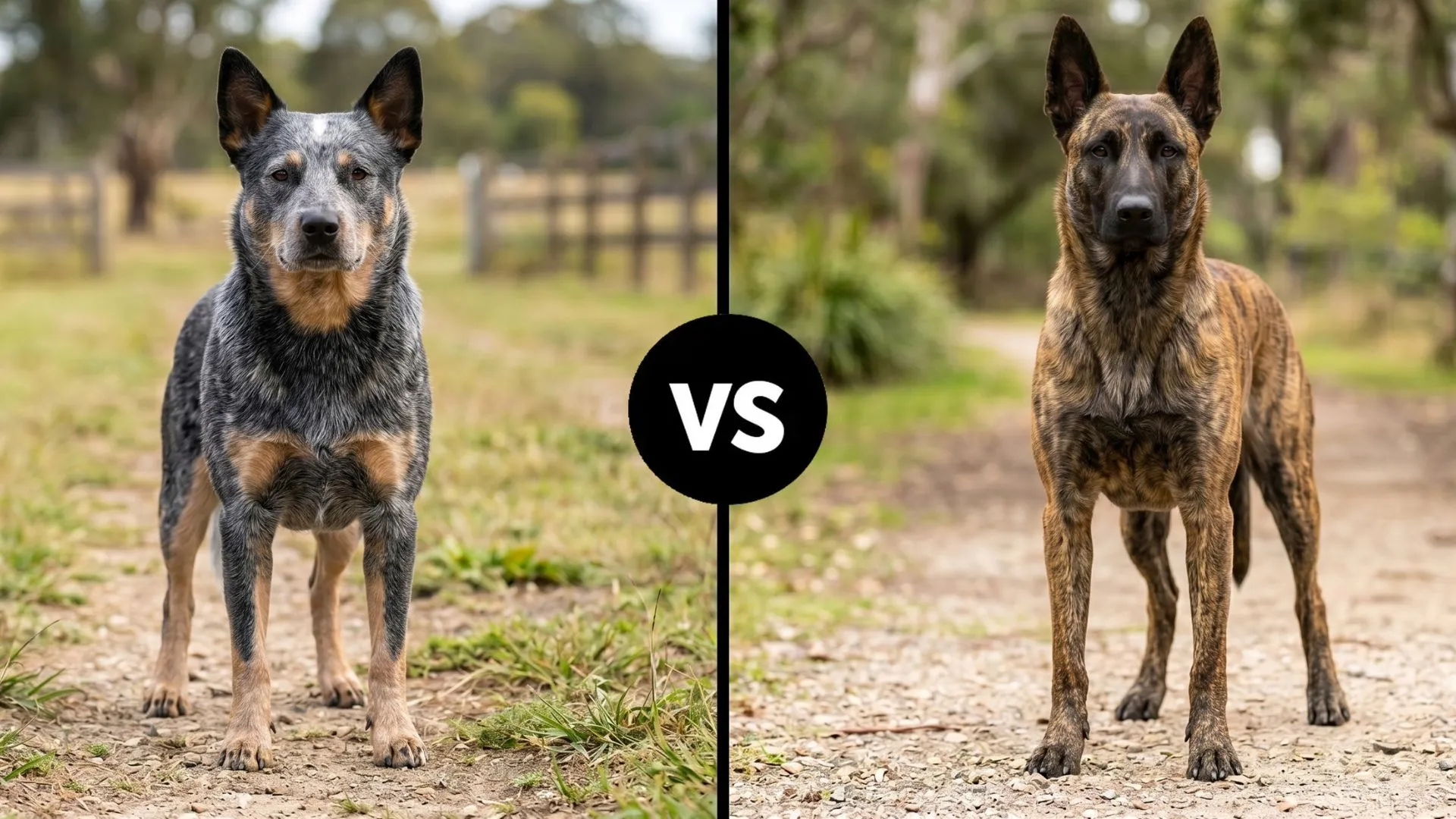
Are you also confused about which of these two amazing dogs to choose?
Choosing the right furry friend can feel hard, especially when both seem so smart and loyal.
The Australian Cattle Dog, often called the blue heeler, and the Dutch Shepherd are both strong working dogs with rich herding roots.
They love staying active and enjoying time with their family. But even with their shared traits, each breed has its own unique style, personality, and needs.
So, how do you decide which one fits your home best?
In this guide, we will break things down simply. You will clearly understand their differences, making your final choice much easier and more confident.
Blue Heeler vs Dutch Shepherd – Key Differences to Know
Both the Blue Heeler and the Dutch Shepherd are smart, hardworking dogs with strong herding instincts. They love to stay busy and enjoy having a job to do each day.
At first glance, they may seem very similar, but they have clear differences in behavior, care, and daily needs. One may suit your home better than the other.
In the next sections, we will explore these key traits in detail to help you make the right choice.
Origins & Purpose
Let’s take a step back and explore where these hardworking dogs truly began. Their roots explain a lot about how they act today.
Blue Heeler
The Australian Cattle Dog, also known as the blue heeler and Queensland Heelers, was developed in Australia for cattle work. According to Britannica, this breed emerged in the 19th century to endure harsh farm conditions in the Outback.
It is famous for its strong herding instincts and ability to move cattle by nipping at their heels. This unique trait is inherited from the dingo. Built for endurance, this dog thrives in harsh and demanding environments.
Do You Know?
According to the Guinness Book of World Records, the oldest dog ever recorded was an Australian Cattle Dog named Bluey, who lived to be 29 years old.
Dutch Shepherd
The Dutch Shepherd comes from the Netherlands and was widely used for farm duties and protection. Farmers needed a versatile dog that could handle many tasks with ease. This breed worked with livestock, guarded property, and adapted well to tough rural life.
First recognized in 1898, it later became known for its brindle coat. Even today, it remains very similar to its original working form.
Do You Know?
The Dutch Shepherd has been approved to compete in the miscellaneous class since January 1, 2017.
Physical Size & Build
Now, let’s look at how these two dogs are built. Their size and structure shape how they move and work.
Australian Cattle Dog
The Blue Heeler has a compact and strong body made for tough tasks. This medium-sized dog carries sturdy muscles that support quick movement and long hours of work.
Its build is balanced, not too heavy and not too light, which helps it move fast while herding cattle. The Australian Cattle Dog is known for its endurance and strength, making it well-suited to active jobs and outdoor life.
Male Height: 18–20 inches
Female Height: 17–19 inches
Male Weight: 35–50 pounds
Female Weight: 35–45 pounds
Dutch Shepherd
According to PetMD, the Dutch Shepherd has a lean and athletic frame built for speed and agility. It is slightly taller and more flexible than the Blue Heeler, which helps it move with ease during farm work or training tasks.
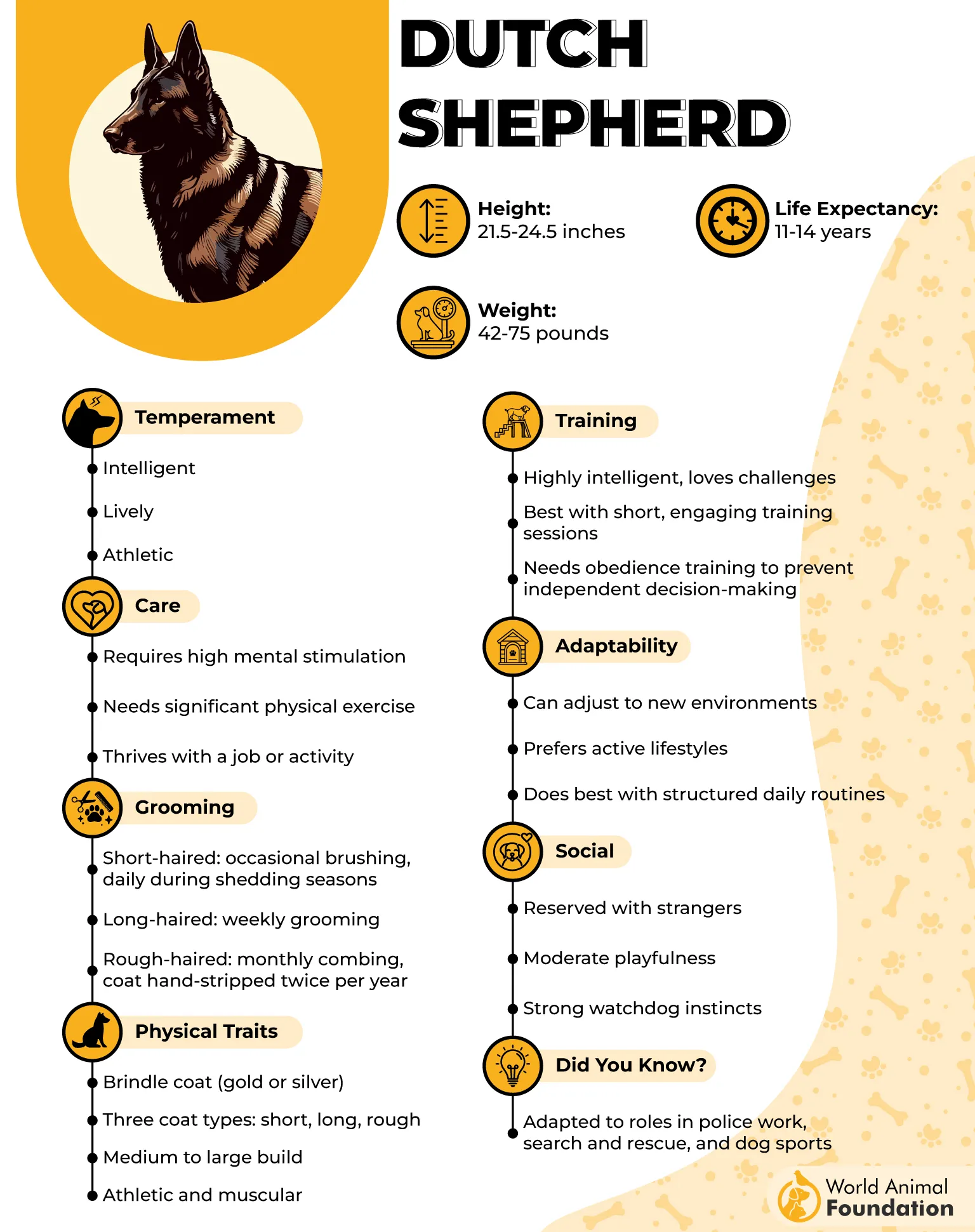
This breed is well-muscled and balanced, giving it both power and grace. Its body allows quick turns and smooth motion, making it a strong and active working dog.
Male Height: 23–25 inches
Female Height: 21–24 inches
Male Weight: 50–70 pounds
Female Weight: 42–60 pounds
Pricing & Availability
Blue Heeler
The Blue Heeler is easier to find in many areas, especially in places where working dogs are popular. Many breeders and rescue groups offer this breed, so you have more options when searching.
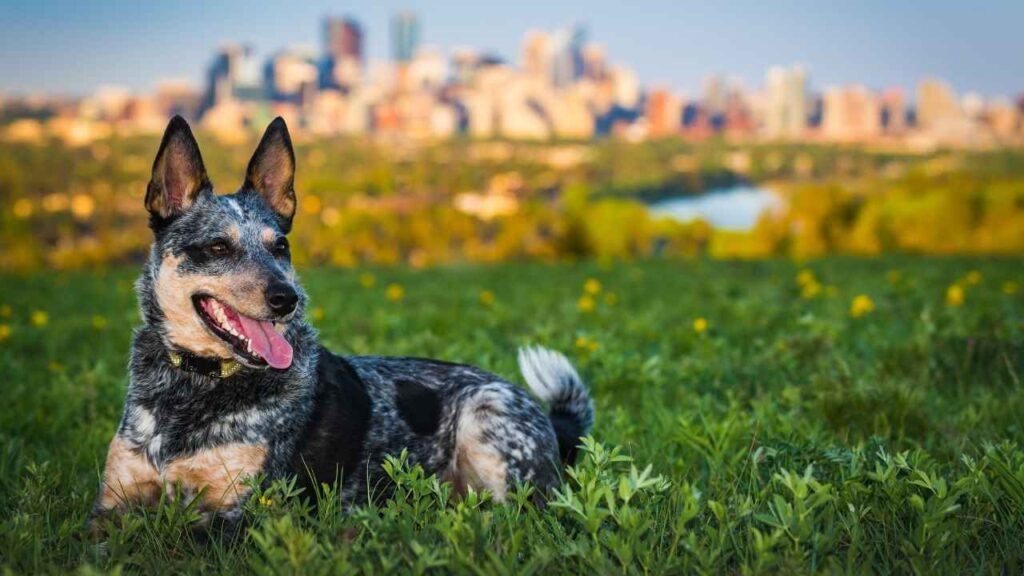
The cost can change based on bloodline, breeder reputation, and location. Overall, this breed is more accessible for most families.
Average Price: $400 – $1,200
Dutch Shepherd
The Dutch Shepherd is a rare dog breed and much harder to find. You may need extra time and research to locate a trusted breeder.
Because of its rarity and strong working skills, this breed is often priced higher. Availability is limited, so waiting lists are also common.
Average Price: $1,000 – $2,500
Temperament & Personality
Blue Heeler
The Blue Heeler shows strong loyalty and forms deep bonds with its family. It often connects closely with one person and prefers to stay near them at all times.
This dog stays alert at home and can act cautiously around strangers, making it a natural protector. With fierce devotion to its owner, the Australian Cattle Dog may resist being separated, which shows how attached it can become.
Very loyal and protective
Bonds deeply with one person
Can be cautious with strangers
Always alert and watchful
Dutch Shepherd
The Dutch Shepherd has a friendly and balanced personality that fits many homes. It adapts well to new people and situations, especially with early training. This breed is lively, alert, and intelligent, with a natural confidence in its behavior.
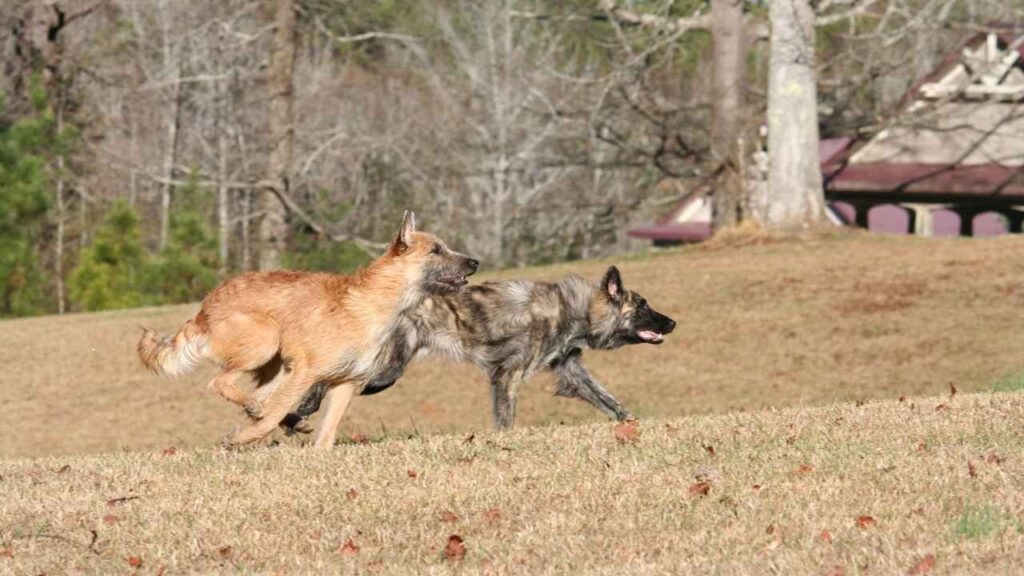
While it has an independent side, it remains loyal and dependable, making it a great companion for active families, according to the American Kennel Club.
More social and adaptable
Friendly when trained early
Confident and balanced
Loyal and dependable
Energy Levels & Exercise Needs
Blue Heeler
The Blue Heeler is very energetic and always ready to work. It needs daily physical activity to stay happy and healthy. This breed enjoys tasks that involve movement, such as running or herding games.
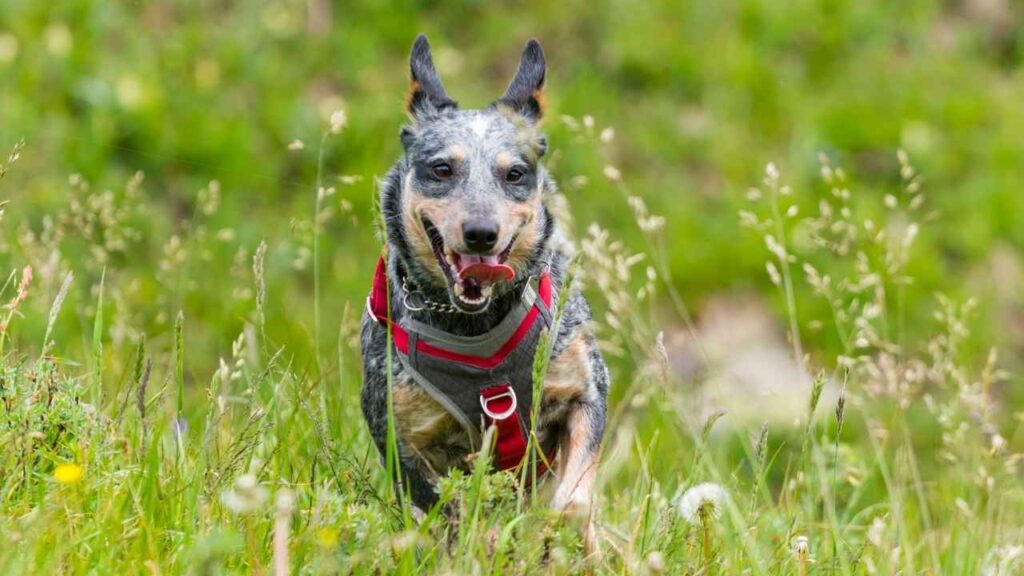
Wikipedia notes that the Australian Cattle Dog has high energy levels, an active mind, and a strong sense of independence. It also shows an affectionate and playful side, especially with its family, but it still needs a busy routine to feel satisfied.
Very energetic and work-driven
Needs daily exercise and outdoor time
Enjoys active tasks and movement-based games
Has both a playful and independent nature
Dutch Shepherd
The Dutch Shepherd also has high energy, but it is more flexible in how it uses that energy. It needs both physical exercise and mental tasks to stay balanced.
This breed thrives in active households where it can stay busy and engaged. With the right mix of activity and training, it remains calm and well-behaved at home.
High energy but more adaptable
Needs both mental and physical exercise
Thrives in active homes
Enjoys structured routines and tasks
Activity and Playfulness
Now, let’s see how these dogs enjoy playtime and daily fun.
Australian Cattle Dog
The Blue Heeler loves structured play and enjoys activities like fetch or herding-style games. It stays happiest when given tasks that feel like real work, especially outdoors.
During play, this breed may nip, which stems from its natural herding instinct. With the right guidance, that energy turns into fun, focused play while enjoying physical challenges.
Dutch Shepherd
The Dutch Shepherd enjoys interactive games and learning-based activities that keep its mind busy. It is playful with family members and does well with kids, making it a great companion during playtime.
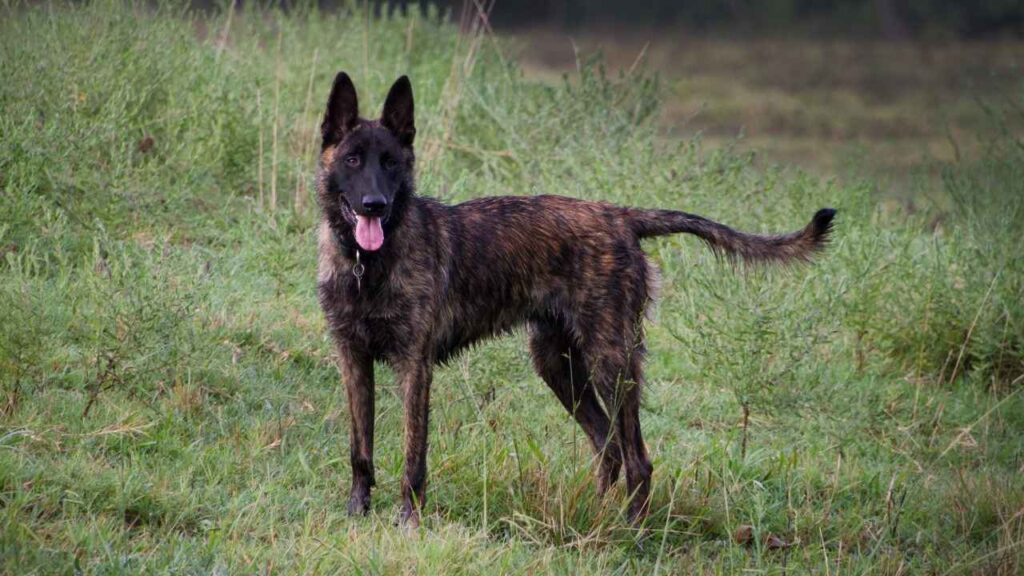
This Shepherd breed adapts easily to different play styles, whether it’s active games outside or simple fun at home, which makes it more flexible in daily life.
Training & Intelligence
Let’s now look at how smart these dogs are and how they learn.
Blue Heeler
The Australian Cattle Dog is extremely intelligent and a very quick learner. It responds well to consistent training and clear rules from an early age. Early socialization is very important, as it helps avoid stubborn habits later in life.
The Australian Cattle Dog is full of energy and intelligence, which makes training easier when started young. It learns best when training includes movement, herding tasks, and agility work.
According to WebMD, outdoor training takes time, but it also builds a strong bond between the dog and its owner. Without enough activity, this breed may get bored or restless and look for trouble at home.
Dutch Shepherd
The Dutch Shepherd is highly trainable and eager to please people. Its temperament is balanced, making it easier to guide with proper socialization from a young age.
This medium-sized breed learns quickly and performs very well in advanced training tasks. It is often used in obedience and working roles because of its focus and control.
With the right training, it adapts well to both family life and structured work, making it a reliable pet for active owners.
Grooming Needs & Shedding
Now let’s look at how much care these coats really need.
Blue Heeler
The Australian Cattle Dog is a low-maintenance dog breed. It has a short, dense double coat. This coat does not need heavy grooming. It sheds moderately throughout the year. A simple brushing routine works very well.
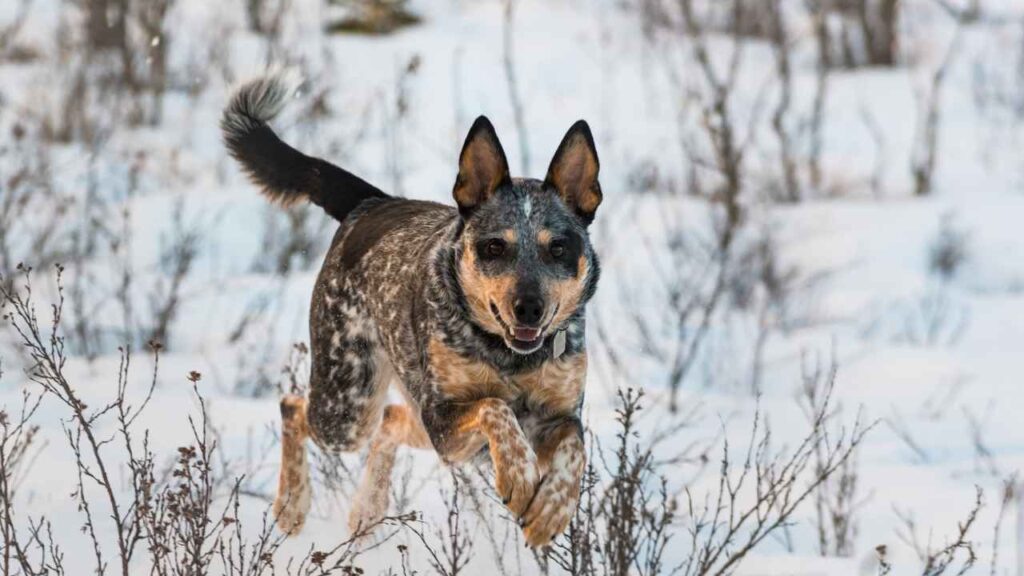
The coat colors are quite unique and eye-catching. The dense coat comes in red speckled patterns. It may also show darker red markings on the head. Another type is blue with speckling or mottling. Many dogs also have blue, tan, or black markings on the head. Some also show tan on the chest, legs, and face.
Low grooming needs overall
Moderate shedding year-round
Weekly brushing is usually enough
Coat stays clean with minimal effort
Dutch Shepherd
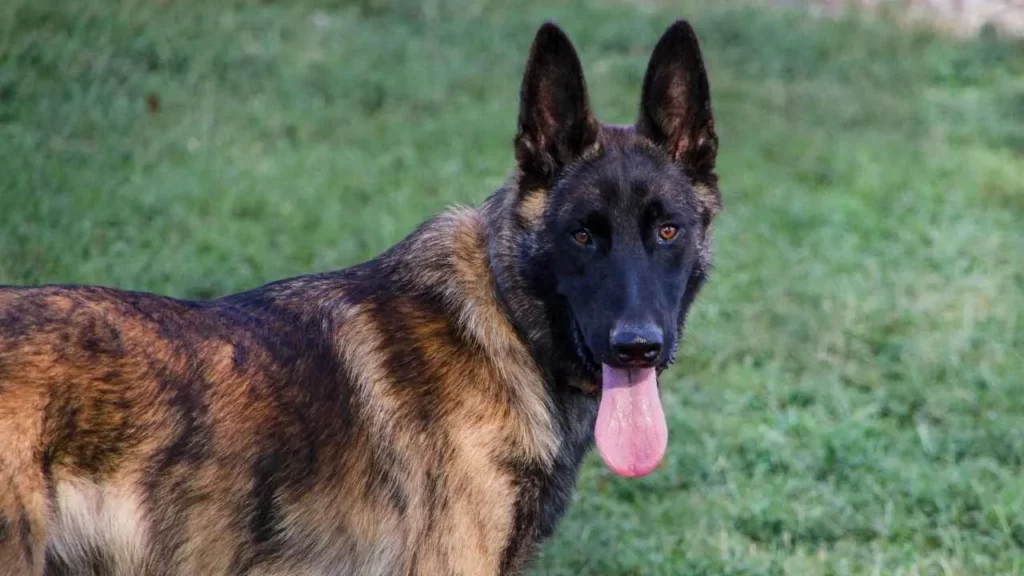
The Dutch Shepherd has a coat that can vary. It comes in short, long, or rough hair types. Each coat type has different grooming needs. Short hair is easier to maintain. Long and rough coats need more regular care.
This breed requires moderate to higher grooming depending on coat type. Brushing helps control shedding and keeps the coat healthy. Some coats may trap more dirt, so extra care is needed in those cases.
Coat types: short, long, or rough
Grooming needs depend on coat type
Regular brushing keeps the coat healthy
Some varieties need more maintenance
Health & Lifespan
Australian Cattle Dog
The Blue Heeler is generally a very healthy dog breed. It is known for a long lifespan compared to many other dogs. Most Australian Cattle Dogs live about 12 to 16 years. With proper care, they stay active and strong for a long time. However, according to PDSA, some health issues can still appear over the years.
Deafness
Eczema
Hip dysplasia
Elbow dysplasia
Portosystemic shunt
Luxating patellas
Urolithiasis
Dutch Shepherd
The Dutch Shepherd has strong and durable overall health. It is a hardy breed with fewer breed-specific health problems. Most Dutch Shepherds live about 11 to 14 years. With regular care and a healthy diet, they stay fit and active throughout life.
Hip dysplasia
Elbow dysplasia
Thyroid issues
Inflammatory bowel disease
Eye conditions (rare cases)
Blue Heeler vs Dutch Shepherd: Which One Fits Your Lifestyle?
Choosing between these two dogs depends on your daily life. If you live in a smaller home or have less space, think carefully.
Both breeds need room to move and play. Families with kids should also consider guidance and early socialization.
The Australian Cattle Dog suits active owners who enjoy outdoor work and structure. The Dutch Shepherd suits people who want a flexible, social dog. Energy levels matter a lot here.
Both breeds need exercise, but the Blue Heeler is more intense. First-time owners may find the Dutch Shepherd easier to handle. Experienced owners often enjoy the challenge of the Australian Cattle Dog.
In the end, your lifestyle should guide your choice.
Conclusion
Both the Blue Heeler and the Dutch Shepherd are smart, loyal, and hardworking dogs.
They share strong herding instincts, high energy, and a deep love for their families. However, they are not the same when it comes to daily needs and lifestyle fit.
The Australian Cattle Dog is more intense, focused, and protective, while the Dutch Shepherd is more social, flexible, and balanced. Choosing between them depends on your home, activity level, and experience with dogs.
Both breeds can make amazing companions when well-trained and properly loved. In the end, the right choice is the one that matches your life best and keeps both you and your dog happy.
