




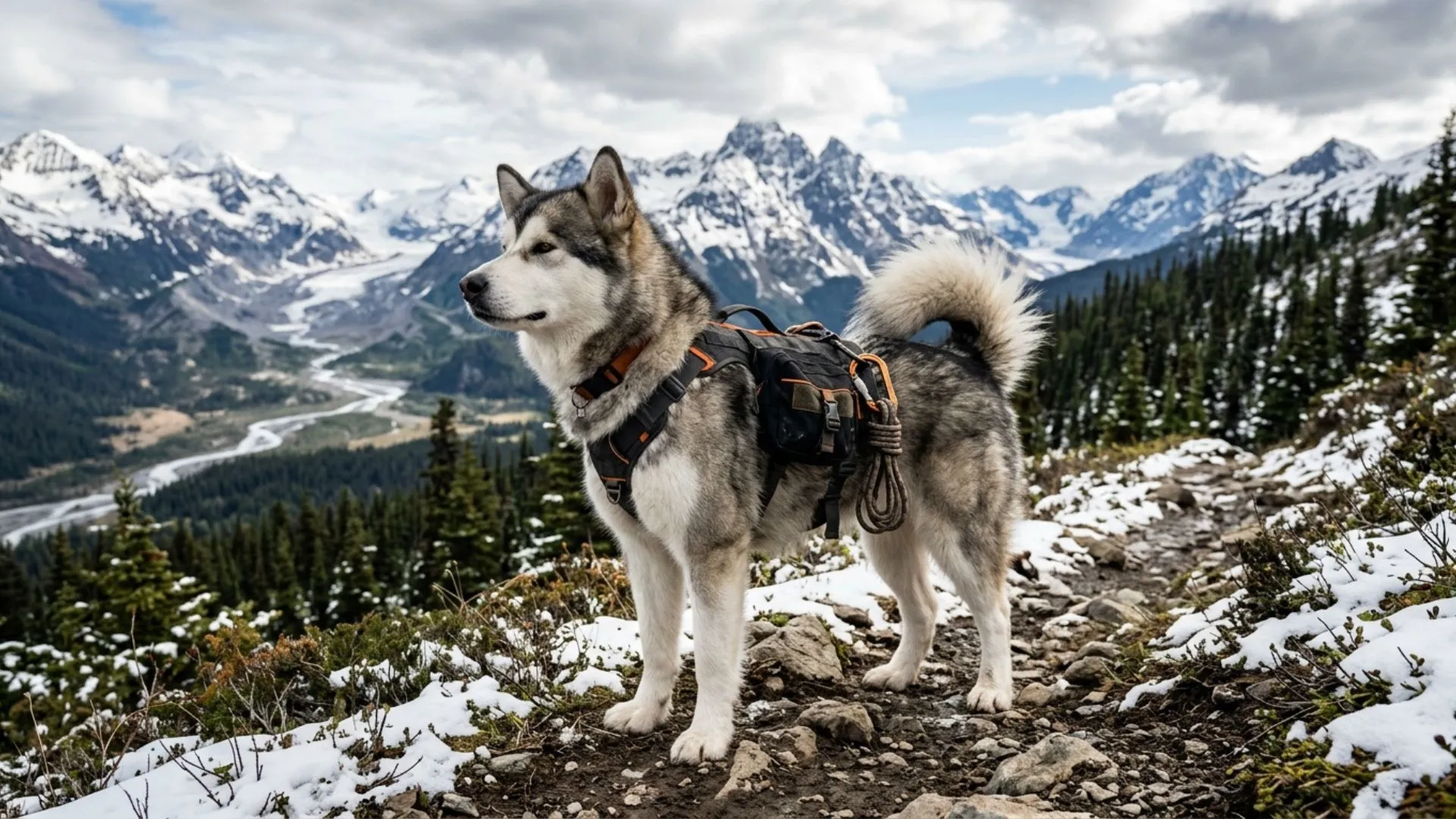
When humans talk about survival in extreme environments—Arctic tundras, dense forests, desert heat—they often forget one fact: dogs were doing it first, and better.
Many modern survival breeds come from centuries of selective breeding for hunting, hauling, herding, and protection in environments where failure literally meant death.
According to the American Kennel Club (AKC), working breeds consistently show higher endurance thresholds and environmental adaptability compared to companion-only breeds. These dogs were not bred for aesthetics—they were engineered for function, survival, and cooperation with humans under pressure.
For example, sled dog teams in Alaska have been recorded covering over 100 miles per day during expeditions like the Iditarod Trail Sled Dog Race, which is often considered the closest modern simulation of historical Arctic travel.
That kind of stamina doesn’t come from training alone—it’s genetic.
So, when we say these dogs are “adventure-driven,” we mean they are biologically optimized for survival tasks that would challenge even experienced humans.
Adventure-Driven Dog Breeds That Excel in Wilderness Survival Skills
1. Siberian Husky
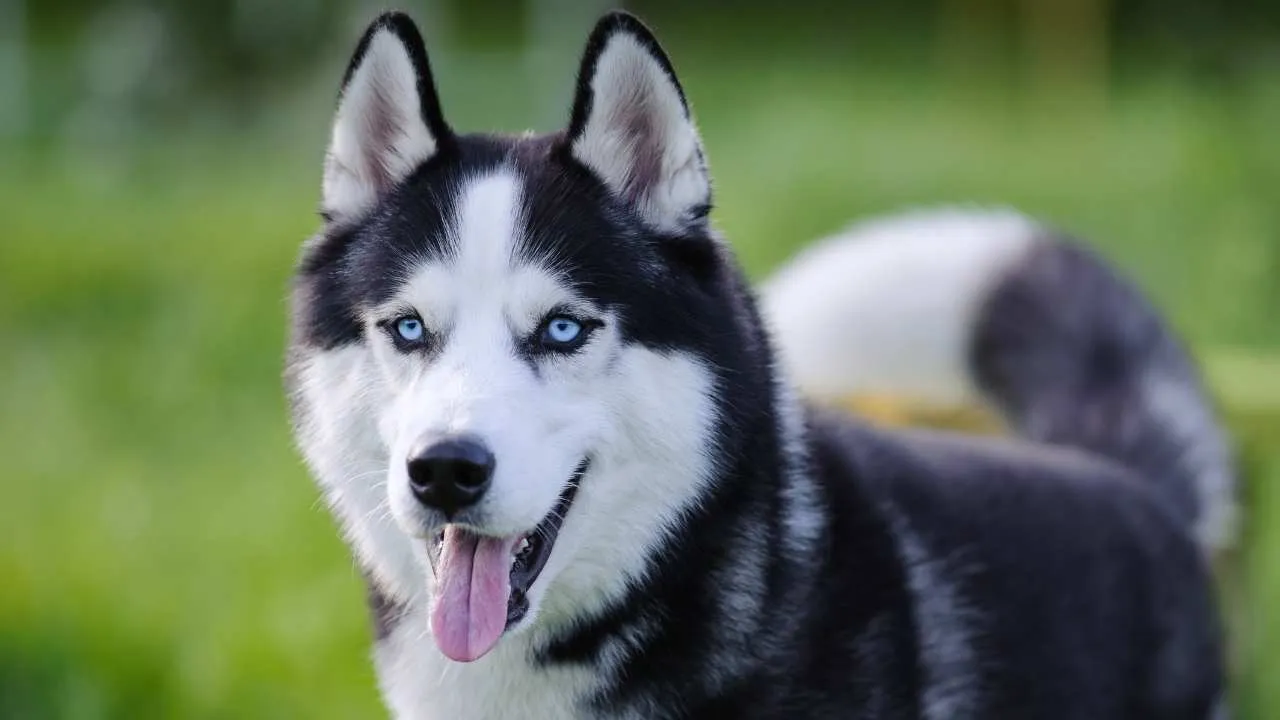
The Siberian Husky originates from the Chukchi people of northeastern Siberia, according to Britannica, where they were used as endurance sled dogs to transport goods across frozen terrain for thousands of years.
Unlike modern pet Huskies, historical records show they were essential for survival logistics in Arctic communities, often pulling sleds in temperatures as low as -50°C.
Scientific studies on sled dogs, including research published in Comparative Biochemistry and Physiology, show that Huskies have a unique metabolism that allows them to burn fat and conserve energy during long-distance runs.
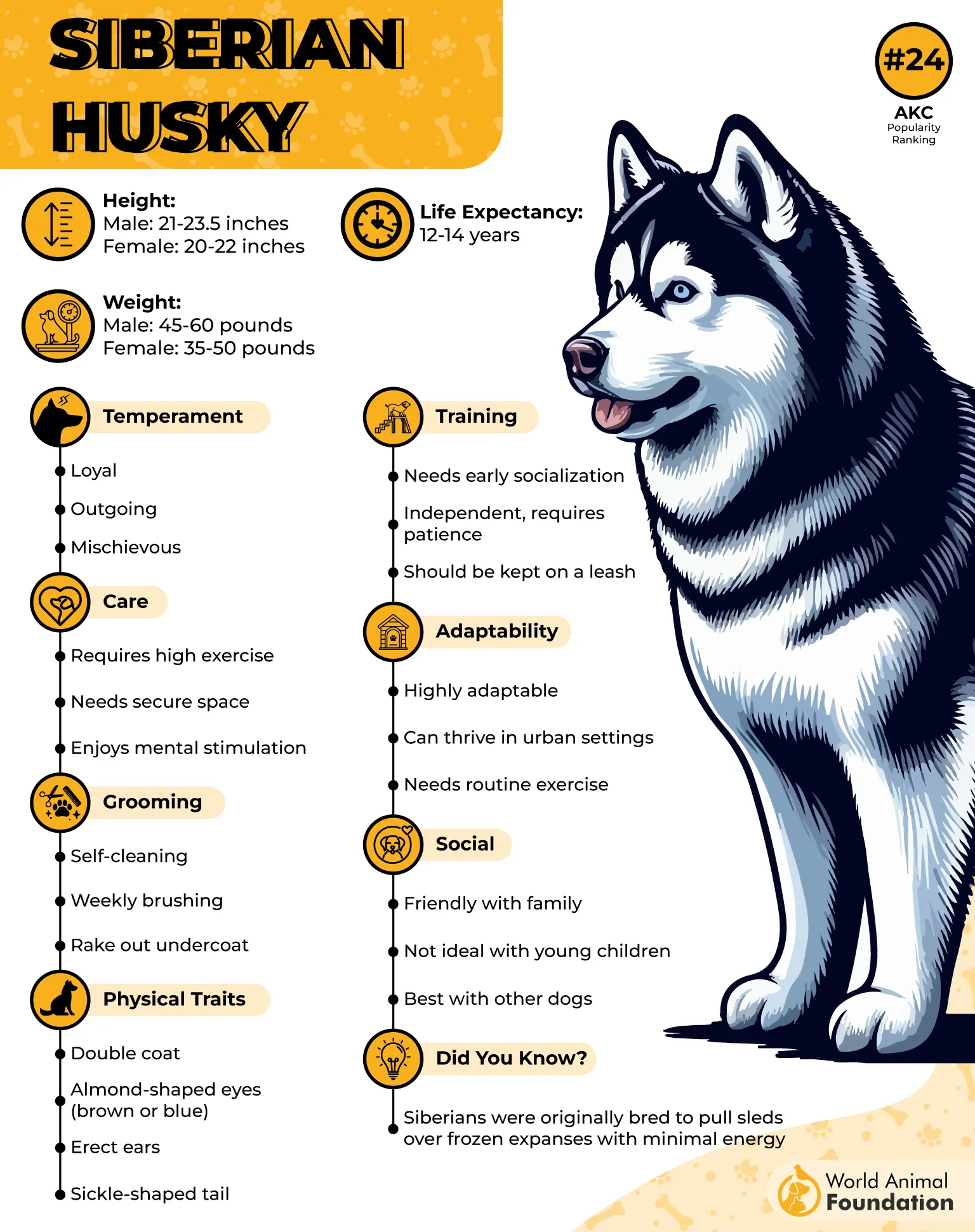
This explains why they can maintain a steady speed over long distances without becoming exhausted.
A real-world example is their role in the 1925 Nome serum run, where Huskies helped deliver diphtheria antitoxin across 600+ miles of Alaskan wilderness. This mission directly saved thousands of lives and is still celebrated in sled dog history.
Today, they remain dominant in long-distance outdoor adventures, such as the Iditarod, where top teams can still cover 100–120 miles per day in harsh conditions.
Despite their working nature, they are known for independent thinking, often described by mushers as “partners rather than obedient workers.”
2. Norwegian Elkhound
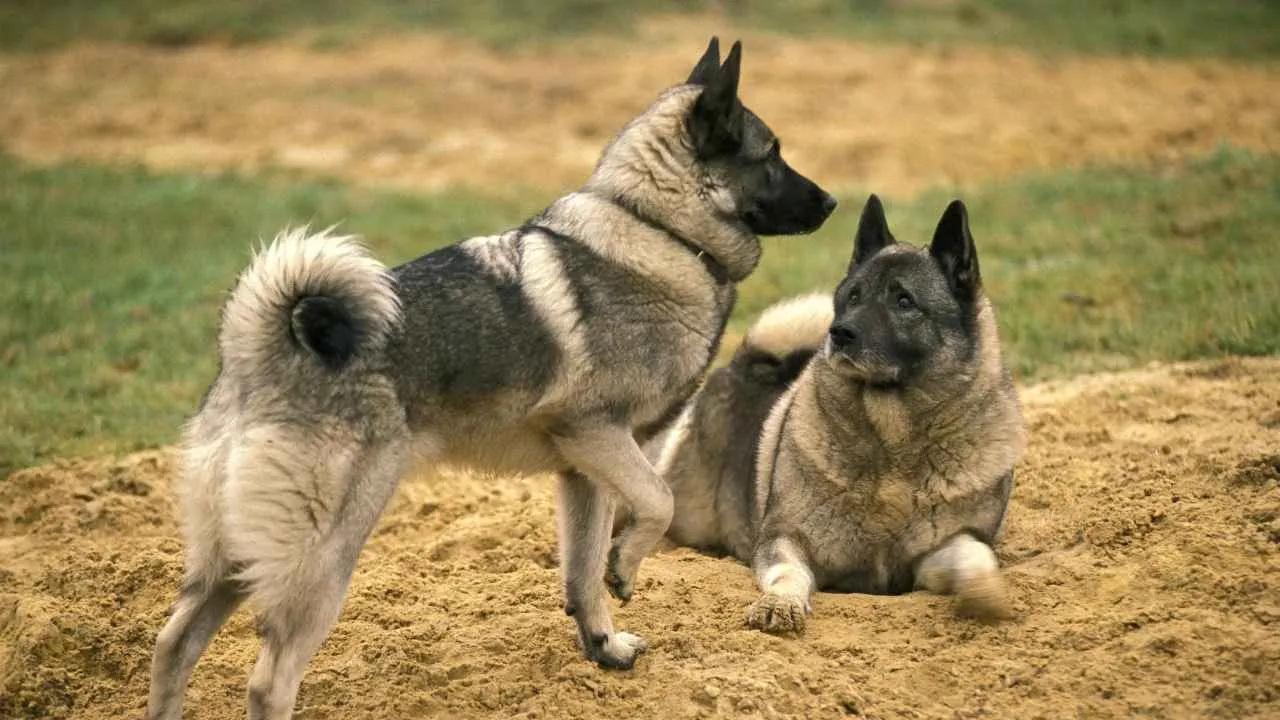
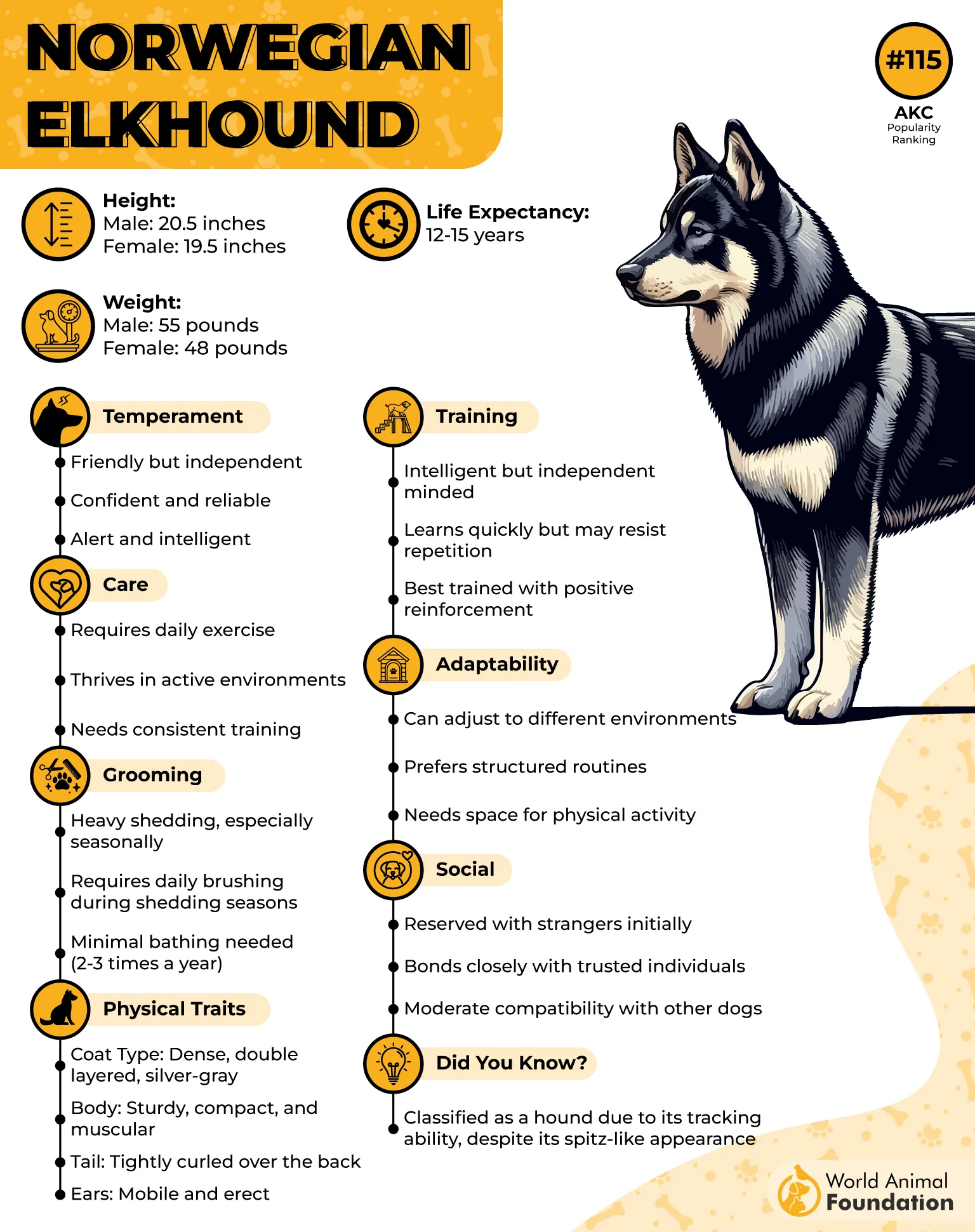
The Norwegian Elkhound is one of Europe’s oldest hunting breeds, with archaeological evidence tracing them back over 1,000 years to Viking-era Scandinavia. They were used to track large game such as moose (elk) and bears, often in dense forests and mountainous terrain.
Unlike scent hounds that rely purely on tracking, Elkhounds combine scent detection with loud vocalization to alert hunters—this behavior is still preserved today. According to the Norwegian Kennel Club, they were considered essential survival partners in rural Nordic communities.
WebMD says a documented example comes from traditional Scandinavian hunting expeditions, where Elkhounds would track elk for hours in snow-covered forests and hold them in place by barking until hunters arrived. This required courage, endurance, and independent decision-making.
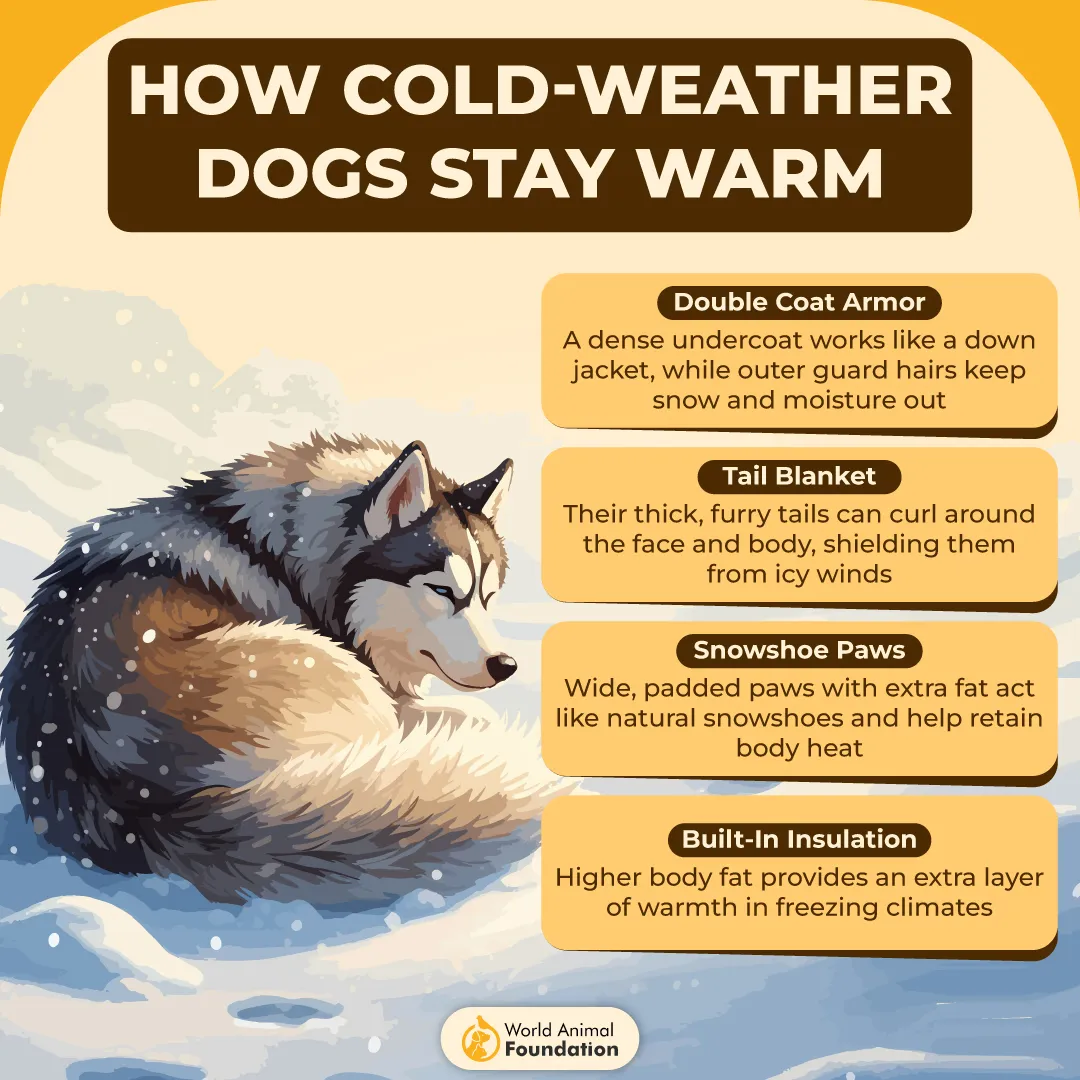
Physically, they have a thick double coat that protects them in sub-zero climates, making them one of the few medium-sized dogs naturally adapted to Arctic conditions.
Modern owners still report that they excel at hiking and forest navigation, often outperforming GPS tracking in dense woodlands due to scent accuracy.
3. Alaskan Malamute
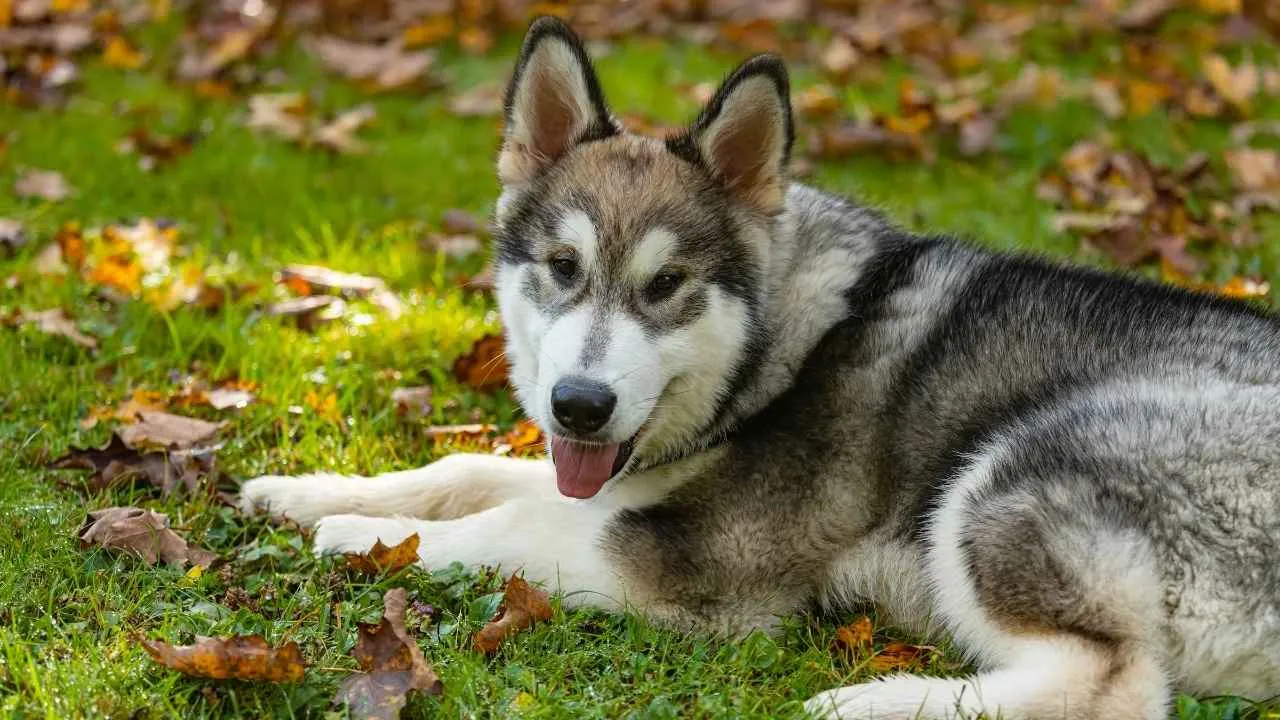
The Alaskan Malamute is one of the oldest Arctic sled dog breeds, developed by the Mahlemut Inuit tribe in Alaska. Unlike speed-focused Huskies, Malamutes were bred for heavy hauling—pulling sleds loaded with supplies, sometimes exceeding 150–200 pounds per dog team.
According to historical expedition records, Malamutes played a crucial role in early Arctic exploration missions, including supply transport during the gold rush. Their strength made them indispensable in regions where mechanical transport was impossible.
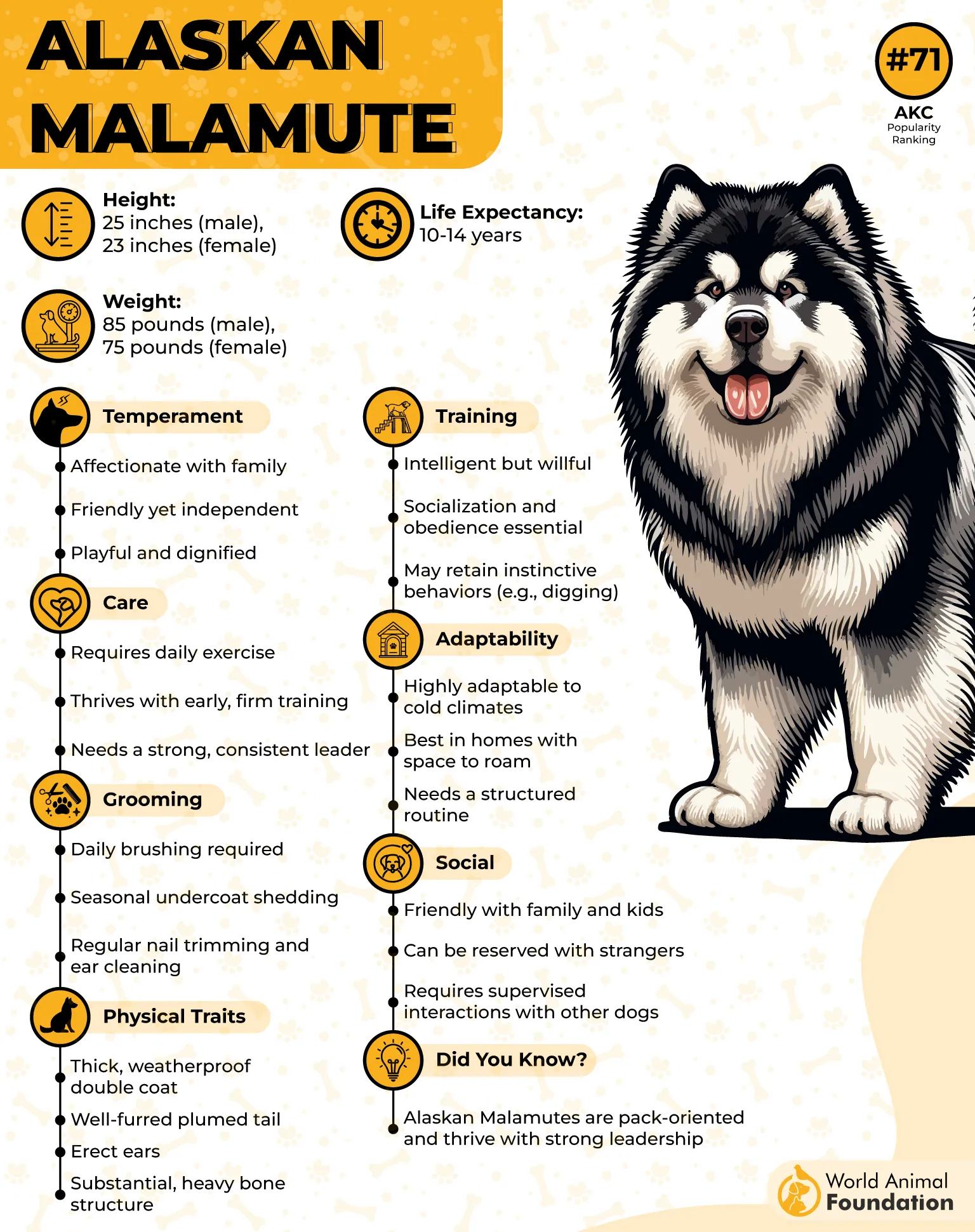
Their physiology is built for endurance strength rather than speed. Research shows they have high muscle density and efficient oxygen use, enabling sustained effort at low temperatures.
A real-life example is their use in polar expeditions during the early 20th century, where they helped carry scientific equipment across frozen terrain for exploration teams studying Arctic geography.
These athletic dogs are also highly pack-oriented, meaning they function best in structured teams with clear leadership—similar to working military units.
4. Vizsla
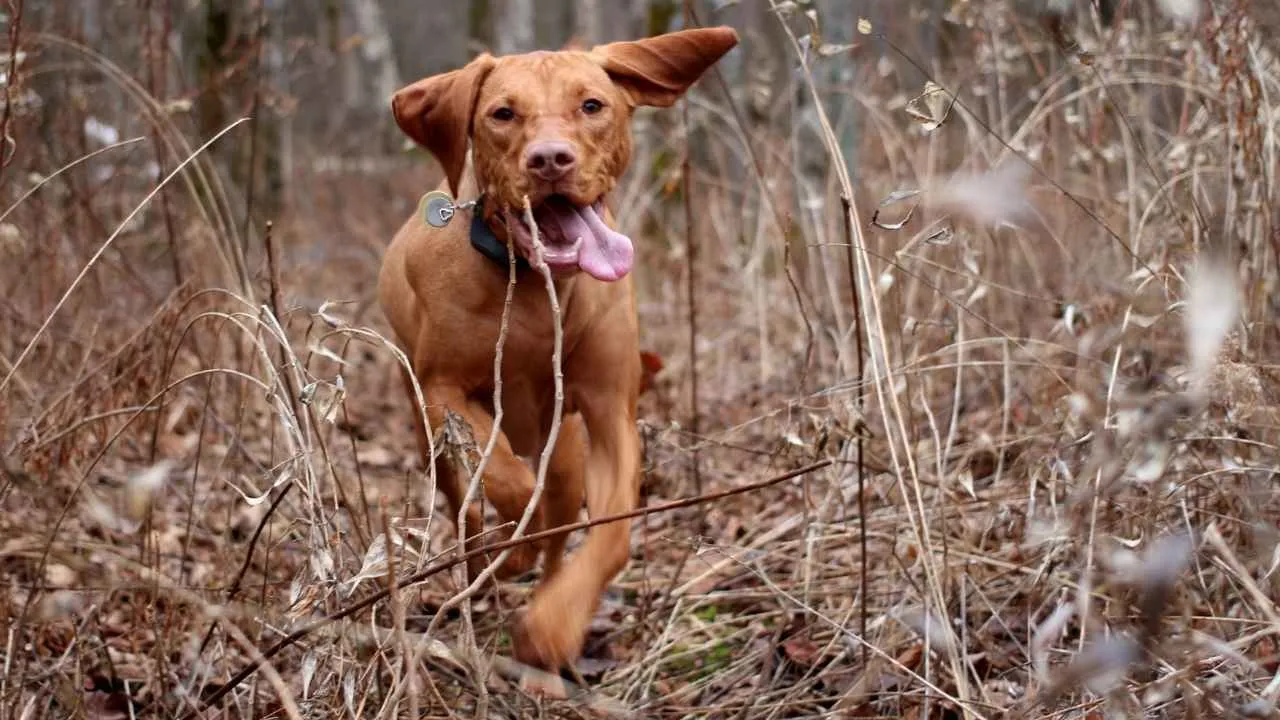
The Vizsla originated in Hungary and was historically used by Magyar tribes for hunting birds and small game across vast plains. Their design focuses on speed, scent tracking, and close human cooperation, making them among the earliest known “Velcro working dogs.”
Purina says these hiking buddies are among the most versatile hunting breeds, capable of both pointing and retrieving in open terrain. Their lean body structure allows them to maintain high-speed pursuit over long distances.
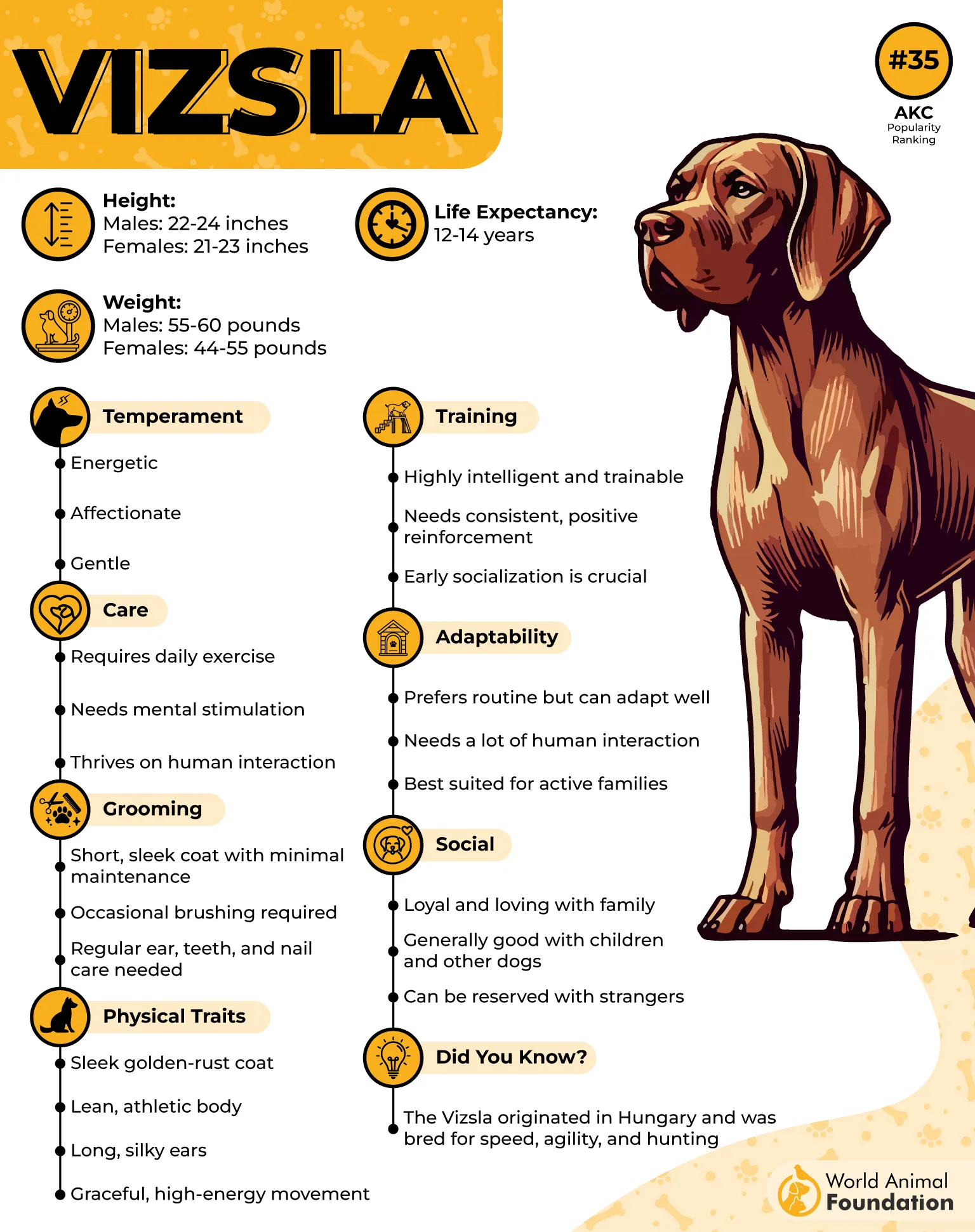
In modern endurance sports, this active dog breed frequently dominates canicross (dog-human running competitions), often maintaining a steady pace over 10–20 km without fatigue. This demonstrates their high aerobic capacity.
Real owners in hiking communities often describe them as “shadow dogs” because they maintain constant proximity to their human, even in wilderness environments.
Despite their athletic ability, they are emotionally sensitive and require strong human bonding, making them less independent than other survival breeds but extremely cooperative.
5. Australian Cattle Dog
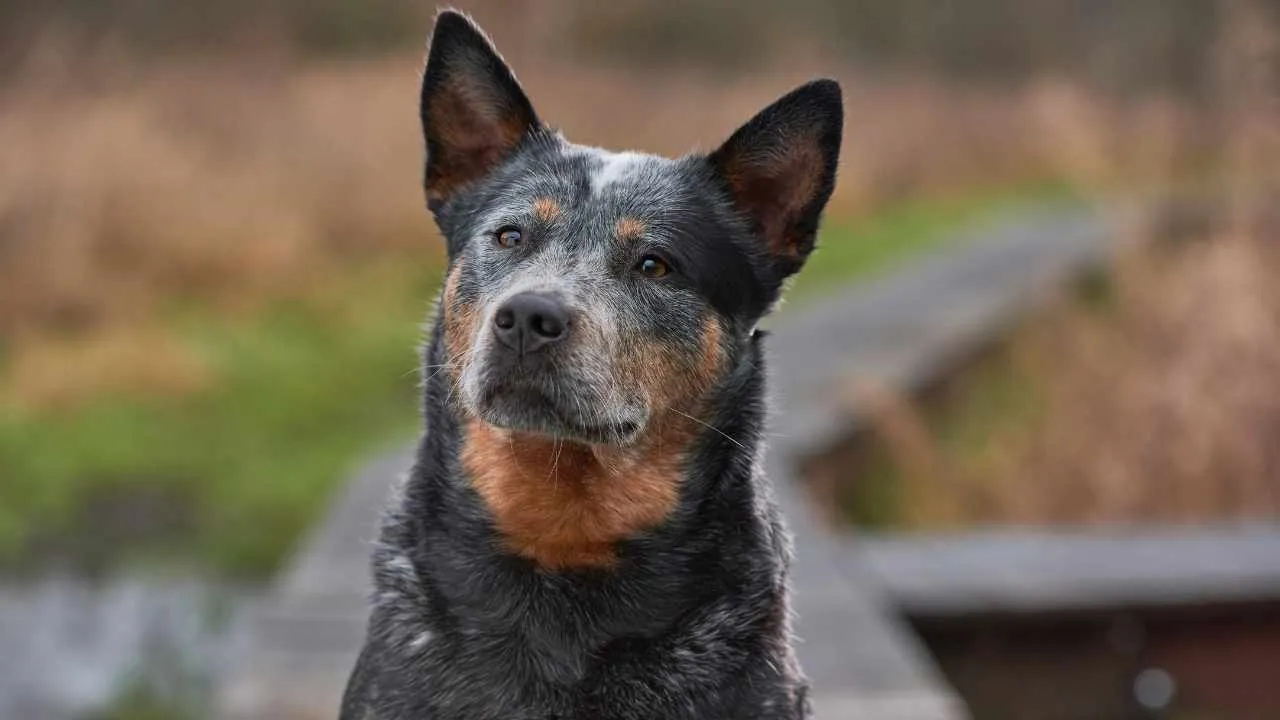
The Australian Cattle Dog was developed in the 19th century to herd cattle across the vast, harsh Australian outback. Early breeders crossed dingoes with herding dogs to create a resilient, heat-resistant, and intelligent working animal.
These good hiking dogs are among the most durable herding breeds, capable of working in extreme heat conditions where many other dogs would collapse from exhaustion. Their efficiency is due to compact muscular structure and high stamina.
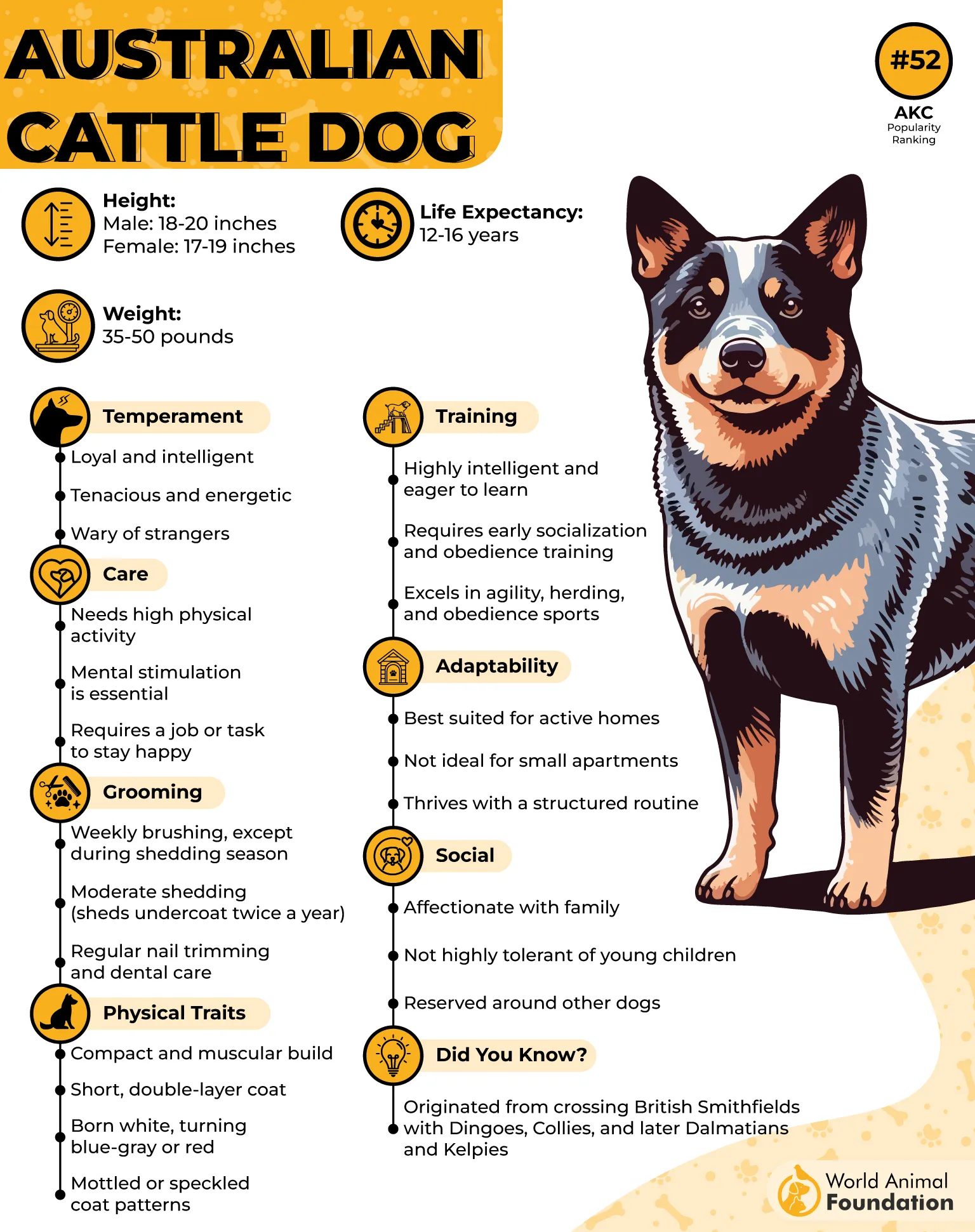
They are known for “heeler behavior,” which involves nipping cattle heels to control movement—this instinct is still present in modern dogs. Without proper stimulation, this behavior can redirect toward inappropriate targets.
A real-world example is their continued use in Australian cattle stations, where they manage herds across thousands of acres with minimal human supervision.
They are among the most intelligent dog breeds, especially in problem-solving tasks involving environmental adaptation. They are phenomenal for an active lifestyle!
6. Australian Shepherd
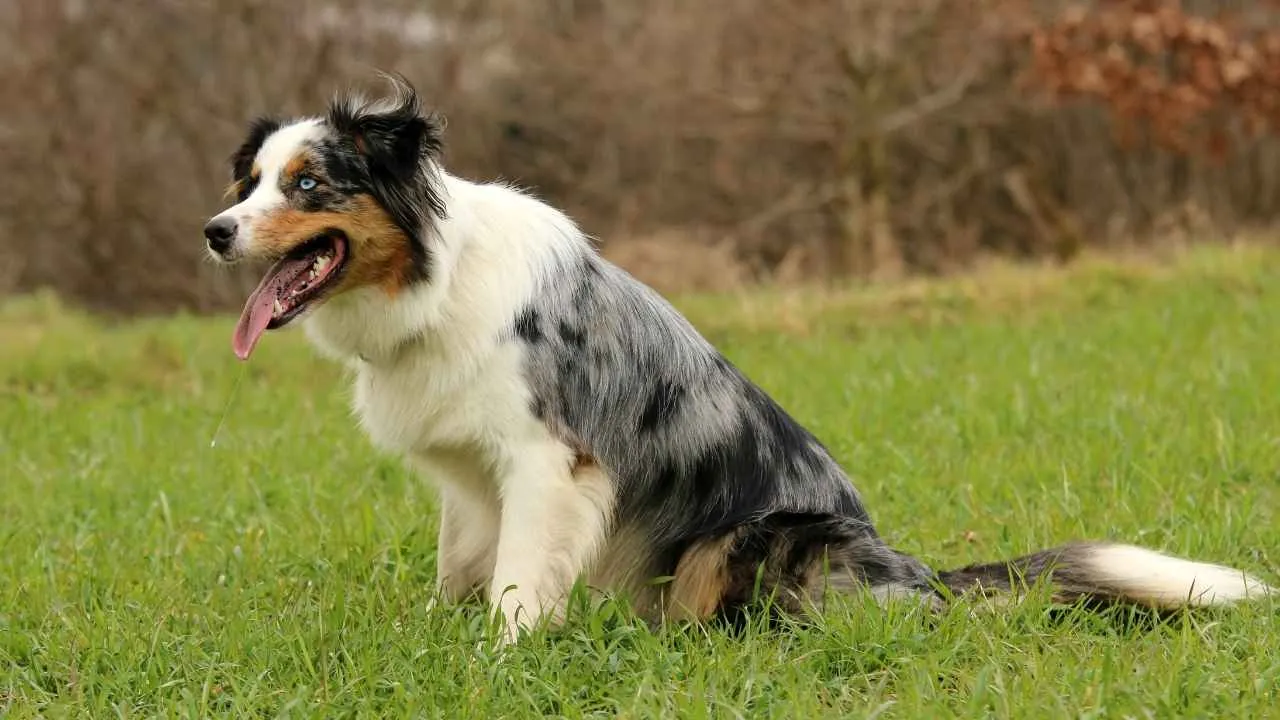
Despite its name, the Australian Shepherd was actually developed in the United States to work as a ranch herding dog. Their lineage includes European herding breeds brought by Basque shepherds during migration.
These energetic dogs excel in agility, spatial awareness, and livestock management, often covering large ranch areas while independently coordinating herd movement. According to the United States Australian Shepherd Association, they are frequently used in competitive herding trials.
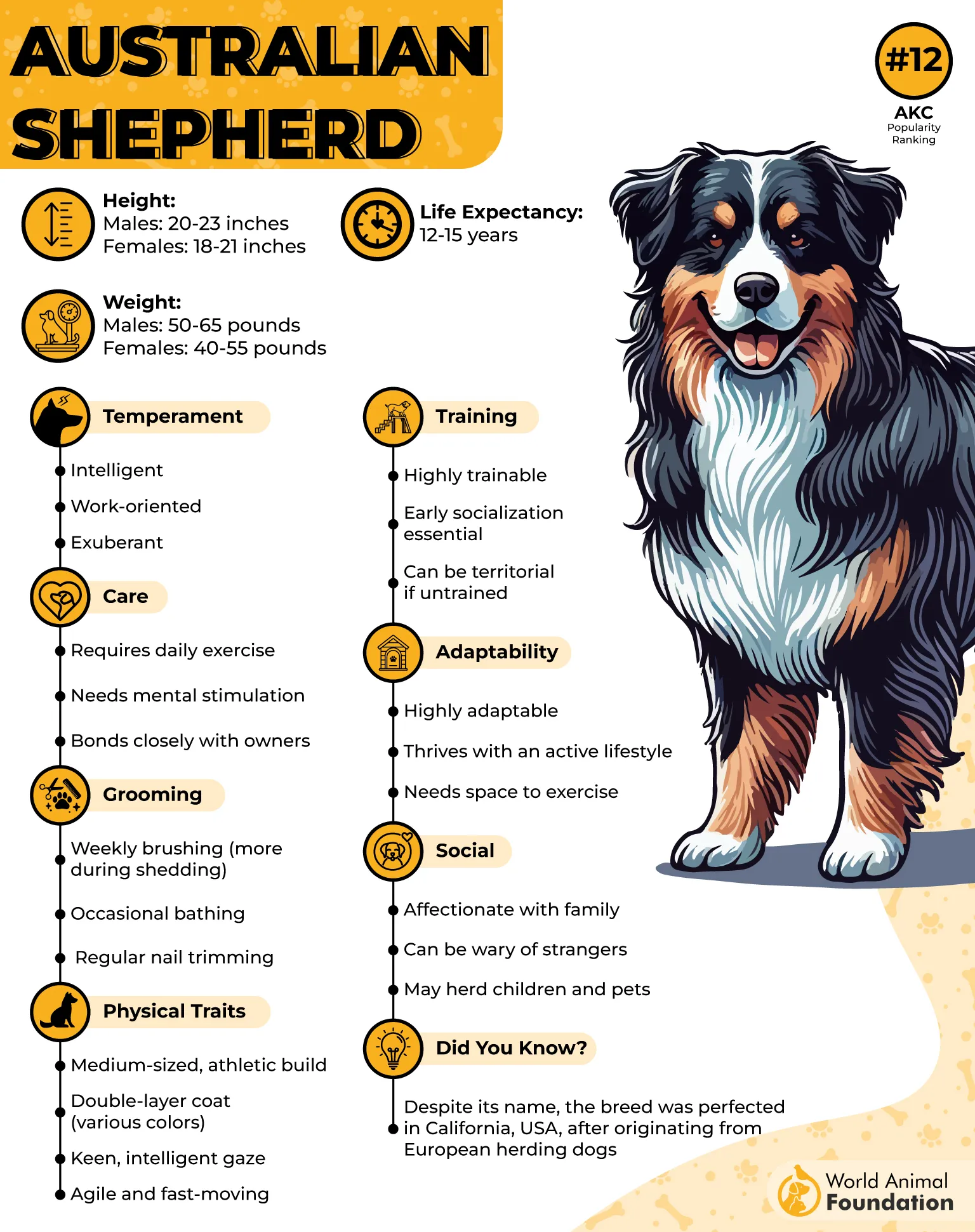
Their intelligence is so high that they are commonly used in search-and-rescue training programs, where decision-making and environmental awareness are critical.
A documented example includes their use in wildfire evacuation zones in the U.S., where trained Australian Shepherds helped locate stranded livestock in rugged terrain.
They require both mental and physical stimulation, or they may develop behavioral issues due to underuse of their cognitive abilities.
7. German Shorthaired Pointer
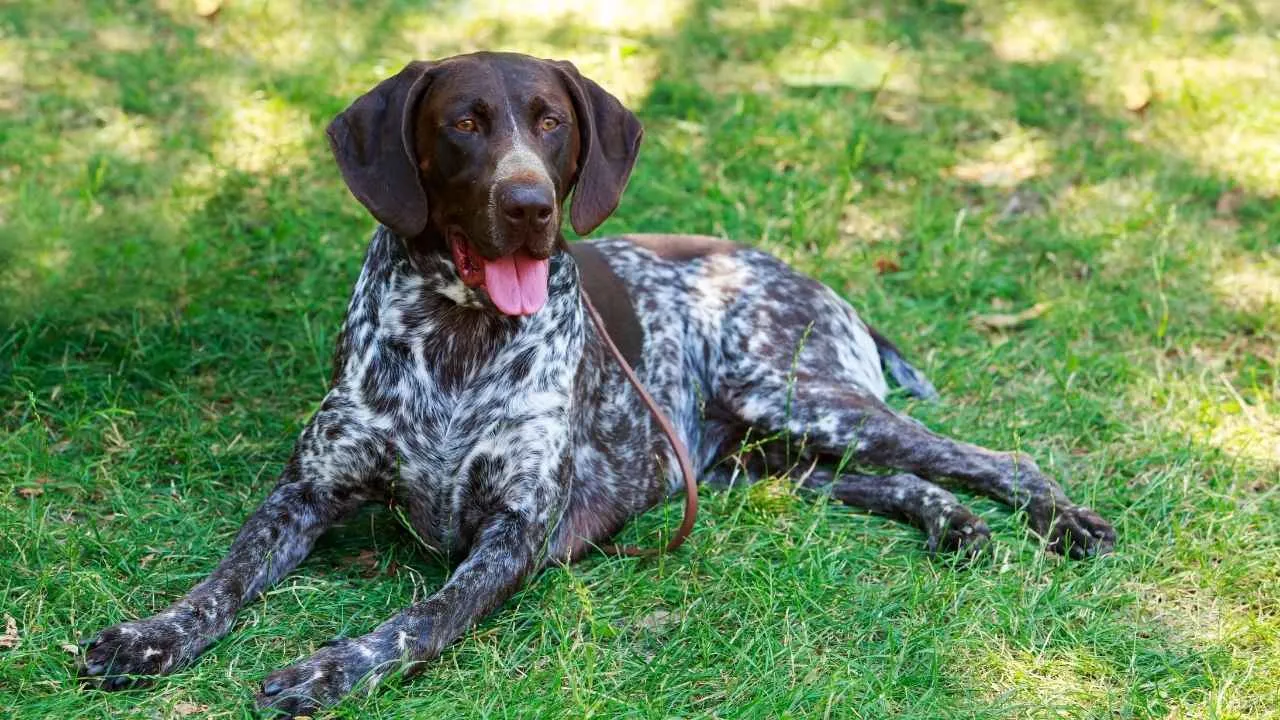
The German Shorthaired Pointer (GSP) was developed in 19th-century Germany as a multipurpose hunting dog capable of tracking, pointing, and retrieving across land and water. This makes them one of the most versatile sporting breeds in Europe.
According to field trial records, GSPs can maintain high-speed pursuit over extended periods, often outperforming specialized hunting breeds in endurance tests. Their cardiovascular efficiency supports sustained physical output.
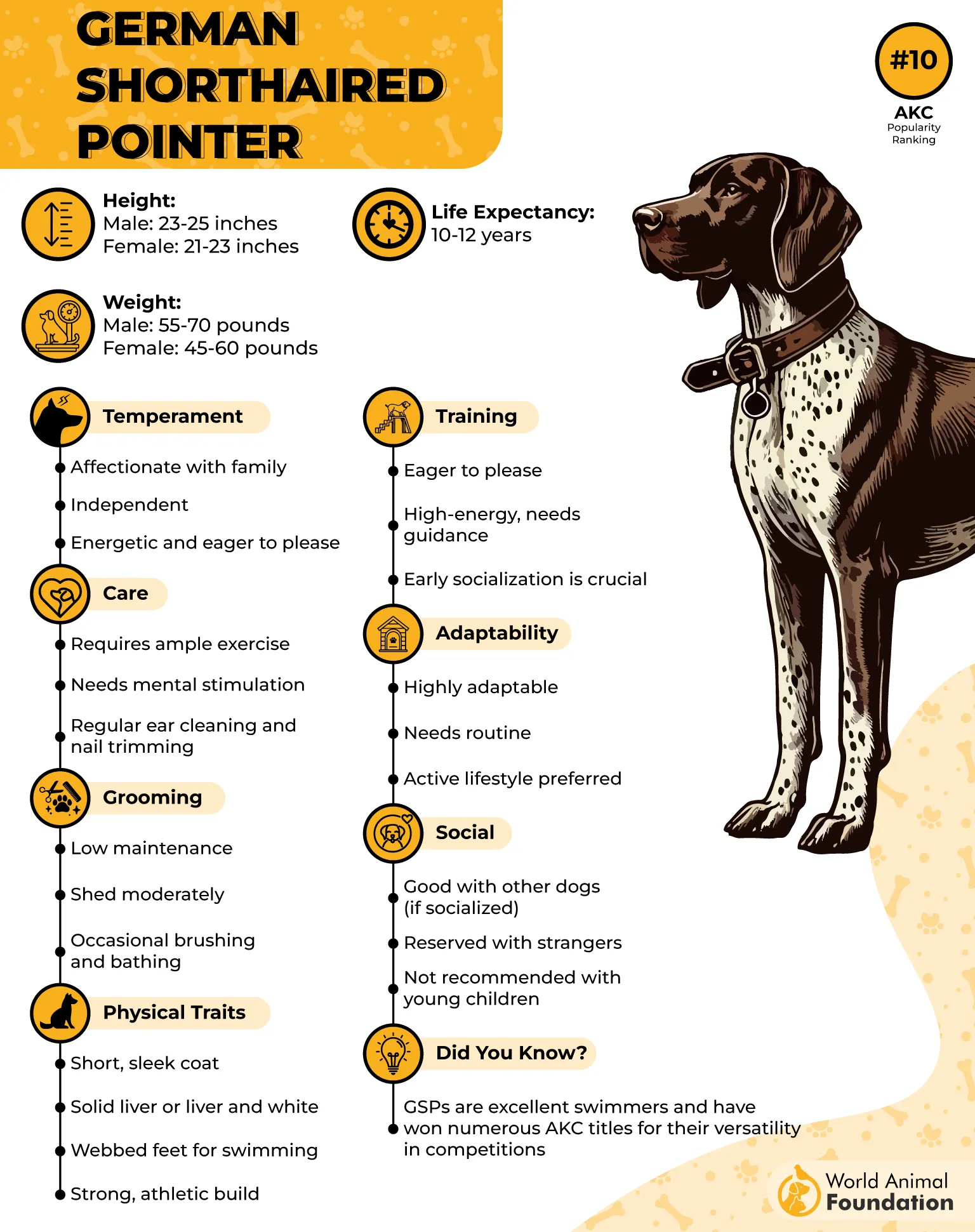
They are also strong swimmers, often used in waterfowl hunting, where retrieving ability in lakes and rivers is required. This dual-terrain capability increases their survival adaptability.
A real example is their widespread use in North American hunting communities, where they are favored for their ability to track game across forests, fields, and wetlands without fatigue.
They are highly driven and require structured activity; otherwise, they become restless due to their strong work ethic.
8. German Shepherd
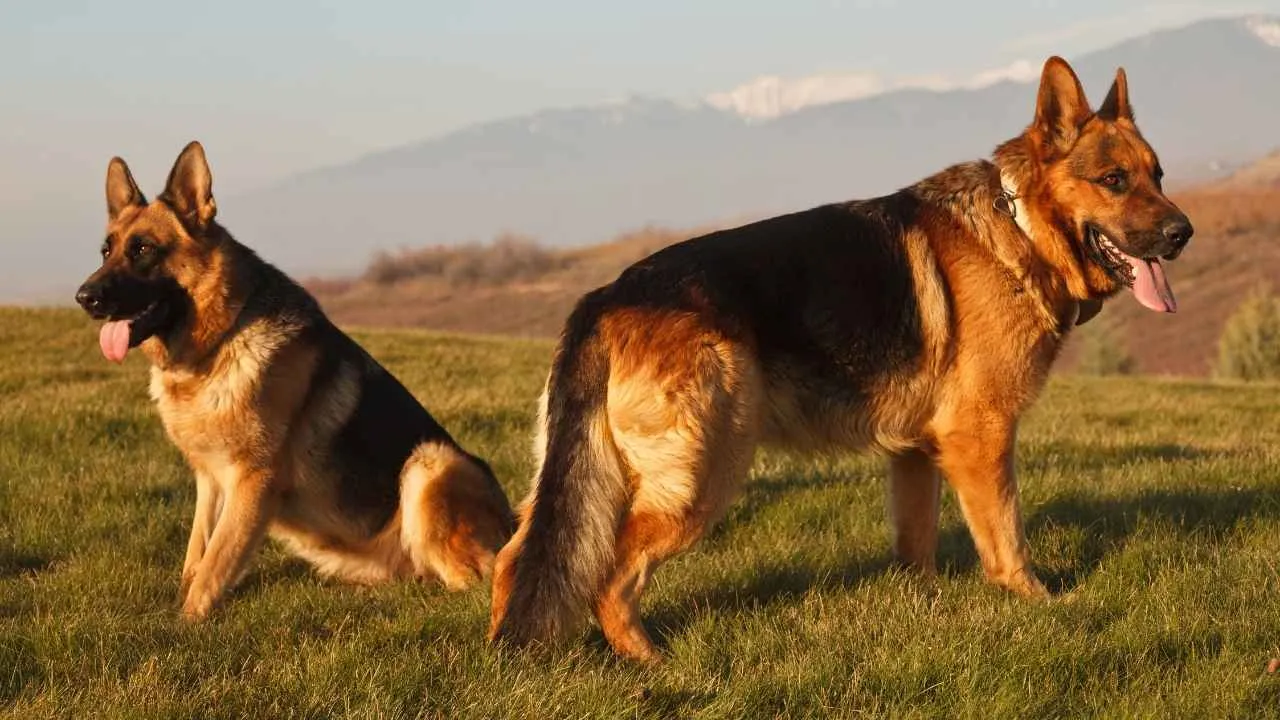
The German Shepherd was developed in Germany in the late 1800s by Max von Stephanitz as a standardized working herding dog. It quickly became one of the most widely used working breeds in military, police, and search-and-rescue operations worldwide.
According to global law enforcement data, German Shepherds remain among the top breeds used in K9 units due to their intelligence, obedience, and adaptability under stress. They excel in tracking, detection, and protection roles.
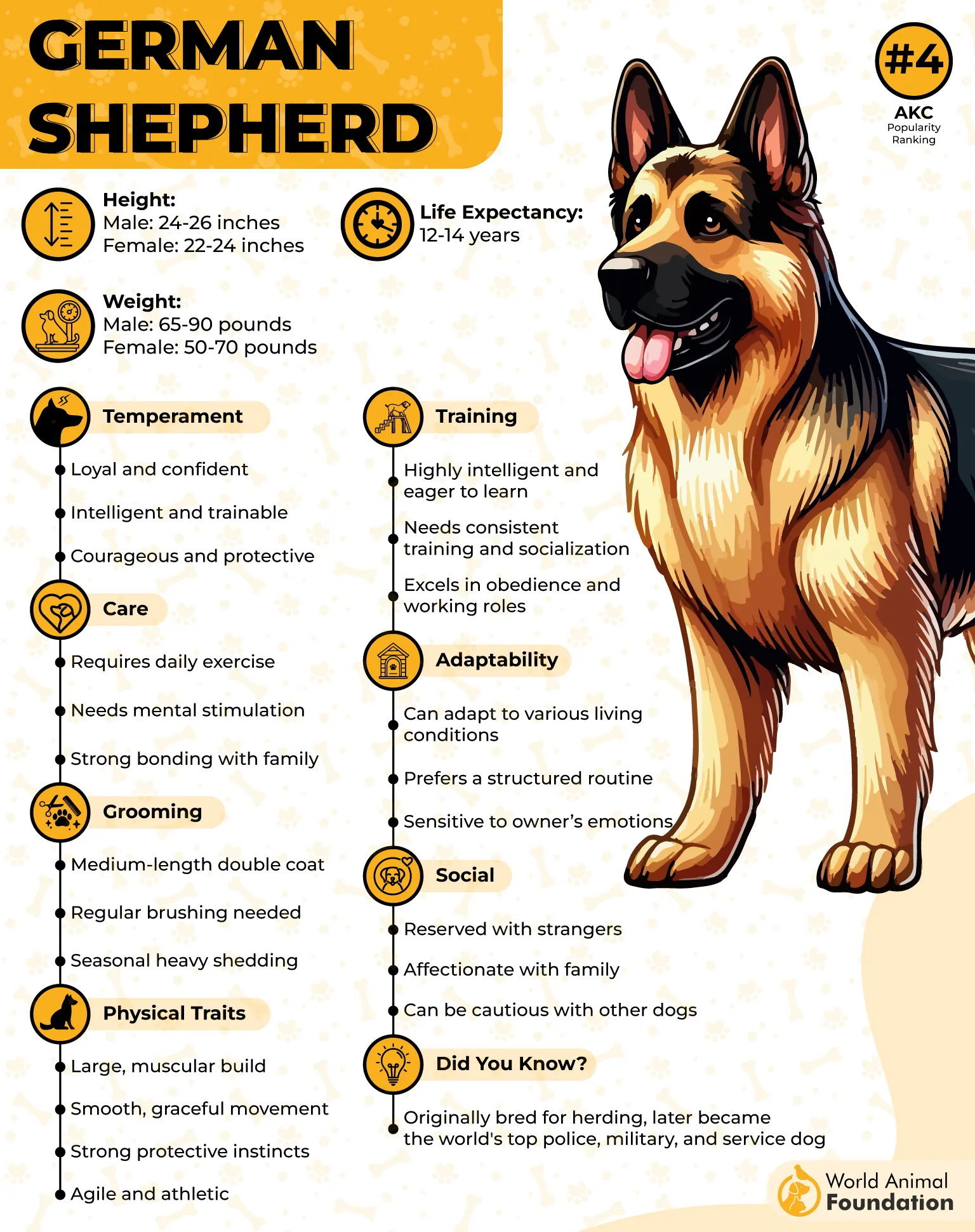
A real-world example is their deployment on disaster response missions, such as earthquake recovery efforts, where they have been used to locate survivors trapped under rubble.
Their ability to learn complex commands makes them suitable for multi-step survival tasks, including navigation, protection, and resource detection.
They combine physical strength with cognitive flexibility, making them one of the most reliable all-purpose working dogs globally.
9. Rhodesian Ridgeback

The Rhodesian Ridgeback was developed in Southern Africa by crossing European hunting dogs with indigenous Khoikhoi dogs. They were originally bred to track lions without directly engaging them, relying on speed and intimidation rather than brute force.
Historical hunting records from colonial Africa describe Ridgebacks working in groups to track and hold lions at bay until hunters arrived. This required extreme courage and independent decision-making.
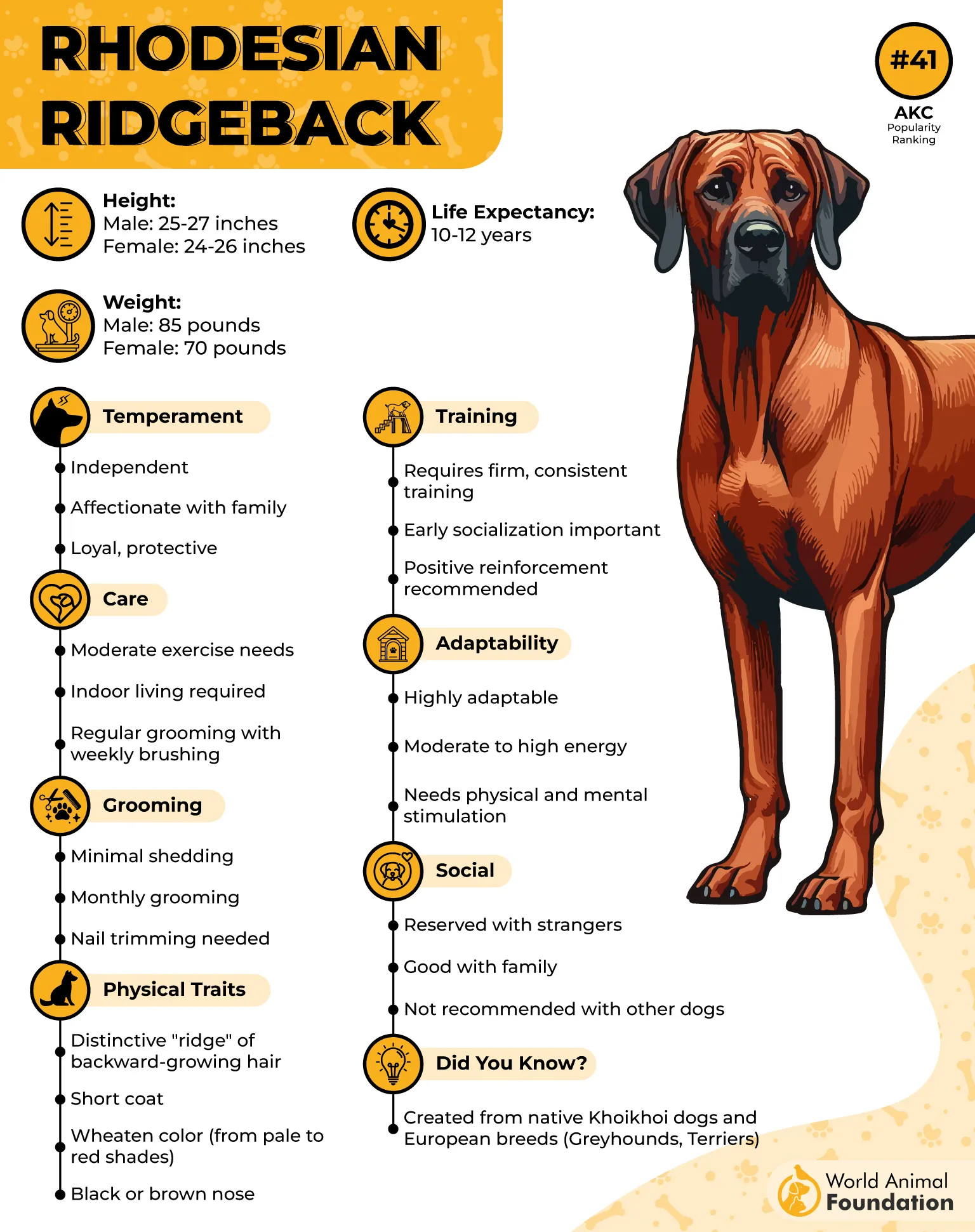
They are highly heat-tolerant, with short coats adapted to hot savannah climates. This makes them ideal for endurance activity in warm wilderness environments.
Modern owners often report that they are highly independent and require minimal guidance once trained, making them suitable for experienced handlers.
Their survival advantage lies in intelligence combined with self-directed problem-solving in unpredictable environments.
10. Belgian Malinois
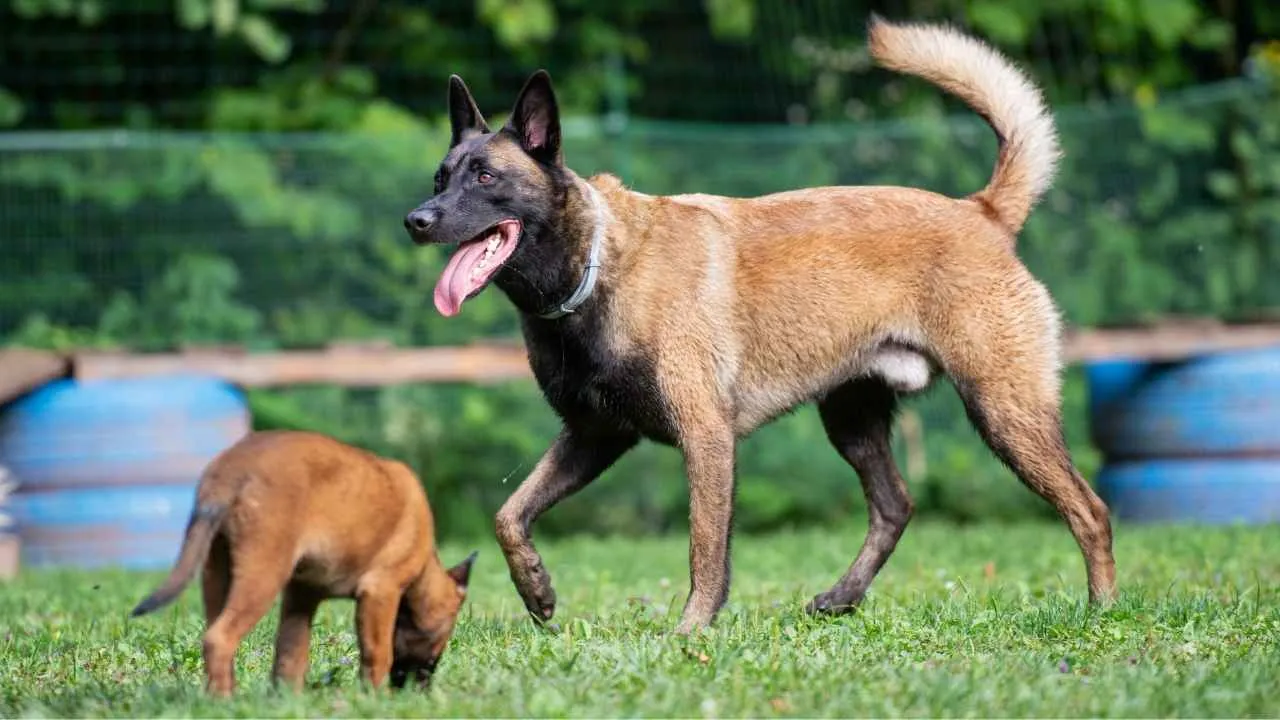
The Belgian Malinois is widely considered one of the most capable working dogs in the world. Originally developed in Belgium for herding, it is now heavily used in military special operations, including U.S. Navy SEAL and Delta Force missions.
According to military working dog programs, Malinois are preferred for high-risk operations due to their speed, intelligence, and ability to remain focused under extreme stress. They can be deployed in parachute operations and combat zones.
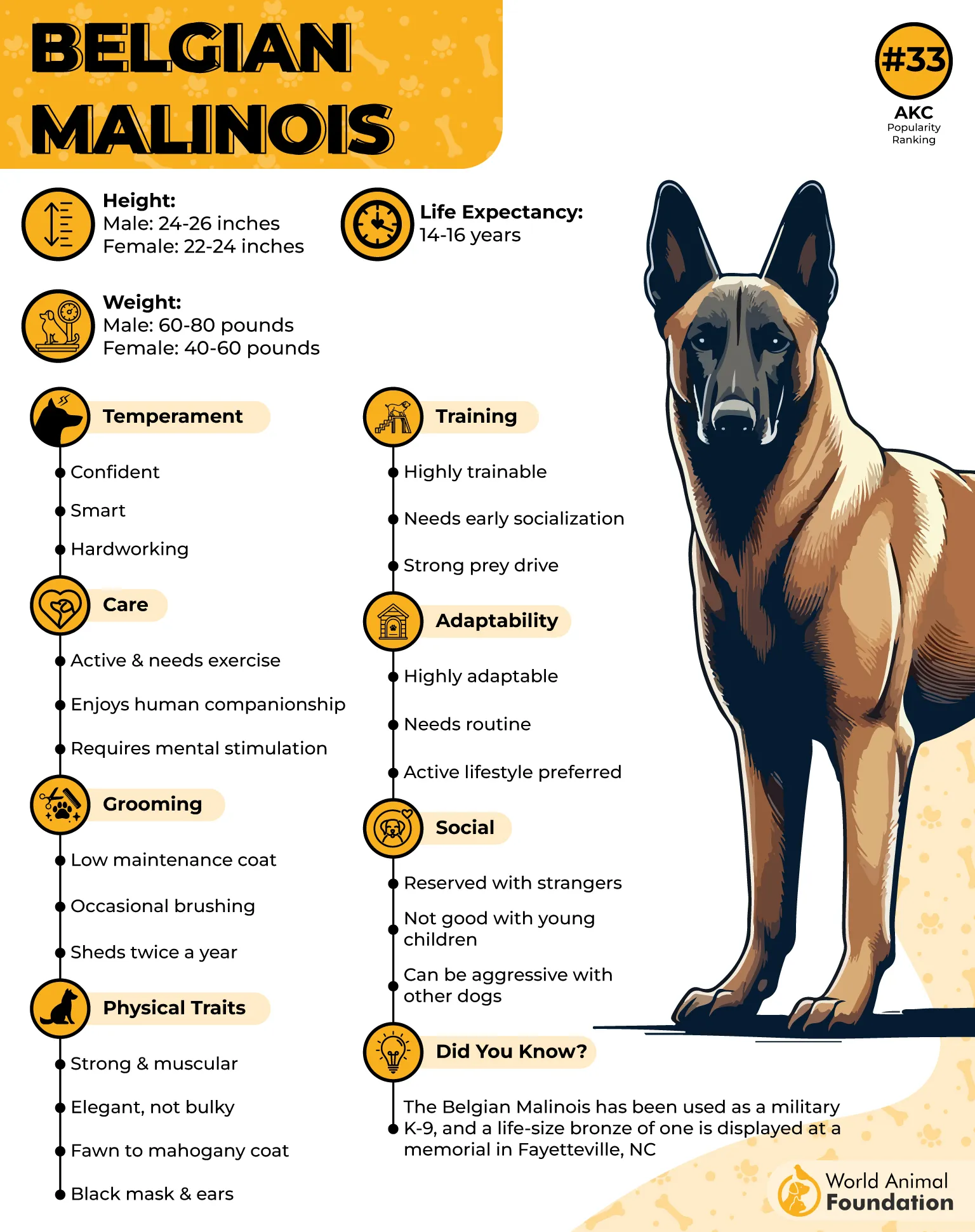
A documented example includes their role in the mission that led to the operation against Osama bin Laden, where a trained Malinois supported tactical entry teams.
These high-energy dogs are also widely used in search-and-rescue missions in disaster zones for their rapid scent detection and agility on unstable terrain.
Their energy levels are extremely high, requiring constant structured training; otherwise, they become mentally and physically under-stimulated.
Conclusion
These 10 breeds are not just pets—they are evolutionary outcomes of centuries of survival-based breeding. From Arctic sled work to African lion tracking to modern military operations, each breed represents a specialized survival function.
What makes them extraordinary is not just physical ability but cognitive adaptability—the ability to work with humans in unpredictable environments where survival depends on teamwork.
Bernese Mountain Dog, Jack Russell Terrier, Labrador Retriever, and Golden Retriever also make great hiking companions. Whether in snow-covered tundras, dense forests, or rugged mountains, these dogs continue to prove that in the world of survival, humans were never alone—we just had very capable four-legged partners leading the way.
