




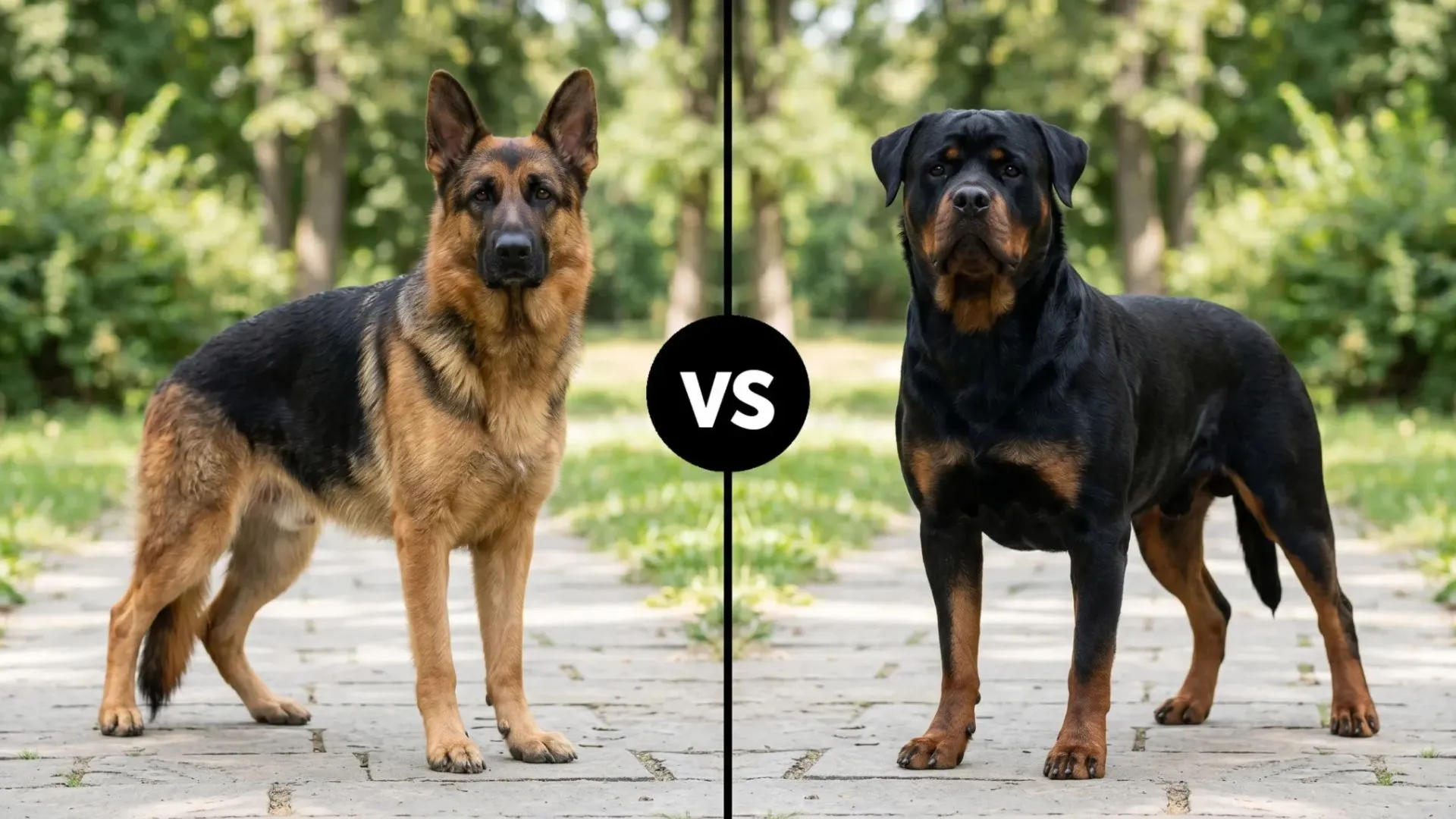
Training a German Shepherd or a Rottweiler is often seen as a test of patience, consistency, and understanding rather than simple obedience work.
Both breeds are among the most intelligent and capable working dogs in the world, yet they approach learning in noticeably different ways. The German Shepherd is quick to pick up commands and thrives on structured, varied training that keeps both mind and body engaged.
The Rottweiler, meanwhile, brings a more thoughtful and independent style, often evaluating situations before responding, which can be mistaken for stubbornness.
For dog lovers, this contrast makes the comparison especially fascinating. One breed responds with speed and eagerness, while the other relies on calm judgment and steady confidence. Understanding these differences is key to successful training.
With the right approach, both breeds transform from powerful, instinct-driven dogs into reliable, well-mannered companions who are deeply loyal and highly responsive to their owners.
Key Takeaways
German Shepherds and Rottweilers are both highly intelligent working breeds, but they express learning and obedience in different ways.
German Shepherds usually learn commands faster, but they can become easily distracted without consistent mental engagement.
Rottweilers are intelligent but more independent thinkers, often pausing to assess situations before responding.
Training a German Shepherd requires structure, variety, and ongoing stimulation to prevent boredom and behavioral issues.
Rottweilers need calm, firm leadership with clear boundaries and patient repetition to build reliable obedience.
German Shepherd vs Rottweiler: Which Is Harder to Train?
Overview
Both the German Shepherd and Rottweiler stand among the most highly intelligent and highly trainable dog breeds in the world.
Often seen in police dogs and service dogs roles, the German Shepherd is known for its fast learning ability, keen sense, and strong brain power.
Male German Shepherds, with their sharp teeth and energetic personality, are wonderful guard dogs that thrive when given mental stimulation, structured training, and clear impulse control from an experienced owner or GSD breeder.
The Rottweiler, including male Rottweilers with their naturally intimidating stature, is a powerful dog originally used to herd cattle and pull carts. Though a big dog with a strong bite force, the Rottweiler ranks ninth in intelligence and can be extremely affectionate when trained properly.
These excellent guard dogs are known for their loyalty, prey drive, and reliability as protectors of family and home.
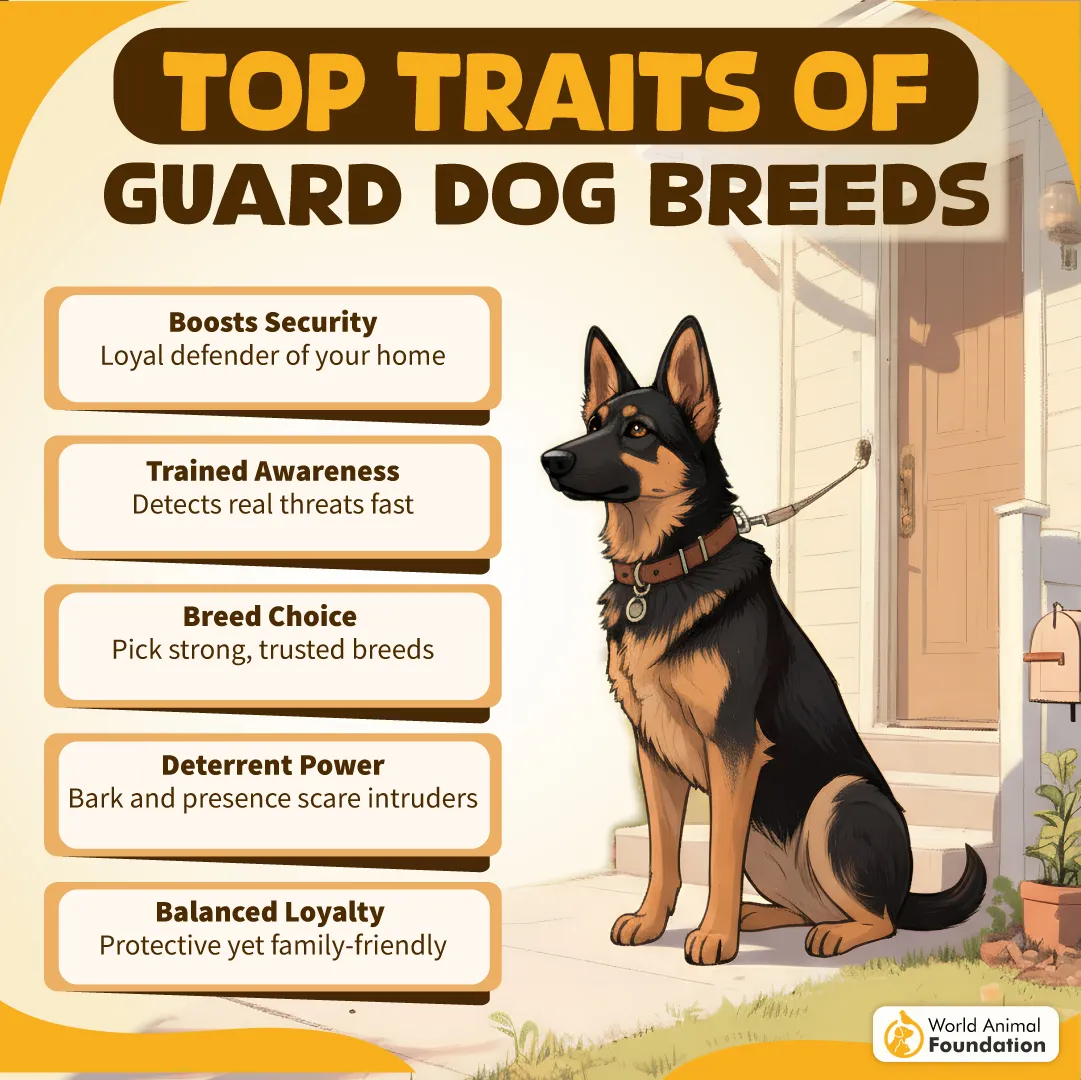
While German Shepherds often love learning and respond quickly, Rottweilers may show a more stubborn temperament, requiring patience and consistent training. Despite their serious reputation, both breeds can be affectionate companions in the right homes.
With proper training, socialization, and care, they transform from powerful working dogs into loyal family members who offer protection, companionship, and unwavering devotion.
Origins & Purpose
The German Shepherd was originally developed in Germany as a versatile herding dog. Breeders focused on creating a hardworking canine that combined intelligence, agility, and reliability. Over time, the breed proved capable of much more than herding.
Its ability to learn commands quickly and handle demanding tasks led to roles in police work, search and rescue, military service, and assistance work. The breed’s defining quality has always been its willingness to work closely with humans and protect those it trusts.
Rottweilers have a much older heritage that traces back to Roman times, according to Pooch and Mutt. Their ancestors were powerful drover dogs used by Roman soldiers to herd cattle and guard supplies.
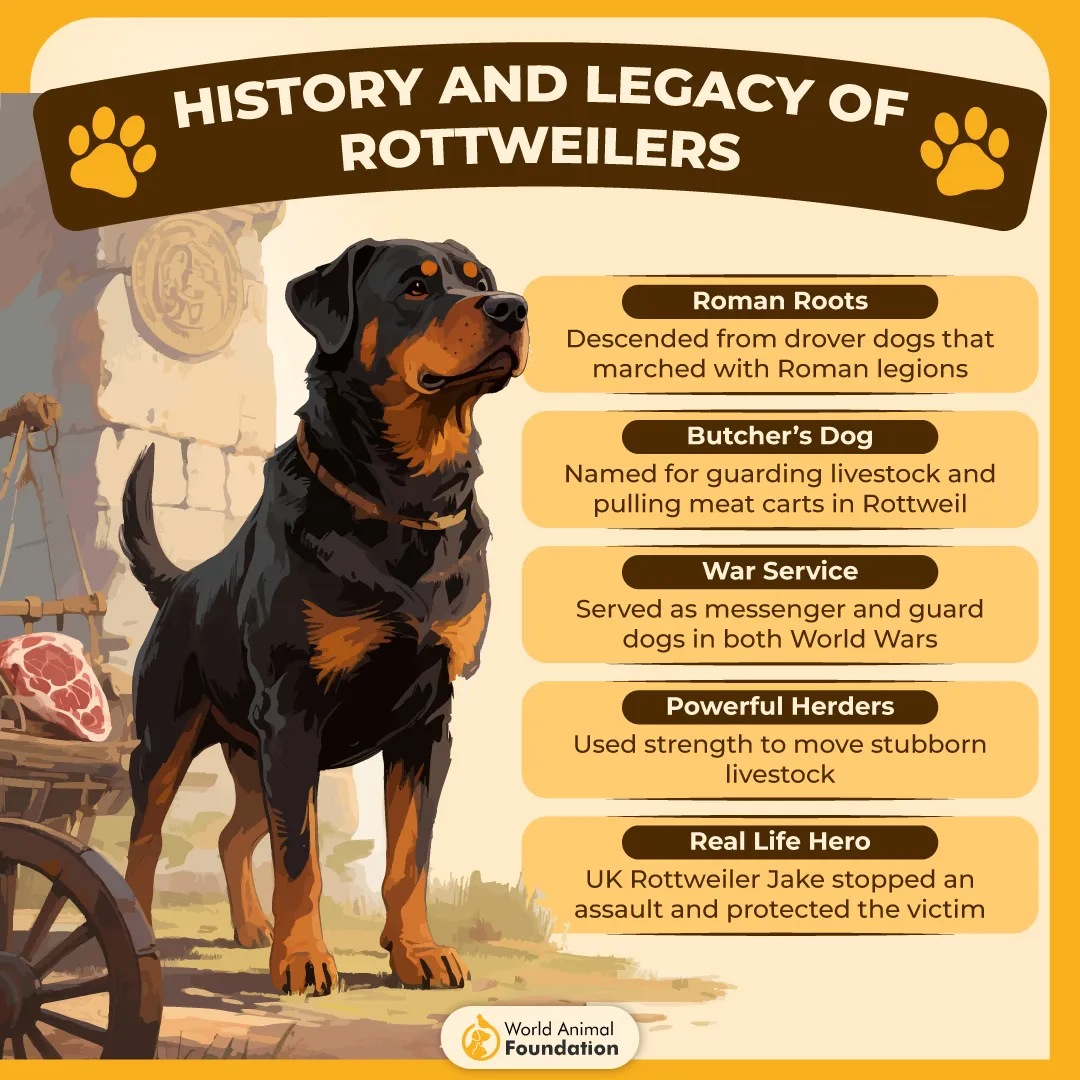
When these dogs settled in the German town of Rottweil, they became known as butcher’s dogs, helping move livestock to market and pulling carts loaded with goods.
Both breeds share a history rooted in strength, loyalty, and usefulness. Their original purpose shaped them into dependable working companions admired around the world today.
Size & Physical Build
The German Shepherd is a large, well-balanced dog known for its athletic frame and graceful movement. The breed presents a strong yet agile silhouette. Its body is muscular without appearing bulky, allowing it to move with a smooth and efficient trot.
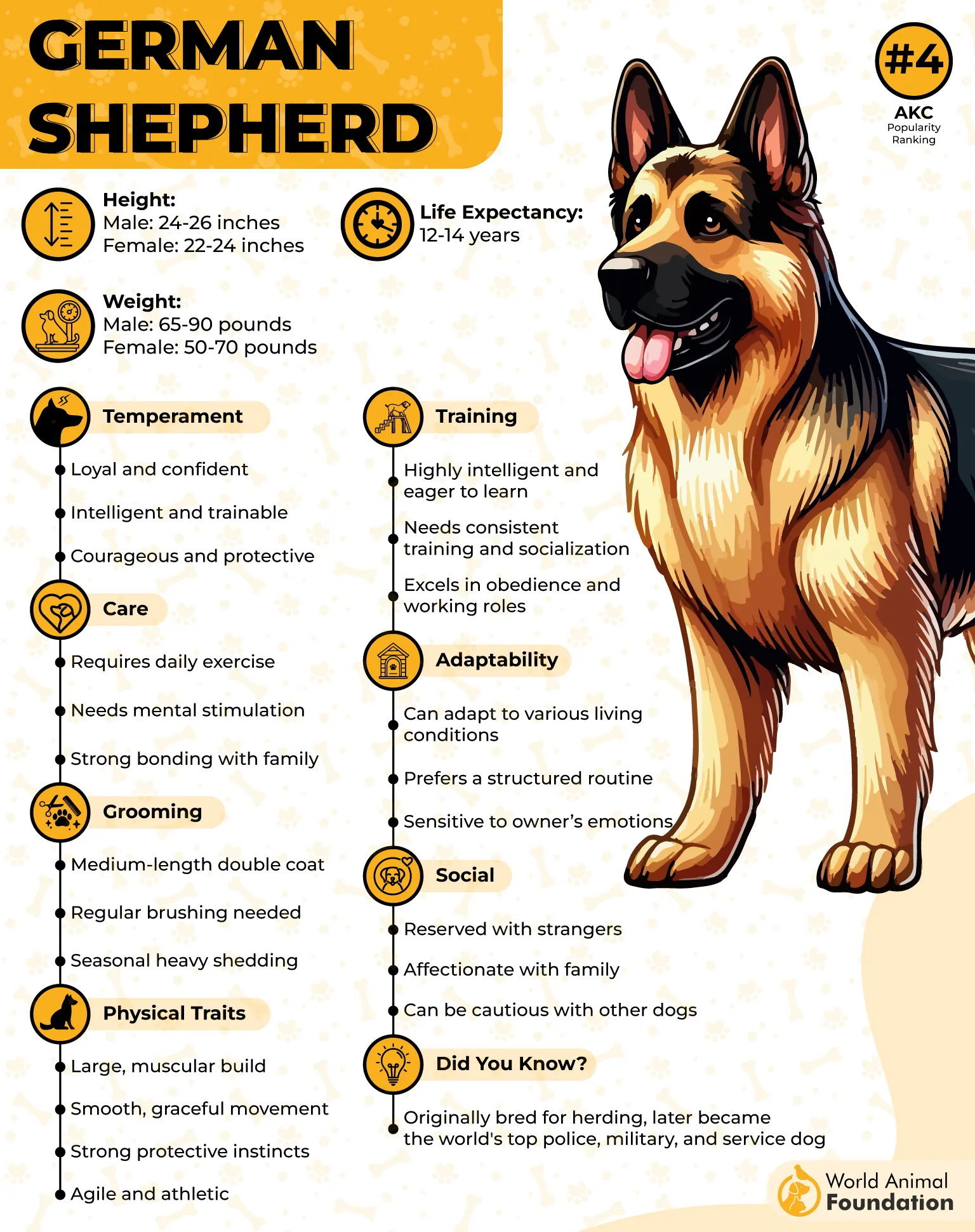
The German Shepherd’s coat is typically medium-length with a dense double layer that protects it from various weather conditions.
Rottweilers, by contrast, are built with a heavier and more powerful structure. Their bodies are broad and compact, supported by strong legs and a deep chest that reflects their history as working and cart-pulling dogs. Their short, dense coat highlights their muscular build and gives them a bold, confident appearance.
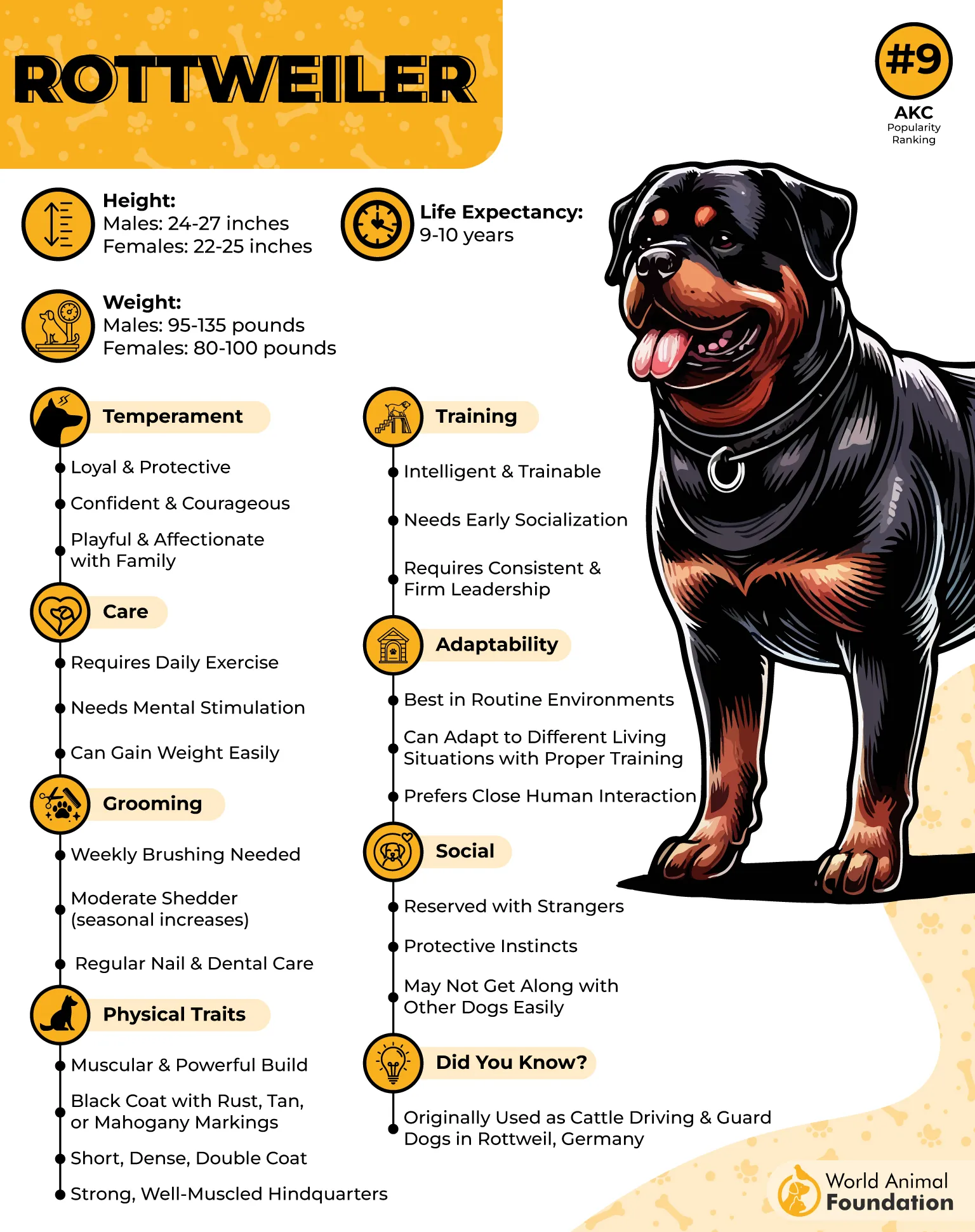
Although both breeds are large and strong, the German Shepherd often appears more agile and athletic, while the Rottweiler conveys raw strength and stability. Each physical style reflects the unique tasks these breeds were originally developed to perform.
Temperament & Personality
German Shepherds are widely admired for their intelligence and loyalty. They form strong emotional bonds with their owners and often become deeply devoted to one person or family.
Known for their confidence and courage, they approach life with alertness and purpose, as explained by the American Kennel Club. While affectionate with loved ones, they can appear reserved or cautious around strangers, reflecting their natural guarding instincts.
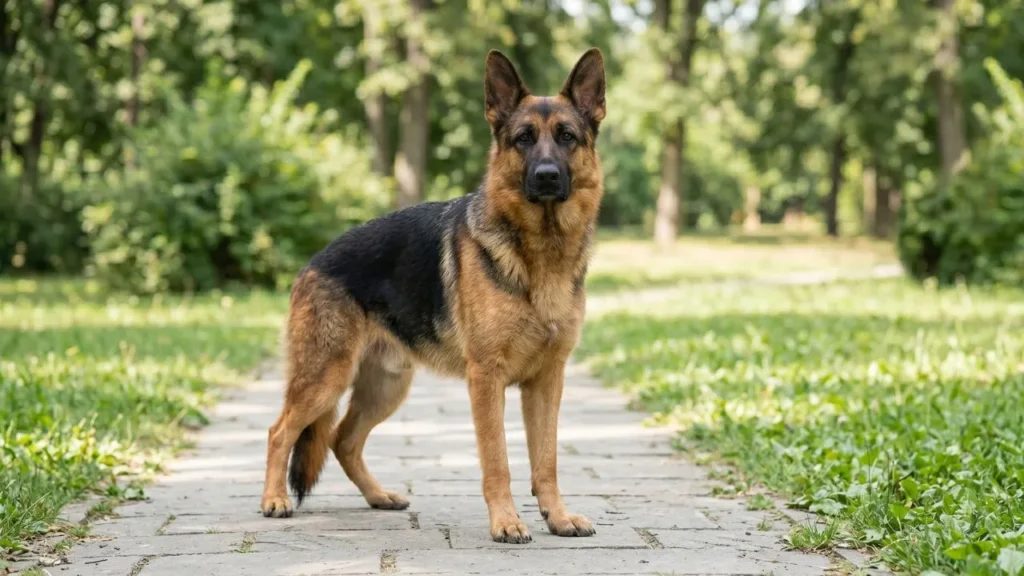
With proper training and socialization, they grow into calm, dependable companions.
Rottweilers share that same loyalty but express it in a slightly different way. They are typically calm, confident, and steady in their behavior.
Rather than reacting quickly, they often observe situations before responding. This thoughtful nature is one reason they excel in roles that require patience and composure.
Behind their powerful appearance, Rottweilers can be affectionate and playful with people they trust. Both breeds thrive on companionship, structure, and consistent guidance, making them deeply rewarding dogs for owners who understand their needs.
Exercise & Energy Levels
German Shepherds are highly active and athletic dogs that need plenty of daily exercise to stay healthy and balanced. Long walks, play sessions, and mentally stimulating activities help keep them physically fit and mentally engaged.
Because they are intelligent and energetic, they enjoy tasks such as agility training, tracking games, and problem-solving activities. Without enough stimulation, they can easily become bored and develop unwanted behaviors.
Rottweilers are also energetic, but often display their energy differently. They thrive on purposeful exercise rather than constant activity. Long walks, structured training sessions, and interactive play help them stay strong and satisfied.
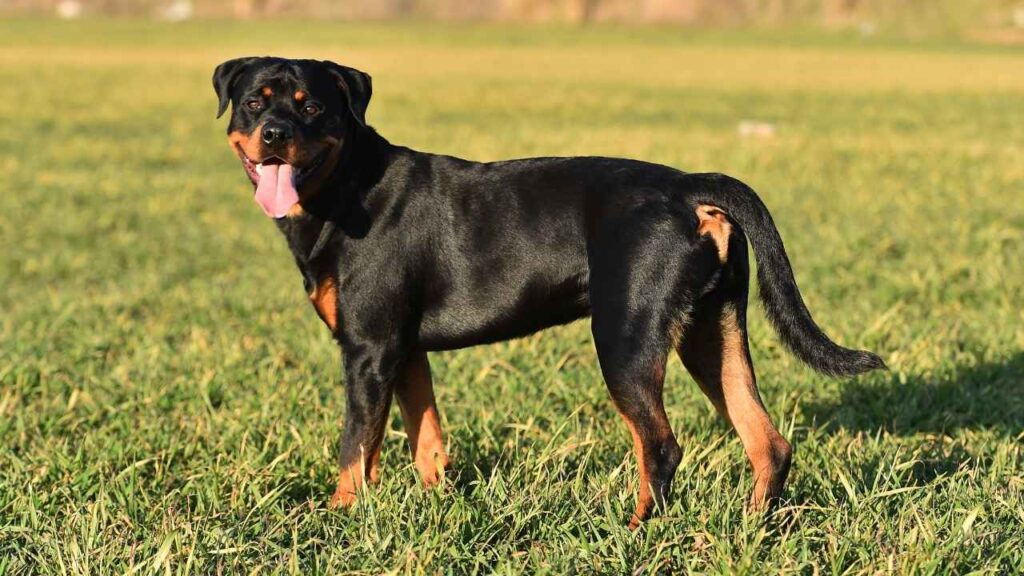
As working dogs by heritage, they enjoy having a job to do, whether it is learning commands or participating in structured activities, as stated by Best Mate Dog Training.
Both breeds require regular exercise and mental stimulation every day. When their energy is properly channeled, they become calm, well-adjusted companions that are both protective and affectionate toward their families.
Training & Intelligence
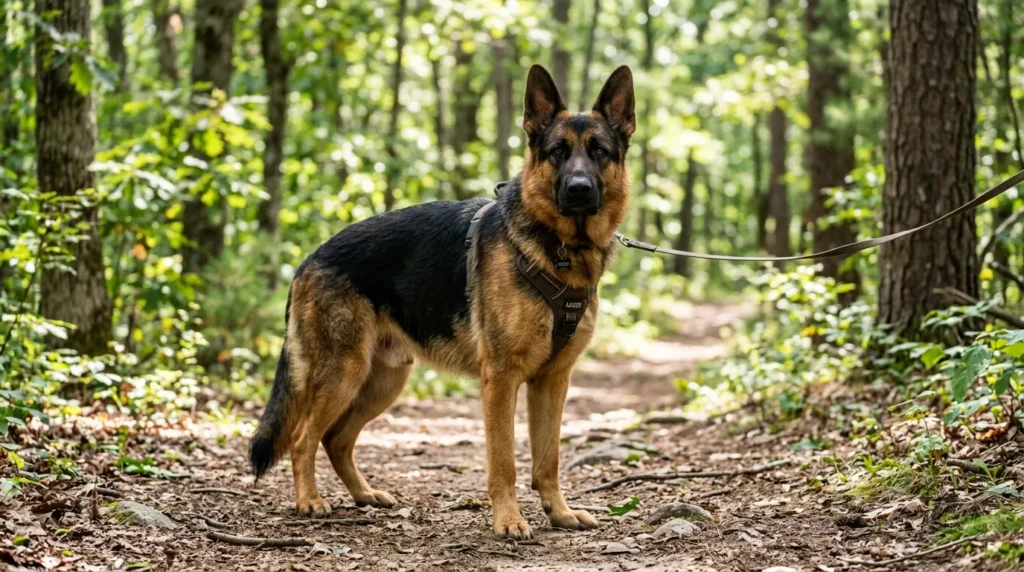
German Shepherds are widely seen as quick learners, shaped by their herding background and strong working drive. They respond well to structured training and enjoy having tasks that challenge their minds, according to US Service Animals.
However, their intelligence also means they can become distracted if training lacks consistency or clarity. When engaged properly, they are highly responsive and eager to work alongside their handler.
Rottweilers, in contrast, bring a different training dynamic. They are intelligent and observant, but often more independent in how they process commands.
Their guarding instincts can make them pause, assess, and decide before reacting, which sometimes feels like stubbornness. With firm, patient guidance, they learn well, but they require clear boundaries and repetition.
In terms of difficulty, German Shepherds may pick up commands faster, but Rottweilers often test patience more. Both breeds demand consistency, structure, and respect-based training to bring out their best working potential and reliable behavior.
Grooming Frequency
German Shepherds require regular grooming due to their dense double coat. Brushing every few days helps manage shedding, especially during heavy seasonal coat changes when loose hair becomes more noticeable around the home.
Their coat is relatively easy to maintain, but consistency is important to keep it healthy and clean. Occasional bathing and routine nail care also form part of their grooming needs.
Rottweilers, on the other hand, have a shorter and denser coat that is simpler to manage. Weekly brushing is usually enough to remove loose hair and maintain shine. While they also shed, their grooming routine is less demanding compared to long-coated breeds like German Shepherds.
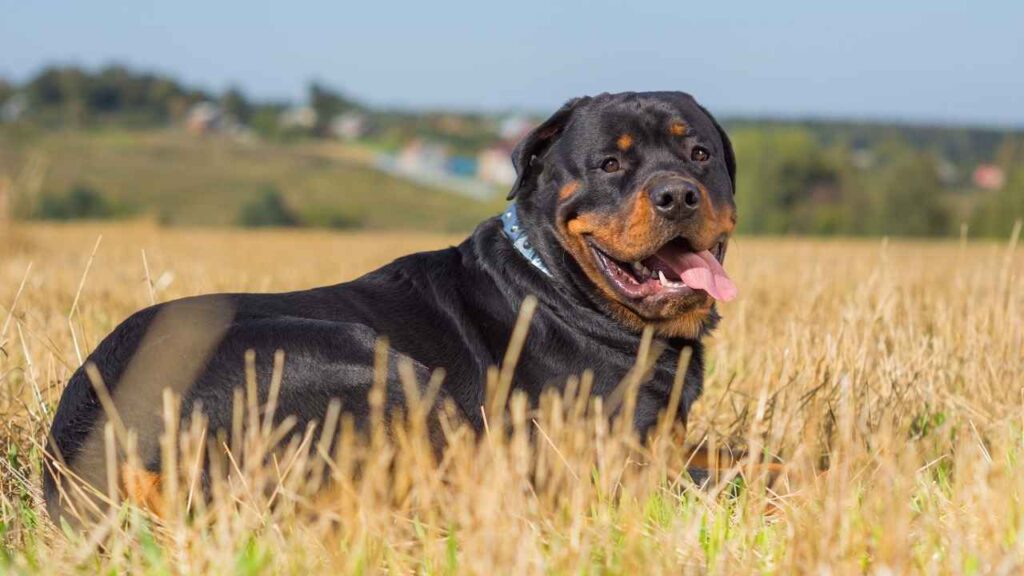
Overall, German Shepherds require more frequent coat maintenance, while Rottweilers are lower-maintenance in grooming. However, both still need regular care to stay comfortable and healthy, especially in managing shedding and overall hygiene.
Health & Lifespan
German Shepherds are generally active and strong dogs, but they can be prone to certain hereditary conditions. Their lifespan typically ranges around the medium-large breed average, and responsible breeding plays an important role in their long-term well-being.
Regular exercise, balanced nutrition, and early health screening help maintain their quality of life.
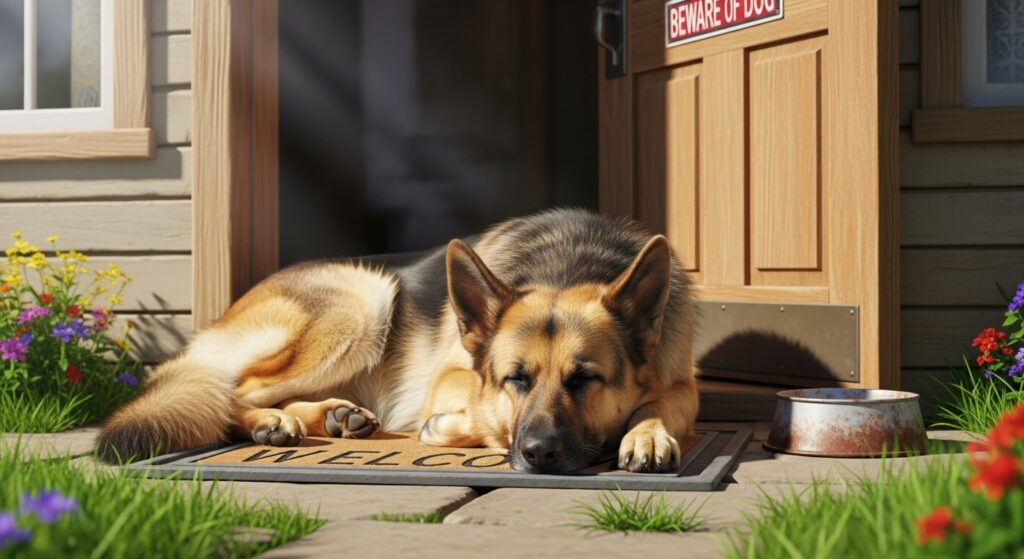
Rottweilers also face their own set of health challenges due to their size and build. Like many large breeds, they require careful weight management and joint support to stay active and comfortable. Their lifespan is often slightly shorter compared to some other breeds, making preventive care even more important.
Both breeds benefit from routine veterinary care, early detection of issues, and a stable lifestyle. While neither is considered fragile, their strength comes with responsibility. Proper care directly influences not just how long they live, but how well they enjoy their active years.
German Shepherd vs Rottweiler: Which One Is Best for You?
Choosing between a German Shepherd and a Rottweiler depends less on “better” and more on lifestyle fit. German Shepherds suit owners who enjoy active training, mental challenges, and a highly responsive working partner. They thrive in environments where learning and structure are part of daily life.
Rottweilers, meanwhile, appeal to those who prefer a calmer, steadier guardian with a strong presence. They are deeply loyal and protective, but often more reserved and thoughtful in their reactions. They suit owners who can provide leadership without harshness and appreciate a dog that watches before acting.
Both breeds are intelligent, powerful, and emotionally bonded to their families. However, they are not easy, low-effort companions. The right choice depends on whether you prefer the quick, energetic responsiveness of a German Shepherd or the calm, deliberate strength of a Rottweiler.
Use this dog exercise calculator to ensure your furry friend gets just the right amount of daily movement.
Dog Exercise Needs Calculator
Invalid input. Please enter a valid age and breed.
Conclusion
German Shepherd vs Rottweiler: Which is harder to train is a question many dog lovers ask when comparing these two powerful breeds.
The German Shepherd is a highly intelligent, fast learner often seen as one of the most reliable police dogs and service dogs, known for its keen sense, brain power, and ability to master new skills quickly when trained properly.
Male German Shepherds, with their sharp focus and sometimes sharp teeth, are wonderful guard dogs that require mental stimulation, exercise, and impulse control to stay balanced.
Both German Shepherds and Rottweilers are healthy dogs with some health issues, like hip dysplasia, elbow dysplasia, and degenerative myelopathy, to consider. These two breeds share the same endurance, intelligence, and need for extensive exercise and training.
While the German Shepherd is often a fast learner, the Rottweiler ranks ninth in intelligence, proving both breeds are smart, loyal, and capable of guarding homes and protecting families.
Ultimately, both dogs thrive with proper training, strong leadership, and a lifestyle that meets their energy and temperament needs.
