




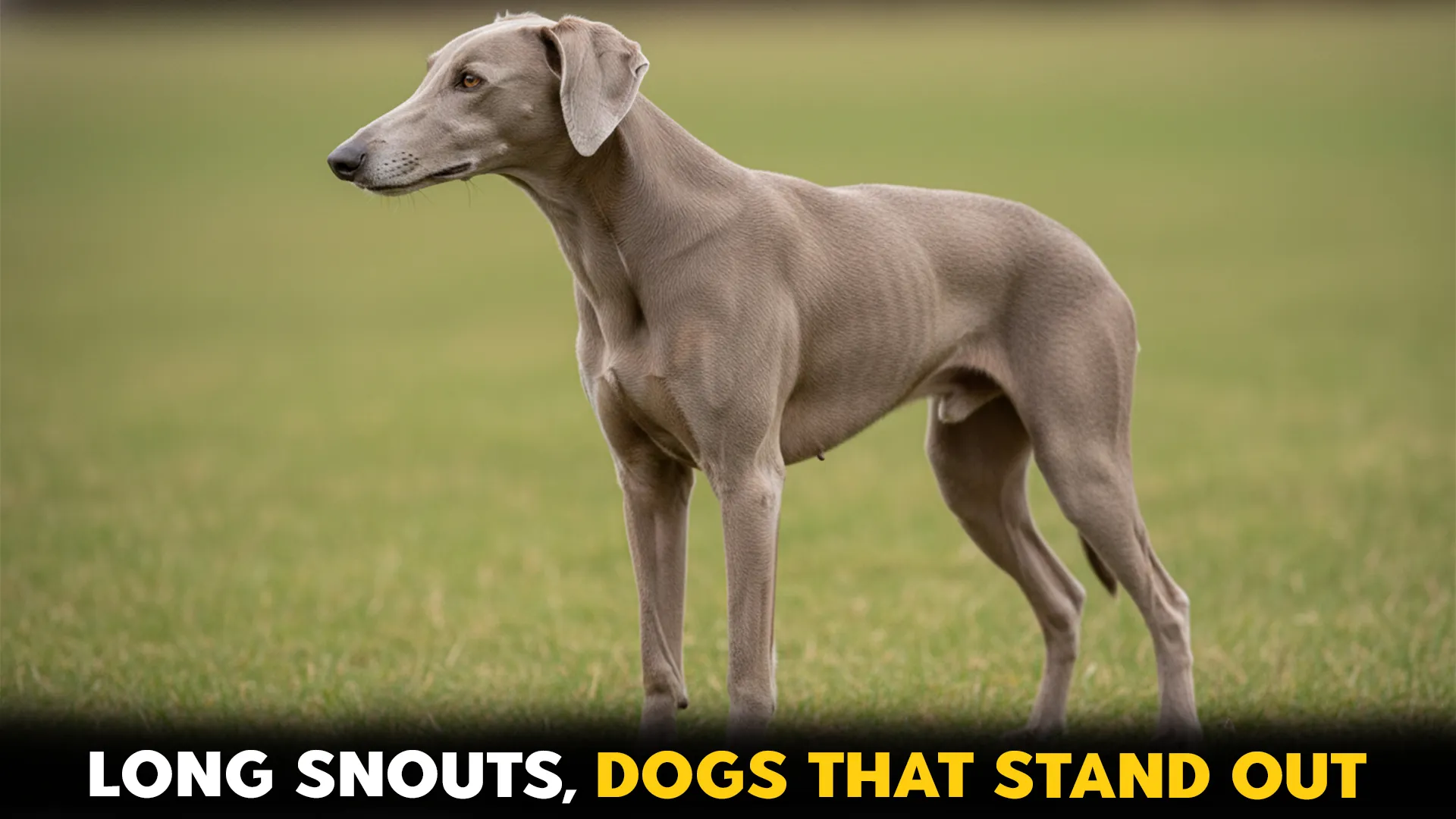
A long snout, scientifically referred to as a dolichocephalic skull, is one of the most striking and functional features found in many dog breeds. Developed through generations of selective breeding, this head shape is often associated with both elegance and performance. Beyond appearance, it supports efficient airflow, enhanced scent detection, and natural temperature regulation during physical activity.
This skull structure is especially common in breeds built for speed, tracking, and heightened environmental awareness, where even small anatomical advantages can make a significant difference. From desert hunters to high-speed sprinters, these dogs demonstrate how form and function work seamlessly together in nature and breeding.
Below, we explore nine popular long-snouted dog breeds, each with its own unique beauty, purpose, and character. Let’s step into the world of these remarkable dogs.
Dog Breeds That Showcase Stunning, Long Snout Profiles
1. Greyhound
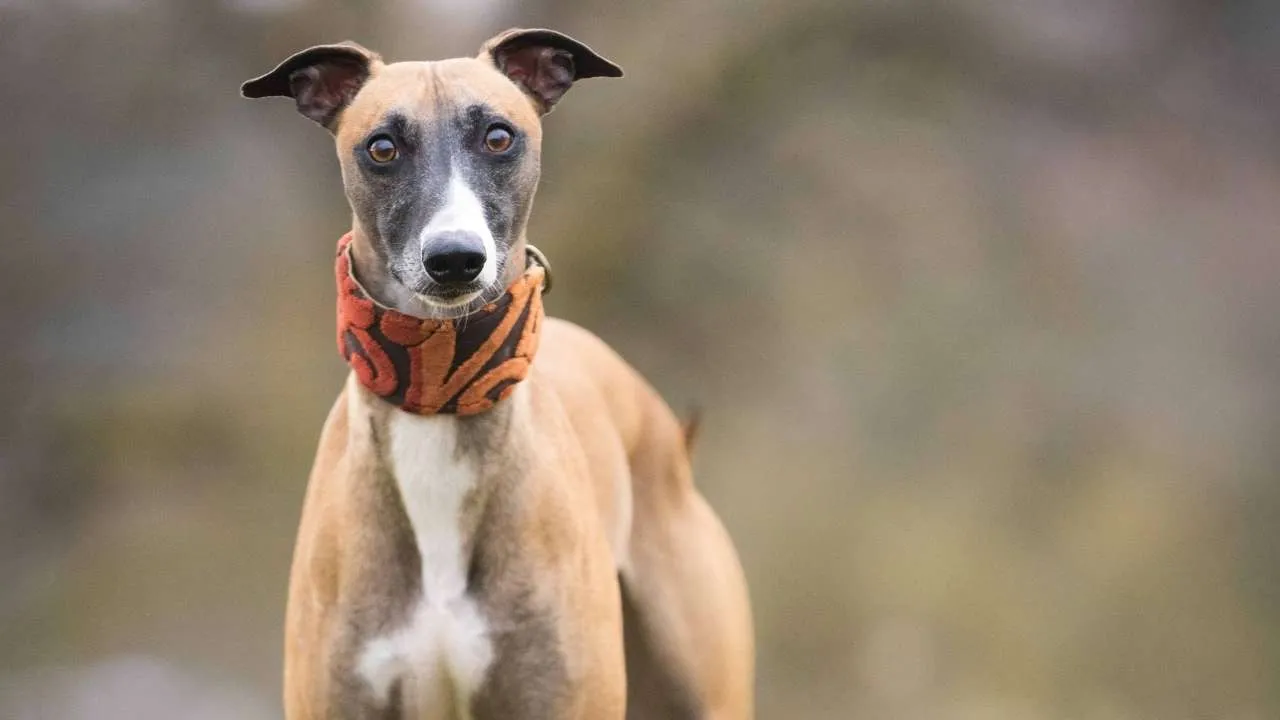
The long, streamlined snout of the Greyhound plays a vital role in its exceptional speed and endurance. Built for sprinting, Greyhounds rely on rapid oxygen intake, and their extended nasal passages allow for efficient airflow during high-speed runs. This design helps them sustain powerful bursts of speed without tiring too quickly.
They are especially known for:
A smooth, aerodynamic muzzle that reduces air resistance
Large nasal cavities that enhance oxygen intake
A snout shape that supports focused, forward vision
Sharp visual tracking of fast-moving objects
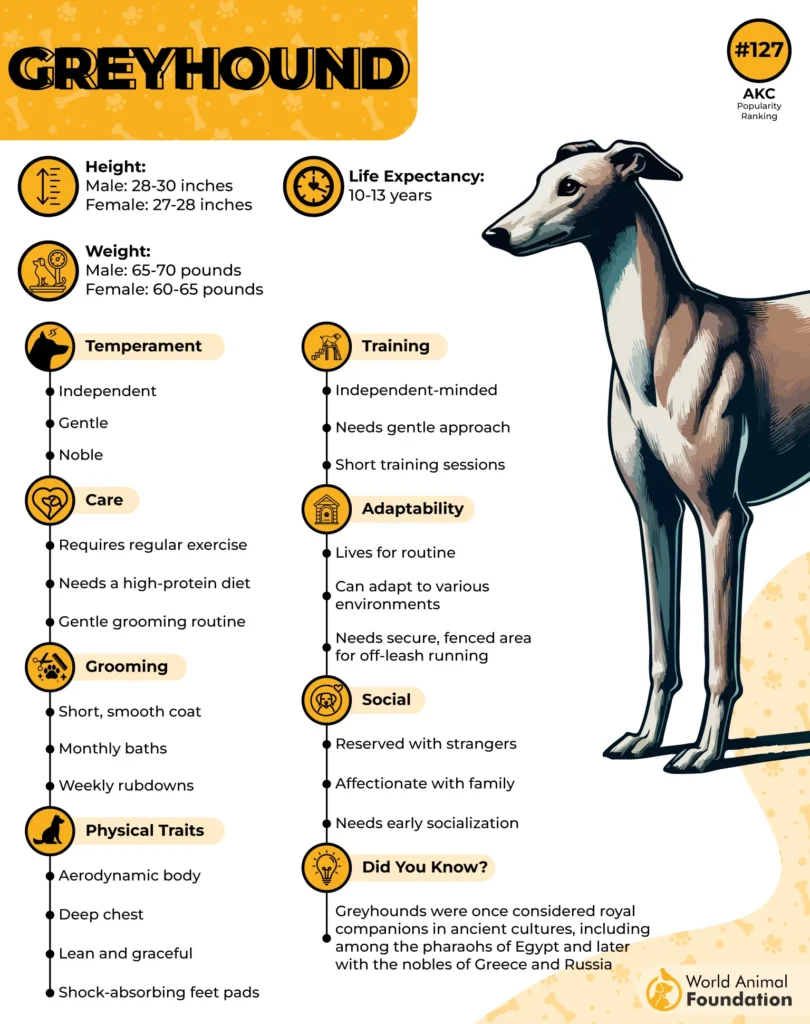
In addition to aiding performance, their long snout also contributes to temperature regulation. As air passes through the nasal passages, it helps cool the body—an essential function during intense physical activity.
Despite their athletic build, Greyhounds are surprisingly calm and relaxed at home. After exercise, they tend to rest quietly and conserve energy, as per the American Kennel Club.
2. Saluki
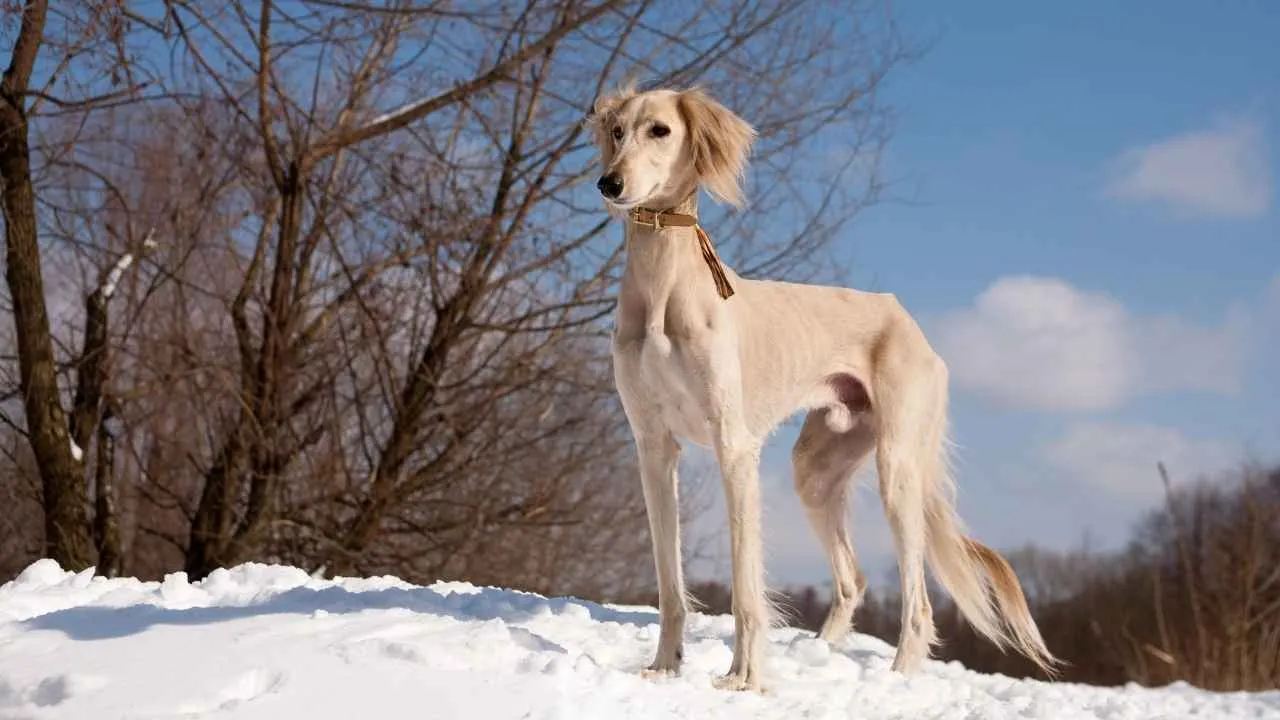
The long, elegant nose of the Saluki reflects its heritage as a desert endurance hunter. This extended snout helps cool the air before it reaches the lungs, allowing the Saluki to cope with extreme heat and reduce stress during long-distance hunts.
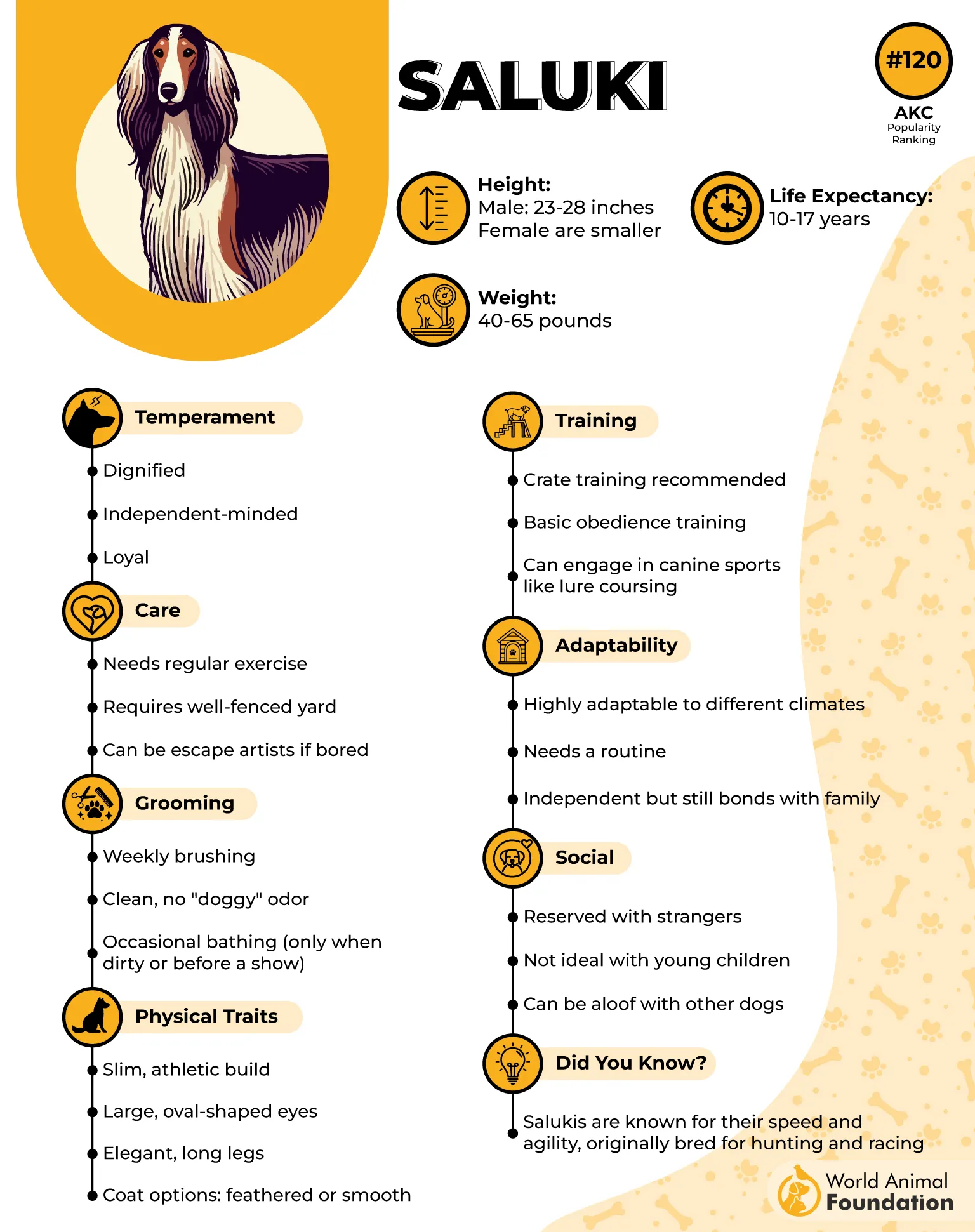
They are especially recognized for having:
A narrow muzzle that aids in heat dissipation
Efficient air exchange during sustained running
A well-developed sense of smell
A proportionate skull that supports their streamlined head
Calm, controlled breathing even while in motion
Unlike many other sighthounds, Salukis possess a multifunctional snout. They rely not only on sharp vision but also on scent awareness to track prey. Their elongated nose enhances their ability to detect subtle environmental changes—an essential trait for survival and hunting in vast, open desert landscapes.
3. Whippet
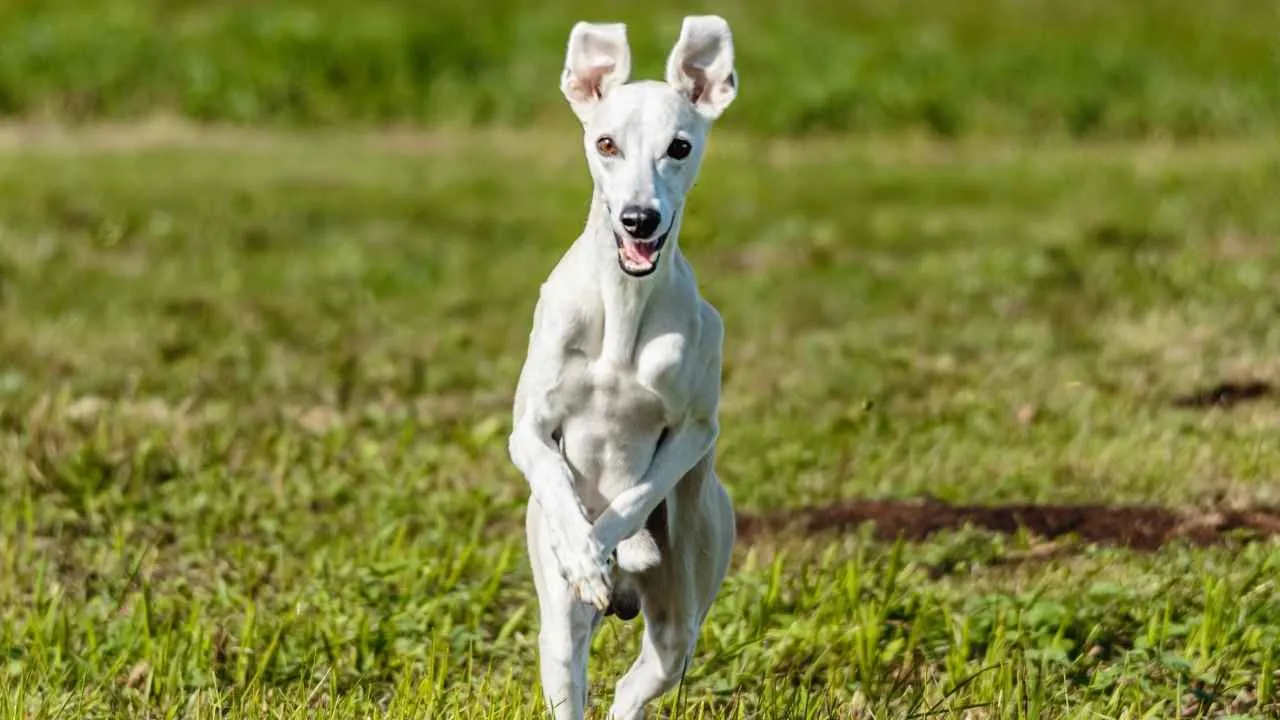
The long, streamlined nose of the Whippet is perfectly suited for its role as a short-distance speed specialist. Designed for explosive sprints, its snout allows rapid oxygen intake, helping the Whippet generate quick bursts of acceleration over short distances.
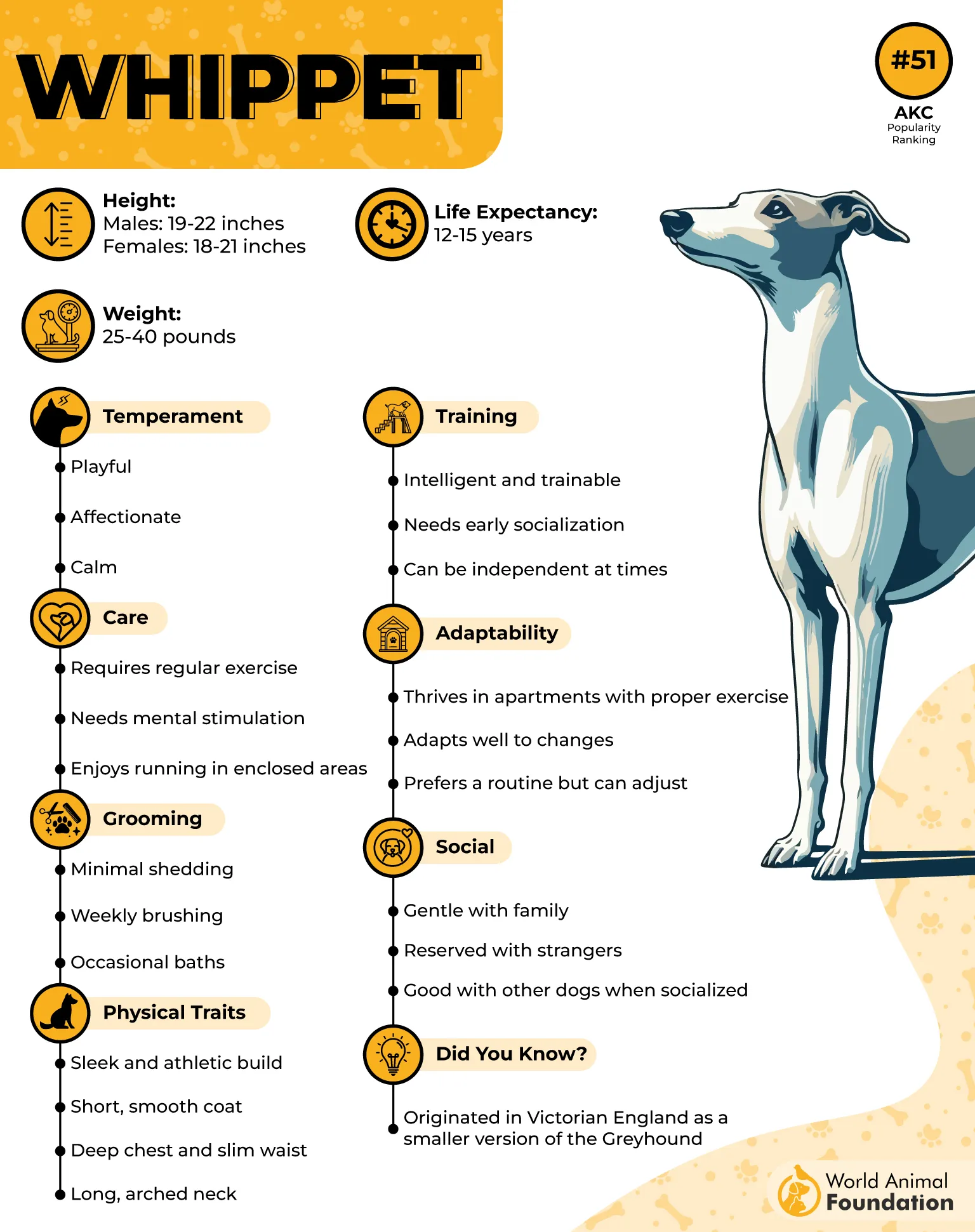
They are especially known for:
A slim muzzle that enhances breathing efficiency
Rapid oxygen uptake during high-speed sprints
Precise visual tracking of fast-moving objects
Efficient airflow distribution to support quick acceleration
In addition, the Whippet’s snout contributes to its agility and coordination, enabling it to make sharp turns without losing speed. PDSA states that this aerodynamic and respiratory efficiency allows the breed to perform intensely and recover quickly afterward.
Despite their racing abilities, Whippets are gentle and relaxed companions at home. Take one to a dog park, and you’ll quickly see its energetic and playful nature come to life.
4. Borzoi
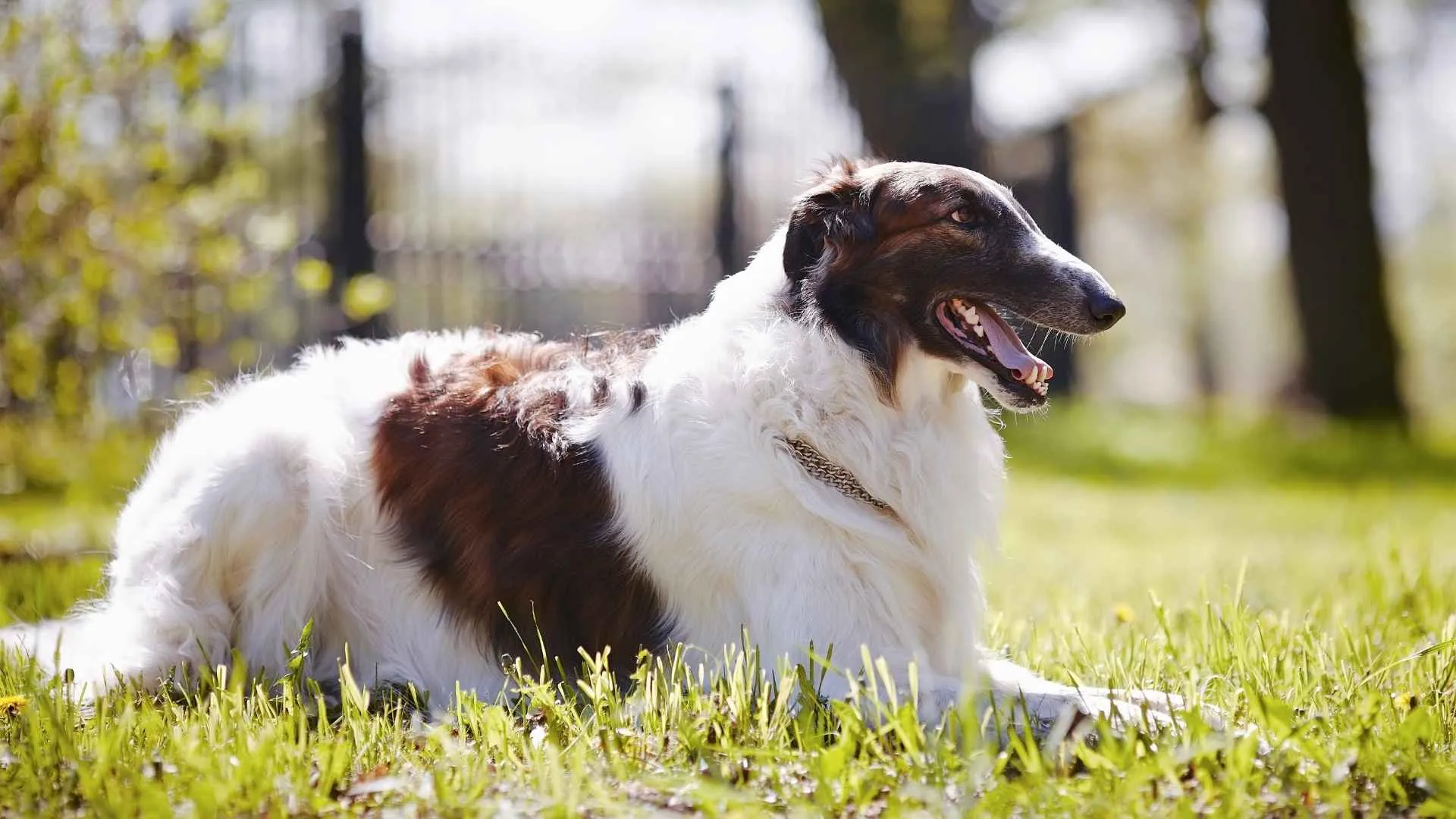
The Borzoi possesses one of the most elongated and refined snout profiles among sighthounds, a feature shaped by its history as a wide-range hunter. Its long snout, paired with a narrow skull, creates a streamlined design that enhances speed, airflow, and a broad field of vision.
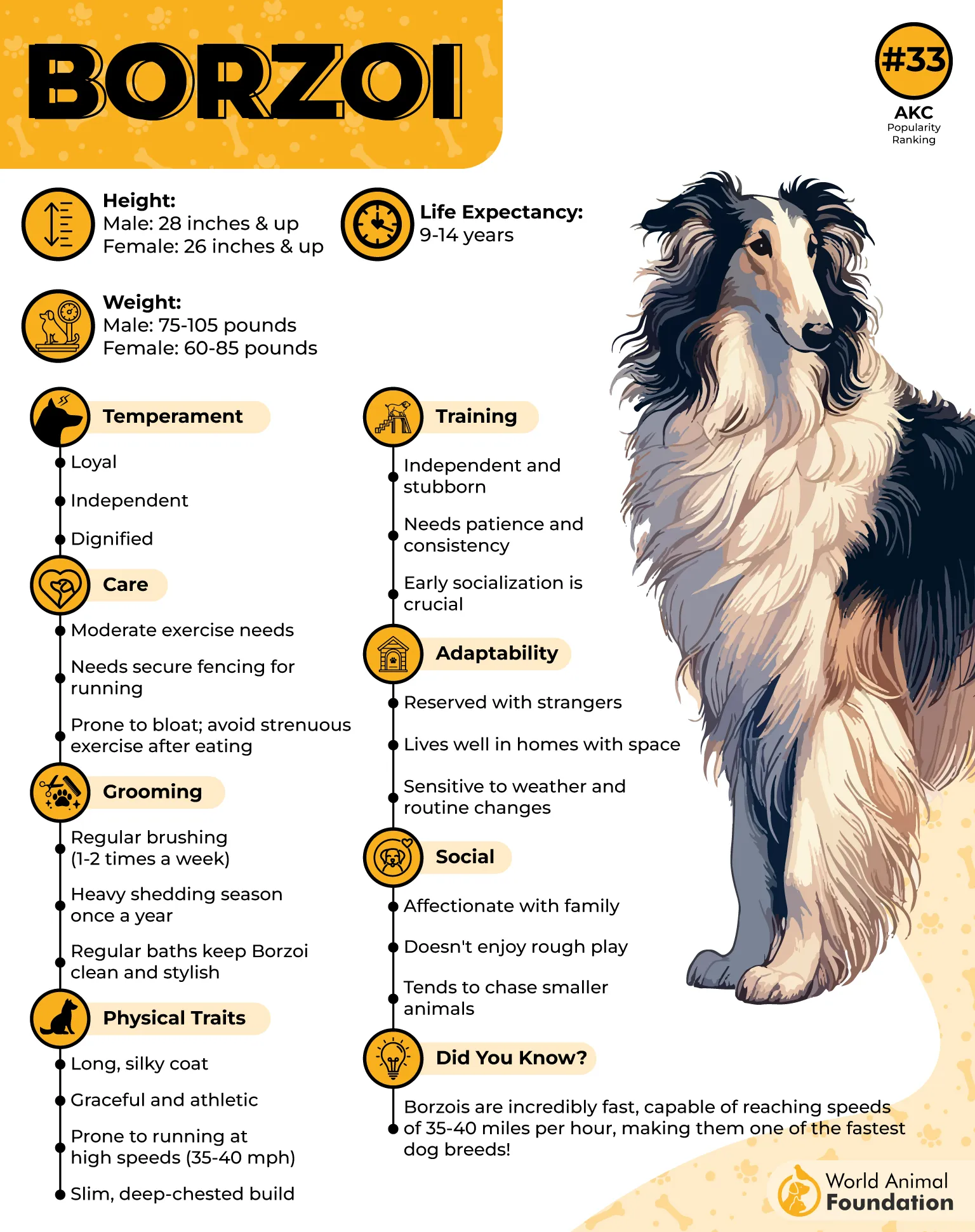
They are especially characterized by:
Extended nasal passages that promote efficient airflow
A long, narrow head that improves peripheral vision
A lightweight structure that supports effortless movement
Reduced drag during high-speed pursuits
Precise control and balance over long distances
Beyond function, the Borzoi’s snout contributes to its signature elegance. It allows the breed to move with a smooth, flowing gait across open terrain.
This distinctive head structure is not just aesthetically striking—it directly supports the Borzoi’s hunting ability and graceful locomotion, making it one of the most unique breeds in its class.
5. Afghan Hound
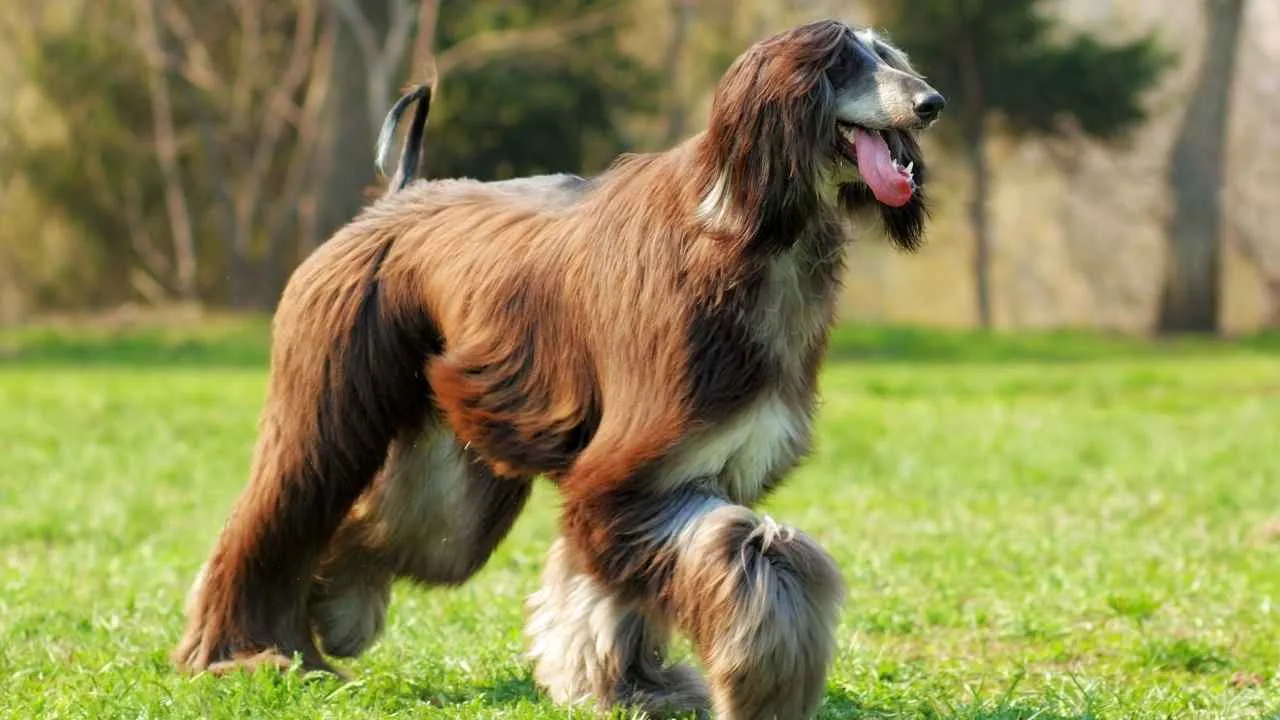
The Afghan Hound features a long, refined snout adapted to the challenges of mountainous terrain. In such environments, efficient breathing is essential, and its extended muzzle helps regulate airflow during both steady movement and sudden bursts of activity.
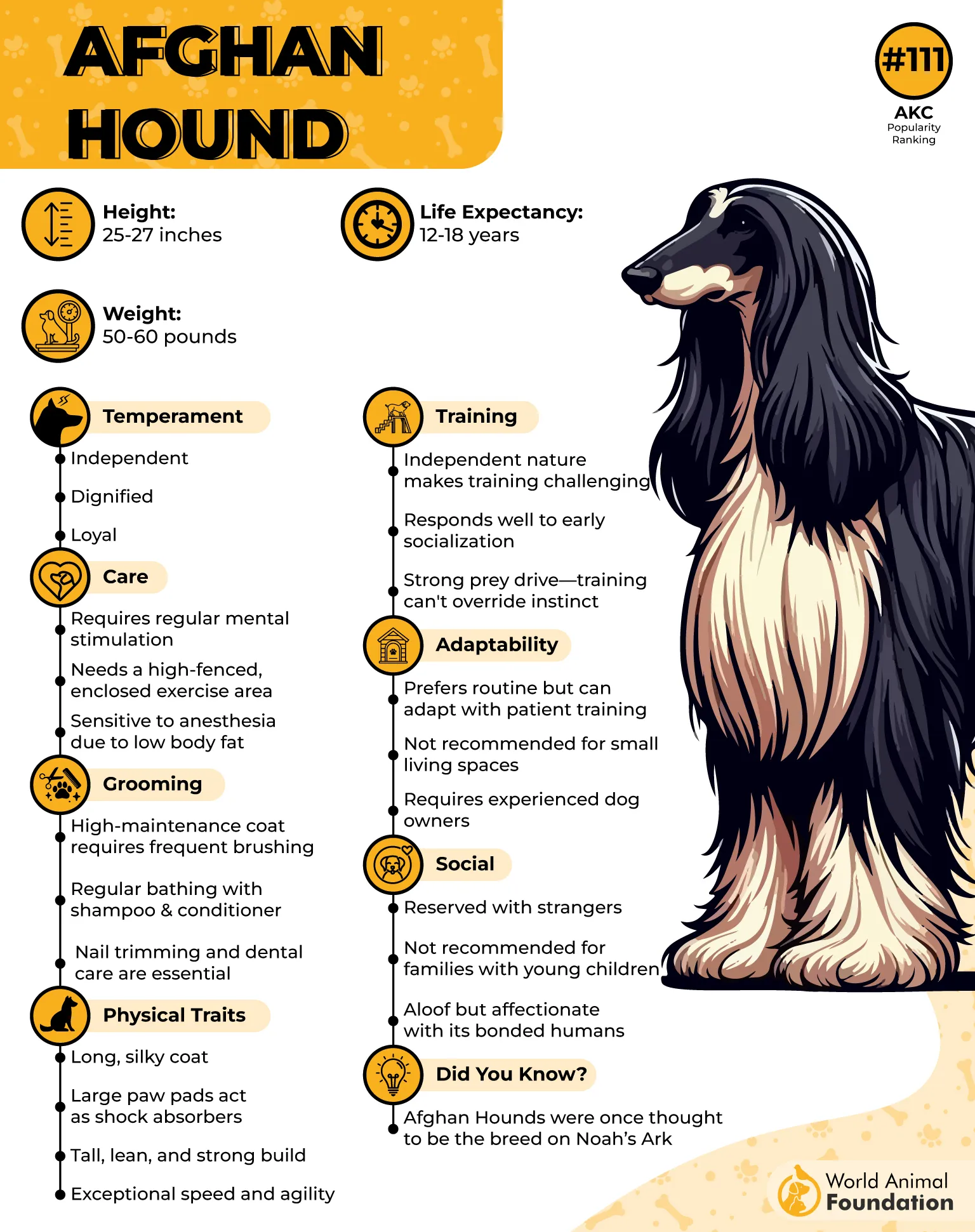
They are especially known for:
A smooth muzzle that supports consistent oxygen intake
Strong jaw muscles suited for holding prey
Heightened scent awareness in complex terrain
A well-balanced skull that enhances agility
Controlled, efficient breathing at higher altitudes
The Afghan Hound’s snout works in harmony with its overall build, enabling quick acceleration, agility, and the ability to navigate uneven landscapes with ease. This combination of endurance and grace makes the breed uniquely suited to demanding environments.
Despite their athleticism, Afghan Hounds are also affectionate companions. They typically have a lifespan of around 12–14 years and benefit from regular exercise, long walks, and mentally stimulating activities like puzzle toys.
6. Pharaoh Hound
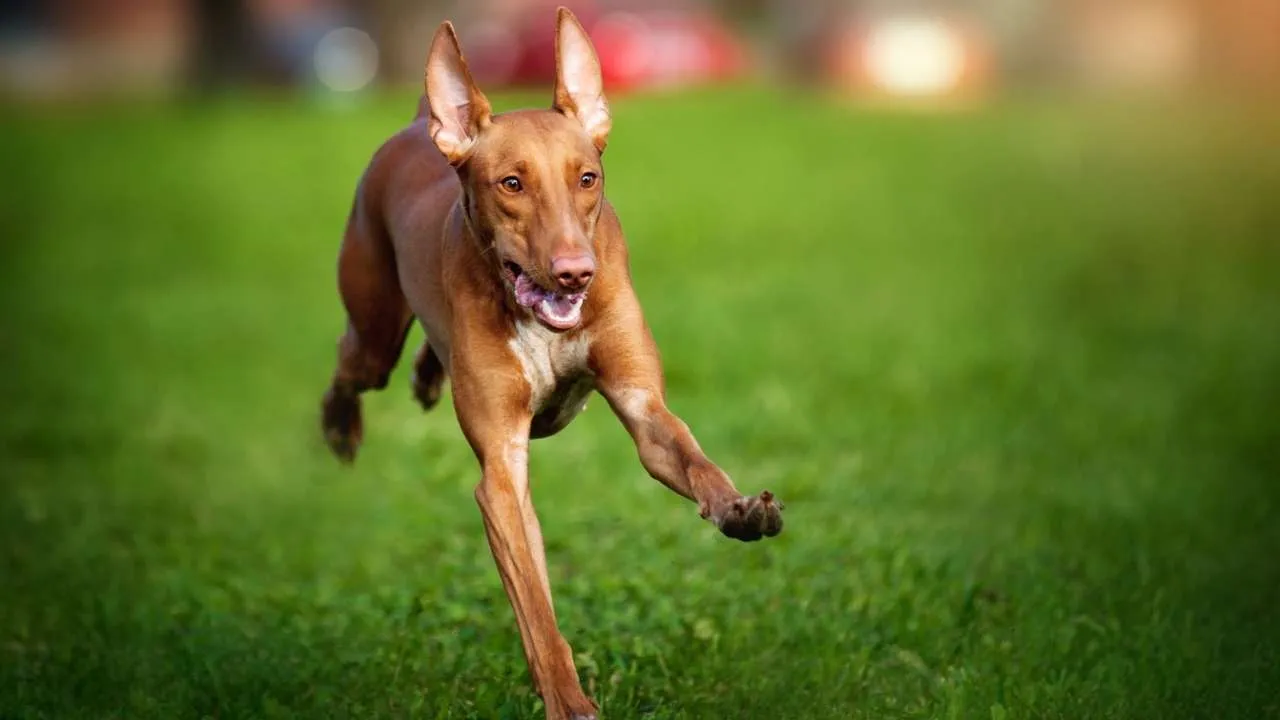
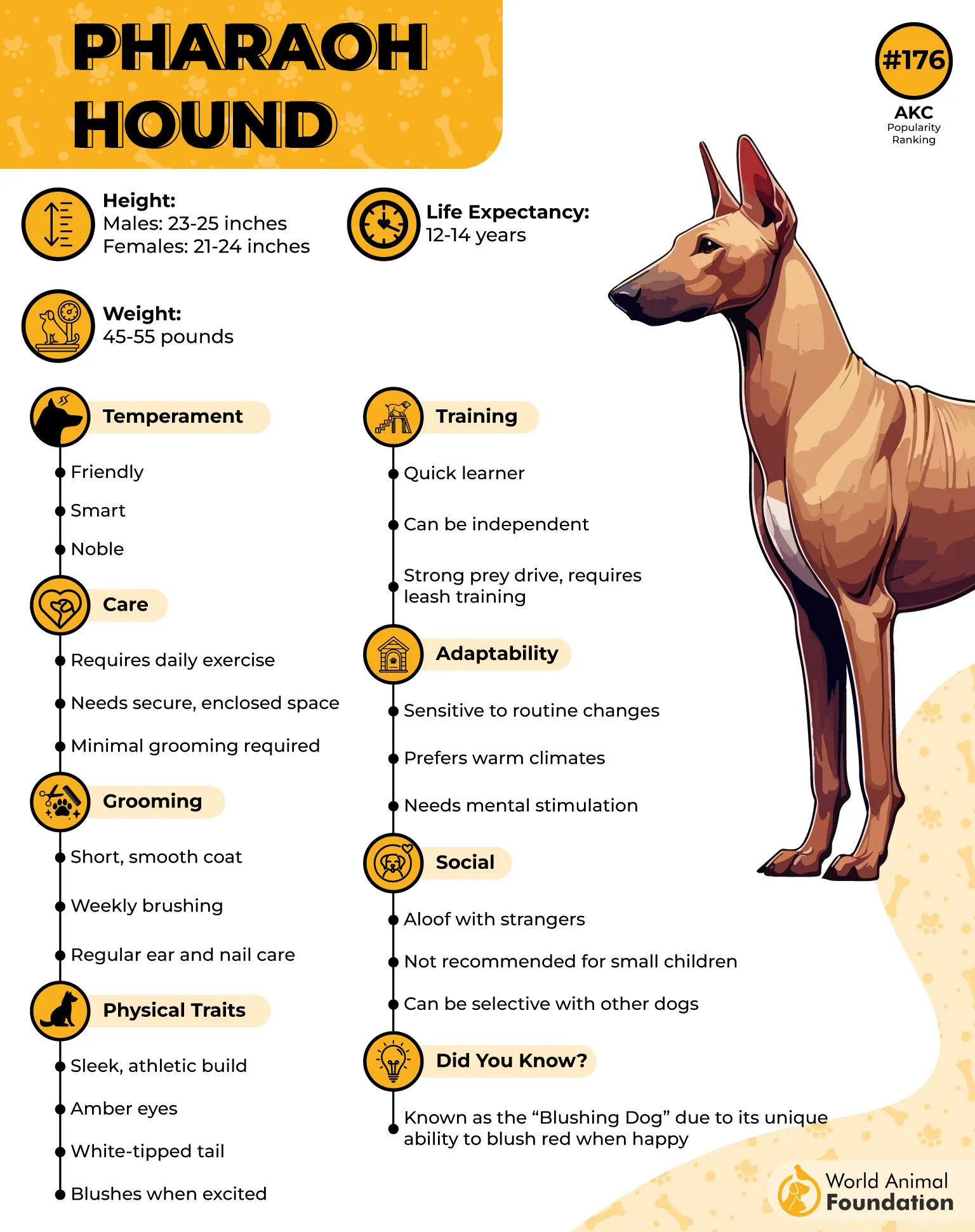
The long, refined snout of the Pharaoh Hound is built for precision and alertness. Its pointed muzzle allows rapid airflow and enhances sensory responsiveness, making it highly effective for quick, reactive hunting.
They are known for having:
A streamlined nose that supports efficient breathing
A strong combination of scent detection and visual tracking
Quick responses to environmental stimuli
A balanced skull that enhances agility
Excellent heat tolerance, suited to warm climates
One of the most distinctive traits of the Pharaoh Hound is its heightened sensitivity to its surroundings. Even the slightest movement or scent can trigger an immediate reaction, with its snout playing a key role in this awareness.
While they are affectionate and enjoy spending time with their owners, Pharaoh Hounds can be less tolerant of smaller pets, such as cats, due to their strong hunting instincts.
7. Doberman Pinscher
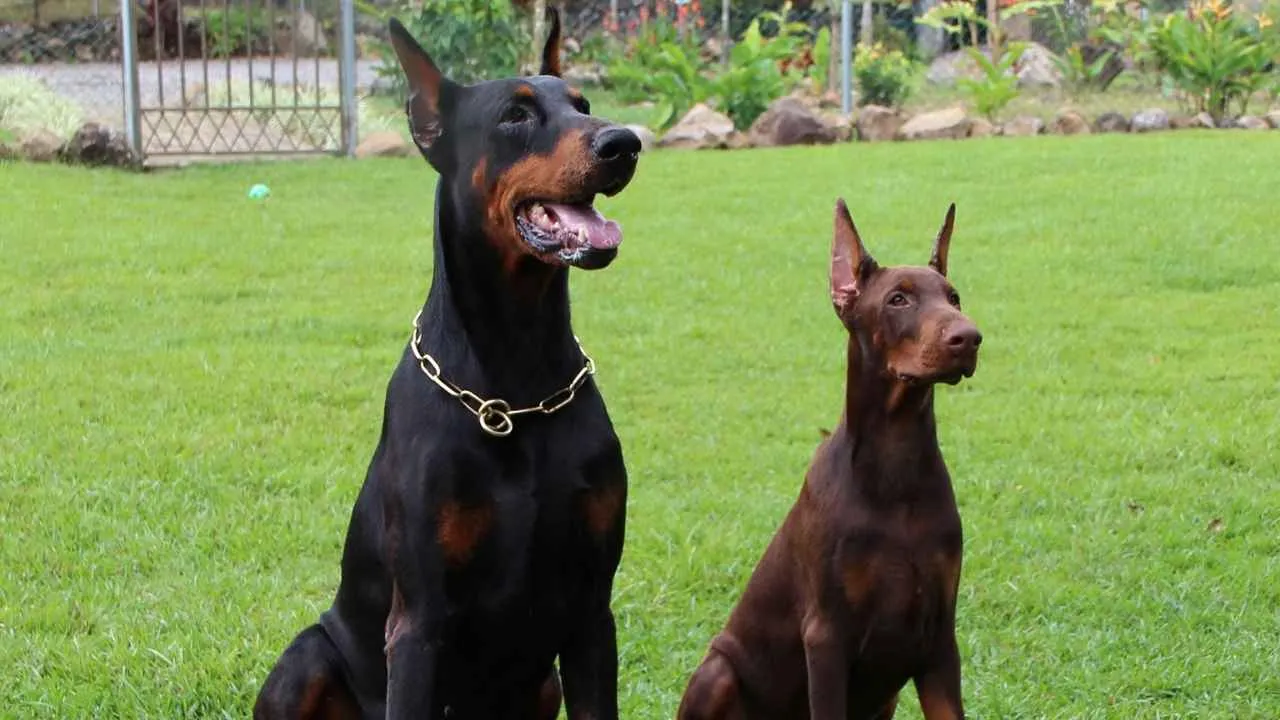
This long-snouted breed combines strength and structure to deliver both control and performance. Its well-developed muzzle supports endurance and sustained effort, making it highly effective in demanding tasks that require both power and consistency.
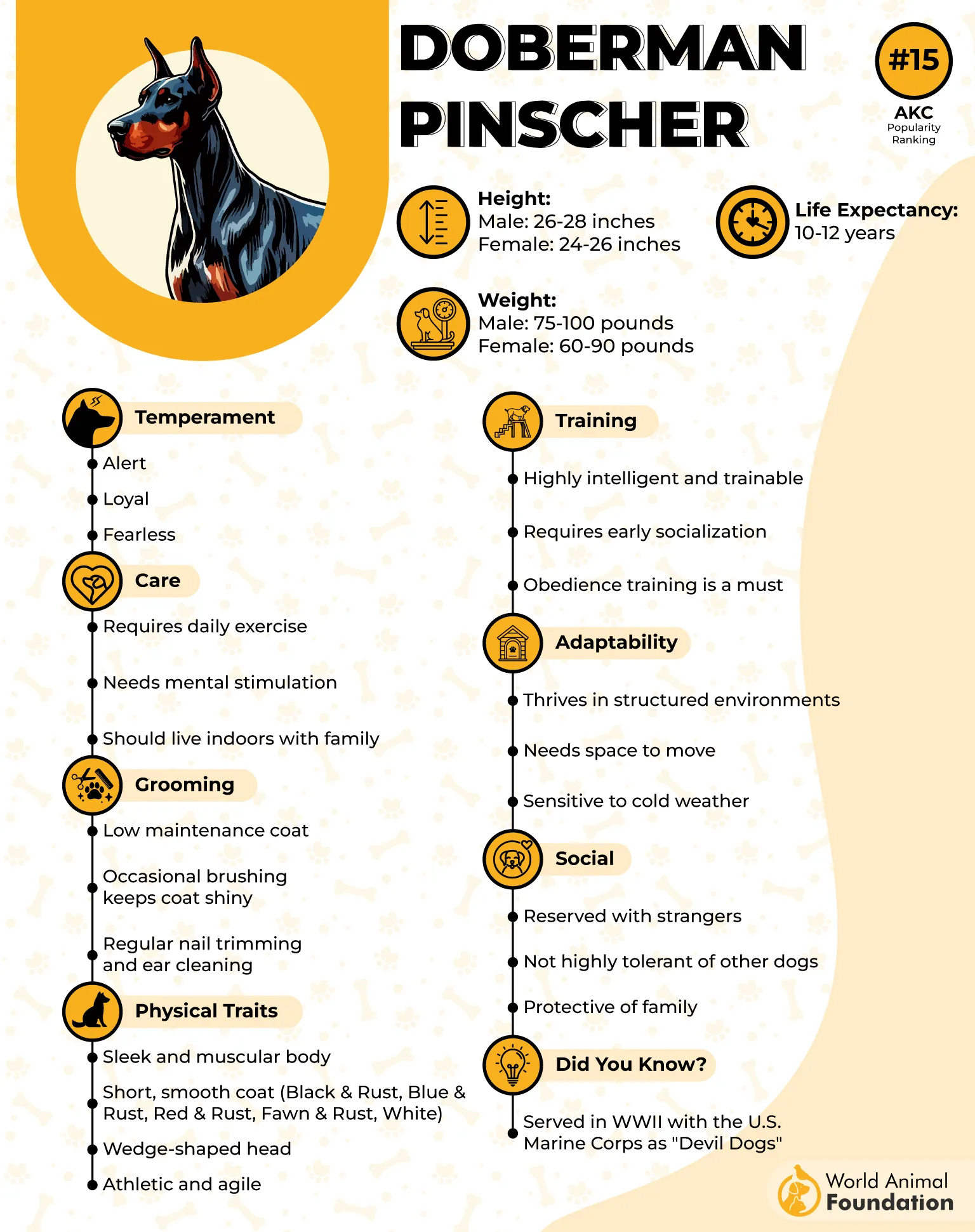
They are known for:
Strong jaw muscles that contribute to controlled bite strength
Efficient breathing during prolonged activity
High sensitivity to environmental cues
A well-balanced skull that supports both power and speed
Precision in movement and responsiveness
Their refined snout enhances focused breathing and alertness, allowing them to maintain stamina during extended work. This combination of physical strength and sensory awareness makes the breed highly capable in performance-driven roles.
8. Collie
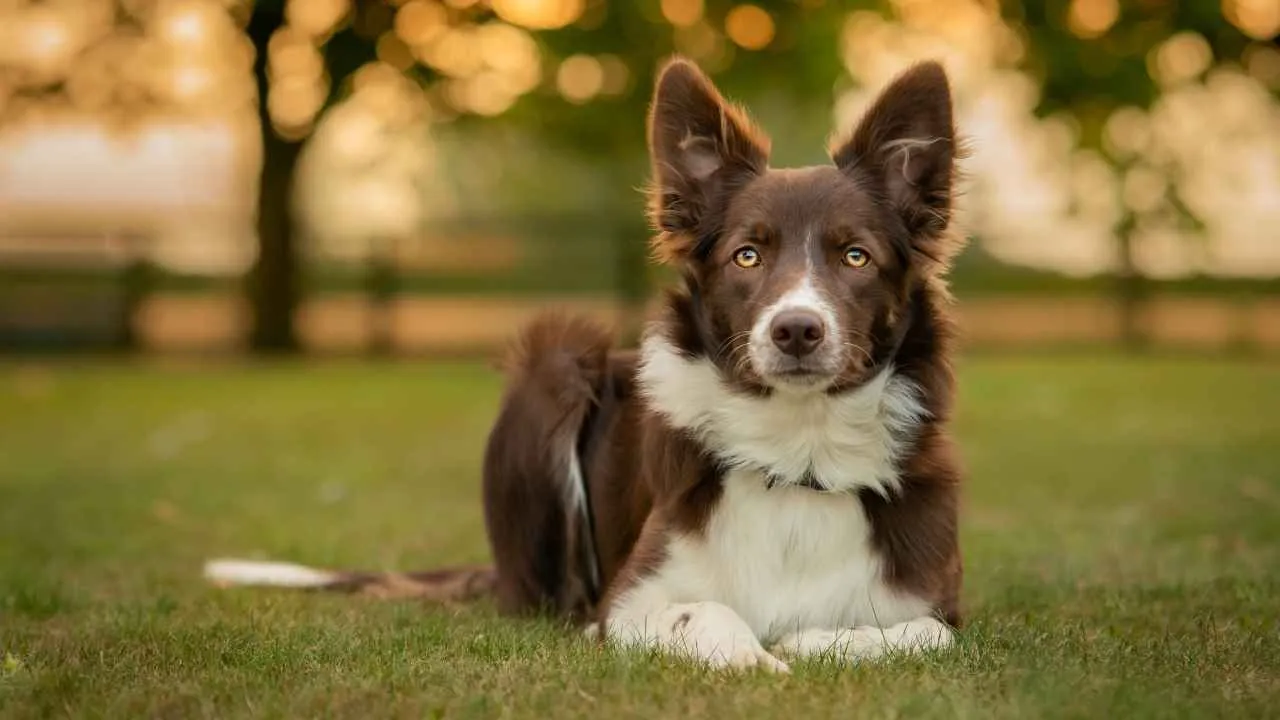
The wedge-shaped, refined head of the Collie, paired with its long snout, enhances both its appearance and functionality. This structure supports strong multi-sensory awareness, combining keen scent detection with excellent visual observation.
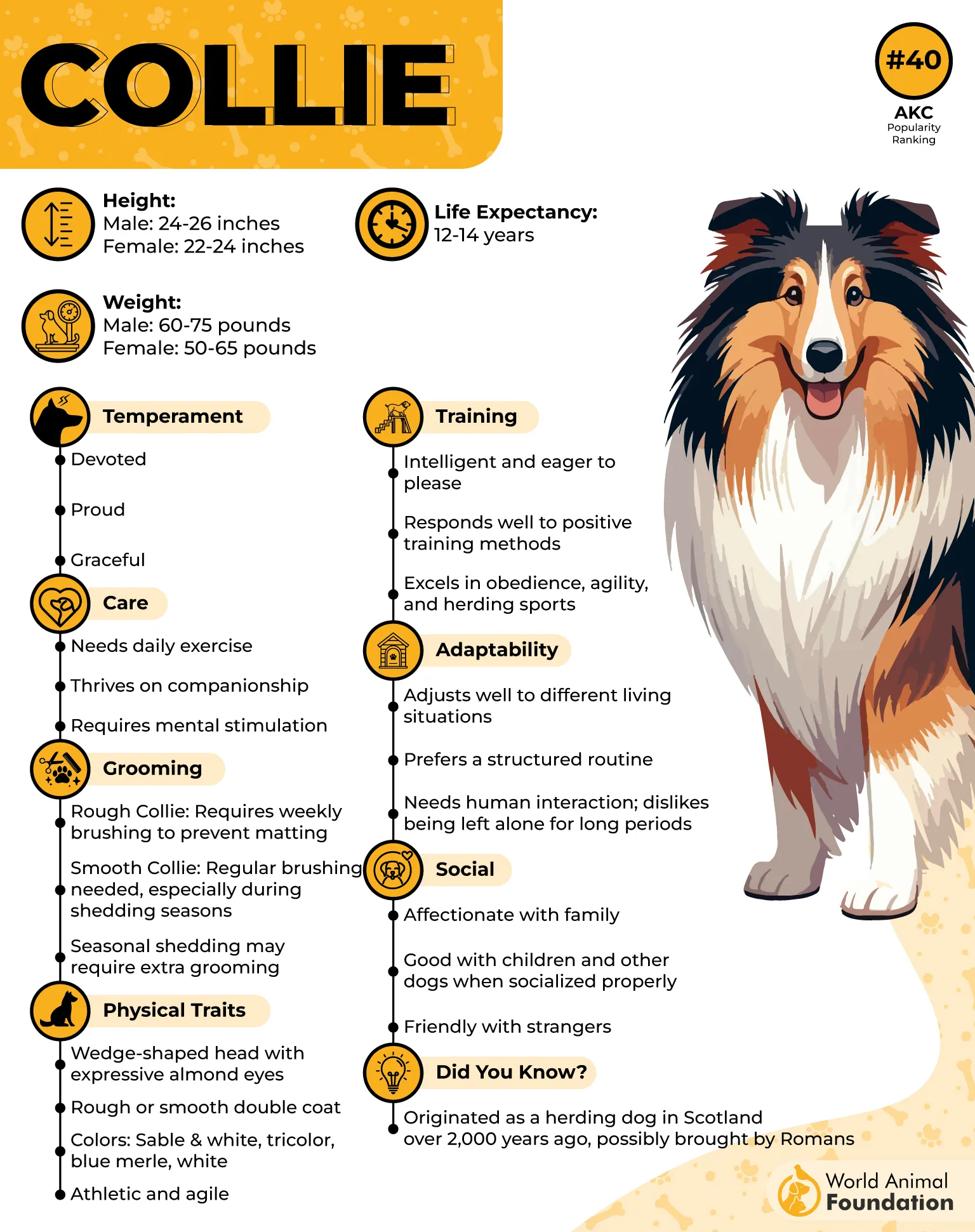
These affectionate dogs are especially known for:
A tapered muzzle that aids in scent tracking
Balanced airflow that supports smooth, efficient movement
Heightened awareness of their surroundings
Fluid, graceful movement makes them great companions for outdoor activities
The ability to process multiple stimuli contributes to the ease of training
As a herding breed, the Collie relies on its snout to detect subtle environmental changes, an essential skill developed over generations of working closely with livestock.
The unique shape of their head allows them to stay alert and responsive without appearing aggressive, making them reliable, intelligent, and gentle working dogs as well as loyal family companions.
9. Ibizan Hound
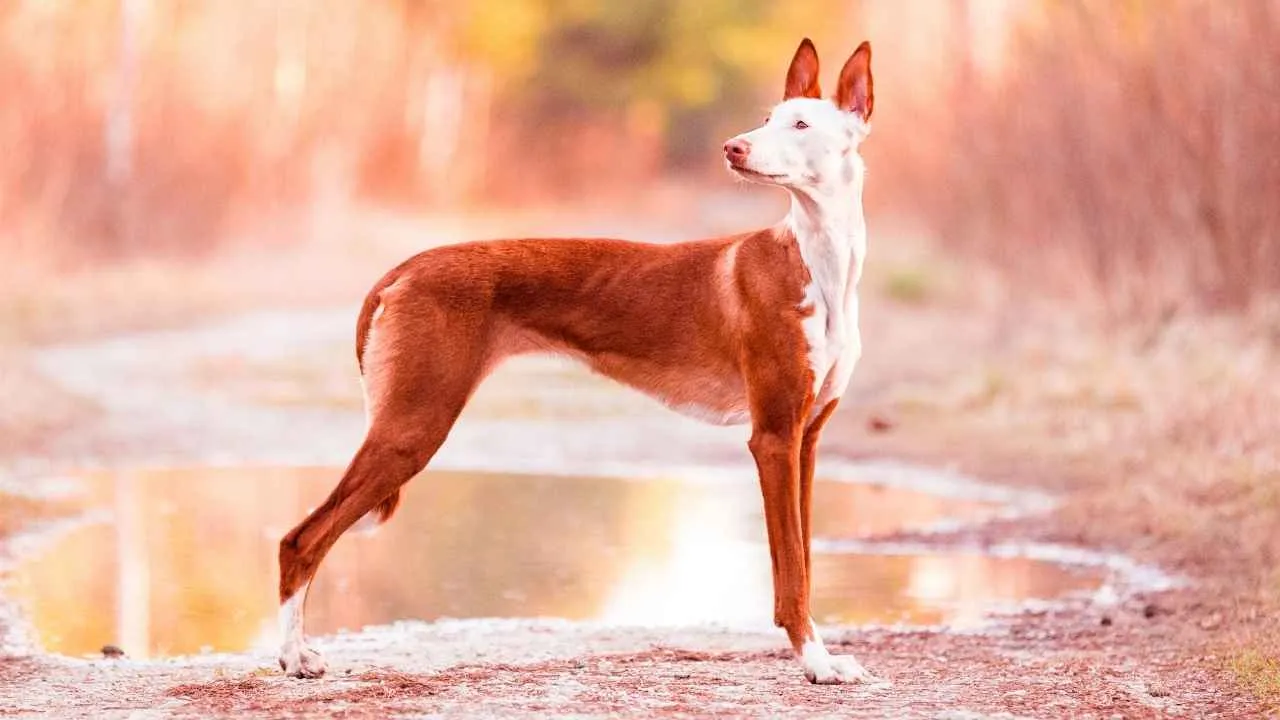
When discussing long-snouted dogs, the Ibizan Hound stands out for its unique blend of a slender muzzle and a lightweight, agile body. This combination creates a highly responsive hunting dog, capable of performing efficiently across a variety of terrains. Its elongated snout enhances both airflow and sensory perception, allowing it to detect scents easily and pursue small game such as rabbits.
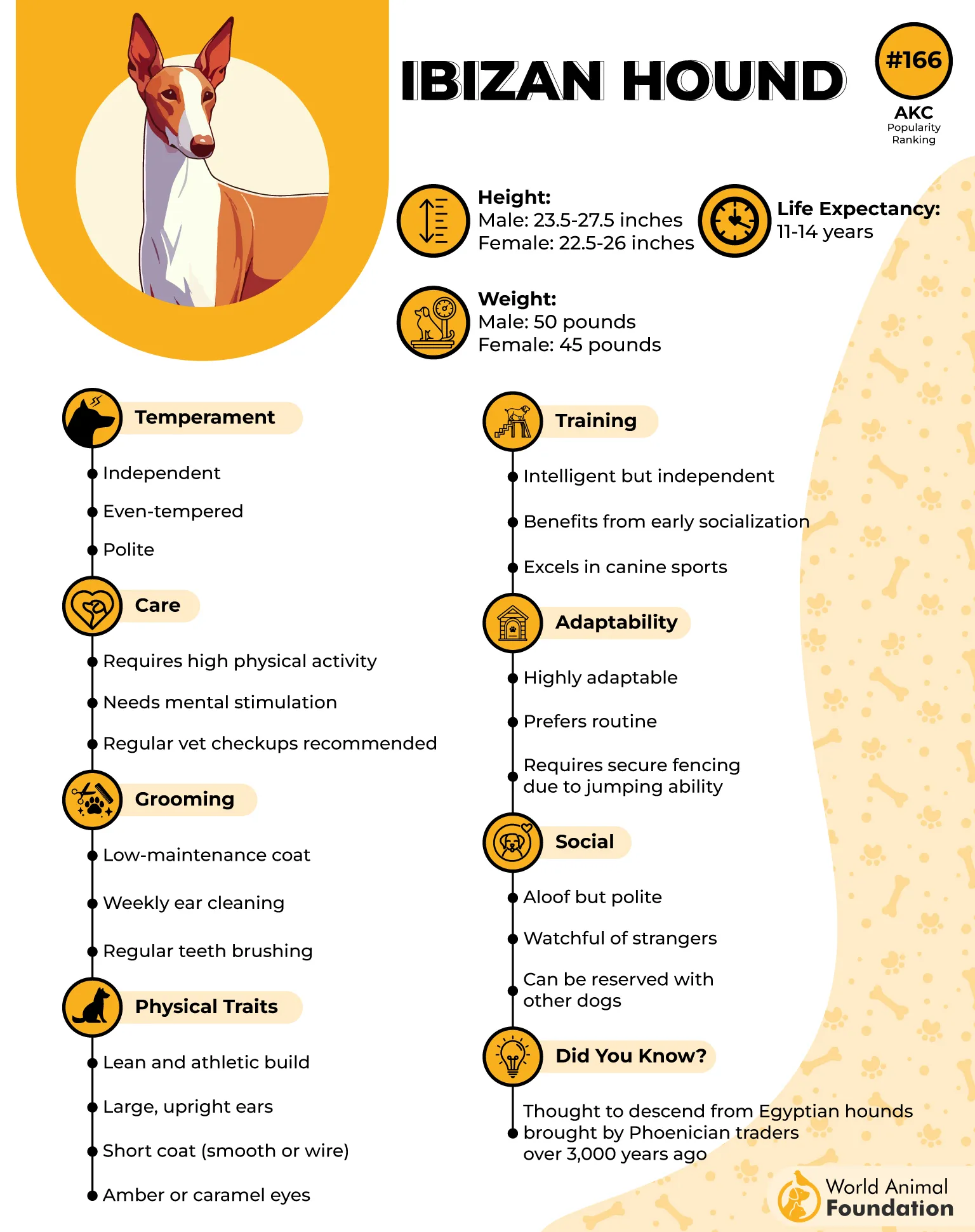
They are especially known for:
A long, slender nose that supports efficient breathing
Strong tracking ability using both scent and sight
A lightweight head that aids swift, agile movement
Quick directional changes during pursuit
High sensitivity to motion in their surroundings
The Ibizan Hound’s snout plays a key role in its quick decision-making and rapid responses to environmental changes. This makes it an effective and alert hunting companion, particularly in open landscapes where speed and awareness are essential, as per Purina.
With their energetic nature, these dogs thrive on regular exercise and active lifestyles. Providing daily physical activity and mental stimulation is important to keep them healthy and well-balanced.
Conclusion
The best example of form following function in breeds of dogs is the long snout profiles. These long muzzles are not aesthetically appealing, but also aid in breathing, increase sensory perception, and aid in physical activity.
When you pick a breed with this characteristic, you have adopted a breed that is usually active, smart, and goal-oriented.
In conclusion, these beautiful snout lines are a combination of evolution, design, and effectiveness, and they are one of the most interesting features in the canine world.
