




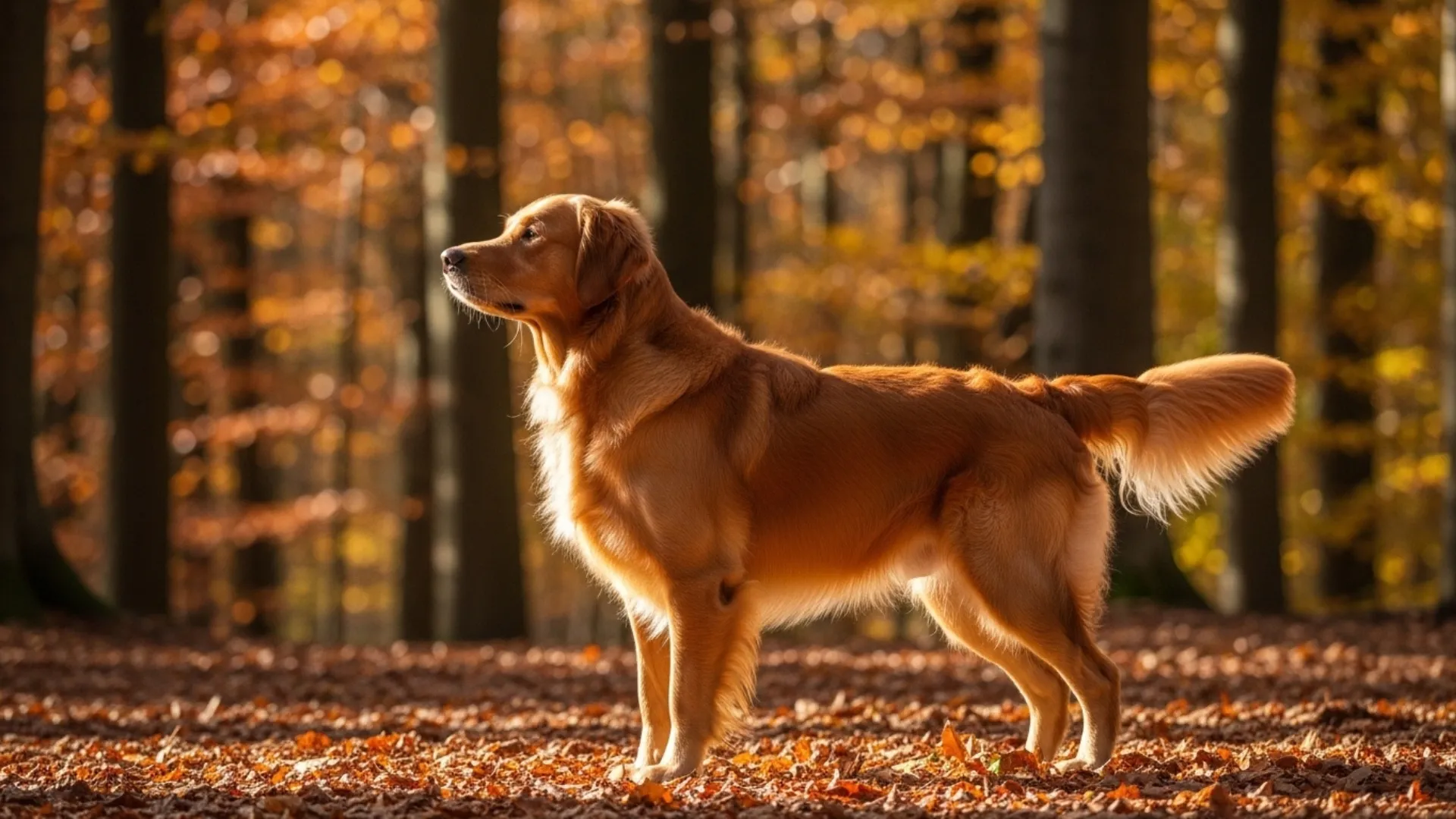
There is something truly fascinating about dogs that can follow a scent trail as if they are reading a story written on the ground. Whether it is tracking wildlife through dense forests or locating birds hidden in tall grass, certain dog breeds have God-given strong instincts, intelligence, and stamina that make them stand out.
Tracking dogs rely heavily on their powerful noses, some of which are thousands of times more sensitive than the human nose. However, it is not the tale of just about scent. The perfect tracking dog breeds also have sharp focus, patience, and a natural drive to hunt.
In today’s world, these breeds are appreciated for more than just their working abilities. Many of them are loyal companions, energetic adventurers, and highly trainable.
In this guide, we will explore some of the best dog breeds known for tracking wildlife and birds. Whether you are a hunter, an outdoor enthusiast, or simply curious, you are about to discover some truly impressive canine trackers.
Best Dog Breeds for Tracking Wildlife and Birds
1. Labrador Retriever
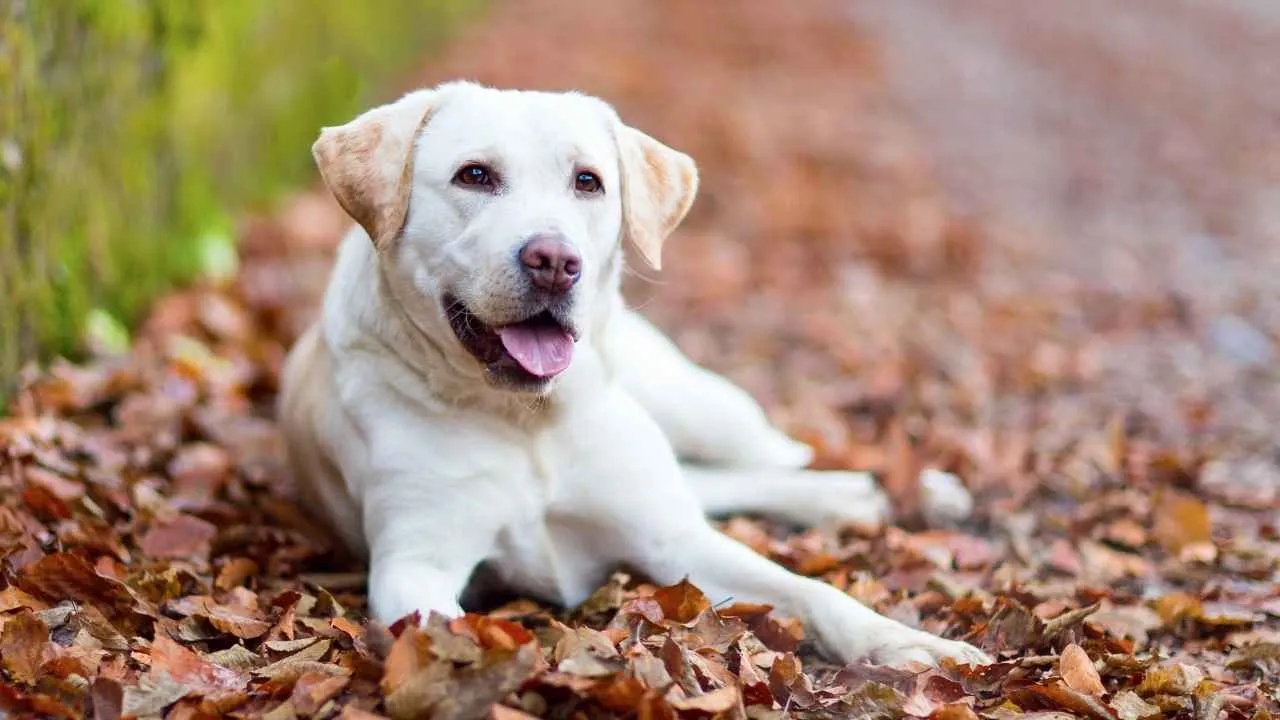
The Lab is a medium to large-sized sporting breed known for its strong build and water-resistant double coat. It was originally bred as a retrieving dog, especially for waterfowl. It combines physical endurance with exceptional trainability for carrying objects gently in its mouth.
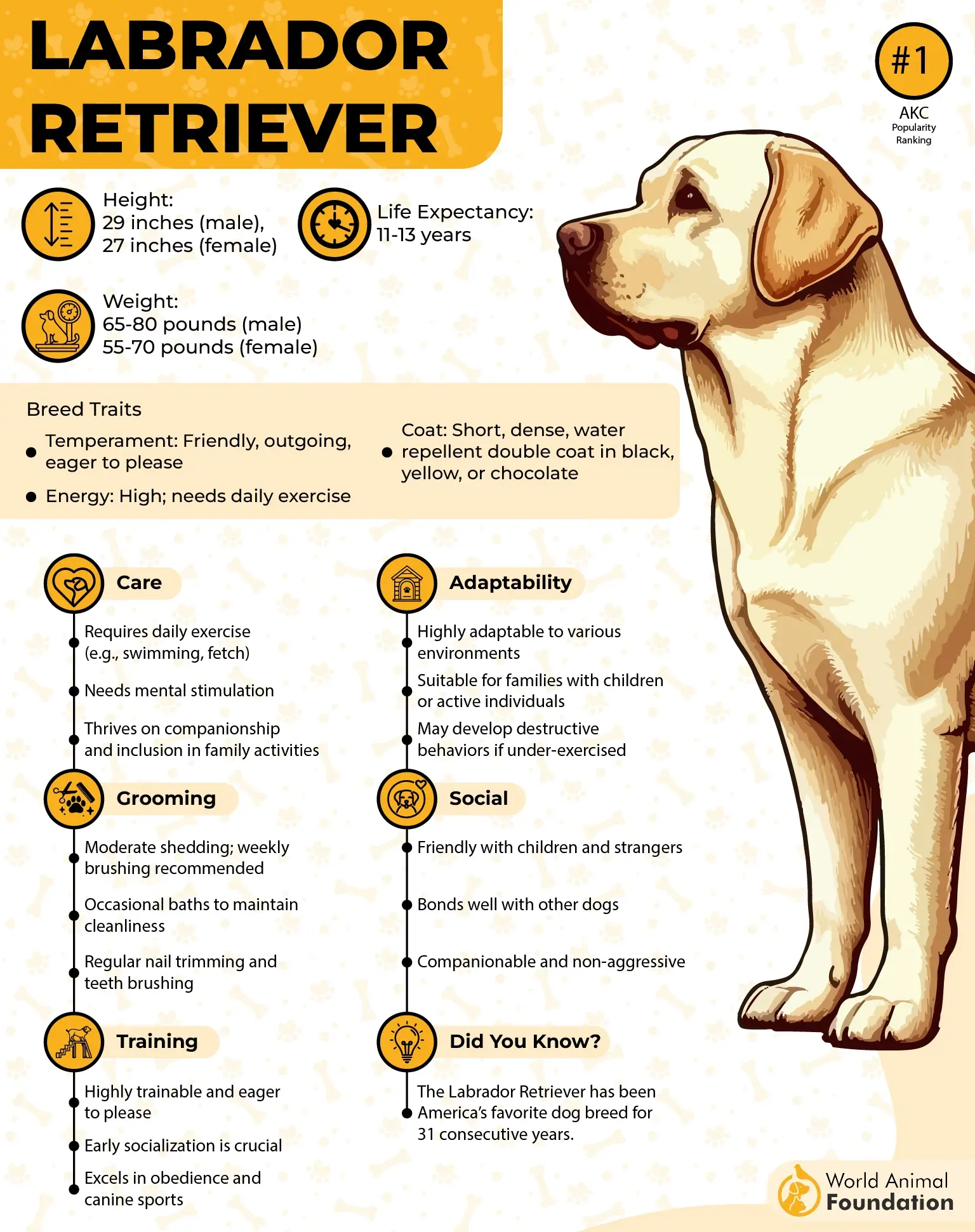
The Lab is a friendly, outgoing, and always eager-to-please companion. Being naturally sociable, it gets along well with humans and other animals. It is confident without being aggressive, due to which it maintains a calm yet alert demeanor while working.
It genuinely enjoys having a job to do, which translates into consistent efforts during tracking and retrieval work. A fact shared by Purina is that the breed was nearly extinct by the late 19th century. Some English fans imported the dog and saved it from extinction.
Why is it best for tracking wildlife & birds
It excels at marking the exact location where birds fall, even over long distances
It performs exceptionally well in cold and wet climates where other breeds may struggle
It amazingly maintains a steady focus even when multiple birds or animals are present in the field
It works remarkably well in both upland bird hunting and waterfowl environments
It has good capabilities in demonstrating consistent reliability in recovering game that might otherwise be lost
Needs & Cons
But it requires daily exercise for mental stimulation because a lack of exercise might lead to destructive behaviour. It also needs regular grooming due to shedding. If not given proper training, it can become overly excited in the field. Due to a strong attachment to humans, it can also face separation anxiety if left alone for long periods.
2. Boykin Spaniel
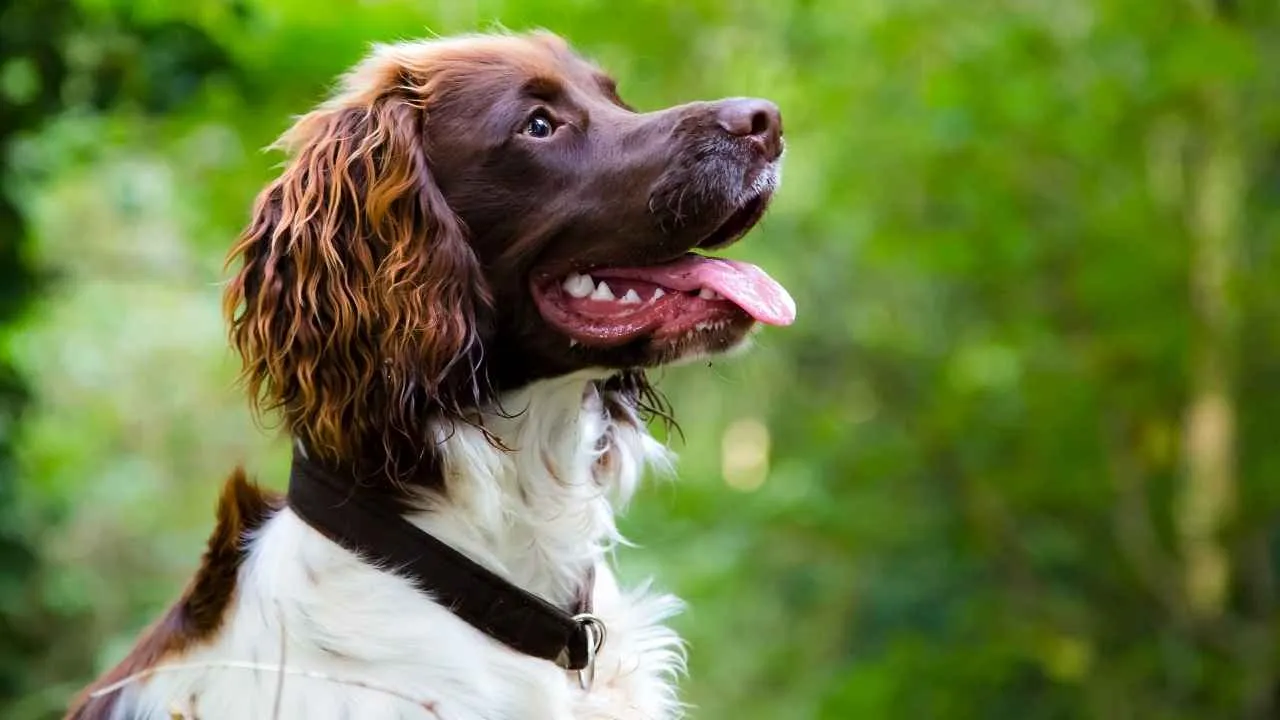
The Boykin Spaniel is a compact, medium-sized hunting dog developed particularly for hunting in swampy and forested regions. Its size is one of the greatest advantages as it is small enough to travel easily and to perform fieldwork.
It has quick bursts of speed and has good endurance. This breed is highly sensitive, which enables it to detect even scent trails in challenging environments.
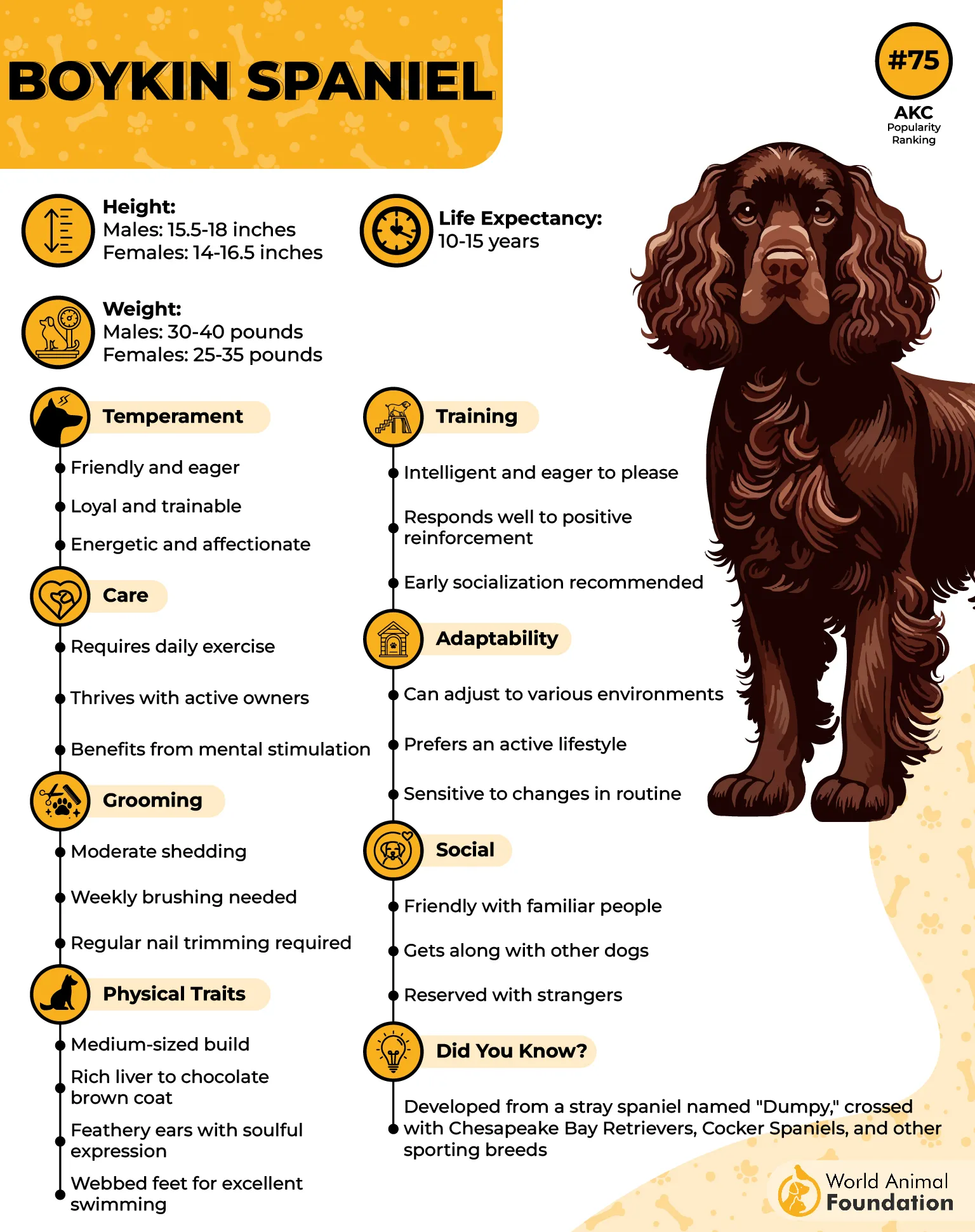
The Boykin has a lively, enthusiastic, and affectionate temperament. Being highly people-oriented, it thrives on interaction and teamwork. It is quite energetic dog, but it maintains a good balance between excitement and discipline. It is also known for its cheerful and willing attitude and rarely shows reluctance in challenging conditions.
Why is it best for tracking wildlife & birds
It is naturally skilled at flushing birds out of tight hiding spots for hunters
Its compact size allows it to access areas where large dogs cannot reach
It is also reliable in recovering downed birds from challenging locations like reeds and flooded areas
Amazingly, it demonstrates strong persistence when following moving targets
It is quick to adjust its tracking style depending on terrain and game type
According to PetMD, it became the state dog of South Carolina and also a reliable partner for duck hunting and other bird species like doves and turkeys.
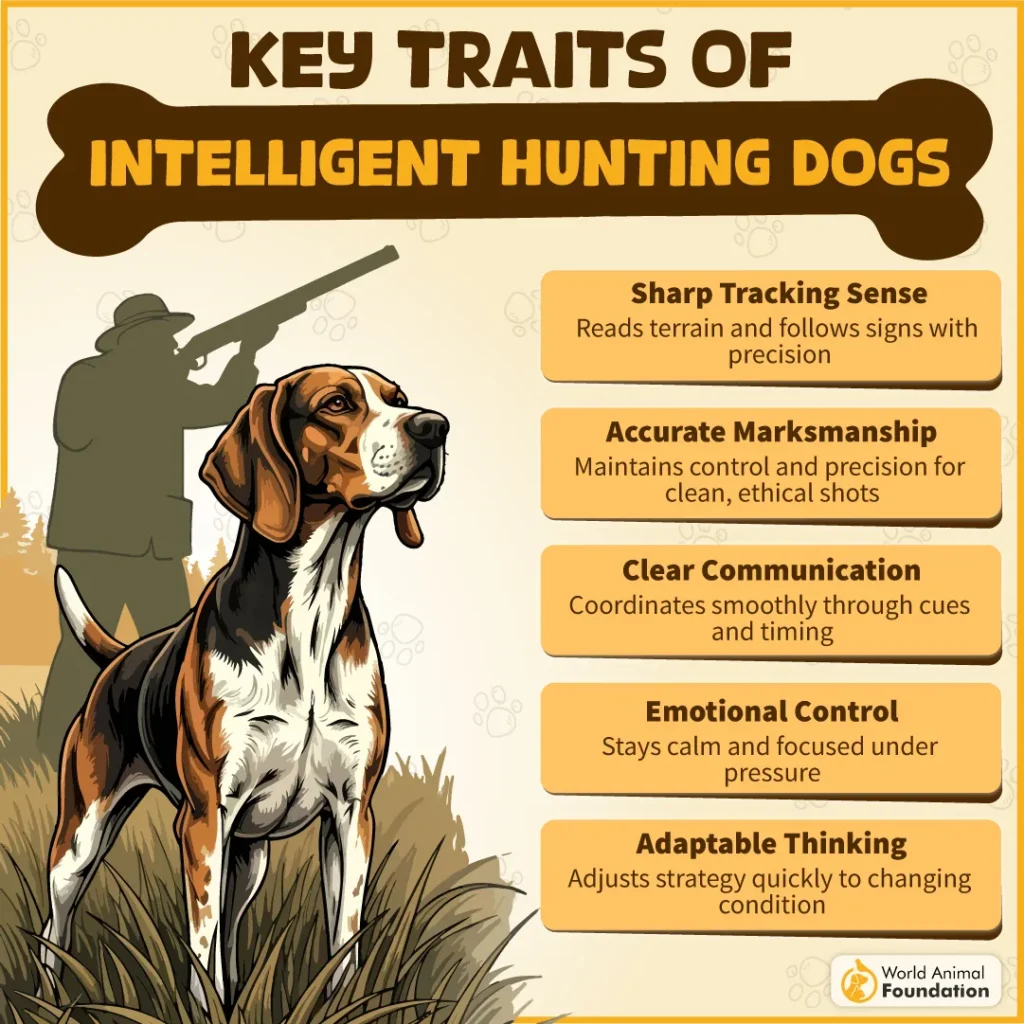
Needs & Cons
It may be sensitive to harsh training methods, so it requires a gentle approach. Being an active dog and having high energy levels, it can become restless in sedentary households. It also needs a lot of regular exercise for mental engagement.
3. Golden Retriever
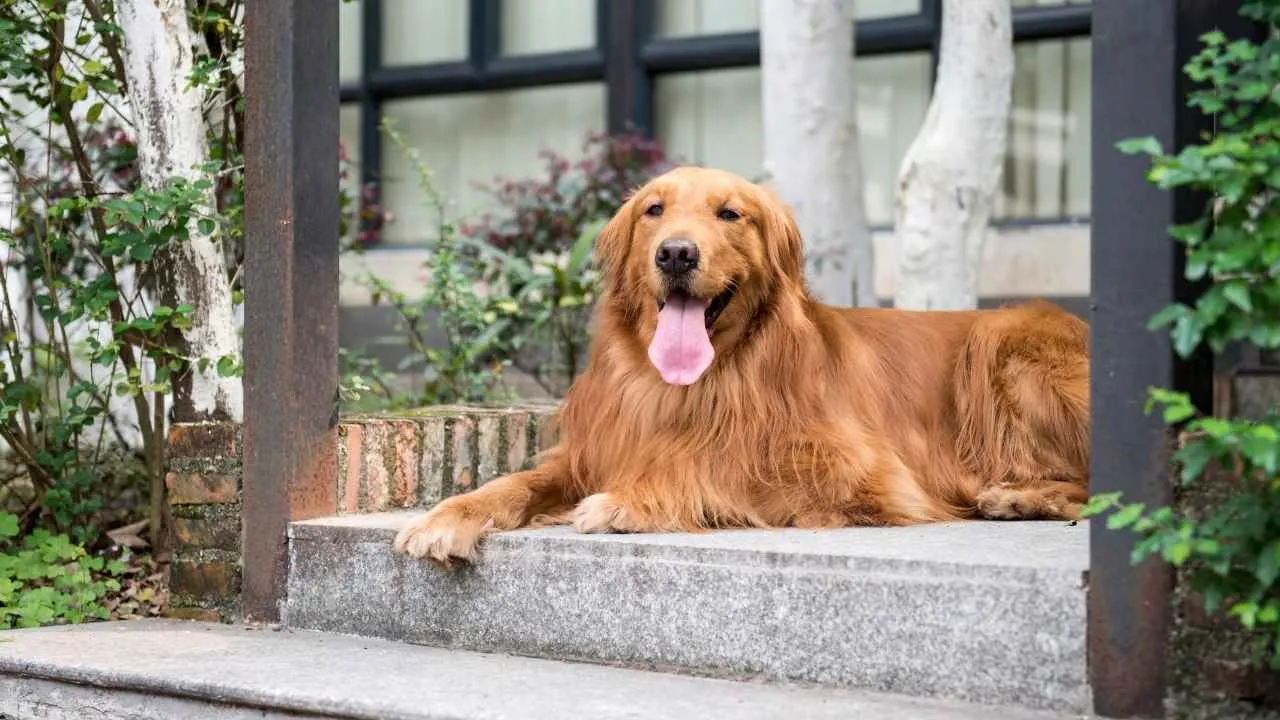
The Golden Retriever is a happy-go-lucky, well-proportioned, medium to large, popular dog breed known for its strength and grace. The feature that always makes it stand out is its balanced gait and smooth movement, which enable it to cover ground effortlessly.
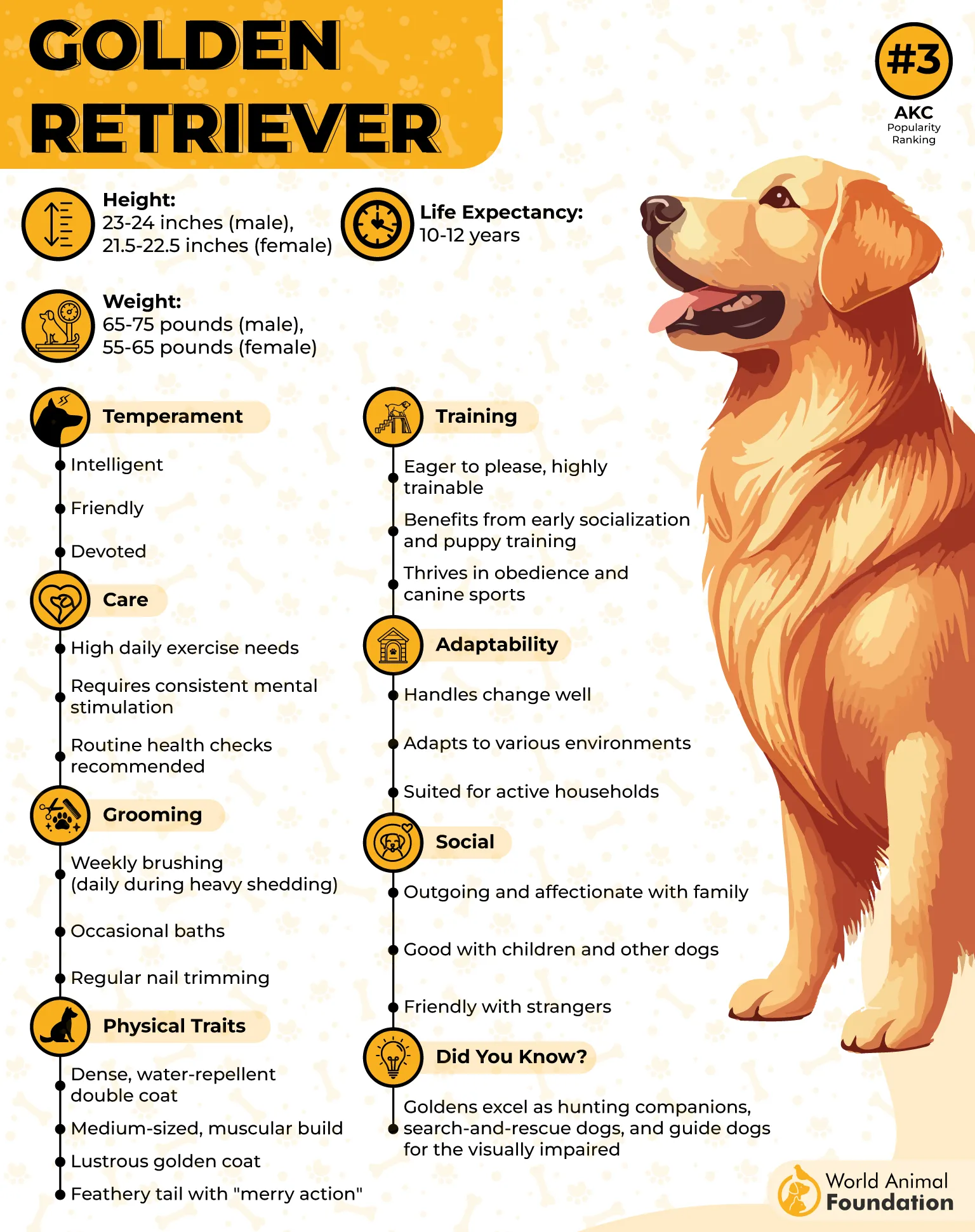
Being one of the friendliest dog breeds, it is a great family companion that is widely admired for its calm and amiable temperament. Furthermore, it is highly intelligent and emotionally intuitive, often picking up quickly on its handler’s cues. Being naturally patient and composed, it remains steady even in stimulating environments such as active hunting grounds.
Due to its sociable and gentle nature, it is always approachable and easy to manage even in group hunting situations.
Why is it best for tracking wildlife & birds
Being a versatile dog, it performs well in both dry land tracking and water-based retrieval scenarios
Being a skilled natural retriever, it retrieves downed birds in good condition
It demonstrates excellent control and steadiness. especially when waiting for commands
It is adaptable to various hunting styles, from upland bird work to waterfowl hunting
Surprisingly, it is good at remembering multiple fall locations, which improves game recovery success
Needs & Cons
However, it can be prone to weight gain if diet and exercise are not properly managed. It can develop certain congenital health issues like hip dysplasia or other joint problems over time. It can be overly friendly, which reduces alertness in certain tracking situations.
4. Vizsla
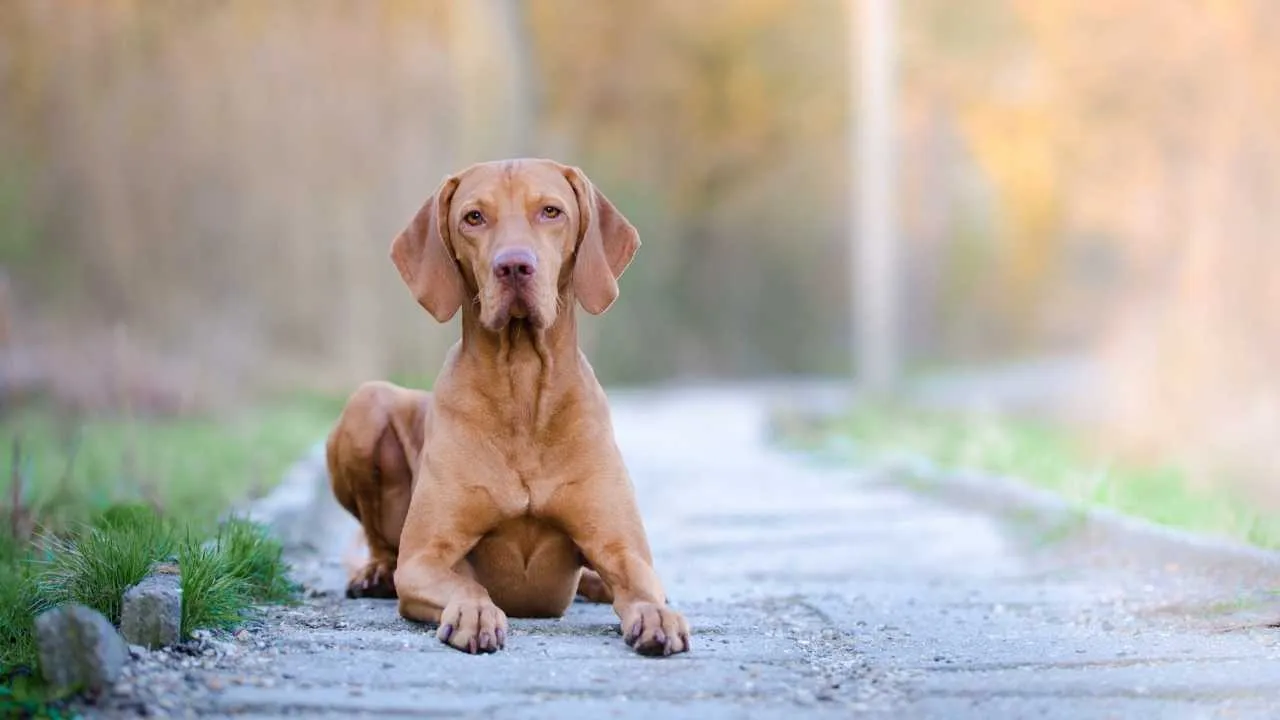
The Vizsla is a sleek, medium-sized sporting dog known for its elegance, speed, and remarkable athleticism. Its lightweight frame allows it to move swiftly across large areas without tiring easily. Its notable trait is its exceptional sensory ability.
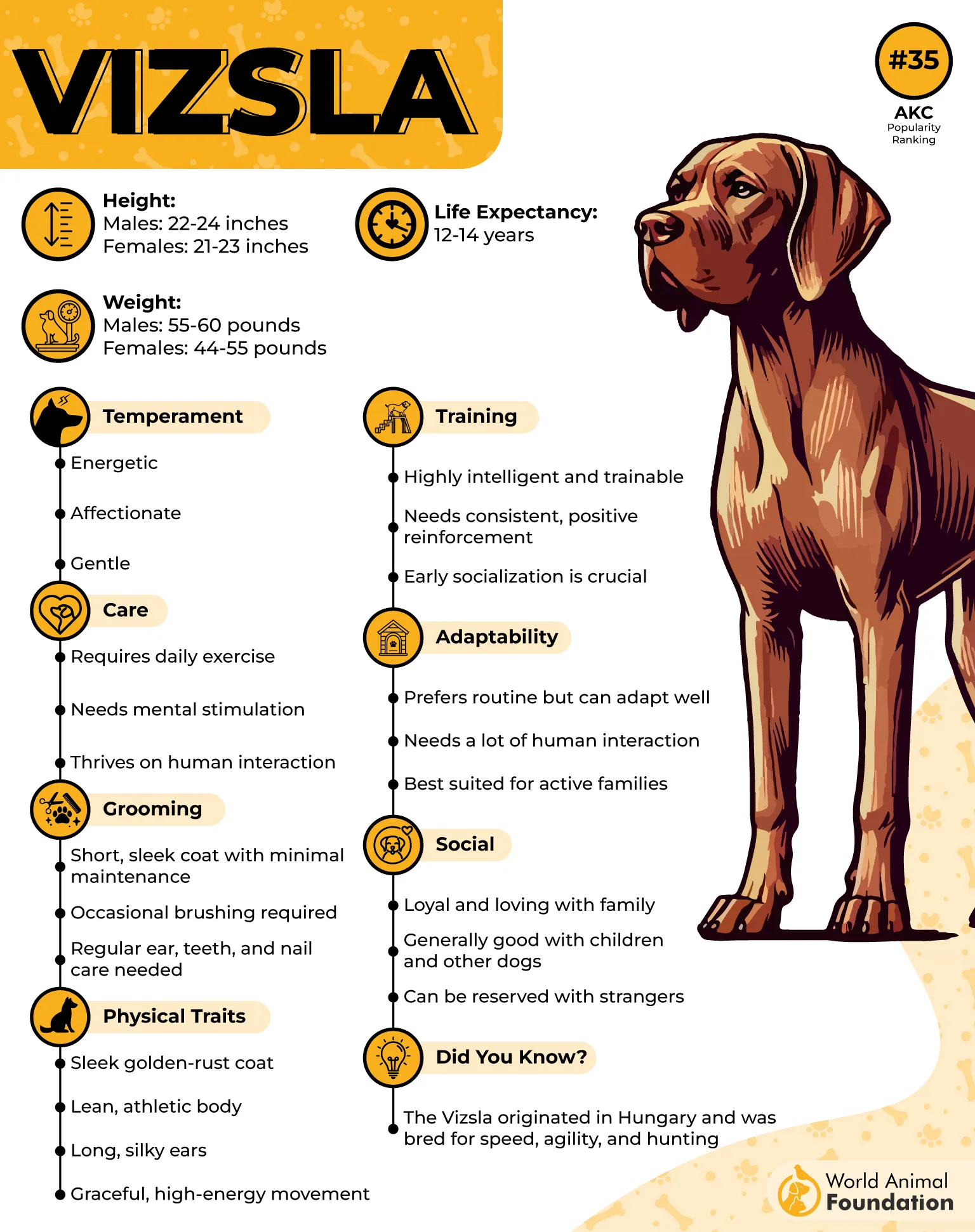
The Vizsla is energetic, warm-hearted, a highly people-oriented dog, and a great family dog. It forms a strong bond with its owner as this deep connection enhances communication during tracking tasks. Moreover, as it is sensitive by nature, it responds best to gentle guidance.
Fact
A fact reported by VCA is that Hungarians fleeing Russian occupation during World War II often took their Vizslas with them, spreading the breed throughout the world.
Why is it best for tracking wildlife & birds
The Vizsla, being a pointing dog, has an outstanding pointing ability that allows precise indication of bird location without disturbing them
It excels in tracking fast-moving game due to its speed and agility
Being a determined hunter, it performs exceptionally well in open fields where visibility and movement are key
It is highly persistent when following a scent trail, even if it becomes faint or broken
It covers large hunting areas quickly, making it efficient in locating scattered life
Needs & Cons
But its short coat offers limited protection in extremely cold or rough environments. Due to its high energy levels, it may become restless if not given enough activity. It can also develop separation anxiety due to the strong attachment to its owners.
5. English Springer Spaniel
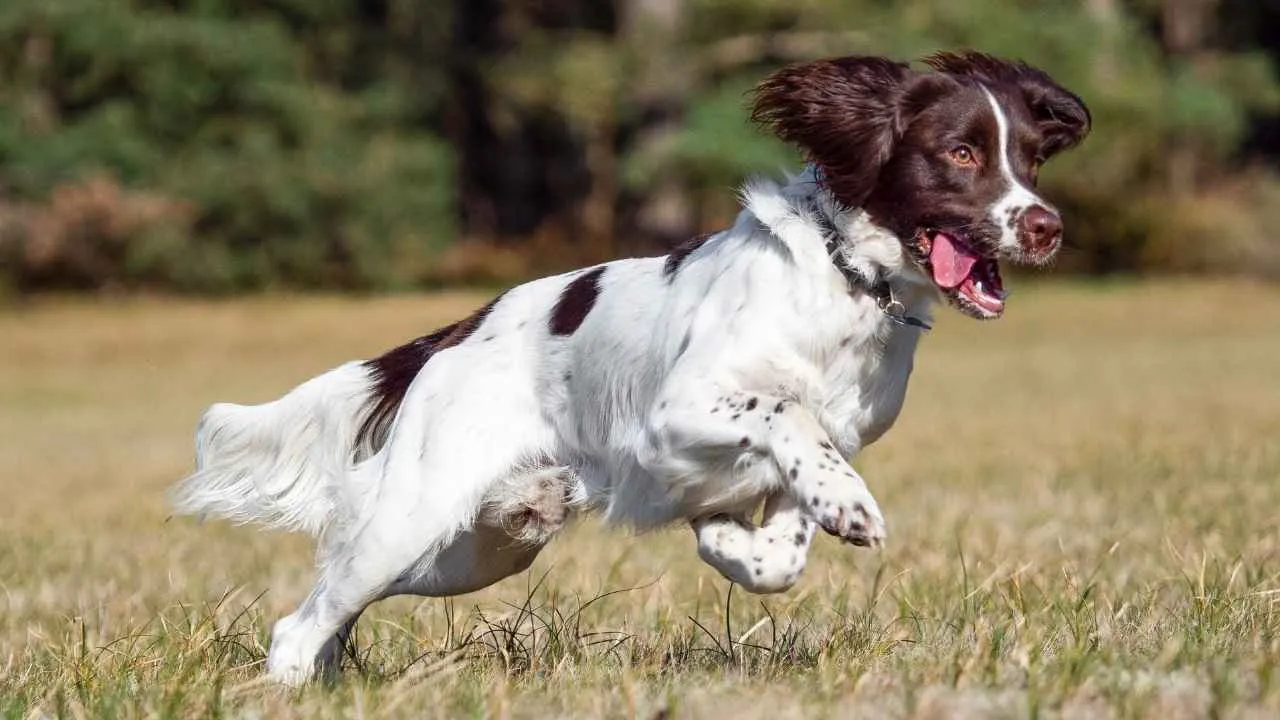
The English Springer Spaniel is a medium-sized, smart dog breed well known for its agility, balanced build, and tireless work ethic. It has a remarkable ability to maneuver through challenging terrain with ease. Whether it is a tall grass, woodland undergrowth, or uneven ground, it remains firm-footed and agile.
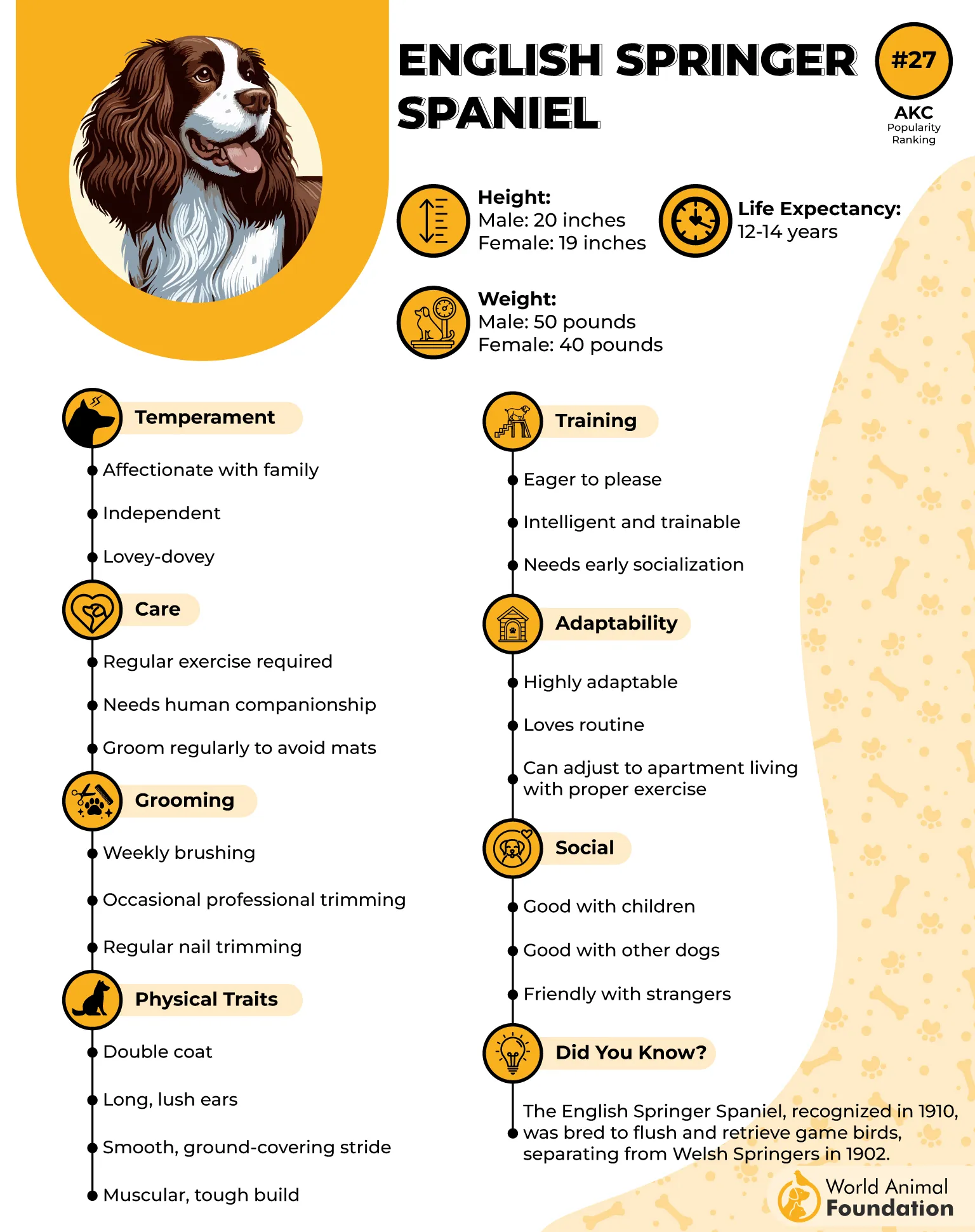
Yes, it is an energetic, highly enthusiastic, and alert hunting partner. It forms a deep bond with the family and always remains even-tempered despite its high energy. Being adaptable, it can switch from active working mode to a calmer demeanor when at rest.
Its willingness to please and steady disposition make it a reliable partner for both experienced hunters and beginners.
Why is it best for tracking wildlife & birds
Being an exceptional flushing dog, of course, it is good at flushing birds from dense cover
It is capable of following both fresh and slightly older scent trails with consistency
It is reliable in locating game in areas where visibility is limited
It maintains strong momentum and enthusiasm even during long tracking sessions
Yes, it can also perform well in locating game in areas where visibility is limited
Needs & Cons
Due to its long ears, it is susceptible to ear infections. It can become overly excitable if not properly trained and managed. Besides, its coat needs regular grooming to prevent tangles and debris buildup.
6. Nova Scotia Duck Tolling Retriever
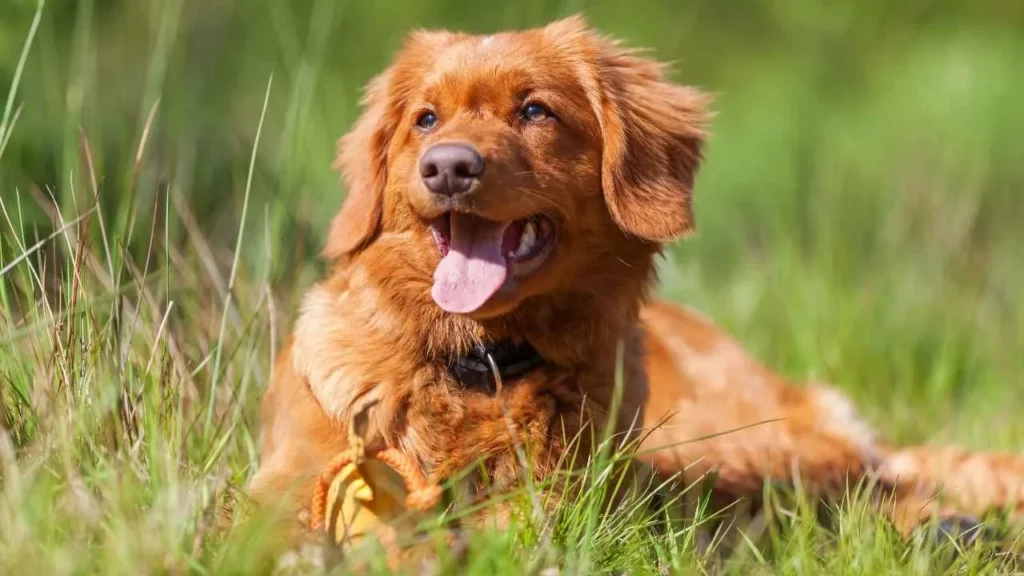
The Nova Scotia Duck Tolling Retriever is the smallest of the retriever breeds but exceptionally agile, alert, and hardworking. According to Britannica, being the smallest of the retrievers, it is also known as “the little gundog with the big name”. Its compact build allows for quick and energetic movements.
Its defining trait is its unique “tolling” ability, due to which it lets the ducks be captured by the hunter.
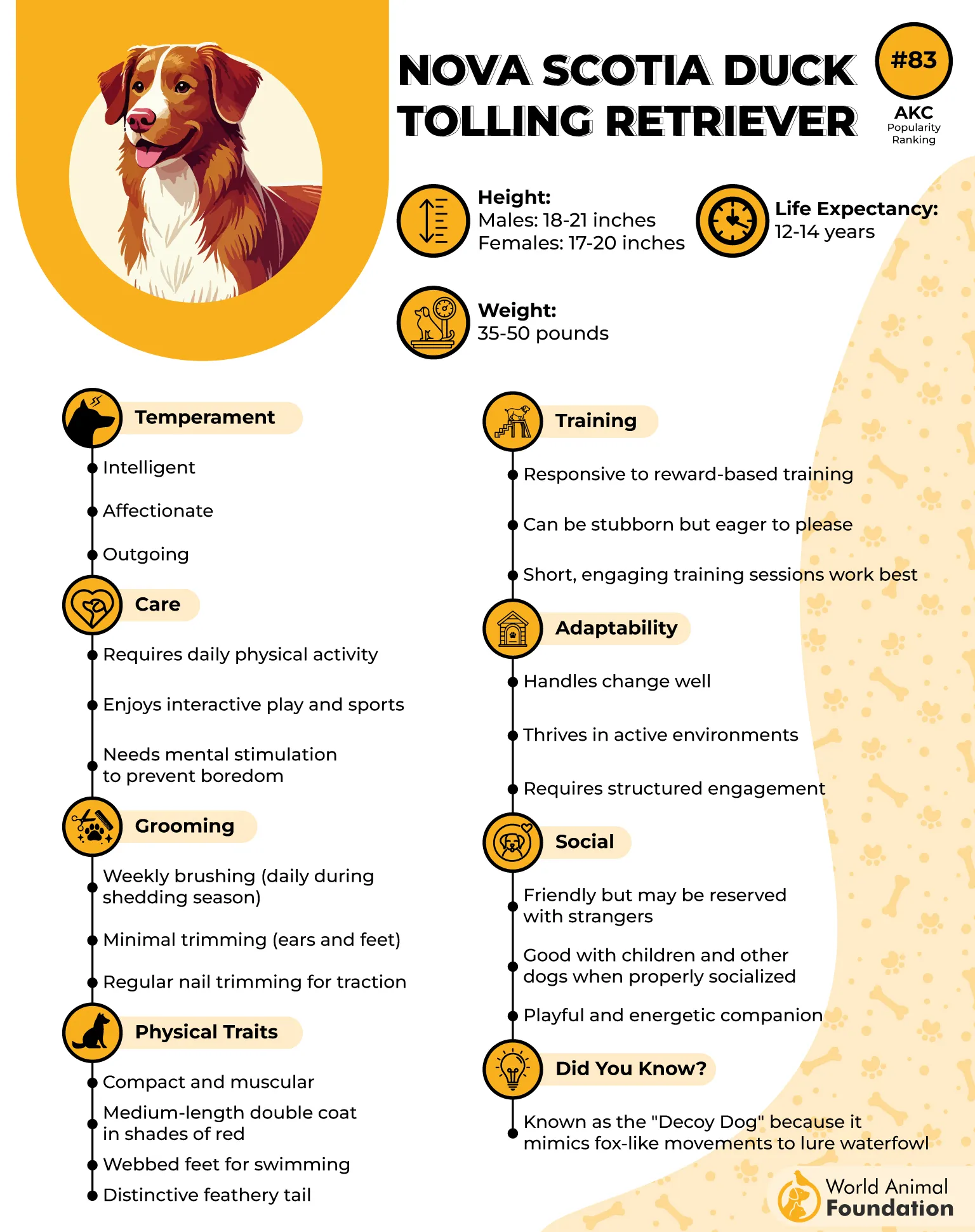
Nova Scotia is deeply faithful to families and affectionate with them. It is highly focused and an intelligent dog. Being a hunting dog breed, it remains attentive to both the handler’s cues and its surroundings. Despite its playful and spirited nature, it is capable of maintaining concentration when working.
Why is it best for tracking wildlife & birds
It is highly effective at tracking and retrieving waterfowl in cold and challenging aquatic environments
Its quick reflexes allow it to respond rapidly to bird movement and changing directions
It demonstrates excellent coordination between tracking, luring, and retrieving roles
Due to its strong problem-solving ability, it adapts well when scent trails become confusing
Its unique tolling ability helps lure and attract birds within range, which enhances tracking success before retrieval
It excels in shoreline and marsh tracking, where precision and agility are required
Needs & Cons
It can be vocal, especially when excited or working. Its coat requires regular grooming to manage shedding and maintain coat health. Like other dogs, it also needs consistent mental stimulation to curb boredom-related behaviours.
7. Brittany
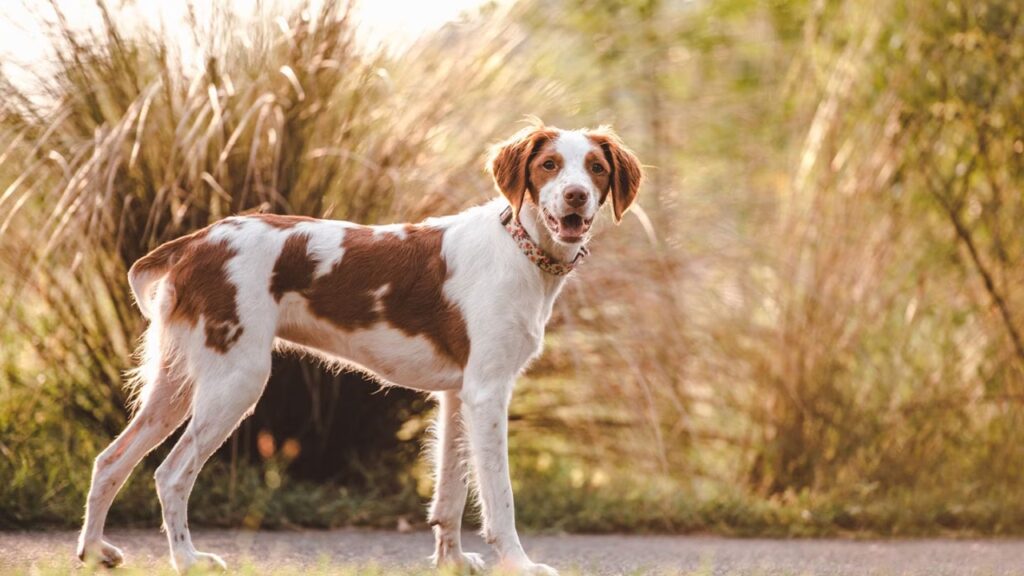
The Brittany is a compact, medium-sized tracking dog, famous for its speed, agility, and exceptional field efficiency. Its lighter and athletic build allows it to move quickly and effortlessly across varied terrain.
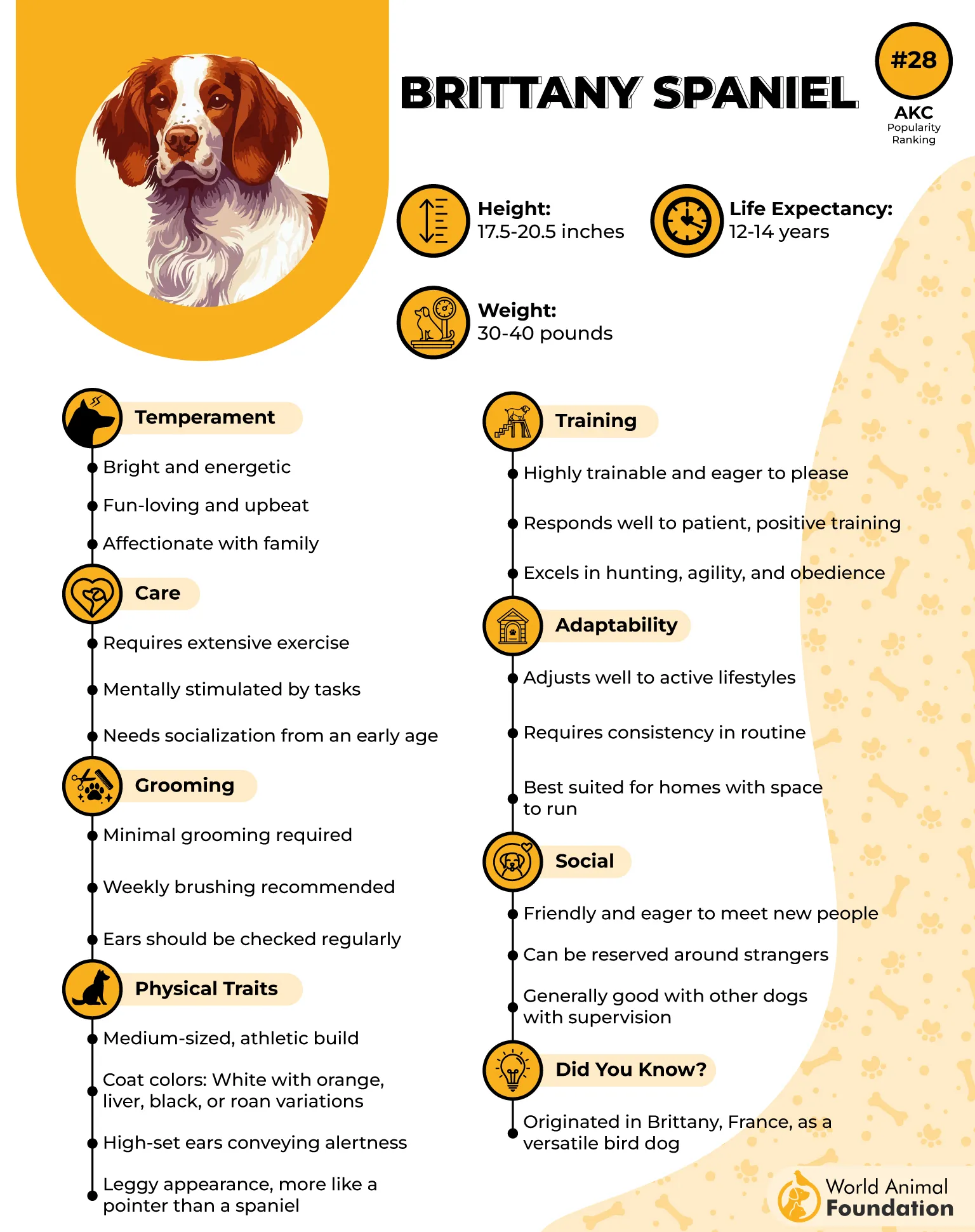
It is affectionate and forms strong bonds with the family and handler. Despite its high energy, it is generally friendly and approachable. Brittany is a pointing breed, and its pointing instinct develops at an early age and requires minimal training to refine.
Due to its keen nose, it has a finely tuned sense of smell, which enables it to detect even subtle scent traces. Furthermore, it is also known for its stamina and resilience. It can work for hours without losing momentum.
Why is it best for tracking wildlife & birds
Due to its fast yet controlled search pattern, it maximizes ground coverage
It works efficiently at a moderate distance, which reduces the risk of losing contact with the handler
Undoubtedly, it demonstrates excellent endurance during long hunting days without losing its pace or slowing down
Amazingly, it is highly effective in dry conditions where scent can be more difficult to track
It adapts easily to different bird species and varying field conditions
Needs & Cons
But it requires a very active family to thrive, as it is not suitable for sedentary owners. Its sensitive personality requires gentle and consistent training. It may have a tendency to roam if not properly supervised or trained.
Conclusion
To cut a long story short, when it comes to tracking wildlife and birds, the right dog can make all the difference between a productive day in the field and a frustrating one. Breeds mentioned earlier have a unique combination of strength, endurance, and retrieving instincts.
What all such breeds share is a blend of intelligence, focus, and loyalty. Their natural tracking abilities are enhanced by a strong bond with their handlers, responsiveness to training, and a genuine enthusiasm to work.
Of course, owning a track dog comes with some responsibilities. Most of them require constant mental stimulation and proper training to remain happy, healthy, and effective.
In the long run, choosing a dog for tracking is about matching the breed’s natural talents with your hunting style and environment. With the right care, training, and partnership, these dogs can transform any outing into a rewarding experience.
