




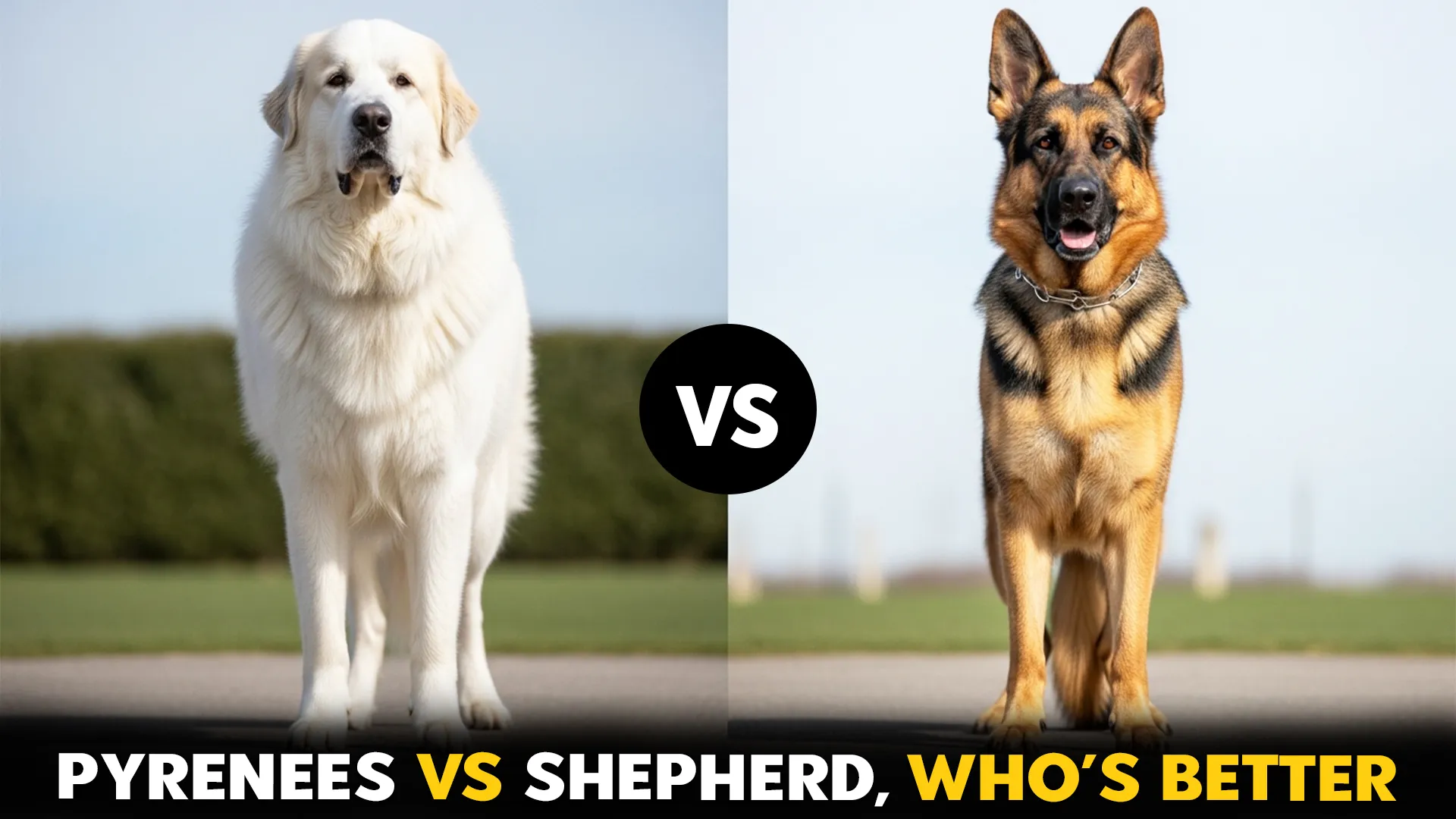
You opened a door and found two outbound very different dog dynamics. On one side is a Great Pyrenees, a gentle giant with the snowy coat so thick it looks like a down comforter. On the other is a German Shepherd, sleek, alert, and ready to act.
Each of these breeds is loyal, compassionate, and protective at the same time. Each breed is a devoted soulmate in its own way. One watches your home like a laid-back Viking warrior, while the other patrols it like a police K9 from the movies.
In this friendly face-off, we shall compare the Great Pyrenees to the German Shepherd in size, personality, energy, and more.
Great Pyrenees vs. German Shepherd Dog Breeds Showdowns
When it comes to selecting a premier guardian, the choice often comes down to the steadfast Great Pyrenees versus the versatile German Shepherd. This deep dive compares their temperaments, protective instincts, and unique needs to help you decide which powerhouse breed fits your lifestyle.
Size & build Differences
Both are working dogs: the Pyrenees was bred to guard sheep from bears and wolves in the mountains, while the German Shepherd was bred for herding and agility.
Great Pyrenees: A huge guarding breed, the male Great Pyrenees stands about 27-32 inches tall at the shoulder and weighs 110-130 lbs. Females are almost 25-29 inches and 90-115 lbs.
The breed has a powerful neck, a broad chest, and muscular thighs and shoulders. The double dewclaws in their hind legs make them distinctive from other breeds. The “shepherd crook” long tail is built specifically to protect cattle.
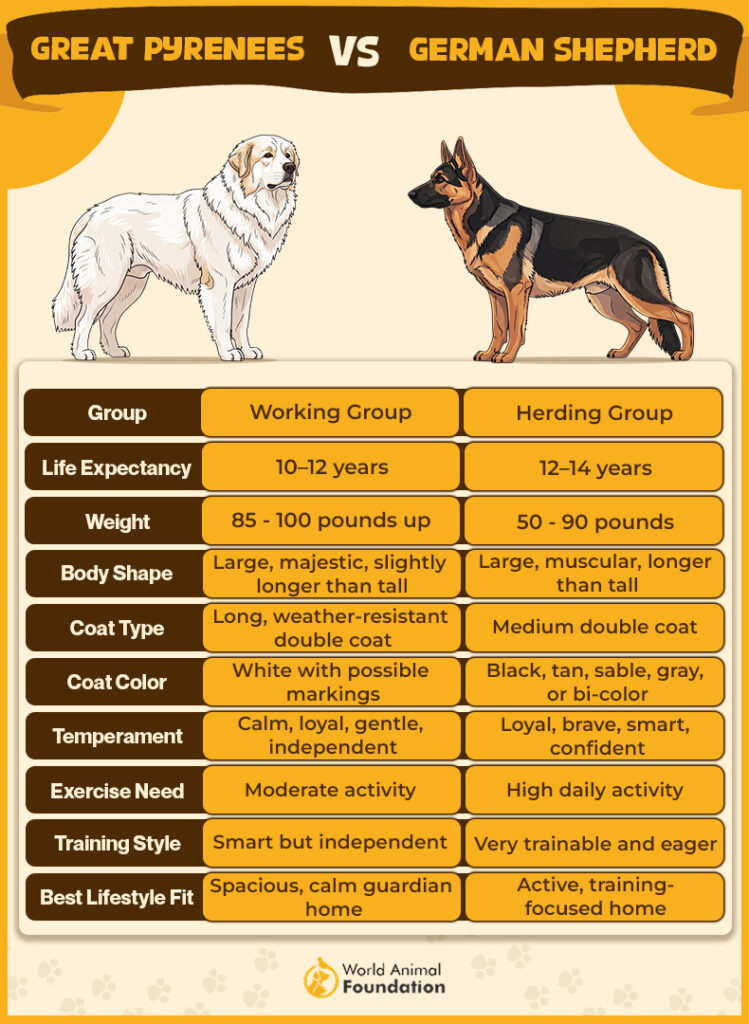
German Shepherd: The GSD is also large, but sleek and athletic. Males stand 22-26 inches tall at the shoulder and weigh 75-95 lbs. Females are about 22-24 inches and are often 50-90 lbs.
This herding dog has triangular and erect ears that act like a radar system and catch auditory signals from all directions. The deep chest, a solid back, and a slightly elongated body, as per Petplan.
🎧 Dogcast
Episode 37 — Why Dogs Stay Close without Touching
If you don’t hear sound, tap the button above to enable audio.
Temperament & Personality
The Great Pyrenees is mellow and steady, often calmly observing life by lying on the couch. On the other hand, the GSD is vigilant and dynamic, thrives in physical engagement. Both are deeply devoted to their families.
Great Pyrenees: This double-coated breed is also known as a gentle giant because of its calm and patient nature. They are gentle at home with other pets and even with kids who know how to interact with a 100+ pound beast. Prefer to stay on the couch indoors, the Great Pyrenees also loves to roam around outdoors.
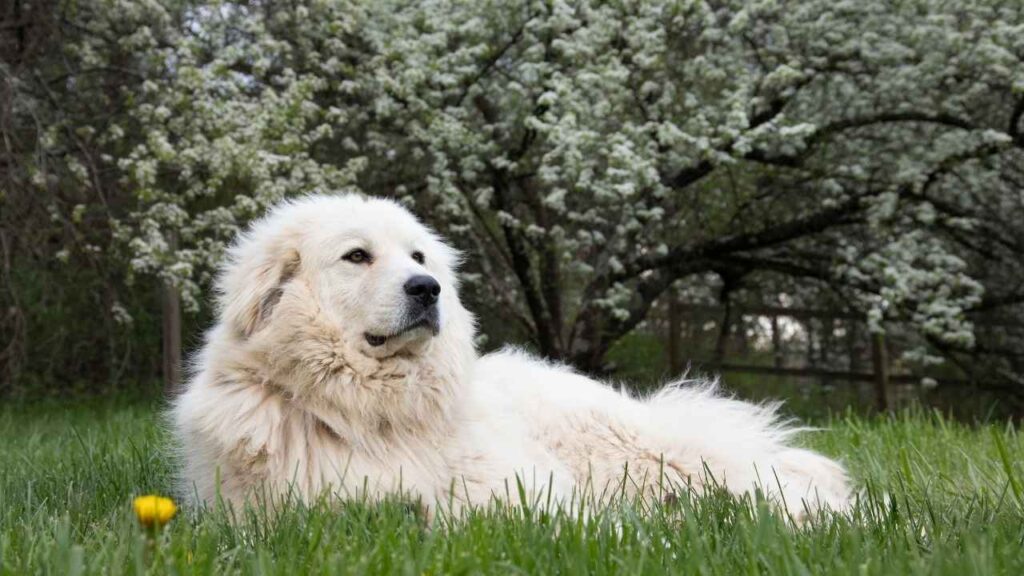
This breed does not have a high chase drive, but their alert and independent nature makes them bark when they sense a threat. They need some alone time, too, after having a social day.
German Shepherd: According to PetMD, the German Shepherd stays calm in the house but is less aloof around strangers.
With a strong prey drive, these dogs should generally remain on a leash when outdoors to ensure safety. Naturally protective, intelligent, and fearless, they are prepared to confront potential threats if a warning bark fails to deter them.
Exercise & Energy Levels
If you want a Netflix buddy to chill with you on the sofa, the Great Pyrenees is the perfect option for you. But if you are looking for a personal trainer in canine form, the German Shepherd will happily lead the morning jogging.
Great Pyrenees: Big but surprisingly chill. Despite their mountain origins, they have low to medium energy levels. They were bred to conserve energy and watch over livestock.
Daily walks of moderate length are enough. Being a good watchdog, the Great Pyrenees loves to watch over to avoid boredom. Training activities and dog sports such as hiking, cart/sled pulling, and working on farms help in mental stimulation and physical activity.
German Shepherd: The batteries that never seem to run out. They have extremely high exercise needs. Because of their high energy levels, bravery, and courageous nature, they are typically used in military and police work.
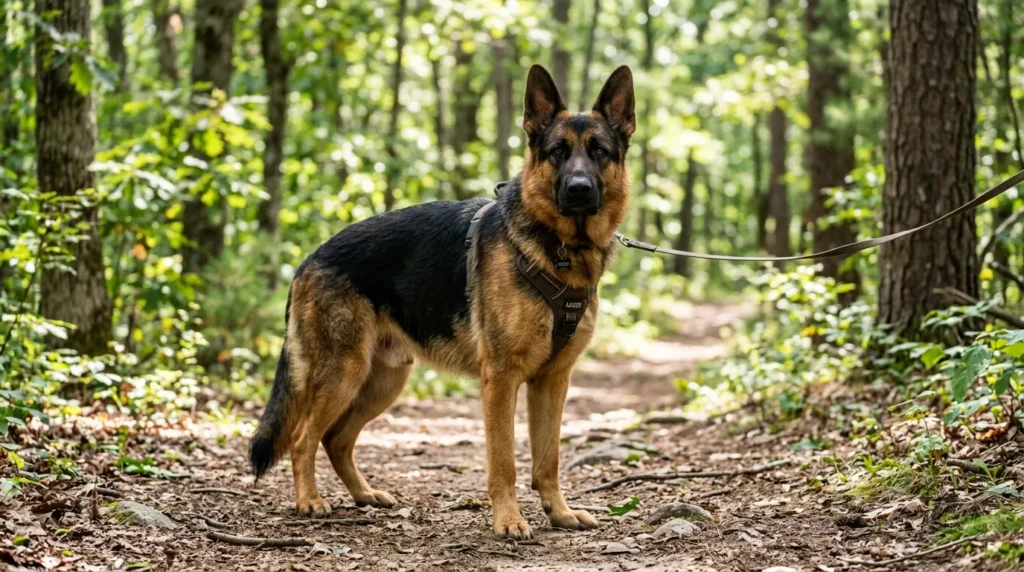
Plan for at least one hour of daily exercise. Active play, walking, running, fetching, learning tricks, biking, dock diving, and nose work are highly recommended activities for this breed.
Training & Intelligence
The Great Pyrenees is smart but headstrong, and the German Shepherd is smart and eager to please. Consistent training, early socialization with patience, and positive reinforcement are non-negotiable for both of them.
Great Pyrenees: While these dogs are independent thinkers and can occasionally be stubborn, they respond well to structured training. To keep them engaged, limit sessions to 10 minutes to avoid boredom and use high-value rewards like food and treats to control resources.
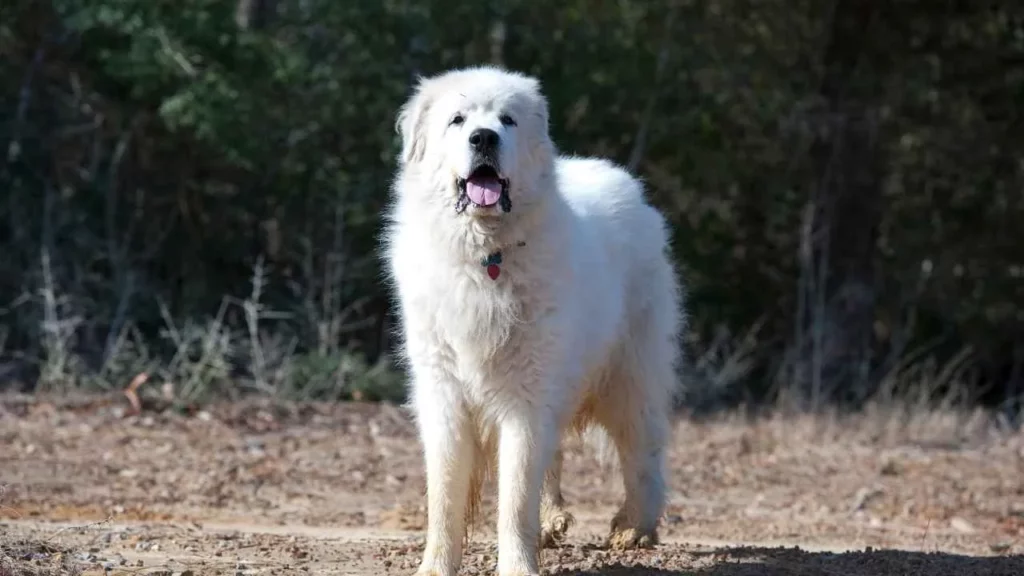
Practice basic commands—such as sit, come, and stand—in various locations to ensure consistency, and prioritize early socialization between 3 and 14 weeks of age.
German Shepherd: For best results, begin socialization before the 16th week and introduce impulse control by giving them small challenges before mealtime. Using a clicker to mark positive behavior can significantly speed up the learning process.
While consistent obedience training is crucial, keep sessions brief with breaks every 10 minutes to maintain focus. Generally, German Shepherds tend to learn faster than Great Pyrenees due to their high intelligence and more cooperative nature compared to the Pyr’s independent streak.
Vocal Behavior
Both breeds will tell you about an intruder’s arrival. The Great Pyrenees might report it repeatedly, while the German Shepherd will sound a single confident alarm and then stand guard.
Great Pyrenees: These dogs exhibit nocturnal barking traits, utilizing loud vocalizations to deter intruders and alert their families.
Because they were bred as independent thinkers that worked at a distance from their owners, their high-pitched barks are designed to travel long distances effectively. Furthermore, they use varying intensities of barking as a sophisticated medium for communication.
German Shepherd: Whether driven by separation anxiety, boredom, or a need to assert their social status, these dogs use barking as a vital tool for both expression and protection.
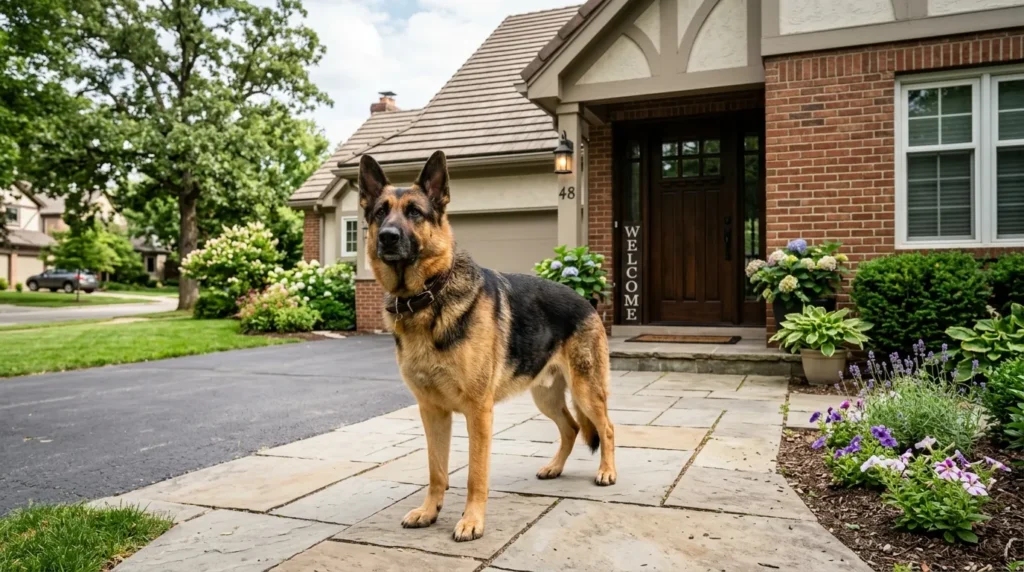
The frequency and tone of their vocalizations provide a window into their emotional state: deep barks alert owners to potential threats, whimpering signals a request for food or attention, and grumbling often occurs as they settle down. During play, their barks become high-pitched, while sirens or loud noises may trigger instinctive howling.
Coat & Grooming
Both demand regular grooming. A GSD’s shedding will stick around. But Pyr’s will float everywhere.
Great Pyrenees: They have a thick double white coat. This white coat creates great camouflage in the cold mountains of Spain, which is great for protection purposes. The white coat may have some shades of reddish-brown, grey, tan, or badger marking. The slightly wavy outer coat is waterproof, and the inner coat is woolly and dense, hence a complete package of insulation and protection.
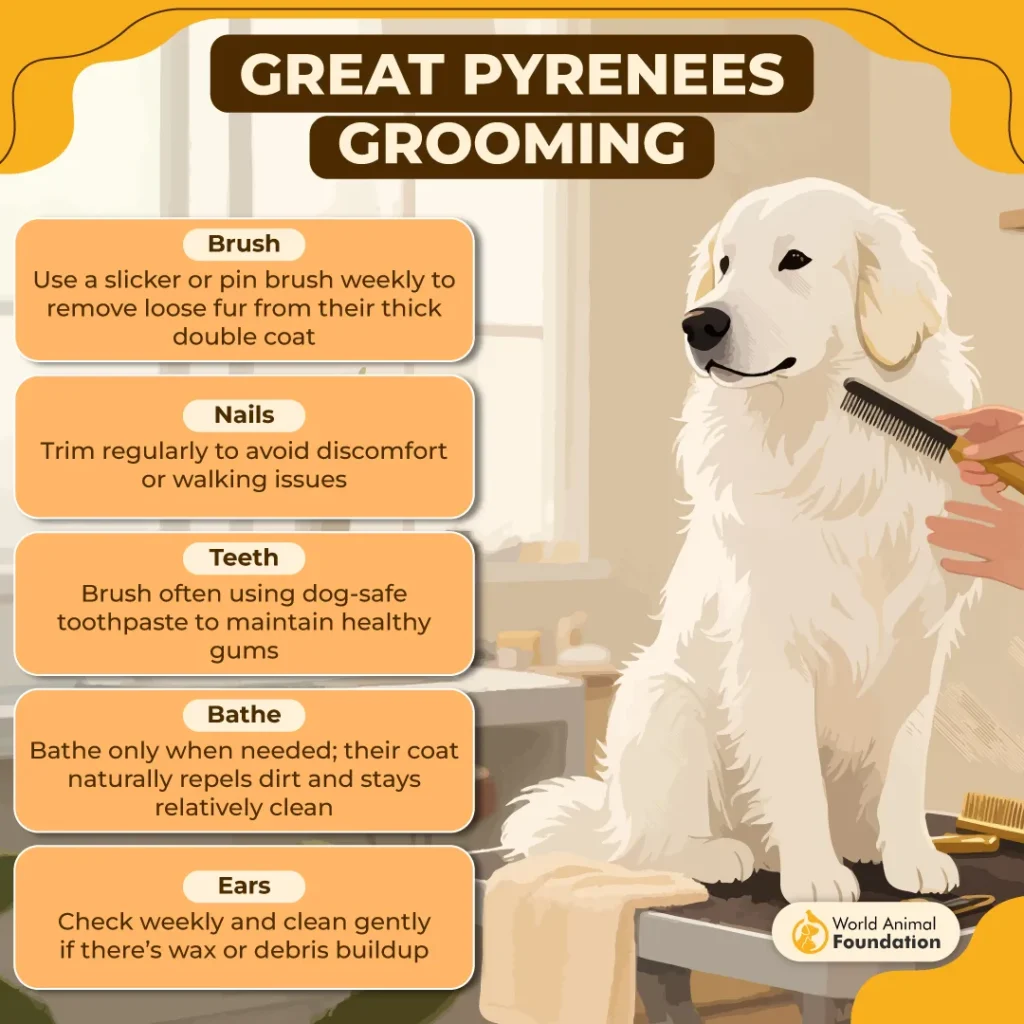
Use an undercoat brush or a slicker brush for weekly brushing. Heavy undercoat shedding requires daily brushing to remove the loose hair. Bath them occasionally to prevent losing natural oils.
German Shepherd: They have a denser outer coat and a straight undercoat with wiry guard hair that sheds constantly. They have a wide range of colors: black and tan, black and red, tri-color, and all black.
Use a deshedding tool (Furminator) to brush them 3-4 times a week. Also known as German Shedders, their coat “blows” twice a year. Daily brushing is highly recommended during this season. You can also use a metal comb, a slicker brush, and an undercoat rake for grooming.
Health Issues & Lifespan
A German Shepherd may outlive a Great Pyrenees by a few years. That extra time means more tail wagging on the couch. Both breeds benefit from preventive care: clean living, avoiding obesity, and safe exercise.
Great Pyrenees: This breed generally lives 10-12 years. The most common health issues involve joint and bone problems (elbow/hip dysplasia that can lead to arthritis and even cancer), bloating (a life-threatening state where the stomach is filled with air and twists), eye disorders (cataracts, entropions), and skin infections, etc.
German Shepherd: The average GSD lifespan is around 9-13 years. Their common health issues are: musculoskeletal disorders (20% of the breed is affected by hip dysplasia), neurological disorders (degenerative myelopathy, which leads to paralysis), bloating, and skin issues.
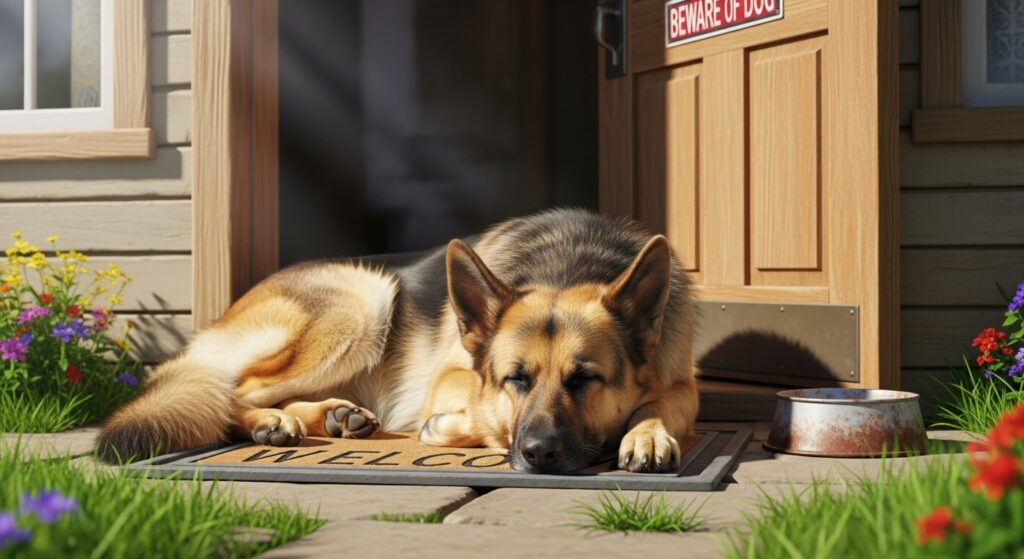
German Shepherd & Great Pyrenees Suitability For Home Security
When it comes to guarding your home, both breeds have armour.
|
Traits |
Great Pyrenees |
German Shepherd |
|
Protective Instincts |
Bred to guard sheep in the Alps. Naturally protective. |
Bred to guard and herd livestock in Germany. |
|
Strategy |
Physical intimidation. Patrols the property and barks at any weird noise or stranger. Bark repeatedly. |
Threatening gaze. Position itself between the owner and the threat |
|
Temperament |
Confident, non-aggressive in normal conditions, protective, loyal, alert, watchdog instincts, strong bonds with the owner’s family. |
Loyal, steady, protective, family-friendly, vigilant, and highly trainable. |
|
Duty Roles |
Livestock guardian, night patrol, estate guarding, home protection |
Operational security and facilities, fire, and safety. |
Conclusion
Whether you are wooed by a Great Pyrenees’ fluffy grandeur or the German Shepherd’s proud silhouette, both breeds share the heart of a hero. Each brings courage, loyalty, and love in spades. A Pyrenees enters your life like a gentle snowstorm, settling in with calm devotion; a GSD bounds in like a superhero, eager to share every adventure and keep you safe.
There is no wrong choice, only what fits your world. These dogs crave family and purpose. Give them space, training, and affection, and they will repay you with a lifetime of warm memories and big wet kisses. May this furriest champion win your heart!
Great Pyrenees vs German Shepherd: Can You Score 6/6? 🐕🔥
What is the typical weight range of a male Great Pyrenees?
Which breed is known for extremely high energy and needs at least one hour of exercise daily?
Which breed is famous for its calm, “gentle giant” personality?
Which breed often has double dewclaws on its hind legs?
What is the average lifespan range of a German Shepherd?
Which breed is known for frequent, loud nocturnal barking to alert owners?
