




Dogs in 2026 are no longer just pets—they are cultural identities, lifestyle statements, and in many cases, full-blown social media personalities. The concept of “cool” has shifted from pure looks or rarity to something deeper: emotional intelligence, adaptability, and how well a dog fits into modern human life.
Urban living, remote work, and a content-driven culture have completely changed how people choose dogs. According to trends in the US and Europe, certain breeds, such as French Bulldogs, Labradors, and Golden Retrievers, continue to dominate, largely due to their adaptability to apartment living, families, and social environments.
At the same time, working breeds like German Shepherds and Belgian Malinois are rising in popularity because people are fascinated by their intelligence, discipline, and “elite dog energy.” In 2026, cool isn’t one definition—it’s a spectrum ranging from chill couch icons to high-performance canine athletes.
This list breaks down 10 breeds that define that spectrum. Each one brings a different kind of “main character energy,” whether it’s viral charm, emotional depth, or pure working-dog excellence.
Trending Dog Breeds That Define Cool in 2026
1. French Bulldog
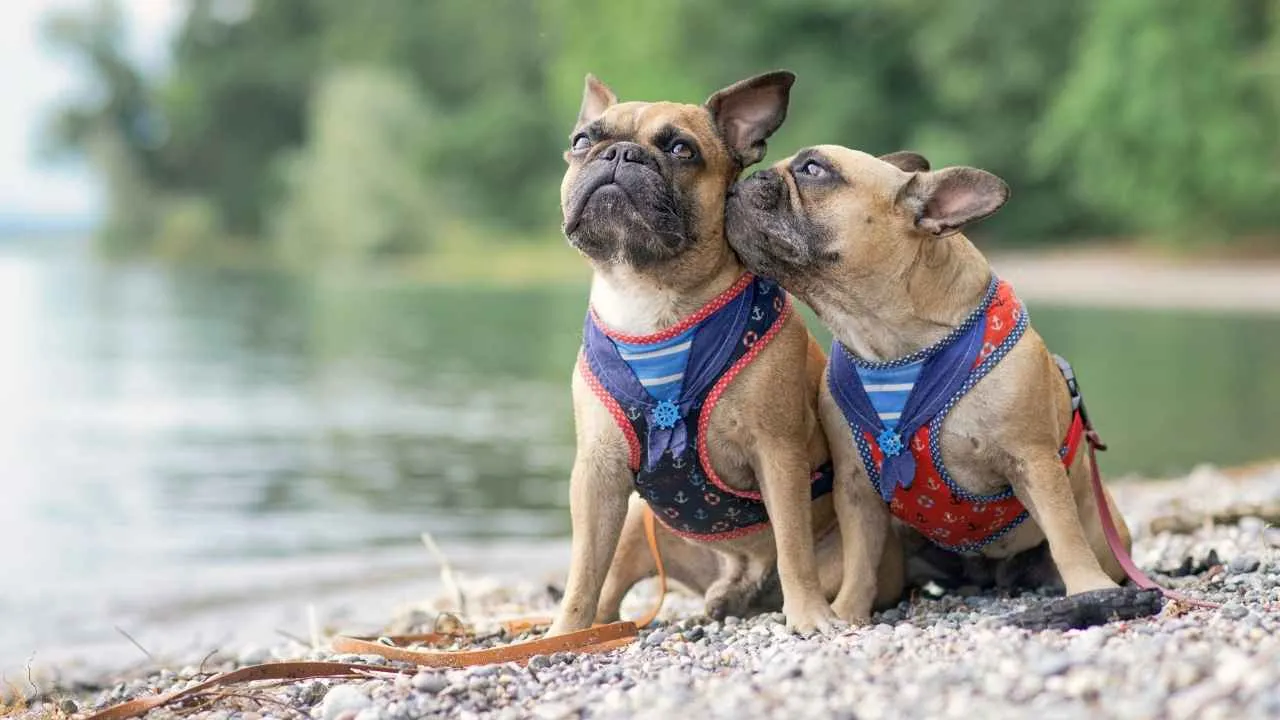
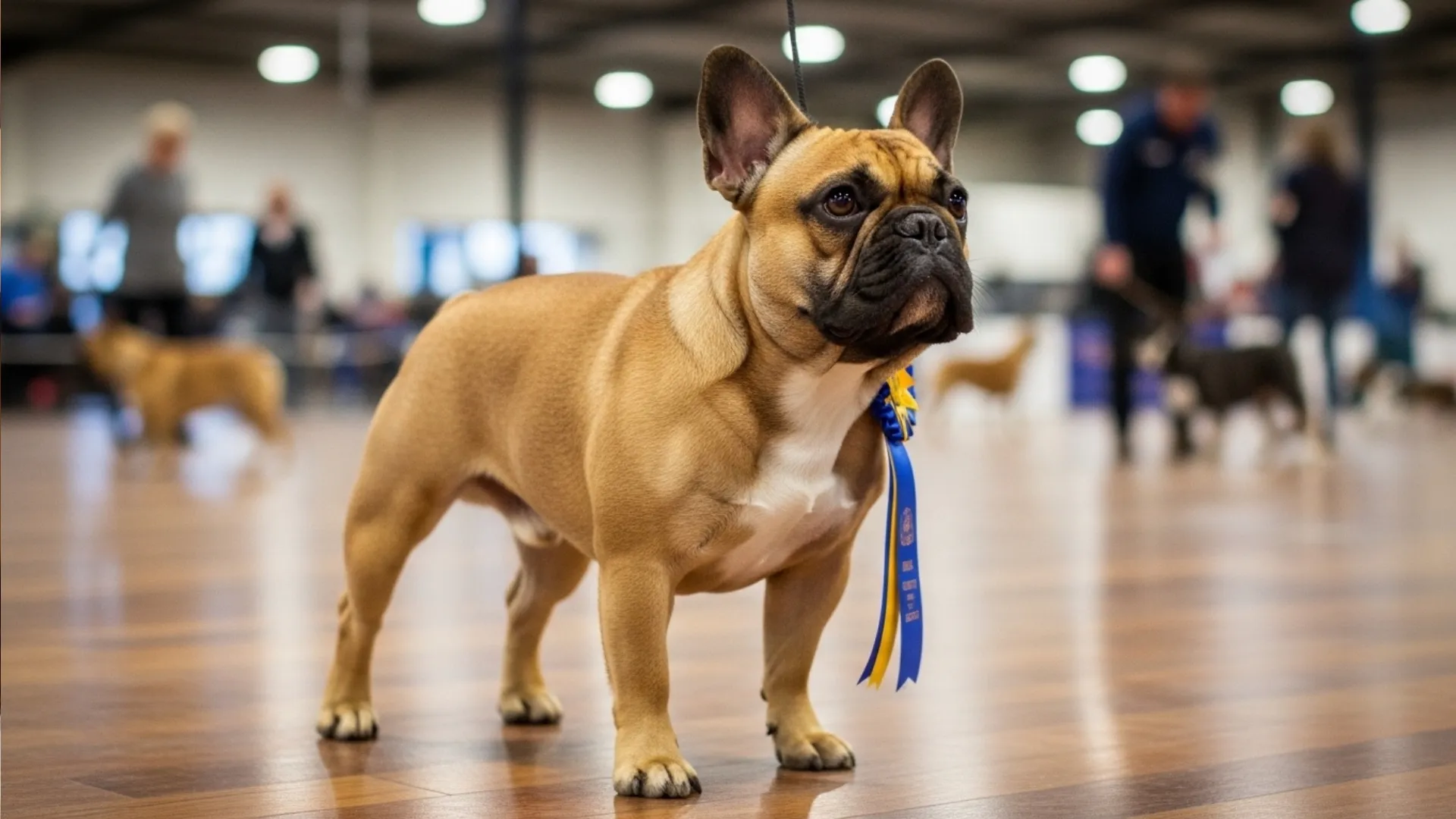
The French Bulldog is arguably the most recognizable “cool dog” of the modern internet era. Their rise has been strongly influenced by urban living trends, where compact size and low exercise needs make them ideal for apartments and city lifestyles.
They are known for their bat-like ears, expressive faces, and comedic personalities, making them perfect for short-form content platforms. Many owners describe them as “emotionally dramatic roommates” because of how clearly they communicate moods through facial expressions and body language.
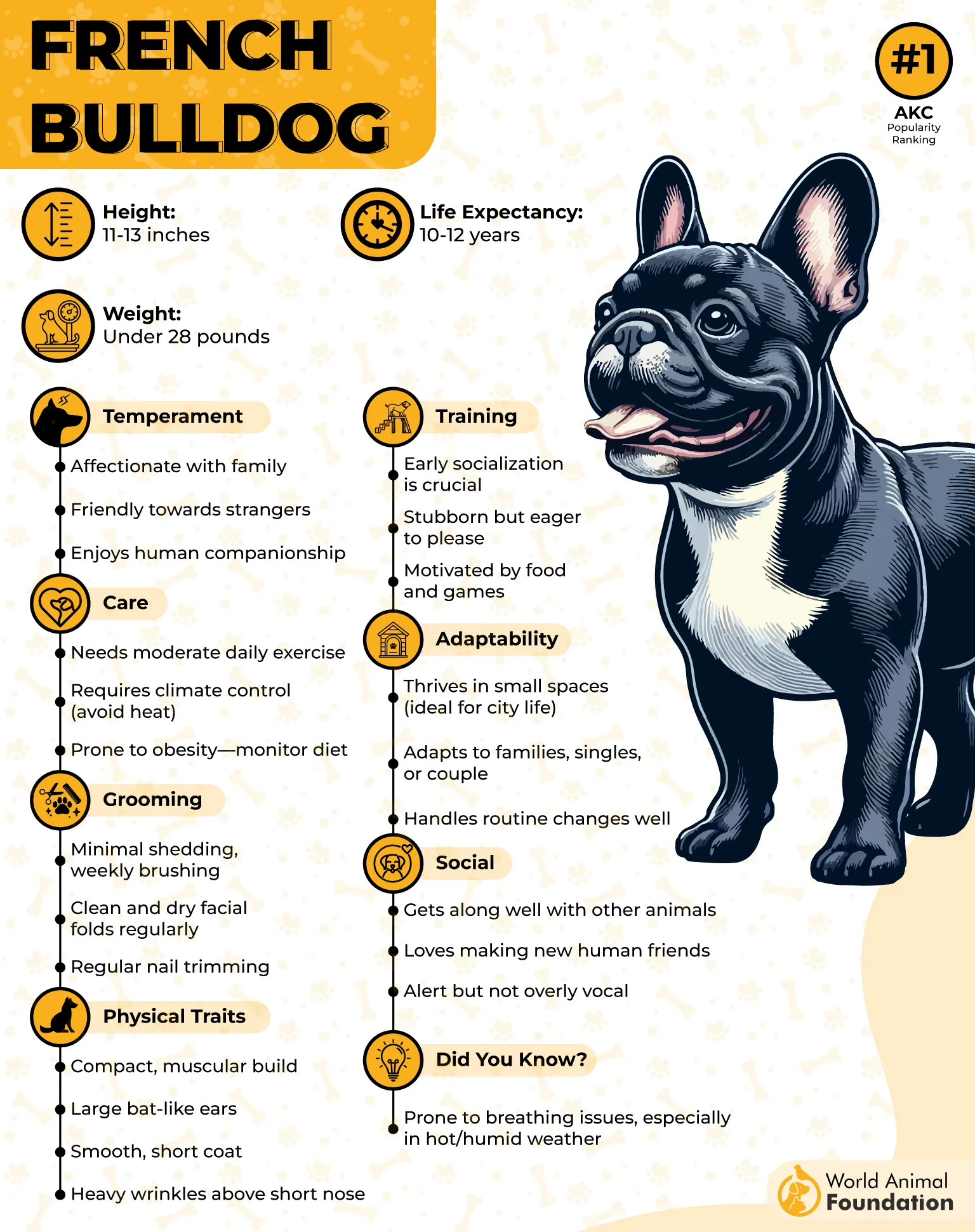
Despite their popularity, veterinarians have raised concerns about brachycephalic airway issues, making responsible breeding a major topic in 2026 pet discussions. Organizations like the British Veterinary Association have consistently emphasized ethical breeding practices for flat-faced breeds.
They don’t need long hikes or intense workouts—they prefer short walks and maximum human interaction. Their entire personality revolves around companionship, making them one of the most emotionally engaging breeds in modern households.
Their apartment lifestyle is shaping urban pet aesthetics worldwide, making them a top dog breed for apartment dwellers.
2. Labrador Retriever
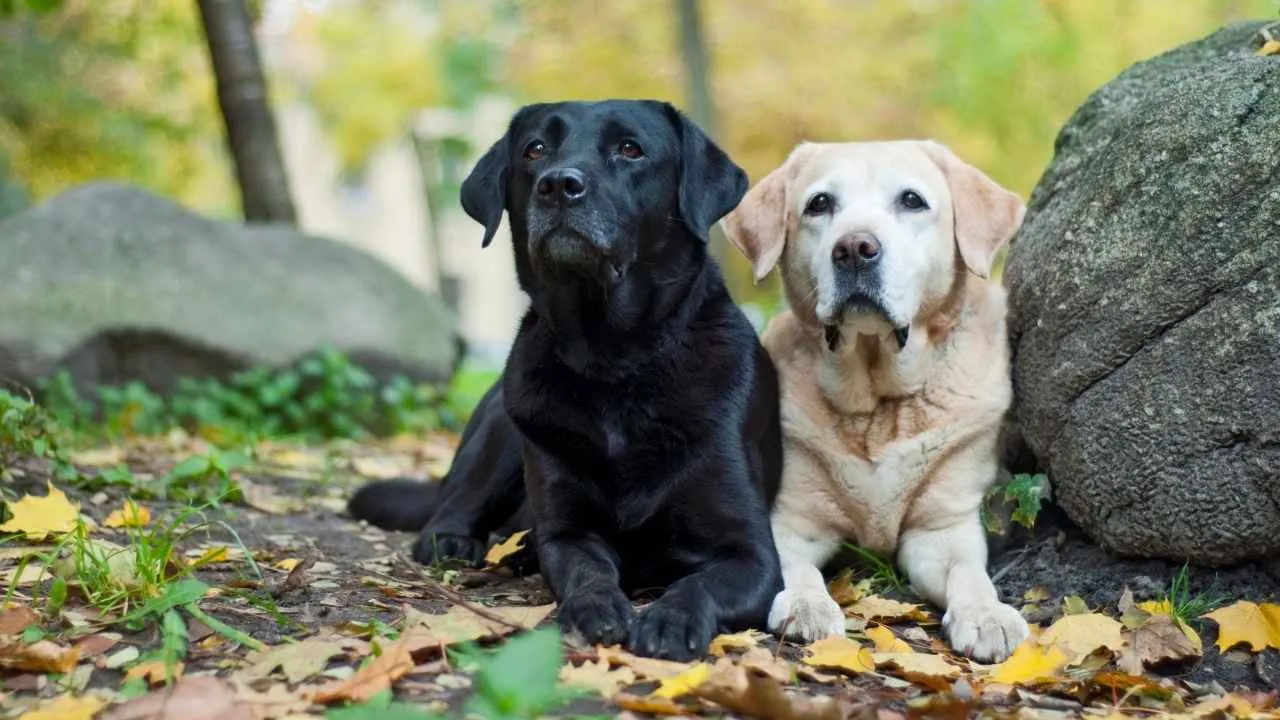
The Labrador Retriever continues to dominate global popularity charts and remains one of the most trusted family dogs worldwide. Their balanced temperament, intelligence, and friendliness make them a universal favorite across cultures.

Labs are widely used in service roles, including as guide dogs for visually impaired individuals, in hospital therapy, and in search-and-rescue operations during emergencies. Their success in these roles is largely due to their ability to learn complex tasks and remain calm under pressure.
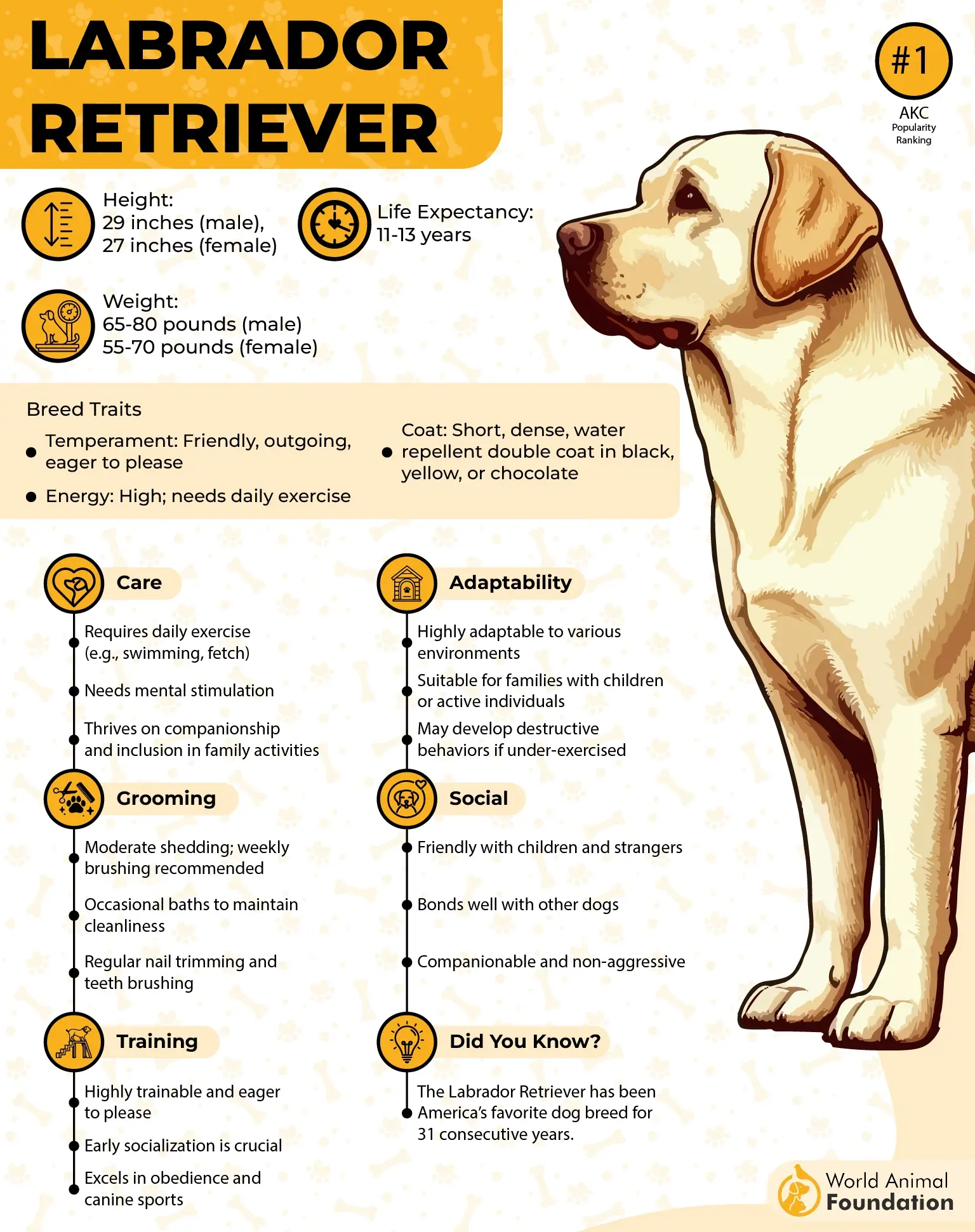
They are high-energy dogs that require consistent physical activity, typically 1–2 hours daily, including walking, swimming, or retrieving games. Without proper exercise, they can develop boredom-related behaviors like chewing or excessive digging.
Labrador Retriever rescue transformation stories are dominating emotional content trends.
What makes Labradors “cool” in 2026 is their emotional reliability. They are often described as dogs that “understand humans too well,” forming deep bonds that feel almost intuitive.
3. Golden Retriever

The Golden Retriever is often seen as the emotional heartbeat of the dog world. Their gentle nature, patience, and intelligence make them among the most versatile family companions worldwide.
Goldens are frequently used in therapy and emotional support roles because they can read human emotions with surprising accuracy. They respond strongly to changes in human facial expressions and tone.
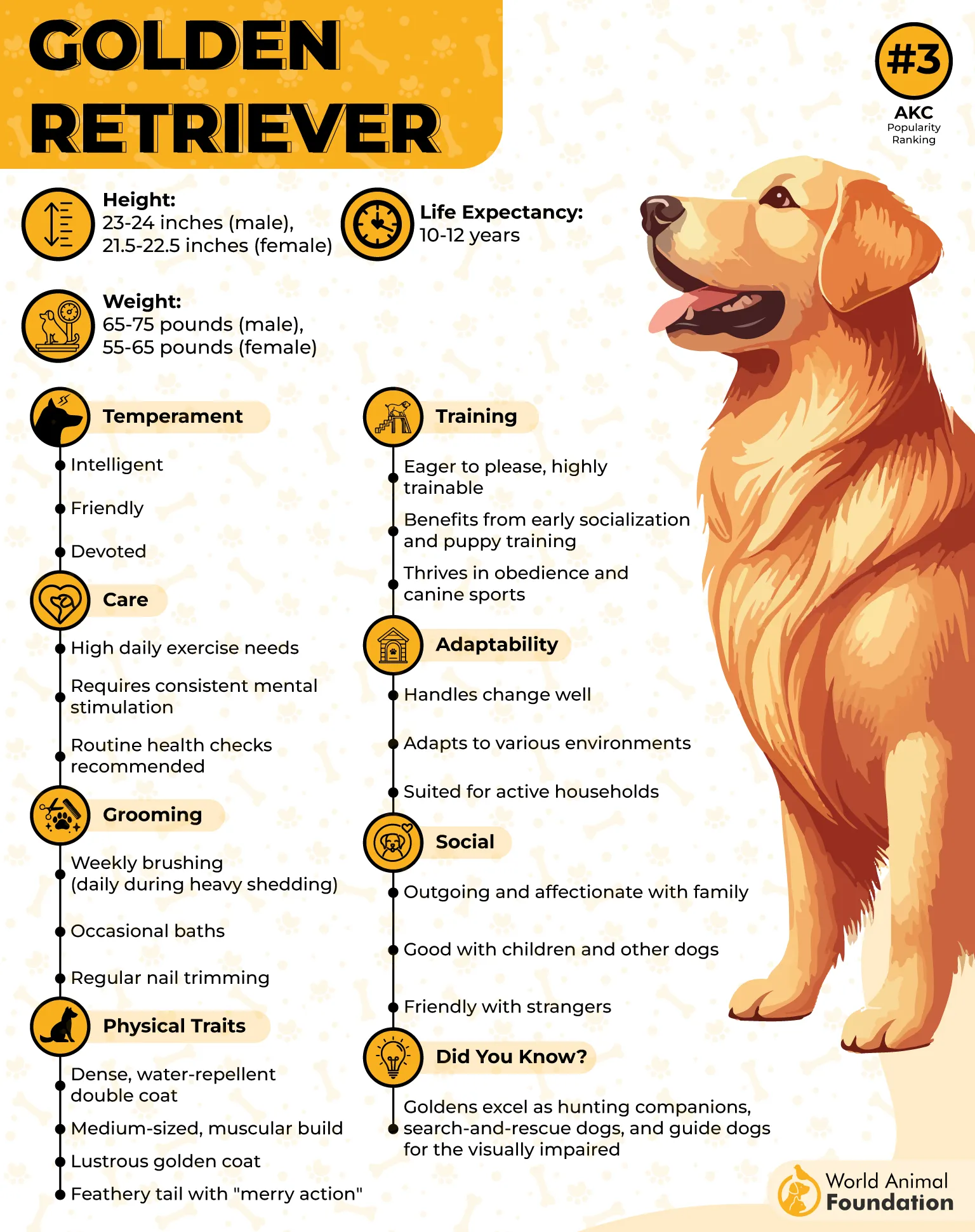
They are highly social animals and work phenomenally well as service dogs. Goldens thrive in environments where they are included in family activities. Many owners report that Goldens follow them from room to room, not out of neediness, but out of emotional bonding behavior.
Their popularity has also surged on social media, where “Golden Retriever energy” has become a cultural term for kindness, warmth, and wholesome behavior. This popular dog represents calm positivity in a fast-paced digital world.
4. German Shepherd
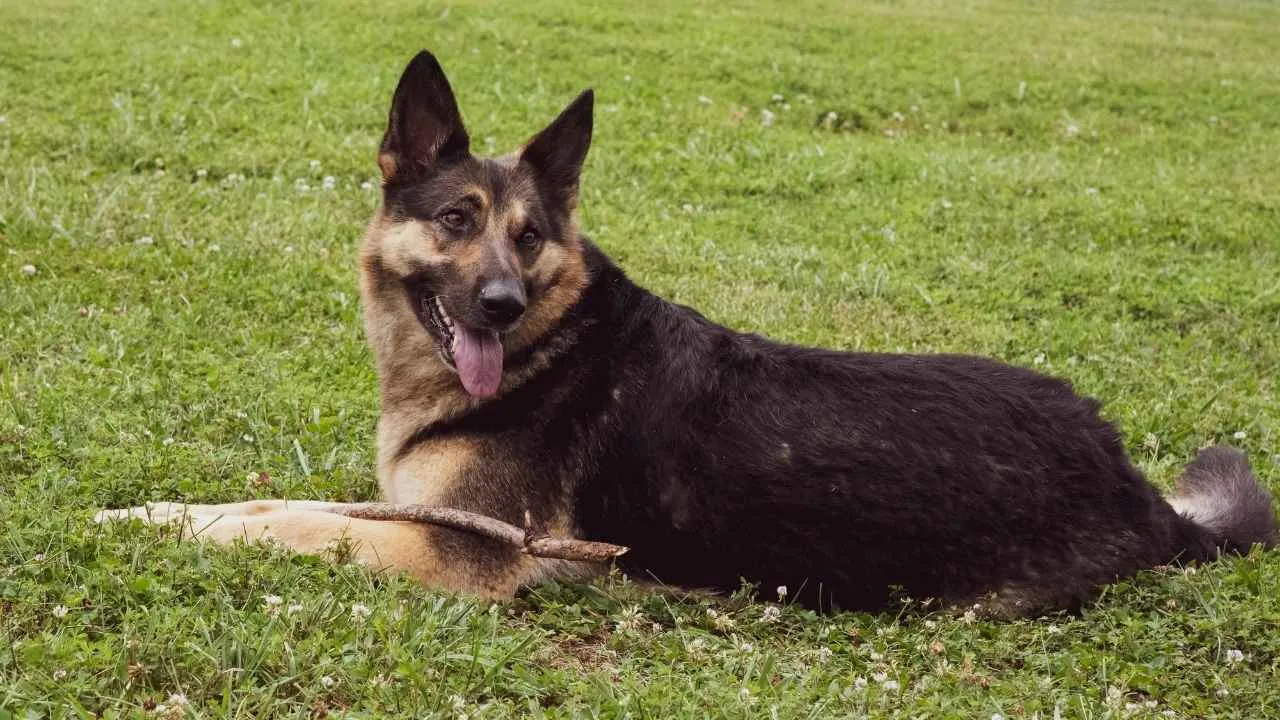
The German Shepherd remains one of the most respected working breeds in the world, especially in law enforcement, military, and security sectors. Their intelligence and discipline make them a top choice for professional training programs globally.
They are capable of learning advanced commands, scent tracking, protection routines, and search operations. Their adaptability allows them to perform in highly stressful environments while maintaining control and focus.
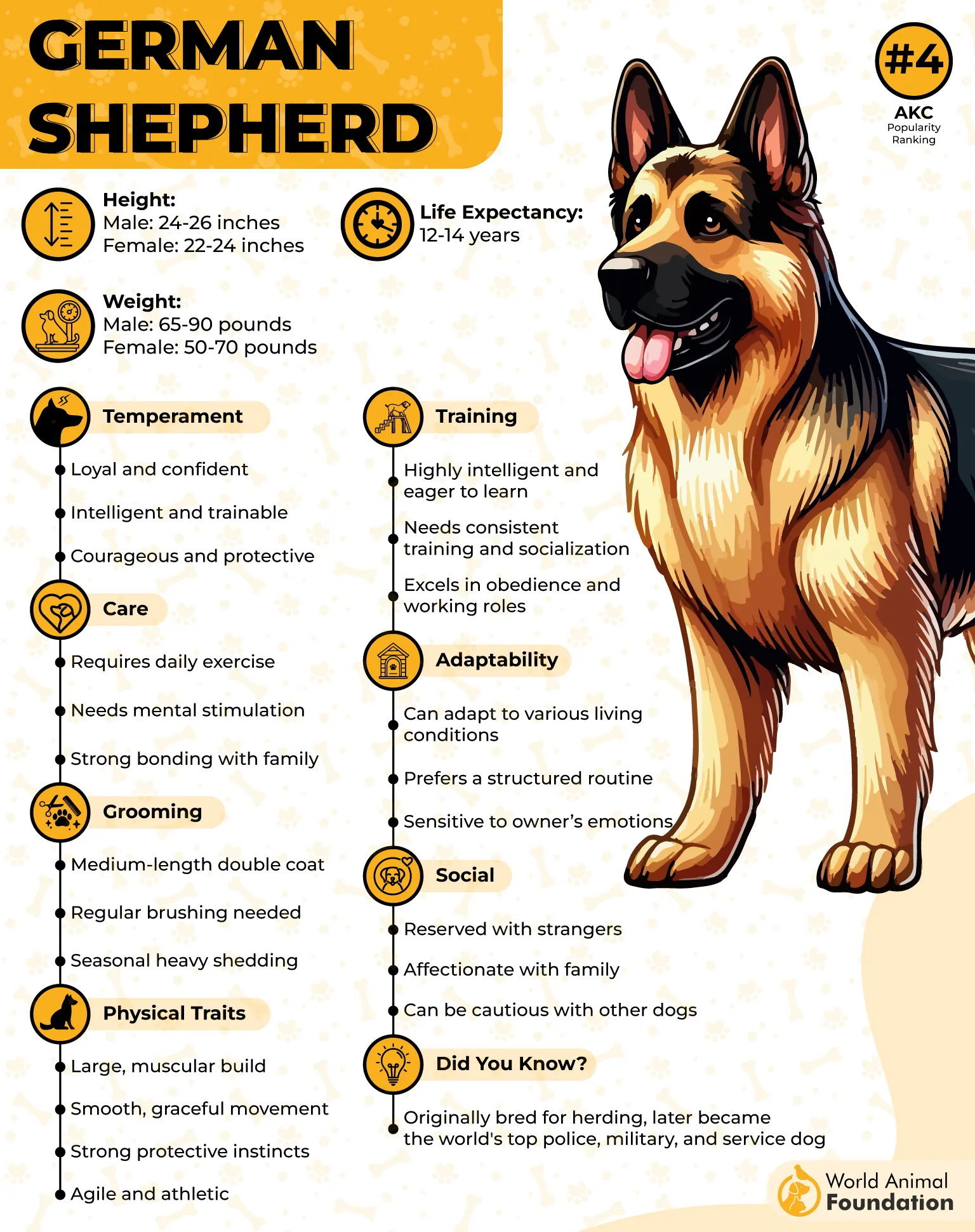
However, they require structured leadership and mental stimulation. Without proper engagement, they can develop anxiety or destructive habits due to their high intelligence and energy levels. What makes them “cool” in 2026 is their elite professionalism.
They are often seen as the “special forces” of the dog world—disciplined, precise, and highly dependable in critical situations, alongside an affectionate nature.
German Shepherd training and obedience clips showcasing intelligence-driven viral engagement
5. Poodle
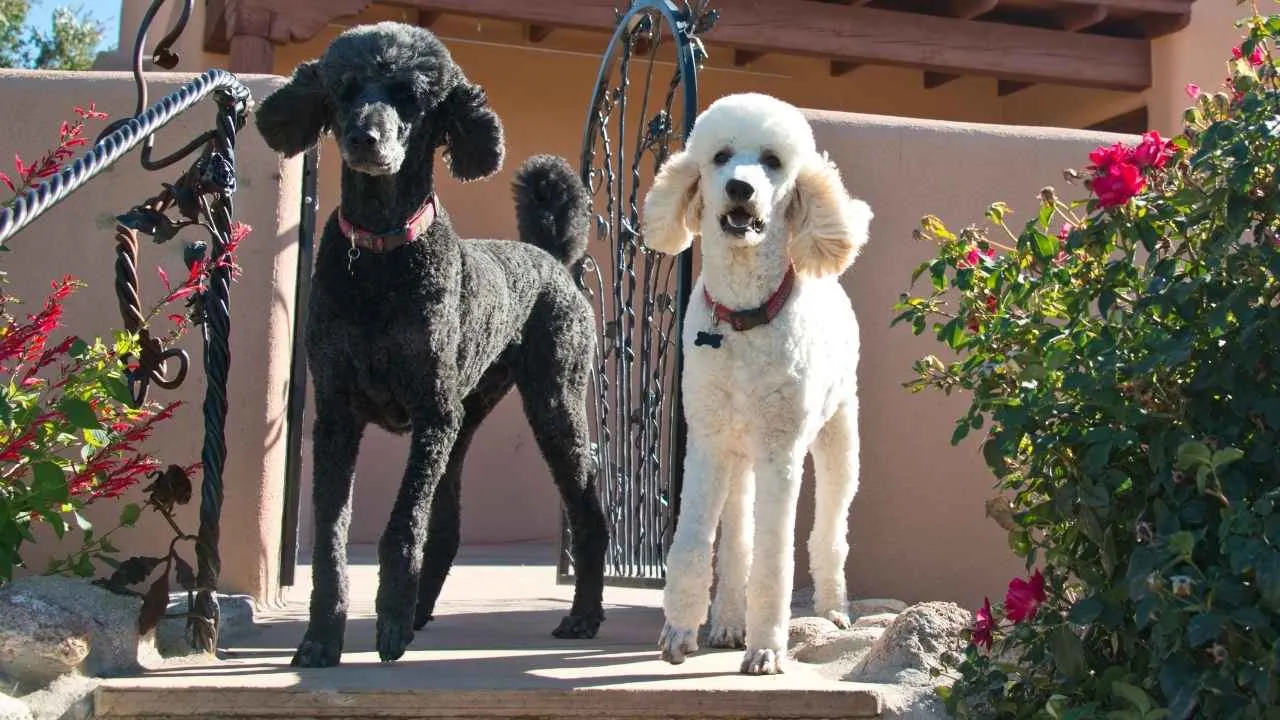
The Poodle is one of the most misunderstood breeds, often reduced to its aesthetic appeal when, in reality, it is among the smartest dog breeds on the planet. Available in Standard, Miniature, and Toy sizes, all variants share exceptional cognitive abilities.
They consistently rank at the top in studies of obedience and problem-solving intelligence. They excel in agility sports, service work, and even advanced trick training thanks to their quick learning.
Their hypoallergenic coat makes them especially popular among households with allergy-sensitive members. However, this popular breed’s grooming needs are high, requiring regular maintenance to prevent matting. Owing to their cute appearance, they are instantly recognizable.
In 2026, Poodles represent “intelligent elegance.” They combine style, function, and sharp mental ability, making them one of the most versatile companion dogs in modern living spaces.
6. Dachshund

The Dachshund is a small dog with a surprisingly bold personality. Originally bred in Germany for hunting badgers underground, they have an elongated body and strong digging instincts, a direct result of their working history.
They are extremely curious and often follow scents with intense focus, which can lead them into playful mischief. Their independent nature makes them entertaining but sometimes challenging during training.
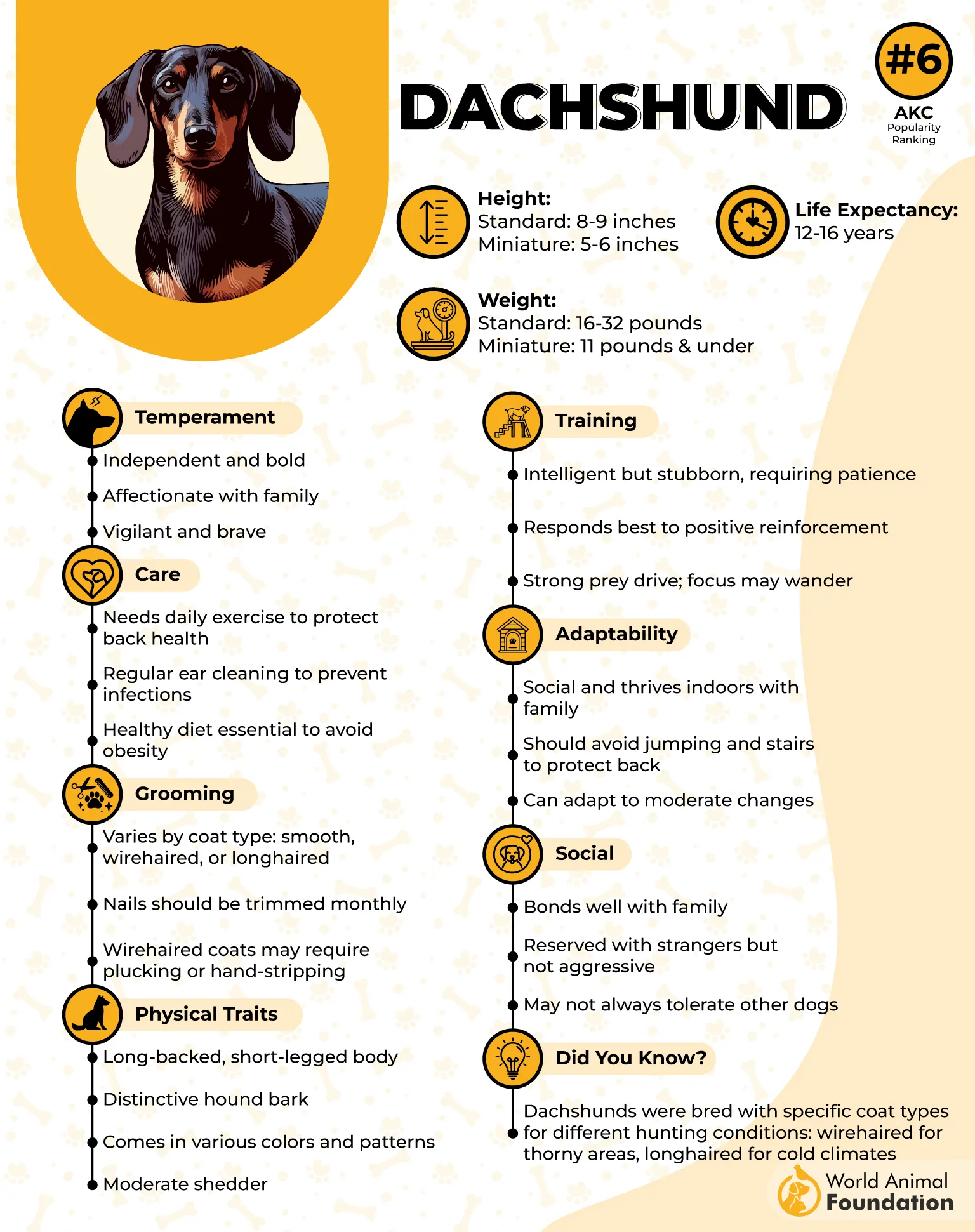
These friendly dogs are also highly loyal and form strong bonds with one or two people in the household. This attachment makes these incredibly loyal dogs affectionate but also slightly territorial in certain situations.
Their rise in popularity is strongly linked to social media, where their unique body shape and expressive reactions make them highly shareable. They are basically “comedians in dog form.”
7. Rottweiler

The Rottweiler is a powerful breed with a long history as a working and guarding dog. Originally used for cattle driving and protection roles in ancient Roman regions, they have maintained their reputation as strong, reliable guardians.
They are confident, calm, and highly protective when properly trained. Modern Rottweilers are often affectionate with family members, showing a softer side that contrasts with their intimidating appearance.
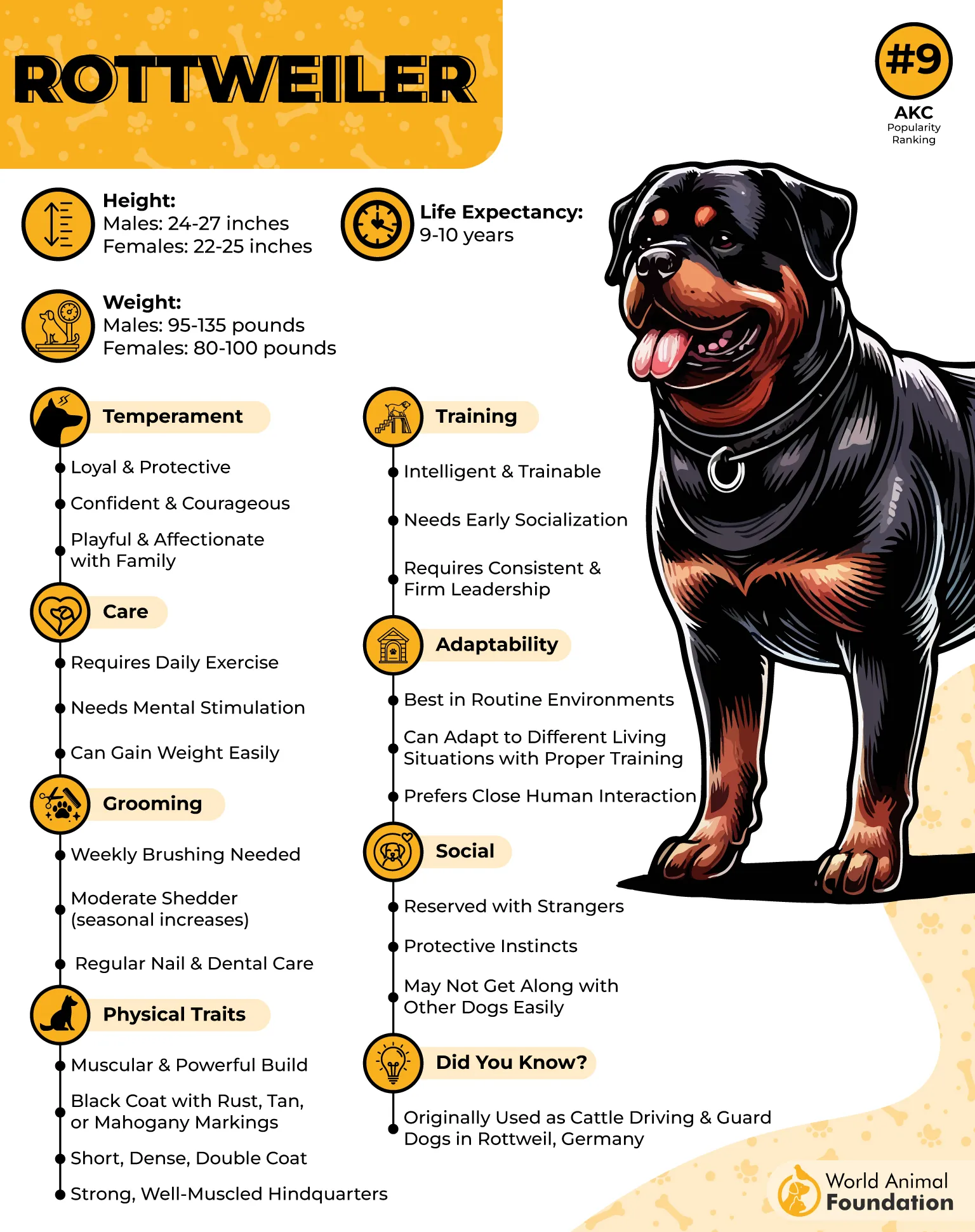
Early socialization is critical, says Britannica, as their natural guarding instincts need to be guided with structure and consistency. When raised correctly, they become stable and trustworthy companions. They are extremely intelligent and respond well to consistent, structured training.
They quickly understand boundaries and routines, which is why they are often used in police and security roles. However, their intelligence also means they need leadership. Without clear guidance, they may become stubborn or overly dominant, which is why experienced ownership is recommended.
Today, Rottweilers are seen as “controlled strength.” They represent loyalty, confidence, and emotional stability wrapped in a powerful physical presence.
8. Beagle

The Beagle is a scent-driven hound known for its curiosity and playful energy. Their powerful sense of smell makes them one of the most effective tracking breeds in the world.
They were originally bred to hunt in packs, which explains their friendly and social personality. Beagles do not like isolation and thrive in environments with companionship.
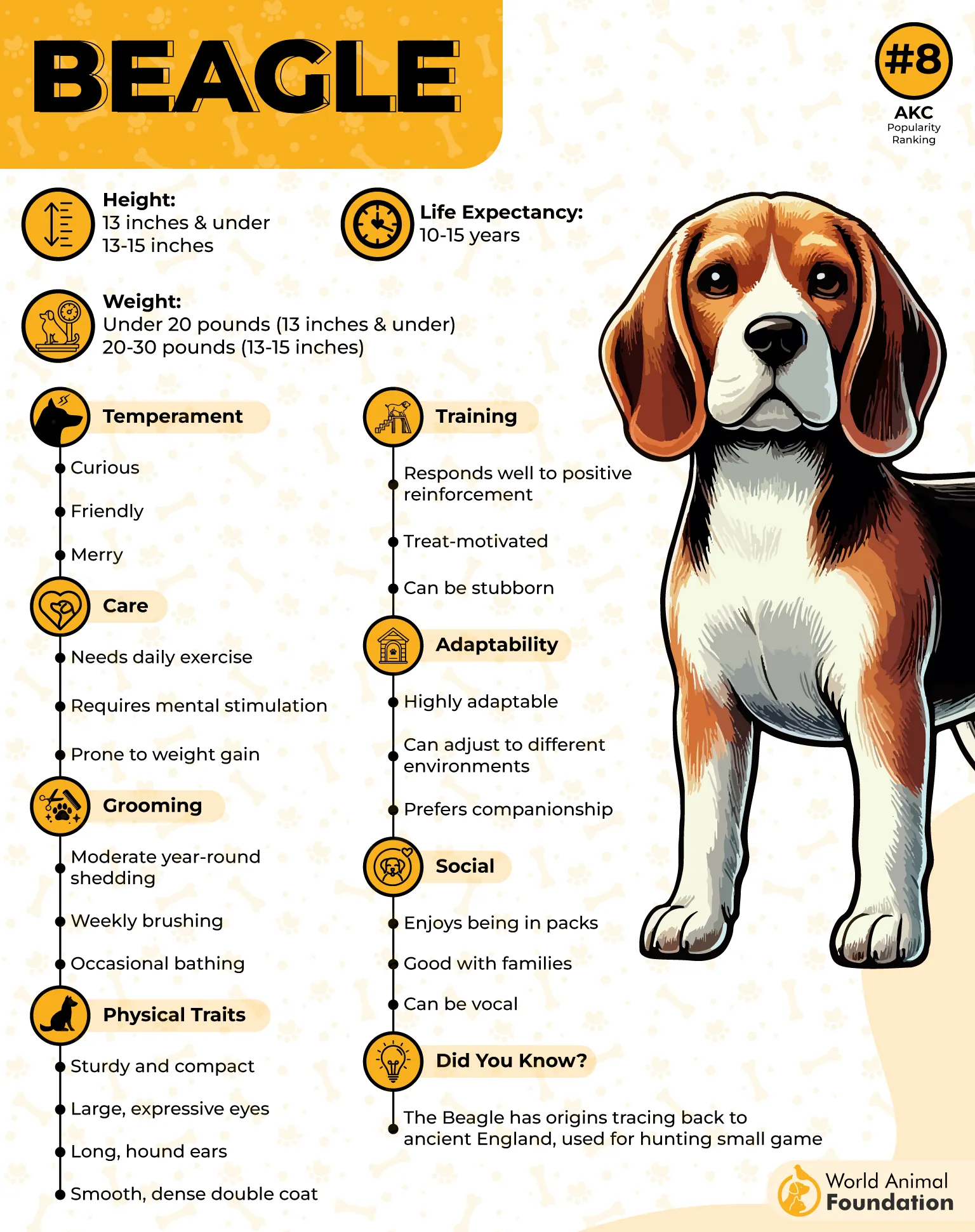
Purina mentions that training them can be both fun and challenging because their noses often override their attention spans. Food-based rewards are extremely effective for obedience training. They are extremely food-driven, which makes training easier if you use treats correctly. They respond fast to rewards, especially in basic obedience and recall training.
In modern households, some of the most popular dog breeds are loved for their cheerful personalities and endless curiosity. They bring a sense of playful chaos that many owners find endearing. Walks, scent games, and interactive toys are essential to keep them balanced.
In 2026, enrichment-based pet care is a major trend that fits Beagles perfectly.
9. Bulldog
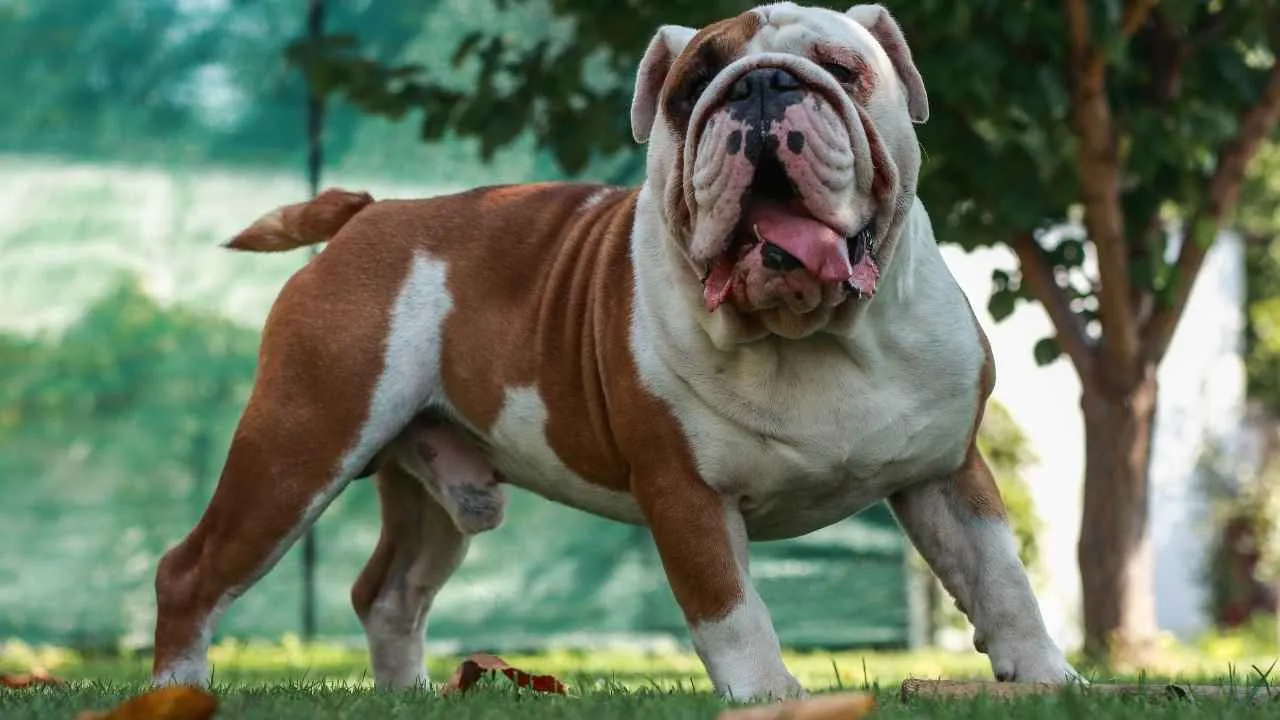
The Bulldog is a calm, sturdy breed known for its relaxed and affectionate temperament. Despite their muscular appearance, they are gentle companions that prefer slow-paced lifestyles.
They do not require intense physical exercise, making them suitable for apartment living or low-energy households. Short daily walks and indoor relaxation are typically enough for their needs.
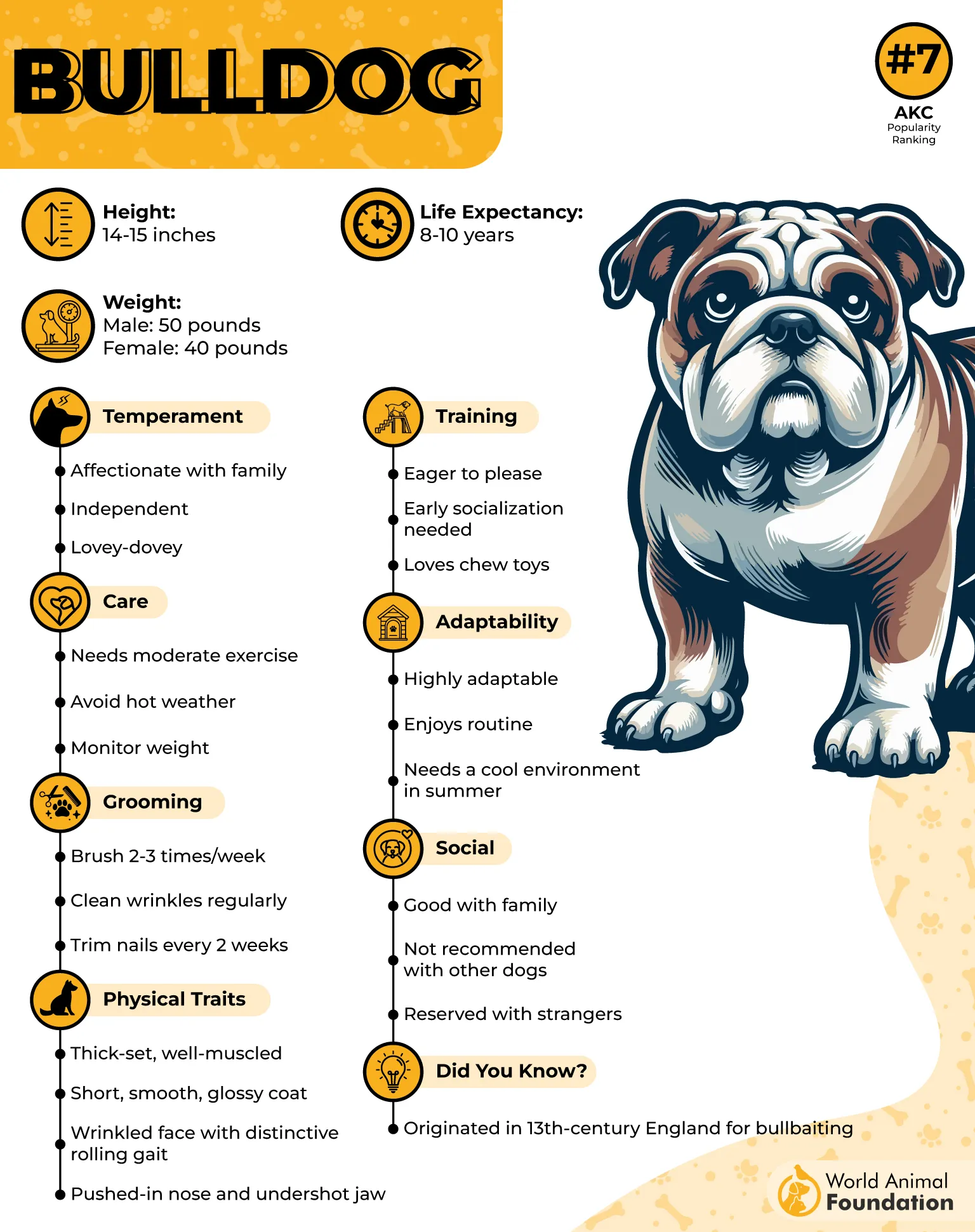
Despite their calm temperament, they are known for their stubbornness and deep loyalty. Once bonded, they become incredibly attached to their owners and family environment. Many owners report that they are surprisingly sensitive to changes in tone and routine. This emotional awareness helps strengthen their bond with their pet parents.
These loyal dogs are among the best urban companions because they don’t need intense exercise. A couple of short walks and some indoor lounging time are usually enough for them. In 2026, more people live in apartments and compact homes, and Bulldogs fit that lifestyle naturally.
They’re basically designed for small-space living without demanding constant outdoor activity.
10. German Shorthaired Pointer

The German Shorthaired Pointer (GSP) is an athletic and high-energy sporting breed designed for endurance and versatility. They excel in hunting, running, and agility-based activities.
They require significant daily exercise, often exceeding long walks, runs, or structured play sessions. Without proper activity, they can become restless and highly energetic indoors.
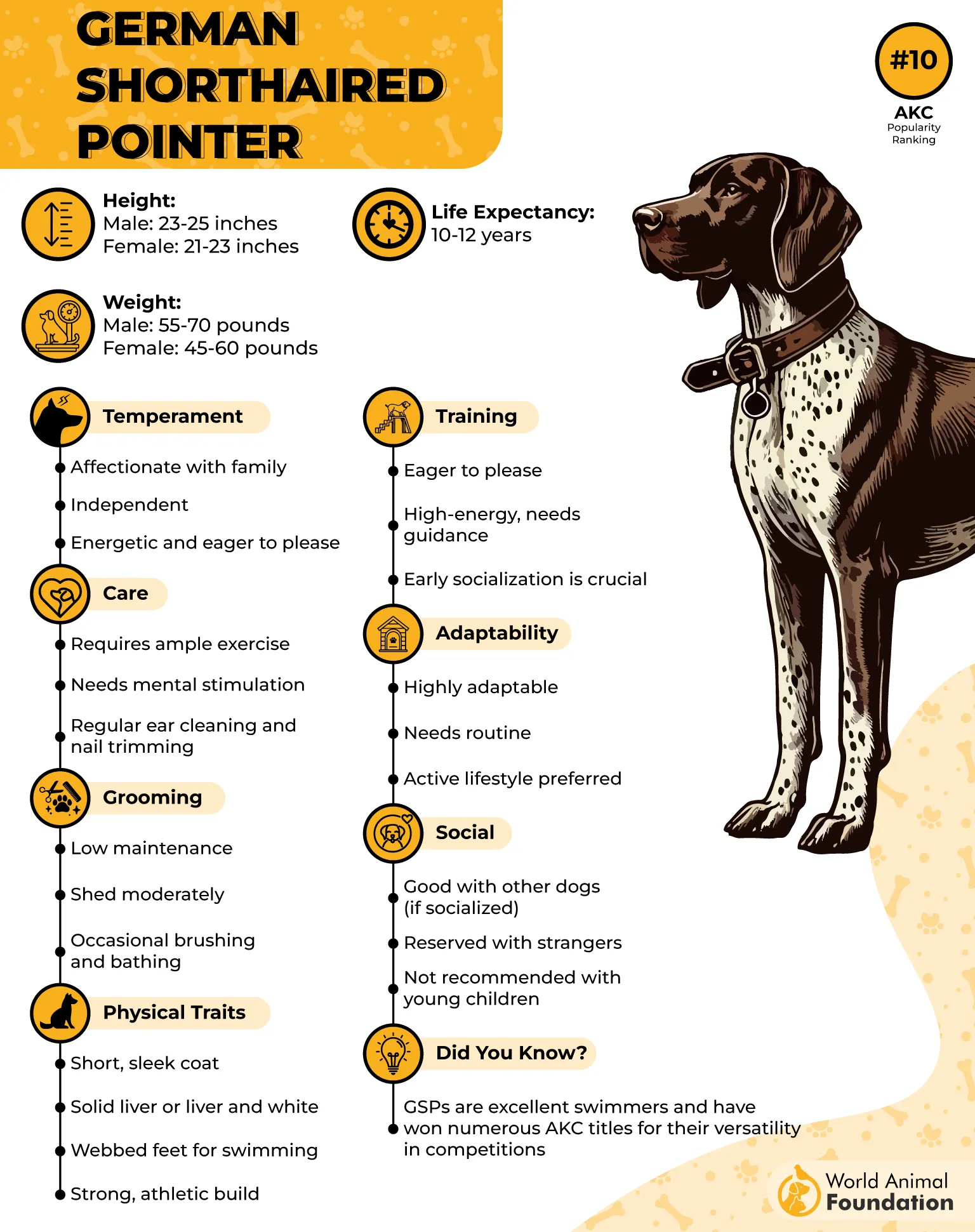
Their intelligence makes them quick learners, says the AKC, especially in environments that challenge both body and mind. After proper training, they thrive in active families when given structured tasks or outdoor adventures. Even though they were originally hunting dogs, modern GSPs are now used in multiple roles:
Search and rescue work
Canine sports competitions
Therapy and structured service training in some cases
Their adaptability makes them attractive to people who want a multi-purpose, intelligent dog.
Social media has played a big role in their popularity. Platforms like Instagram and TikTok are full of GSPs hiking mountains, swimming in lakes, and joining camping trips.
This “adventure dog aesthetic” has become a lifestyle trend in 2026. People don’t just want pets anymore—they want companions that can join their experiences.
Conclusion
The definition of “cool” in dogs has completely evolved in 2026. It is no longer about rarity or appearance alone—it is about lifestyle compatibility, emotional intelligence, and adaptability to modern human routines.
From the viral charm of French Bulldogs to the elite discipline of German Shepherds, each breed represents a different expression of companionship. Some bring calm energy, some bring athletic intensity, and others bring emotional warmth that fits perfectly into everyday life.
What remains consistent is one truth: the coolest dog is not the most popular one, but the one that fits your life rhythm, energy level, and emotional needs. That is what truly defines modern pet culture.
