




Some dogs were built to do more than play fetch in the backyard. Hunting dogs have long been valued for their sharp noses, steady focus, and ability to follow birds and prey across fields, woods, and rough ground. While each breed brings something different to the hunt, the best tracking dogs often share key traits like stamina, trainability, and a strong working drive.
For pet owners, hunters, and dog lovers alike, learning about these breeds can be both practical and fascinating. Some are known for pointing and flushing birds, while others shine when following scent trails or retrieving game with care. Their skills did not appear by chance. They come from generations of breeding for specific jobs in the field.
In this guide, you will discover top hunting dog breeds for tracking birds and prey, along with what makes each one special, how they work, and why they still earn so much respect today.
Top Hunting Dog Breeds for Tracking Birds and Prey
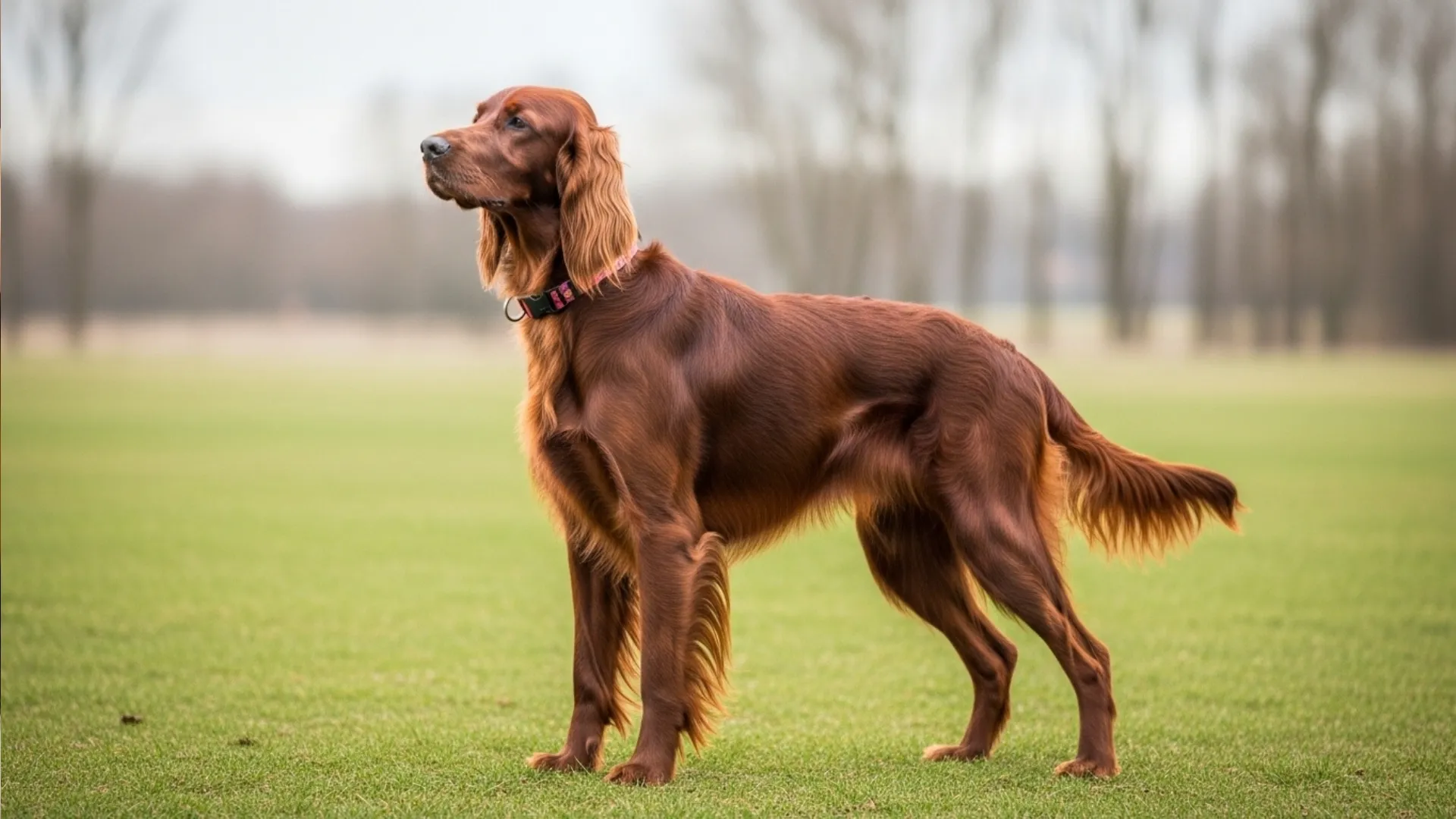
1. Irish Setter
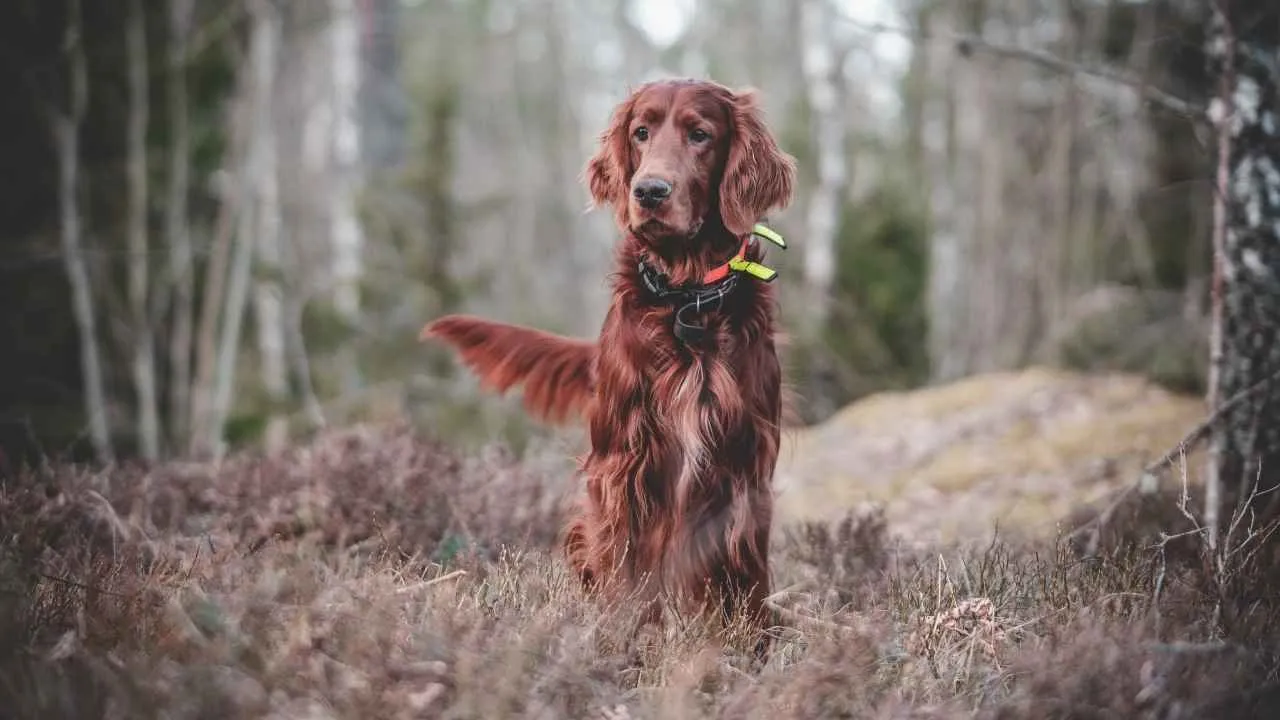
The Irish Setter is known for grace, speed, and a lively attitude in the field. This pointing dog was originally bred to help people locate game by scent, then hold position so hunters could move in with confidence, according to Britannica.
Its long stride and alert posture make it well-suited to tracking birds across open ground. This breed does best with active dog owners who understand its energy and focus.
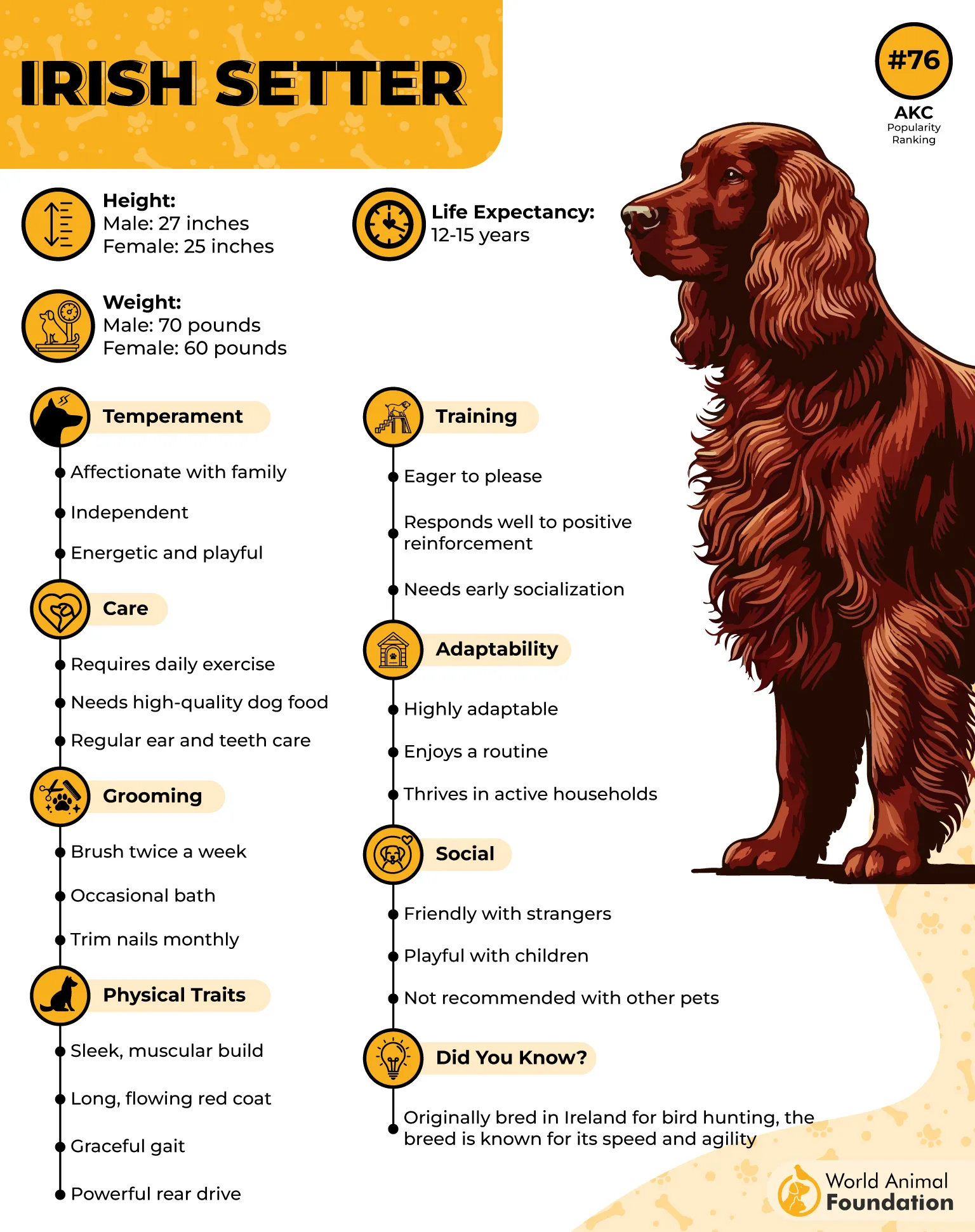
An Irish Setter is eager to please, but it needs proper training and regular time outdoors to stay balanced and responsive. When its mind and body are busy, it becomes a more reliable hunting companion.
In day-to-day life, the Irish Setter is warm, social, and full of movement. It can live happily with other dogs and often settles into home life as a family dog when exercise needs are met. Its field ability, natural drive, and stylish movement keep it respected among people who enjoy hunting birds.
Why This Breed is a Good Fit
Great for tracking birds when you want a dog that works with speed and style, not just enthusiasm.
Brings field talent and friendly home manners, which is a pretty nice combo.
A smart pick for people who want hunting ability without giving up a fun, social companion.
2. Brittany Spaniel
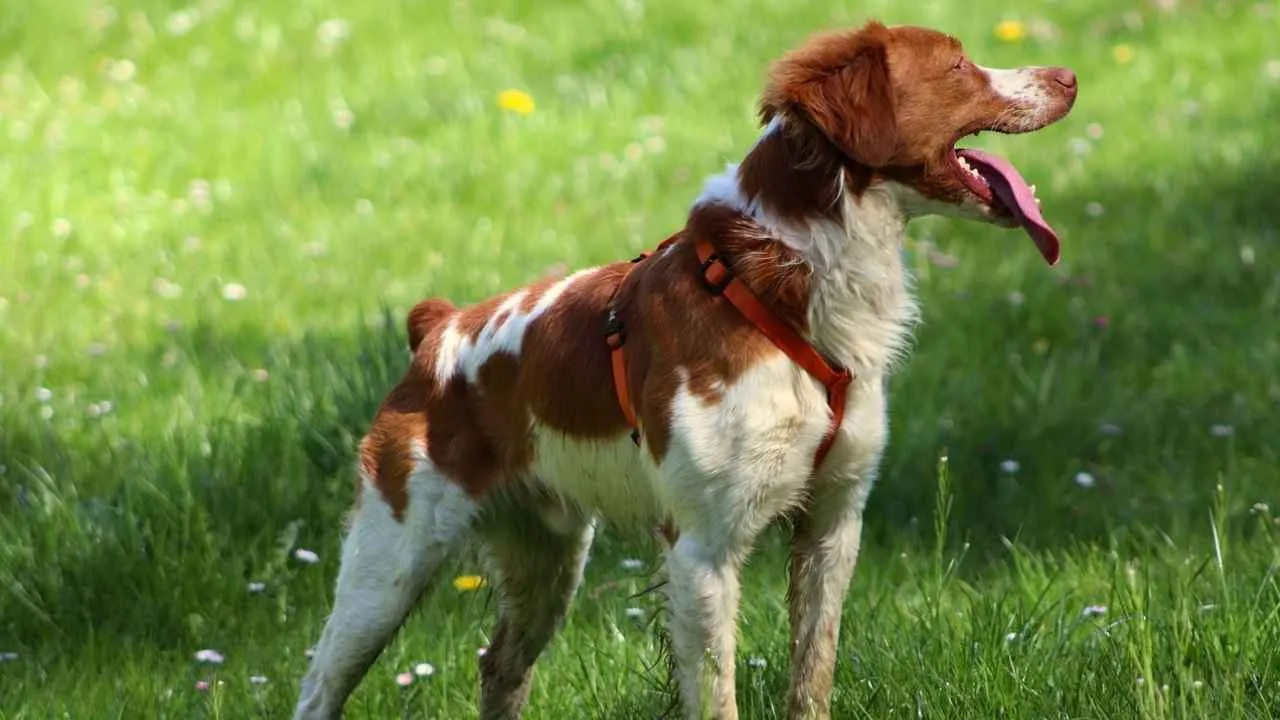
The Brittany is built for motion, with a light frame, long legs, and the stamina to keep moving across rough ground. Its dense coat helps it stay cleaner in wet or dirty cover, which supports a practical hunting style during long days outside.
This bird dog is quick on its feet and well-suited to covering large areas while tracking birds. Personality is one of the breed’s biggest strengths. Brittany is bright, friendly, and easy to train, with a nature that is eager to please and closely tuned to people.
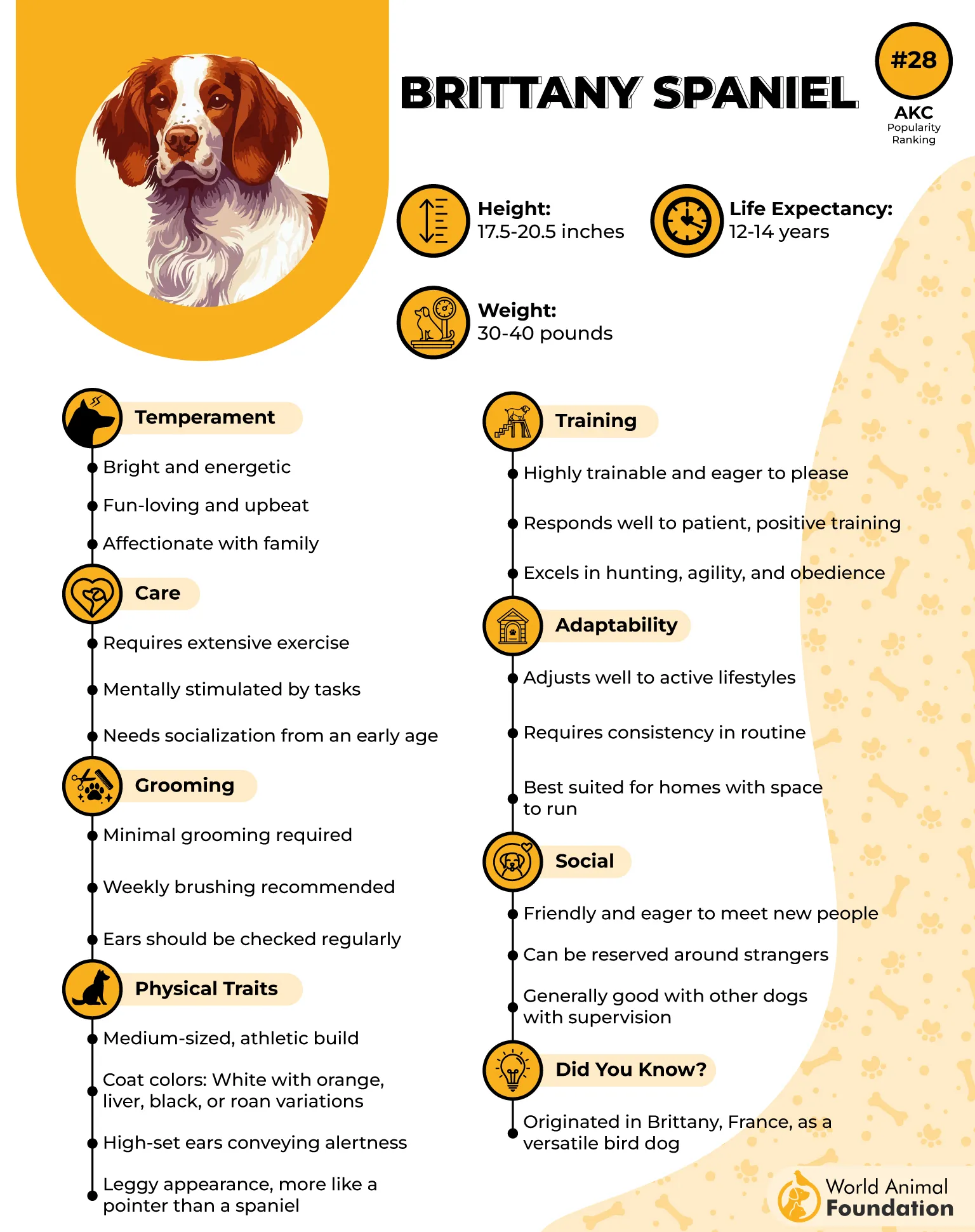
That mix makes it useful in hunting tasks and pleasant to live with when daily activity is part of the routine. The breed came from the French province of Brittany and was first known as the Brittany spaniel, according to AKC.
It later became simply Brittany, and the American Kennel Club recognizes it as a utility gun dog that can hunt, point, flush, and retrieve. Because it is social and generally good with other pets, it also fits well into active homes.
Why This Breed is a Good Fit
Handy for tracking birds because it can move fast, stay focused, and still work closely with people.
It’s all-around skills suit changing hunting scenarios without making the dog feel one-note.
If you like a dog with talent and a cheerful attitude, this one rarely shows up in a bad mood.
3. German Shorthaired Pointer
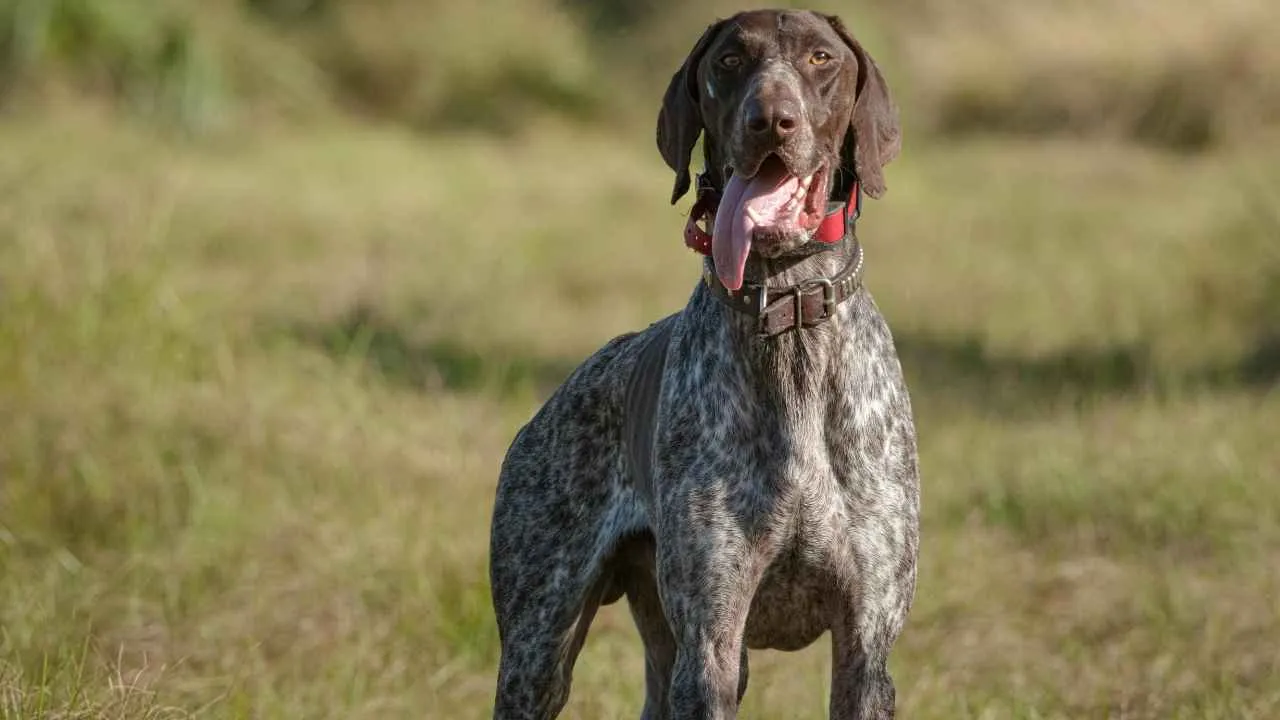
The German Shorthaired Pointer is an athletic hunting breed with a sleek coat and a body made for long hours outside. It was developed from dogs that could trail mammals and point birds, which gave it a very flexible hunting style.
That background still shows today in its drive, alertness, and confidence while tracking birds. In the field, this dog likes action and tends to explore with purpose. It is a gun dog with strong instincts, a serious prey drive, and the kind of focus that suits bird hunters working through brush for game.
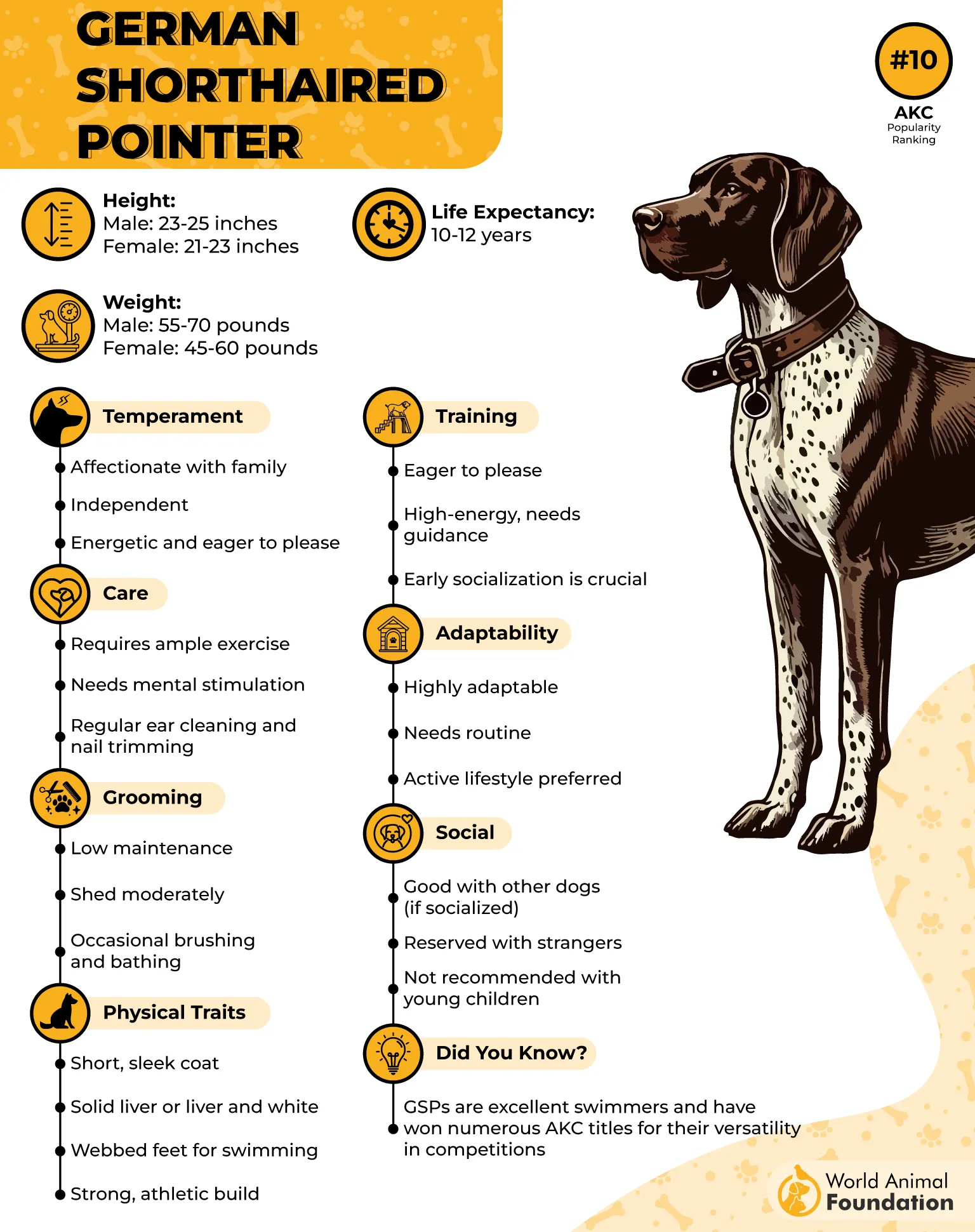
The breed was shaped for many jobs, including pointing and retrieving, and that broad skill set helped it stand out in the dog world. At home, the German Shorthaired Pointer is playful, intelligent, and usually good with children and other dogs, according to Hill’s Pet.
It needs real exercise every day, and without it, boredom can show up fast. With a yard, family time, and room to move, this breed becomes a lively but steady hunting companion.
Why This Breed is a Good Fit
Strong choice for tracking birds when you want energy, range, and plenty of field drive.
Handles active outdoor life with ease, which makes lazy weekends a little less likely.
Good match for people who want a hunter first, but still enjoy a social dog at home.
4. Basset Hound
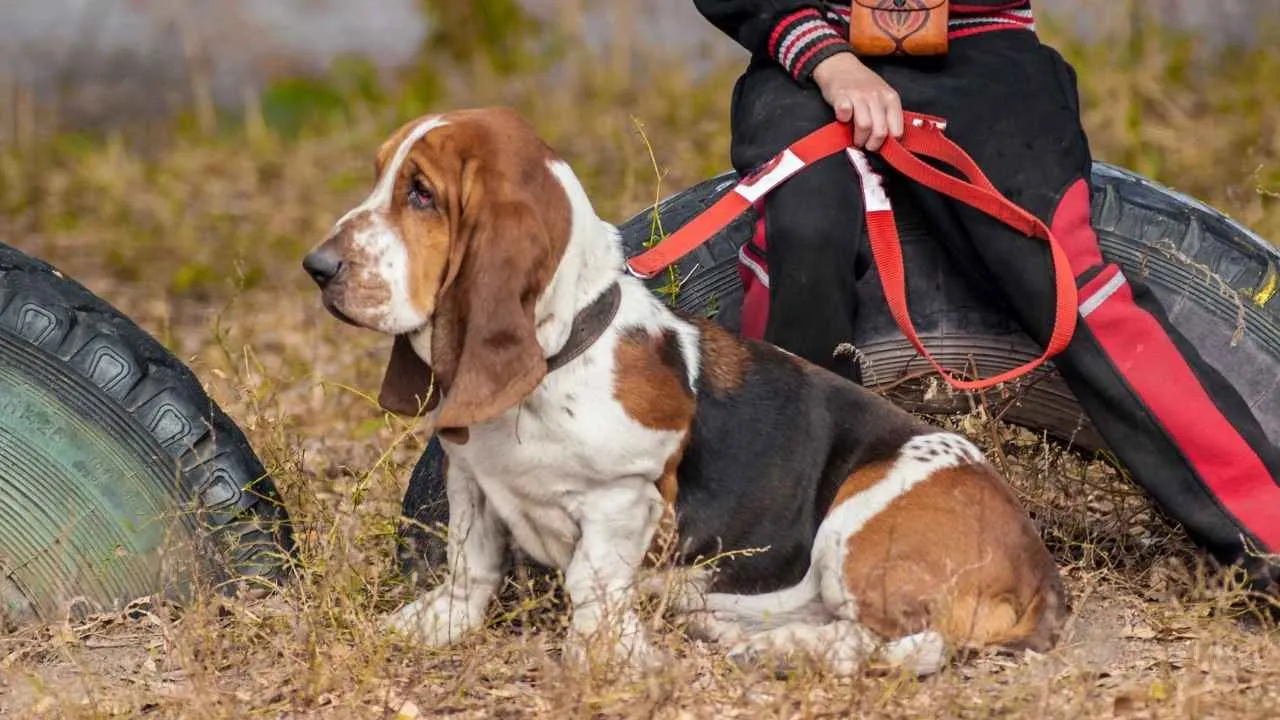
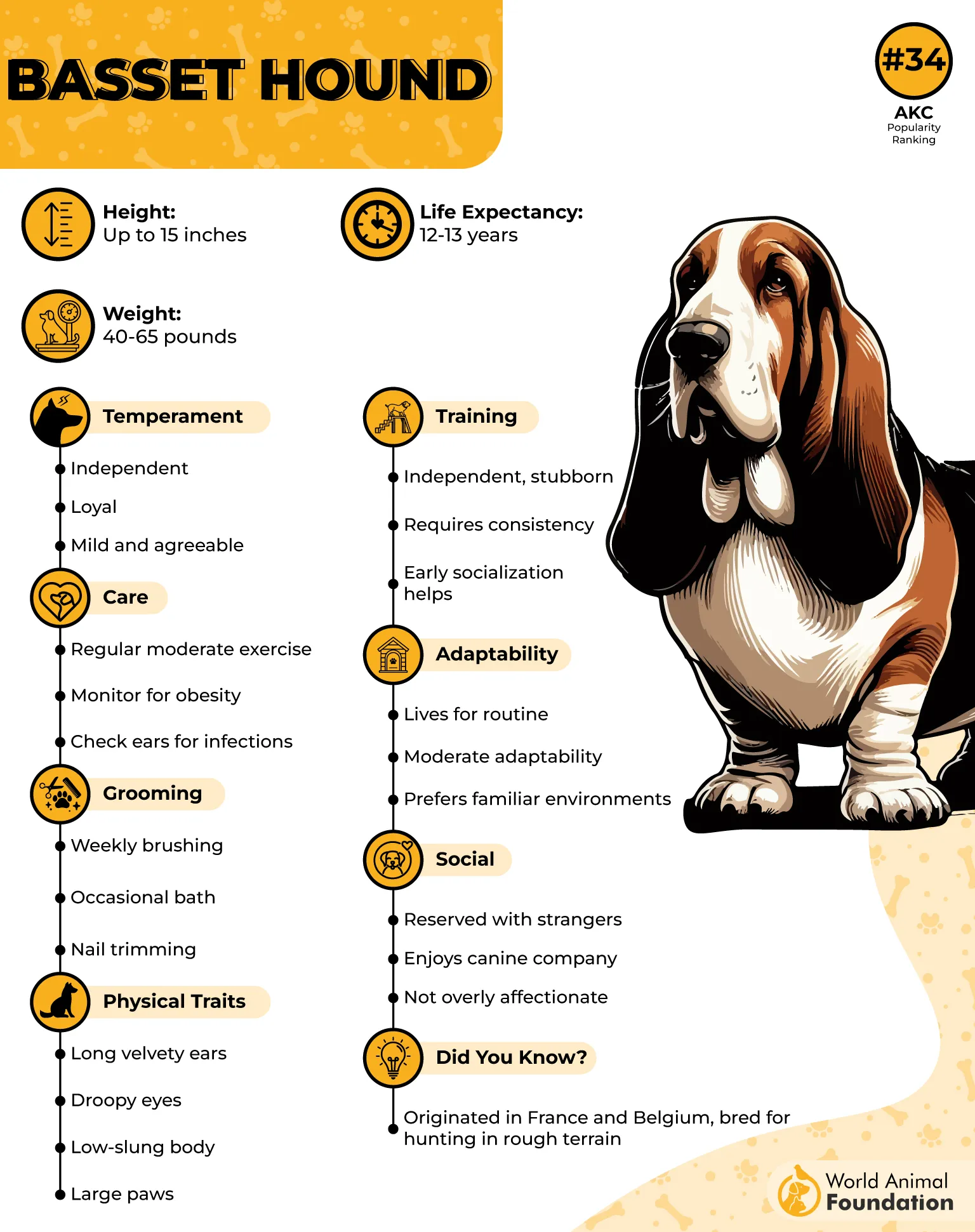
The Basset Hound was bred in France to hunt rabbits and hares, and its low build reflects that original purpose. Its strong nose is one of its most useful tools, and that steady scenting ability supports tracking birds and prey in a slower, ground-focused way.
Even with its relaxed look, this breed was shaped for scent work. Today, most Basset Hounds are kept as companion pets, but the old hunting instinct still matters.
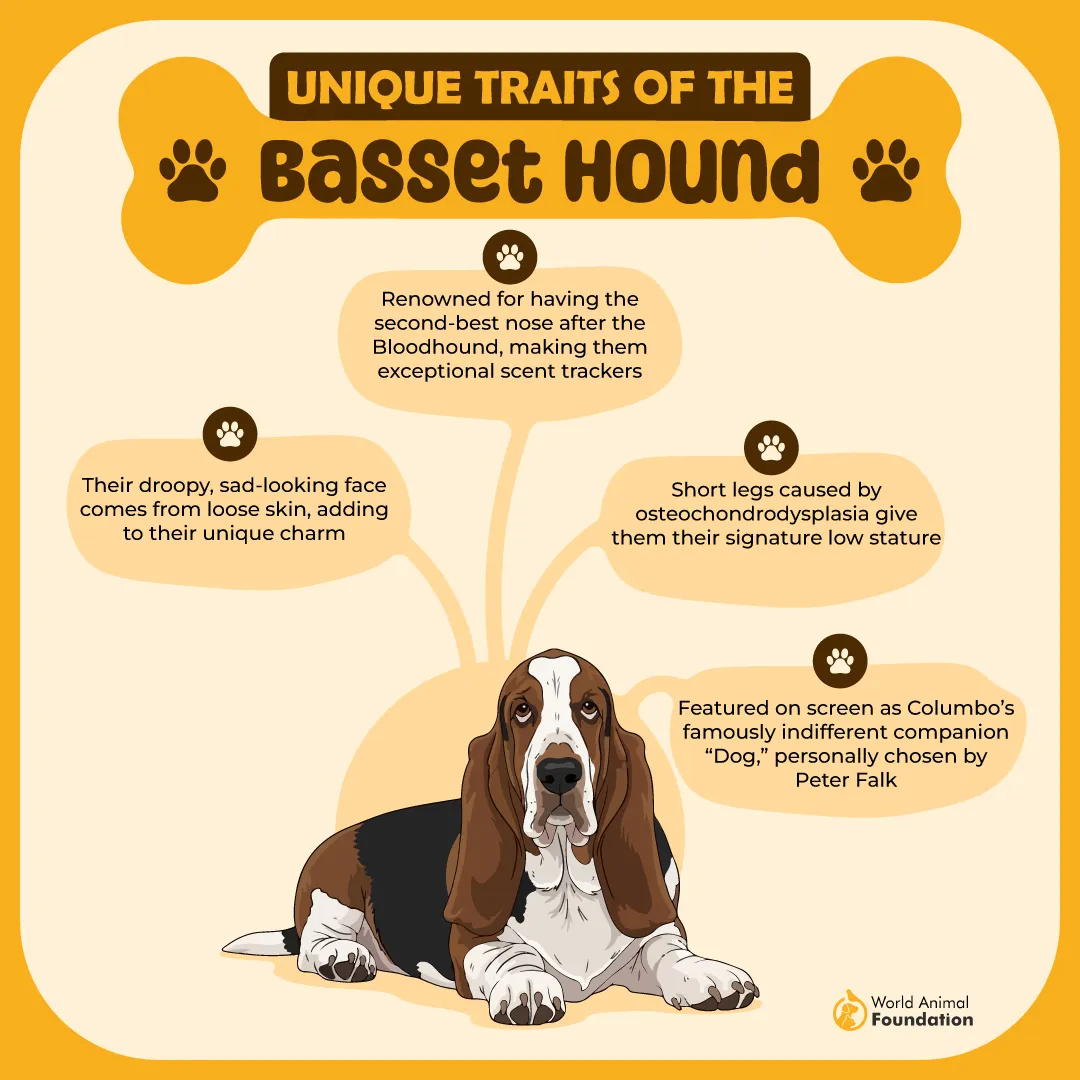
They are friendly, good-natured, and easy to recognize by their short legs, long ears, wrinkled face, and smooth coat. Their nose can pull them into trouble, so walks and fenced spaces are still important.
This breed is lower in energy than many hunting breeds, though it still needs daily activity. Grooming is simple overall, but the coat sheds regularly, and the droopy face may need a little extra care.
For people who like calm dogs with a serious nose and a bit of comic charm, the Basset Hound has its own special place.
Why This Breed is a Good Fit
Useful for scent-based work when tracking birds or prey matters more than speed.
Brings a slower, steadier approach that some people find easier to handle.
Looks sleepy, follows smells like a detective, and somehow makes both feel normal.
5. Weimaraner
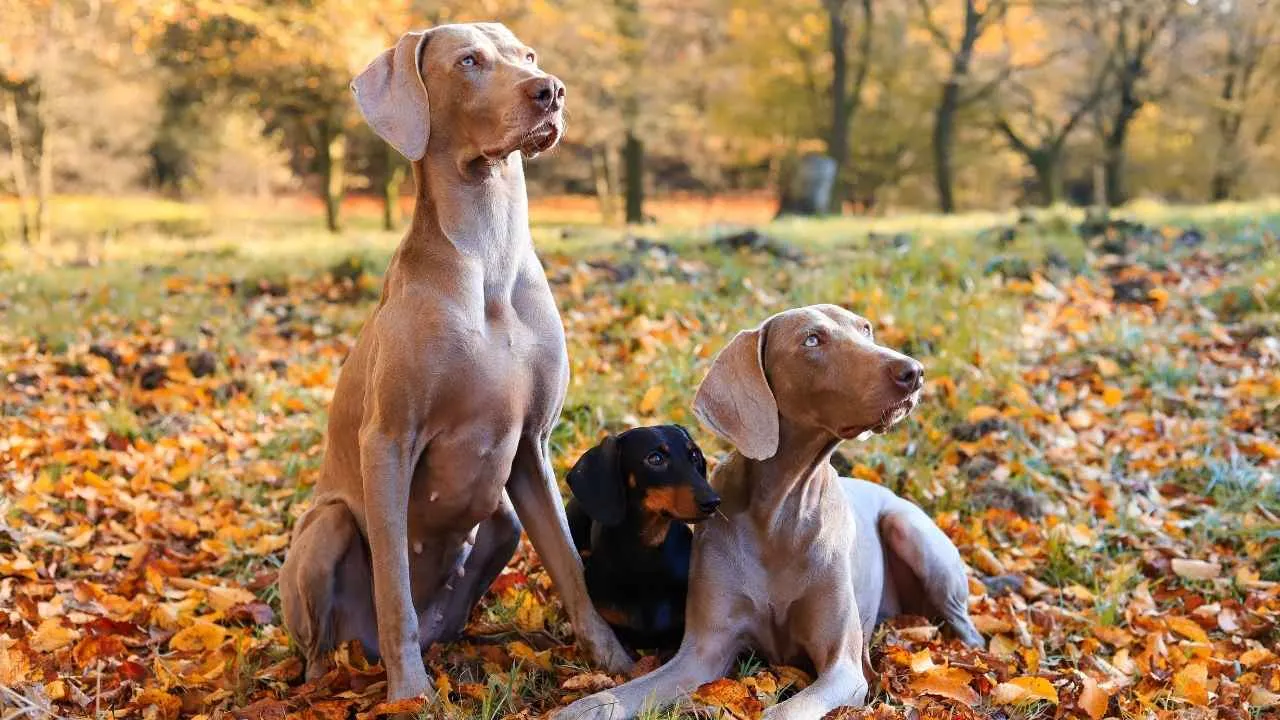
The Weimaraner was bred as a hunting companion for nobility and still carries that strong sporting spirit. It is a large, active dog with a short grey to silver coat, a sleek outline, and a deep need for movement.
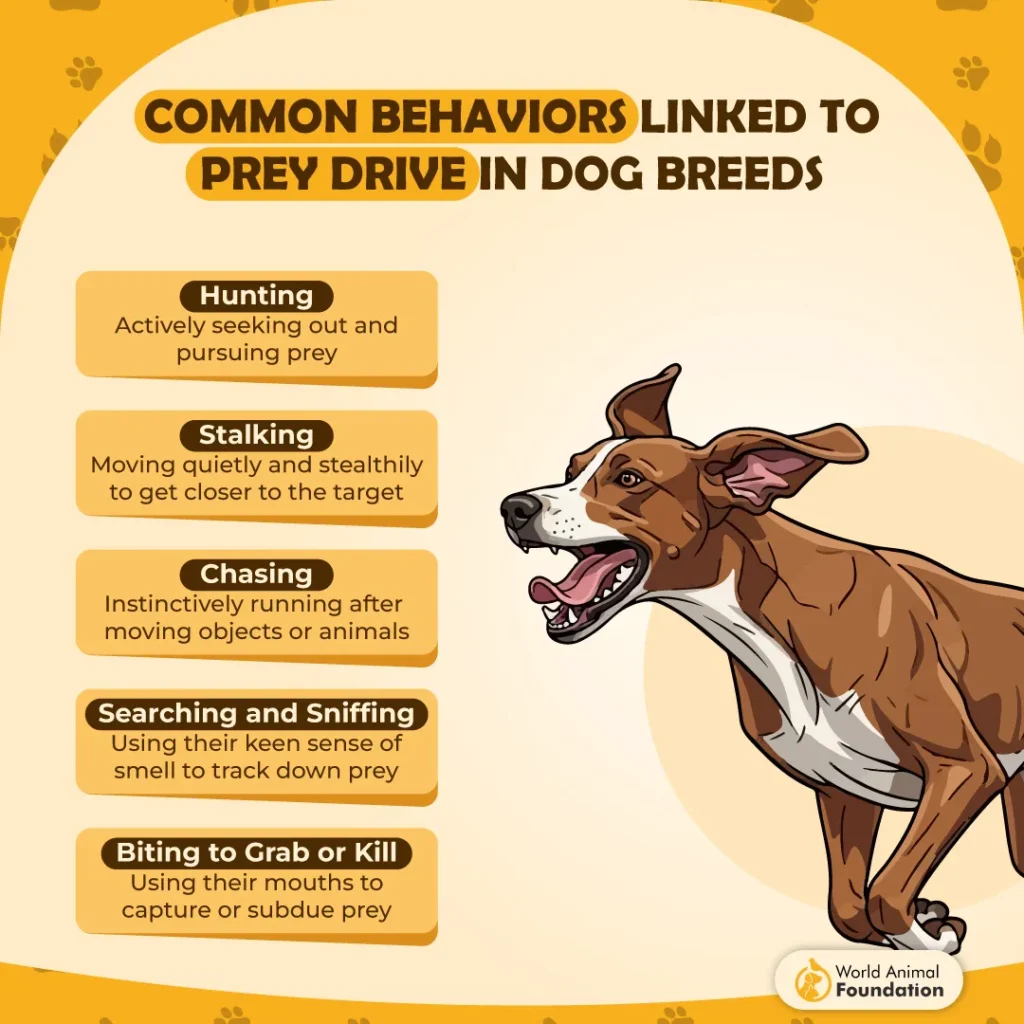
In the field, its energy and drive support a bold hunting style that suits tracking birds and prey. This breed is happiest with people who live an active life and enjoy regular outdoor time.
A Weimaraner wants both physical exercise and mental stimulation, so it does best when there is a clear outlet for that energy. Its friendly and obedient nature also helps when consistent guidance is part of daily life.
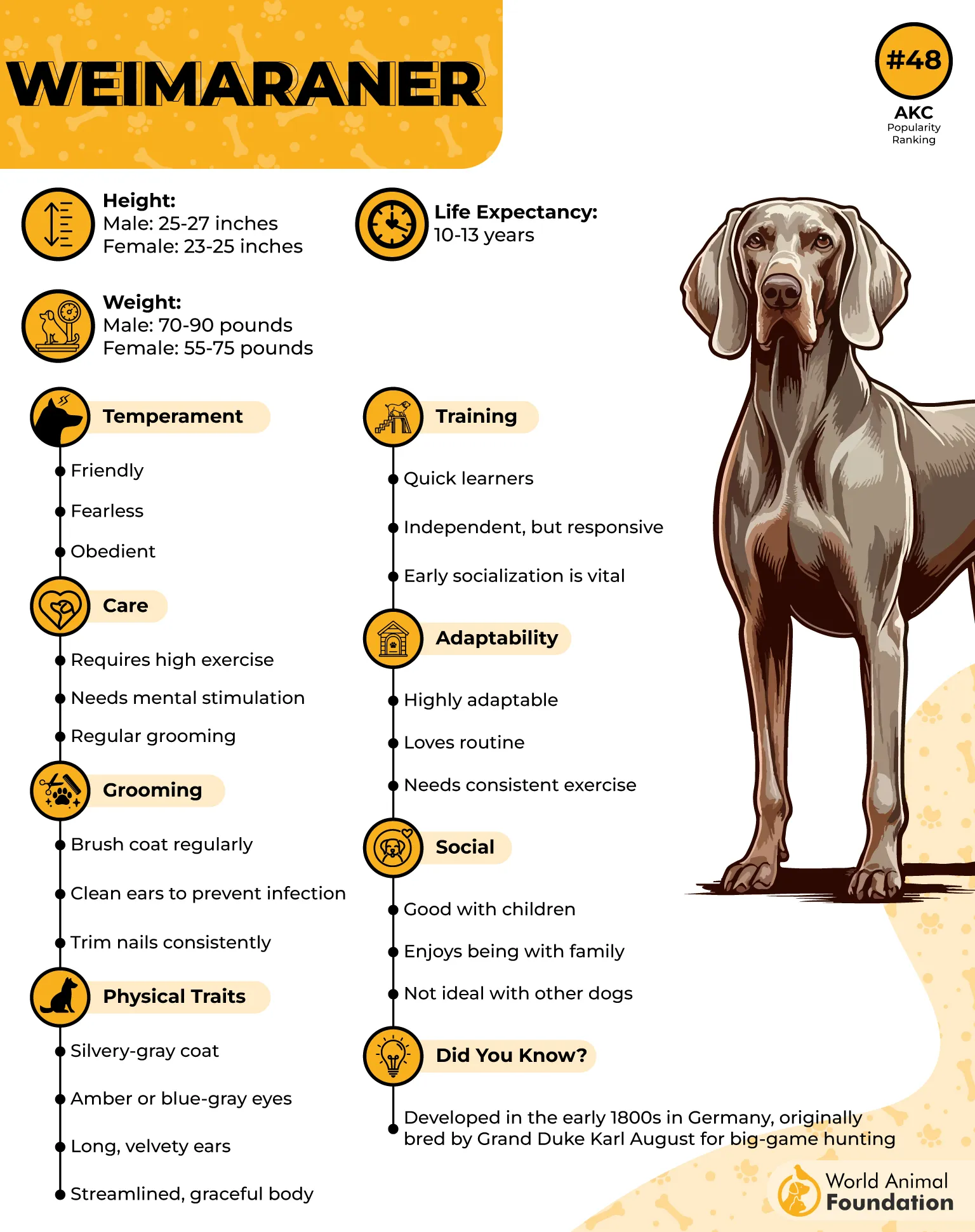
The breed was named for the Grand Duke of Weimar and was once kept under strict control in Germany. That careful breeding helped preserve its purpose and character over time.
Today, the Weimaraner remains a striking hunting companion for people who want a dog that is as serious about the field as it is about staying close to its humans.
Why This Breed is a Good Fit
A strong option for tracking birds if you want speed, stamina, and a dog that loves action.
Works best for people who actually enjoy long walks, not just talking about them.
Combines field focus with close attachment, which keeps the partnership feeling personal.
6. English Pointer
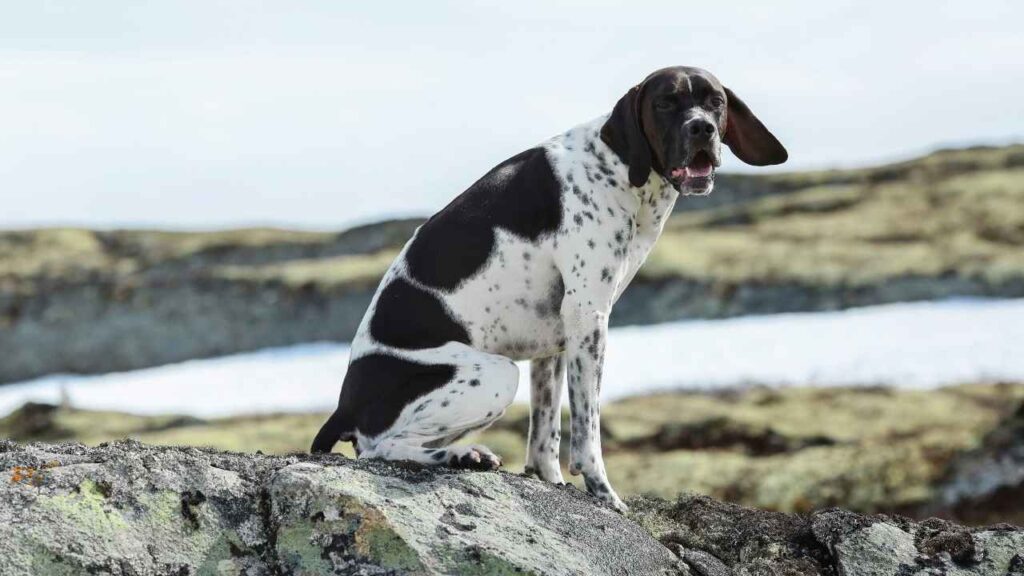
The English Pointer is a sleek, graceful gun dog with a strong hunting instinct and a classic pointing pose. When it catches scent, it freezes with purpose and directs the hunter toward game, which makes tracking birds a central part of its role.
This breed has long been valued for speed, endurance, and excellent noses. Pointers were used in Europe as far back as the 1600s and became trusted companions for hunters over time.
They proved skilled at both pointing and tracking, especially when working game on open land. That history helps explain why the breed still feels so natural in the field. At home, personality can vary depending on line, but exercise is always important.
Some are calm with children and fit family life well, while others are more intense and independent. Their short coat is easy to care for, though they do need protection from very cold weather.
Why This Breed is a Good Fit
Built around tracking birds, so the main job in this article is exactly where it shines.
Great for people who like a dog that works with focus instead of fuss.
When this dog locks in on scent, it acts like the field just handed it a mission.
7. Bluetick Coonhound
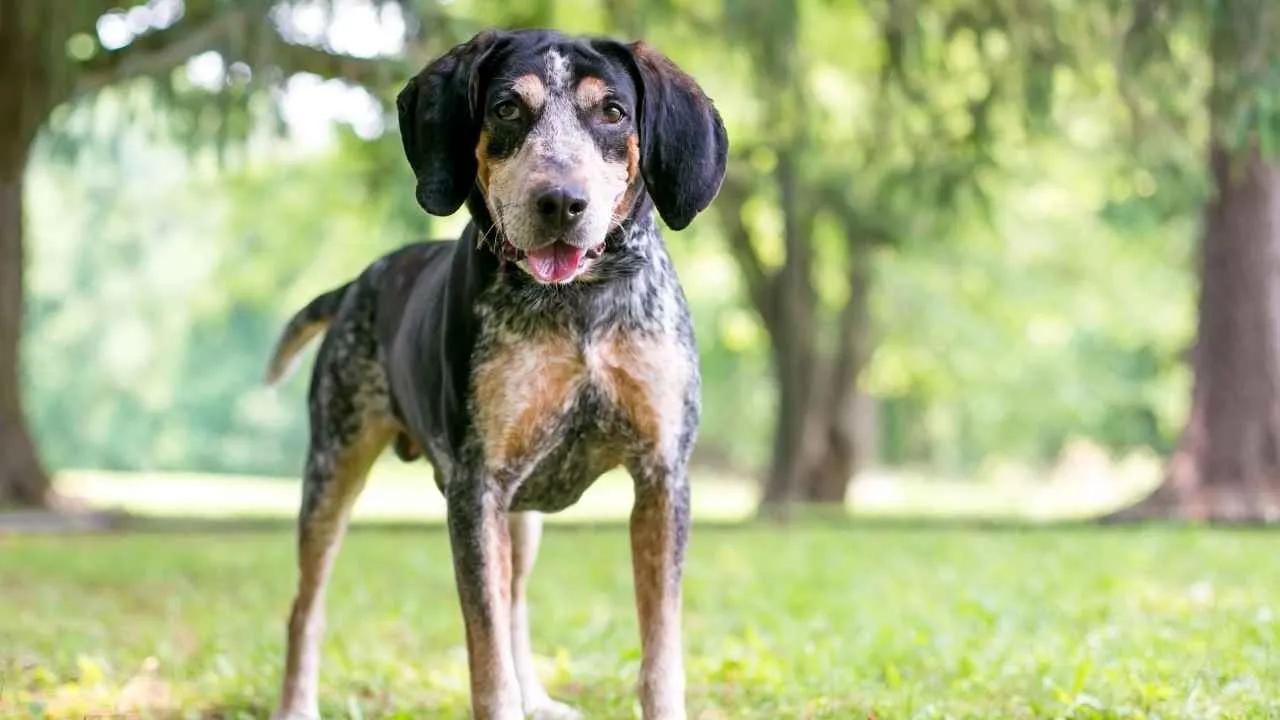
The Bluetick Coonhound is sleek, compact, and full of determination when following quarry. Its glossy blue-ticked coat and droopy ears give it a gentle look, but in the hunt, it is bold, relentless, and very serious about the job.
That strong prey drive makes it a natural choice for tracking birds and prey in scent-based work. This breed is affectionate with the people it trusts and likes being close to them.
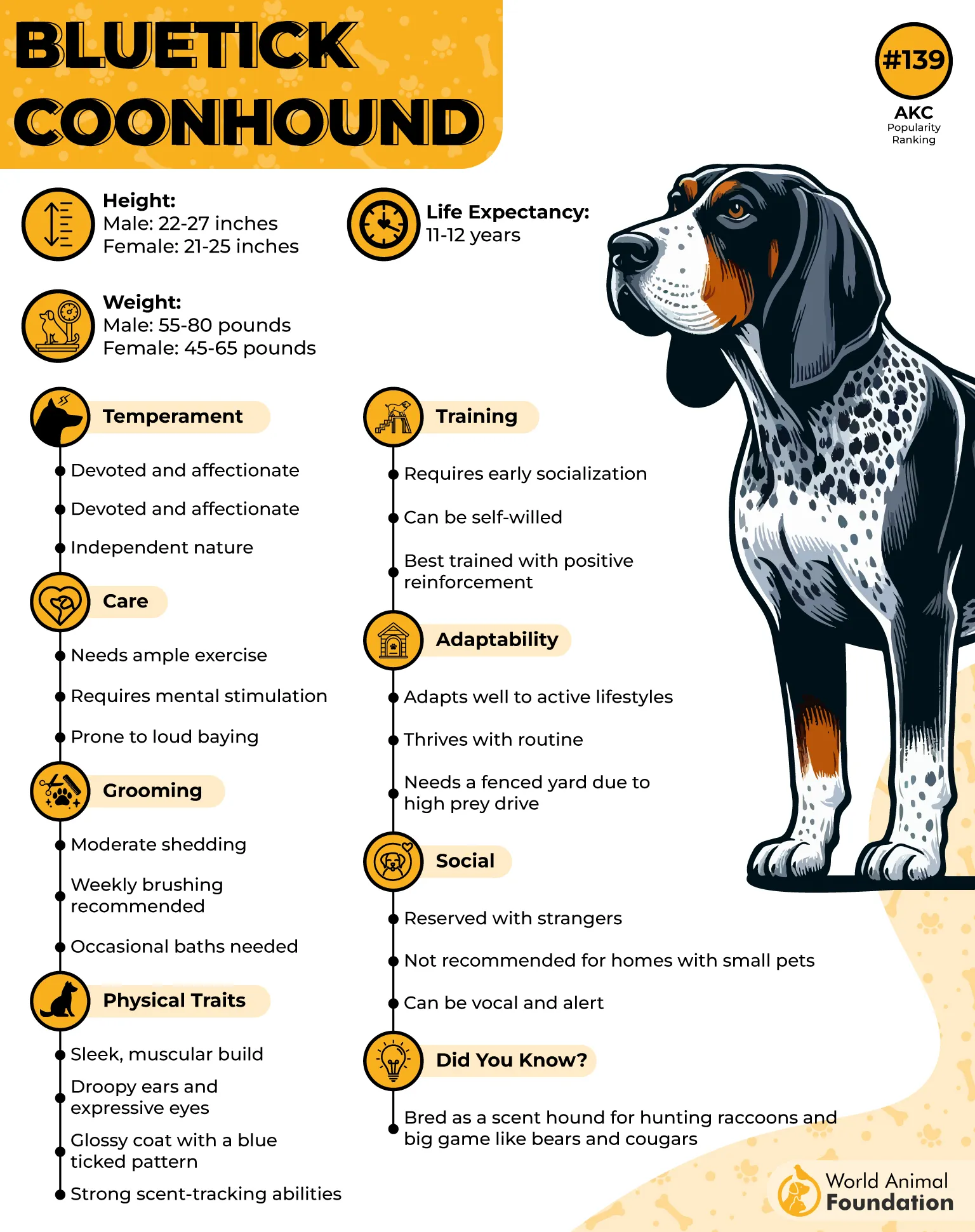
At the same time, it needs a real outlet for its instincts, because an underworked hound may turn boredom into loud behavior. The famous bark is part of the package, and not exactly subtle.
Blueticks can be charming, devoted hunting partners when their needs are met. They are not dogs that enjoy being ignored or left with nothing to do. For people who appreciate scent hounds and want a dog with heart, voice, and serious drive, this breed brings a lot of personality to the field.
Why This Breed is a Good Fit
Strong nose and steady drive make it useful for tracking birds where scent work matters most.
Best for people who enjoy hounds with purpose and do not mind a little soundtrack.
If quiet is your favorite hobby, this may test your commitment to that idea.
8. Bloodhound
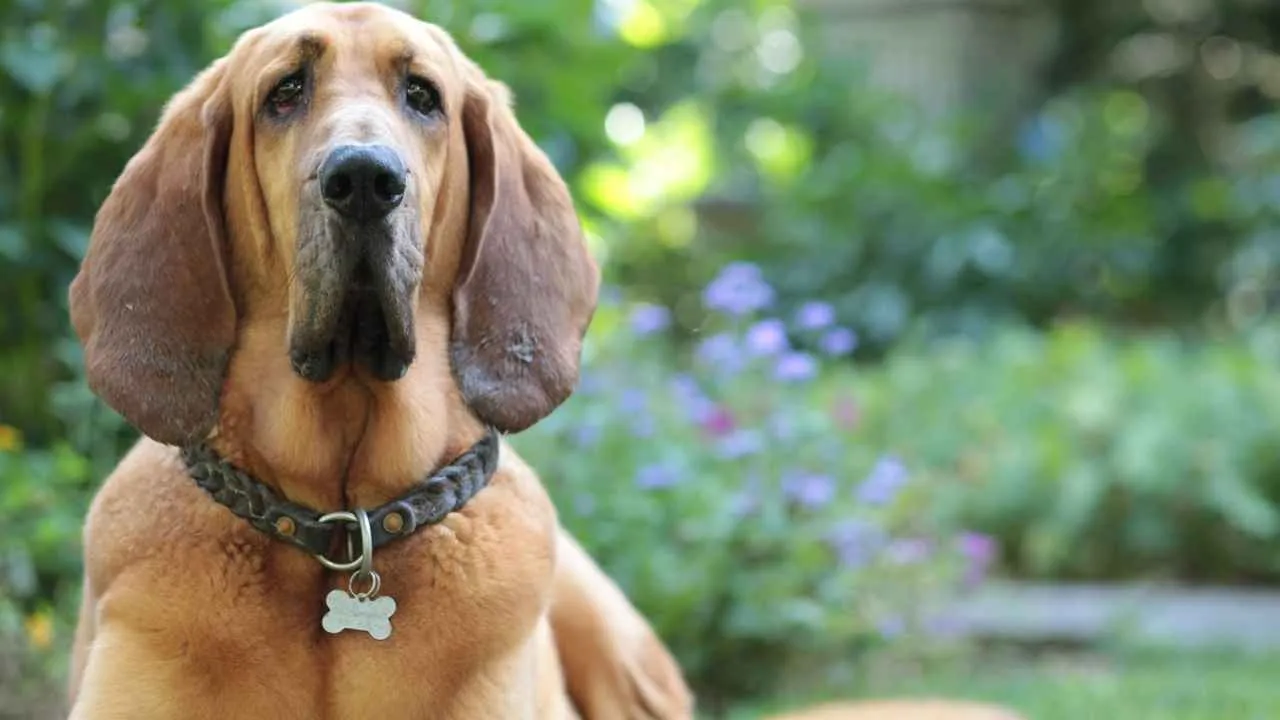
The Bloodhound is one of the oldest scent hounds and is famous for its remarkable ability to follow odor. Once it picks up a trail, it becomes deeply committed, which makes tracking birds and prey feel less like a hobby and more like a mission.
Its long history as a tracker explains why the breed is still respected in scent work. This dog is calm, affectionate, and usually gentle with people, including children and older adults.
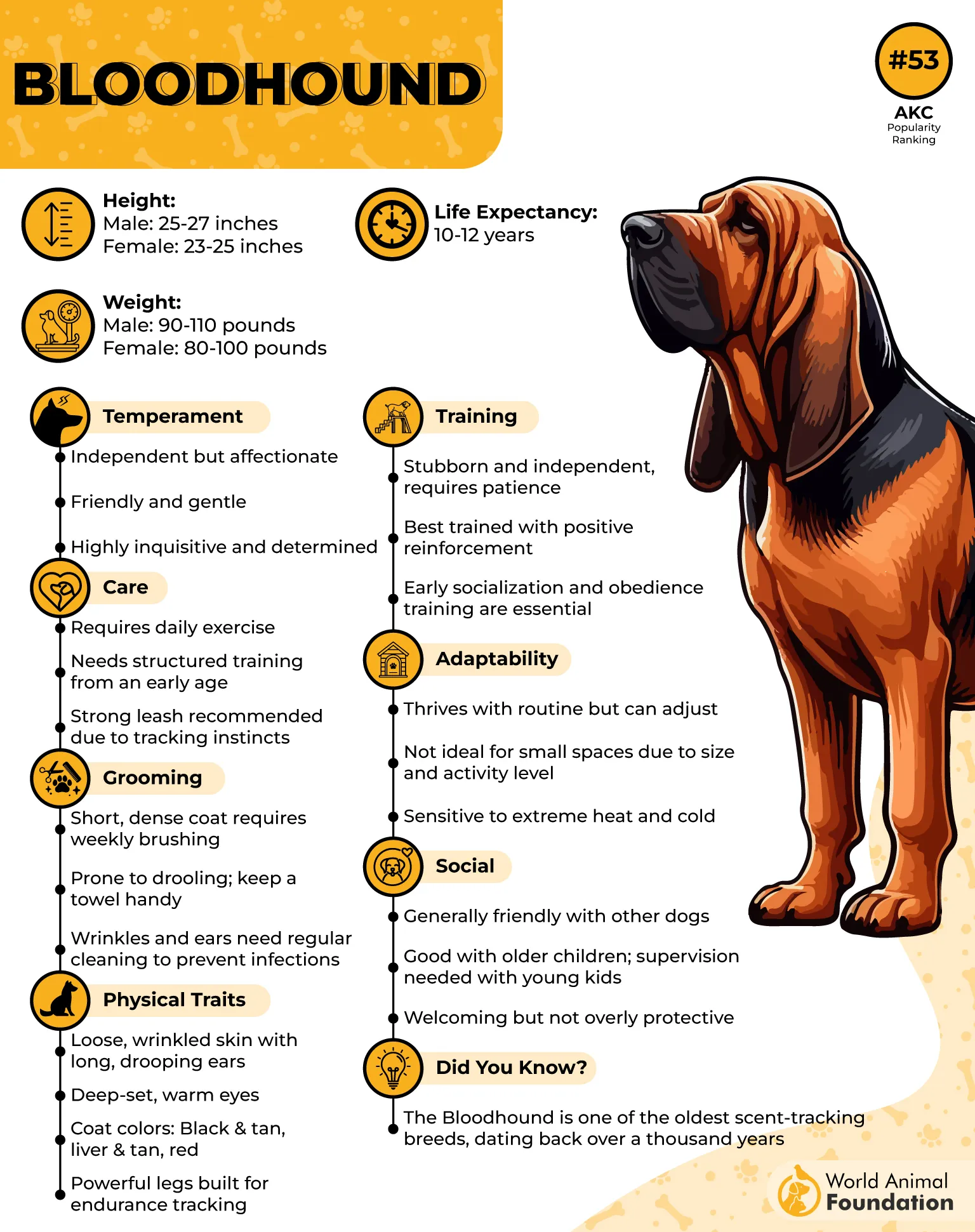
It can live well with other dogs, but its nose often takes control once it catches something interesting. Because of that, walks should happen on leash or inside a secure space.
Training a Bloodhound takes patience. It wants to please, yet it may resist commands when a scent pulls harder than your voice. Grooming is simple in some ways, though the face and chest may need more cleaning because drool is very much part of daily life.
Why This Breed is a Good Fit
A strong match for tracking birds when scent is the main challenge, not speed or flash.
Suits people who admire deep focus and can laugh when the nose wins an argument.
Not the neatest roommate, but definitely one of the most committed trackers around.
9. Beagle
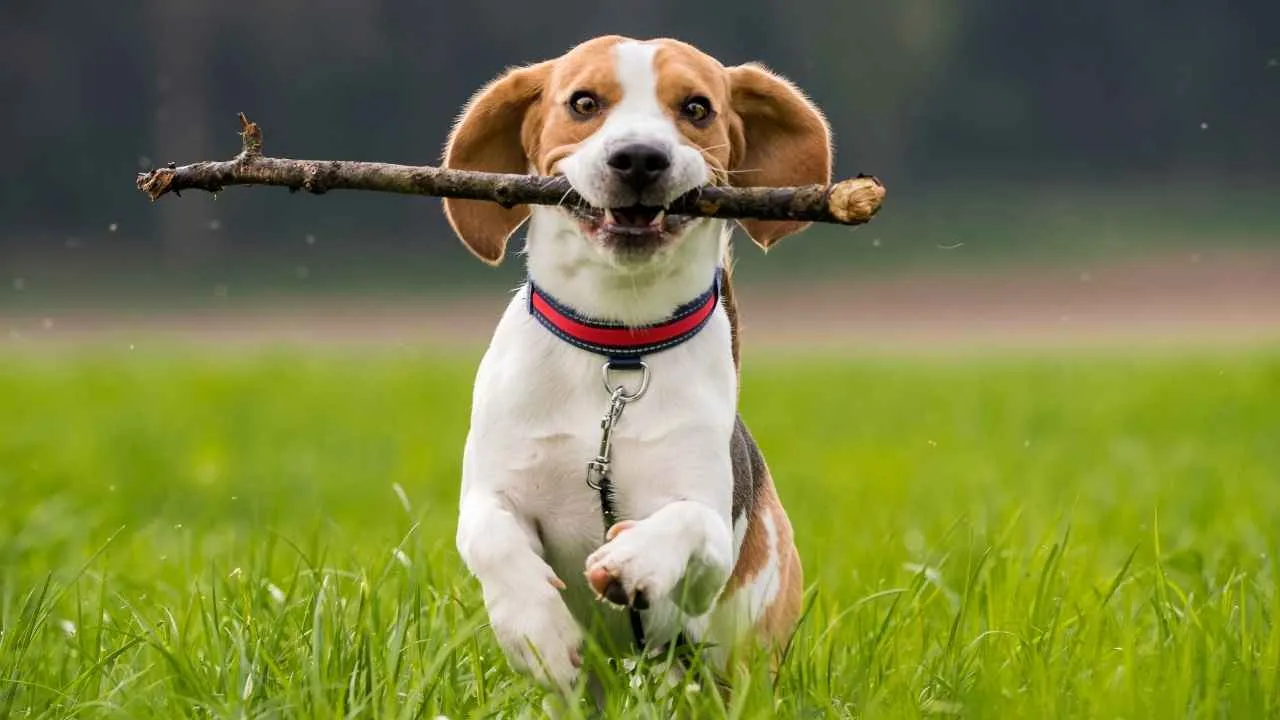
The Beagle is a cheerful hound with a strong hunting background and an easygoing nature. Bred to hunt in packs, it enjoys company and often feels happiest when life includes people, movement, and something interesting to follow.
That strong nose helps make tracking birds and prey part of what gives the breed its lasting appeal. This breed is sturdy, clever, and full of curiosity.
Beagles are energetic hounds that need plenty of playtime, and their happy-go-lucky attitude makes them lovable companions as well as capable workers. Their compact size also makes them easier to fit into many homes than some larger hunting dogs.
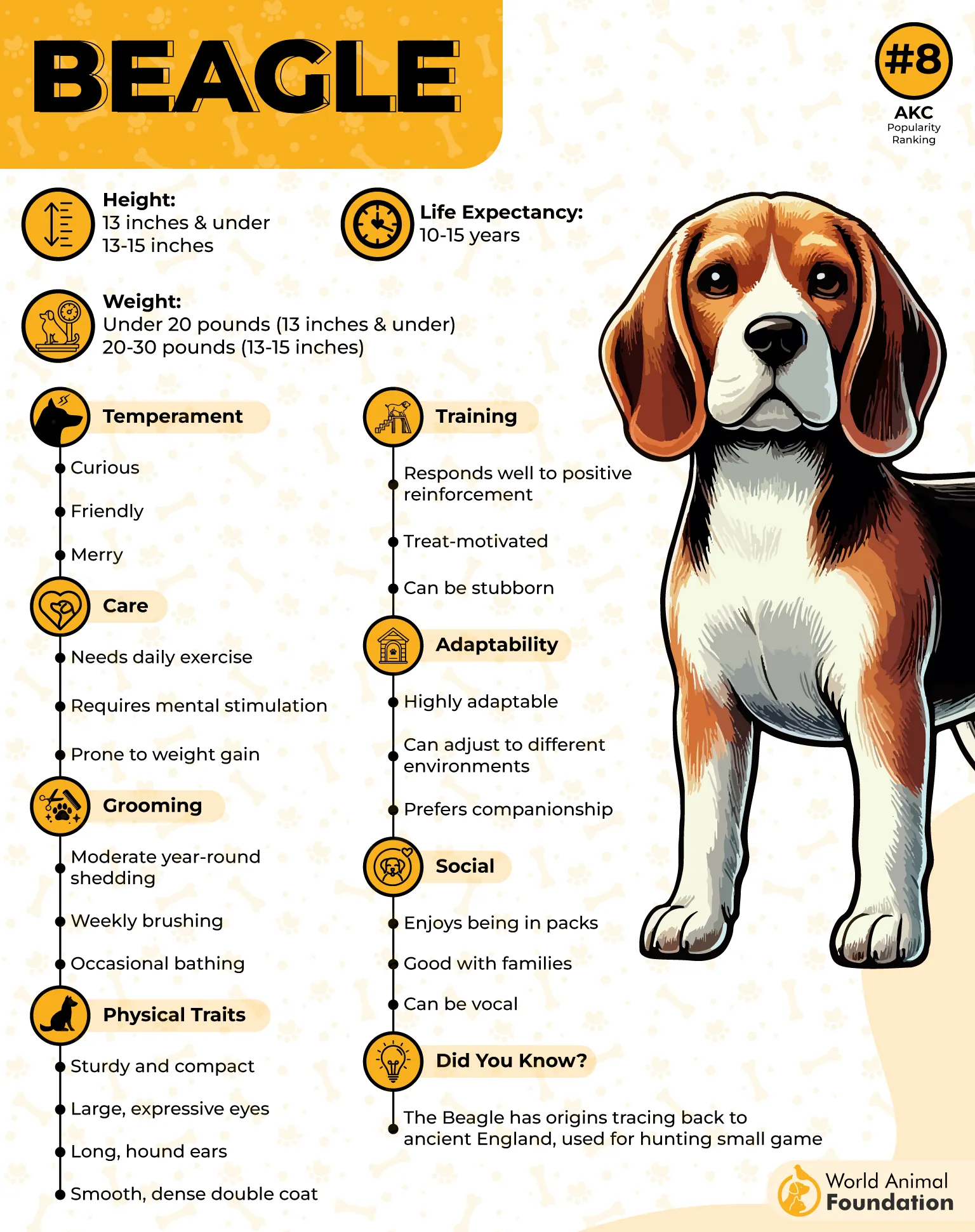
A Beagle is loyal, social, and usually fun to live with, but it is not lazy. Its expression may look sweet and innocent, yet the nose is always ready to lead the way toward adventure.
For people who want a hound that mixes charm with practical scenting ability, the Beagle remains an easy breed to understand and enjoy.
Why This Breed is a Good Fit
Helpful for tracking birds when you want scenting skill in a smaller package.
Brings hunting instinct without losing that friendly, everyday companion feel.
Cute face, busy nose, and just enough mischief to keep things interesting.
Conclusion
Top hunting dog breeds for tracking birds and prey bring different strengths to the field, but they all share one big trait: purpose. Some rely on speed and pointing ability, some work best through scent, and others offer a mix of drive, stamina, and close teamwork with people. That variety is what makes this group so interesting.
The right fit depends on how you hunt, how active you are, and what kind of dog you want at home. Some breeds need constant motion, while others work at a steadier pace. When the dog’s natural skills match the job, tracking becomes smoother, smarter, and a lot more rewarding for both dog and handler.
