




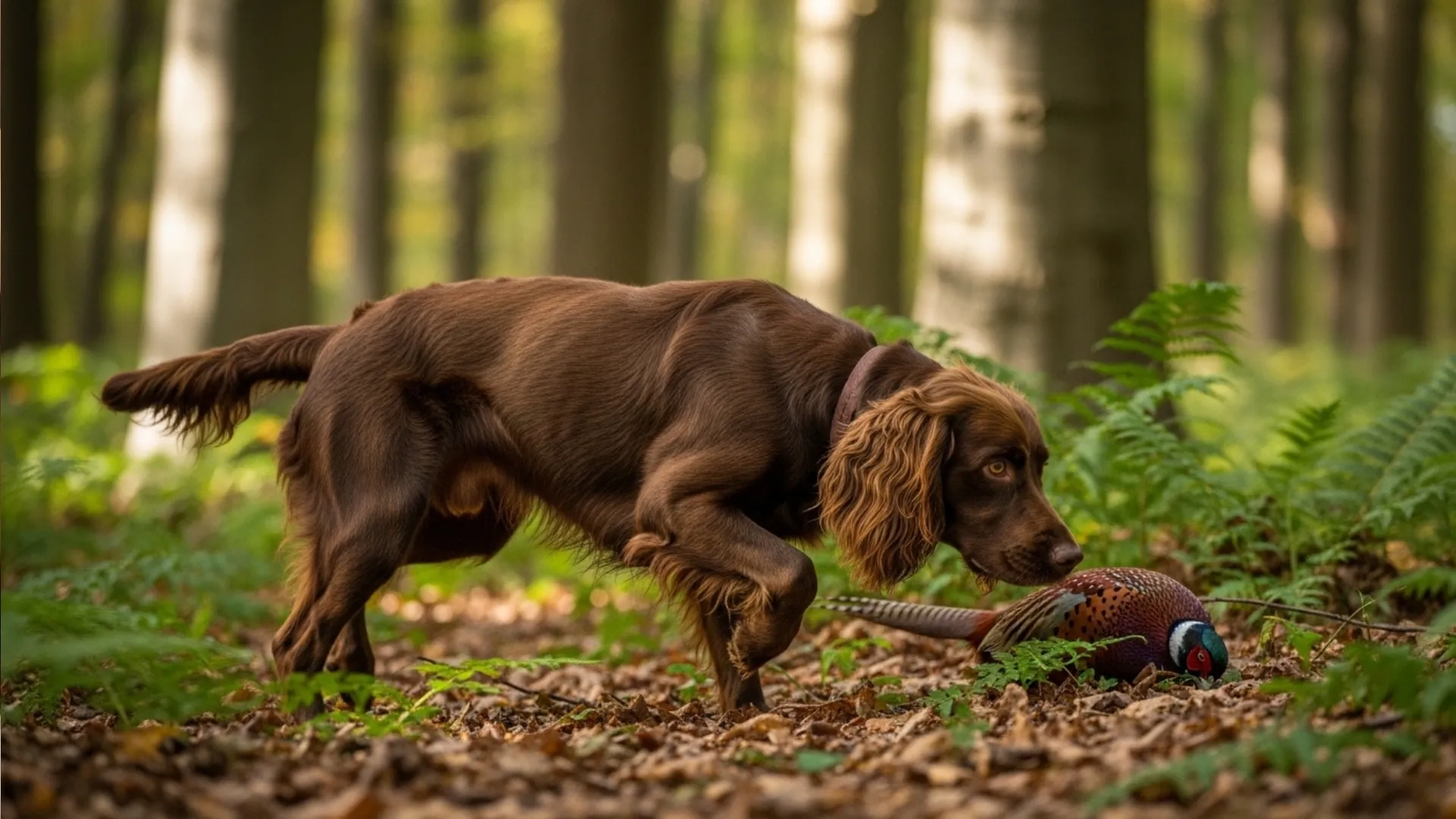
If you’re heading into the field, the right dog can make all the difference. Some breeds are built to track scents over long distances, while others excel at retrieving game with precision and control.
Hunting dogs are often grouped into types like scent hounds and bird dogs, each suited to specific tasks and environments. Choosing the right partner depends on what you hunt and how you hunt.
Beyond skill, a great retrieving and tracking dog needs training, endurance, and a strong drive to work alongside you.
In this guide, we’ll explore the breeds that stand out for their ability to track, locate, and bring game back reliably.
Best Dog Breeds For Tracking and Retrieving Wildlife
1. Labrador Retriever
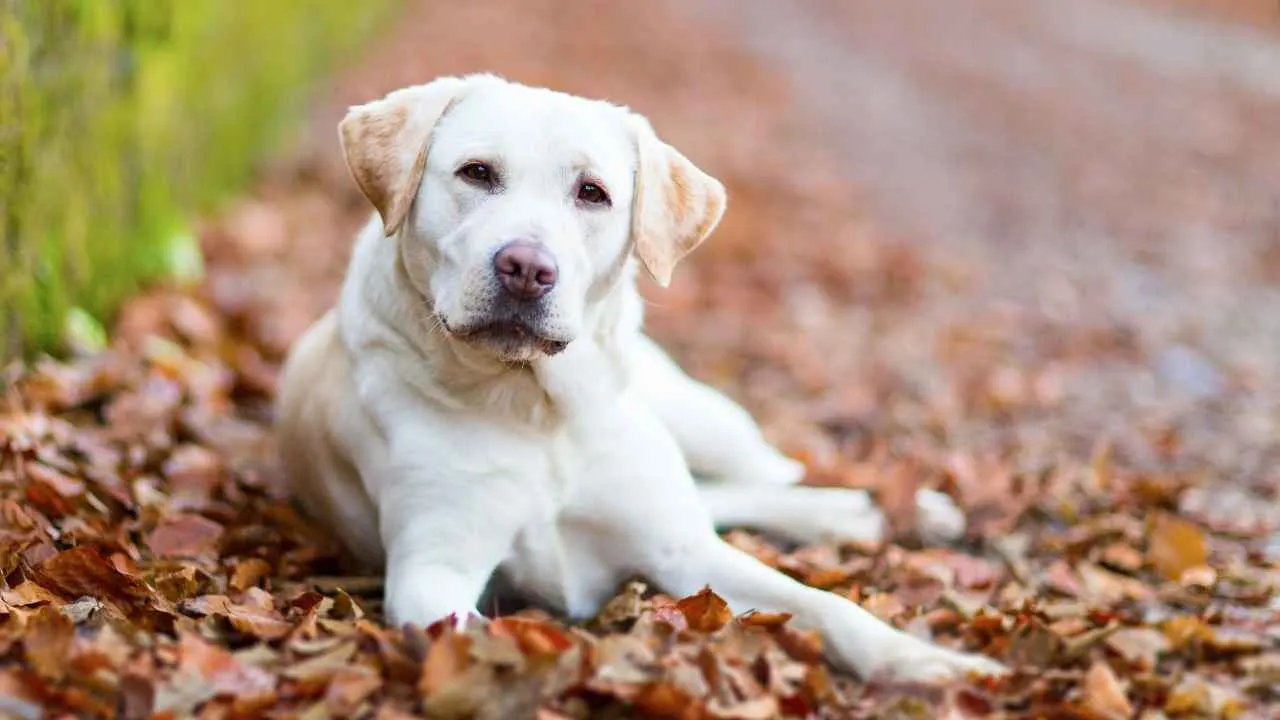
According to WebMD, Labrador Retrievers are classic gun dogs that were originally bred to retrieve game for hunters, which explains their natural enthusiasm for the job. They are energetic, playful, and highly versatile, making them just as comfortable in the field as they are at home. Their strong build and powerful legs help them move quickly across different terrains.
One of their standout features is their dense, waterproof double coat, which allows them to handle wet and cold conditions with ease. Labs also have a thick tail, often described as an “otter” tail, helping with balance and movement. Their love for water and retrieving games makes them especially suited for outdoor work.
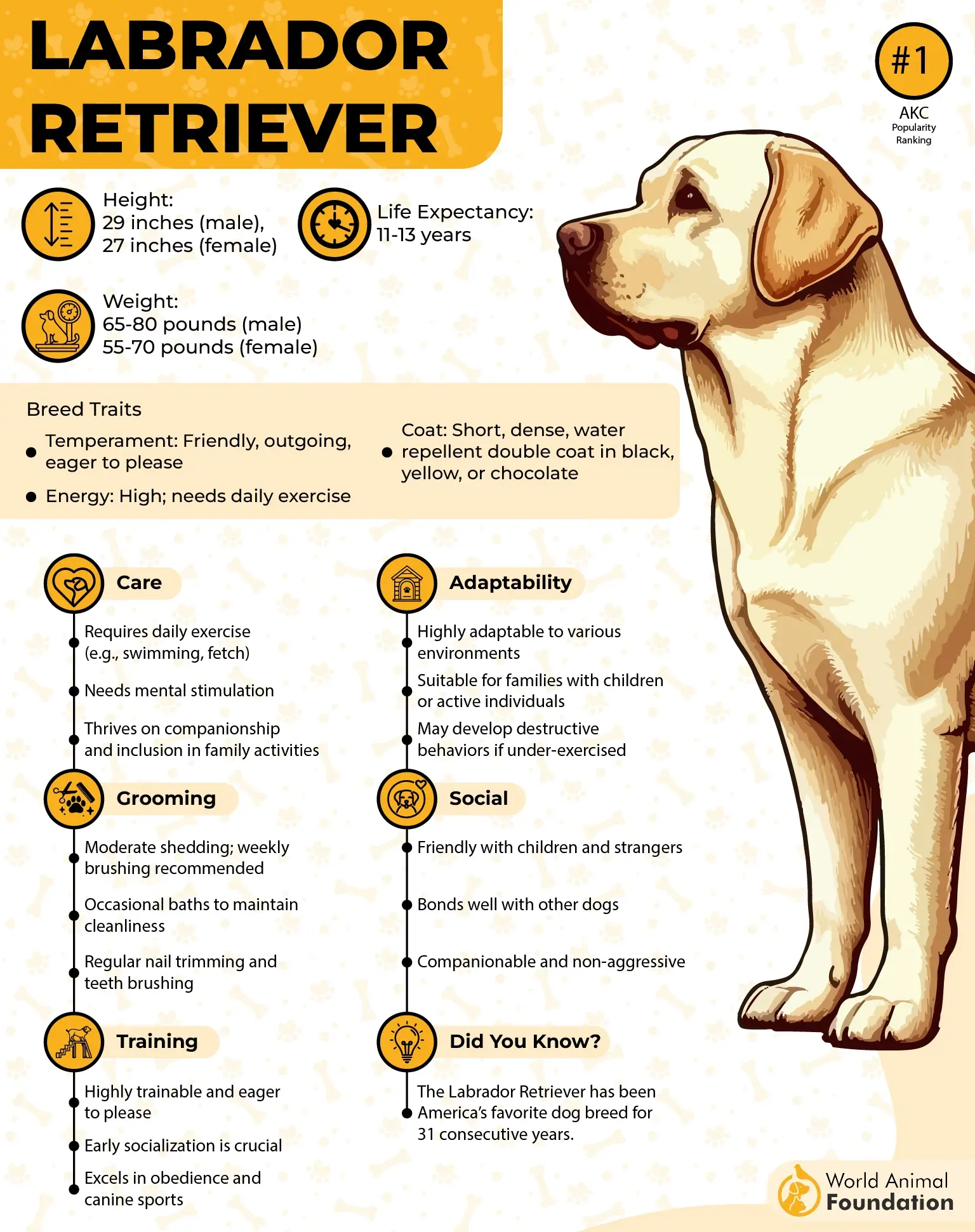
They make loving family pets, and training a Labrador is usually straightforward because they are obedient and eager to learn. They enjoy activities like fetching, swimming, and tracking, which keep both their body and minds engaged. Without enough exercise, they can become restless, so they thrive with active routines.
Why This Breed Is a Good Fit
Natural retrieving instincts make them reliable in the field
Strong swimming ability supports water-based hunting tasks
High trainability allows them to quickly learn commands and routines
2. Boykin Spaniel
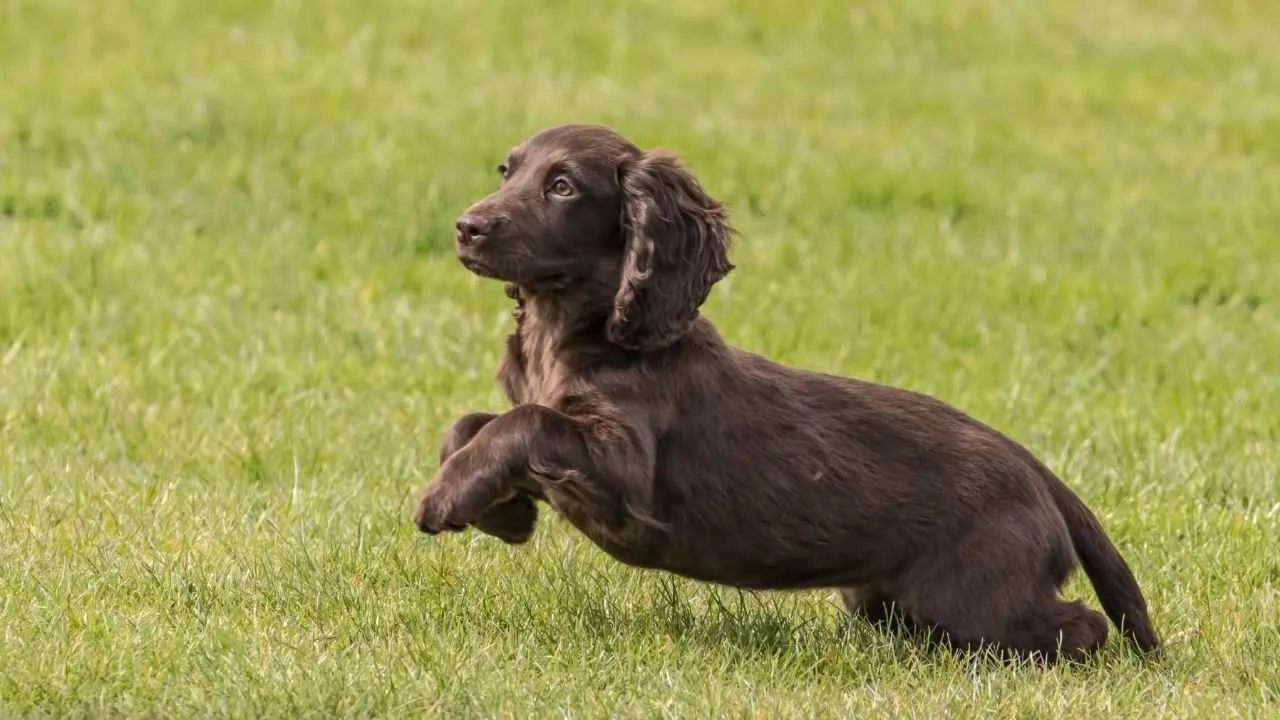
The Boykin Spaniel is a compact and agile gun dog developed specifically for hunting in swampy environments. Known for its ability to flush and retrieve, this breed handles both land and water tasks with confidence. Its size makes it easy to transport, even in tight spaces like a canoe.
With its medium-length brown coat and sturdy build, the Boykin is both practical and eye-catching. It has a strong jaw designed to carry game easily and a lively gait that reflects its working nature. Webbed toes give it an advantage in water, allowing smooth and efficient movement while retrieving.
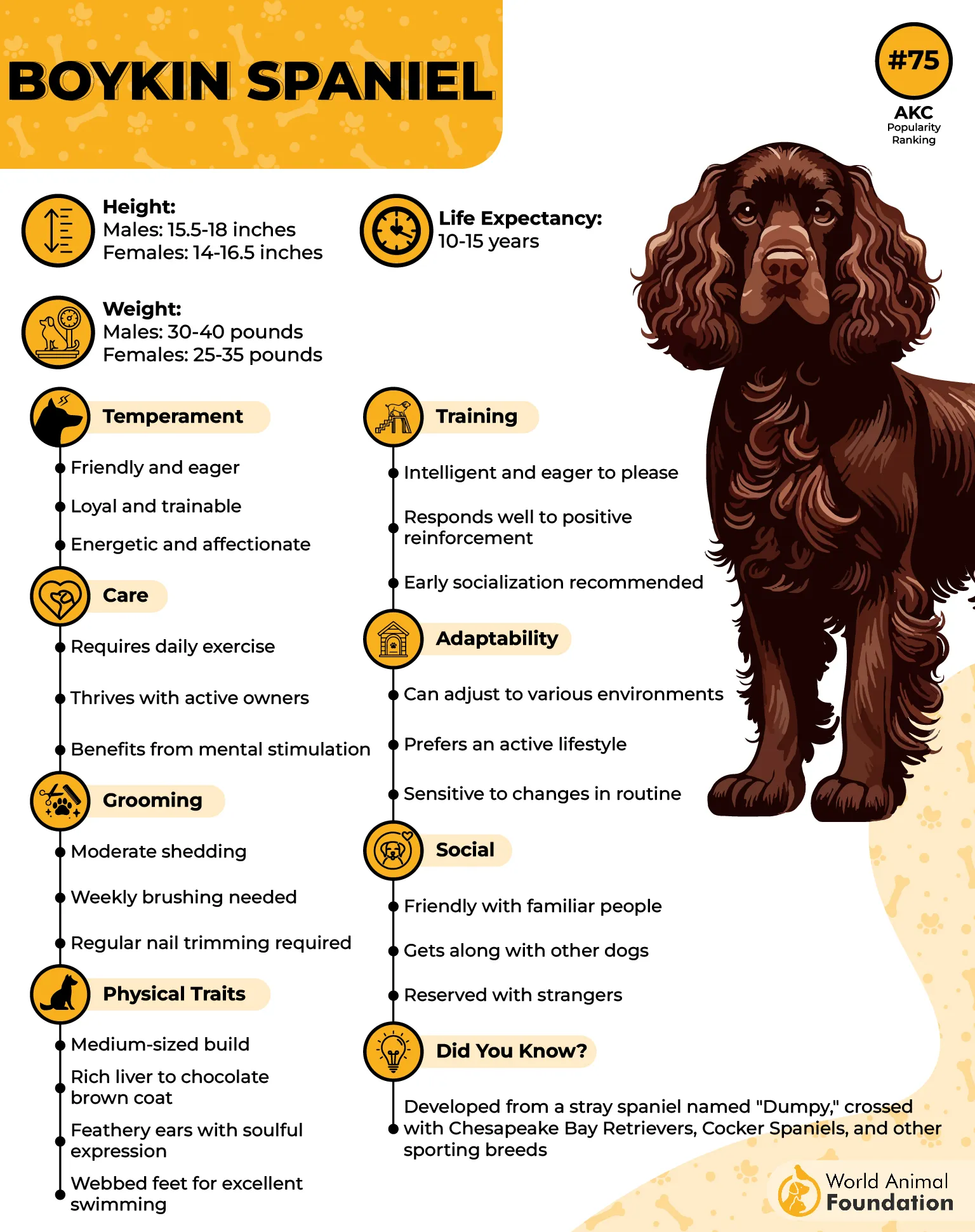
Orvis states that Boykins are energetic, intelligent dogs that stay focused during fieldwork. They learn quickly and respond well to engaging training sessions, especially when kept active. If they don’t get enough exercise or stimulation, they can become mischievous, so staying busy is key.
Why This Breed Is a Good Fit
Designed for both flushing and retrieving in challenging terrain
Water-friendly build makes them excellent for wet environments
Compact size allows easy handling during long hunting trips
3. Golden Retriever
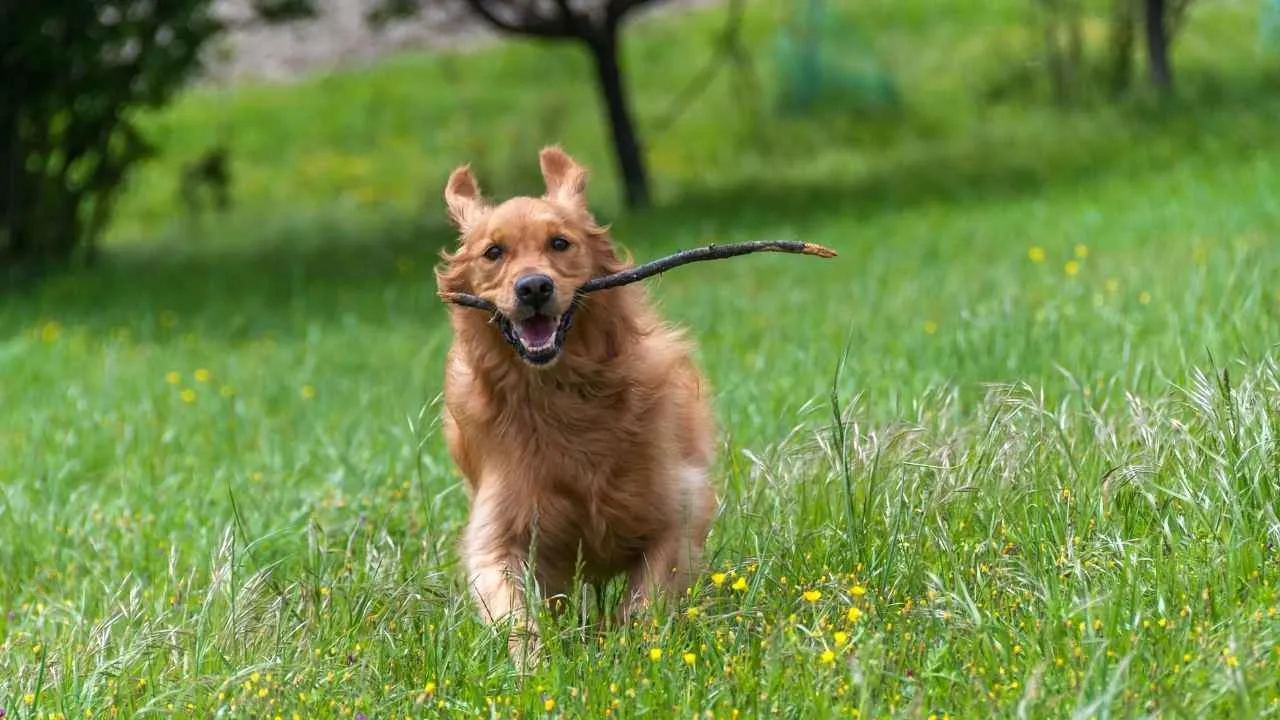
Golden Retrievers are well-known for their intelligence, loyalty, and easygoing temperament. Originally bred as sporting dogs, they are highly trainable and enjoy working alongside their owners. Their friendly nature makes them great family dogs, but they still maintain a strong working drive.
These dogs have a muscular build and a thick, water-repellent double coat that helps protect them outdoors. Their coat requires regular grooming, as it sheds heavily and can mat if not maintained. Despite this, their natural enthusiasm for activities like retrieving and swimming keeps them active and engaged.
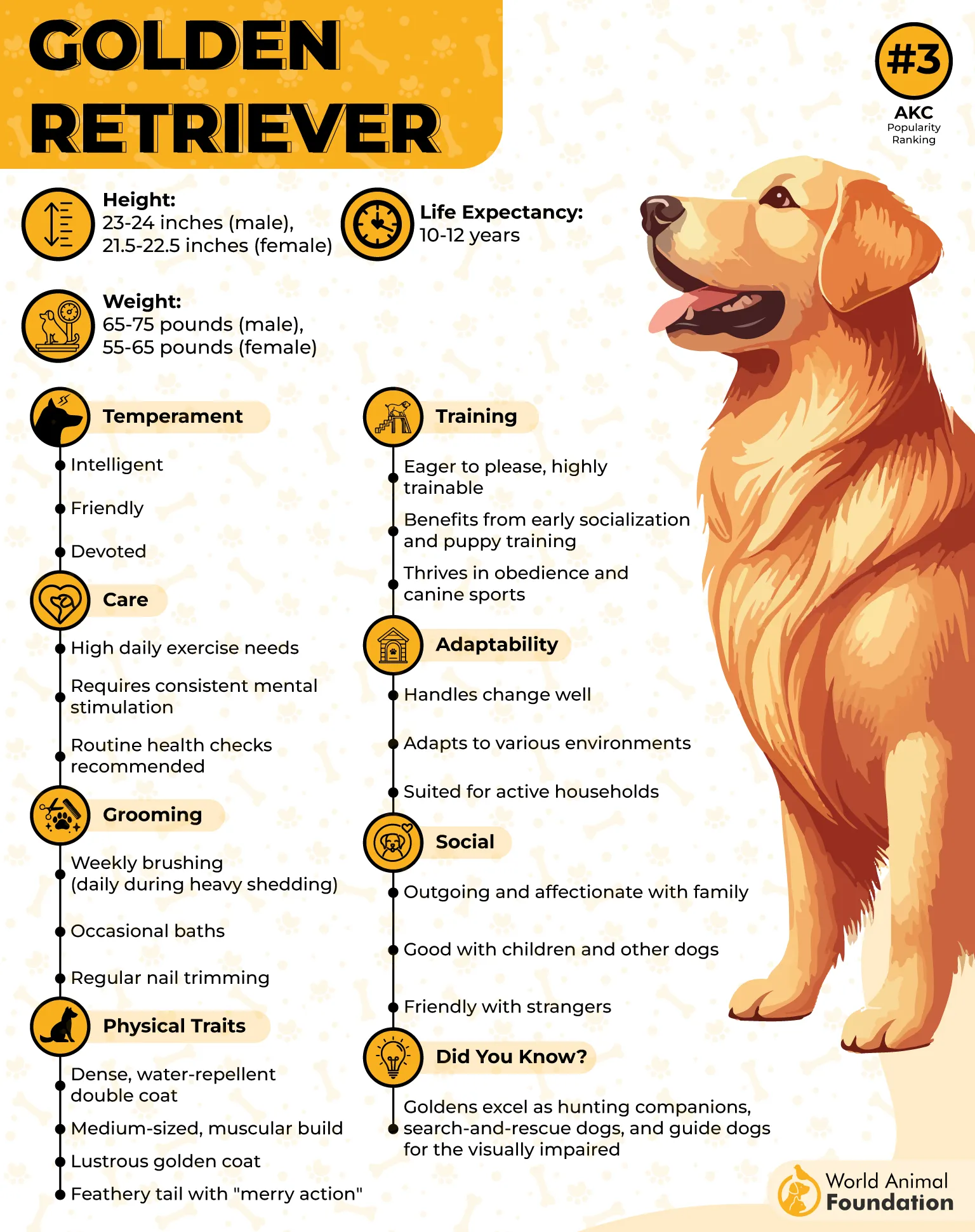
Golden Retrievers have steady energy levels and enjoy both physical and mental challenges. They respond well to training due to their eagerness to please and can quickly learn new tasks. Regular exercise is important to prevent boredom and keep them happy.
Why This Breed Is a Good Fit
Strong willingness to follow commands supports consistent performance
Natural retrieving behavior aligns well with hunting tasks
Balanced temperament helps them stay focused during work
4. Vizsla
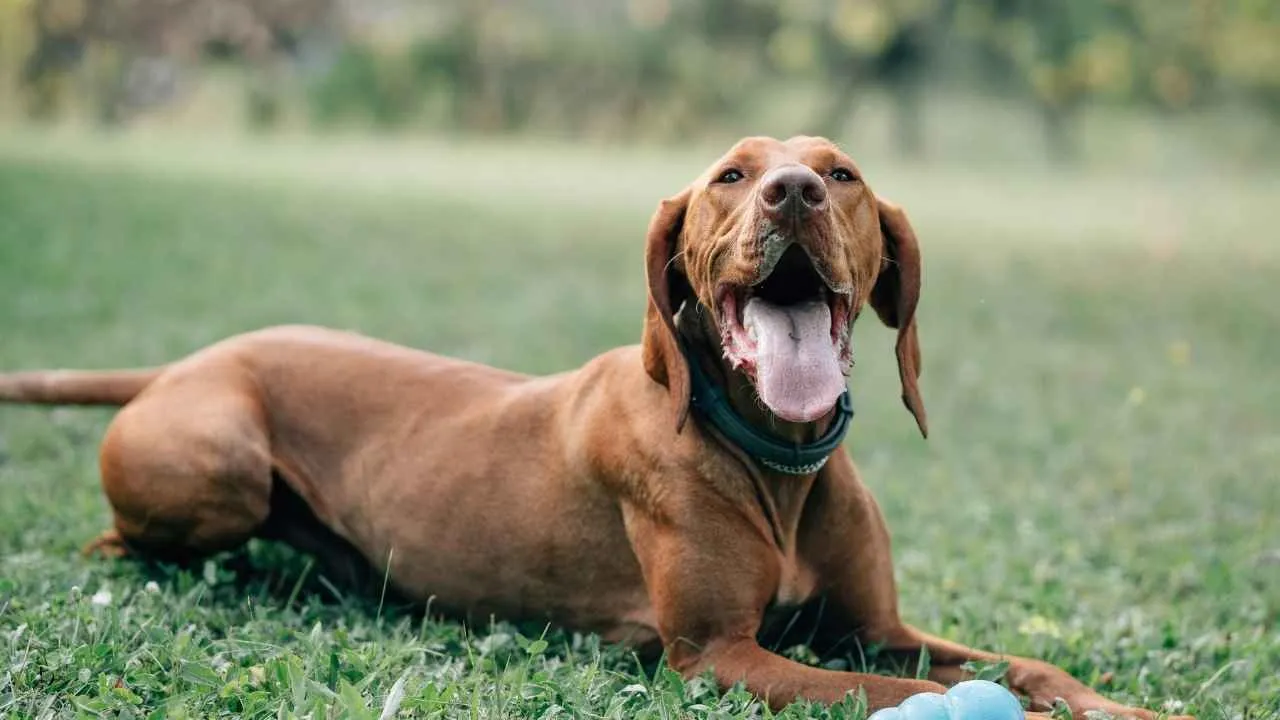
Vizslas are agile and energetic hunting dogs originally bred to work across fields, forests, and water. They have a lean yet strong build that allows them to move quickly and efficiently in different environments. Their graceful movement and stamina make them well-suited for long days outdoors.
Their short, sleek coat is easy to maintain and doesn’t require heavy grooming. While they do shed, it is manageable with occasional brushing and care. Their physical design focuses more on performance than appearance, giving them a practical edge in active roles.
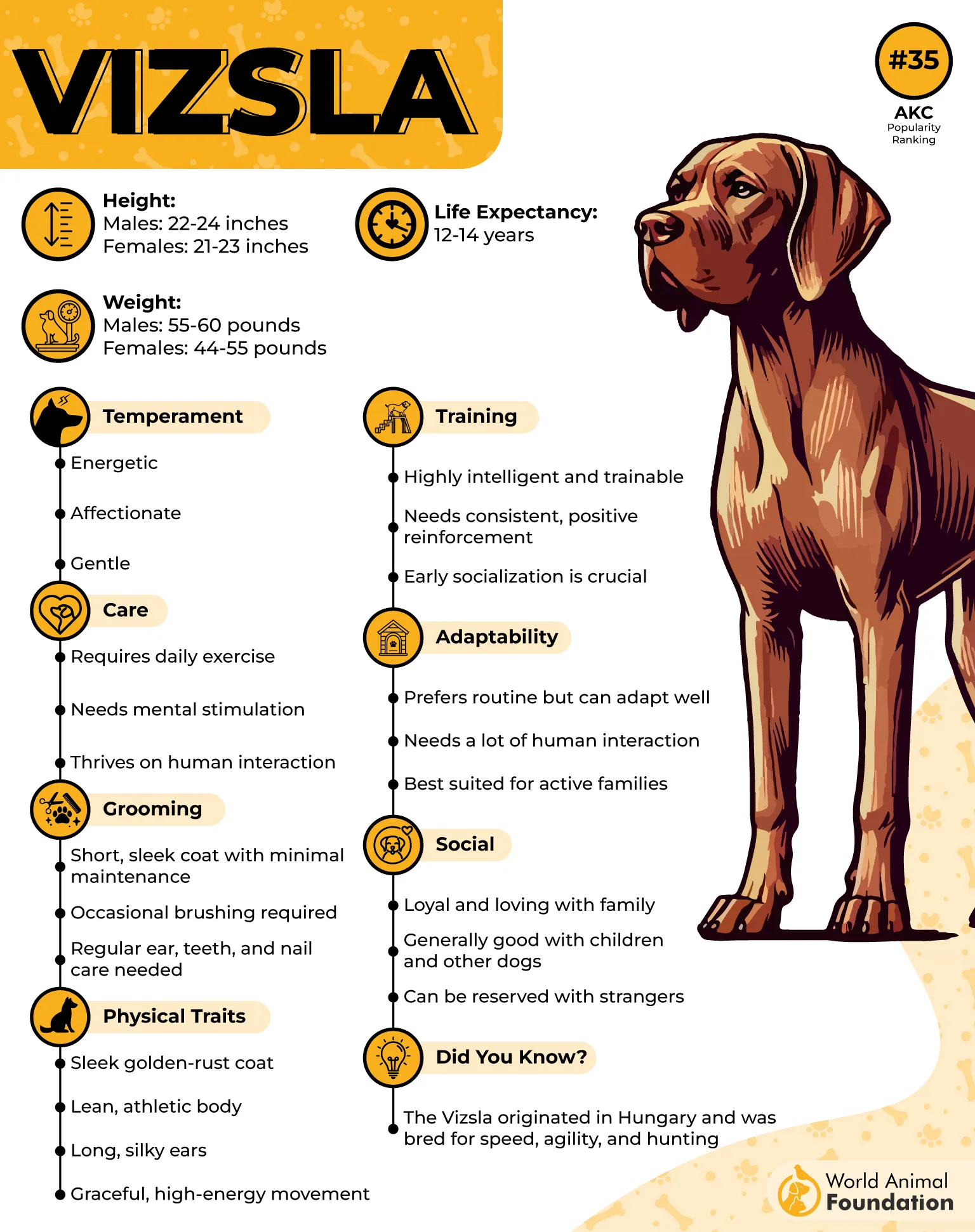
Vizslas are highly intelligent and eager to learn, but they require consistent training from an early age. They thrive on both physical activity and mental challenges, and they can become restless without enough stimulation. Their strong bond with their owners makes them attentive and responsive partners.
Why This Breed Is a Good Fit
Versatile working ability across land and water environments
High endurance supports long tracking sessions
A strong bond with owners improves responsiveness in the field
5. English Springer Spaniel
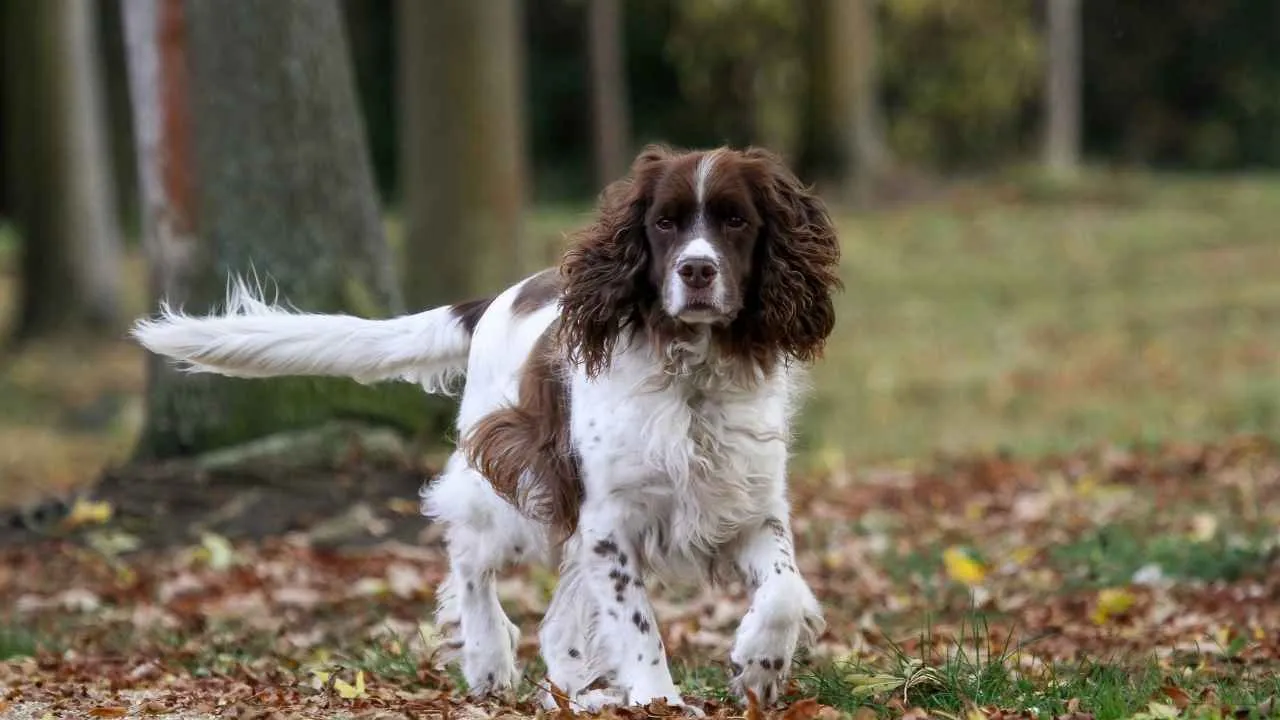
The English Springer Spaniel earned its name from its ability to “spring” game into the air, flushing birds out for hunters. This instinct makes it an active and enthusiastic working dog that thrives when given a task. With a cheerful attitude and strong drive, it approaches fieldwork with excitement and focus.
Springers are built for action, with fast-moving legs and a sturdy frame that allows them to cover ground efficiently. Their medium-length, weather-resistant coat helps them handle outdoor conditions, though it does require regular brushing. Their recognizable floppy ears and expressive faces give them a friendly appearance that matches their personality.
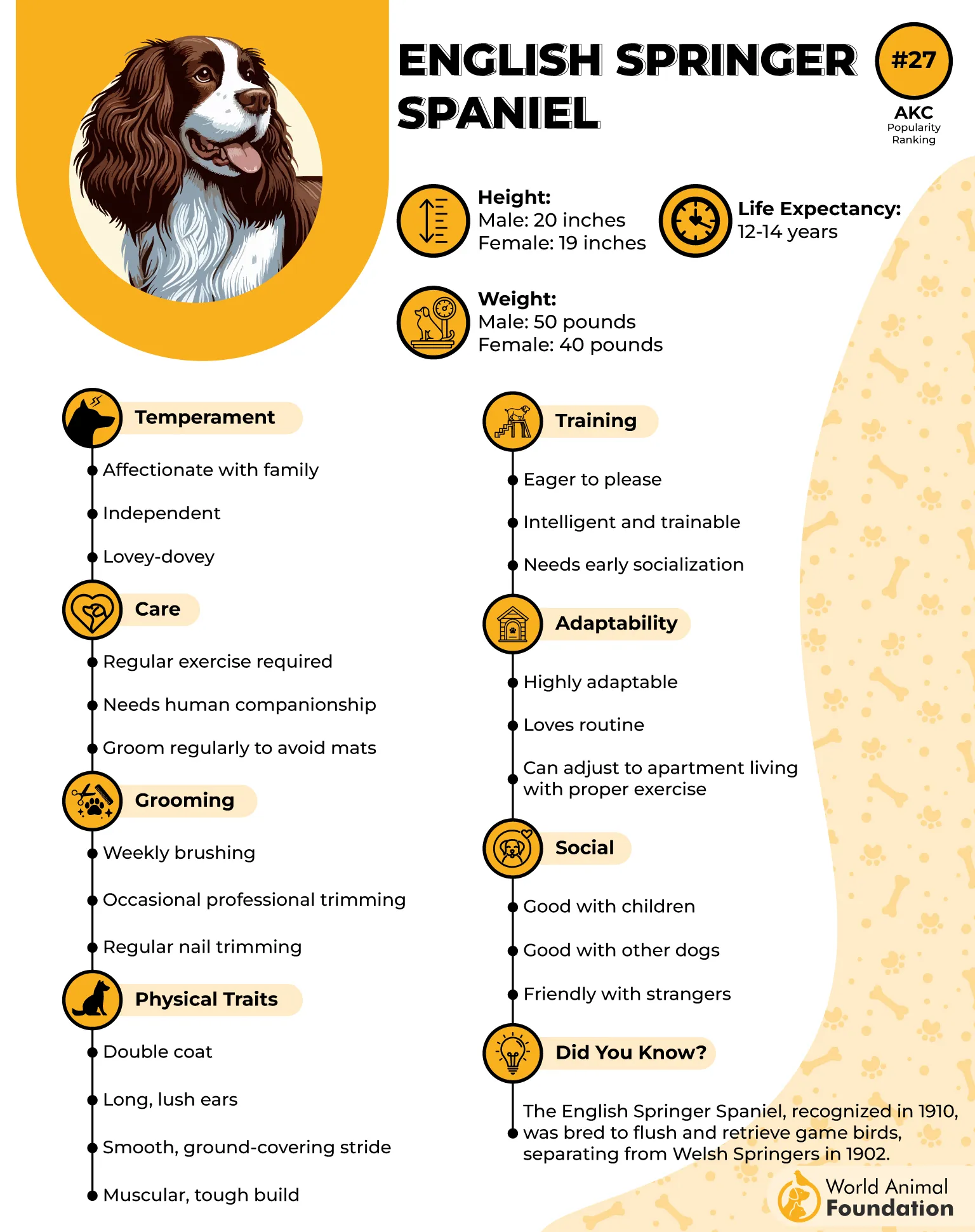
They are intelligent and eager to please, which makes training both effective and enjoyable. These dogs benefit from routine exercise and mental challenges to stay balanced and well-behaved. When properly engaged, they are adaptable and can fit into different living environments.
Why This Breed Is a Good Fit
Strong flushing instinct helps locate and move hidden game, which helps hunt birds
Responsive to training, making coordination in the field easier
High energy supports long and active hunting sessions
6. Nova Scotia Duck Tolling Retriever
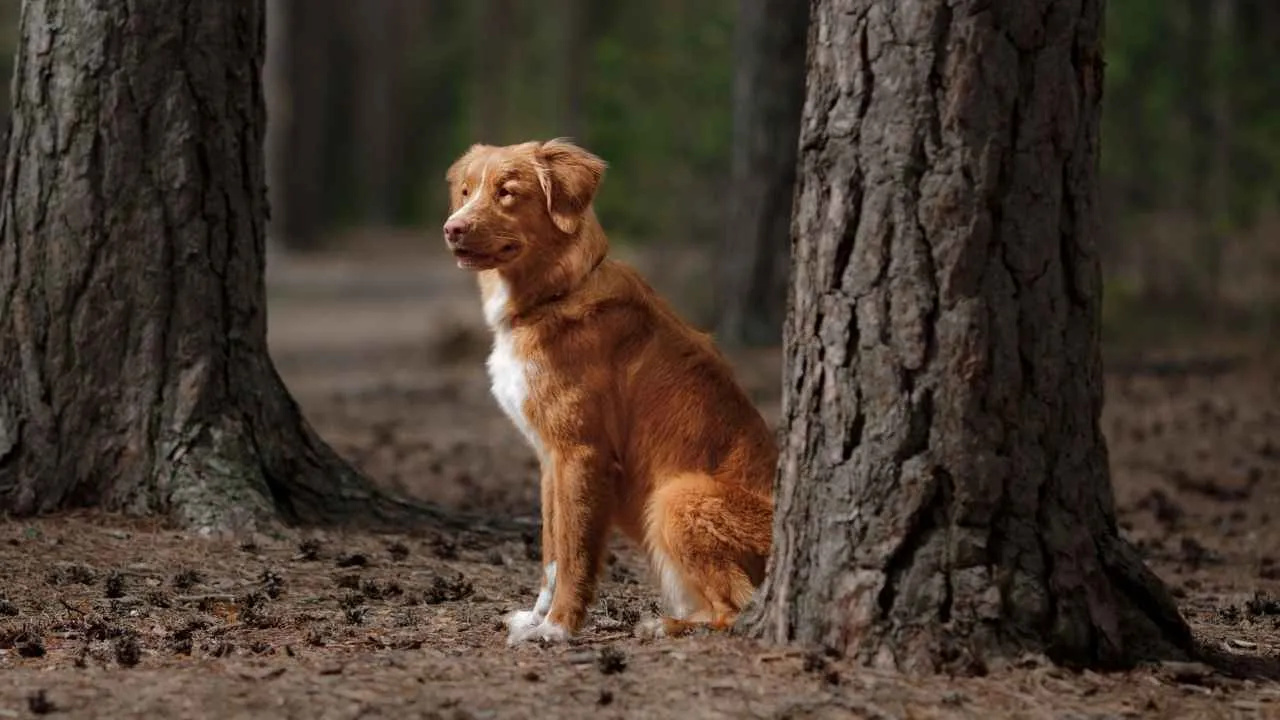
The Nova Scotia Duck Tolling Retriever, often called the Toller, is a clever and energetic sporting dog with a unique hunting style. It was developed for duck hunting and to lure waterfowl closer by playfully moving along the shoreline, attracting attention before retrieving the downed birds. This clever approach makes it stand out among retriever breeds.
This medium-sized dog has a striking reddish coat and a feathered tail that adds to its fox-like appearance. Its water-resistant double coat protects it in cold conditions, while webbed toes make swimming easier and more efficient. These features allow it to perform comfortably in wet and chilly environments.
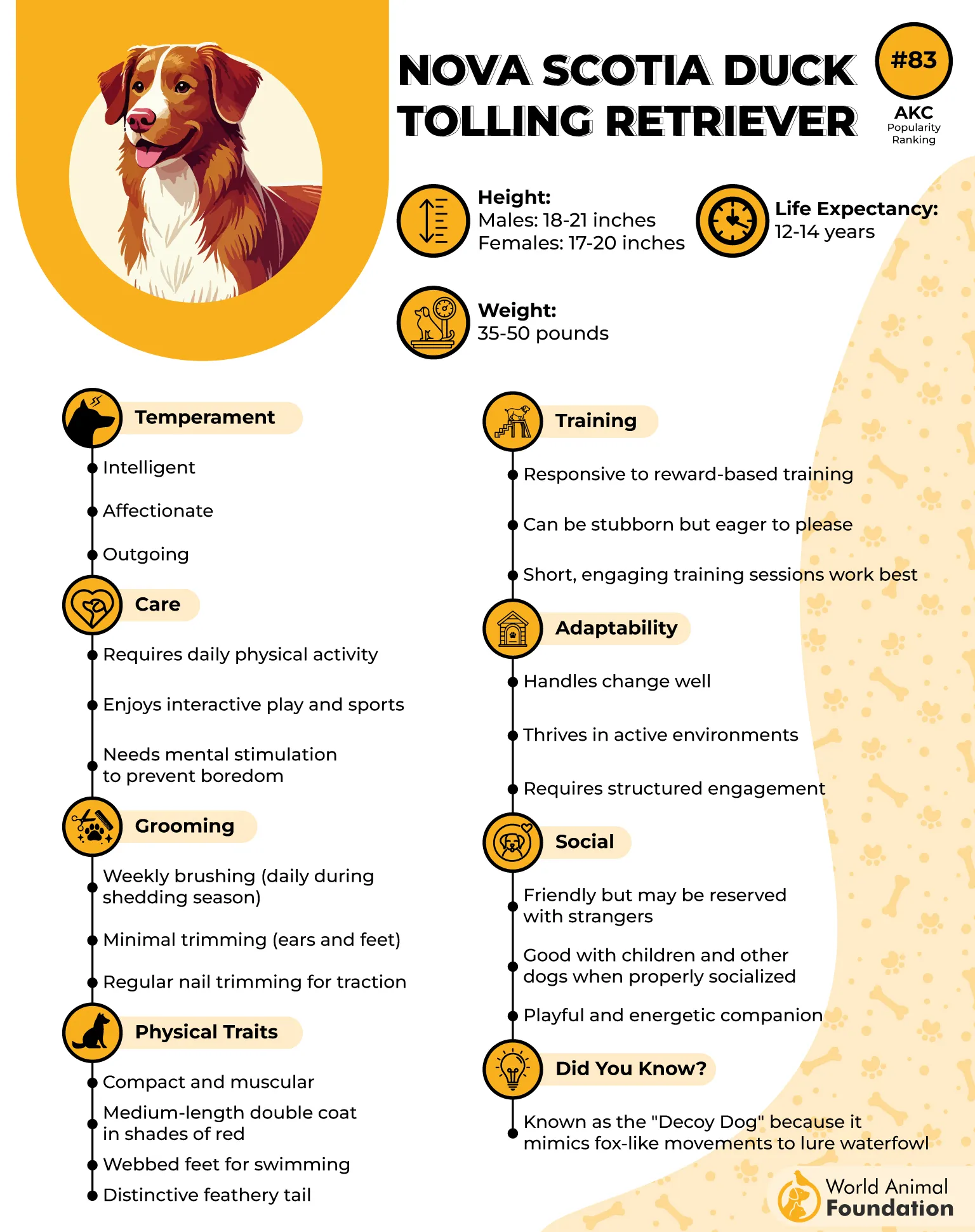
Tollers are smart, affectionate, and eager to please, though they can show a bit of stubbornness during training. They have high energy levels and enjoy activities like running, swimming, and retrieving. Regular exercise is essential to keep them happy and focused.
Why This Breed Is a Good Fit
Unique tolling behavior helps draw the game within range
Strong retrieving skills make them dependable after the shot
Water-adapted body supports efficient performance in aquatic settings
7. Brittany
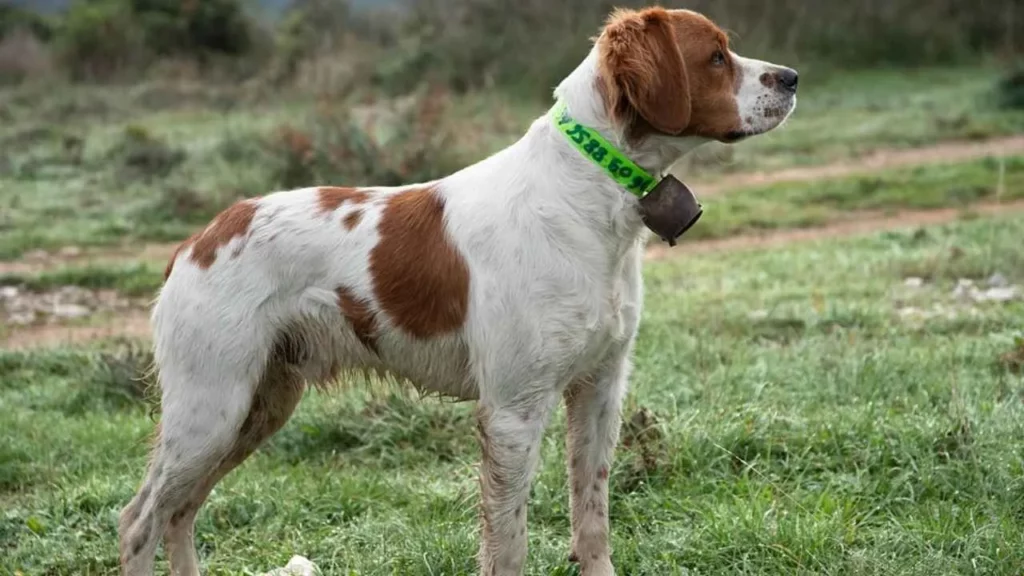
Brittanys are energetic bird dogs known for their speed, agility, and sharp instincts. Bred from a mix of spaniels, pointers, and setters, they combine multiple hunting traits into one compact and capable dog. Their ability to handle different terrains makes them a reliable partners in hunting small game, deer hunting, as well as upland game, as noted by Britannica.
They have a medium-length coat with a distinctive pattern of white and orange or reddish tones, along with a rugged, athletic build. Despite their compact size, they are powerful and quick, able to keep up during long and demanding outings. Their alert expression reflects their constant readiness to work.
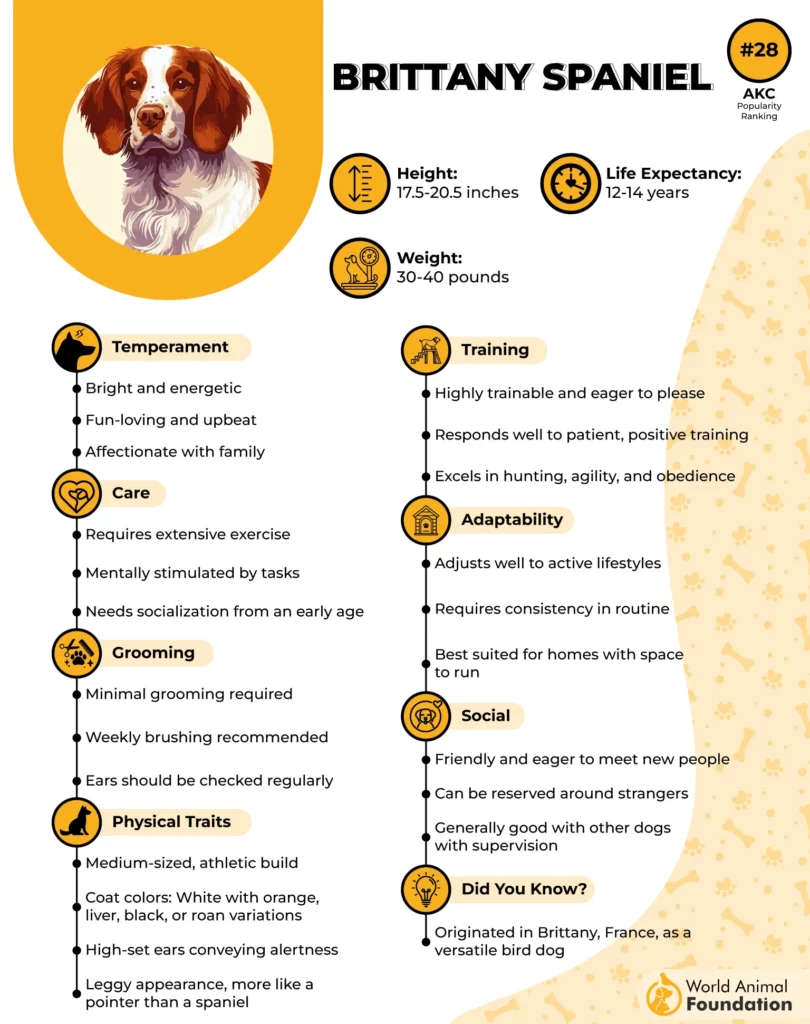
Brittanys are highly social and energetic, requiring consistent activity and interaction throughout the day. They respond best to positive reinforcement and can be sensitive to harsh training methods. Without enough stimulation, they can become bored and develop unwanted behaviors.
Why This Breed Is a Good Fit
Agile movement allows them to navigate rough terrain with ease
Strong prey drive keeps them focused on locating birds
High stamina supports extended hunts without slowing down
Conclusion
Choosing the right tracking and retrieving dog comes down to your hunting style, environment, and expectations in the field. Some breeds excel at flushing birds, others hunt foxes, or follow scent trails for recovering wounded game.
Other dogs, such as the German Shorthaired Pointer, American Foxhound, German Wirehaired Pointer, Treeing Walker Coonhound, and Bluetick Coonhound, are excellent companions for scent tracking.
The best hunting companion is one that matches your pace, responds well to training, and stays focused during long outings. Proper exercise, consistent training, and strong communication are key to building a reliable partnership.
With the right dog by your side, every trip becomes more efficient, rewarding, and enjoyable from start to end.
