




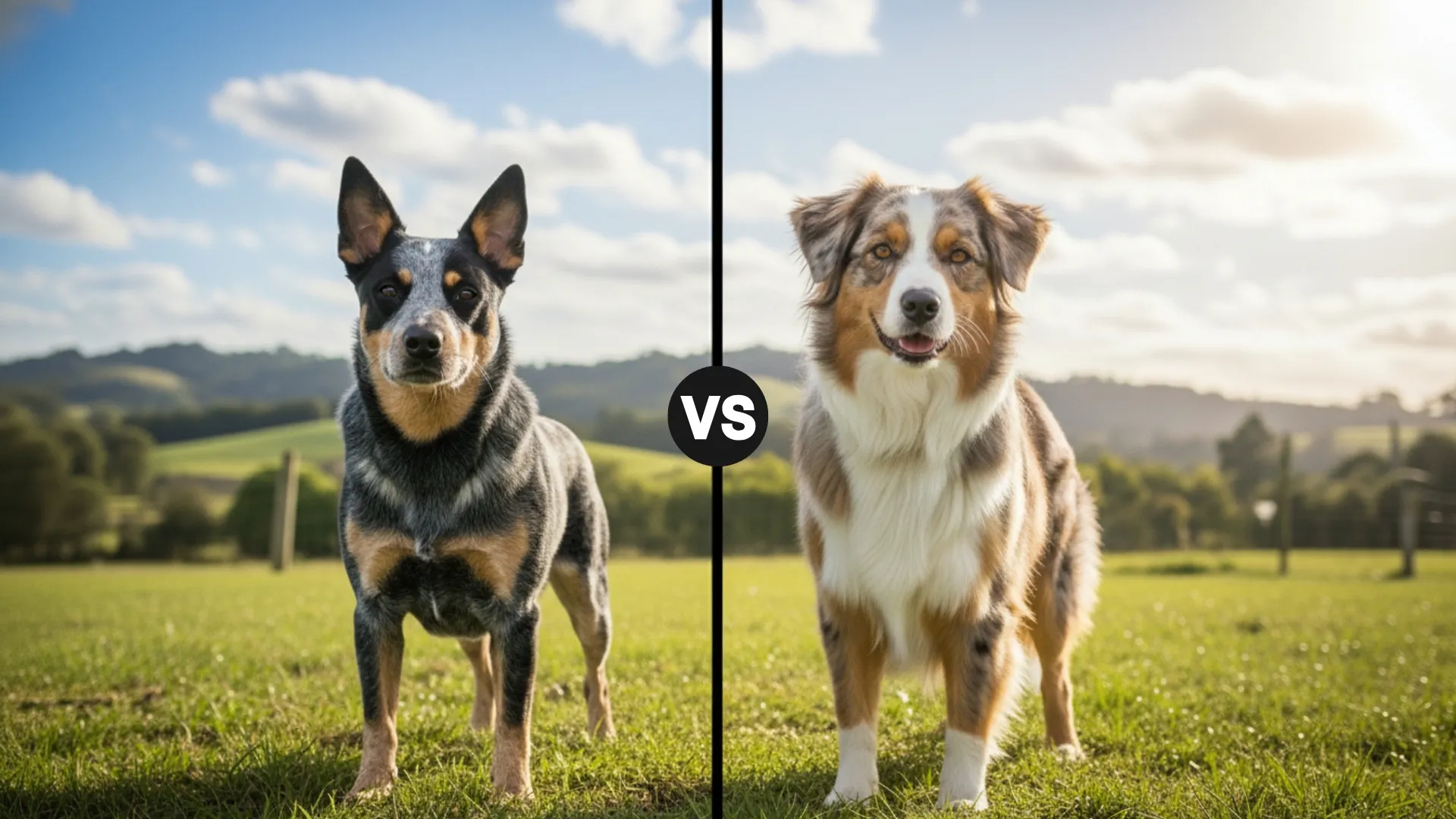
What actually separates two highly intelligent and active working dogs when they seem so similar at first glance? Is it their energy levels, the way they respond to training, or how they fit into a daily routine?
These questions become important once you move past basic descriptions and start thinking about real life. A dog that looks ideal on paper may feel overwhelming if its needs do not match your schedule or environment.
At the same time, another option may align more naturally without requiring constant adjustment. The challenge is recognizing these differences before making a decision. It is not about choosing the more capable dog, but the one that works with your lifestyle rather than against it.
The sections ahead nearly answer these questions, giving you a clearer understanding of what each option brings to everyday life.
Key Takeaways
Two highly active herding dogs often get placed side by side, yet their behavior in real life tells a very different story once routines begin.
The Blue Heeler builds its identity around endurance and task-driven focus, while the Australian Shepherd leans more into social awareness and responsive behavior.
One was shaped by harsh Australian ranch life, and the other was refined through a long herding journey across continents before becoming a Western ranch favorite.
The differences start to feel clearer when you see how each breed handles daily life, and that is where the real decision begins to form.
Blue Heeler vs Australian Shepherd: Which Dog Breed Is Right for You?
Origins & Purpose
Forged in Harsh Ranch Lands
Blue Heeler, aka Australian Cattle Dog, takes shape in 19th-century Australia, where expanding cattle lands demanded a dog built for distance and resilience.
Ranchers combined imported English dogs with the native dingo to handle rough terrain and climate. This blending produced a line suited for control across open grasslands.
They herd cattle, guiding livestock over long stretches where constant human direction is not always possible. Its role on farms centered around managing movement with precision in challenging outdoor conditions. Daily function remained tied to structured tasks rather than passive companionship, as noted by Britannica.
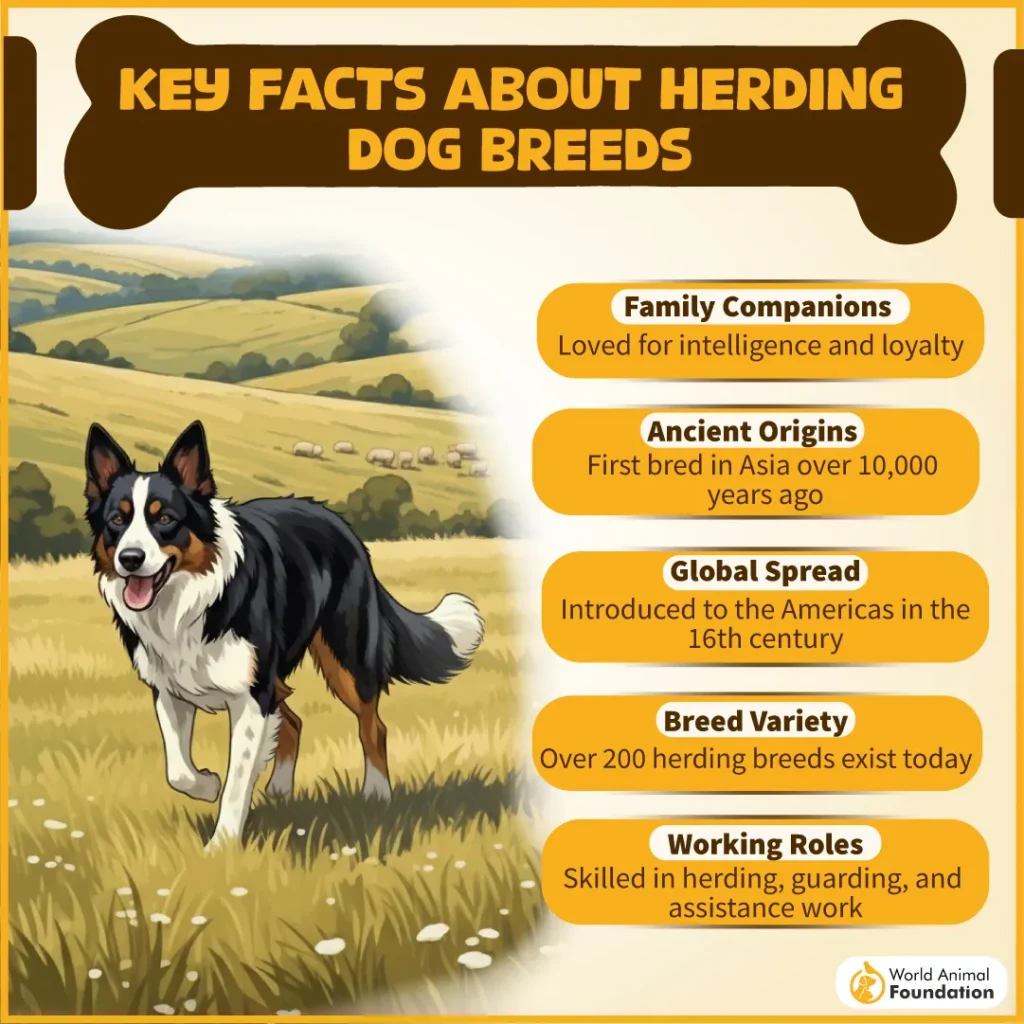
From Misnamed Roots to Ranch Work
Australian Shepherds are descended from European herding dogs linked to the Pyrenees region, later traveling with Basque groups seeking grazing opportunities abroad. These dogs passed through Australia before reaching the United States, where their identity became associated with that journey. The name followed perception rather than the true origin.
Aussies builds its purpose around ranch work in the United States, where it became closely tied to cattle handling and rodeo culture. Crossbreeding with working dogs like collies refined its herding ability over time. Its role expanded across Western ranch settings as a dependable working partner.
Size & Physical Build
Compact Strength with Endurance
Blue Heeler stays within a compact range, with males around 18 to 20 inches and females slightly lower. Its weight remains balanced between 35 and 40 pounds, giving it a grounded, controlled frame. This structure reflects a dog built for strength without excess bulk.
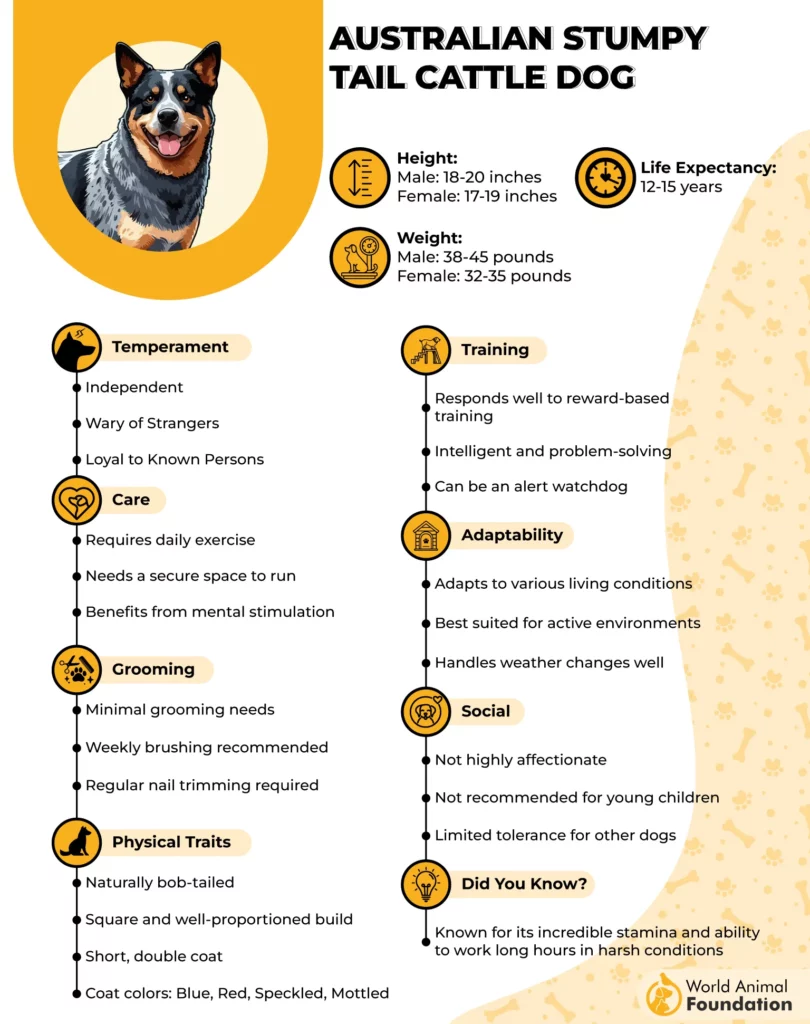
It shows a hard-muscled body shaped for agility, allowing quick directional shifts during herding work. It is born with a white coat color that gradually changes into blue-gray or red shades over time. Speckled or mottled patterns give it a distinct, weathered appearance.
Larger Frame with Agile Balance
Australian Shepherd reaches a taller range, with males around 20 to 23 inches and females slightly shorter. Weight varies more, with males between 50 and 65 pounds and females between 40 and 55 pounds. This creates a more filled-out, medium-sized working frame.
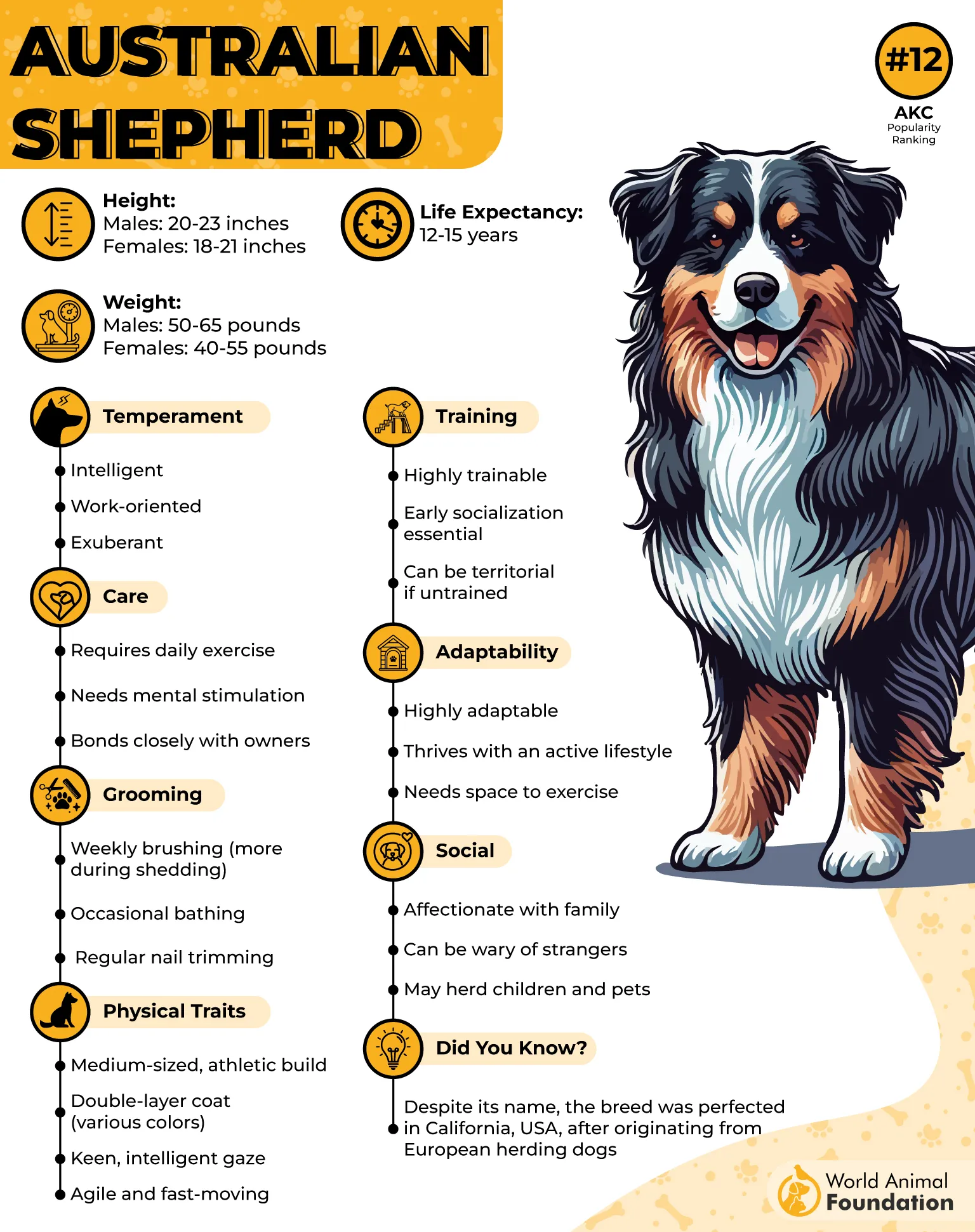
This herding dog breed combines muscle with flexibility, supporting active herding movement across varied terrain. As per PetMD, tail structure varies, with some born naturally bobbed while others have full-length tails. Tail docking is commonly seen in young puppies, though it remains a debated practice.
Temperament & Personality
Loyal Energy with Herding Instinct
Blue Heeler shows strong loyalty and stays closely connected to its people, often seeking interaction and play throughout the day. Its friendly and playful nature keeps engagement consistent in daily routines. A natural tendency to chase moving objects can appear without early direction.
They interact well with children but may attempt to herd younger ones, especially in active settings. This behavior comes from its working background rather than aggression. Homes with older children tend to match their behavior more smoothly.
Intelligent Mind with Social Balance
Australian Shepherd shows a thoughtful, intelligent nature paired with strong loyalty toward familiar people. It may hold back initially around new faces, observing before becoming comfortable. Once introduced properly, its behavior shifts toward a more open and accepting response.
It fits well with children, cats, and other dogs when early social exposure is part of its routine. Herding instincts can still appear in the form of guiding or circling smaller animals or kids. Redirection plays a key role in shaping these behaviors early on.
Exercise & Energy Levels
Driven by Work
Australian Cattle Dog channels its energy through purpose, needing far more than short walks to stay balanced. Daily runs or structured activity keep both body and mind engaged in a meaningful way. Life without tasks often leads to restlessness in this intensely driven worker.
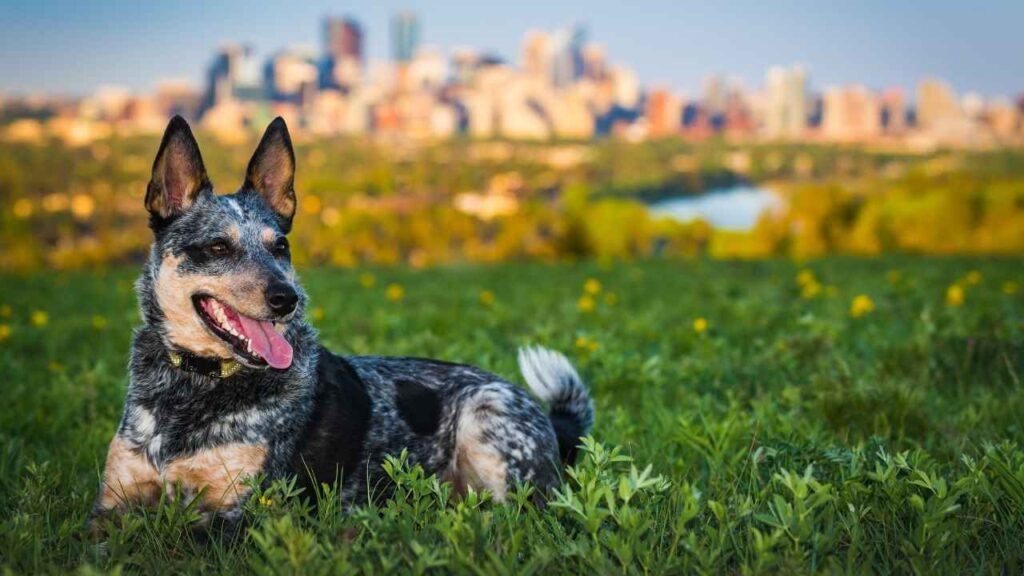
This energetic dog thrives when effort has direction, whether herding livestock or engaging in organized dog sports. Activities like obedience or agility give structure to their natural intensity and focus. Consistent outlets shape a more settled and responsive companion.
Always On the Move
Australian Shepherd operates at a high energy level, requiring extended daily movement rather than occasional play. Access to open space allows it to release energy in a controlled and healthy way. Without this, its natural drive quickly builds into excess activity indoors.
It connects movement with companionship, often preferring long walks, hikes, or shared outdoor routines, as the AKC writes. Once fully grown, it transitions smoothly into more demanding activities like running alongside its handler. Regular engagement keeps its athletic nature balanced and purposeful.
Training & Intelligence
Driven Minds at Work
ACD learns with purpose and expects direction, as idle time quickly turns into restless behavior that needs an outlet. Early obedience and structured routines shape focus, especially when tasks mirror its herding roots. Training here is less about repetition and more about giving the dog something meaningful to solve.
They thrive when training feels like a job, where problem-solving and movement work together instead of isolated drills. Activities like herding, agility, or advanced obedience keep its mind engaged and behavior steady. Without that structure, its intelligence often turns into stubborn or destructive patterns.
Quick Learner, Needs Direction
Australian Shepherd responds quickly to guidance, using its sharp awareness to pick up commands and patterns with ease. Consistency matters, as this breed links behavior with outcomes and builds habits fast. Its strong attachment to people keeps it attentive during training sessions.
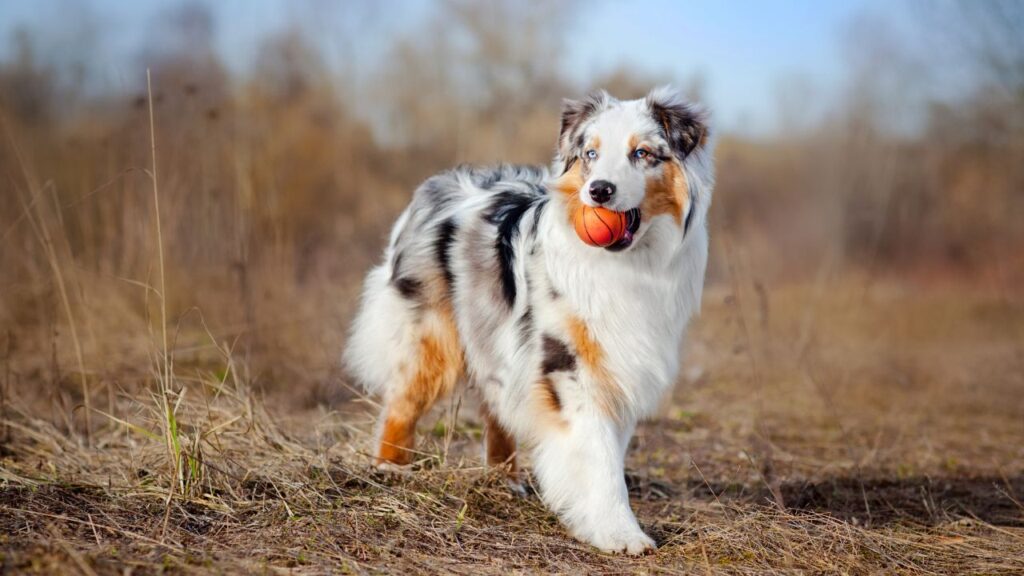
It needs regular mental engagement to stay balanced, as long periods without interaction can lead to destructive habits. Training works best when it feels interactive, not repetitive, keeping the dog mentally invested. That same intelligence, when guided well, makes it highly responsive and reliable.
Grooming Frequency
Low-Maintenance Coat Routine
Australian Cattle Dog comes with a tight, weather-resistant double coat that stays clean without frequent baths. Weekly brushing keeps the coat controlled, while seasonal shedding demands more frequent sessions to clear loose undercoat. Nail care stays routine, with no heavy grooming schedule required.
Sheds heavily twice a year, shifting from minimal upkeep to active coat management. During this phase, brushing every few days with a firm brush and comb helps manage dense hair loss. Outside shedding periods, grooming stays simple and predictable.
Coat Care That Scales With Shedding
Australian Shepherd features a thicker, water-resistant double coat that needs consistent weekly brushing to stay in shape. Dirt from outdoor activity is common, though baths remain occasional unless visibly messy. Nail trimming follows a steady routine without added complexity.
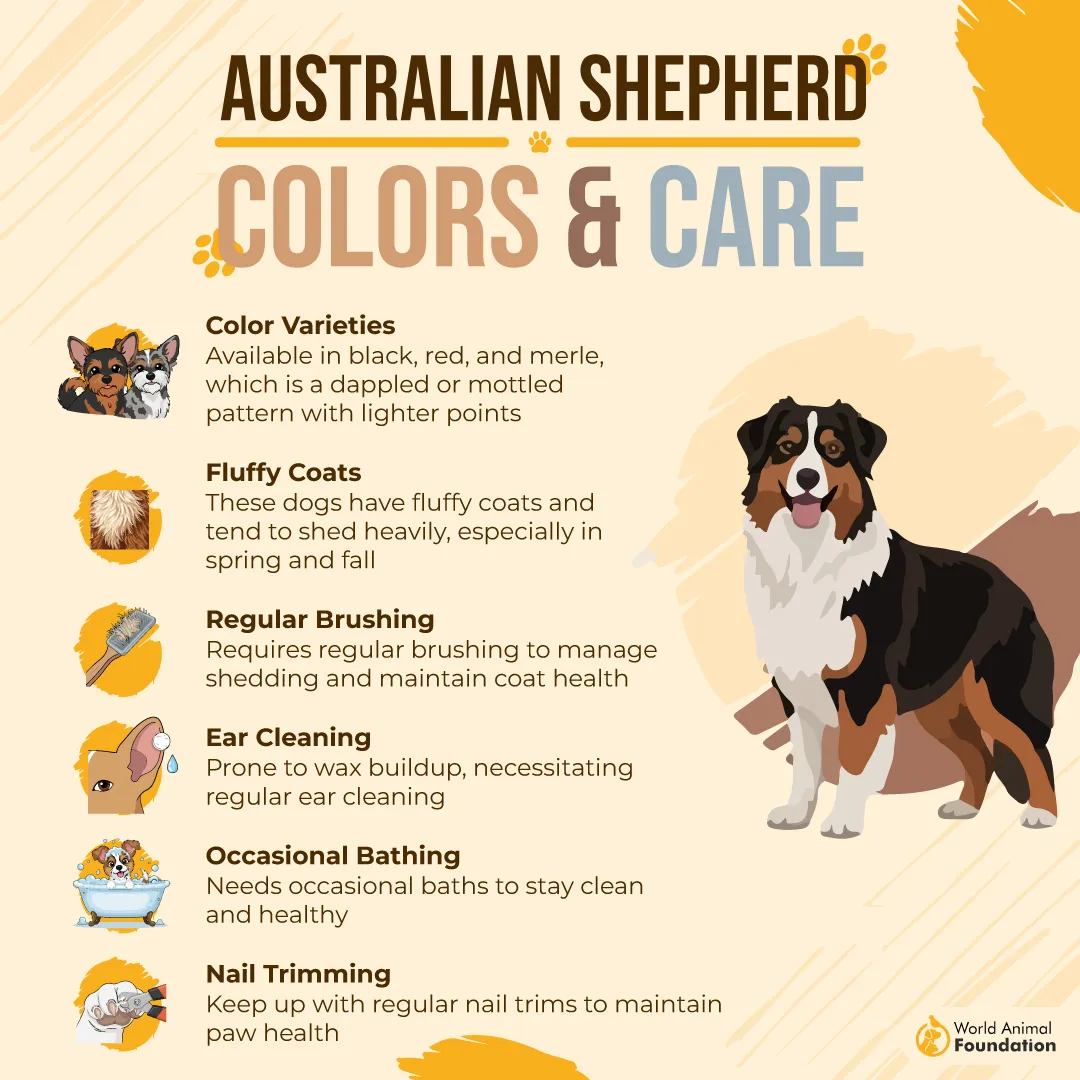
They require more effort during shedding cycles, where loose undercoat builds up quickly. An undercoat rake every few days, followed by a wire brush, helps control buildup and maintain coat texture. Regular brushing outside shedding keeps the coat manageable without excessive effort.
Health & Lifespan
Steady Longevity with Targeted Care
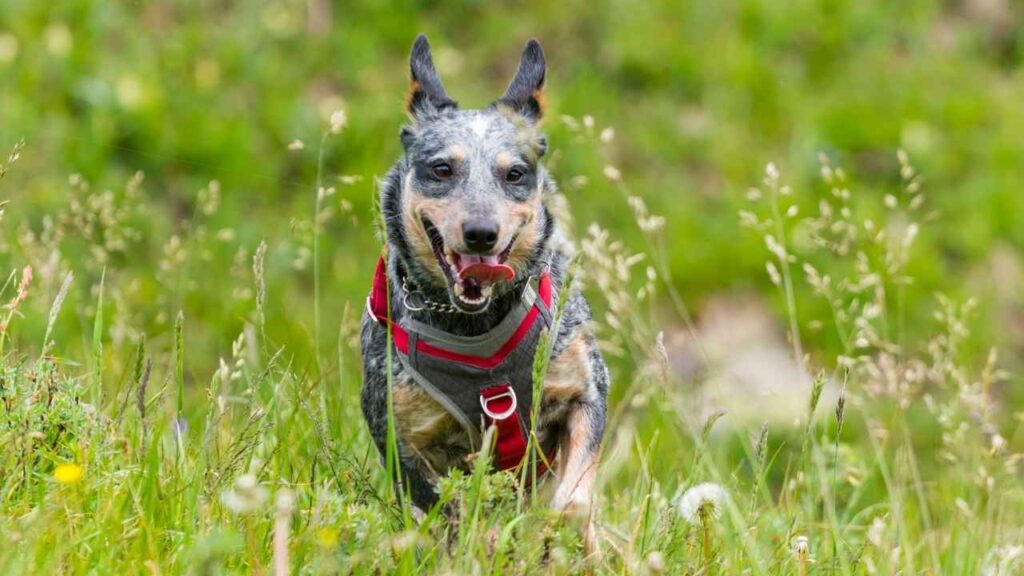
Blue Heeler generally lives around 12 to 16 years, supported by a strong working structure. Responsible breeding focuses on reducing risks linked to deafness, progressive retinal atrophy, and hip dysplasia. Routine care often includes ear cleaning and regular dental maintenance.
Health screening for Blue Heelers commonly includes structured evaluations to monitor long-term mobility and sensory health. These checks help identify conditions early and maintain working soundness over time.
Hip Evaluation
Elbow Evaluation
Ophthalmologist Evaluation
BAER Testing
Primary Lens Luxation (PLL) – DNA Test
Active Lifespan with Preventive Focus
Australian Shepherds typically live around 12 to 15 years, maintaining good health with consistent preventive care. Breeders often screen for hip dysplasia, epilepsy, cataracts, and certain cancer risks. Regular grooming routines also include ear cleaning and dental upkeep.
Health monitoring for Australian Shepherds centers on maintaining joint strength and visual health through routine evaluations. These screenings support early detection and long-term physical stability.
Hip Evaluation
Elbow Evaluation
Ophthalmologist Evaluation
Blue Heeler vs Australian Shepherd: Which one is best for you?
Both breeds sit close on the intelligence and energy scale, which is why they often get compared in the first place. The real distinction starts showing when daily life is considered beyond descriptions and breed profiles. Routine, space, and handler involvement shift the experience in very different directions.
A dog that looks like a good match on paper can behave in a way that reshapes your schedule once it becomes part of the home. Training response, stimulation needs, and interaction patterns start defining how manageable the relationship feels. These details matter more than general expectations.
Blue Heeler tends to channel its drive into task-focused behavior with strong independence in action. Australian Shepherds often stay more socially tuned, reacting quickly to people and surroundings with sustained engagement. Both require direction, but the way they seek it differs in rhythm and intensity.
However, choosing between them usually comes down to how much structure and daily involvement feel natural in your environment!
Conclusion
The real difference between these dogs shows up once they become part of your routine. Among various herding dog breeds, these two breeds share many traits, but their behavior moves in different directions when daily demands take shape.
One works with a strong sense of independence, while the other stays more connected and responsive to family members.
This shift highlights the key differences in how each dog fits into a home environment. The better choice depends on what feels natural to handle every day.
With proper training, the right match no longer feels demanding. It becomes part of a steady rhythm that supports balance without constant correction or adjustment.
