




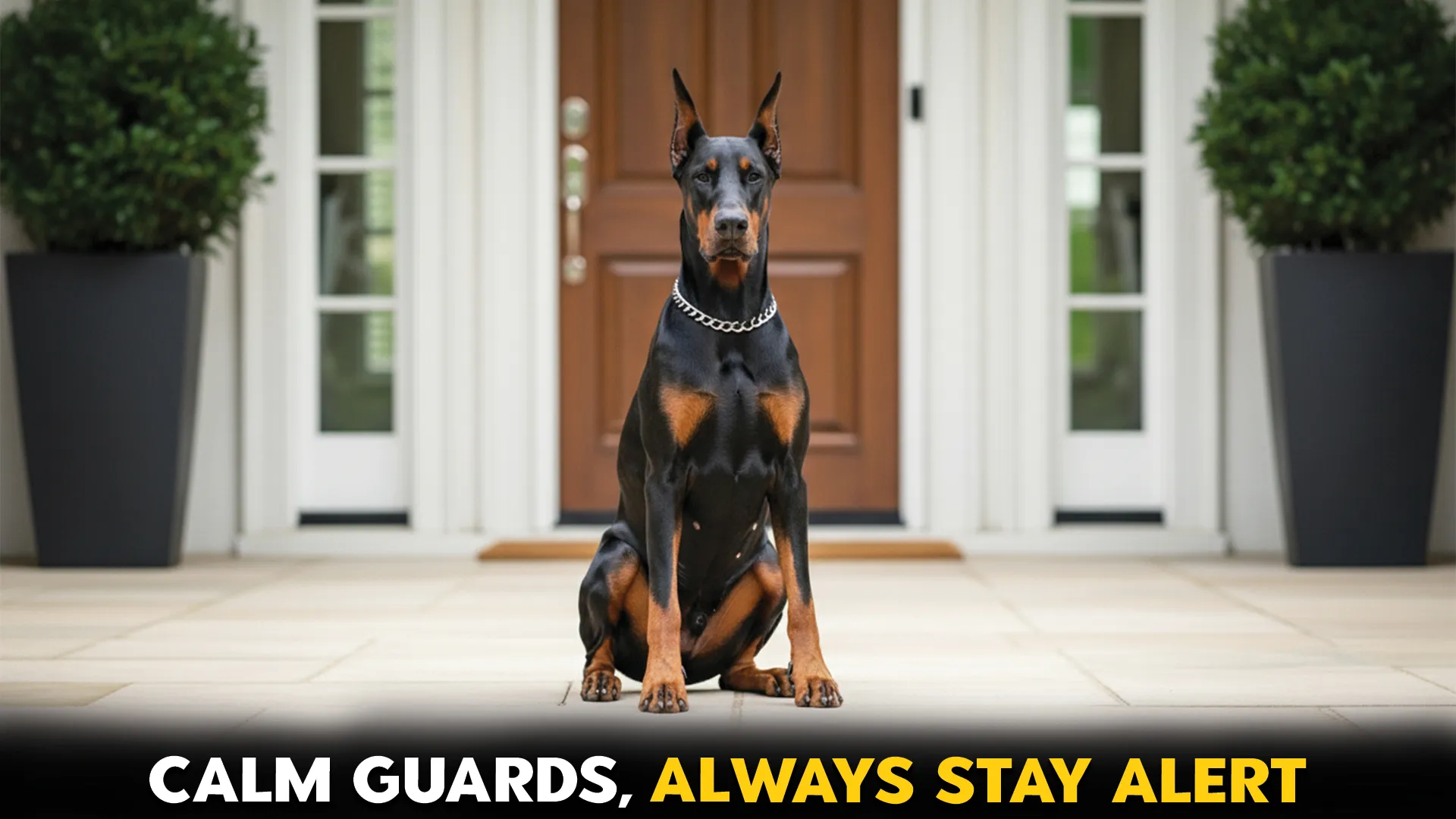
For thousands of years, dogs have quietly worked beside humans as protectors and companions. Scientific research shows that dogs were already closely connected to people more than 14,000 years ago, long before agriculture spread across many societies.
Over time, their ability to adapt to human needs turned them into reliable partners for tasks such as guarding homes, protecting livestock, and alerting owners to danger.
Modern studies of working guard dogs on farms in Germany reveal how effective calm, well-trained dogs can be.
Observations of more than a hundred guard dogs found that they often stay close to the animals they protect, remaining watchful while displaying friendly behaviour toward their owners and familiar people.
Toward strangers or outside animals, however, they become alert and dominant, acting as a natural warning system.
These traits, loyalty, awareness, and quiet confidence, are exactly what define low-key guard dog breeds: calm companions that protect without constant noise or aggression.
Key Takeaways
Low-key guard dogs alert to danger without constant barking, making them ideal for family homes.
These breeds balance watchfulness with patience, ensuring a peaceful household environment.
Studies show effective guard dogs stay close to those they protect, maintaining vigilance without aggression.
Early training and socialization ensure these dogs differentiate between strangers and loved ones.
The best protection comes from dogs whose guardianship is based on loyalty and awareness, not intimidation.
Low-Key Guard Dog Breeds: Calm, Loyal, and Alert
1. Doberman Pinscher
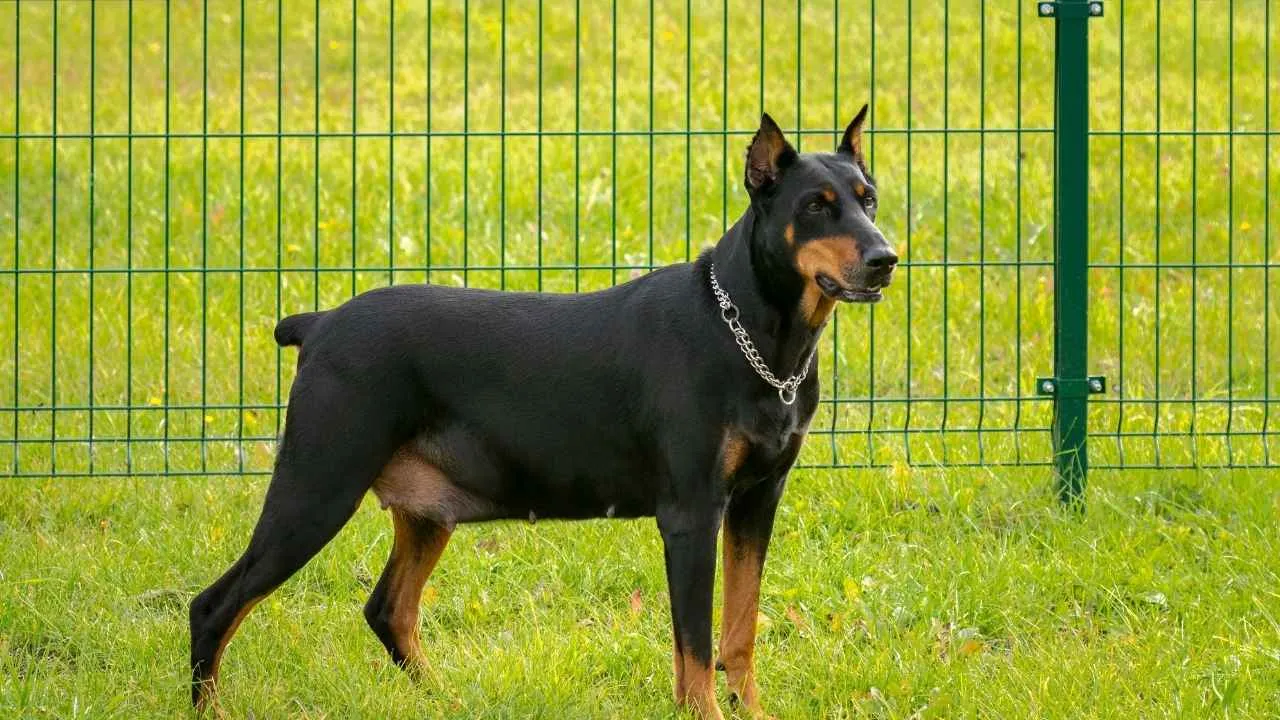
Sleek, powerful, and remarkably intelligent, the Doberman Pinscher stands as one of the most respected protection breeds in the canine world.
Compact yet muscular, these dogs move with smooth, athletic confidence. Their short, gleaming coats, seen in black, blue, red, or fawn with rust markings, enhance their elegant, noble appearance.
Calm but watchful, a well-trained Doberman’s mere presence can discourage intruders.
Despite their strength, Dobermans thrive as devoted companions when properly cared for.
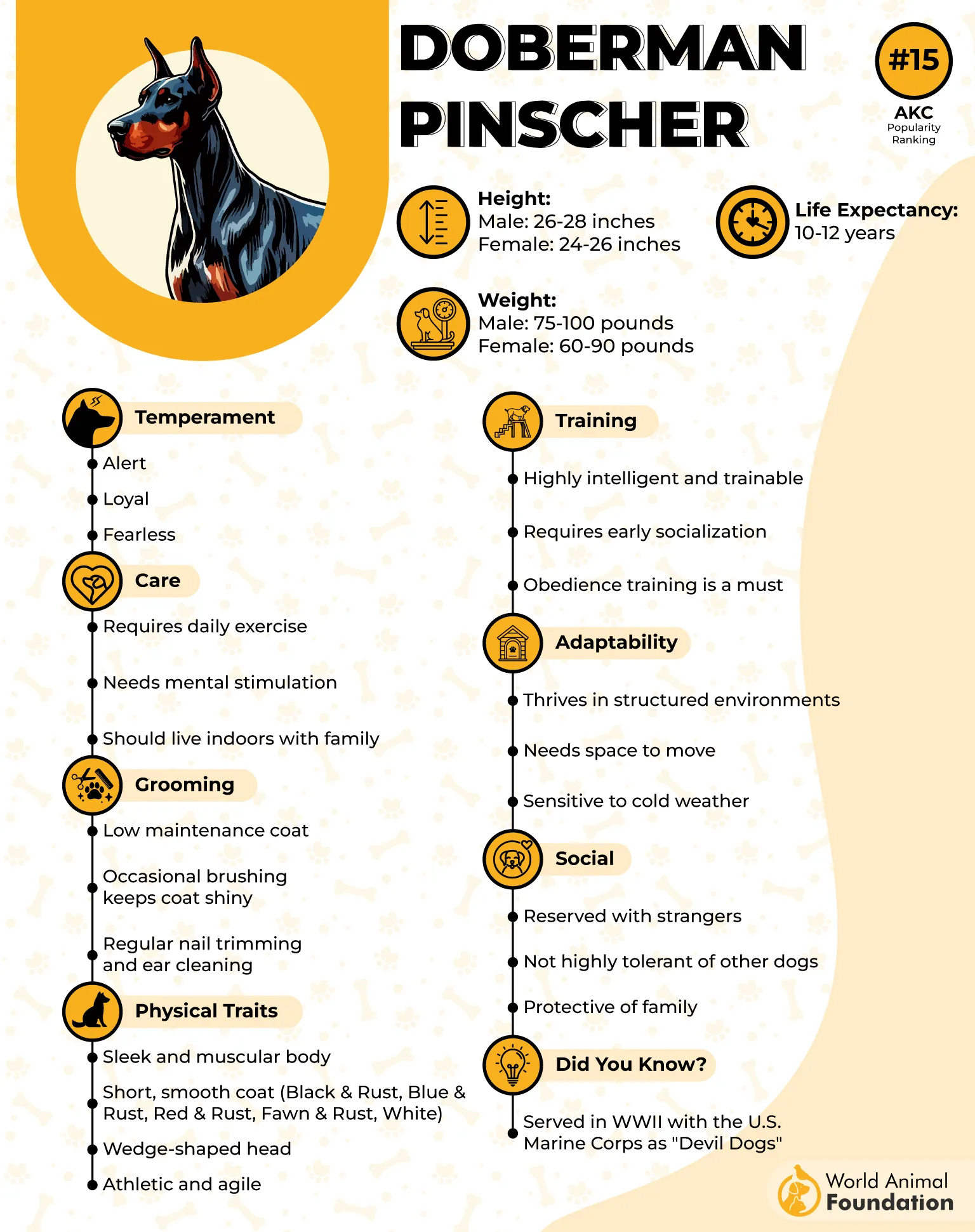
They benefit from regular exercise, such as long walks, playtime, or engaging in dog sports like obedience and agility. Highly intelligent and eager to learn, they respond well to consistent training and early socialization.
Routine grooming is simple, usually requiring brushing, nail trimming, and dental care. Owners should also be aware of certain health risks, including bloat, heart disease, and hip dysplasia, and work with responsible breeders who conduct proper genetic health testing.
2. Newfoundland
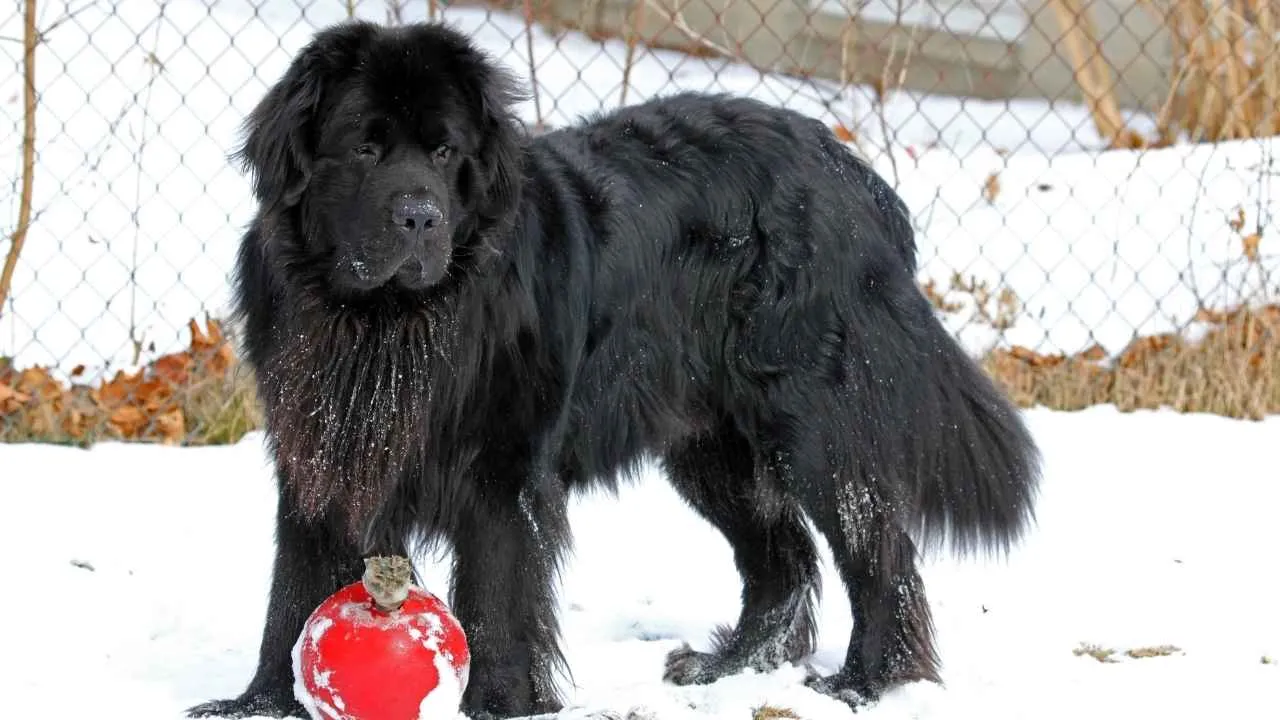
Powerful yet famously gentle, the Newfoundland is one of the low-key guard dog breeds known for its calm, loyal, and alert nature.
As excellent guard dogs and exceptional protectors, these dog breeds combine massive size, muscular build, and a thick coat with a gentle giant temperament.
Originally bred along the rugged coasts of Newfoundland, Canada, Newfoundlands hauled heavy loads, pulled ship lines, and rescued swimmers from icy waters, showcasing their protective instincts and natural protective instinct.
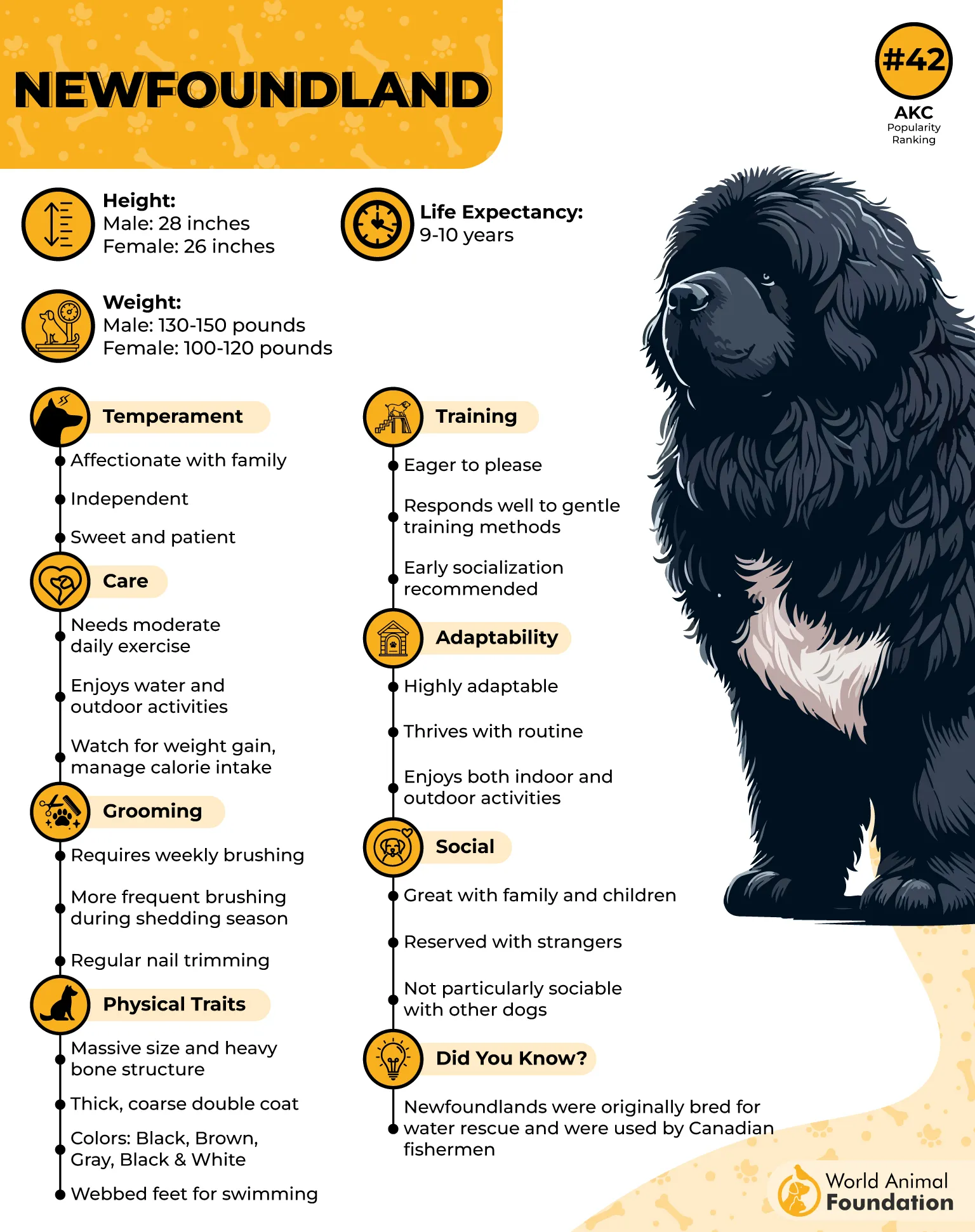
Today, they remain deeply devoted, incredibly loyal, and loving companions, making them ideal family pets and loyal companions for family members and small children.
Nicknamed “Newfies,” they have a dense, water-resistant thick coat, often black or in the Landseer pattern, and a deep bark that can deter intruders when needed.
With proper training, early socialization, and regular exercise and mental stimulation, they stay healthy, highly trainable, and maintain a calm demeanor, blending protective nature with an affectionate family life.
3. Boerboel
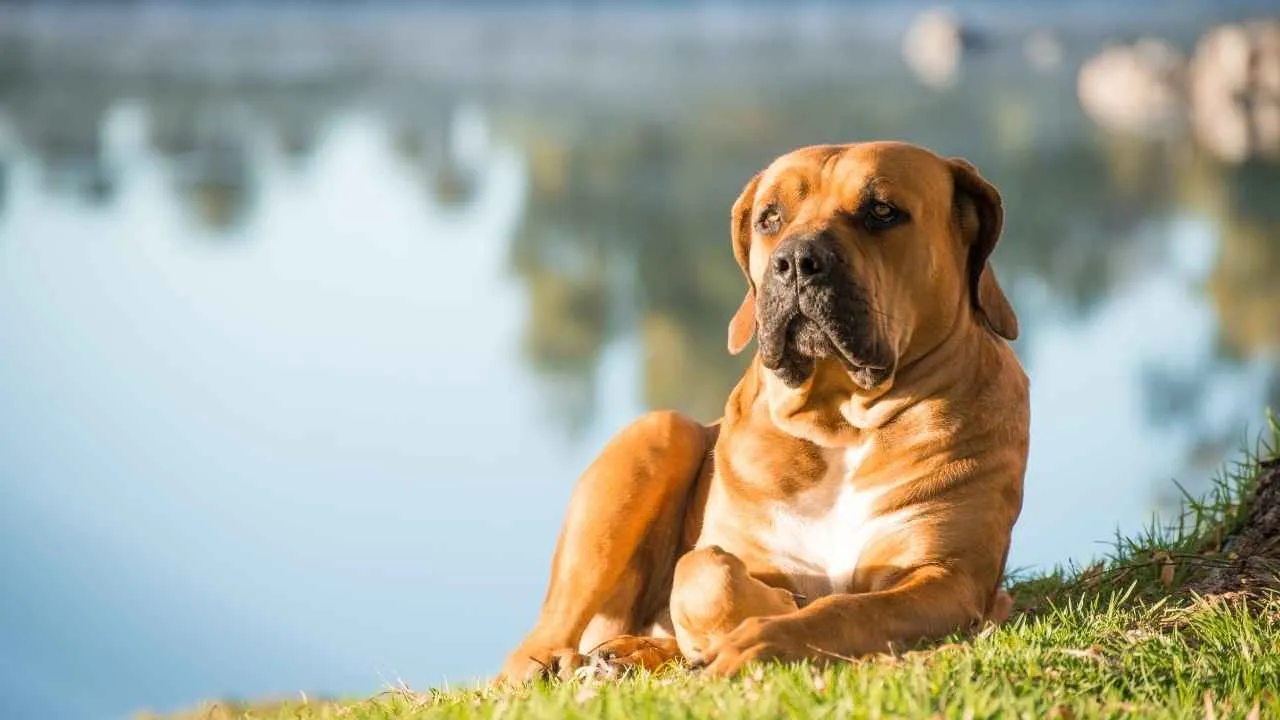
Calm, confident, and deeply loyal, the Boerboel is a powerful guardian with a dignified presence.
Originally developed in South Africa to protect farms and families, this breed was shaped to face serious threats while remaining devoted to its household.
Though known for its strong protective instincts, the Boerboel is intelligent enough to distinguish between friend and foe.
Behind its imposing appearance lies a balanced personality. Boerboels are calm, attentive, and eager to please the people they trust.
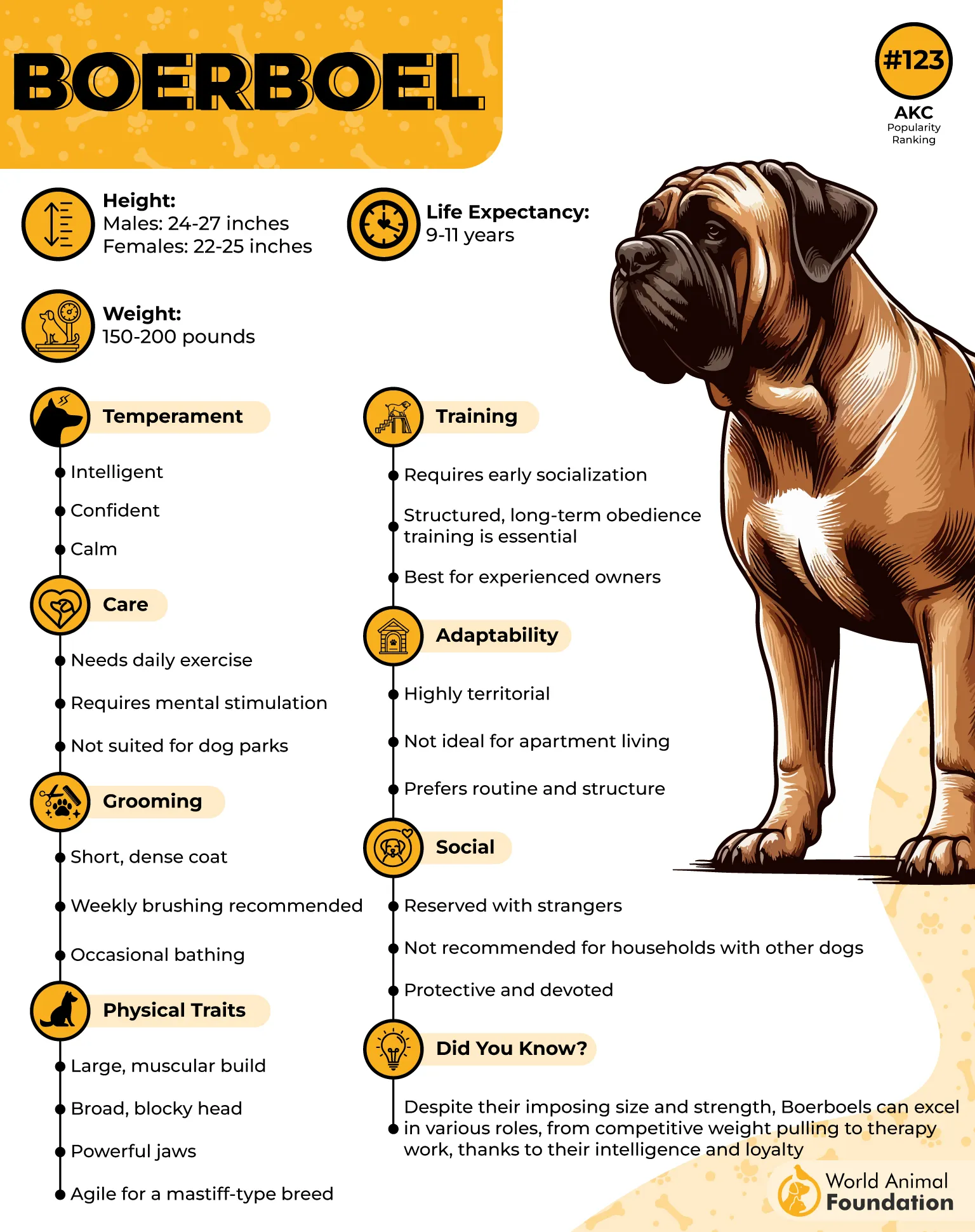
When properly trained and socialized from an early age, they grow into controlled, confident companions who watch over their homes with quiet determination rather than constant noise, as explained by WebMD.
Their short, dense coat, seen in shades such as brindle, brown, red, cream, or tawny, adds to their sleek, powerful look.
While affectionate with family, this breed requires experienced ownership, firm guidance, and consistent training to channel its strength and natural guarding instincts responsibly.
4. Rhodesian Ridgeback
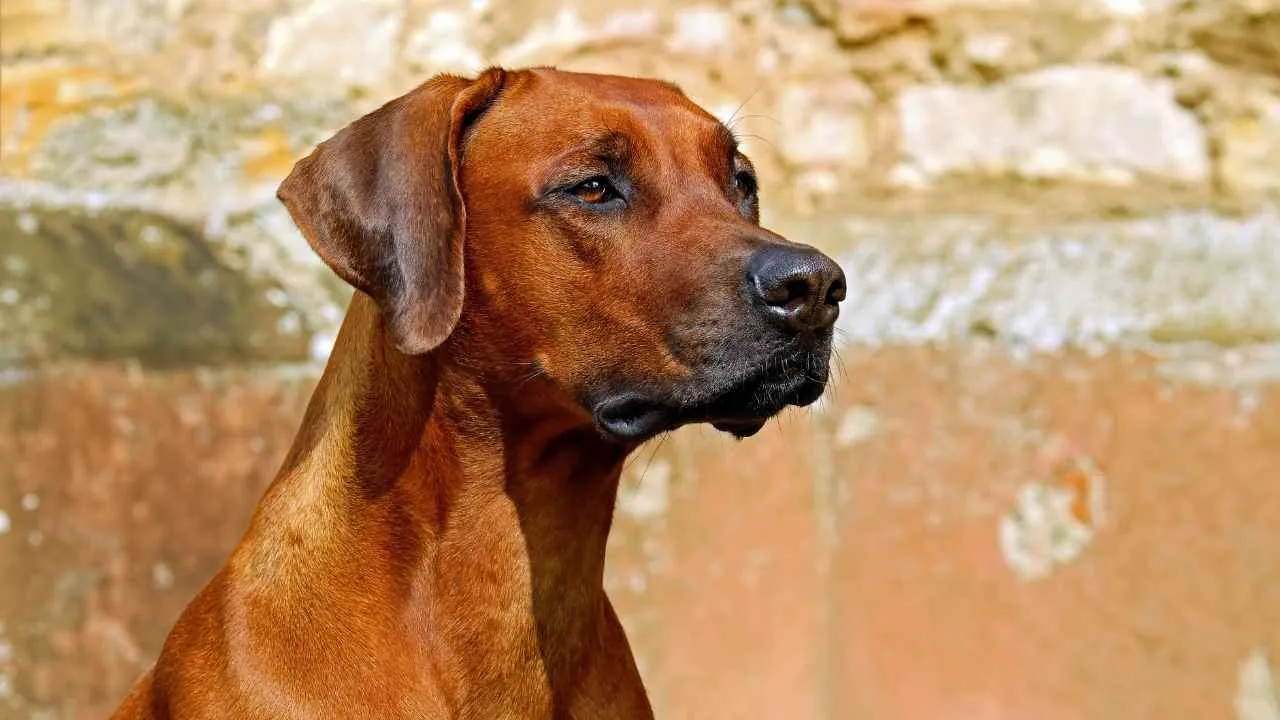
Calm, watchful, and deeply loyal, the Rhodesian Ridgeback is one of the low-key guard dog breeds known for being calm, loyal, and alert.
Originally bred in southern Africa, this great guard dog served both as a skilled hunter and a loyal companion to the family.
Developed in the early 1900s by combining several dog breeds, the Ridgeback was designed to hunt large game, endure harsh conditions, and protect households with its natural protective instinct.
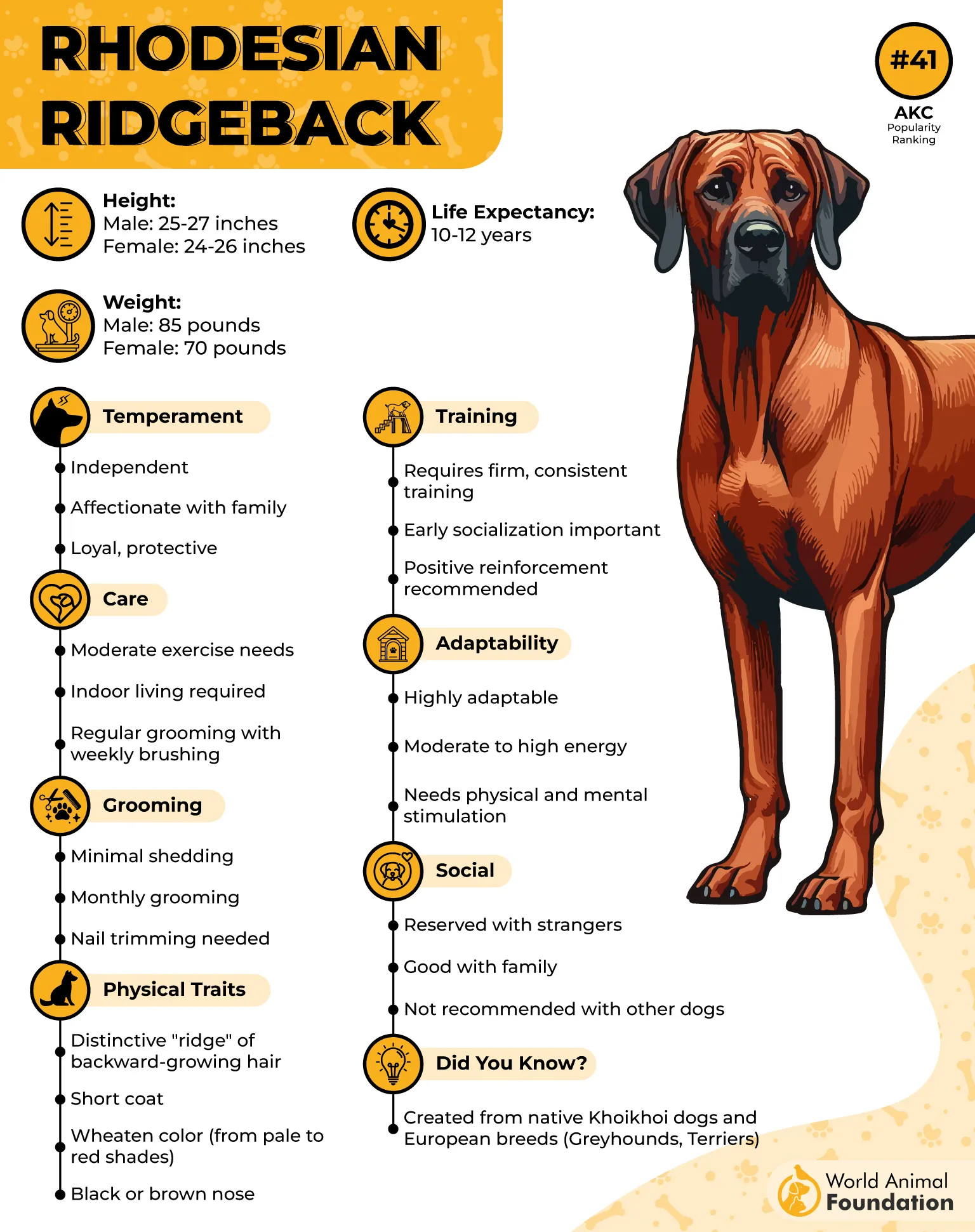
Nicknamed the “Lion Dog” for its history in lion hunting, the breed stands out with the distinctive ridge of hair along its back, contrasting its short, wheaten-colored coat.
Despite its massive size and sharp instincts, the Ridgeback has a calm demeanor and reserved nature, rarely barking unless alerting its owners to strangers.
With proper training, early socialization, exercise, and mental stimulation, it becomes both an exceptional protector and a loving family pet, safe around small children and other pets while guarding estates or homes.
5. Mastiff
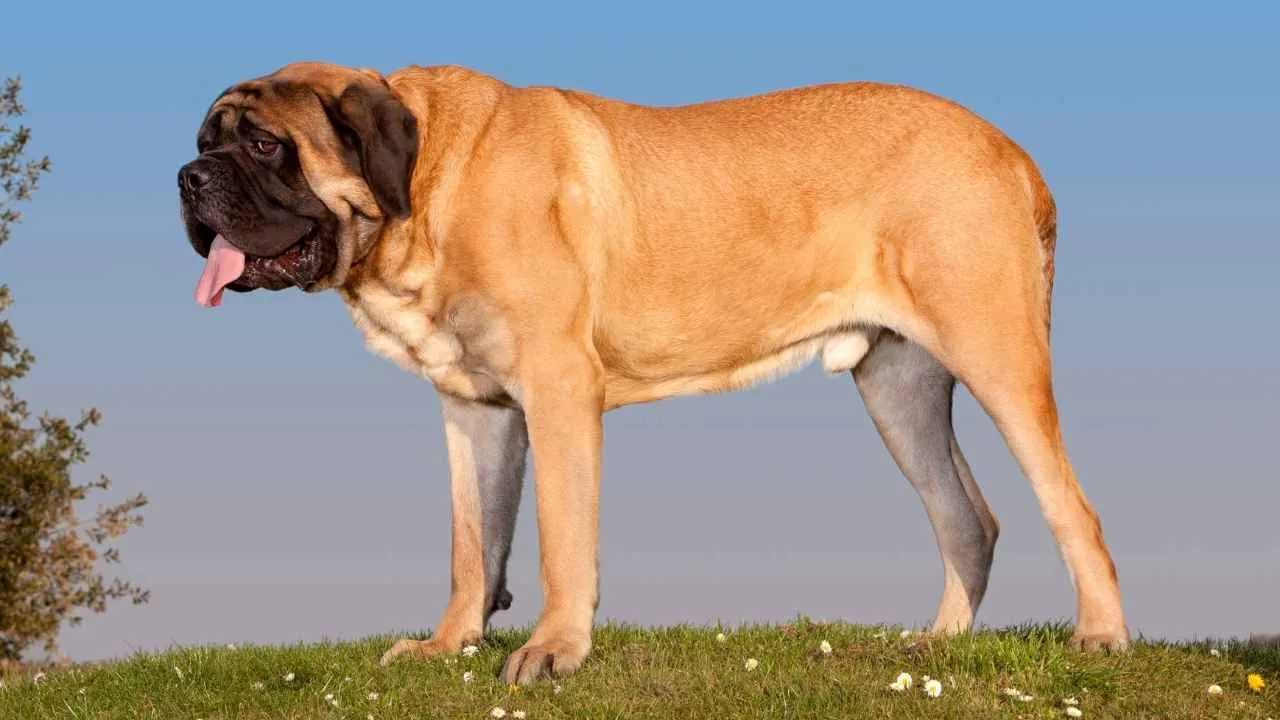
Massive in presence yet calm in temperament, the Mastiff is one of the most ancient and respected guardian breeds.
Known for its broad head, powerful build, and quiet confidence, this dog carries a natural sense of authority without constant aggression.
Though imposing, Mastiffs are deeply devoted to their families and often behave like oversized lap dogs, happiest when resting close to their people.
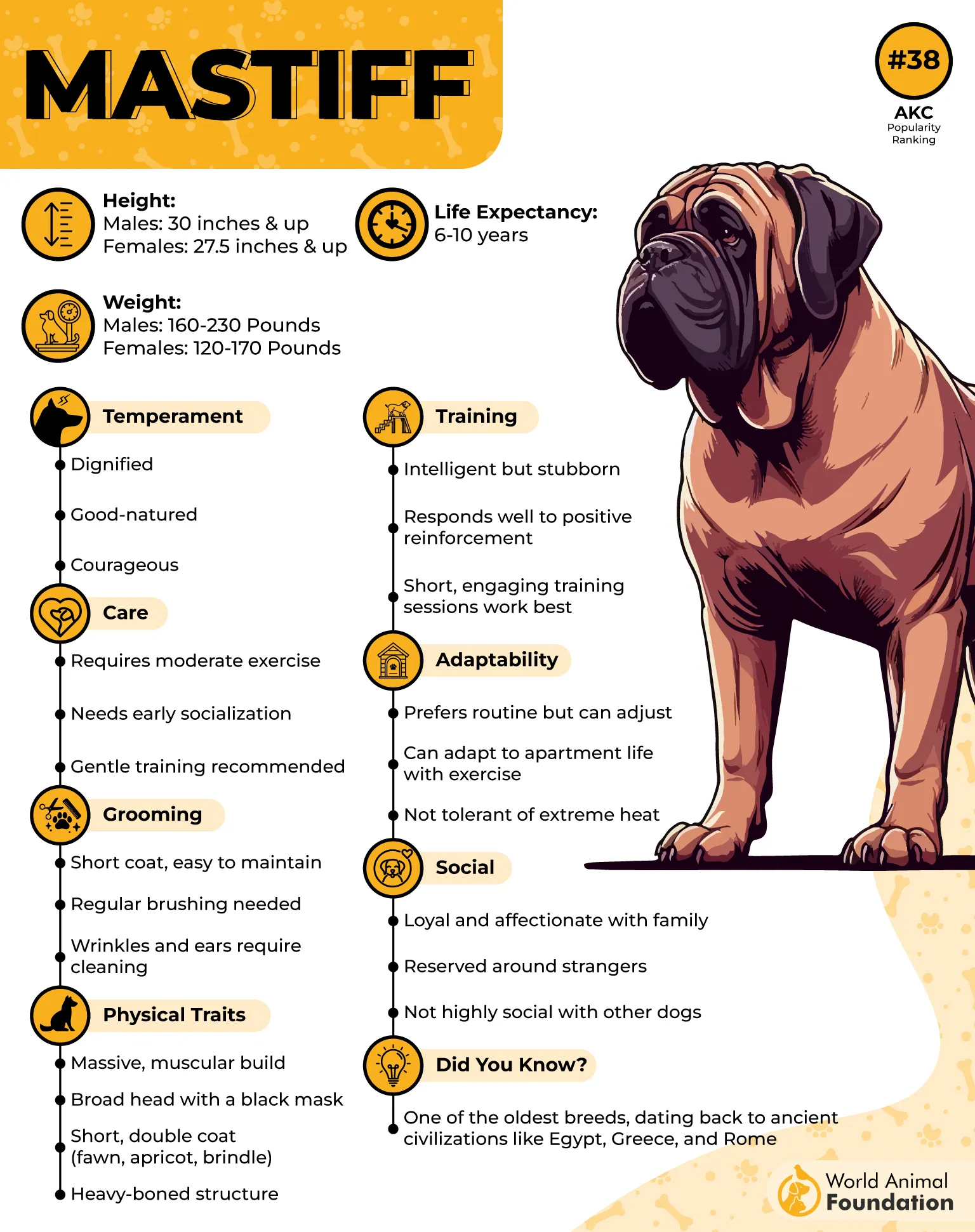
Naturally watchful, they tend to be reserved or suspicious around strangers and may alert their owners if something feels wrong, according to Purina.
Their protective instincts have deep historical roots. Mastiff-type dogs were known in England even before Roman times, and later admired by the Romans for their strength and courage.
Despite their formidable appearance, Mastiffs are typically quiet and laid-back, enjoying relaxed walks, long naps, and time in a sunny garden. With proper training and early socialization, they become loyal, steady companions who guard their homes calmly rather than with constant noise or aggression.
6. Bergamasco Sheepdog
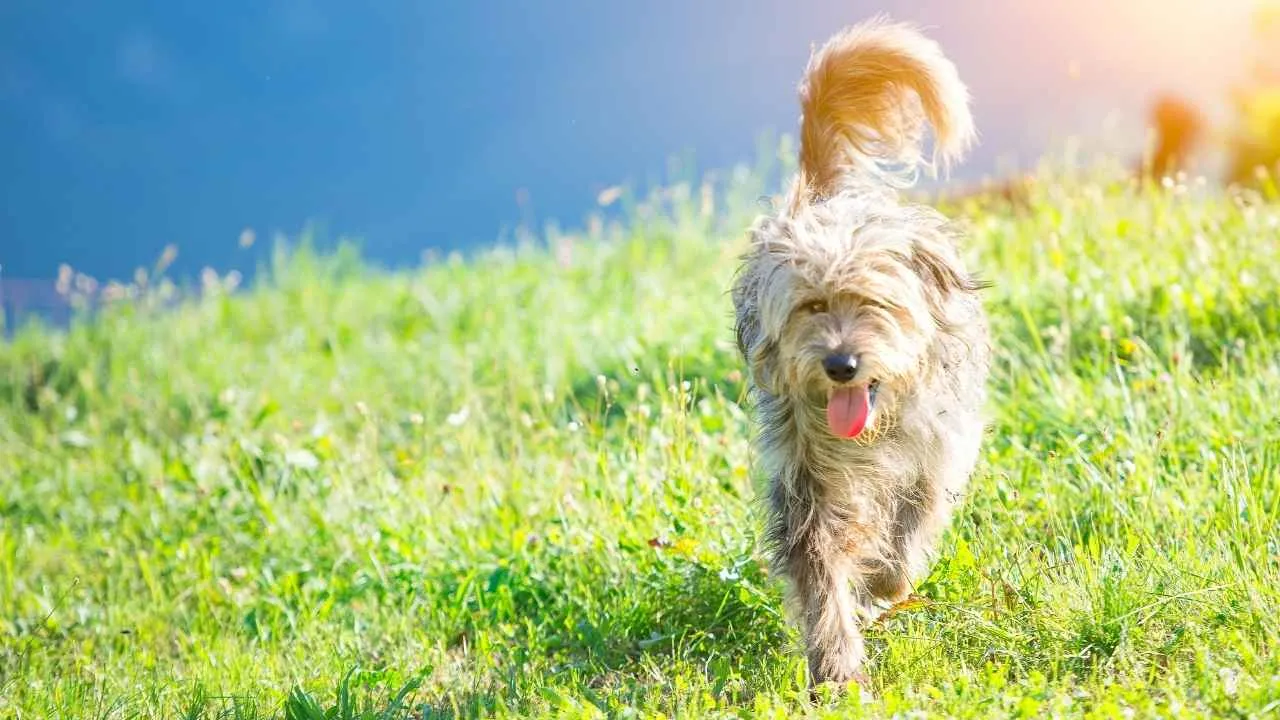
Ancient, loyal, and quietly attentive, the Bergamasco Sheepdog has long been valued as a dependable working companion in the Italian Alps.
Originating in the Bergamo region, where sheep farming thrived, this herding dog helped guide flocks during seasonal migrations across rugged mountain landscapes.
Its history stretches back centuries, even appearing in paintings from the 16th century.
The Bergamasco stands out for its remarkable coat, made of three different hair textures that naturally form loose mats, or “flocks.”
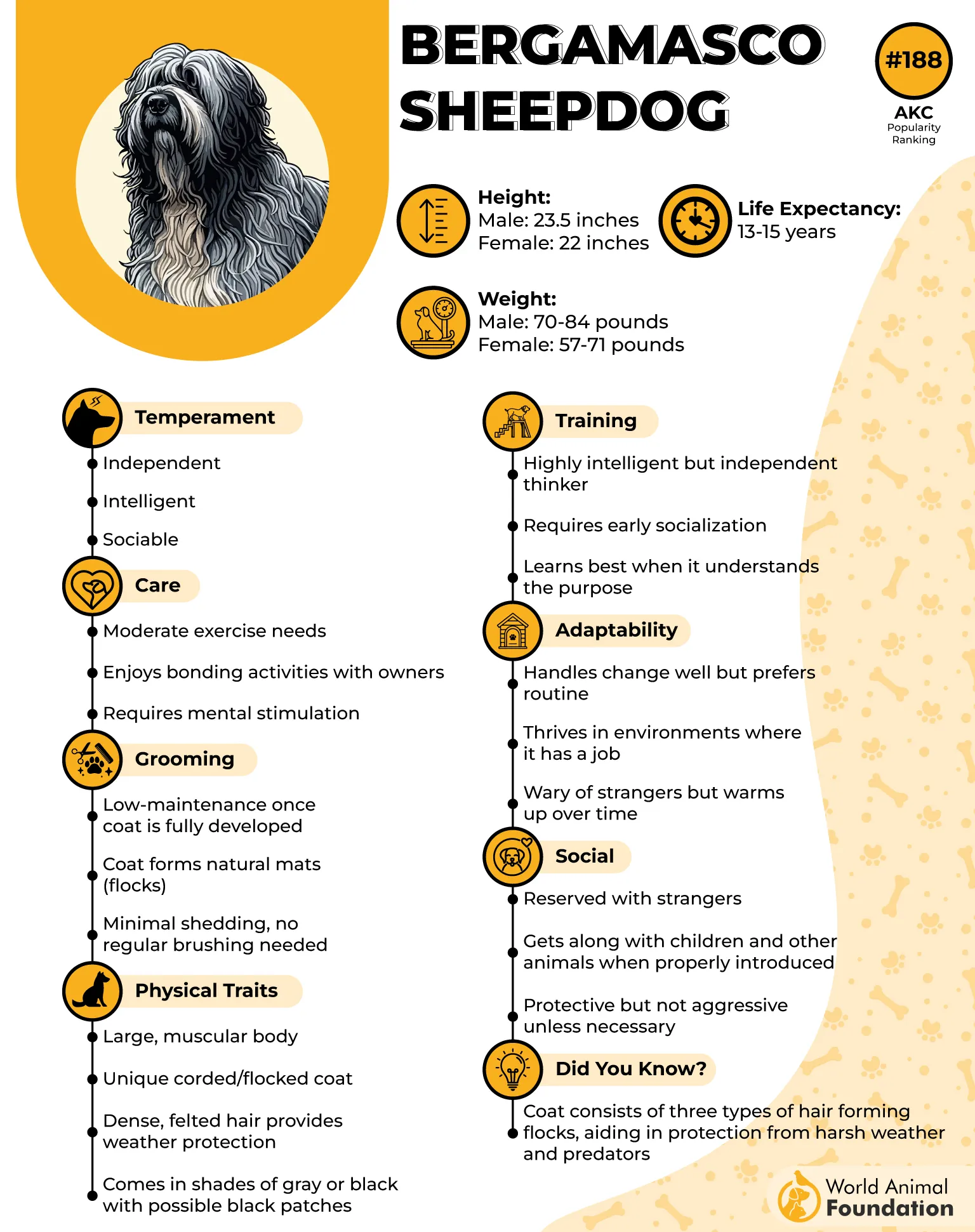
These distinctive strands once protected the dog from the harsh alpine climate. Beneath that unusual coat lies a bright, loyal, and affectionate dog with a thoughtful streak of independence.
Calm yet alert, the Bergamasco forms strong bonds with its family and thrives with early training and socialization.
Though not aggressive, it remains watchful and devoted, making it a steady, low-key guardian that quietly keeps an eye on both home and loved ones.
7. Great Dane
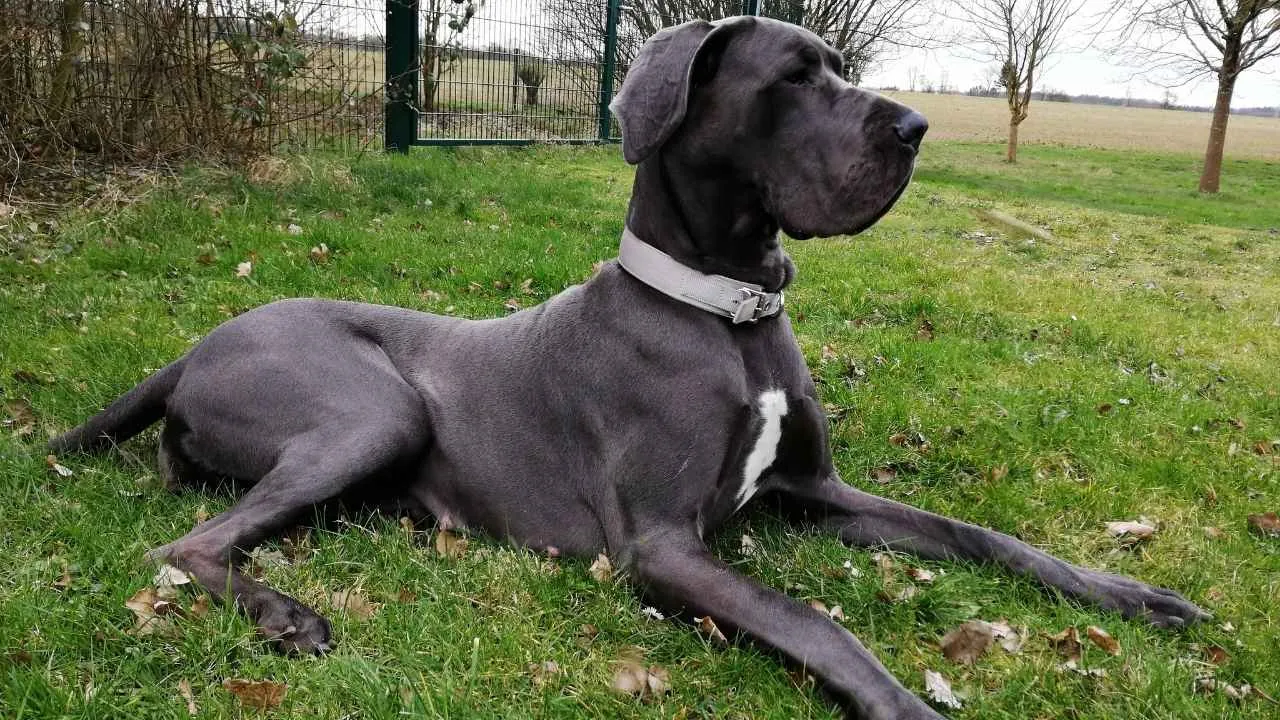
Majestic in size yet gentle at heart, the Great Dane is often called the “gentle giant” of the dog world. Despite its commanding presence, this breed is known for a calm, affectionate nature and a strong bond with its family.
Great Danes are people-oriented companions who enjoy being close to their owners, sometimes even attempting to curl up like oversized lap dogs.
Historically, the breed was refined in Germany, where it was used to guard estates and hunt wild boar.
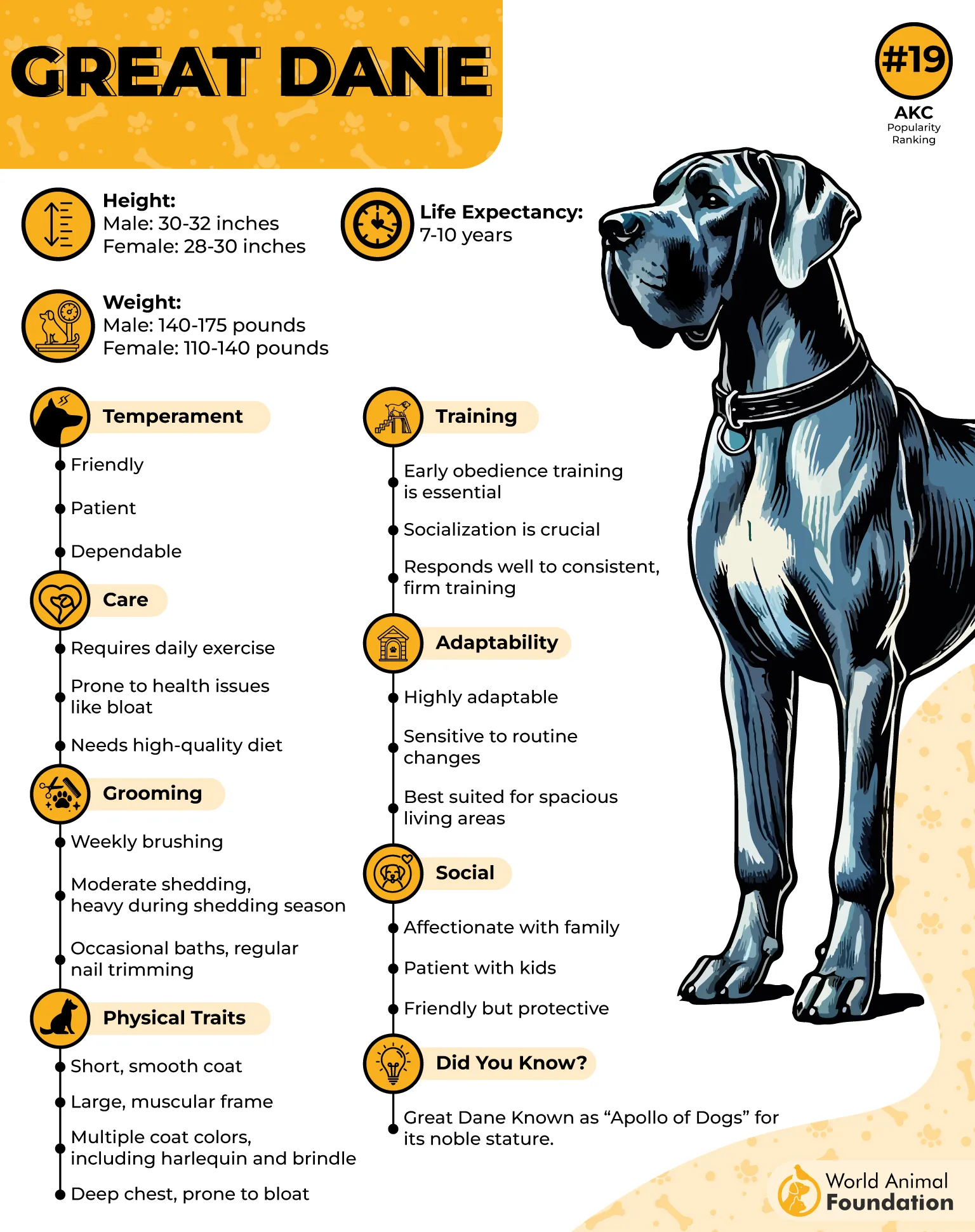
Over time, breeders focused on developing a more balanced temperament, shaping the loyal and friendly companion recognized today.
Though naturally sociable, Great Danes remain alert and protective when they sense something unusual.
They typically welcome guests but will step into a guarding role if they believe their family is threatened, as stated by Greencross Vets.
Our dog harness size calculator helps you pick the right harness for your furry friend.
Dog Harness Size Calculator



With early socialization and training, this intelligent breed becomes a calm, steady protector, watchful without being noisy, and devoted to the people it loves.
Conclusion
Low-key guard dog breeds prove that protection doesn’t always come with constant barking or intimidating behavior.
Many of these dogs combine calm temperaments with natural awareness, offering quiet reassurance simply through their presence.
Breeds like the Great Dane, Bergamasco Shepherd, and Bullmastiff show that a guardian can also be a gentle, affectionate family companion.
What makes these dogs special is their balanced nature. They are loyal and observant, often choosing to watch and assess situations rather than react with unnecessary noise or aggression.
With proper training, early socialization, and a supportive home environment, these breeds develop into steady protectors who naturally look after the people they love.
For families seeking both companionship and peace of mind, a calm guard dog can be the perfect match. Their quiet confidence, deep loyalty, and protective instincts create a unique bond—one built not on fear, but on trust, devotion, and a shared sense of home.
