




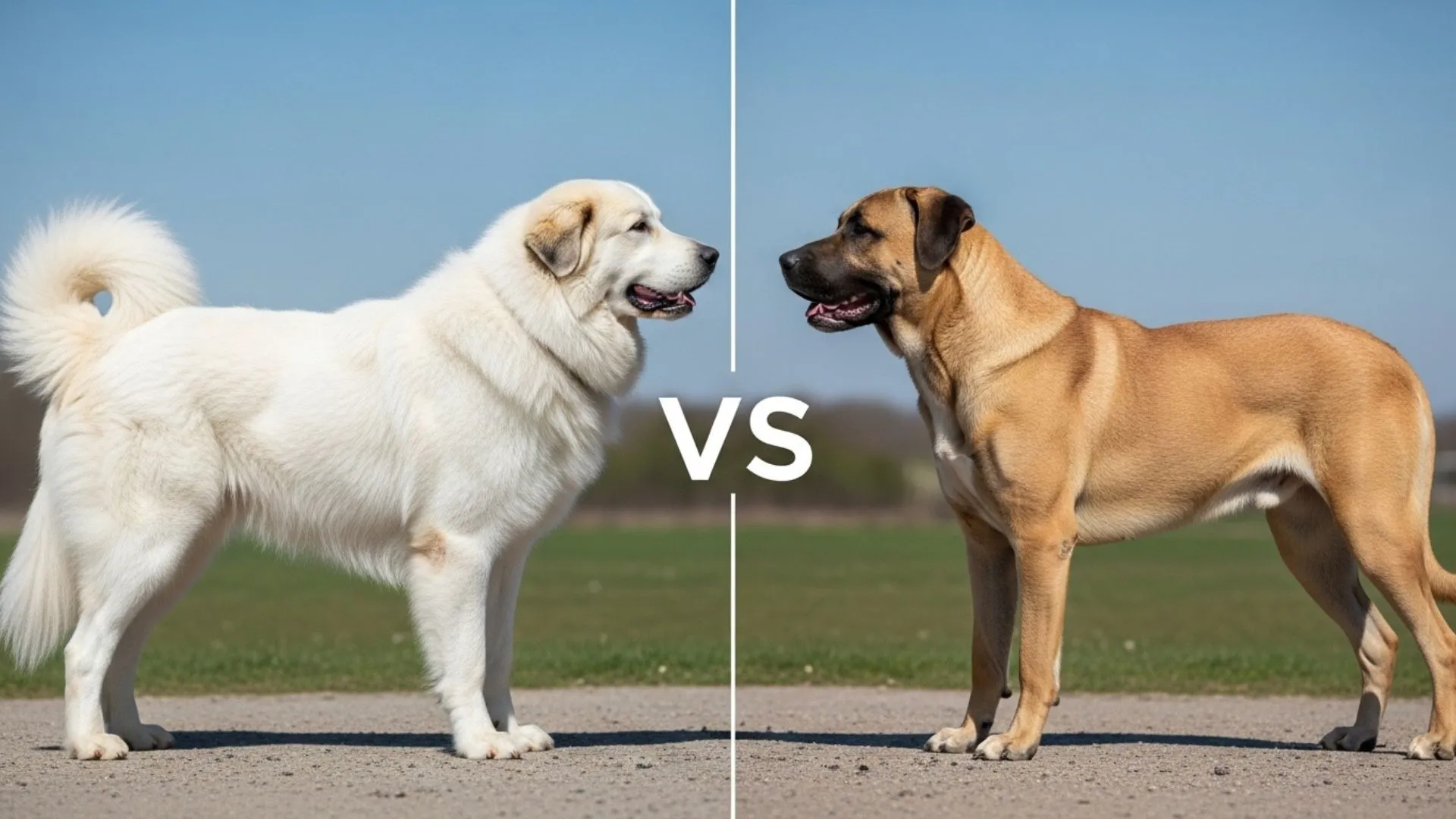
When it comes to powerful livestock guardians, few names spark as much curiosity as the Great Pyrenees and the Kangal. Both breeds have earned a legendary reputation for protecting flocks, standing fearlessly against predators, and forming deep bonds with their families.
At first glance, they may seem similar—large, imposing, and incredibly loyal—but beneath that calm, watchful exterior lies a world of differences worth exploring.
Size and strength are often the first things people notice, and in this comparison, they truly matter. These dogs aren’t just big—they’re built for purpose. From bone structure to bite force, each breed reflects the environment it was shaped in.
But protection goes beyond physical ability. Temperament, instincts, and decision-making play a huge role in how these dogs guard what matters most.
So, whether you’re drawn to the gentle giant nature of the Great Pyrenees or the intense, no-nonsense protection style of the Kangal, this article will help you understand which guardian truly stands out—and which one might be right for you.
Key Takeaways
Discover how Great Pyrenees and Kangal differ in size, strength, and guarding style.
Learn which breed’s calm and independent nature fits your home or farm.
Explore endurance and energy levels to see which dog can keep up with your lifestyle.
Understand protective instincts and temperament to choose the right loyal guardian.
Great Pyrenees vs Kangal: Size, Strength, and Protection Compared
Size and Strength
Great Pyrenees
The Great Pyrenees is a true giant, originally bred to guard livestock in the rugged Pyrenees Mountains. Standing 25–32 inches tall, these dogs are heavily built, with females weighing around 85–100 pounds and males often exceeding 100 pounds.
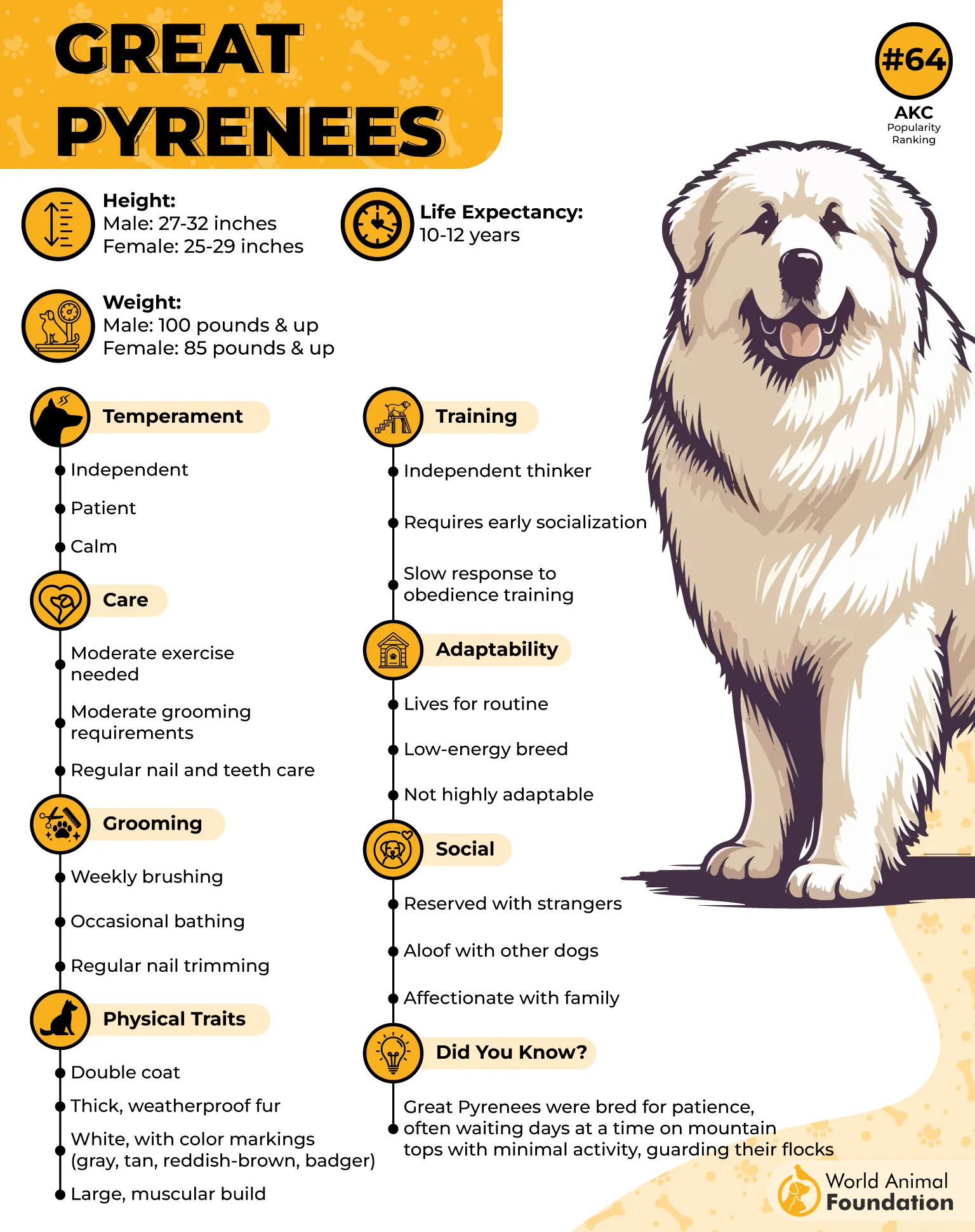
Build: Large frame with thick bones
Coat: Dense, insulating double coat
Strength Style: Endurance and physical presence
Rather than relying on speed, the Great Pyrenees uses its size, stamina, and calm authority to deter predators. Its strength is more about holding ground and standing firm than chasing or attacking.
Kangal
The Kangal dog is slightly more streamlined but equally impressive. Males typically stand around 28–29 inches and weigh 110-150 pounds, while females are about 27 inches tall and weigh around 80-120 pounds.
Build: Muscular and athletic
Coat: Short, dense, and weather-resistant
Strength Style: Speed, agility, and explosive force
The Kangal’s body is built for quick reactions and active defense. It combines strength with agility, making it highly effective against fast or aggressive predators.
Temperament
Great Pyrenees
The Great Pyrenees is calm, gentle, and deeply devoted to its family, making it a great choice for peaceful households. Known for its patience and affectionate nature, it usually gets along well with children and other pets, though it appreciates having its own space, as noted by the AKC.
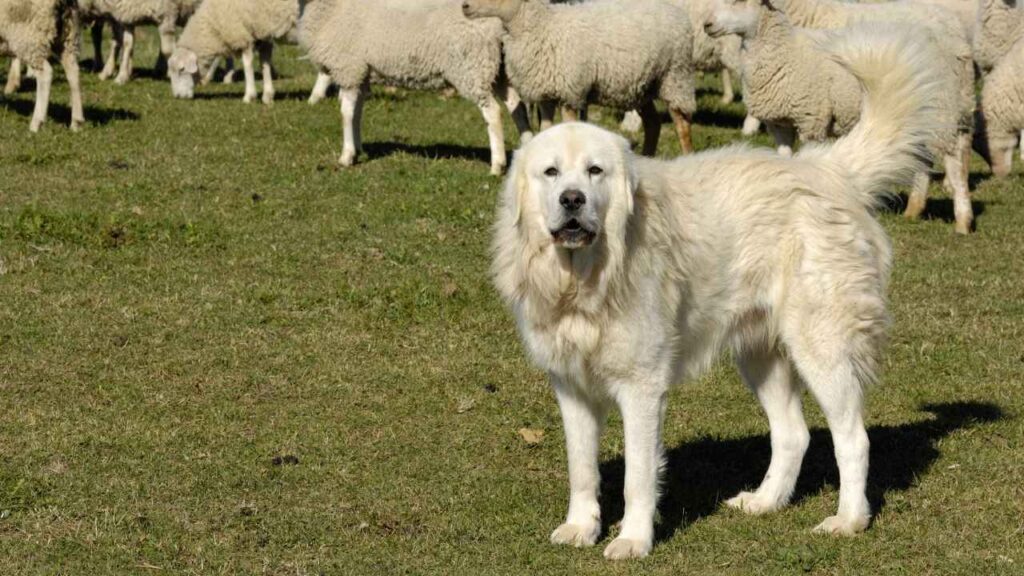
Bred to work independently, this breed can be stubborn and less responsive to training, but it is also highly reliable as a guardian. While generally relaxed at home, the Great Pyrenees is naturally alert and tends to bark to warn its family of anything unusual.
Kangal
The Kangal dog has a more serious and protective temperament, forming strong bonds with its family while remaining reserved around strangers. Calm and controlled in familiar settings, it becomes highly alert when it senses a potential threat.
Intelligent and independent, the Kangal dog often makes its own decisions, which makes it a powerful guardian but also a challenging breed to train. Its territorial nature and strong protective instincts mean it requires early socialization and experienced handling to ensure balanced behavior.
Health
Great Pyrenees
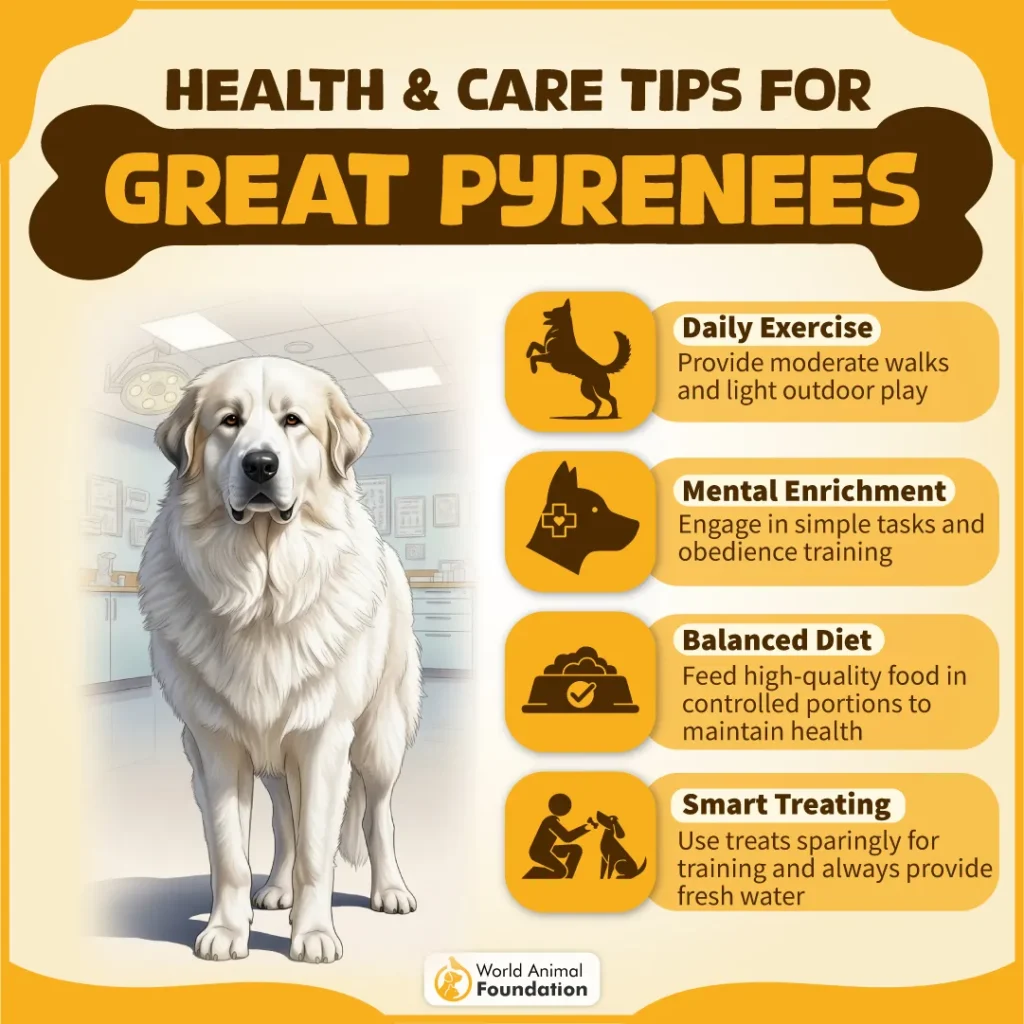
The Great Pyrenees typically enjoys a lifespan of 10–12 years, which is slightly longer than the average for giant breeds. While generally healthy, their large size and genetic background can make them prone to certain conditions that affect mobility, growth, and overall well-being.
Responsible breeders often screen for these issues to help ensure the long-term health of the breed, and early detection paired with proper care can significantly improve quality of life.
Hip dysplasia – a joint condition where the hip bones don’t fit together properly, leading to pain and limited mobility
Elbow dysplasia – abnormal development of the elbow joint, causing discomfort and potential arthritis
Chondrodysplasia – a genetic growth disorder that can result in shortened limbs and trunk
Bloat (GDV) – a life-threatening condition where the stomach twists, cutting off blood flow to organs
Entropion – eyelids roll inward, causing the eyelashes to irritate the cornea and potentially lead to ulcers
Kangal
Kangals are large, powerful, and highly capable guardian dogs, but their size and working heritage mean they are also predisposed to certain health concerns.
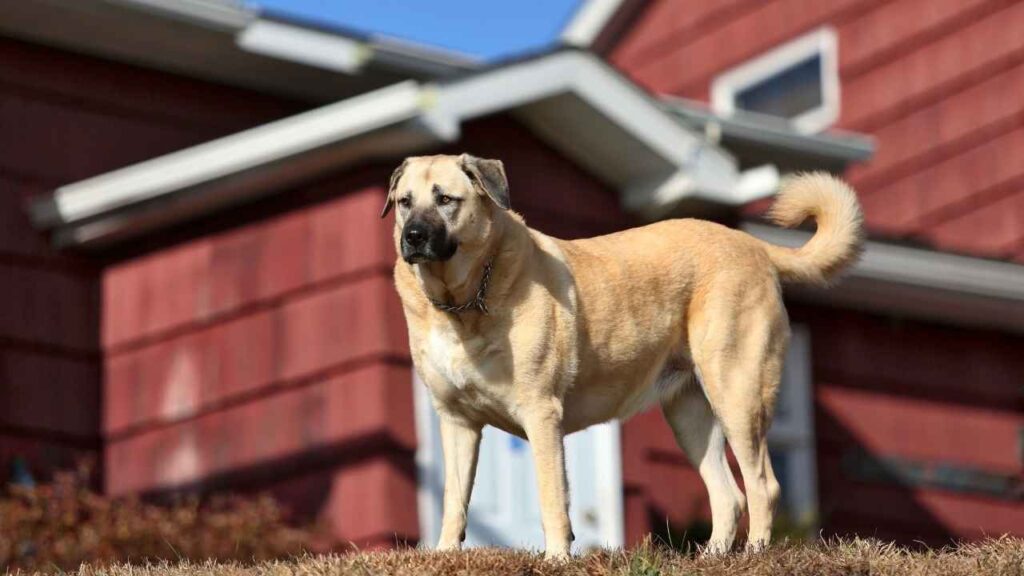
With responsible breeding, proper nutrition, adequate exercise, and regular veterinary care, Kangals can remain healthy and active for many years. Awareness and early management of these conditions are key to helping these dogs thrive, both as working guardians and family companions.
Hip dysplasia – a common joint disorder that can reduce mobility and cause pain
Elbow dysplasia – developmental issues in the elbow joint that may lead to arthritis
Entropion – inward rolling eyelids that irritate the eye and may require corrective surgery
Bloat (GDV) – a serious gastrointestinal condition where the stomach twists, requiring immediate veterinary care
Endurance
Great Pyrenees
The Great Pyrenees was bred to guard flocks in the rugged Pyrenees Mountains, often spending long hours alone in harsh conditions, as mentioned by PetMD. This has given them remarkable stamina and endurance, allowing them to patrol large areas without tiring.
They are not built for speed, but their strength lies in sustained, steady movement and the ability to remain alert for extended periods. This endurance also makes them well-suited for roaming large yards or properties, though they don’t require intense exercise like working sleds or herding dogs.
Type of Endurance: Steady, long-duration stamina
Exercise Needs: Moderate daily activity; enjoy roaming freely
Alertness: Can stay watchful for hours without fatigue
Work Style: Patience and persistence over bursts of speed
Kangal
The Kangal was developed to guard livestock against predators across wide, open landscapes in Turkey. Kangals combine strength, speed, and endurance, capable of chasing off threats or covering large areas quickly if needed.
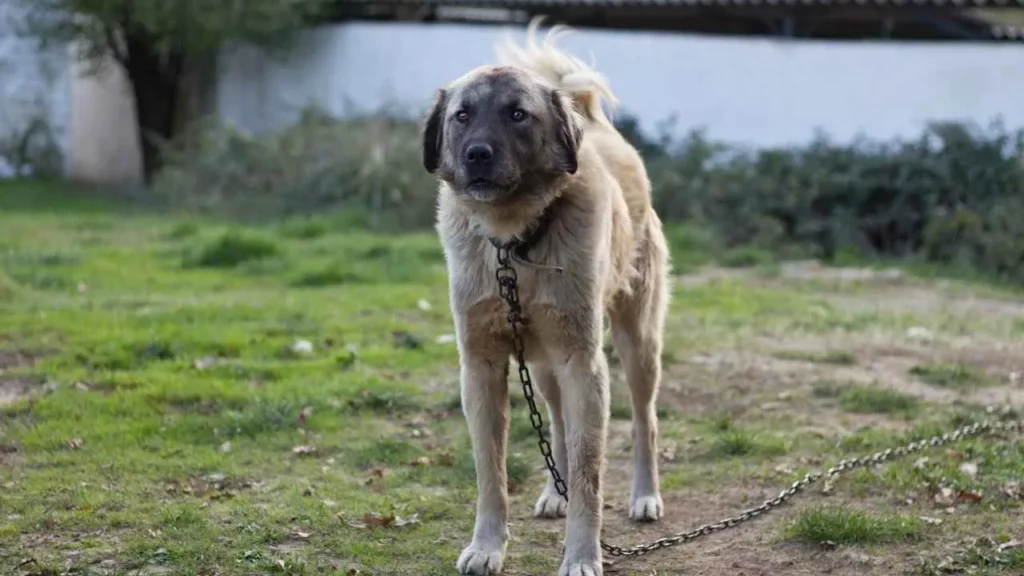
Unlike the Great Pyrenees, they are built for both power and agility, allowing them to respond rapidly while maintaining long-term vigilance. Their endurance is balanced with explosive strength, making them highly effective in protecting livestock across rugged terrains for extended periods.
Type of Endurance: Mix of stamina and explosive power
Exercise Needs: Large spaces for roaming and mental stimulation
Alertness: Highly watchful and responsive
Work Style: Quick action with sustained guarding ability
Calmness
Great Pyrenees
The Great Pyrenees is known for its calm, patient, and gentle nature, making it an excellent companion for families and quiet households.
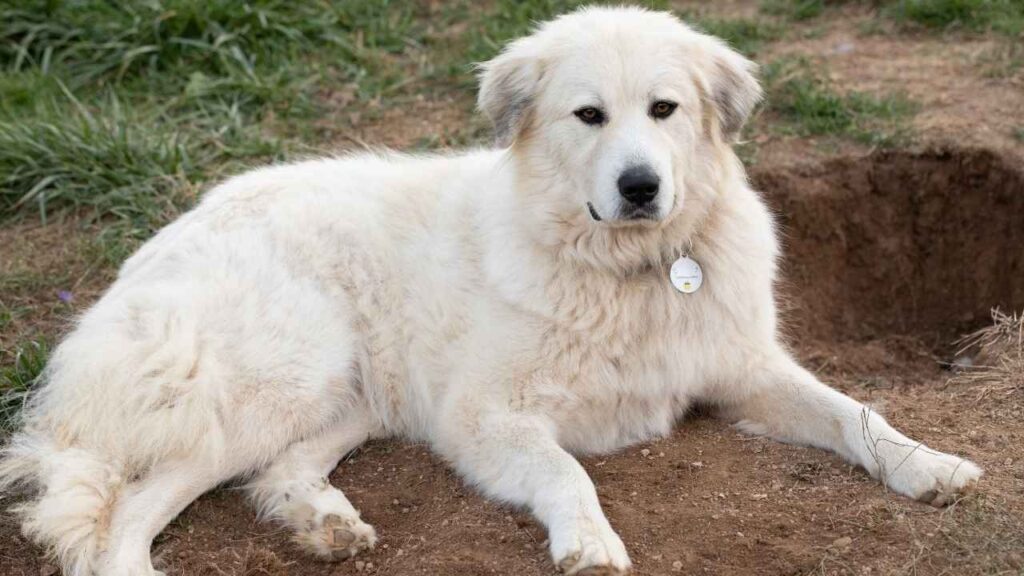
Despite their impressive size and strength, they are usually gentle around the people they love and thrive in environments where they have space to roam and relax. While they are naturally alert and protective, their calm demeanor makes them less excitable compared to other large breeds.
Personality: Calm, independent, and affectionate
Family-Friendly: Good with children who understand how to interact safely
Behavior: Gentle, trustworthy, and well-mannered with routine and patience
Environment: Thrive in homes with space to roam or farm settings with livestock
Great Pyrenees dogs can handle urban or farm life as long as they are given sufficient space and mental stimulation.
They are not highly excitable, and while obedience training may be challenging due to their independent thinking, consistent routines help them become reliable companions. Their calmness, paired with alertness, makes them excellent livestock guardians and family pets alike.
Kangal
The Kangal dog combines calm composure with a strong protective instinct, making it a steady and controlled presence in the home. Kangals bond closely with their family, remaining cool and calm unless they perceive a threat.
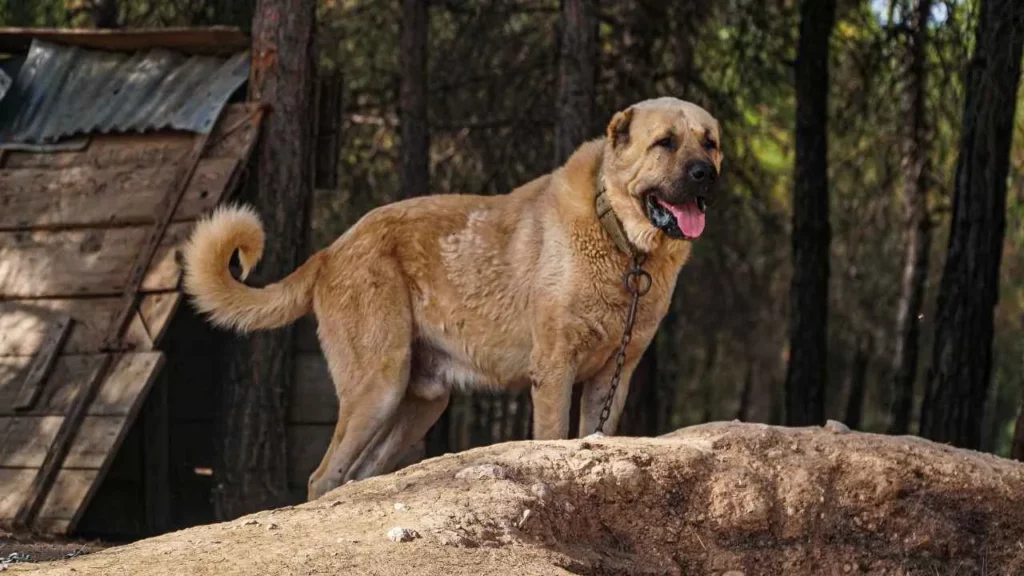
Their independent thinking allows them to make decisive judgments in guarding situations, but this also means they need experienced handling and early socialization.
Personality: Calm, intelligent, and independent
Family-Friendly: Loyal to family; good with well-socialized children and pets
Behavior: Aloof toward strangers but controlled and courageous when needed
Training Needs: Requires experienced owners; errors in judgment can be serious
While Kangal dogs are generally calm around familiar people, their territorial instincts mean they can be wary or reserved around strangers.
Their calmness is balanced with a high level of vigilance, making them both reassuring and protective companions for homes with space and structured management.
Protective and Guarding Instincts
Great Pyrenees
The Great Pyrenees was bred as an independent flock guardian in the Pyrenees Mountains, protecting sheep from predators like wolves and bears.
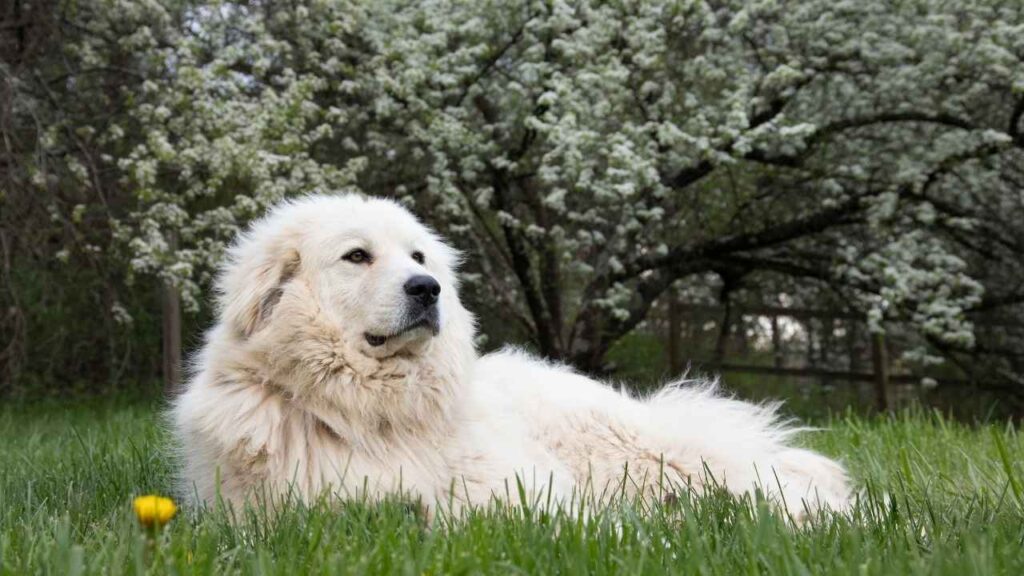
This history has given them a strong protective instinct while remaining calm and measured. They are watchful, alert, and will bark to warn their family rather than act aggressively without reason.
Great Pyrenees are intelligent and independent, which can make obedience training challenging, but with patience, they become trustworthy companions and effective guardians for both homes and livestock.
Despite their size and strength, they are generally gentle with family and moderate in energy, conserving their stamina for when protection is truly needed.
Kangal
The Kangal is a powerful, territorial guardian known for protecting livestock and family with courage and decisiveness. Purina mentions that Kangals are independent thinkers, capable of making critical decisions without human input.
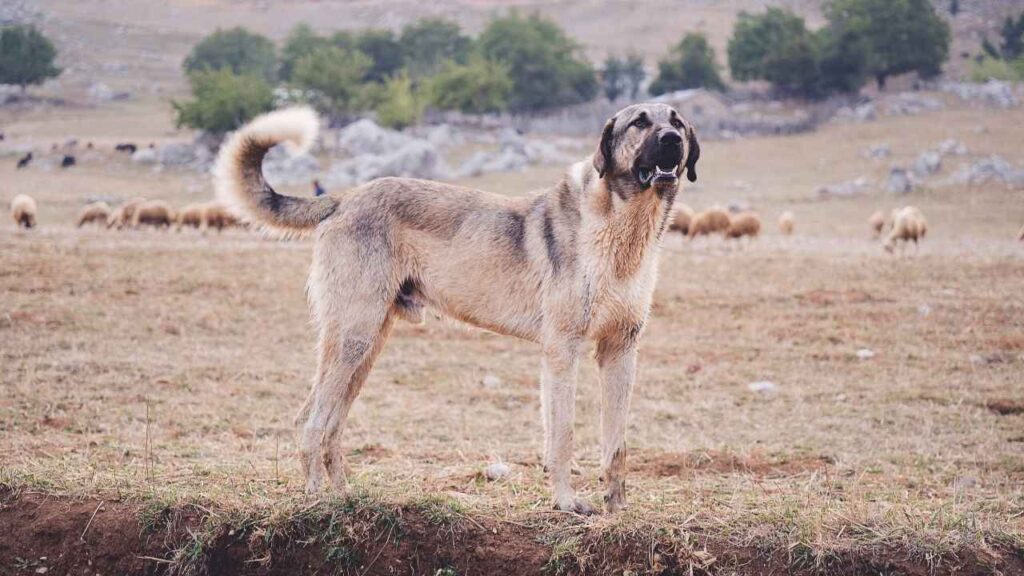
Loyal and calm with their family, they remain aloof or even hostile toward strangers and other dogs if they sense a threat.
While well-socialized Kangals can be excellent companions, their protective instincts are strong, and inexperienced owners may struggle to manage their independence and assertiveness.
Conclusion
When it comes to choosing between a Great Pyrenees and a Kangal, both breeds bring incredible size, strength, and protective instincts to the table—but in very different ways. Great Pyrenees are calm, gentle, and steady guardians, perfect for families who want a watchful but patient companion.
Kangals, on the other hand, are powerful, decisive, and fiercely loyal, ideal for experienced owners who need a guardian capable of independent action. Both breeds thrive when given proper space, training, and care, reflecting centuries of breeding for protection and endurance.
If you’re considering adding one of these majestic dogs to your home or farm, think carefully about your lifestyle, space, and experience level. Owning one is not just about protection—it’s about sharing your life with a dog whose character and courage leave a lasting impression.
