




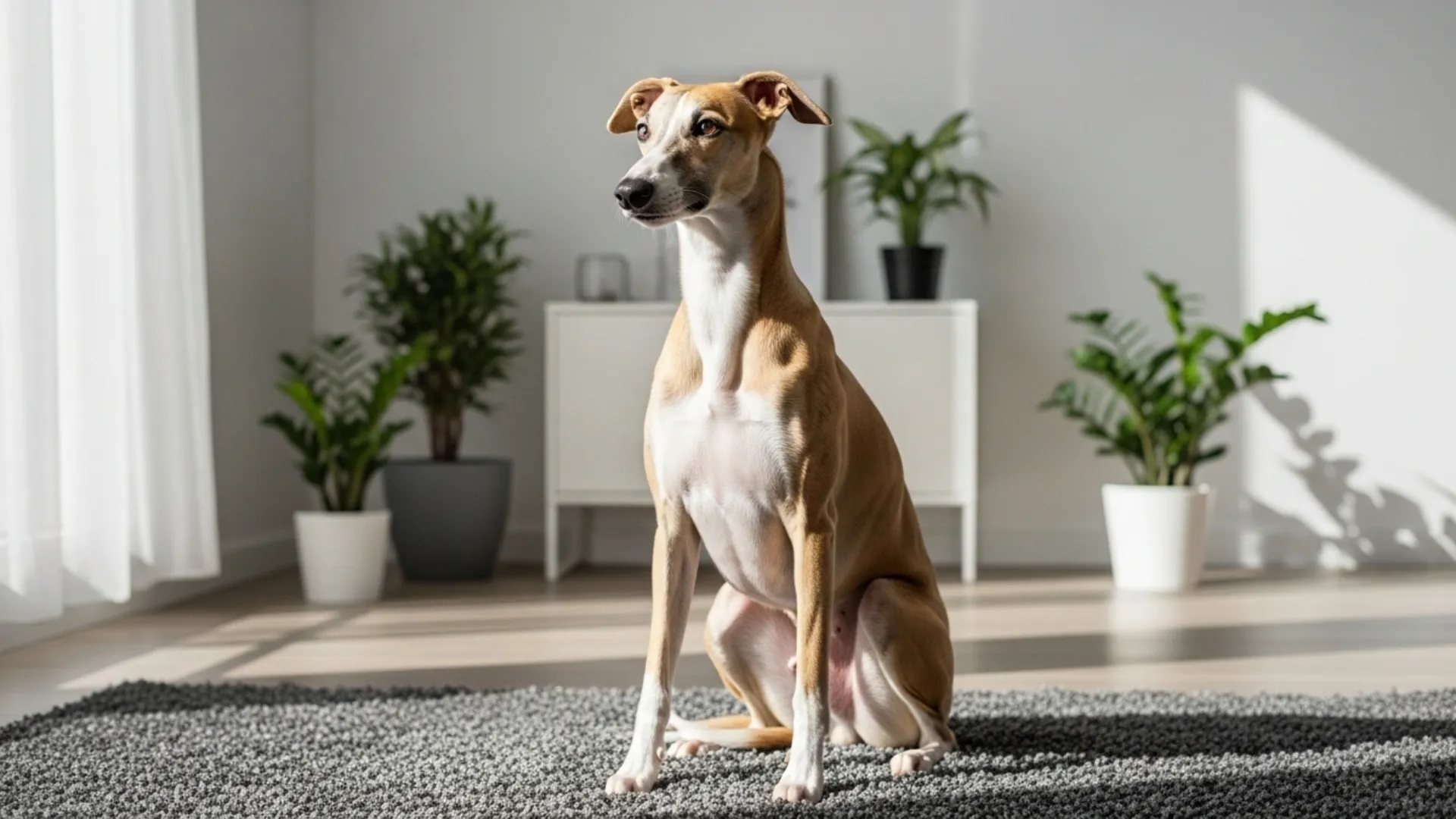
Owning a dog is one of the best decisions you can make when you bring a pet to your house, and to many people, shedding and dog hair is a deal-killer. The hair on your clothes, furniture, and floors can make the daily routine of life a cleaning process.
Low-shedding dog breeds do not necessarily imply a cleaner house. They usually have less unpredictable grooming requirements, little airborne dander, and a more comfortable environment in general.
Some are even hypoallergenic dog breeds, making it easier for pet parents and families that suffer from most dog allergies to consider having a friendly companion in the household.
We will be looking at 7 low-shedding dog breeds whose shedding is insignificant so that you can make the right choice without any regrets.
Best Dog Breeds That Produce Very Little Shedding
1. Cavalier King Charles Spaniel
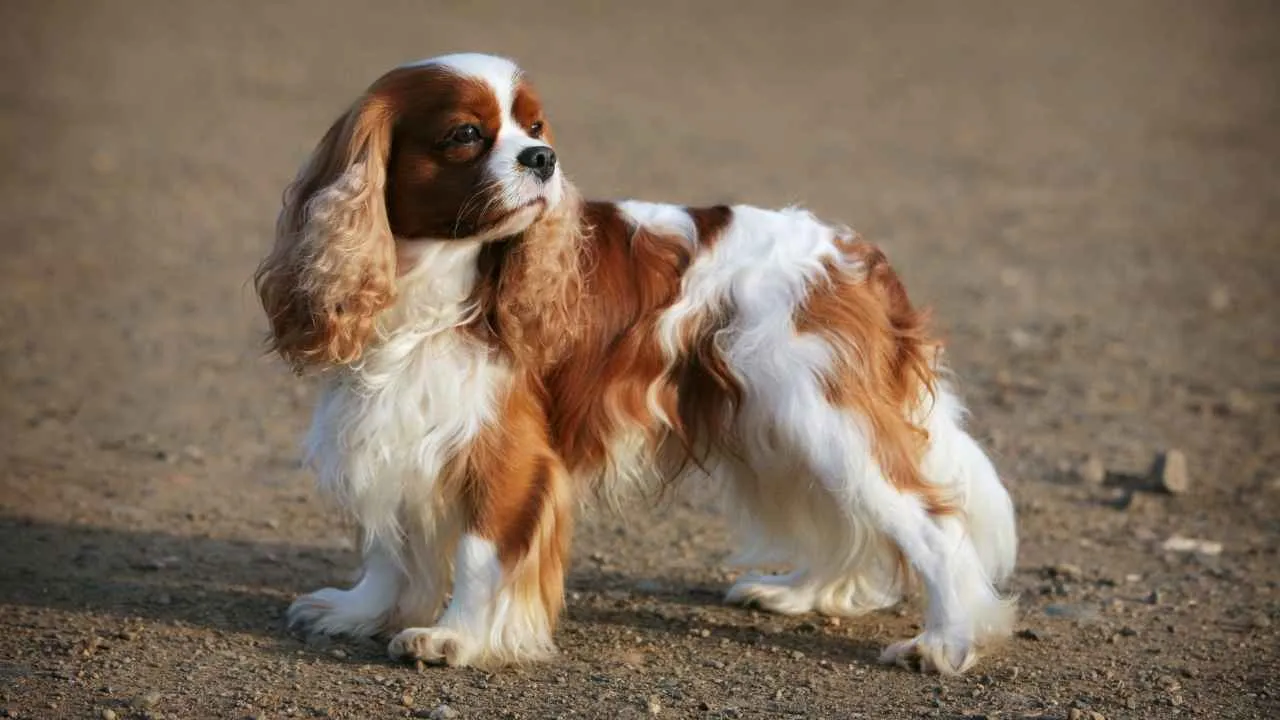
The Cavalier King Charles Spaniel is commonly known for its long coat and silky hair, which may give you the impression that it sheds a lot of long hair. In fact, this breed is actually characterized as a low-to-moderate shedding breed, particularly in comparison to other spaniels.
Instead of thick fur, these dogs shed fine, silky white hair from their coats. Rather, shedding is light and slow, and is much less obvious in everyday life. Occasional brushing, about three times a week, can aid in cleaning any loose hair before it gets stuck to surfaces.
The real difference with this breed is its temperament. As the American Kennel Club states, this breed gets along well with children and other dogs. They would mostly trail their owners into different rooms, hence they are the best pets to have around.
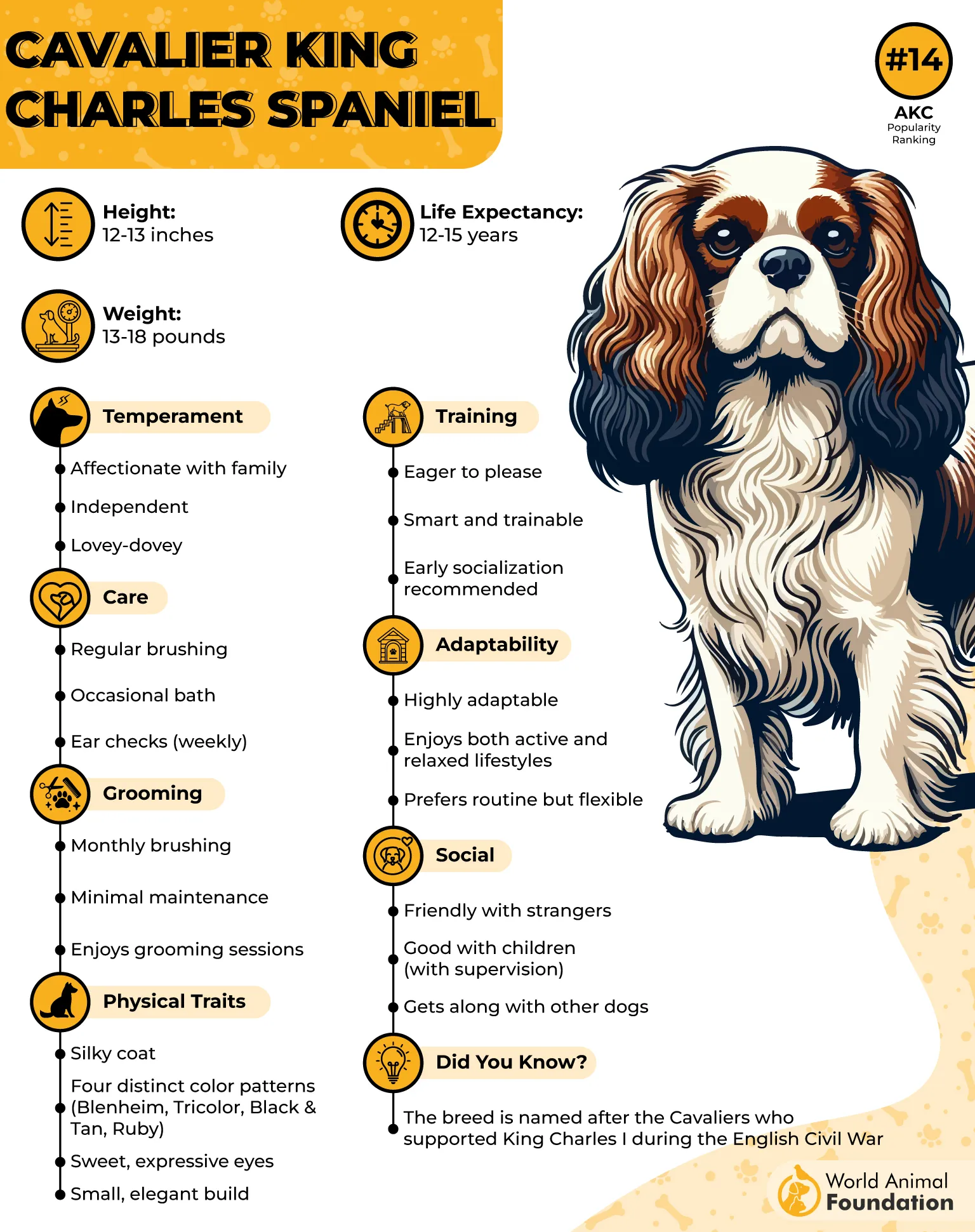
But their coats must be taken care of. Their smooth hair will end up in tangles, particularly in places like the ears and the chest, without any brushing. Bathing and trimming periodically is useful in keeping both look and smell clean.
Most suitable for: Families, new owners, and those who desire a loveable puppy with a low-shedding rate and a soft and graceful coat.
2. Whippet
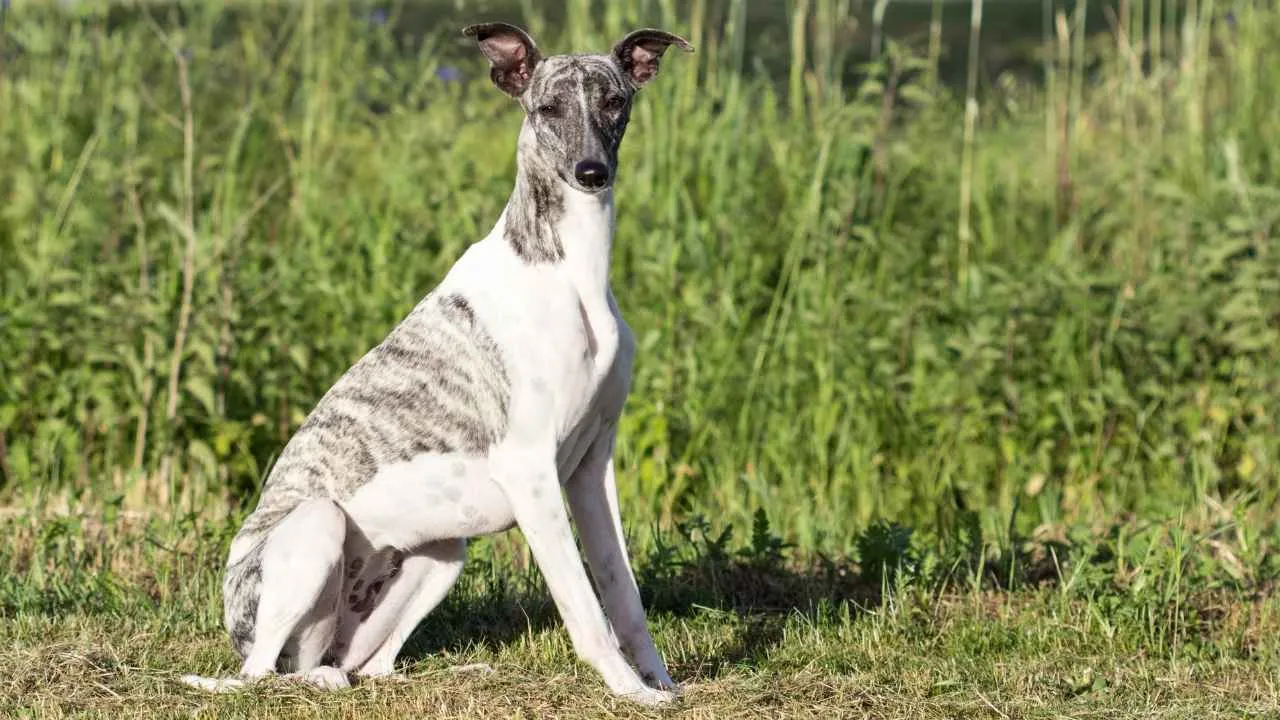
One of the simplest low-shedding dog breeds to take care of in relation to shedding is the Whippet. Its short coat, which is glossy, does not have a thick undercoat that drastically decreases the quantity of loose hair.
The Whippet hair does not stick to clothes and does not fluff up on the background as the soft breeds do. The vast majority of owners see the necessity to brush or even wipe a damp cloth at least once a week to manage shedding.
The other benefit is that they are inherently clean. Whippets are not odorous at all, and they do not need frequent bathing. Their grooming schedule is minimal, and they are ideal dogs that people need to have a simple maintenance schedule.
As per Orvis, Whippets have a peaceful, gentle demeanor. They are fast, though they like quick bursts of exercise; much of their time is spent in rest, and they usually coil up in some warm place.
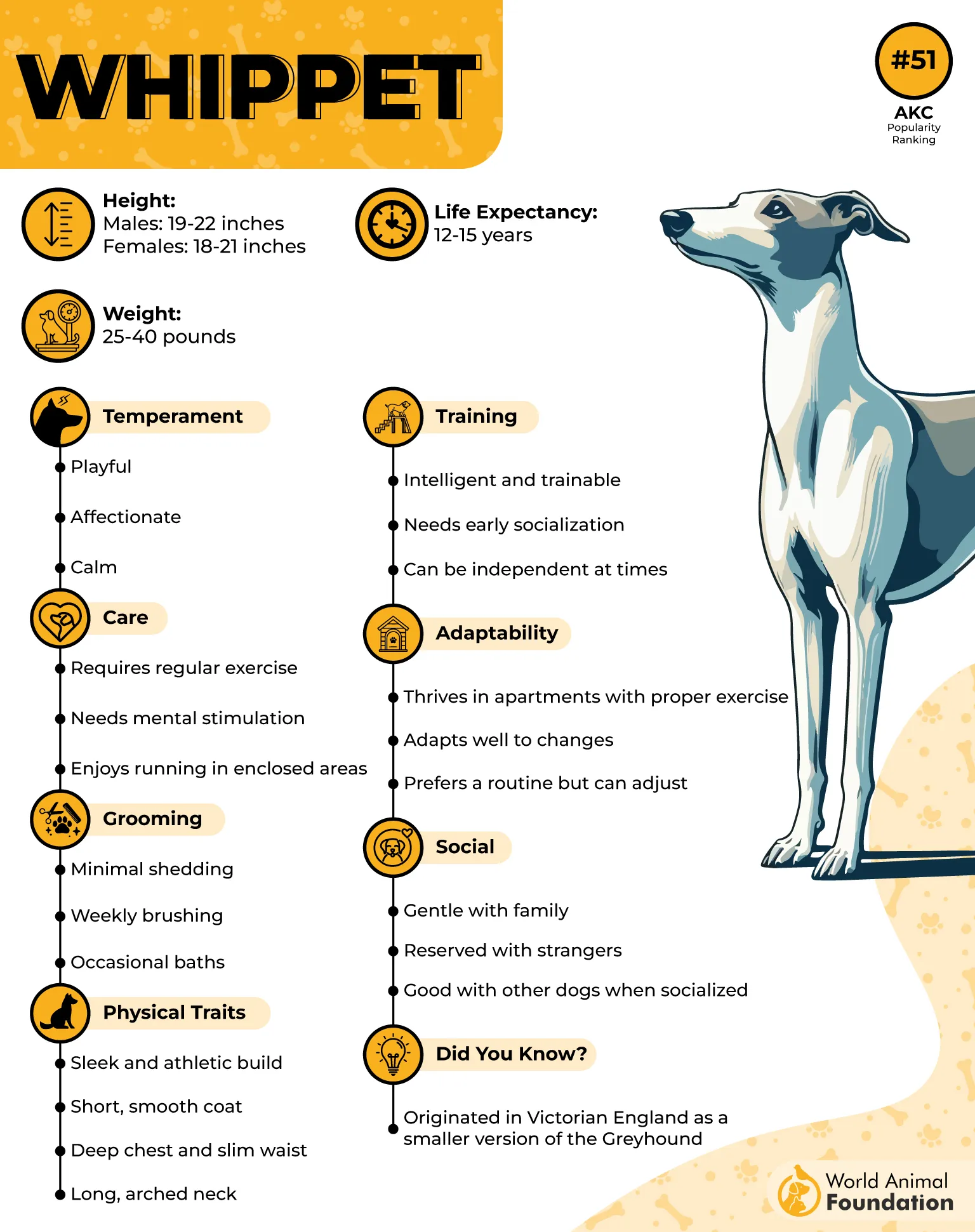
They can be sensitive to cold weather due to their thin covering and, therefore, might require additional warmth during winter.
Best for: Apartment dwellers, busy workers, or any other person interested in having a clean and low-shedding dog with less grooming requirements.
3. Bichon Frise
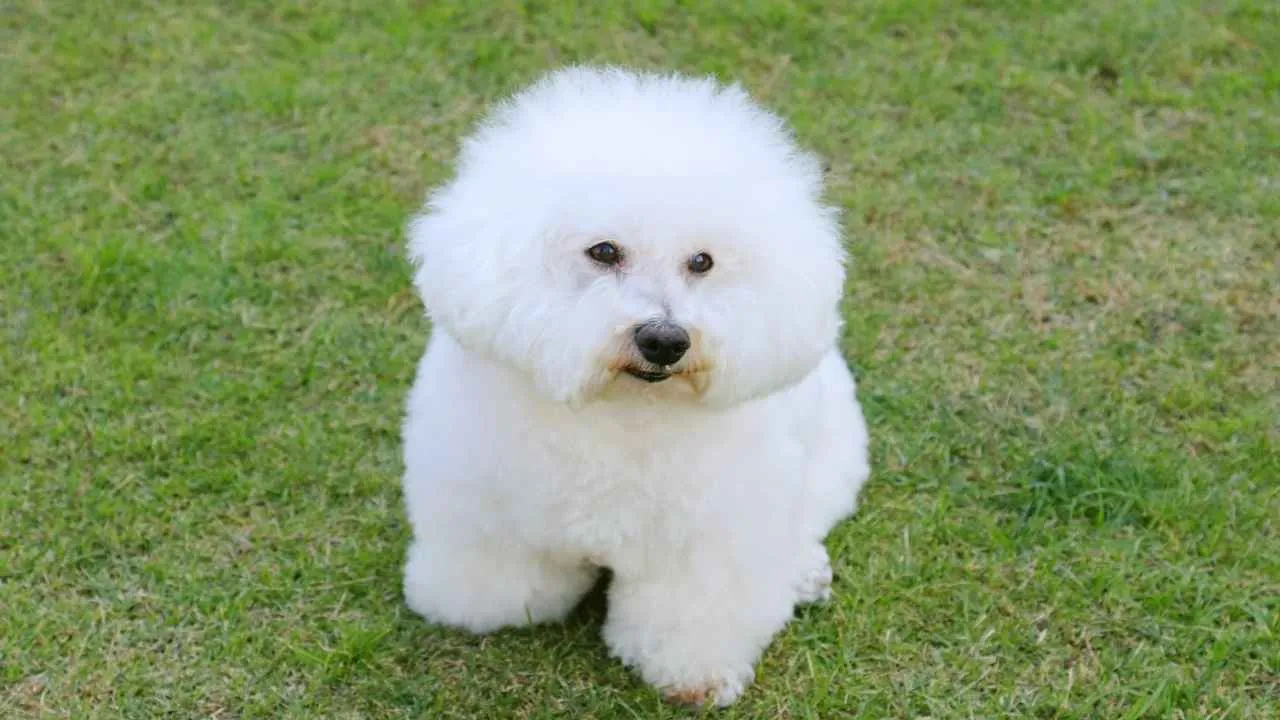
One of the most well-known low-shedding dog breeds is the Bichon Frise, although it looks thick and cloudy. Its fur comprises curly coat hair that entraps the loose hair rather than letting it out into the air.
This is good because you won’t have to clean up hair around the house, but it is also because you have to groom this dog yourself. The hair that becomes trapped can build up into mats and tangles without brushing, and these can become uncomfortable for the dog.
The ideal frequent brushing schedule is a couple of times a week for regular grooming, and professional grooming every 4-6 weeks. They have a soft, clean, and almost shed-free coat when kept well.
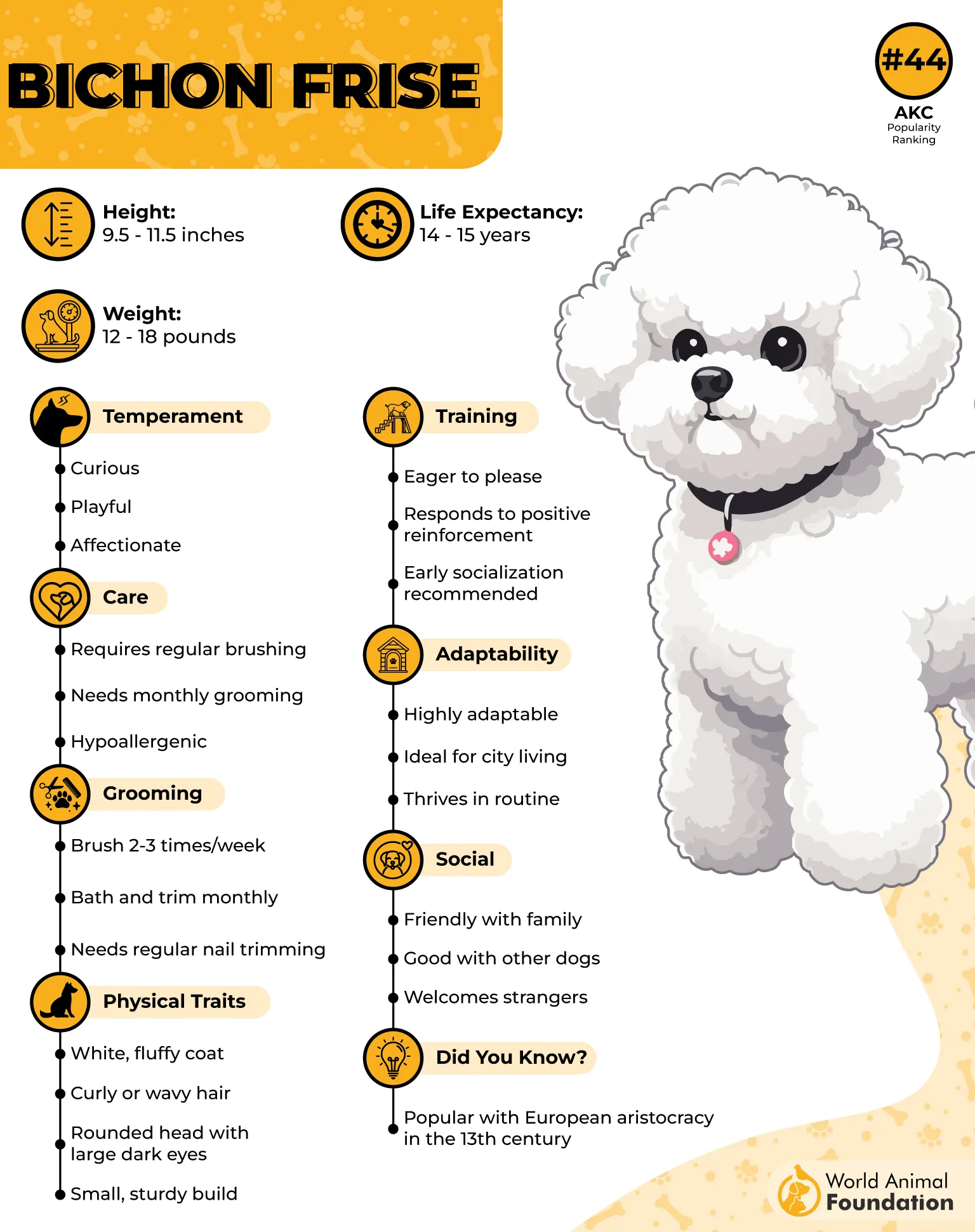
Purina states that the Bichon Frise packs an incredible personality into a small body. They are social creatures and do not work well when left to their own devices. Their jovial character makes them great companions to both families and individuals.
Best fit: Owners who are willing to groom receive a clean, low-shedding indoor environment.
4. Shih Tzu
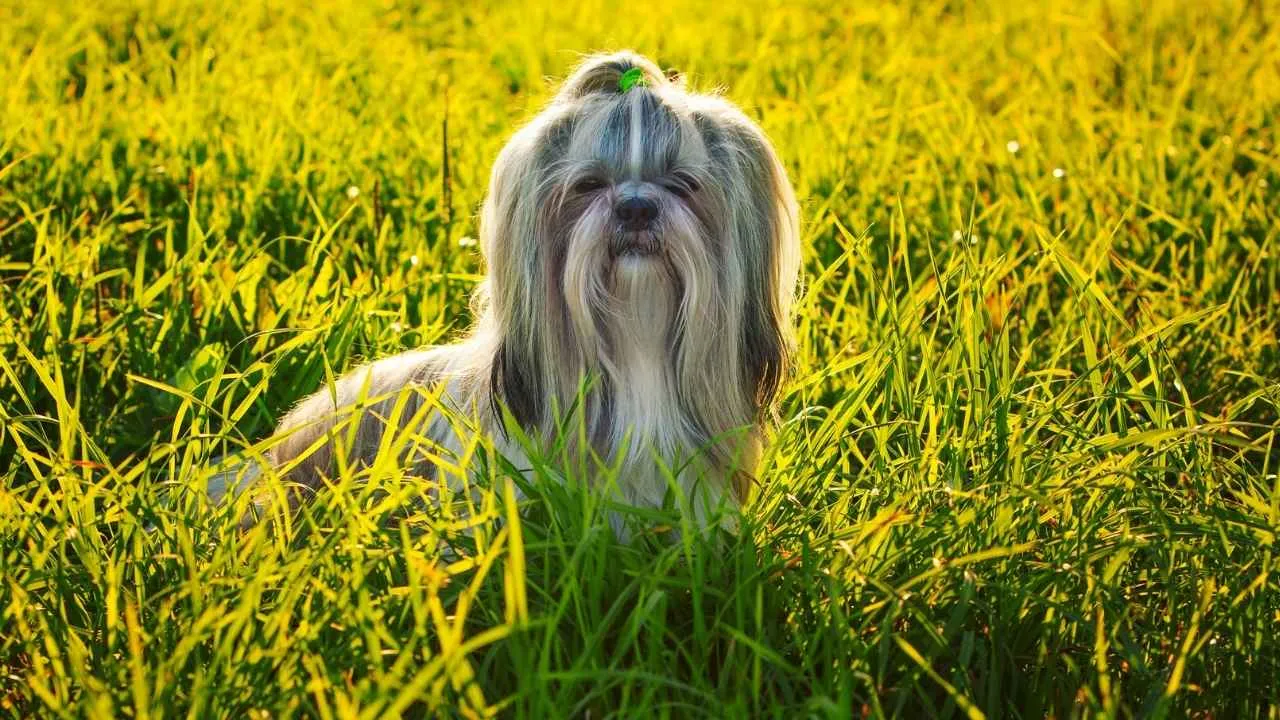
Another breed that is not what it seems is this little loyal companion. It also has a long, flowing coat, but because the hair grows continuously instead of shedding off in bunches like the hair on some big dogs, it sheds very little of it.
This gives it an edge over shedding since it is covered with a hair-like coat structure and is therefore better suited to indoor environments. It does, however, need regular maintenance. It requires daily brushing to help avoid tangles, especially when its hair is long.
However, due to their ease of grooming, many owners have chosen a shorter so-called puppy cut and still like the look of the low-shedding breed.
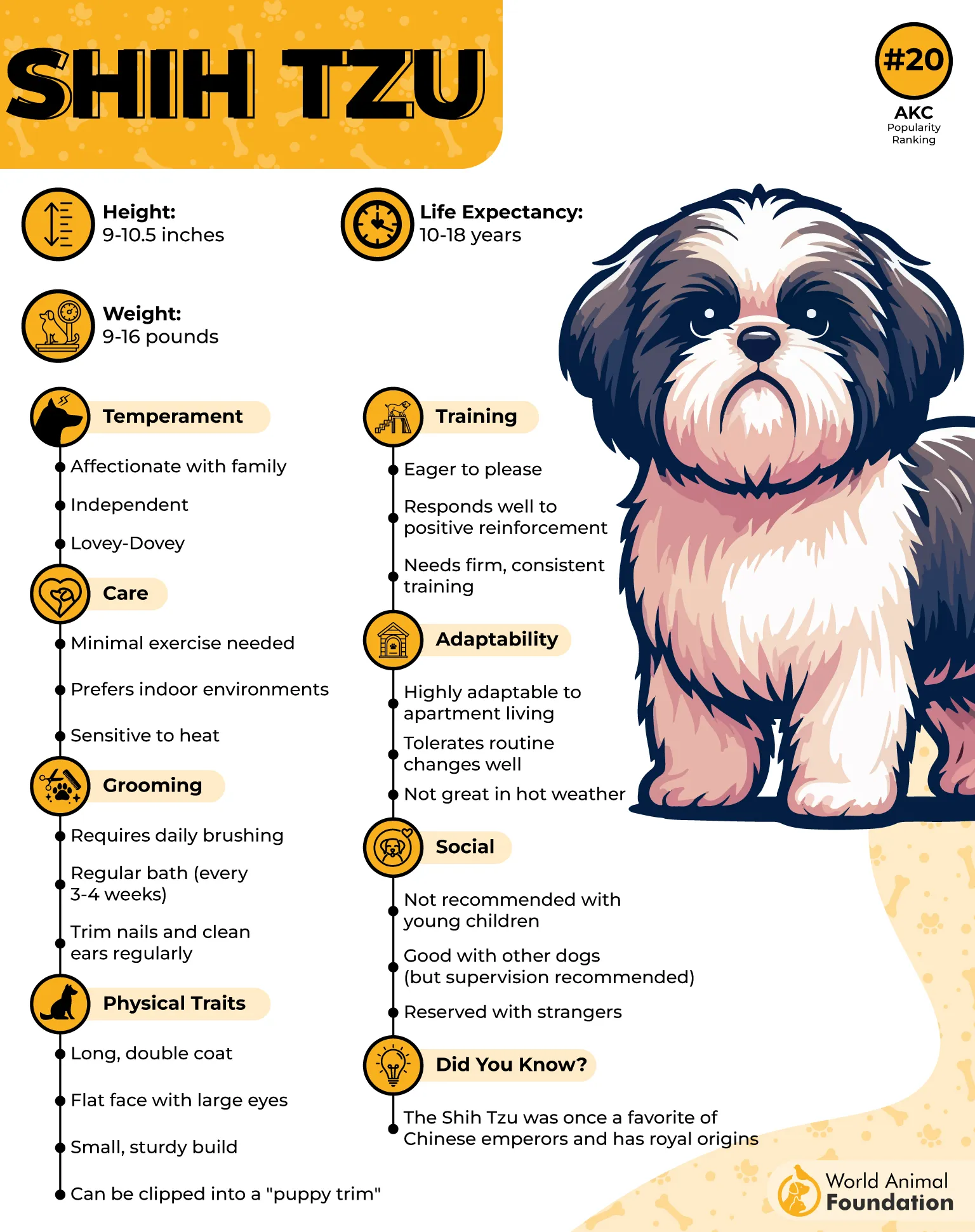
Most suitable for: These are loving lap dogs that can easily be kept as close as possible to their owners. They can be kept in apartments and less noisy homes, and do not need hard training or regular exercise.
5. Xoloitzcuintli
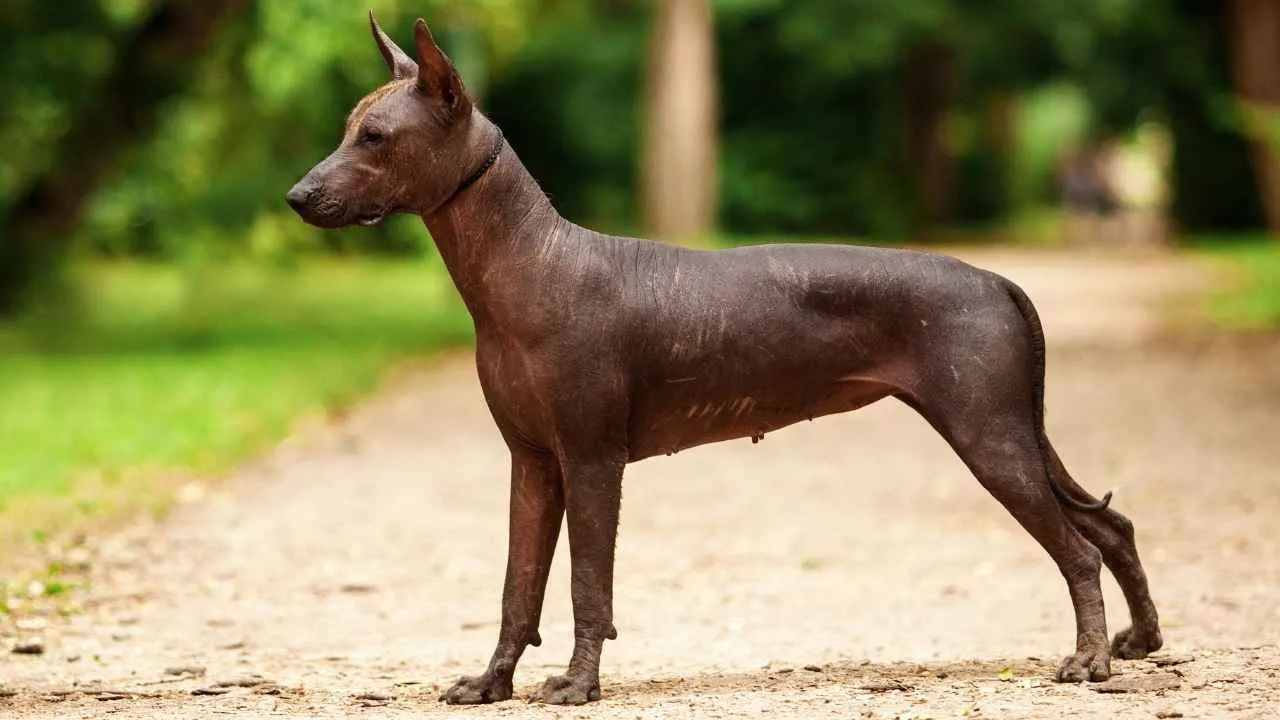
This hairless breed comes in three sizes: toy, miniature, and standard.
They do not need grooming of their coats, but require their skin to be maintained. They should be bathed regularly, moisturized, and have their skin protected to remain healthy and avoid any health issues in the future.
There is a coated type of this dog, though it sheds a great deal less compared to most traditional breeds.
Personality-wise, they are mellow, faithful, and tend to develop a deep attachment towards their masters. They are a little shy of strangers, but are very attached to their families.
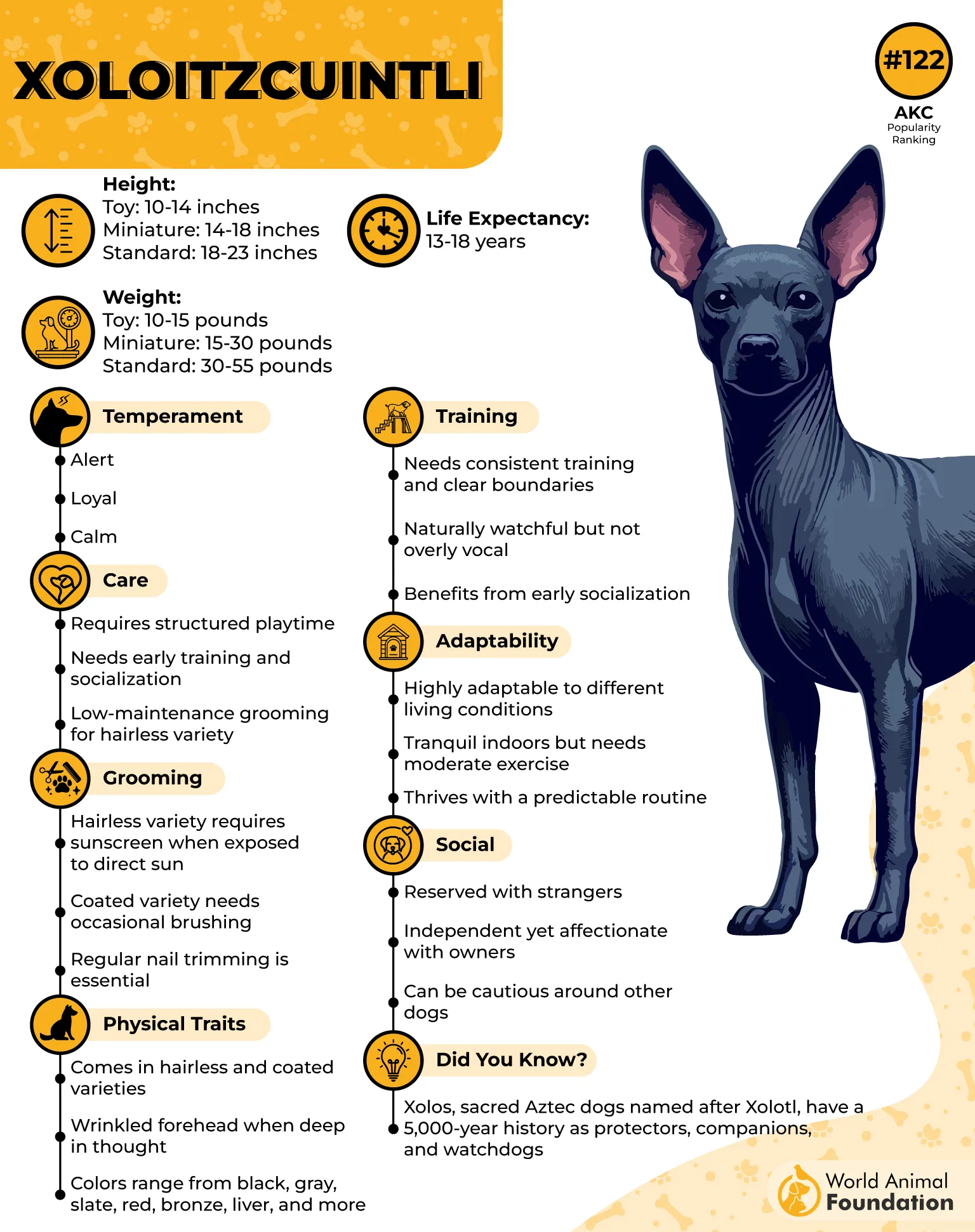
Most appropriate: Individuals who desire the bare minimum shedding and are willing to take care of any skin issues this breed might encounter, rather than having to groom to keep their coats healthy.
6. Maltese
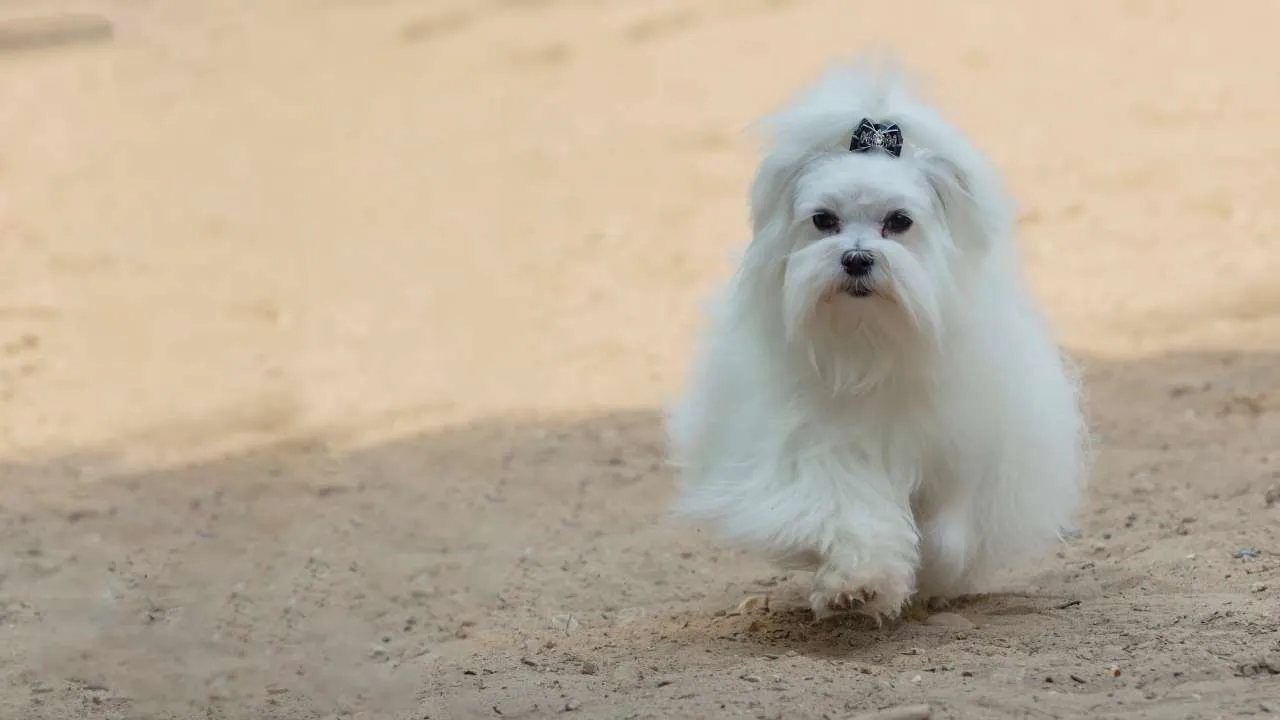
The Maltese is preferred by dog lovers. It also sheds very little because it has a long and silky white coat which resembles human hair.
The loose strands do not fall out of the coat and are retained in the coat instead of flying into the air. This minimizes visible shedding, but more regular brushing is required.
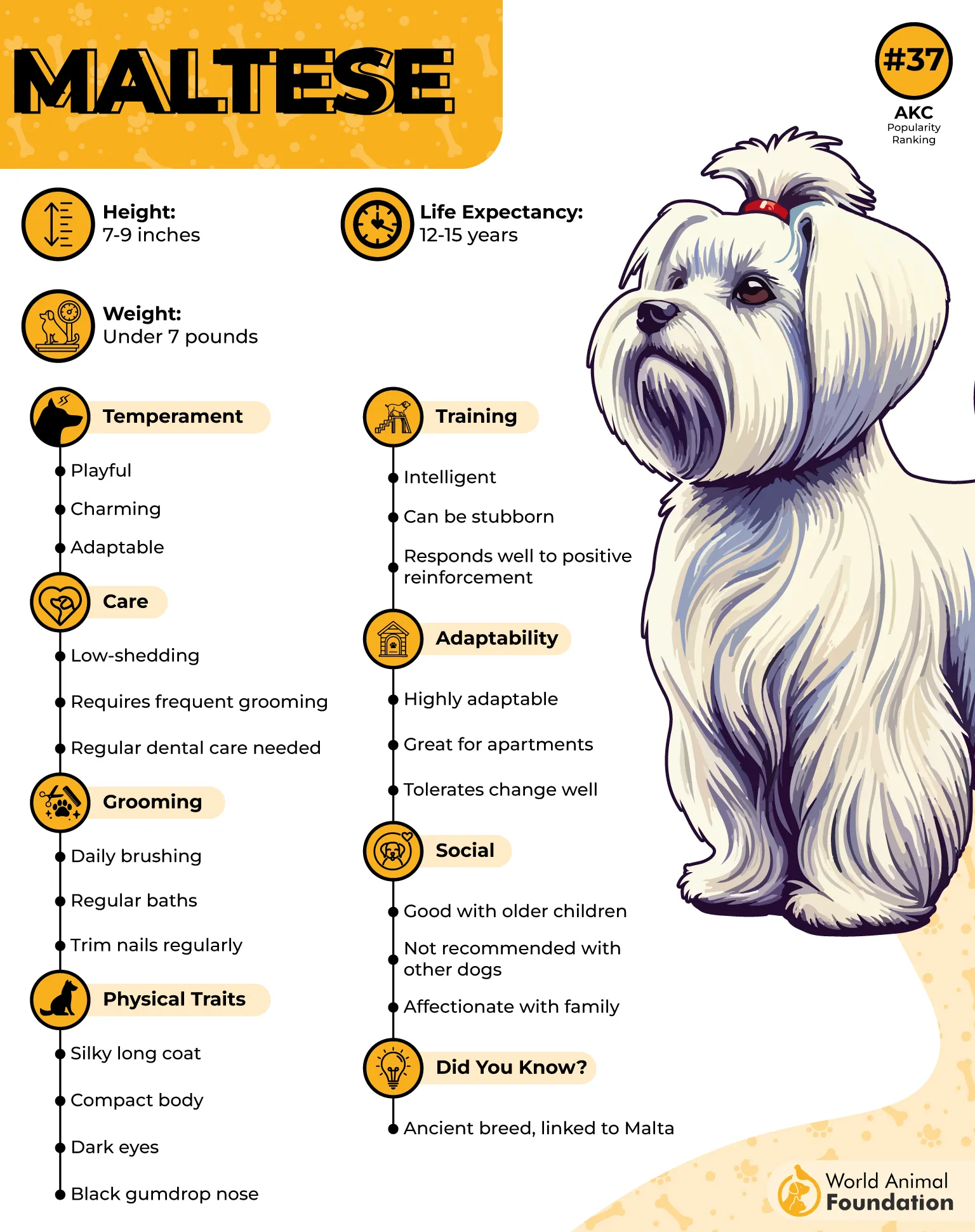
The day-to-day grooming is meant to ensure that there are no knots and that the coat is kept smooth and healthy to prevent mats. Similar to the Shih Tzu, a significant number of owners opt to keep them shorter so that they can clean them more easily and so that grooming is not as high maintenance.
These dogs that don’t shed much are loving, active, and very flexible. They live in tight areas and become very attached to their owners.
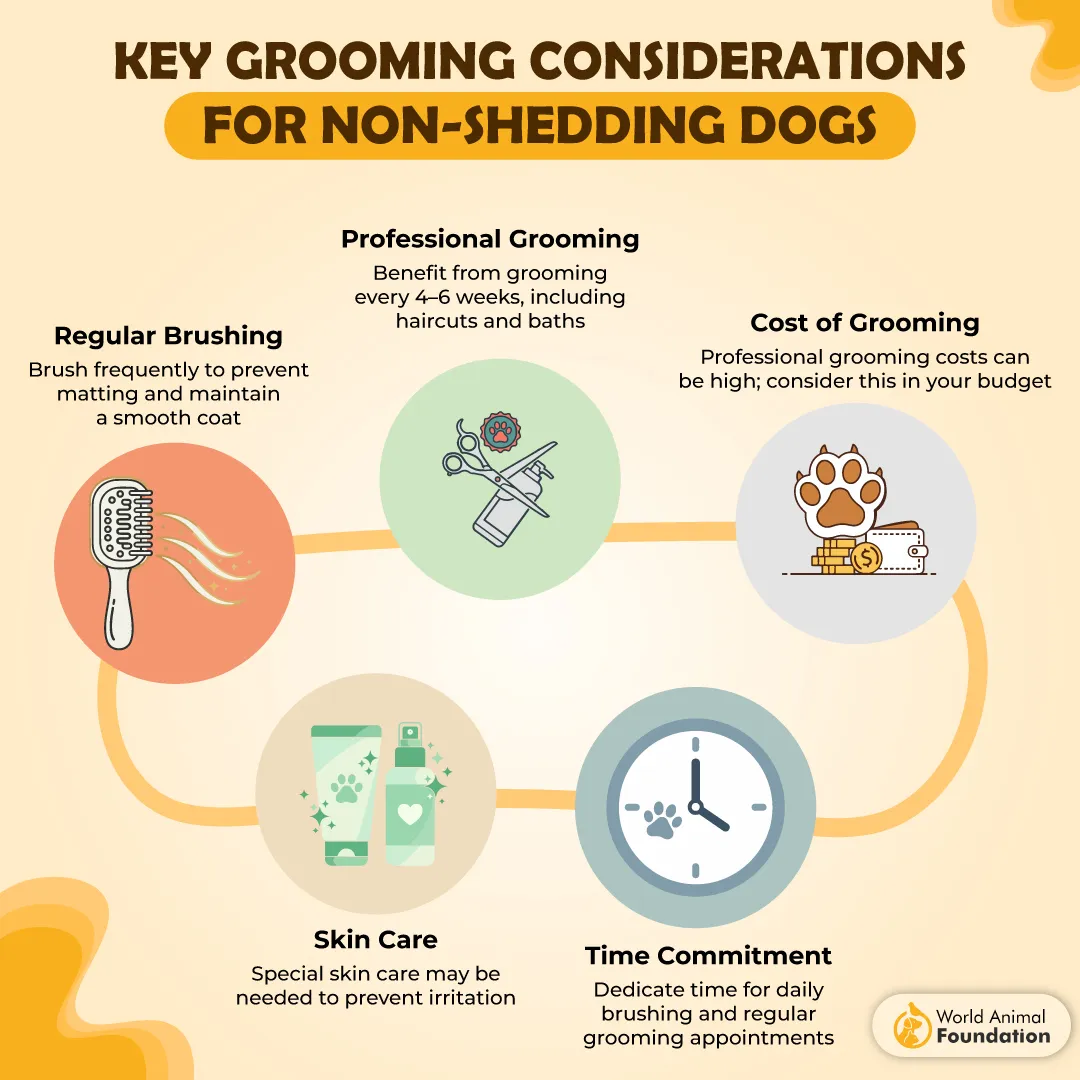
They are small dogs that shed little and, therefore, are the best choice for people residing in apartments or those who value a neat environment in the house.
Good match found in: Small homes and apartment dwellers, with low-shedding lap dog owners.
7. Dachshund
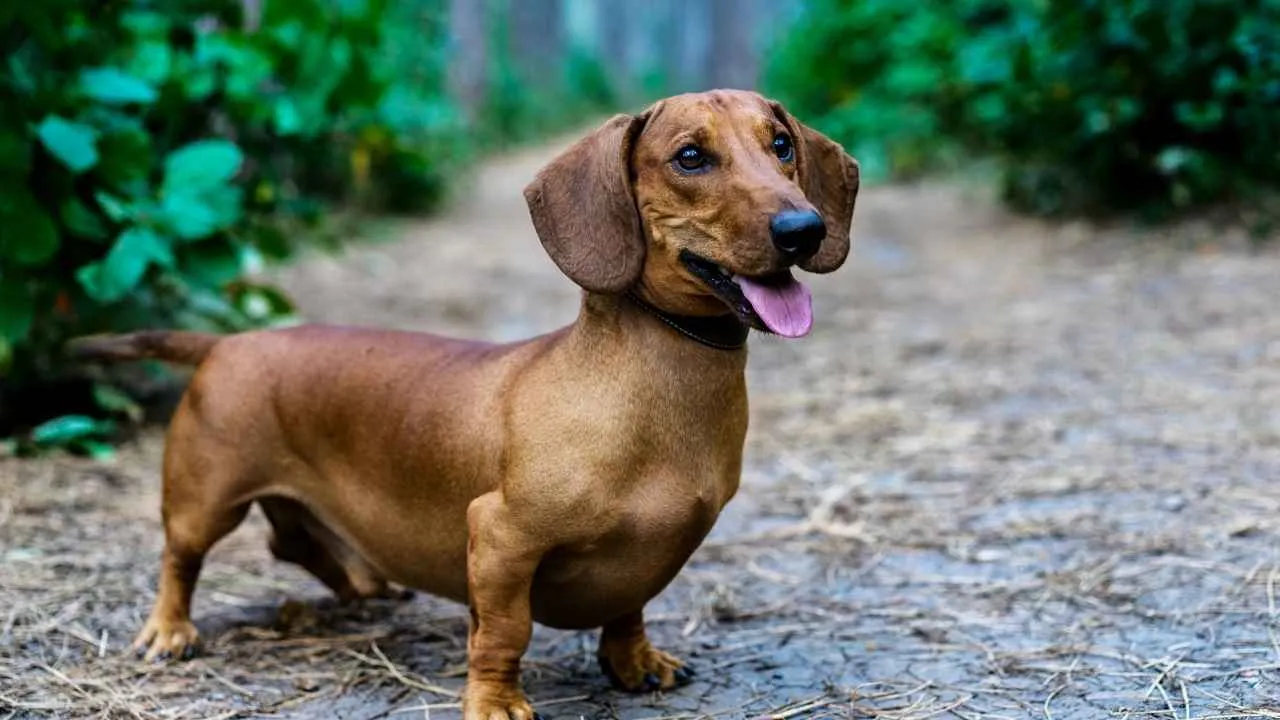
The Dachshund, and specifically their smooth-coated breed, is a very good low-shedder. It has a very short coat that sheds less and is very easy to keep.
The smooth Dachshund does not shed as much fur as the long-haired or the double-coated breed, so it is a good option in cleaner homes that prefer low-maintenance grooming.
Care is easy, and a brush and a bath now and then should keep their coat in good condition. These pets are good for allergy sufferers, and a visit to a professional groomer will make things easier.
Dachshunds have big personalities in spite of their tiny size. They are curious, daring, and even obstinate, yet very loyal to their owners.
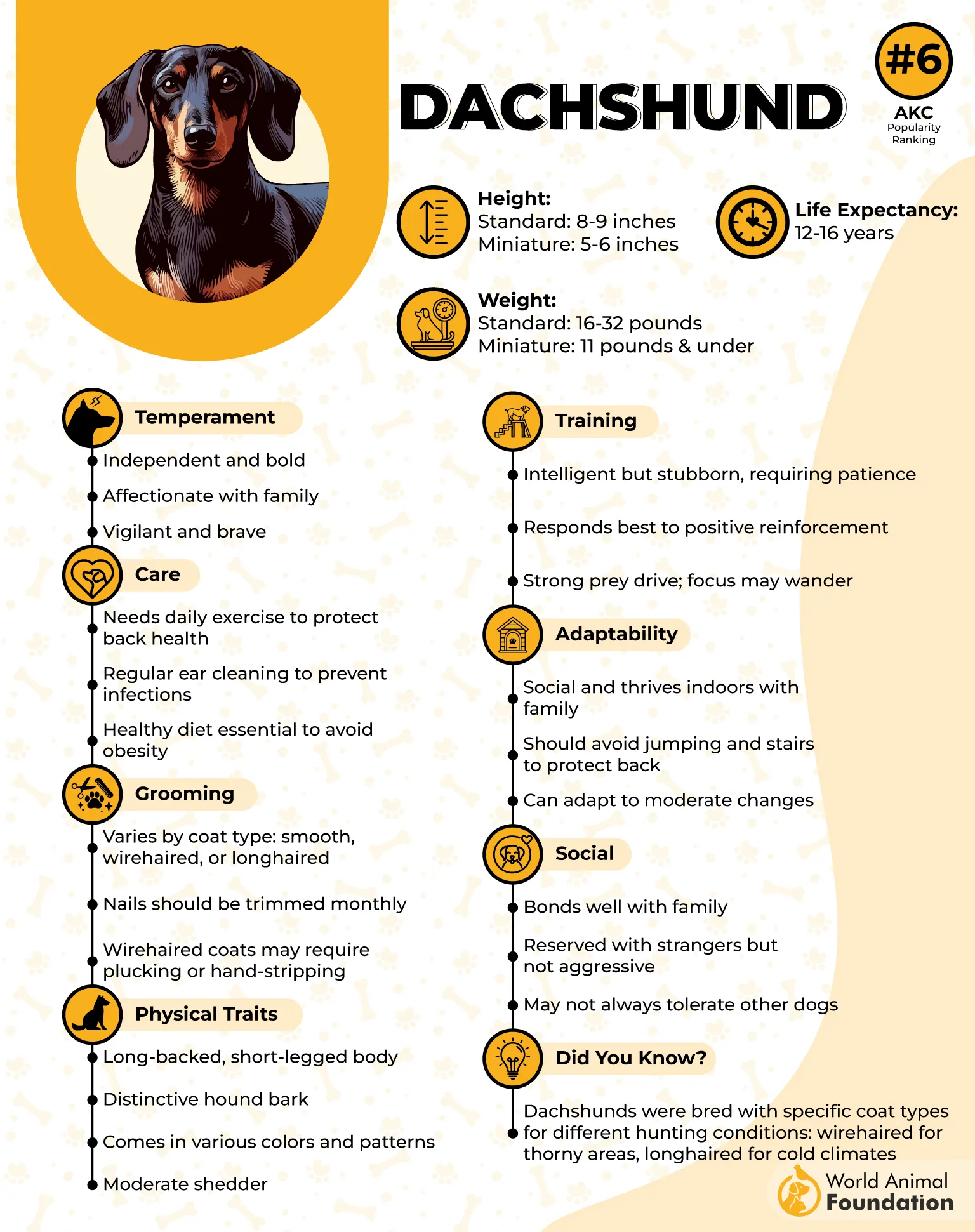
Their short stature and low-maintenance status make them an ideal option for most homes.
Best with: Owners who desire a low-shedding, low-grooming dog with a strong personality.
Conclusion
When choosing to adopt a dog from a shelter, individuals have to know that they will be forced to accept shedding fur all over their house. The right dog breed will allow you to get a friendly and loyal companion who will not shed and, moreover, will rarely cause allergic reactions.
You should get an affectionate pup that will satisfy your cleanliness standards, fit your everyday life and home conditions, and your commitment to taking care of your pet. The right decision will give you a pet that will be your best friend and make your life happier with a wagging tail, as well as keep your surroundings clean by shedding less dander.
