




![Top-10-Smart-Dog-Breeds-for-Tracking-and-Hunting[1]](https://worldanimalfoundation.org/wp-content/uploads/2026/03/Top-10-Smart-Dog-Breeds-for-Tracking-and-Hunting1.webp)
It feels magical to watch a hunting dog lock into a scent and disappear into the woods with pure determination.
You see it in their eyes: the switch flips on like a highly advanced sensor. They are not just family dogs hanging around the living room; they are born trackers with noses that work like biological GPS systems.
Whether you are an experienced hunter looking for your next companion or a single woman living in an apartment, this is the right place for you. Finding the right tracking dog is honestly half the battle. Pick the wrong breed, and you will end up with a frustrated dog.
But match the right dog with the right hunting style, and you have got yourself a loyal partner who will have your back through thick woods. Let’s explore the ten smartest, most driven hunting breeds that turn the forest into a real-time map of a crime scene.
Top Smart Dog Breeds for Tracking and Hunting
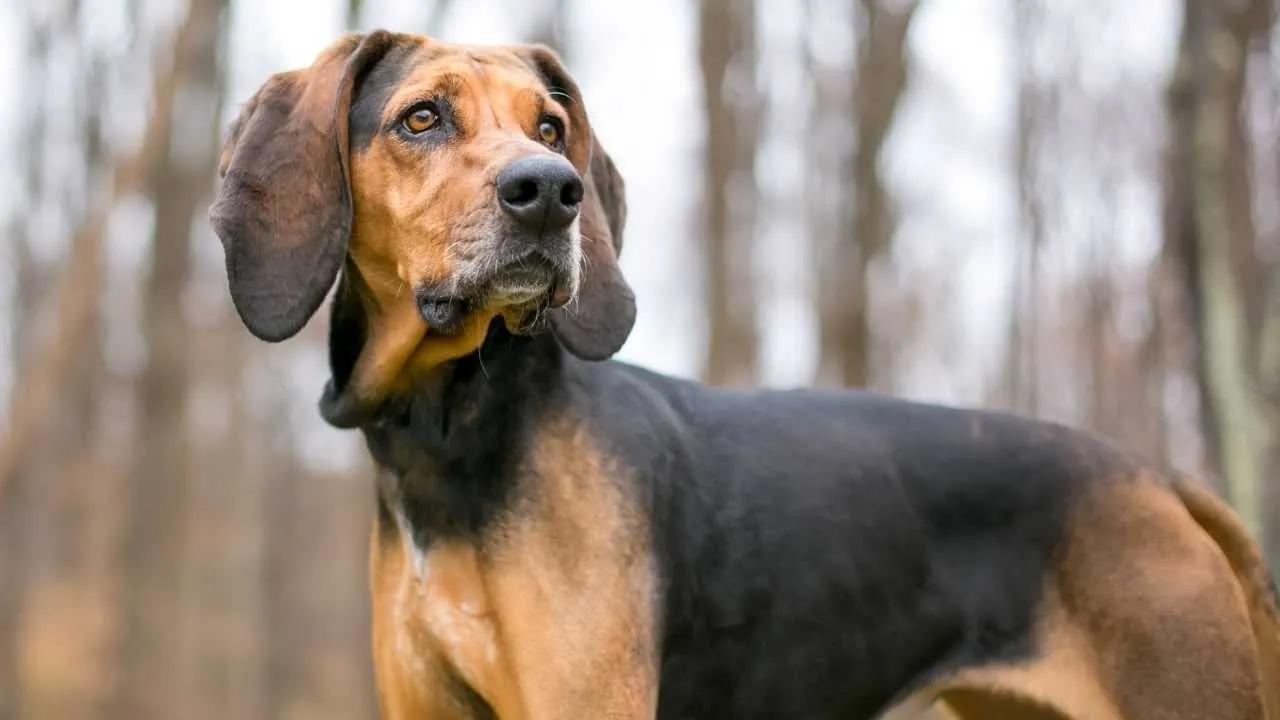
1. Black And Tan Coonhound
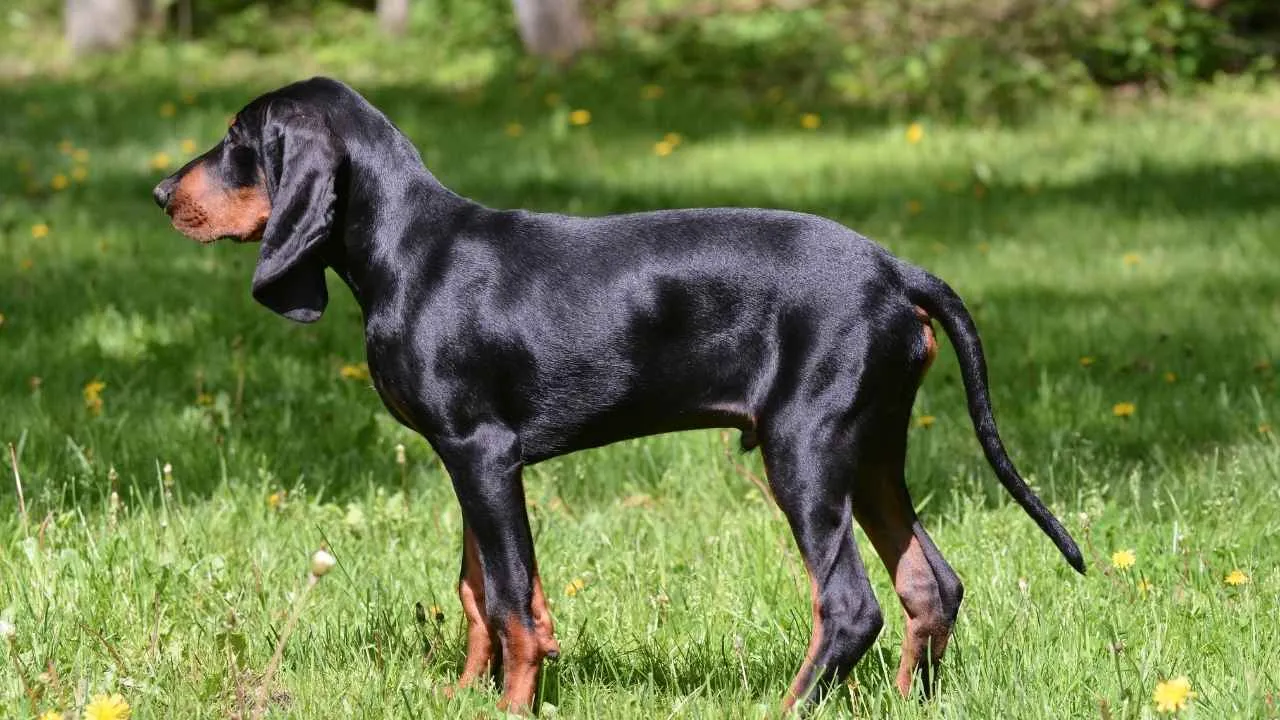
Black and Tan Coonhounds are the strong, silent types, until they catch a whiff of their target. These muscular athletes can track a scent that’s several days old (cold nosing), following trails with their nose practically glued to the ground.
This intelligent dog breed works well in cooler evenings, since it was bred specifically to hunt and tree raccoons at night. They communicate through howling and barking to inform track status.
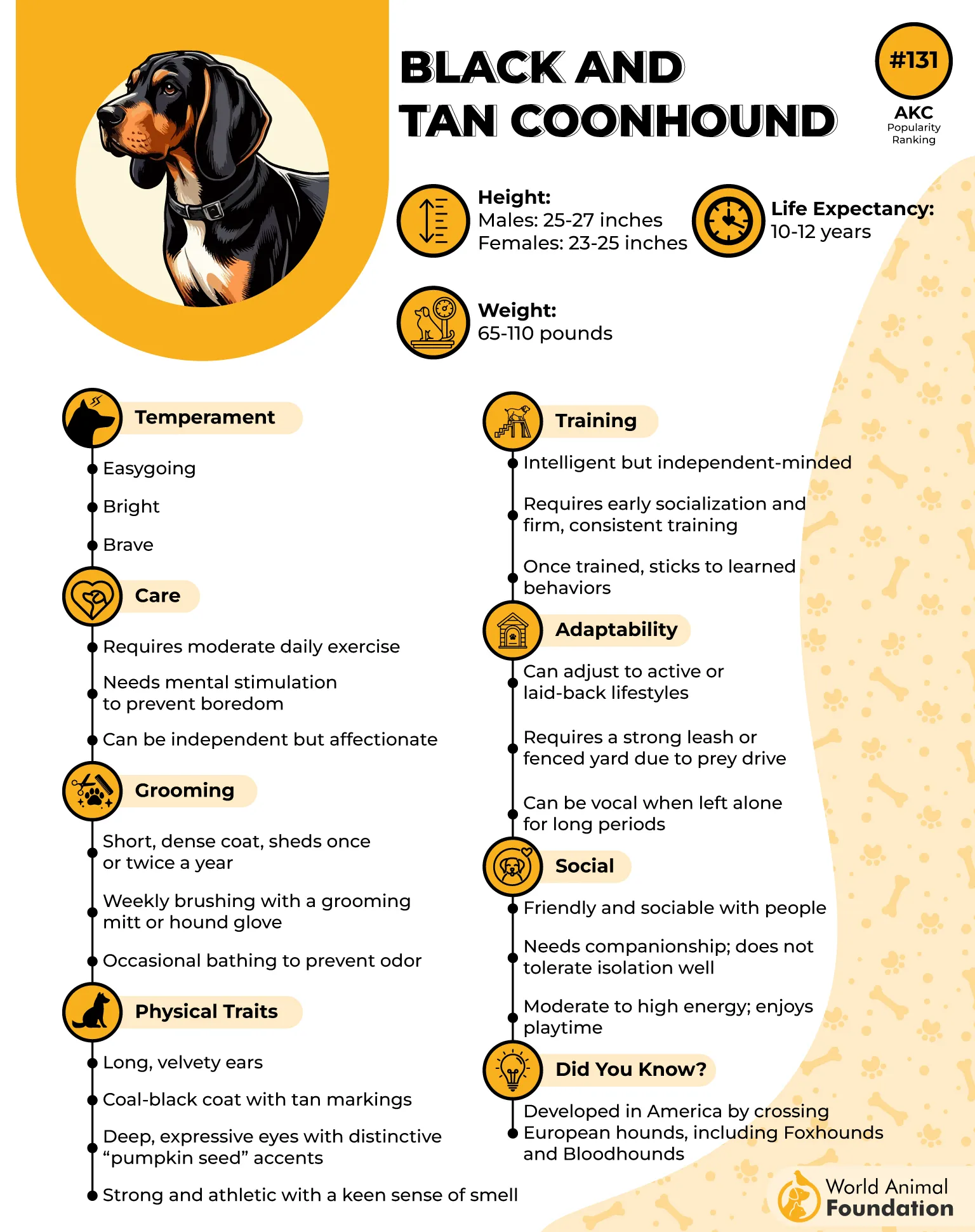
Exercise: Daily 1-2 hours hunts, vigorous outdoor activities; scent tracking, catching a frisbee, etc.
Temperament: Outgoing, loyal, affectionate family pets, curious, and independent.
Training: Consistent training for physical and mental stimulation, reward-based methods work best, and early socialization.
2. Treeing Walker Coonhound
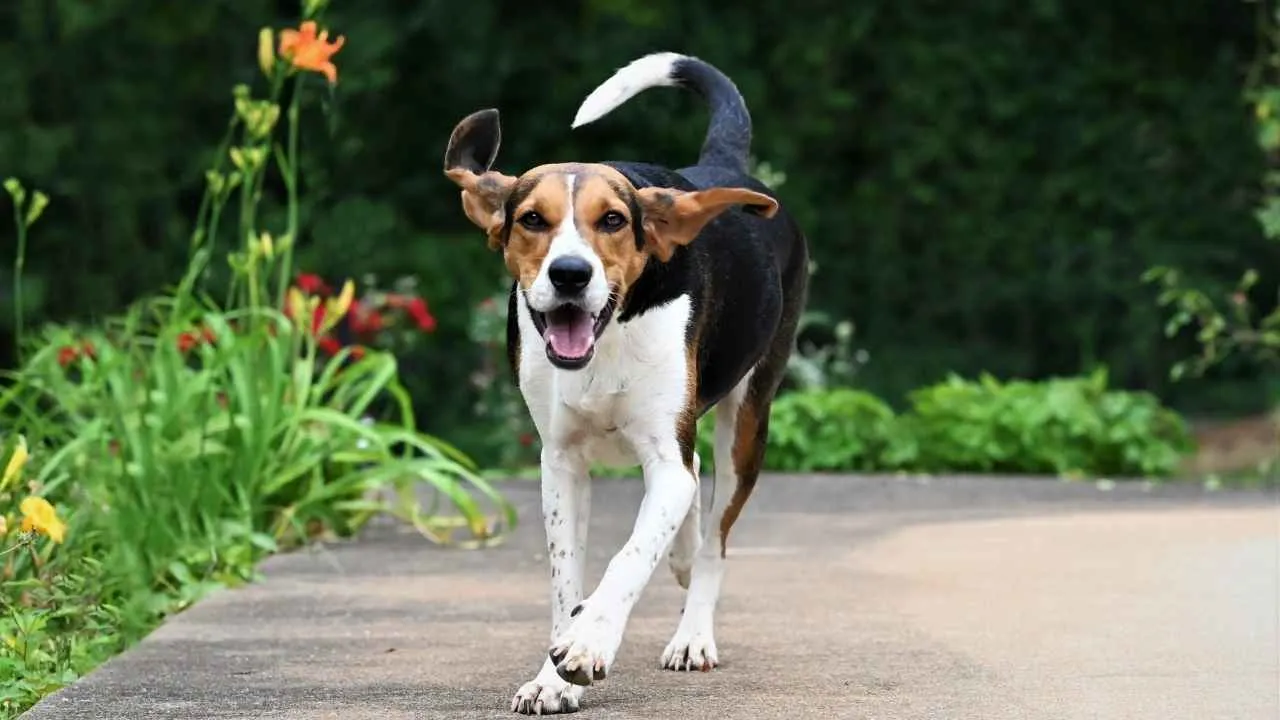
A dog that has been refined since the mid 1700s, by American hunters who engineered them from the foxhound line with all the desirable traits. Their distinctive howl is not just noise; it’s their way of communicating with hunters about their findings.
These energetic dogs are primarily used to hunt raccoons only; now, these hunting companions chase other animals such as bobcats, bears, and cougars too. The ‘treeing’ technique is followed to track animals, where they first chase the animal, and the animal is forced to climb up the tree for safety.
The dog remained closer to the tree and barked until the hunter came.
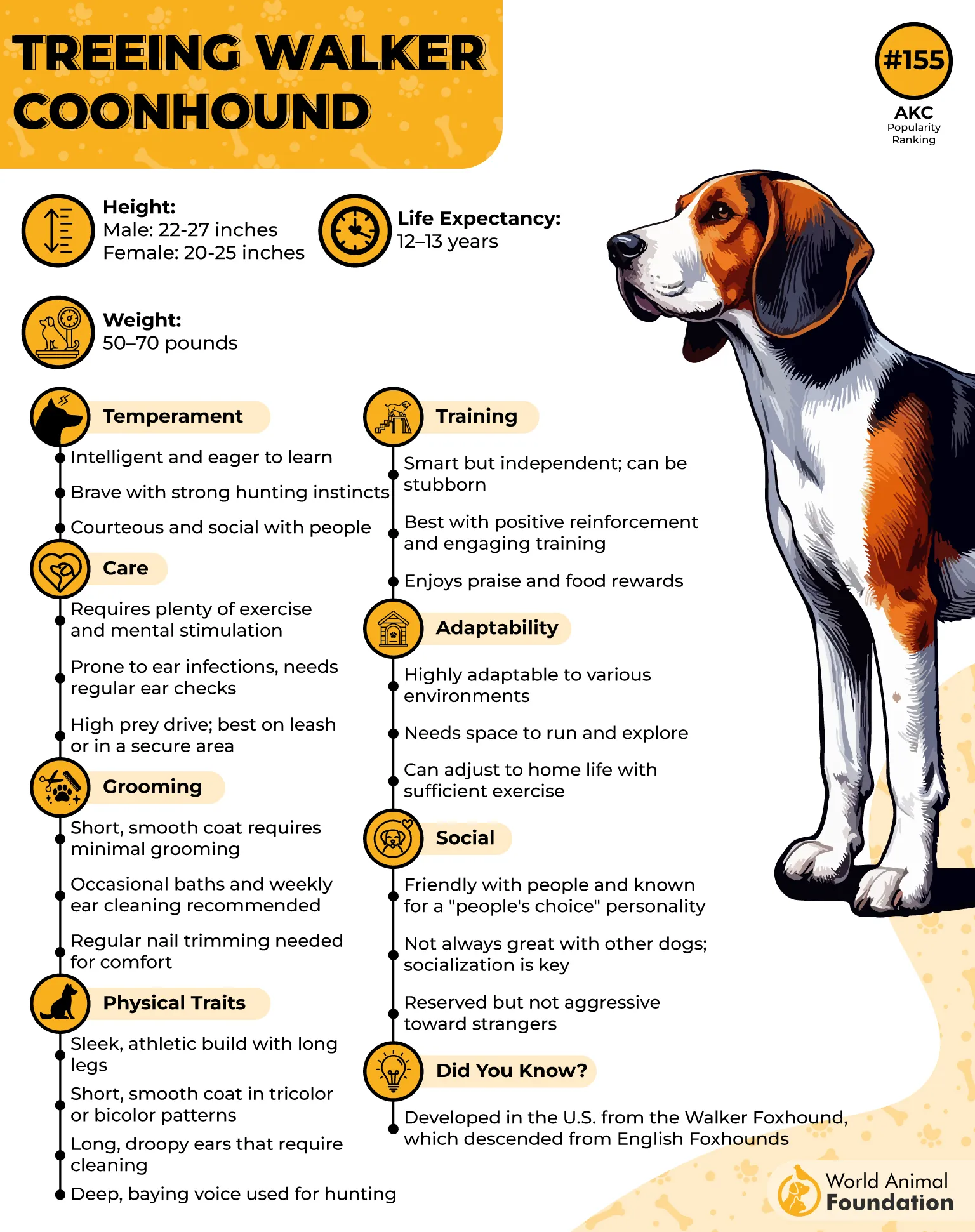
Exercise: Active hunts 3-4 times weekly, water races, nite hunts, field trials, etc.
Temperament: Highly trainable, people-centred, intelligent, eager to please, high prey drive, protective, and energetic nature
Training: Patience, consistency, outlet-focused training first, early socialization, and proper training (at 8-10 weeks).
3. Mountain Cur
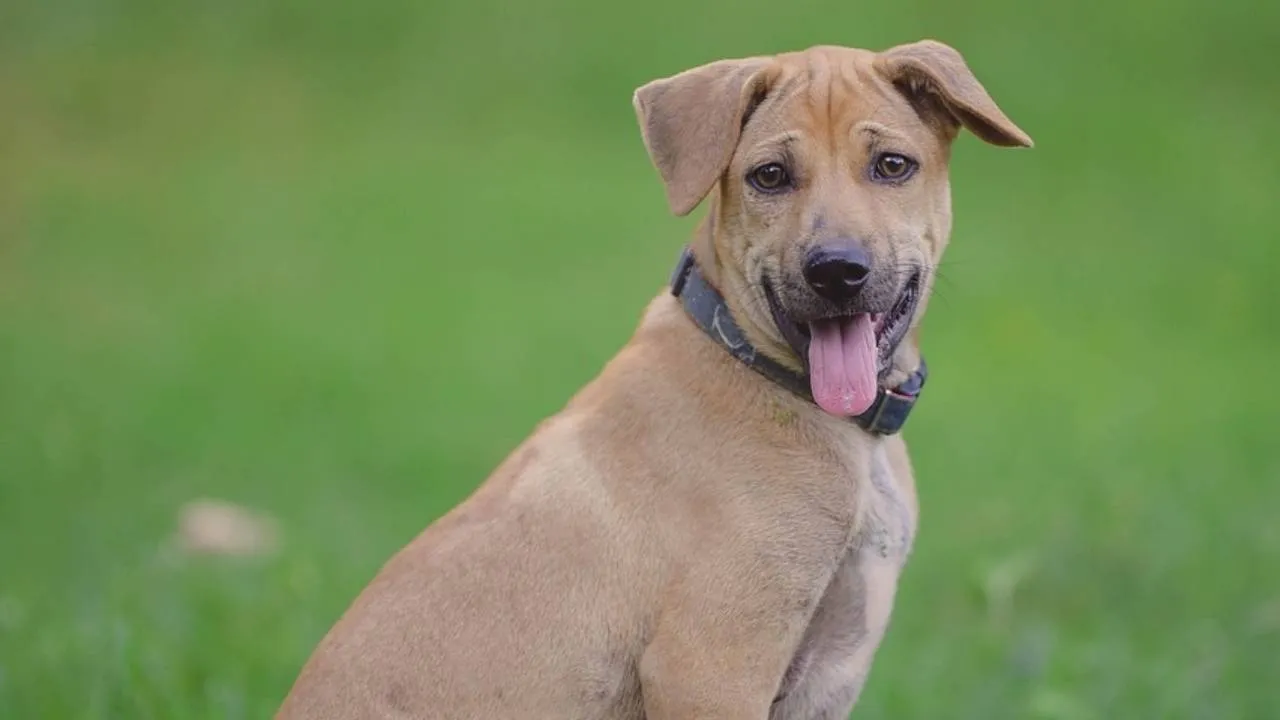
Developed in the Appalachian Mountains as hunters and farm dogs, these medium-sized, great family dogs are fearless, adaptable, and relentless. Not just hunters, they are the guardians who lie between the owner and the potential threat when the time comes.
They are famous for treeing and baying to catch their prey. These ‘gun dogs’ chase by adjusting their range based on the hunter’s movement
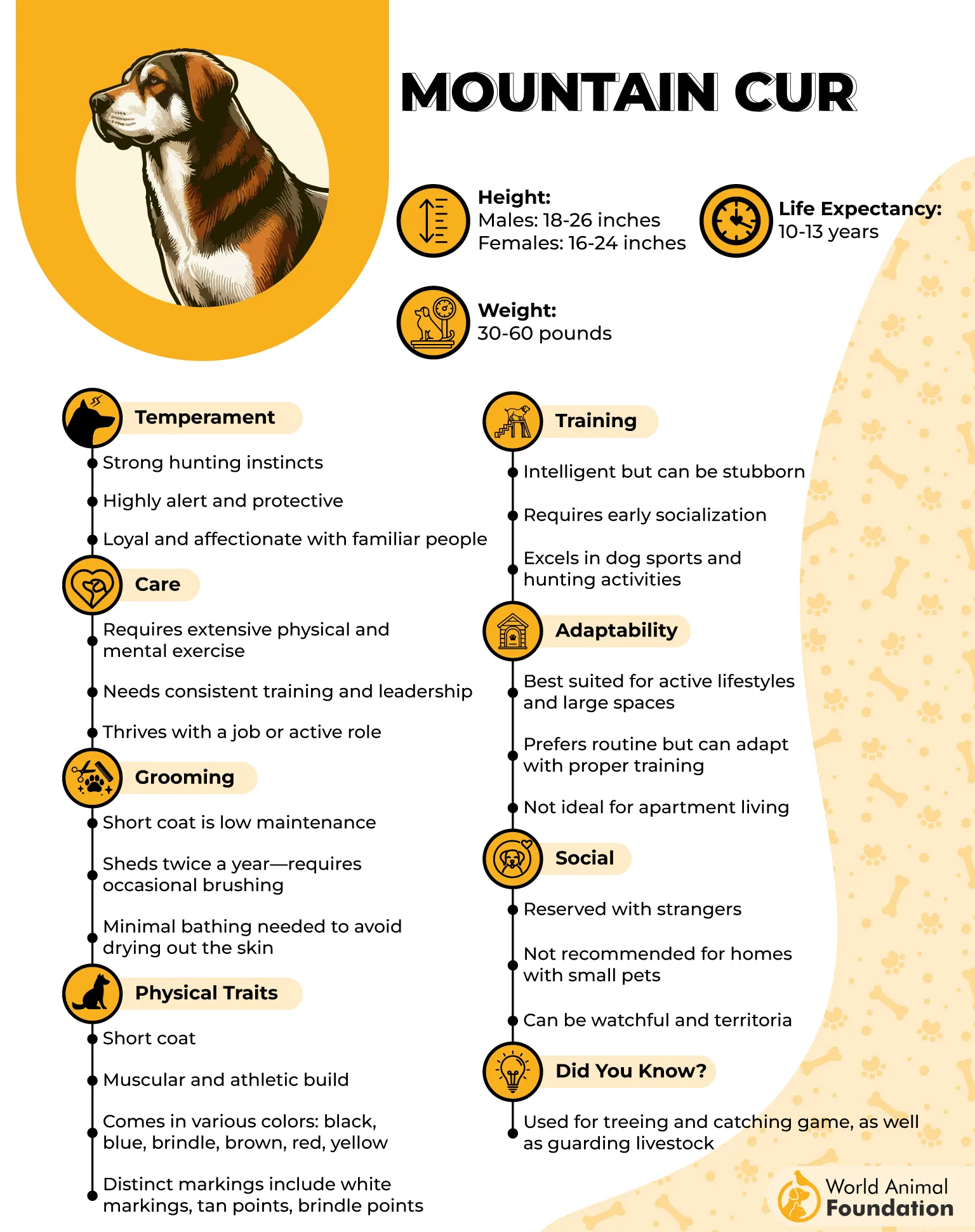
Exercise: Intense activities, hunting, climbing, trail work, long walks, and watchful.
Temperament: Courageous, fighter, intelligent, highly trainable
Training: Respect-based, they respond to confident handlers. The AKC writes that these dogs require a pack leader for training.
4. Bloodhound
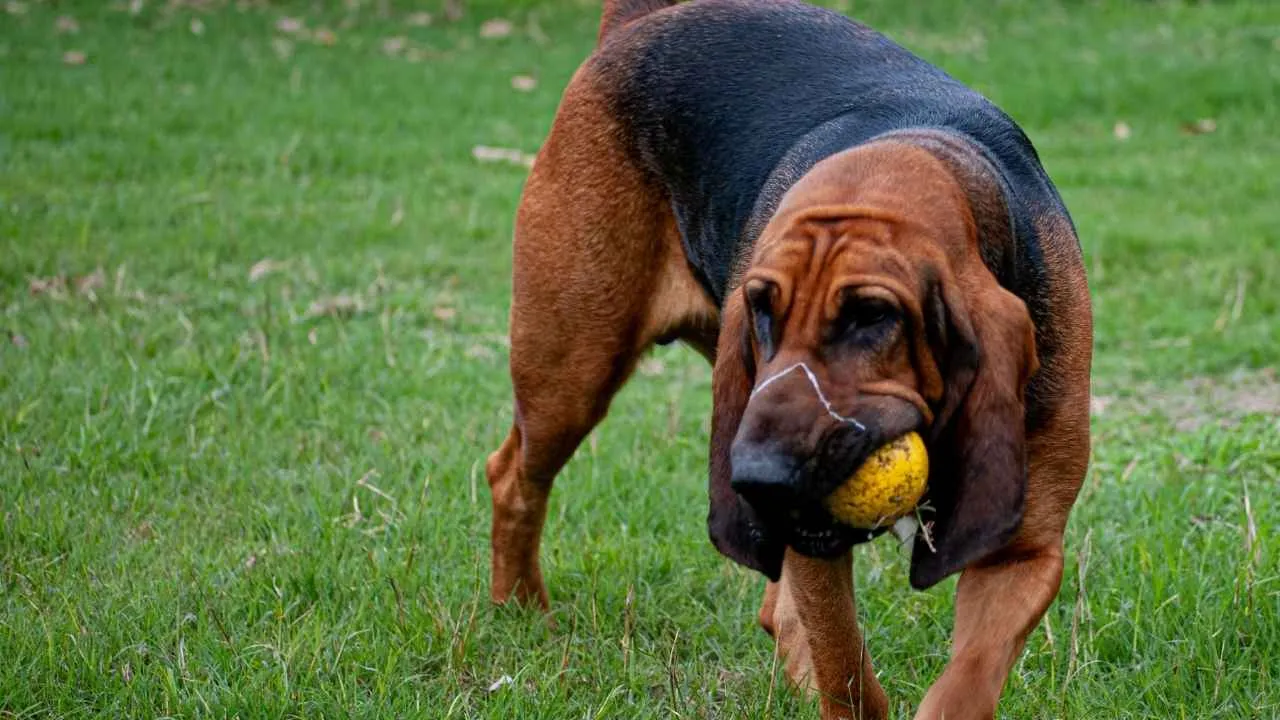
Bloodhounds are literally the gold standard of scent tracking. Their noses contain around 230 million scent receptors, and because of that, these service dogs are used by law enforcement worldwide. It is said and all true that, “When a Bloodhound picks up a trail, the case is as good as solved.”
They are known to recognize human scents from long distances. Traditionally, this sporting breed was used as a ‘limmer’ to silently track down the big game before pack hunting. Pure Bloodhounds hunt singly, while the same breed crossed with foxhounds is used to cold hunt human scents in packs.
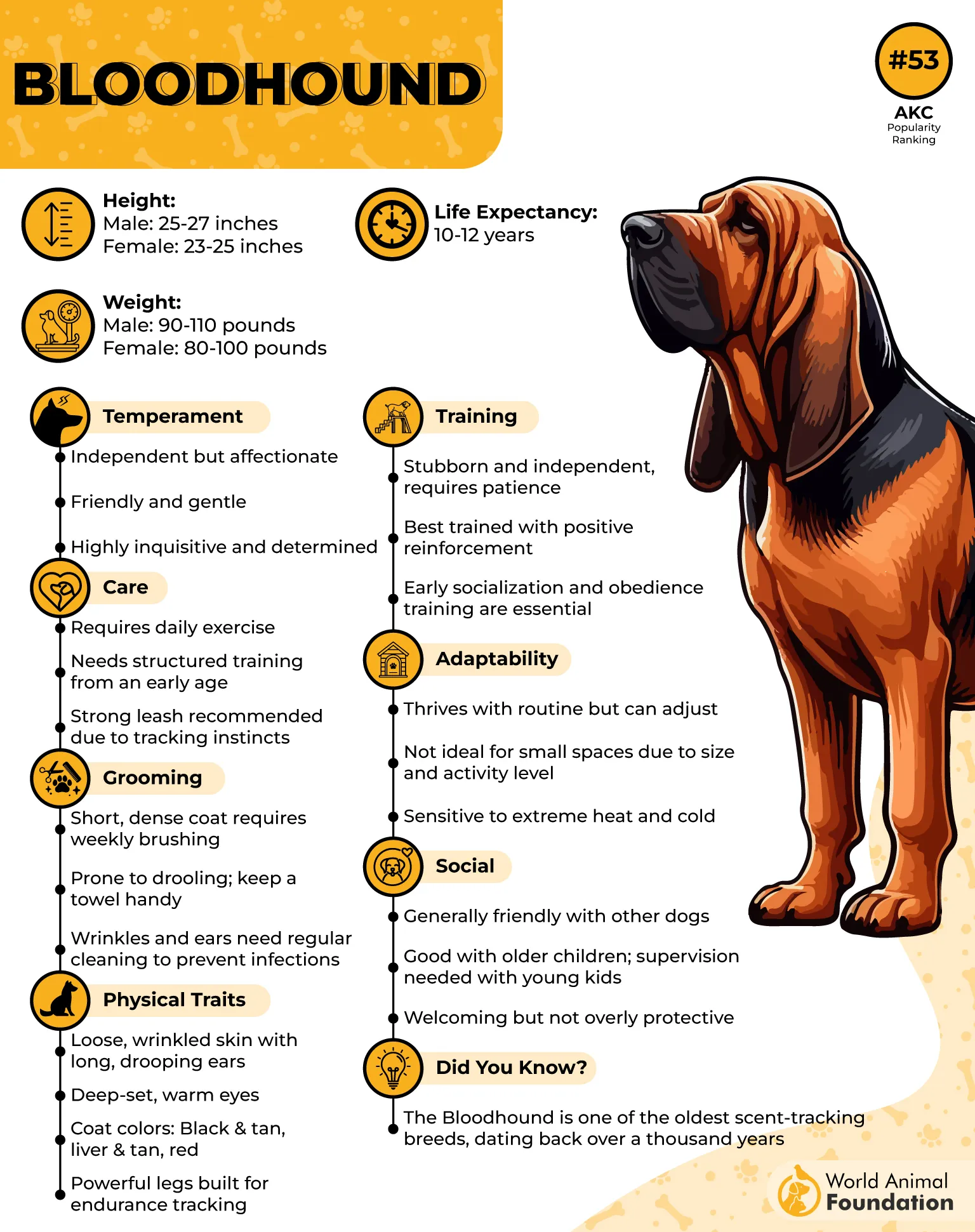
Exercise: Long-distance tracking work, 2+ hour sessions, outdoor games.
Temperament: Gentle, tireless, obedient, affectionate, tolerant, active, and even-tempered.
Training: Specialized scent trail training, professional assistance, positive reinforcement, and patience, since they are independent thinkers.
5. German Shorthaired Pointer
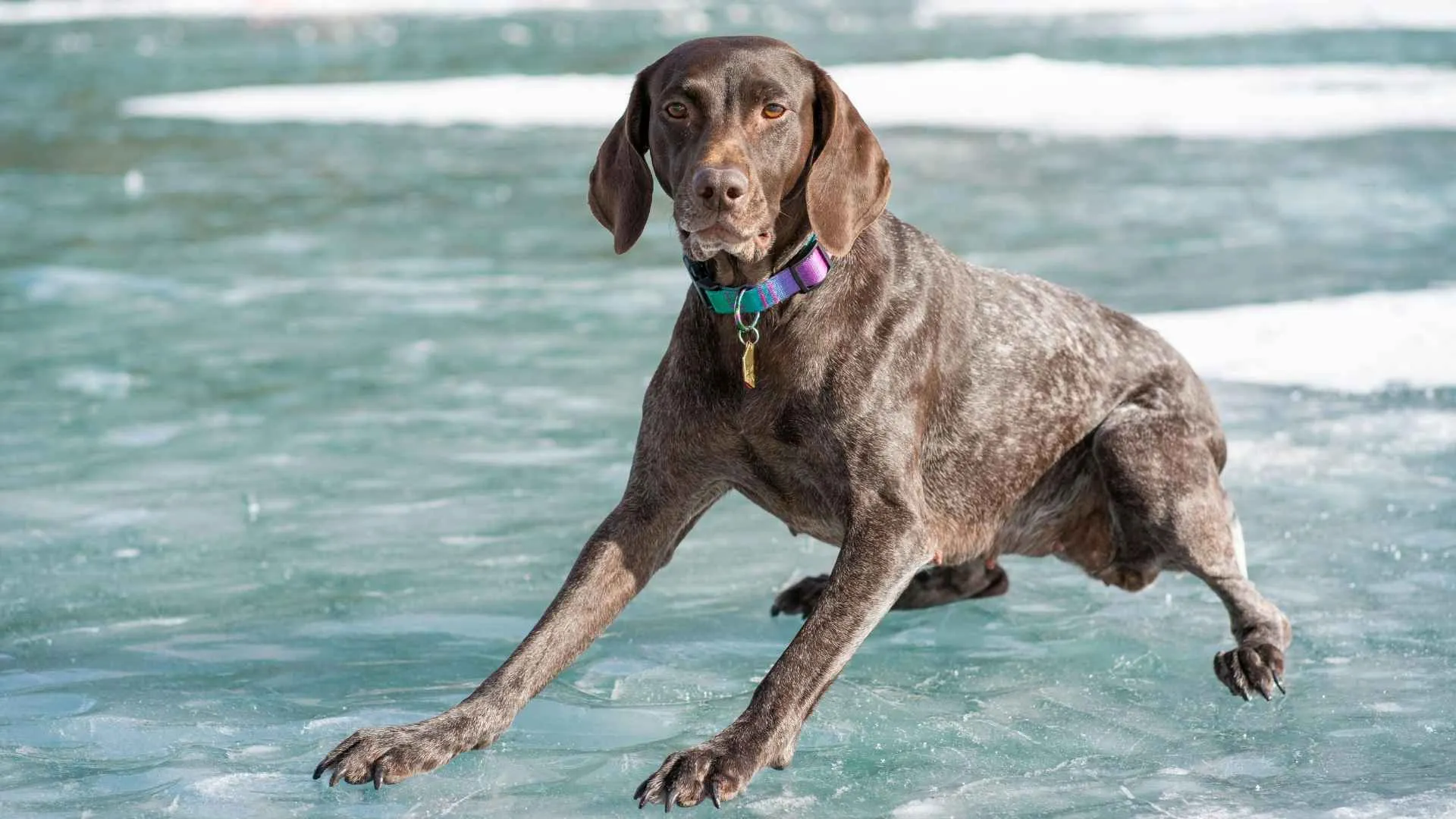
German Shorthaired Pointers are the overachievers of the hunting world. Developed in Germany in the 1800s, they are versatile dogs who excel at pointing, tracking, and retrieving skills. They hunt bird game and track with equal enthusiasm.
Historically, they were called Jagdhunde (hunting dogs). Initially used only as bird dogs to retrieve upland birds, these hunting dogs are widely used to find a wounded animal by following the blood trail. Their weather-resistant coat makes them retrieve games both in water and on land, as per Wikipedia.
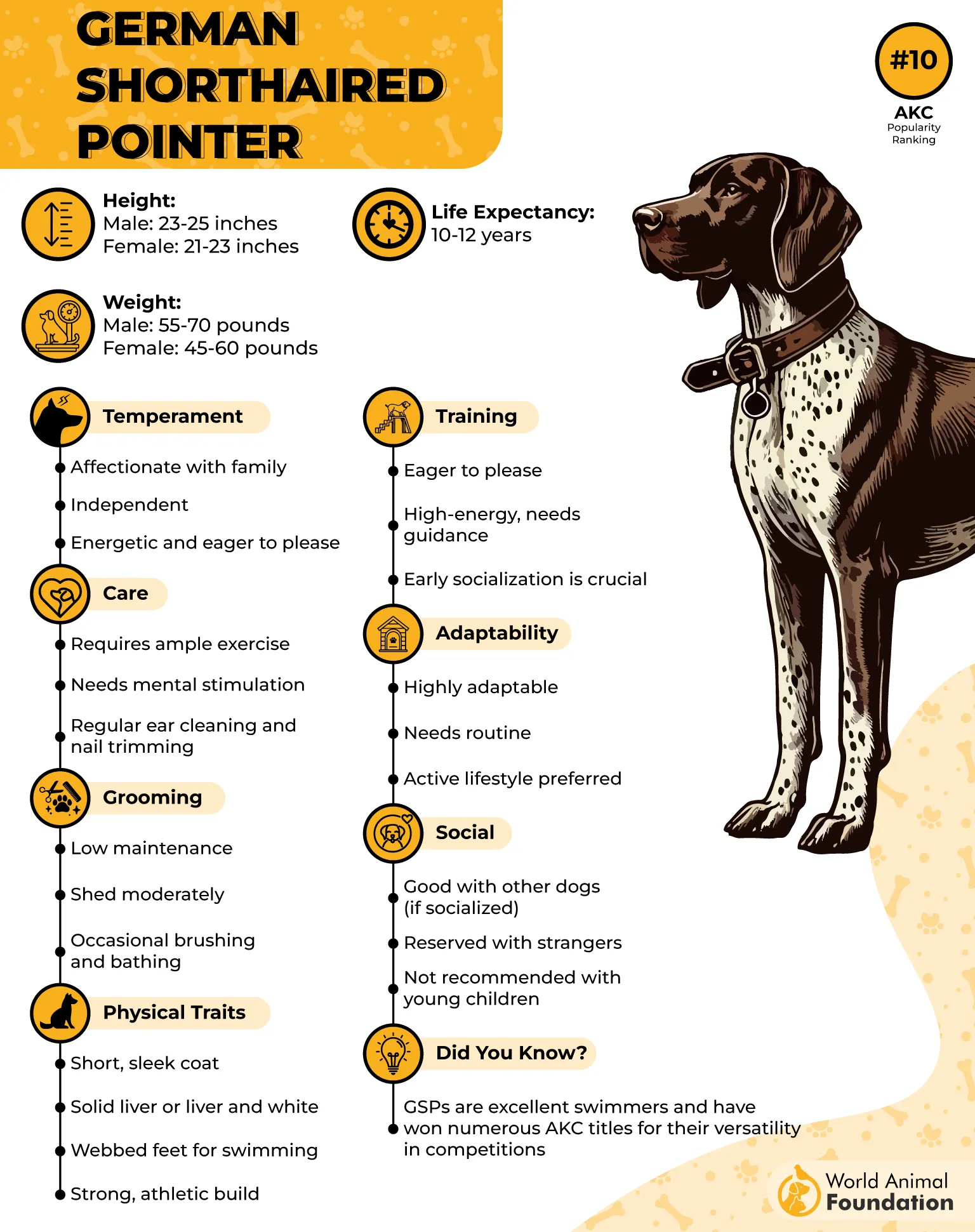
Exercise: Vigorous daily activities such as running, agility, and fetching. 1-2 hours of minimum workout is suggested.
Temperament: High prey drive, intelligent, affectionate, loyal, energetic, and good house dogs.
Training: Eager learners, positive reinforcement, and consistent training.
6. Redbone Coonhound
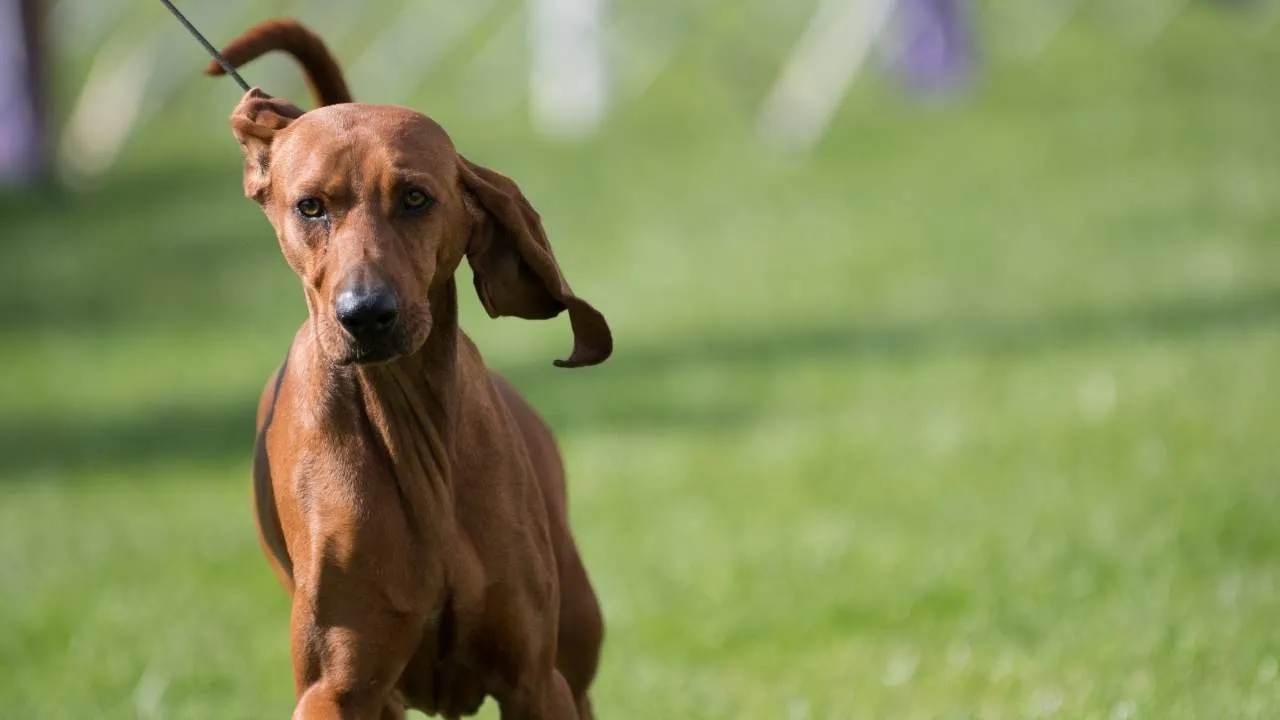
Redbone Coonhounds are the beautiful athletes of the hunting pack. With their striking red coat and muscular builds, they might fool you. These dogs are serious workers who excel at scent tracking and treeing game.
They were bred exclusively for small game (raccoon), but can also track down large animals such as bears and cougars. This dog’s nose has instincts of cold hunting; they can track old scents of a dead organism.
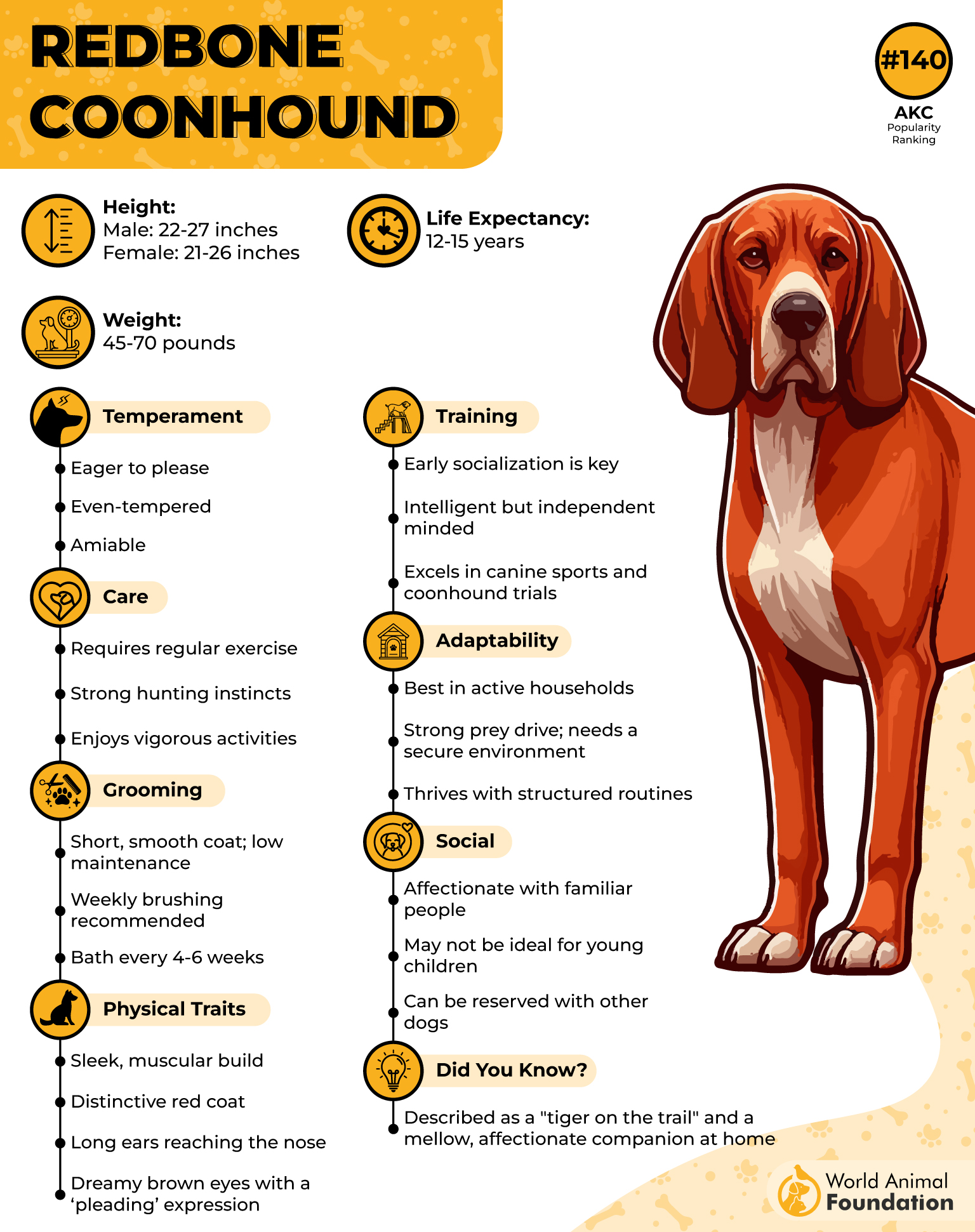
Exercise: Hard activities, running, biking, hunting pursuits, nose work, hunting, hiking, and fetch
Temperament: Friendly, loyal, energetic, curious, and intelligent
Training: Sports-focused training, early socialization, and obedience training are recommended
7. Bluetick Coonhound
Bluetick Coonhounds might look half asleep napping under the porch, but flip a switch, and they transform into nocturnal hunting machines. Their distinctive ticked coat and athletic build are suited for night work, and they shine after sunset.
They have a constant barking habit when on a hunting mission. WebMD states that they bark loudly while tracking, and the bark does slower as they corner their prey, but it never stops.
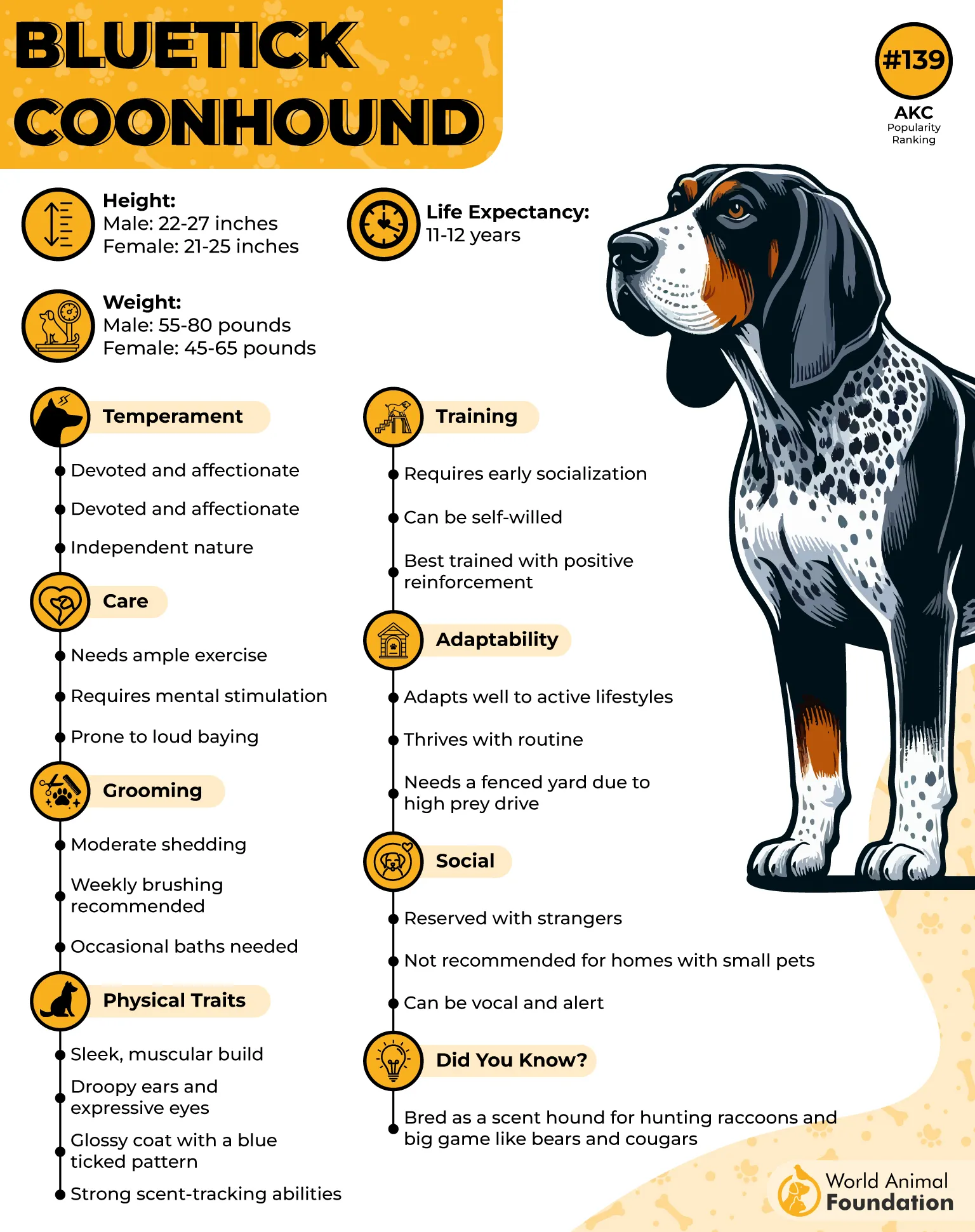
Exercise: Nocturnal tracking, long-distance night hunts, hunting, agility, problem-solving games for mental stimulation
Temperament: Athletic, intelligent, mindful, friendly, and family companion, affectionate, and strong prey instincts
Training: Rewards-based methods, early socialization, voice training
8. Weimaraner
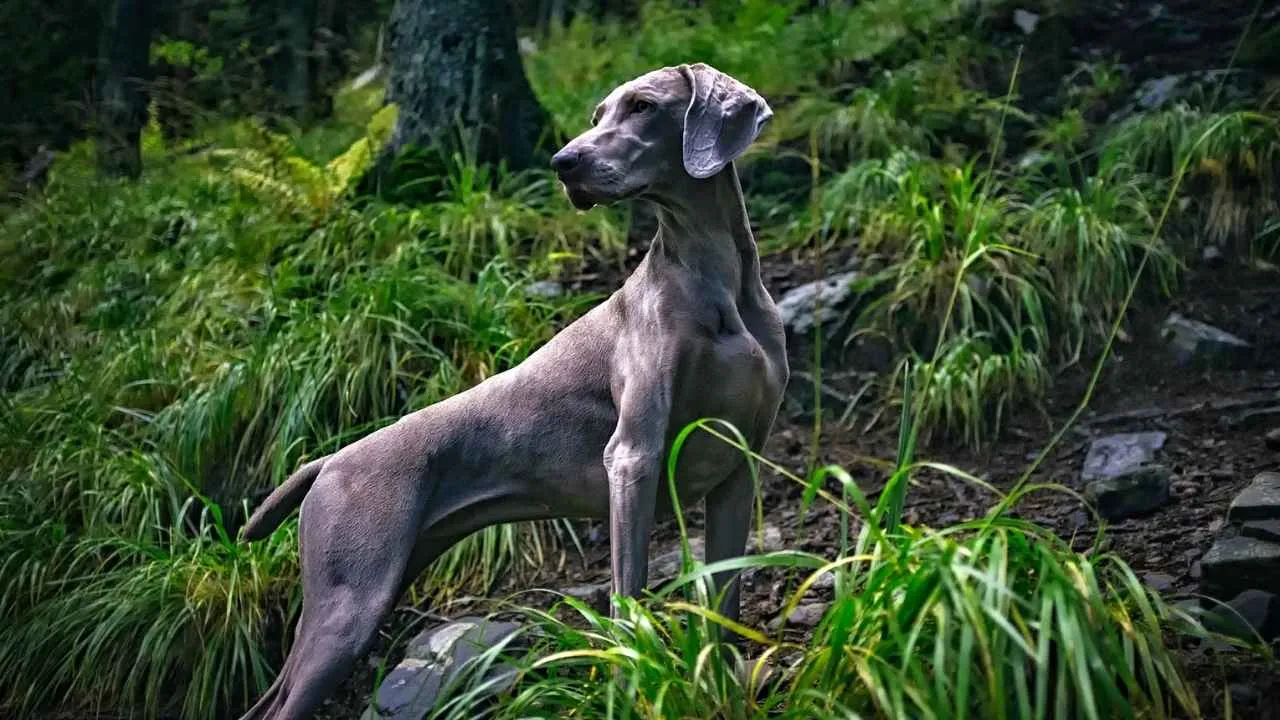
Weimaraners are the elegant sprinters of the hunting world. With their sleek silver coat and boundless energy, these German-origin hunters are built for speed and endurance.
They were originally bred for hunting wild boar, deer, and hunting birds with a sharp focus. A Weimaraner is a versatile hunting dog and is used to flush, point, track, and retrieve animals and other upland birds.
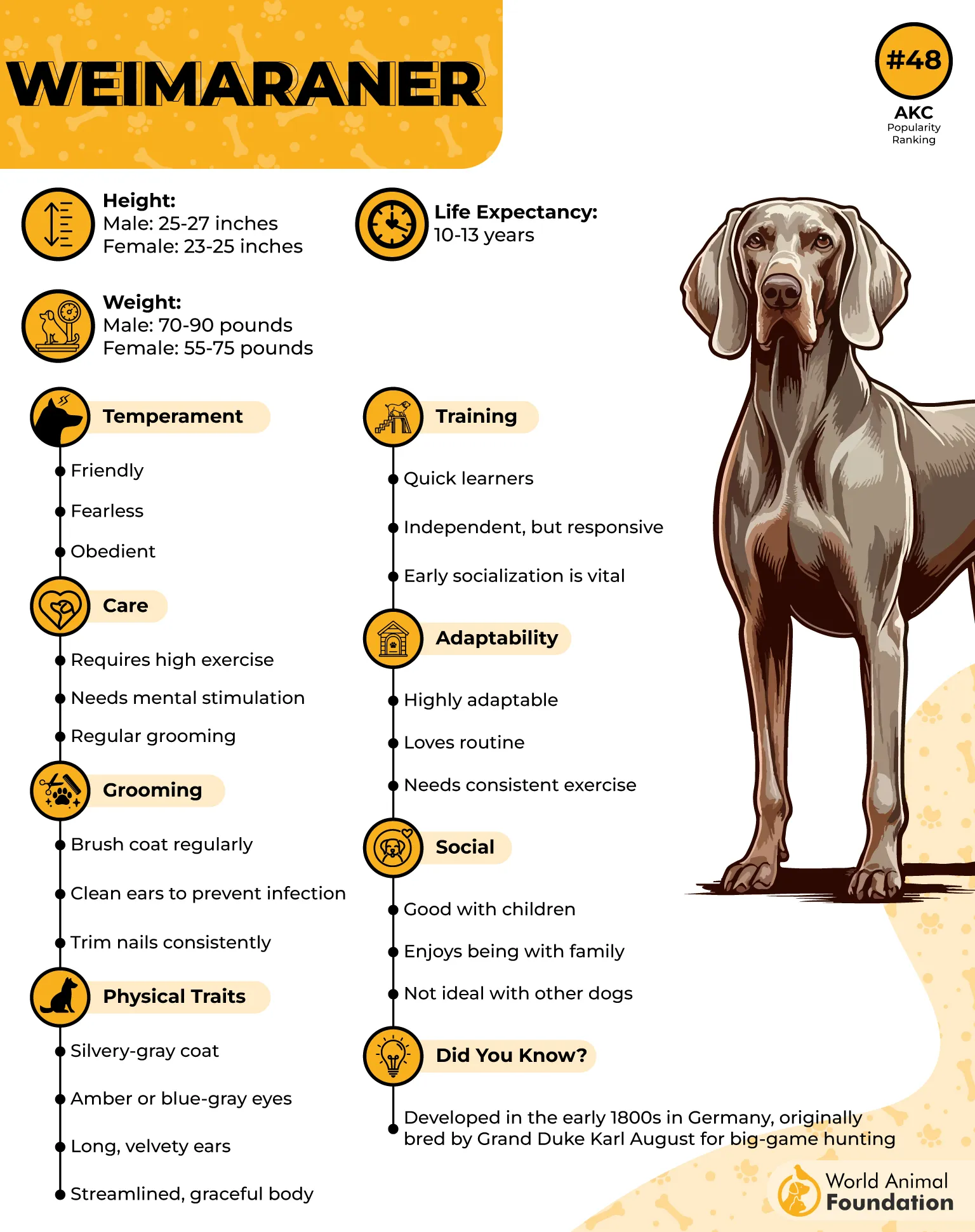
Exercise: Intense daily activities, running, hunting, agility work, and hiking.
Temperament: Courageous, intelligent, sharp focus, active, and curious
Training: Firm, consistent handler required, early obedience training, and chewing lessons
9. American Foxhound
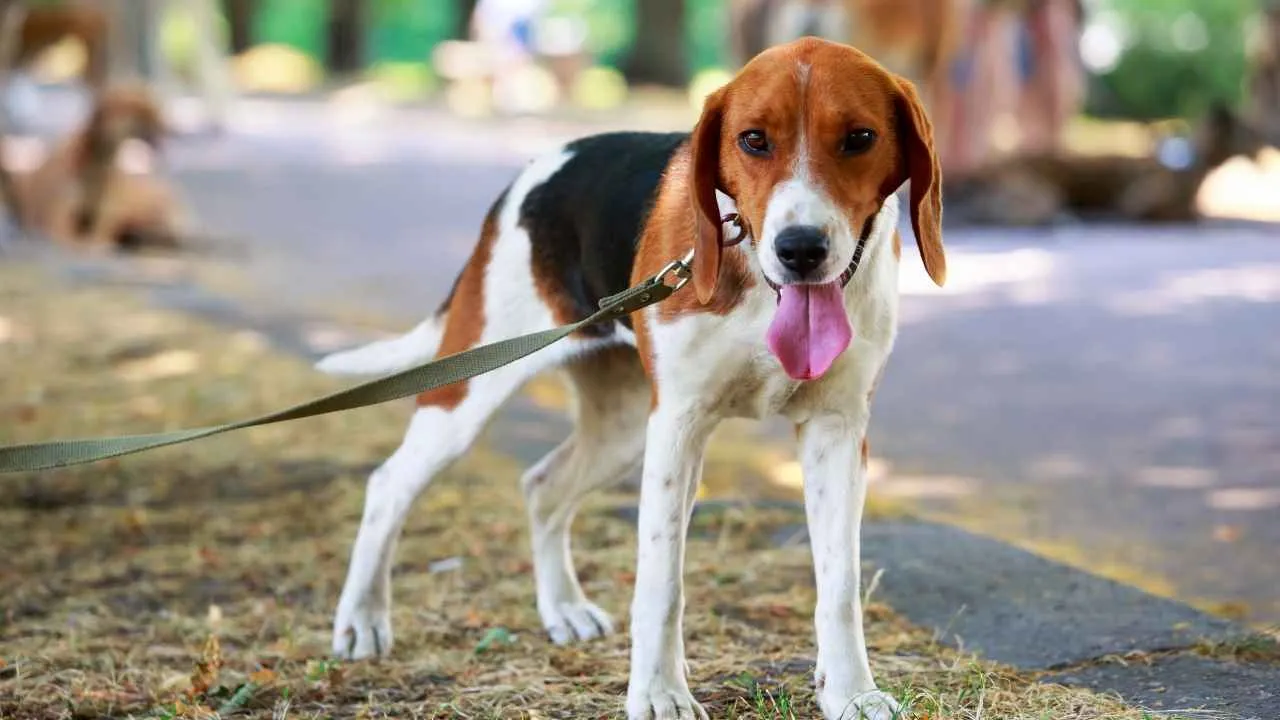
American Foxhounds carry the heritage of early American hunting traditions. Thomas Jefferson owned them, and George Washington famously developed his own strain. These lean, fast hounds were built for long pursuits across open terrain, and they retain that tireless hunter mentality today.
This hunting dog was bred to hunt foxes by following their scents. The American Foxhounds have a musical bark (bay) to track their prey and to communicate with their owners. They usually work in 4 different capacities: free trial hound, good vocal hound, trial hound, and a pack hound
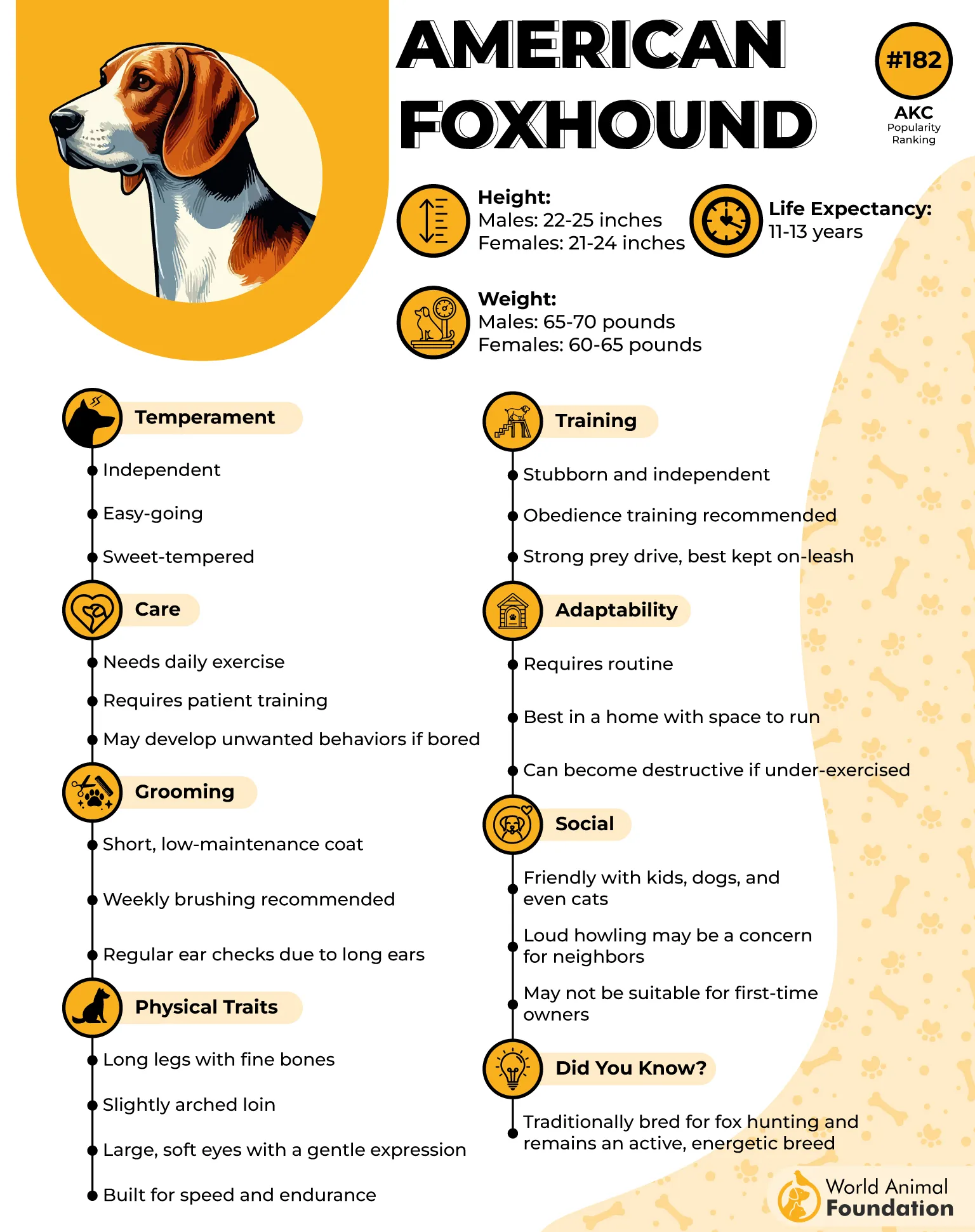
Exercise: Pack hunting or extensive solo running sessions
Temperament: Docile, friendly, loyal, fast, easygoing, and gentle. Prefect breed for active families
Training: Scent work focused, respond to hunting pack dynamics. Voice training is recommended
10. Catahoula Leopard Dog
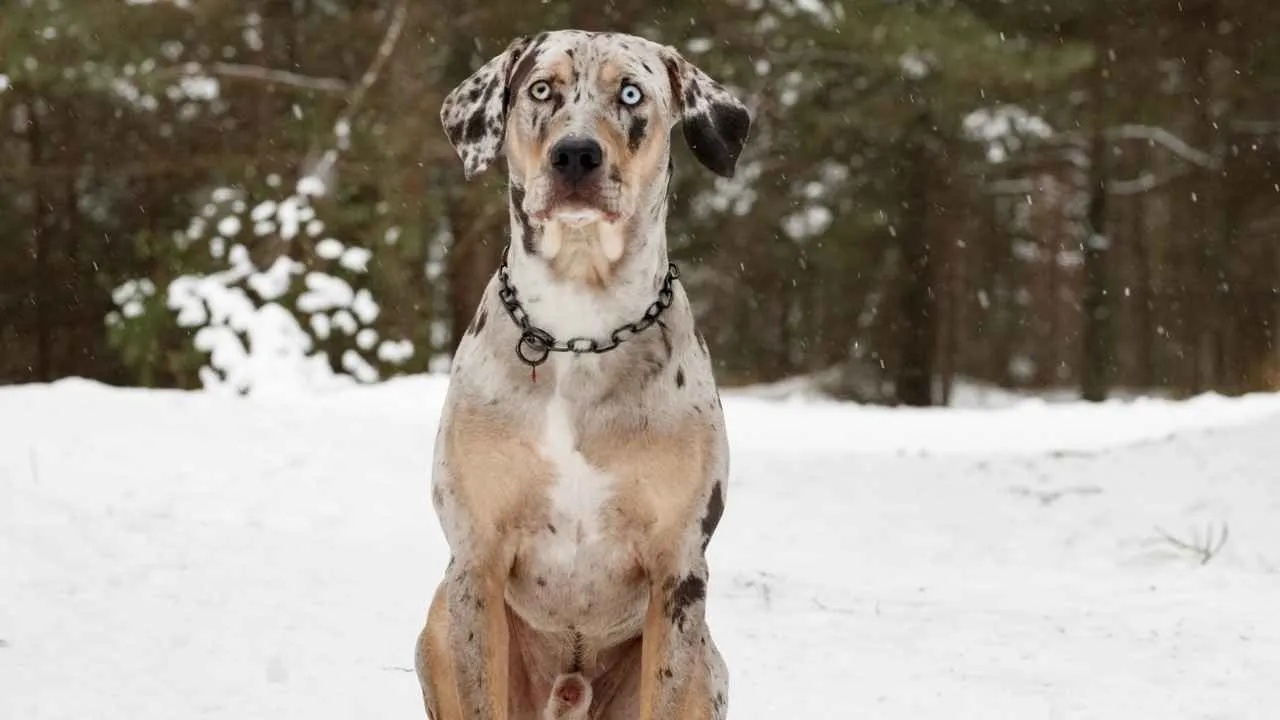
Catahoula is a Louisiana gift to the hunting dog world. These athletic dogs were developed to hunt wild dogs and other hard game in swampy terrain, making them incredibly tough and adaptable.
This dog is basically a multitasker. Besides hunting, it also serves the purpose of guarding the livestock. However, their first job was to hunt down feral pigs. They are now used to track small animals such as raccoons, squirrels, rabbits, as well as large animals such as bears, deer, and mountain lions.
Exercise: Intense work in challenging terrain, hog hunting, fetch and rally
Temperament: Bounless energy, loyal, friendly, high prey instincts, independent, and intelligent
Training: Firm leadership, suited for experienced handlers only.
Conclusion
Choosing the right hunting dog breed is not a decision you make on a whim.
It’s about finding a partner who understands your vision and shares your passion for the field. Each breed on this list brings unique strengths to the hunting table. Some excel at night work, while others genuinely need pack dynamics.
What makes a truly hunting dog is not just a raw skill; it’s a connection you build with that animal. Invest in early training, maintain consistent hunting schedules, and treat your dog as the partner they are. Pick wisely, train well, and you will have yourself a hunting partner for life.
