




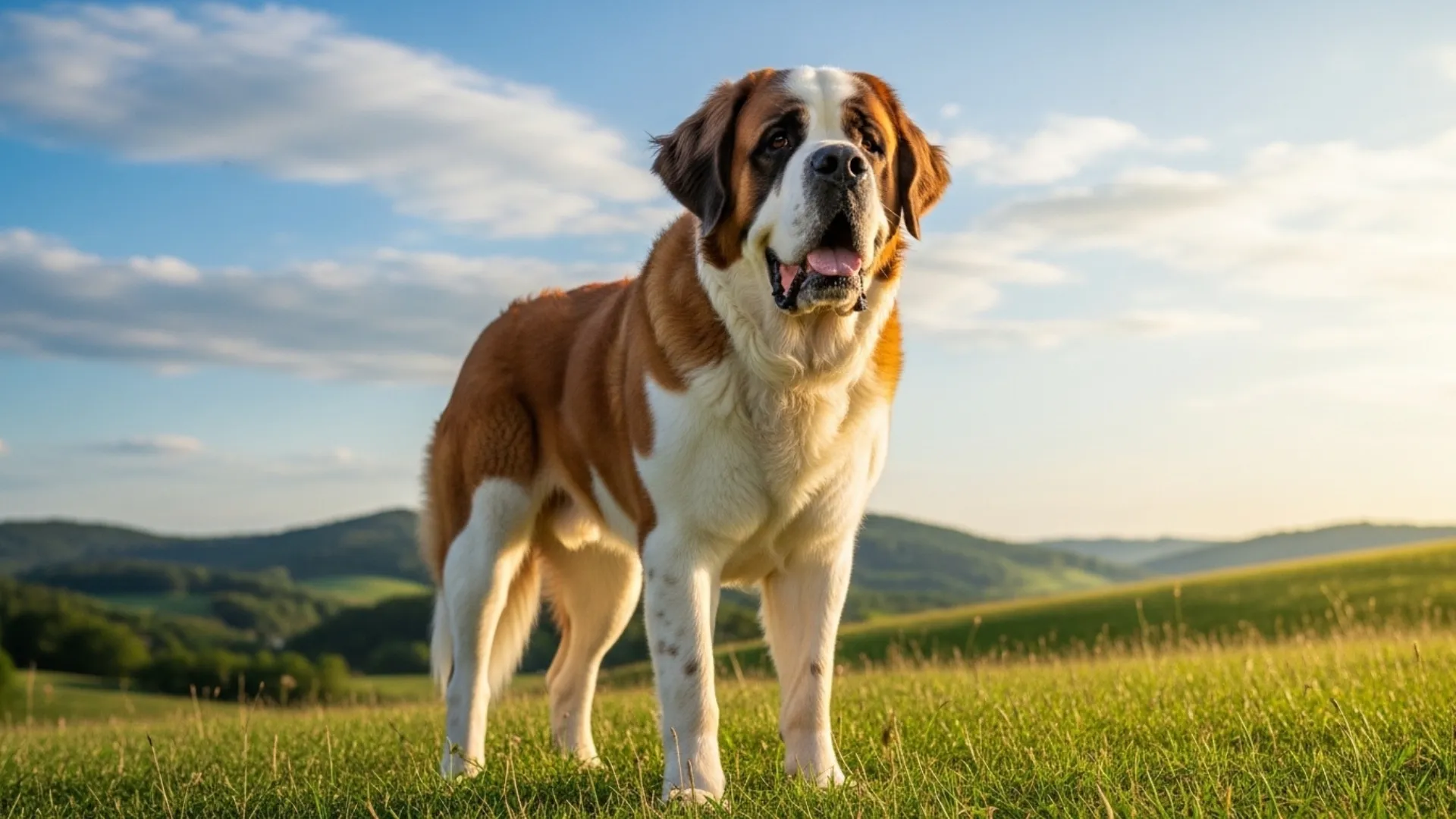
Families looking for a calm and easygoing dog often want more than just a quiet companion; they want a pet that fits smoothly into daily life.
Dogs play an important role in society as companions and partners, and proper training helps create healthy, lasting relationships between dogs and people. Research shows that training can prevent many behavioral problems, which are one of the most common reasons dogs are given up by their owners.
Training methods vary, but reward-based training supports better welfare and stronger bonds between dogs and their owners. Dogs trained with positive reinforcement often show less stress and develop more secure attachments to their families.
For households seeking a peaceful and cooperative pet, temperament and trainability both matter. Calm dog breeds that respond well to gentle, reward-based guidance are often the best choice. In this guide, we explore seven calm dog breeds that can make reliable, low-stress companions for family life.
Key Takeaways
Dogs that are intelligent and eager to please respond faster to basic commands and routines.
Consistency is the foundation of good training. Using the same commands, rules, and routines helps dogs understand what is expected of them.
Positive reinforcement works best. Rewarding good behaviour with treats, praise, or play encourages dogs to repeat those actions.
Early socialisation is essential. Introducing dogs to new people, environments, and animals helps them grow into confident companions.
Mental stimulation is just as important as exercise. Puzzle toys, training games, and learning tricks keep intelligent breeds engaged.
Top Trainable Dog Breeds: A Beginner’s Guide
1. Golden Retriever
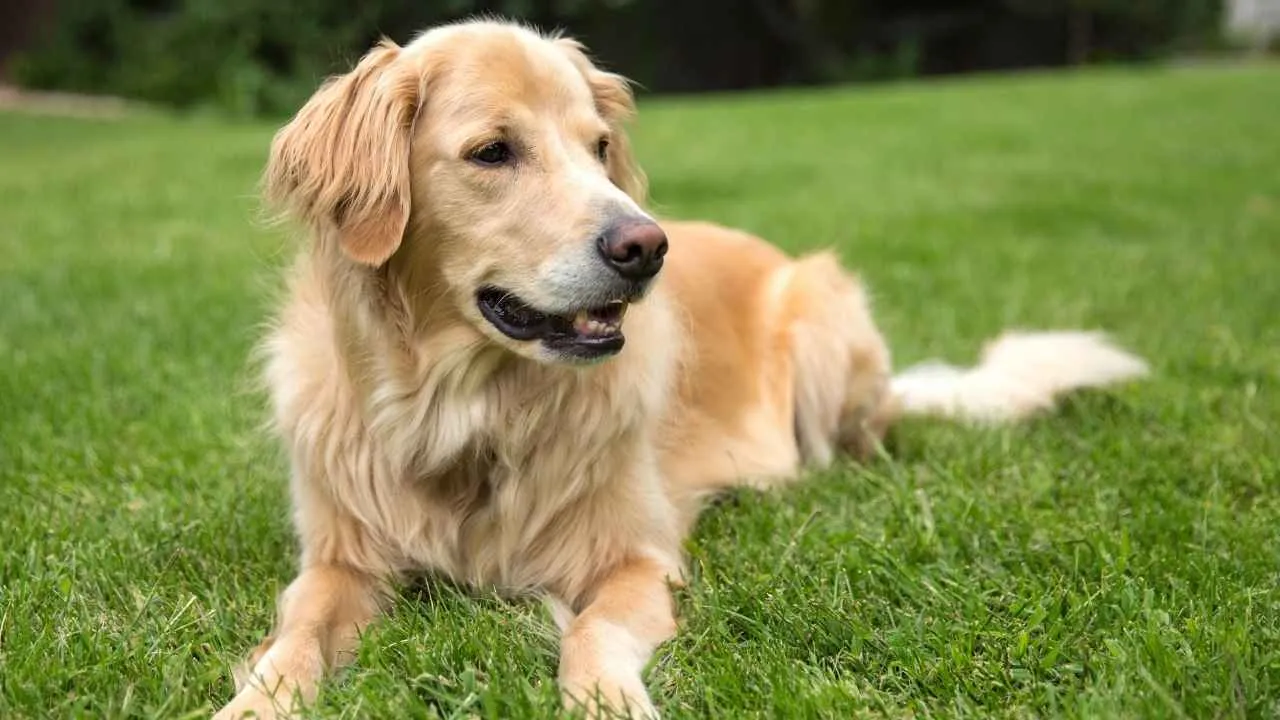
Among the many dog breeds, the Golden Retriever consistently ranks among the top trainable dog breeds.
Known for their friendly temperament and highly intelligent, food-motivated, and eager to please personality, they are widely considered one of the easiest dog breeds and easiest dogs to train, making them a great choice for a first-time dog owner.
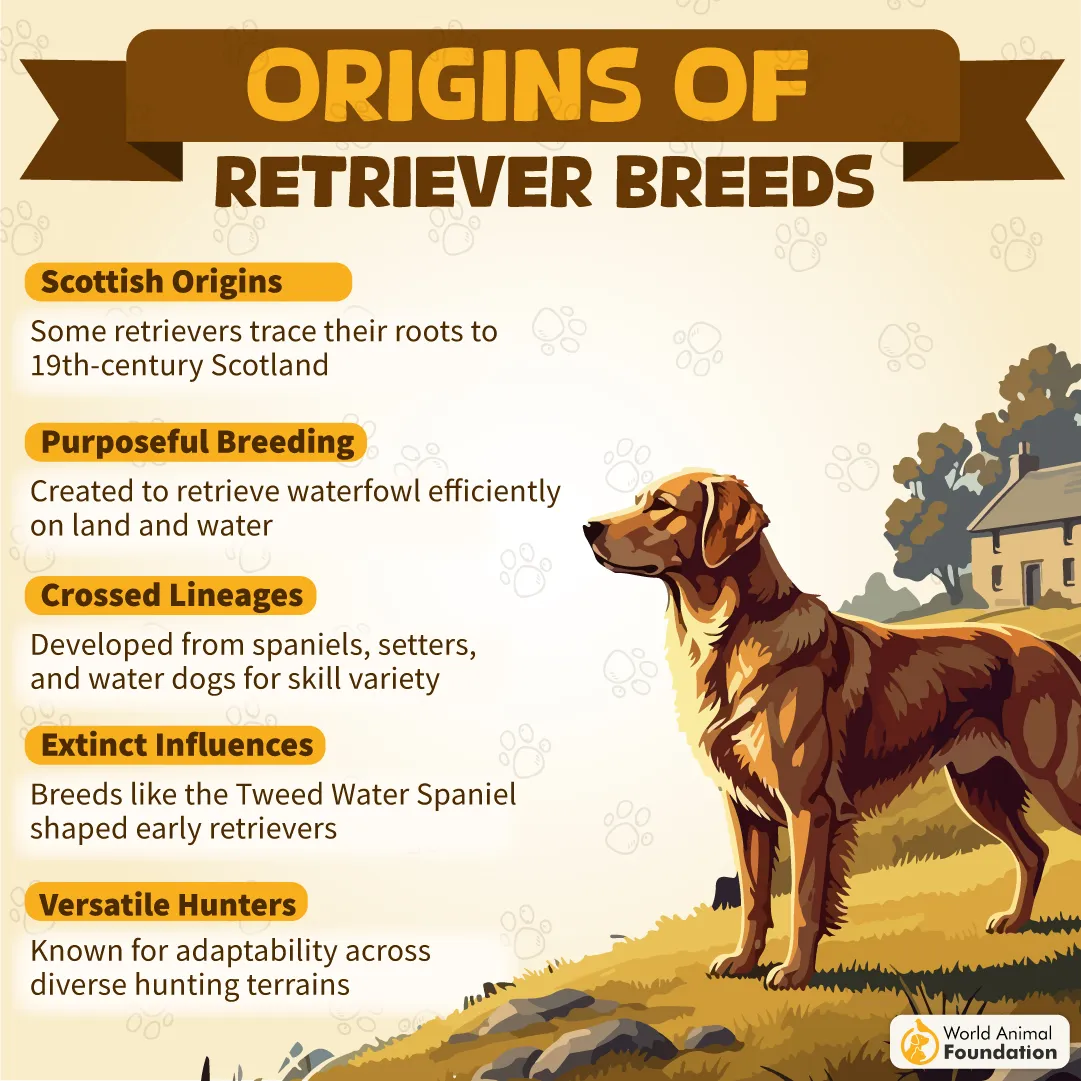
Originally developed in 19th-century Scotland as working dogs, these Retrievers gained recognition for their reliability and gentle breed characteristics.
These great family dogs thrive when they receive regular exercise, mental stimulation, and consistent training from a young age. Short, engaging training sessions using positive reinforcement make dog training enjoyable for both you and your dog.
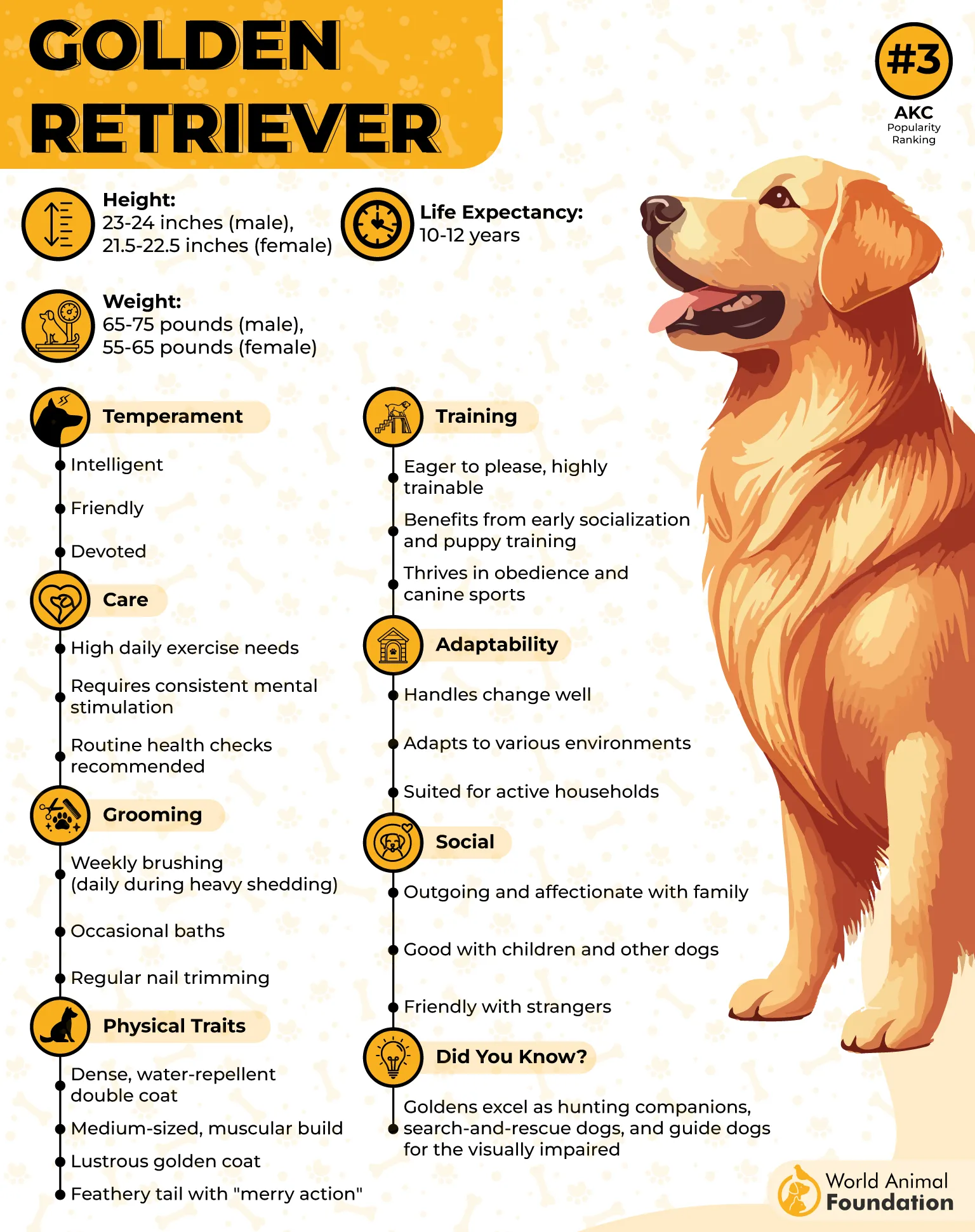
Golden Retrievers excel in obedience training, agility training, dog sports, obedience trials, and even roles as service dogs. Their balance of physical and mental stimulation, loyalty, and adaptability makes them one of the best dog choices for families seeking excellent family pets.
2. Vizsla
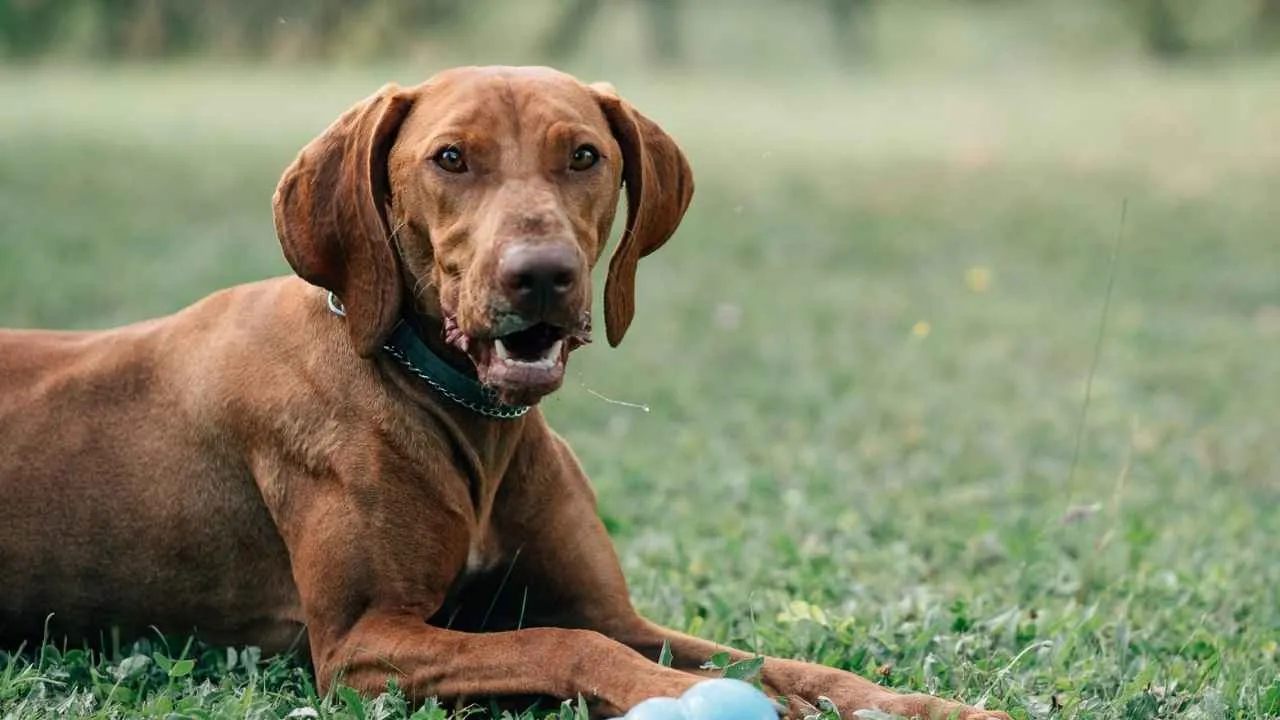
The Vizsla is a lively and intelligent breed that traces its roots back to Hungary, where it was developed as a loyal hunting dog.
This medium-to-large dog is known for its sleek red-golden coat and athletic build.
Beyond its striking appearance, the Vizsla is admired for its eagerness to please and strong bond with its owners, traits that make it highly trainable for beginners who are willing to invest time and attention.
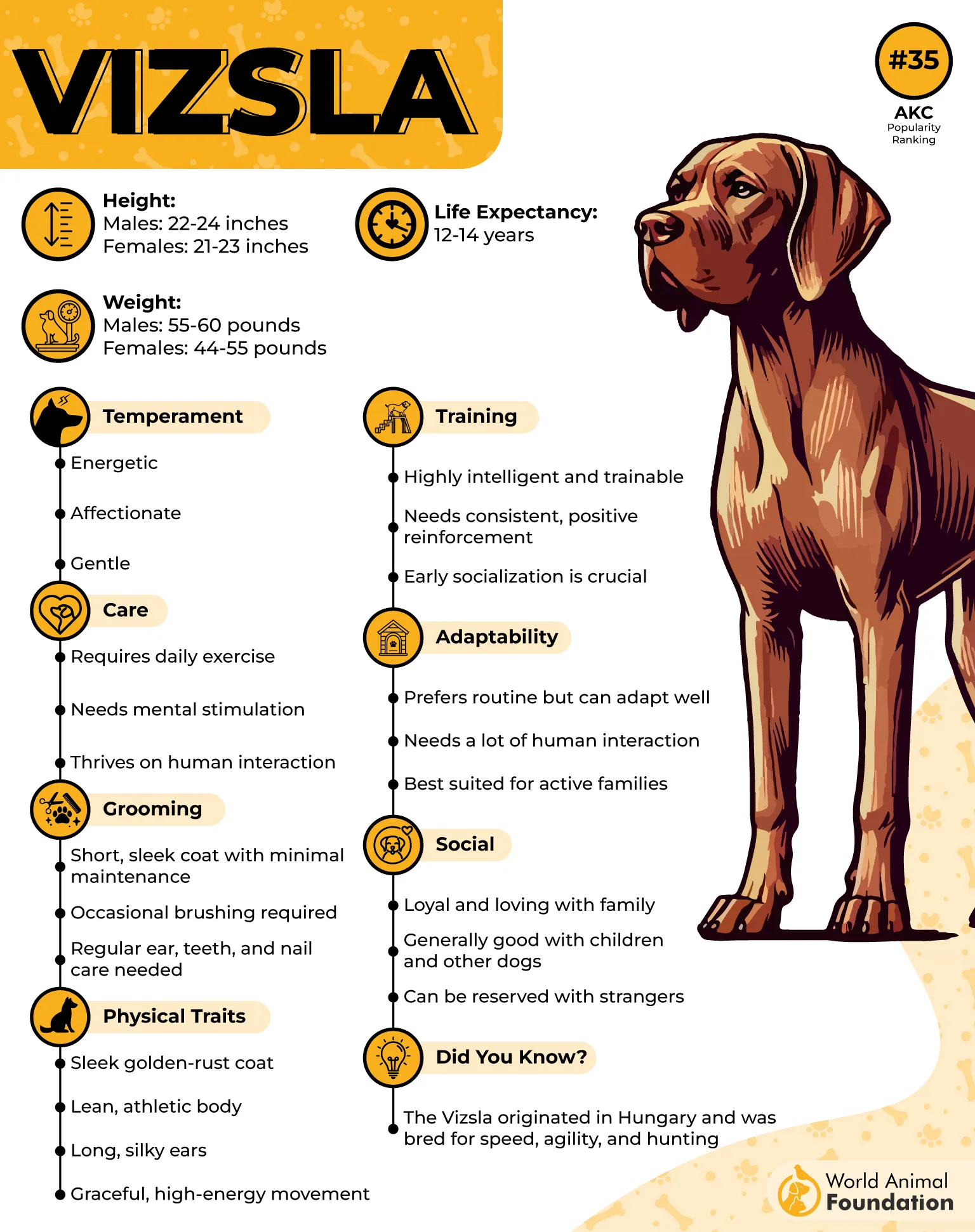
Naturally energetic and sharp-minded, Vizslas thrive when given plenty of physical activity and mental challenges, whether through running, swimming, or agility training.
Their affectionate and loyal nature also makes them wonderful family companions, especially in homes where they receive consistent interaction and early training.
Because they are sensitive and deeply attached to their families, positive reinforcement and patient guidance work best. With proper training, exercise, and companionship, the Vizsla grows into a devoted, well-mannered, and responsive dog.
3. Miniature Poodle
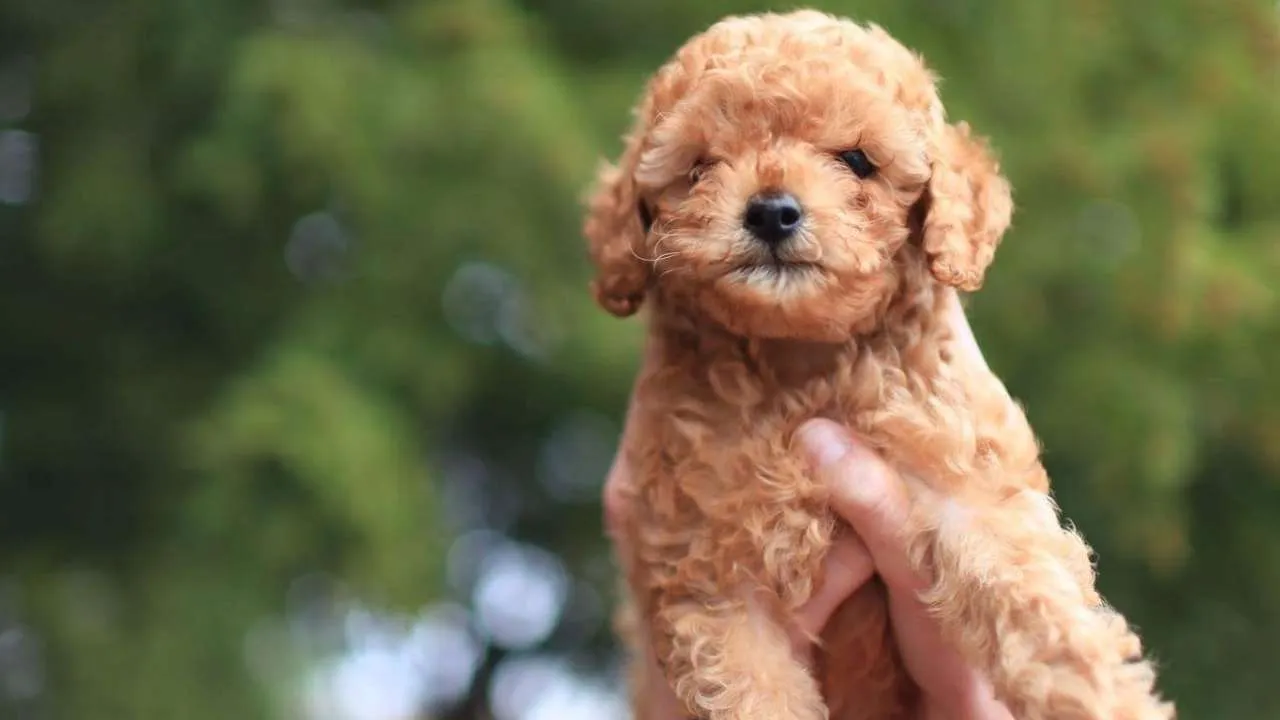
The Miniature Poodle is widely associated with France, but its roots likely trace back to Asia before the breed spread across Europe with herders.
In Germany, the dog developed into the Poodle we recognise today. Originally valued as a skilled hunter and herder, the Poodle’s dense, curly coat helped protect it in cold water, making it especially effective at retrieving ducks.
Over time, the breed’s intelligence and versatility also saw it working as a military dog, guide dog, and even a performer in circuses.
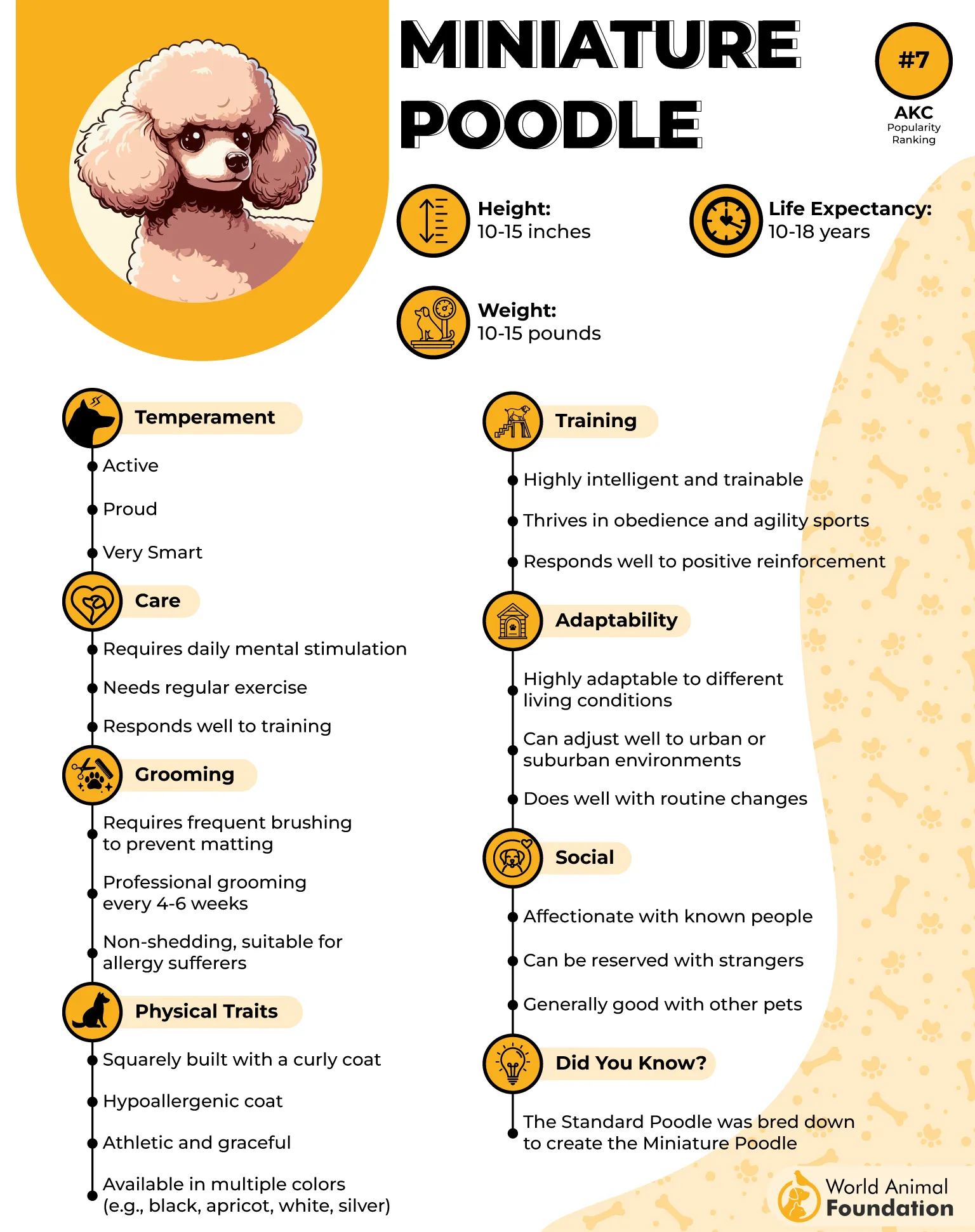
What truly sets Poodles apart is their remarkable intelligence. They learn commands quickly, enjoy mental challenges, and respond well to consistent training and praise.
Playful, loyal, and eager to please, they thrive when given both physical activity and stimulating tasks, according to Omlet.
Poodles also form strong bonds with their families and generally get along well with other pets when socialised early. Regular exercise, mental engagement, and grooming are essential to keep this energetic and thoughtful breed happy and well-behaved.
4. Labrador Retriever
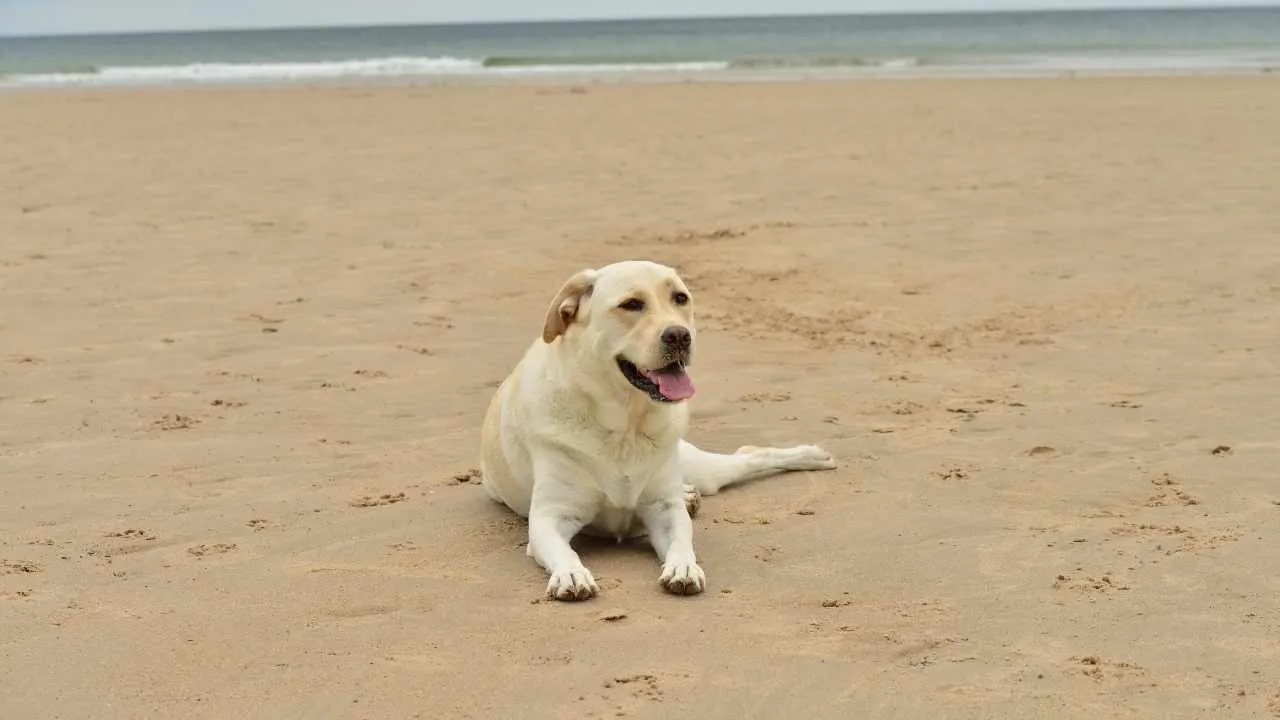
The Labrador Retriever has earned its place as one of the most loved dog breeds worldwide. Friendly, energetic, and deeply loyal, Labs are often described as the true definition of “man’s best friend.”
Their affectionate nature, playful spirit, and eagerness to please make them especially appealing to first-time dog owners looking for a trainable companion.
Physically, Labradors are sturdy, medium-sized dogs with broad heads, expressive eyes, and short, water-resistant double coats that commonly appear in black, yellow, or chocolate.
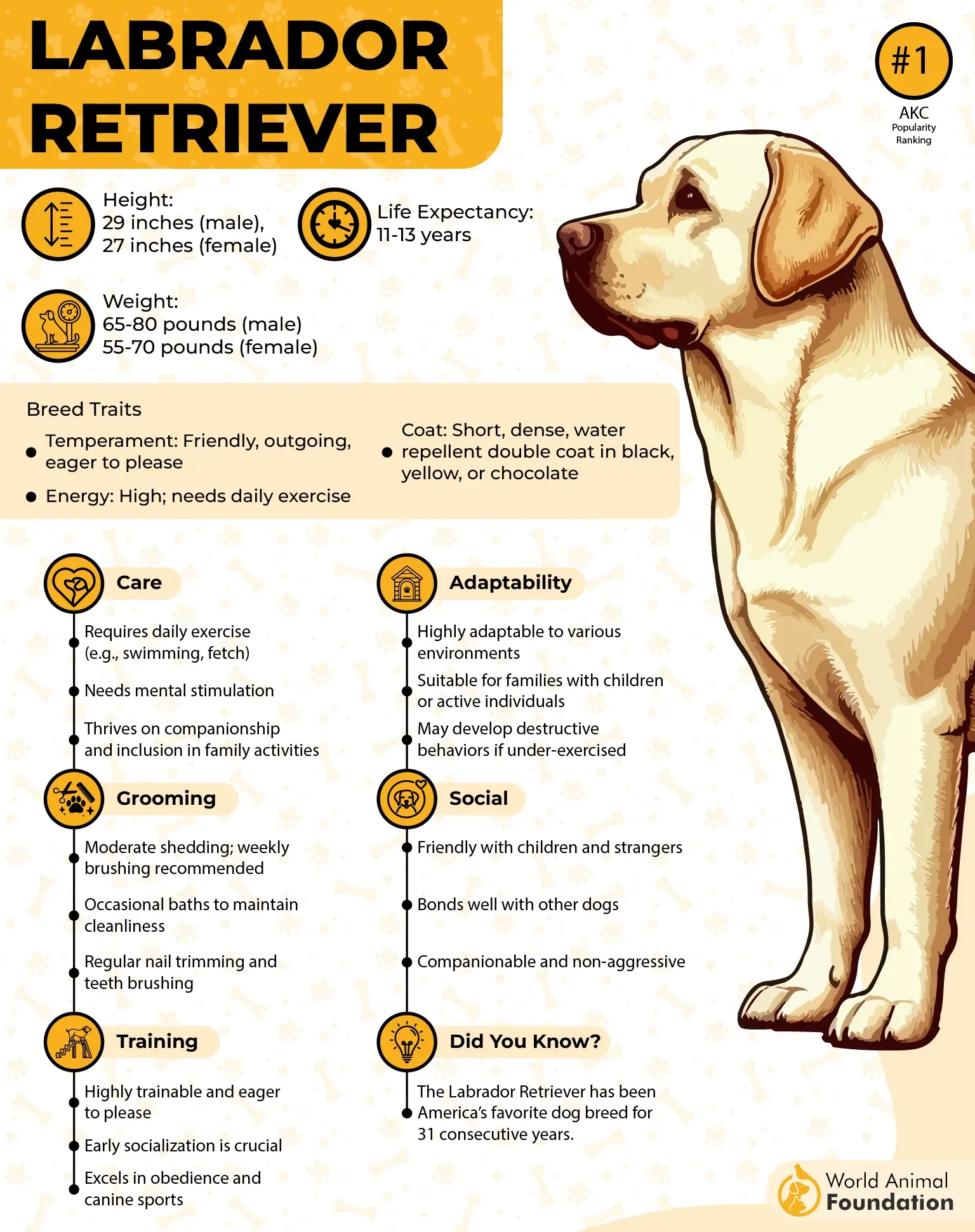
Originally developed in Newfoundland as hardworking companions for fishermen, they later became skilled hunting retrievers and versatile working dogs, as stated by the American Kennel Club.
One of the reasons Labradors are so easy to train is their intelligence and love for human interaction. They respond well to early socialisation, consistent guidance, and active play.
Because they are energetic and highly people-oriented, Labs thrive in homes where they receive plenty of exercise, attention, and mental stimulation, helping them grow into well-behaved and devoted family dogs.
5. Havanese
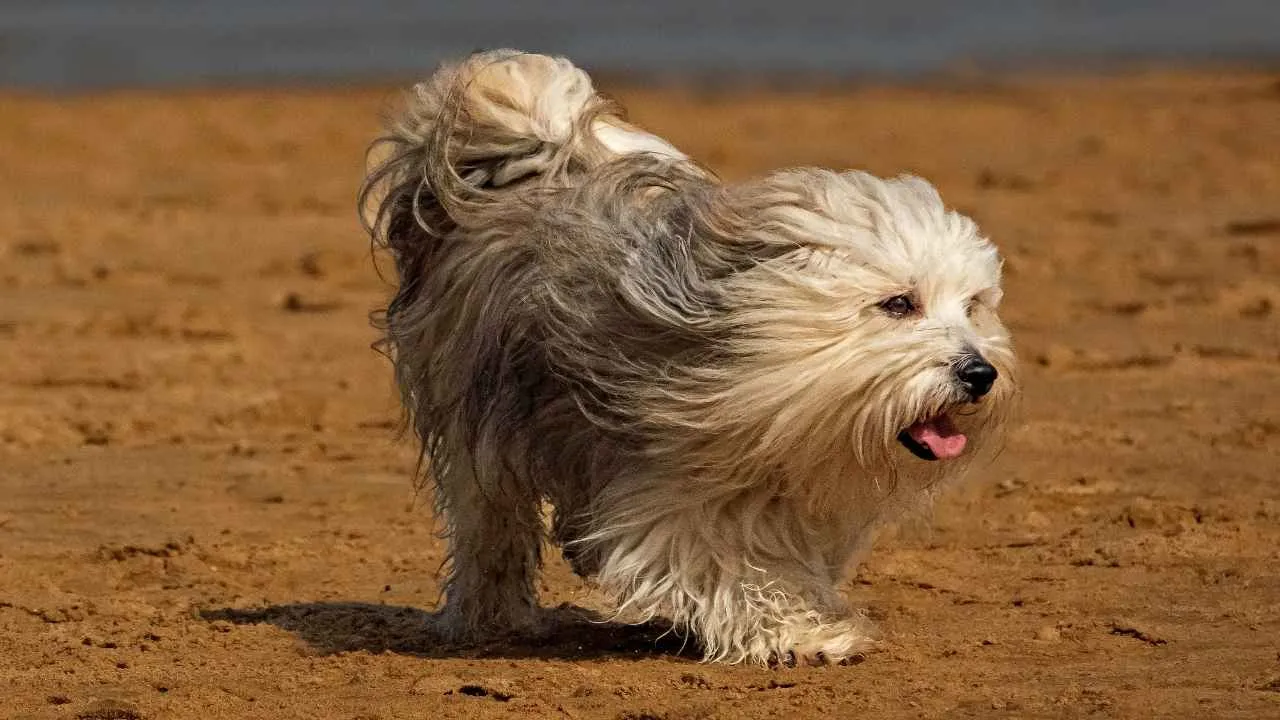
The Havanese may be small in size, but its personality fills the room. This cheerful little dog thrives on human companionship and loves being at the center of family life, making it a favorite breed for many first-time pet owners.
Curious, lively, and naturally playful, the Havanese often acts like a tiny entertainer, eager to learn new tricks and show them off.
Its innate desire to please, combined with its gentle and affectionate nature, makes it one of the most highly trainable breeds among certain breeds of small dogs.
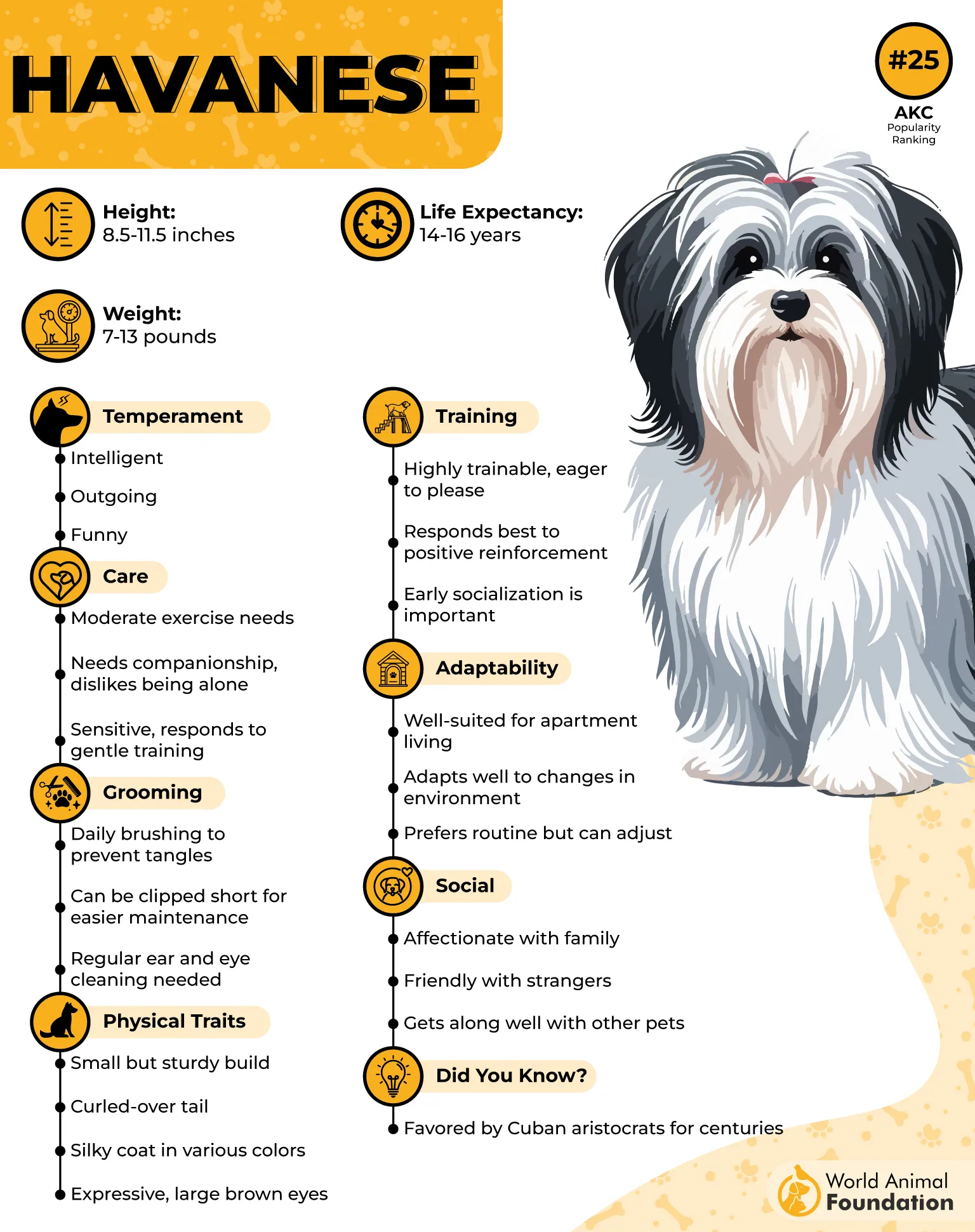
Mental challenges and training sessions keep this intelligent breed engaged, and their responsiveness highlights how genetic heritage can affect trainability, as explained by Orvis.
Originating in Cuba and once cherished by aristocrats, the Havanese nearly disappeared in the mid-20th century but has made a remarkable comeback.
With its silky, non-shedding coat, expressive eyes, and friendly temperament, it is not only charming but also a highly trainable companion suitable for a wide range of other breeds enthusiasts.
6. Border Collie
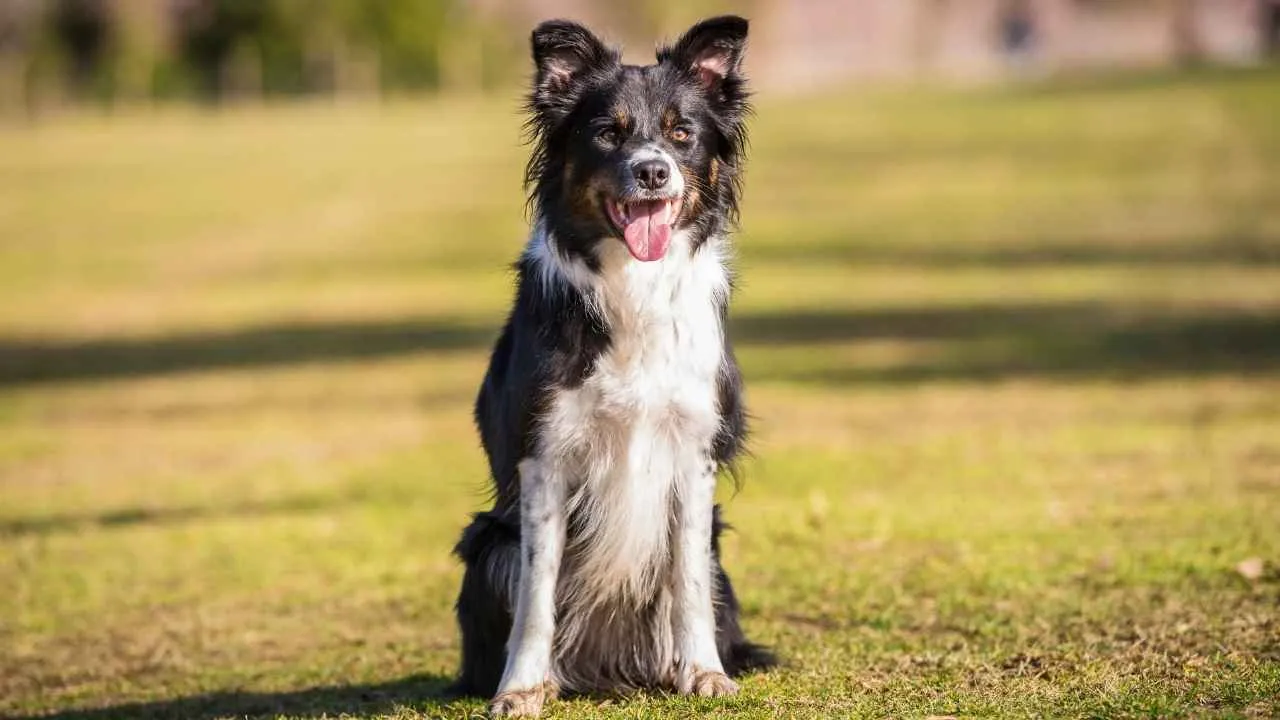
The Border Collie is often regarded as one of the most intelligent and energetic dog breeds in the world.
Originally bred along the border of England and Scotland to herd sheep, these dogs were designed for hard work, quick thinking, and incredible stamina.
Even today, many Border Collies still work on farms, though they’ve also become loyal companions for active families.
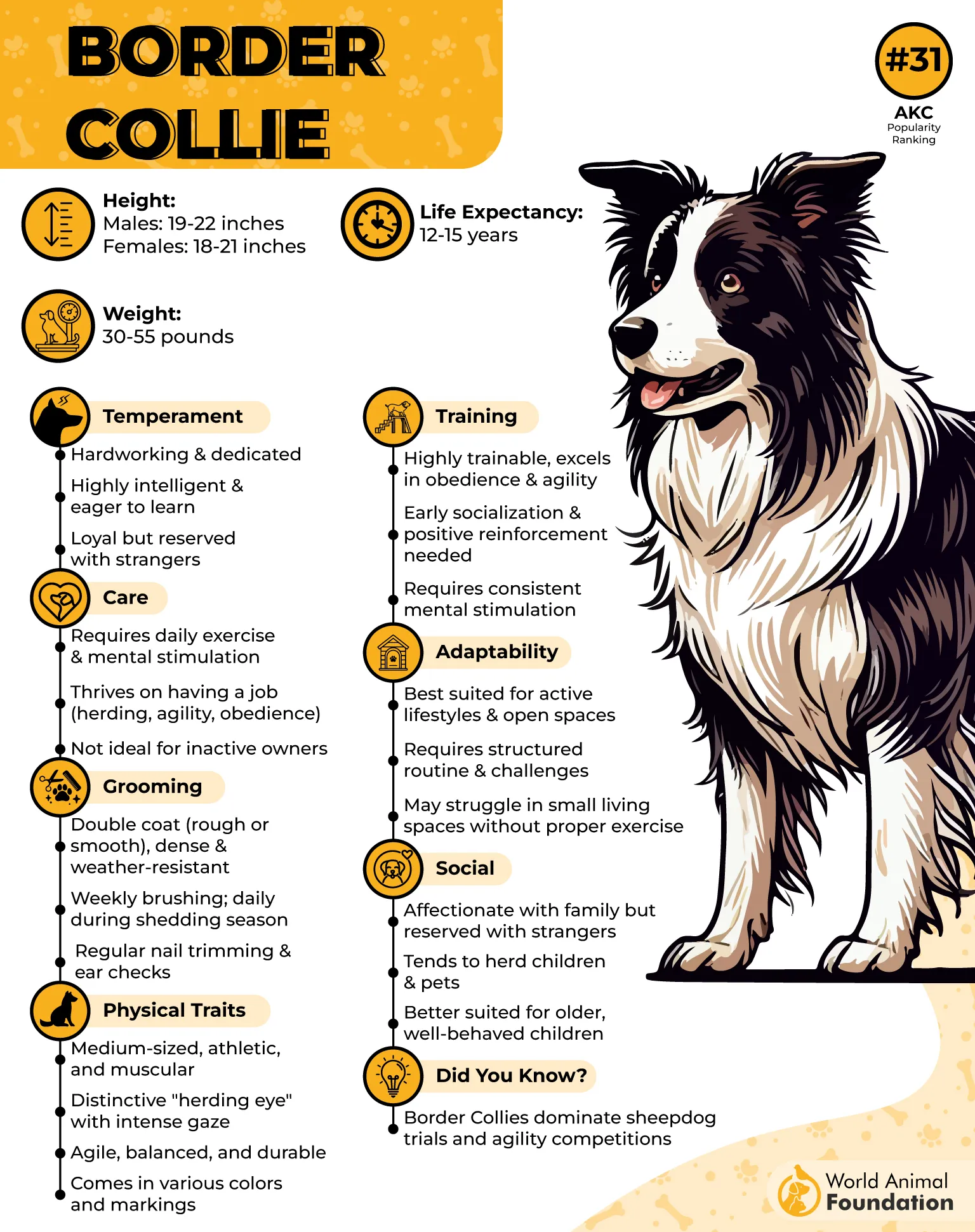
What truly sets them apart is their sharp mind and eagerness to learn. Border Collies thrive when they have both physical exercise and mental challenges, making them highly trainable for owners who enjoy spending time teaching and engaging with their dog.
However, their energy means they do best in active households where they can run, play, and stay busy, according to PDSA.
Like many purebred dogs, Border Collies can be prone to certain health conditions, including hip dysplasia, eye issues, and epilepsy. With proper care, training, and plenty of activity, they can grow into incredibly devoted and capable companions.
7. German Shepherd
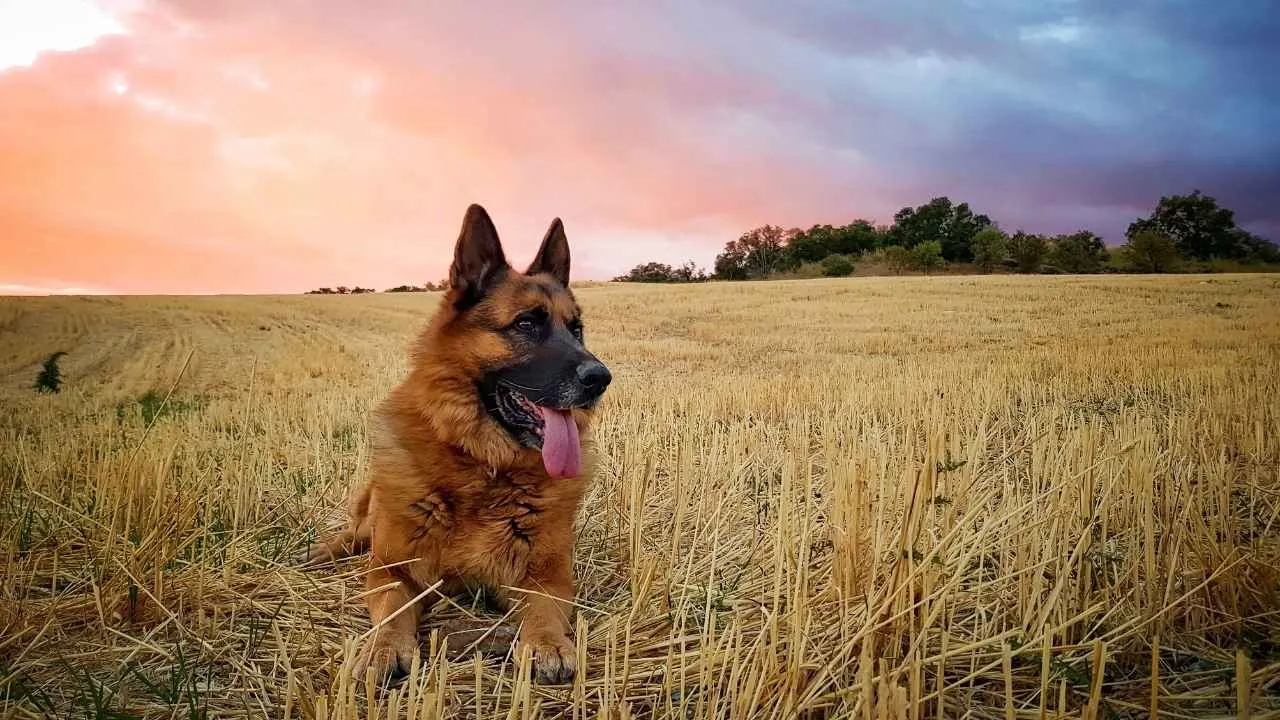
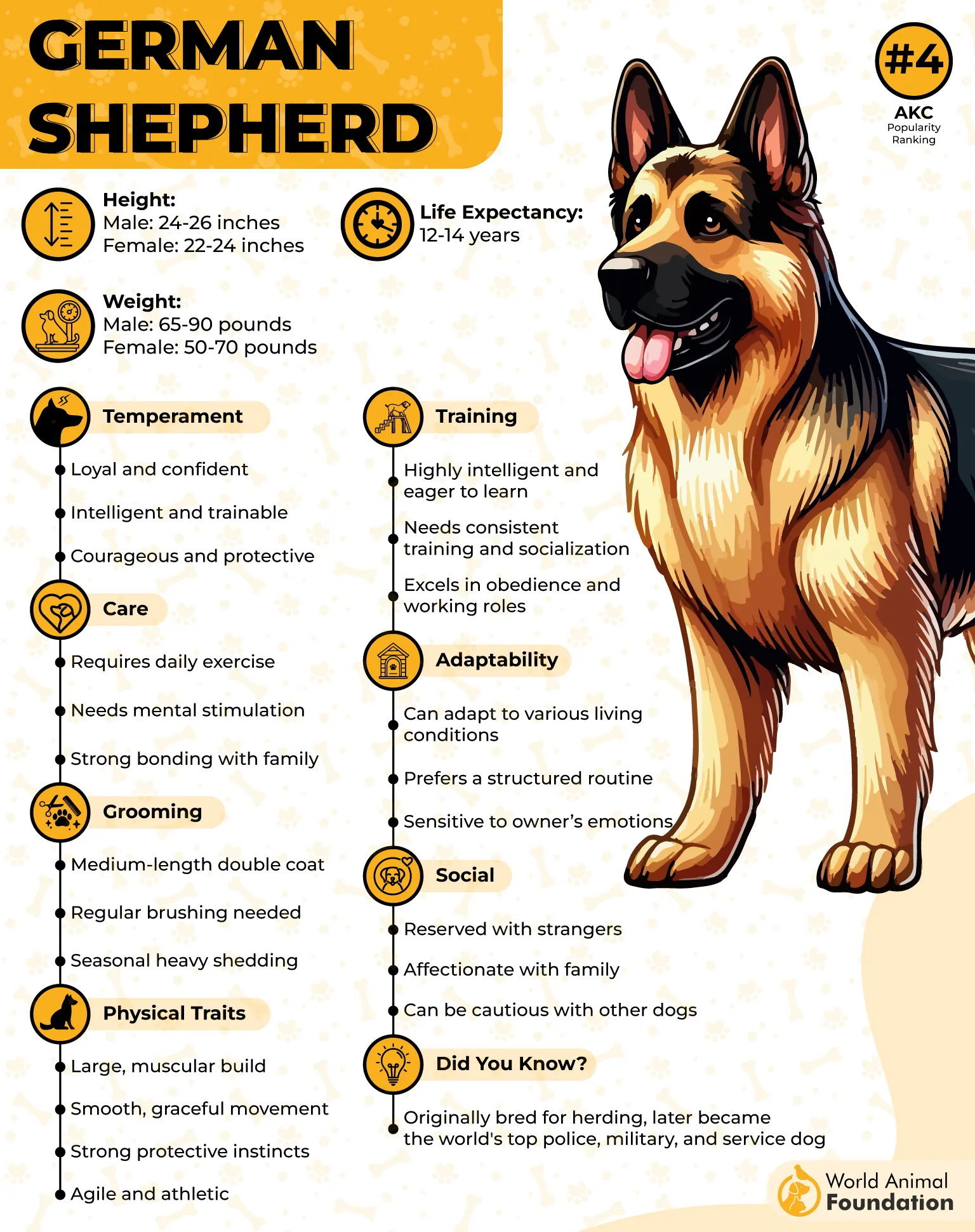
The German Shepherd is one of the top trainable dog breeds, admired for its intelligence, loyalty, and strong work ethic.
Its eager-to-please personality and highly trainable nature make it ideal for first-time dog owners who want a perfect house dog.
Successful dog training starts the moment your pup arrives. A calm, secure environment lets the dog explore at its own pace while learning basic commands, where to sleep, eat, and rest.
Early positive experiences help build confidence and encourage a trainable breed to thrive.
As a high-energy dog, the German Shepherd requires both physical and mental stimulation. Regular exercise, interactive games, and dog sports or obedience training keep them sharp and prevent unwanted behaviours.
Reward-based, positive reinforcement methods ensure training is fun, strengthen the bond between dog and dog parent, and prepare them for obedience competitions or advanced agility training.
Conclusion
Training a dog for the first time can feel overwhelming, but choosing the right breed makes the journey far more enjoyable.
The breeds highlighted in this guide are known for their intelligence, willingness to learn, and strong bond with their owners, qualities that make them especially suitable for beginners.
With patience, consistency, and positive reinforcement, these dogs quickly pick up commands and thrive in a structured, loving environment.
However, even the most trainable dog still needs time, attention, and proper care. Daily exercise, mental stimulation, and clear communication all play an important role in shaping a well-behaved companion. Training should always be a positive experience that strengthens the relationship between you and your dog.
Ultimately, success comes from commitment and understanding. When you invest time in guiding your dog with kindness and consistency, you build trust, confidence, and a lifelong partnership. With the right approach, your first dog can become not just a pet, but a loyal friend and eager learner.
