




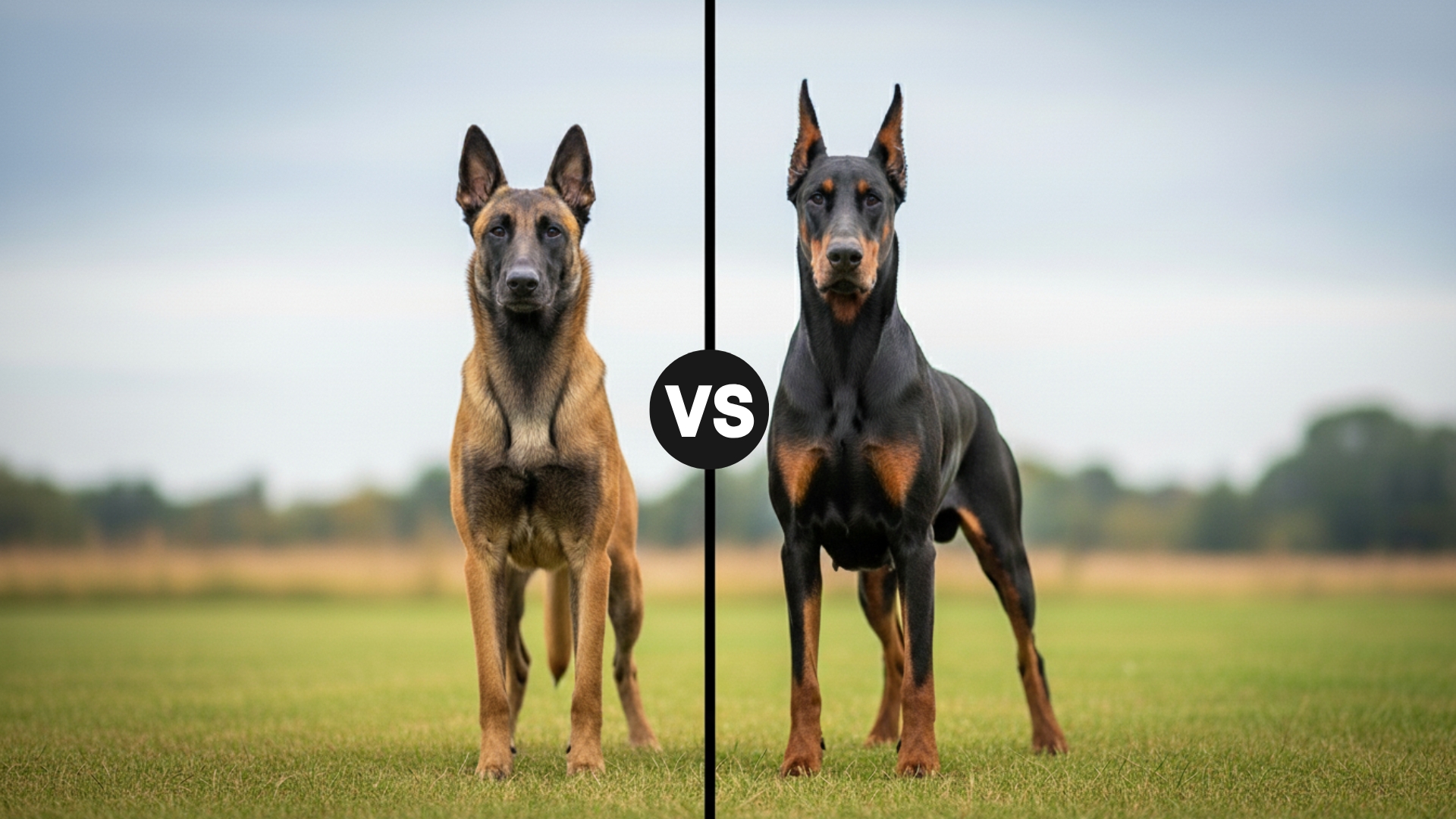
When it comes to intelligence, strength, and unwavering loyalty, the Belgian Malinois and the Doberman Pinscher stand out as two of the world’s most impressive dog breeds.
Both are celebrated for their sharp minds, athleticism, and versatility, excelling as good pets and family companions as well as elite working dogs.
The Doberman Pinscher was bred to be a fearless protector and highly alert guard dog, combining speed, power, and keen protective instincts into a disciplined, dependable dog.
The Belgian Malinois, originally herding dogs from Belgium, is renowned for its drive, agility, and focus, thriving in high-energy roles such as police work, search and rescue, and detection tasks.
Comparing these two breeds sparks an intriguing debate: Which dog is stronger? Which one demonstrates greater intelligence or trainability?
Both require an active lifestyle, physical and mental stimulation, and a confident handler to truly shine.
Exploring the strengths and smarts of the Doberman and Malinois reveals not only their incredible abilities but also the unique qualities that make each breed a remarkable partner for those who can match their energy and dedication.
Belgian Malinois vs Doberman: Strength and Intelligence Comparison
Size & Build Differences
When comparing the Belgian Malinois and Doberman Pinscher, size and physical presence immediately stand out as key factors in their strength and working capabilities.
Male Belgian Malinois typically reach 24–26 inches at the shoulder and weigh between 60–80 pounds, while females are slightly smaller at 22–24 inches tall and 40–60 pounds, as noted by PetMD.
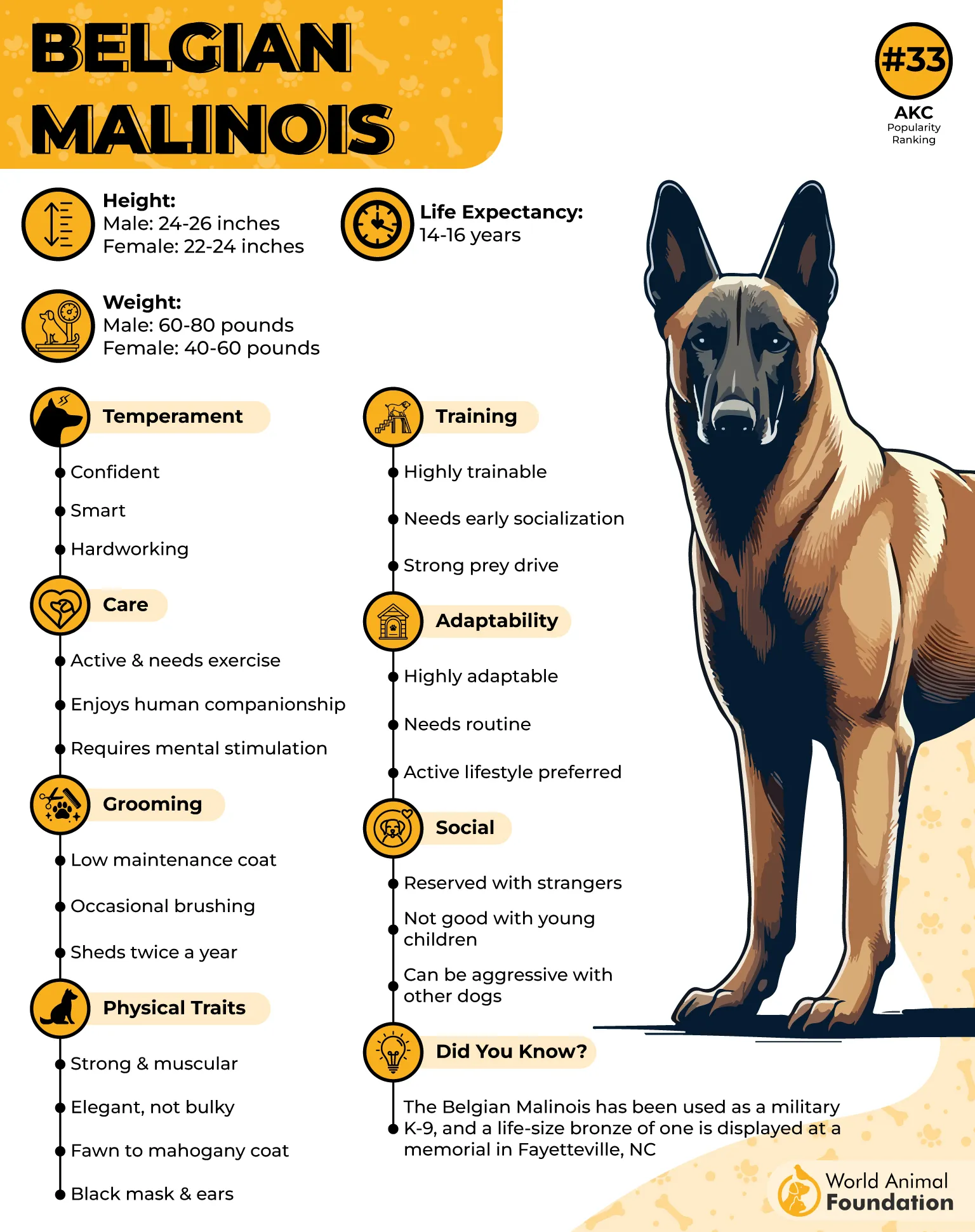
These dogs are compact yet muscular, built for explosive speed, agility, and endurance—traits that make them exceptional in high-intensity tasks like search and rescue or police work.
Dobermans, on the other hand, are larger and more imposing, standing 24–28 inches tall and weighing anywhere from 60–100 pounds. Their sleek, powerful frames combine strength with grace, allowing them to be both formidable guardians and agile performers.
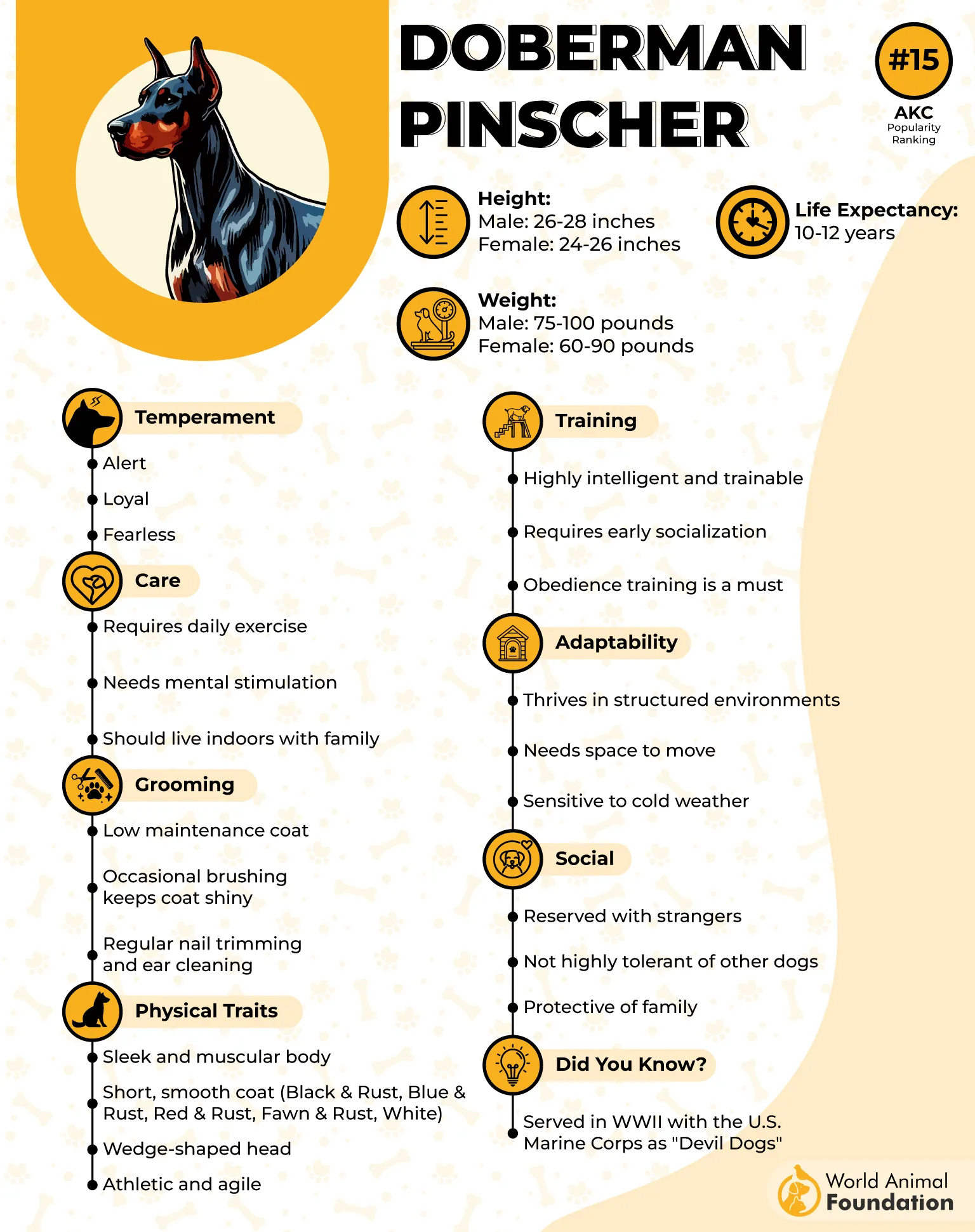
While the Malinois impresses with lean, athletic precision and relentless drive, the Doberman commands attention with sheer size and controlled power.
Understanding these physical differences helps explain how each breed approaches challenges: one relies on speed and stamina, the other on raw strength and strategic agility, making both uniquely suited for demanding roles that require brains and brawn.
Temperament & Personality
The Belgian Malinois and Doberman Pinscher both shine in intelligence, loyalty, and drive, but their temperaments highlight distinct approaches to strength and mental sharpness.
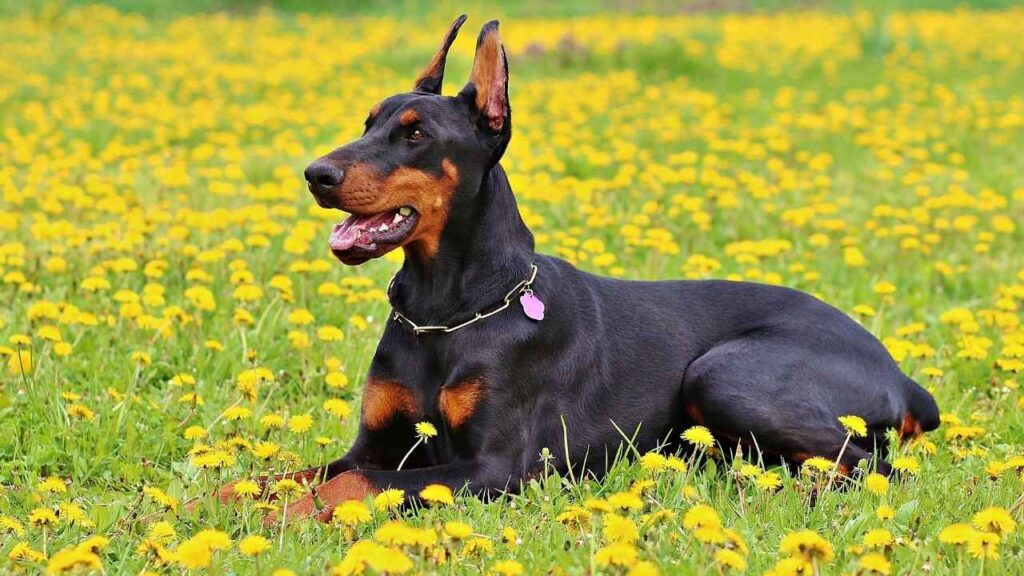
Dobermans are energetic, alert, and fiercely loyal, thriving in active households where they can engage both body and mind.
They excel when given tasks or challenges, but without regular mental stimulation or opportunities to burn energy, they may become bored or even destructive.
Belgian Malinois, by contrast, form unbreakable, strong bonds with their humans, seeking constant companionship and engagement.
These dogs are high-octane athletes with extraordinary focus, needing more than 40 minutes of active, guided exercise daily. Herding, agility, scent work, and tracking are not just hobbies—they’re essential outlets for their mental and physical energy.
While Dobermans impress with controlled power and steady intelligence, Malinois captivate with relentless drive, agility, and problem-solving instincts.
Understanding their temperaments reveals why both breeds excel in demanding roles: one combines disciplined strength with sharp awareness, the other pairs tireless energy with razor-sharp focus, making each a unique powerhouse of brains and brawn.
Training & Intelligence
When it comes to training and intelligence, both Belgian Malinois and Dobermans are exceptionally sharp, but their strengths manifest in different ways.
Belgian Malinois are driven, focused, and highly alert, with a strong prey instinct and natural fascination with movement. Without proper guidance, this energy can translate into chasing children, vehicles, or other pets.
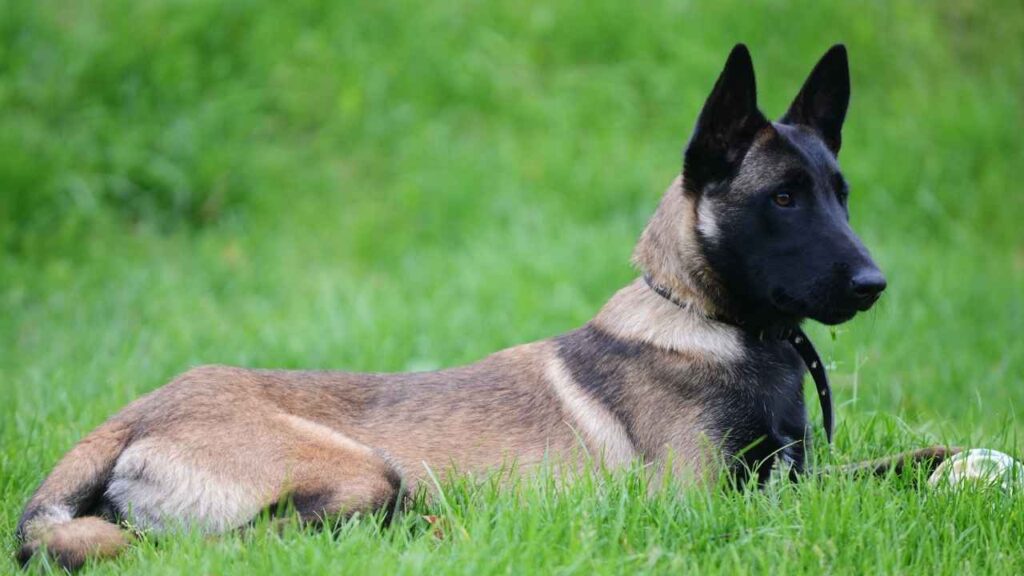
Early age socialization and consistent obedience training are essential to channel their drive into productive outlets like agility, tracking, or interactive play.
Dobermans, on the other hand, are quick learners with a natural ability to respond to commands and problem-solving tasks.
Their intelligence, combined with physical strength, means they can be both playful and assertive; without proper training, they may become pushy or destructive, as noted by the AKC.
For both breeds, starting obedience training and socialization in puppyhood is critical, and structured classes are highly recommended. Beyond skills, both dogs thrive on companionship and guidance, turning raw intelligence into disciplined strength.
When trained thoughtfully, Malinois and Dobermans become not only brilliant learners but powerful, well-mannered family members, blending brains, brawn, and loyalty in equal measure.
Energy Level & Strength Level
When comparing strength and energy, the Belgian Malinois and Doberman Pinscher are two of the most impressive breeds, each combining athleticism, intelligence, and drive in unique ways.
The Belgian Malinois carries itself with a proud, alert posture, lean yet muscular, standing 22–26 inches tall and weighing 60–80 pounds for males, with females slightly smaller.
Originally bred as herding dogs in Belgium and later trained for military and police work, Malinois are tireless, fearless, and highly focused.
Their boundless energy makes them ideal for active owners who enjoy running, hiking, or mentally challenging activities like agility and scent work, as Orvis mentioned.
The Doberman, by comparison, is a moderately large, powerful, and elegant dog with a smooth, short coat and a proud, thoroughbred-like carriage. Adult males stand around 69 cm tall and weigh 32–45 kg, with slightly smaller females.

Intelligent and alert, Dobermans are energetic yet controlled, excelling as guardians and working dogs, as noted by Purina.
Both breeds combine strength, stamina, and brains, but the Malinois edges in relentless energy, while the Doberman impresses with measured power and strategic agility.
Coat & Grooming
While neither the Belgian Malinois nor the Doberman Pinscher requires extensive grooming, maintaining their coats is key to keeping these athletic, intelligent dogs in peak condition.
Dobermans feature a short, sleek coat that is mostly “wash and wear.” A daily quick brush or a grooming mitt keeps their coat shiny and healthy, while occasional baths are sufficient.
Regular nail trims, teeth brushing, and careful ear cleaning are essential to prevent discomfort and potential health issues.
Belgian Malinois sport a short, dense, and water-resistant coat that is equally low-maintenance but benefits from occasional brushing with a medium-bristle brush, rubber grooming mitt, or hound glove.
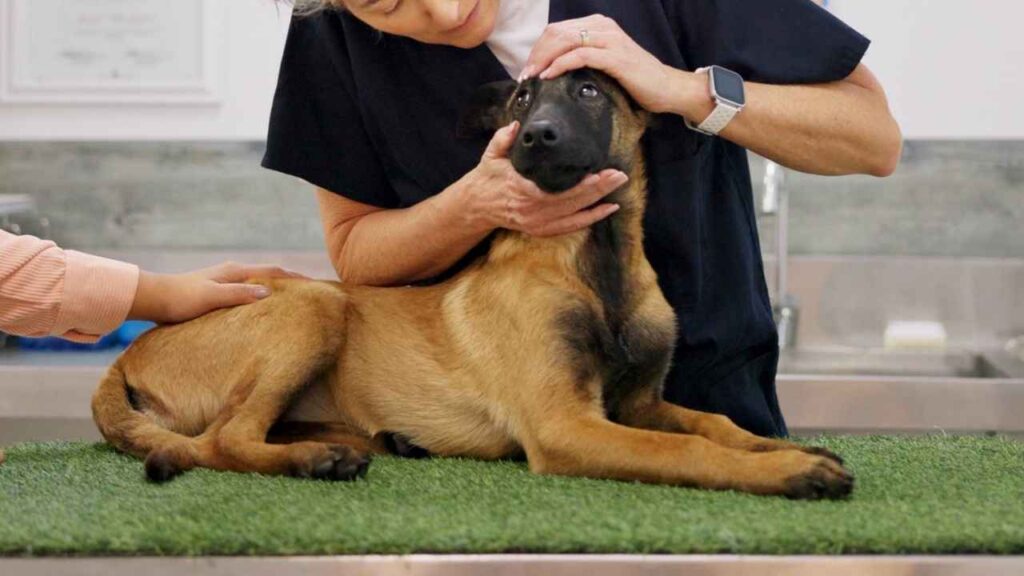
This encourages healthy hair growth and distributes natural oils, keeping the coat strong and resilient. During seasonal shedding periods, a daily pass with a slicker brush helps remove loose hair and minimize mess.
For both breeds, proper grooming supports overall health, enhances athletic performance, and ensures their sleek, powerful frames—whether built for speed, strength, or endurance—remain in top form, reflecting the care, discipline, and intelligence these dogs embody.
Conclusion
The Belgian Malinois and Doberman Pinscher are both extraordinary breeds, each combining intelligence, strength, and loyalty in unique ways. Choosing any one of them should depend on your choice and lifestyle.
The Malinois excels with relentless energy, agility, and focus, making it ideal for highly active households and challenging work roles.
The Doberman impresses with measured power, disciplined strength, and sharp problem-solving skills, thriving as a guardian and versatile companion.
Understanding their differences in size, temperament, training, and energy helps owners choose the breed that best matches their lifestyle, ensuring a strong, intelligent, and devoted partner for years of adventure, work, and companionship.
