




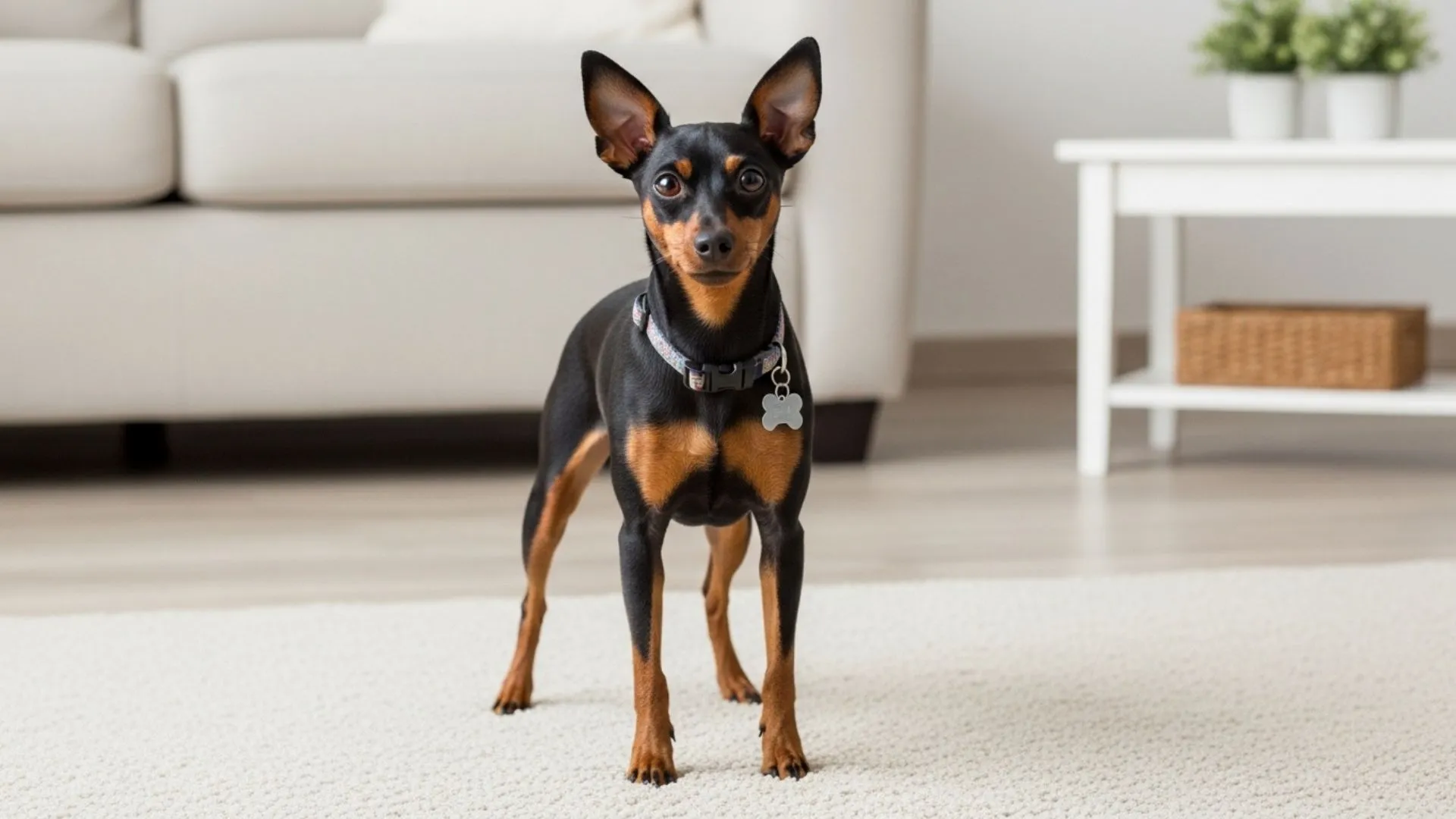
Choosing the right dog often means balancing companionship with practical living needs. For many households, shedding can become a daily challenge—hair on furniture, clothes, and floors.
Fortunately, some dog breeds naturally shed much less than others. These breeds often have unique coat structures that trap loose hair instead of releasing it into the environment, making them appealing choices for people who want a cleaner home.
It’s also important to understand the difference between low-shedding and hypoallergenic dogs. While certain breeds produce fewer allergens in their coats, no dog is completely allergen-free. Allergens can still exist in a dog’s saliva, skin cells, and other sources.
However, dogs that shed very little often release less dander into the air, which can make living with dog allergies easier for some people.
Beyond allergy concerns, low-shedding dogs offer practical benefits for busy households. Less fur around the house means fewer hours spent vacuuming or lint-rolling clothes.
With proper grooming habits—such as regular brushing and routine coat care—these breeds can help maintain a tidy living space while still delivering all the affection, loyalty, and joy that dog ownership brings.
Amazing Dog Breeds That Barely Shed: Keep It Clean
1. Miniature Pinscher
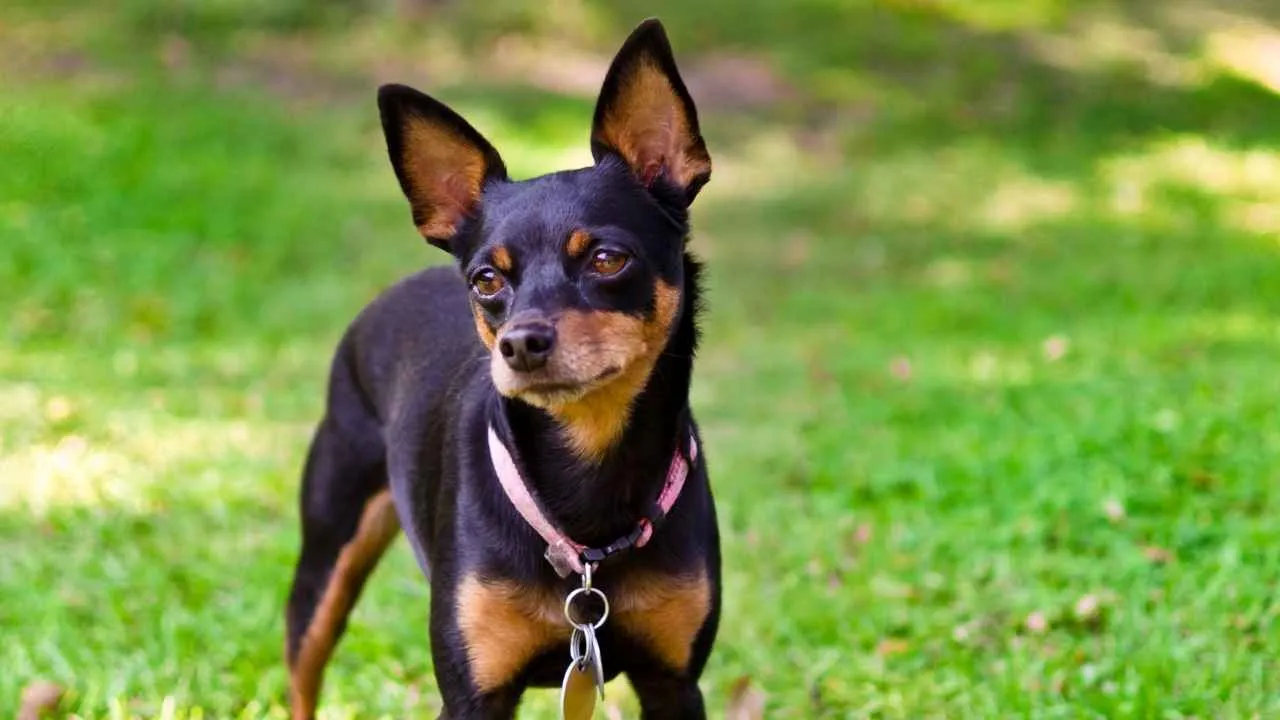
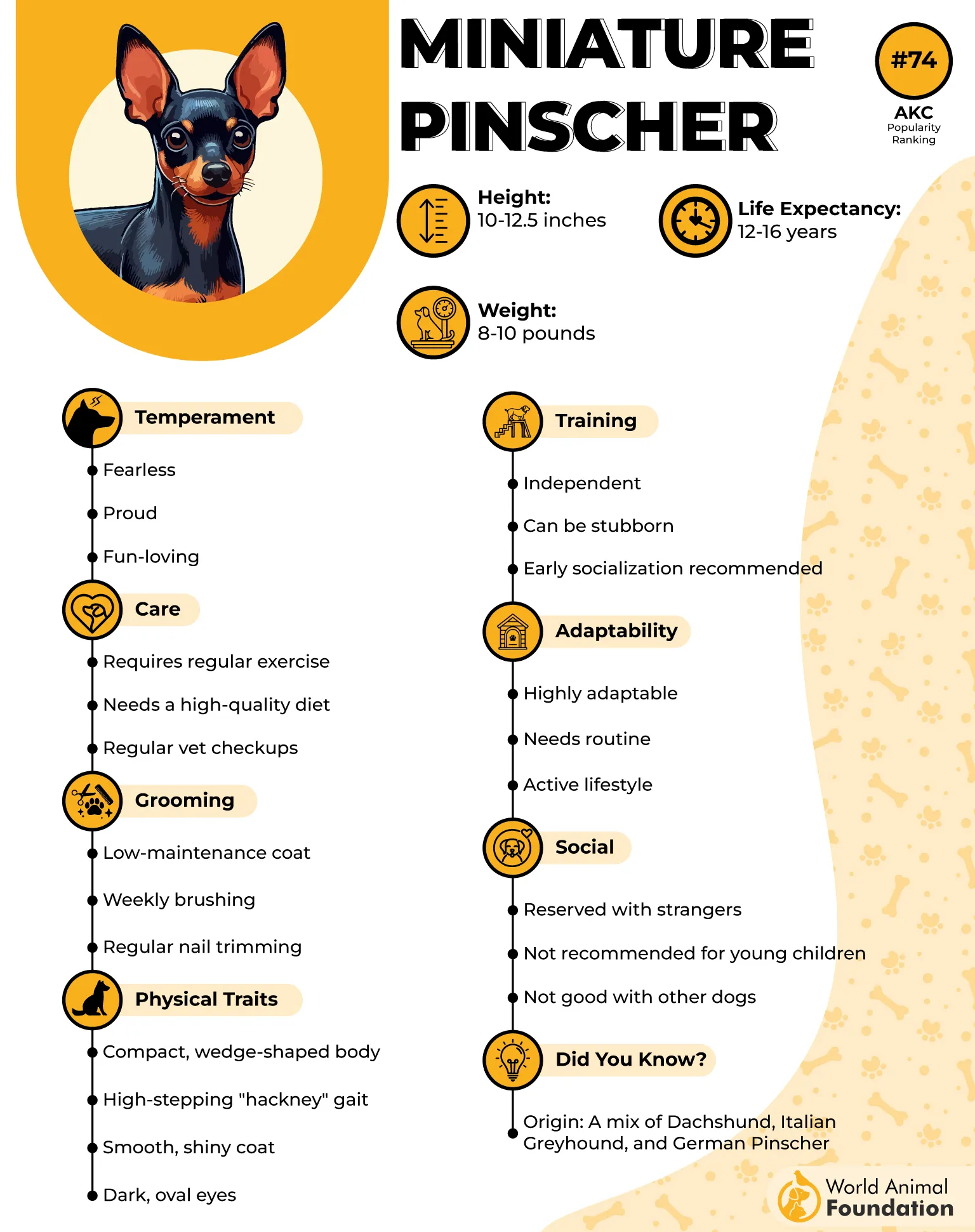
The Miniature Pinscher, often nicknamed the “Min Pin” and sometimes referred to as the King of Toys, is a small yet confident breed known for its bold personality and sleek appearance.
With its smooth, short coat, dark oval-shaped eyes, and high, alert ears, this lively dog carries itself with an energetic and watchful stance.
WebMD explains that they are recognized by their shiny coat and distinctive high-stepping “hackney” gait, where the dog lifts its front feet high and bends at the wrist, similar to the movement of a Hackney horse.
The Curly-Coated Companion Known for Minimal Shedding
Despite its energetic nature, the Miniature Pinscher appeals to owners who want a dog that won’t leave much hair around the home. Its very short coat sheds only occasionally, so loose hair is rarely a major concern.
Because the dog’s coat lies close to the body, grooming remains simple and easy to manage. Occasional brushing is usually enough to keep the coat neat while helping remove any light shedding.
This breed also appears in a variety of attractive colors, including black, chocolate, red, fawn, tan, and rust combinations. The silk coat’s texture and naturally tidy appearance make it a good match for households looking for a low-shedding companion.
Fact: Miniature Pinschers have a short, smooth coat and are considered infrequent shedders, making cleanup easier than with many other breeds.
FAQ: Do Miniature Pinschers leave a lot of hair around the house?
No. Their short coat sheds lightly, so most owners only need occasional brushing and simple cleanup to keep things tidy.
2. Rat Terrier
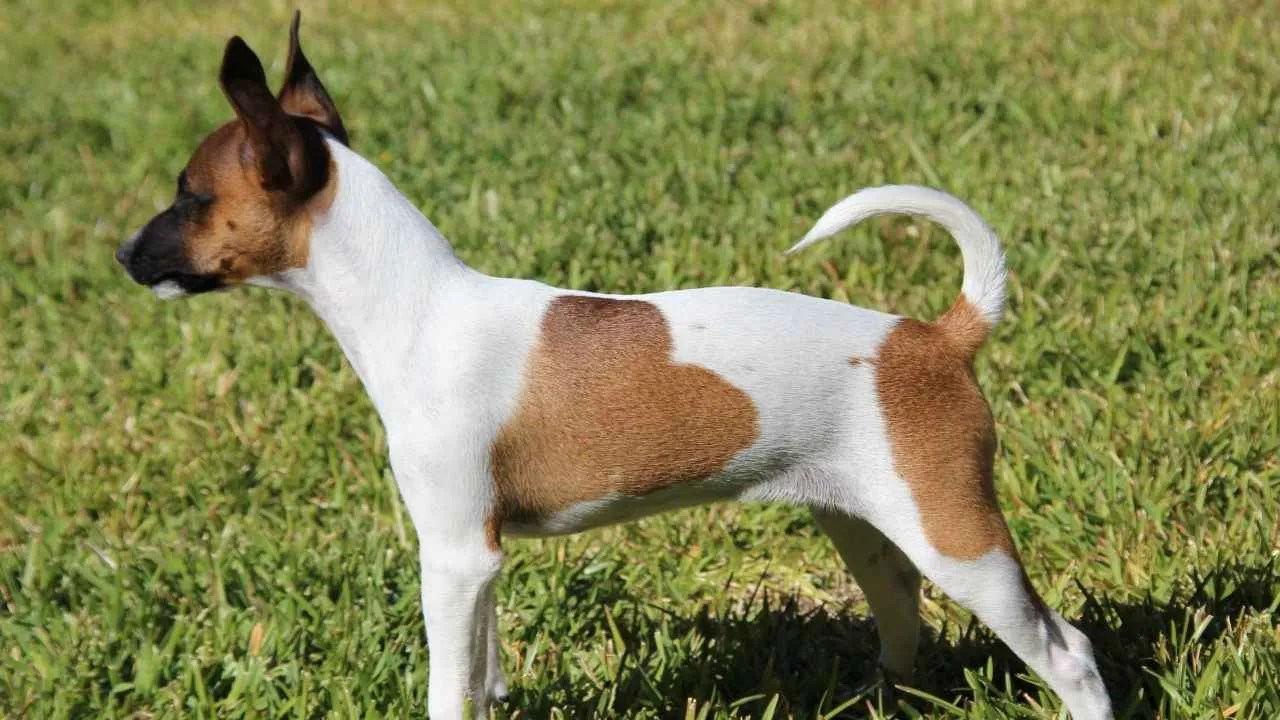
The Rat Terrier, sometimes called the American Rat Terrier, is a small but energetic hunting dog developed in the United States. Known for its alert nature, compact frame, and naturally short coat, this breed combines intelligence with a tidy appearance that many owners appreciate.
Purina explains that the Rat Terrier was originally bred as a versatile farm companion skilled at hunting rats, but today the breed is known as a cheerful and good family dog.
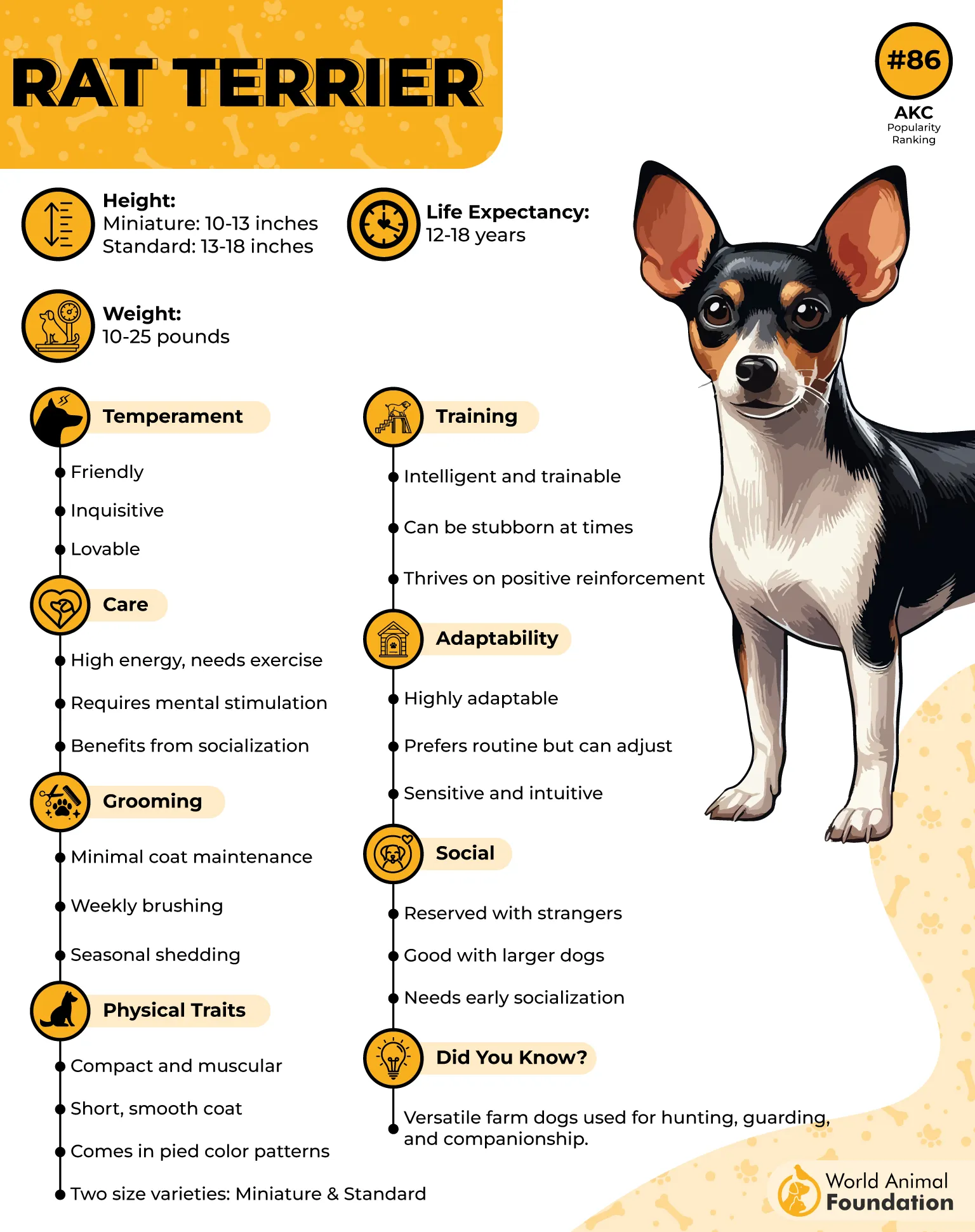
A Neat and Tidy Dog with a Manageable Coat
For households that prefer a cleaner environment, the Rat Terrier is a practical choice because its low-shedding coat remains easy to maintain. The breed’s short, smooth fur does not require trimming or clipping, helping it keep a naturally neat look.
Shedding tends to occur lightly and mostly during seasonal periods, so it rarely becomes overwhelming indoors. Using a soft brush or rubber mitt once a week usually removes loose hair and keeps the coat healthy.
Bathing should only be done when necessary, since overbathing can remove the coat’s natural oils. Regular nail trimming, ear cleaning, and dental care also contribute to maintaining this breed’s tidy and well-groomed appearance.
Fact: Rat Terriers have a naturally short coat that stays neat and does not require trimming or clipping.
FAQ: Do Rat Terriers need frequent grooming to control shedding?
No. Weekly brushing is generally enough to remove loose hair and maintain their short, easy-care coat.
3. Whippet
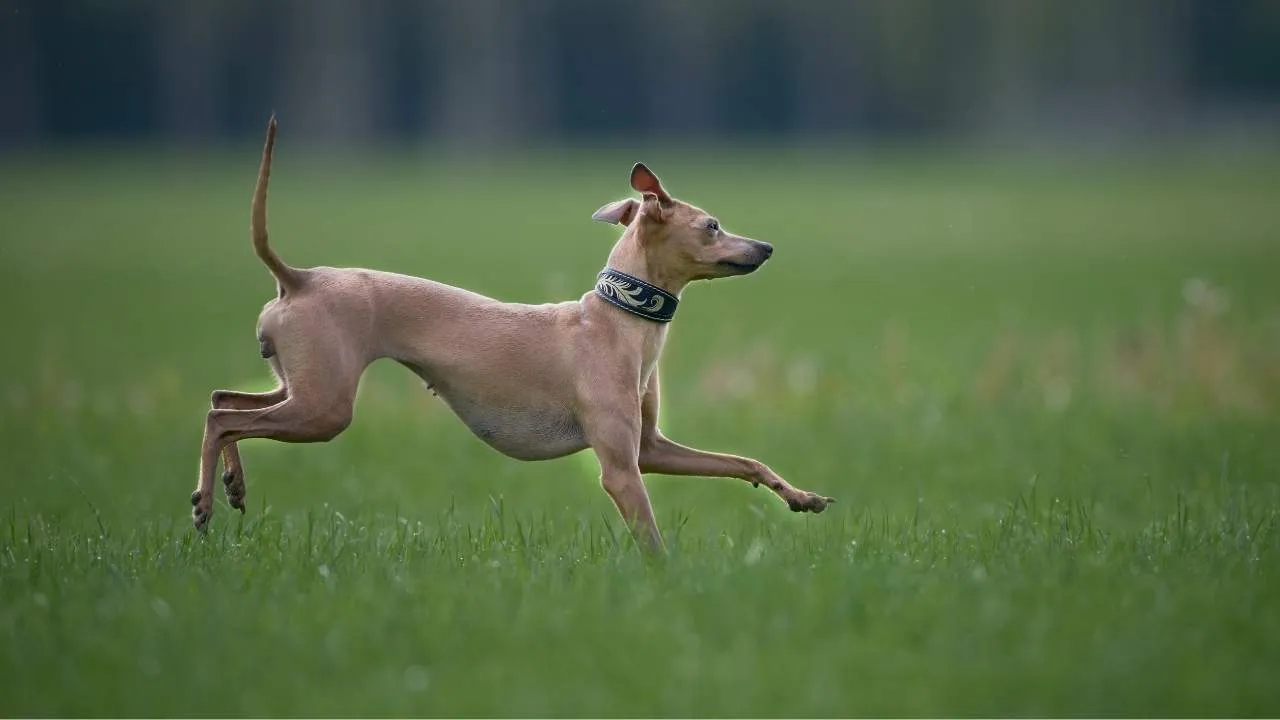
The Whippet, sometimes affectionately called the “Poor Man’s Racehorse,” is a sleek sighthound known for its graceful build and calm temperament. This elegant dog has a short, smooth coat and a streamlined body that gives it a stylish and refined appearance.
PetMD explains that Whippets are athletic and enthusiastic dogs capable of reaching speeds of about thirty-five miles per hour. They enjoy sprinting, can quickly change direction while chasing prey, and are highly alert.
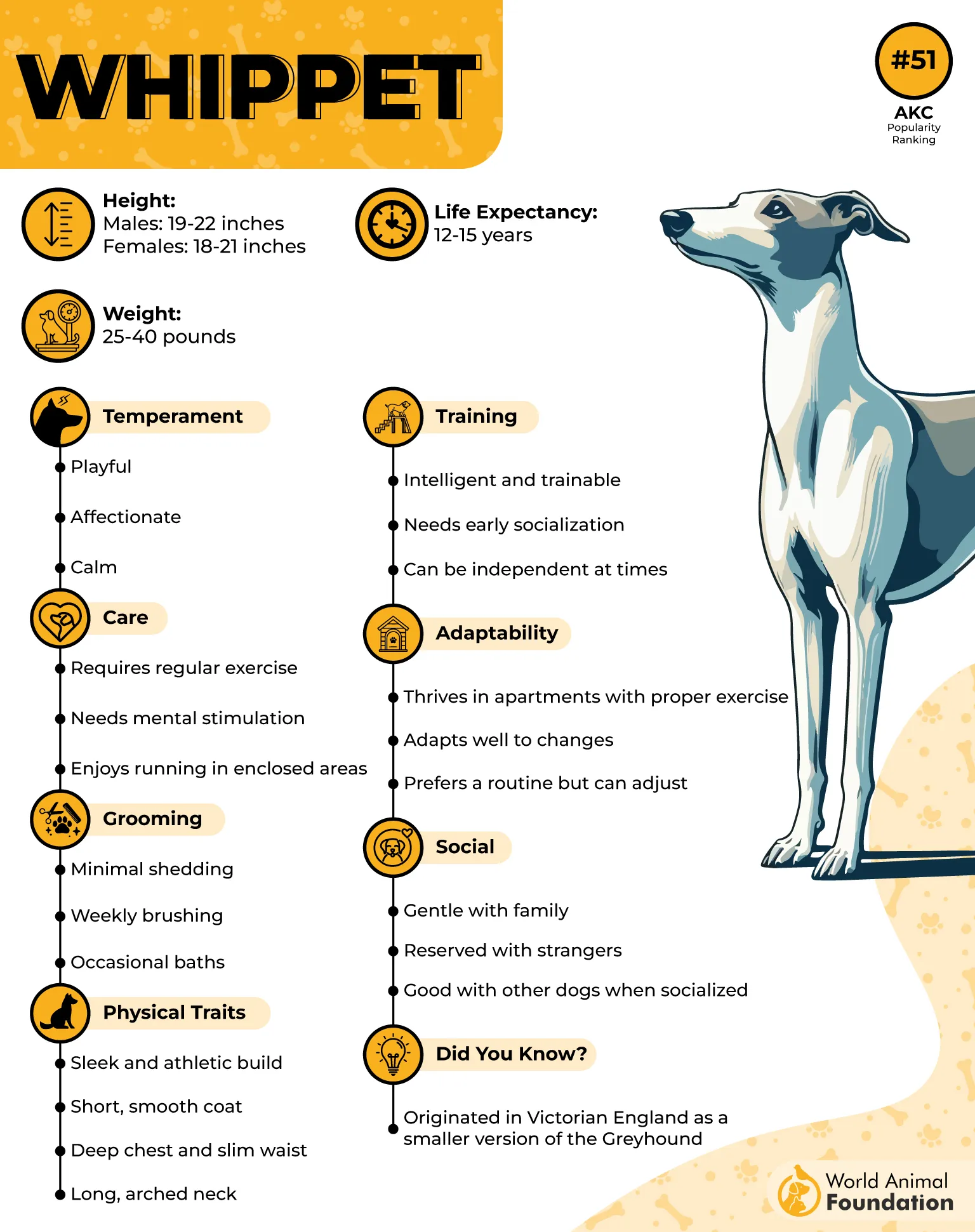
The Stylish Pup That Keeps Loose Fur to a Minimum
Whippets are appreciated by many owners because their coat is simple to manage and doesn’t produce much loose hair. Although these dogs shed, the amount is light compared with many other breeds.
Their smooth coat requires only occasional brushing with a soft-bristle brush or grooming mitt to remove loose hair. This simple routine helps maintain the dog’s naturally sleek look while keeping shedding under control.
Another reason the breed is popular in tidy households is its cleanliness. Whippets typically have little doggy odor and usually need baths only when necessary, which keeps grooming quick and manageable.
The breed also appears in a variety of attractive colors, including fawn, red, blue, cream, and black, with some dogs displaying subtle brindle striping.
Fact: Whippets shed lightly throughout the year and need only occasional brushing to manage their short, smooth coat.
FAQ: Are Whippets a good choice for people who want a low-shedding dog?
Yes. While they are not completely non-shedding, their short coat produces minimal loose hair and requires very little grooming.
4. Boston Terrier
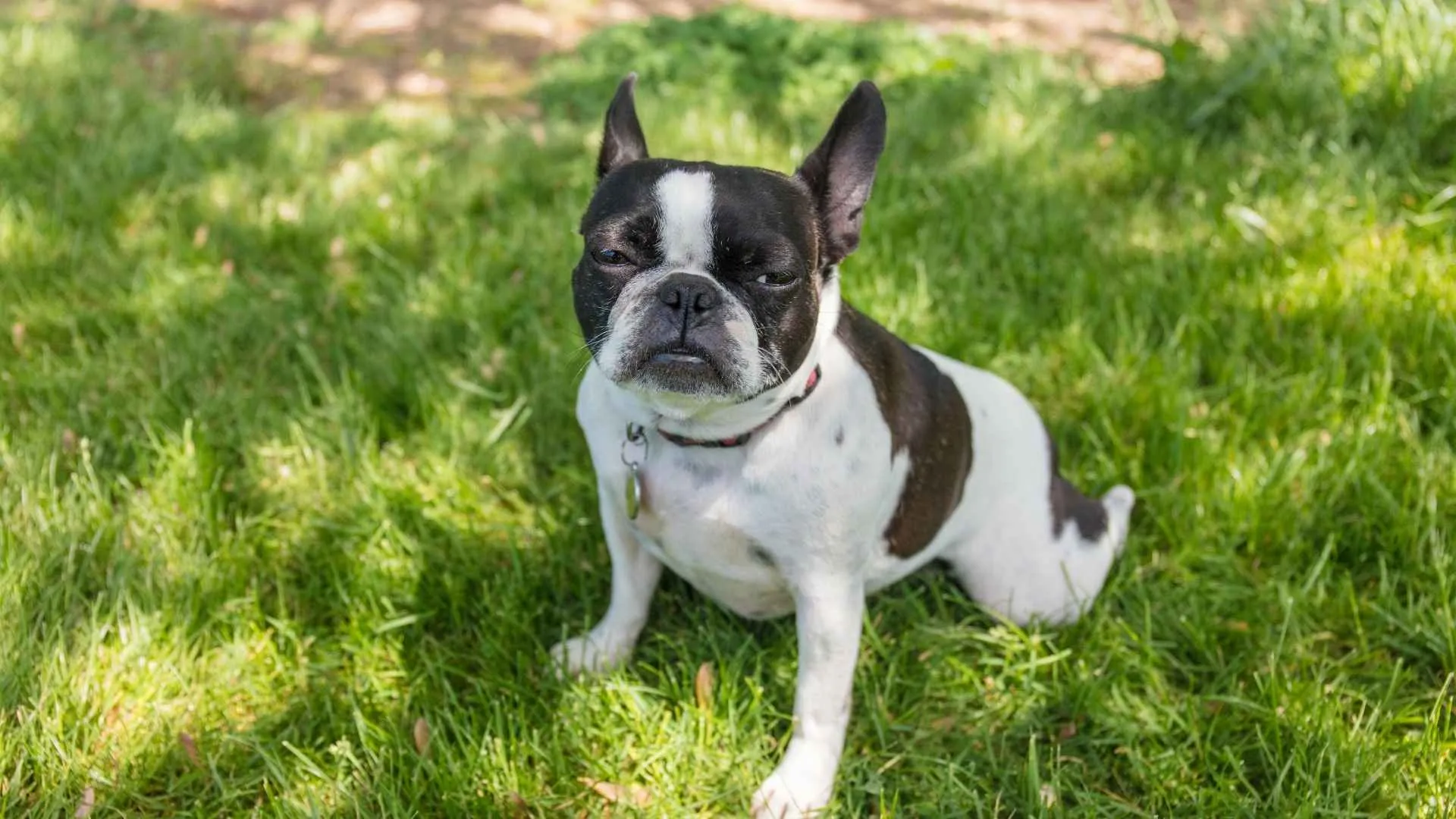
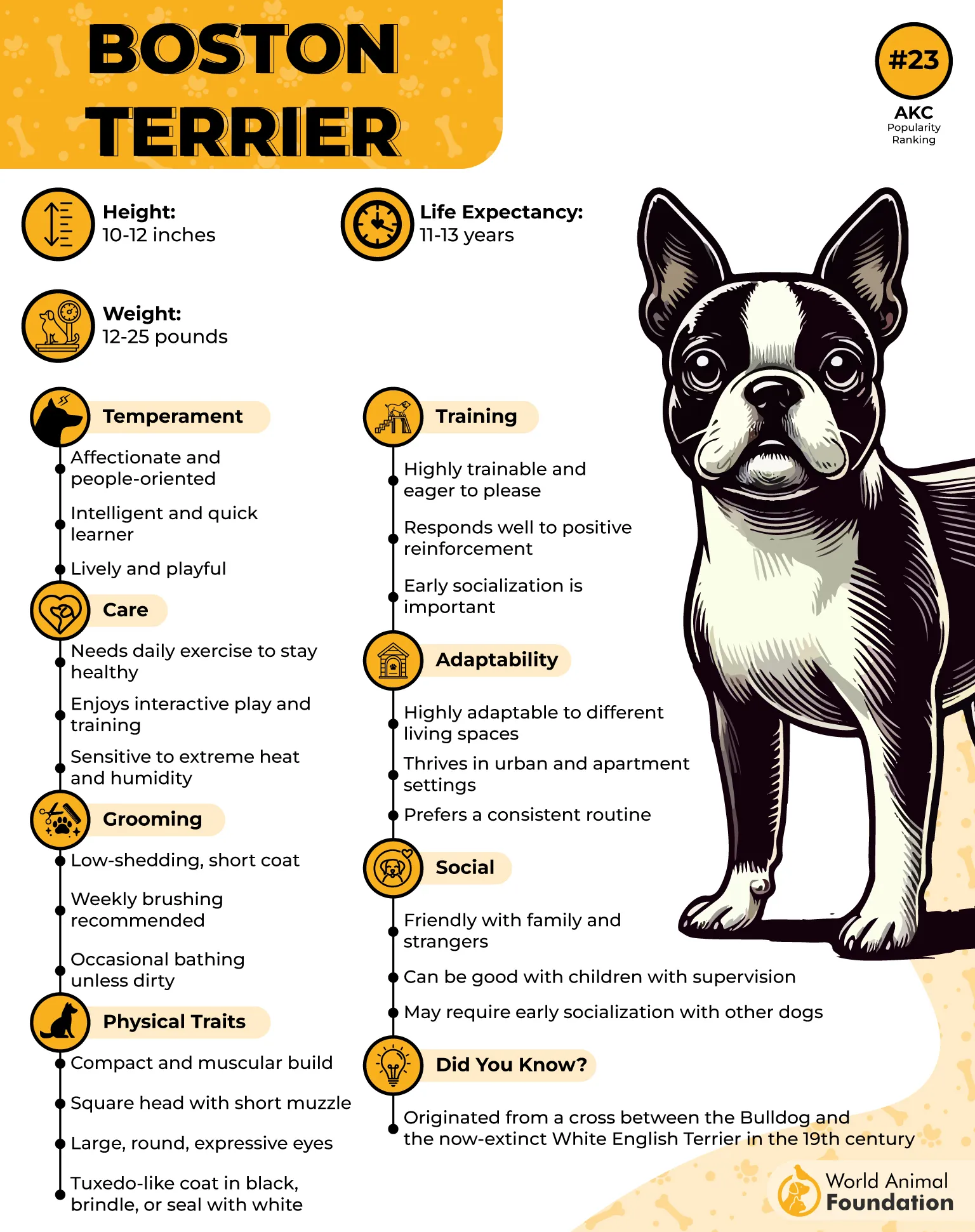
The Boston Terrier, often called the American Gentleman, is a charming companion recognized for its tuxedo-like markings and square-shaped head. With its compact, short-backed body and bright, expressive eyes, this breed has a polished and elegant look that makes it stand out among small dogs.
A Clean-Living Breed with Naturally Low Shedding
Boston Terriers are known for their tidy habits and low-maintenance coats. Their short, smooth fur sheds very little, which makes them appealing to owners who want a dog that won’t leave much pet hair around the home.
Because the coat lies flat and close to the body, grooming remains simple. Frequent brushing with a soft-bristle brush or grooming mitt usually removes loose hair while helping distribute natural skin oils.
Bathing typically only needs to happen about once a month or whenever the dog becomes dirty. Regular nail trimming and routine grooming help maintain the breed’s clean appearance and healthy coat.
Fact: Boston Terriers have a short coat that sheds very little and usually requires only basic grooming needs
FAQ: Are Boston Terriers a good choice for people who want a cleaner home with less dog hair?
Yes. Their short coat sheds lightly and usually only needs weekly brushing and occasional baths to stay neat.
5. Dachshund
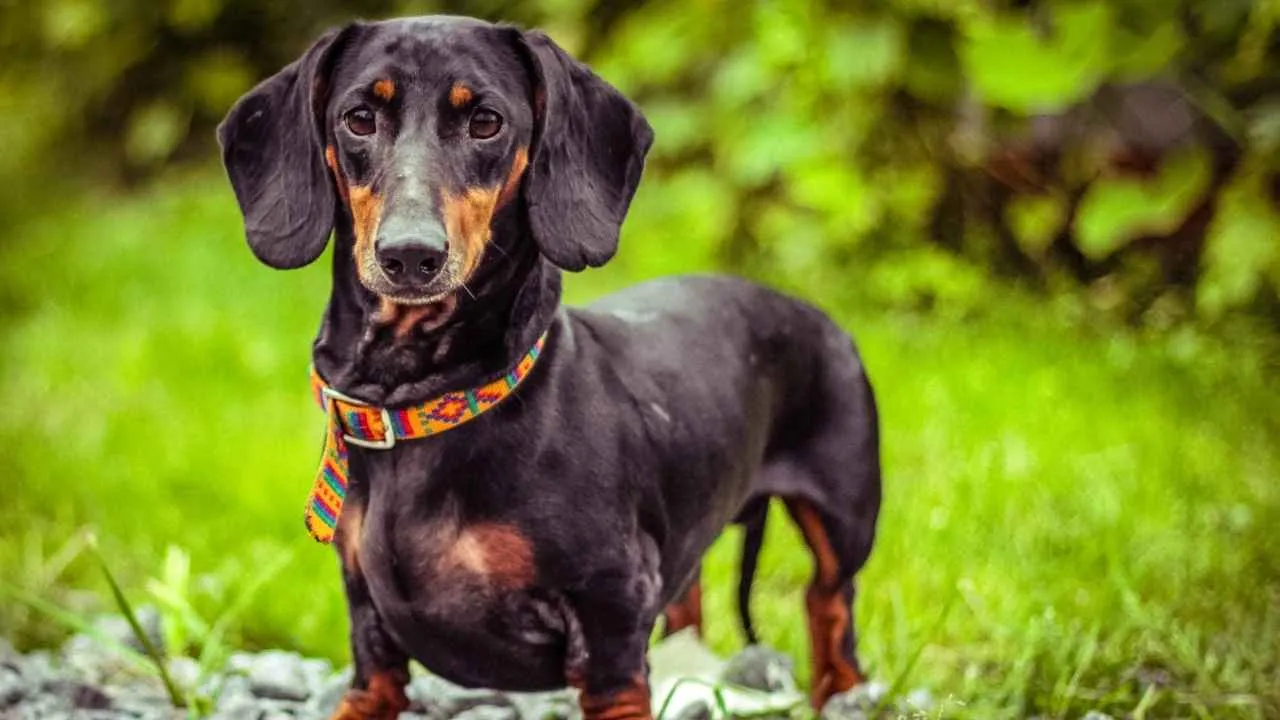
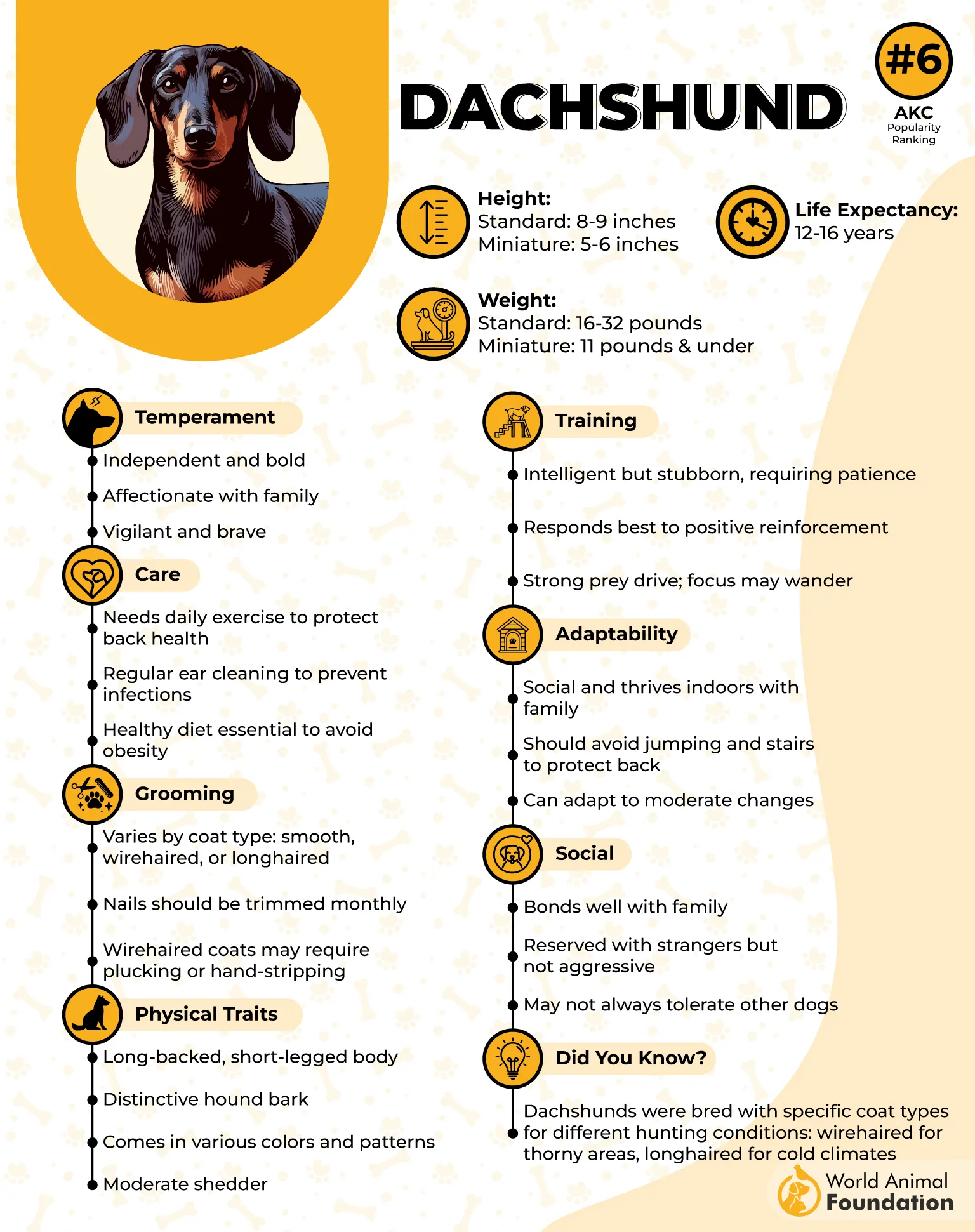
The Dachshund, often affectionately called the “Doxie” or “Wiener Dog,” is a distinctive small breed recognized for its long body and short legs. Originally developed for hunting, this lively dog appears in three coat types—smooth, wirehaired, and longhaired—each giving the breed its own unique look.
The Allergy-Friendly Dog with a Soft, Controlled Coat
Dachshunds are generally tidy dogs that do not produce a strong doggy odor, which many owners appreciate in a household companion. Their shedding level is moderate, making the breed manageable for people who are allergy sufferers and prefer cleaner living spaces.
The smooth-coated Dachshund has sleek, close-lying fur that requires very little grooming. In many cases, an occasional wipe with a towel or grooming glove is enough to remove loose hair and keep the coat neat.
Other coat types offer slightly different grooming routines. Longhaired Dachshunds benefit from regular brushing to maintain their soft, feathered coat, while the wirehaired variety—with its rough outer coat and characteristic beard—may occasionally need professional grooming.
Each coat type provides some level of protection from the weather, helping the breed stay comfortable in different conditions.
Fact: Dachshunds come in three coat varieties—smooth, wiry coat, and longhaired—and are considered moderate shedders overall.
FAQ: Which Dachshund coat type is easiest to maintain for a low-shedding home?
The smooth-coated Dachshund is typically the easiest to manage, as its short, sleek coat needs only occasional cleaning to remove loose hair.
6. Italian Greyhound
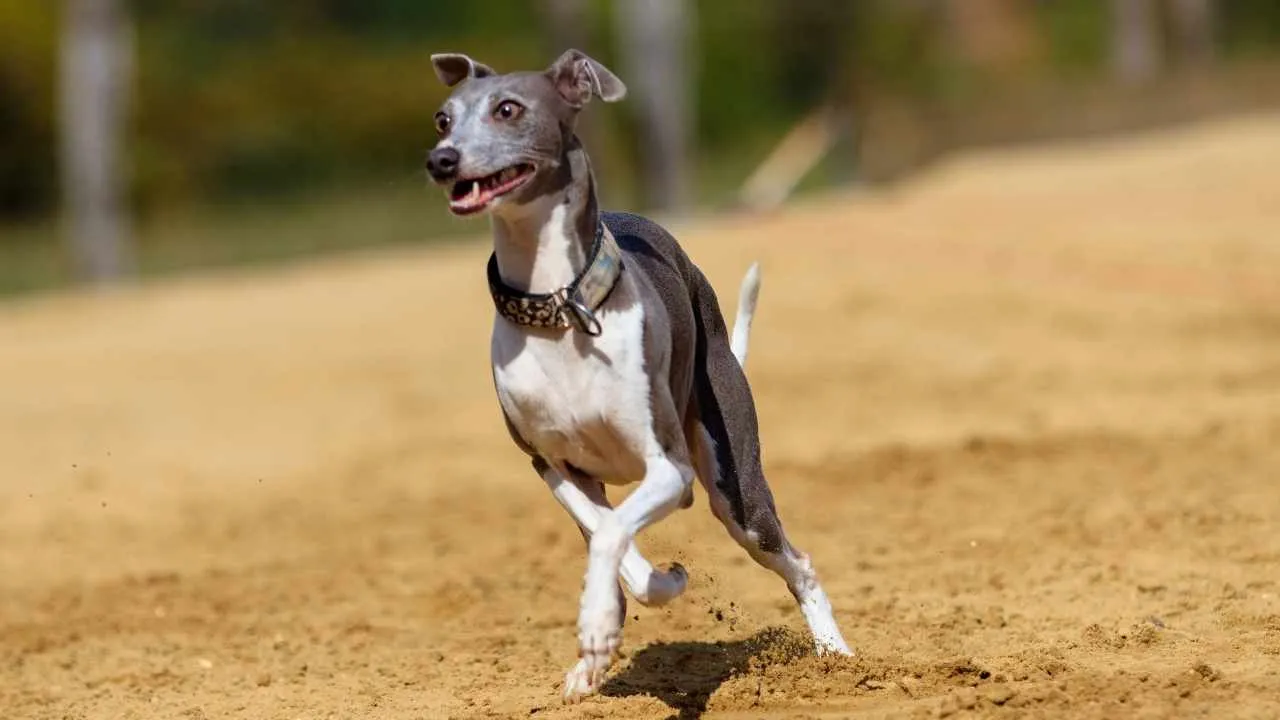
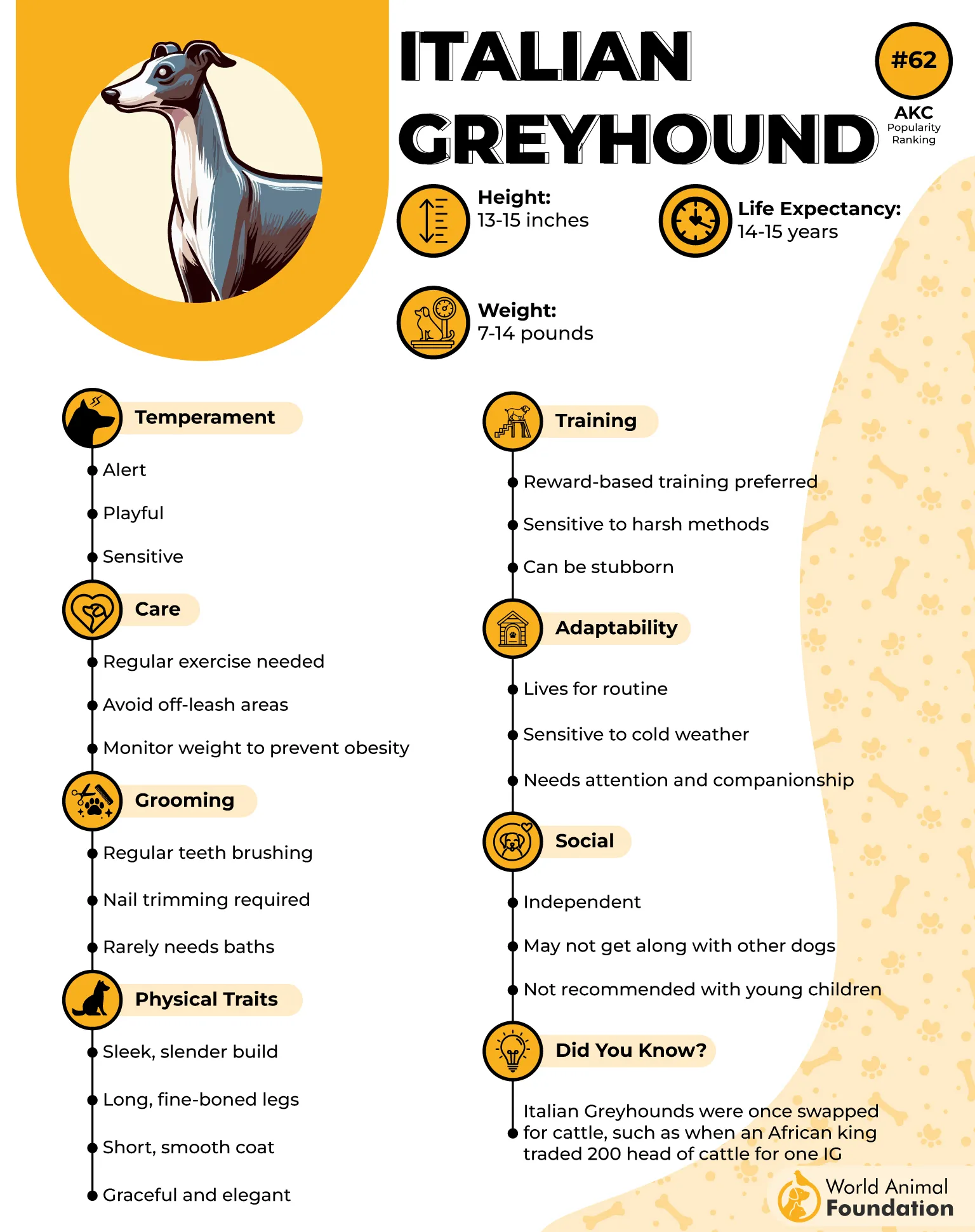
The Italian Greyhound, sometimes called the IG or Italian Sighthound, is a graceful toy-sized dog admired for its slender build and smooth coat. Historically loved by European royalty—including figures such as Queen Victoria and Frederick the Great—this elegant breed combines refined looks with a gentle personality.
A Low-Fur Companion Perfect for Tidy Homes
Italian Greyhounds are especially appealing for people who want a dog that keeps the house relatively clean. Their short, sleek coat holds very little loose hair, which means shedding is minimal compared to many other breeds.
Because the coat is so fine and smooth, grooming demands remain simple. A quick brushing with a soft-bristle brush or grooming mitt helps remove stray hairs and keeps the coat looking healthy.
Baths are only necessary occasionally, usually when the dog gets noticeably dirty. Since their thin coat does not trap much debris or odor, they often stay fresh with minimal effort.
Fact: Italian Greyhounds have a very short, smooth coat that sheds very little and requires only minimal grooming.
FAQ: Are Italian Greyhounds suitable for people who want a dog with very little loose fur at home?
Yes. Their sleek coat releases minimal hair, making them a practical companion for tidy households that prefer low-shedding dog breeds.
7. Poodle
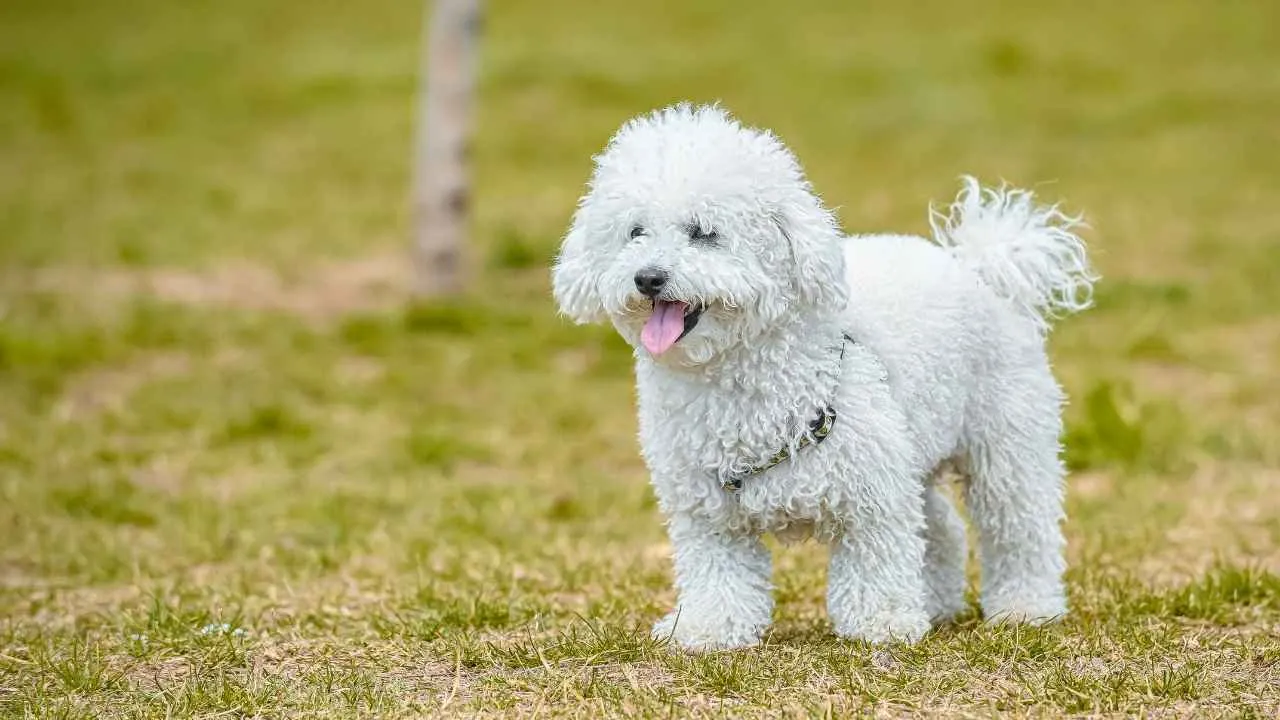
The Poodle, especially the Toy Poodle, is a beloved companion often admired for its intelligence, elegance, and cheerful personality. Known for its distinctive curly coat and graceful appearance, this breed has long been popular with families, singles, and seniors alike.
The Minimal-Shed Pup That Keeps Floors and Furniture Clean
One of the main reasons Poodles are widely recommended for tidy households is their extremely low shedding. While they do lose a small amount of silky hair, their tightly curled coat tends to trap loose strands instead of letting them scatter around the home.
Because of this unique coat structure, owners usually notice far less hair on floors, clothing, or furniture compared with many other breeds. This quality makes the Poodle a popular choice for people who want to maintain a cleaner living space.
However, minimal shedding does not mean the coat requires no care. Daily brushing and scheduled grooming appointments help keep the curly coat soft, healthy, and prevent mats.
Their low-shedding nature, combined with a playful and affectionate temperament, makes Poodles appealing companions for many types of households.
Fact: Poodles shed very little because their curly coat traps loose hair instead of allowing it to fall around the house.
FAQ: Why do Poodles leave less hair on floors and furniture than many other dogs?
Their dense, curly coat holds onto loose hair, which means shedding is less visible and easier to manage with regular grooming.
Conclusion
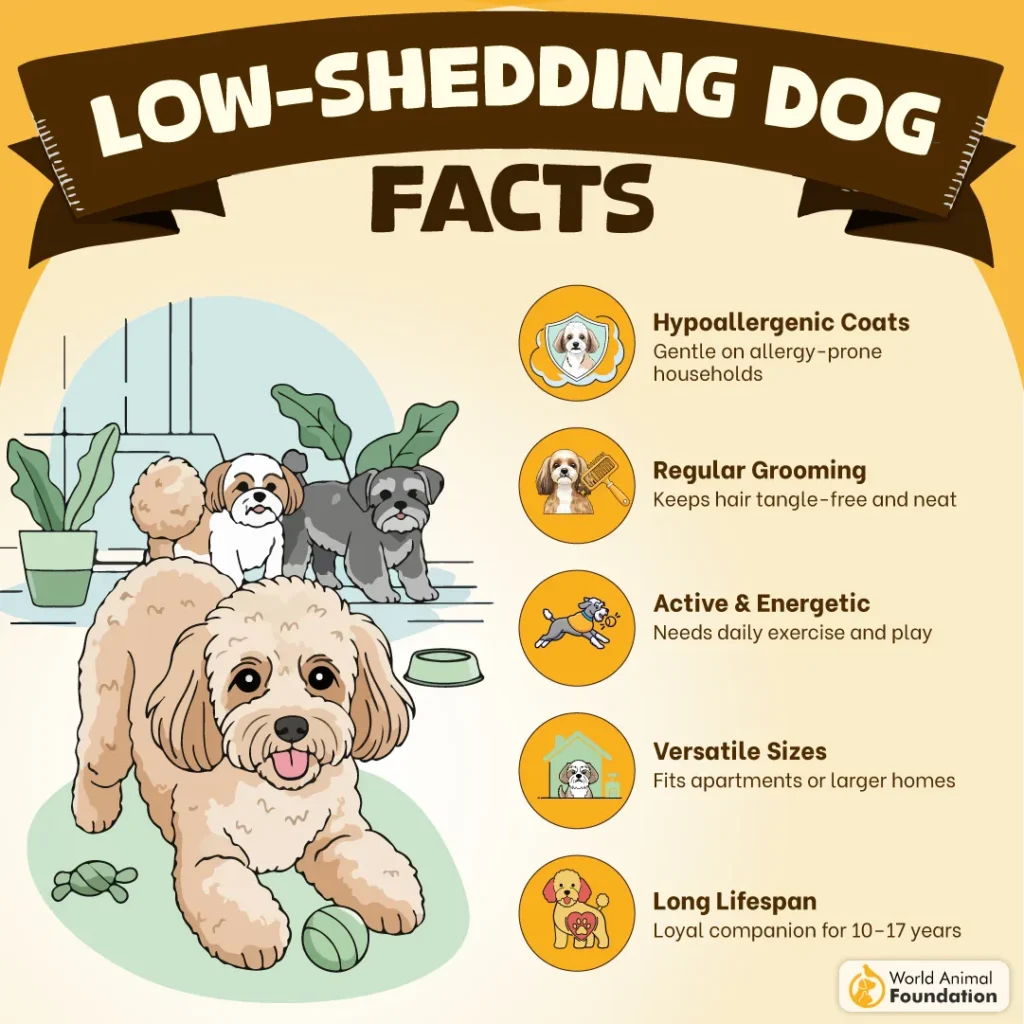
Choosing amazing dog breeds that barely shed and keeping them clean can make daily life easier for people who prefer a tidy home. While many dog breeds shed a lot and leave loose hair around the house, some low-shedding dog breeds release far less fur.
Breeds with a short coat or curly coats often trap dead hair instead of letting it spread around the home, which means less loose hair and less dog hair to clean.
Although low-shedding dogs and many hypoallergenic dogs can help reduce dog allergies, there is rarely such a thing as a completely non-shedding dog because most dogs shed at least a little.
Still, with the right coat type and regular care, many low-shedding dogs can remain tidy companions. Proper coat care, including more frequent brushing when needed, and basic grooming, helps keep coats healthy and helps prevent mats.
Other breeds, such as the Bichon Frise, Shih Tzu, Portuguese Water Dog, Soft Coated Wheaten Terrier, West Highland White Terrier, Yorkshire Terrier, Bedlington Terrier, Miniature Schnauzer, Border Terrier, Irish Water Spaniel, and the Standard or Miniature Poodle, are also known among low-shedding breeds and hypoallergenic dog breeds that many pet parents choose for cleaner homes.
