




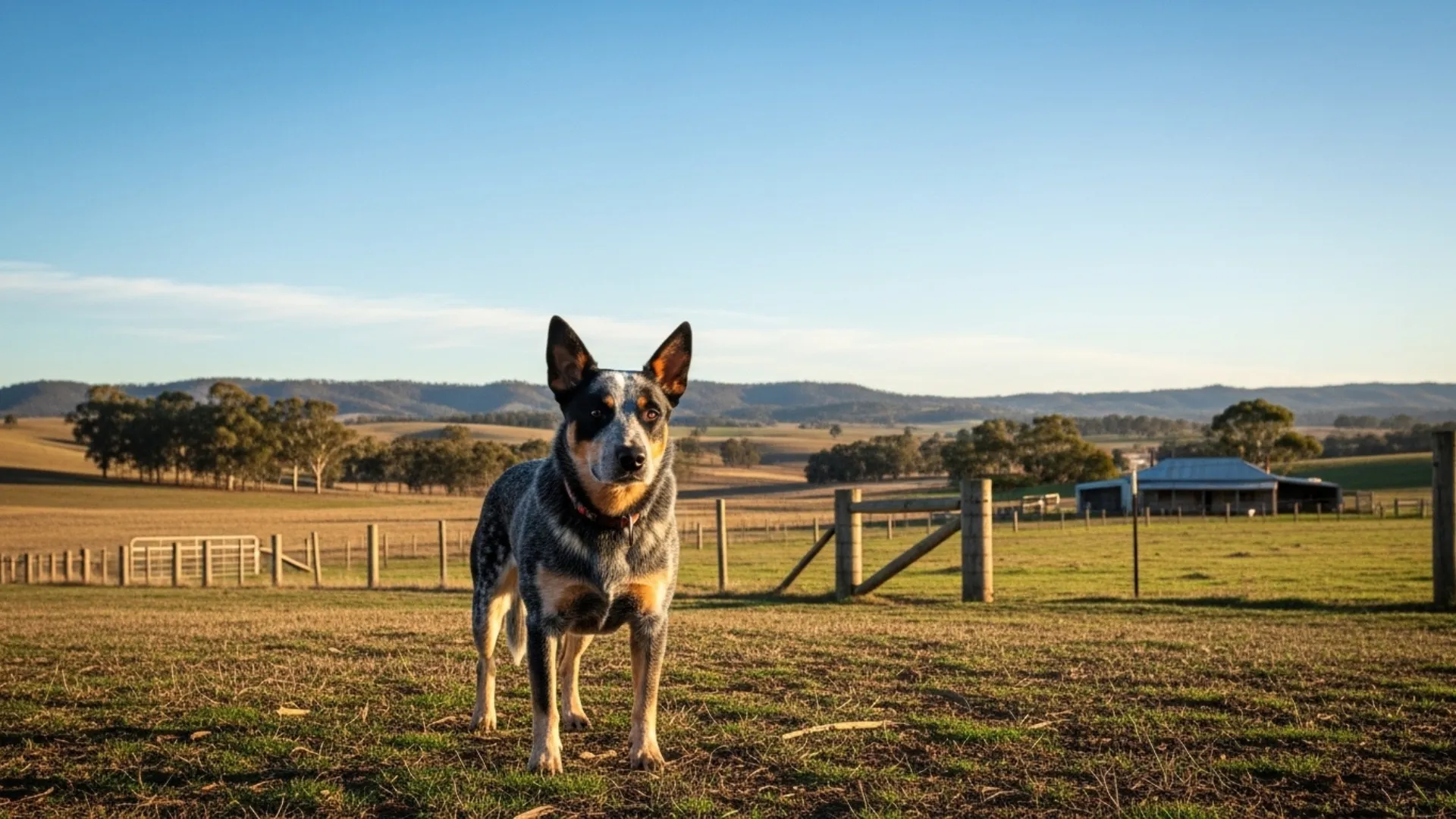
The countryside presents its own distinct tempo, which stands apart from the energetic atmosphere of urban areas. The farm life creates an environment that allows dogs to develop beyond their roles as ordinary pets through their work on the farm.
People in rural areas use dogs as work animals while also keeping them as companions who guard their homes and their families.
A breed selection produces significant outcomes for a rural property. Some dogs were originally bred for herding sheep or cattle, while other breeds developed strong protective instincts that enable them to guard livestock from predators.
The various breeds of dogs possess a combination of intelligence, stamina, and loyalty, which makes them ideal partners for farm work and outdoor activities in rural areas.
Fun Fact
Research about working dogs shows that breeds involved in herding livestock or farm work often develop stronger mental focus than inactive dogs. The athletic dogs maintain their mental clarity and emotional stability through activities that include herding cattle, guarding flocks, and running through open spaces.
Best Dog Breeds for Rural Life: From Farm Work to Quiet Pastures
1. Border Collie
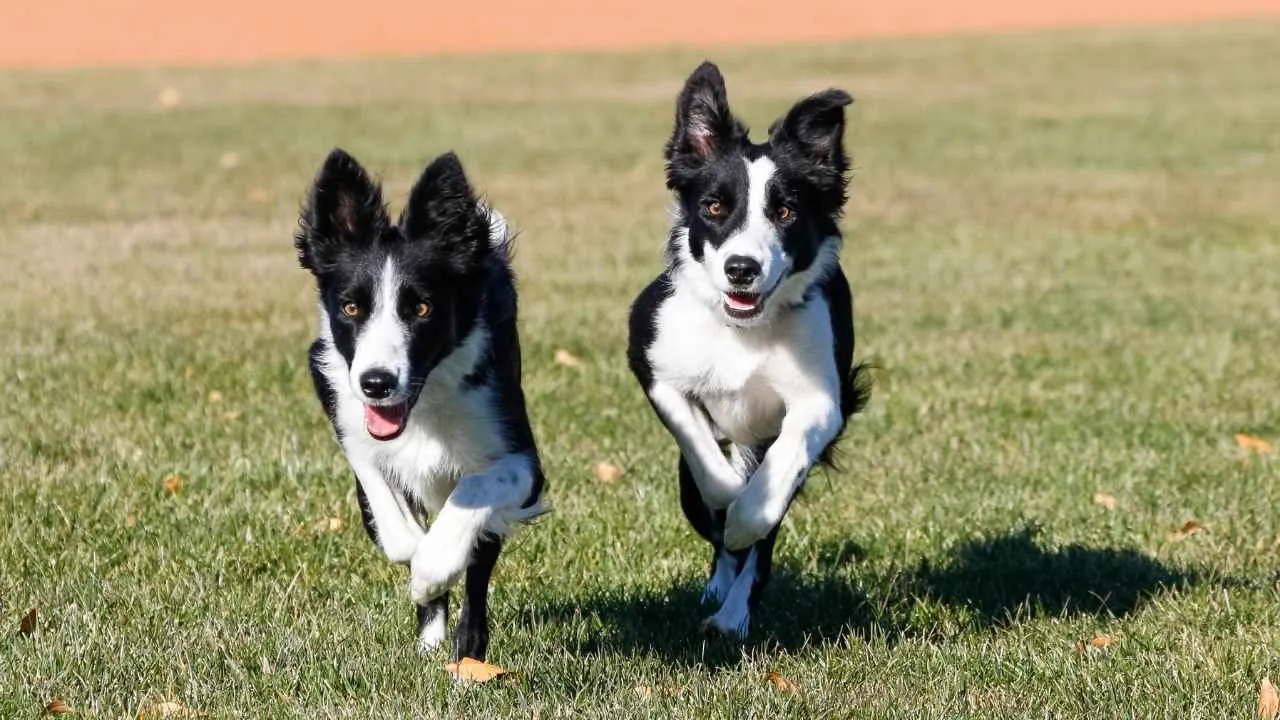
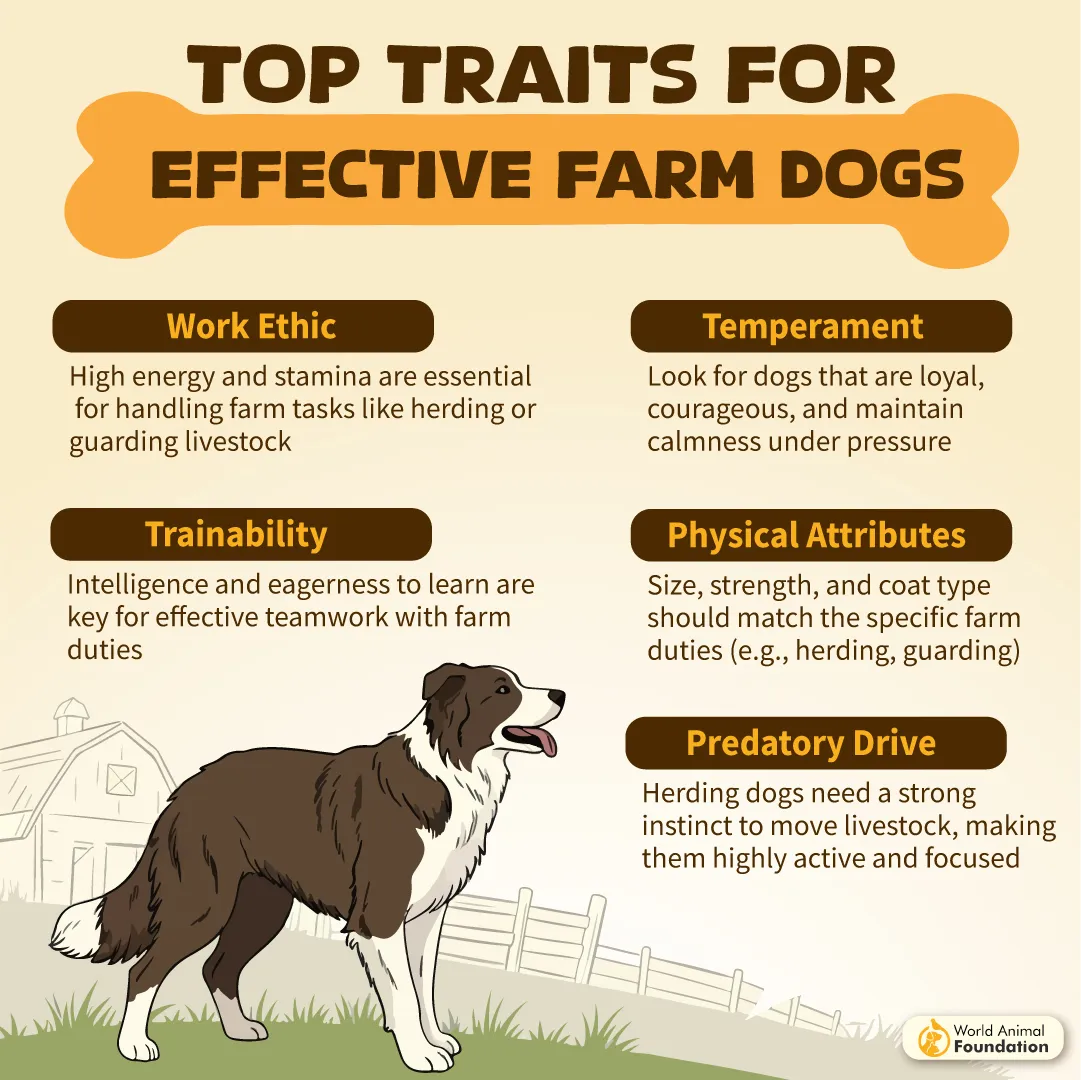
The Border Collie often appears at the top of lists featuring the best farm dog breeds. The intelligent breed originated from the border area between England and Scotland because sheep farmers needed dogs that could think quickly to handle shepherding duties.
Border Collies thrive in rural settings filled with open spaces and daily tasks. The breed herds sheep and guides livestock while using its instinctive capabilities, which it developed through generations of farm work.
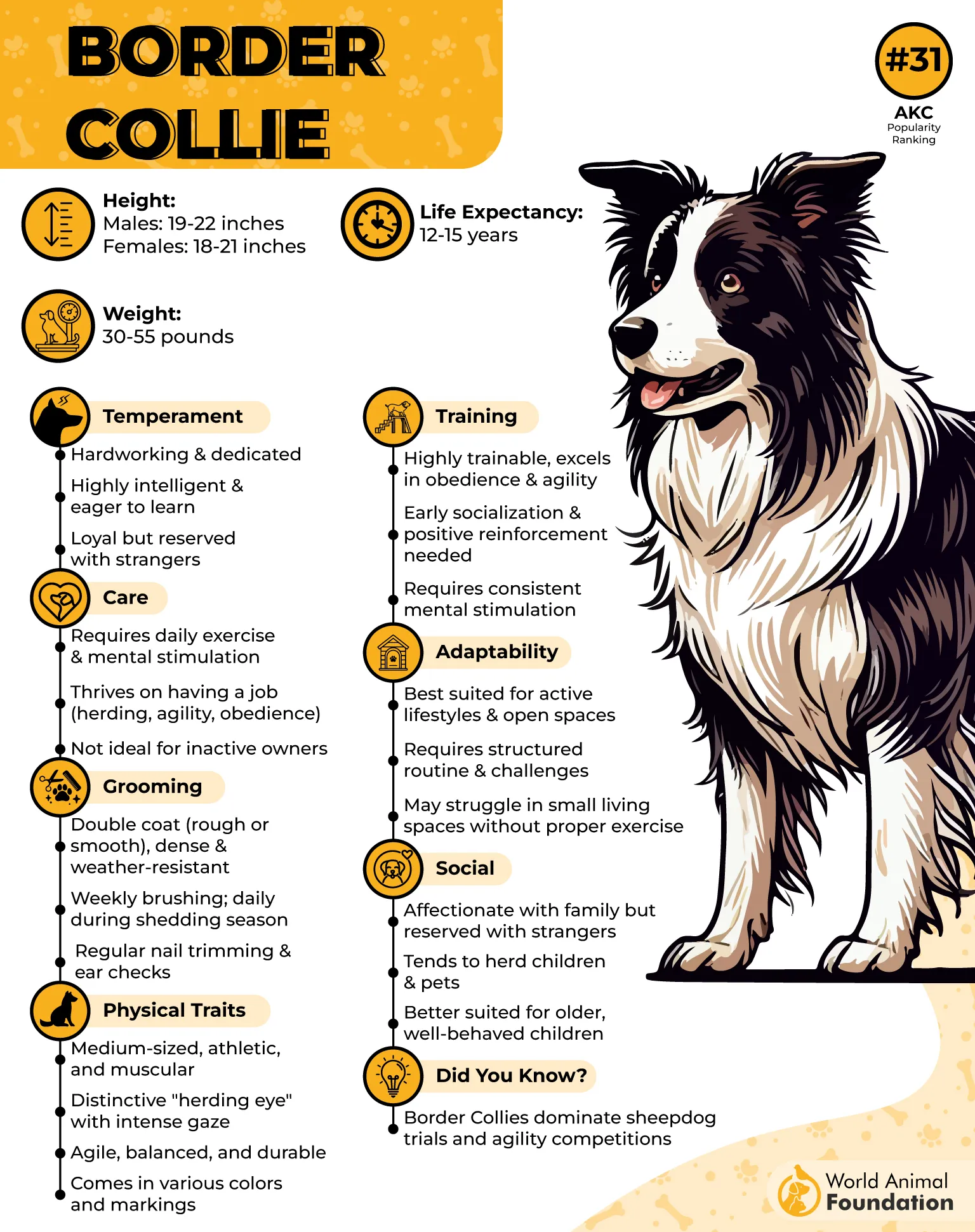
The breed demonstrates exceptional intelligence and alert focus. Border Collies form strong bonds with engaged owners while showing positive reactions to training and mental activities. This energetic dog better understands active farm environments because of its strong work ethic, which makes indoor spaces unsuitable.
2. Australian Shepherd
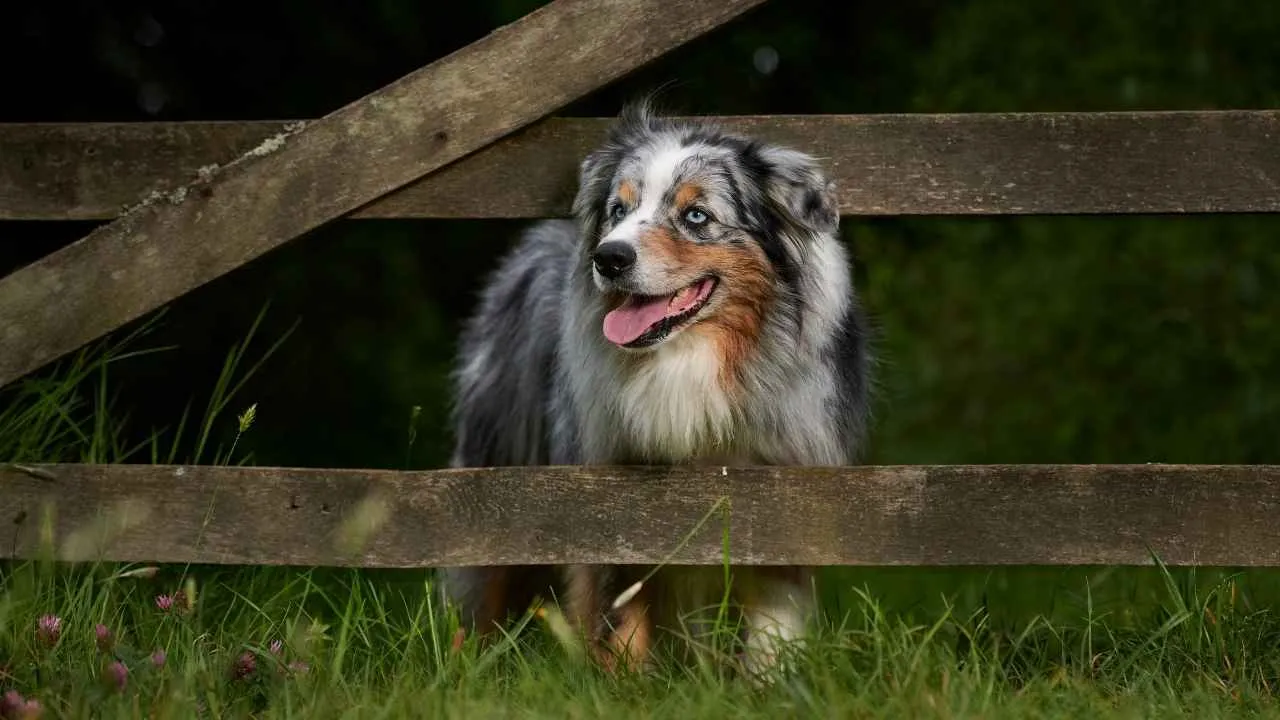
Australian Shepherds remain one of the most recognizable farm dogs in North America. The breed developed in the United States to provide ranchers with reliable herding dogs that could handle sheep and cattle throughout extensive territories despite its name.
The Australian Shepherd breed shows eager-to-please behavior because it fits well into farm and rural family environments, according to Hill’s Pet Nutrition. The breed shows its lively character through its blue merle and red tricolor coat colors, which create a distinctive visual effect.
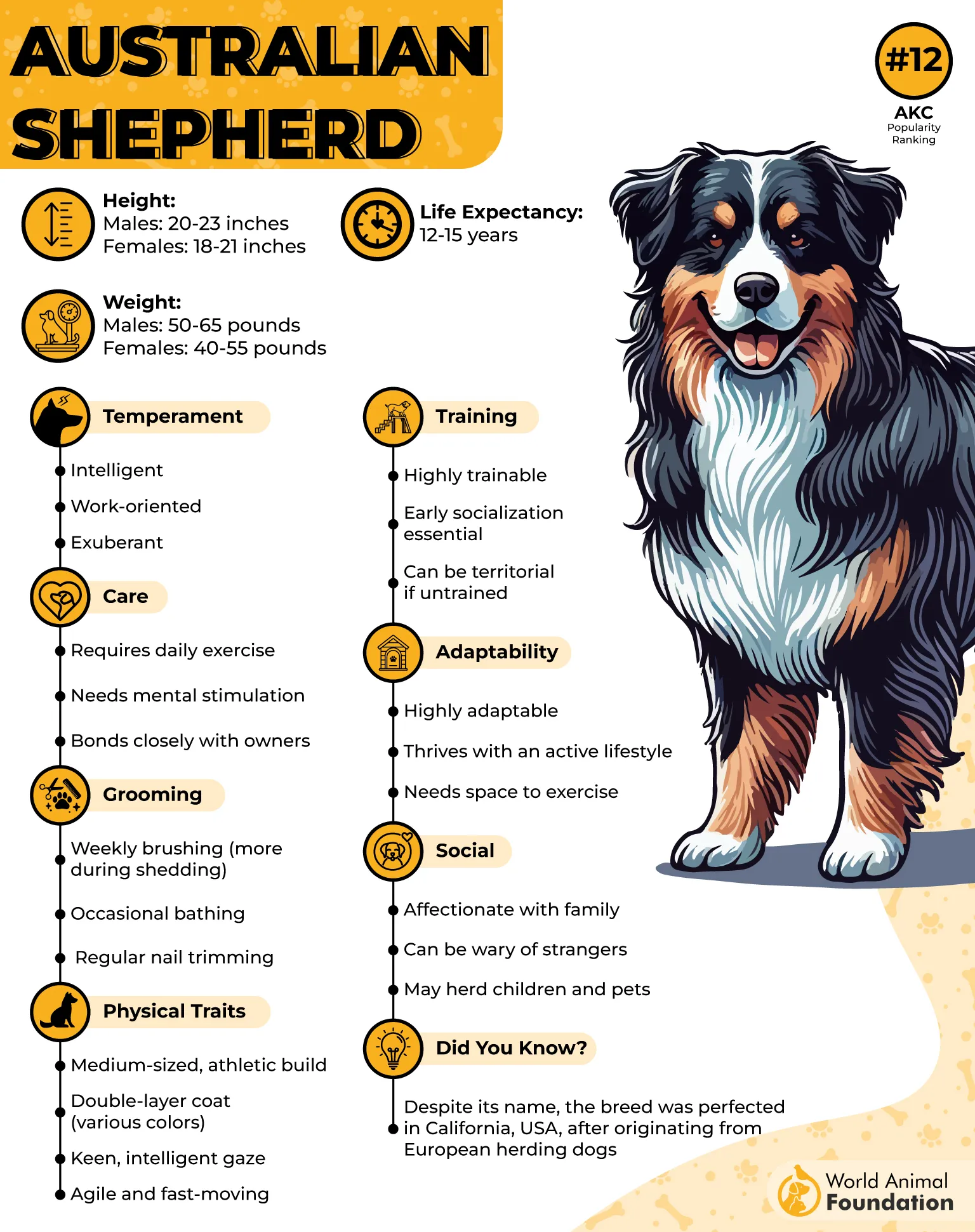
The active dog requires an environment that provides both exercise opportunities and outdoor activities as part of its daily routine. The intelligent breed stays happy through its activities, which include herding livestock, playing ball, and acquiring new skills.
The breed provides active families with an ideal companion that maintains an equal distribution of energy throughout their daily activities.
3. Australian Cattle Dog
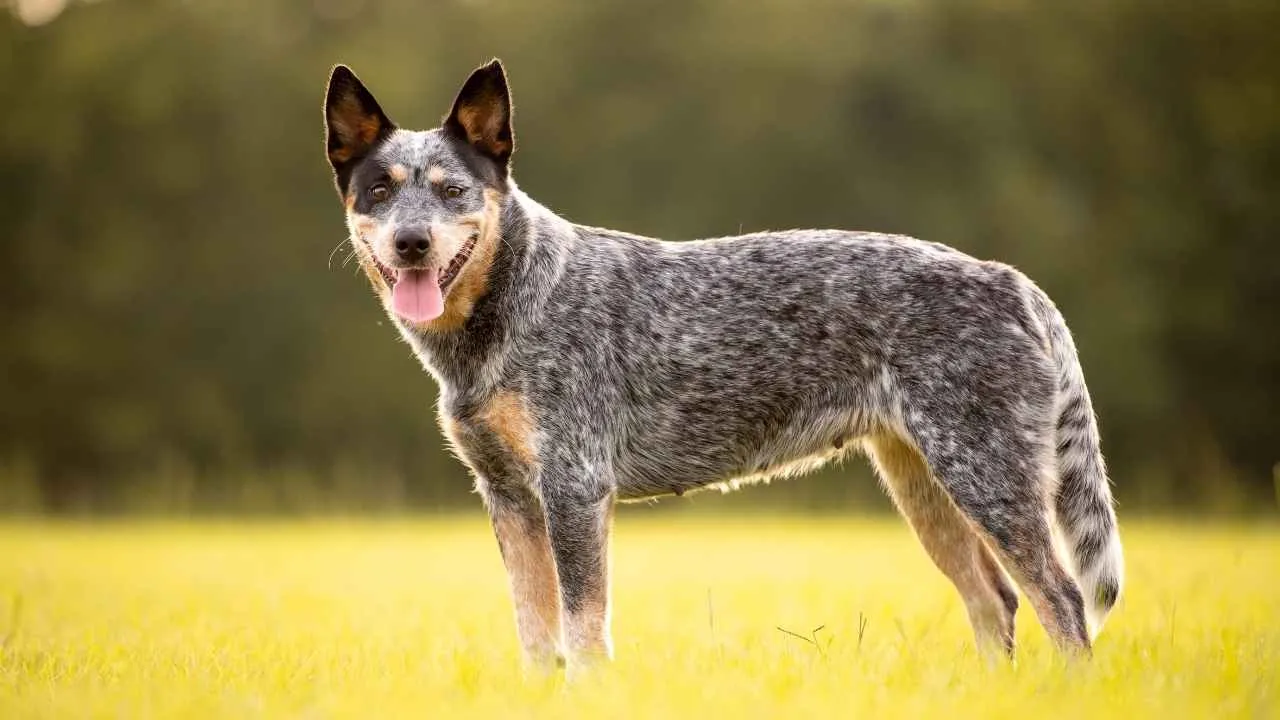
The Blue Heeler dog, known as the Australian Cattle Dog, was created to fulfill a single function, which involved driving cattle through difficult terrains found throughout Australia. The breed used its strength and speed to move stubborn livestock through challenging landscapes while maintaining endurance throughout extended journeys.
Farmers prefer this small but strong dog because it delivers dependable work performance on their properties. The breed demonstrates exceptional intelligence, which enables its handlers to make rapid choices during livestock management when their animals graze in wide-open spaces.
The breed demonstrates fast learning capabilities according to Purina, but needs regular training sessions and early socialization to use its skills effectively. The Australian Cattle Dog uses its natural alertness to approach new people with caution, which helps protect rural homes.
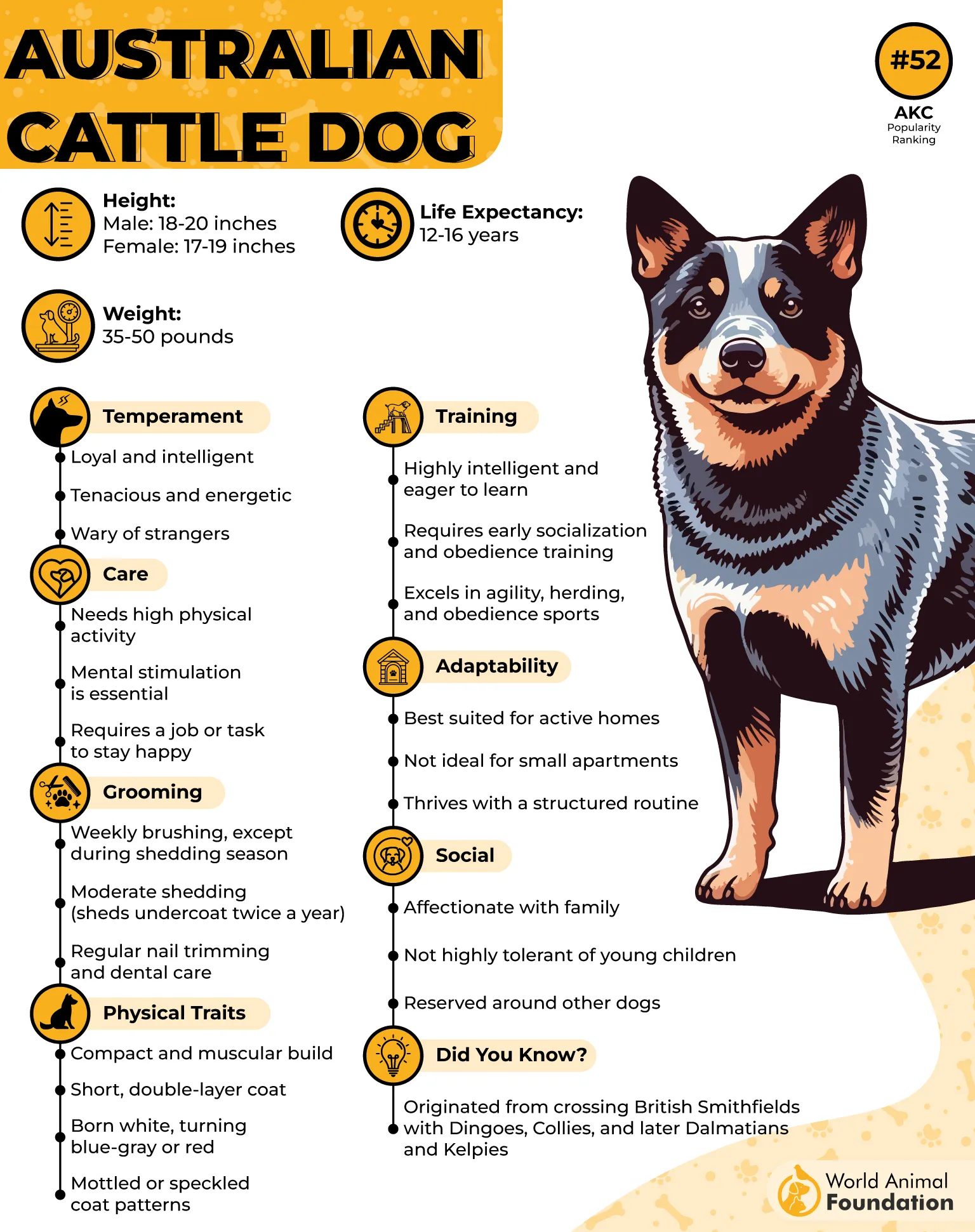
The breed establishes permanent loyalty with its family members when it receives proper training and daily physical activities.
4. Pembroke Welsh Corgi
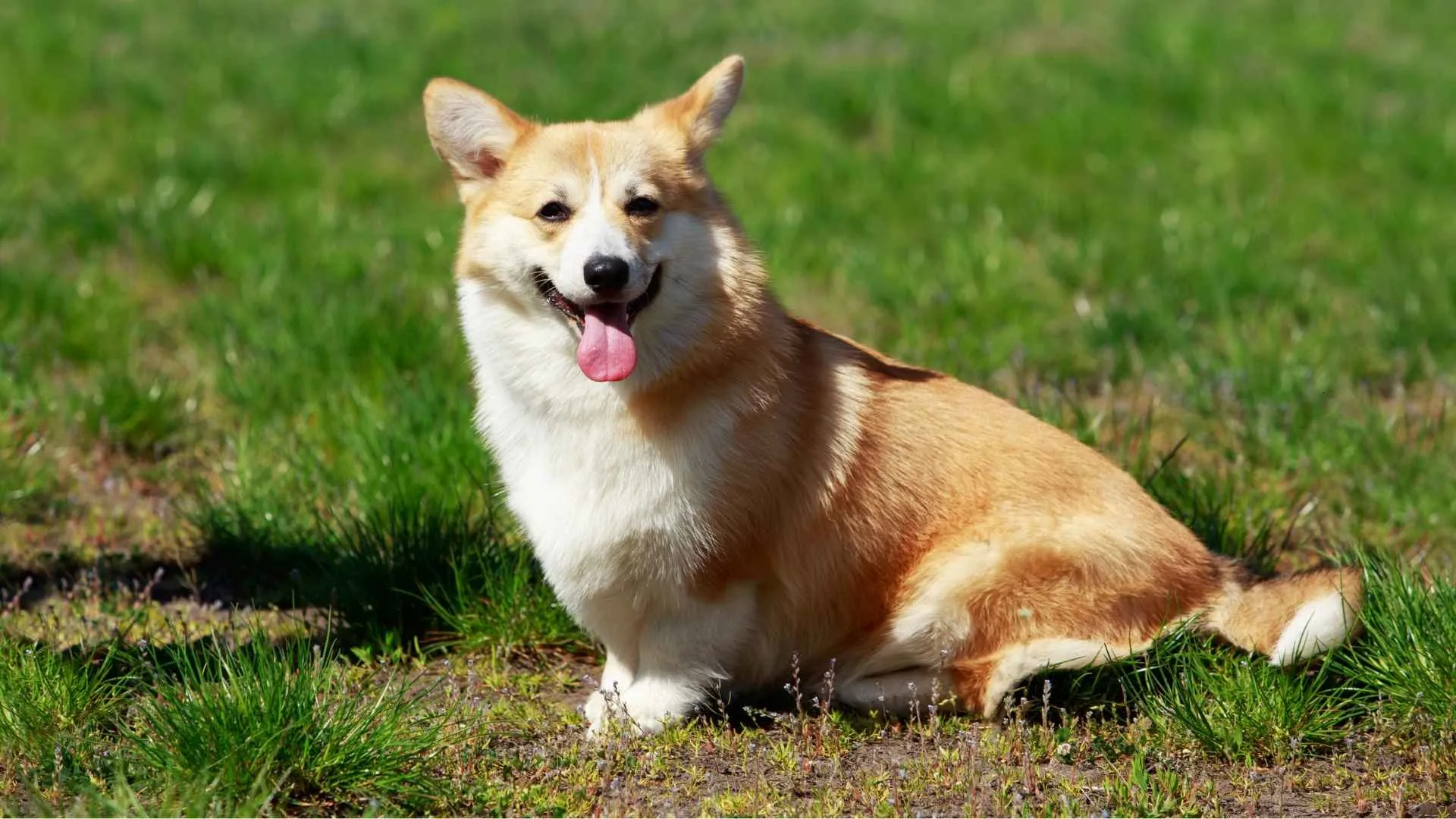
The Pembroke Welsh Corgi functions as a small farm dog breed that exhibits strong herding capabilities because of its historical background. The breed enables Welsh farmers to conduct cattle herding operations because its swift movement ability and sharp instinctive skills help manage animals through confined spaces.
The dog used its short legs to avoid being kicked while it watched over large animals. The breed demonstrates exceptional confidence and strong enthusiasm when it participates in farm activities despite its smaller body size.
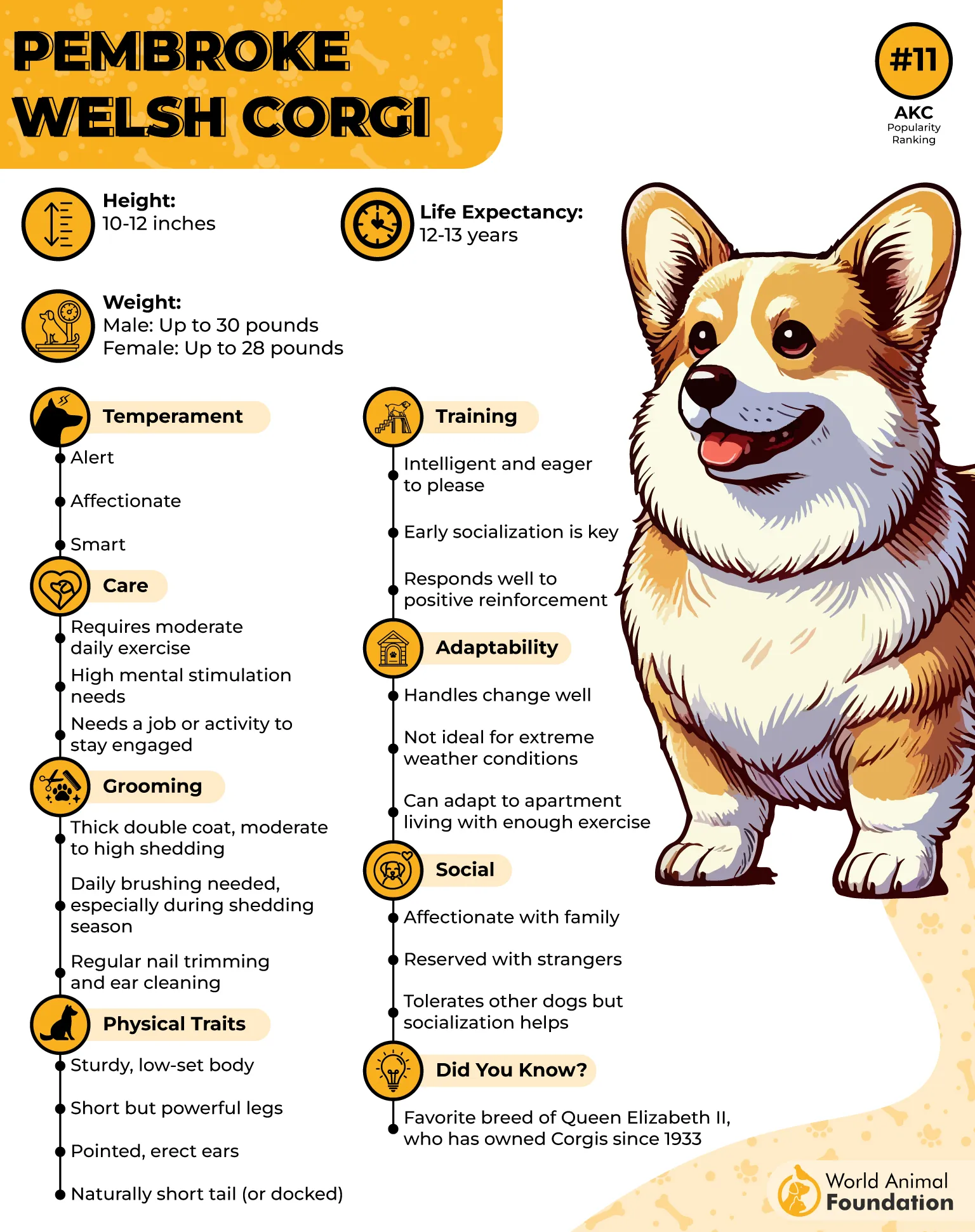
PetMD shows that Pembroke Welsh Corgis possess high intelligence combined with their lively personality. The dogs need mental challenges to stay content because they enjoy solving problems. This dog shows a strong ability to adjust between two different environments, which include farm work and home life.
5. Belgian Sheepdog
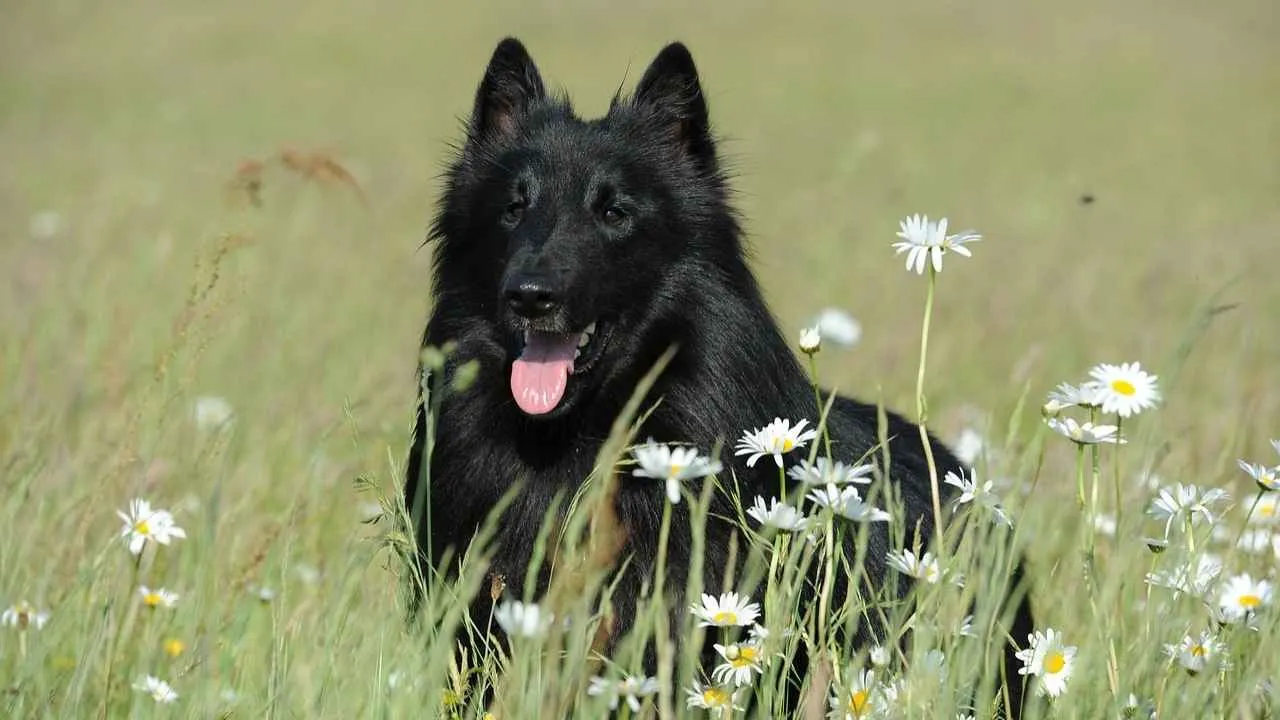
The Belgian Sheepdog, known as Groenendael, exists as one of Europe’s most graceful herding dog breeds. The breed develops an impressive presence through its long, black coat and elegant body style, which it uses to carry out challenging outdoor tasks.
The breed started as a sheep-herding dog, but it later showed it could perform various tasks. The breed shows its intelligence through activities like guarding rural areas, helping rescue dogs, and taking part in obedience training.
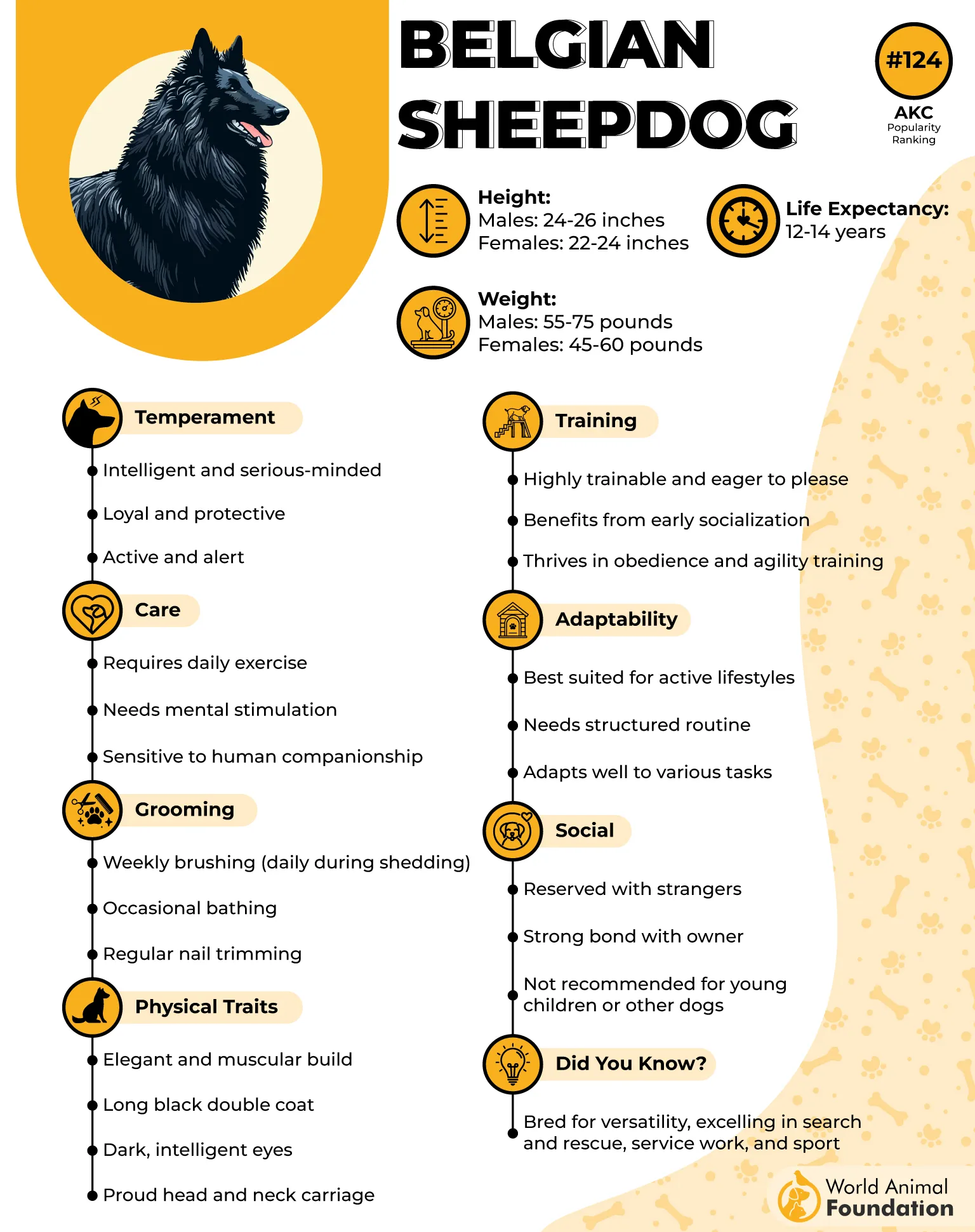
The Belgian Sheepdog, which health experts from WebMD assess as a working dog, exhibits loyalty together with exceptional trainability. The dog shows balanced behavior through its capabilities to guard the home while protecting its household members. This lively breed needs people to maintain their exercise requirements.
6. Great Pyrenees
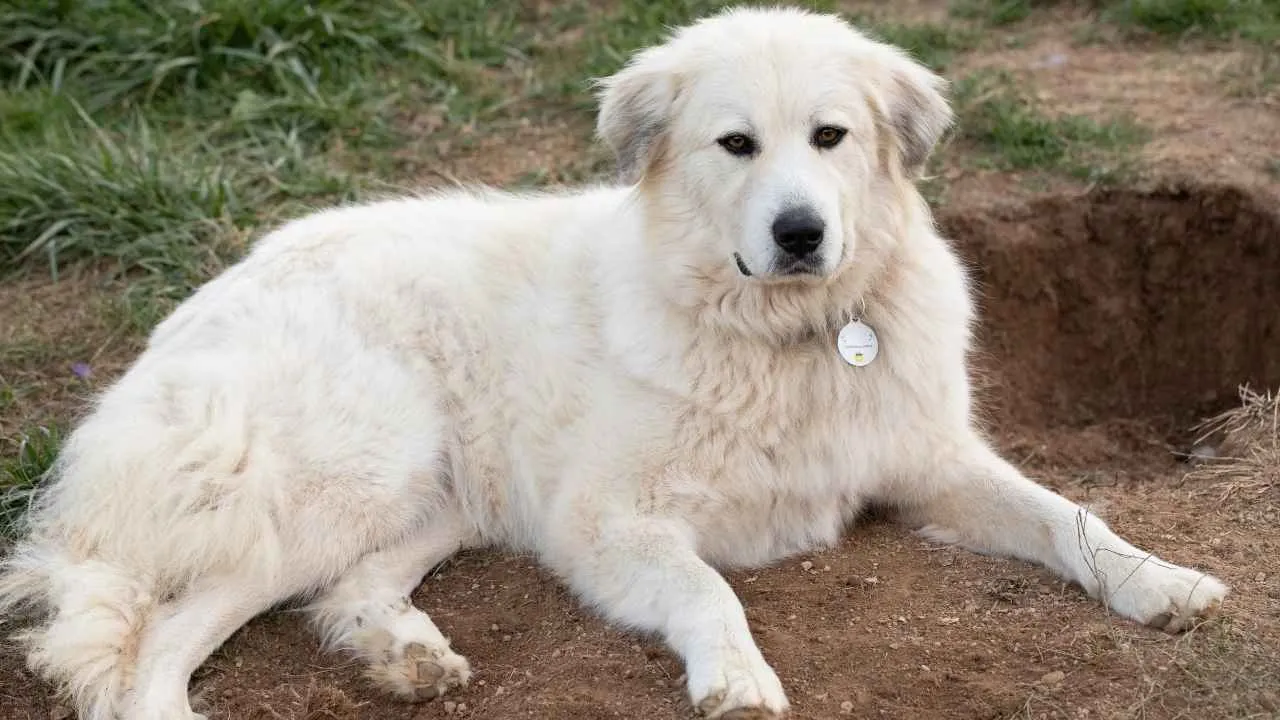
The Great Pyrenees, which acts as a livestock guardian dog, has gained global recognition as one of the best livestock guardian dog breeds. The breed developed in the mountain areas between France and Spain to protect sheep from wolf attacks throughout the centuries.
The large guardian shows its security through its ability to maintain a calm and confident demeanor. The breed maintains a quiet stance while it watches its environment until actual threats require its intervention.
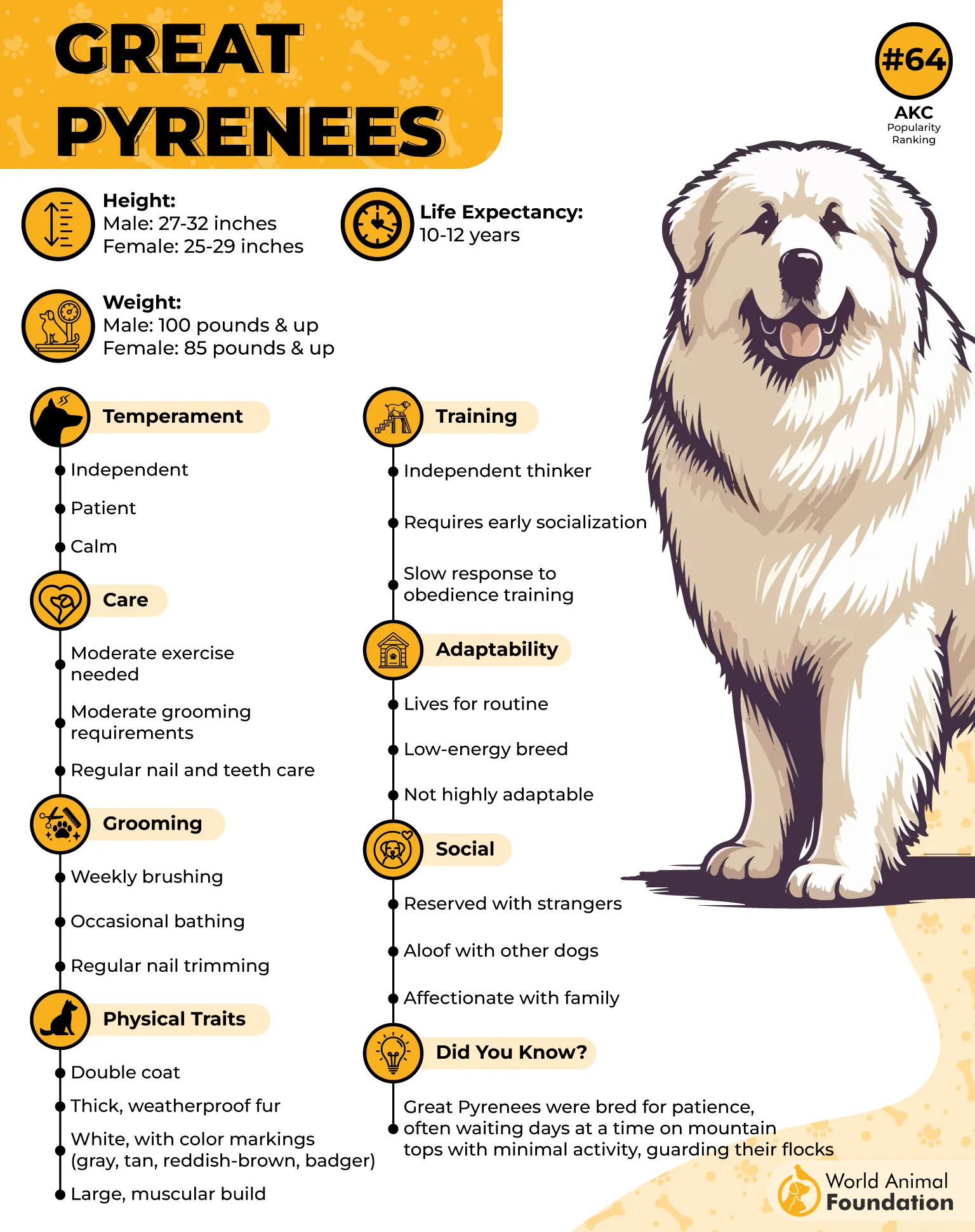
The American Kennel Club mentions that the Great Pyrenees possesses a weatherproof coat, which enables it to work efficiently in extreme outdoor conditions. It protects rural properties through its strong protective instincts, which make it an effective guardian for farms and rural properties.
However, the breed shows gentle behavior towards both family members and farm animals.
7. Maremma Sheepdog
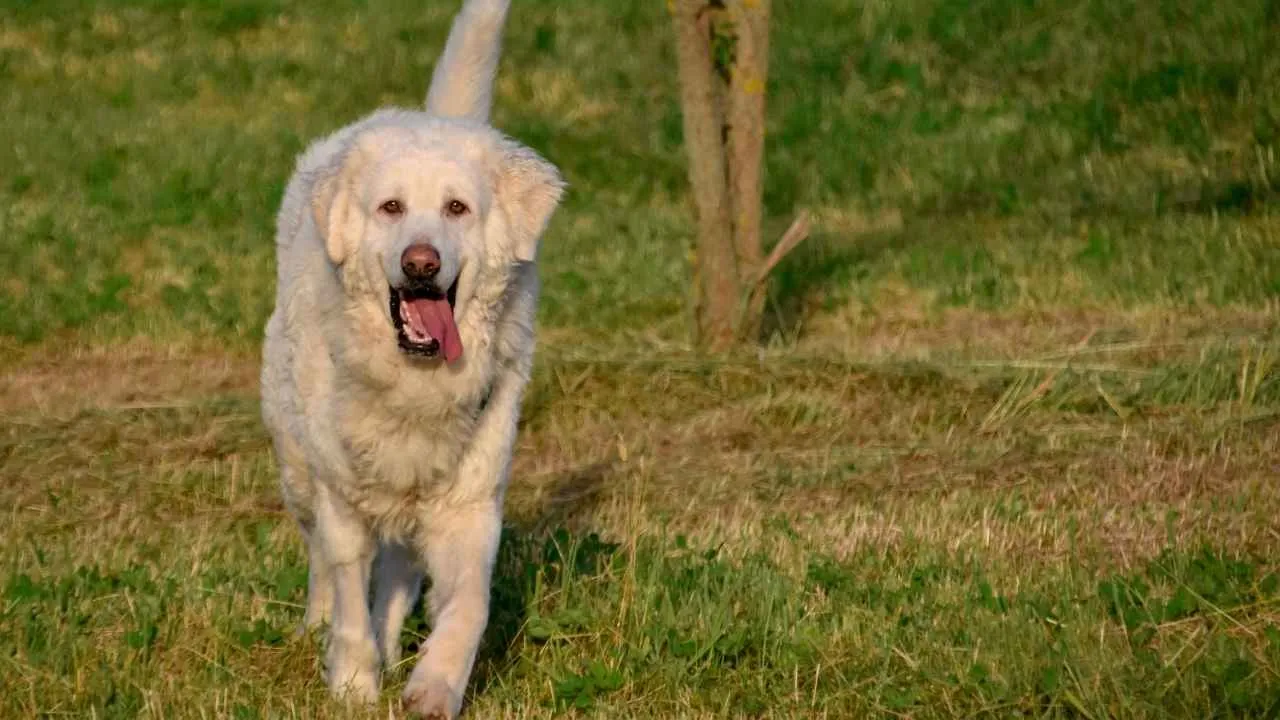
Shepherds in Italy developed the Maremma Sheepdog to provide them with a reliable protection system that would safeguard their sheep during their herding activities across extensive pastureland. The dogs designed as livestock guardians used their double coat system to endure extended outdoor work, which continued through all types of weather conditions.
The breed exhibits its primary characteristics through its ability to think independently. The Maremma dog breed develops an instinctive behavior to protect the livestock while it keeps watch over them and their flocks.
Omlet provides information about the breed, which shows its dignified nature and its ability to observe while it stays cautious around people whom it does not know. The dog maintains its complete alertness by using these characteristics, which prevent it from showing unnecessary aggressive behavior.
The Maremma Sheepdog needs a large outdoor space, which creates its optimal living conditions.
8. Komondor
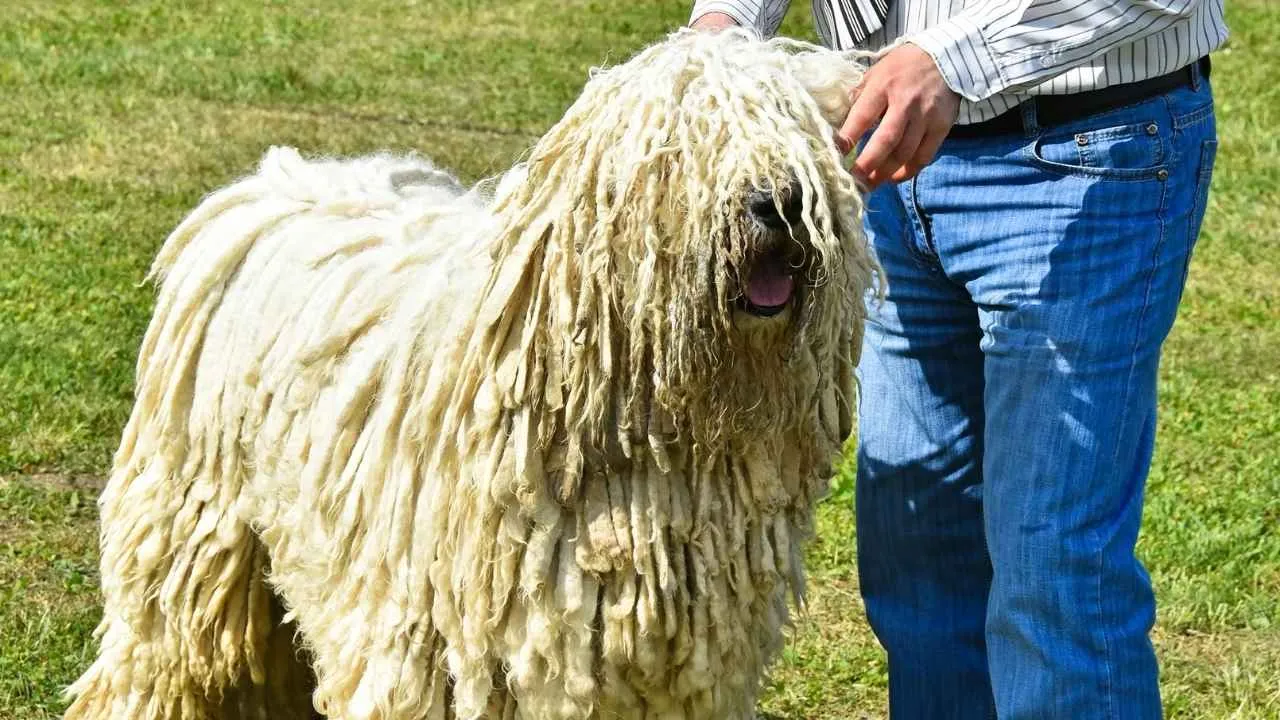
The Komondor dog attracts the attention of multiple people who see it. The breed’s distinctive corded coat creates an appearance unlike any other farm dog, yet this unique coat also serves practical purposes.
The thick cords protected livestock in Hungary from extreme weather conditions and dangerous animal attacks. The coat also helped the dog blend visually among sheep flocks.
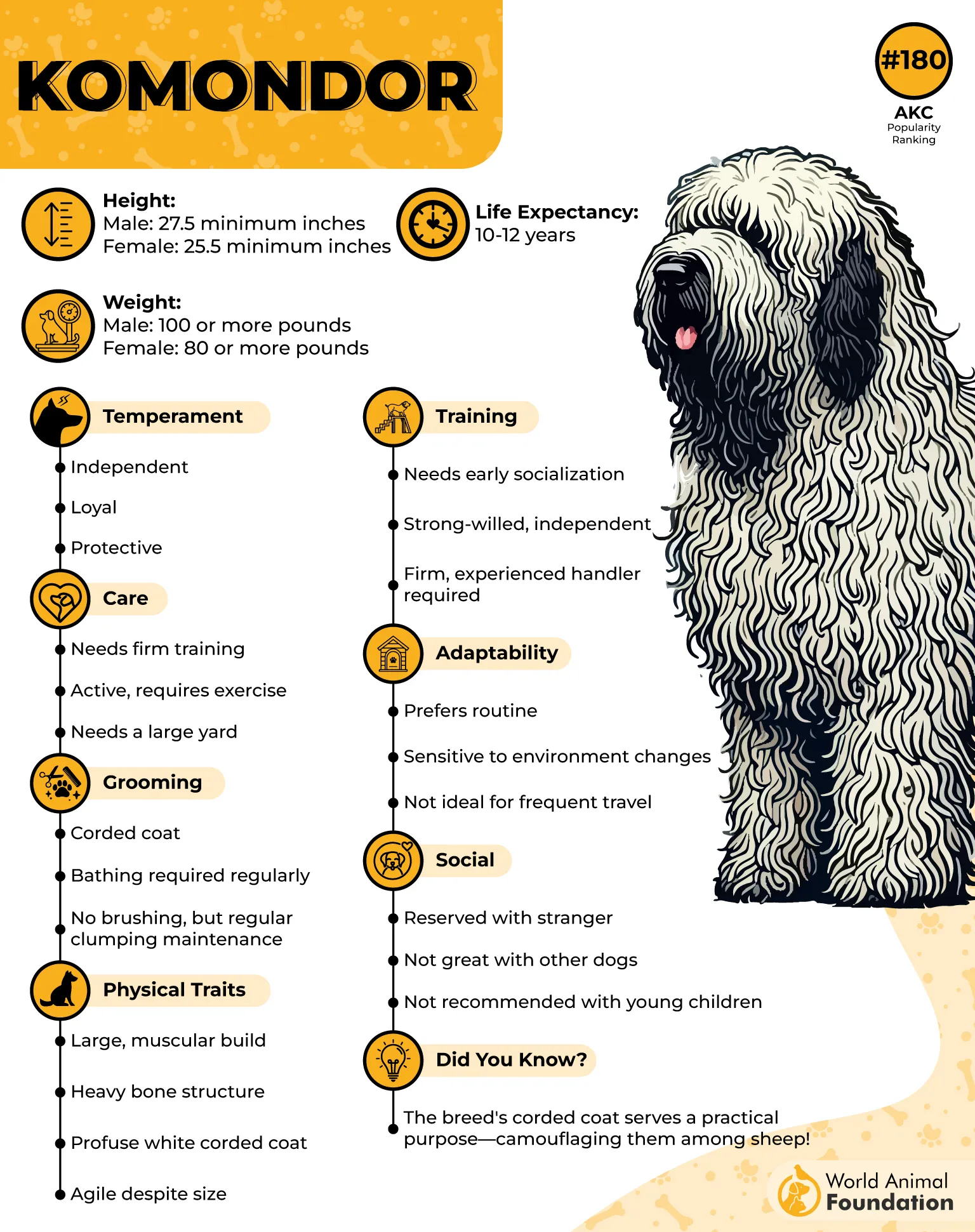
PDSA shows that the Komondor needs early socialization because it possesses natural guarding skills. The training program should use structured methods to achieve balanced results that maintain the security functions of the system. The breed performs best when it lives on large rural properties.
9. Akbash
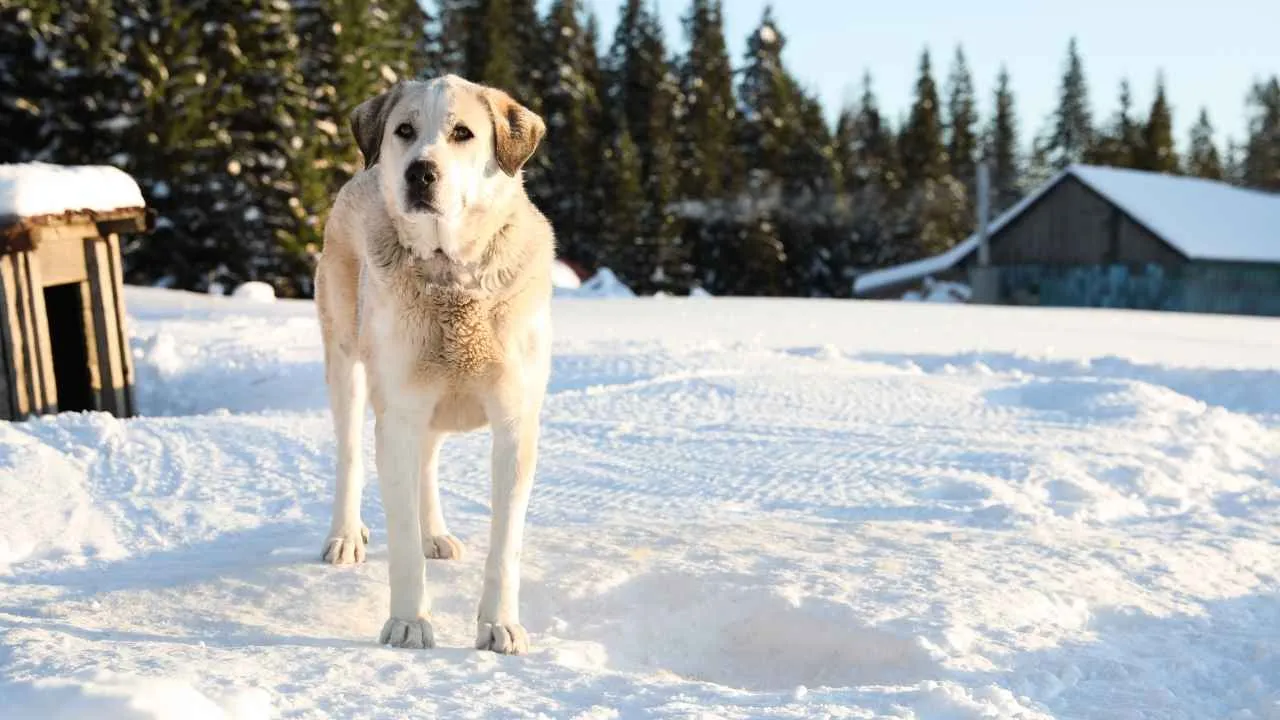
The Akbash dog breed exists as a powerful Turkish livestock guardian dog that protects livestock from predators that threaten rural areas. This large white breed developed specifically to protect sheep and goats from predators roaming rural landscapes.
The Akbash shows a personality that combines calmness with alertness. The breed prefers to stay still while it watches its surroundings instead of moving around.
The Akbash breed needs daily exercise combined with access to large areas because this combination helps it become both a loyal companion and an effective protector. The breed serves as a valuable asset to farms that need effective protection against livestock because of its inherent protective behavior.
10. Old English Sheepdog
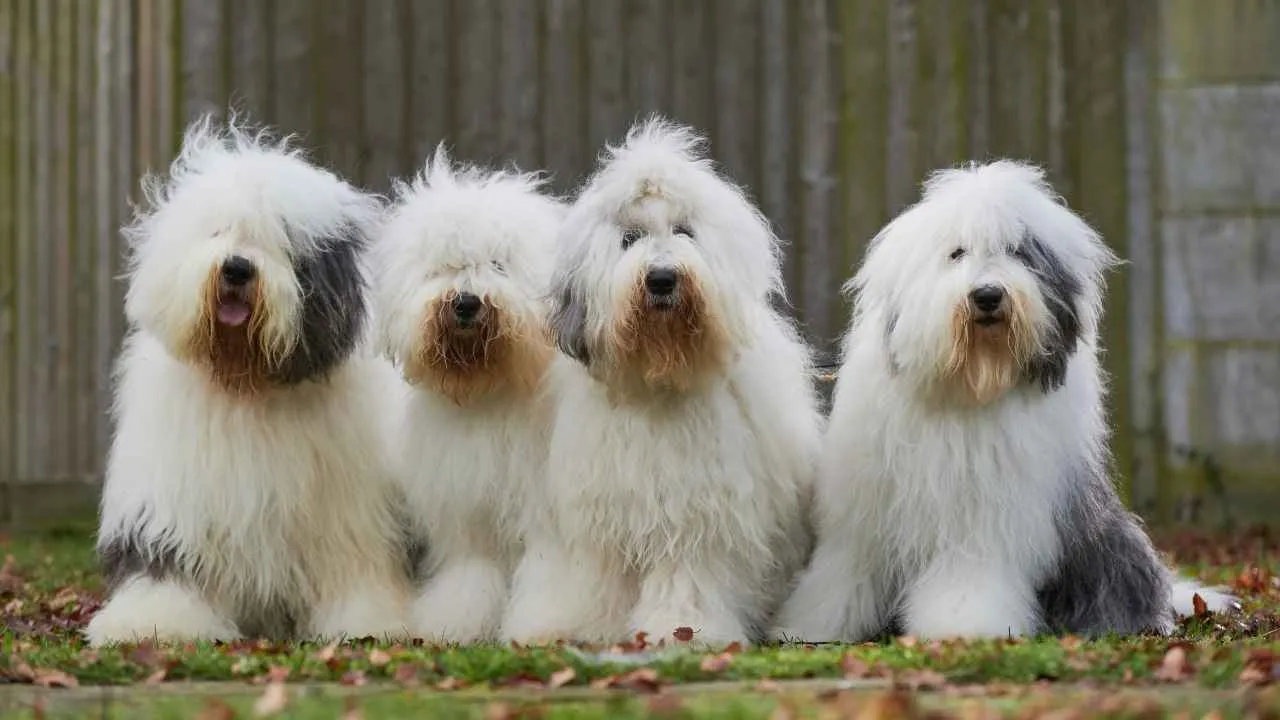
The Old English Sheepdog provides rural areas with a combination of physical power, intellectual abilities, and friendly behavior. The breed used to be recognizable because its special appearance and thick shaggy coat made it stand out from other herding dogs that worked on English dairy farms.
The breed developed its abilities to solve problems and endure physical challenges when the situation required handlers to guide cattle and sheep through rural areas. Many modern herding dogs still show the same passion for herding work and agility competition that they had in their original herding days.
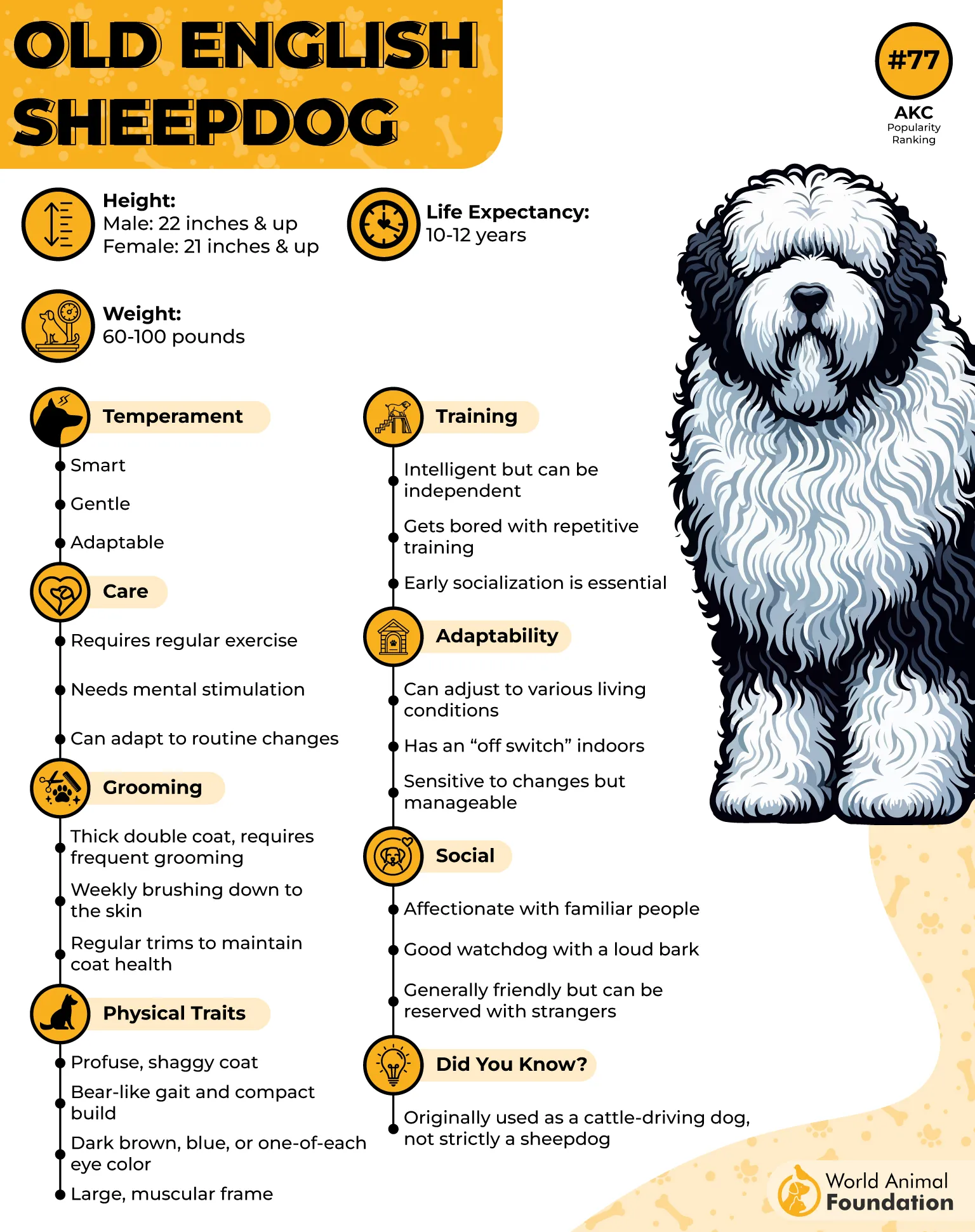
Britannica defines the breed as intelligent and affectionate while showing protective behavior toward family members. The Old English Sheepdog functions as an essential farmworker because of its ability to maintain harmony between its protective instincts and its friendly nature.
Conclusion
Rural dog selection requires more than choosing a breed that people consider fashionable. Every farm needs to solve specific problems, which include livestock management, property security, and enjoying the peacefulness of open areas.
These dogs develop into family companions who help people who live near natural environments. The bond between people and animals grows deeper because of their shared commitment to each other and their work on the farm.
