




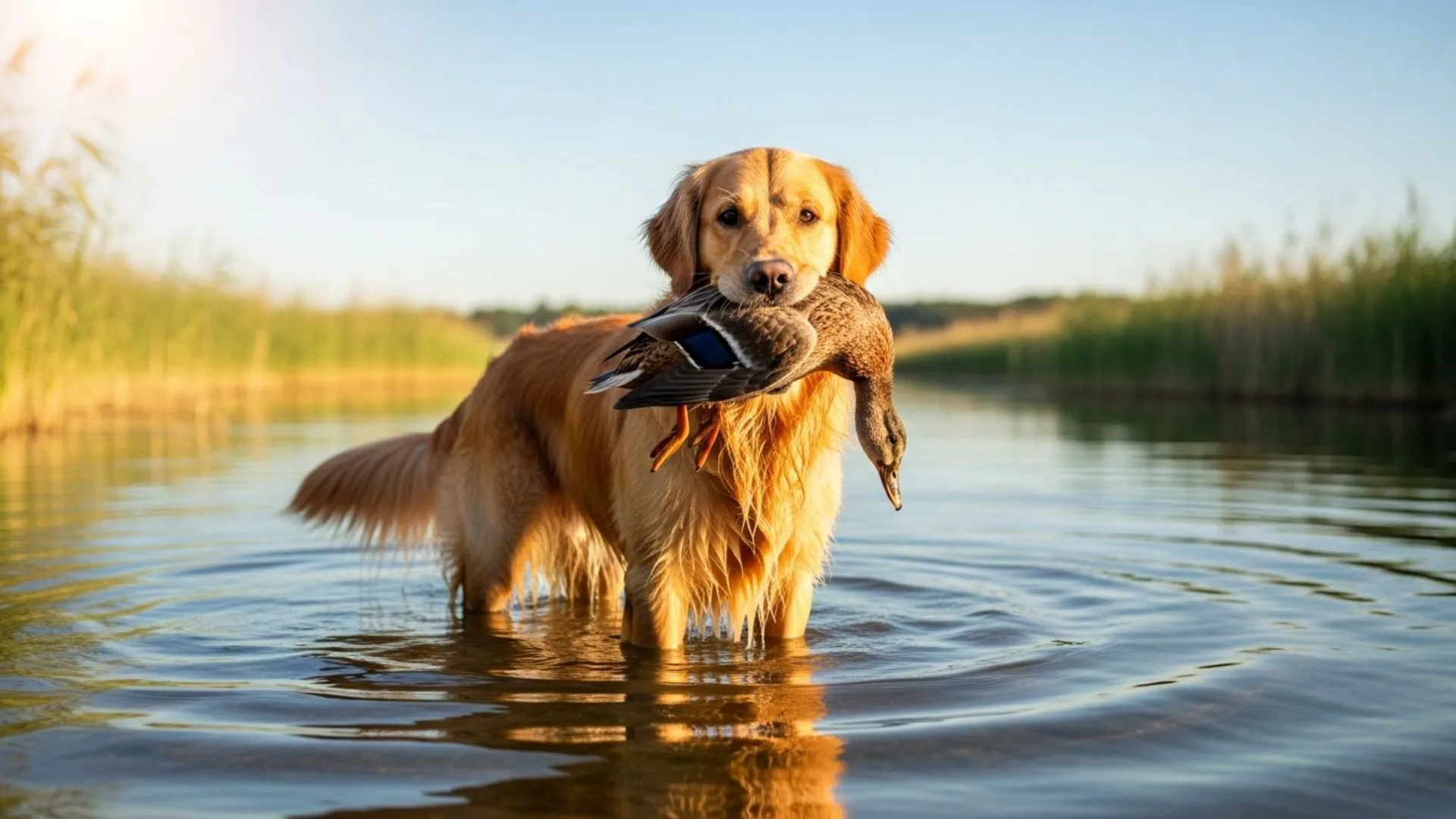
Some dogs are made for the marsh, the shoreline, and the thrill of a water retrieve. If you love the outdoors and want a canine partner that feels right at home in wetlands, fields, and chilly water, choosing the right breed matters. The best dogs for natural waterfowl hunting are not just strong swimmers. They also need focus, stamina, trainability, and a natural desire to work closely with people.
This list highlights dog breeds known for their hunting instincts, steady temperament, and love of water-based work. Some are famous retrievers, while others bring a slightly different style to the field. Each breed has its own strengths, energy level, and care needs, so the right fit depends on your hunting style and daily life at home.
Whether you are an experienced hunter or simply curious about these hardworking sporting dogs, this guide will help you get to know ten breeds that stand out in natural waterfowl hunting.
Top Dog Breeds For Natural Waterfowl Hunting
1. Labrador Retriever
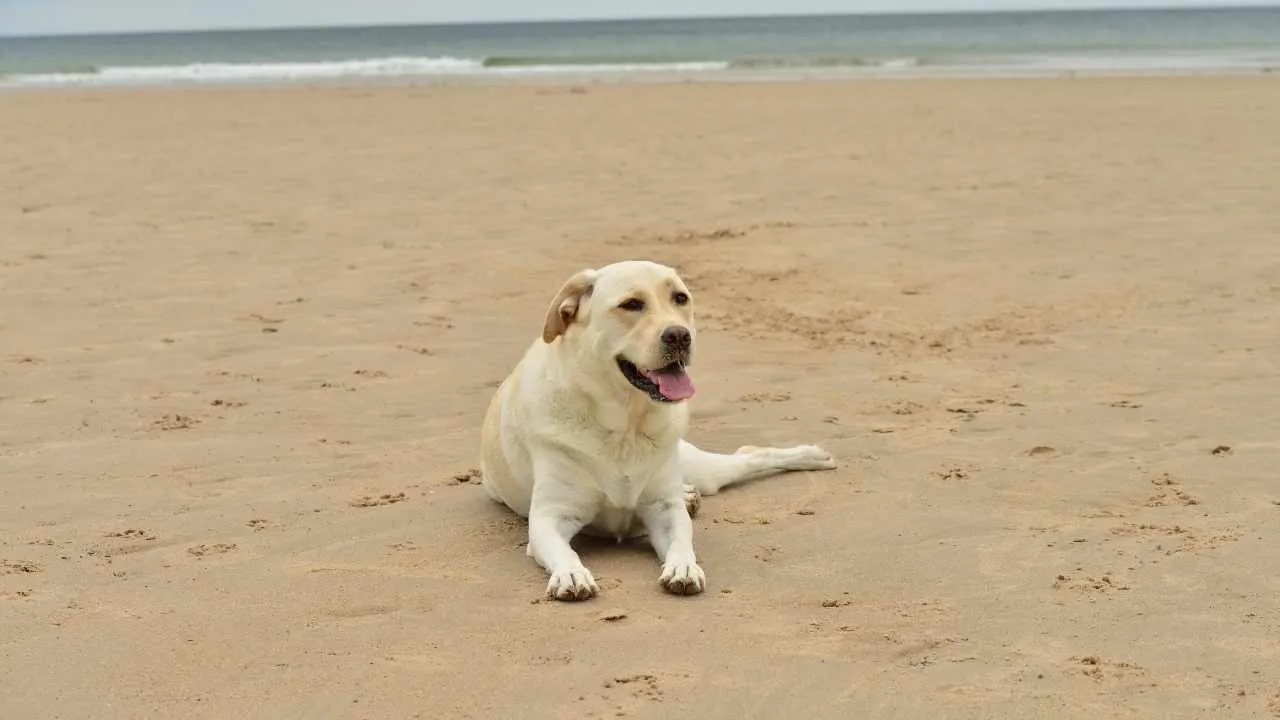
The Labrador Retriever is one of the best-known hunting dogs for life around water, and that easy charm shows up both at home and in the field.
According to AKC, this breed is friendly, outgoing, and full of spirit, which makes it a steady hunting companion for people who want a dog that enjoys being close to the action. It is also a high-energy dog that needs regular activity, not just a quick stroll around the block.
This dog loves swimming and active games, so waterfowl hunting fits naturally with its eager attitude and athletic build. Its sweet expression may look soft, but this dog is always ready for work when there is a job to do.
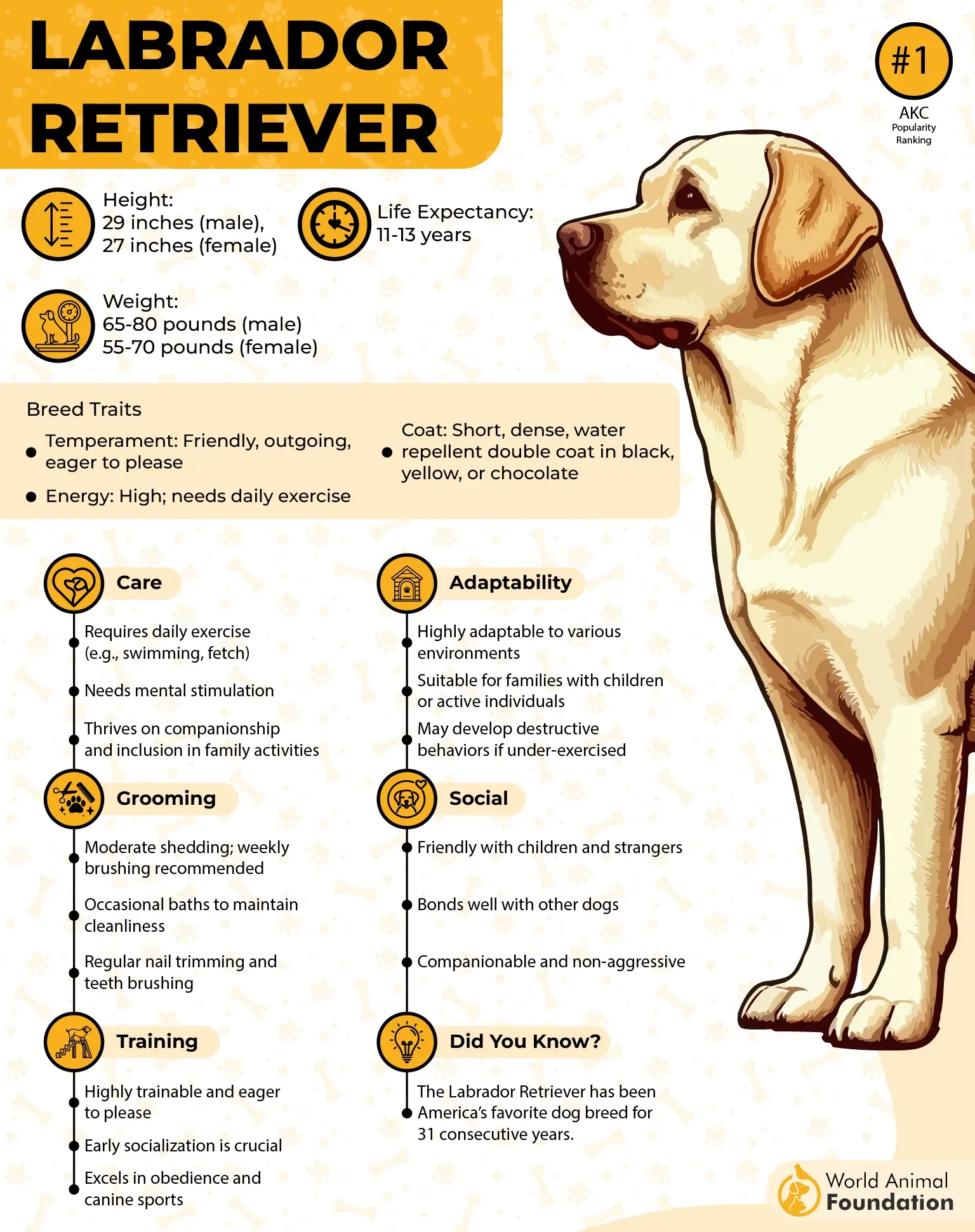
The Labrador Retriever is affectionate and social, bonding well with the whole family and fitting in with daily life.
In the outdoors, that same enthusiasm can make all the difference when long days, wet ground, and repeated retrieves are part of the hunting experience.
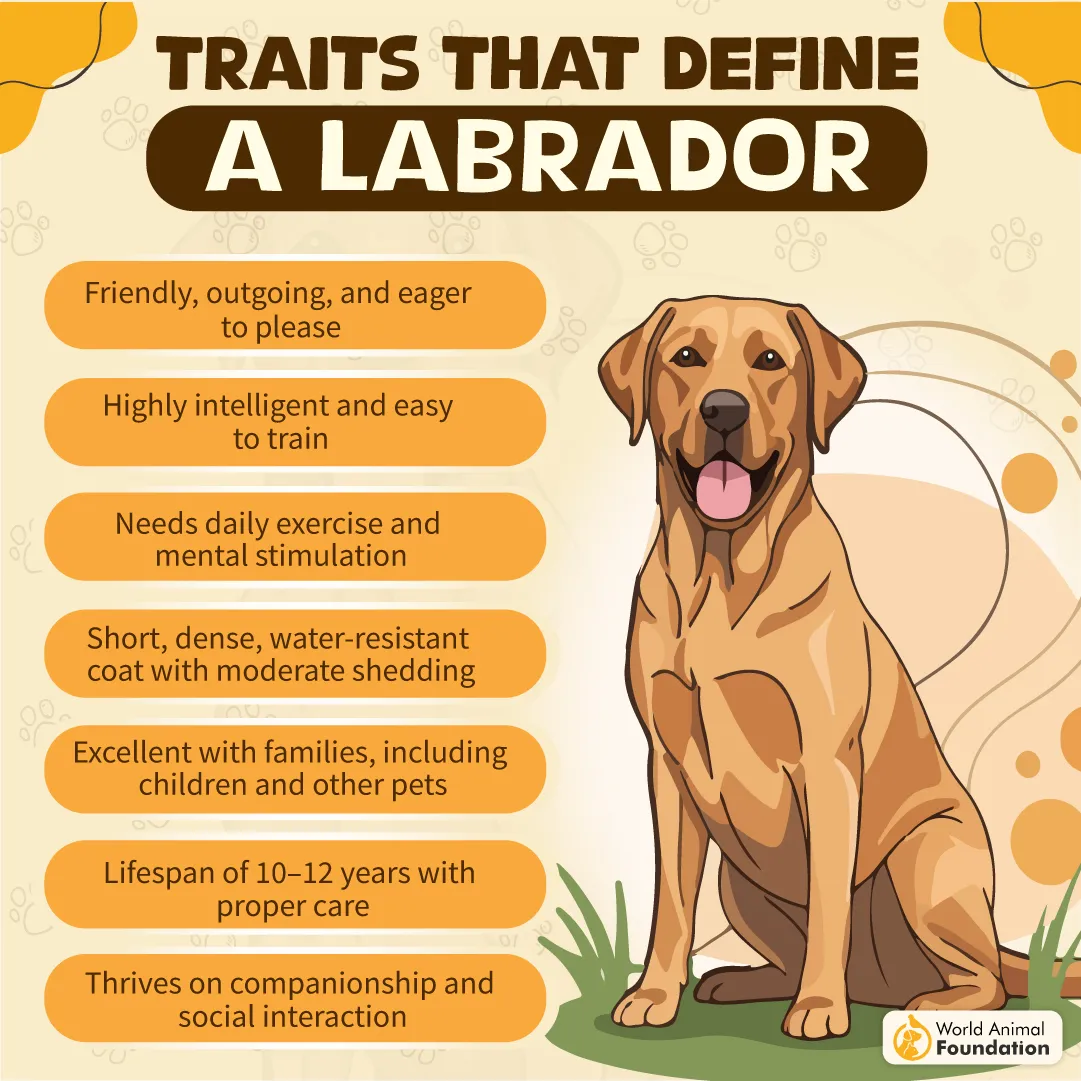
Why This Breed is a Good Fit
A natural duck dog with energy to spare, especially for people who enjoy active hunting days.
Friendly enough for family life, but always happy to head outside when the gear comes out.
Strong swimmers with a cheerful work ethic make this breed a very practical choice for retrieving waterfowl.
2. Chesapeake Bay Retriever
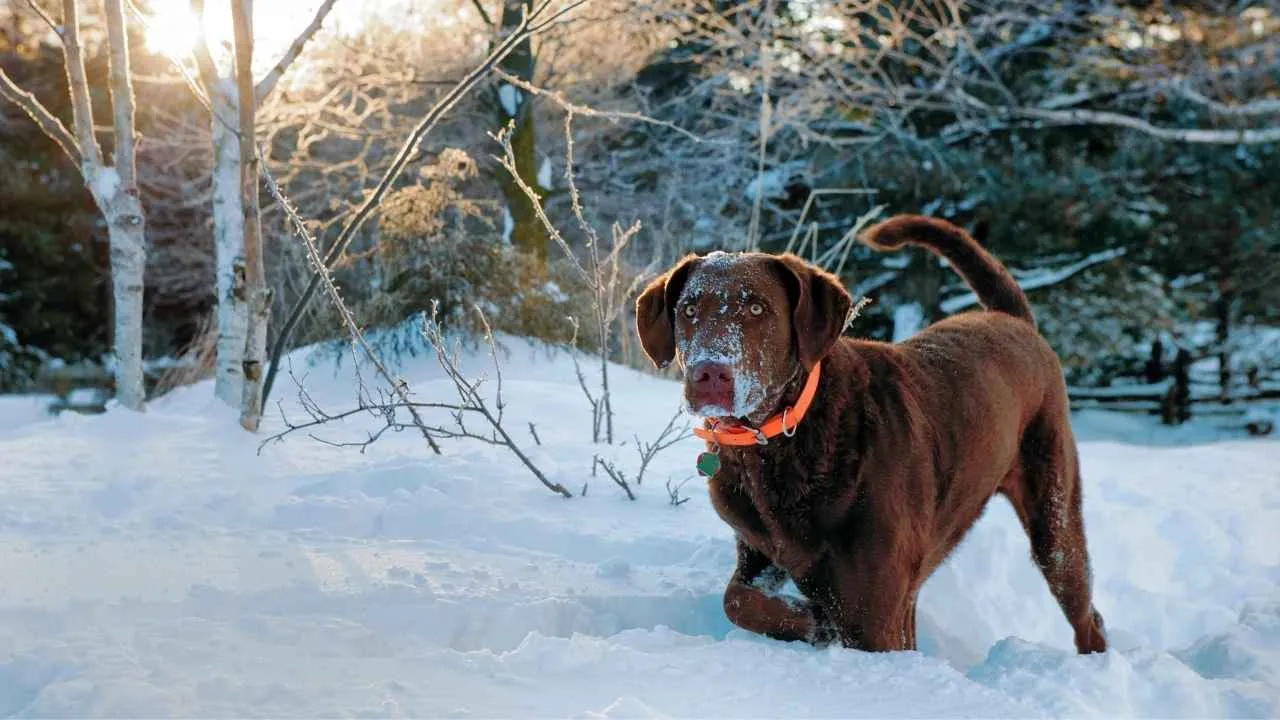
The Chesapeake Bay retriever was bred specifically to help people hunt ducks and other birds along the Chesapeake Bay, and that history still shapes the breed today.
According to WebMD, the Chesapeake Bay retriever is powerful, focused, and made for serious hunting work in wet places. Among waterfowl dogs, it stands out for its strong purpose and no-nonsense attitude.
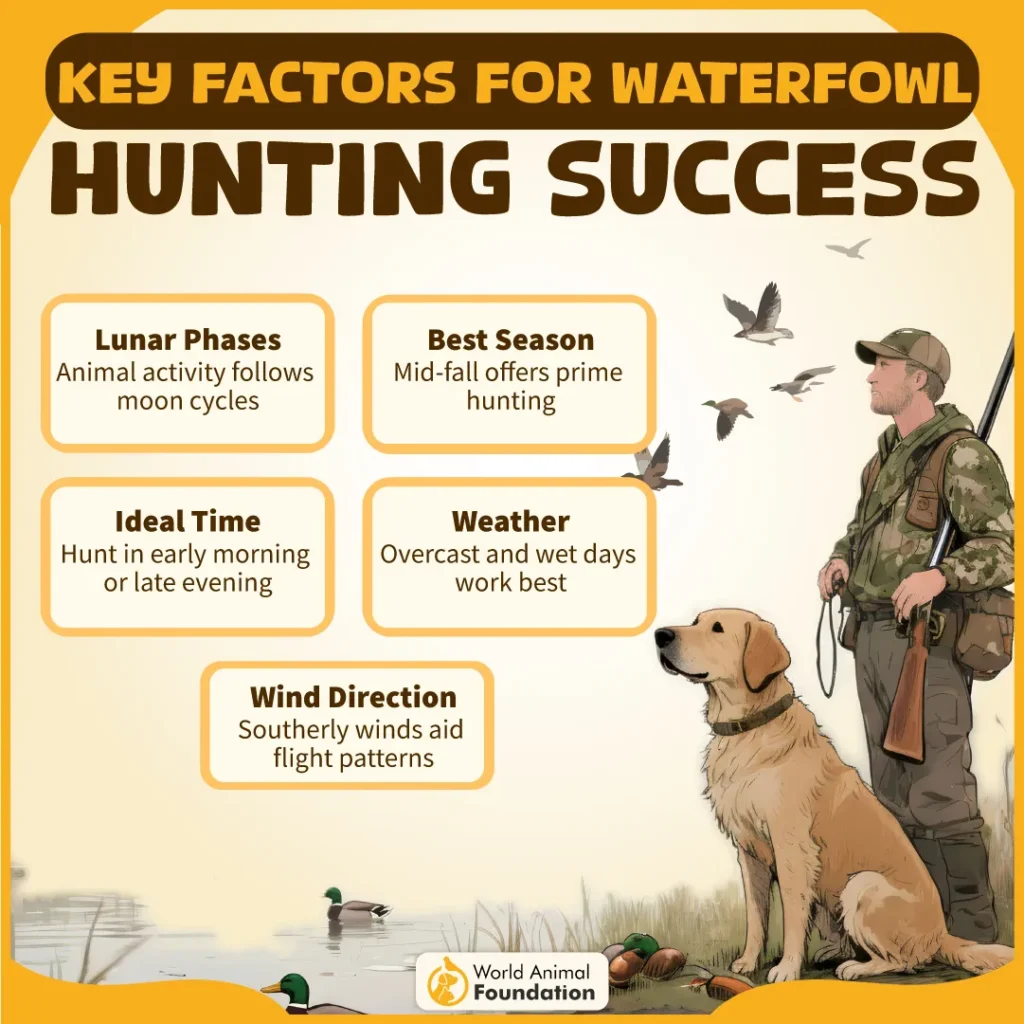
Health matters are an important part of living with this breed. Deep chests can put the dog at risk for GDV, while hip dysplasia, cataracts, PRA, and exercise-induced collapse are also concerns owners need to understand.
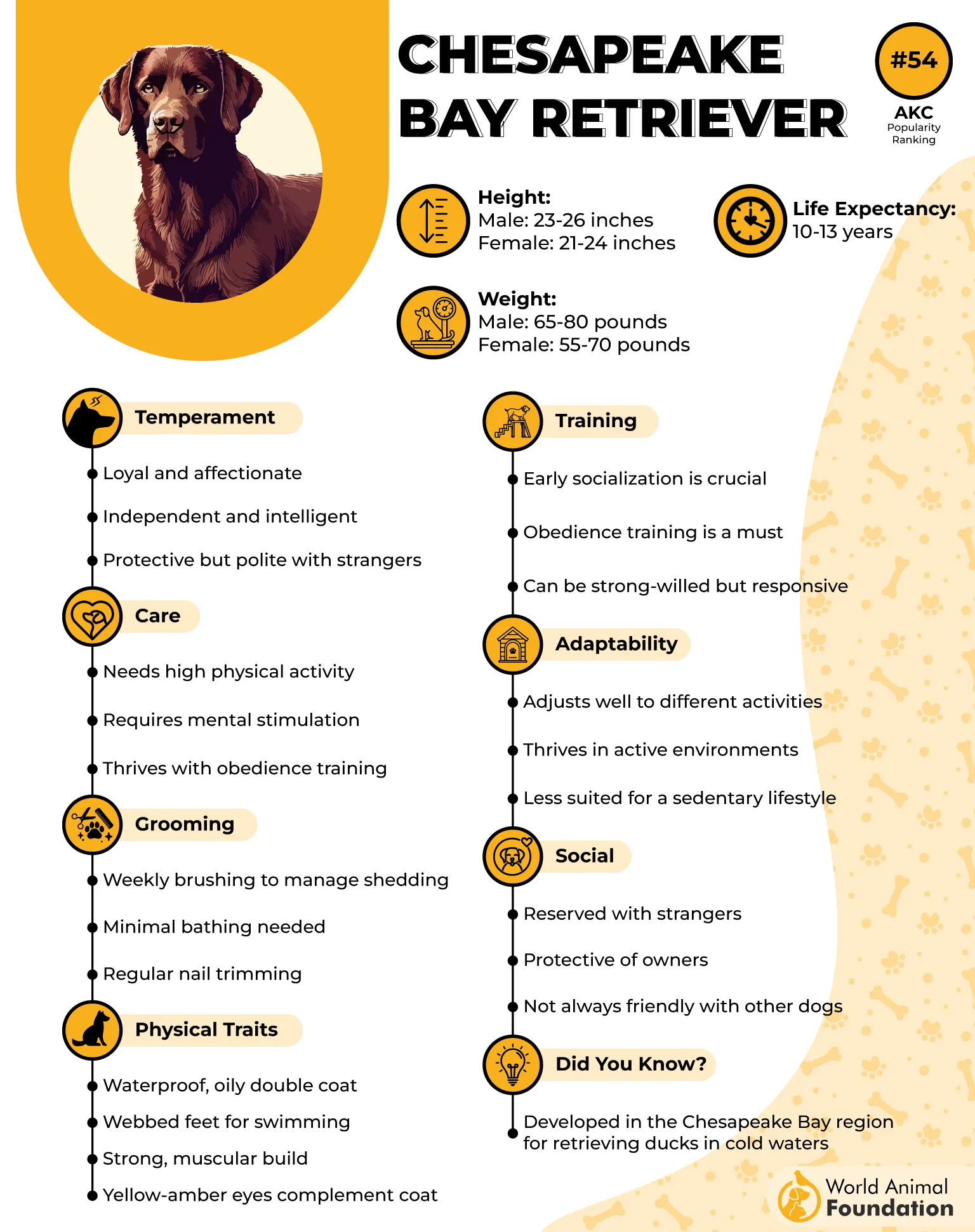
Knowing the signs and staying alert can support a safer hunting life, especially during intense activity or long outings. Even with those concerns, the Chesapeake Bay retriever remains a respected hunting dog for people who want grit and dedication in tough conditions.
Why This Breed is a Good Fit
Its roots are tied directly to Chesapeake Bay duck work, so the job feels natural to this breed.
A strong choice for hunters who value determination over drama.
This duck dog brings a work-first attitude that suits demanding days in cold, wet places.
3. Golden Retriever
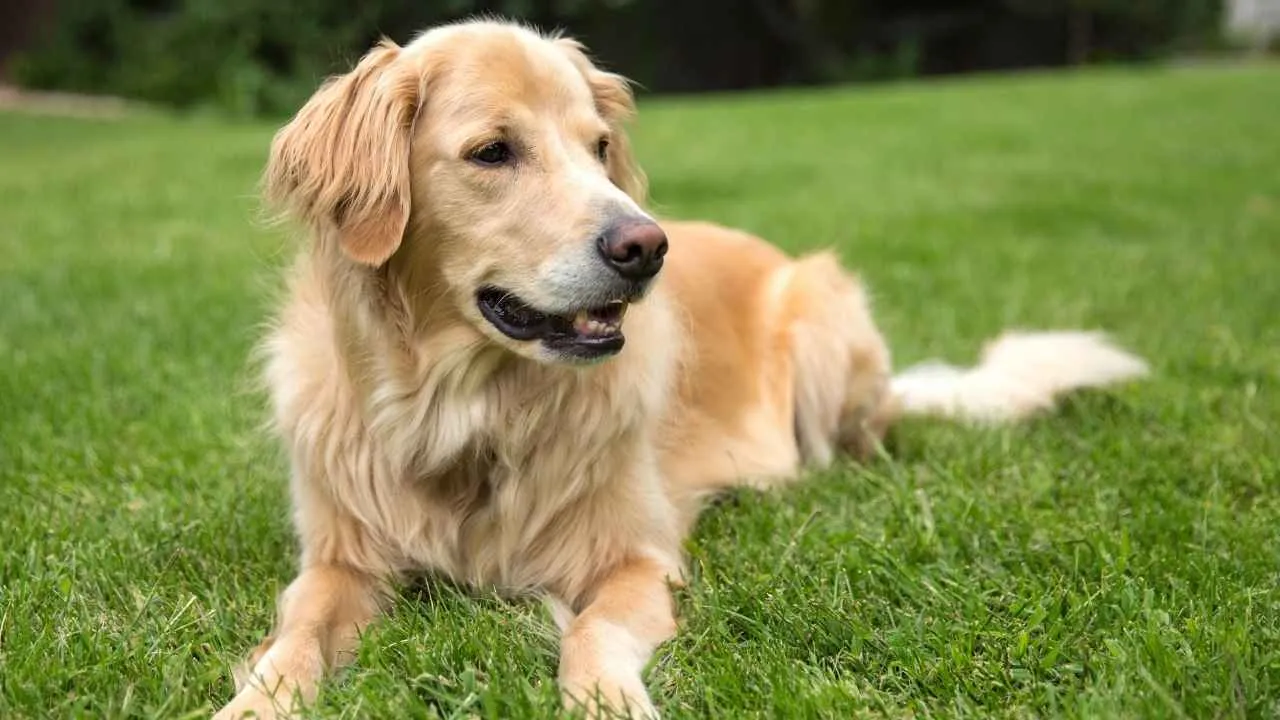
The Golden Retriever is a gentle breed with a level outlook and a real love of being included in everything. This dog adapts well to family life and usually wants to be right in the middle of whatever is happening, indoors or outside.
For owners who want a loyal companion that is active, friendly, and easy to live with, that temperament can feel like a perfect match. Retrieving is a major part of this dog’s nature, and it will often carry whatever it can pick up in its mouth.
Water is also a big attraction, so careful supervision is important anywhere near ponds, lakes, or other wet areas. In a hunting setting, those instincts can support retrieving waterfowl with steady enthusiasm and a willingness to stay engaged.
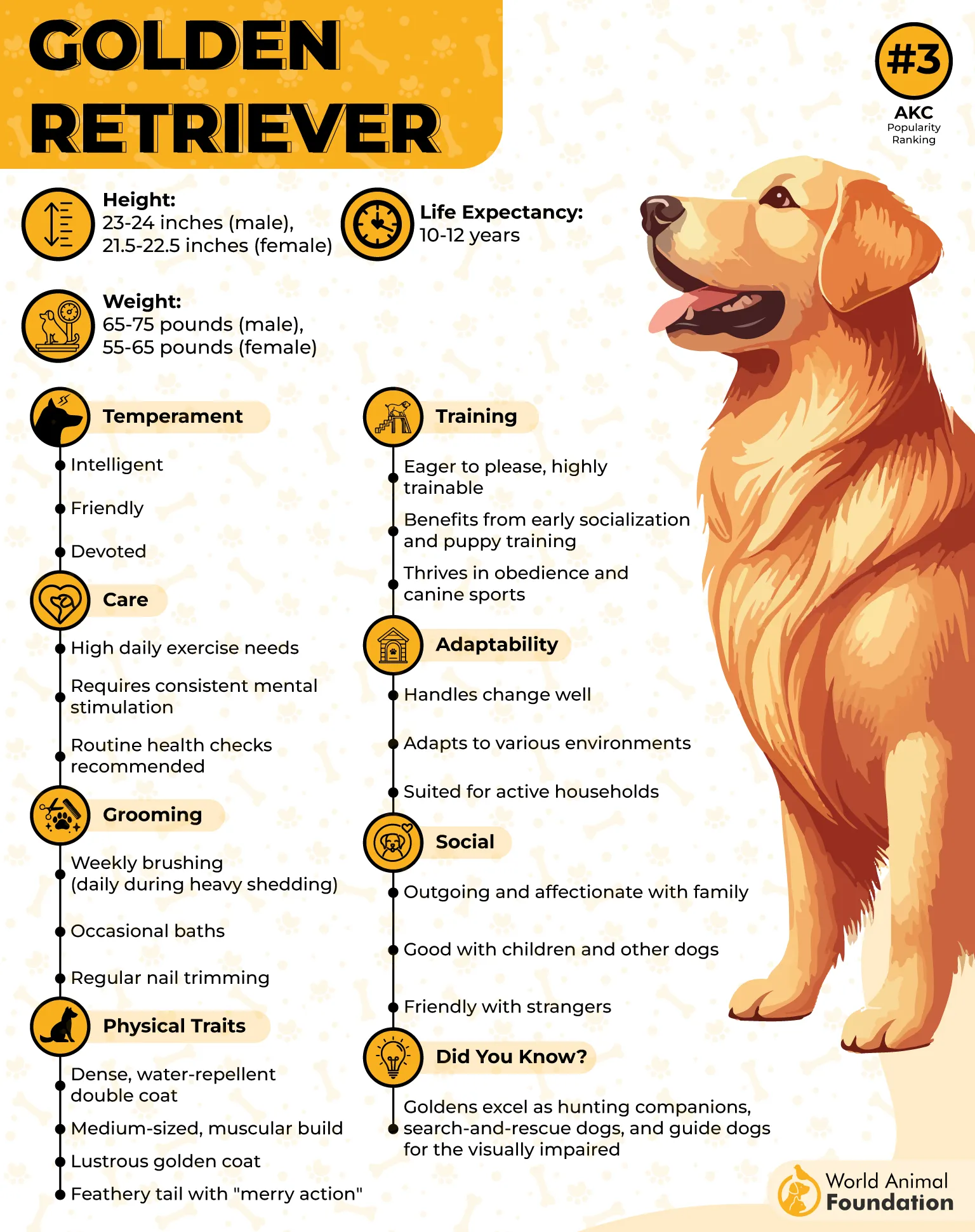
Training should be handled with sensitivity because this breed can be a worrier. A calm approach helps the dog stay confident and ready to work, whether the day involves outdoor fun or more focused hunting tasks.
Why This Breed is a Good Fit
A duck dog style comes naturally when a breed already loves carrying, swimming, and staying close to people.
Works well for hunters who want warmth at home and eagerness outside.
A friendly nature and natural retrieving habits make this dog a pleasant partner for waterfowl hunting.
4. American Water Spaniel
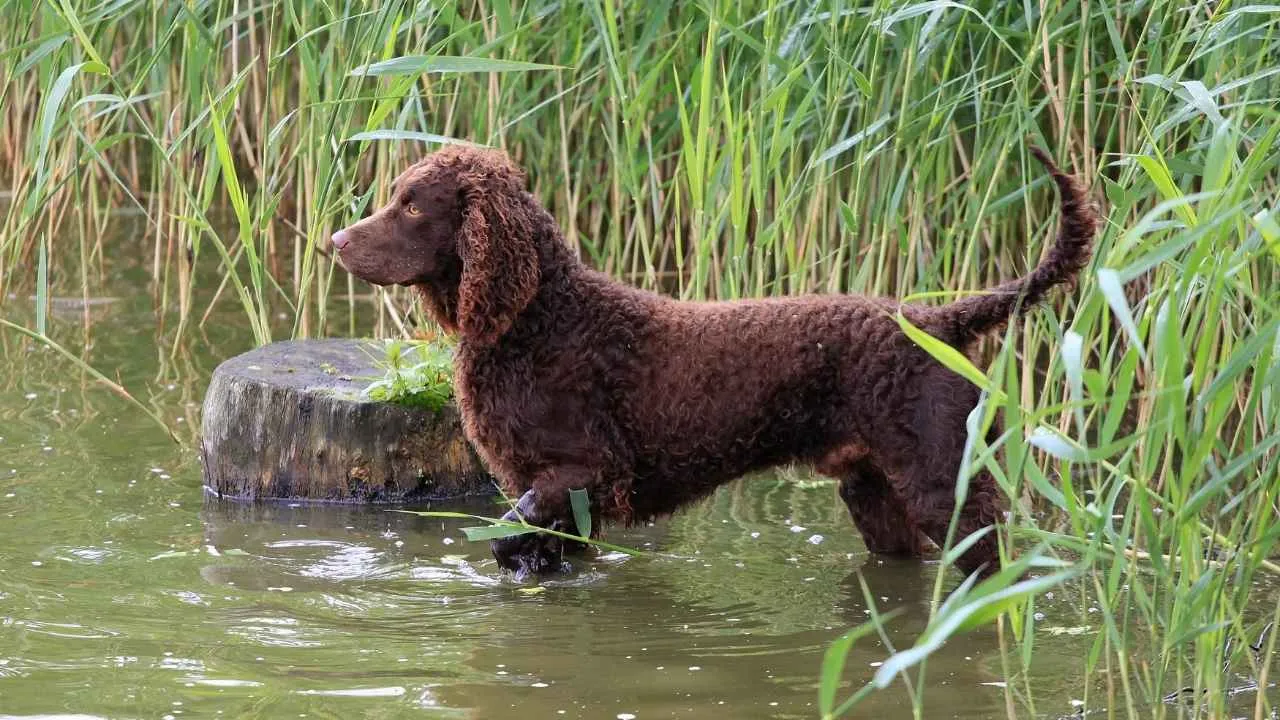
The American Water Spaniel came from the Great Lakes region, where it was used for retrieving waterfowl and game birds.
American Water Spaniels have muscular bodies, webbed feet, and a waterproof coat, all of which are well-suited to that kind of work, as per PetMD. This dog’s size is a real advantage for people who hunt from small boats or move through tighter areas.
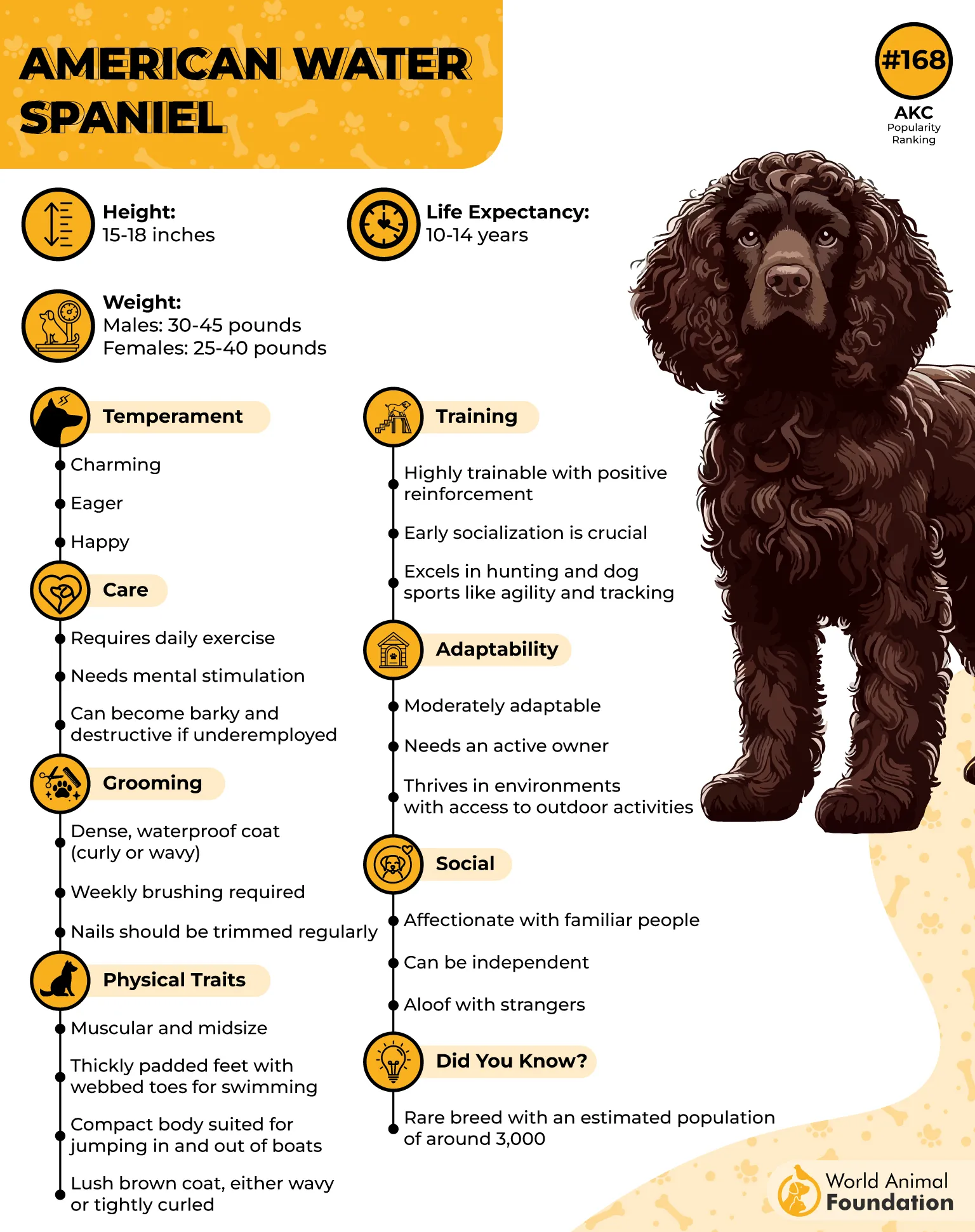
It can be reserved with strangers, but with early guidance, it grows into a confident and capable partner.
Training and socialization should start early so the dog learns how to handle new places and situations. This breed is very active, and without enough daily outlets, it may become destructive, so mental stimulation and movement both matter.
For an outdoorsy home that wants a versatile hunting dog with useful water skills, the American Water Spaniel brings a lot of value without taking up too much room.
Why This Breed is a Good Fit
Its compact size is handy for hunters working from small boats or moving through tight spaces.
Webbed feet and a waterproof coat give this dog a natural edge in water work.
A lively attitude keeps the hunting day moving without making the breed feel oversized or awkward.
5. Nova Scotia Duck Tolling Retriever
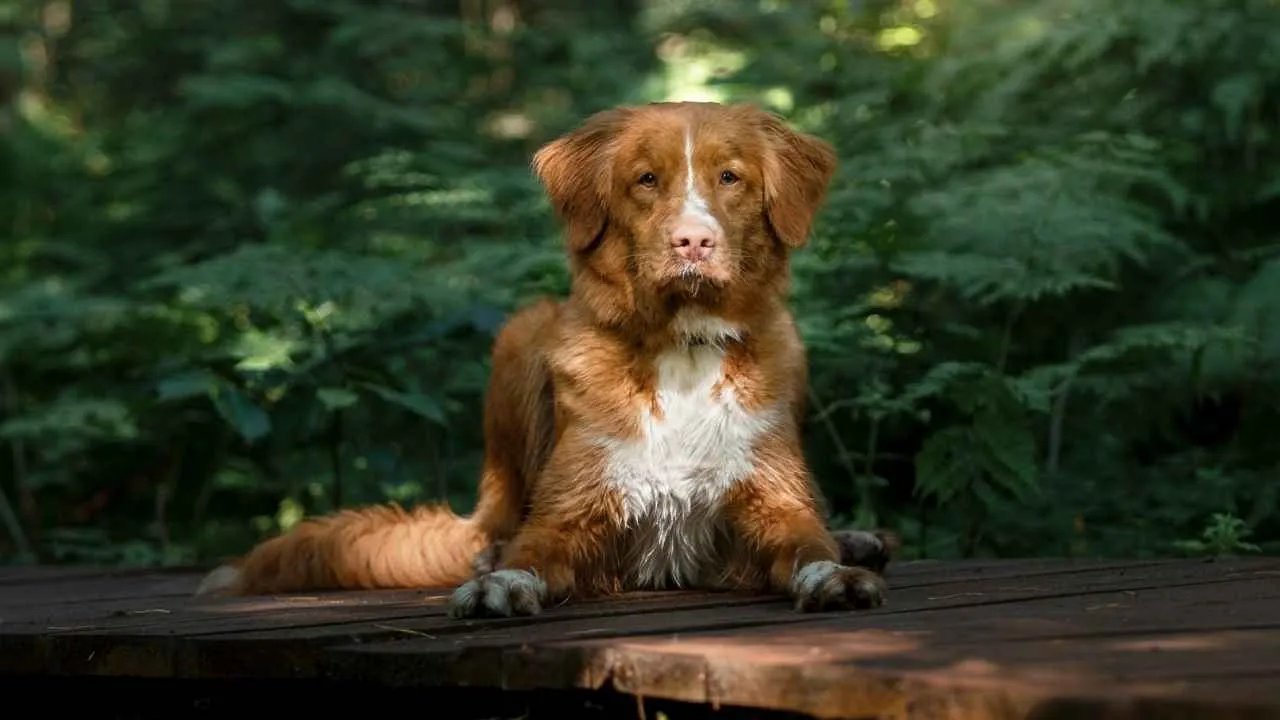
The Nova Scotia Duck Tolling Retriever is intelligent, affectionate, and always ready to do something active. As the smallest of the retriever breeds recognized by the American Kennel Club, this breed packs a lot of drive into a medium frame.
Its webbed feet and agile body make swimming a natural part of the job, while the alert expression shows how tuned in the dog can be. That eagerness can be a real asset in waterfowl hunting when focus and motion matter.
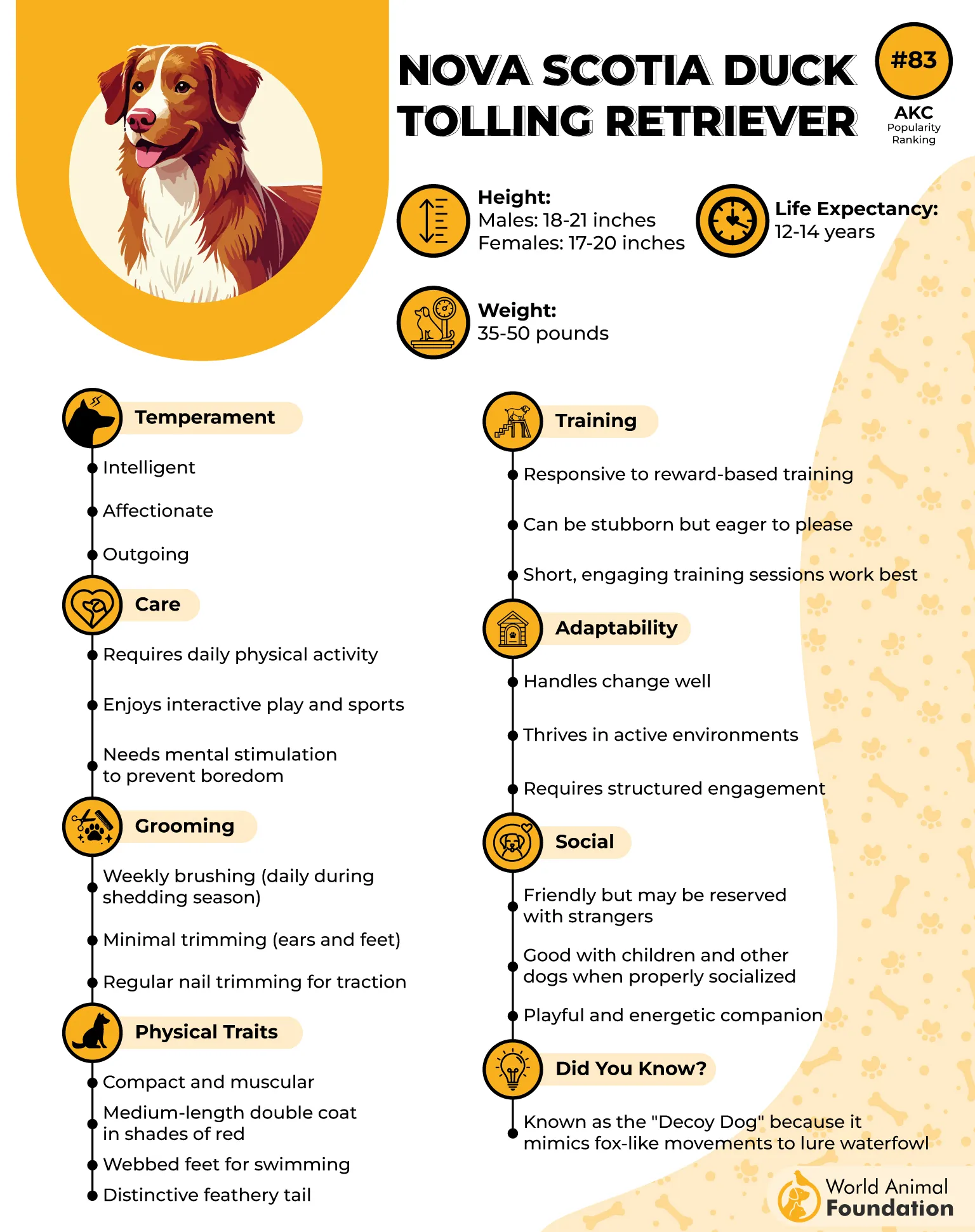
A Scotia Duck Tolling Retriever needs plenty to do, both physically and mentally, because boundless energy does not fade on its own. Hunting, hiking, camping, and swimming all suit the breed well, especially with an owner who enjoys regular outdoor life.
Why This Breed is a Good Fit
Built for movement, this breed fits hunters who want action instead of a sleepy day by the water.
Nova Scotia duck tolling gives the dog a direct link to the article’s theme.
A fun-loving duck dog with serious drive can turn even practice time into part of the adventure.
6. Curly-Coated Retriever
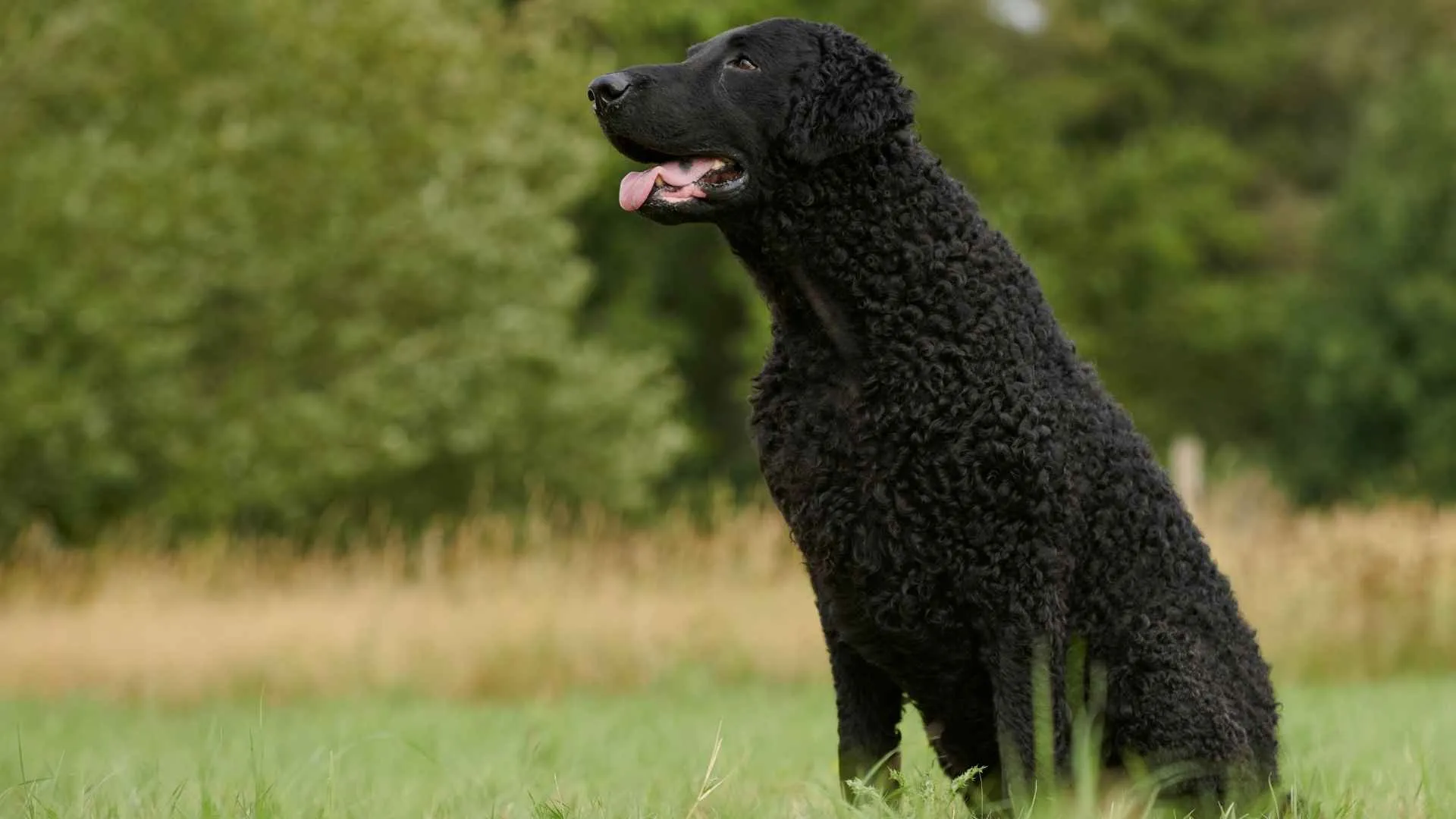
Records go back to the late 1700s, and the breed is named for its waterproof coat of small, tight curls.
This dog is known as an excellent bird hunter and a loyal family pet with a sharp mind. It learns well through praise and treats, and because it is so active, early work on obedience, puppy lessons, and socialization is important.
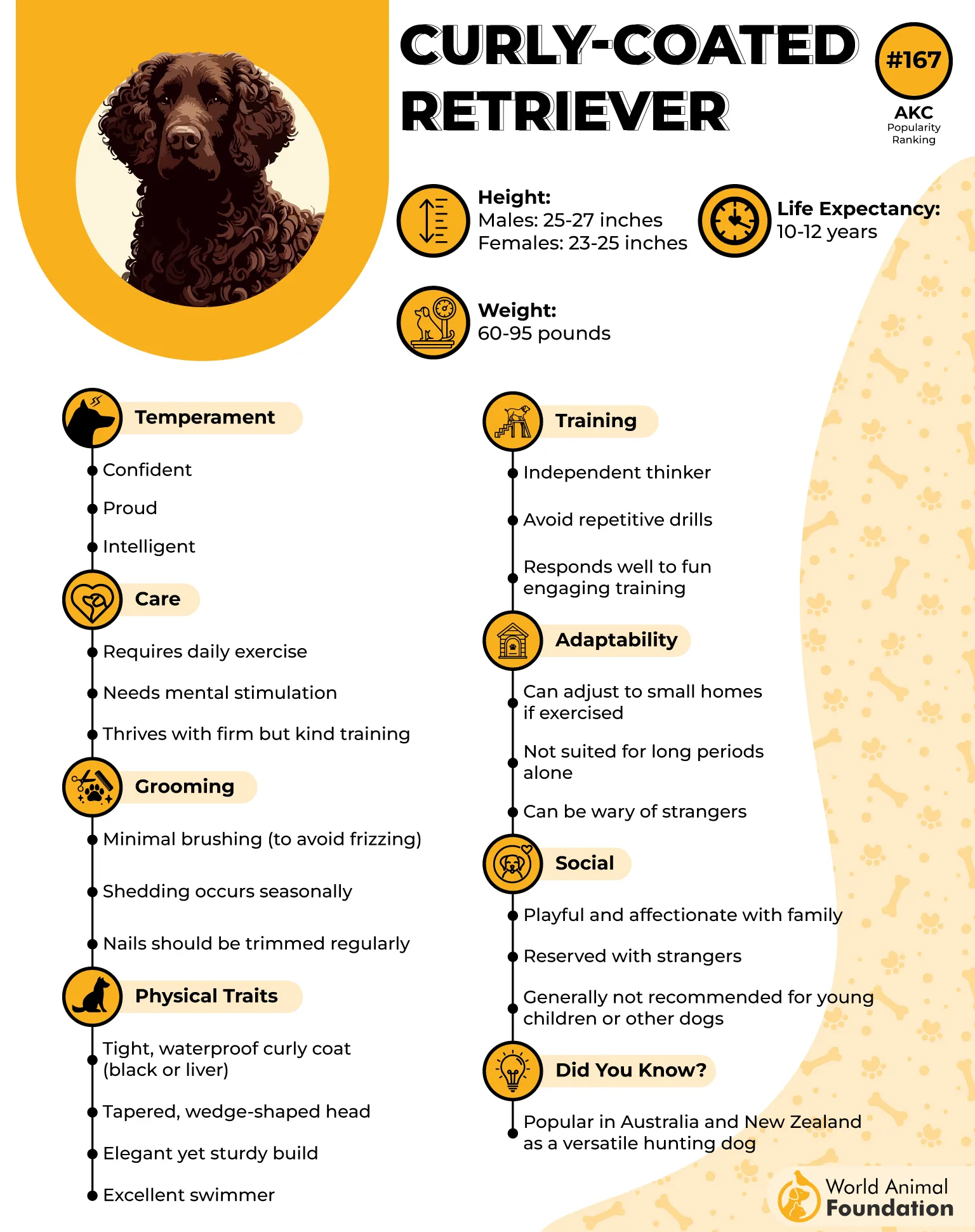
Proper training helps shape that energy into something useful instead of letting it scatter in every direction. Curly-Coated Retrievers are affectionate with their people but may be reserved with strangers, which makes early social exposure especially helpful.
The coat is easy to maintain because it is a single layer, though brushing is discouraged since it can make the curls frizzy.
Why This Breed is a Good Fit
Those curly coats are not just stylish. They suit wet work and help the breed stay practical outdoors.
Good for hunters who want capable retrievers with brains and a bit of independence.
This dog brings strong bird-dog energy without feeling ordinary or predictable.
7. Boykin Spaniel
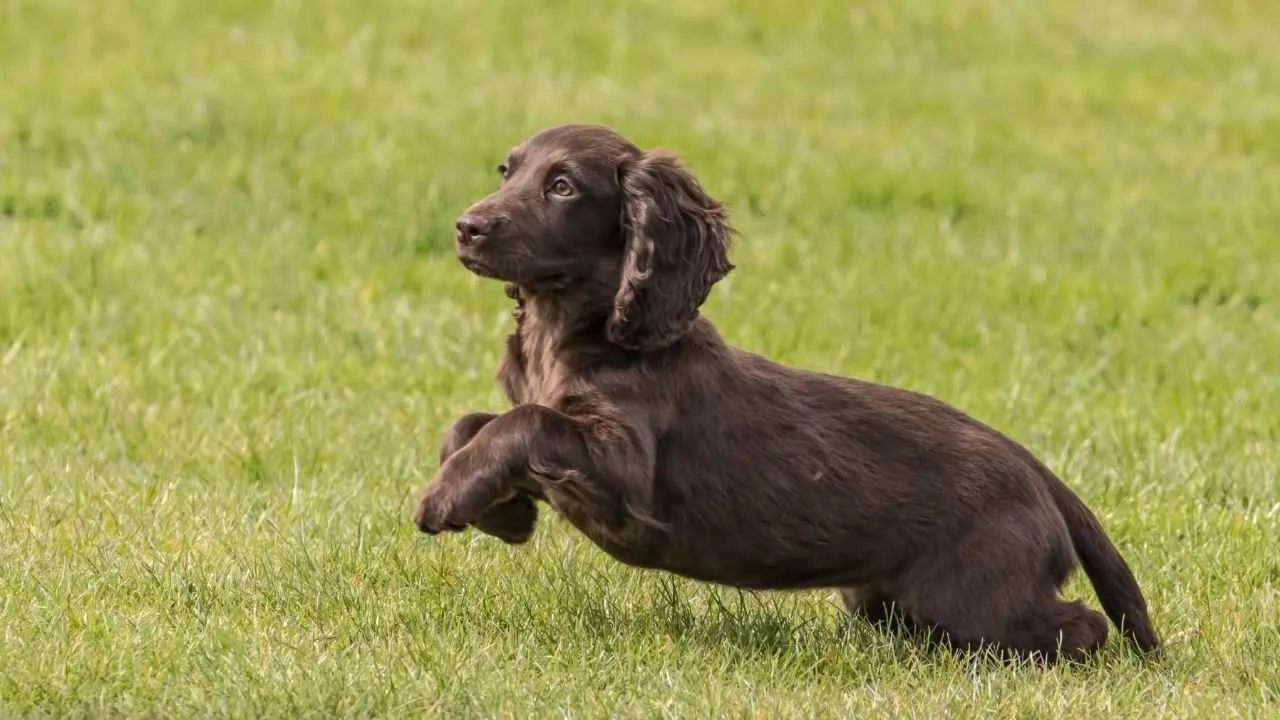
The Boykin Spaniel is friendly, eager to please, and clearly built for an active life with people. This breed has a medium-length coat with moderate curl, and the brown coloring is part of the old story that it was useful as camouflage during the hunt.
The dog is outgoing with adults and children, though early socialization is still recommended. This is a born hunting dog with a lot of enthusiasm packed into a manageable frame. The breed loves having a job, learns quickly, and responds well to basic obedience training started early.
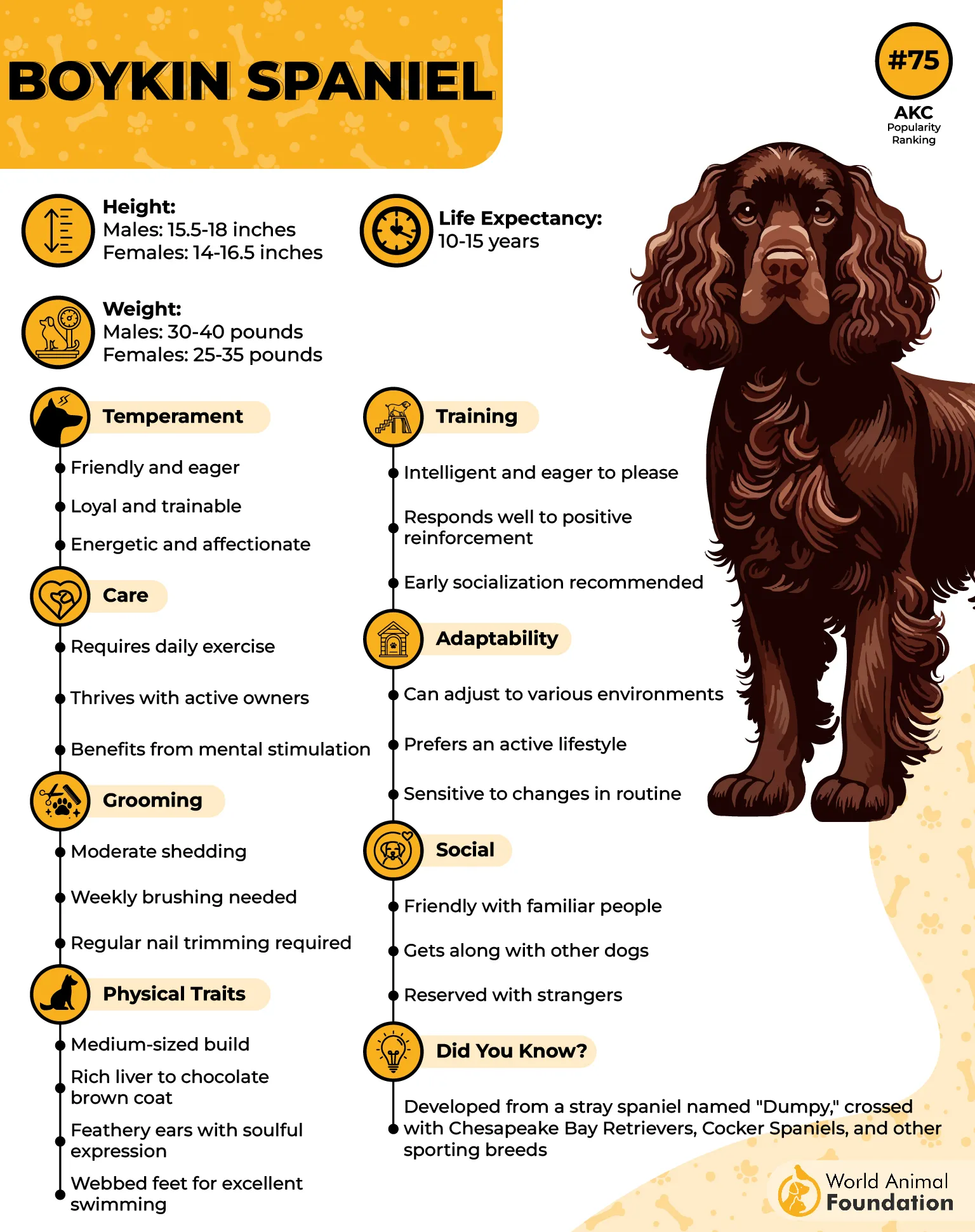
It is also a strong swimmer, which makes the Boykin Spaniel a natural duck dog for people who enjoy regular time near water. The breed suits families that like hunting, camping, or simply being outside often.
It needs room to move, whether that means a yard or at least a brisk daily walk, because that energy needs somewhere to go.
Why This Breed is a Good Fit
A practical duck dog choice for active homes that want water skills without a giant frame.
This breed learns fast and loves having a reason to stay busy.
Its upbeat attitude keeps hunting trips feeling fun instead of overly serious.
8. Irish Water Spaniel
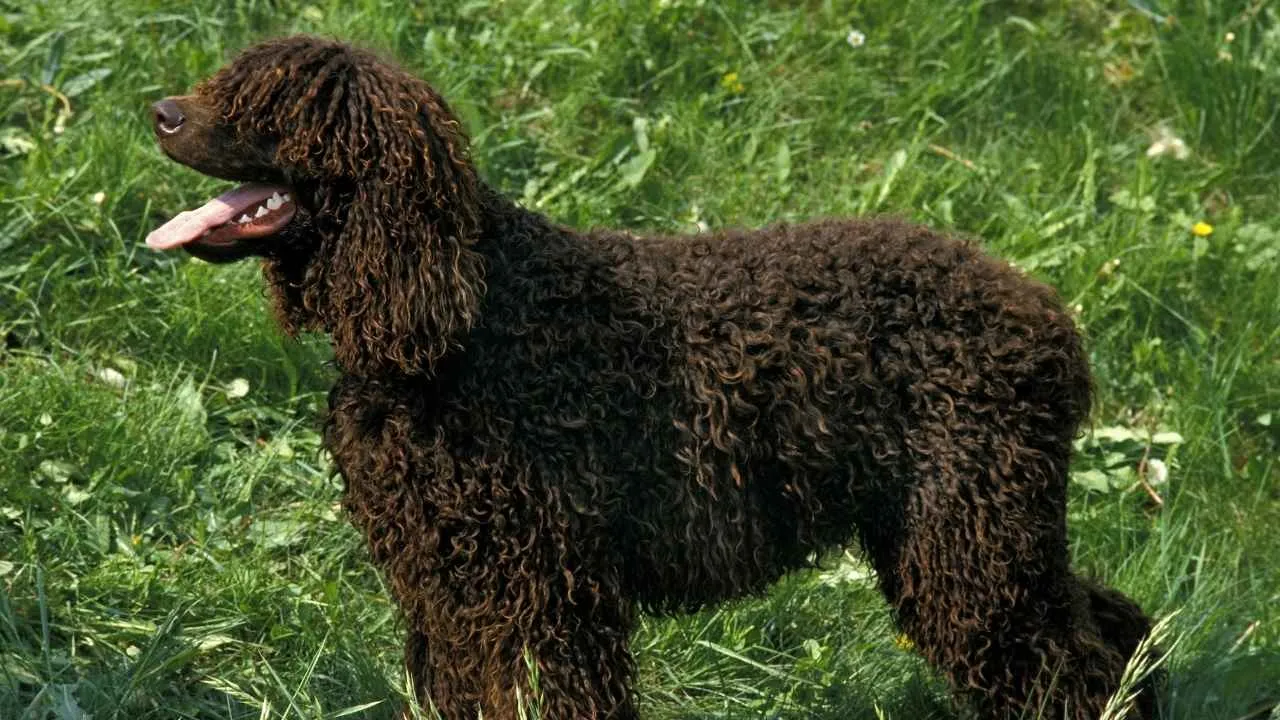
The Irish Water Spaniel is rugged, balanced, and built to function as a true hunting dog. It has webbed toes for powerful swimming and a proper double coat that protects the dog while working.
Still a relatively rare breed with the American Kennel Club, the Irish Water Spaniel is prized for being an excellent hunting and water dog. It is powerful, highly intelligent, and eager to please, but it also has an inquisitive streak and a reputation for clownish behavior.
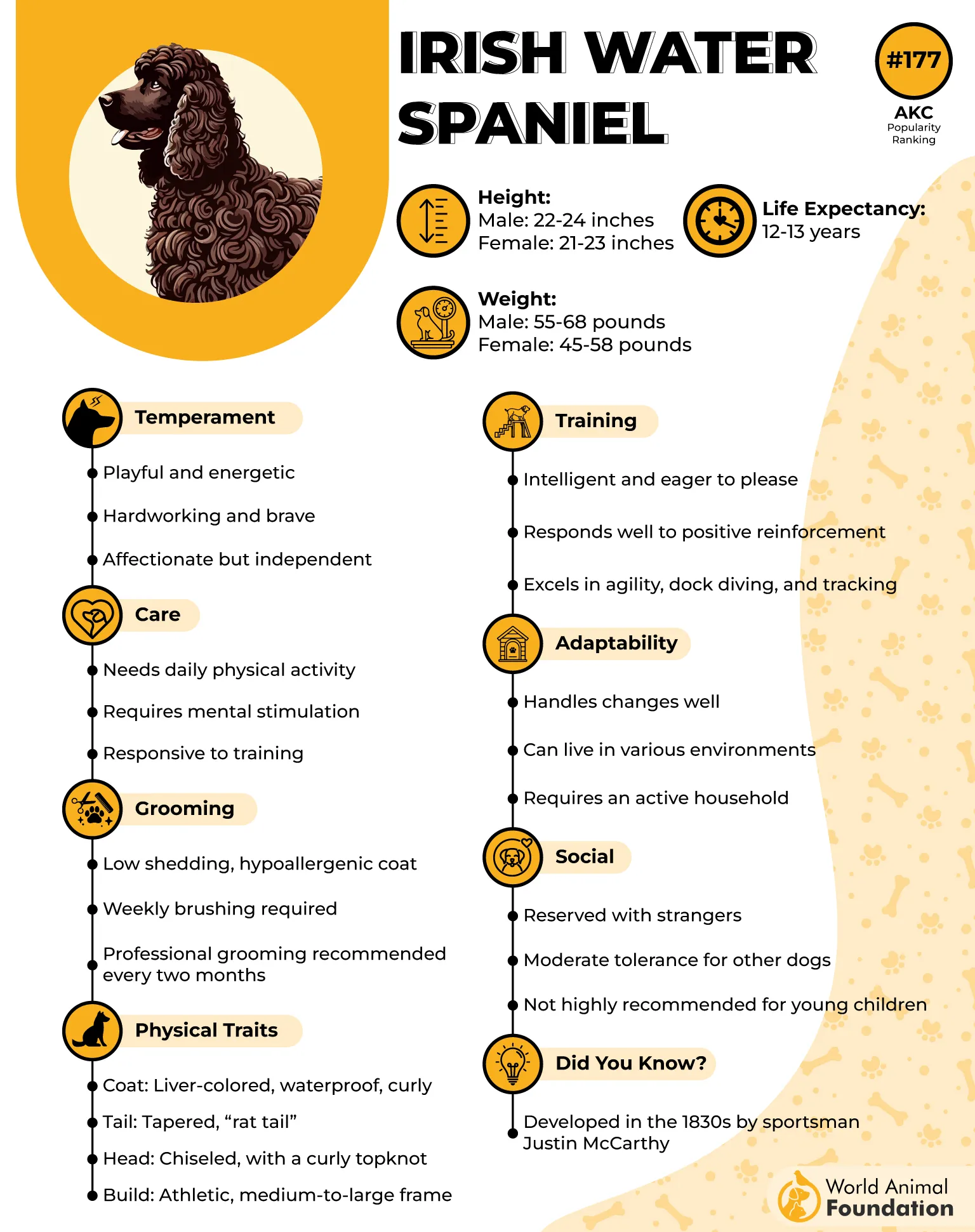
That mix can make the breed entertaining to live with while still keeping its working value clear. This dog can be reserved with strangers, so early socialization matters, especially in homes with children.
Why This Breed is a Good Fit
The double coat and webbed toes make this breed feel built for wet, chilly hunting days.
A smart dog with a playful edge can keep both training and hunting life more enjoyable.
Strong water ability gives this breed a natural place among serious waterfowl dogs.
9. English Springer Spaniel
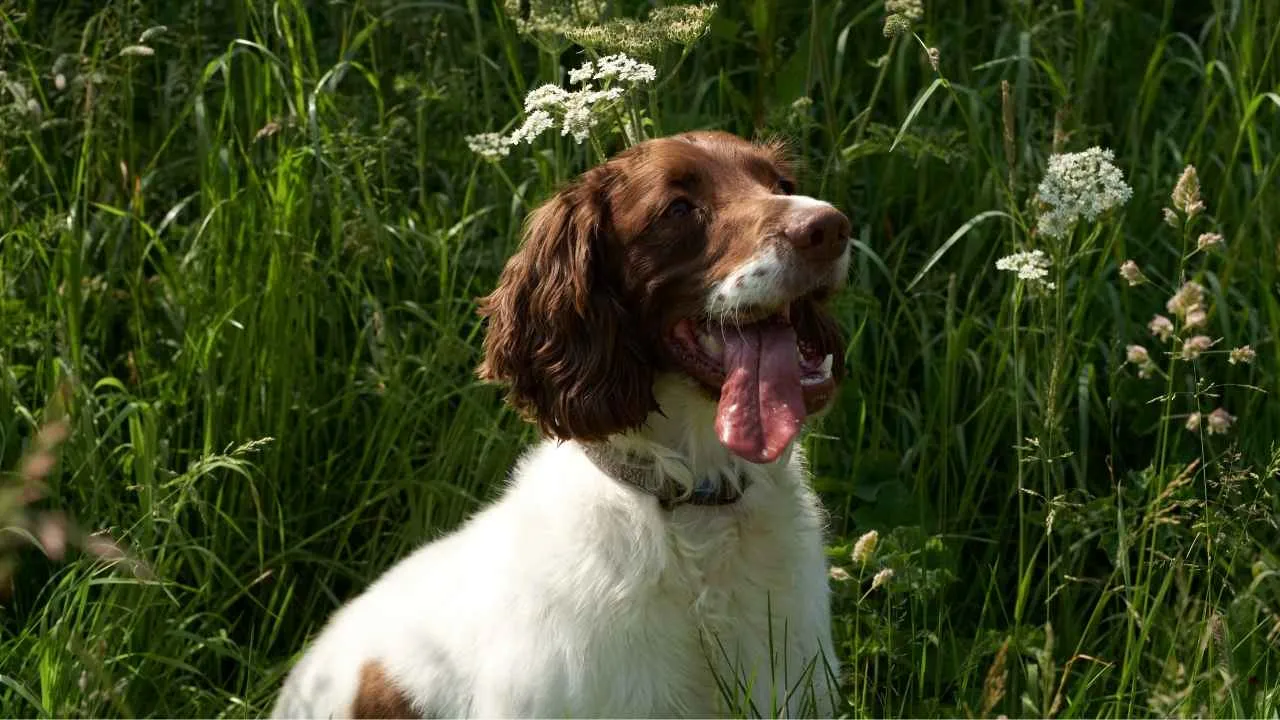
English Springer Spaniels are sweet-faced bird dogs with energy, stamina, and plenty of brains. This breed was built for long days in the field and bred to work closely with humans, so the bond with people is a big part of what makes the dog effective.
It is highly trainable, eager to please, and happiest when included in daily activity. Long walks, chase games, fetch, and swimming are favorite pastimes, which show how naturally movement fits into this dog’s routine.
In hunting settings, that steady drive and people-focused attitude can support work around birds without the dog feeling difficult or distant.
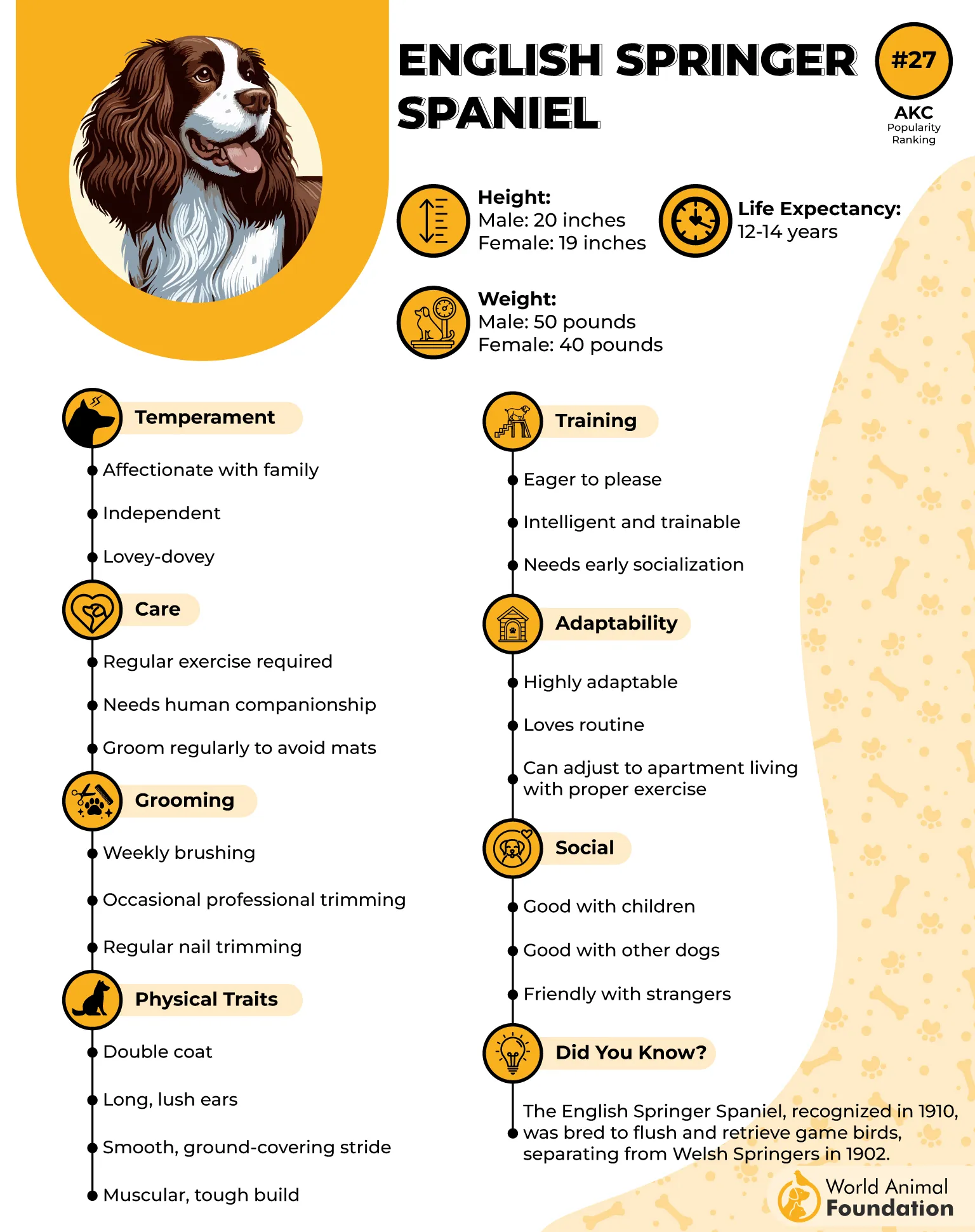
English Springer Spaniels are polite dogs that usually do well with kids and other mammals. They crave company and do not do well when ignored, so they need a home that enjoys an involved, active dog.
Why This Breed is a Good Fit
Bred to stay close to people, this dog works in a way many hunters find easy to trust.
A lively spirit and field-ready stamina suit active hunting days nicely.
This breed keeps one paw in home life and the other in the outdoors, which is a pretty handy balance.
10. Flat-Coated Retriever
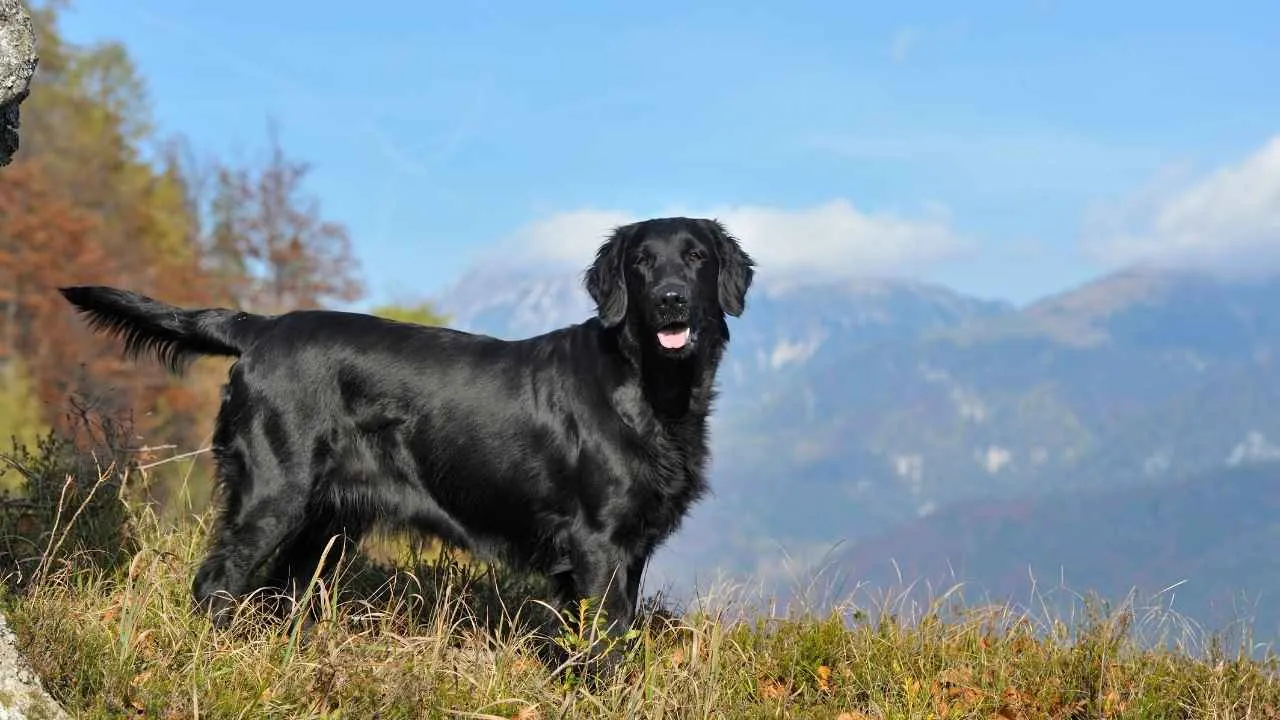
The Flat-Coated Retriever is often called the Peter Pan of the Sporting Group because this breed keeps its playful spirit for a very long time. Happy, self-assured, and willing to please, this dog brings a cheerful attitude to daily life and to hunting work.
This dog was developed as a gundog and is ready to retrieve a duck with the same confidence it shows in other tasks.
The long head gives the breed a smart, kindly expression, but there is also a mischievous streak that owners quickly notice. That forever-young nature can be funny and charming, though it also means this dog needs patience and regular direction.
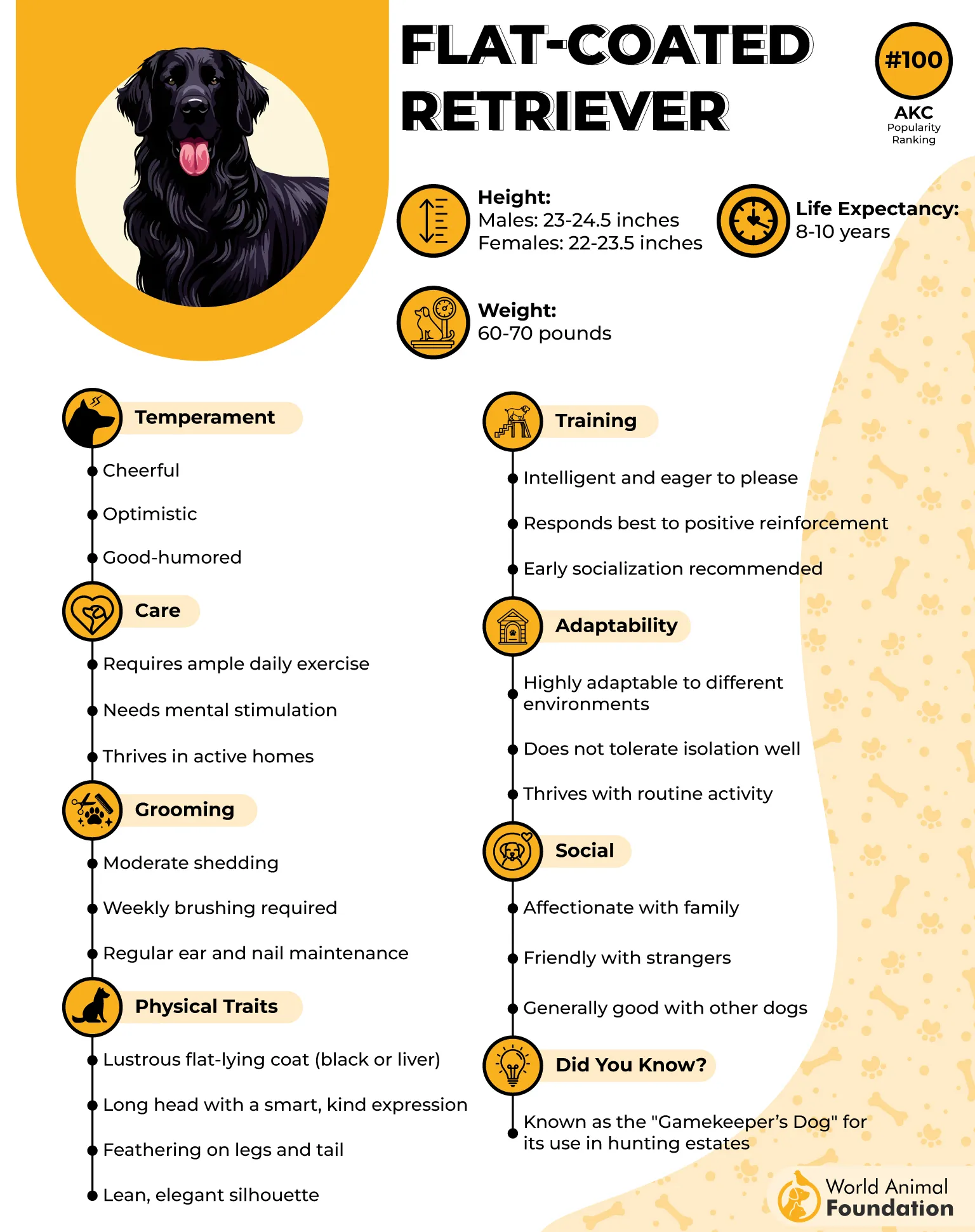
The Flat-Coated Retriever is highly energetic and needs a lot of outdoor exercise. That active spirit makes the breed well suited to hunting days that involve movement, focus, and repeated retrieves.
Why This Breed is a Good Fit
A natural retriever with a playful streak can make long hunting days feel lighter and more enjoyable.
This breed stays eager, active, and ready to work when there is something to fetch.
Its gundog background gives it a clear connection to waterfowl hunting without losing its fun side.
Conclusion
The best dog for natural waterfowl hunting is not just a strong swimmer or an eager retriever. It is a breed that fits your pace, your hunting style, and your everyday life. Some dogs bring power and grit, while others offer speed, closeness, or a playful spark that keeps the day moving.
What matters most is choosing a dog whose natural traits match the work you expect it to do. A good fit makes training smoother, hunting more enjoyable, and life at home easier, too.
These ten breeds show how different a great hunting partner can look, yet each has qualities that suit water, birds, and teamwork. Pick the right one, and your next trip outdoors may come with a wagging tail beside you.
