




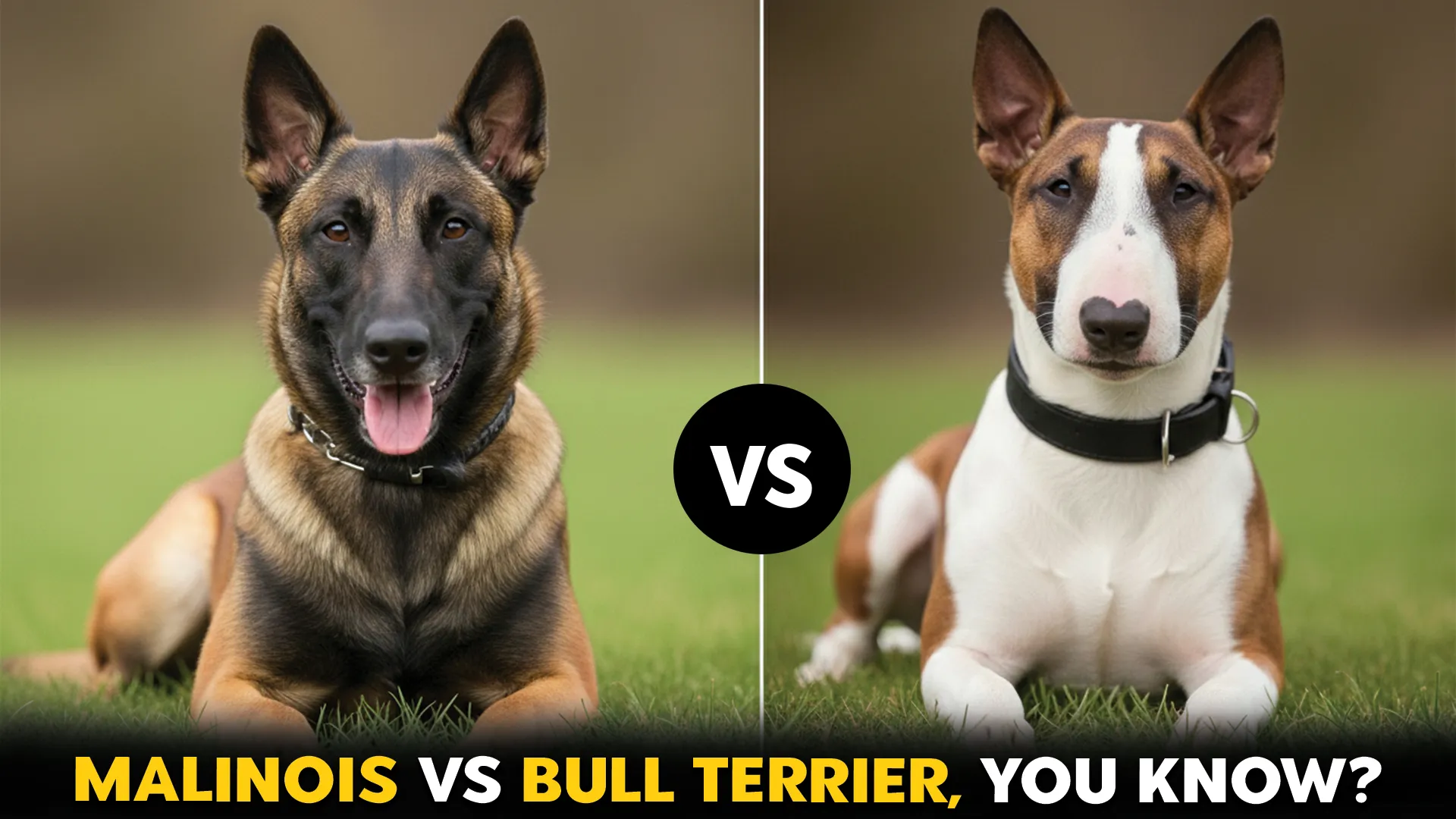
Choosing between the Belgian Malinois and the Bull Terrier can be surprisingly challenging, especially since these two breeds bring very different personalities to the table.
One is known for its intense work ethic, athleticism, and sharp intelligence, while the other stands out for its playful spirit, distinctive appearance, and strong bond with its family.
Whether you’re looking for a loyal protector, an energetic training partner, or a quirky companion with plenty of character, understanding the differences between these breeds is essential.
From temperament and trainability to energy levels and lifestyle needs, this comparison will help you discover which dog might be the better match for your home and daily routine.
Let’s talk about the traits that make these two giant beasts different and unique.
Belgian Malinois vs Bull Terrier Dog Breeds: You Should Know
Size and Strength
Here is a clear comparison between the Belgian Malinois and the Bull Terrier:
|
Feature |
Belgian Malinois |
Bull Terrier |
|
Height |
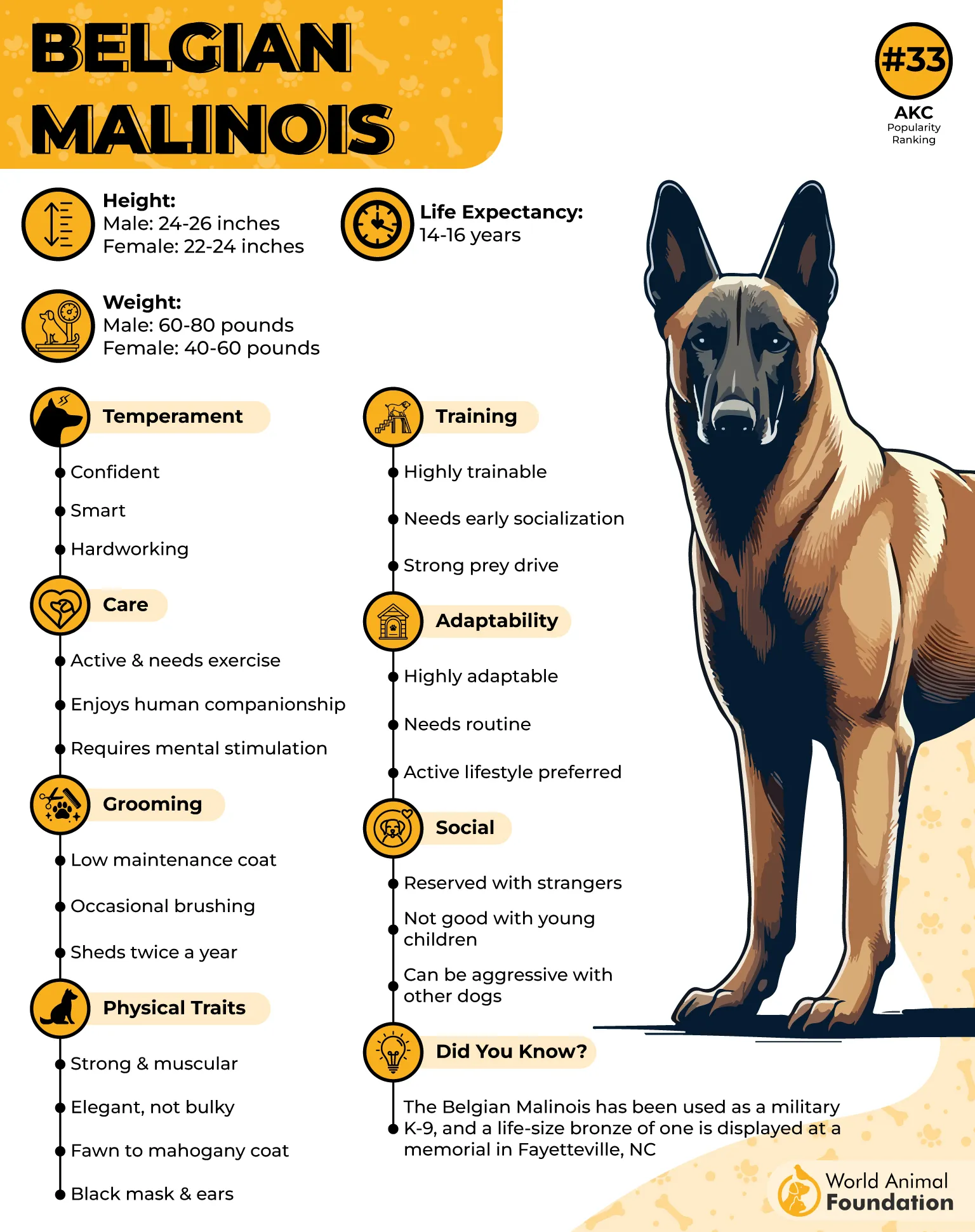
22-26 inches |
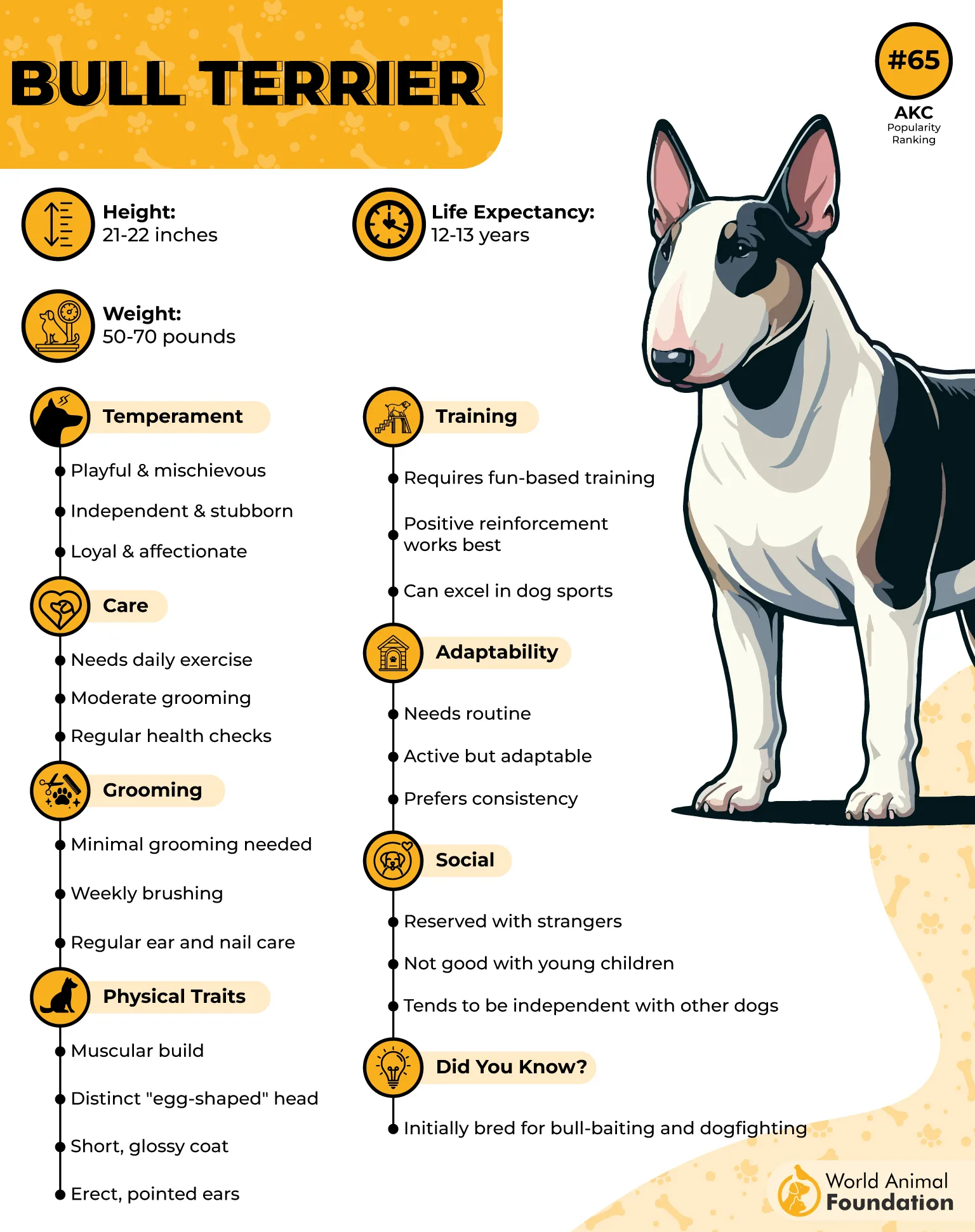
Vary by type, mostly medium-sized |
|
Weight |
40-80 pounds |
50-85 pounds |
|
Strength |
High working stamina |
269 PSI bite force |
Belgian Malinois
Belgian Malinois were bred for the need of a strong herding dog and a guardian who can carry out heavy, tough work. Because of their heavy stature, Belgian Malinois have been serving the police, search-and-rescue, and drug departments.
Fun Fact: Belgian Malinois is hired by the Secret Service to patrol the White House grounds.
Bull Terrier
A Bull Terrier has structured and muscular shoulders and a round body. The tail is horizontal, looks like a handlebar. The head has an egg-shaped appearance from the front view, with a gentle curved profile, down to the nose.
Temperament and Personality
Belgian Malinois is usually a loyal breed. They bond deeply with the owners and love being with them. Mostly friendly and affectionate, but refuse to be an ornamental-couch breed.
The Bull Terrier was originally bred for pit fighting in the 1800s, but later tended to be a ‘gentle family companion’. Today, they are known for being fun-loving, energetic, sweet, and a comedy clown.
|
Trait Rating |
Belgian Malinois |
Bull Terrier |
|
Affection |
Medium |
High |
|
Friendly |
Medium |
High |
|
Playfulness |
Medium |
High |
|
Energy |
High |
High |
|
Trainibility |
High |
Medium |
|
Intelligence |
High |
Medium |
|
Barking |
Medium |
Medium |
|
Shedding |
Medium |
Medium |
Belgian Malinois
This breed tends to bond deeply to one person. It has an intelligent and enthusiastic coworker vibe who never wants to take a day off. They love to spend as much time with the owner as possible.
Because of their ancestral history, they have a strong herding instinct; they try to control movement and napping in kids.
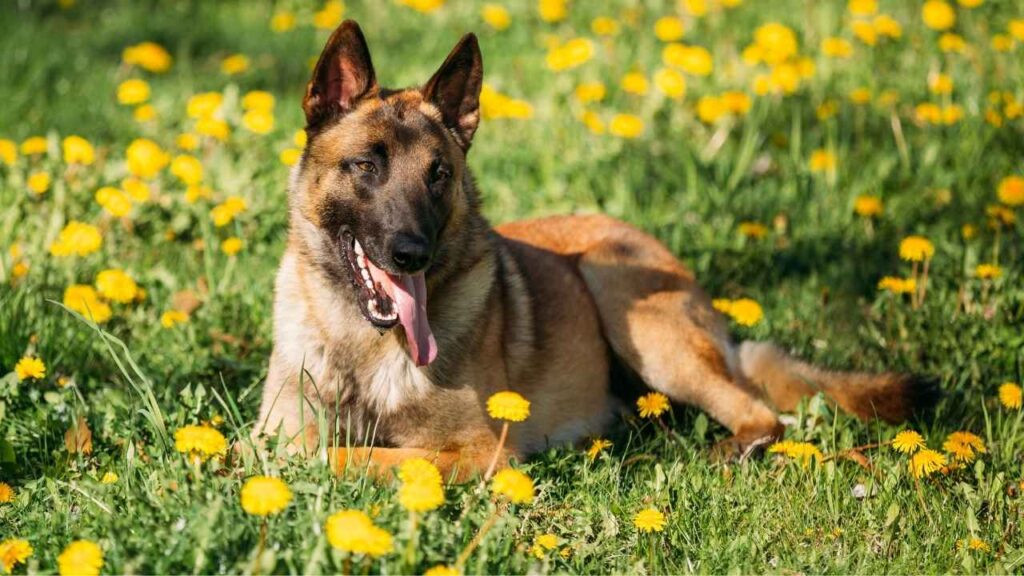
With positive and proper training, they perform better around other dogs and people from a very young age, as noted by the AKC. But training needs to be consistent and patient.
Bull Terrier
Bull Terrier is a ‘huggable breed’. They are described as a ‘3-year-old child in a dog suit’, according to PetMD. And unlike Belgian Malinois, Bull Terrier can make connections to other people as well.
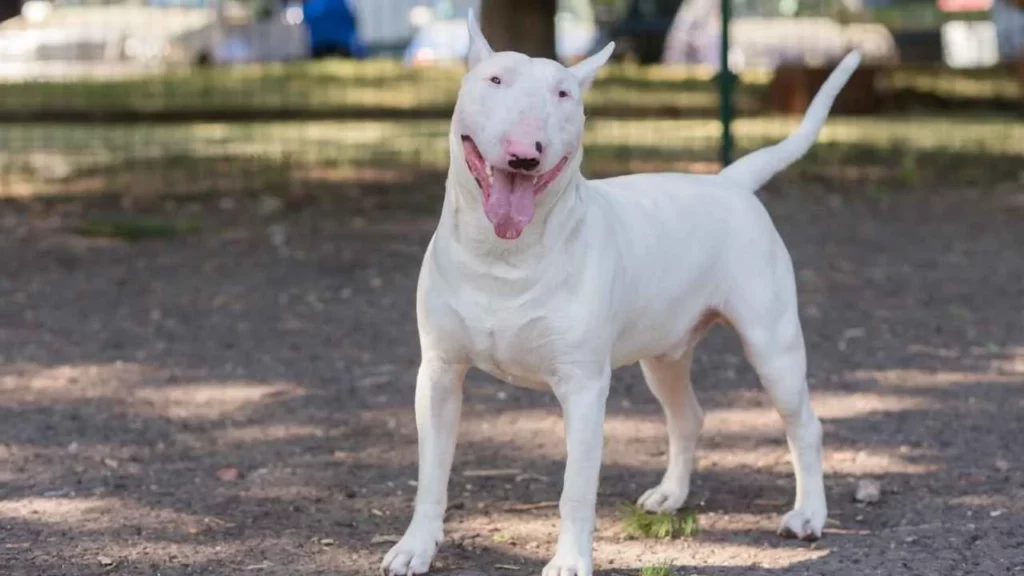
However, this breed is not good with children or other pets. But early training and socialization can help. Supervision of Bull terriers around kids is always recommended.
Health and Lifespan
Belgian Malinois generally have a healthy lifestyle. Regular professional checkups and ear/teeth cleaning can help lead a healthy and long life.
Bull Terriers commonly live around 12-13 years. They often encounter health issues because they have this habit of ‘eat whatever you get’. This can lead to intestinal blockage and eventually ‘zipper surgery’.
Health Watchlist Table
|
Topic |
Belgian Malinois |
Bull Terrier |
|
Common Issues |
Epilepsy, eyes, and joints |
Heart, kidneys, ears, and joints |
|
Big Emergencies |
GDV (bloat risk in chest) |
Heart issues, blockage from chewing |
|
Breeder Testing |
Hip, elbows, ophthalmologist evals |
Screen hearing, ask for the kidney testing proof |
|
Notable Stat |
Strong screening culture through CHIC-style clearance |
Deafness was reported to be high in the pure white breed (20.4%), while in the colored breed (1.3%) |
Belgian Malinois
The average lifespan of this breed is 10-14 years. Belgian Malinois usually don’t have many health issues. A few medical concerns include:
Elbow/Hip Dysplasia: Both are hereditary structural joint diseases. This can cause arthritis. Treatment ranges from medication to surgery.
Cataract: Belgian Malinois is prone to hardening of the eye lens, cataract. This can lead to blurry vision and, in some cases, can cause blindness. This disease can be cured with lens replacement surgery.
PRA: PRA can also cause blindness, and the reason behind this is retinal deterioration. Signs include tour breed bumping and tripping. Unfortunately, there is no cure for this disease
Bull Terrier
Unlike the Belgian Malinois, the Bull Terrier has a shorter lifespan. Here are some of the common health concerns of this breed:
Mitral Valve Dysplasia: This can lead to congestive heart failure. Valves don’t close properly, causing backflow of blood. There is no permanent cure, but it can be controlled by diuretic/oxyden therapy, oral medication, etc.
Patellar Luxation: It is a dislocation of the kneecap. The only symptom is lifting of the leg. Mild cases usually don’t require treatment, while chronic cases can be treated with surgery.
Partial/Complete Deafness: Some dogs of this breed are born partly or completely deaf and are likely to pass this disease down to thier genetic line, as noted by WebMD.
Hereditary Nephritis: Symptoms include frequent urination and loss of appetite. Commonly caused by kidney failure, hereditary nephritis is diagnosed very late, and treatment is very slow.
Training and Exercise
Belgian Malinois
Belgian Malinois are not built for small apartments. They need a lot of space to run and play. Here is how you can train a Belgian Malinois:
Build trust
Early training and socialization
Adopt gentle and positive methods (they are sensitive)
Teaching a new skill requires 10-15 minutes of daily active training
Belgian Malinois need daily exercise and mental stimulation. So owners who are committed to an active lifestyle are perfect for them. Daily exercise includes:
Hiking
Brisk walls
Playing fetch
Running
Scent work
Bull Terrier
Since this breed is fun-loving, Bull Terriers love to be trained in a fun and positive environment. High dog sports are recommended:
Flyball
Free style
Agility
Carting and weight pull
Reward-method
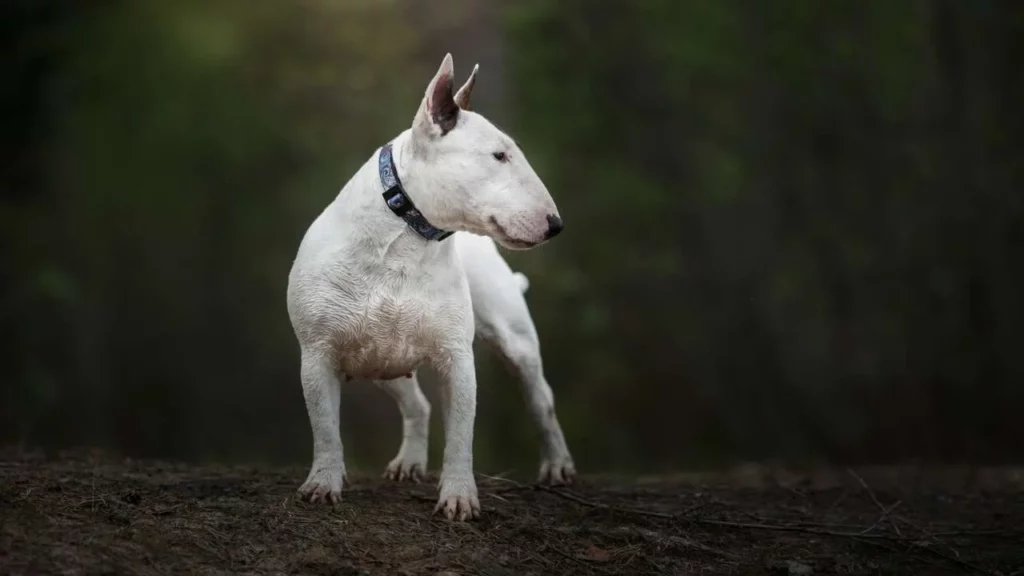
Bull Terriers work well with exercises that involve both physical and mental stimulation. Canine sports also help in keeping them active and fit.
Longer family walks
Obedience games
Tracking
Coursing ability tests
Energy Level
Belgian Malinois
Belgian Malinois is one of the most hyperactive breeds. It feels like they have had three energy drinks in puppyhood, all at once, and can cause chaos if not trained in time. In adulthood, the curiosity increases, and it gets stronger.
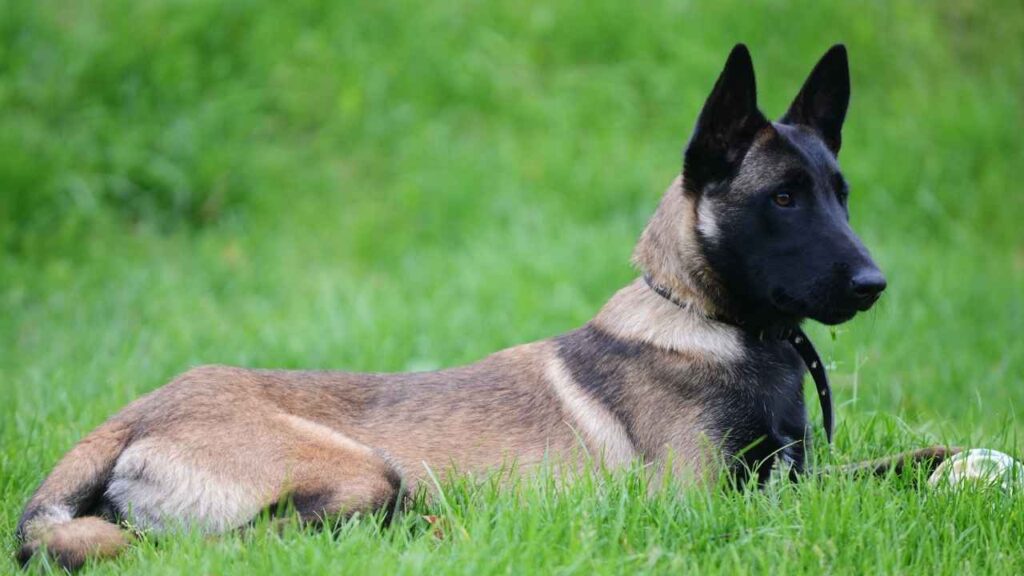
Energy Stage Sheet
|
Life Stage |
Typical Observation |
Suggested Strategy |
|
Up to 18 months |
Testing limits, nonstop movement |
Regular play and a lot of exercise |
|
18 months-3 years |
Focus-centric, athletic body |
Mental stimulation, structured exercise |
|
2-5 years |
High energy driven but calmer |
Daily engagement |
Bull Terrier
Bull Terriers, too, are highly energetic. Left alone for too long, they can develop separation anxiety. Bull Terriers also need a constant companion to play with all day.
Since high energy levels are deeply rooted in thier genetics, they play rough. So, if you have children in your home, strict supervision is required.
Bull Terriers are prey-driven; they tend to chase small animals. Early training can prevent this hunting habit. However, they are good friends with bigger animals
Natural Guard Instincts
Belgian Malinois
Belgian Malinois is ranked in the top 10 most protective dog breeds by the AKC. The Belgian Malinois was historically bred as a herding and working dog, but those roles required alertness, territorial awareness, and willingness to defend livestock or property. These traits naturally created a protective tendency.
But a blessing can sometimes become a punishment if not handled cautiously. Similarly, if Belgian Malinois are not taught in a timely and proper manner, they can become aggressive and can bring serious consequences.
Bull Terrier
This playful clown is your bestie at home and becomes a superhero outdoors who protects you from the ‘evil of the world’. This family-friendly animal needs to have early socialization and obedience training so it can behave around harmless strangers.
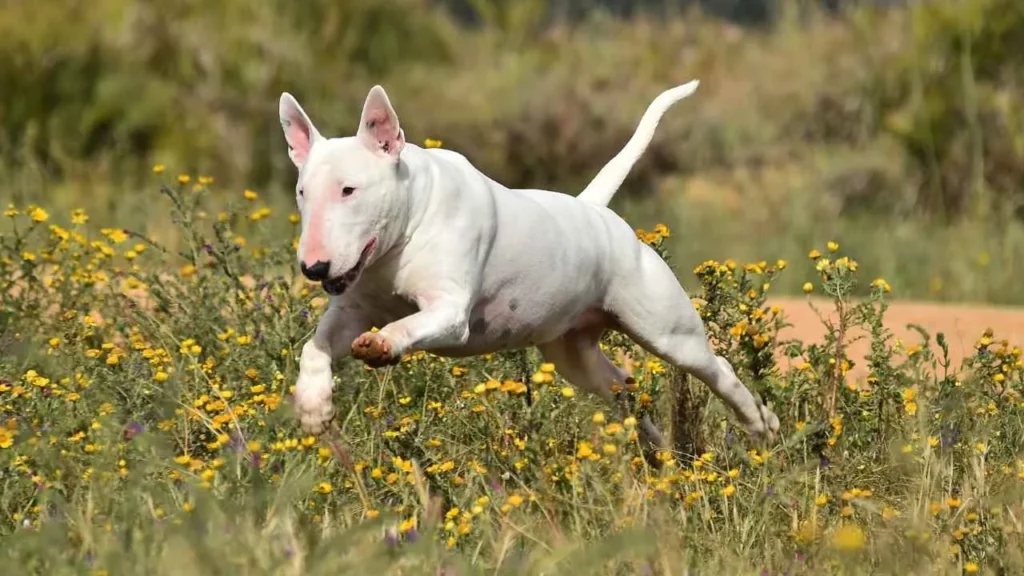
The intimidating personality and loud barks are enough to scare the intruder. Never make this little boss angry, or be ready to face serious consequences.
Protective Temperament
Belgian Malinois
The protective temperament of Belgian Malinois makes them highly productive in various fields, including bomb and gas detection, tracking, and search-and-rescue, etc.
Due to their protective instincts, Belgian Malinois demand gentle, persistent, and calm teaching. They show herding behaviors as well: circling and chasing
Bull Terrier
The Bull Terrier is your family-friendly companion who loves to make the owner happy. This beast creates a strong bond with the owner’s family and is always there to protect them from evil.
A perfect example of beauty with brains. Bull Terriers are extremely intelligent, strong, and protective
Their hypersensitivity and commitment to the owner make them even more protective
The protective temperament does not make them overly fearful
Conclusion
If the Belgian Malinois is a sturdy, disciplined teammate, the Bull Terrier is a fun companion who always likes to enjoy life with you. Both are incredible, both are a handful.
If you are looking for a tough, consistent, and structured dog, get yourself a Malinois. And if you want a ‘party animal’, go for a Bull Terrier.
Choose wisely, considering exactly what you need and what you can offer to both of these demanding dogs. These dogs work well when properly trained and carefully treated.
