




Whenever we bring something into our home, we often ask one simple question: how long will it stay with us? That thought becomes even more important when the new family member is a dog.
Dogs quickly become part of daily life. They greet us at the door, follow us from room to room, and fill our homes with joy. So it is natural for dog owners to care deeply about their pet’s long life.
Some dogs seem to enjoy long lives, while others face more health issues earlier. Many key factors shape a dog’s life expectancy. Genetics plays a big role. Lifestyle choices also matter. A dog with an active lifestyle, proper nutrition, and a balanced diet often stays in better overall health.
In fact, small dogs and many small breeds often outlive larger dogs, though every dog’s breed is different. Good habits like daily exercise, mental engagement, dental hygiene, and regular veterinary check-ups help dogs reach their senior years in tip-top shape.
Here are nine resilient dog breeds celebrated for their long lifespan.
Resilient Dog Breeds Celebrated for Their Long Lifespan
Here we go, one by one.
1. Australian Shepherd
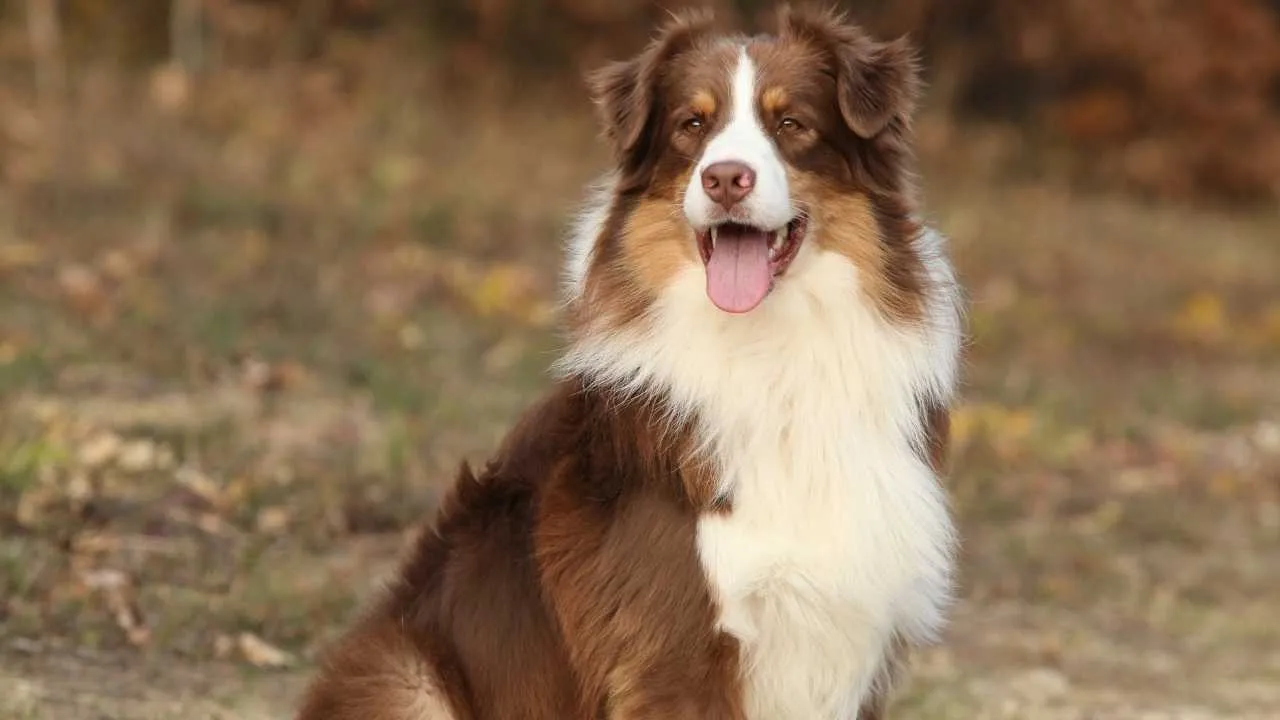
The Australian Shepherd, often called the Aussie, is a loyal and energetic dog. The Australian Shepherd is a breed of herding dog from the United States.
According to the American Kennel Club, it is known as a medium-sized, athletic breed with great stamina. Originally, these working dogs were developed to help manage livestock across large ranch lands.
Because they were bred for herding, they remain alert, quick, and eager to work. This hardworking history shaped the Aussie’s strong body and sharp mind. Their active lifestyle supports strong cardiovascular health, which helps many Aussies enjoy a long lifespan.
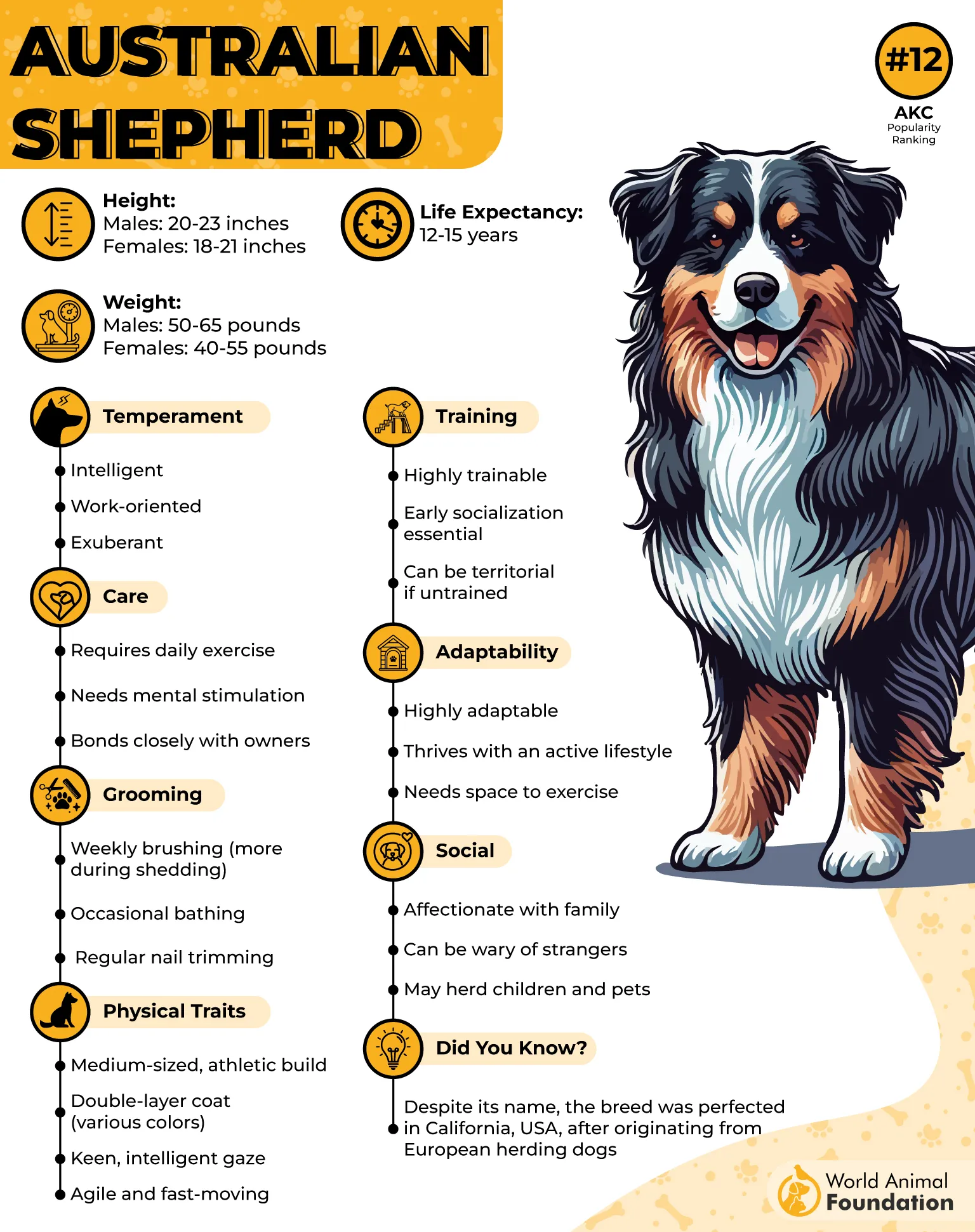
They also thrive in active households where they can stay busy and engaged. Aussies need plenty of mental and physical stimulation each day. Without enough activity, they can become restless. Exercises and games provide the physical stimulation they need to stay balanced and happy.
Tips to Help an Australian Shepherd Stay Healthy
Provide daily exercise like running, hiking, or agility games.
Offer puzzles and training for mental engagement.
Feed a balanced diet with good nutrition.
Maintain a healthy weight through regular activity.
Schedule regular check-ups.
Watch for health challenges like hip dysplasia.
2. Miniature Schnauzer
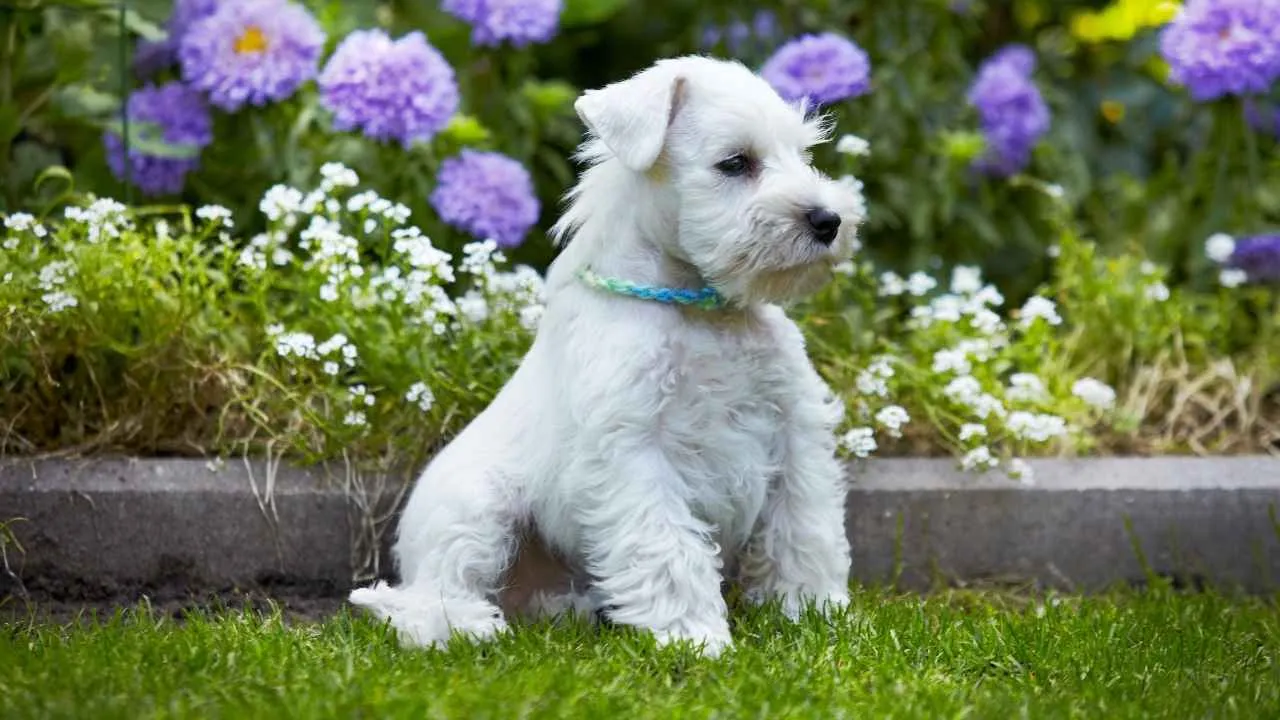
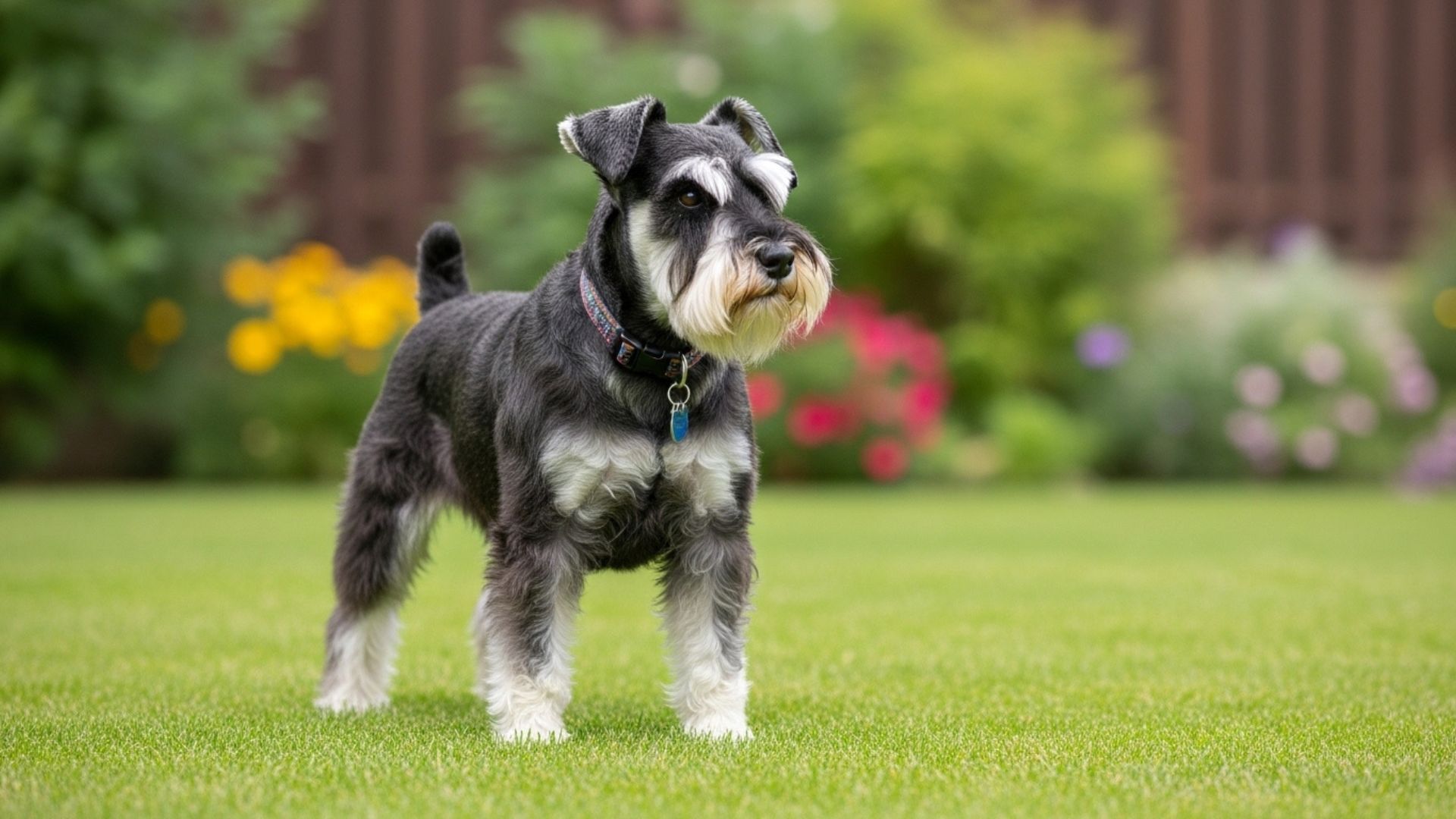
The Miniature Schnauzer is a cheerful and sturdy small dog breed with a long history. According to Wikipedia, this Schnauzer type originated in Germany in the late nineteenth century.
Farmers and breeders developed the dog to help control pests around homes and farms. Over time, the breed gained huge popularity because of its lively spirit and loyal nature.
Today, the Miniature Schnauzer is widely recognized as the most popular Schnauzer variety. It remains one of the most loved breeds around the world. In fact, it ranked among the most popular dogs in the United States in recent years.
This breed is admired for its friendly personality and manageable size, which also makes it suitable for apartment living. Mini Schnauzers are smart and playful companion dogs. They love spending time with their people and often enjoy learning new commands.
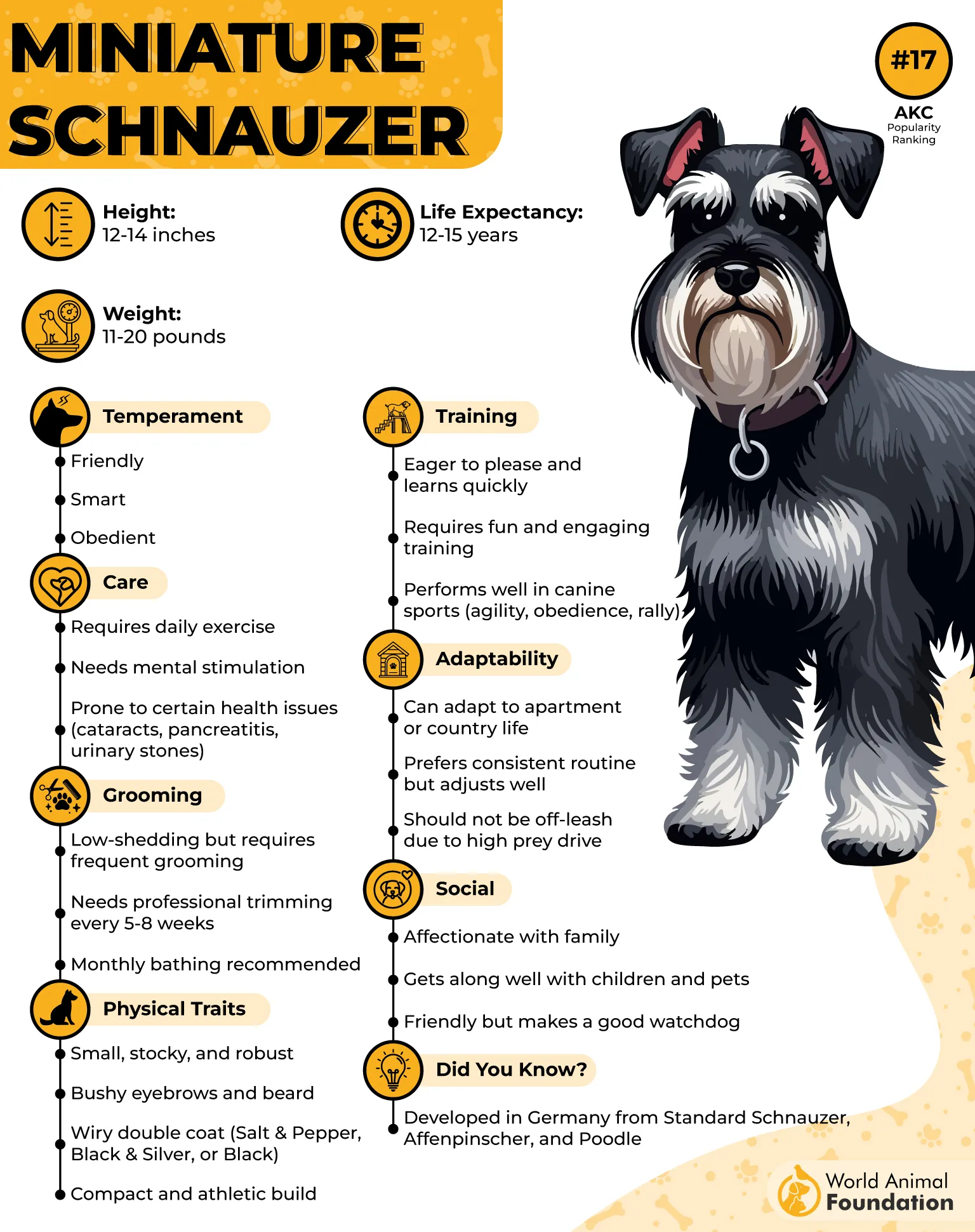
Their eager attitude helps them do well in training. Because of their gentle and affectionate nature, they usually become great friends with children and get along well with other breeds and family pets.
Many experts consider the Miniature Schnauzer a healthy dog breed with a solid average lifespan. With the right care, many live long and active lives. Regular grooming and weight management help support their overall health.
Tips to Help a Miniature Schnauzer Live Long
Provide a balanced diet.
Maintain a healthy weight with exercise.
Brush teeth often to prevent dental issues and dental disease.
Schedule regular check-ups.
Offer play and mental engagement to keep them active.
3. Shiba Inu
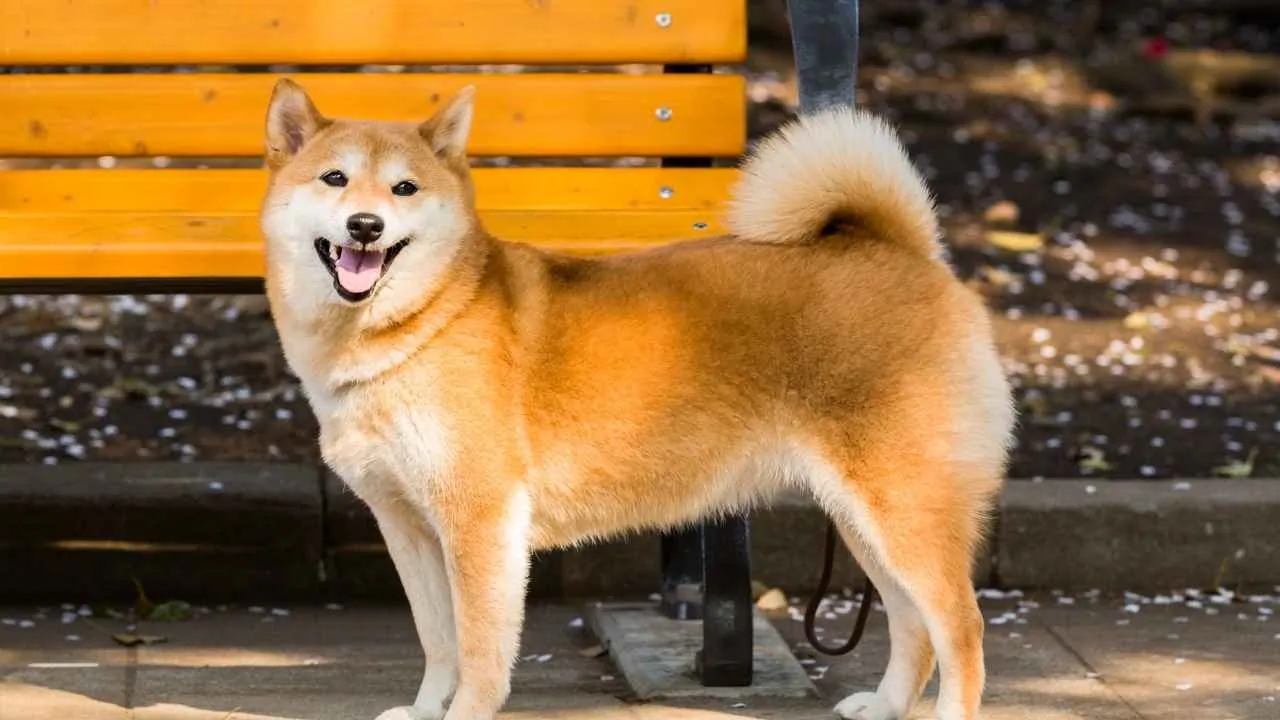
According to PetMD, the Shiba Inu is an ancient breed with deep roots in Japan. In fact, it is known as the oldest and smallest dog breed in Japan. The name Shiba Inu roughly means “brushwood dog,” a reference to the thick bushes where the dogs once worked.
Hunters relied on them to flush birds and small animals from dense brush. Long ago, the breed was originally bred to hunt birds, small game, and even wild boar. Today, most Shibas enjoy a very different life. Instead of chasing prey, they are more likely to relax beside their families at home.
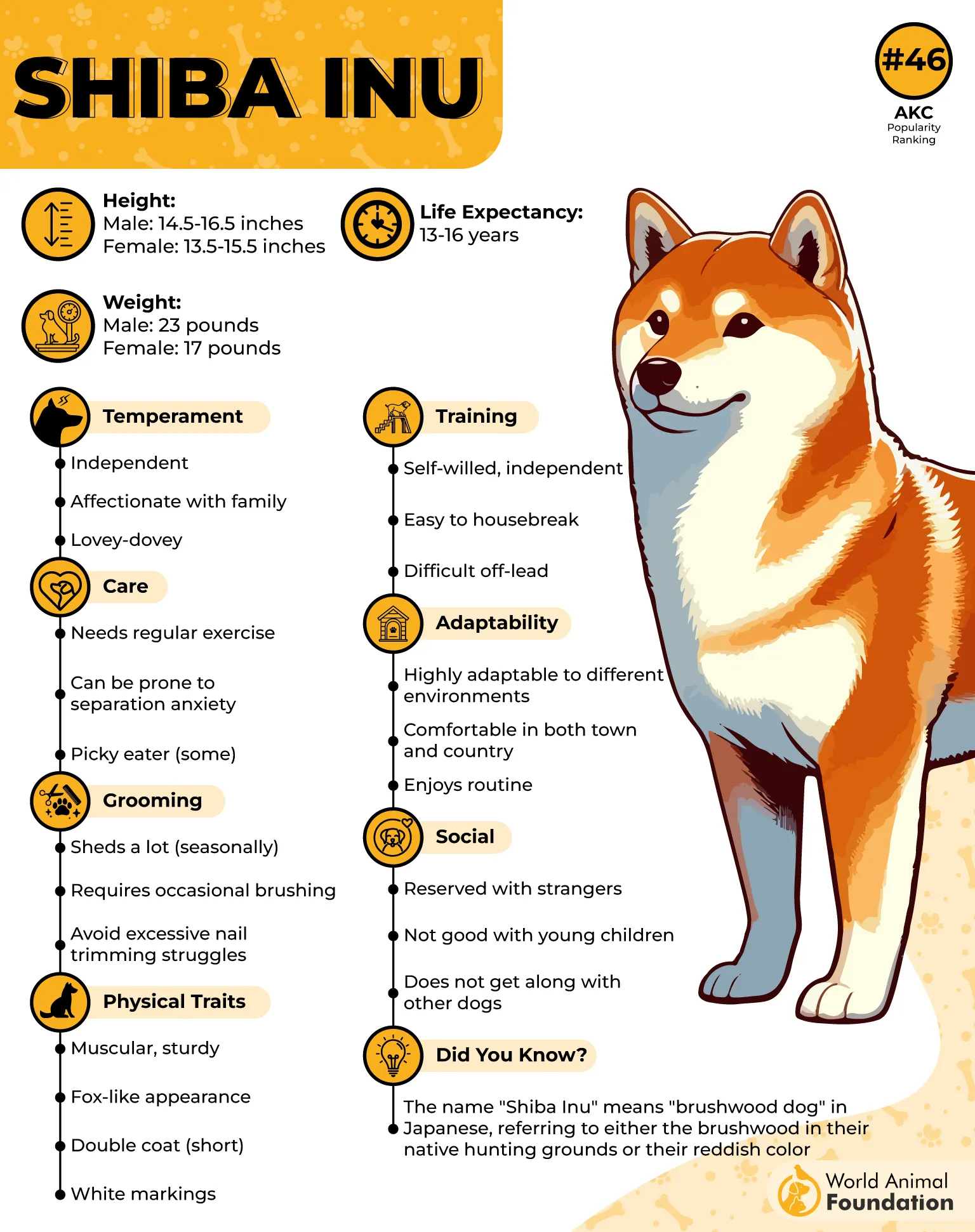
Despite this change, their strong instincts and sharp minds remain. The Shiba Inu came to the United States about sixty years ago. Since then, this long-lived breed has grown steadily in popularity.
While the breed remains the most popular in Japan, many owners in the West now admire its confident personality and independence.
What Helps the Shiba Inu Stay Healthy
Provide daily activity and mental stimulation.
Encourage play that offers mental and physical challenges.
Maintain a balanced diet and nutrition.
Schedule regular vet check-ups to monitor health issues.
Watch for common concerns that may affect overall health.
4. Australian Cattle Dog
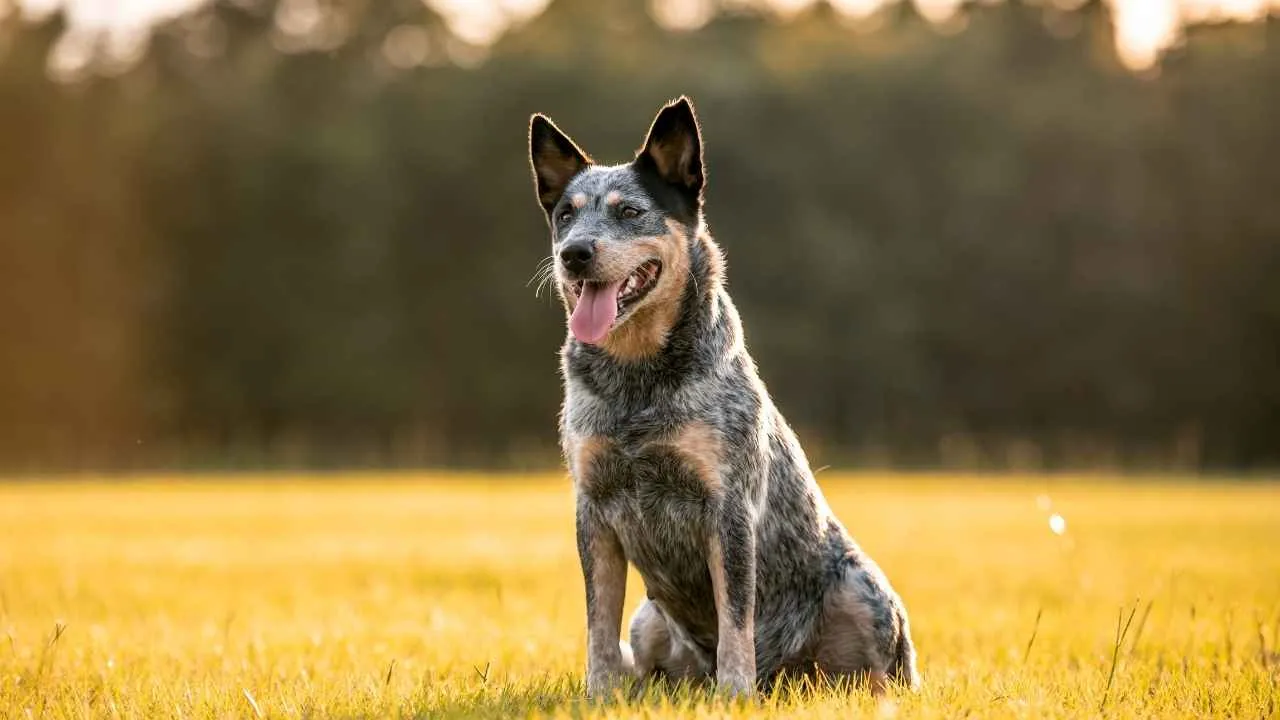
The Australian Cattle Dog is famous for strength, focus, and endurance. Ranchers in Australia developed this breed to move cattle across rough land. These dogs worked long hours in heat and dust. Because of that history, they became hardy herding dogs built for endurance.
Their tough background helped shape a long-lived breed known for resilience. In fact, this Cattle Dog is often mentioned among the longest living dog breeds. Many dogs from this breed stay active and strong well into their senior years.
These dogs are happiest when they have a task. They love work and challenge. When bored, they may chew, dig, or become destructive around the house. That is why they thrive in homes where they can enjoy exercise and meaningful activity.
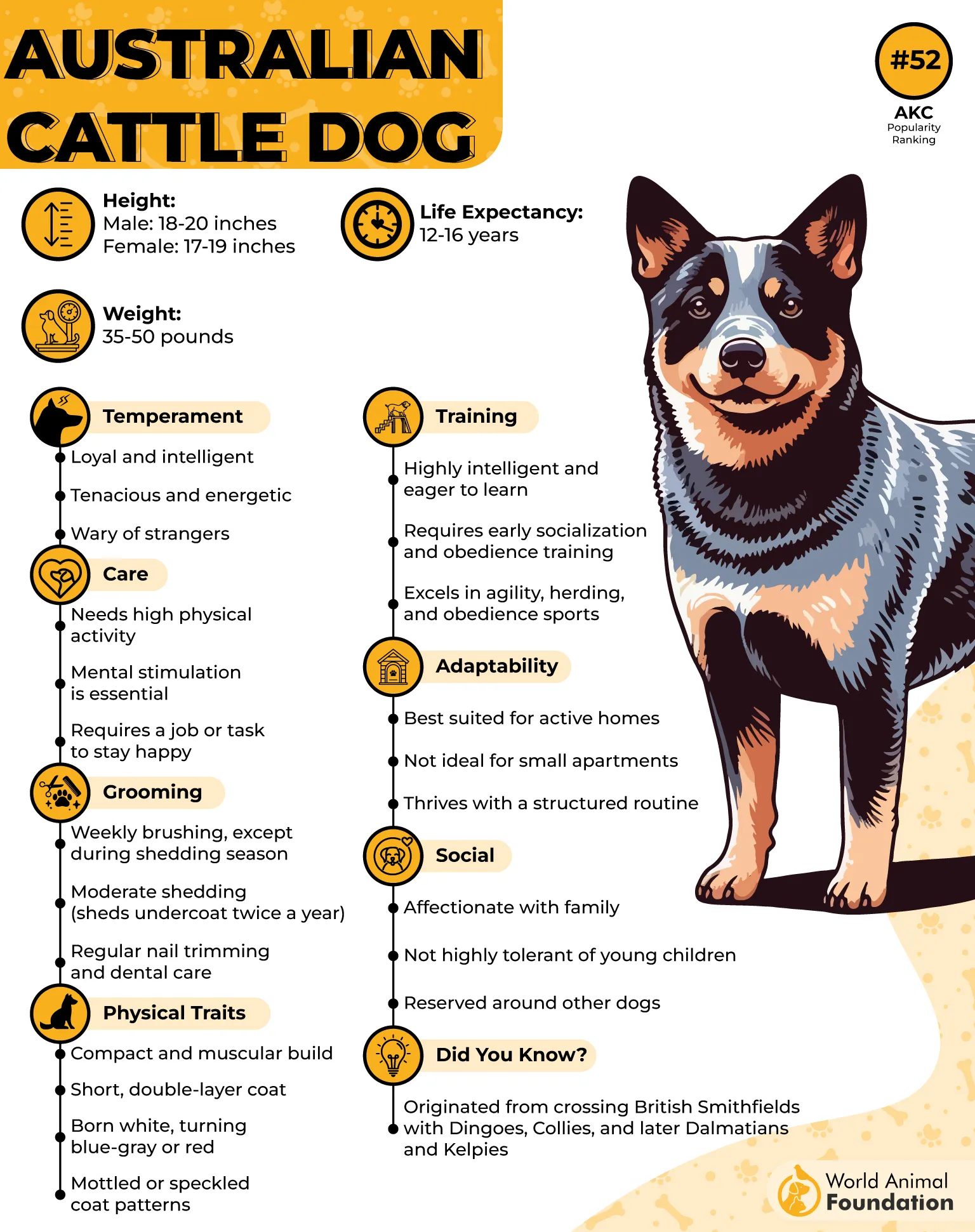
Long walks, training games, and outdoor play provide the physical stimulation they need. According to Hill’s Pet, Australian Cattle Dogs are also very loyal and protective. However, they can sometimes show dominance or act aggressively toward other dogs if they are not well socialized early.
How to Keep an Australian Cattle Dog Healthy
Provide intense exercise and daily outdoor activity.
Offer training tasks for mental stimulation.
Maintain a healthy weight for strong joints.
Schedule regular check-ups to track health status.
5. Rat Terrier
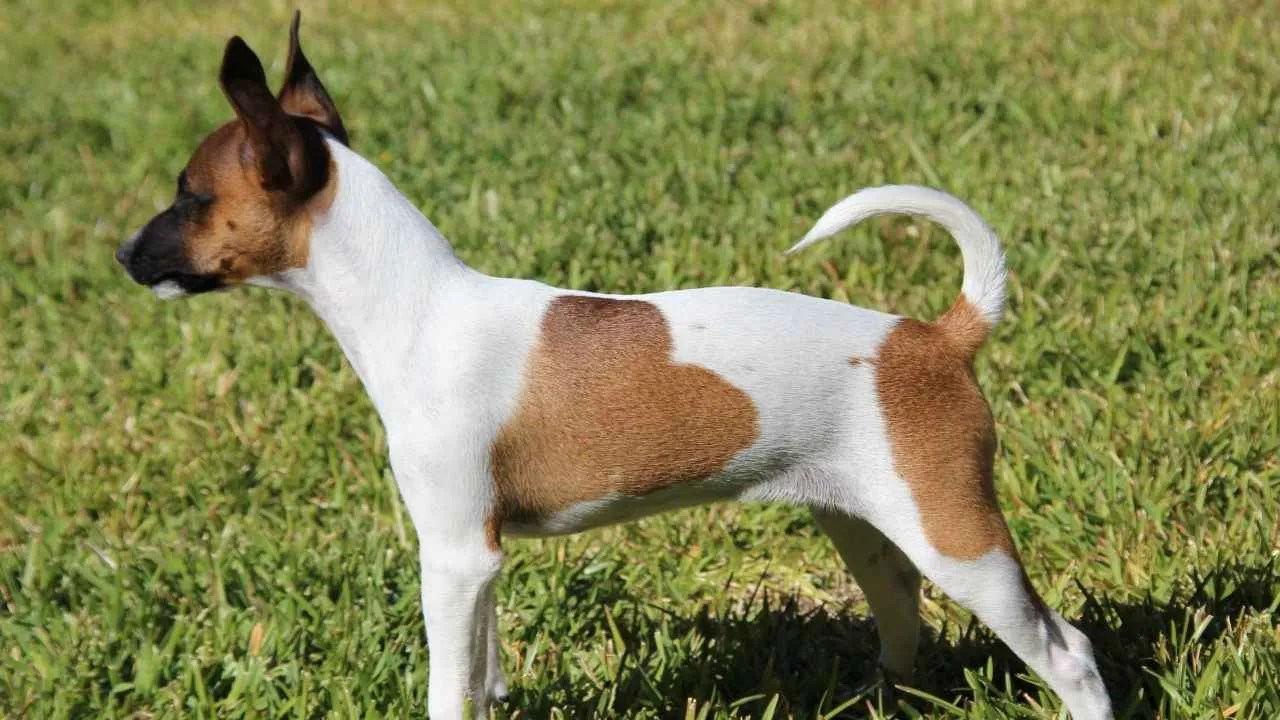
The Rat Terrier is a lively American dog with a strong farm background. Early farmers valued this breed as a skilled hunter and loyal companion. These dogs were originally bred to control rats and other pests around barns and fields.
Over time, they also became trusted family pets because of their friendly and energetic nature. Rat Terriers are known for their cheerful attitude. Purina states that they are happy-go-lucky dogs that enjoy being around their families.
They are very loyal and love spending time with their people. Their playful spirit makes them great companions for children, and they often get along well with other pets in the home.
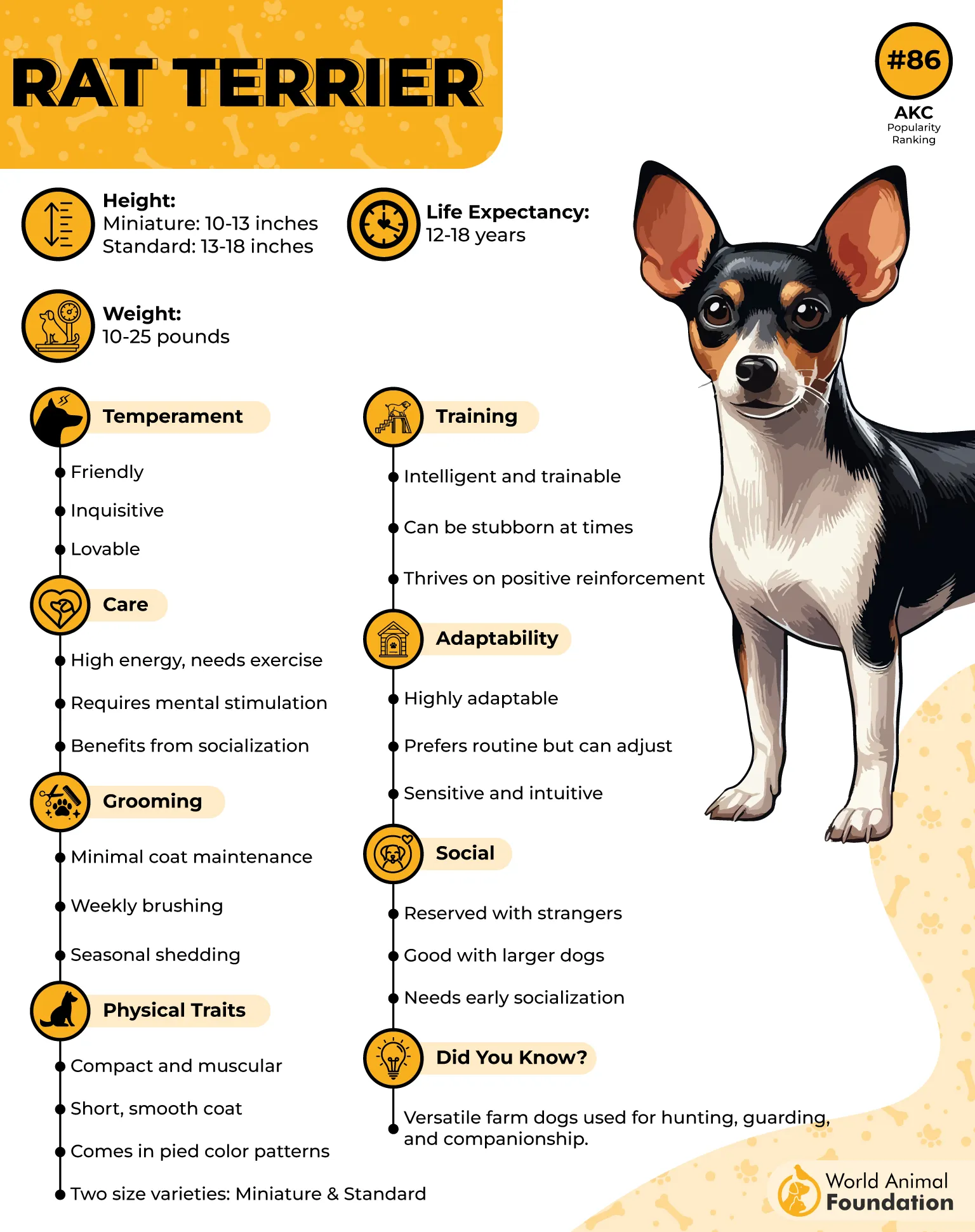
This breed is often considered a healthy dog breed with strong natural resilience. One reason is the influence of mixed-breed dogs in its early development.
Some even show benefits linked to hybrid vigor, which can support better health and stamina. While they are not a large breed, they are sturdy and athletic.
How to Help a Rat Terrier Stay Healthy
Provide regular exercise and active play.
Offer training games for mental engagement.
Feed a balanced diet.
Schedule regular check-ups.
Maintain a good weight to support long-term health.
6. Dachshund
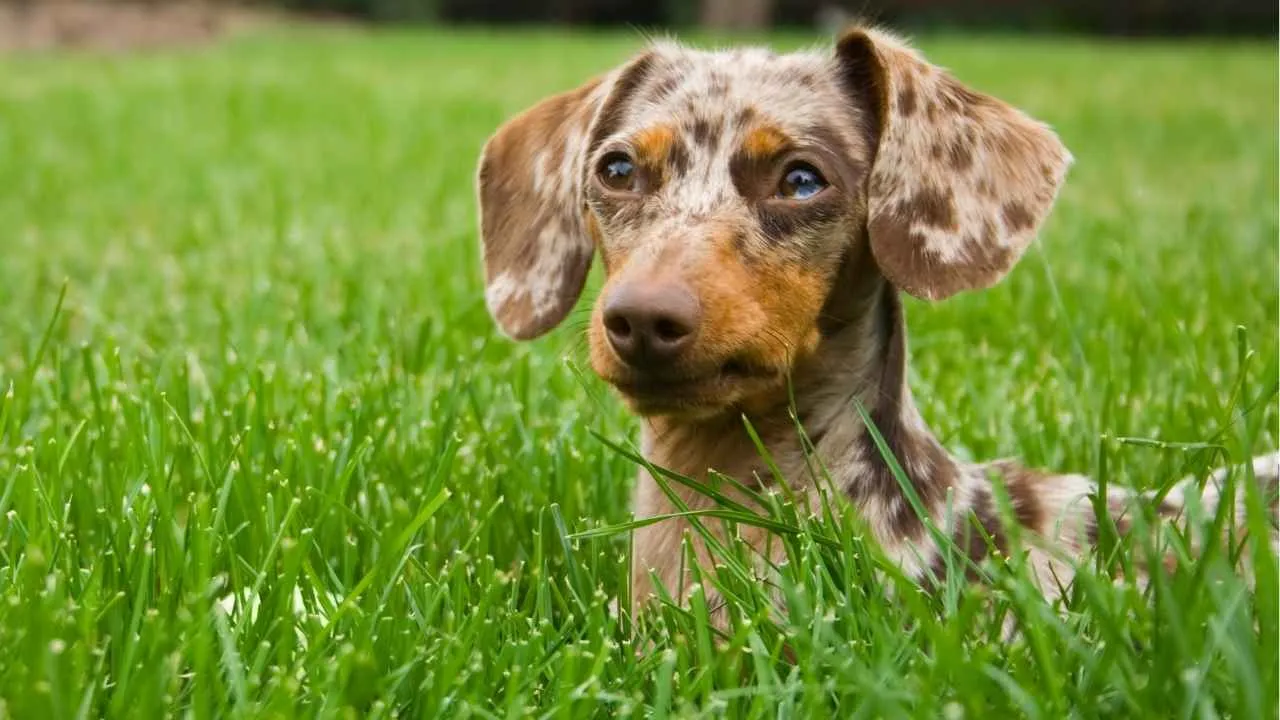
The Dachshund is one of the most recognizable small breeds in the world. These charming dogs are famous for their long bodies and short legs. People often call them wiener dogs, sausage dogs, badger dogs, or simply Doxies.
Dachshunds come in several coat types. Some are smooth-haired, while others are wire-haired or long-haired with many coat colors. Originally developed in Germany, this clever breed was created to hunt burrowing animals.
Their long body helped them move easily through tunnels while tracking small prey. Even today, they remain bold and determined despite their small size. Dachshunds are also known for their warm personality.
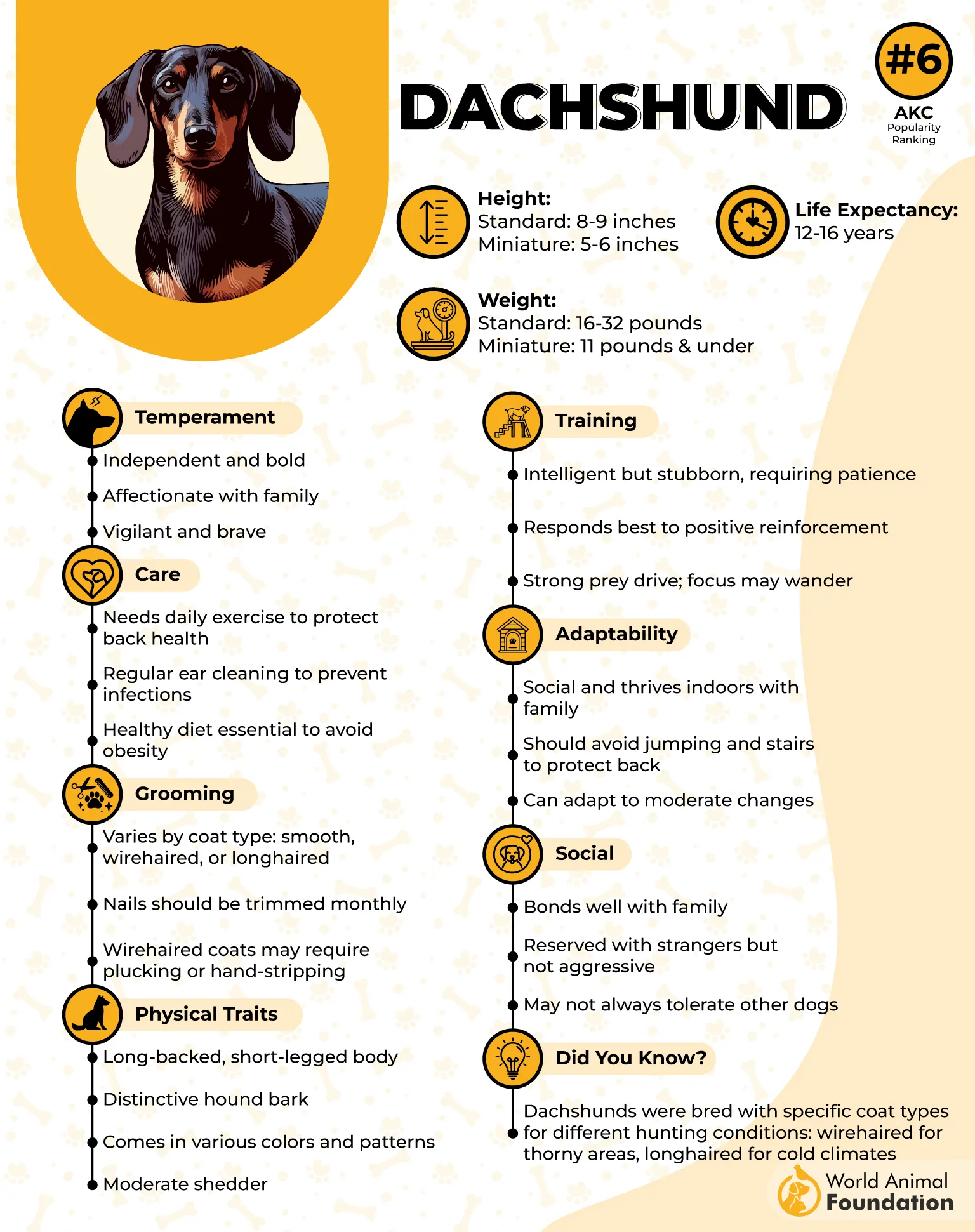
According to PDSA, they are affectionate and playful little dogs who bring a lot of energy to family life. They have a loyal nature and a lively spirit. Because of their resilience and adaptability, they are often considered among healthy dog breeds that can enjoy an extended lifespan with care.
Helpful Care Tips for Dachshunds
Protect their backs by avoiding high jumps from furniture.
Watch for signs of intervertebral disc disease, a common spinal condition.
Provide controlled regular exercise to maintain strength.
Support joint health with good nutrition.
Schedule regular check-ups to monitor health.
7. Poodle
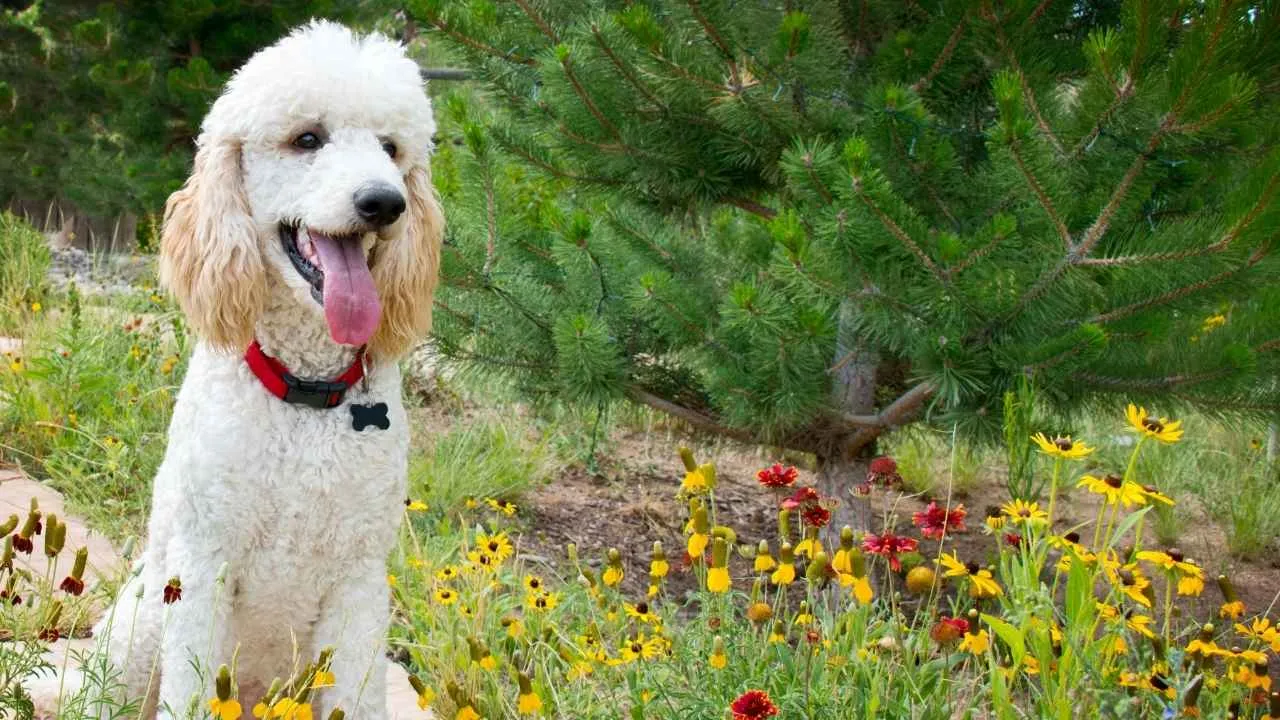
The Poodle is widely admired for intelligence, elegance, and charm. Long ago, hunters used these dogs to retrieve birds from lakes and rivers. In fact, Orvis says that their name comes from the German word pudel, which means “to splash in water.”
This history explains why poodles are excellent swimmers and love water activities. Today, the breed appears in three sizes: Standard Poodle, Miniature Poodle, and Toy Poodle. The Toy variety is especially popular among families who want a small companion.
Despite their tiny frame, these dogs show remarkable intelligence and curiosity. Their friendly and outgoing personality helps them bond closely with people.
The Toy Poodle is a healthy dog breed when it receives good care. Their sharp minds enjoy learning tricks and playing interactive games. These activities help keep them engaged and happy in everyday life.
Care Tips for Toy Poodles
Provide puzzle toys and training sessions for mental engagement.
Maintain coat health through regular grooming routines.
Brush teeth often to reduce the risk of dental disease.
Offer moderate exercise to support overall wellness.
Feed nutritious meals that support long-term quality of life.
8. Border Collie
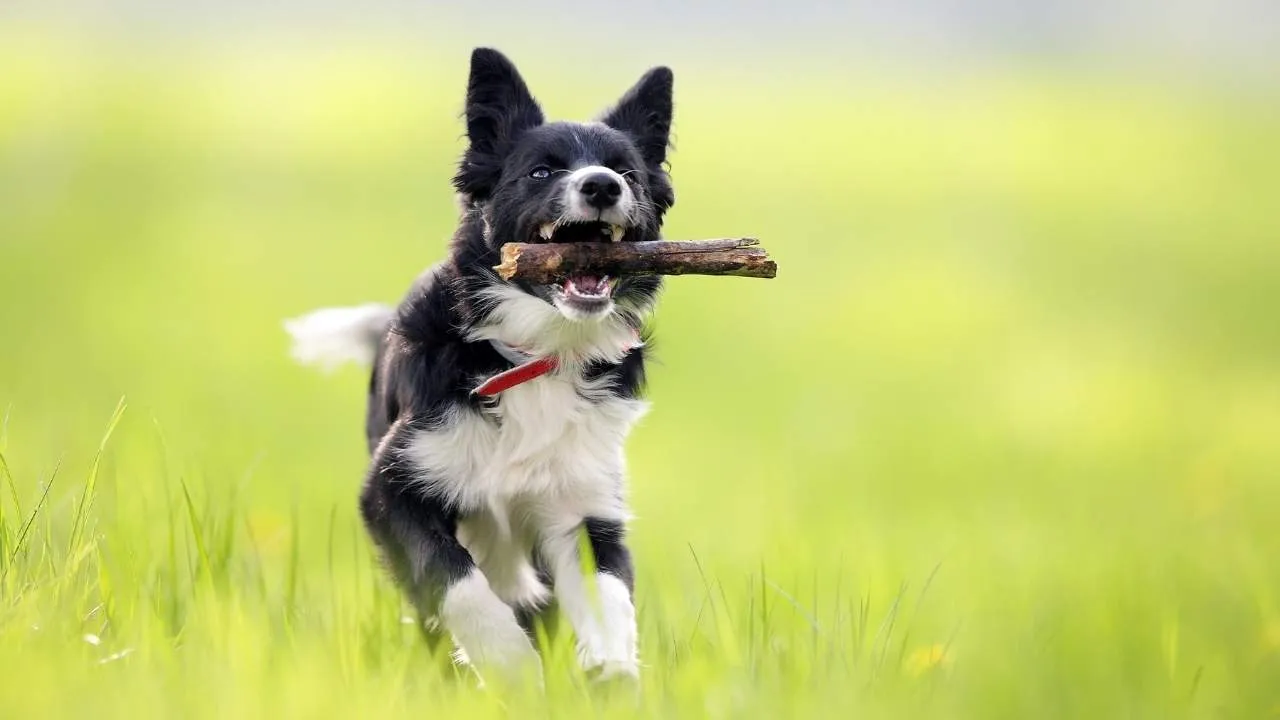
The Border Collie is widely known as one of the smartest dogs in the world. This British herding breed developed along the border of England and Scotland during the 1800s. Farmers needed a sharp and dependable dog to guide sheep across open fields.
Over time, the Border Collie became famous for quick thinking, focus, and amazing problem-solving ability. Their intelligence shapes much of their personality. Border Collies are endlessly enthusiastic and always ready for action.
They love learning new skills and often shine in activities that challenge both body and mind. Because of this natural drive, they thrive in active households where they can stay busy and engaged.
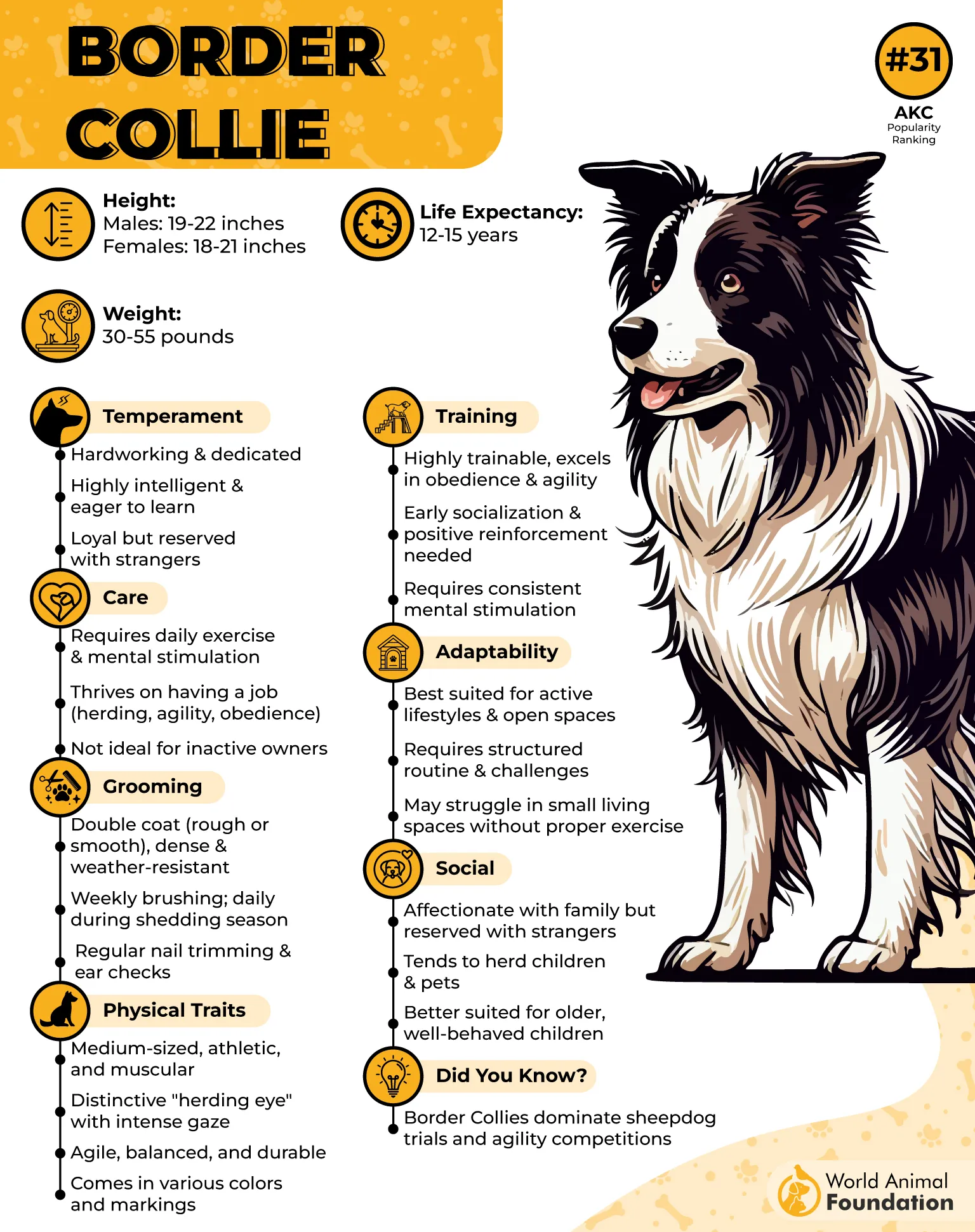
These energetic dogs also make playful companions. Many families appreciate how well they interact with children. Their eager attitude helps them respond well to training.
According to VCA, they often do best with positive reinforcement training, where rewards like praise, toys, games, or small treats encourage good behavior.
Tips for Keeping a Border Collie Healthy
Provide structured activities like agility or herding games.
Rotate toys and puzzles to prevent boredom.
Offer outdoor time for exploration and running.
Monitor activity levels to prevent overexertion.
Maintain regular wellness visits with a veterinarian.
9. Chihuahua
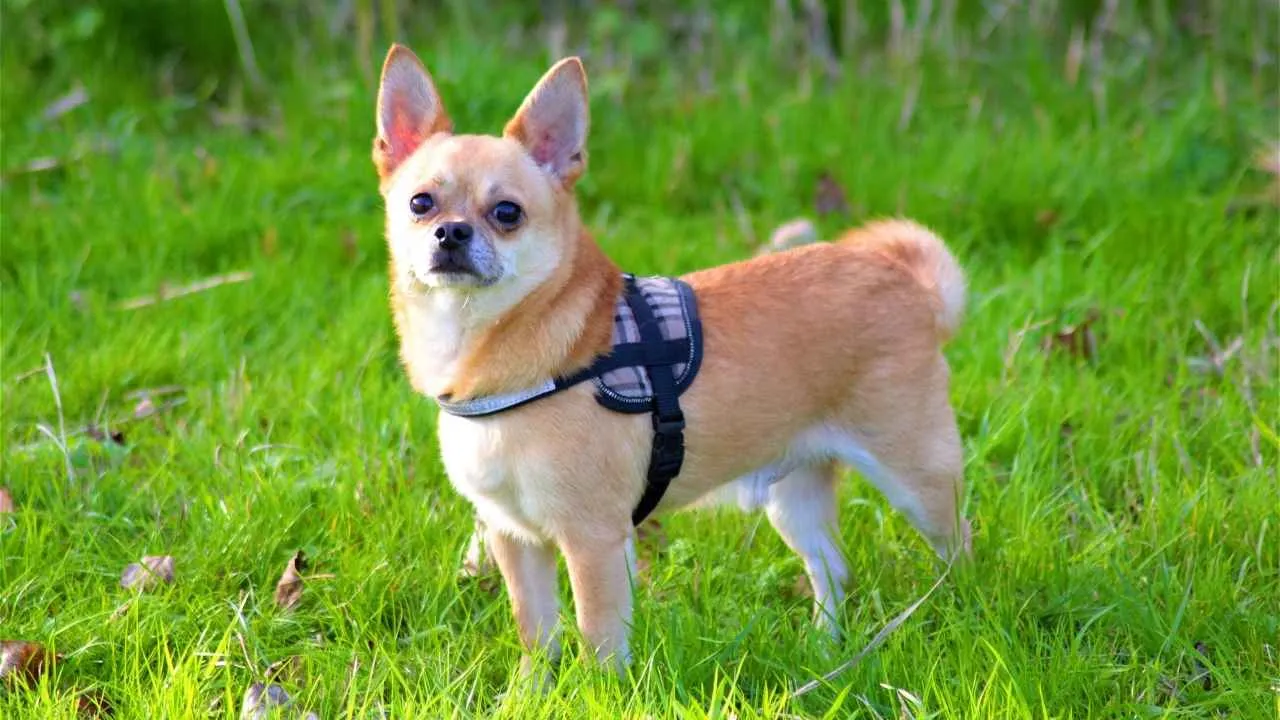
The Chihuahua is one of the most famous small breeds in the world. This charming dog comes from Mexico and is often seen as a national symbol of the country. Despite their tiny size, Chihuahuas carry a bold and confident personality. They are graceful, lively, and a little sassy.
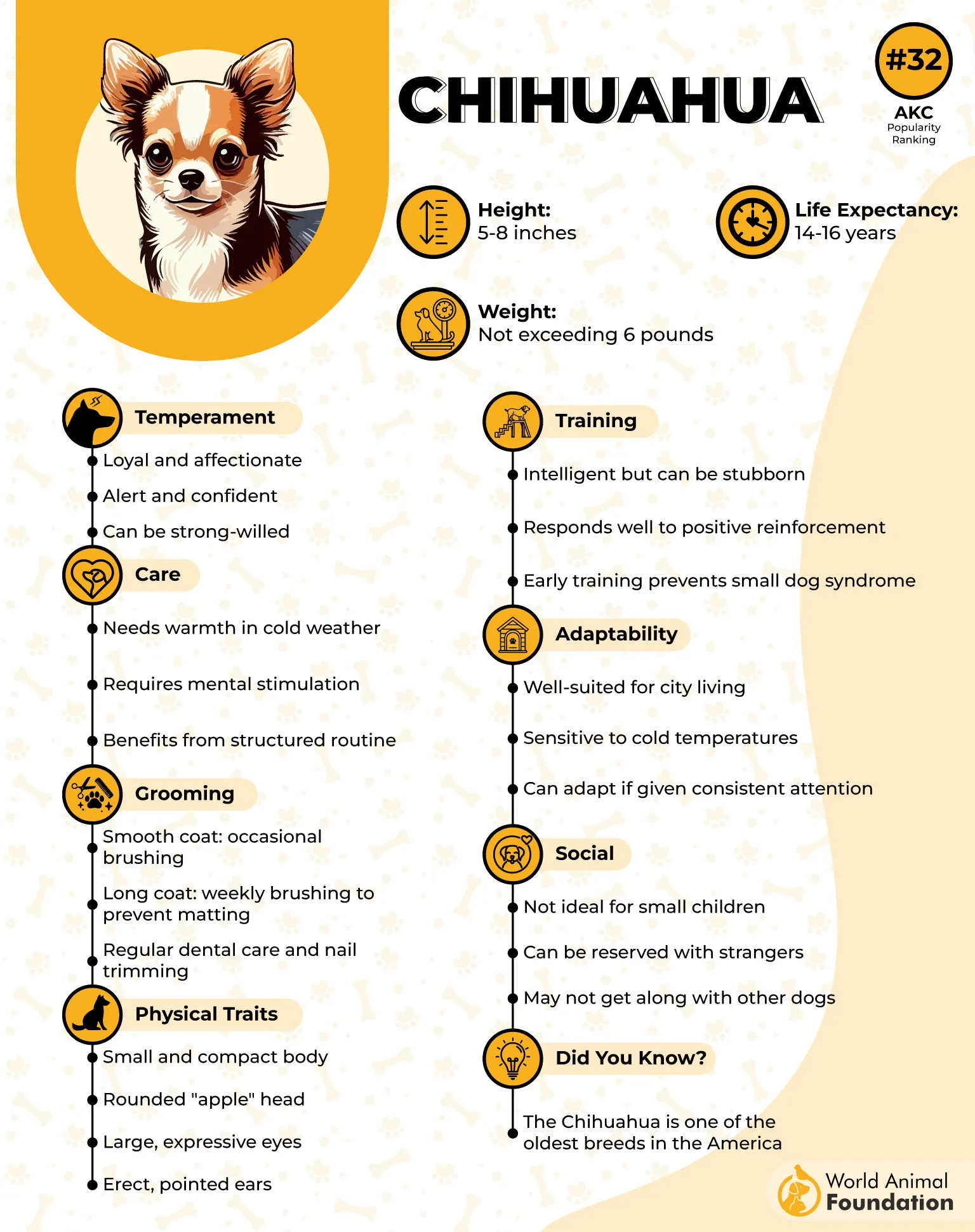
Chihuahuas form very strong bonds with their families. They love staying close to their favorite people and often enjoy relaxing on a lap. Because of their affectionate nature, they make wonderful pets for many homes.
According to WebMD, their tiny body also makes them easy to travel with, which is why some people jokingly call them “purse dogs.” Another reason this breed stands out is its longevity.

The Chihuahua is often listed among the longest living dog breeds. Chihuahuas typically live much longer than many larger dogs, and many individuals reach their teens with care. Their small size and resilient genetics often help them maintain a long and active life.
How to Help a Chihuahua Live a Long Life
Maintain strong hygiene to prevent dental disease.
Feed a nutritious, balanced diet to support overall health.
Schedule regular check-ups to track health changes.
Encourage light exercise to keep the body active.
Provide warmth and comfort during colder seasons.
Conclusion
A long and happy life does not happen by chance. It grows from daily care, smart choices, and lots of love.
Simple habits such as proper diet, regular exercise, and mental engagement help dogs stay active and healthy for years. Regular veterinary care also plays a big role in preventing health problems early.
Every dog is unique, whether it is a purebred dog’s companion or a mixed-breed dog. Both can live long, joyful lives when owners understand their needs and provide the right environment.
Paying attention to your dog’s lifestyle, health, and happiness truly matters.
With patience, love, and a little helpful advice, owners can help their loyal companions enjoy many wonderful years by their side.
