




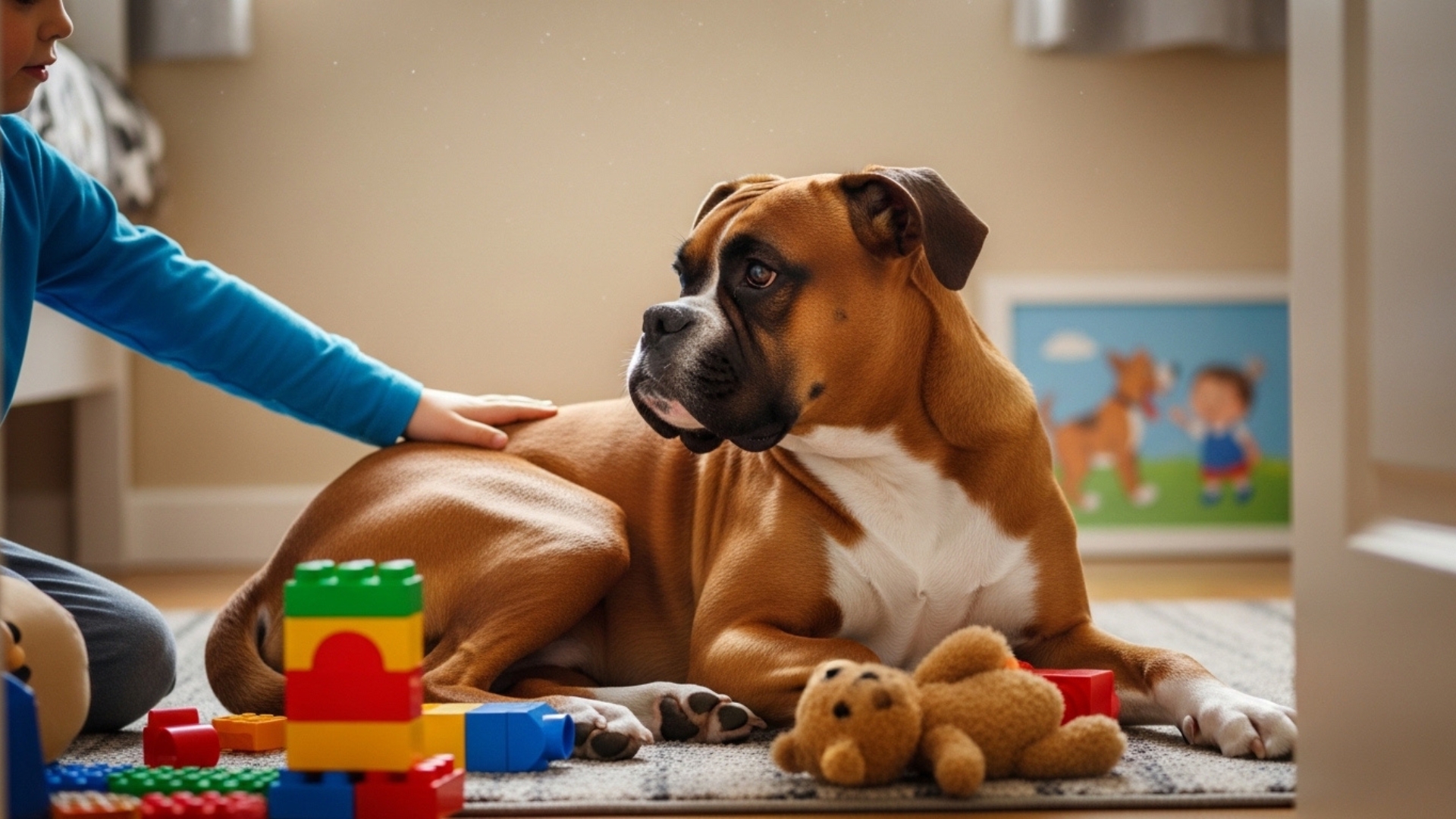
When most people think of guard dogs, images of fierce protectors often come to mind. Yet, many of the breeds that excel in protection are also deeply loyal, affectionate, and surprisingly family-oriented. These dogs aren’t just guardians—they’re excellent dogs who can thrive in the daily rhythm of a household with children.
Bringing a protective dog into your home offers reassurance that someone is always looking out for your family. From herding breeds to members of the American Kennel Club’s Working Group, these dogs require early socialization and training to grow into confident, safe, and gentle family members who can navigate the unpredictability of children’s energy.
Selecting the right breed isn’t simply about “kid-friendly” labels. It’s about temperament, energy, size, and adaptability—finding a dog that can handle noise, sudden movements, and playful chaos while forming bonds that are both protective and affectionate.
Best Dog Breeds That Offer Comfort And Security For Children
The charming small dog breed can be a loyal guardian and a playful friend for your children.
1. Doberman Pinscher

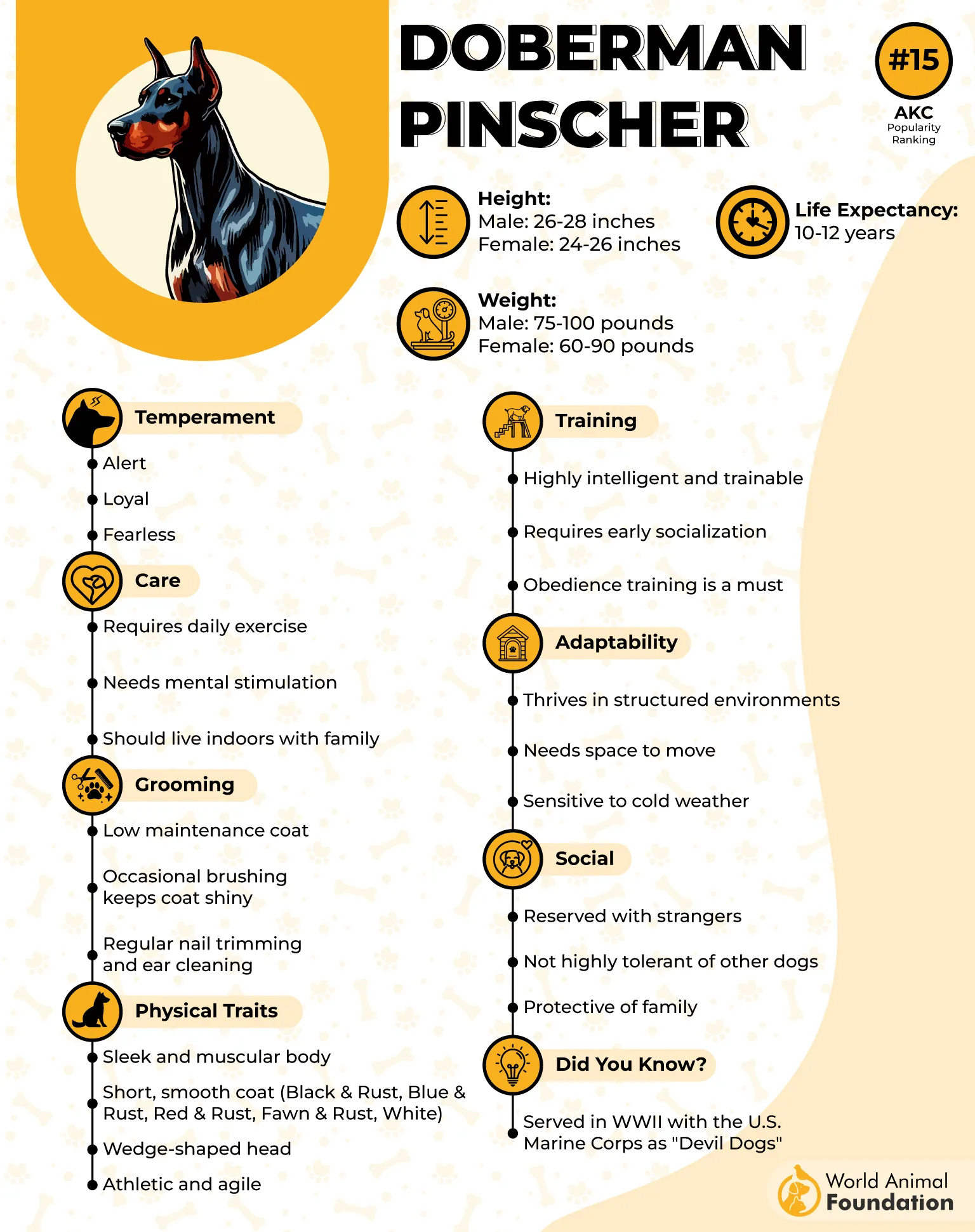
The Doberman Pinscher, developed in Germany in the late 1800s by Louis Dobermann, was originally bred as a fearless protector for tax collection routes. Combining intelligence, strength, and loyalty, this intelligent breed quickly gained fame as both a working dog and a family companion.
Bright Minds and Loyal Companions
Known for their intelligence and athleticism, Dobermans thrive with early training and socialization. Energetic and playful, they bond closely with children and other pets when taught gentle interaction. With consistent engagement and structured exercise, they grow into confident, watchful protectors who enjoy outdoor adventures as much as family downtime.
Training and Care Essentials
Dobermans are quick learners but can become bored if unstimulated, making mental challenges and obedience exercises crucial. Their sleek coats are easy to maintain with regular brushing, occasional baths, and routine nail and dental care.
Why Dobermans Are Perfect for Families
Natural protectors with strong guarding instincts
Highly intelligent breed, responding well to training
Loyal and affectionate toward children
Energetic, enjoying active family routines
Calm and confident in family environments
2. Boxer
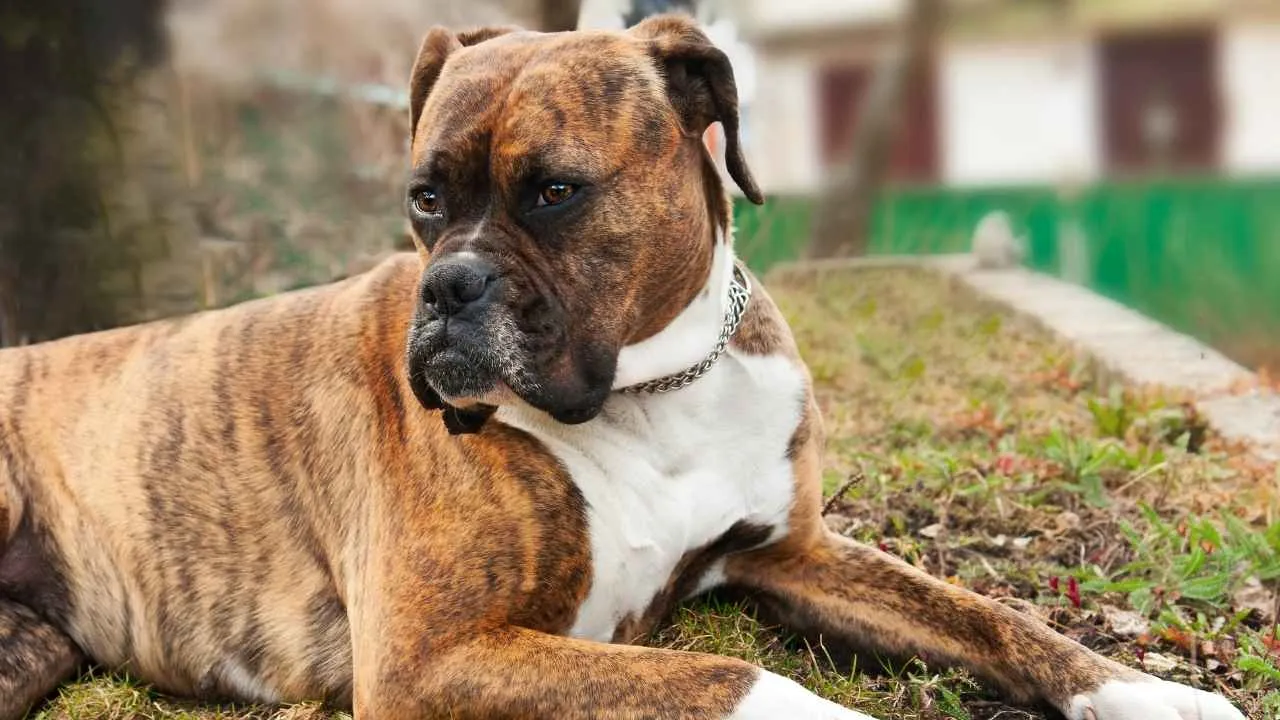
Originally bred in 19th-century Germany from the Bullenbeisser, Mastiff, and Bulldog lines, Boxers were once hunters and butchers’ assistants. Over time, they evolved into devoted canine companions, known for their courage and loyalty, as per Hill’s Pet.
Spirited Minds and Playful Hearts
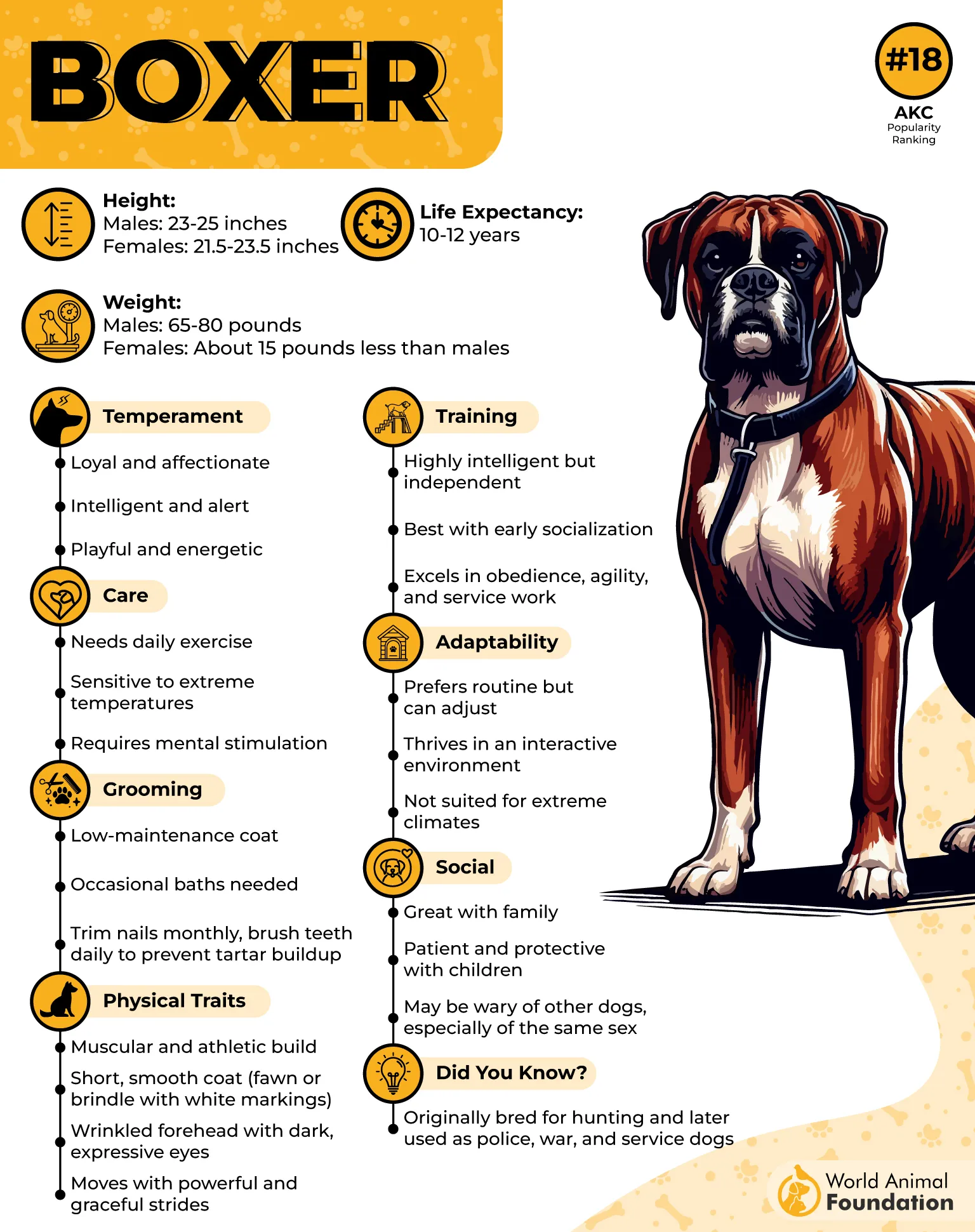
Boxers are intelligent, energetic, and highly social dogs who thrive on companionship and mental stimulation. Early training and socialization are key, as repetitive exercises can bore them. With consistent guidance, they grow into fearless, patient protectors who eagerly join in both playtime and family adventures.
Keeping Boxers Healthy and Happy
Athletic and strong, Boxers require daily walks, runs, and play in secure spaces. Their short, easy-to-maintain coats need minimal grooming, while attention to temperature extremes keeps them comfortable.
Why Boxers Bring Comfort and Security to Families
Naturally protective yet affectionate
Intelligent and quick to learn commands
Energetic, matching active family lifestyles
Patient and playful with children
Alert and wary of strangers, providing peace of mind
3. Newfoundland
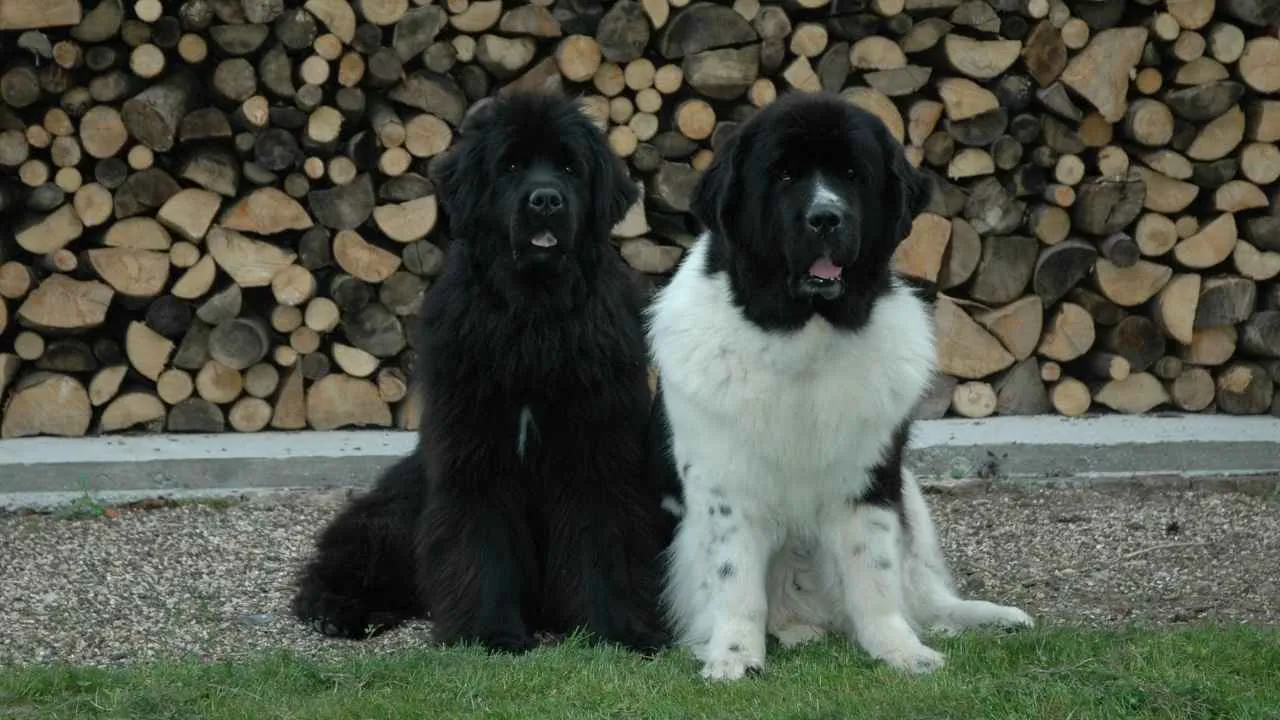
The Newfoundland, a massive working dog from Canada, earned fame as a shipboard companion and expert rescuer. Born to brave icy waters and haul fishing nets, these dogs combined strength, loyalty, and a calm temperament, as per Britannica.
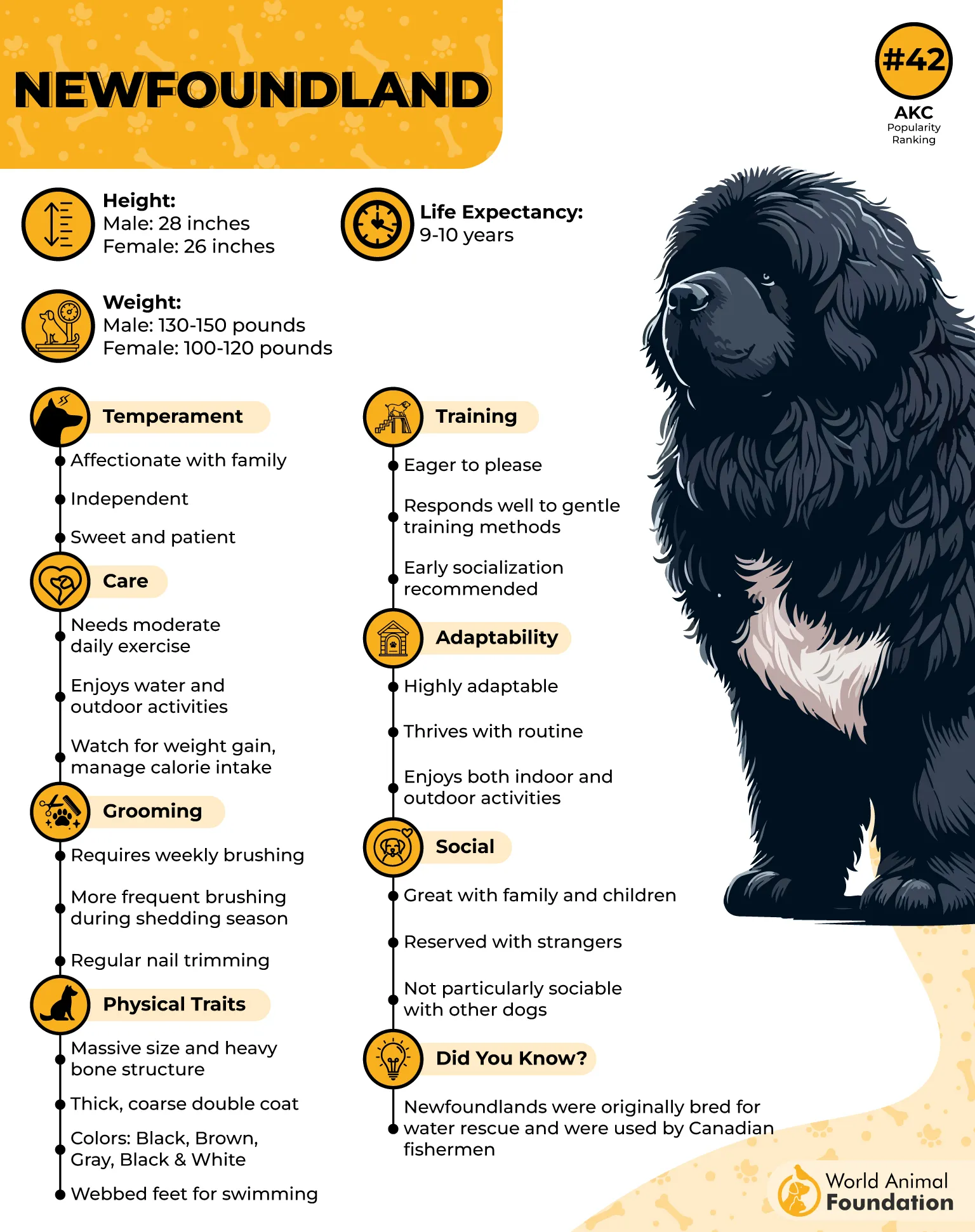
Calm Hearts With Protective Instincts
Newfoundlands are intelligent, patient, and naturally affectionate with kids, making them great dog companions. Their gentle nature extends to other pets, but supervision is essential due to their size. Daily walks, occasional swims, and interactive play keep them mentally and physically balanced without overwhelming their calm demeanor.
Training and Care for the Supersized Friend
Despite their enormous size, Newfs are highly trainable and responsive to gentle guidance. Early socialization, leash training, and positive reinforcement help prevent accidental knocks or pulling. Regular brushing and attention to drooling keep them comfortable, while their thick double coat ensures protection in water and cold weather.
Why Newfoundlands Offer Comfort and Security to Children
Naturally patient and protective with kids
Gentle, family-friendly, and fun-loving family dogs
Excellent swimmers and physically strong for safety
Intelligent and trainable for household routines
Loyal companions who bond deeply with their family
4. German Shepherd

The German Shepherd, developed in late 19th-century Germany by Max von Stephanitz, was bred from traditional herding dogs for intelligence, loyalty, and versatility. Horand von Grafrath became the prototype, and careful breeding created a dog capable of herding, guarding, and working alongside humans.
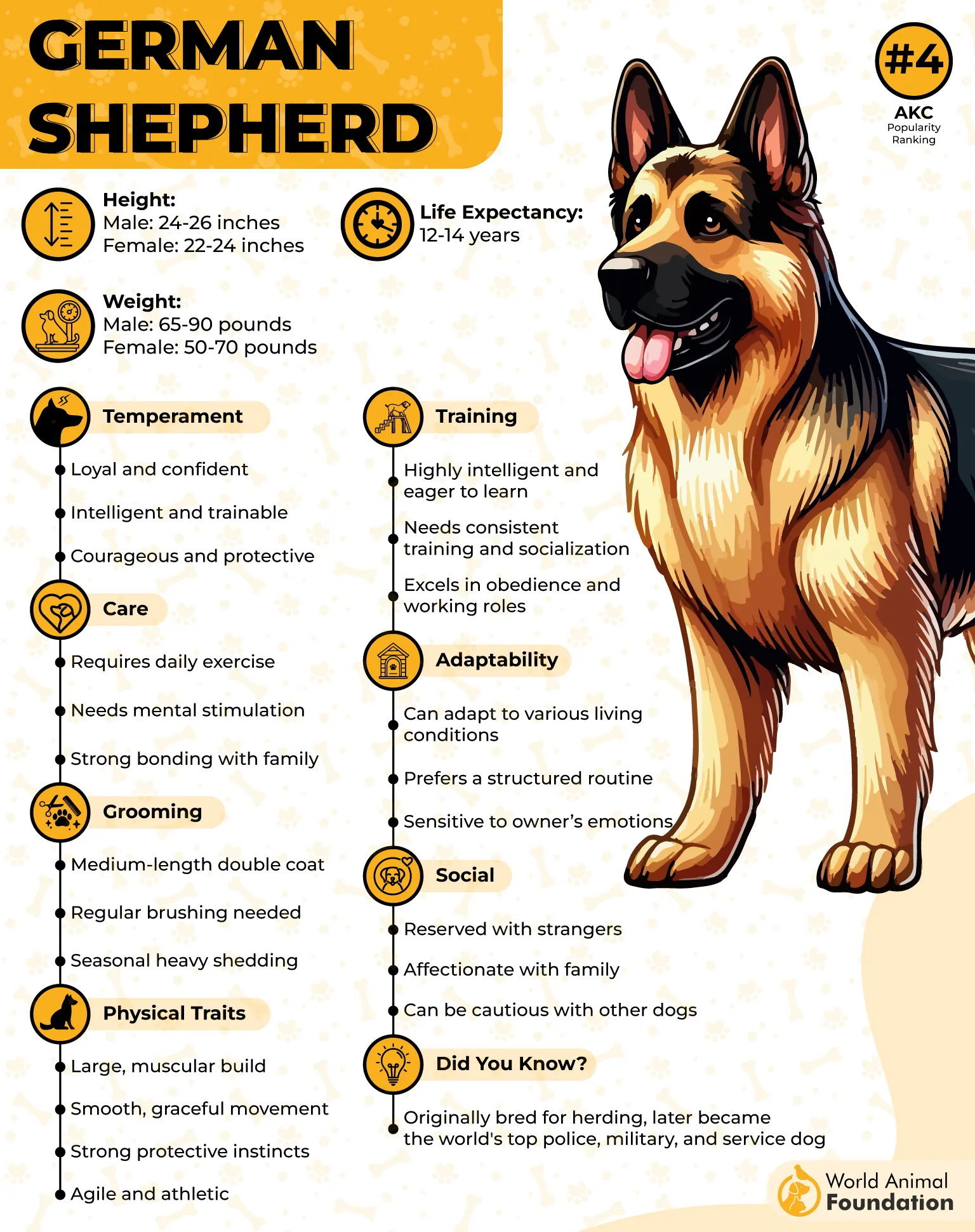
Agile Minds and Protective Hearts
German Shepherds are athletic, intelligent, and highly trainable, thriving on both mental and physical challenges. They form strong bonds with children and families while remaining alert and vigilant. With consistent socialization and exercise, they grow into reliable, playful, and watchful guardians who love active households.
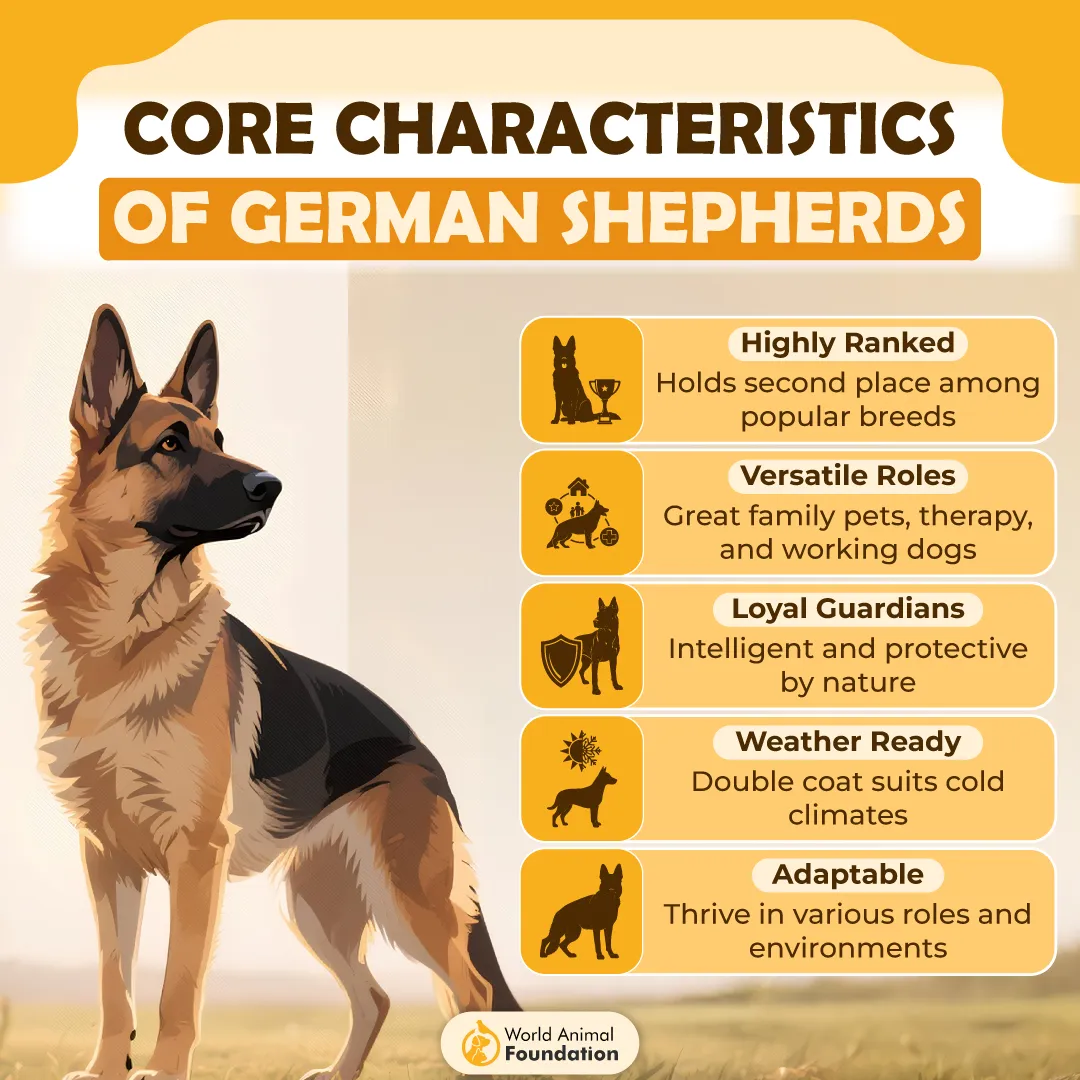
Training and Care for a Loyal Companion
These dogs require daily exercise, interactive training, and clear boundaries to prevent boredom or misdirected protective behavior. Their dense double coats shed heavily and need regular brushing, while proper nutrition and health monitoring support their active lifestyles.
Why German Shepherds Protect and Comfort Children
Highly loyal and loyal family dogs
Intelligent, responsive, and quick learners
Naturally protective without being overly aggressive
Energetic and suited to active homes
Trainable for socialization, obedience, and safety
5. Staffordshire Bull Terrier

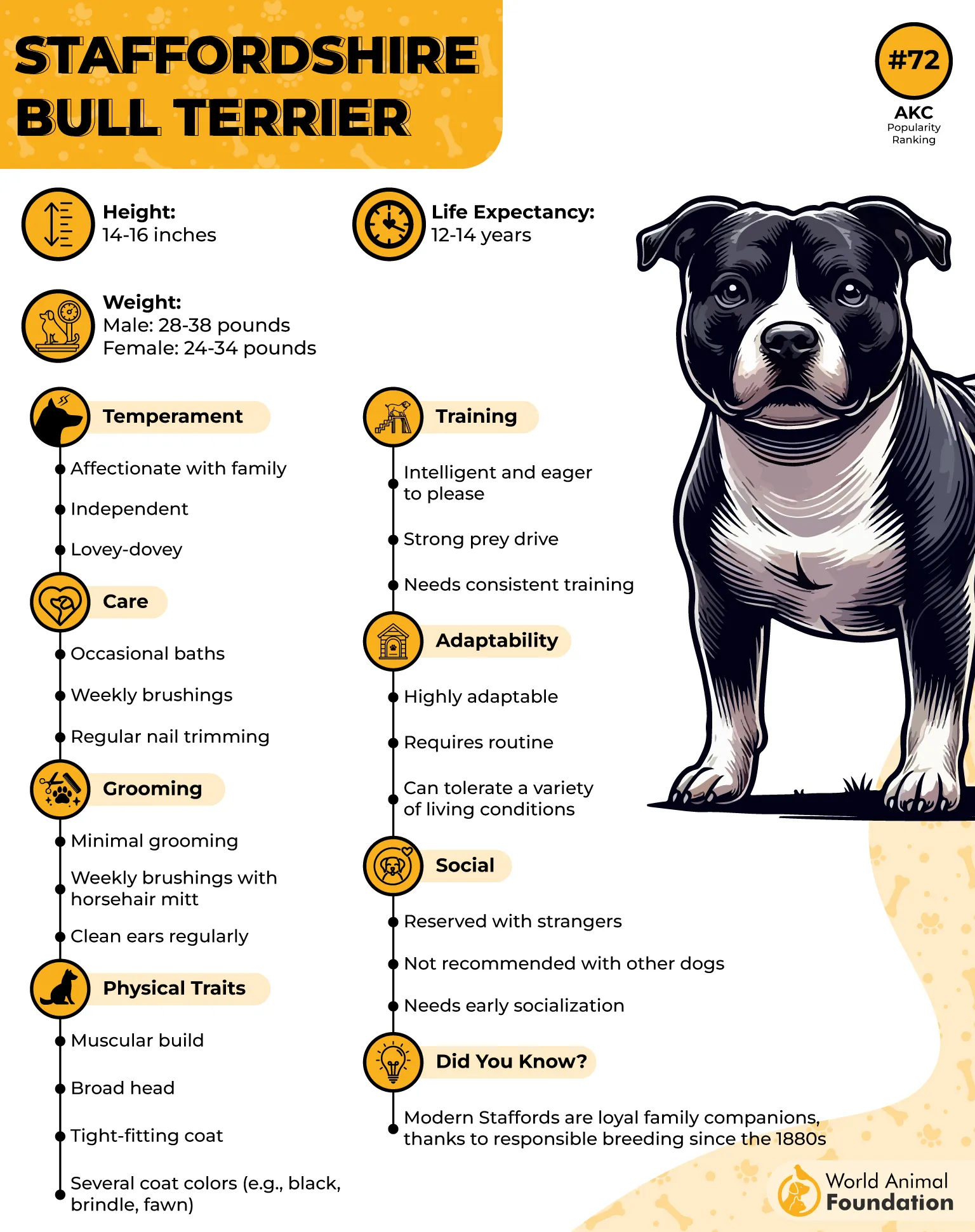
Originating in Staffordshire, England, the Staffordshire Bull Terrier was developed in the 1800s by crossing old English Bulldogs with terriers. Once used in bloodsports, Staffies evolved into affectionate, extremely loyal companions.
Energetic and Devoted Companions
Staffordshire Bull Terriers are playful, active dogs who thrive on involvement in family life. They bond deeply with children and are protective of their households. Early socialization and training are key, as Staffies may show aggression toward unfamiliar dogs or small animals due to their historic prey drive.
Care, Training, and Happy Living
With short, smooth coats, Staffies are low-maintenance dogs, requiring weekly brushing and regular nail and ear care. Their high energy demands daily walks, play, or interactive activities. Positive reinforcement ensures they grow into gentle, obedient, and devoted family members who are both loving and alert.
Why Staffordshire Bull Terriers Comfort and Protect Children
Affectionate and devoted to family members
Playful, energetic, and highly engaged
Protective instincts make them attentive guardians
Intelligent and responsive to training
Excellent with children under proper supervision
6. Australian Terrier
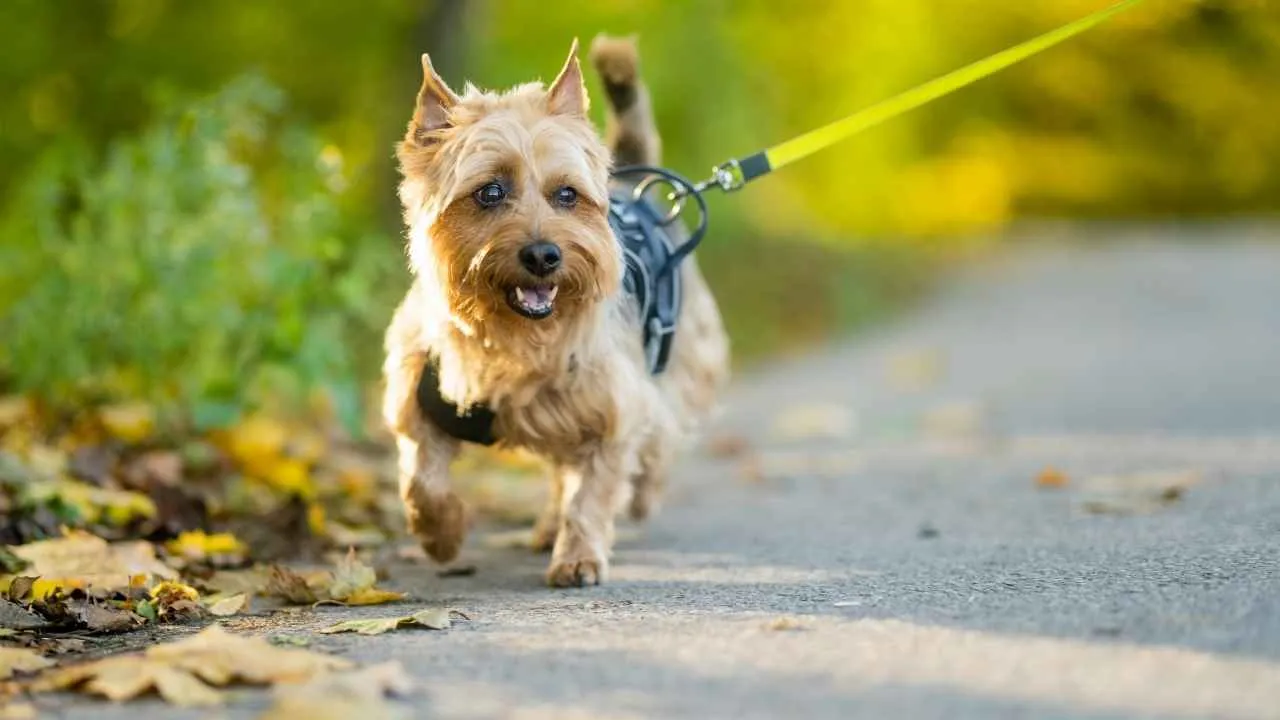
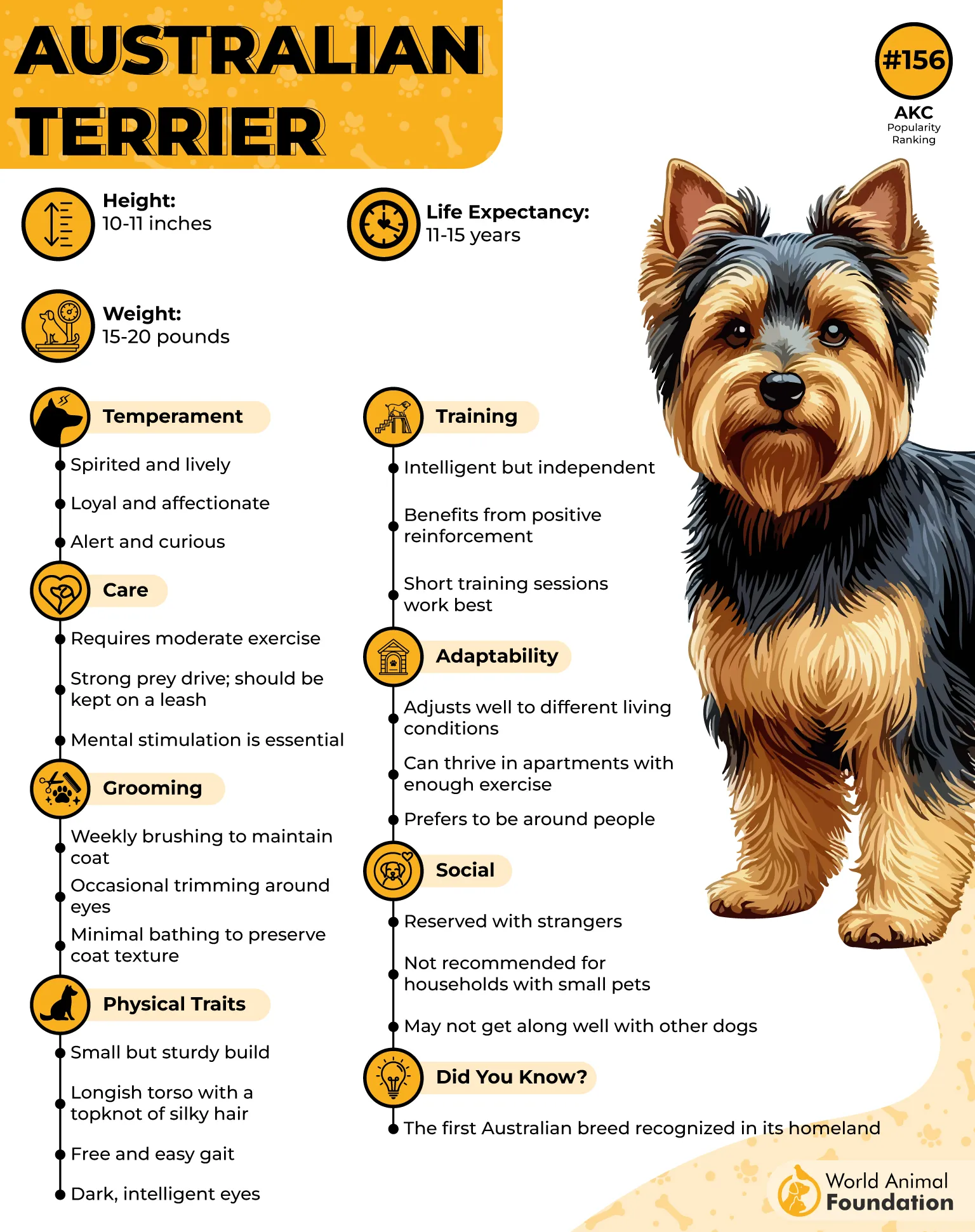
The Australian Terrier, developed in 19th-century Australia, descended from small British working terriers like the Cairn, Skye, and Yorkshire Terrier, as per the AKC. Bred to hunt rodents and protect farms, Aussies combined grit, agility, and loyalty.
Spirited Companions With a Nose for Adventure
Despite their small size—standing 10–11 inches tall and weighing 15–20 pounds—Australian Terriers are lively, curious, and energetic. They love interactive play, agility, and mental challenges, making them excellent companions for children.
Care and Training for the Compact Protector
Australian Terriers have a coarse double coat requiring minimal grooming and benefit from regular exercise and mental stimulation. Positive reinforcement training strengthens their bond with family members, helps manage digging instincts, and curbs excessive barking.
Why Australian Terriers Provide Comfort and Security for Children
Spirited, intelligent, and highly trainable
Alert watchdogs with keen senses
Affectionate small dogs are devoted to their families
Energetic, playful, and ideal for active children
Adaptable to homes of all sizes with proper exercise
7. Rhodesian Ridgeback

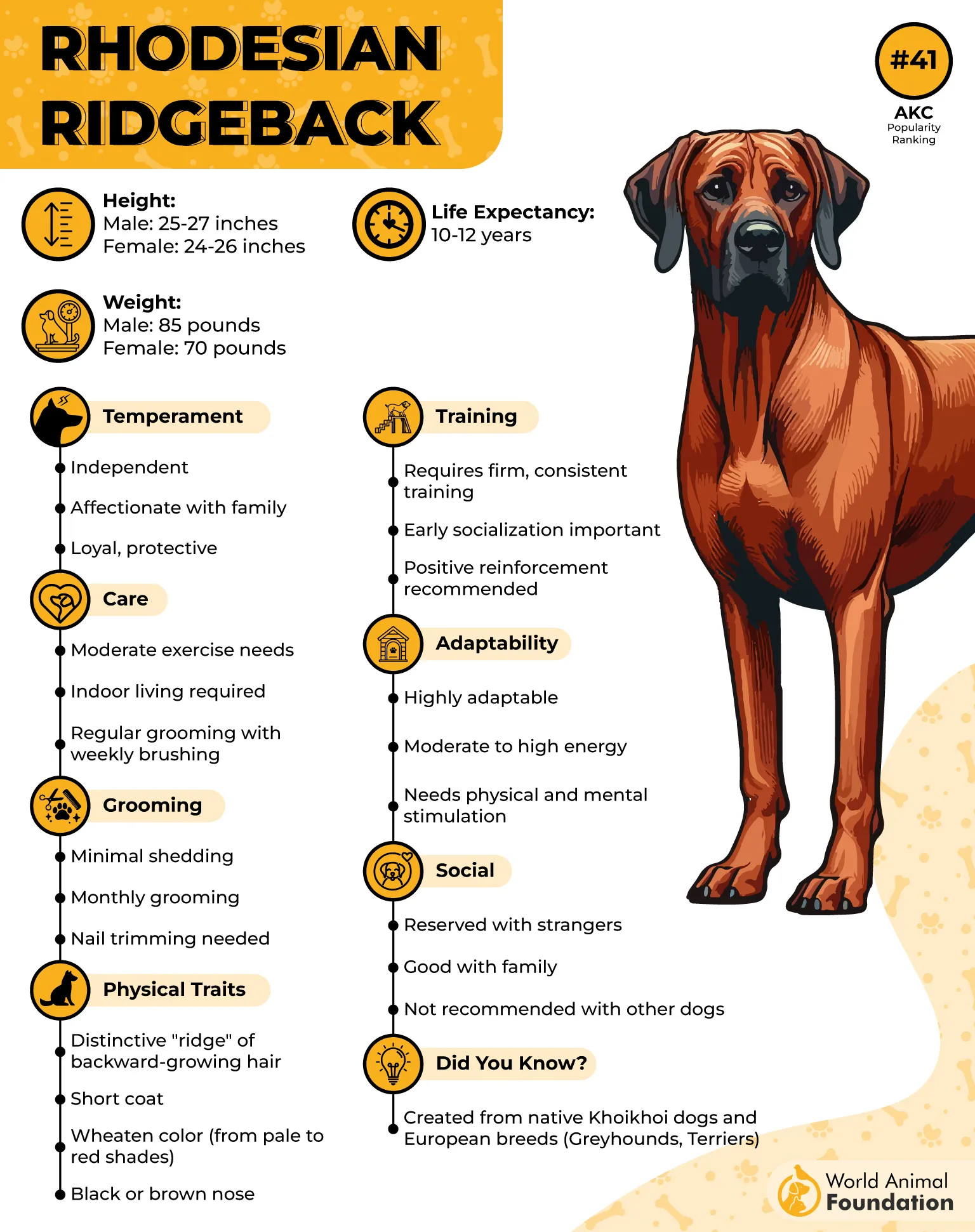
Originally bred in southern Africa to track and bay lions without harming them, the Rhodesian Ridgeback combines athleticism, courage, and loyalty. Crossed from the native ridged Khoikhoi dog and European breeds like Greyhounds and terriers, Ridgebacks evolved into versatile hounds, prized for both hunting prowess and devotion to their human families, as per WebMD.
Athletic Guardians With a Gentle Side
Rhodesian Ridgebacks are large, muscular, and naturally energetic, requiring daily exercise such as long walks, runs, or play sessions in secure areas. While independent and strong-willed, they form deep bonds with their families, are gentle with children, and can serve as quiet yet effective watchdogs.
Care, Training, and Living With Ridgebacks
This short-coated breed doesn’t require regular grooming—weekly brushing is enough to maintain a shiny coat—but attention to nail trimming, dental care, and flea or tick prevention is important. Rhodesian Ridgebacks prefer living indoors with their families, and consistent positive-reinforcement training fosters obedience while respecting their intelligence and natural independence.
Why Rhodesian Ridgebacks Are Ideal for Comfort and Security Around Children
Devoted, affectionate, and people-oriented
Quiet yet alert watchdogs
Gentle and tolerant with children
Strong, athletic, and active companions
Intelligent and easily trainable for obedience and family safety
Conclusion
When you think about adding a dog to your family, it’s not just about finding a protector or a playful companion—it’s about choosing a friend who will fit seamlessly into your household. The right dog can be both loving and dependable, ready to join in games, adventures, and quiet evenings alike.
A great family dog can handle the hustle and bustle of everyday life. They stay calm amid noise, sudden movements, and children’s energy while maintaining a consistent, patient temperament. With proper socialization and training, they learn boundaries, understand household rules, and become reliable partners in family life.
Finding the perfect four-legged addition is about matching personalities, energy levels, and space to your family’s lifestyle. Whether you want an energetic playmate or a gentle cuddle buddy, there’s a companion ready to bring laughter, love, and unforgettable memories.
