




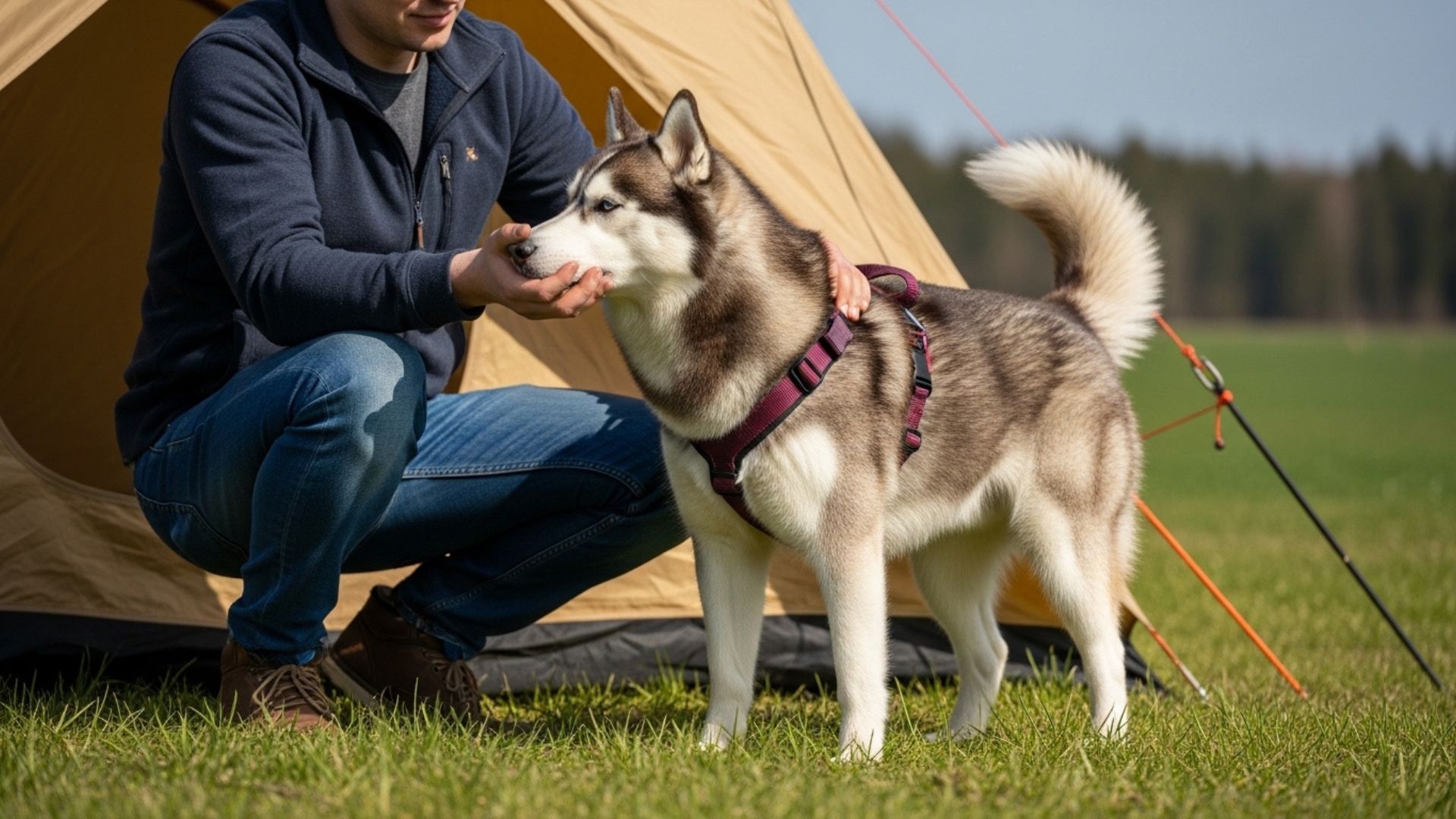
Taking your dog along on a camping trip can turn a simple outdoor adventure into a shared experience full of companionship and joy. Dogs are naturally eager to stay close to their humans, making them enthusiastic travel partners, but planning is key to a smooth trip.
Preparing your dog for travel starts long before departure. Teaching puppies, or even adult dogs, to feel comfortable in carriers, crates, or seat belts ensures safety and reduces stress.
Essential steps include proper restraint in vehicles, keeping identification up-to-date, and packing familiar food, water, and medical documents. Frequent rest stops, leash control, and attention to temperature hazards help prevent discomfort or injury.
By combining preparation, exercise, and mental stimulation, camping trips become enjoyable for both dog and owner. In this guide, we explore ten classic dog breeds that naturally thrive in camping adventures, highlighting traits that make them ideal outdoor companions.
Key Takeaways
Many classic camping dogs were originally bred for herding, retrieving, guarding, or pulling, making them naturally suited for adventure.
Strong recall and obedience training keep your dog safe in open, unpredictable environments.
Loyal, people-oriented breeds tend to adapt best to shared outdoor living.
Breeds with stamina can comfortably handle long hikes and full days outside.
Thick-coated dogs thrive in cold weather, while some breeds may struggle in heat.
Classic Dog Breeds that Thrive in Camping Trips
1. Vizsla
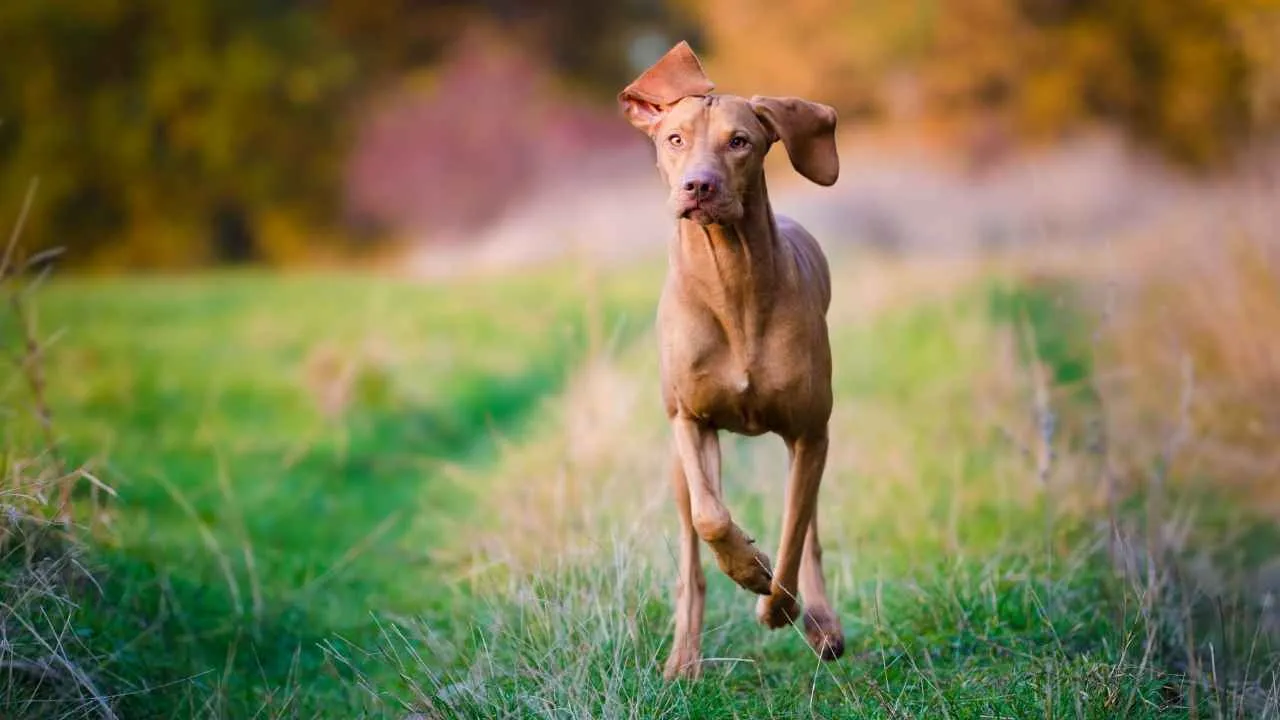
The Vizsla is the kind of dog that feels made for open skies and long trails. Bred by the ancient Magyar hunters of Hungary, this rust-colored sporting dog has spent centuries working closely beside people as a skilled pointer and retriever.
That history shows in everything he does, his sleek, muscular build, graceful stride, and sharp, intelligent eyes.
On a camping trip, a Vizsla thrives on movement. Long hikes, trail runs, and active play suit his high energy and remarkable stamina.
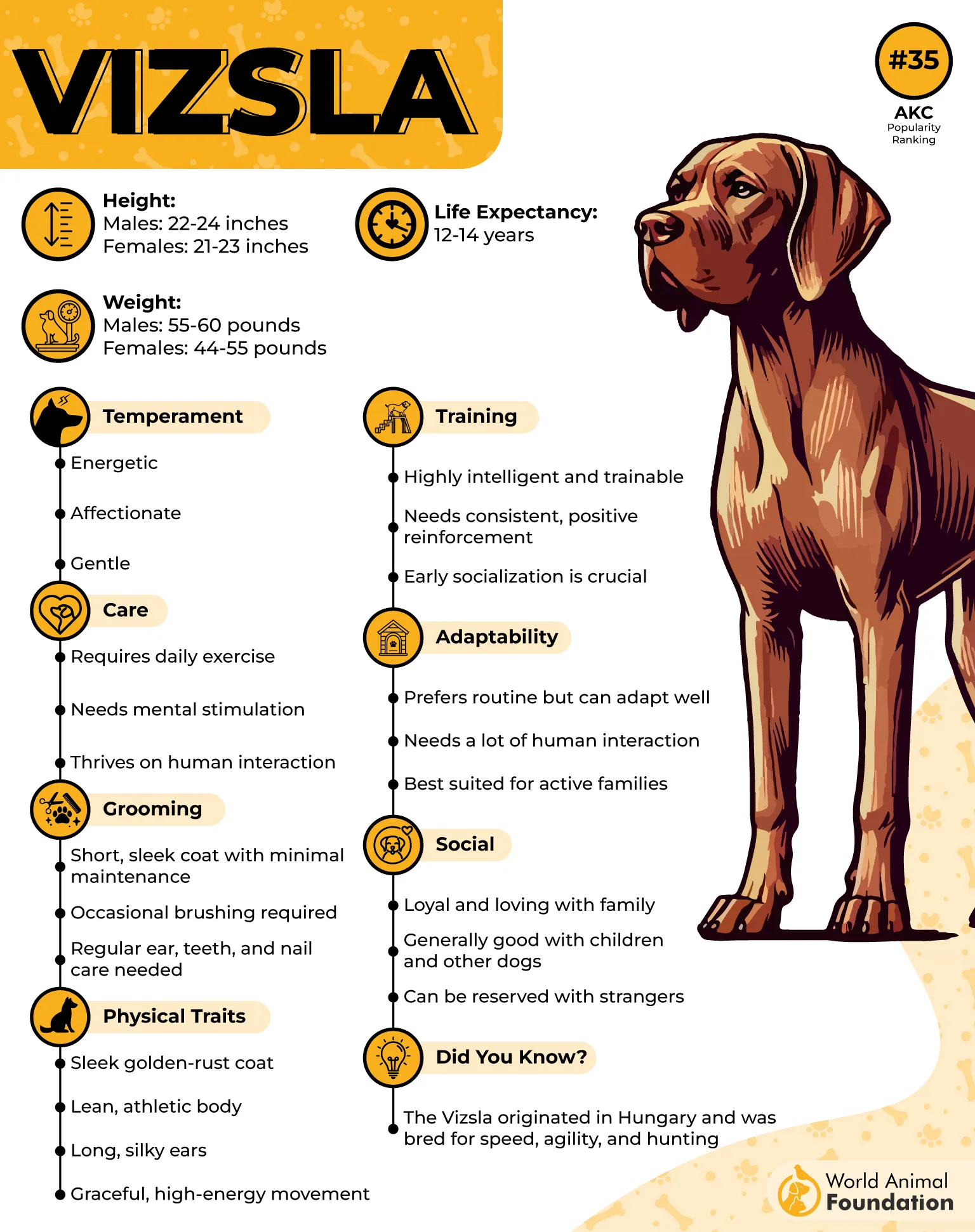
He can comfortably cover several miles, making him a reliable outdoor partner. Yet when the day winds down, he becomes deeply affectionate, happiest curled up near his people. Often called a “Velcro dog,” he forms strong bonds and dislikes being left alone.
With early socialization and steady training, the Vizsla grows into a gentle, loyal companion, athletic outdoors, loving indoors, and always ready for the next adventure.
2. Siberian Husky
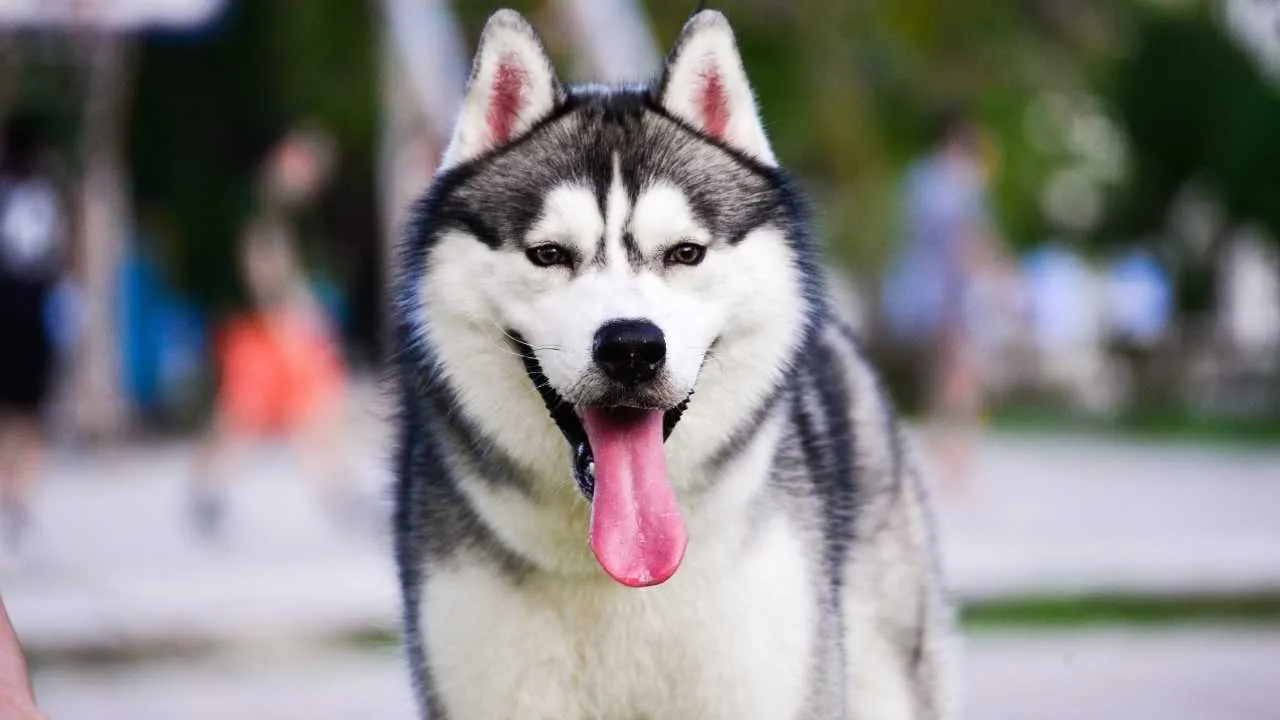
If your idea of camping includes miles of open trail and crisp morning air, the Siberian Husky will be right at home.
Bred over 3,000 years ago by native Siberian communities to haul loads across vast, frozen landscapes, this medium-sized working dog was built for endurance, speed, and teamwork.
With a thick double coat, erect ears, and a bushy tail, the Husky combines strength and balance in one agile frame.
They need more than two hours of exercise daily and a safe, secure space to run—because once free, they will follow their instinct to keep going, according to Purina.
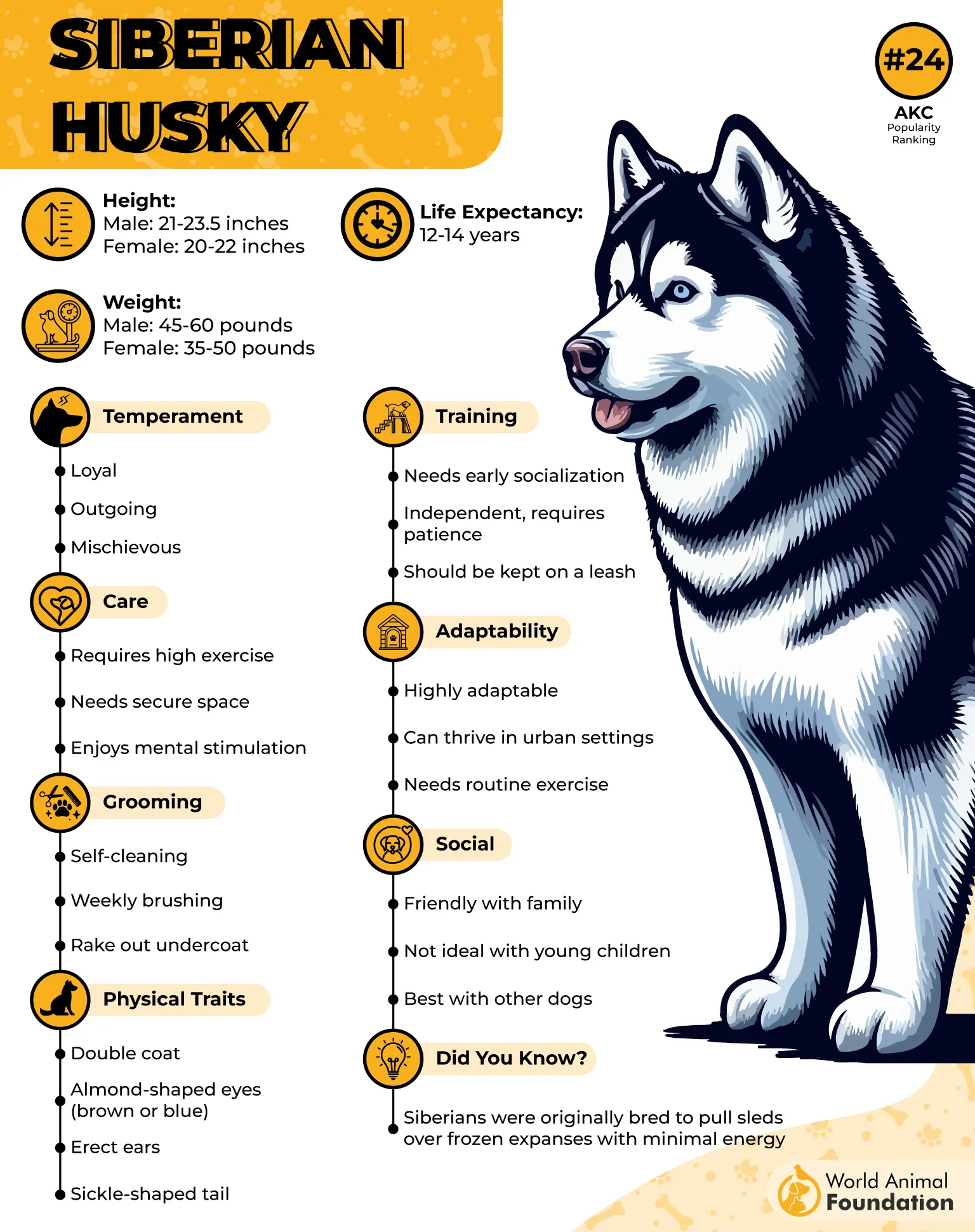
Friendly and gentle, yet famously independent, Huskies are not obedience stars. They howl more than they bark and can be mischievous, especially when bored.
Best suited to experienced owners with space and time, this energetic breed thrives in the countryside, where adventure isn’t occasional, it’s a way of life.
3. Beagle
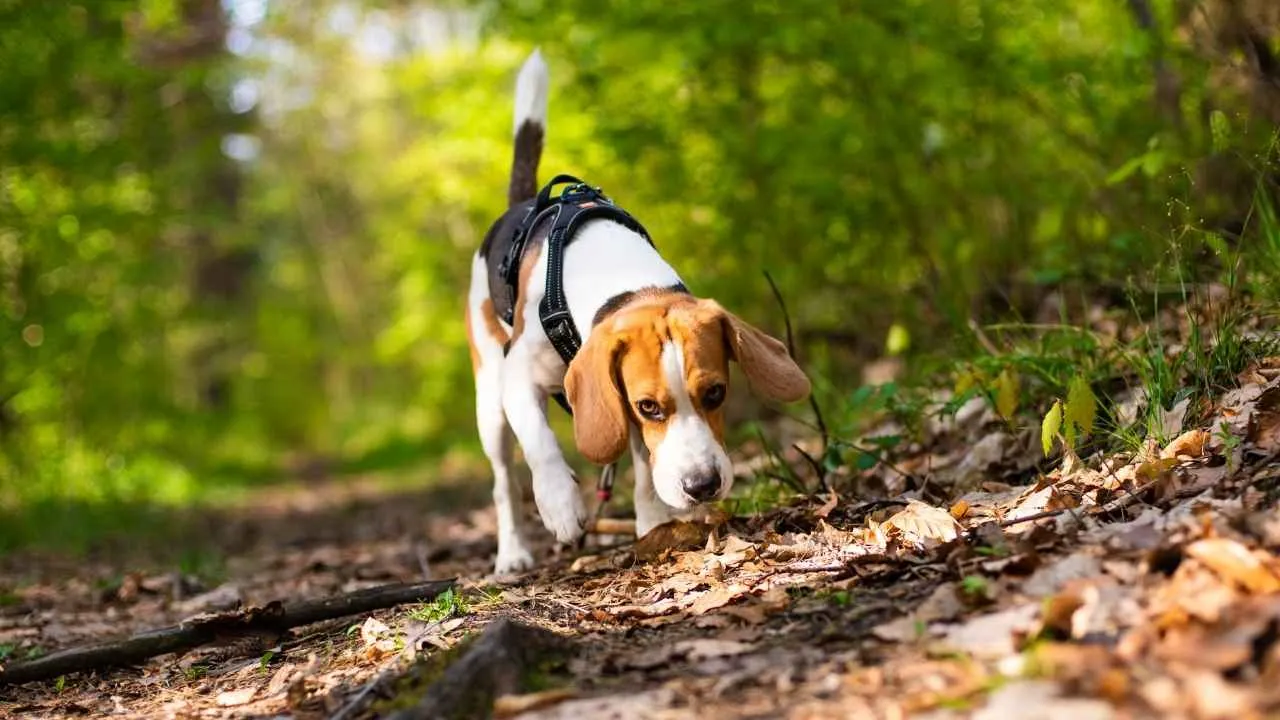
Few dogs capture the charm of the outdoors quite like the Beagle. With floppy ears, bright eyes, and a constantly wagging tail, this cheerful scent hound has long been a favorite companion.
Originally bred to track prey by following their powerful noses, Beagles are energetic, determined, and happiest when they have space to explore, qualities that make them well-suited for camping trips.
Small but sturdy, they typically stand under 15 inches tall and wear a short, smooth coat in classic tricolor patterns.
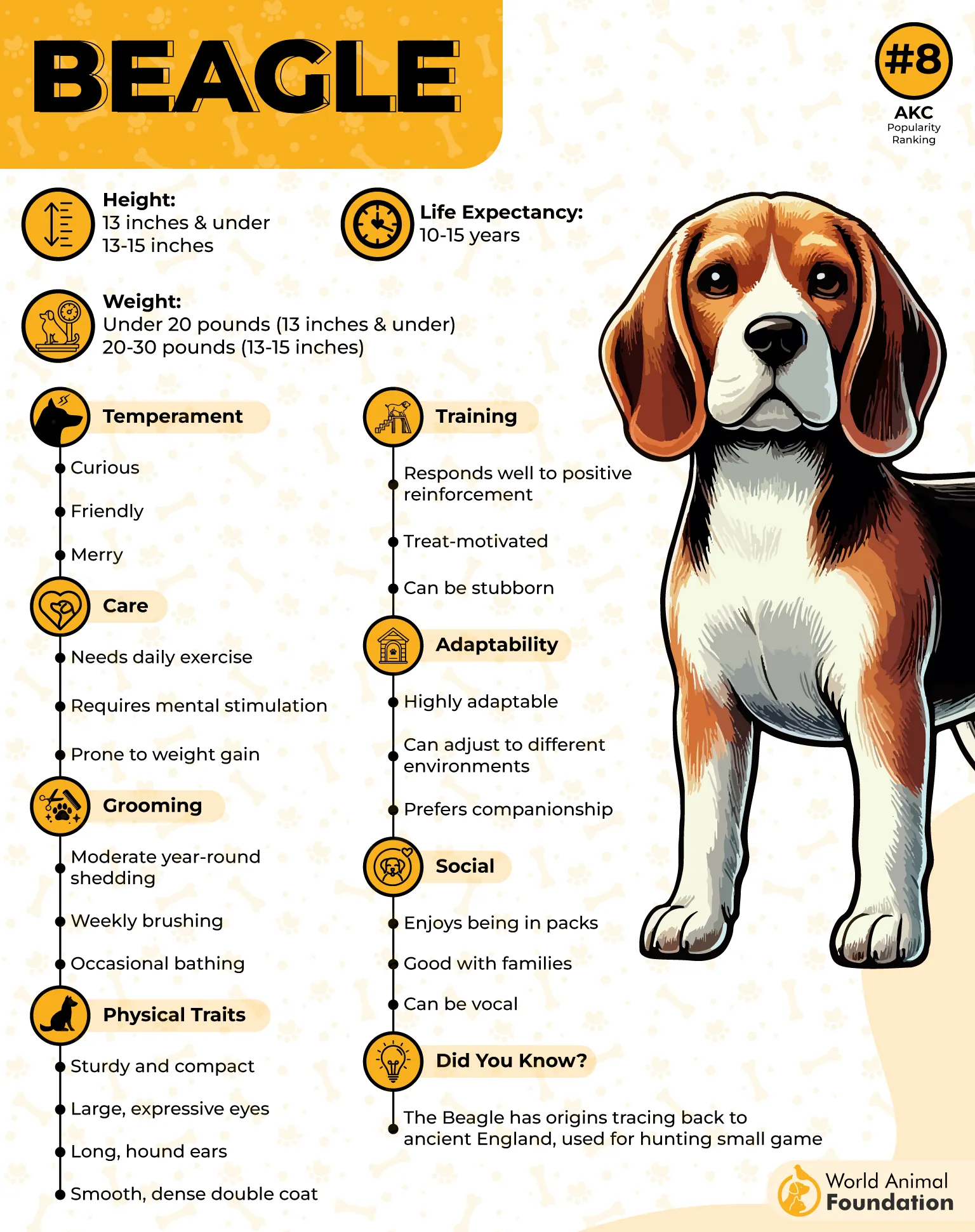
Their grooming needs are simple, though they do shed year-round. What they truly require is exercise, at least an hour a day. Without it, boredom can lead to digging, barking, or wandering off in pursuit of an interesting scent.
Friendly and pack-oriented, Beagles usually do well with children and other dogs. They aren’t guard dogs, but their loud, signature howl will certainly alert you to nearby activity around camp.
4. Jack Russell Terrier
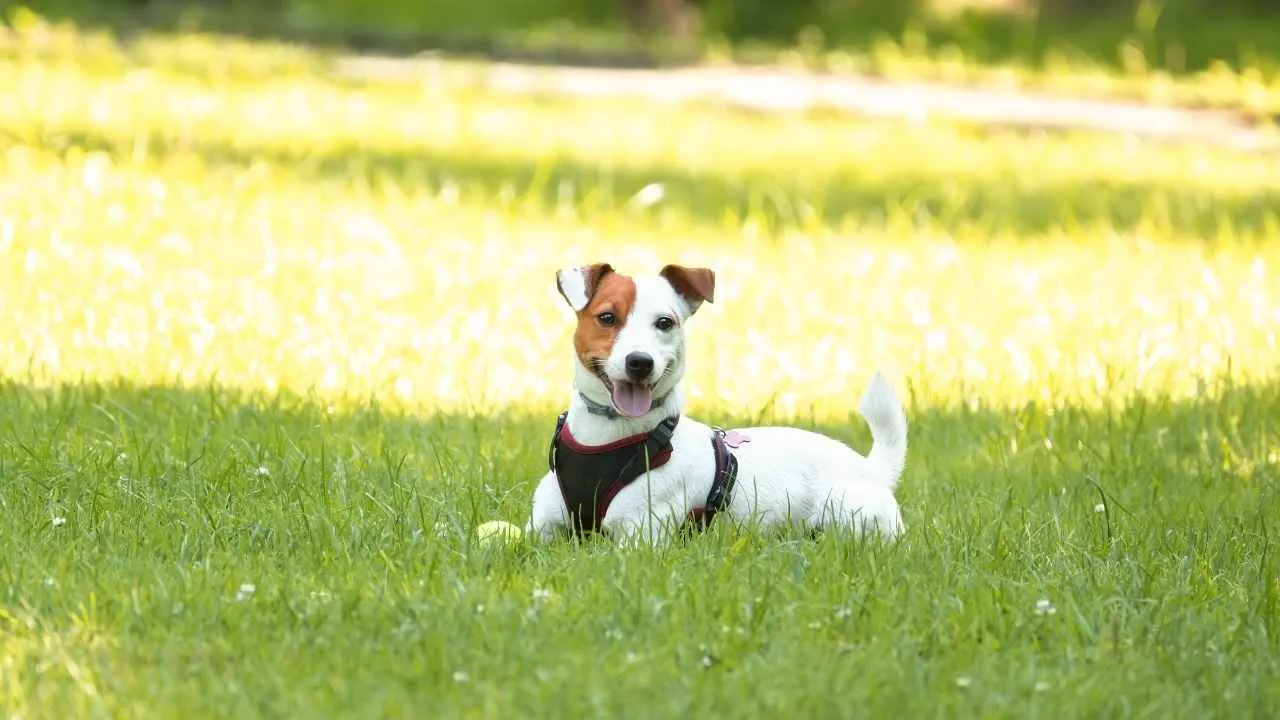
Small in size but enormous in spirit, the Russell Terrier was developed in England for foxhunts and still carries that fearless working-dog heart.
This compact terrier moves with confidence and purpose. With bright almond-shaped eyes and alert V-shaped ears, he always seems ready for the next discovery on the trail.
Don’t let the plush-toy looks fool you; this is a tireless, high-energy breed.
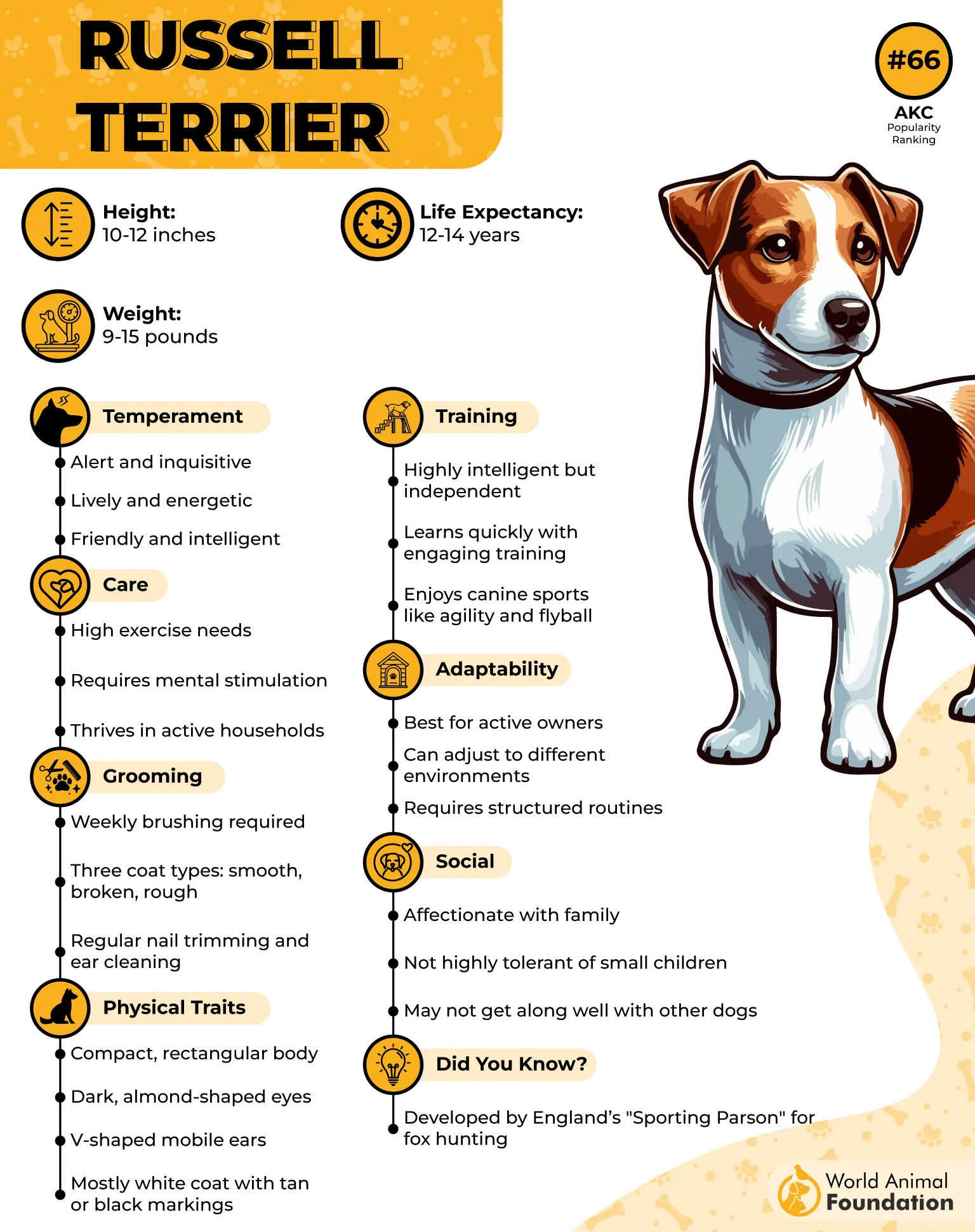
A Russell thrives on long hikes, active play, and outdoor exploration, making him a lively camping companion for families who love to stay on the move. Boredom is his true enemy, so regular physical and mental challenges are essential, as explained by PetMD.
Coat care is simple, whether smooth, broken, or rough, requiring only weekly brushing and routine ear and nail checks. Intelligent and quick to learn, Russells respond best to upbeat, engaging training—and owners who appreciate a little mischief along the way.
5. Golden Retriever
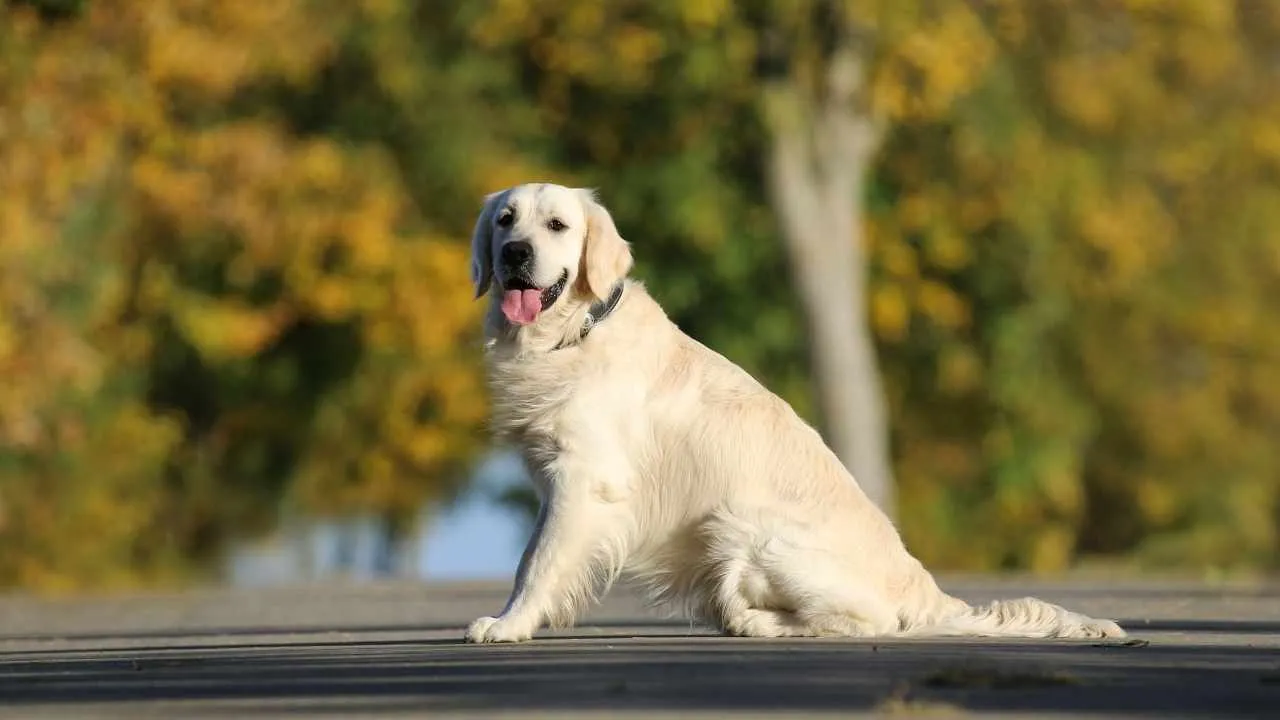
Few breeds feel as at home around a campfire as the Golden Retriever. Friendly, adaptable, and full of playful energy, this sporting dog was originally developed in 19th-century Scotland to retrieve game from land and water.
That heritage still shines through in their love of long hikes, swimming, and endless games of fetch.
Powerfully built yet gentle in expression, Goldens wear a dense, water-repellent golden coat that sheds heavily, especially during seasonal changes.
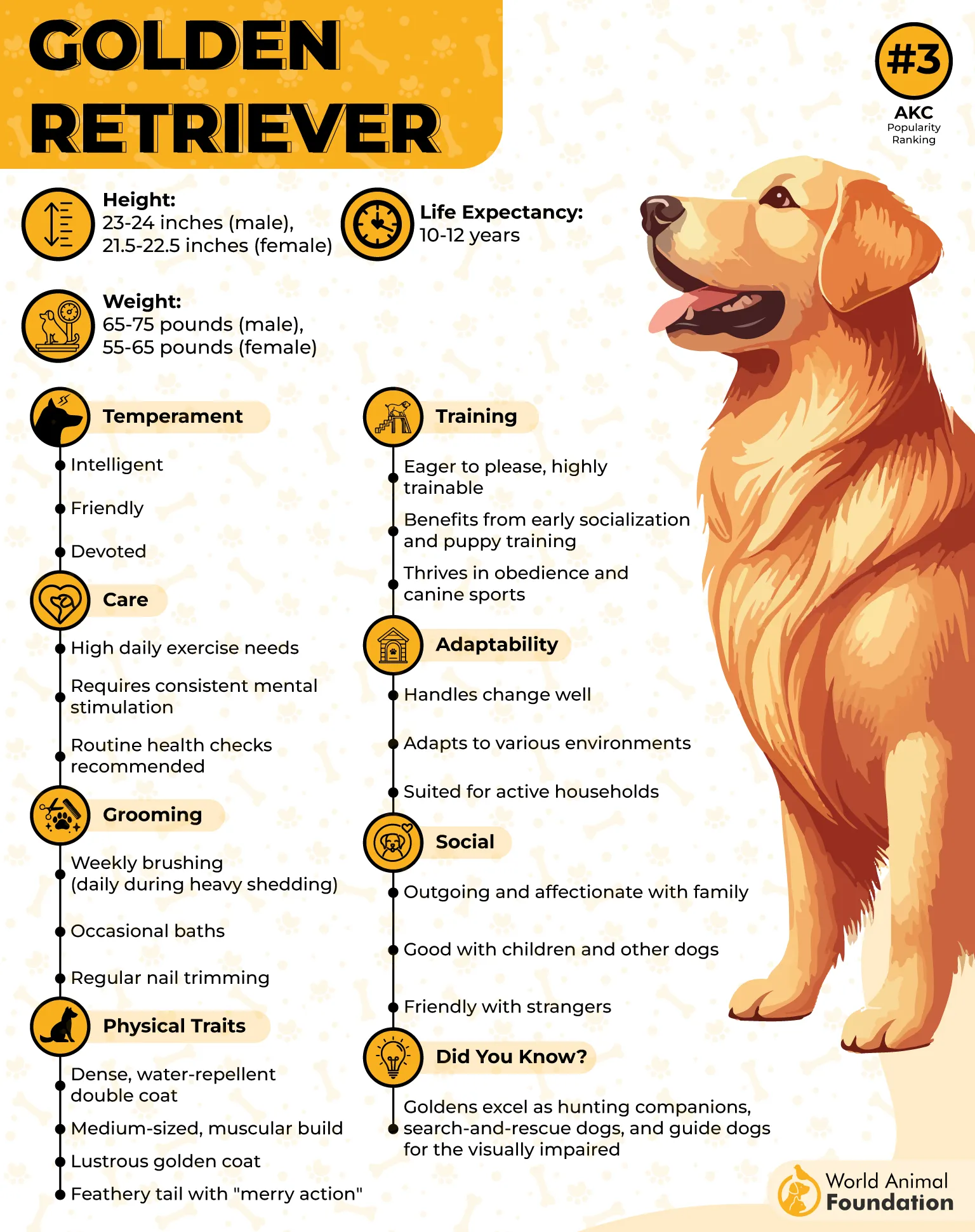
Regular brushing keeps them comfortable and your gear a little less furry.
Patient and outgoing, they greet friends and strangers alike with a wagging tail. They thrive on companionship and don’t enjoy being left alone for long.
With proper exercise and attention, their endurance can carry them for miles on the trail, making them loyal, eager partners for families who see camping as time well spent together.
6. Rhodesian Ridgeback
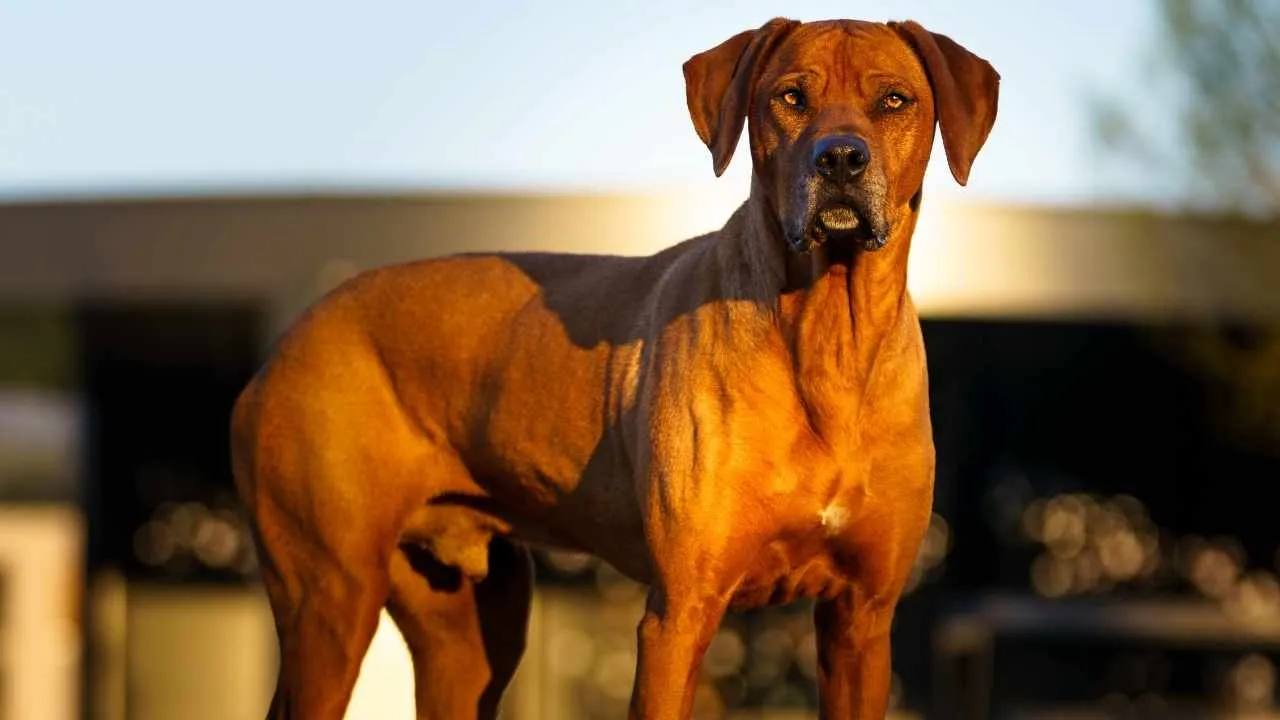
Strong, loyal, and built for endurance, the Rhodesian Ridgeback was shaped by southern Africa’s rugged landscapes.
Originally developed from native ridged dogs and European breeds brought by settlers, these powerful hounds became known for their ability to track big game and even hold lions at bay, earning the nickname “lion dog.”
Today’s Ridgeback still carries that athletic, independent spirit. Lean and muscular with a short wheaten coat and the distinctive ridge of hair along the spine, they are natural adventure partners.
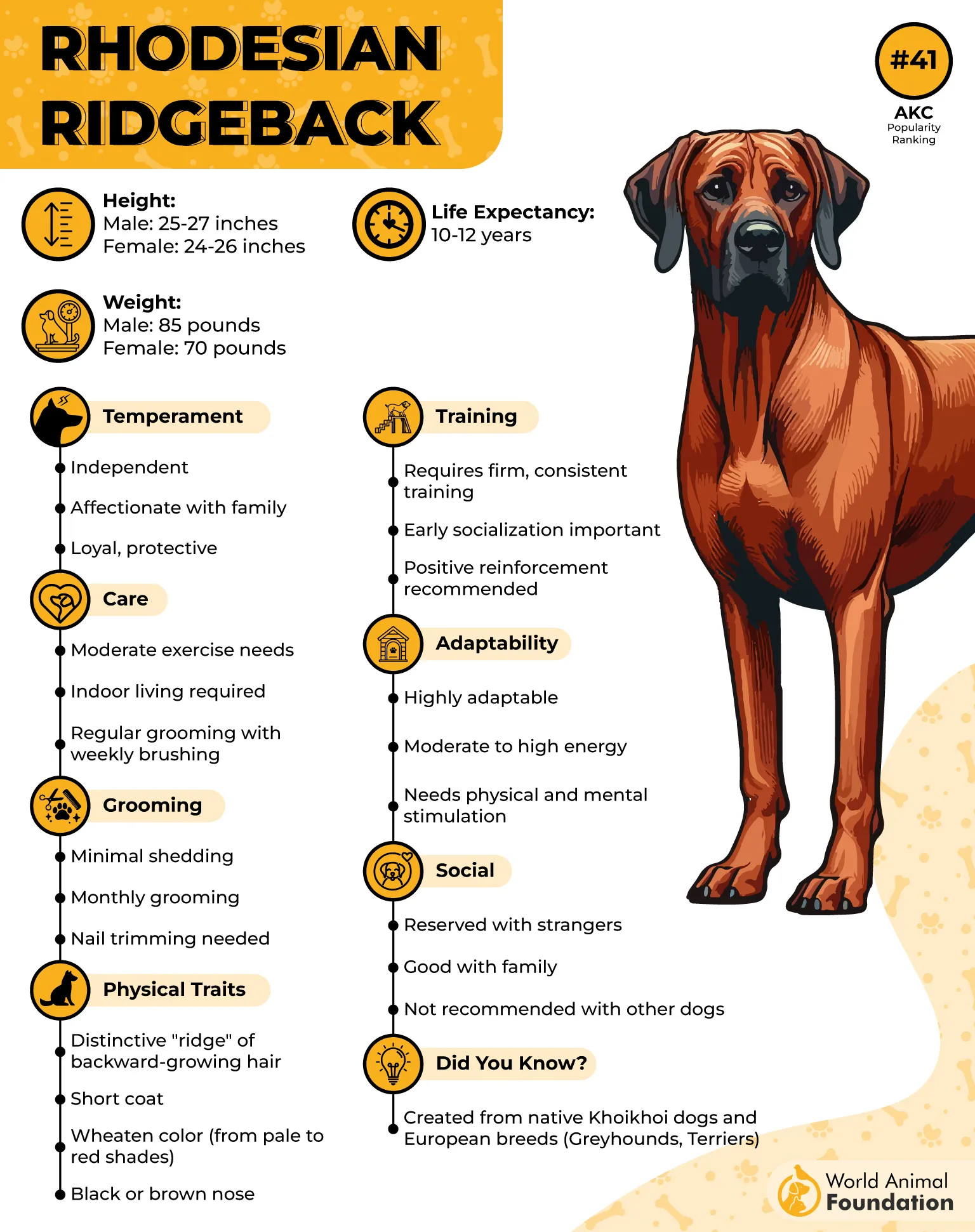
Long hikes, steady jogs, and open spaces suit them well, though their short coat offers little protection against cold, wet weather.
They form deep bonds with their families and are protective without being unnecessarily aggressive. Intelligent but strong-willed, they require consistent obedience training and clear guidance, according to VCA Hospitals.
With proper exercise and structure, a Ridgeback settles into camp life as a calm, devoted companion, equally content exploring the trail or resting watchfully by your side.
7. German Shepherd
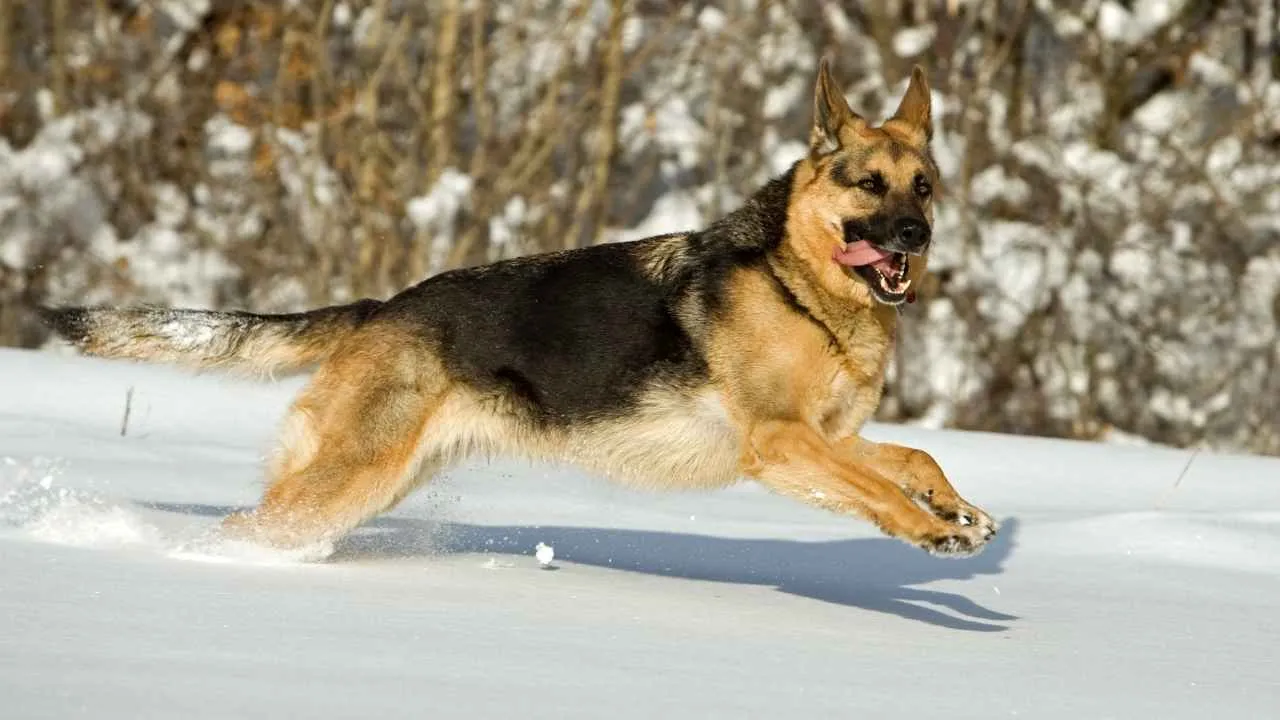
Few breeds look more at home on an open trail than the German Shepherd. Originally developed in late-19th-century Germany as an exceptional herding dog, this tireless, intelligent breed has grown into a trusted working partner and devoted family companion.
Strong and agile, they have a muscular build, alert expression, and signature upright ears.
German Shepherds are loyal to the core, protective of their people, watchful of their surroundings, and naturally reserved with strangers.

With early socialization and steady training, they are gentle with children and can live peacefully alongside other pets.
Athletic and highly driven, they need daily exercise and mental challenges to stay balanced. Their dense double coat requires regular brushing, and like many large dog breeds, they can be prone to joint and other hereditary health concerns.
For active campers seeking a brave, devoted partner, the German Shepherd rarely disappoints.
8. Alaskan Malamute
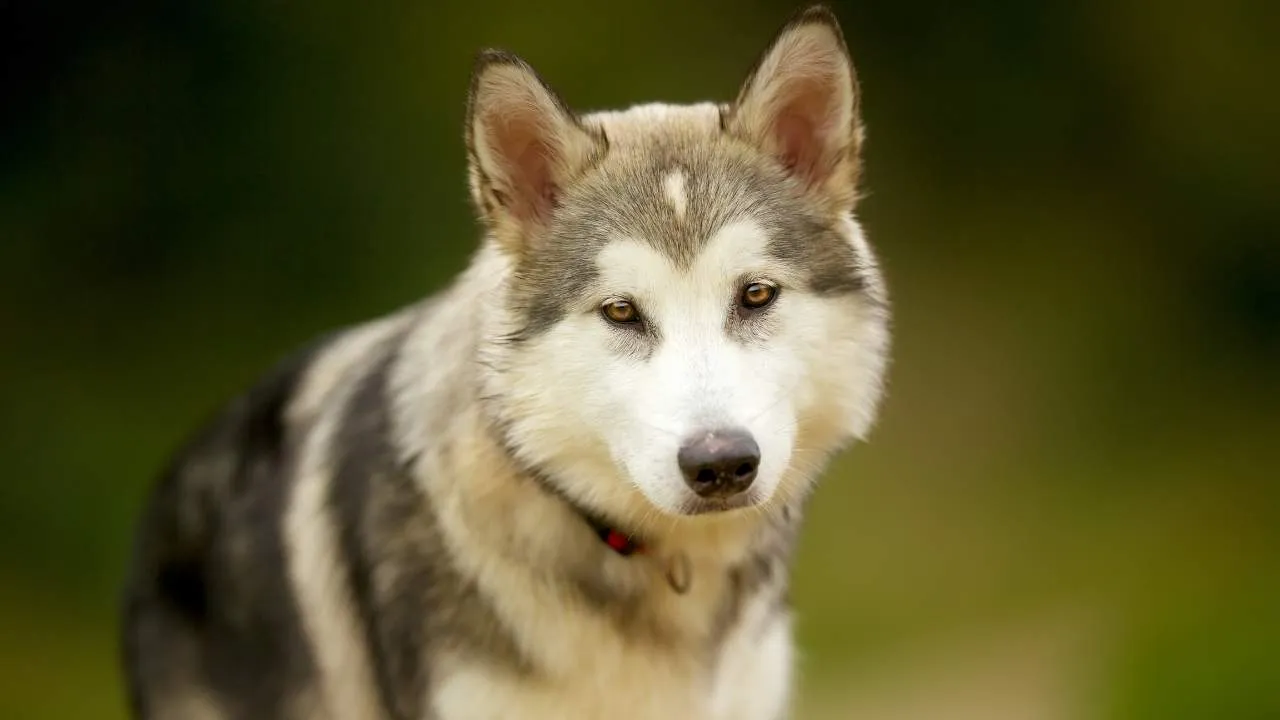
Born of the Arctic and shaped by survival, the Alaskan Malamute once lived alongside Inuit communities on Alaska’s north coast, hauling heavy prey like seals and bears across snowbound terrain.
Powerful, broad-chested, and built for endurance, these giant working dogs thrive in cold climates thanks to their dense double coat and wide, snow-ready feet.
Even today, they’re still seen pulling sleds in remote regions and racing across winter landscapes worldwide.
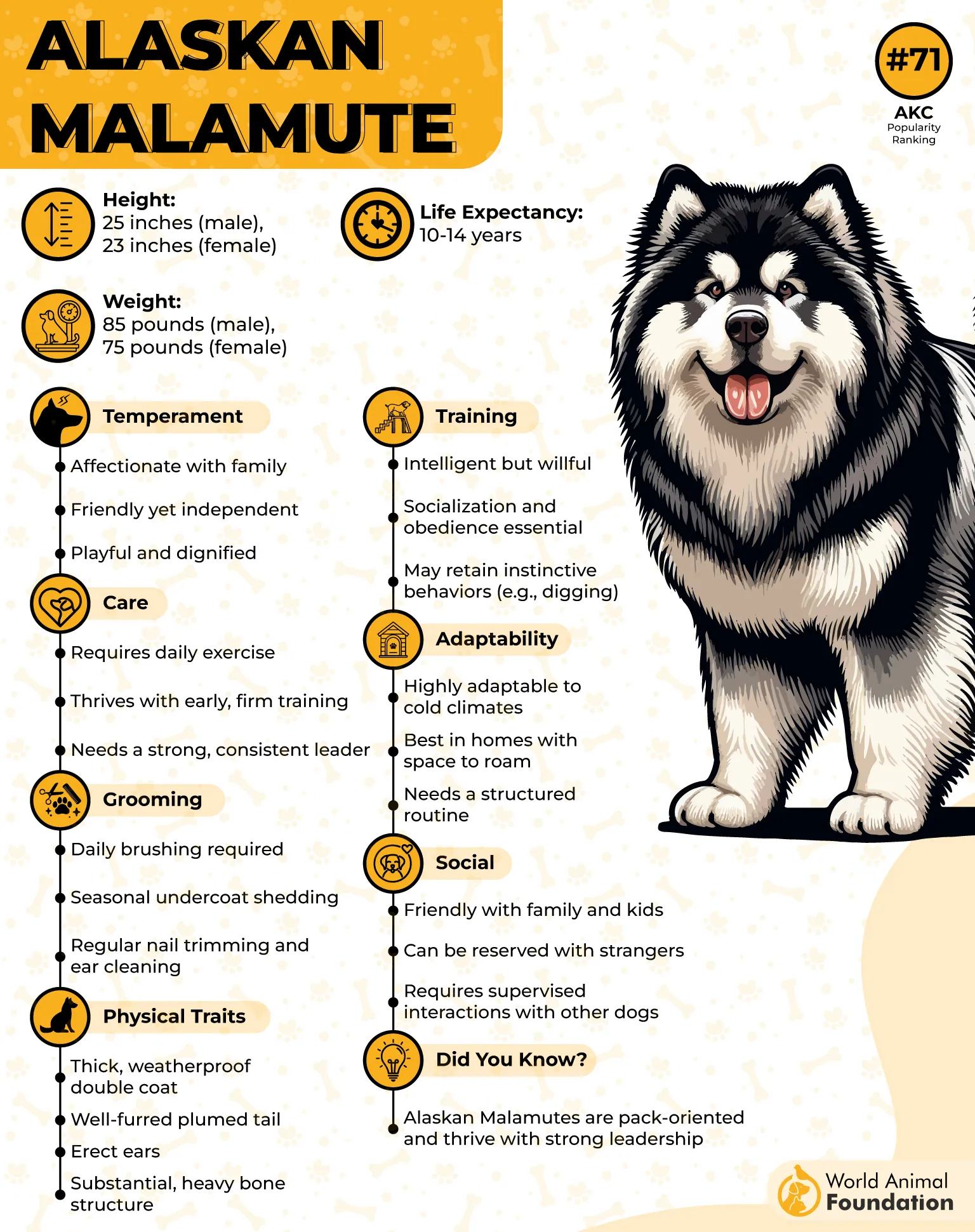
Malamutes are intelligent and quick to learn, but they carry a strong, independent streak. Early, firm training is essential, especially given their size and strength.
They adore people and crave attention, yet they are not natural guard dogs. With energy to spare, they need over two hours of daily exercise to prevent boredom and destructive habits.
Their thick coats require frequent brushing and make hot weather risky. Though generally healthy, they can be prone to hip issues, elbow problems, cataracts, and certain inherited conditions.
9. Labrador Retriever
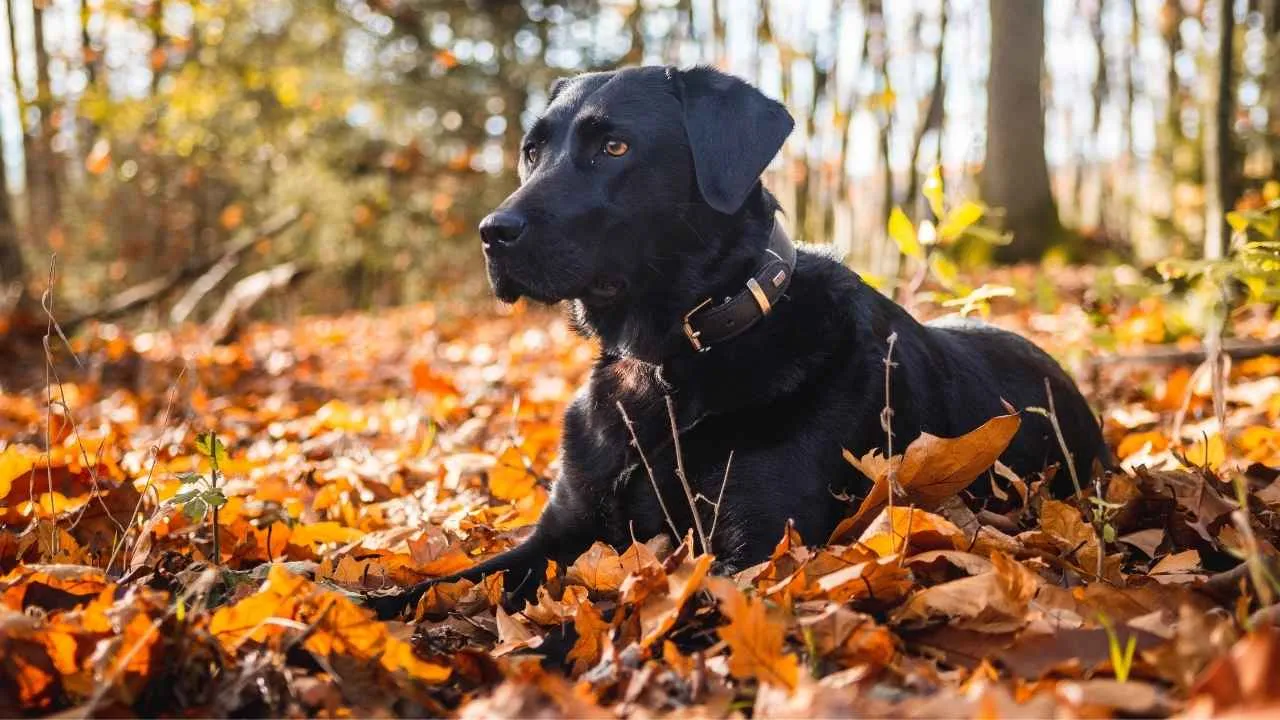
Few breeds feel more at ease beside a tent or splashing through a lake than the Labrador Retriever. Once a hardworking gundog with Canadian roots, today’s Lab is still active, eager, and wonderfully easy to train.
Large and sturdy with a short, smooth coat, they need weekly grooming and at least two hours of daily exercise to stay happy.
Labradors are playful, intelligent, and famously affectionate.
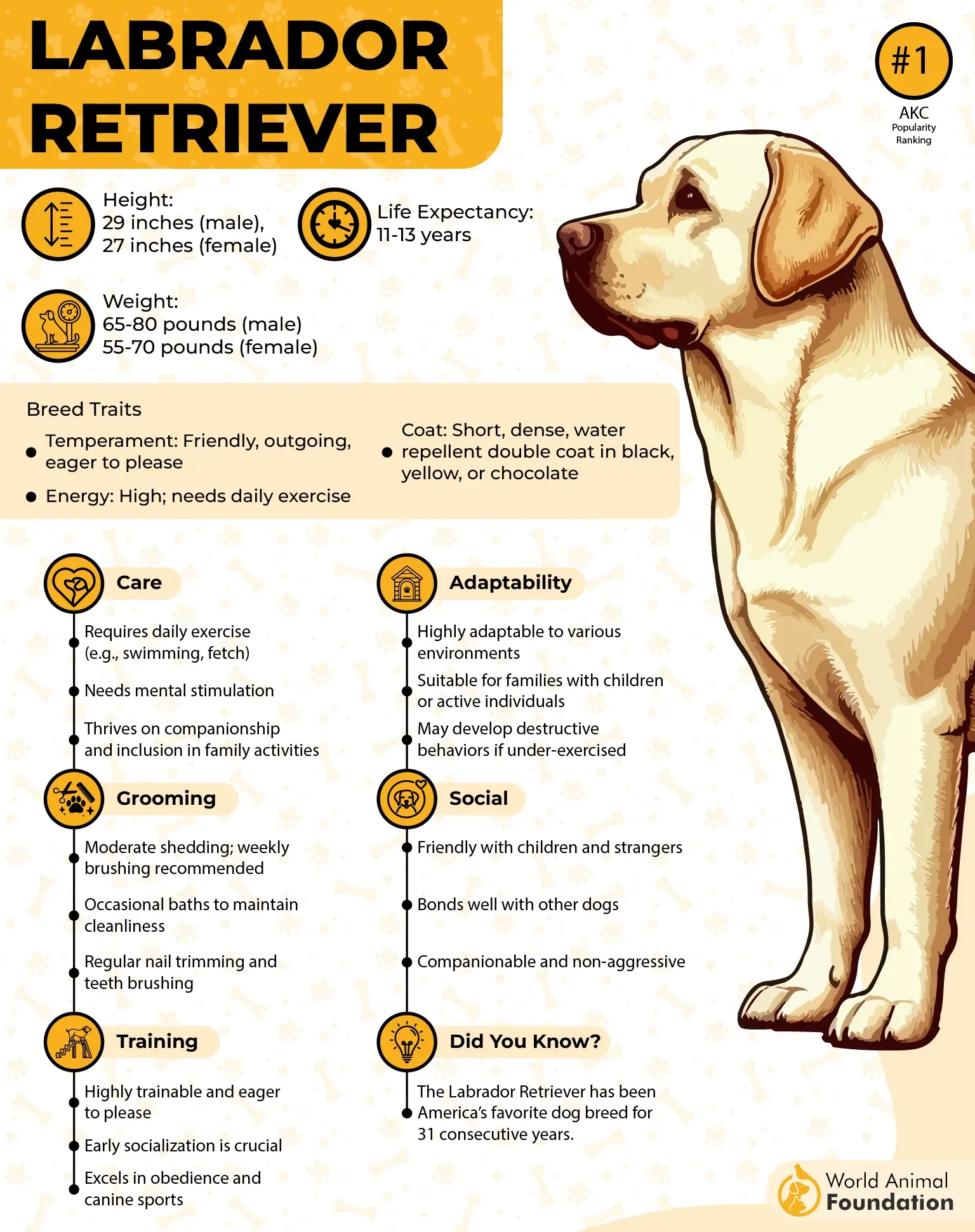
They thrive on companionship, fitting just as comfortably into busy family life as they do with a sole owner. Their gentle, patient nature makes them good with children and other pets, though their enthusiasm can sometimes outweigh their awareness of size.
Bred to retrieve, they live for games of fetch and love the water, where swimming offers ideal low-impact exercise, as suggested by PetPlan.
Highly food-motivated and quick to learn, they respond beautifully to positive training. With proper activity, attention, and weight management, this loyal, good-natured breed becomes a joyful, steady camping companion.
10. Border Collie
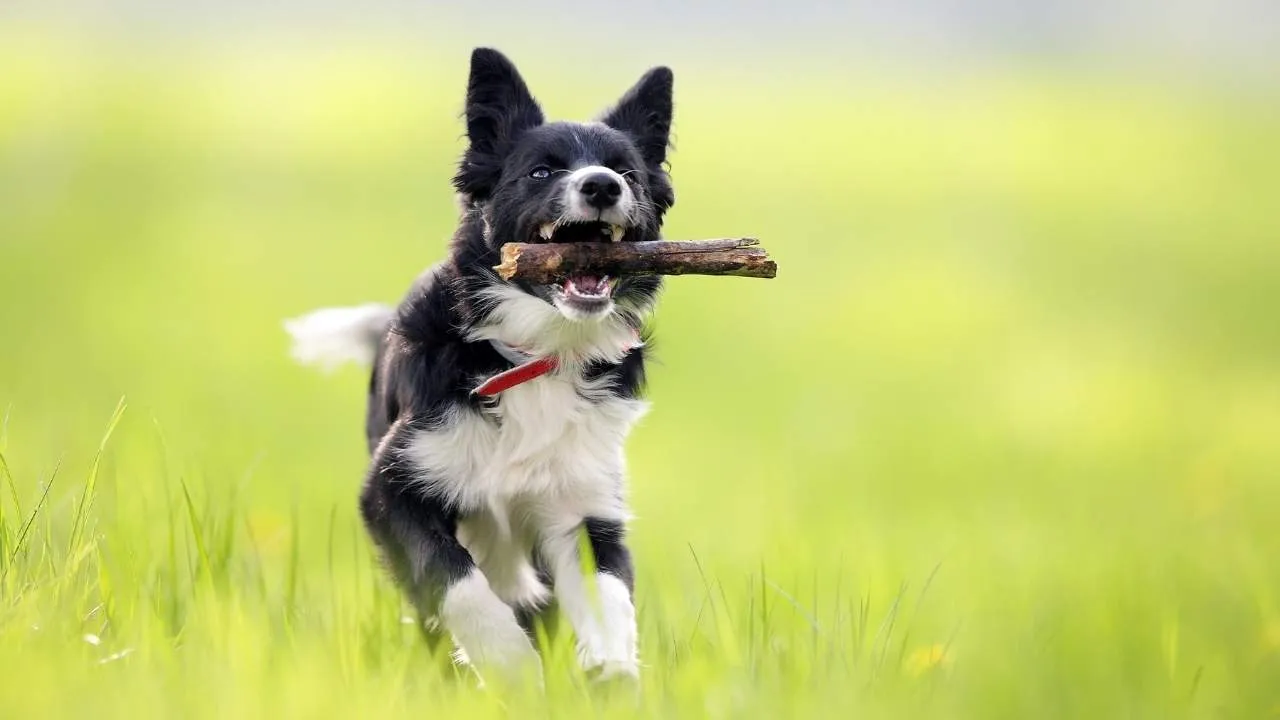
The Border Collie is brilliance in motion, a tireless, medium-sized herder standing 18 to 22 inches tall, built lean, muscular, and ready to work.
With either a rough or smooth weather-resistant double coat and those unmistakable almond eyes fixed in the intense “herding eye,” this breed radiates focus.
Agile, balanced, and endlessly durable, Borders excel in agility, obedience, herding, and other canine sports. But their gifts come with a catch: they need purpose.
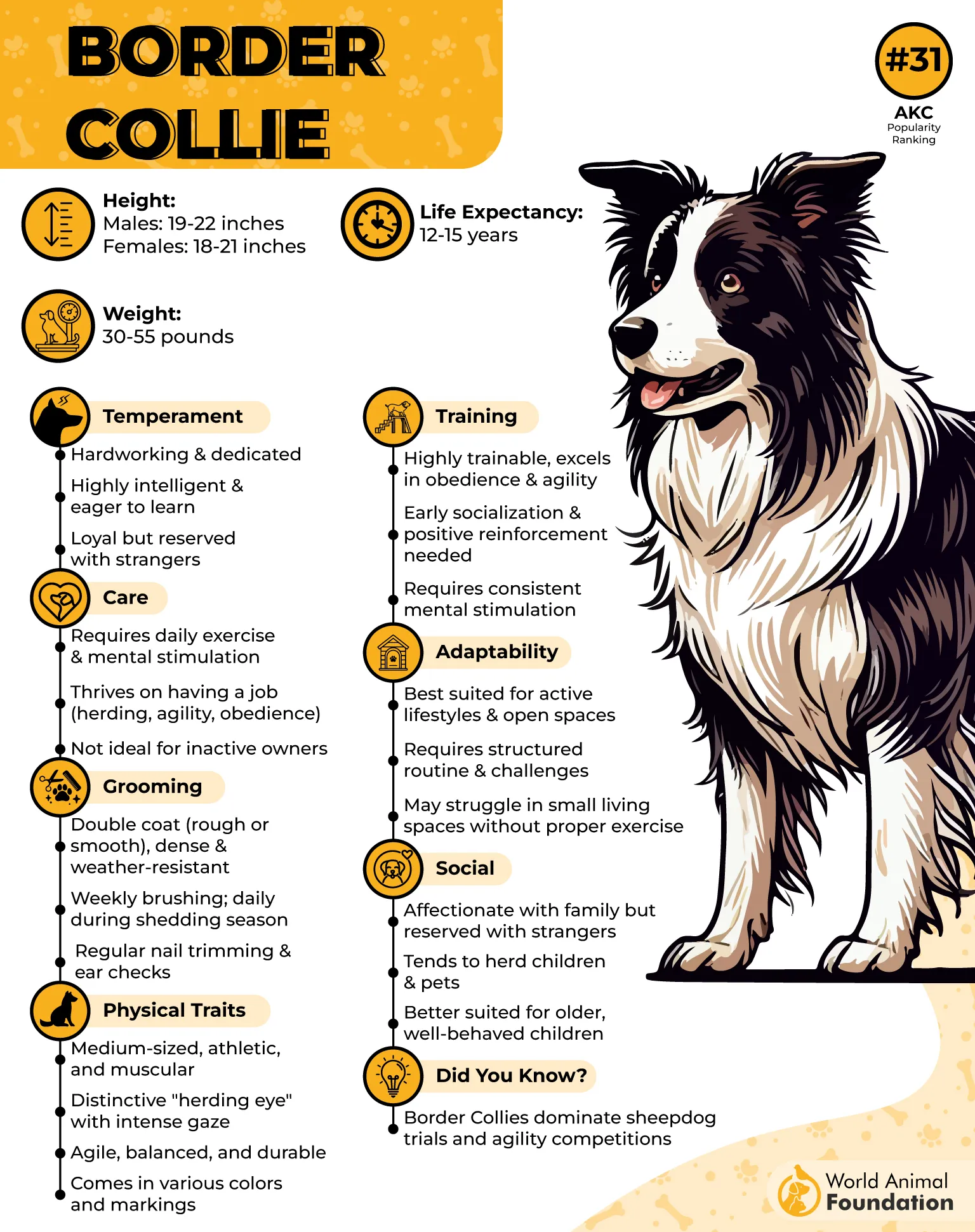
This is not a dog for a sedentary life. A quick walk won’t do. Daily vigorous exercise and ongoing mental challenges are essential to prevent frustration.
Early socialization and lifelong training keep them confident and fulfilled. Though affectionate with family, they may be reserved with strangers and tend to herd moving children.
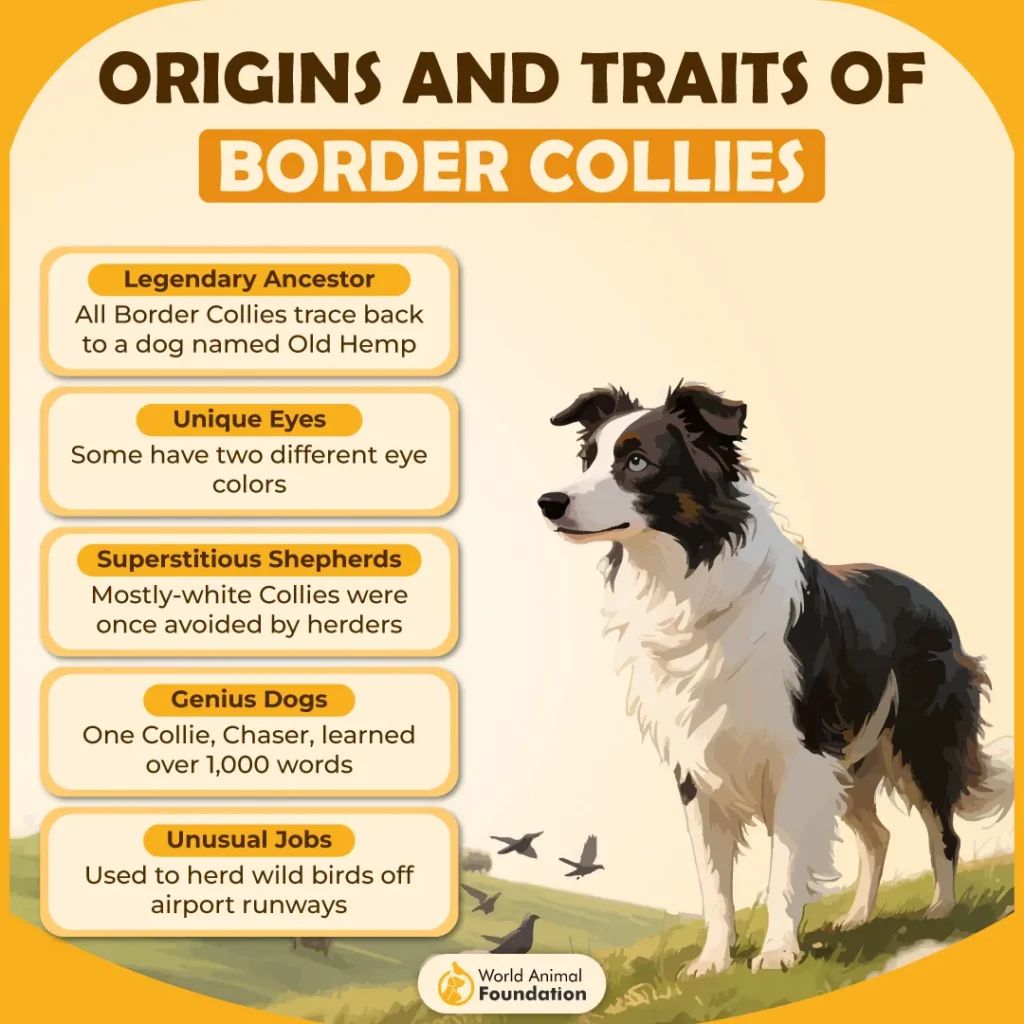
Generally hardy, responsible breeding screens for conditions like hip dysplasia and certain eye and neurological disorders. With proper care, structure, and space to run, a Border Collie becomes an extraordinary outdoor companion.
Conclusion
Camping is about fresh air, open skies, and sharing simple moments with those who matter most, and for many of us, that includes our dogs.
The athletic dog breeds highlighted here aren’t just beautiful or popular; they were shaped by purpose, endurance, and partnership with humans.
But thriving on a camping trip isn’t just about breed traits. It’s about matching a dog’s energy, temperament, and care needs to your active lifestyle. Exercise, proper training, grooming, and health awareness all play a role in creating a safe and rewarding adventure.
Choose wisely, prepare thoughtfully, and your four-legged companion won’t just join the journey; they’ll elevate it, turning every trail walked and every campfire shared into a memory you’ll both cherish.
