




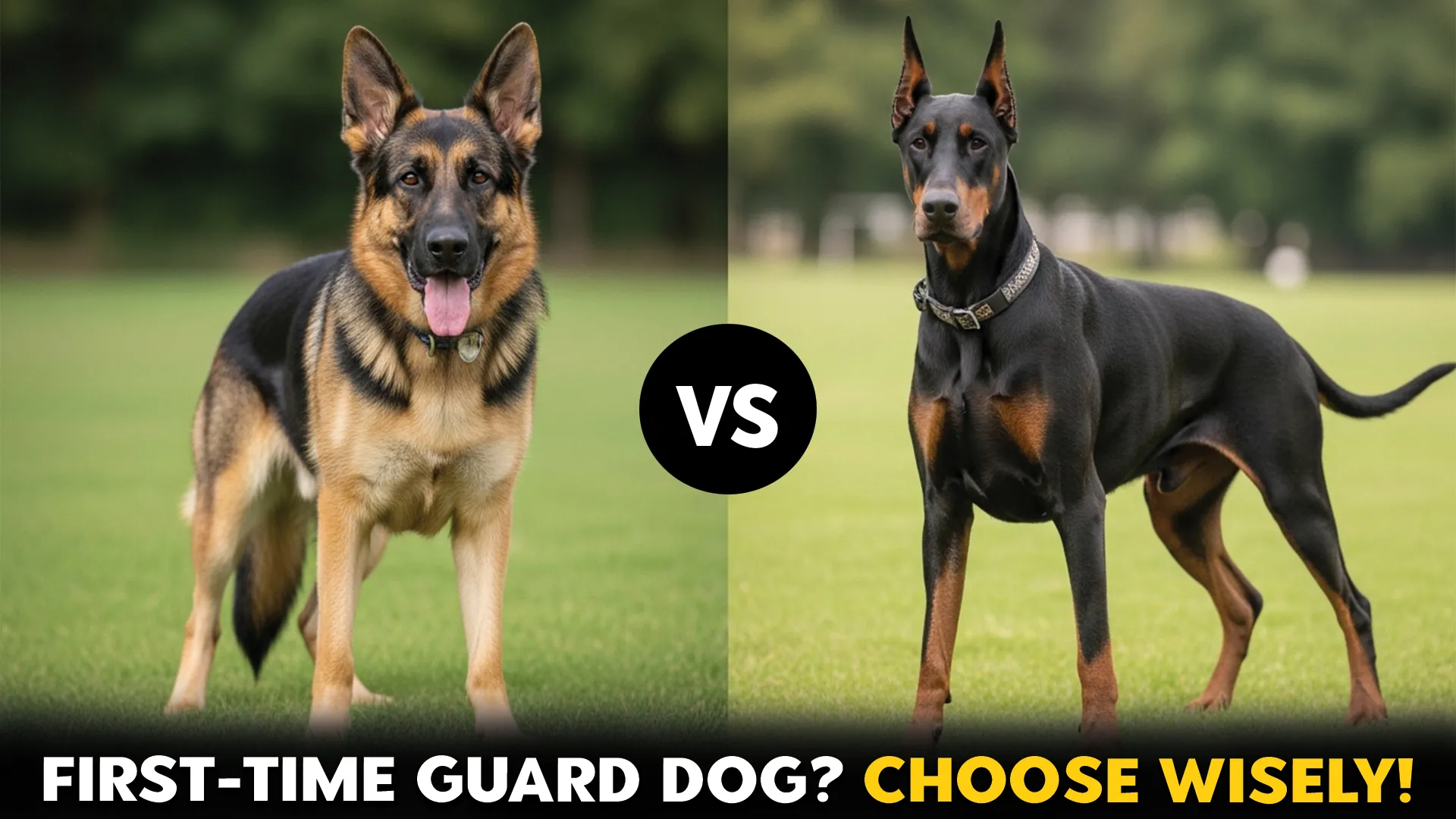
When people picture the great guard dog, two names usually lead the conversation: the German Shepherd and the Doberman Pinscher.
Both are intelligent, loyal, and fiercely protective. Both serve in police and military units worldwide. But for first-time owners, the similarities can be misleading — because these two breeds demand very different leadership styles, lifestyles, and expectations.
The Doberman was purpose-built for personal protection — sleek, alert, and intensely devoted to one person. The German Shepherd, developed as a versatile herding and working dog, thrives on structure, purpose, and mental challenge. One is a velcro shadow; the other is a driven all-rounder.
Neither is “easy.” For first-time guard dog owners, the real question isn’t which breed is stronger — it’s which one you’re truly prepared to lead.
The best guard dog breed isn’t the most powerful — it’s the one you’re capable of guiding.
German Shepherd vs Doberman For First-Time Guard Dog Owners
Size and Strength
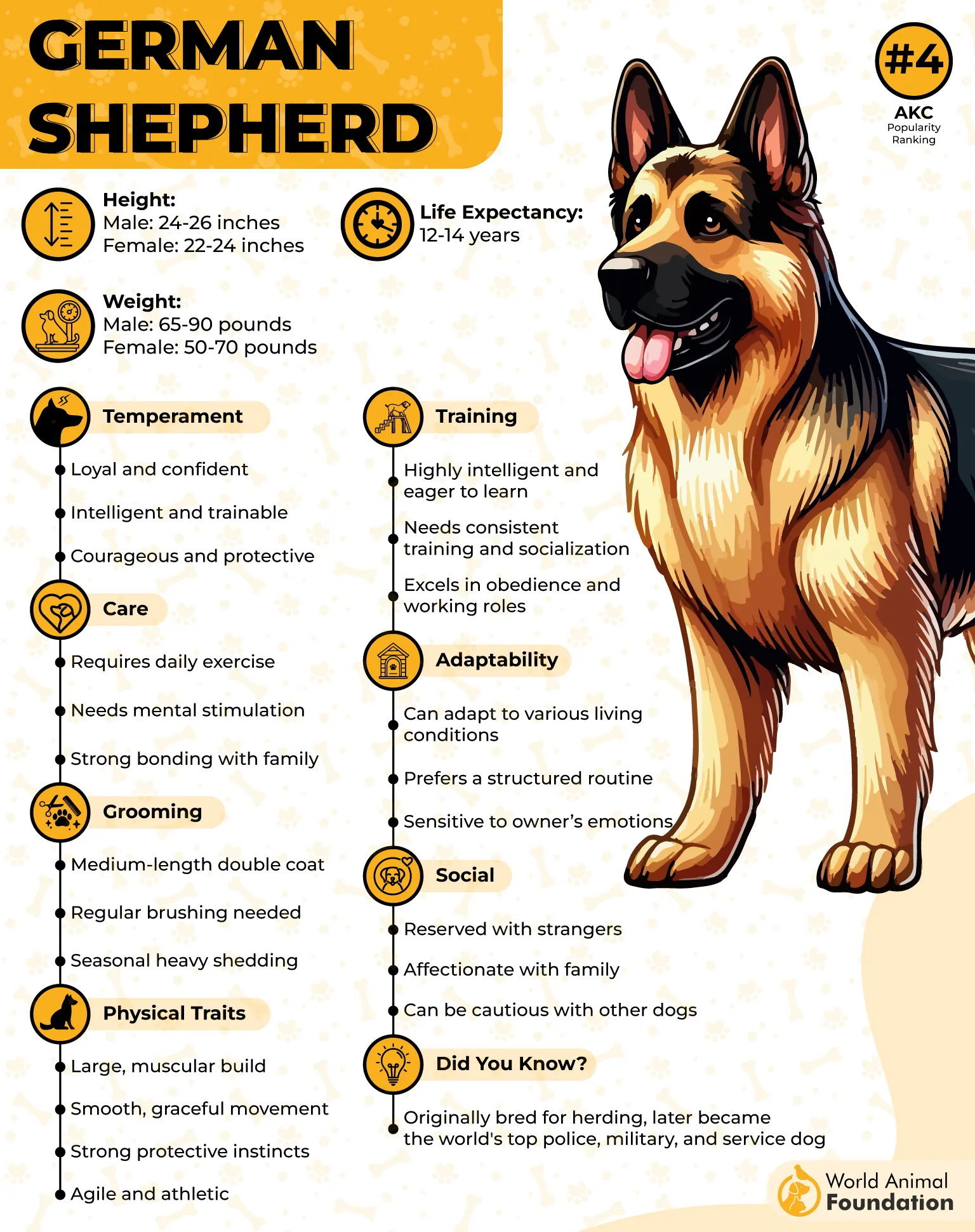
The German Shepherd is a large, muscular breed standing 22–26 inches tall and weighing between 50–90 pounds, admired for its combination of strength and fluid movement. Developed in late-19th-century Germany as the ultimate herding and utility dog, it embodies intelligence, agility, and confident authority.
Doberman: Sleek Strength in Motion
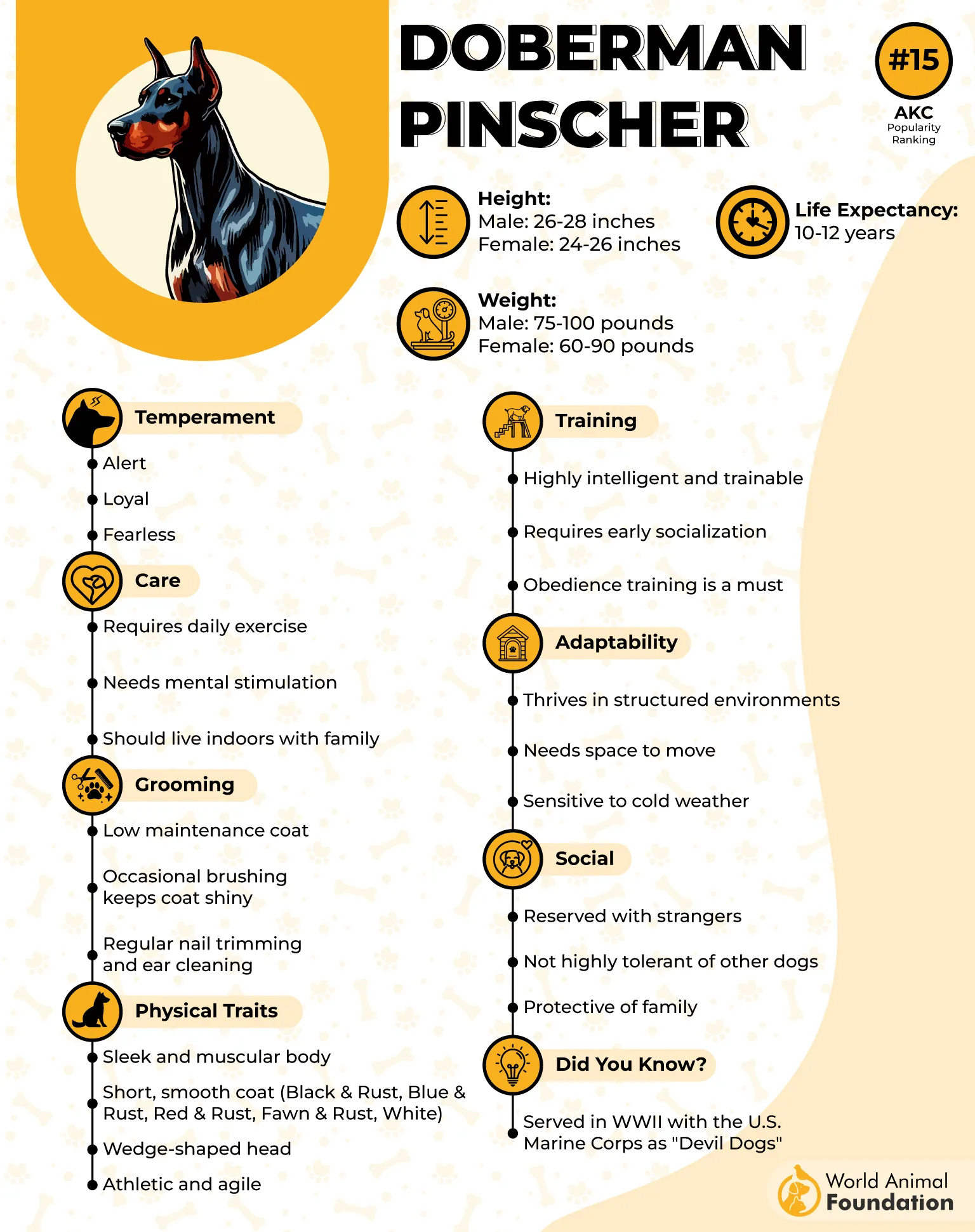
The Doberman Pinscher was developed in the 1890s in Germany specifically for personal protection, shaping a fast, fearless, and highly responsive defender. Males typically reach 26–28 inches in height, carrying a muscular yet refined frame engineered for speed and sharp reaction.
Strength Meets Leadership: The Beginner’s Reality Check
While both breeds are intelligent, loyal, and naturally protective, neither is effortless for first-time guard dog owners. German Shepherds seek meaningful tasks and steady direction, thriving under structured leadership, whereas Dobermans require firm consistency and early socialization to manage their strong-willed tendencies.
Temperament and personality
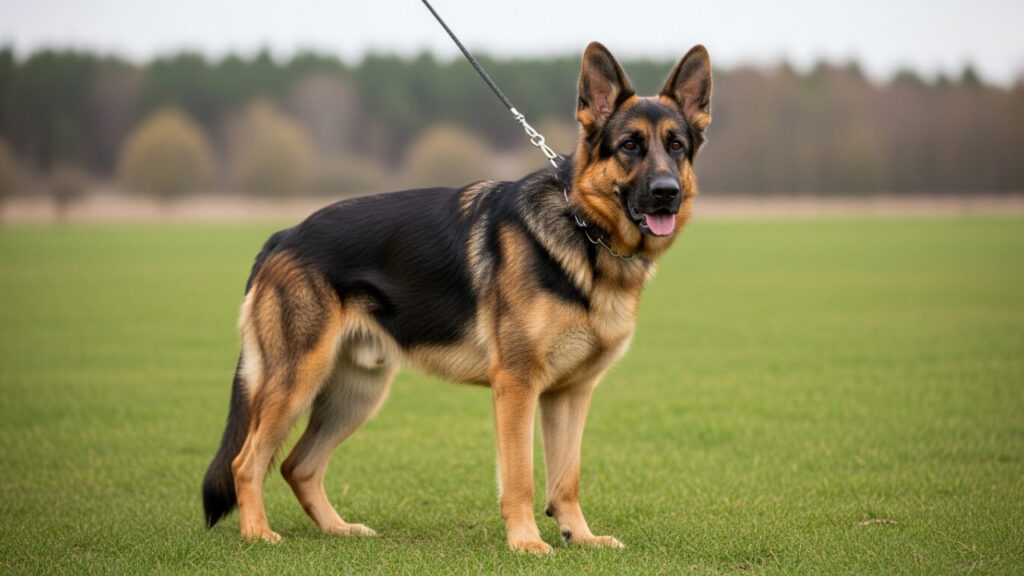
The German Shepherd is intelligent, alert, and profoundly loyal, shaped from traditional German herding dogs to unite working ability with dependable character. Naturally protective yet often reserved around strangers, they observe first and react with purpose.
Doberman: Bold Guardian with a Tender Heart
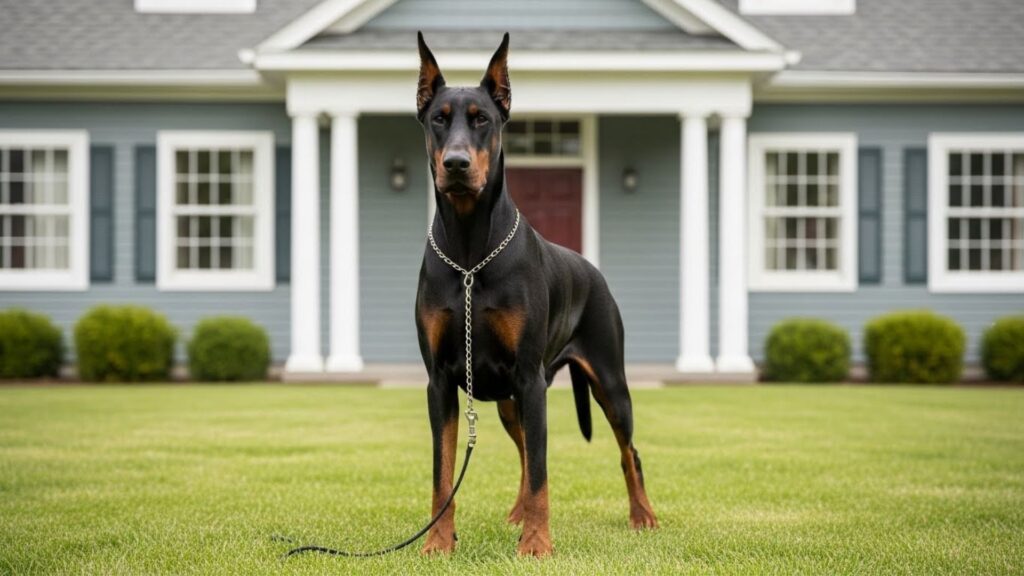
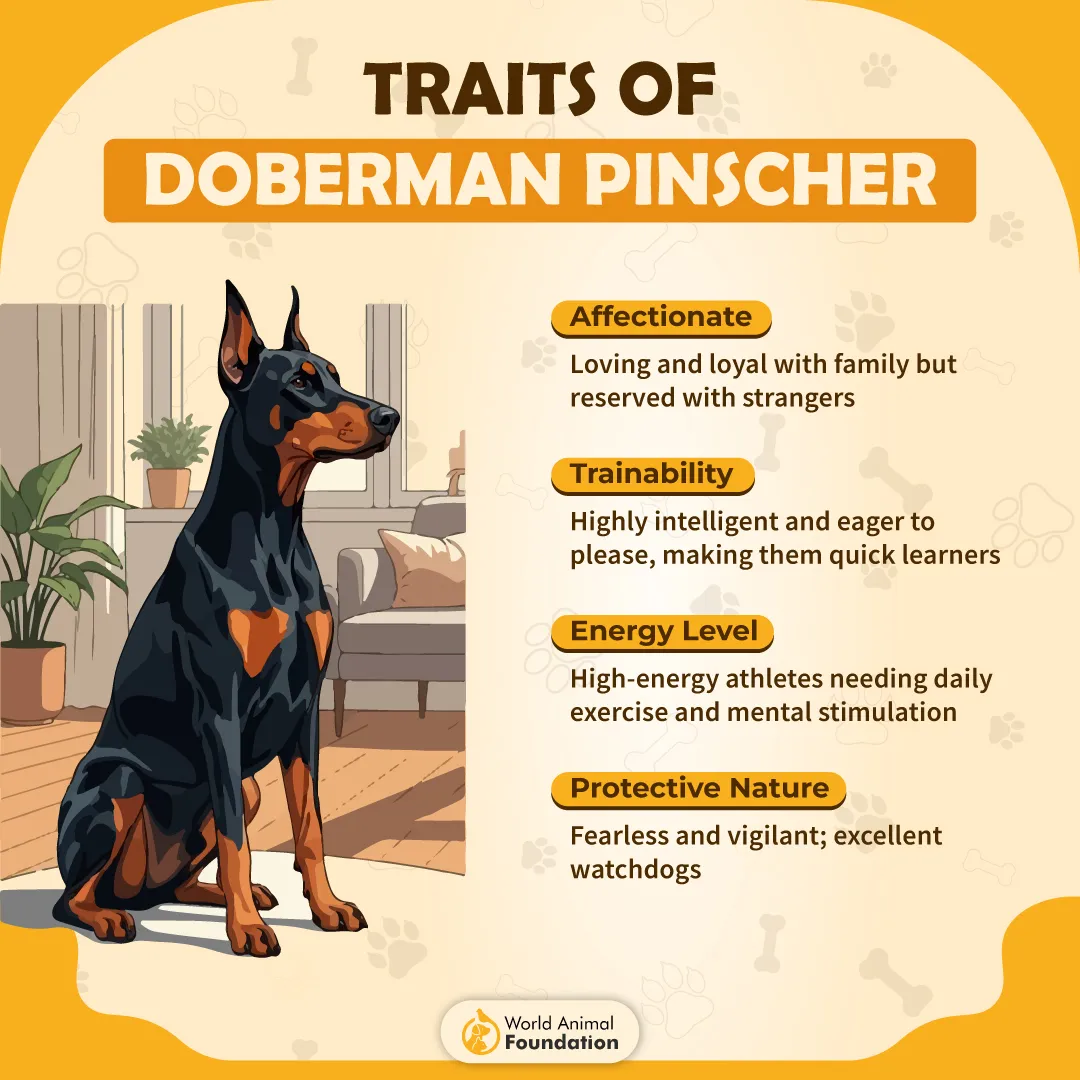
The Doberman Pinscher was purposefully bred for protection, producing a vigilant, energetic, and exceptionally sharp companion. While their sleek, commanding presence can appear intimidating, Dobermans are often affectionate and emotionally in tune with their families.
Temperament Over Image: The True Beginner Test
For first-time guard dog owners, personality outweighs reputation every time. German Shepherds typically offer adaptable protection and respond well to clear routines and guidance, while Dobermans build intense attachments that demand confident, consistent handling.
Health and Lifespan
The German Shepherd is a resilient, athletic working breed, yet like many large dogs, it carries significant health considerations. Hip dysplasia and gastric dilatation-volvulus (GDV) are major risks, potentially impacting mobility and overall longevity.
Doberman: Sleek Athlete Facing Hidden Risks
The Doberman Pinscher typically enjoys a lifespan of 10–12 years, recognized for its refined strength and enduring stamina. Despite this vitality, the breed is predisposed to serious conditions such as dilated cardiomyopathy (DCM), Wobbler syndrome, von Willebrand disease, and hip dysplasia.
Protection Comes with Long-Term Responsibility
For first-time dog owners, health management is just as critical as training and temperament. Both German Shepherds and Dobermans require financial preparedness, structured exercise, balanced nutrition, and routine veterinary oversight.
Training and exercise
The German Shepherd thrives under structured guidance, a trait rooted in its herding and utility background. Highly intelligent and eager to learn, they excel in obedience, tracking, and protection when given clear instructions.
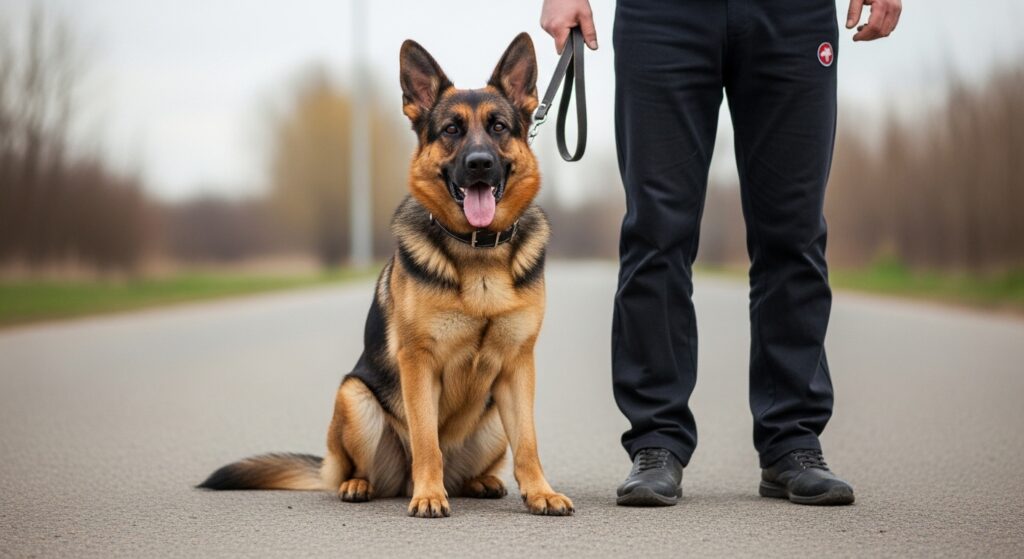
Doberman: Channelling Energy with Firm Leadership
The Doberman Pinscher is a fast learner but also quick to challenge boundaries, making structured training essential from an early age. Bred for personal protection, they respond best to confident, calm leadership and ongoing socialization, as per Britannica.
Matching Energy and Discipline for First-Time Owners
For beginners, the difference lies in energy management and training needs. German Shepherds require daily mental and physical stimulation through purposeful exercise and tasks, while Dobermans need firm boundaries and early socialization to channel their intensity.
Energy Level
The German Shepherd is a strong, athletic working dog, shaped from traditional German herders for stamina and focus, as per Purina. They need at least two hours of varied daily exercise, including structured walks, tracking challenges, and protection-style drills.
Doberman: Speed Meets Focused Energy
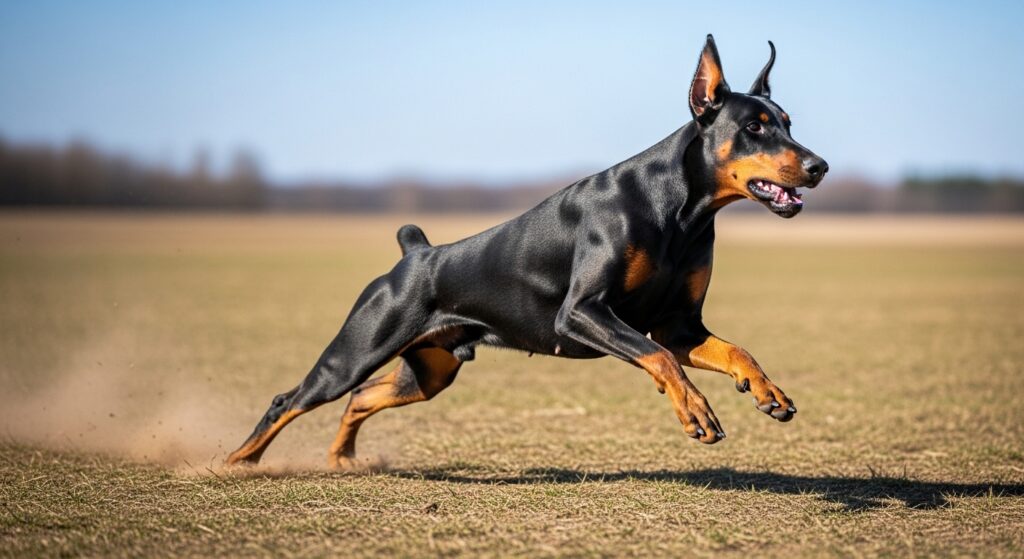
The Doberman Pinscher, created by Louis Dobermann as a personal protection companion, combines sleek strength with remarkable speed and stamina. Their high energy levels demand vigorous daily exercise, including runs, hikes, obedience practice, and safe playtime.
Guiding Energy for First-Time Guardians
Both breeds possess abundant energy that must be managed thoughtfully by new owners. German Shepherds channel their best through structured tasks and mental stimulation, while Dobermans require firm leadership alongside vigorous physical activity.
Natural Guard Instincts
German Shepherds are intelligent, agile, and naturally protective, making them ideal for first-time guard dog owners. Their courage, loyalty, and ability to follow complex commands help them balance alert guarding with gentle family companionship.
Doberman: Sleek Protectors with Focused Energy
Doberman Pinschers are elegant, alert, and fearless, bred to guard with speed and precision. While highly effective as watchful protectors, they require early socialization and proper training to channel their intensity, as per PDSA.
Guiding Instincts for Safe Protection
For new guard dog owners, understanding instinct is essential. German Shepherds are steady and adaptable, while Dobermans are assertive and highly alert. Directing these natural tendencies with consistent leadership ensures both breeds can protect effectively while remaining loyal, well-adjusted companions.
Protective Temperament
German Shepherds are powerful, agile, and highly intelligent dogs, developed from traditional German herding stock. Their courage, loyalty, and keen awareness make them great family dogs and versatile working dogs, capable of roles in police, military, and service work.
Doberman: Elegant Guardians with Focused Strength
Doberman Pinschers are sleek, muscular, and fearless, bred to defend their families with speed and precision. Developed in late-19th-century Germany by Louis Dobermann, they excel in obedience, agility, and protection training, as per the AKC.
Matching Protection to Experience
Their temperament and instincts are considered crucial for first-time guard dog owners. German Shepherds are steady, adaptable, and highly trainable, while Dobermans are assertive, energetic, and intensely alert.
Conclusion
Choosing a guard dog isn’t just about protection—it’s about finding a loyal companion who fits your lifestyle. Consider your home, family, and daily routine carefully before making a decision, because these dogs thrive with structure, guidance, and plenty of mental and physical activity.
Both options bring intelligence, energy, and strong protective instincts, but each has its own personality and exercise needs. Understanding these differences will help you provide the right family environment for a happy, well-adjusted dog.
Before bringing a new dog home, plan for consistent training, socialization, and plenty of engagement. If you’re ready to commit to their exercise and mental stimulation, you’ll be rewarded with a devoted protector and affectionate family member.
