




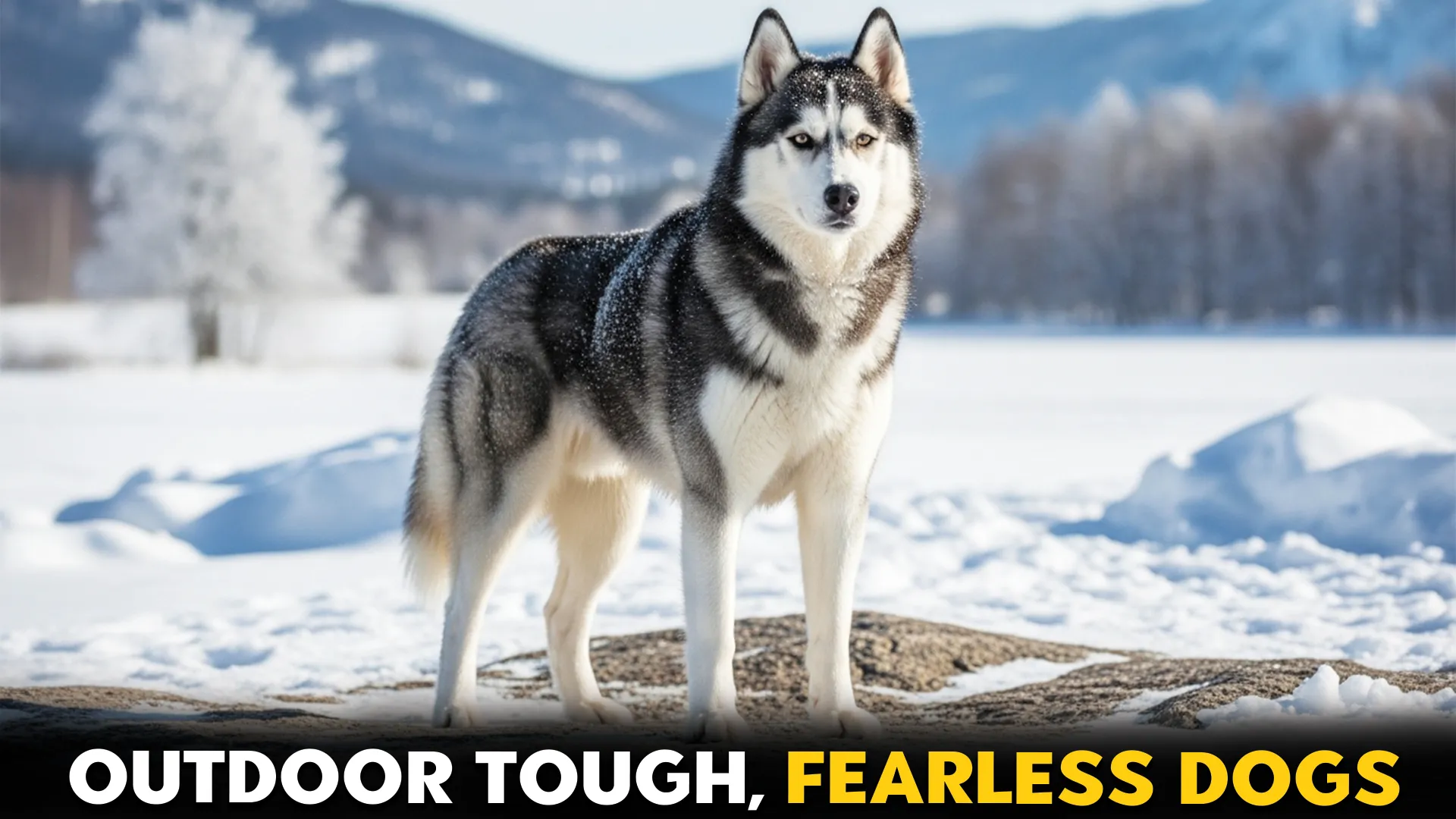
If you share a small home with a large, active dog, you may wonder whether your space truly meets your pet’s needs. Rehoming isn’t the only option — sometimes the issue is simply that certain breeds are not built for confined indoor living.
Dogs developed for work, guarding, or harsh climates often feel restless and frustrated without room to move and explore.
Before making a difficult decision, consider whether safe outdoor access could improve your dog’s quality of life.
A secure yard or well-designed outdoor kennel can provide space to burn energy, fresh air, and mental and physical stimulation that small interiors cannot offer. Even part-time outdoor living can reduce destructive behavior, excessive barking, and stress for both dog and owner.
Dogs that thrive outdoors often share traits such as a large, sturdy body built for activity, a thick or weather-resistant coat, high energy and endurance, and an independent, self-confident temperament.
Proper training, an active lifestyle, and socialization are essential for outdoor dog breeds to ensure they can follow commands and stay with their owners during outdoor activities.
Enduring Dog Breeds That Thrive in Harsh Outdoor Conditions
1. Siberian Husky
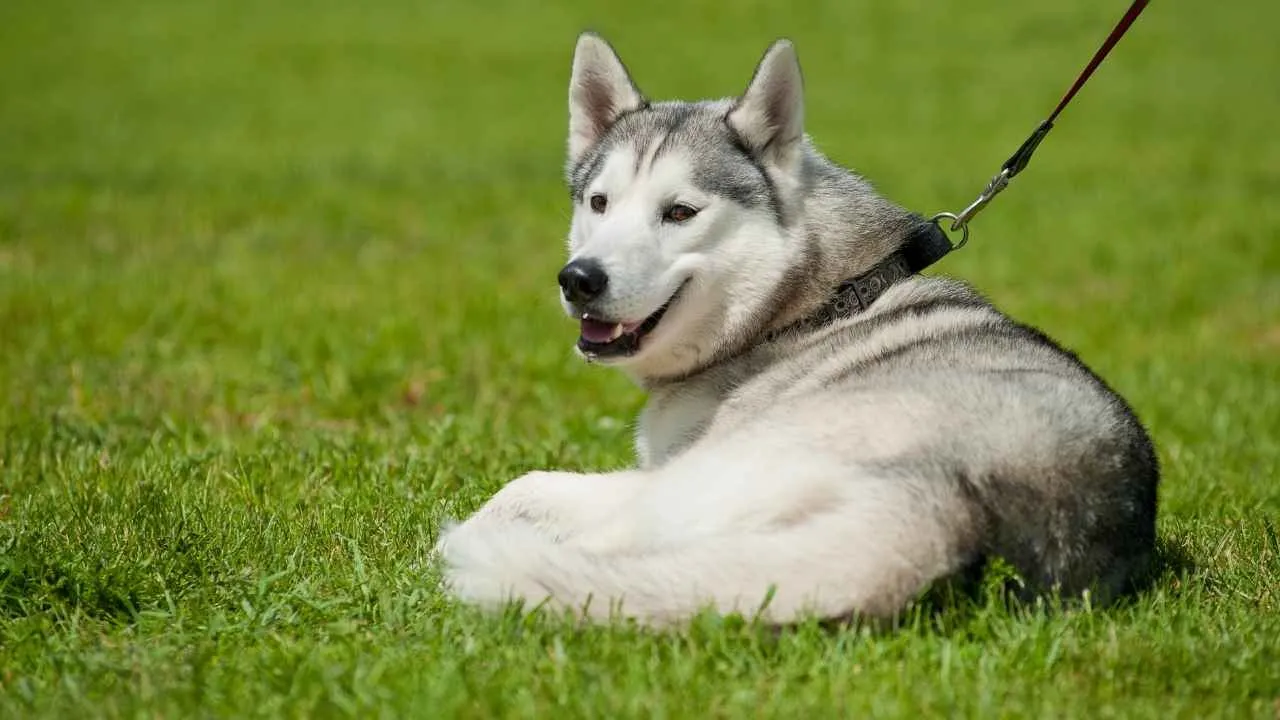
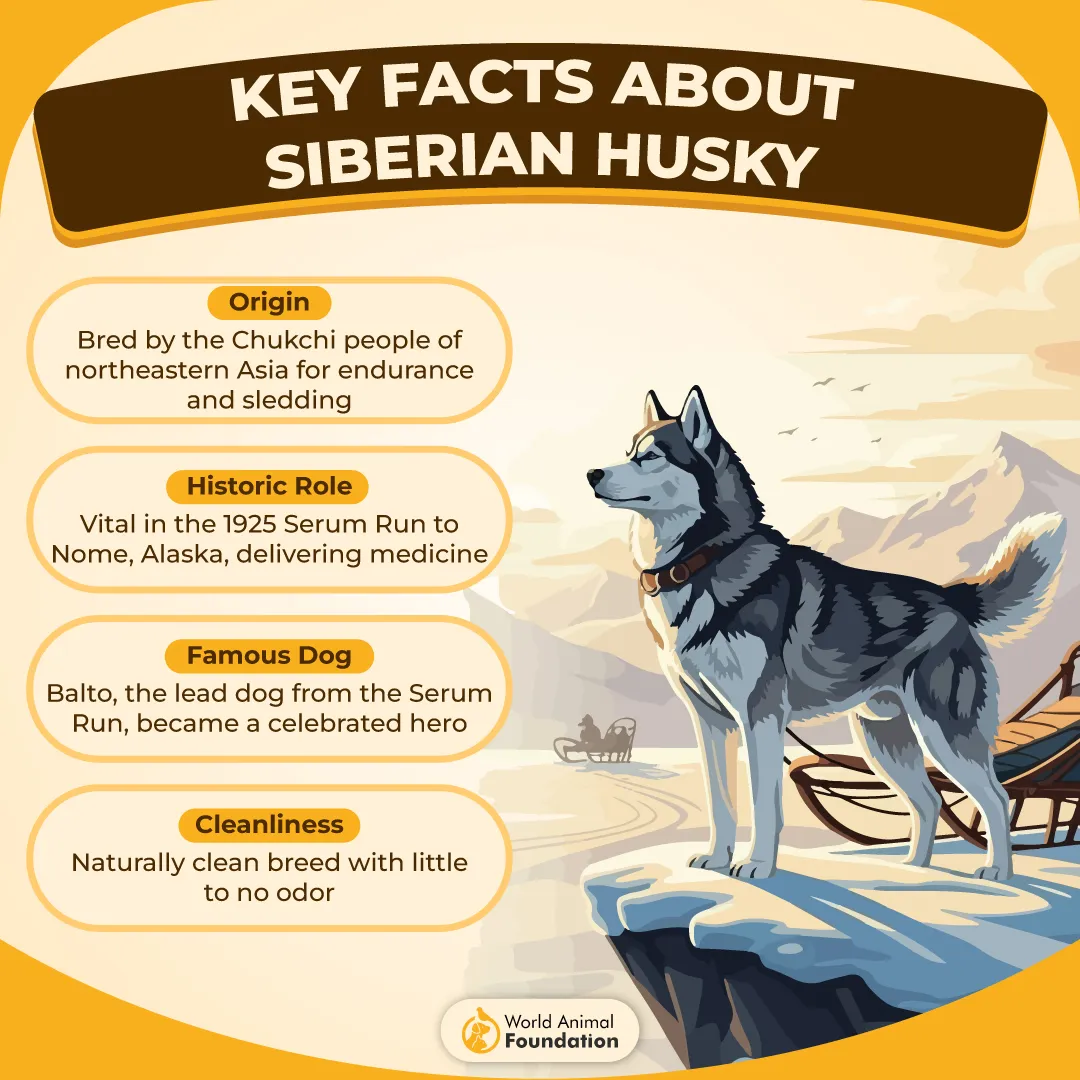
Siberian Huskies are a resilient and enduring breed, originally developed by the Chukchi people of the Russian Far East for sled pulling and companionship. Other indigenous Siberian peoples, including the Koryak, Yukaghir, and Kamchadal, also relied on these dogs to navigate the harsh Arctic terrain.
With remarkable stamina and energy, Huskies were originally bred to survive extreme cold weather and long distances, making them ideal working dogs in unforgiving environments, as noted by Wikipedia.
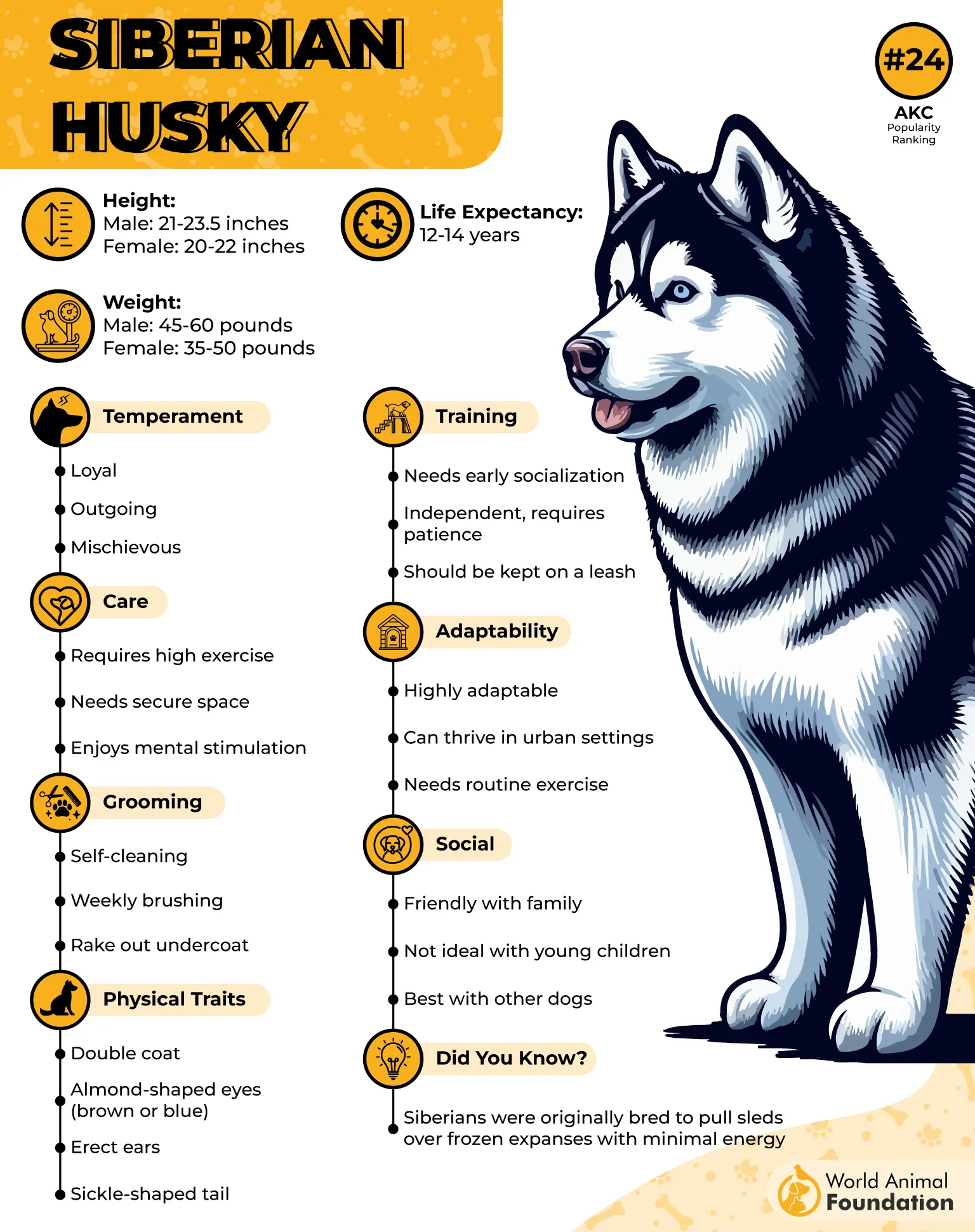
Introduced to Alaska during the Nome Gold Rush, Siberian Huskies served as sled dogs for mining expeditions, showcasing their strength, endurance, and versatility.
They have a distinctive thick double coat: a dense, finely wavy undercoat and a longer topcoat of straight guard hairs, which provides insulation against temperatures as low as −60 °C (−76 °F) and reflects heat in summer.
Though now popular as household pets, Huskies retain their need for physical exercise and weekly grooming to manage shedding and maintain their thick, protective coat. This breed exemplifies durability, thriving in extreme climates while remaining energetic and highly intelligent.
2. Alaskan Malamute
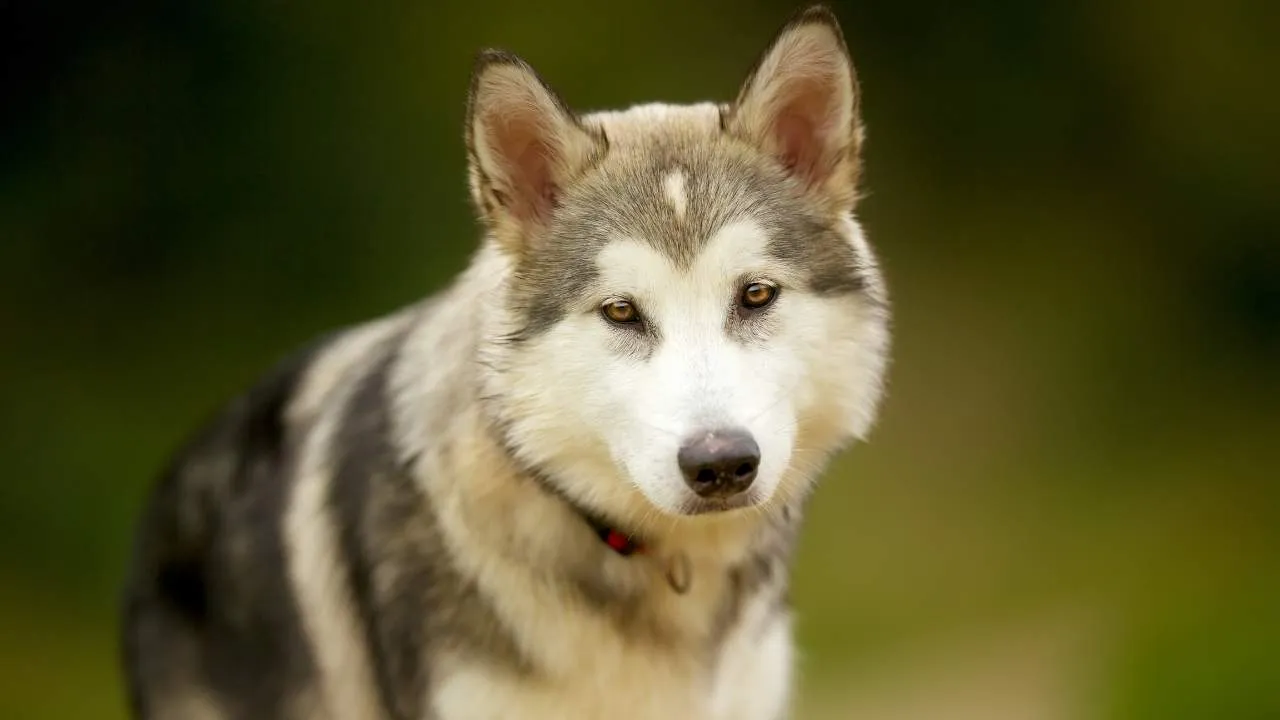
The Alaskan Malamute is a powerful, heavy-duty spitz breed built to endure harsh outdoor conditions.
Weighing 75 to 85 pounds, this breed has a dense, weatherproof, thick coat, deep chest, and strong shoulders, all designed for hard work in arctic environments.
AKC mentions that its substantial bone structure, erect ears, and plumed tail carried over the back reflect its heritage as a sled dog built for endurance and strength.
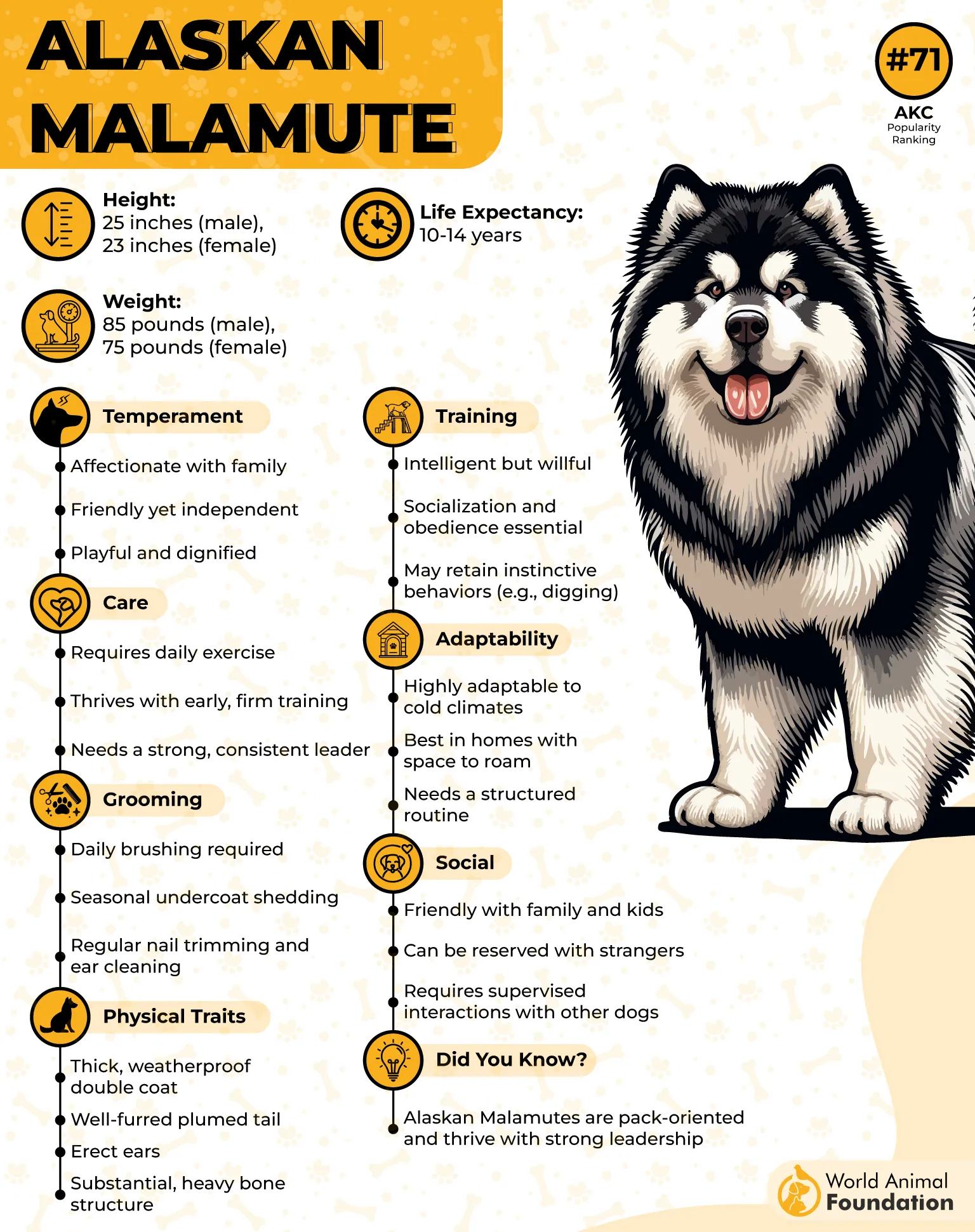
Malamutes are highly resilient, able to withstand extreme cold temperatures and challenging terrain, making them ideal for outdoor work and adventure.
With their remarkable stamina and hardy nature, Alaskan Malamutes exemplify the traits of dogs that not only survive but thrive in severe conditions, proving that some breeds are truly built for the outdoors.
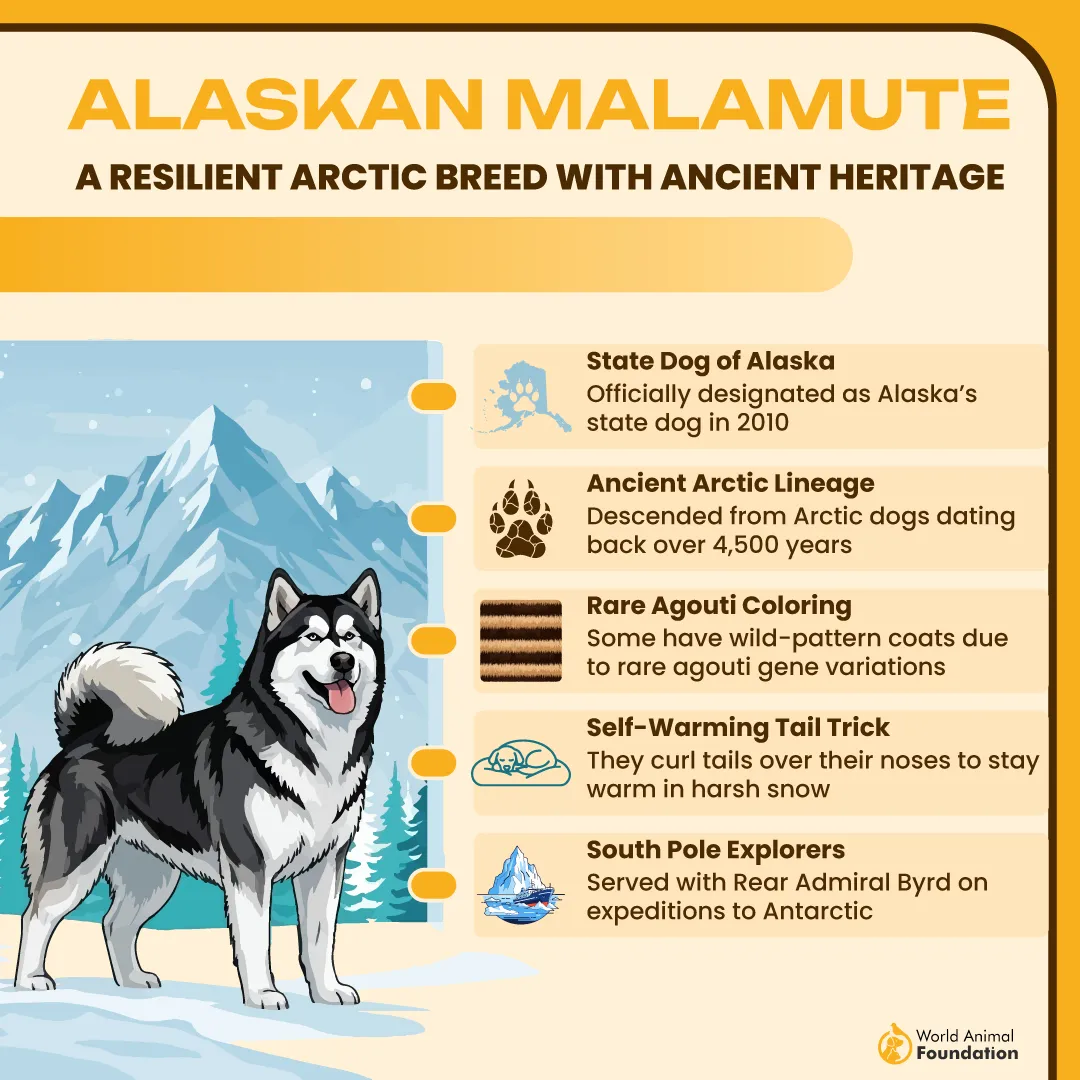
Their combination of strength, endurance, and resilience makes Alaskan Malamutes a standout among breeds adapted to extreme environments, showing how some dogs are naturally equipped to face the challenges of life in the great outdoors.
3. Akita
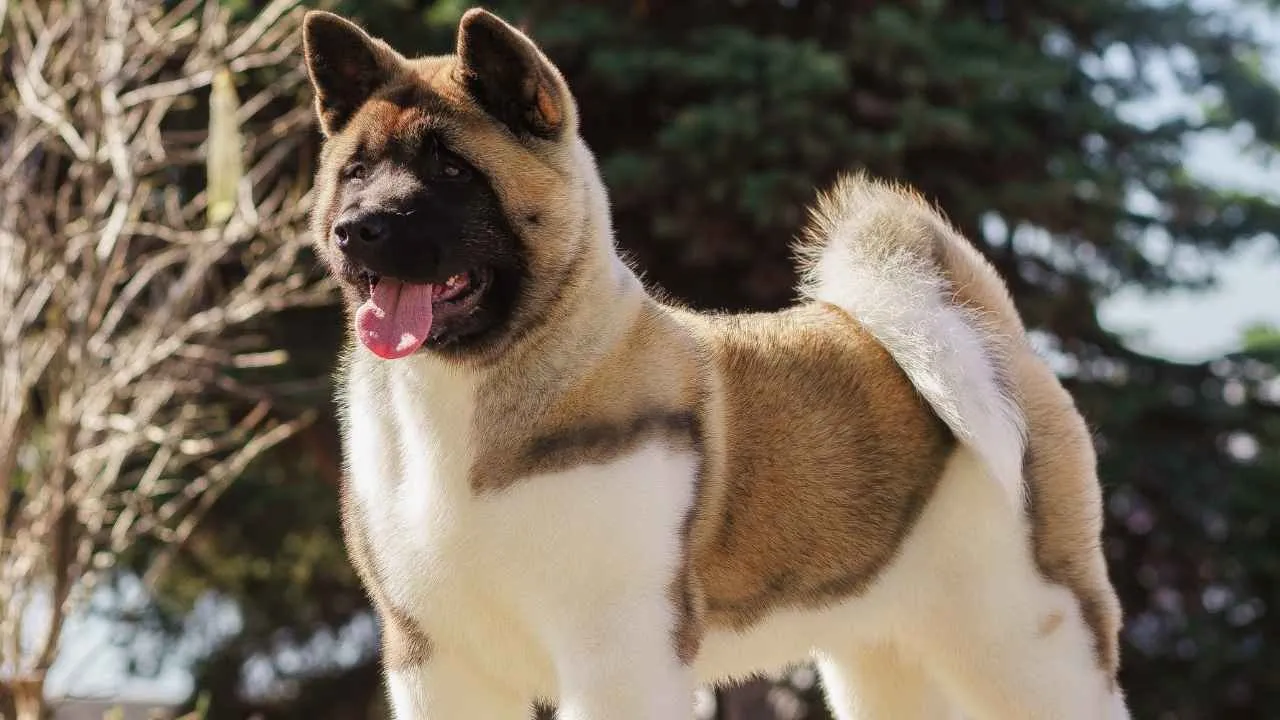
The Akita is a powerful, double-coated spitz-type outdoor dog from northern Japan, originally bred for endurance, strength, and resilience in harsh outdoor conditions.
They are hardy dogs bred to withstand the harsh outdoor conditions of northern Japan, but they were bred as housedogs and guard dogs as well as hunters, and adapt very well to life in the home.
Originating in the Akita prefecture, this muscular breed was developed to hunt large game such as wild boar, deer, and the formidable Yezo bear, often working in packs across rugged terrain and severe climates.
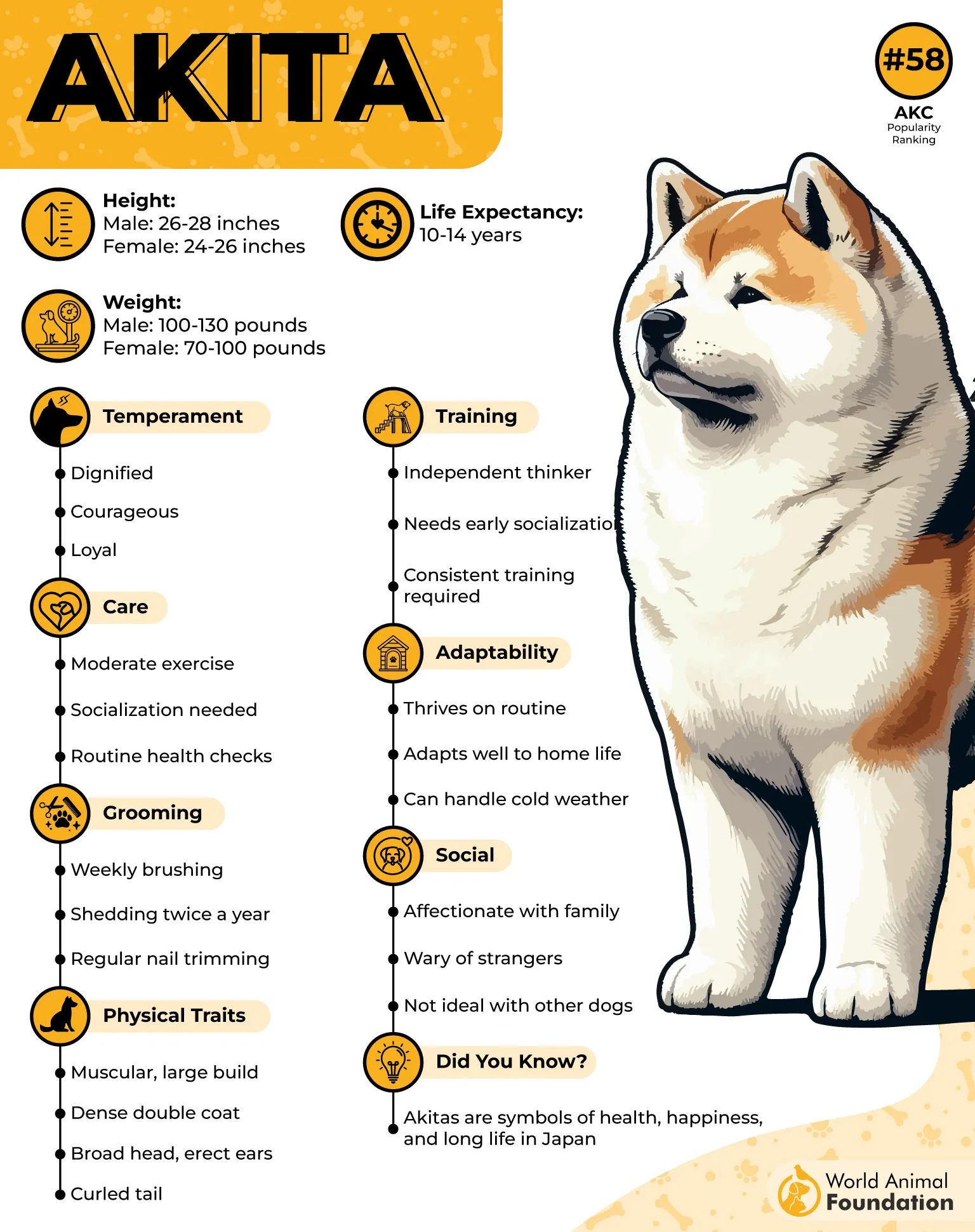
With a dense, weather-resistant coat, deep chest, and strong shoulders, Akitas are naturally equipped to withstand cold winters, heavy snow, and demanding physical challenges. Their stamina, courage, and intelligence make them capable of navigating extreme environments while performing complex tasks.
Historically, Akitas thrived in mountainous, rural regions of Japan, where survival required toughness, adaptability, and self-reliance. Today, they remain a testament to the endurance and versatility of northern spitz breeds, combining protective instincts with remarkable durability, proving that they can not only survive but excel in challenging outdoor conditions.
4. German Shepherd
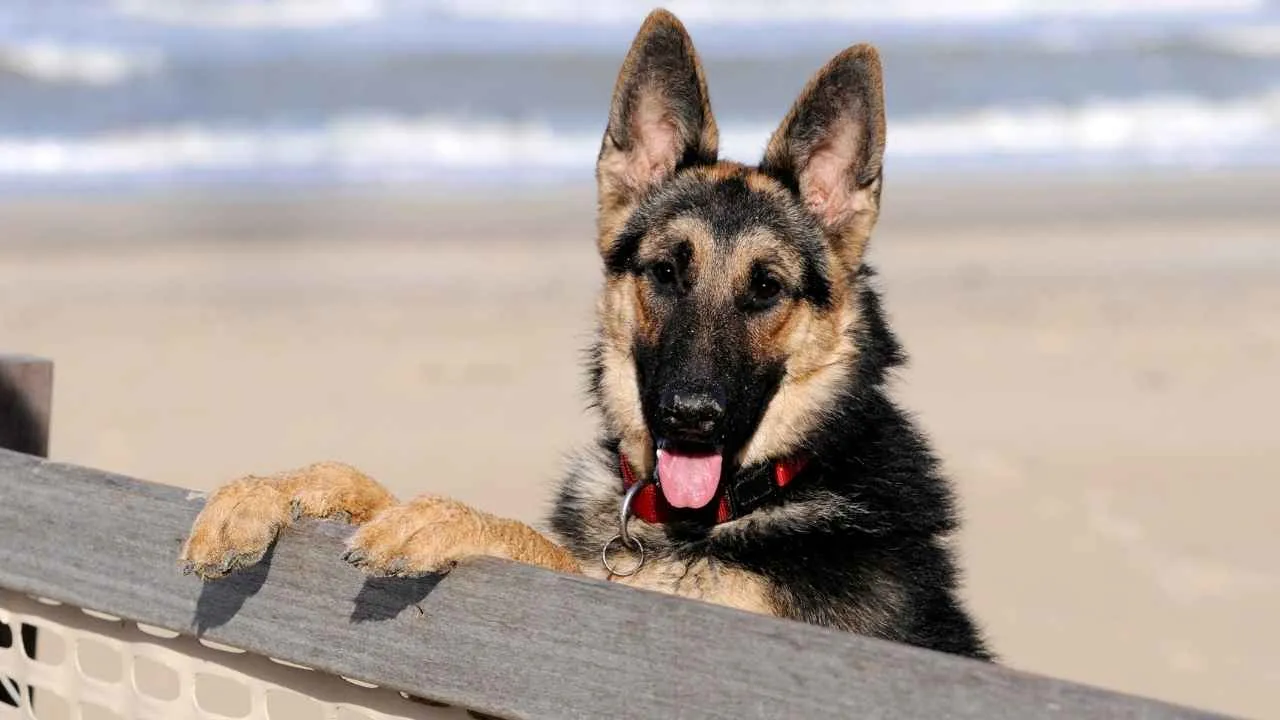
The German Shepherd Dog is a highly versatile and enduring breed, built to thrive in challenging outdoor conditions.
With a medium-length double coat—dense, harsh, and weather-resistant on the outside with a softer undercoat—German Shepherds are well-equipped to handle cold conditions, heat, and rough terrain.
Their strong, athletic build and remarkable stamina allow them to work long hours in demanding environments, whether herding livestock, performing search-and-rescue, or assisting in law enforcement.
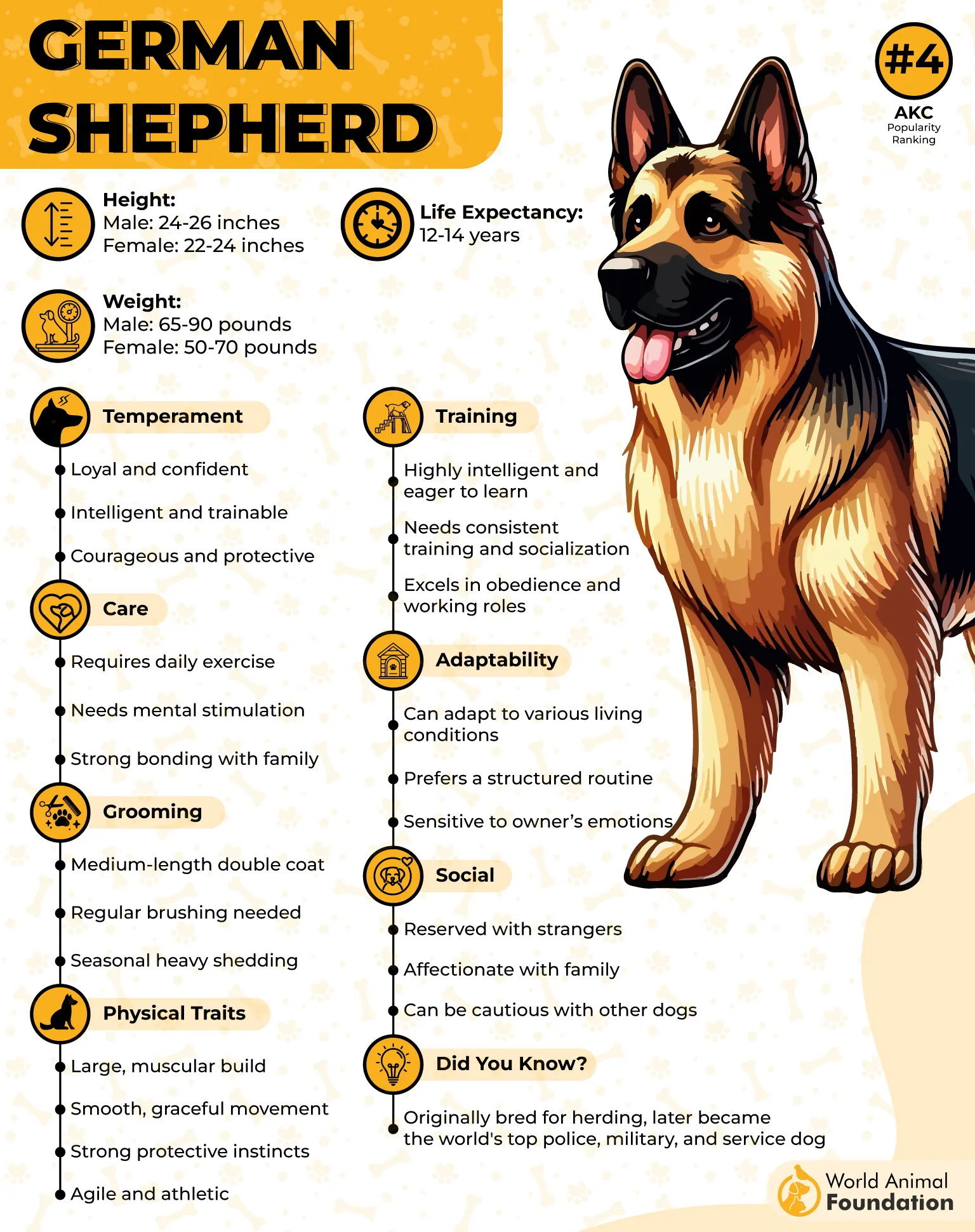
Known for intelligence, agility, and resilience, they can navigate harsh landscapes while maintaining focus and effectiveness. German Shepherds are also highly adaptable, capable of working independently or as part of a team, which makes them invaluable in physically and mentally challenging outdoor roles.
Their durability, combined with courage and loyalty, ensures they not only survive but excel in rigorous conditions, proving why they are among the most enduring and reliable working breeds in the world.
5. Norwegian Elkhound
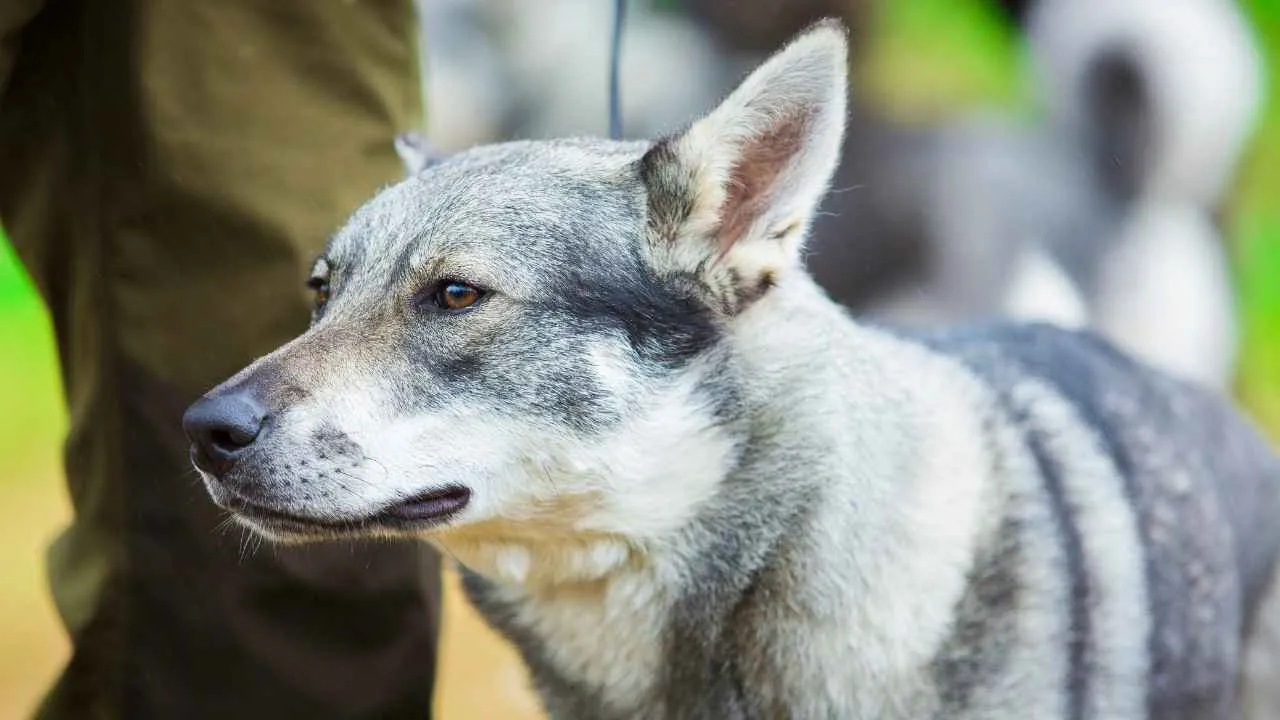
The Norwegian Elkhound is a hardy, spitz-type breed built for endurance and outdoor adventure in harsh climates. With a thick, coarse double coat, this breed is naturally insulated against cold, wind, snow, and rain, making it exceptionally well-suited for winter conditions and rugged terrain.
Elkhounds are strong, agile, and energetic, capable of running long distances, hiking, hunting, or navigating challenging landscapes alongside their humans, as noted by PetMD.
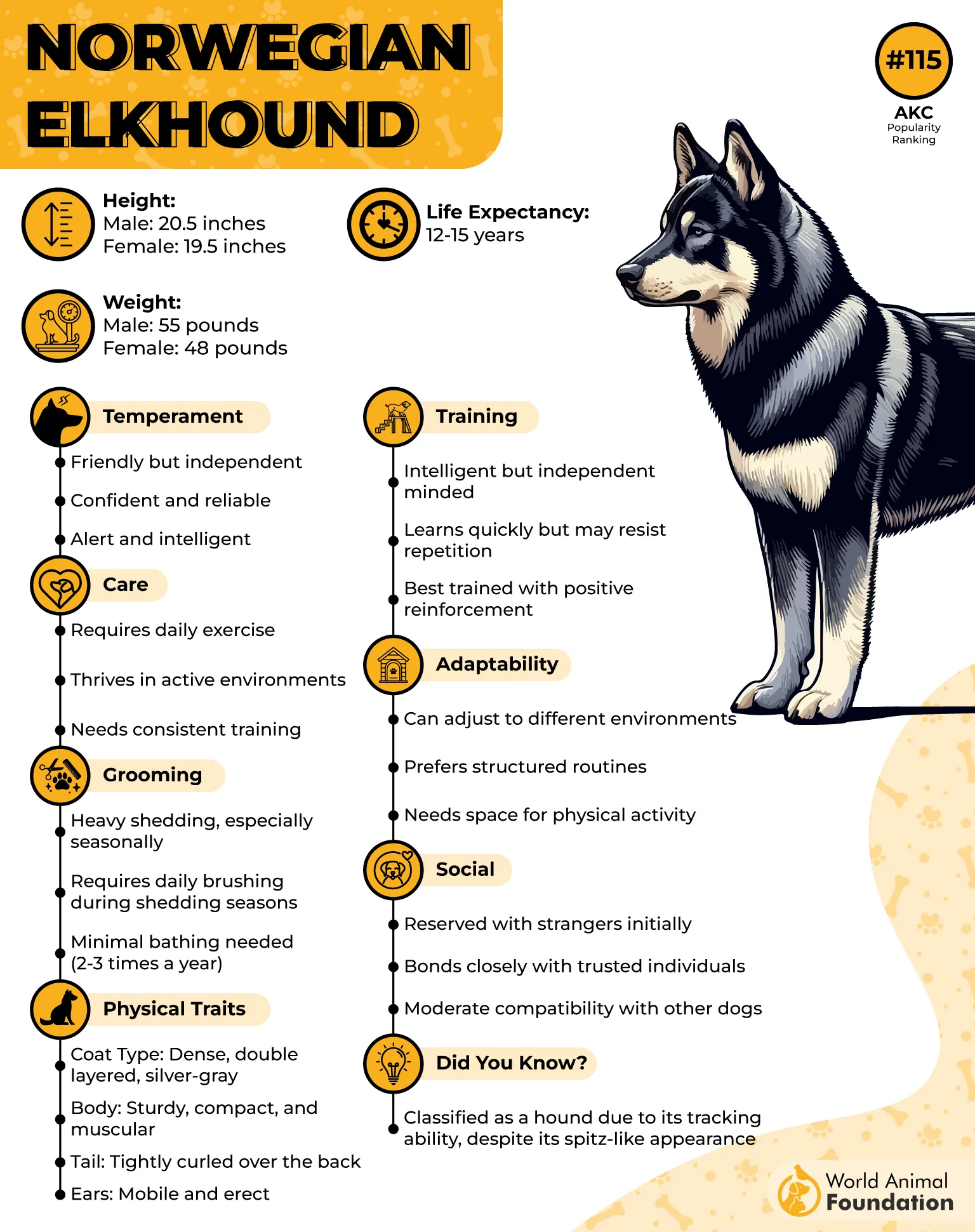
Their stamina and resilience allow them to work and play for extended periods, while their intelligence ensures they remain focused and effective in demanding outdoor tasks.
Historically, they were bred to hunt large game in Scandinavia, demonstrating both courage and adaptability. While their dense coat can make them prone to overheating in summer, proper care and hydration help them continue thriving year-round.
Overall, the Norwegian Elkhound exemplifies a dog breed naturally equipped to endure and excel in extreme outdoor environments.
6. Samoyed
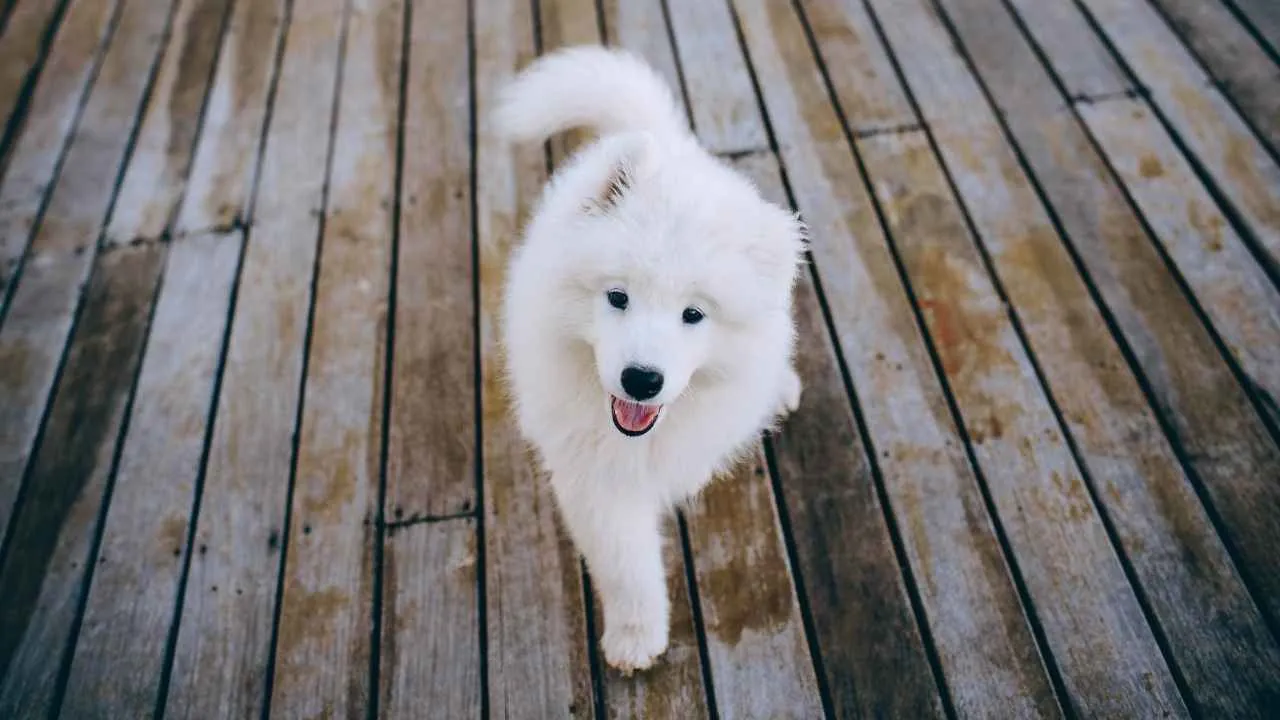
The Samoyed is a robust and enduring working breed, perfectly adapted to thrive in harsh, cold climates.
With a thick, weather-resistant double coat, Samoyeds are insulated against snow, wind, and freezing temperatures, enabling them to work and play outdoors for extended periods without fatigue.
Historically bred for pulling sleds, herding reindeer, and assisting in hunting, these dogs possess remarkable stamina, strength, and agility, making them ideal partners for demanding outdoor tasks.
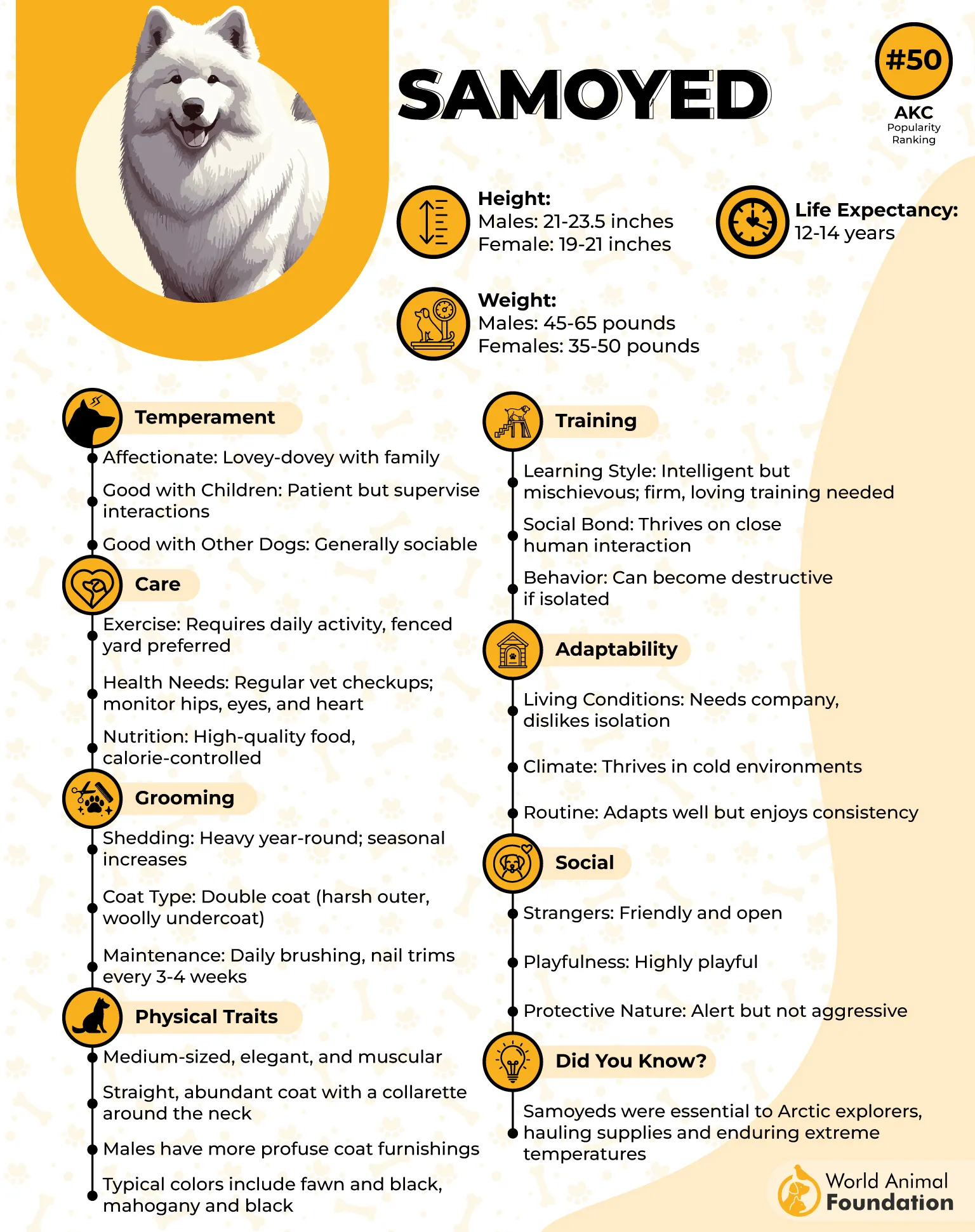
Their high energy levels allow them to cover long distances while maintaining focus and effectiveness, even in extreme conditions. Samoyeds also demonstrate adaptability and resilience, capable of navigating challenging terrain with ease.
While their dense coat makes them prone to overheating in warm weather, proper care ensures they continue to excel in cold environments. Overall, the Samoyed exemplifies a breed naturally equipped to endure, perform, and thrive in severe outdoor conditions, combining athleticism, durability, and enduring spirit.
7. Rhodesian Ridgeback
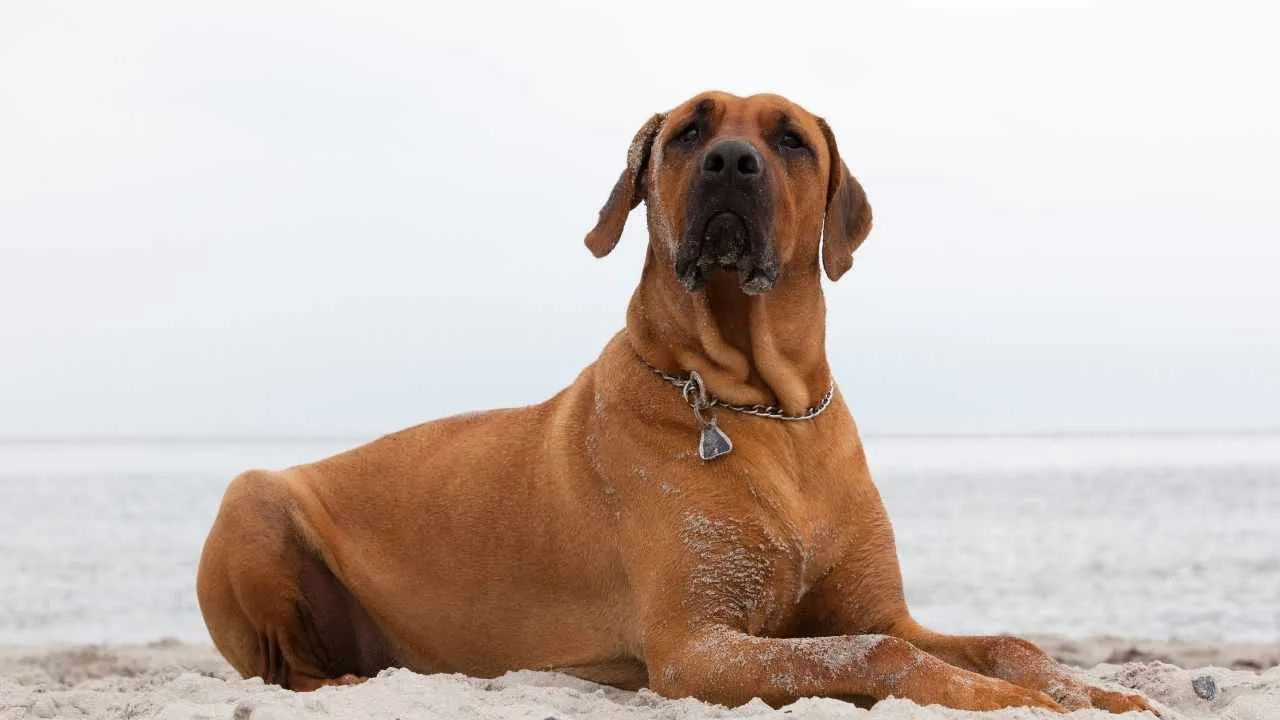
The Rhodesian Ridgeback is a resilient and versatile breed renowned for its endurance, speed, and agility, traits that make it an exceptional hunter of large predators like lions and leopards.
Built to withstand the harsh African climate, Ridgebacks possess a strong, muscular frame and remarkable stamina, allowing them to travel long distances in extreme heat and adapt to rapid temperature fluctuations between day and night.
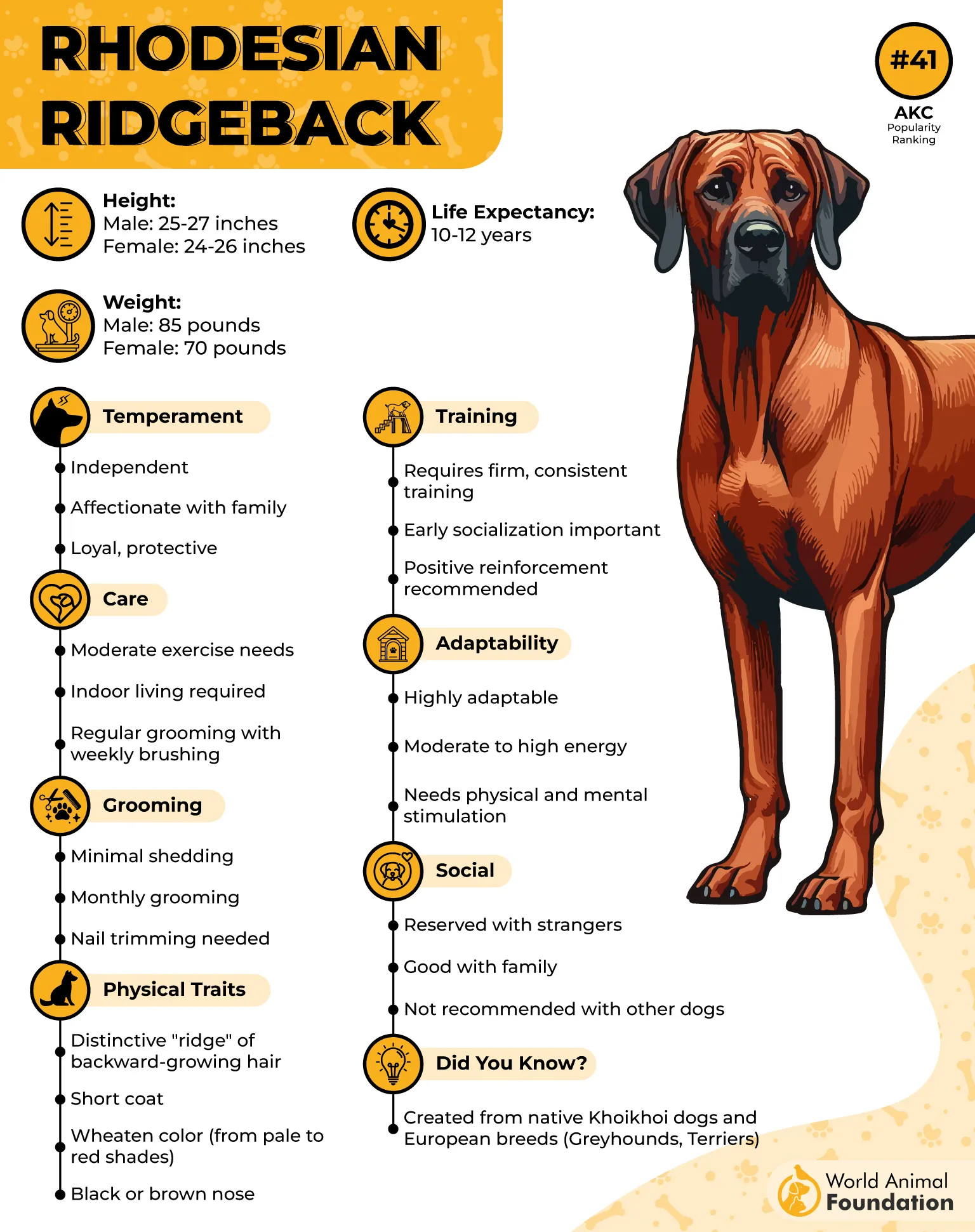
Their keen senses, intelligence, and independent working ability enable them to track and hold dangerous game with precision, whether alone or in a pack. Historically, these dogs are livestock guardians and assisted hunters, demonstrating both courage and reliability under challenging conditions.
Even in environments with scarce food, diseases, or predators, Rhodesian Ridgebacks proved their durability and toughness, as the Montefeltro mentioned.
Today, they continue to exemplify the qualities of the best dog breed, naturally equipped to thrive in demanding outdoor environments, combining strength, agility, and resilience to endure where lesser breeds might struggle.
Conclusion
These seven breeds—Siberian Husky, Alaskan Malamute, Akita, German Shepherd, Norwegian Elkhound, Samoyed, and Rhodesian Ridgeback—demonstrate that some dogs are naturally built to thrive in harsh outdoor conditions.
Their strength, stamina, weather-resistant coats, and adaptability allow them to endure extreme temperatures, rugged terrain, and physically demanding tasks.
While each breed has unique traits shaped by its environment and history, they all share resilience, intelligence, and the ability to perform in challenging circumstances.
Whether for work, adventure, or companionship in extreme climates, these enduring outdoor dogs exemplify how evolution and selective breeding have created dogs perfectly suited for the great outdoors.
