




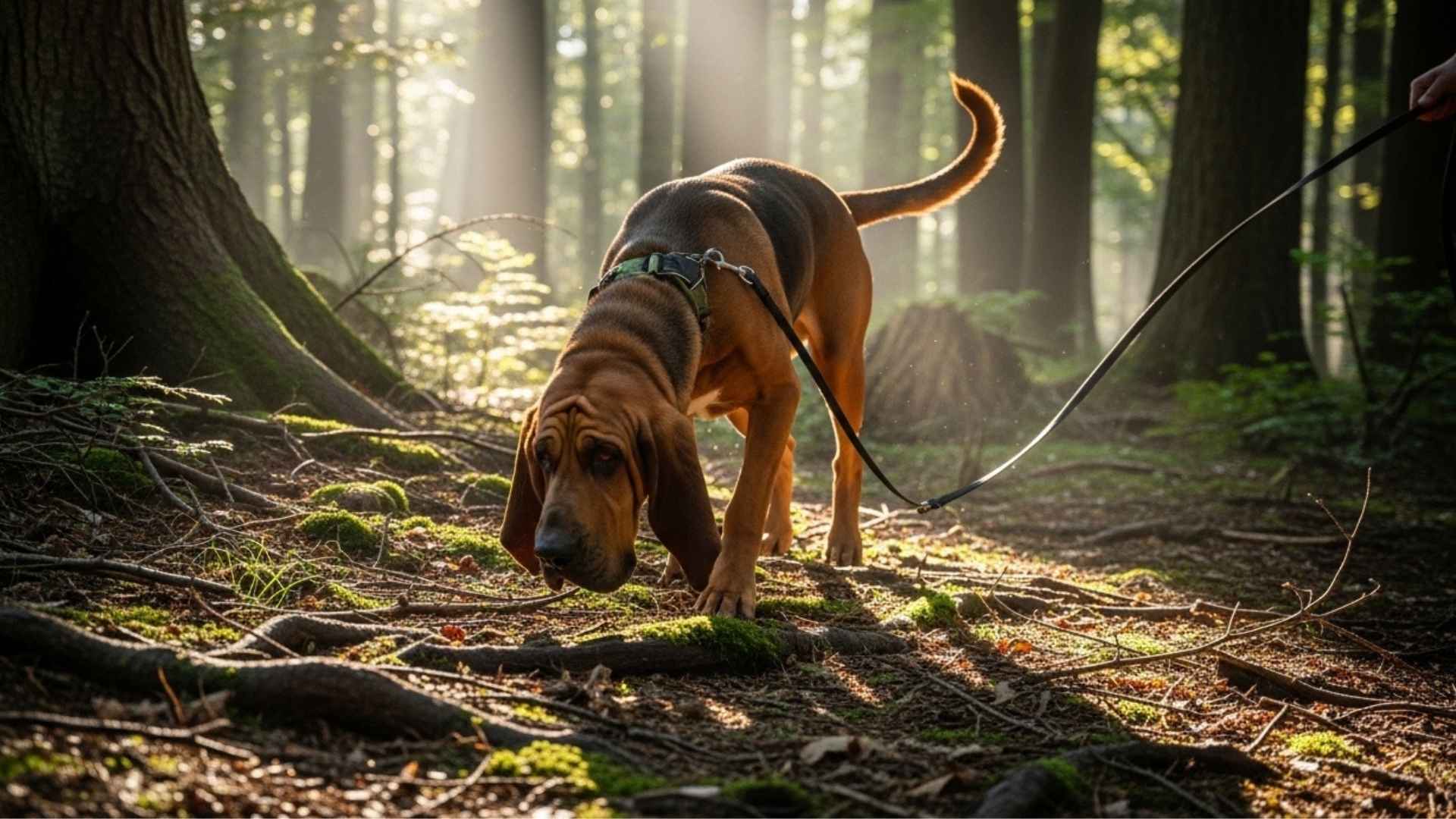
Watching a dog catch a scent and follow it with intense focus is truly remarkable. Long before modern tracking technology existed, humans relied on skilled hunting dogs to follow scent trails through wilderness, dense forests, marshlands, and mountains.
Even today, many of these scent-driven breeds remain invaluable. They are widely used not only in hunting but also in conservation efforts, wildlife management, and search-and-rescue operations.
Understanding the differences between these specialized dogs is important when choosing a breed that suits your needs and environment.
In this guide, we explore nine of the most reliable hunting and tracking dog breeds; canines known for their strong instincts, rich history, and loyalty that make them exceptional partners in the field.
Best Dog Breeds to Locate and Track Wildlife
1. German Shorthaired Pointer
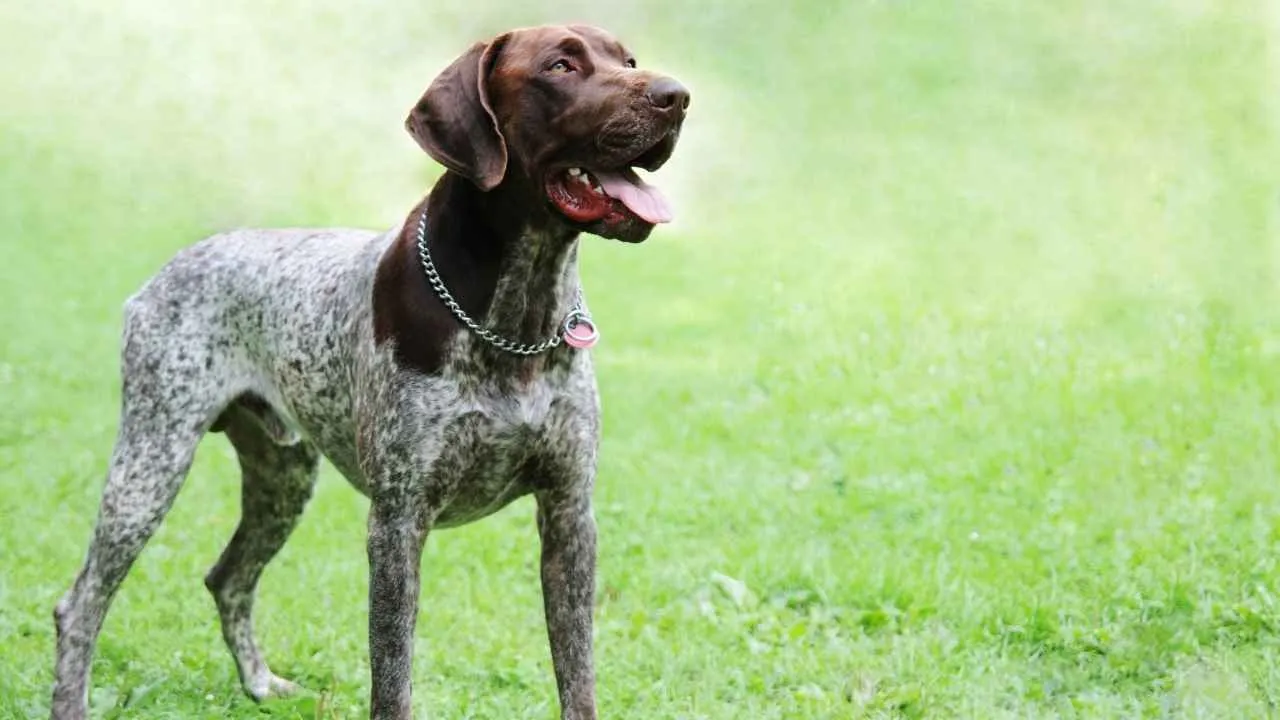
The German Shorthaired Pointer is considered to be one of the most versatile breeds when it comes to acting as a hunting dog. This breed was created in Germany in the 19th century, but it was refined to do several tasks, which are pointing, retrieving, tracking, and even working with water.
Reasons They Are Great Trackers:
High level of scent detection paired with high energy
Great endurance of field work over long hours
Natural pointing instinct
Excellent swimming ability
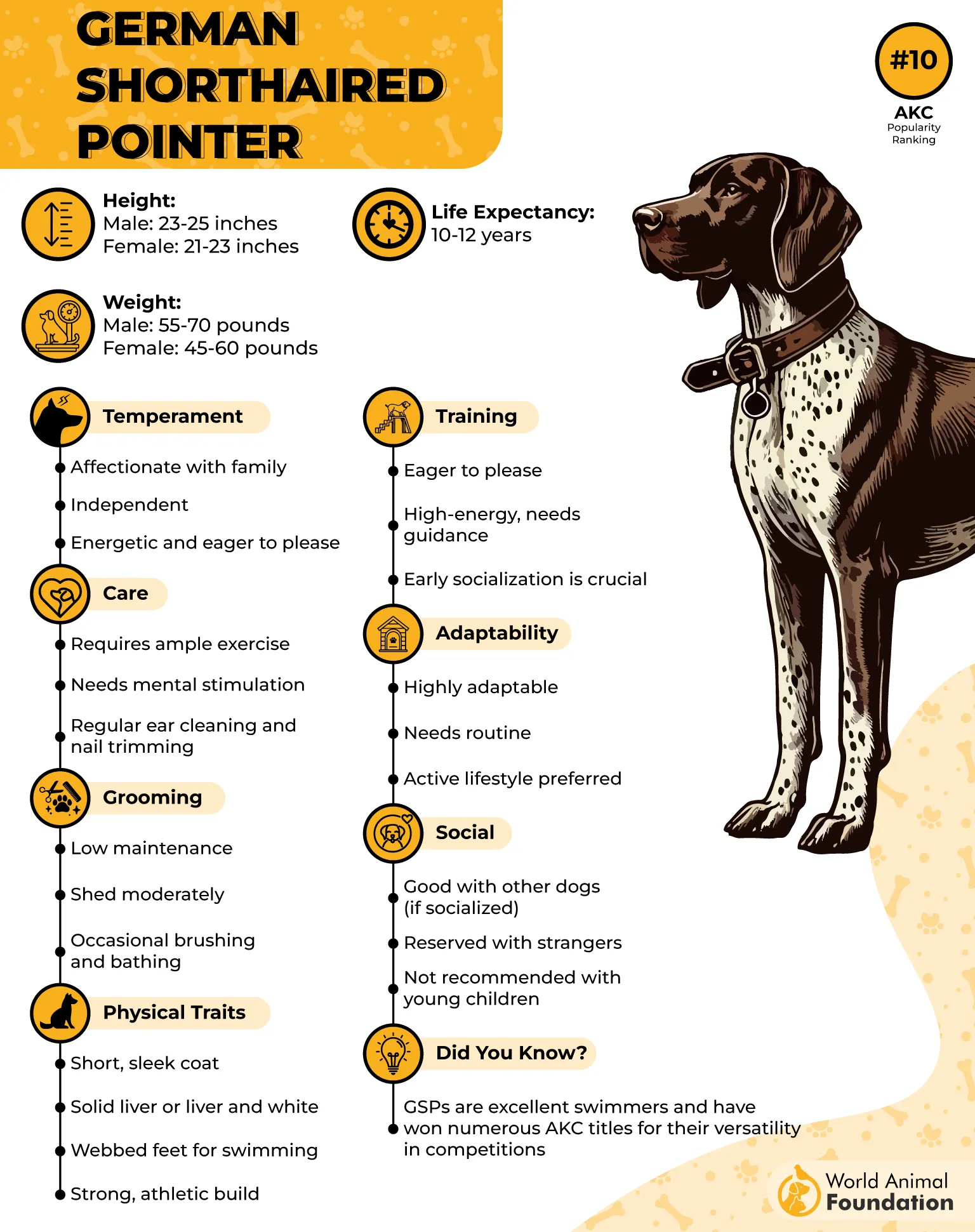
The American Kennel Club reported that this family dog does well with active families and is therefore good in performance sports like field trials and tracking events. This is because these dogs are intelligent, trainable, yet require mental stimulation. Otherwise, they might get bored and destructive.
2. Beagle
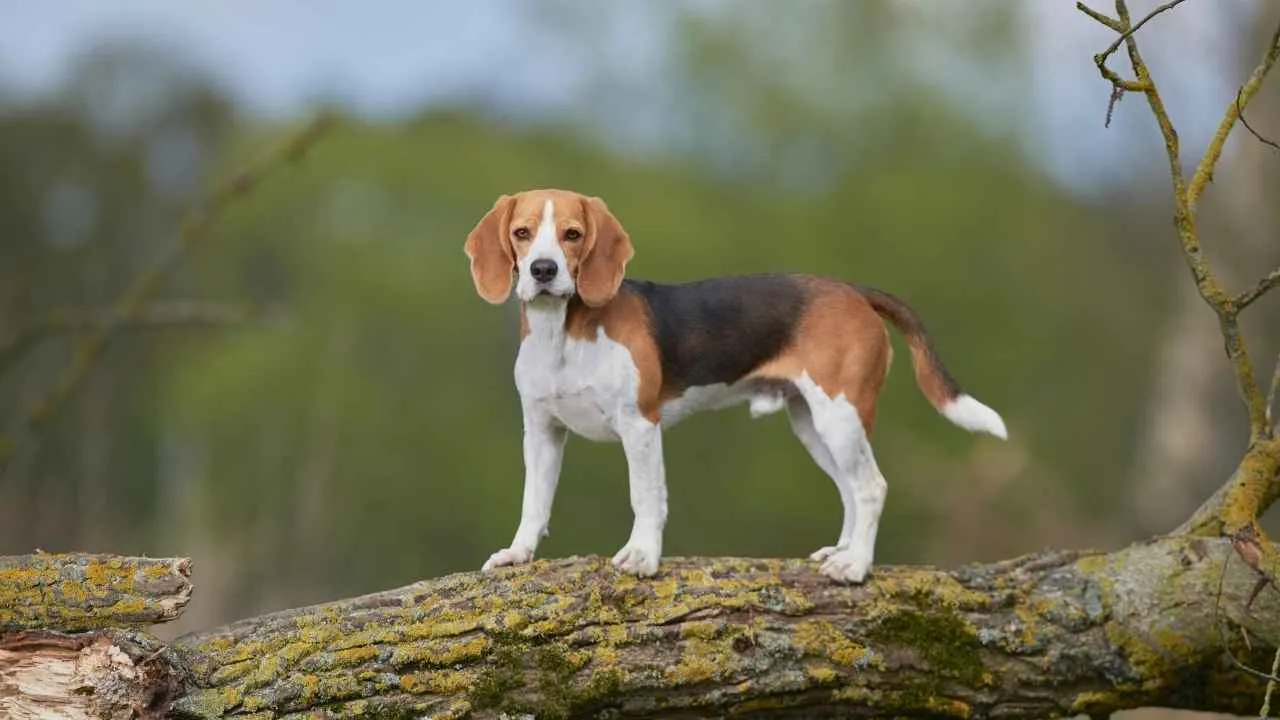
The Beagle is a small-medium dog breed, but with a legendary nose. Beagles were originally used in England to hunt small game, especially rabbits, with their designation being scent tracking over a long distance and operating in a pack, unlike other dogs.
Wildlife Tracking Strengths:
Persistent tracking style
Immediate extraordinary scent discrimination
Pack-oriented cooperation
On scent vocal signalling
Beagles are known to have 220 million scent receptors, and this enables them to pick out slight scent variations in complicated environments. When they get on a track, they are very tenacious.
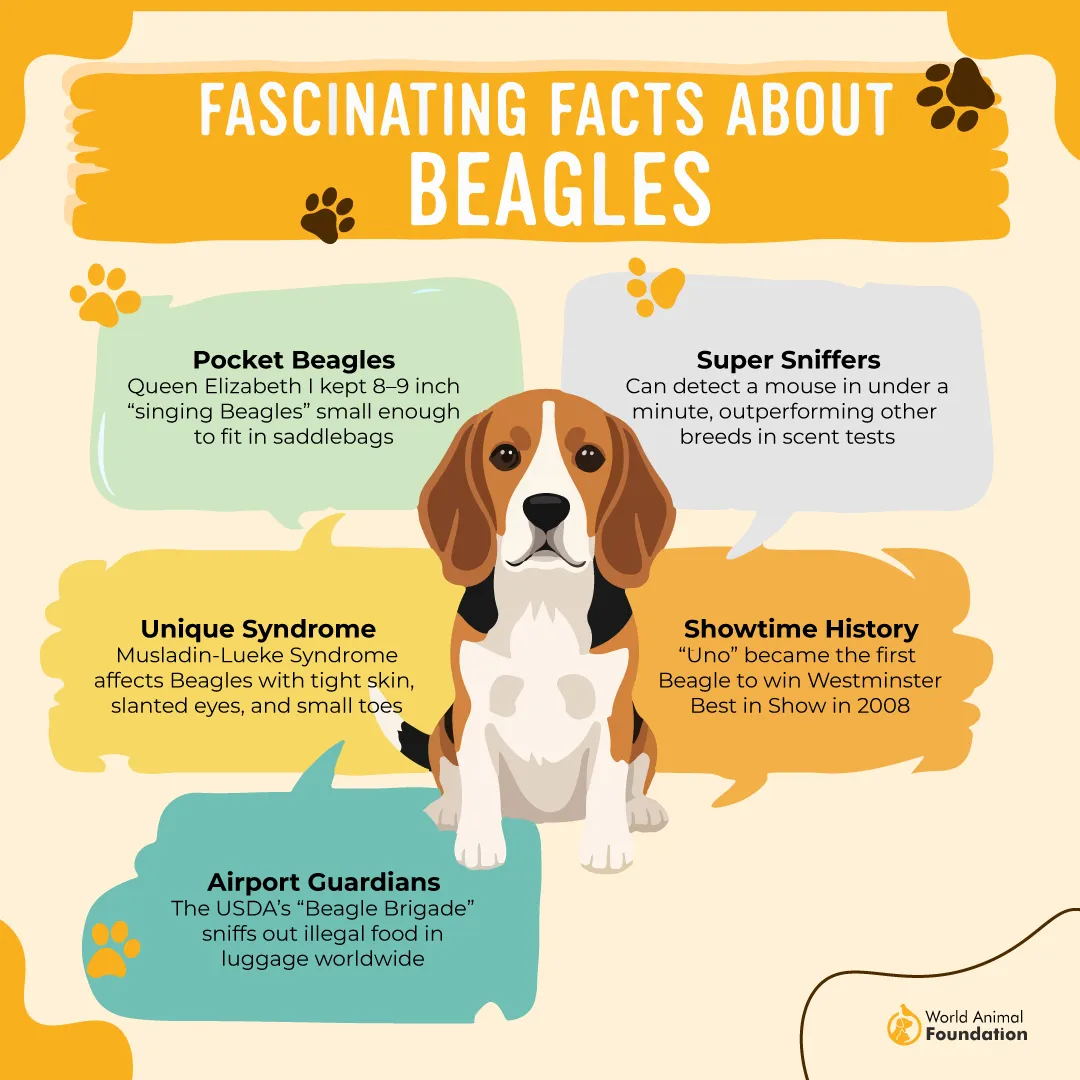
According to Britannica, the fact that the Beagle is a scent hound explains why it has an amazing sense of following trails with unrelenting attention. Their scenting abilities are also applicable in many scenarios, such as police work within airports.
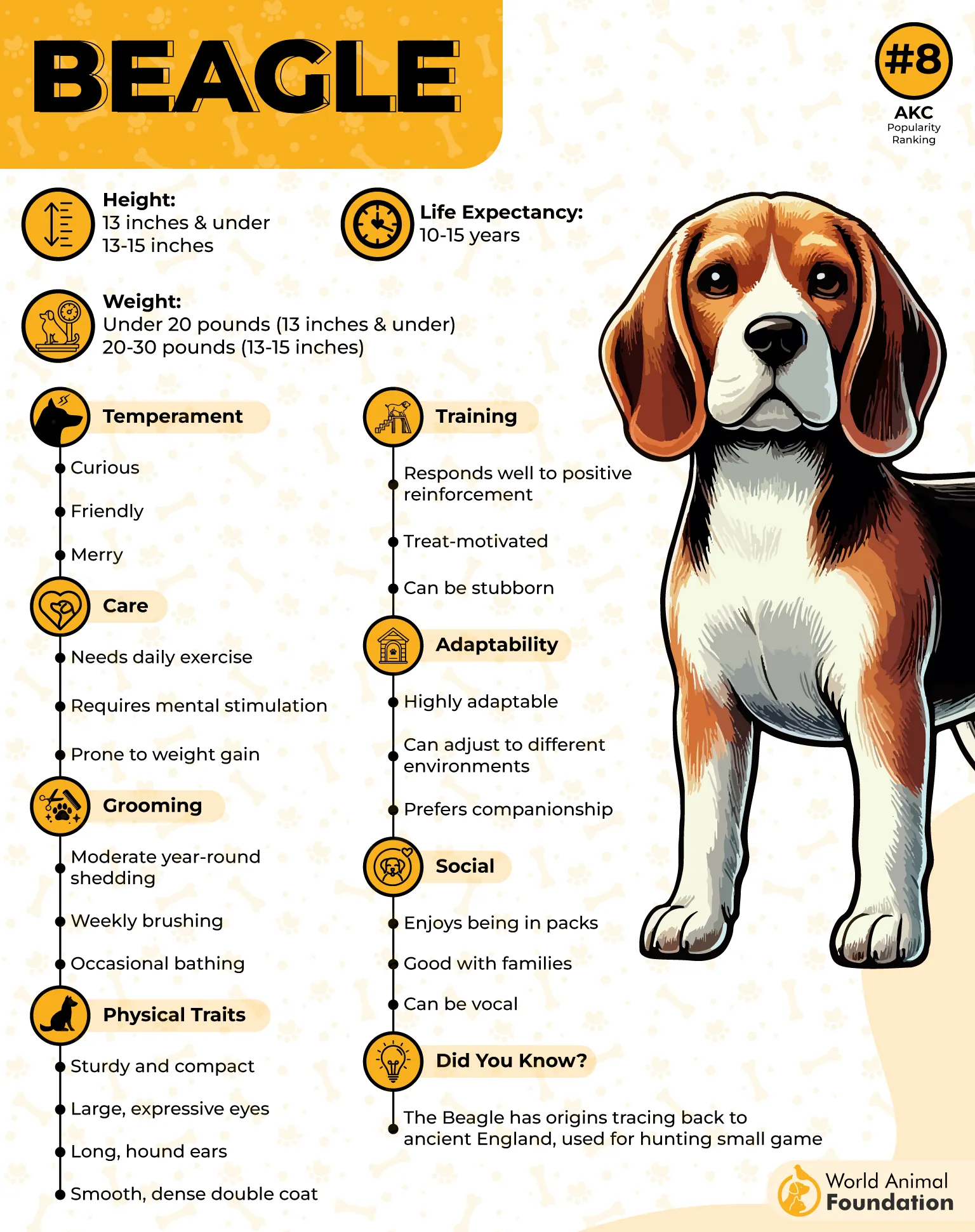
Beagles may be obstinate in the training process due to their independent nature, and therefore, they require proper training. Obedience training and recall training should be taught early on because their noise can end up controlling their obedience due to their commands.
3. English Springer Spaniel
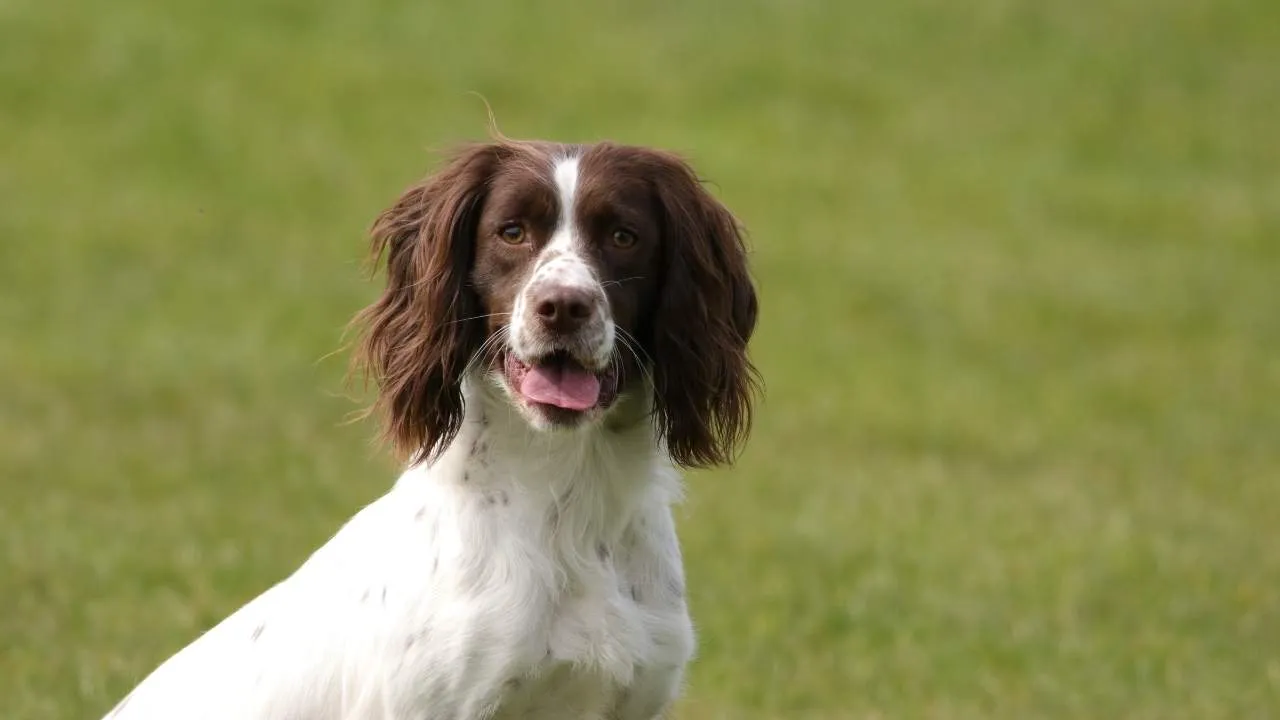
English Springer Spaniels are mostly recognized as a bird dog, known for flushing birds and being a good retrieval dog as well. They move fast in dense brush where wild animals may be concealed due to their small size and unlimited energy.
Skilled Hunter Characteristics:
Very sensitive to cues of the handler
Sharp scenting ability
Rough terrain agile movement
Natural hunting skills and flushing instincts
The Springer Spaniels are especially useful in hunting upland game. They have a role in finding concealed birds and beating them out of hiding. Purina states that after a long day of hunting, these dogs turn into loving family pets and great companions in the household.
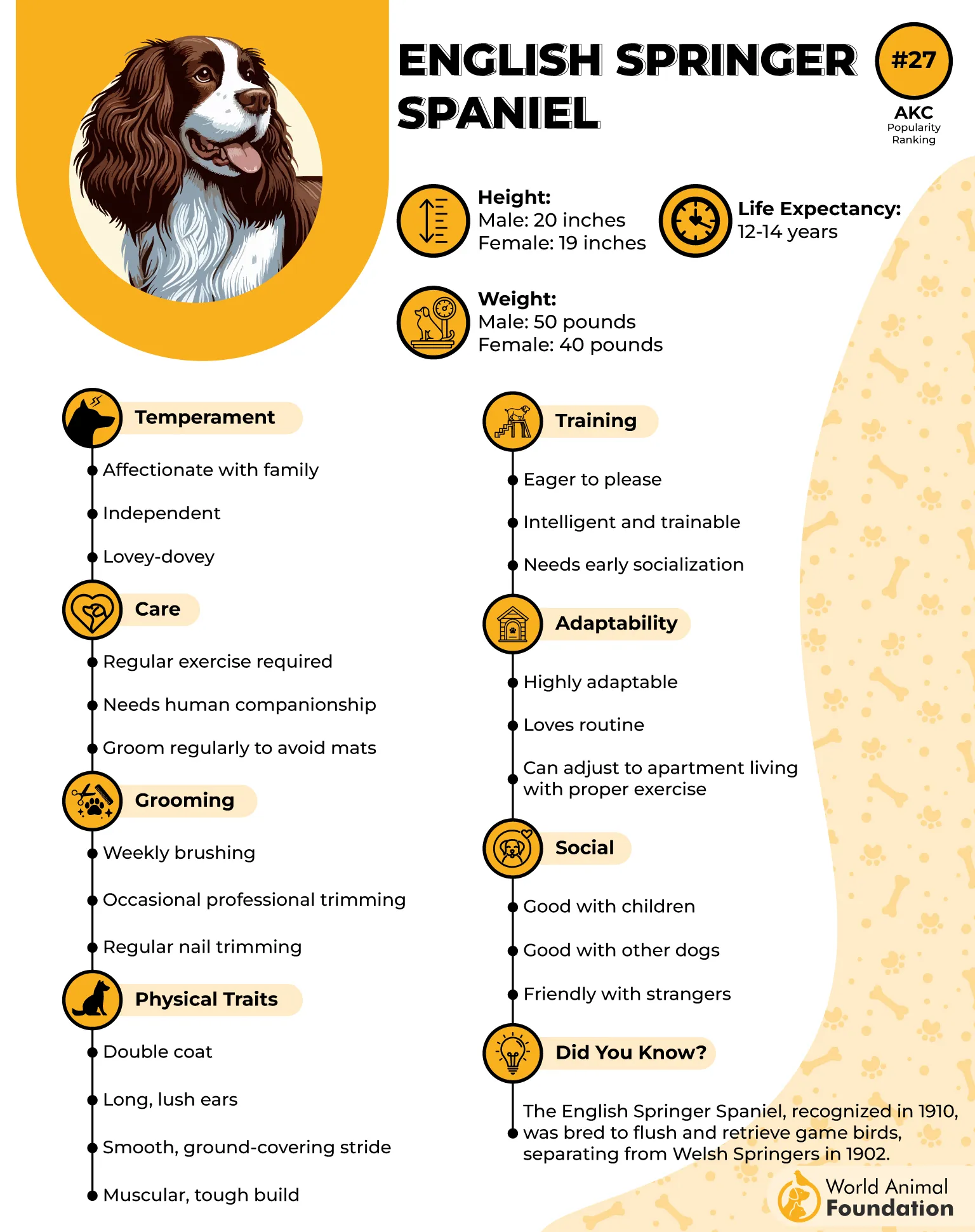
In addition to the ability to hunt, Springer Spaniels have an affectionate nature. Nevertheless, their energy as an energetic dog requires regular workouts. They can turn hyperactive in the absence of the right outlets.
Training must start at a young age and focus on recall, steadiness, and impulse control. They are good students because they are eager to please, especially in cases where positive reinforcement is applied.
4. American Foxhound
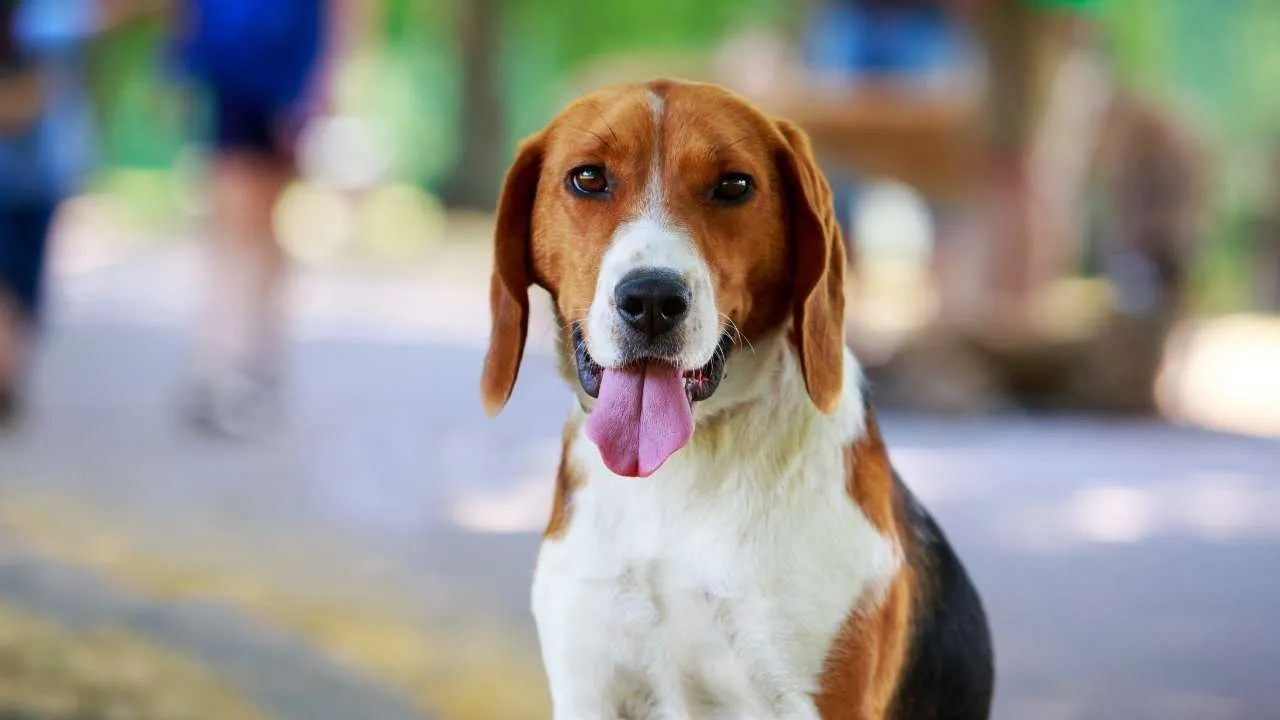
In early American history, the American Foxhound was created to hunt foxes. Intended not just to move fast, but to be able to be used over long distances, these dogs have been designed to track wildlife without exhaustion.
Why They Excel:
Outstanding long-range scent following
Strong stamina
Liberal but concentrated character
Loud, clear baying
American Foxhounds are independent thinkers. As soon as they smell something, they might give precedence to the trail as compared to orders, hence the need to provide training.
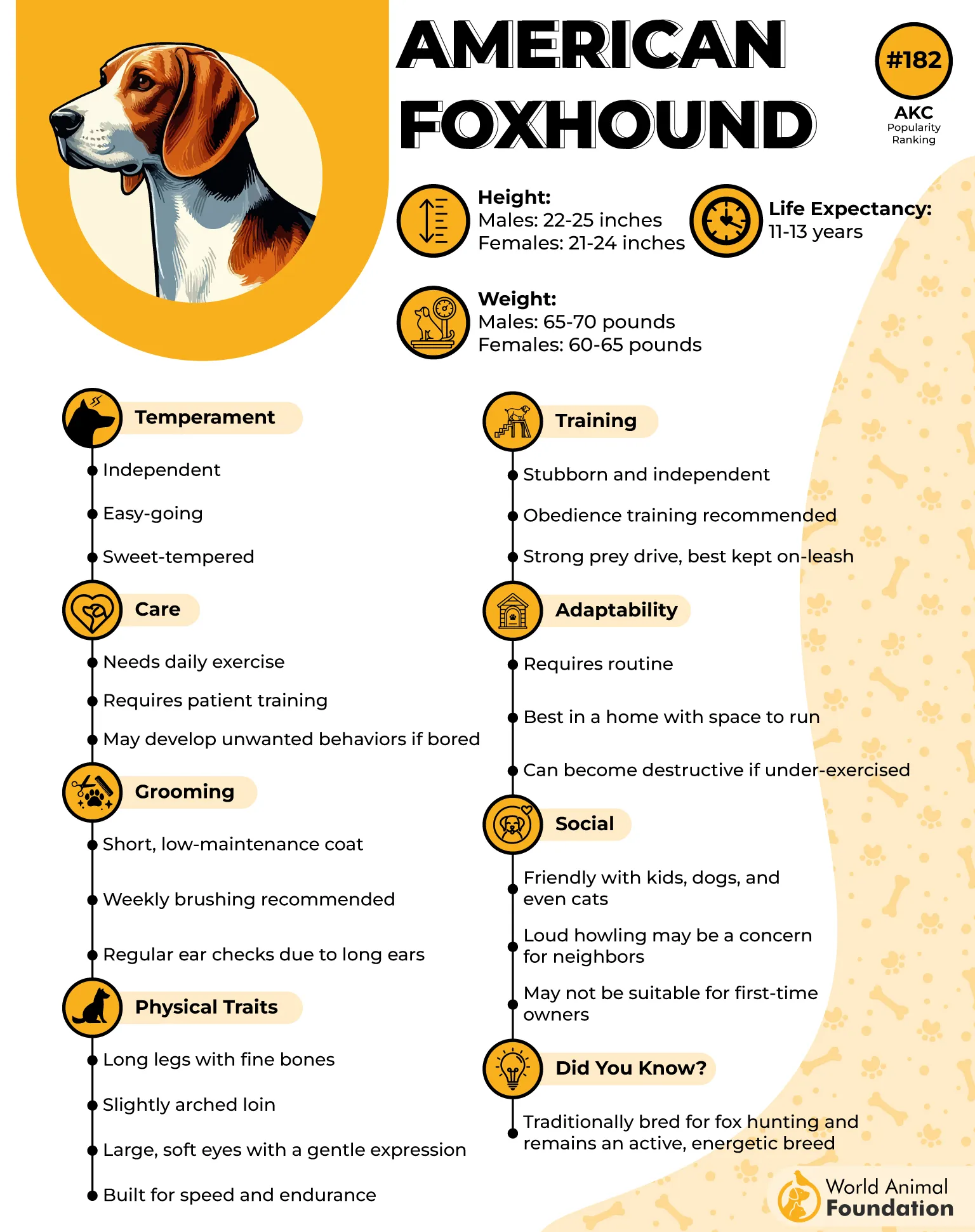
This breed can happily live in areas where it can run and labor. They are also not the best type of apartment dogs compared to other pets because of their energy levels.
Their stamina renders them useful in hunting medium-sized game across an open area. Socialization at an early stage makes them well-managed.
5. Brittany
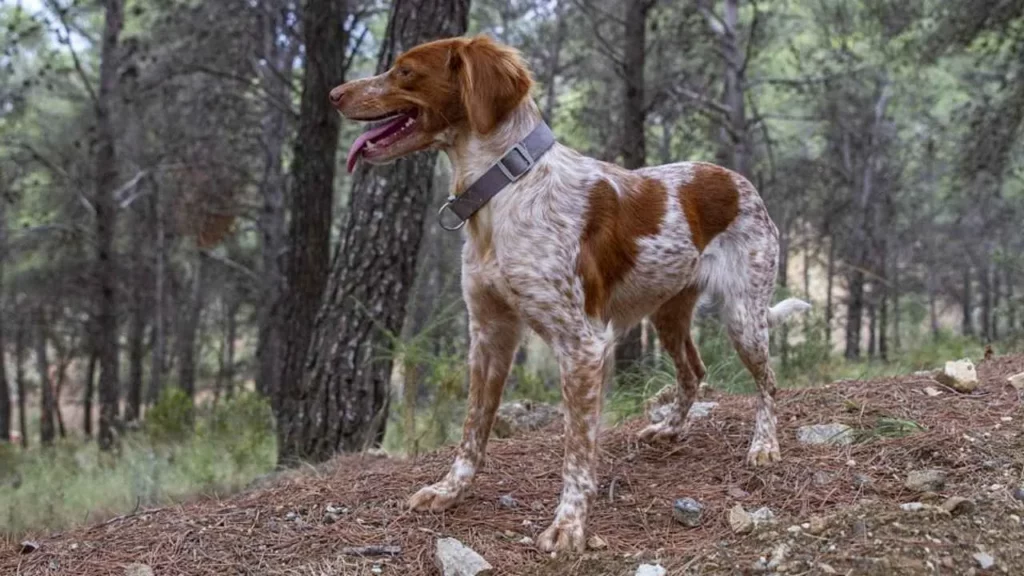
The Britanny is not as large as other breeds; however, it is as powerful. This great family dog, which was originally French, was trained to be agile but gentle, precise, and to work closely with hunters.
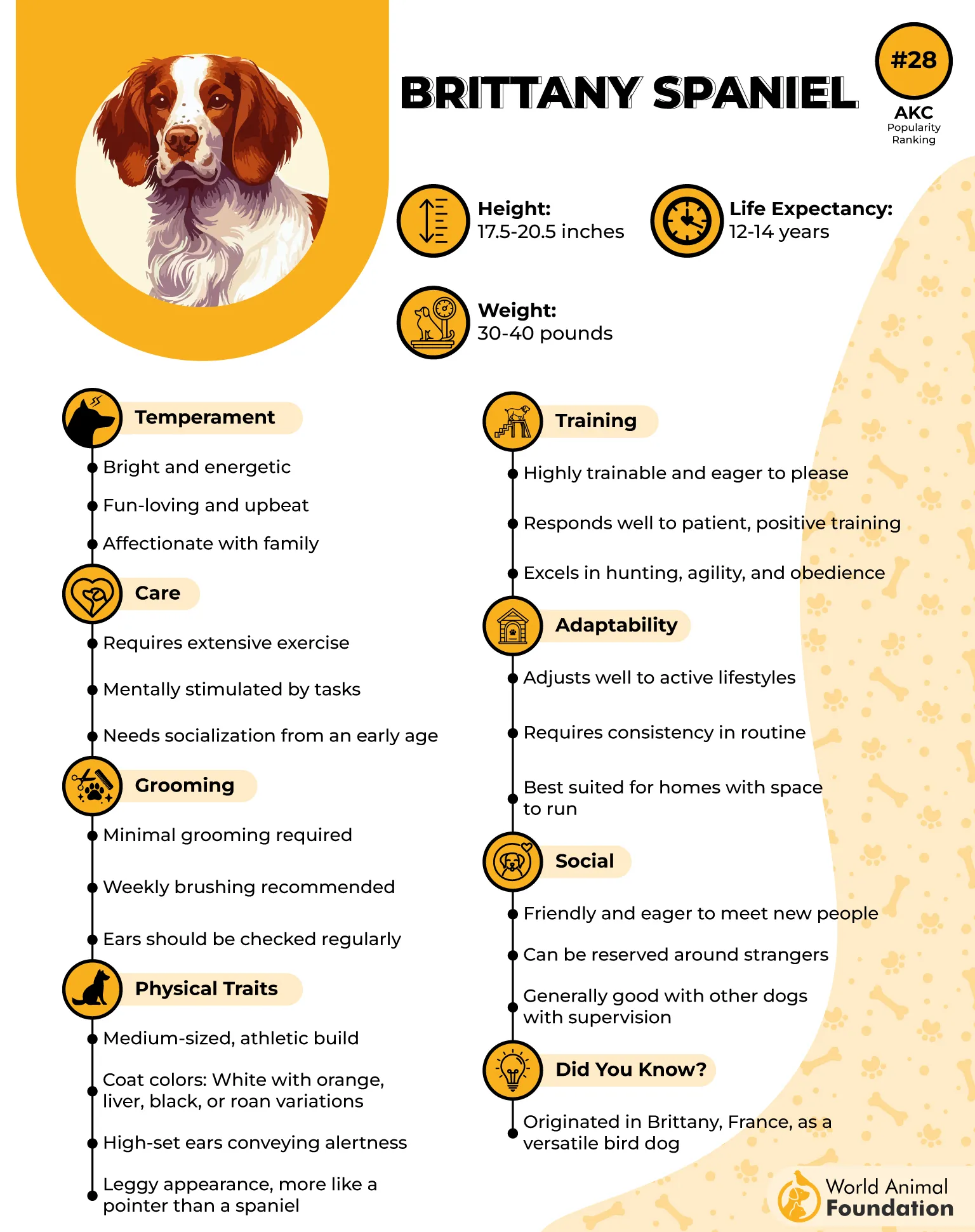
Tracking Strengths:
Quick learners and move fast to detect scents
Movement in narrow areas
Natural pointing ability
High trainability
Working situations that Brittanys are good at include hunting birds and hunting upland game. They are also small animals that easily operate in thick bushes, unlike large breeds.
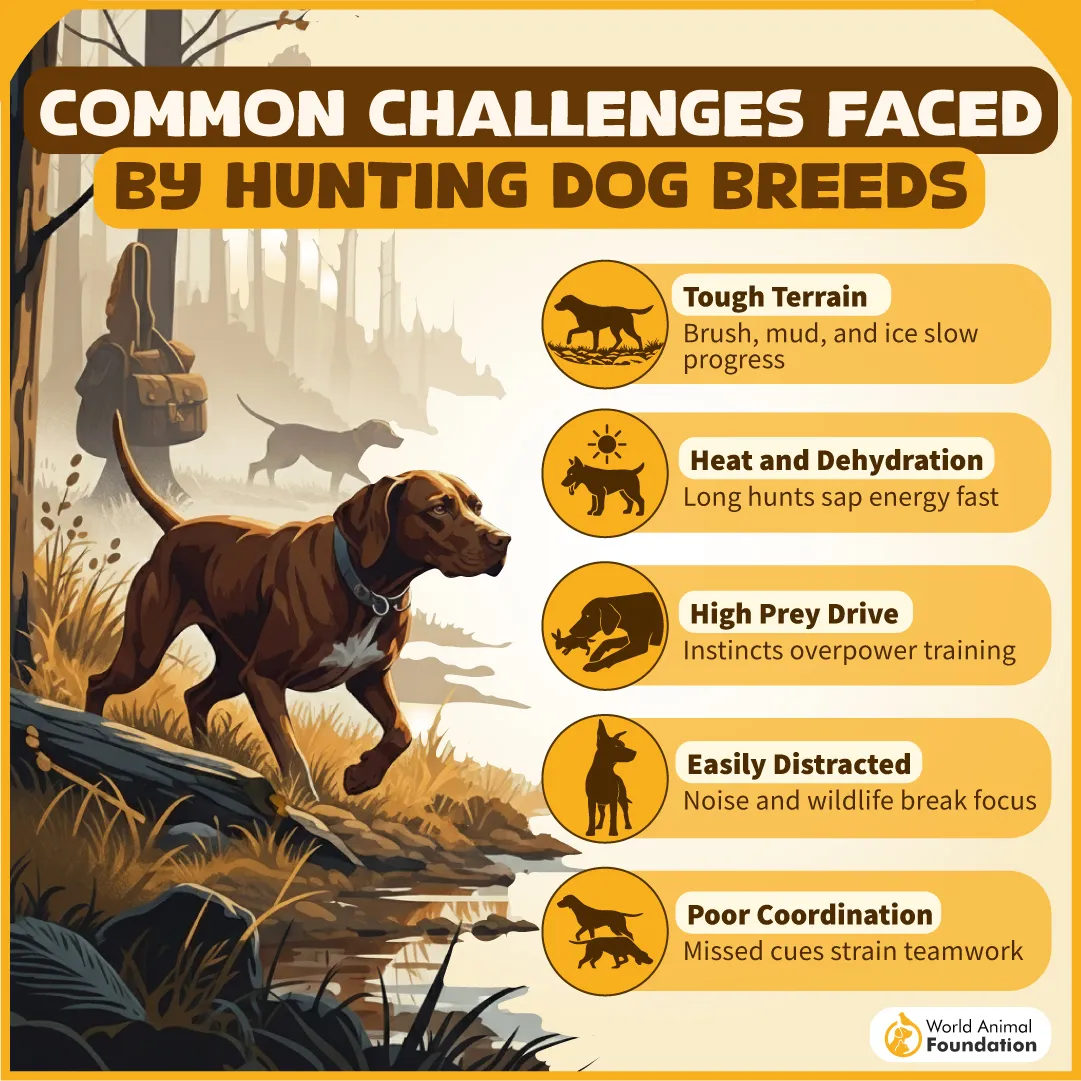
They are delicate dogs and react well to soft but consistent training. When they are harshly corrected, it may hurt their confidence. Their desire to impress and their general intelligence levels cause them to be flexible in different situations in the field.
Brittany does not always work well in a group because they are highly attached to their hunters and therefore works better in one-on-one partnerships.
6. Bloodhound
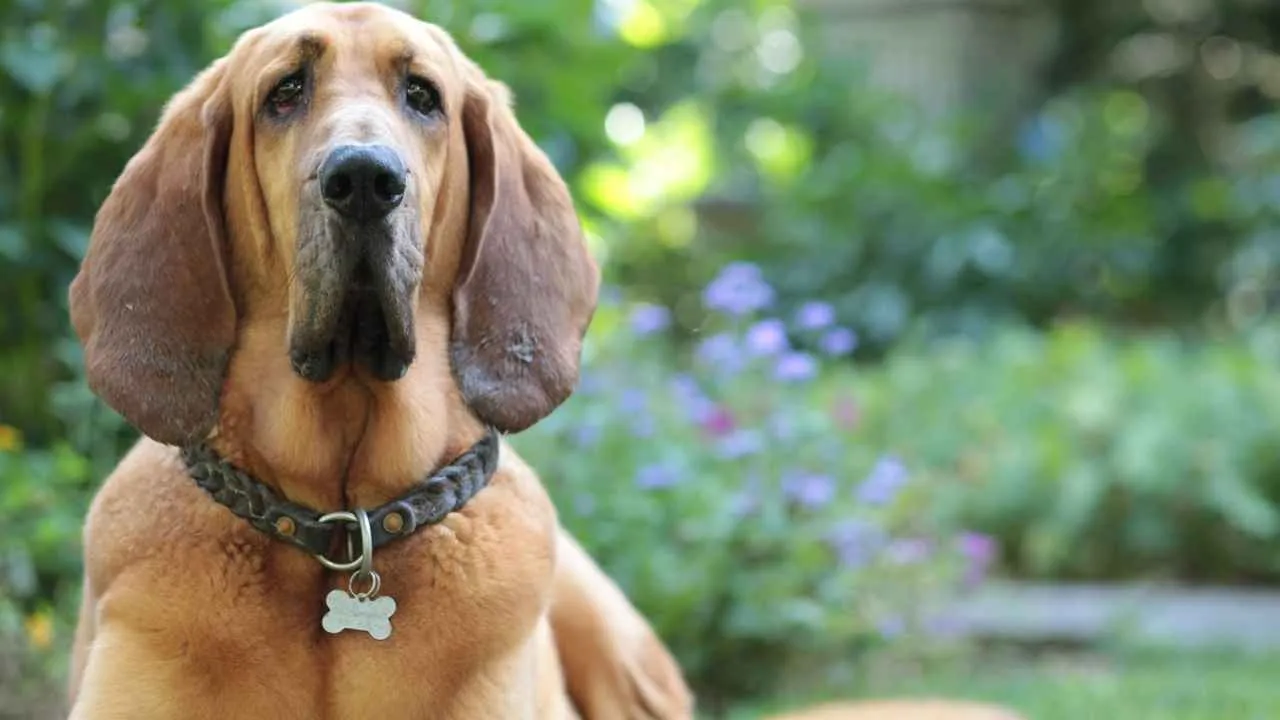
The Bloodhound is in a different league when it comes to tracking excellence. The Bloodhounds are known to track down trails left days earlier and aid in search and rescue operations.
What Makes Them Legendary:
More than 300 million scent receptors
Intense tracking persistence
Cold tracking capability
Exceptional scent memory
The wrinkled skin and their large, floppy ears enable them to trap scent particles around their nose, and this increases the accuracy of detection.
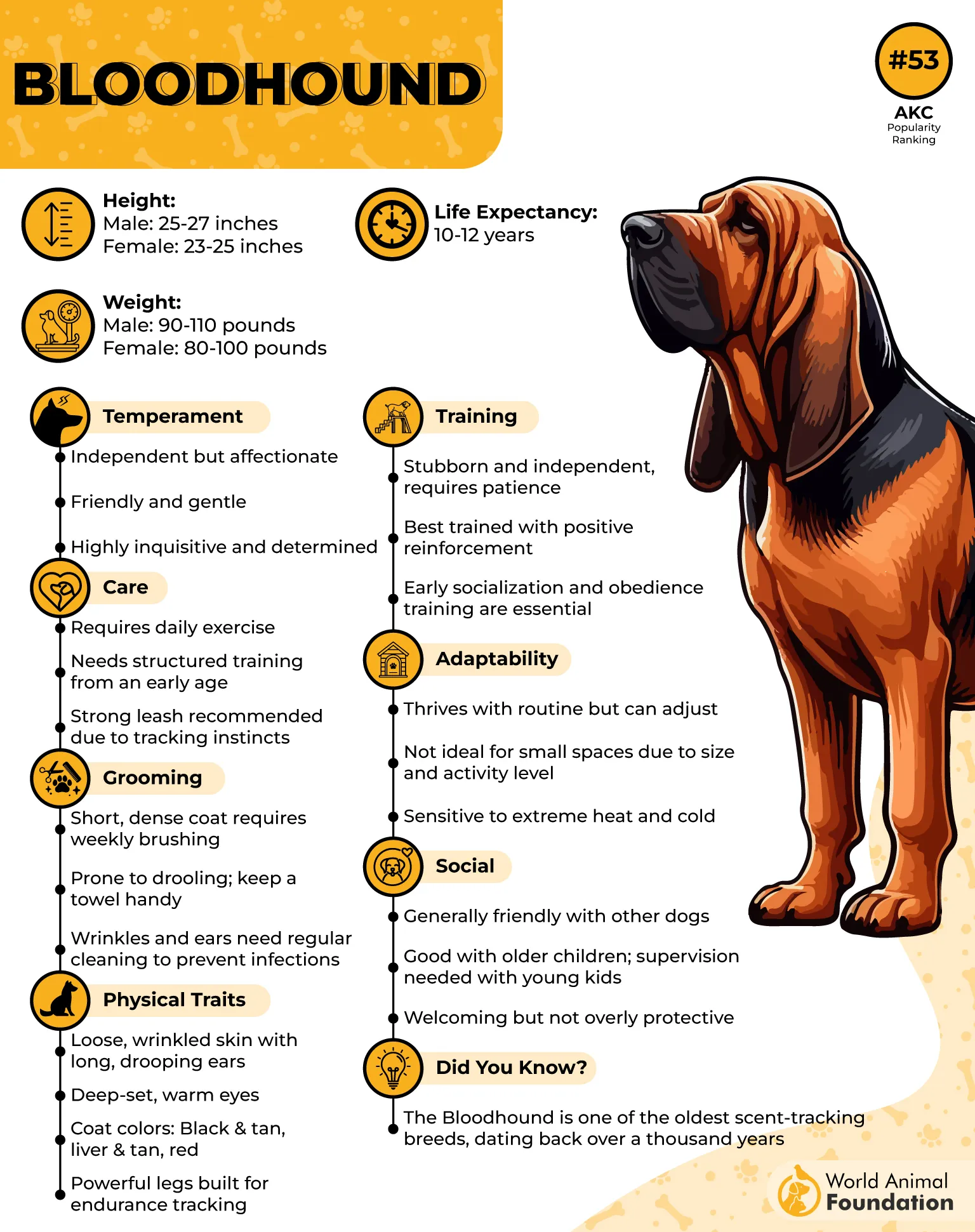
They need to be trained and fenced, because their tracking instinct can get them to stray. Leash training is necessary due to their power and size.
Bloodhounds are used especially in the conservation of wildlife trail tracking, hunting injured game, and search operations where scent accuracy is of the highest importance.
7. Redbone Coonhound
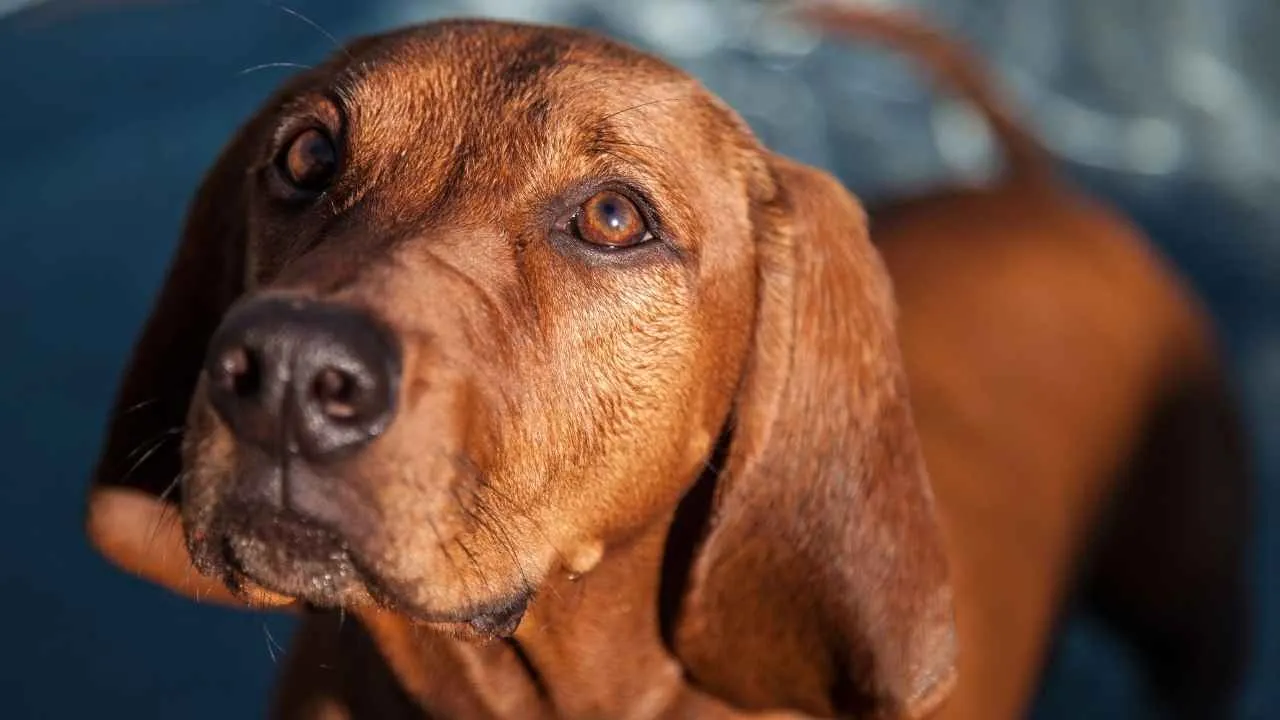
Redbone Coonhound was introduced in the United States to hunt raccoons, but also larger game such as deer and even bears.
Key Tracking Traits:
Strong prey drive and treeing instincts
Superior olfactory evening capacity
Smooth, athletic build
Flexibility in marshy soil
The Redbone Coonhounds are versatile. Their tracking is accomplished by ground scent, and in situations where the prey has sought refuge in trees.
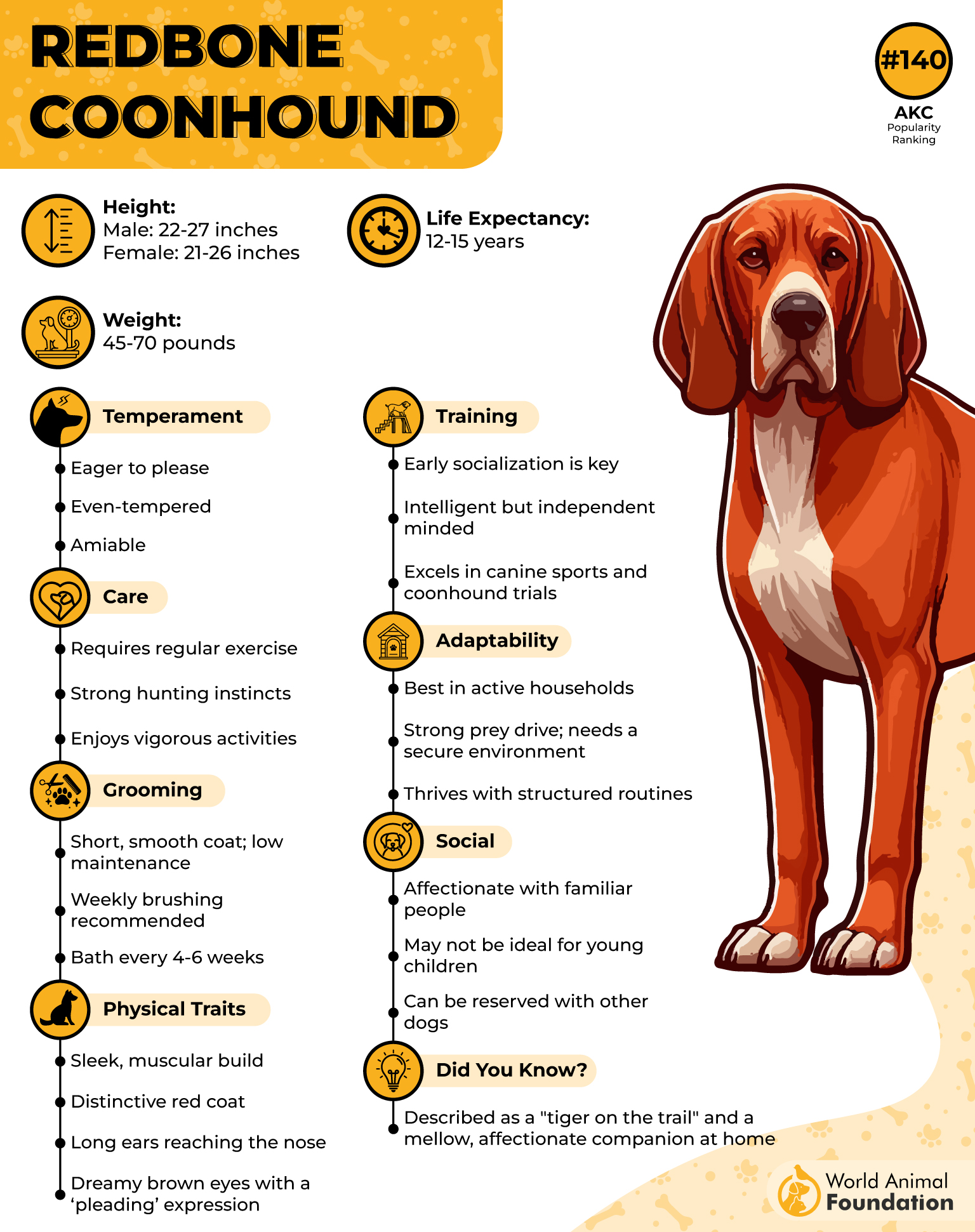
They are bright and need strong and unwavering leadership. Their baying is unique and is heard over a long distance.
They do well in the countryside and are known as great pets that prefer outdoor activities.
8. Bluetick Coonhound
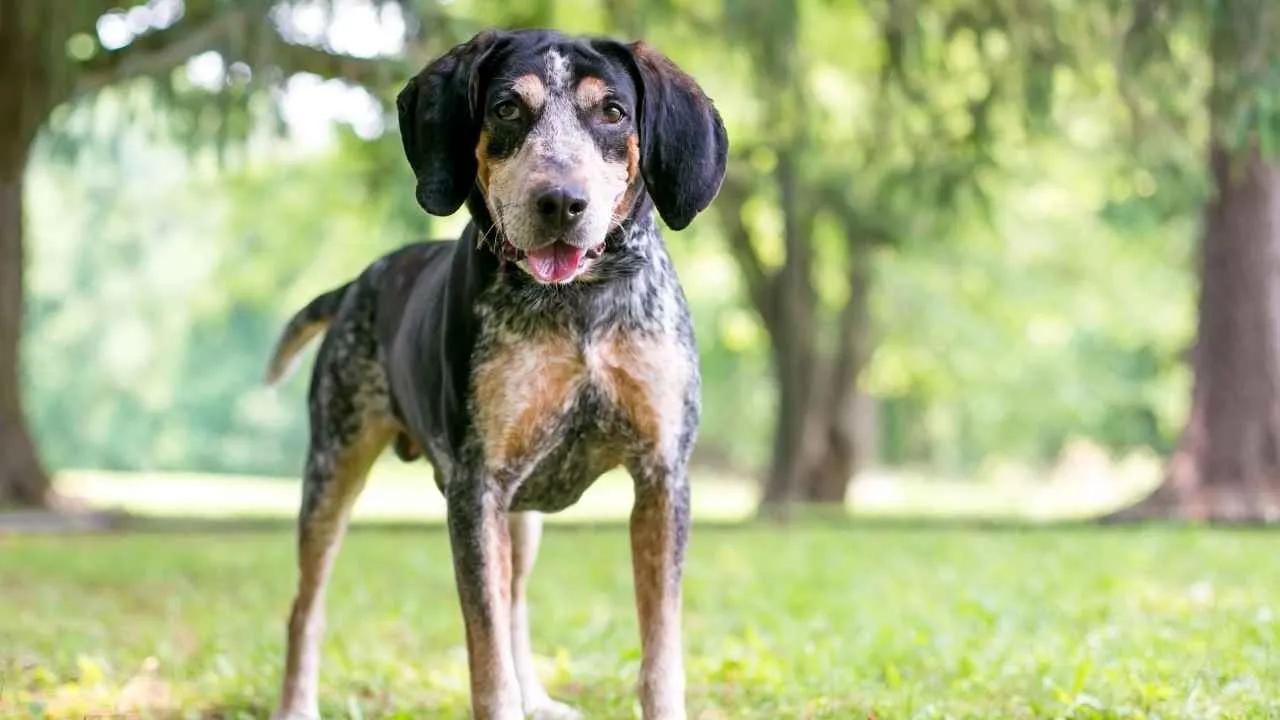
The Bluetick Coonhound is well respected for its capability to follow cold tracks or faint trails that other dogs fail to pick up.
Tracking Characteristics:
Can discover scents very intelligently and systematically.
Has a strong urge to track its prey.
Works independently, which is rare.
Bluetick dogs possess tracking skills that enable them to follow raccoons and larger creatures through wooded environments. The dogs show high levels of determination to survive outdoors because nature protects them from dangerous weather conditions.
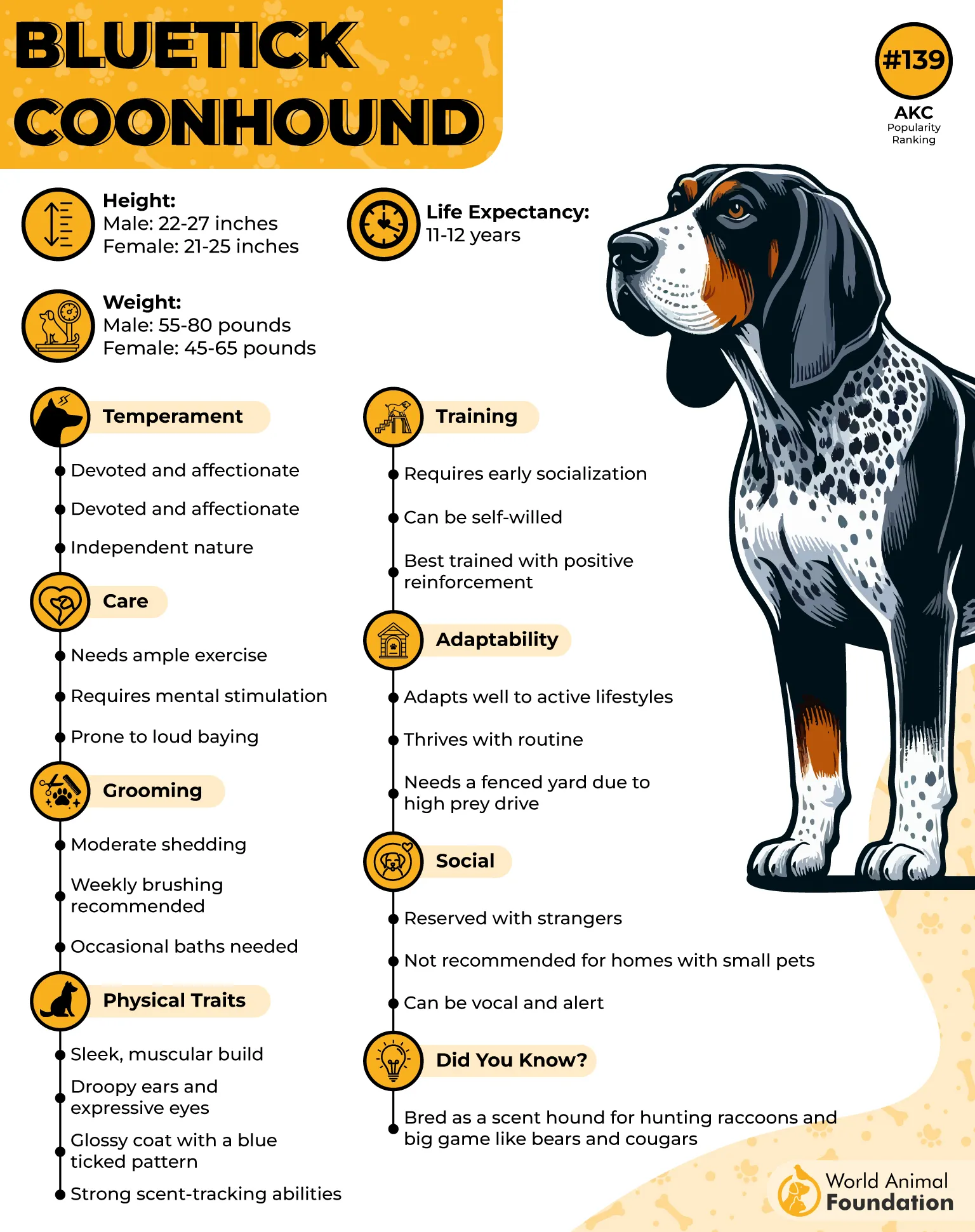
The dog requires obedience training because of its independent nature. The dog needs a fenced area because it has a tendency to roam.
The dogs become excellent companions who work effectively together with proper training.
9. Black and Tan Coonhound
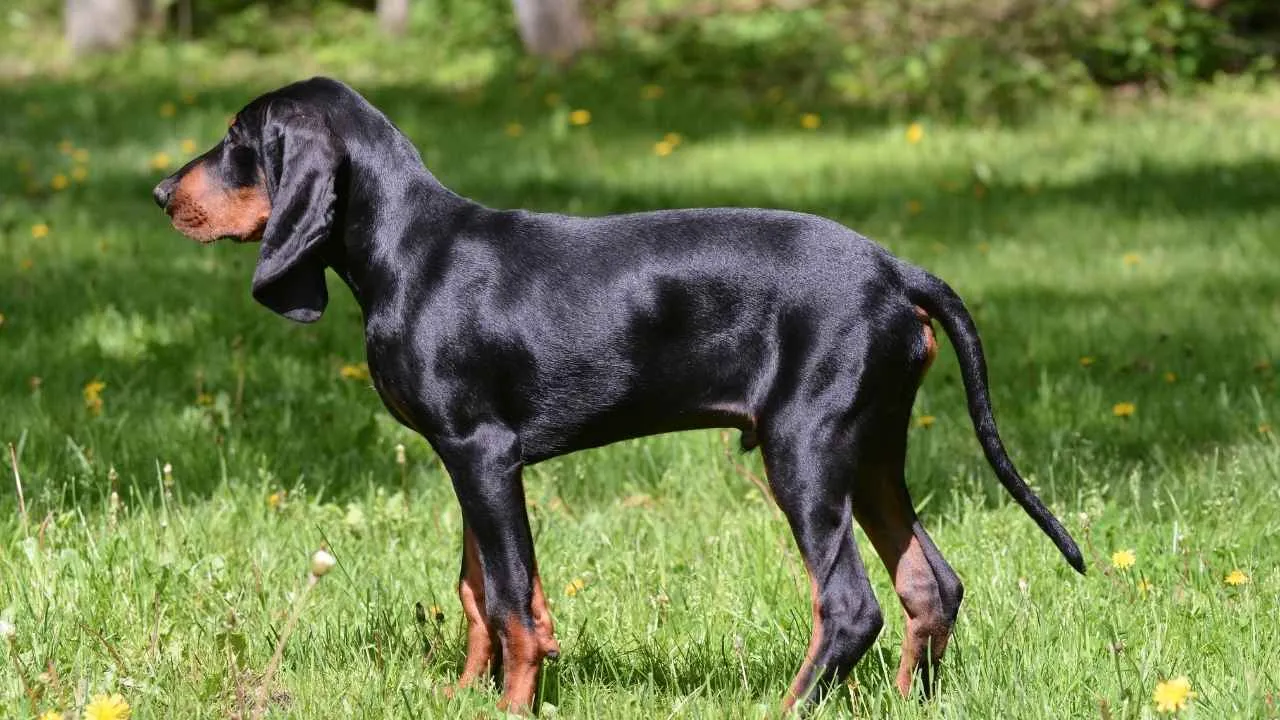
The Black and Tan Coonhound is the roughest gun dog with a sharp nose and plenty of stamina.
Strengths:
Can travel long distances without getting tired
Excellent locating behavior
Very confident when hunting
Can discriminate between different scents easily
Black and Tan Coonhounds are good-natured and versatile, and need space and regular exercise. They can be used in duck hunting.
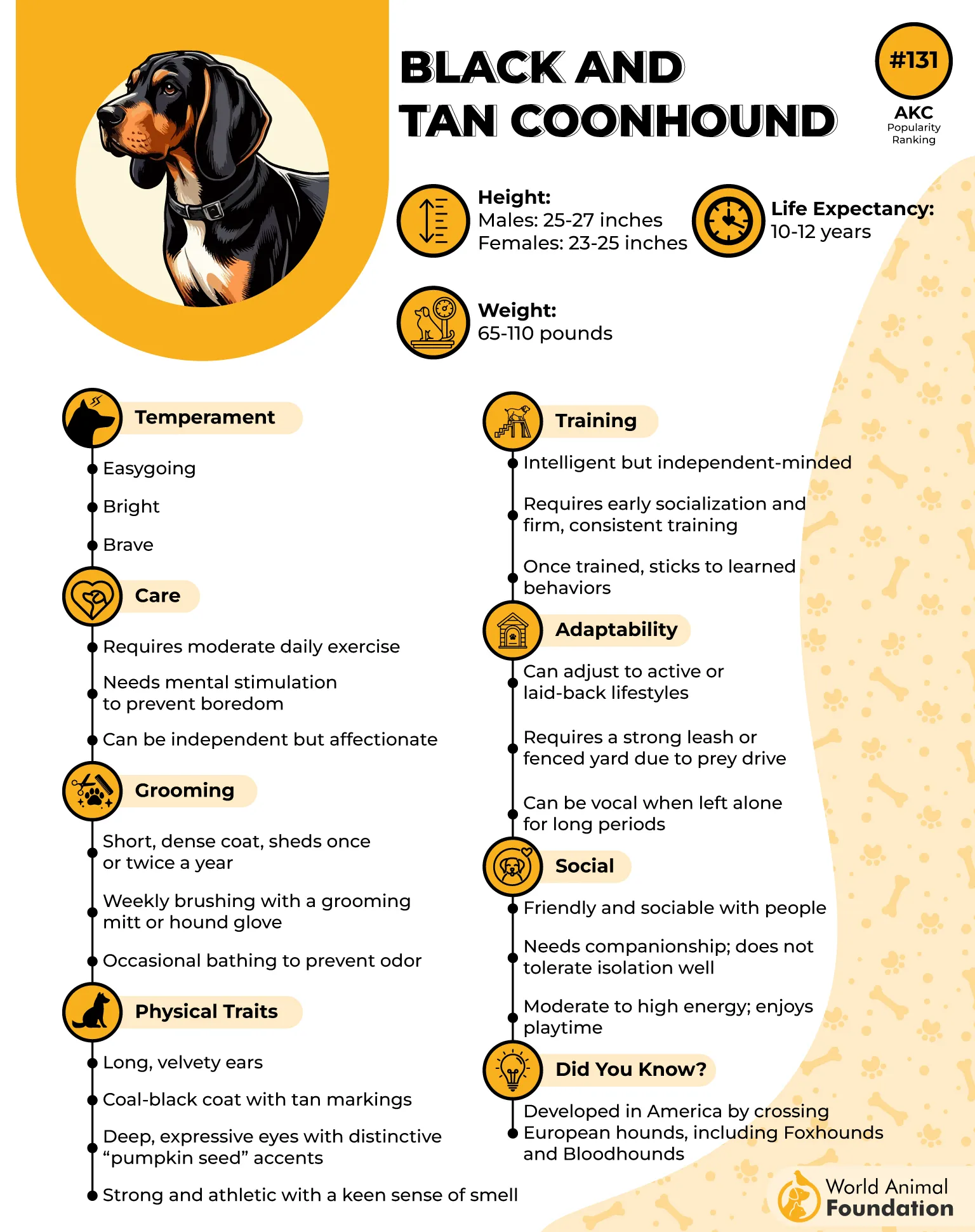
They work well, especially in forest and mountainous areas. They take everything with calmness at home, but are very focused in the field.
These dogs should be trained on recall and leash manners to control their strong tracking instincts.
Conclusion
The most desirable breeds are not just well-nosed, but courageous, strong-willed, and affectionate towards their family. In the unremitting energy of the Bloodhound to the all-round genius of the German Shorthaired Pointer, each breed has its own strengths
Selection of a proper tracking dog has to be taken with due care to the environment, level of experience, and lifestyle. They are astonishing dogs, but through appropriate training, regular care, and trust between them, outdoor exploration becomes an effective collaboration and a way to have fun.
Ultimately, it is not only about the hunting of animals, but about cooperation, intuition, and the eternal connection between people and the most faithful of their friends.
