




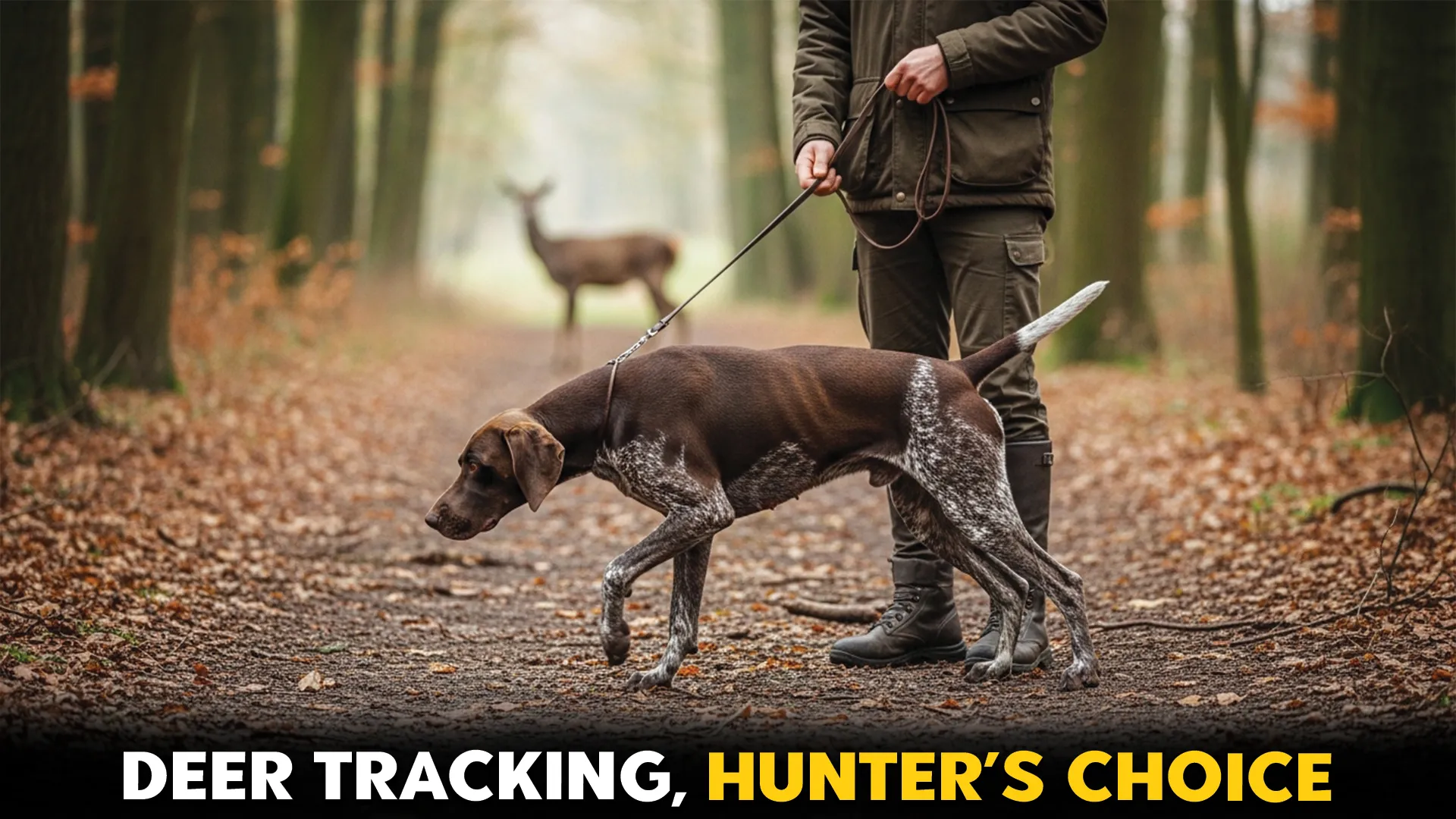
Even the most experienced hunter can lose a blood trail when rain washes it away, darkness falls, or rough terrain disrupts the path. That’s where deer tracking dogs prove their value. Bred for scent work and determination, these dogs can detect microscopic scent particles and follow trails that are hours or even days old.
A skilled tracking dog transforms uncertainty into an organized recovery effort, giving hunters clarity and confidence in difficult conditions. Beyond improving success rates, trained tracking dogs also support ethical hunting by helping ensure wounded game is located quickly and humanely.
Whether navigating dense forests, steep hillsides, or tangled brush, these dogs work methodically with patience and remarkable scenting ability. Understanding which breeds excel at deer tracking, and why, can help hunters choose a reliable partner who enhances both efficiency and responsibility in the field. Let’s explore the breeds best suited for the job.
Top Deer Tracking Dog Breeds: A Hunter’s Guide
1. German Shorthaired Pointer
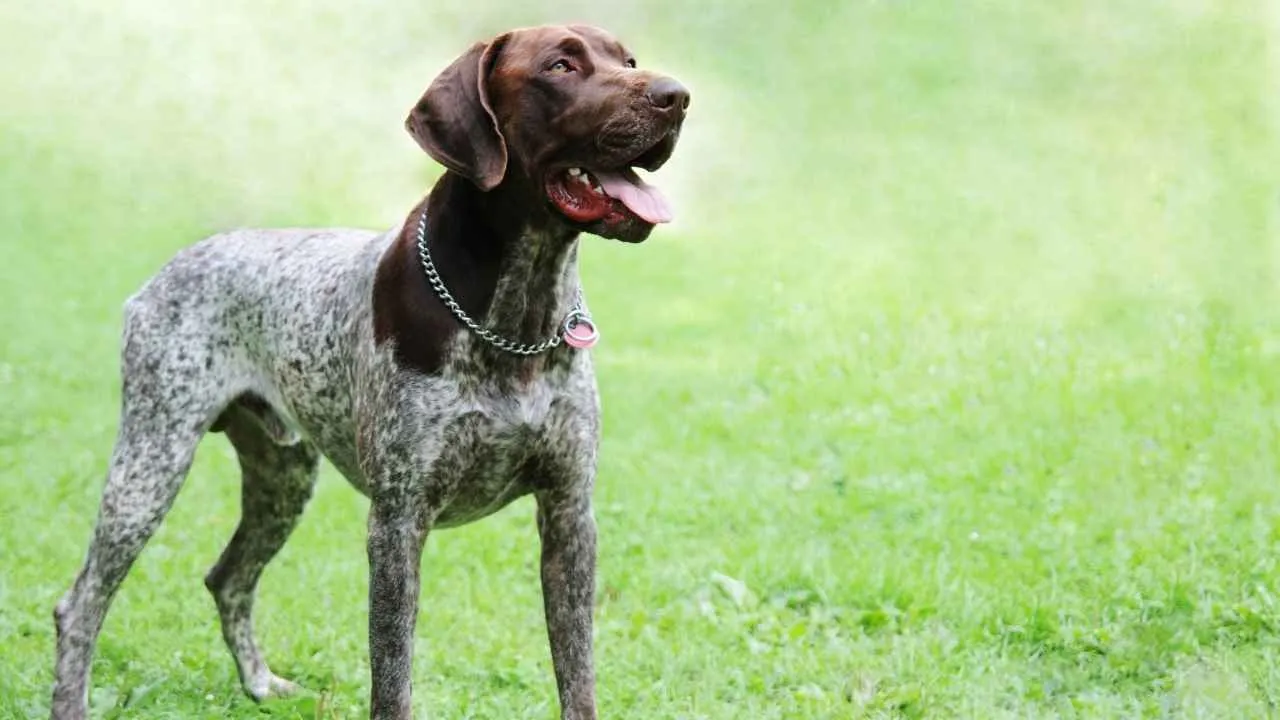
This enthusiastic hunting dog breed surprises the owner with how it shifts between pointing, retrieving, and tracking wounded game across the rugged terrains. They were originally bred in Germany as a hunter and retriever breed, both on land and in water.
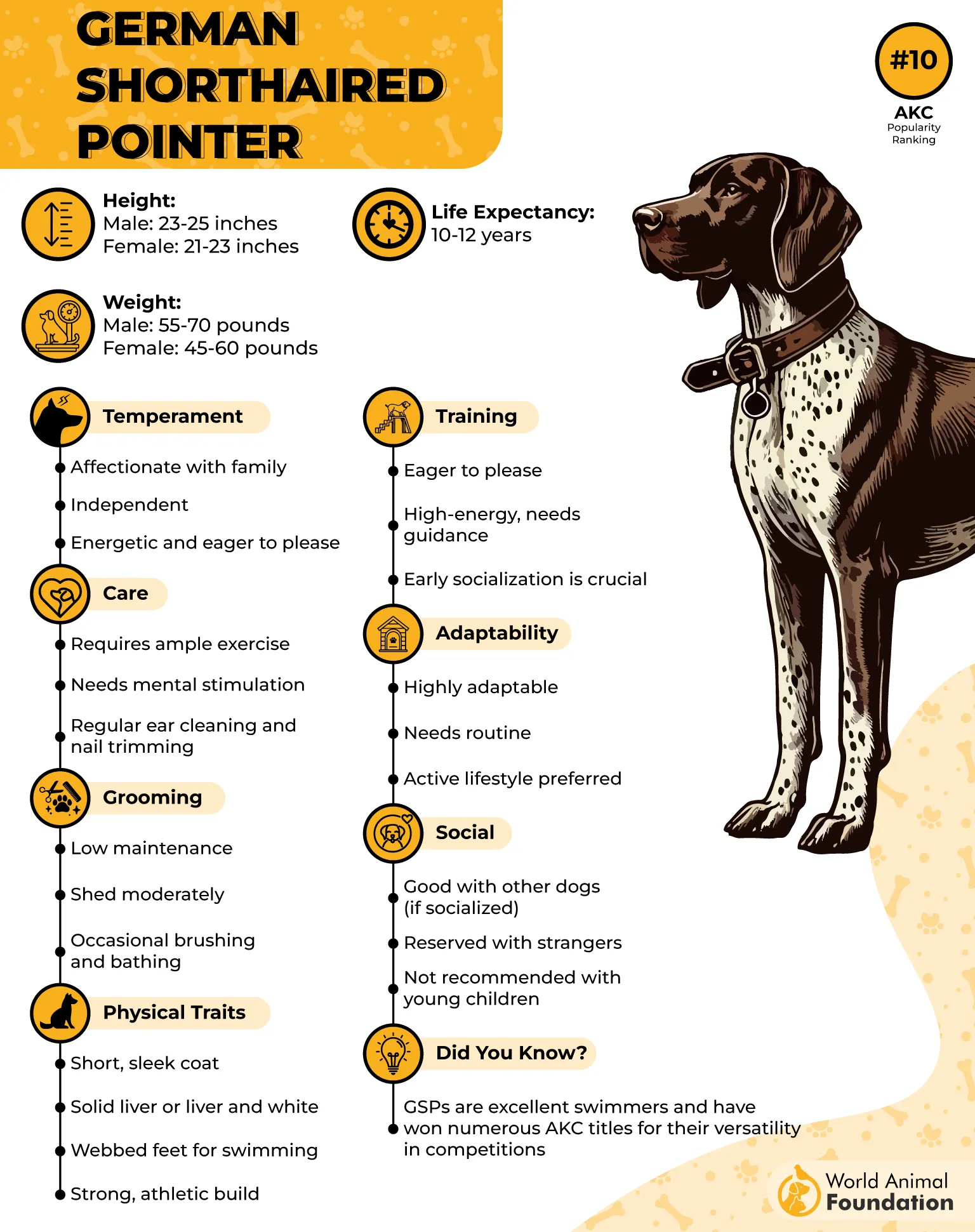
With their keen sense of smell, lean and athletic bodies, these dogs range from 50 to many hundreds of yards from the handler’s position in search of upland birds. Moreover, a well-trained German shorthaired pointer can pinpoint and track the location of many animals, including wounded deer.
Being a tireless working dog, GSPs enjoy spending hours with their owners in various hunting tasks. Apart from ranking as a good tracking dog on a blood trail, GSP also makes an affectionate dog in family settings, if provided with proper exercise channels along with socialization and training.
2. Redbone Coonhound
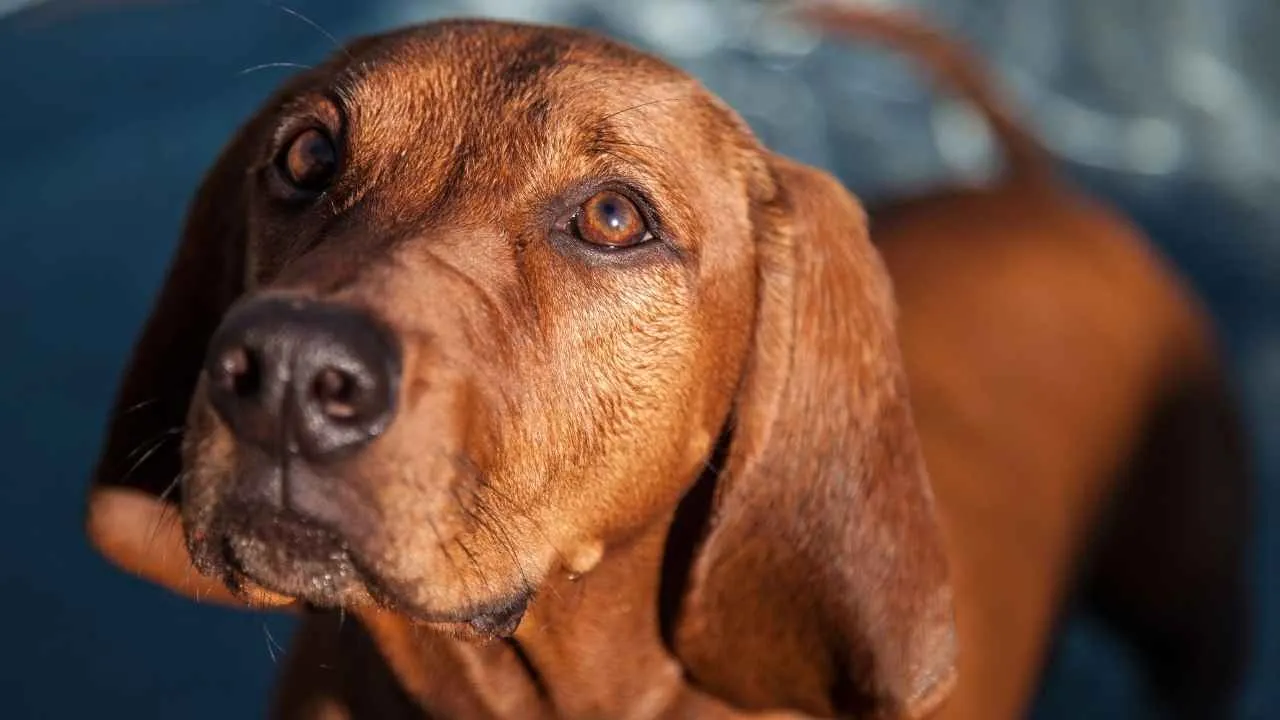
This hound breed carries an aggressive and fearless approach on hunts while remaining amiable and loving at home. Though these tracking dogs were bred to hunt tree raccoons and cougars, Orvis says that the Redbone Coonhound is adept at deer hunting as well as other wounded animals like bears.
Interestingly enough, the ancestors of this hunting dog breed used to have a black saddleback streak, that became vanished with time, and the modern Redbone Coonhound has significant red fur. With its beautiful red coat and hunting prowess, this breed is a much desirable one among many hunters.
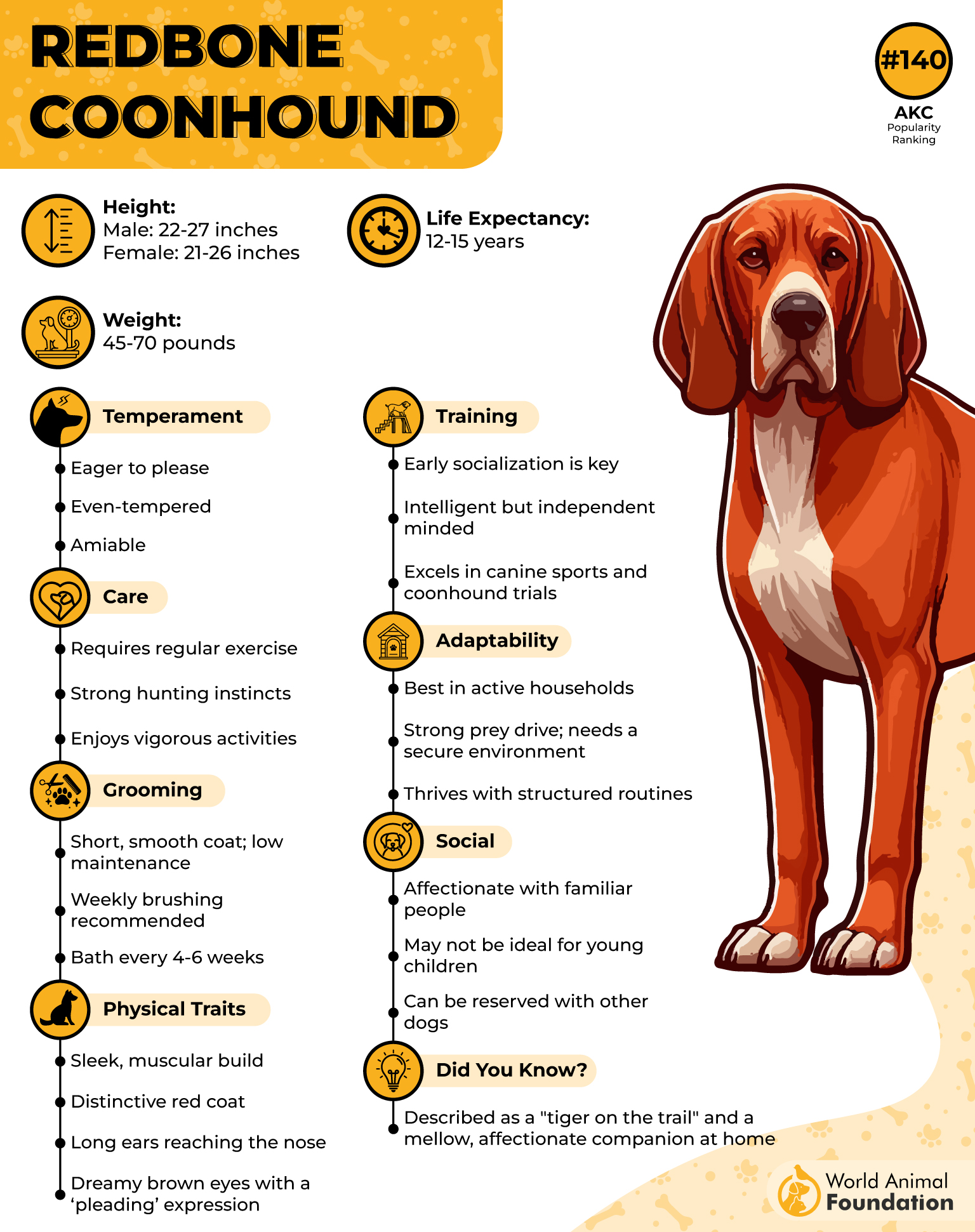
Red bone Coonhound is a highly trainable and eager-to-please breed who respond well to positive reinforcement methods during training sessions. These energetic dogs are blessed with enough endurance to accompany you for scent trailing wounded game over long distances.
3. Bluetick Coonhound
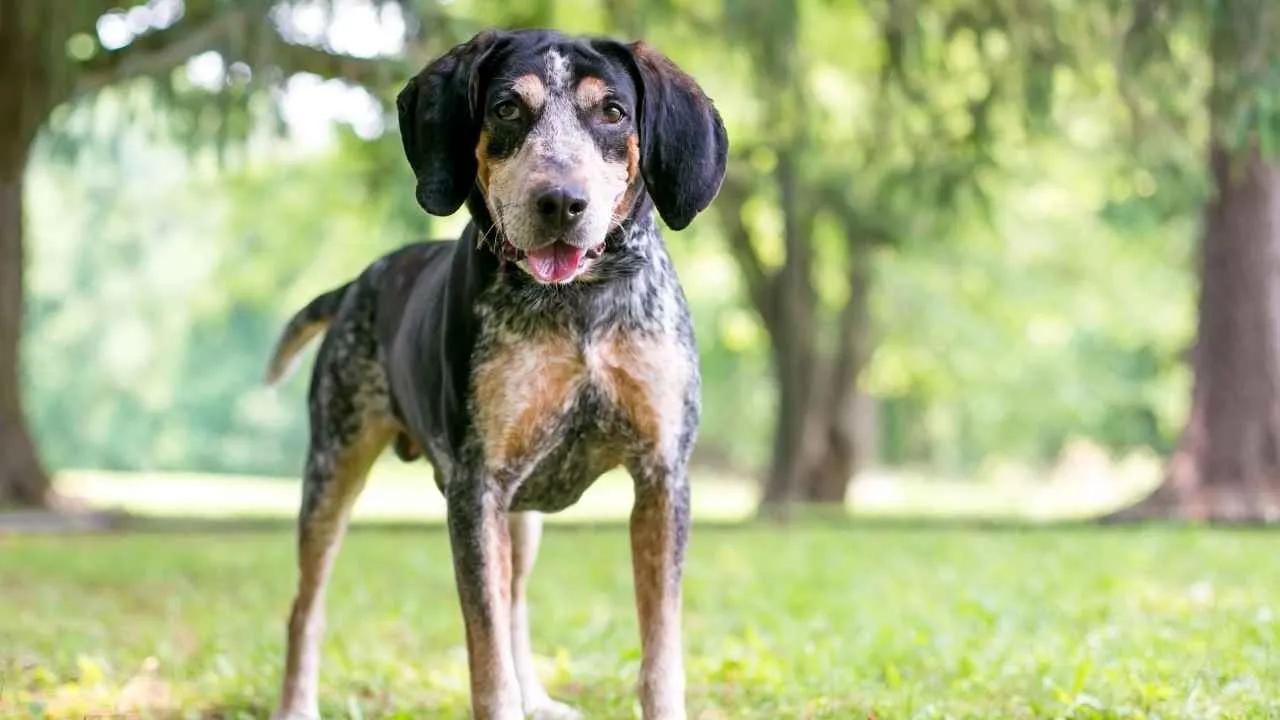
Another breed that is a great asset among hunting dog breeds, thanks to their great noses, distinct baying voice, and tenacity. While they were bred for hunting small game in the USA, today’s Bluetick Coonhounds are celebrated as a versatile breed excelling in tracking game and finding wounded deer.
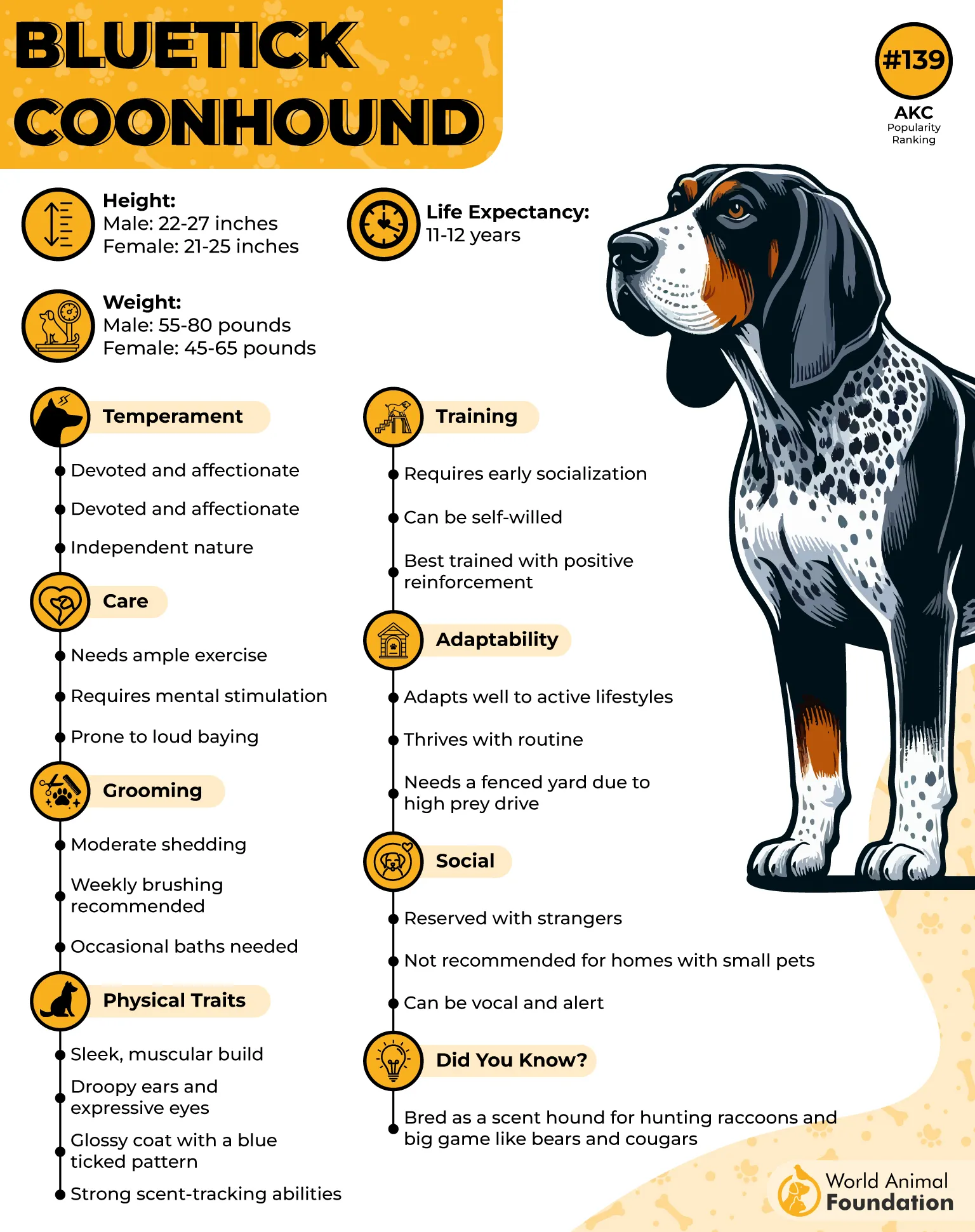
Also known as Mountain lion dog, as this breed is used to hunt big game, including lions and deer hunting, depicting its speed and staying power, along with echoing bay. They have high energy levels and large sizes; therefore are well-suited to active and big households only, says PetMD.
Since these blood trackers have a keen sense of smell and will prefer to follow the scent trails, leash training and fenced-in yards are important. Moreover, these dogs are not suitable for new pet parents as their demands for physical and mental activities can turn into undesired behaviors if not fulfilled.
4. Weimaraner
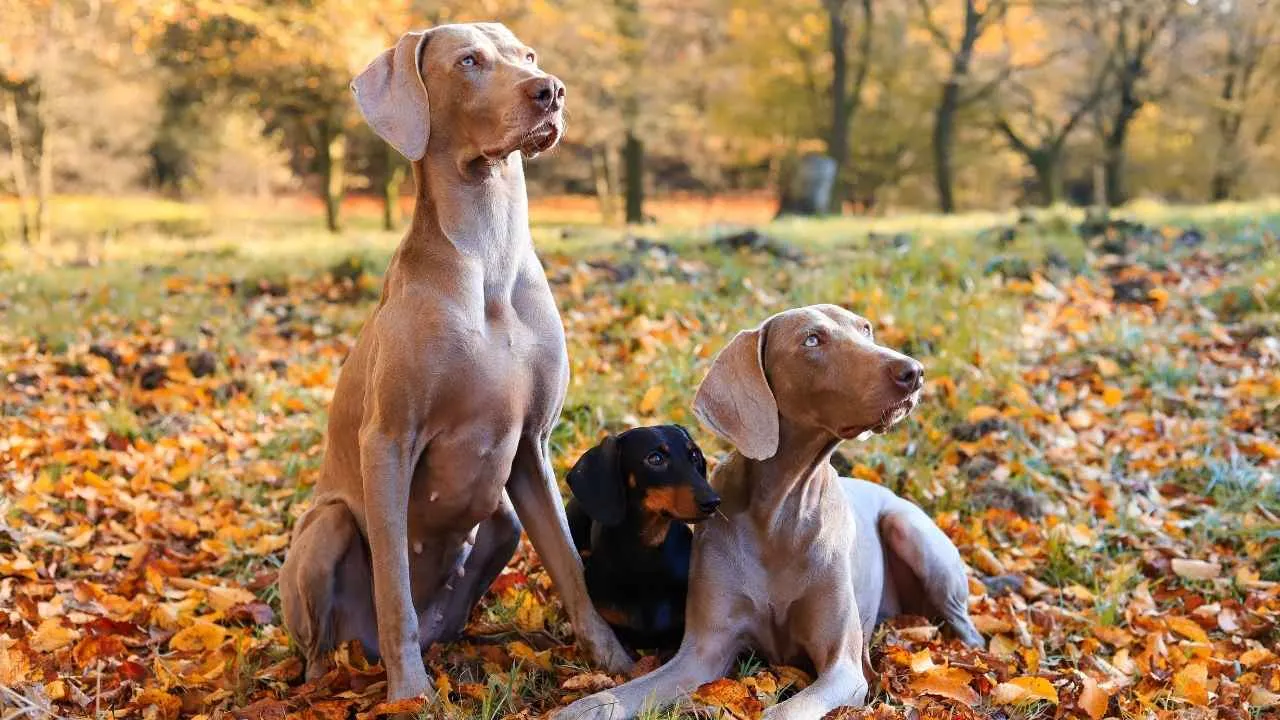
Weimaraner was developed in the late 1800s for the German nobility as a tracking dog breed for large game such as hunting deer, wolves, and bears. They are also known as Germany’s Grey ghosts due to their steely coats and swift movements during hunting in the woods.
Over time, the Weimaraner became a popular gun dog breed, showing their abilities in upland game, as a duck retriever, and a pheasant pointer, thanks to their durability, agility, and excellent tracking ability. This hunting dog breed is a unique amalgam of friendliness and fearlessness.
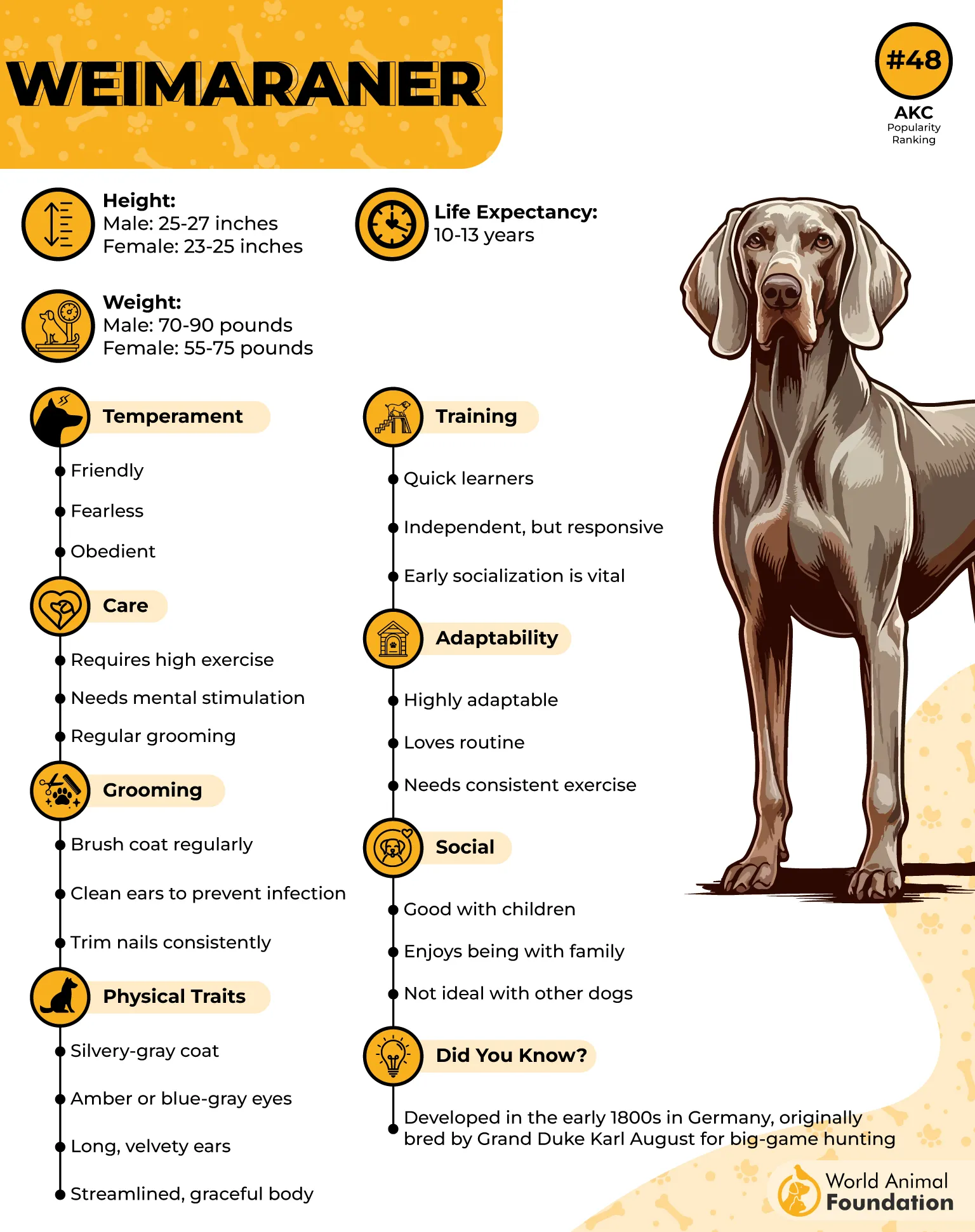
The energy levels of Weimaraner needs ample exercise that keep its body and mind busy. With proper socialization, they get along with other dogs, but are not a good option for multi-pet households with small animals. They are smart dogs and learn things quickly, either good or bad.
5. American Foxhound
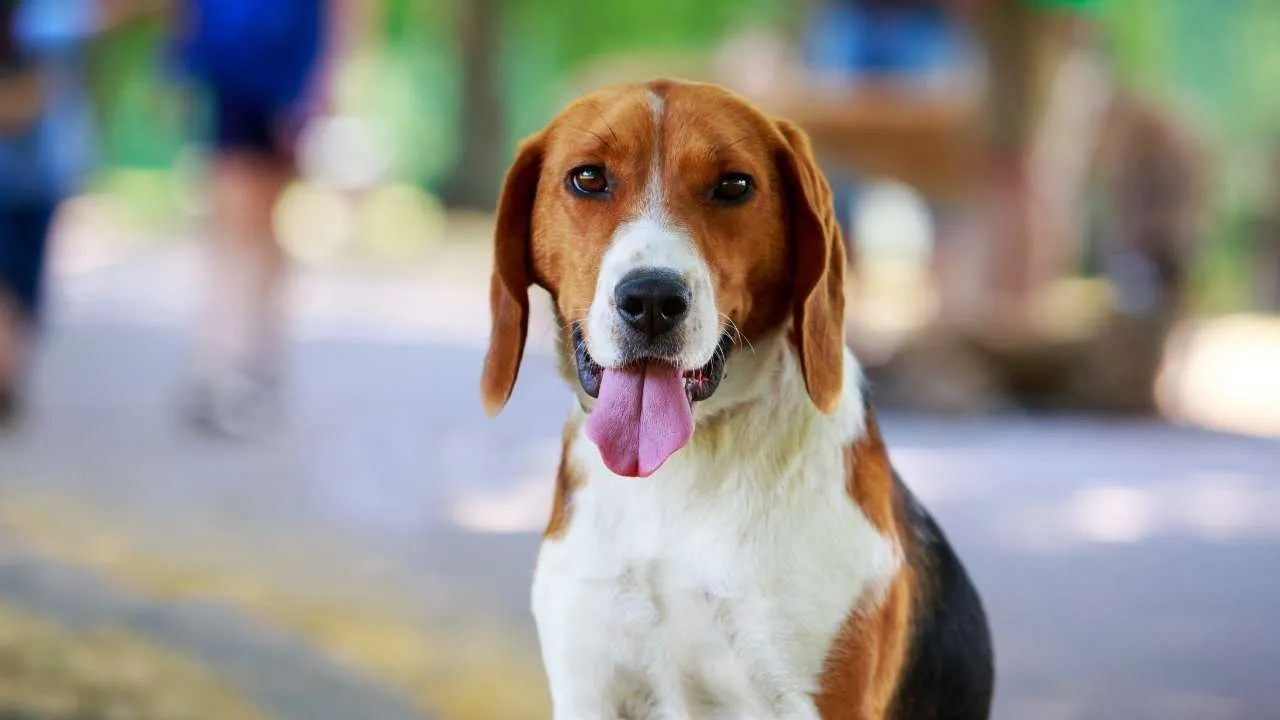
George Washington was the one who developed the American Foxhound for himself as a hunting dog breed. From hunting foxes to deer hunting American Foxhound is considered one of the best canines because of its keen sense of smell, endurance, and strong desire to get its target.
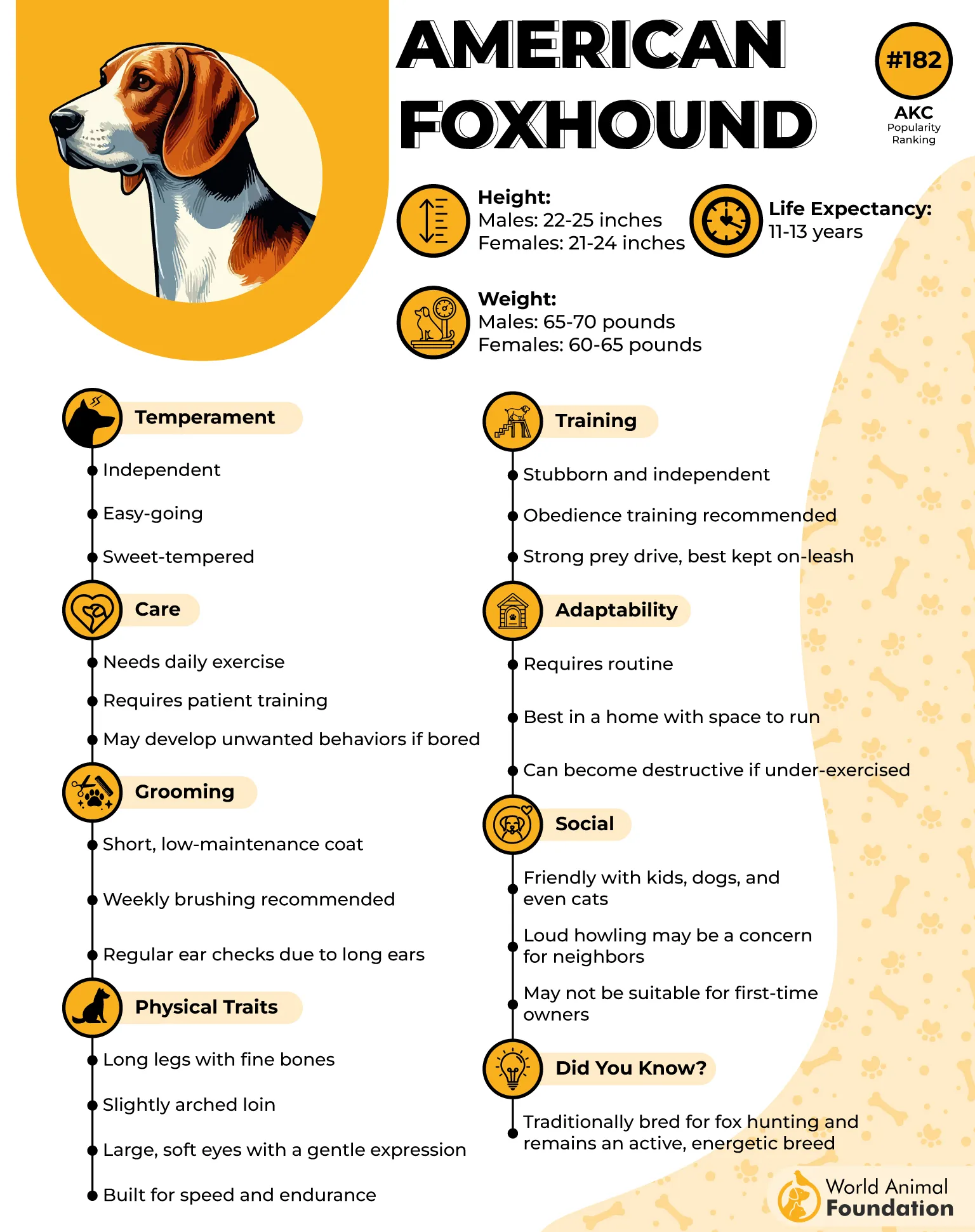
Foxhound dogs are pack dogs with boundless energy that can be channeled through hunts of long distances or at least an hour of exercise. As family dogs, early socialization and training are important as they do have booming bays that they usually use to communicate with their hunter partners.
According to AKC, Fox hounds are a blend of independence and friendliness. They also want to please their owners, which makes their training relatively easier, but still, consistency and patience are the keys to having a well-trained and well-behaved Foxhound.
6. Catahoula Leopard Dog
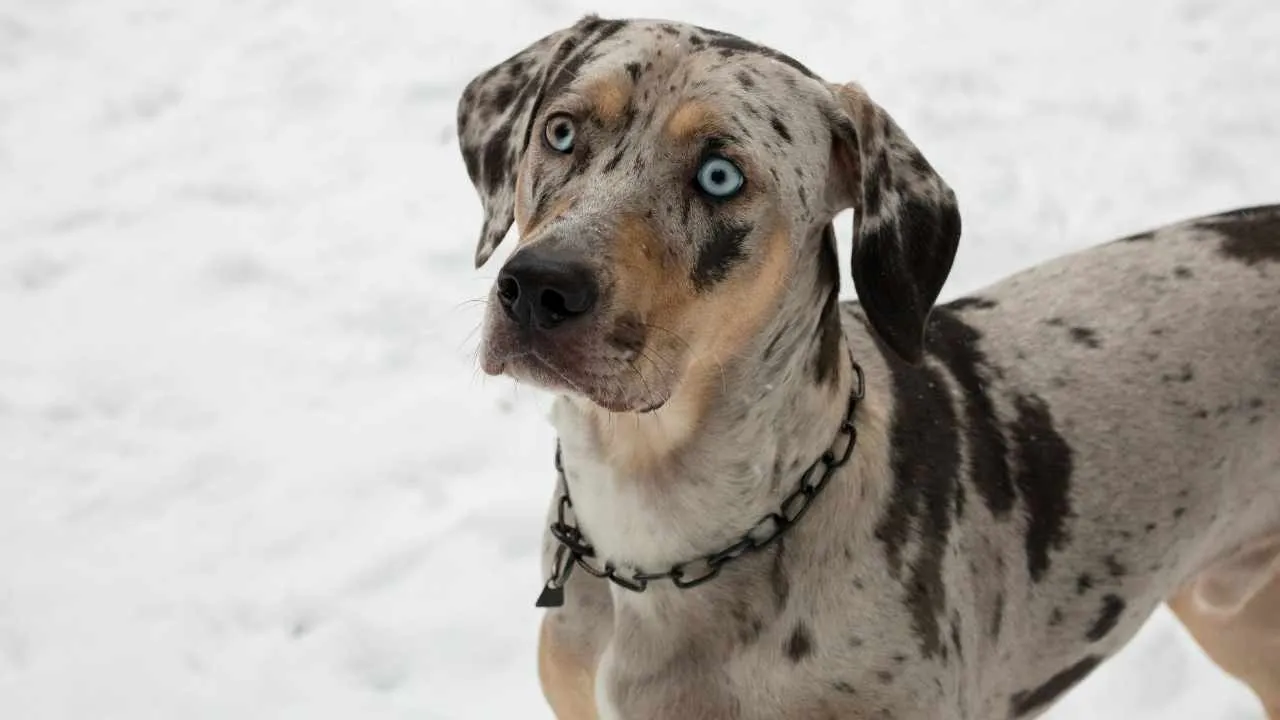
Agility, endurance, and hunting abilities of the Catahoula Leopard dog makes him an exceptional working breed in fields. Emerging from Louisiana, these dogs were used to rack and drive hogs and cattle across southern swamps.
Their muscular build, powerful stance, and keen sense of smell contribute to their versatility in hunts. They are not typical sight hounds but work with hunters as recovery dogs, especially in trailing wounded deer, meaning they hold and bay the deer instead of killing them.
While working, these dogs carry seriousness and work ethic, while at home, they are loving and protective in demeanor. They make excellent watchdogs and bark when they sense anything unusual. However, plenty of guidance is required to enjoy its loyal companionship.
7. Plott Hound
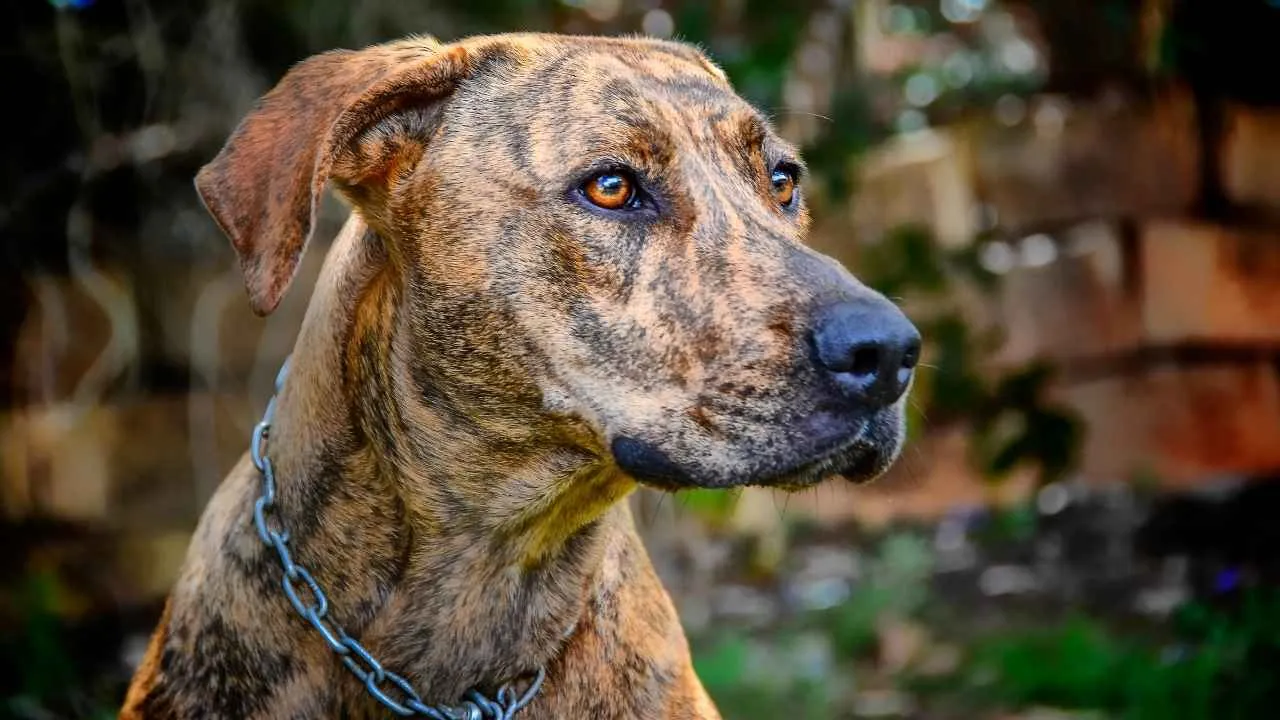
Thriving in tracking the old scent trails, these muscular and stubborn dogs are used for hunting big game, including bears, boars, and deer. They are native North Carolinians and were bred by the Plott family, who still live there and breed Plott hounds.
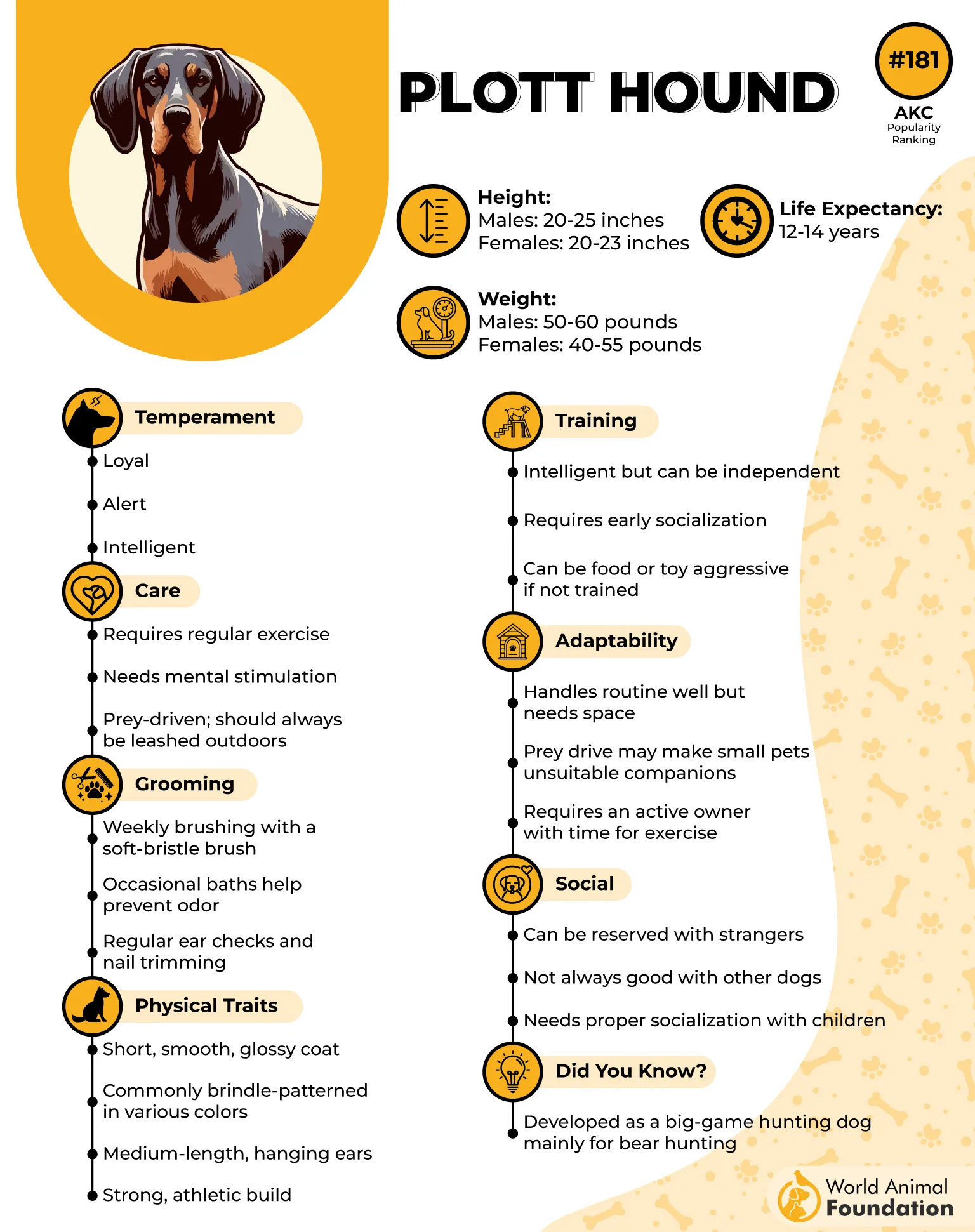
These dogs are celebrated for their keen desire to hunt and also for their courageous and bold personalities. While they are loyal and eager to please, due to their great sense of smell, they carry a stubborn streak, and you often see them with their nose to the ground or up in the trees.
They are athletic and tough dogs who need strenuous physical activities to be a healthy and happy breed. Long walks, running, and participating in various dog sports make a tired dog that is good for its overall well-being. Leash training is necessary as they have a strong prey drive.
8. Black And Tan Coonhound
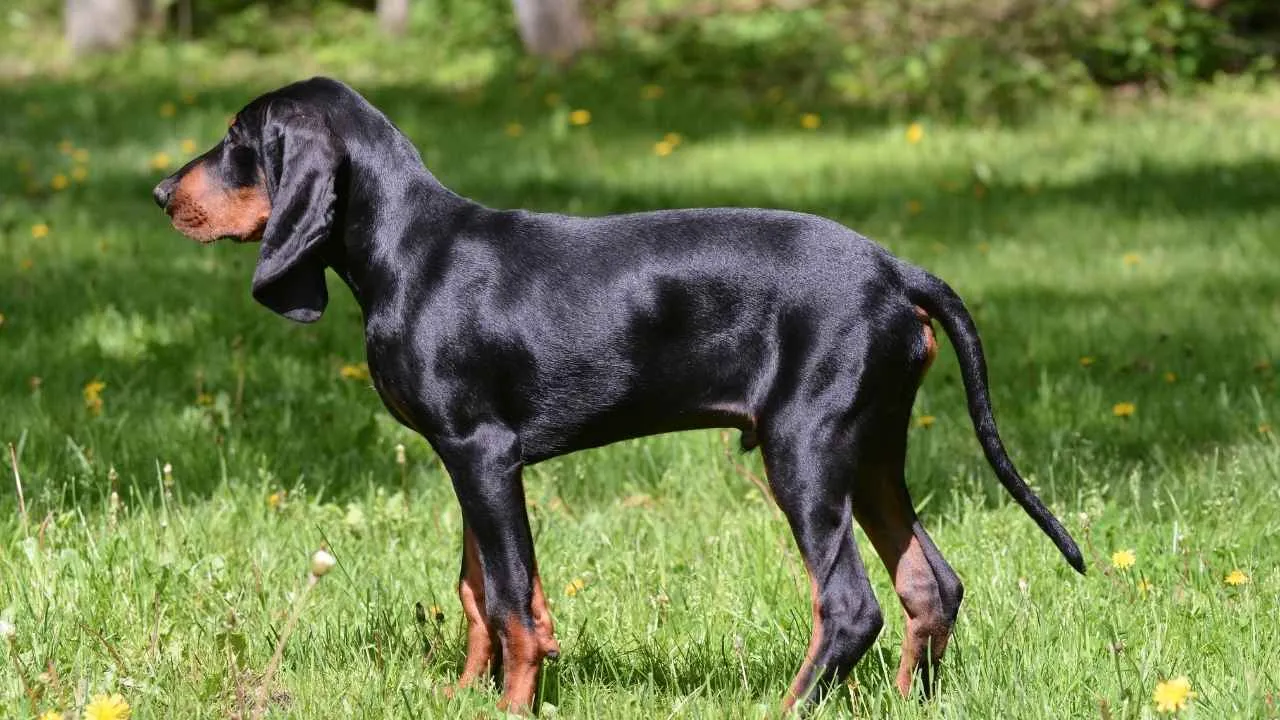
If you are looking for a sporting dog breed that trees raccoons and small game, along with deer hunting and other quarry, Black and Tan Coonhound makes a good choice. However, this hunting dog breed also excels in different dog sports if not working on fields such as nose work, tracking, and lure coursing.
Black and Tan Coonhound is known for its scenting abilities, especially the cold nose that can track old trails with ease. While in homes, these dogs are pretty laid back and calm – quite the opposite side when they are in fields, showcasing their hunting styles.
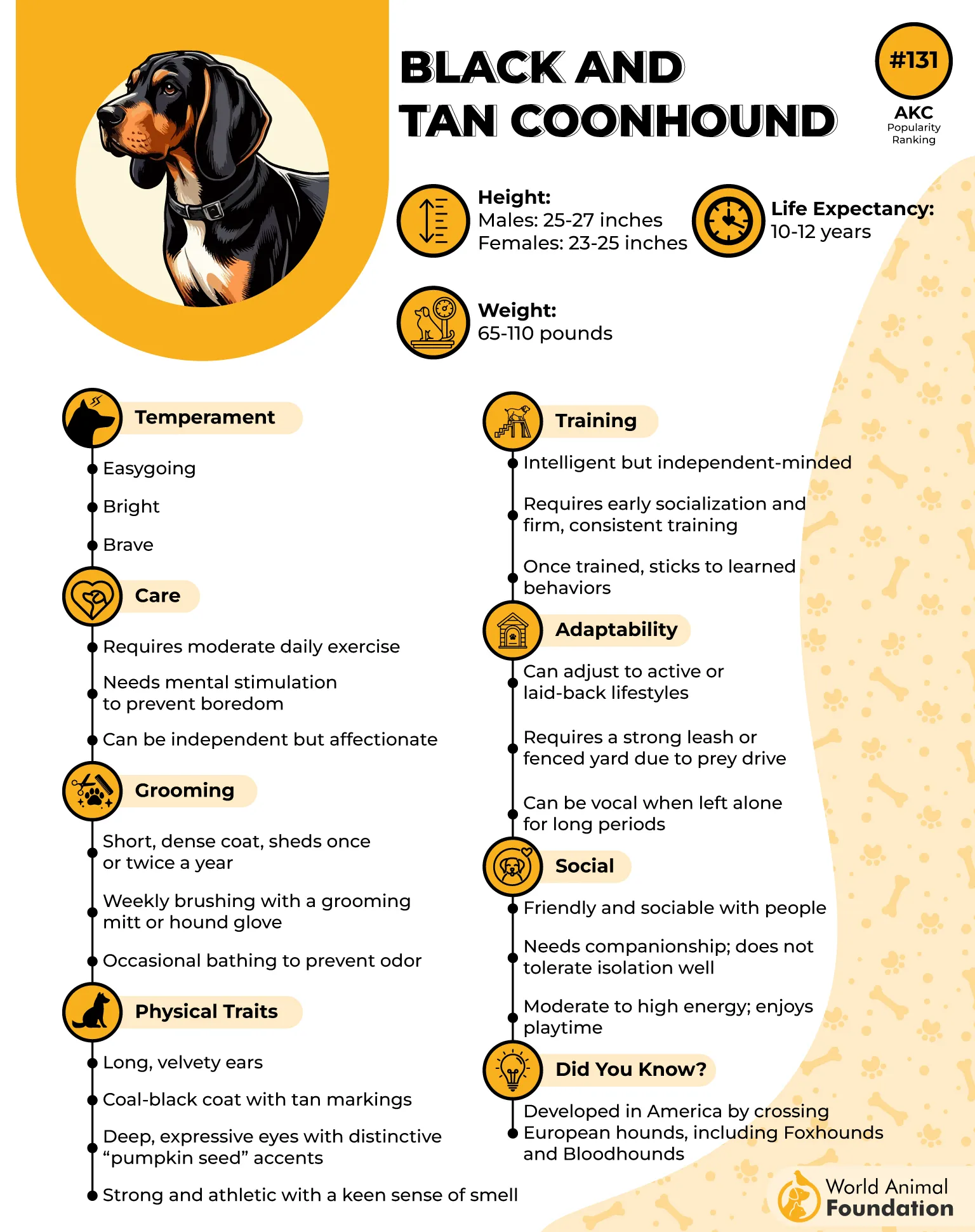
Since they are bred to hunt for long distances, their physical activities should be tiring too. Luckily, their short and smooth coats are of low maintenance, which requires occasional brushing. Black and tan coonhounds are independent dogs and need consistent training to thrive well.
9. Treeing Walker Coonhound
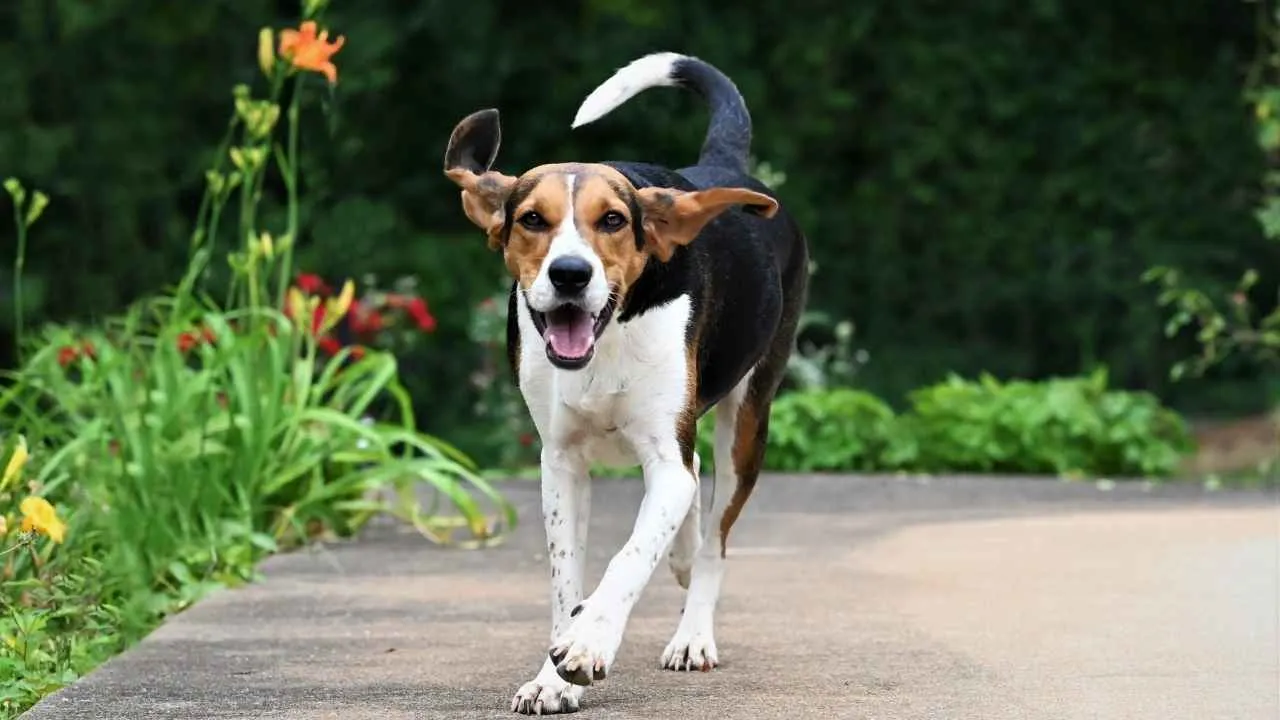
Treeing Walker Coonhound, though, comes here at number 9, but its ability to chase after big animals is unmatched, thanks to its speed, great nose, and prey drive. They are also famous for having a bay that echoes in the woods, informing hunters that their target has been caught successfully.
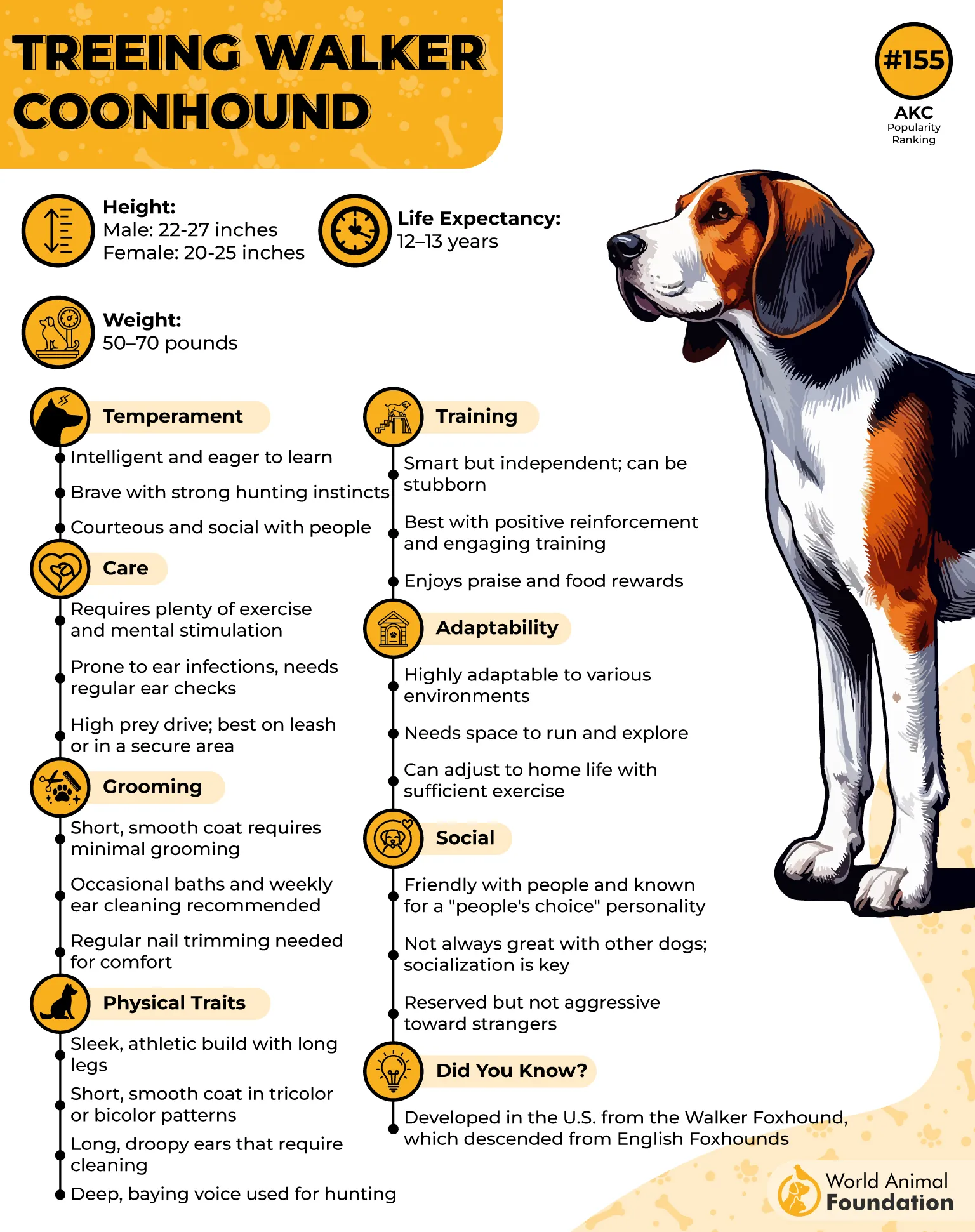
While they bred for endurance, these muscular dogs do not make a good fit in a sedentary lifestyle. They are ranked among the best tracking dogs, but with the right guidance Treeing Walker Coonhound can also be trained as a great upland hunter.
They are generally even-tempered and get along well with other dogs and pets (except the ones having small sizes and swift movements), if socialized and trained properly. Walkers have a hot nose, so the fresh scent trailing becomes quicker with them.
10. Mountain Cur
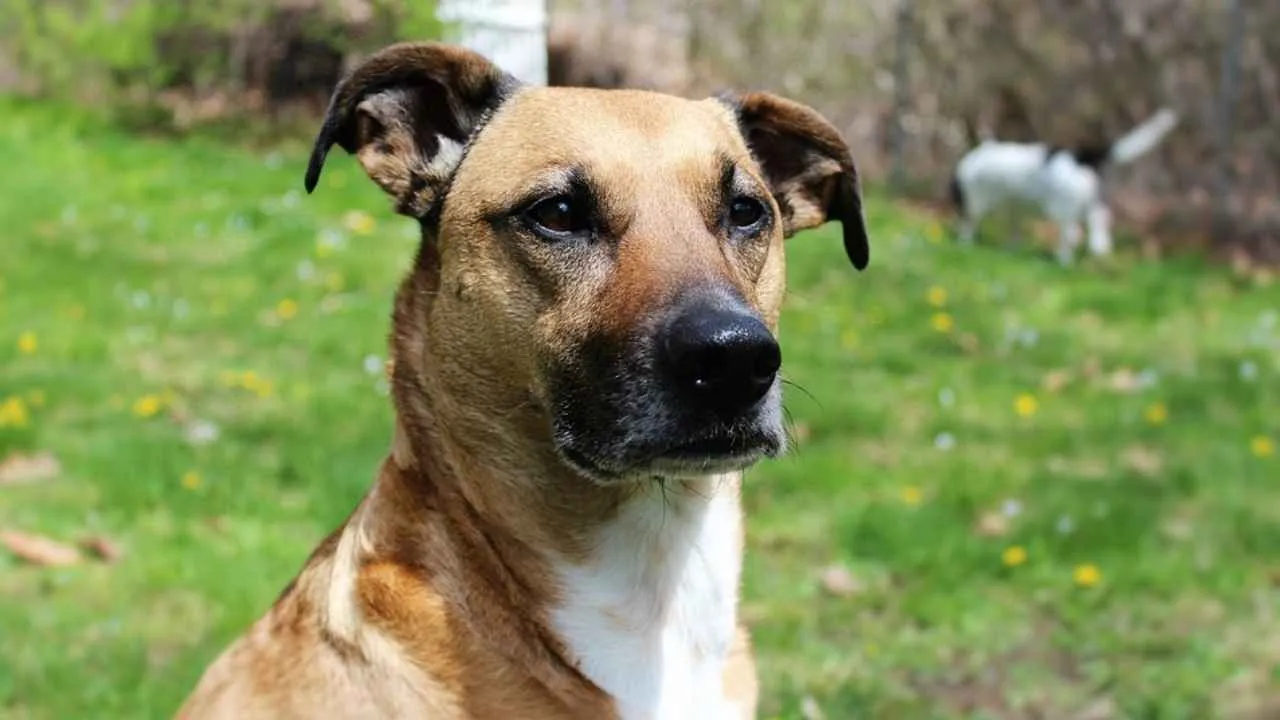
The expressive eyes of Mountain Cur itself show warmth and determination, while their hunting and protecting abilities make them more famous in families. Initially, they were bred to hunt small game, including squirrels and rabbits, and soon showed their skills to hunt large game as well.
Mountain Cur have long history of working along with their pioneers who reside in mountainous regions. They have high energy and exceptional smartness and are well-suited to owners who adore outdoor adventures and nature.
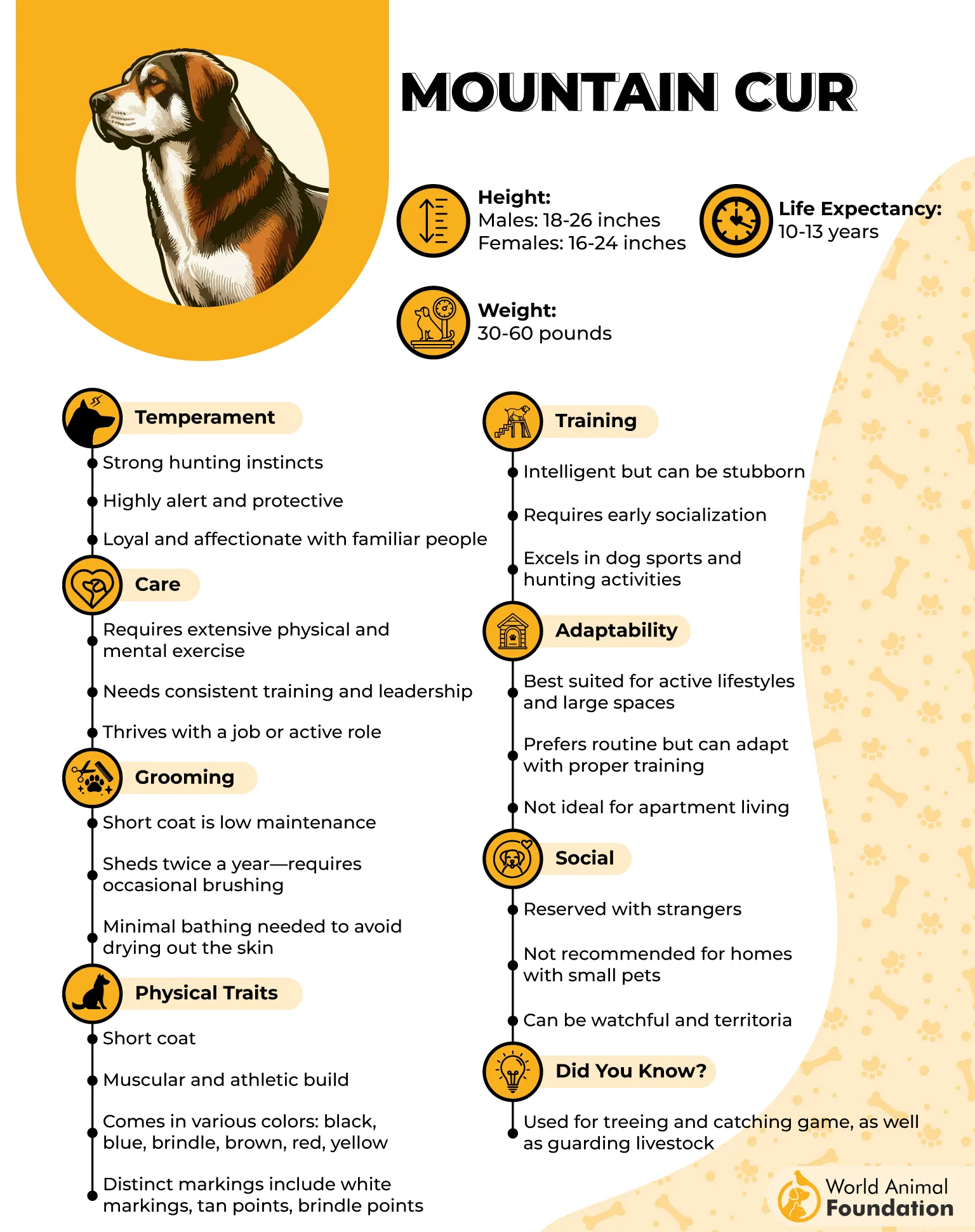
These dogs stay reserved around strangers, and with time, they show their friendly and loving disposition. They do have a high need for regular exercise more than average, and also the tendency to bark frequently, making them unfit for apartment dwellers.
Conclusion
Choosing the right deer tracking dog breed can transform a difficult recovery into a precise and efficient process. Breeds developed for scent work bring focus, stamina, and discipline to the tasks, allowing hunters to locate wounded game quickly and ethically. A well-trained tracking dog becomes more than a tool; it becomes a trusted hunting partner.
