




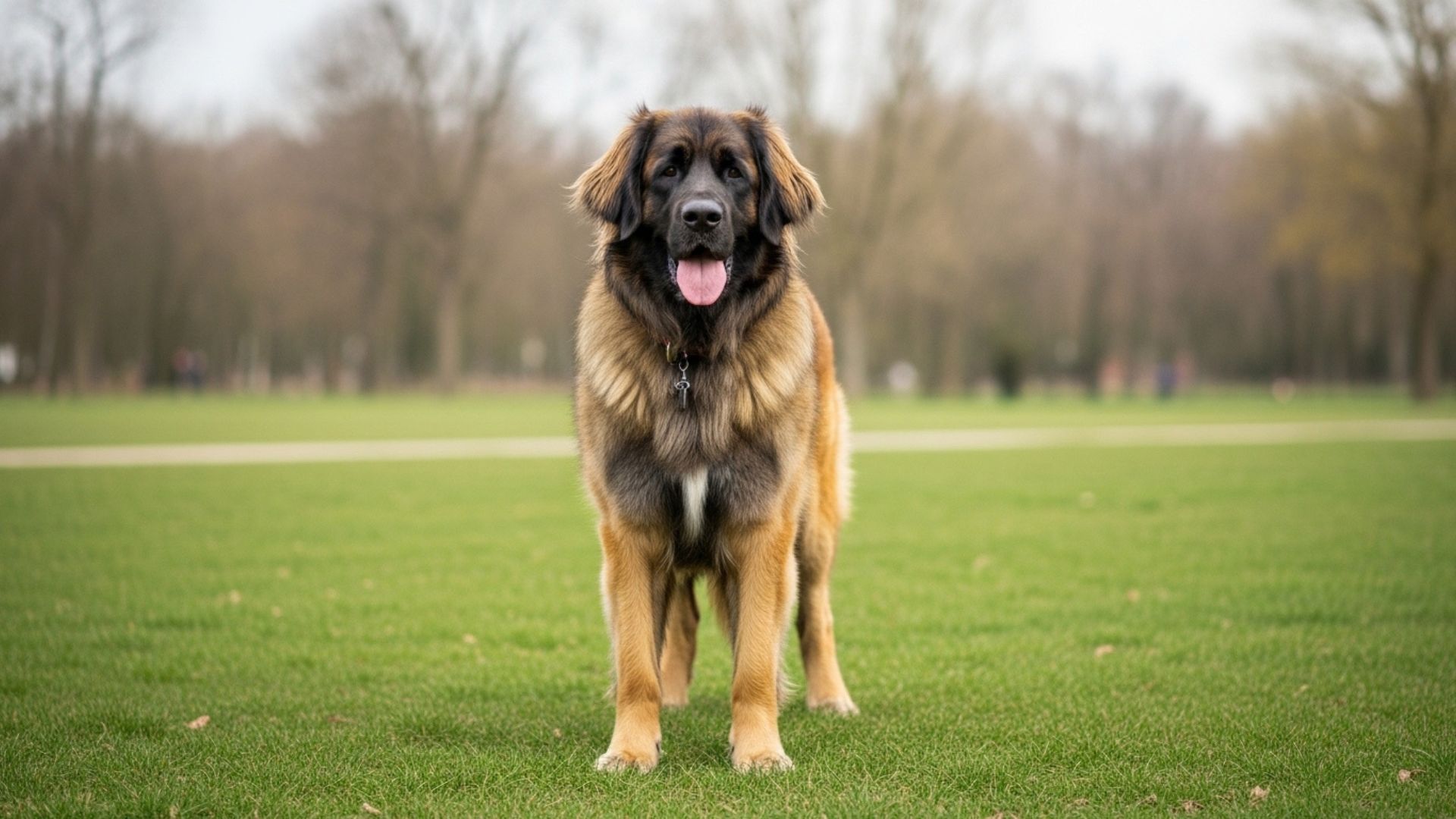
If you think bigger is better, you are going to love these rare and impressive giant dog breeds.
From ancient guardians bred to protect livestock in harsh landscapes to gentle family companions with hearts as massive as their paws, these giants carry powerful histories and remarkable personalities.
These larger-than-life dogs turn heads wherever they go. But giant breeds offer more than size alone. Many were developed for serious work, which means they often bring strength, loyalty, and a strong sense of purpose into the home.
Before welcoming one of these massive pups, it helps to understand what living with a giant really means. Space, training, and long-term care all play an important role.
Whether you’re fascinated by their noble heritage, protective instincts, or surprisingly tender nature, these magnificent dogs prove that greatness often comes in giant form.
Ready to meet the gentle giants that truly stand out? Let’s take a closer look.
Rare and Impressive Giant Dog Breeds You Need to Meet
1. Spanish Mastiff
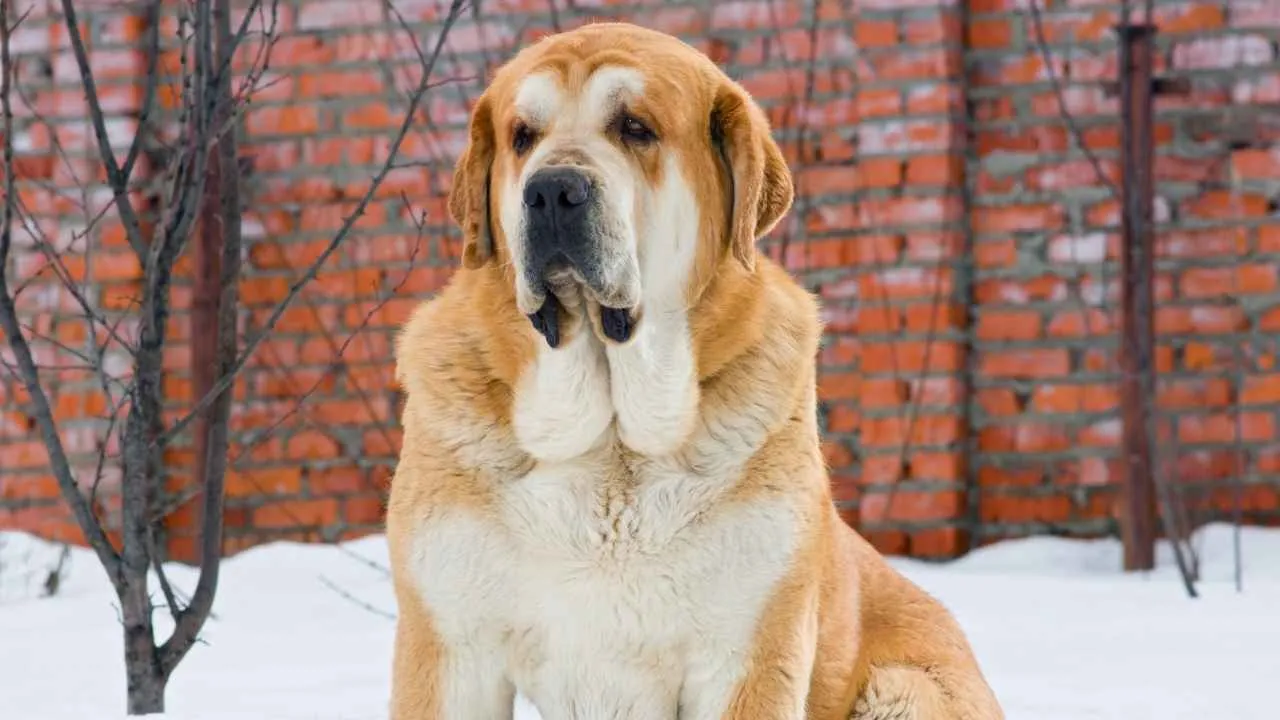
For more than 2,000 years, the Spanish Mastiff has guarded livestock in Spain, protecting sheep from wolves and other predators. According to the AKC, one dog could oversee up to 100 sheep alone, which says a lot about their independence and focus.
Their powerful build, massive head, and distinctive double dewlap give them a commanding presence.
At home, they are calm and affectionate with their families, including children they know well. Around strangers, their guardian instincts switch on, so early socialization is essential. They are intelligent but can be independent, which means experienced owners tend to have the most success with training.
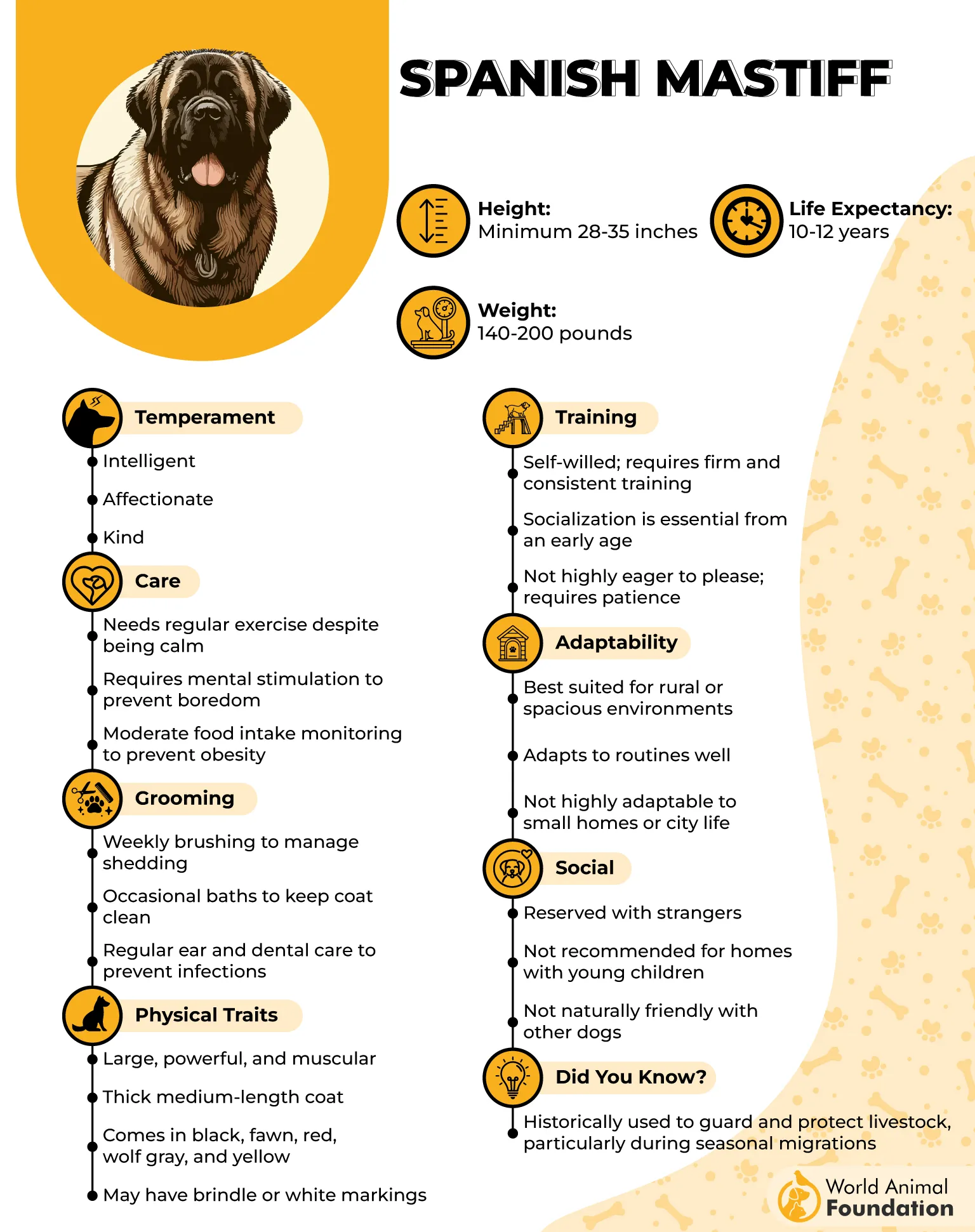
Daily life with this breed includes about an hour of activity, such as a long walk, swimming, or backyard play. They are low-energy overall and prefer lounging once their exercise needs are met. Their short double coat sheds year-round and needs weekly brushing, with extra attention during heavier seasonal shedding.
Why This Breed Is a Good Fit
Ideal for families with large homes or farms who want a devoted guardian
Suits experienced owners comfortable guiding an independent thinker
Great match for households that enjoy relaxed companionship after daily activity
2. Leonberger
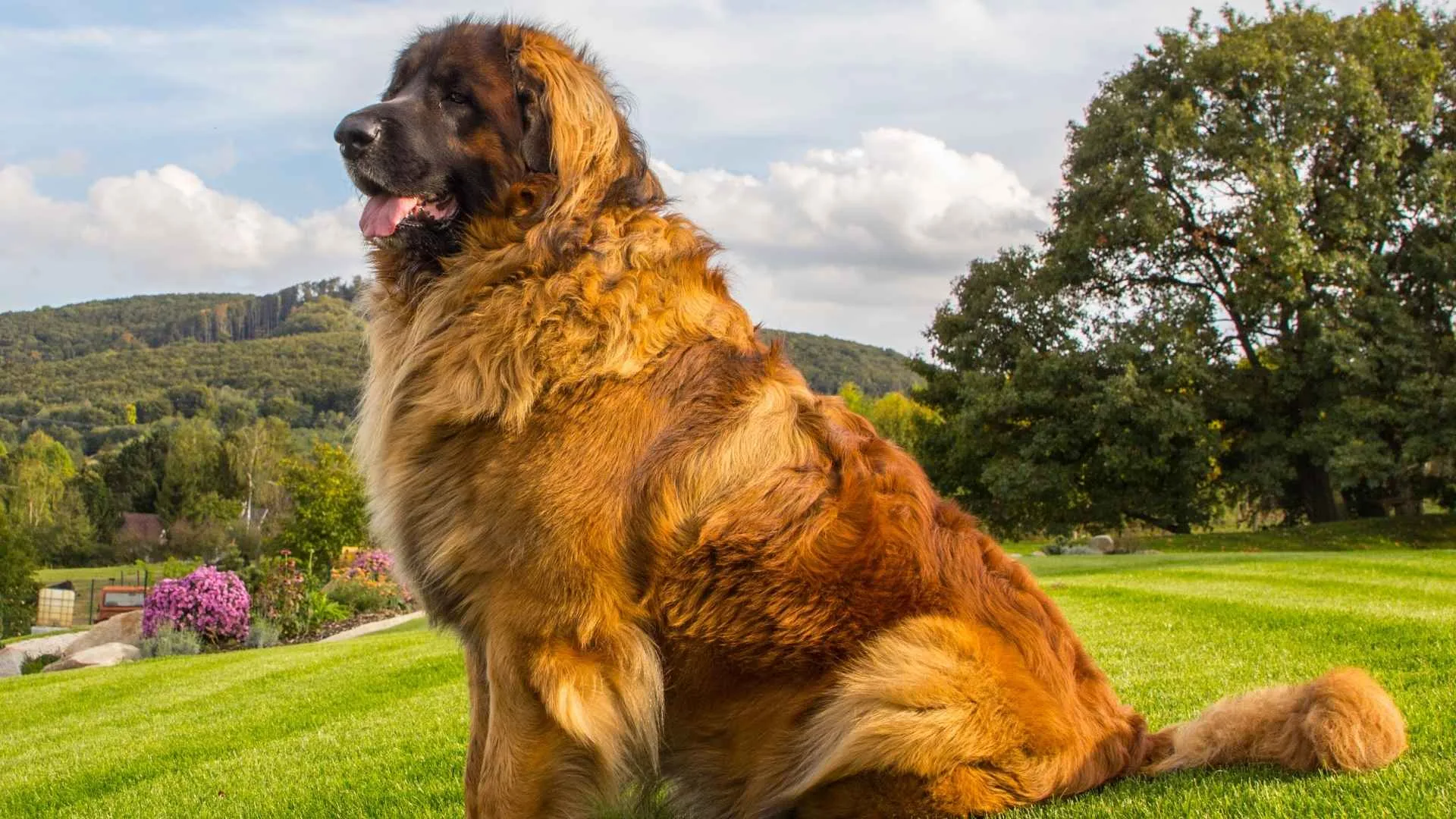
First officially registered in 1846 in Germany, the Leonberger was developed by Heinrich Essig and is thought to have ancestry from the Newfoundland, St Bernard, and Pyrenean Mountain Dog.
Historically used as farm dogs, they pulled small carts and acted as watchdogs. Today, they are also bred for water rescue work and are known for being powerful swimmers with webbed feet.
As per Purina, Leonbergers are loyal, confident, and playful, yet kind and rarely aggressive. They fit well into family life and tend to be patient with children and other pets. As they mature, protective instincts can develop, and dog aggression may occur, especially between two of the same sex.
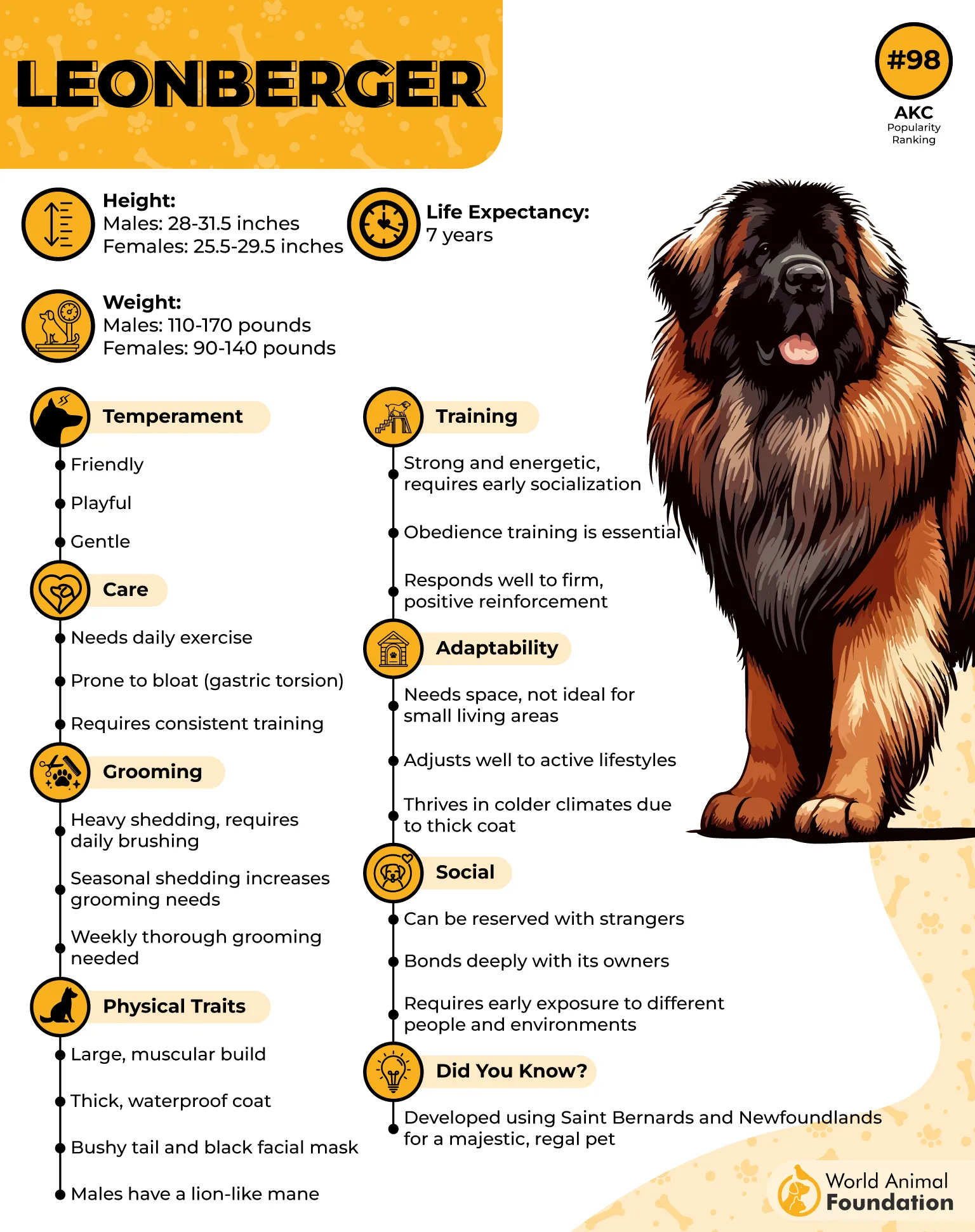
Their thick double coat requires frequent brushing and sheds heavily. Shaving is not recommended, as it can interfere with natural temperature regulation. They enjoy active walks and need regular exercise, along with consistent training and early socialization to become well-rounded companions.
Why This Breed Is a Good Fit
Perfect for active families who enjoy outdoor adventures together
A strong choice for countryside living with space to roam
Appeals to owners who appreciate a playful yet steady giant
3. Irish Wolfhound
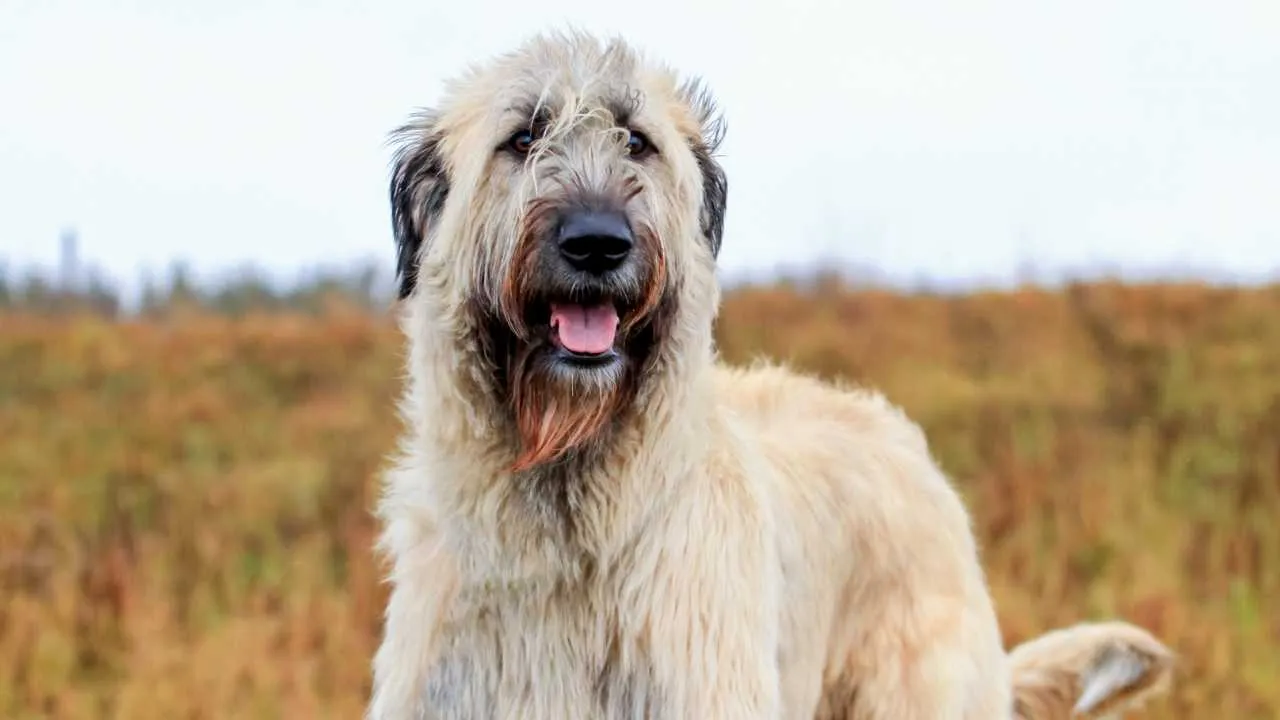
The Irish Wolfhound dates back to around 400 AD and was once prized for hunting wolves and Irish elk. Large dogs of this type were even given to the Romans, and by the 1800s, careful breeding helped restore their numbers after a decline.
Being the tallest dog breed, they have an unmistakable presence and a reputation as one of the most impressive hounds.
Often called the ultimate gentle giant, they are calm, easygoing, and sociable. They bond closely with family members and are generally good with children and other dogs, though some may chase cats due to their sighthound instincts.
Early training is important, especially for leash manners, since they are fast runners with a strong chase drive.
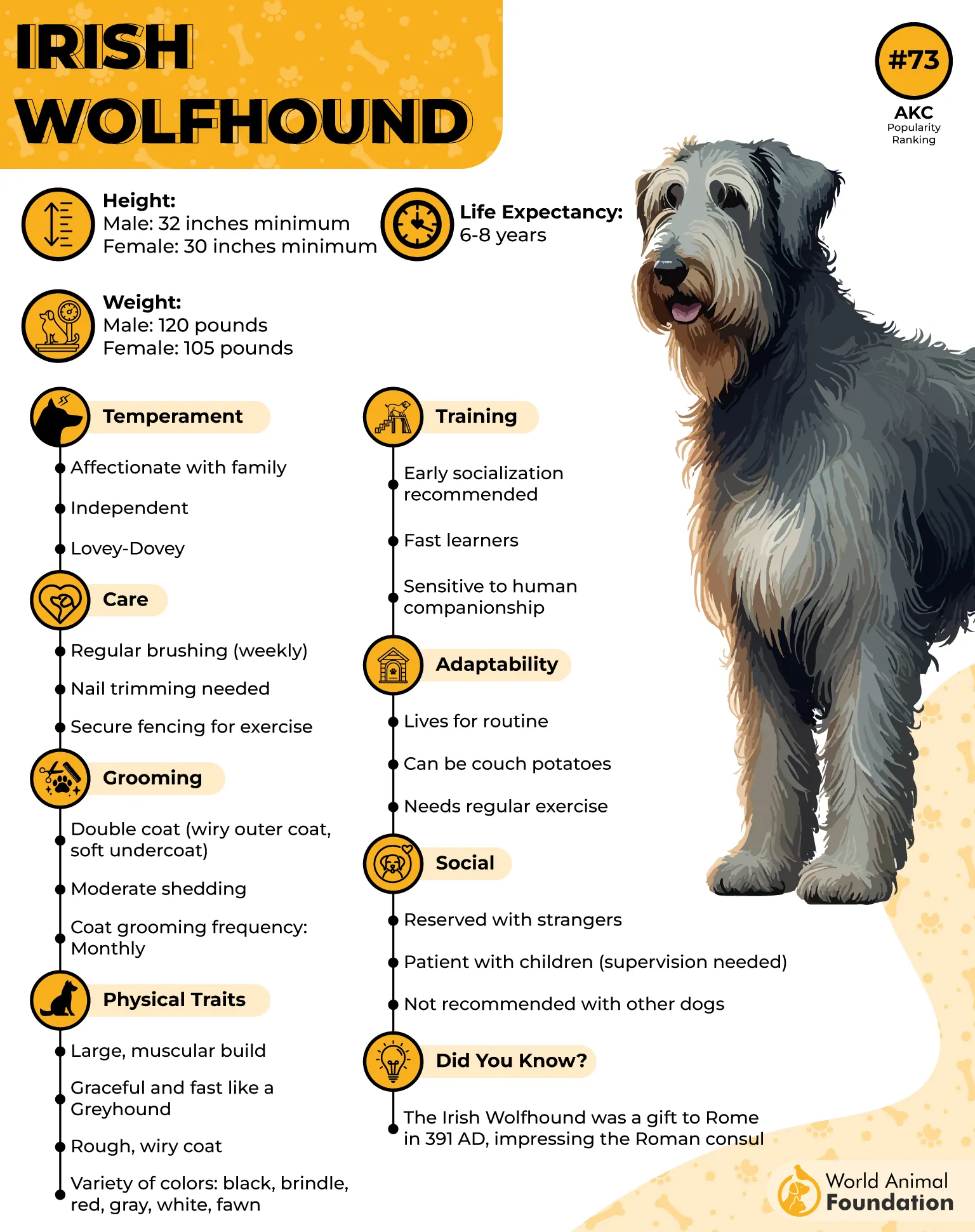
A long daily walk and space to stretch out keep them content. They dislike being left alone for long periods and can get bored if under-stimulated. Grooming is straightforward with brushing a couple of times a week and an occasional trim when their wiry coat becomes untidy.
Why This Breed Is a Good Fit
Wonderful for large family homes that enjoy calm indoor companions
Great for owners who want a sociable giant with a laid-back vibe
Suits those prepared for steady exercise and close companionship
4. Black Russian Terrier
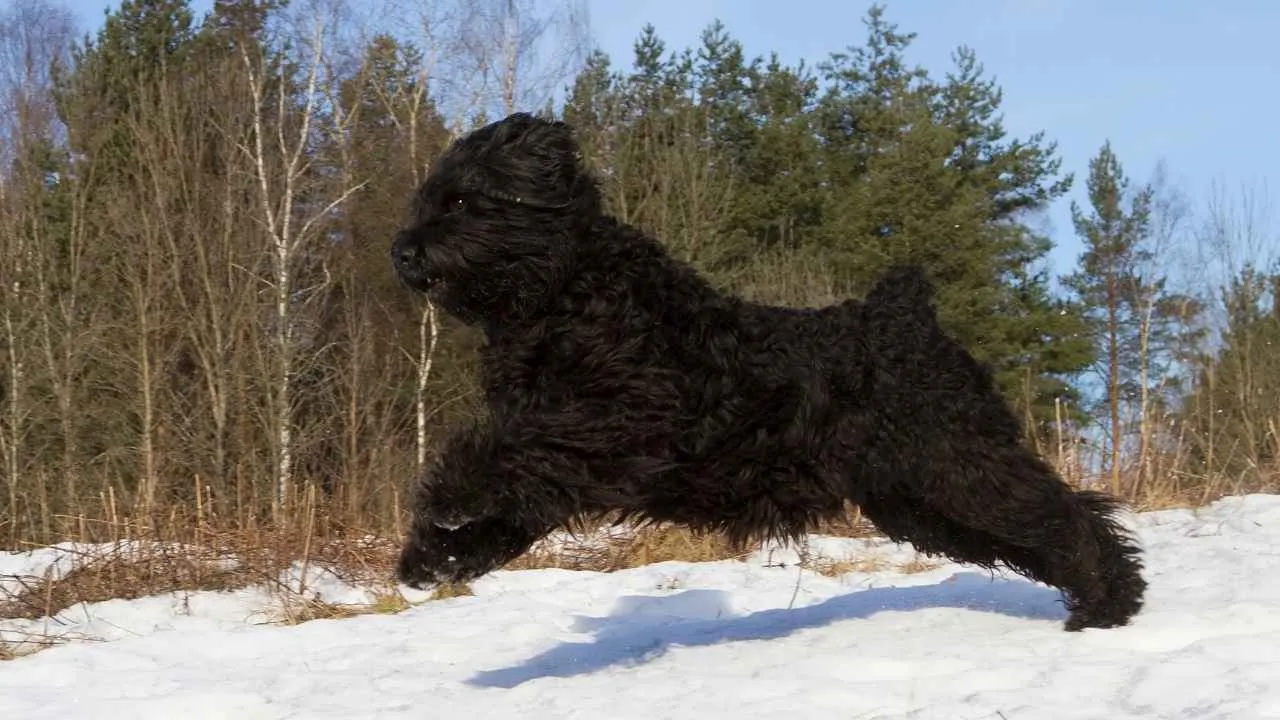
Developed in the former Soviet Union’s Red Star Kennel, the Black Russian Terrier was created as a working dog to patrol borders and guard. The breed combines ancestry from multiple powerful dogs, including Rottweilers, Giant Schnauzers, and Newfoundlands. Despite the name, only a small percentage of their genetics comes from terriers.
They are fearless, calm, and highly self-assured, with a strong instinct to protect their owners. Loyalty runs deep, but they can become aggressive without proper training and socialization. They respond best to reward-based methods and confident leadership, and they do not tolerate harsh handling.
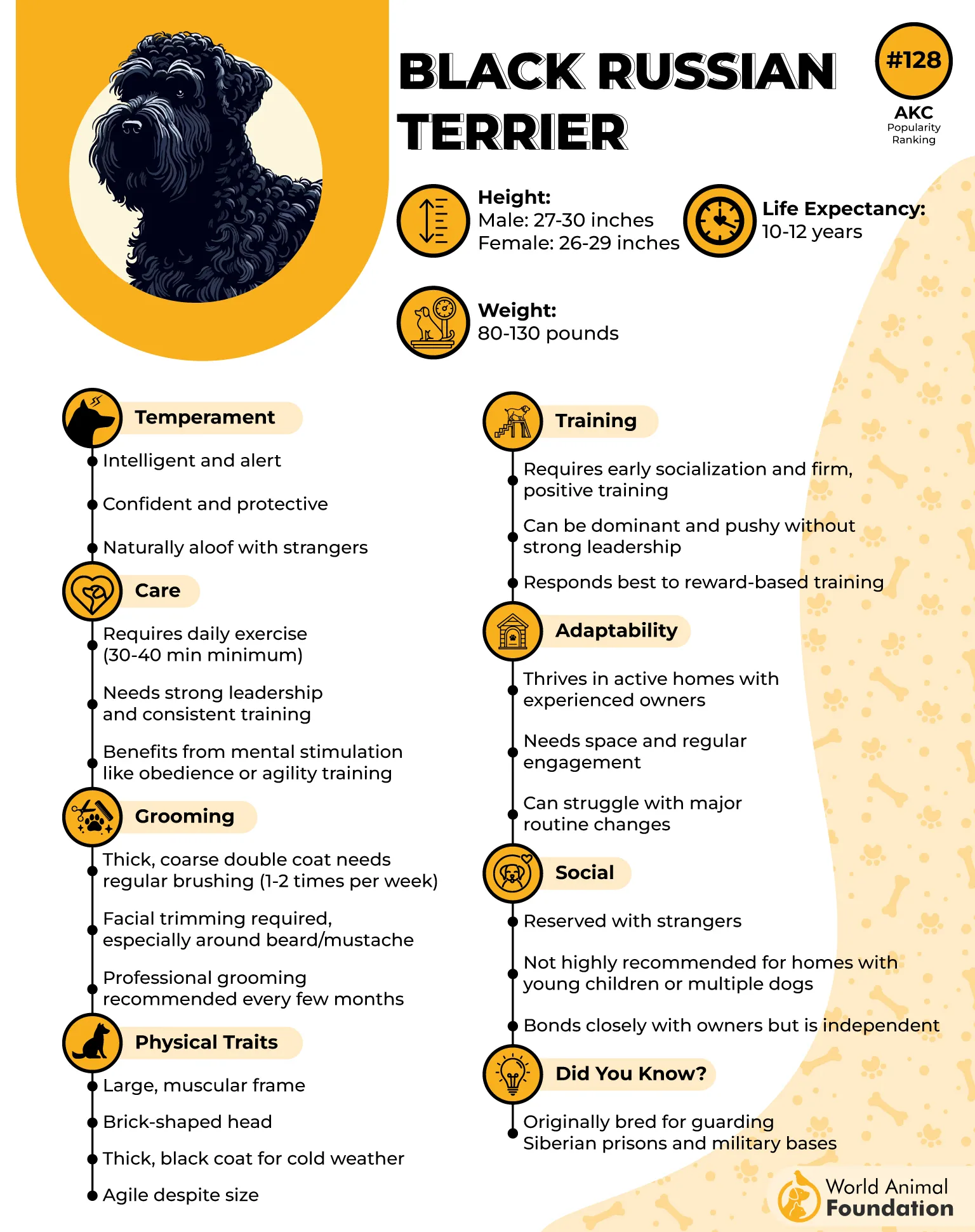
As per Omlet, their thick double coat needs thorough brushing at least once a week, regular trimming, and periodic full clips. These dogs require daily exercise and mental stimulation, such as long walks, runs, swims, or canine sports. Without enough activity, they can become anxious or destructive.
Why This Breed Is a Good Fit
Excellent for experienced owners who want a serious protector
Thrives in spacious homes where strength and size are manageable
A strong option for people who enjoy structured training and active routines
5. Scottish Deerhound
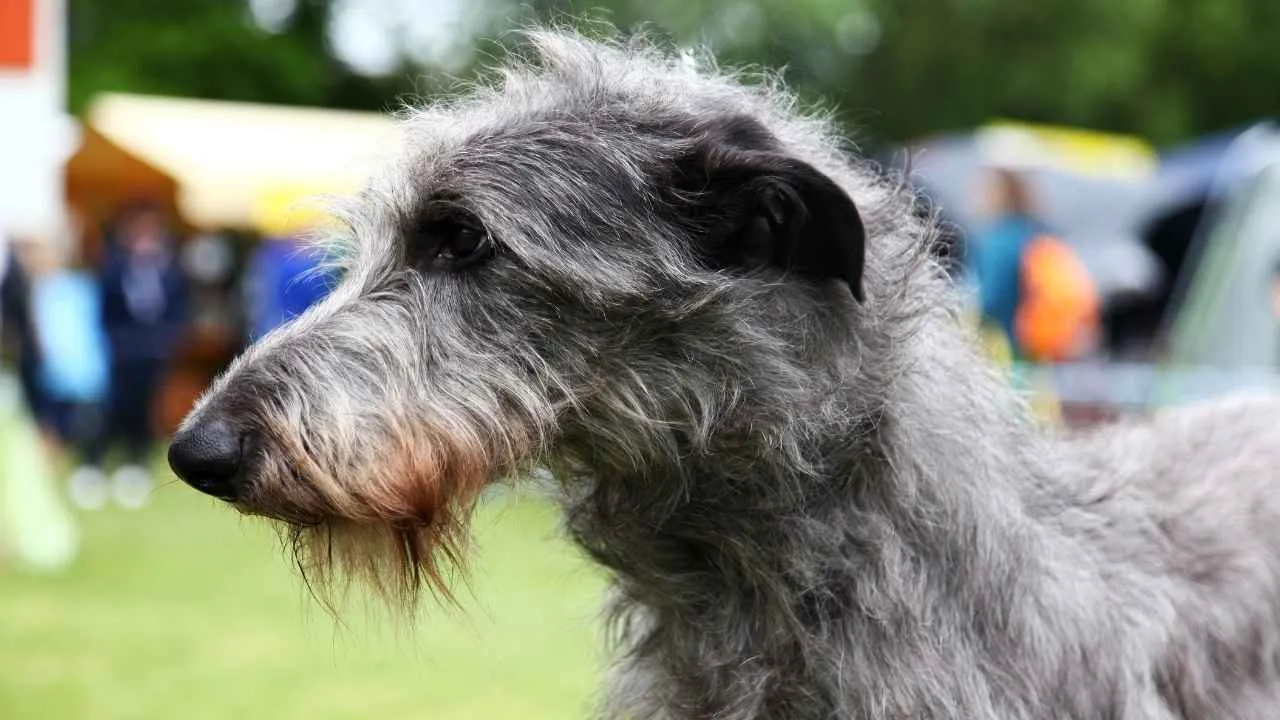
The Scottish Deerhound traces its roots to the Scottish Highlands, where it was bred as early as the 1500s to hunt deer across rugged terrain.
This tall, statuesque sight hound shares a wiry coat with the Irish Wolfhound and the sleek outline of a Greyhound. Today, they are best known as gentle giants who enjoy a peaceful home life.
Despite their relaxed nature indoors, Deerhounds are athletic and need at least an hour of daily exercise for both body and mind.
They are intelligent but independent, so training requires patience and positive reinforcement rather than force. Their strong prey drive means extra care is needed around smaller animals, especially outdoors.
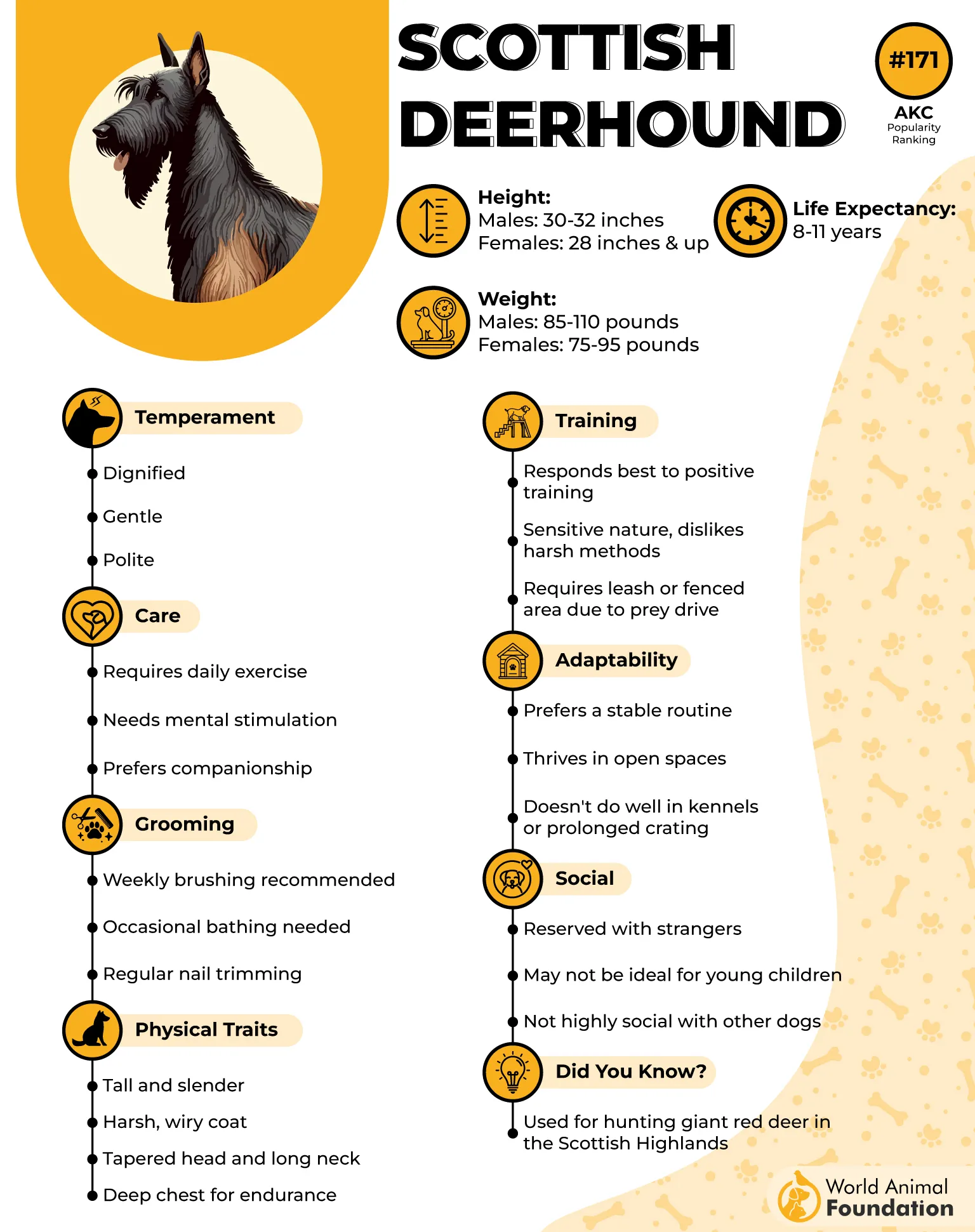
Health considerations include dilated cardiomyopathy, osteosarcoma, and bloat, with GDV being a life-threatening emergency. Feeding two meals a day and avoiding exercise around mealtimes can help lower bloat risk. Grooming is simple, with weekly brushing and the occasional bath, keeping their coarse coat in good shape.
Why This Breed Is a Good Fit
A calm house companion that still enjoys a good run
Well-suited to families who appreciate a dignified, laid-back dog
Ideal for owners ready to balance independence with gentle guidance
6. Anatolian Shepherd Dog
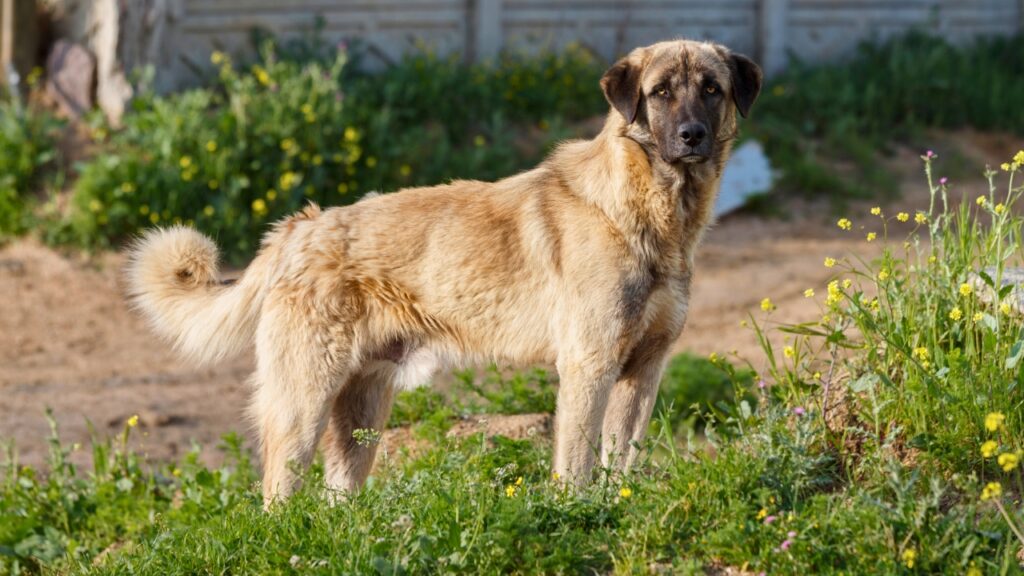
The Anatolian Shepherd Dog developed in Anatolia, where herders relied on it to guard livestock in harsh landscapes. Known as the “Coban Kopegi,” or shepherd’s dog, they used intimidation rather than attack to deter predators.
The breed later gained traction in the United States, especially after the 1970s, when more dogs were imported for breeding and farm work.
These muscular, rugged dogs are loyal and devoted to their people but naturally territorial. They can be reserved with strangers and must always be kept on a leash or in a secure area when outdoors due to their protective instincts. While they require only moderate exercise, daily walks or yard play help keep them balanced.
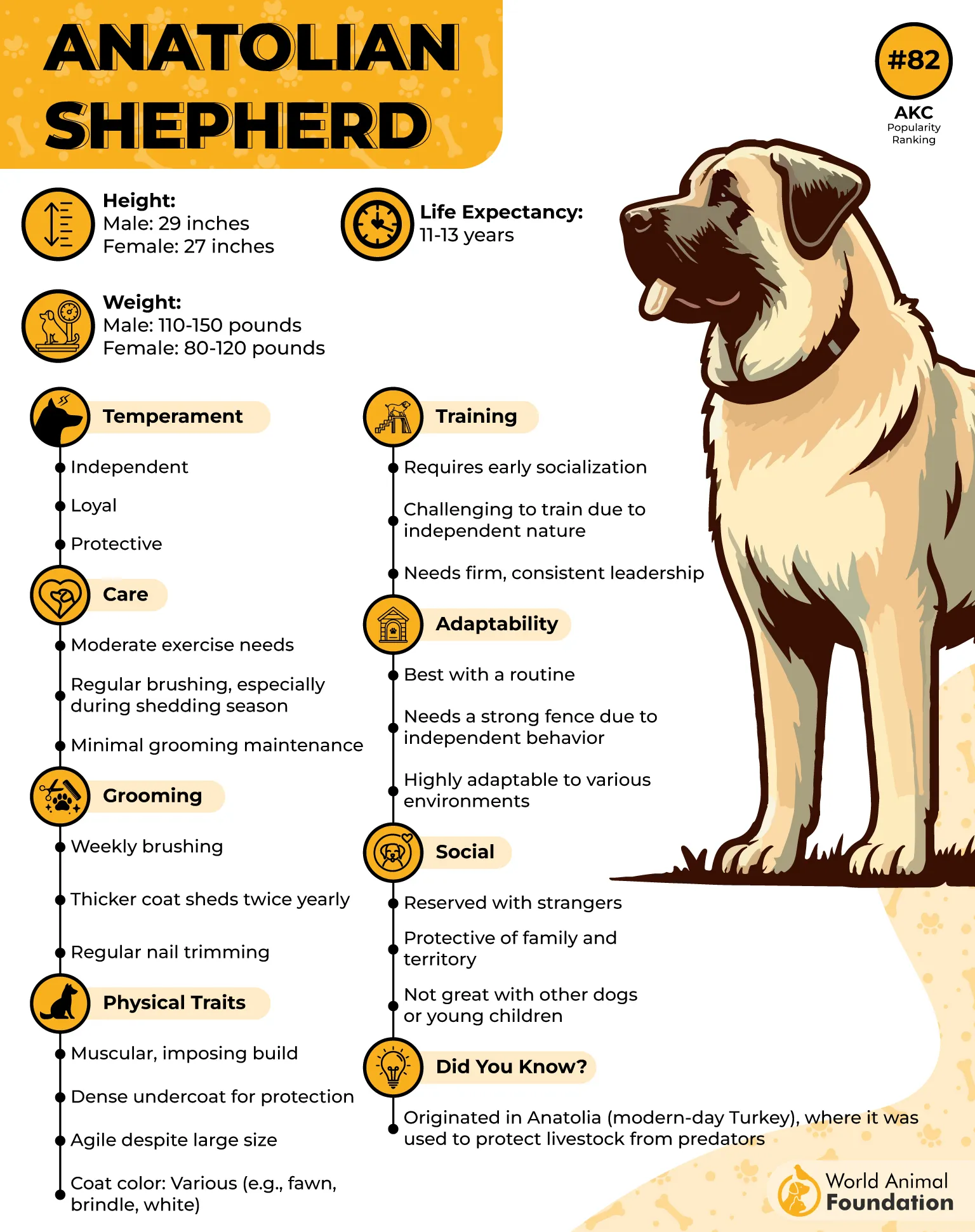
Their coat may be short or long, with a thick undercoat and heavier hair around the neck. Weekly brushing keeps it healthy, with heavier shedding twice a year. Early socialization and consistent training are essential, as their independent nature can make them challenging for inexperienced owners.
Why This Breed Is a Good Fit
Strong choice for rural homes or farms needing a steady guardian
reat for confident owners who respect a dog’s working instincts
Thrives with space, structure, and a clear role in the family
7. Estrela Mountain Dog
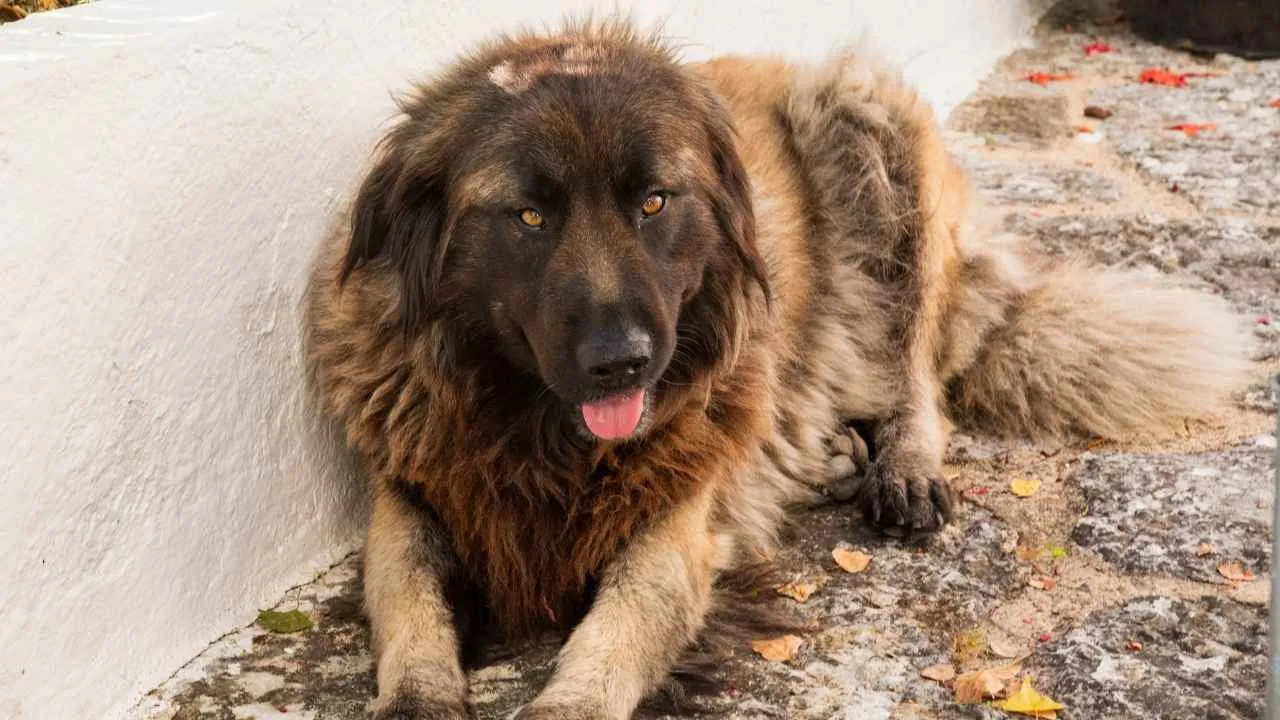
The Estrela Mountain Dog, also called Cão de Serra da Estrela, is one of the oldest breeds from the Iberian Peninsula. Originally bred in Portugal to guard flocks in mountainous terrain, they remain brave protectors with a strong bond to their families.
Their coat, which can be long or short, is often compared to goat hair and may feature a distinctive black mask.
At home, Estrelas are affectionate and devoted, especially with children, but they tend to be reserved around strangers. Early socialization and steady training help them become confident and well-mannered companions.
They enjoy daily activities such as walking or hiking, and do best with a secure fenced yard where they can explore safely.
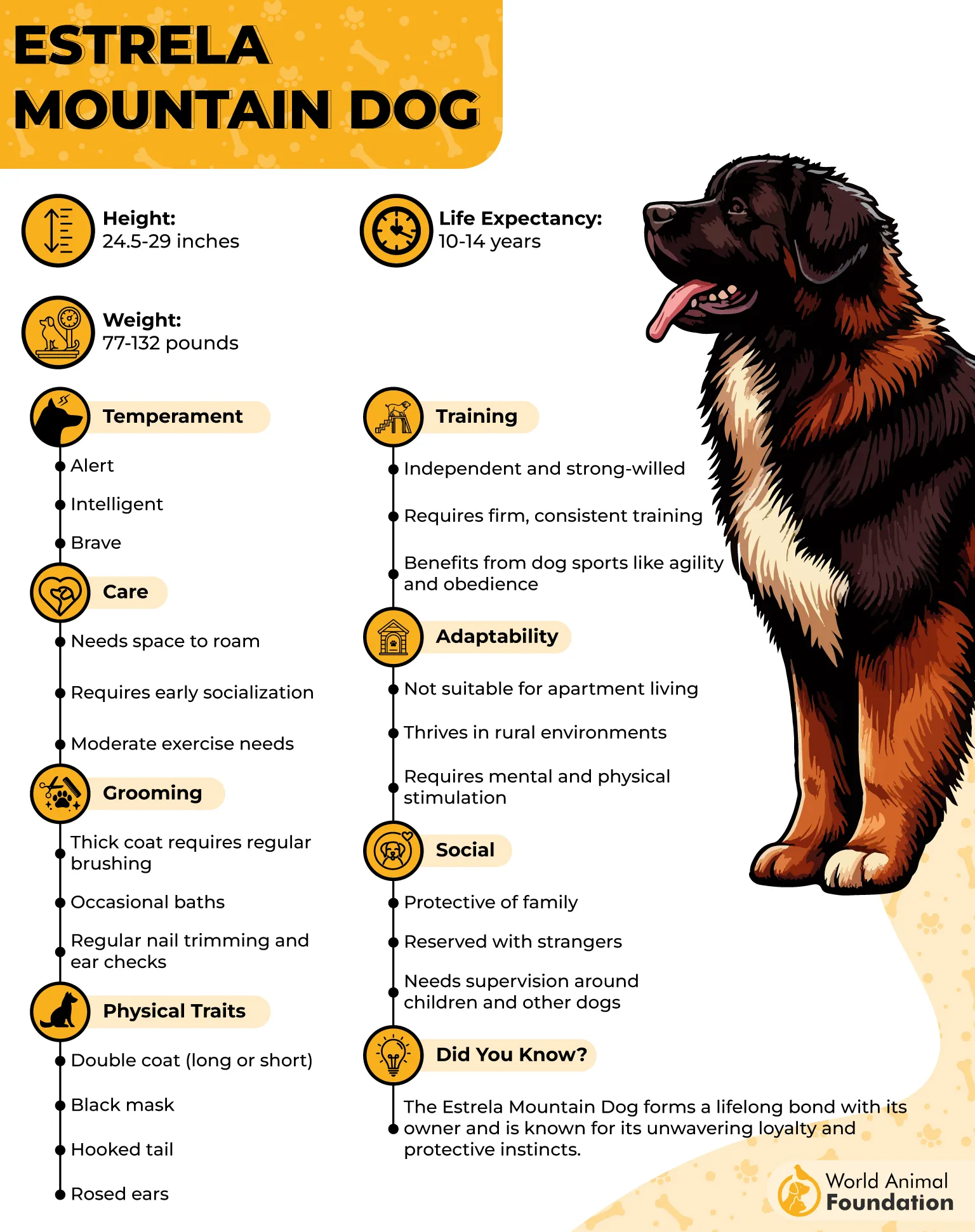
Though generally healthy, they can be predisposed to hip dysplasia, elbow dysplasia, and bloat. Feeding multiple meals a day and using slow feeders can reduce bloat risk. Grooming needs are moderate, with weekly brushing and extra care during shedding periods.
Why This Breed Is a Good Fit
A loyal family guardian that doubles as a loving companion
Excellent for active households with secure outdoor spac
Appeals to experienced owners who value independence and devotion
Conclusion
Giant dog breeds are unforgettable, not just for their size but for their history, loyalty, and larger-than-life personalities. From ancient livestock guardians to noble hunting hounds, each of these impressive dogs brings something unique to the table.
The biggest dog breeds need space, thoughtful training, and dedicated care, but the reward is a deeply devoted companion who will stand by your side through it all.
Other rare breeds such as the French Mastiff, English Mastiff, Saint Bernard, Great Danes, Great Pyrenees, Bernese Mountain Dogs, Dogue de Bordeaux, and Neapolitan Mastiffs are also among the most recognizable giant breeds.
If you are ready to meet their needs and embrace a bit of extra fur, drool, and responsibility, one of these gentle giants might just be your perfect match.
