




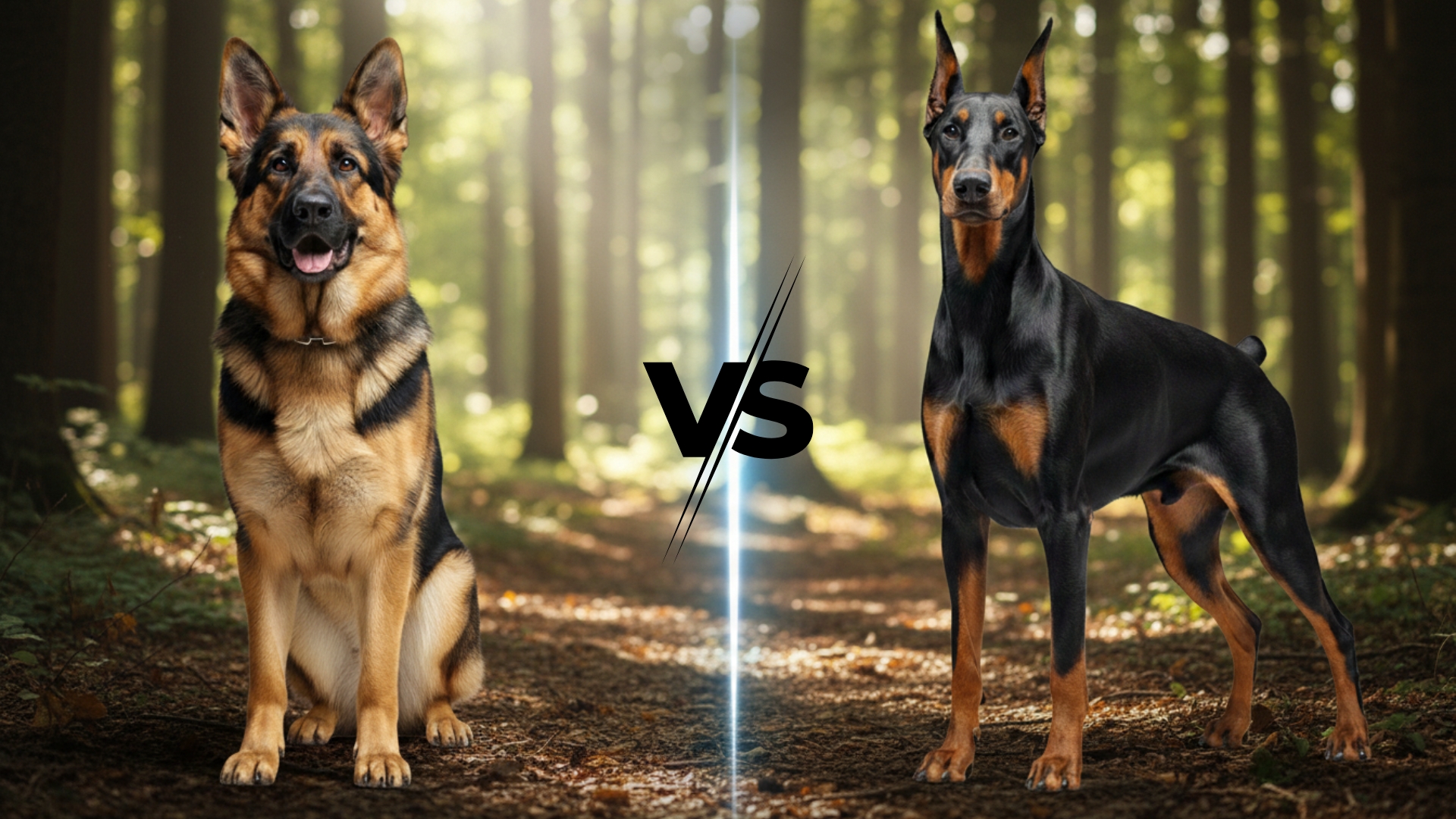
When it comes to choosing the right guard dog breed for your home, the Doberman Pinscher and German Shepherd are two important breeds to consider. Both breeds share a lot of physical and behavioral similarities with each other.
Both Dobermans and German Shepherds are known for their protective instincts, formidable strength, and high intelligence. If you are planning to bring one of these incredible dogs into your life, you need to be familiar with their distinctive traits.
Dobermans were originally bred as guard dogs by a German tax collector, Karl Friedrich Louis Dobermann, whereas German Shepherds were developed as versatile working dogs. They were also bred in Germany.
Have a look at some key differences between German Shepherds and Doberman Pinscher.
German Shepherd vs. Doberman: Evaluating These Dog Breeds
Size and Strength
Both German Shepherds and Doberman Pinschers are large and muscular dogs. They may look a bit similar, but there are some key differences between the two breeds.
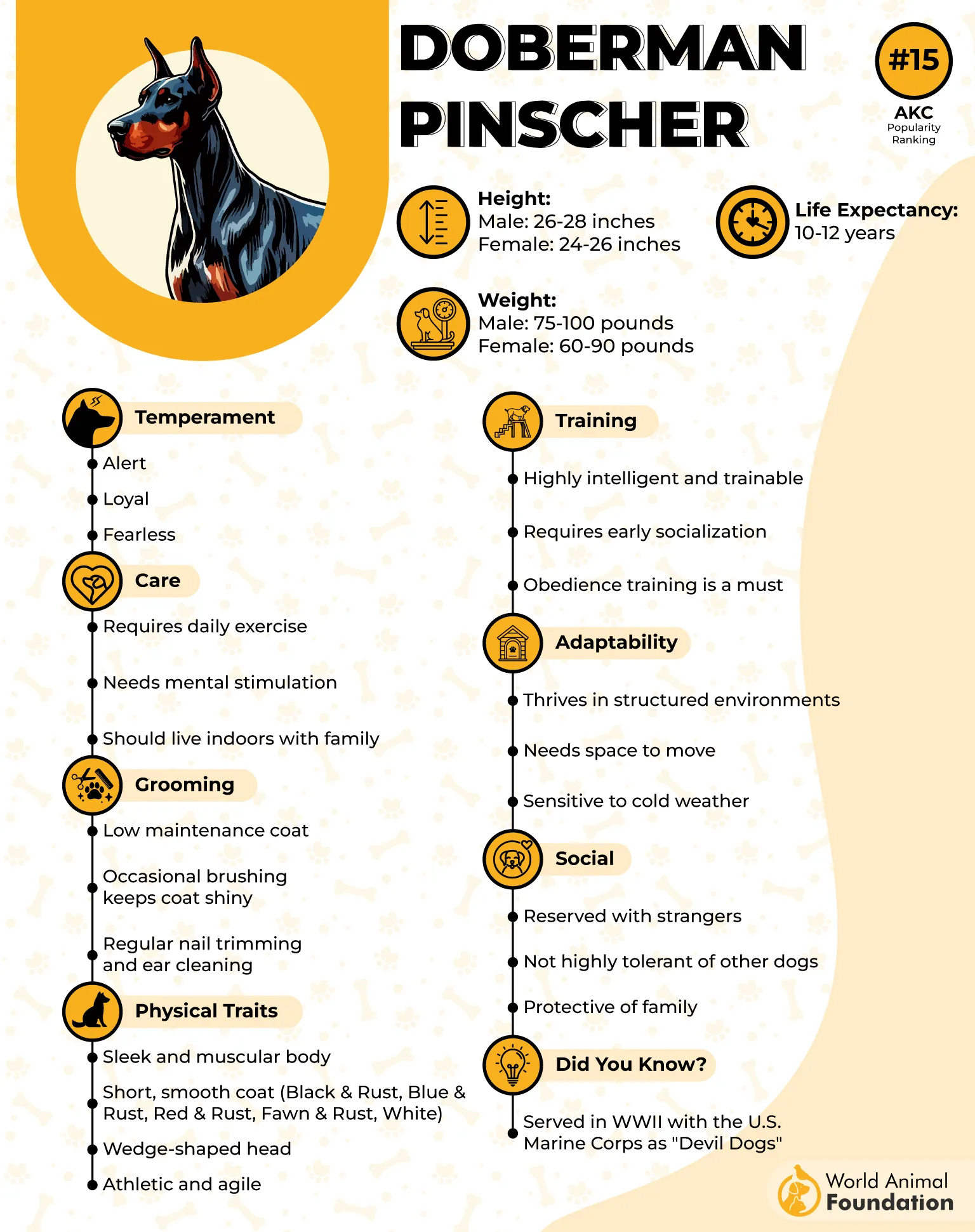
Dobermans are sleek yet substantial dogs who look a bit intimidating. These compactly built canines are covered in a glistening and short coat of black, blue, red, or fawn with rust markings, explains the AKC. Dobermans have an elegant appearance.
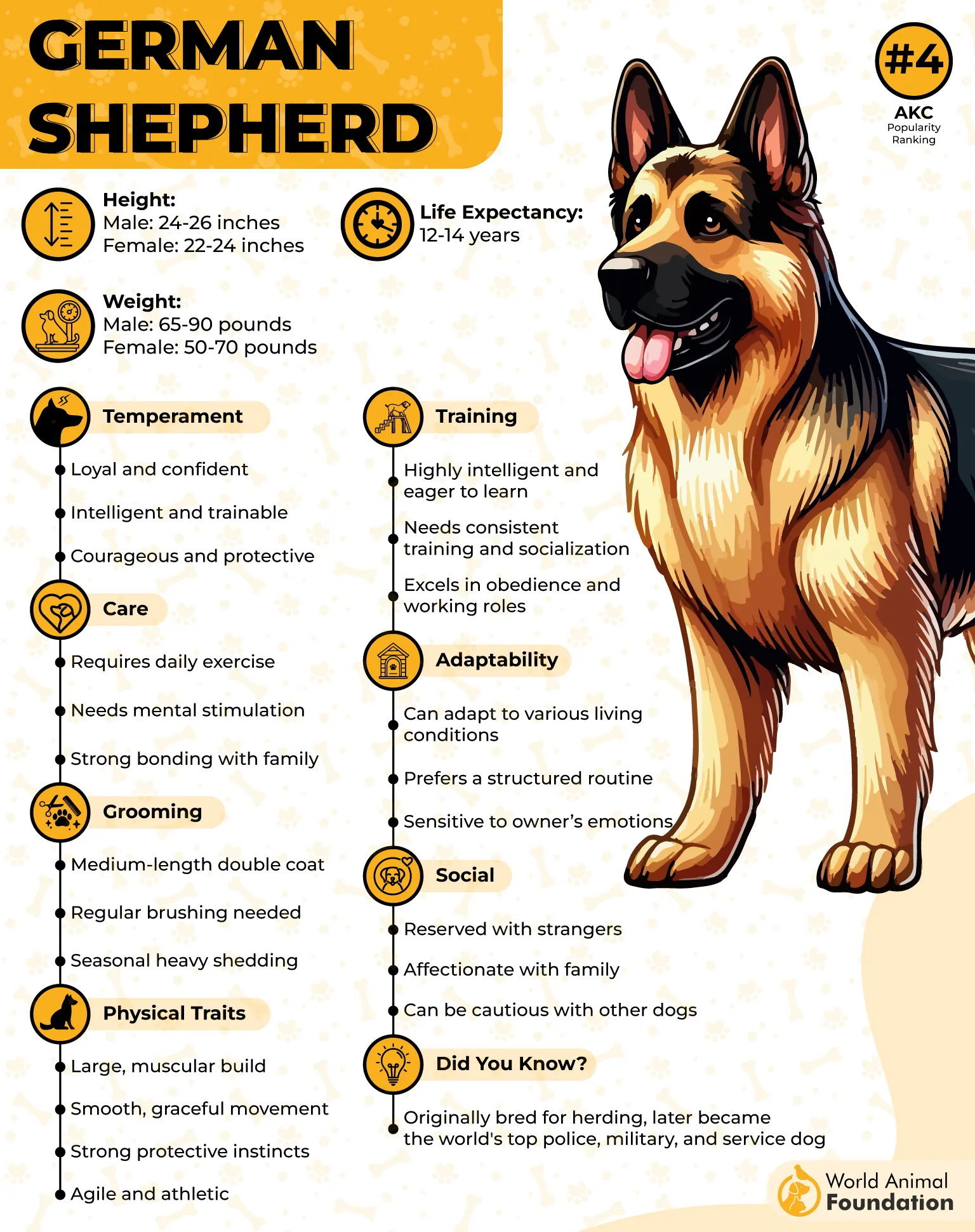
These traits, combined with a wedge-shaped head and athletic gait, have earned them the reputation of royalty in the canine world. German Shepherds tend to be slightly smaller than Dobermans. Their medium-length coat is black and tan, sable, or all black.
The coat is also weather-resistant, protecting them against extreme temperatures. German Shepherds have a bite force of 238 PSI.
When it comes to strength, Dobermans are relatively more muscular and powerful. They have a bite force of 305 PSI, which is stronger than that of German Shepherds.
Temperament and personality
Dobermans tend to be energetic, alert, and loyal dogs. Despite their imposing appearance and reputation as aggressive dogs, they make sweet and loving companions. They form strong and inseparable bonds with their humans. Dobermans tend to be patient around kids.
However, they may knock very small children over during play, according to PetMD. Also, they have a high prey drive, which can lead them to chase small animals, including cats.
German Shepherds are also known for their incredible loyalty towards their humans. These courageous and confident canines are the happiest when they live with their family. Apart from being excellent herding dogs, German Shepherds also serve as guide dogs for the impaired.
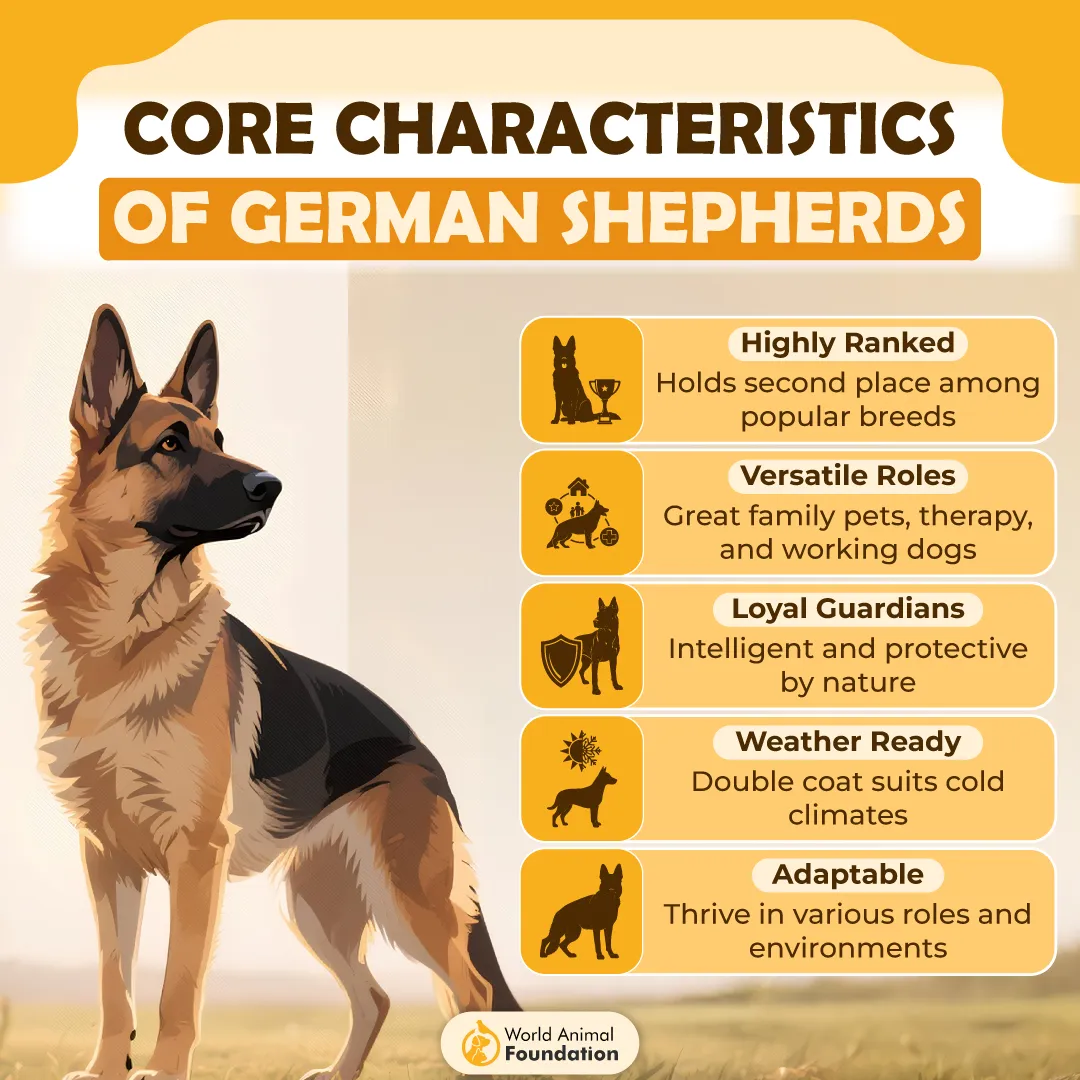
Do You Know? German Shpeherds have been starred in various movies. Two GSDs named ‘Rin Tin Tin’ and ‘Strongheart’ have got their names on the Hollywood Walk of Fame.
Both German Shepherds and Doberman Pinschers have been serving as police dogs, military breeds, and search-and-rescue dogs for several decades. This has been possible because of their keen senses. They also make loving family pets with early training and proper socialization.
Health and Lifespan
Both German Shepherds and Doberman Pinschers are healthy dogs. However, they may become vulnerable to certain health problems as they age.
Dobermans tend to have a lifespan of 10 to 12 years. They are considered a healthy breed, but can develop certain health issues in life. These may include gastric dilatation volvulus (GDV), hyperthyroidism, dilated cardiomyopathy, and hip dysplasia.
A genetic blood disorder known as Von Willebrand’s disease is more common in Dobermans compared to many other breeds.
German Shepherds tend to live a little longer than Dobermans. They have a life expectancy of 12 to 14 years. Like Dobermans, they can also suffer from elbow dysplasia, hip dysplasia, dilated cardiomyopathy, and GDV. German Shepherds are also prone to some other diseases.
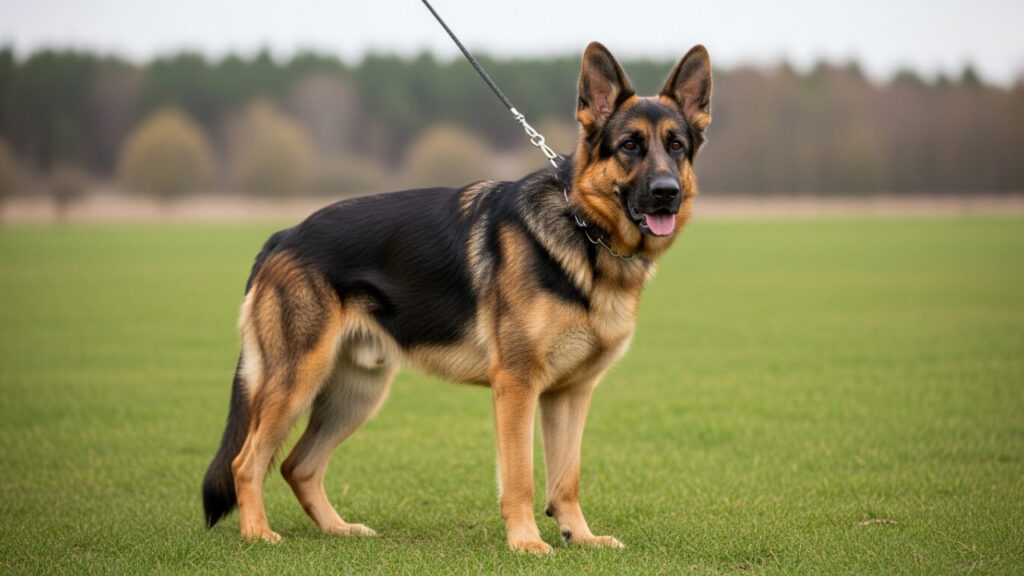
These may include degenerative myelopathy, allergies, and cancer. Purchasing the dog from a reputable breeder can significantly reduce the risk of such problems.
Training and exercise
Both breeds are highly intelligent, having a laser-like focus. It means they are easy to train. However, the difference lies in how to approach training.
German Shepherds are versatile and extraordinary working dogs. They rank third on the American Kennel Club’s list of the smartest dog breeds and are slightly more intelligent than Dobies. GSDs respond best to positive, reward-based, and consistent training.
Early socialization and proper training will help ensure that your GSD puppy grows into an adaptable and well-mannered adult.
German Shepherds are active and athletic dogs who need plenty of physical and mental stimulation to stay fit. PDSA recommends at least two hours of daily exercise for these dogs. GSDs also excel at a variety of canine sports, including herding, tracking, agility, and dock diving.
Dobermans are also very smart and highly trainable, but their curious minds may be a little more challenging to train than GSDs. They learn easily and respond quickly, but may become destructive and unmanageable if not raised properly.
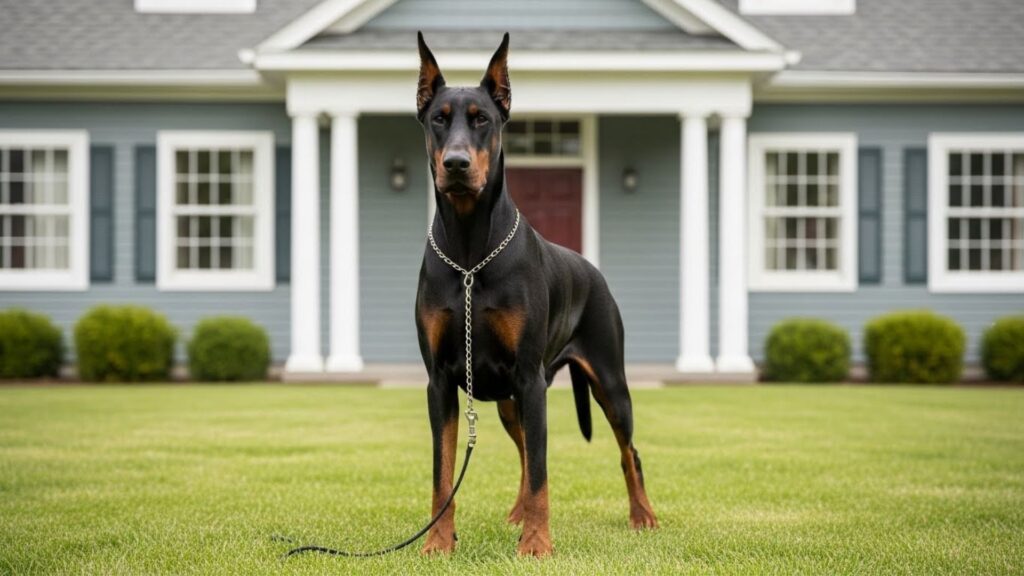
Dobies also have a stronger sense of independence, which means they need firm and consistent training to turn into well-mannered and well-behaved companions. Like German Shepherd dogs, they are also very athletic and need lots of exercise and free play to stay fit.
Dobermans benefit from daily walks and hikes with their owners. Doberman Pinschers also excel at a variety of dog sports, including obedience training, tracking, and agility.
Energy Level
Both German Shepherds and Doberman Pinschers are very energetic dogs. They thrive with active owners who can provide them plenty of daily exercise and mental stimulation. According to a Quora thread, German Shepherds need more activity and mental exercise overall.
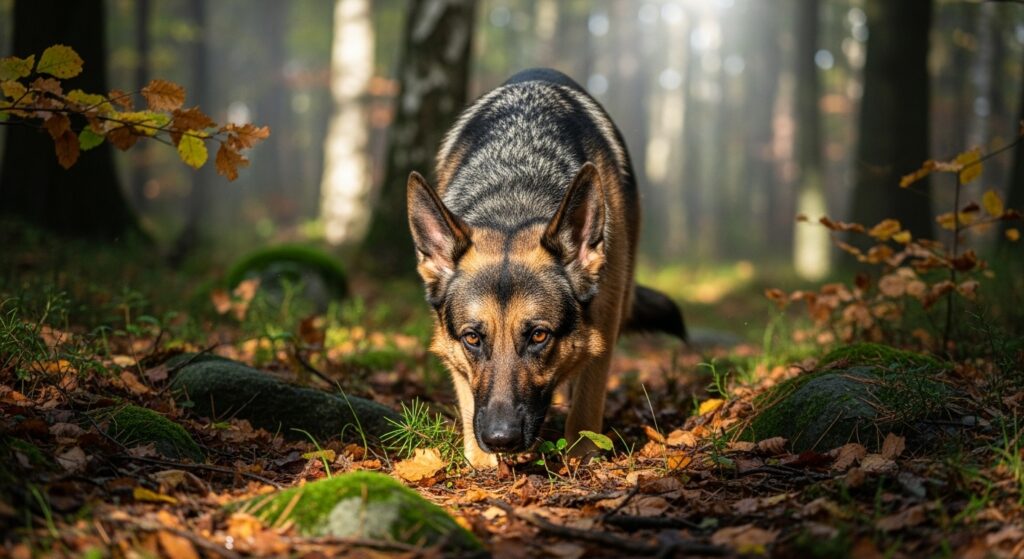
German Shepherds also have higher endurance compared to Dobermans, since they were bred for sustained work such as herding.
Natural Guard Instincts
Both Doberman Pinschers and German Shepherds possess a natural instinct to guard. They look quite intimidating and can warn off potential intruders with their mere presence.
GSDs’ history as herding dogs makes them vigilant guardians of their people and property. On the other hand, Dobermans were meant to be guard dogs. When we compare both breeds, the Doberman Pinscher makes a better guard dog due to its size, trainability, and temperament.
Protective Temperament
German Shepherds and Doberman Pinschers both make excellent guard dogs. They possess strong protective instincts and a territorial nature.
German Shepherds can willingly sacrifice their lives in the line of defense of their loved ones. Their fearlessness, bravery, and courage, combined with their guarding nature, make them efficient protection dogs.
Dobermans, on the other hand, surpass German Shepherds in their ability to stand guard against all potential threats. They are more protective of their people and territory. Dobies also have a higher potential for aggression compared to GSDs, if not well-trained or well-socialized.
Conclusion
German Shepherds and Doberman Pinschers share a lot of behavioral and physical similarities. However, some major differences set the two breeds apart. Both make wonderful guard dogs and loving family pets.
Both are very athletic and need lots of exercise for physical and mental stimulation. Dobermans have slightly stronger protection abilities than GSDs due to their size and temperament. German Shepherds have slightly longer life spans and are relatively easier to train.
You can make the final choice considering the grooming needs of the two breeds. German Shepherds need relatively more grooming than Dobermans. So, if you are looking for a guard dog with an easy-to-maintain coat, you can opt for a Doberman.
