





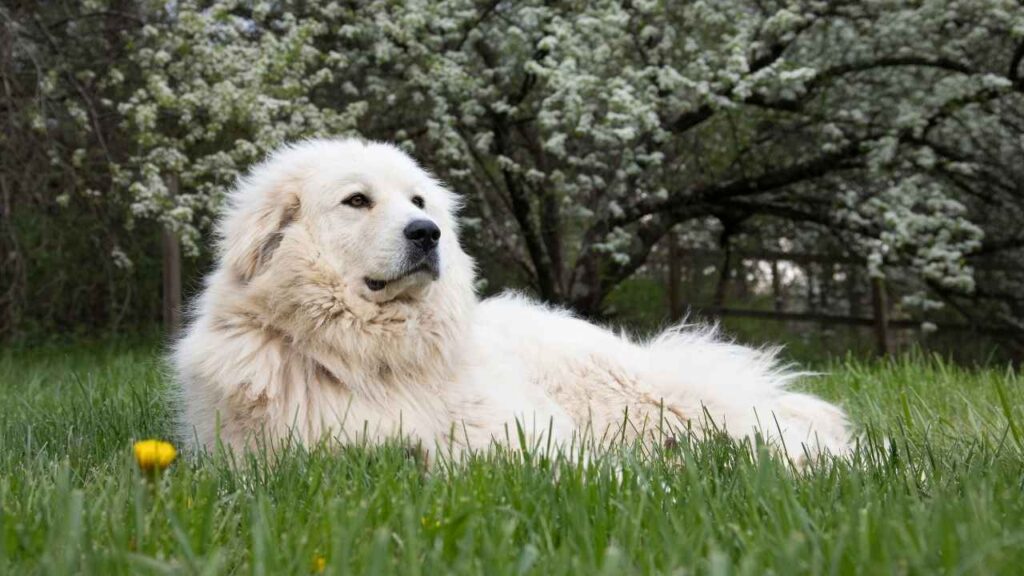
Both the Great Pyrenees and the Saint Bernard are large and fluffy dogs that look quite similar at first glance. However, both are quite different as they were bred for different purposes. Great Pyrenees were supposed to be livestock guardians in the Pyrenean mountains.
Saint Bernards, on the other hand, were meant to guard and protect hospice residents in Switzerland. Their history dates back to the 9th century. Great Pyrenees have white coats, while Saint Bernards have a large variety of coat colors.
This article highlights key differences that lie in their size, strength, temperament, health, trainability, and exercise needs. These differences in both breeds significantly affect which families they are suitable for.
Both dogs have protective instincts, but Pyrs tend to be more protective. Have a look at some reasons why Pyrs outshine Saint Bernards in guard dog duties.
Reasons Great Pyrenees Dog Breeds Outshine Saint Bernard in Guard Duties
Size and Strength
The Great Pyrenees and Saint Bernard are both considered giant dogs, but the Great Pyrenees may appear larger than the Saint Bernard.
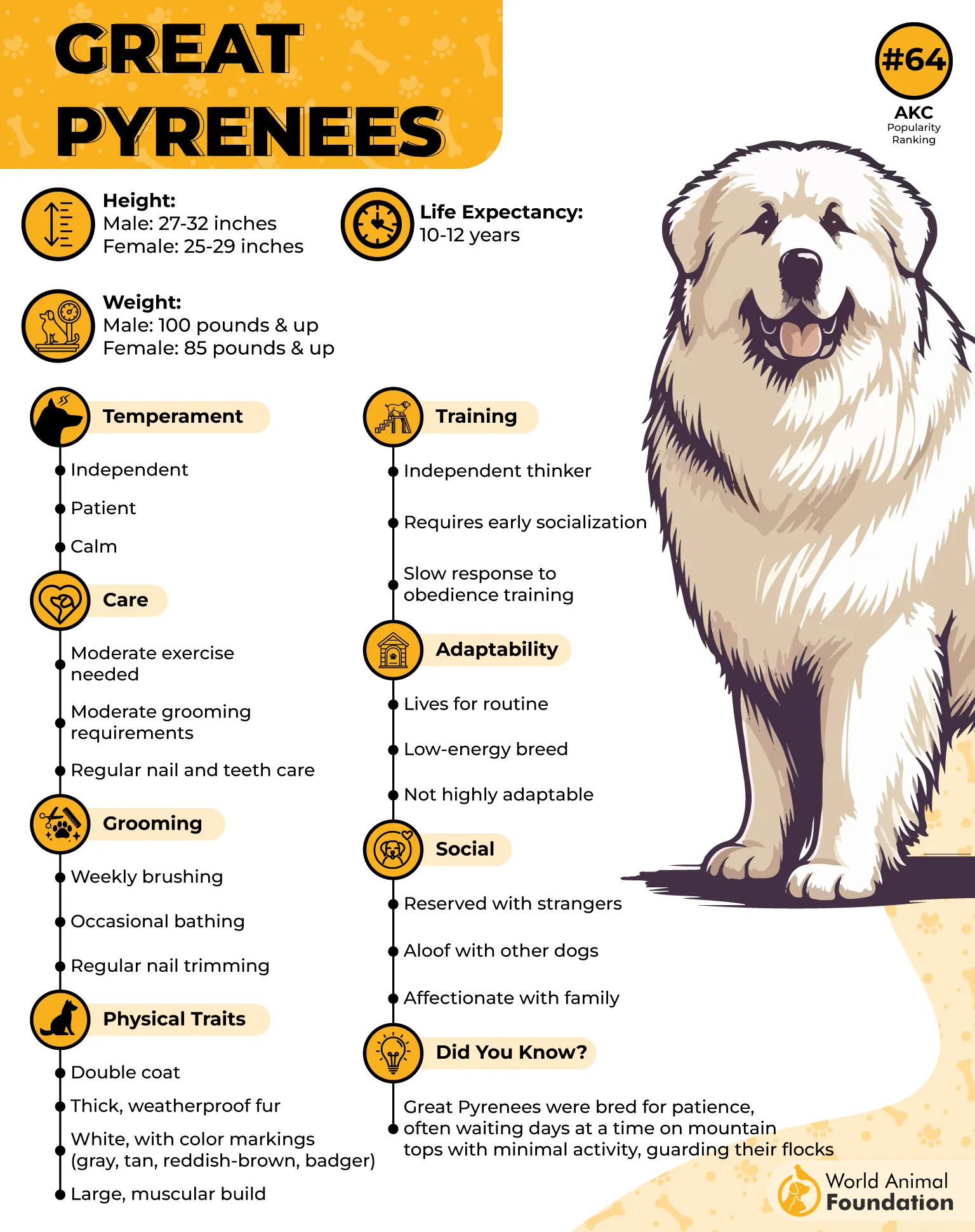
Male Pyrs can weigh more than a hundred pounds. However, females are a little smaller than males. Saint Bernards are heavier than the Great Pyrenees, with their males weighing up to 180 pounds. Like Pyrs, Saint Bernard females are also smaller than males.
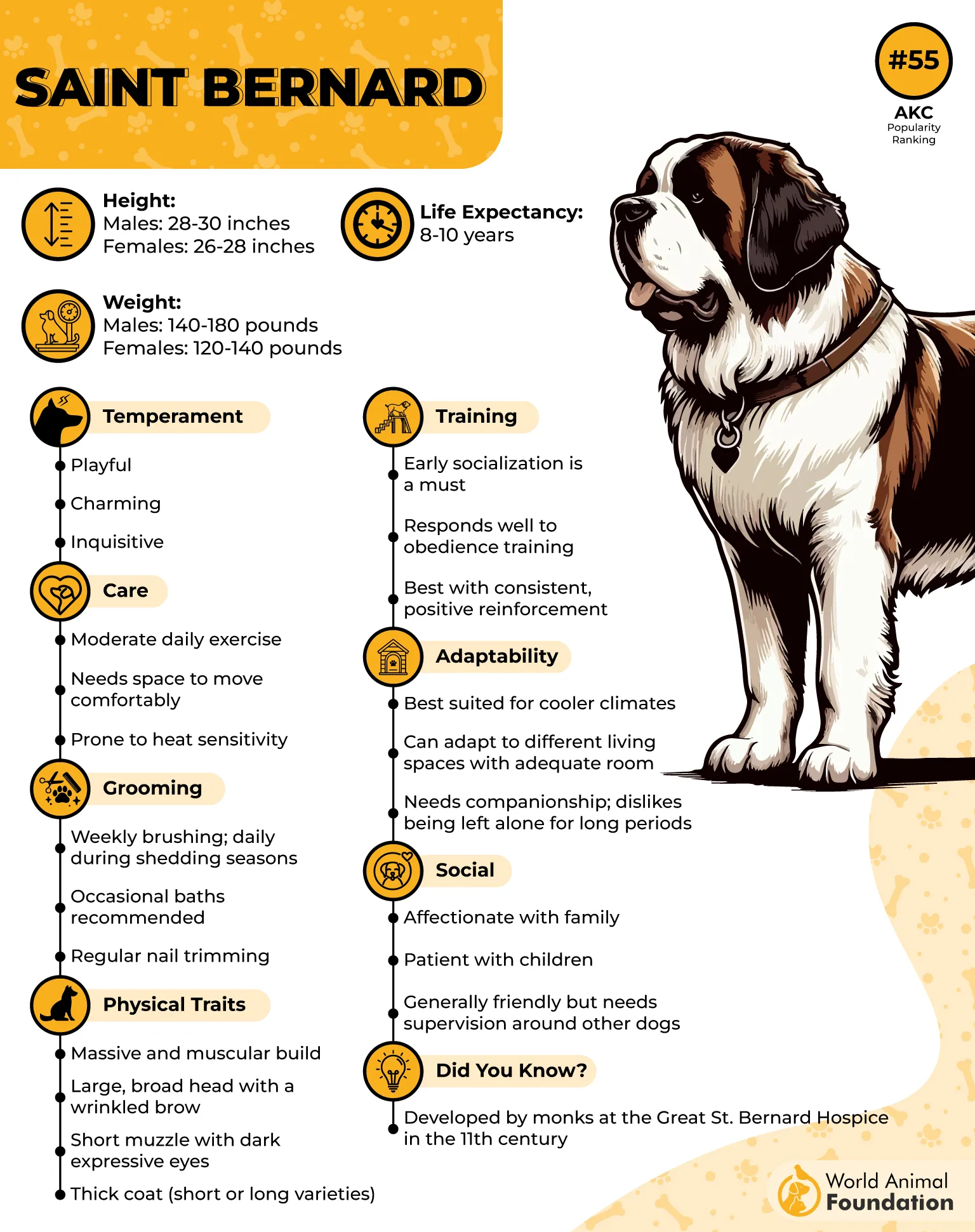
Both dog breeds have well-muscled bodies, but Saint Bernards tend to be more muscular than Great Pyrenees. Pyr and Bernards both possess double claws on their back legs that assist them in navigating steep terrains. Saint Bernards supersede Pyrs in raw power.
Temperament and personality
Both guardian breeds are incredibly loyal to their owners and have strong protective instincts. However, they tend to be wary of strangers, especially if not socialized properly. With their families, Great Pyrenees and Saint Bernards are gentle giants.
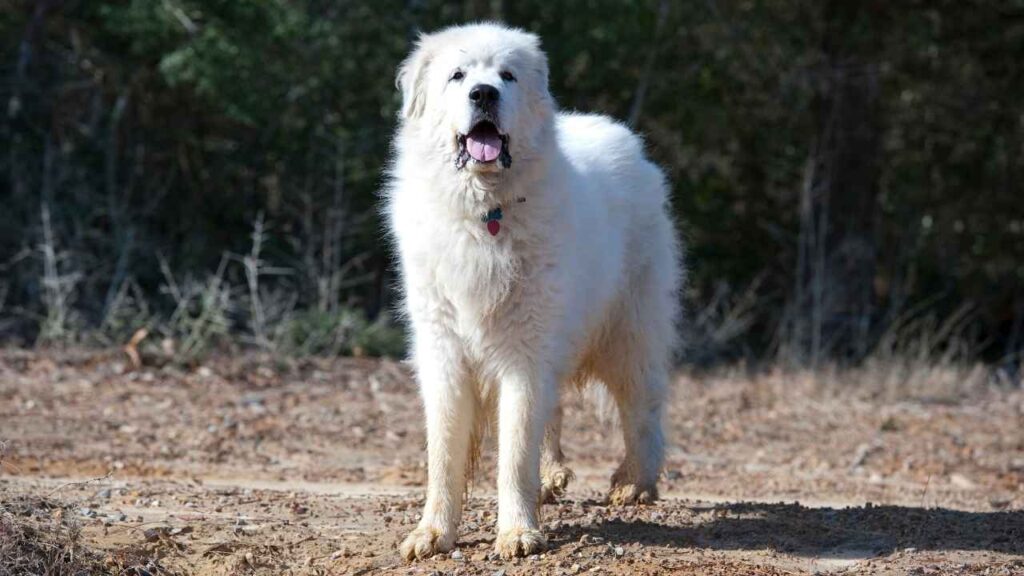
Great Pyrenees are highly devoted to their humans and bond tightly with them. They are great around children and make wonderful playmates and protectors for them. Pyrs are quite intelligent and confident dogs.
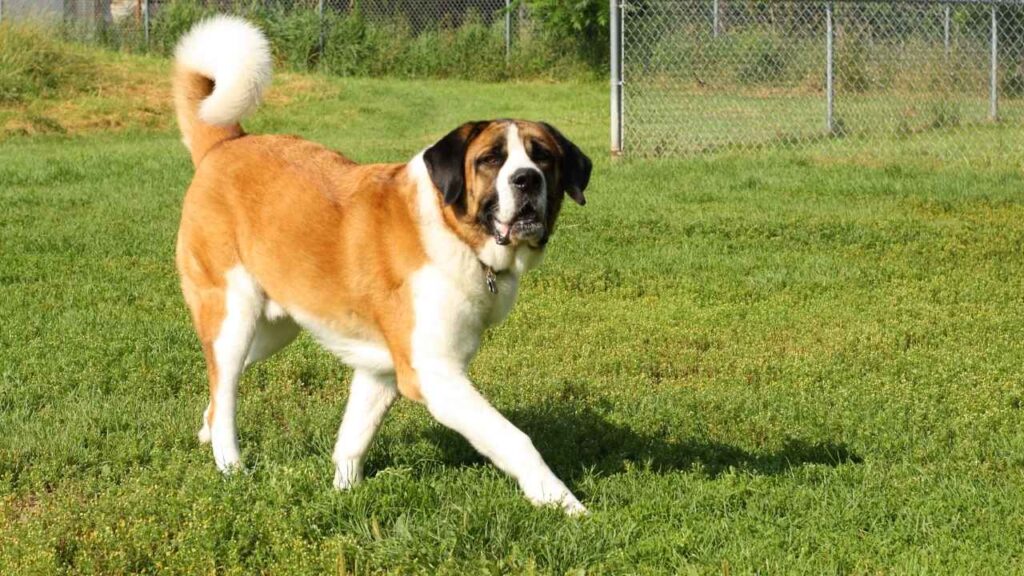
Despite being large and powerful dogs, Saint Bernards are not aggressive or overly energetic. They are friendly and patient canines who tend to be even better with children compared to Pyrs. According to PetMD, their mellow demeanor makes them a great addition to a family.
Saint Bernards and Great Pyrenees can both develop separation anxiety when left alone for extended periods. Thanks to their loving nature, both breeds make great household pets.
Health and Lifespan
Both Great Pyrenees and Saint Berards are deep-chested dogs prone to certain health issues, such as bloat, hip dysplasia, and eye diseases. Great Pyrenees are generally healthy dogs. Unhealthy dogs would not be able to guard their flocks properly.
Health problems are rarely passed on to next generations, so these dogs tend to live longer than Saint Bernards. Great Pyrenees have a lifespan of 10 to 12 years.
However, they are vulnerable to certain health problems such as heart disease, deafness, and cancer. Saint Bernards, on the other hand, have a relatively shorter life expectancy of 8 to 10 years. Like other large dogs, they are also prone to certain health conditions.
These can include cataracts, entropion, allergies, epilepsy, and drug sensitivity. Saint Bernards are brachycephalic, which makes them prone to breathing difficulties. Purchasing your dog from a reputable breeder can significantly help reduce such issues.
Training and exercise
Pyrs were bred as livestock guardian dogs in the Pyrenees Mountains. Their job involved independent decision-making, a trait that they have retained over the years. Although they are very intelligent, Pyrs have a strong-willed personality.
Obedience training will be challenging, according to the American Kennel Club. Pyrs don’t see a point in all that sitting, heeling, and staying. Proper training and early socialization are needed to turn Pyrs into well-mannered and well-adjusted companions.
Like the Great Pyrenees dogs, Saint Bernards also need puppy training and early socialization to behave well. Obedience training will help Saint Bernards not to jump on people or knock over small children. They are also known for stealing food from the table.
Saint Bernards are smart, kind-hearted, and eager to please dogs who start responding to commands as soon as they understand what is expected of them. Both Saint Bernards and Great Pyrenees are calm dogs who need moderate daily exercise for physical and mental stimulation.
Pyrs love taking part in canine sports like cart-pulling and obedience trials. Saint Bernards, too, enjoy pulling children in the cart and like participating in carting and drafting competitions. Saint Bernards are happiest when doing activities with their owners.
Long‑Term Vigilance
Pyrs are mellow companions who make vigilant guardians of home and family. They tend to conserve the energy that they once used to fight predators that threatened their flock.
The Pyrenees guard the family by roaming around carefully, according to WebMD. Thanks to their wise personalities, intimidating appearance, and strong instincts, Great Pyrenees make wonderful guard dogs. They are very perceptive and can easily understand subtle changes in their owners’ moods and their environment. It enables them to detect potential threats early on.
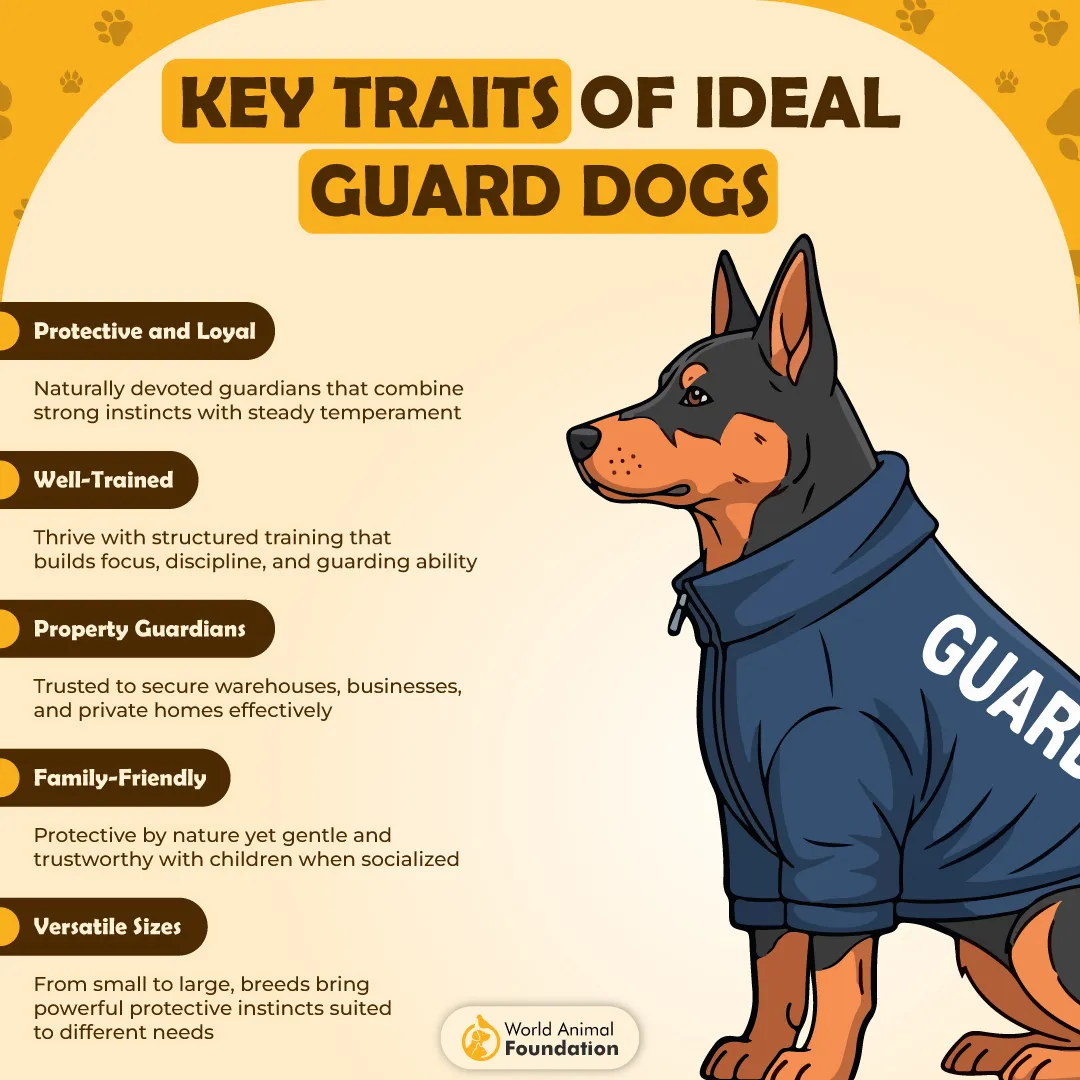
Saint Bernards’ imposing presence and impressive size often act as a life of defense against potential threats. Despite their calm and friendly temperament, they are known for their vigilance and alertness.
Saint Bernards use their loud barks to threaten intruders and inform their owners when they see something unusual.
Weather‑Resistant Coat
Great Pyrenees are all white mountain dogs with a thick double coat. The lush coat is all white or white with beautiful markings of gray, tan, reddish-brown, or badger. Despite their abundant fur, they do not require lots of grooming.
The coat is surprisingly dirt and tangle-resistant. It not only gives them a striking appearance but also enables them to guard efficiently in cold weather. Saint Bernards come in both long-haired and short-haired varieties.
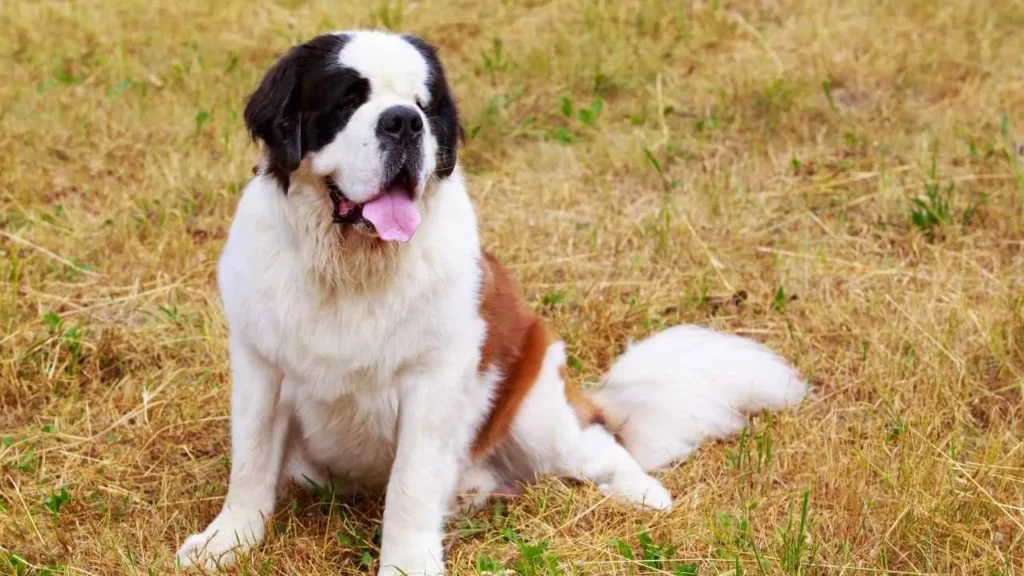
Both types of coats require similar care. Weekly brushing helps remove dirt and tangles. Like Pyrs, they also have a dense double coat that provides insulation against cold temperatures.
Natural Guard Instincts
Pyrs have a territorial nature and tend to be wary of strangers. Since Great Pyrenees were bred as livestock guardian dogs, they are naturally protective of their people, flocks, and territory. These instincts add a lot to their ability as guard dogs.
Saint Bernards are generally friendly dogs, but possess natural guard dog instincts. Both Saint Bernards and Great Pyrenees, if not trained or socialized properly, can become overprotective.
Calm, Protective Temperament
Both Saint Bernards and Great Pyrenees tend to be calm around their families. Pyrs are peaceful during the daytime, but tend to be more active at night. This can lead to barking and late-night activity. However, their protective instincts are stronger than Saint Bernard’s.
Saint Bernards have an affectionate nature and make wonderful family dogs. Their love for kids is the hallmark of their personality. Their love for their family makes them very protective. They stand guard against potential threats.
Conclusion
Great Pyrenees and Saint Bernards are both ideal for families who want larger dogs that are good with kids. They have similar personalities and temperaments. Both breeds are moderately active, but Saint Bernards tend to be more laid back.
Saint Bernards are more loving, friendly, and patient with children. So, Saint Bernard may be a better choice for you if you have kids. But if you are looking for better guard dogs, you should bring home a Great Pyrenees.
