




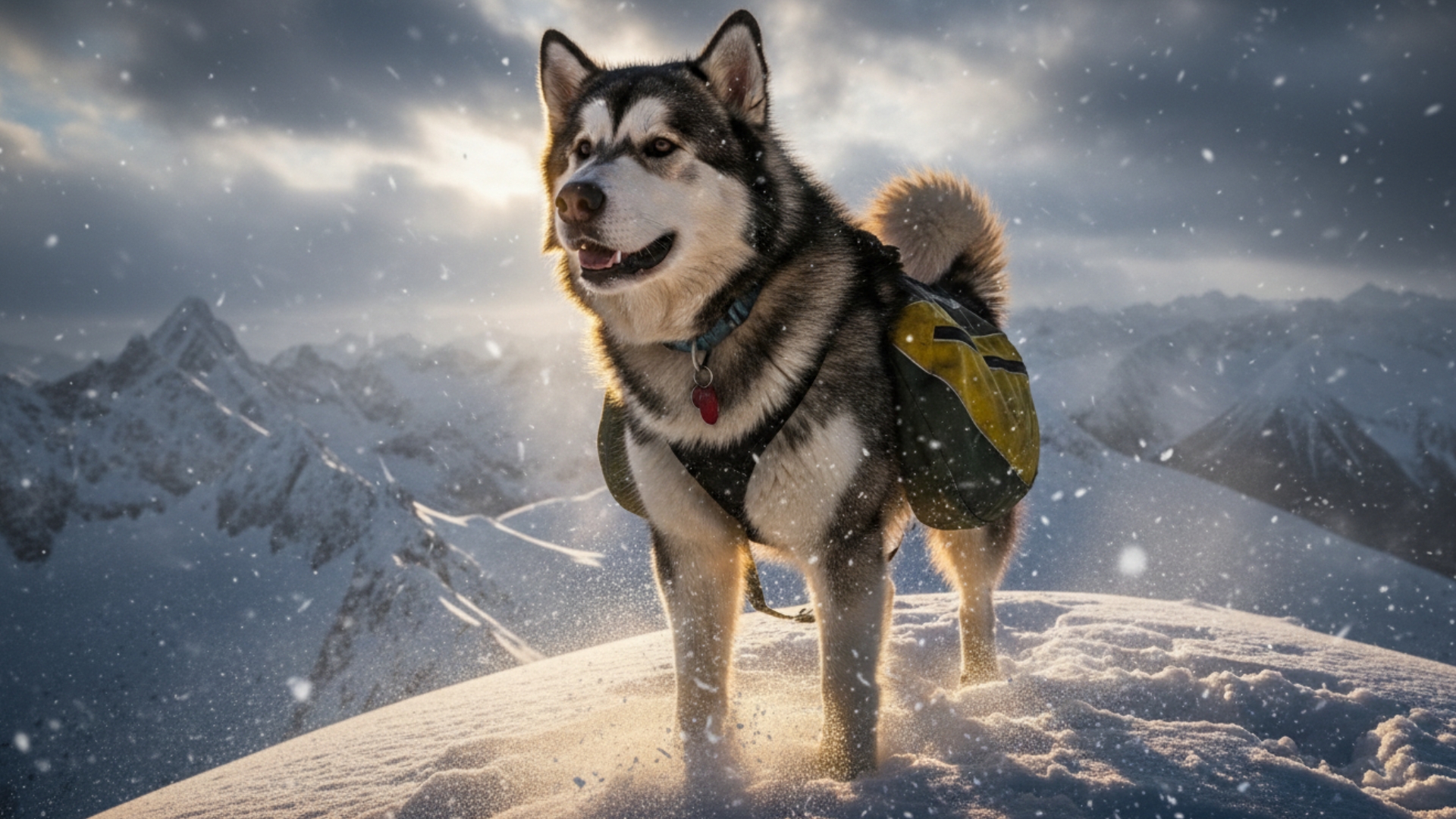
Not all dogs are born to curl up on your lap for quiet companionship. Some dogs are built for movement, challenge, and life beyond the backyard fence.
They enjoy long walks on winding trails and steady climbs across rugged terrain. For these athletic dogs, outdoor adventures feel exciting and natural.
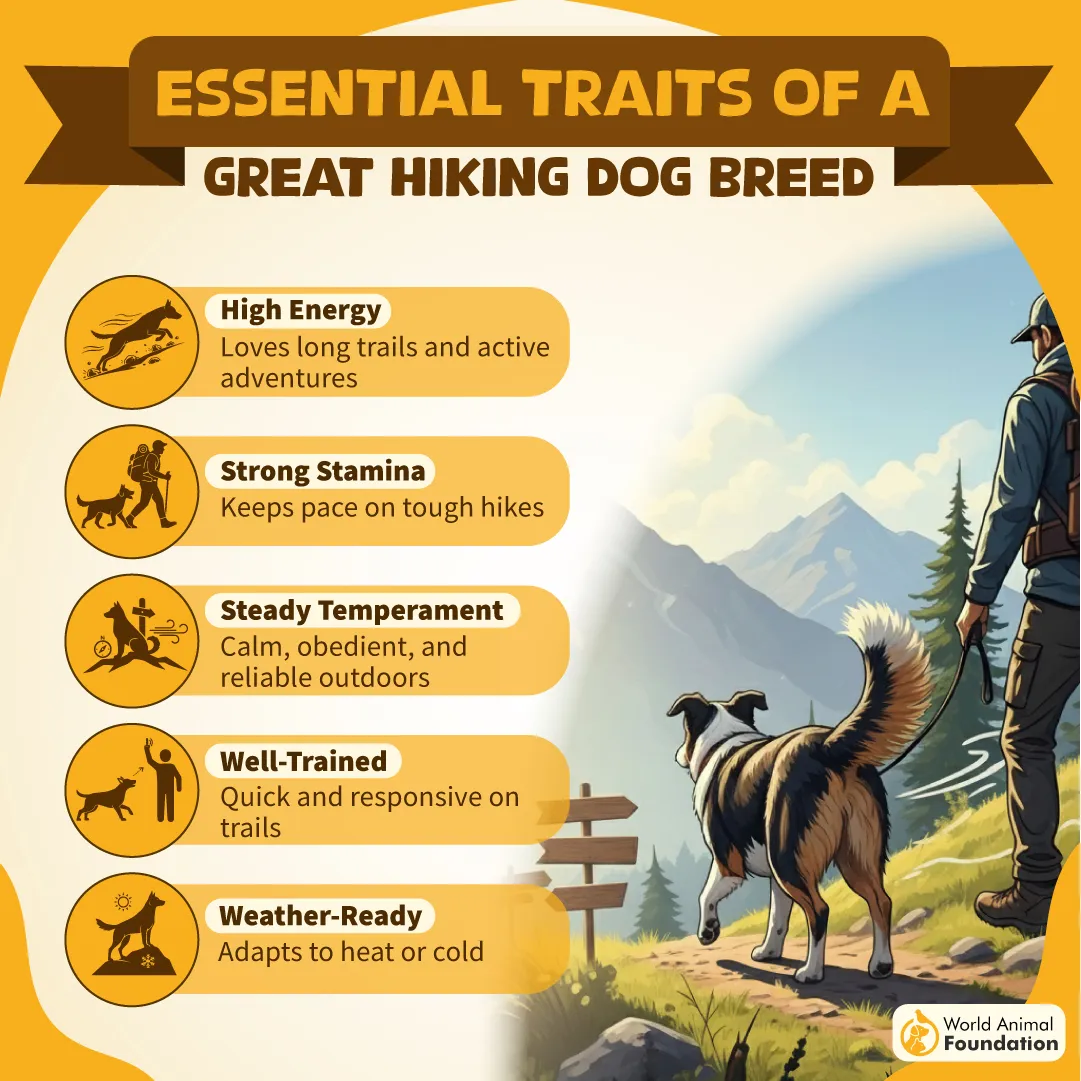
Still, not all dogs thrive outdoors, especially in harsh weather or rough land. That is why certain working dogs were shaped by hard outdoor jobs over many years. Their past work built strong bodies, sharp minds, and deep endurance.
However, strength alone does not keep dogs safe outside. According to Hill’s Pet Nutrition, everyday outdoor spaces carry risks such as toxic plants, insects, wildlife encounters, and sharp debris.
These dangers become more serious on remote trails and high ground. Preparation, proper training, and mental stimulation help dogs stay safe and confident.
If you love hiking or camping, choosing the right adventure dog can turn every trip into a shared journey built on trust and care.
Now, let’s meet nine rugged dog breeds that thrive in extreme outdoor adventures.
Rugged Dog Breeds That Thrive in Extreme Outdoor Adventures
1. Siberian Husky
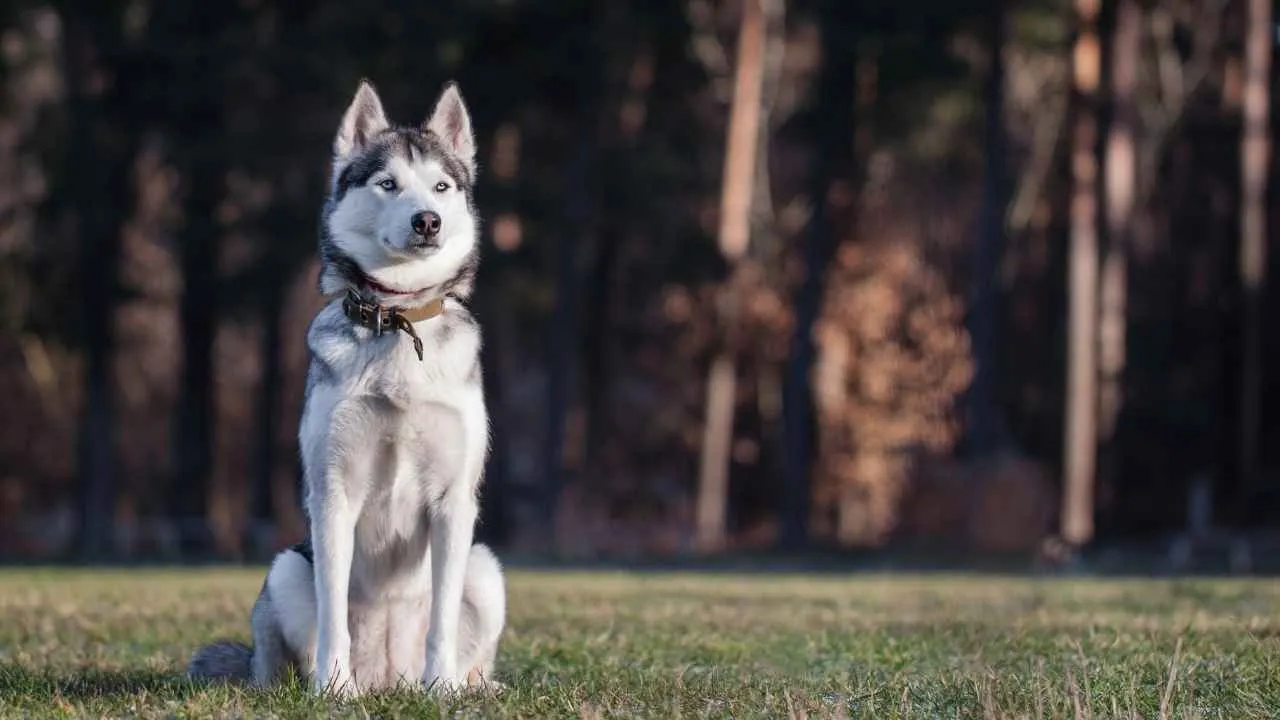
The Siberian Husky comes from the Chukchi Peninsula in eastern Siberia. The Chukchi people shaped this breed for survival on the tundra with people and horses. These dogs were originally bred to travel long distances each day in harsh lands.
They worked in packs and pulled light loads at a steady speed across wide ice fields. This daily work made them true working dogs with deep endurance and teamwork skills. Life in cold climates built their grit, focus, and love for movement across open space.
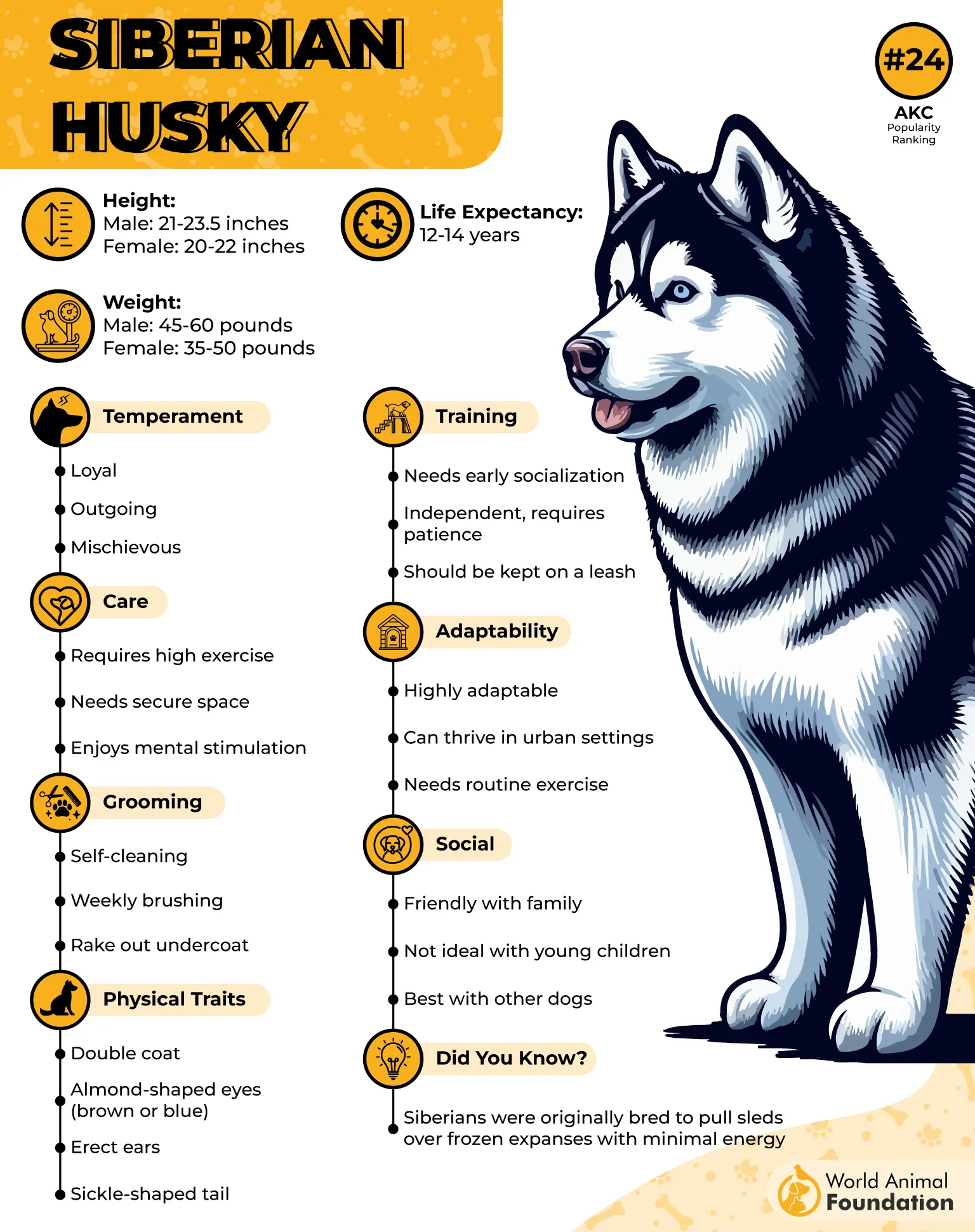
According to Wikipedia, the Husky’s thick double coat formed over generations of Arctic life. This coat protected the body from harsh winter winds and deep snow. It also helped the dog handle heat during short summer seasons and warmer climate periods.
To save warmth, many curl up and cover their noses with their tails. This natural habit is often called the Siberian swirl. Such survival skills shaped a strong desire for travel and long outdoor journeys.
More history you should know
In 1908, Siberian teams arrived in Nome, Alaska, for sled work.
In 1925, they ran life-saving serum during a diphtheria outbreak in Nome.
The breed belongs to the Spitz family of northern dogs.
They are medium-sized sled dogs with great endurance.
Siberians are known for being naturally clean with little dog odor.
2. Alaskan Malamute
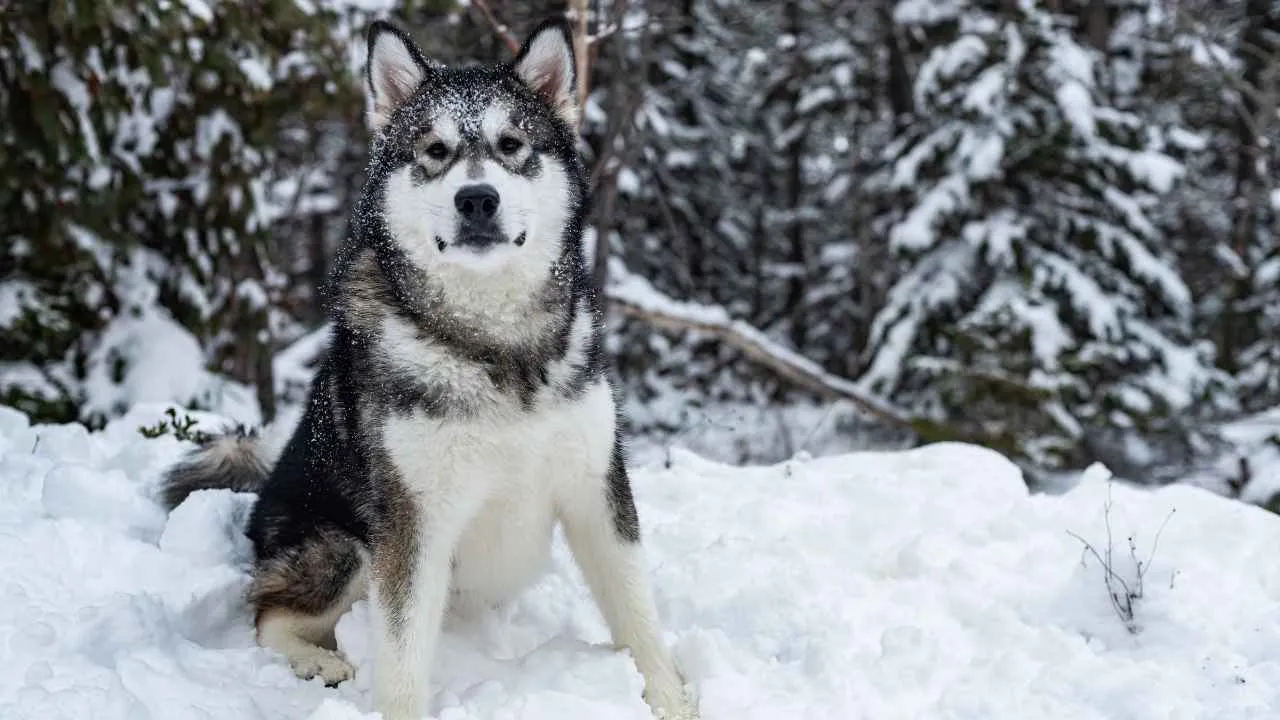
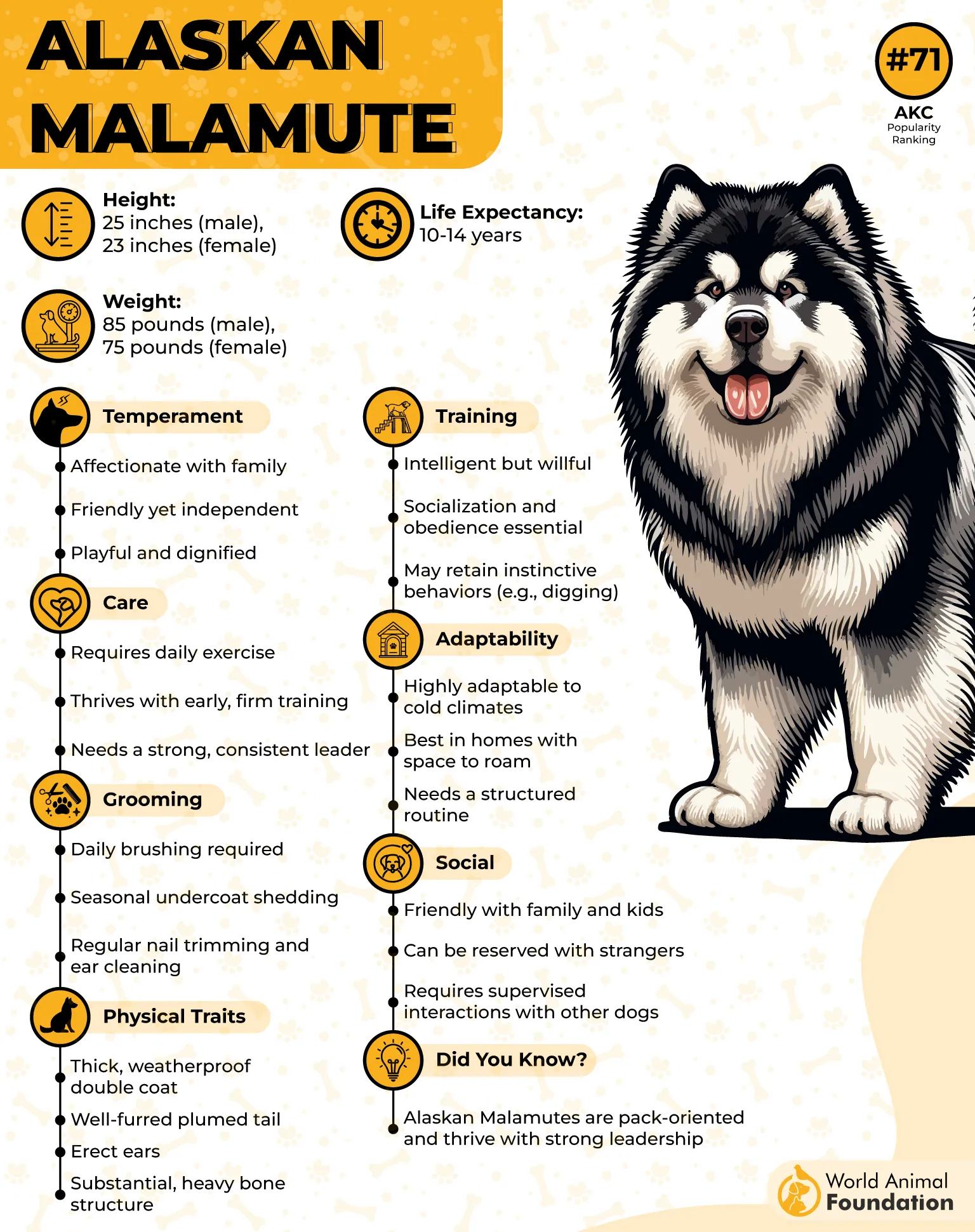
The Alaskan Malamute is a large dog breed built for strength and long workdays. This breed was made to pull sleds across snow and ice for many miles. Heavy bones, a deep chest, and powerful shoulders support long pulls with ease.
A dense, thick coat helps protect the body in cold weather and biting winds. This build lets them handle rough terrain and steep paths without slowing down. Because of this, they make great hiking partners on long hikes and snow trips.
Their well-furred tail curves over the back, a sign of a working heritage. According to the American Kennel Club, in 1933, some Malamutes helped Admiral Richard Byrd in Antarctic travel. That journey showed how much strength and grit this breed can give.
They carry loads with steady focus and strong drive. This past shaped their love for hard work and long days outside.
More traits to know
They are fun-loving, loyal, and affectionate with their people.
This breed has high energy and needs daily work or walks.
Malamutes do not bark much, but they love to “talk.”
Sirens can set them singing, and people can join the chorus.
Lonely dogs may howl when bored or underworked.
3. Anatolian Shepherd Dog
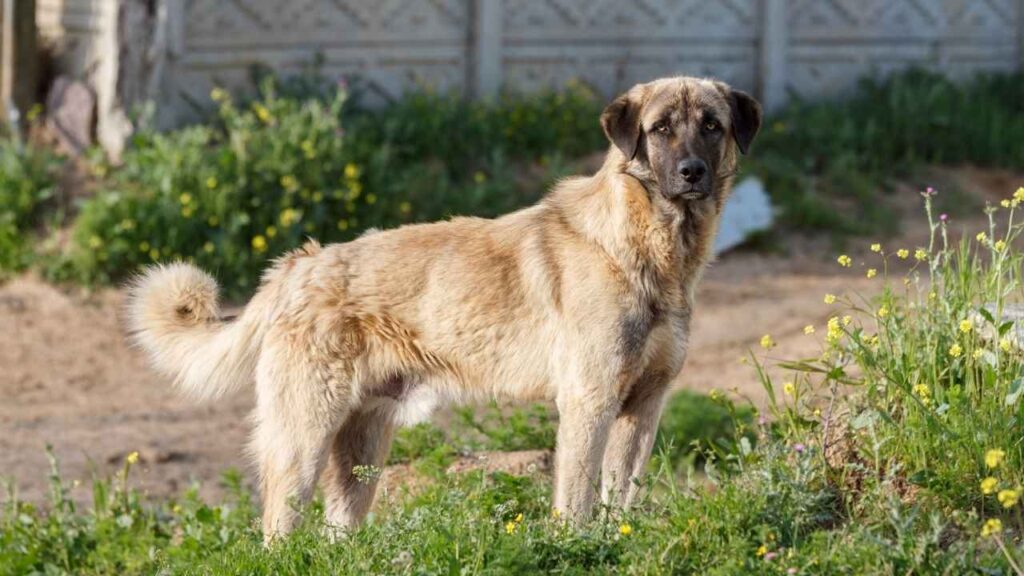
The Anatolian Shepherd Dog is a powerfully built breed known for guarding livestock and herding cattle. Reserved and independent, these dogs form a strong bond with their owners while maintaining the confidence to care for the flock on their own.
Their intelligence and patience allow them to assess risks and respond without constant guidance, a trait that stretches back thousands of years to some of the oldest domestic canine bloodlines.
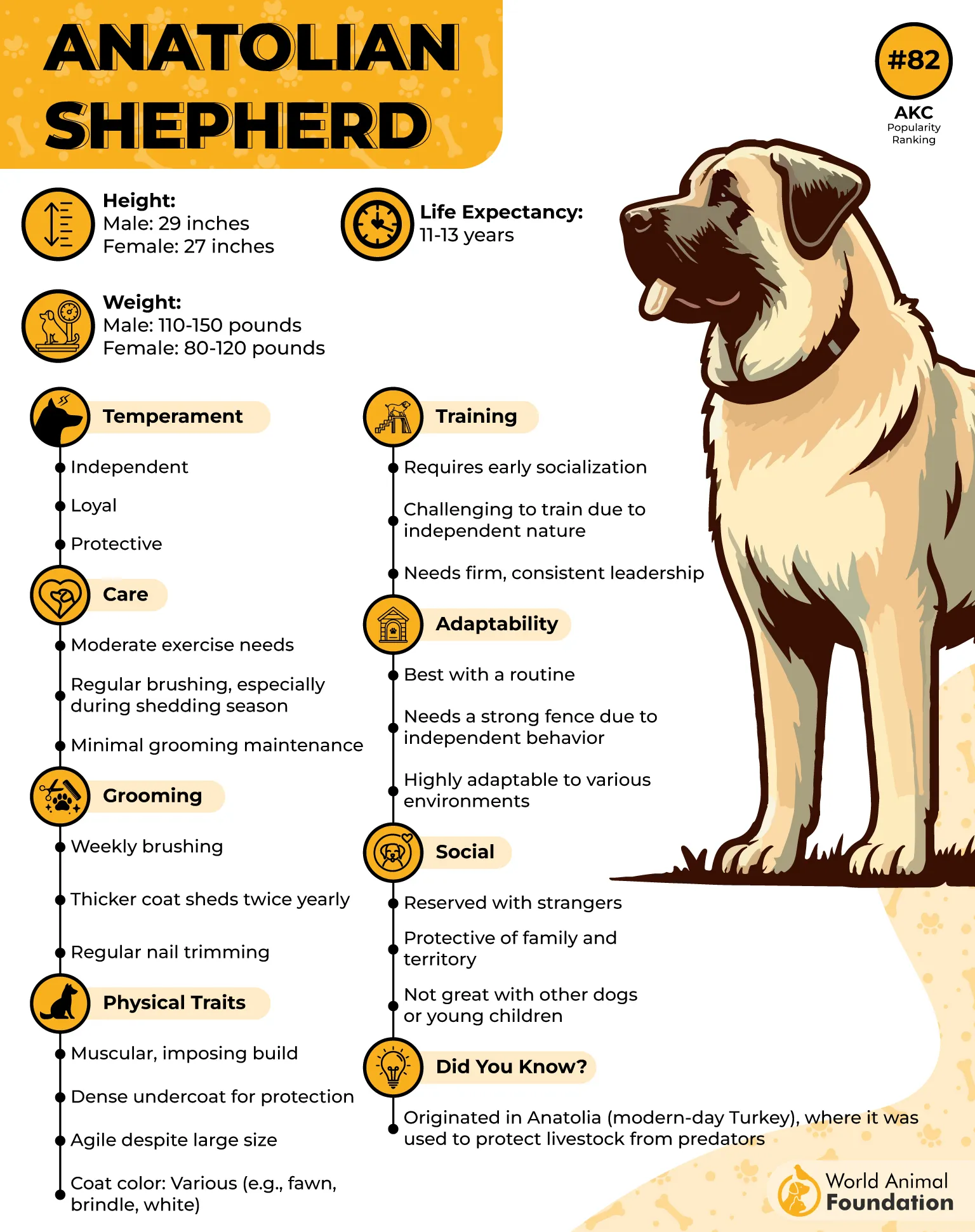
Anatolian Shepherds are also called Goban, Gobegi, Anatolian Karabash, or Kangal, and their mystic, dignified presence reflects this ancient heritage. Purina states that with a short but protective coat and a broad, heavy head, they are suited to extreme weather conditions.
They stick close on open land, making them ideal for large outdoor spaces, yet leash training matters when navigating tracks or public areas. These dogs are extremely independent and can manage a flock without supervision, showing both loyalty and remarkable self-reliance.
More traits to know
The breed comes in any color, often with a black mask.
They have appeared in movies such as Kate and Leopold, Kate & Dog, and Friends with Benefits.
Anatolian Shepherds are intelligent, patient, and highly observant.
They are susceptible to anesthesia, so special care is needed during medical procedures.
Their independent nature makes them both loyal guardians and confident outdoor companions.
4. Bernese Mountain Dog
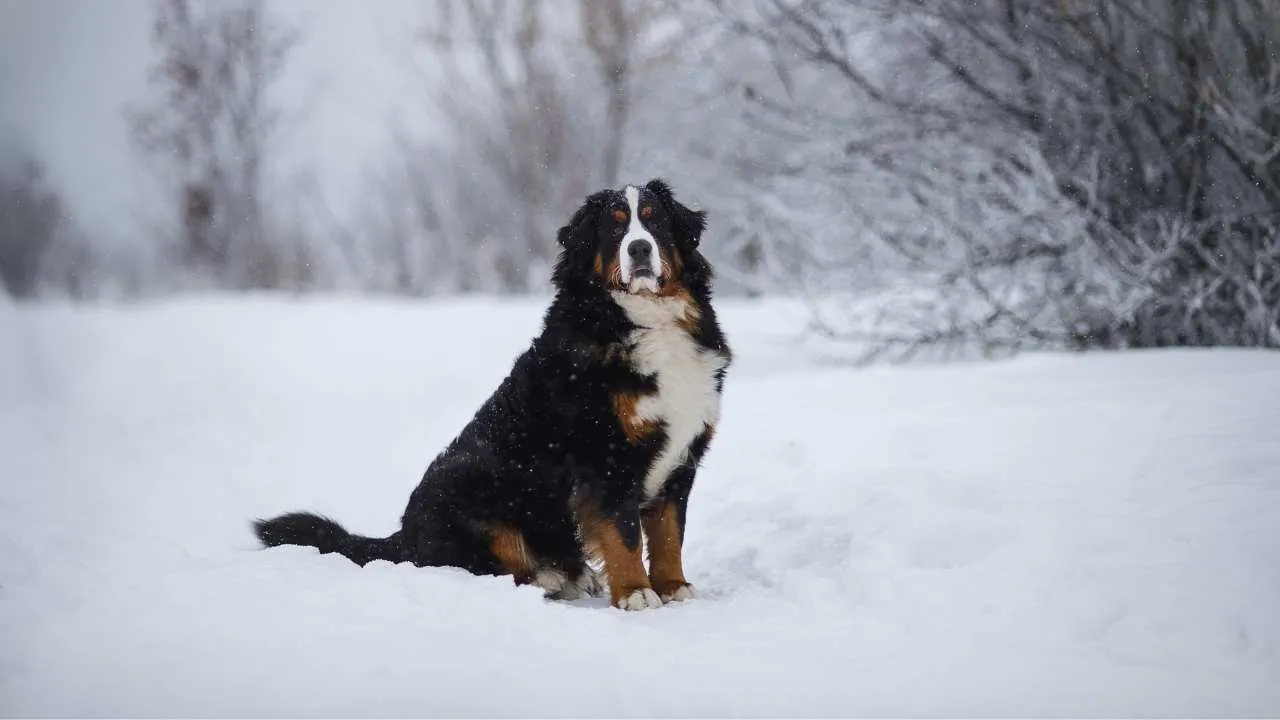
The Bernese Mountain Dog has roots deep in Switzerland, where it spent centuries working on farms and navigating rugged mountain paths. This good-natured giant is strikingly beautiful, strong, and calm, making it a natural companion for families who love dogs and outdoor activities.
Their dense double coat protects them against cold temperatures while giving them the endurance to handle tough mountain tracks.
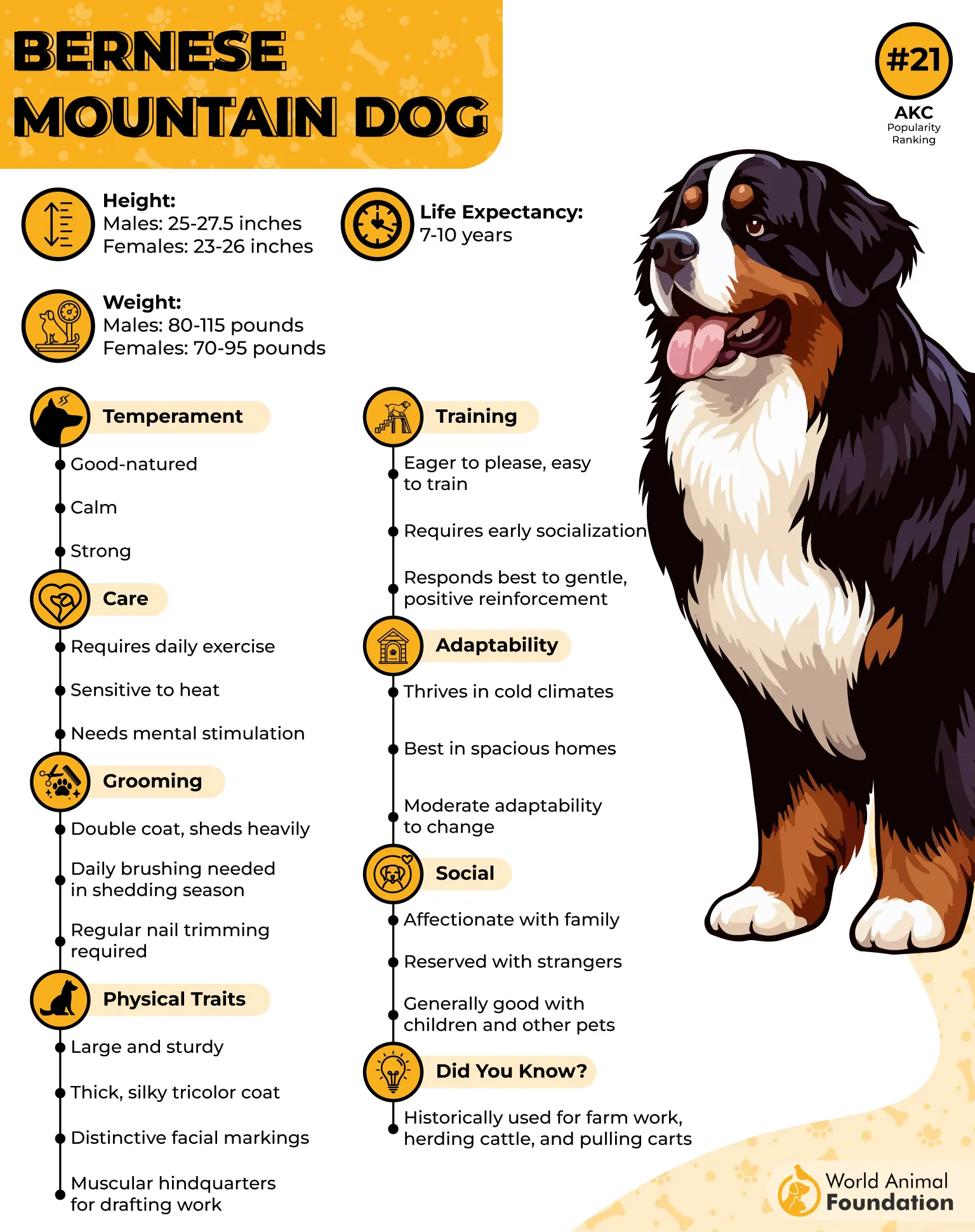
According to Britannica, though one of the more active giant dog breeds, Bernese Mountain Dogs are fairly low in energy compared with most dogs, making walks and gentle hikes ideal forms of exercise.
They are easy to train and show loyalty, intelligence, and even a sense of humor, often repeating small acts that make people laugh. With strong prey drive instincts, early training is essential to keep them safe on tracks and around livestock.
More traits to know
They were brought to Switzerland over 2,000 years ago, originally by Roman soldiers.
The Bernese is one of four varieties of Swiss mountain dogs and is also called Berner Sennenhund.
Known for calm energy, they are gentle with children and other pets.
Well-known for acts of heroism and dependable work in farms and cold regions.
Their affectionate nature and playful personality make them great hiking companions for families.
5. Norwegian Elkhound
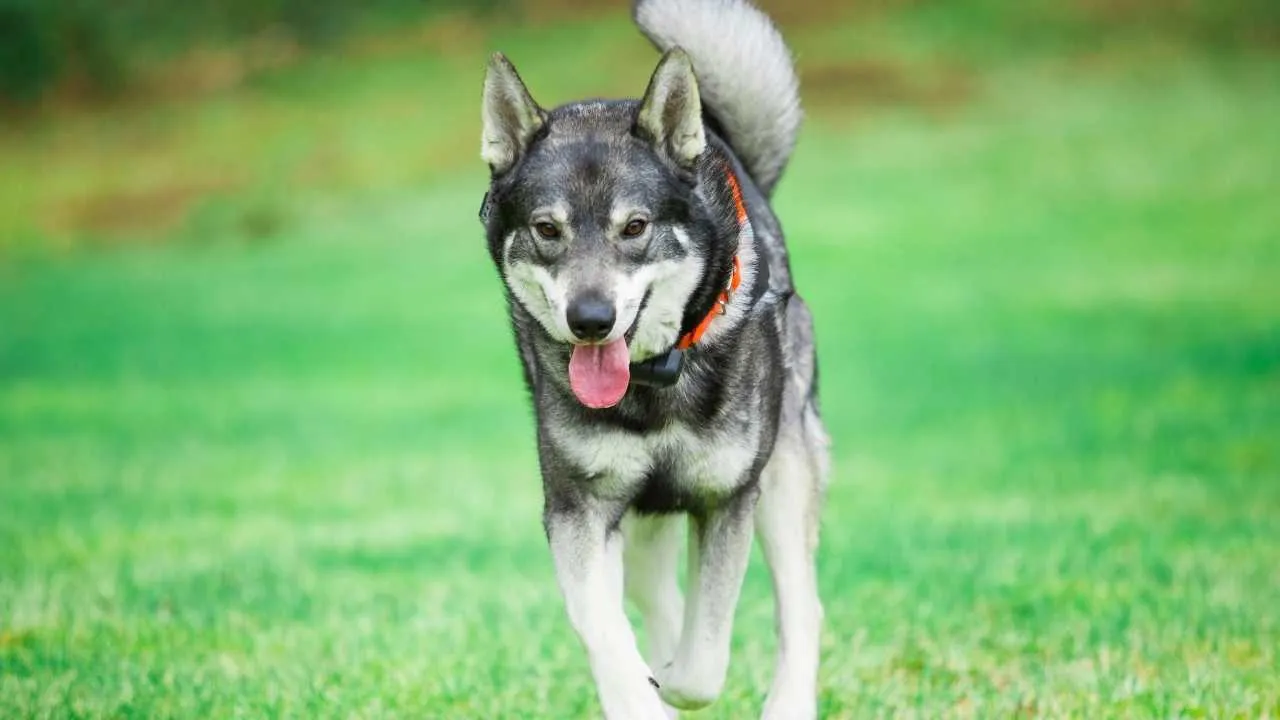
The Norwegian Elkhound is a medium-sized, compact, and powerful hunting dog that traces its origins to North Asia around 5000 BC.
Bred to hunt big game such as moose and elk, these agile dogs developed a high prey drive and an alert nature that made them exceptional companions for hunters.
Despite their independent streak, Elkhounds are friendly, confident, and dependable, making them excellent family pets that enjoy the company of humans and other breeds alike.
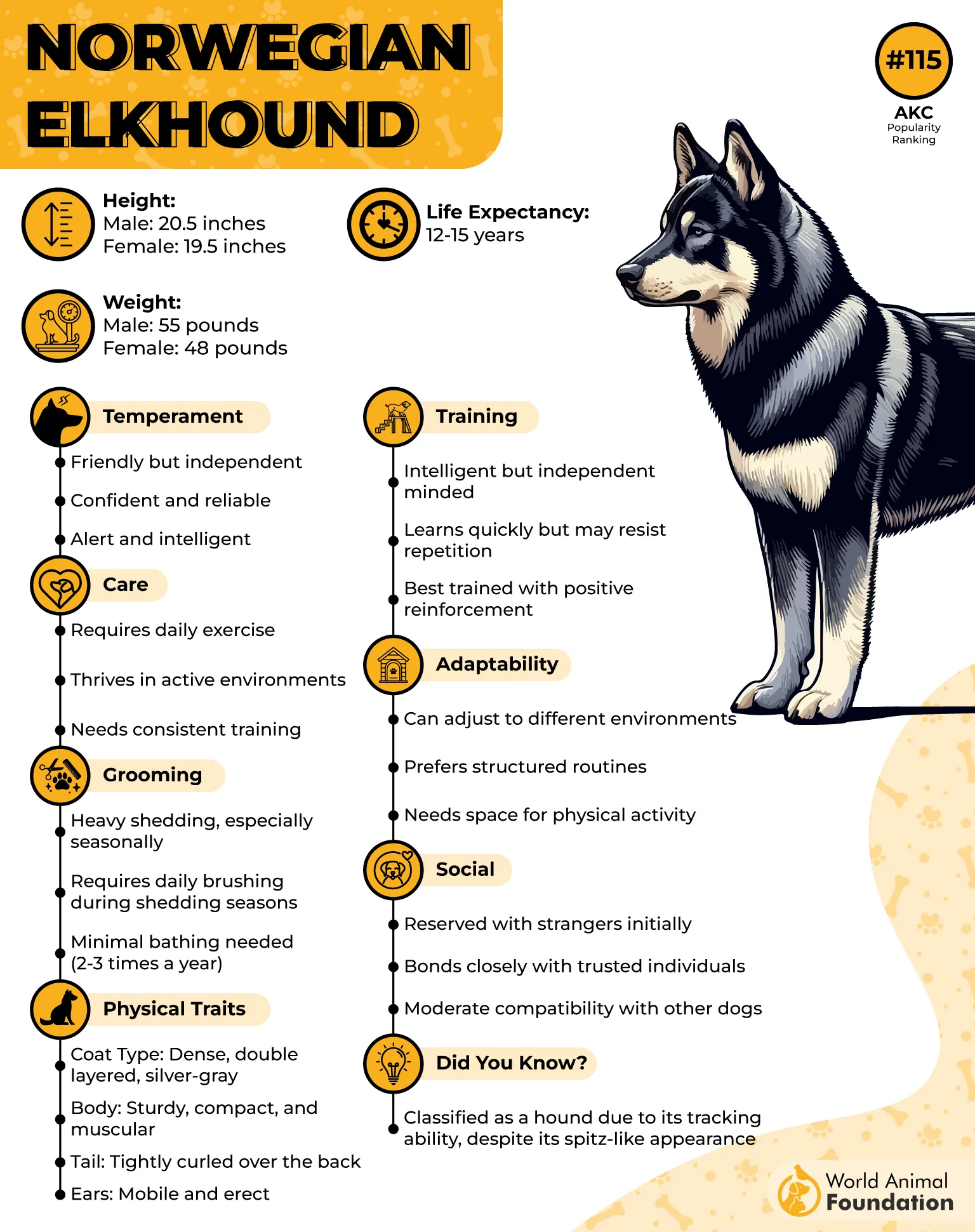
According to PetMD, their perkier, spirited attitude has earned them the nickname “Elkies,” reflecting both their hunting prowess and lively personality.
Today, these tough dogs may not pursue large game as they once did, but their energy, loyalty, and agility still shine on outdoor adventures and daily exercise.
Like other hunting dog breeds, they require focus during training to manage their prey drive. Owners should also be mindful that Elkhounds are prone to hip dysplasia and benefit from regular, structured exercise.
More traits to know
Thrives in forests and rugged outdoor spaces.
A compact but muscular build supports endurance and agility.
Friendly and loyal, forming strong bonds with family members.
Excellent for active pet parents who enjoy outdoor activities.
Shares traits with other tough hunting breeds, including high energy and a love for long walks.
6. Akita
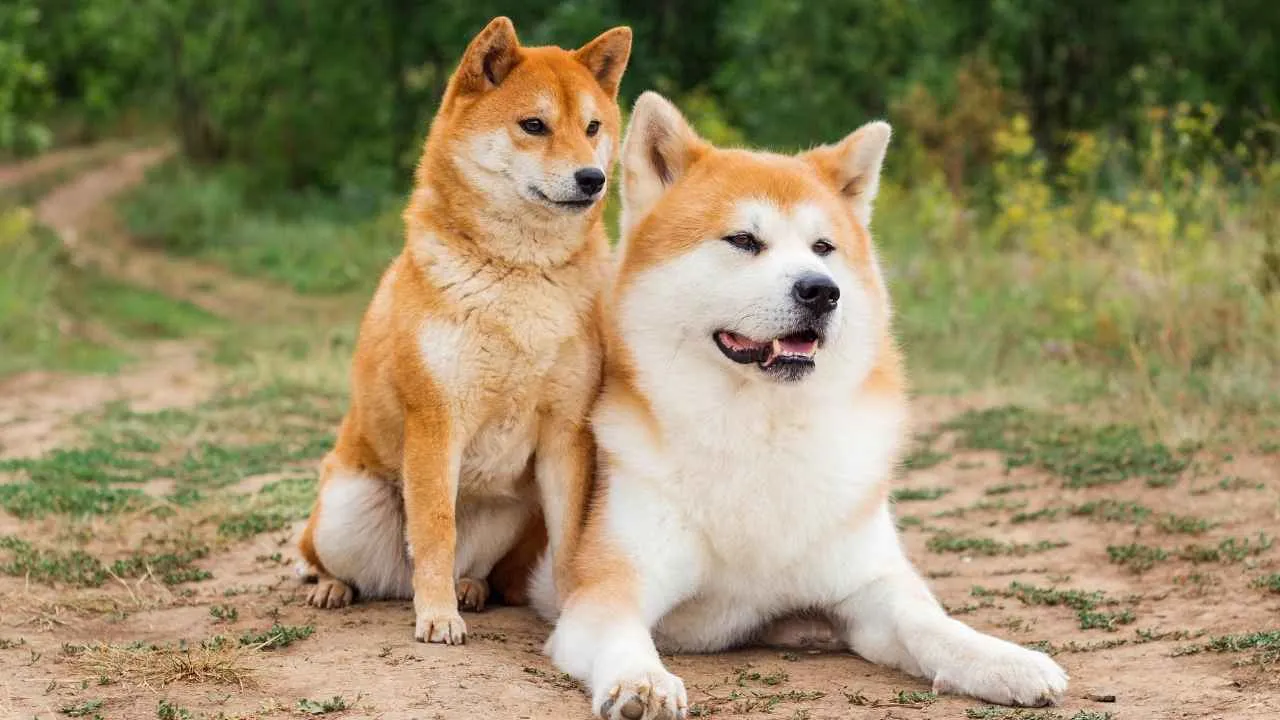
The Akita is a Japanese large breed of impressive size, celebrated for its dignity, courage, and profound loyalty. This double-coated dog was originally mentored as a family protector and a symbol of good health, happiness, and long life.
Calm yet tough in harsh climates, the Akita relies on its thick coat for protection in cold weather, making it well-suited for outdoor adventures with experienced pet parents.
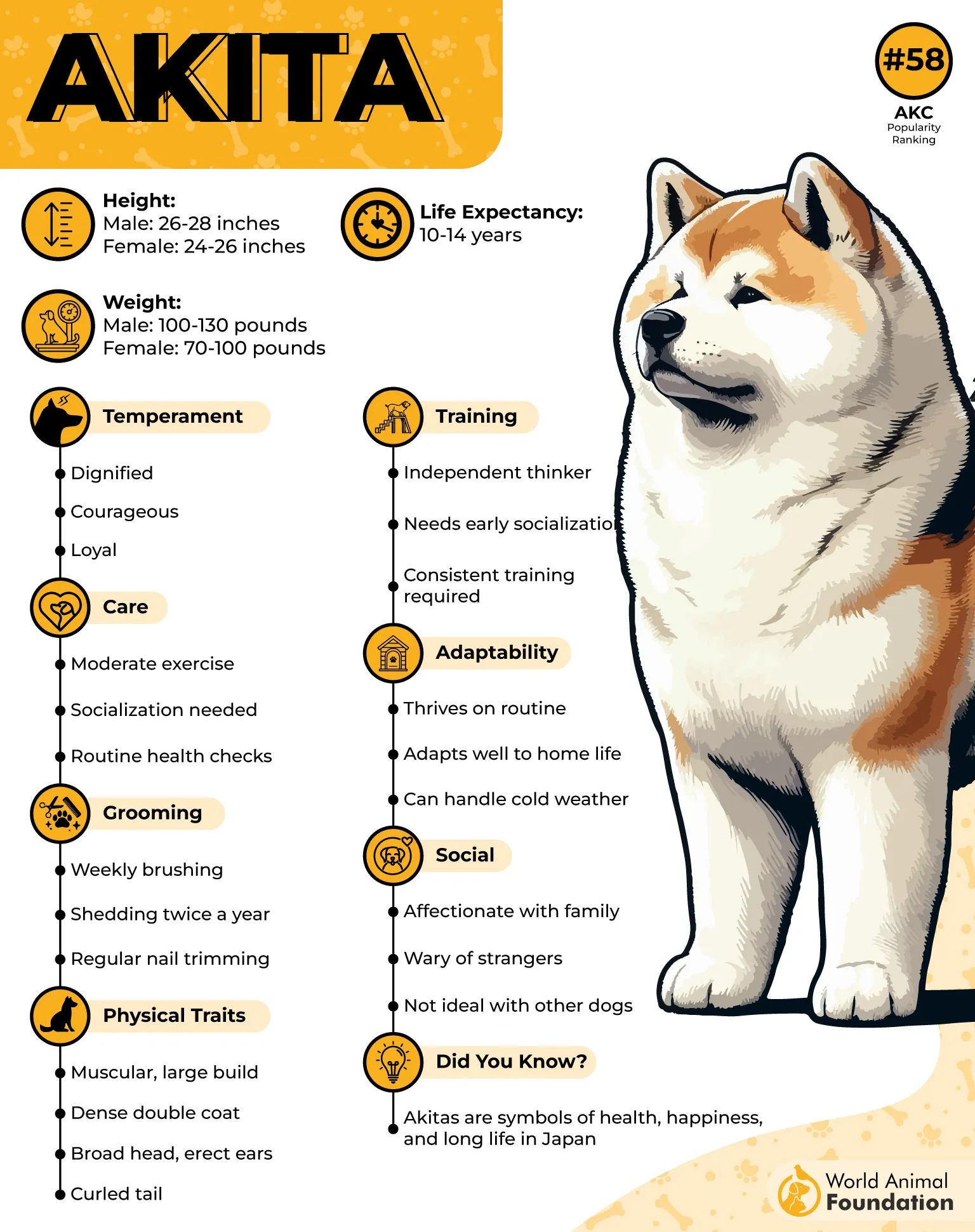
Akitas are powerful, dominant, and often aloof with strangers, but they form deep, affectionate bonds with their families. Their whip-smart intelligence and independent thinking mean they thrive with clear rules and consistent trust.
While they can participate in dog sports, owners should supervise interactions with other dogs, especially same-sex companions, to prevent conflicts. A leash is essential for control during walks, as their strong instincts can occasionally challenge unfamiliar environments.
More traits to know
Native Japanese breed with an ancient lineage.
Famous for Hachiko, who waited nine years for its master.
Larger breed suitable for families who enjoy adventure and structured activities.
Can coexist with small dogs if properly socialized.
Deeply loyal, protective, and courageous companion for devoted owners.
7. Saint Bernard
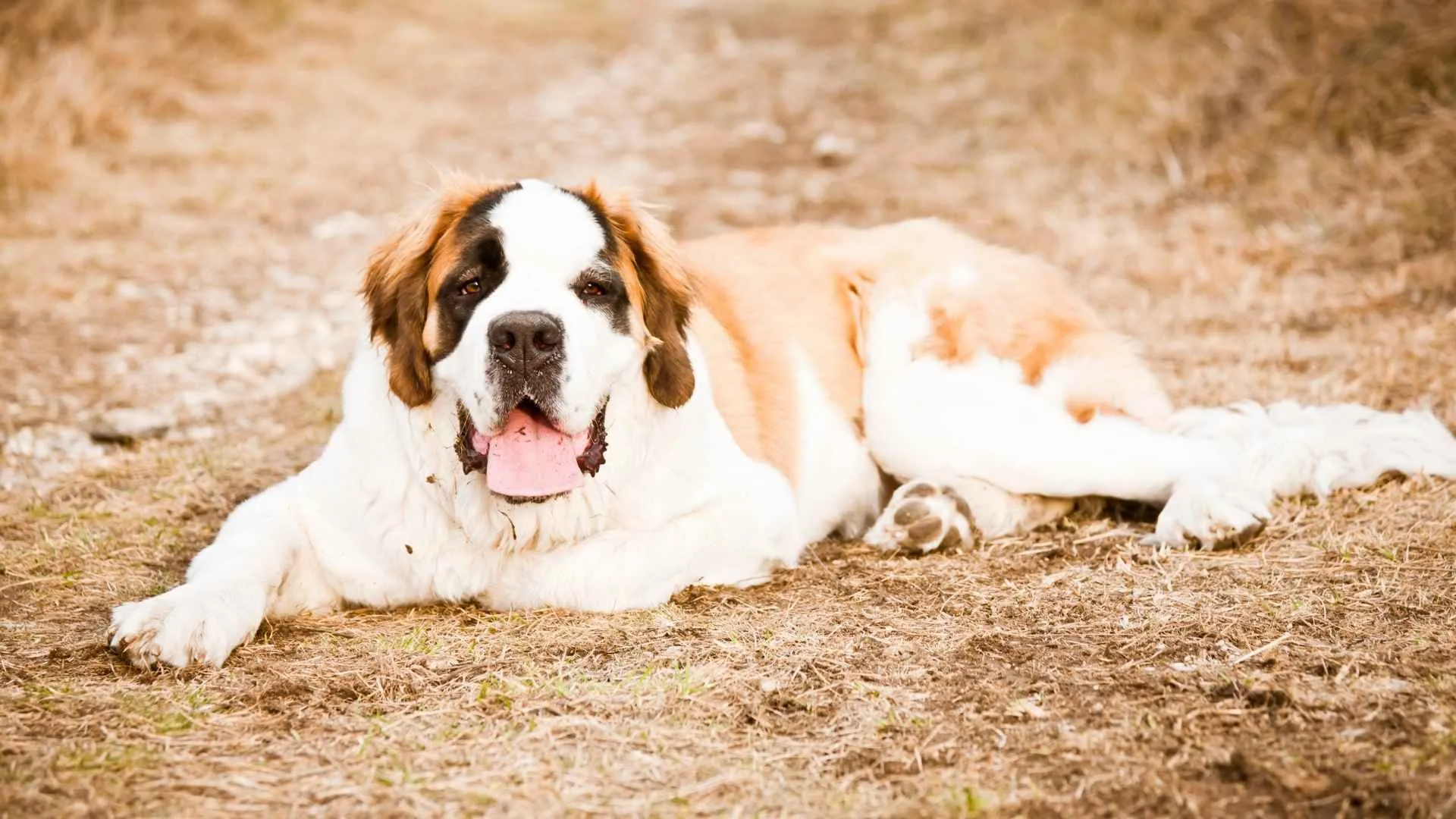
The Saint Bernard is a dog breed famous for its strength, calm energy, and centuries of heroic service. Originally developed in the Swiss Alps, this great dog became known as a Pathfinder and rescue dog, saving hundreds of lives on snowy passes and treacherous mountain trails.
Gentle and intelligent, Saint Bernards are well-suited for families and can get along with small dogs, offering a loving and protective presence at home.
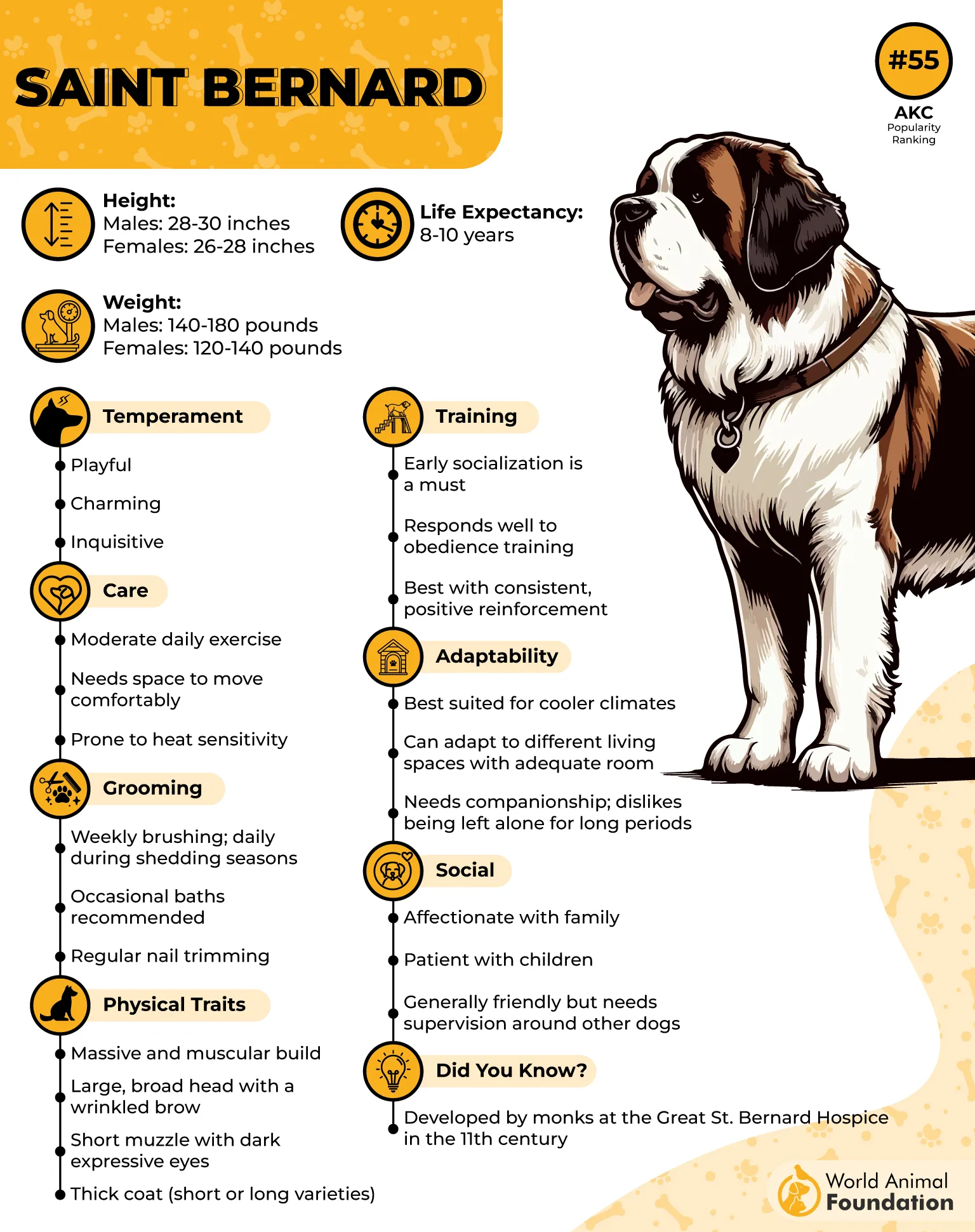
This breed thrives in open spaces and fresh air, enjoying long outdoor adventures without rushing. Their playful, charming, and inquisitive nature makes them loving companions who also understand the importance of rest during slow tracks or at dress stops.
Saint Bernards are quick learners and respond well to consistent training, reflecting their long history as dependable rescue dogs. The breed’s muscular and imposing build, combined with a sweet, affectionate personality, has made it one of the most beloved dog breeds worldwide.
More traits to know
Named after Saint Bernard, an 11th-century archdeacon of the Alstar diocese.
Credited with saving over 2,000 lives across three centuries of service.
Stock likely descended from Asian Molossus dogs brought by Roman armies, mixed with local Swiss dogs.
Often depicted in films, such as Beethoven and Disney’s Peter Pan (Nana).
Calm, intelligent, and playful, ideal for families who love the outdoors and adventure.
8. Great Pyrenees
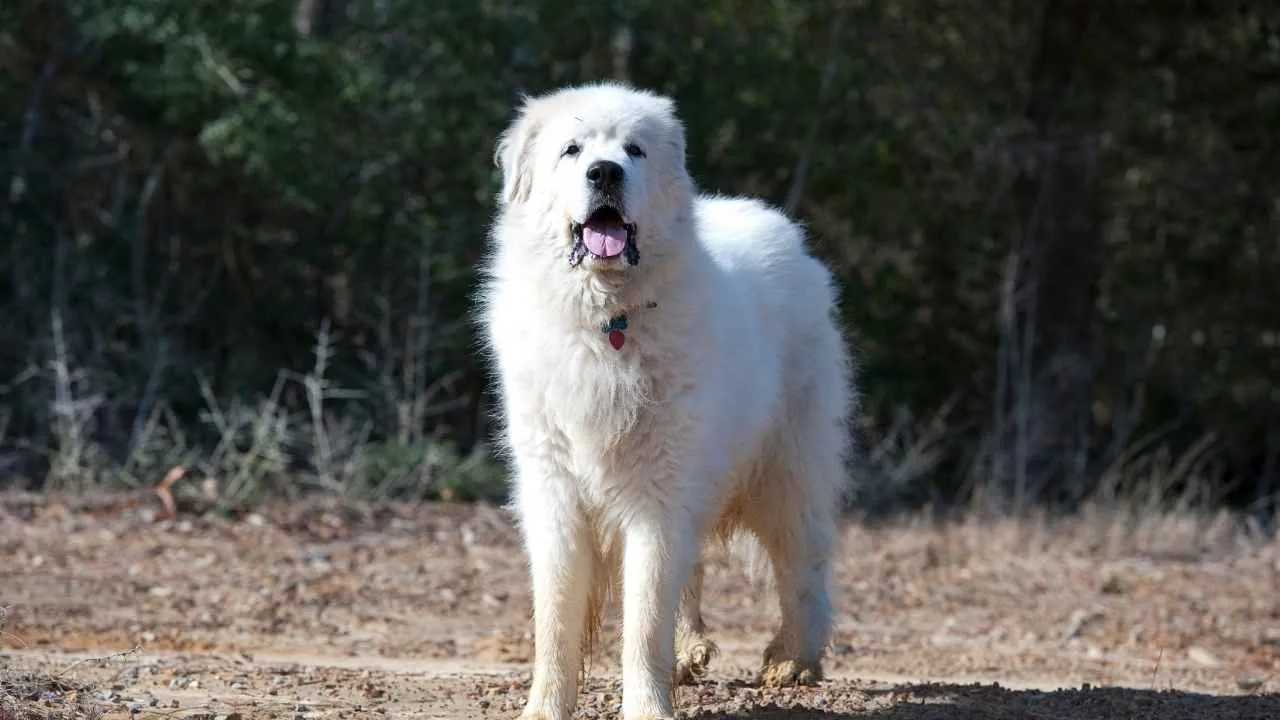
The Great Pyrenees is a large dog breed originally developed in France as a livestock guardian. Known for watching over sheep and cattle at night, these dogs combine quiet strength with remarkable intelligence and patience.
Their thick, dense, and coarse coat protects them from harsh cold climates, wind, and snow, allowing them to patrol open land and farms with ease.
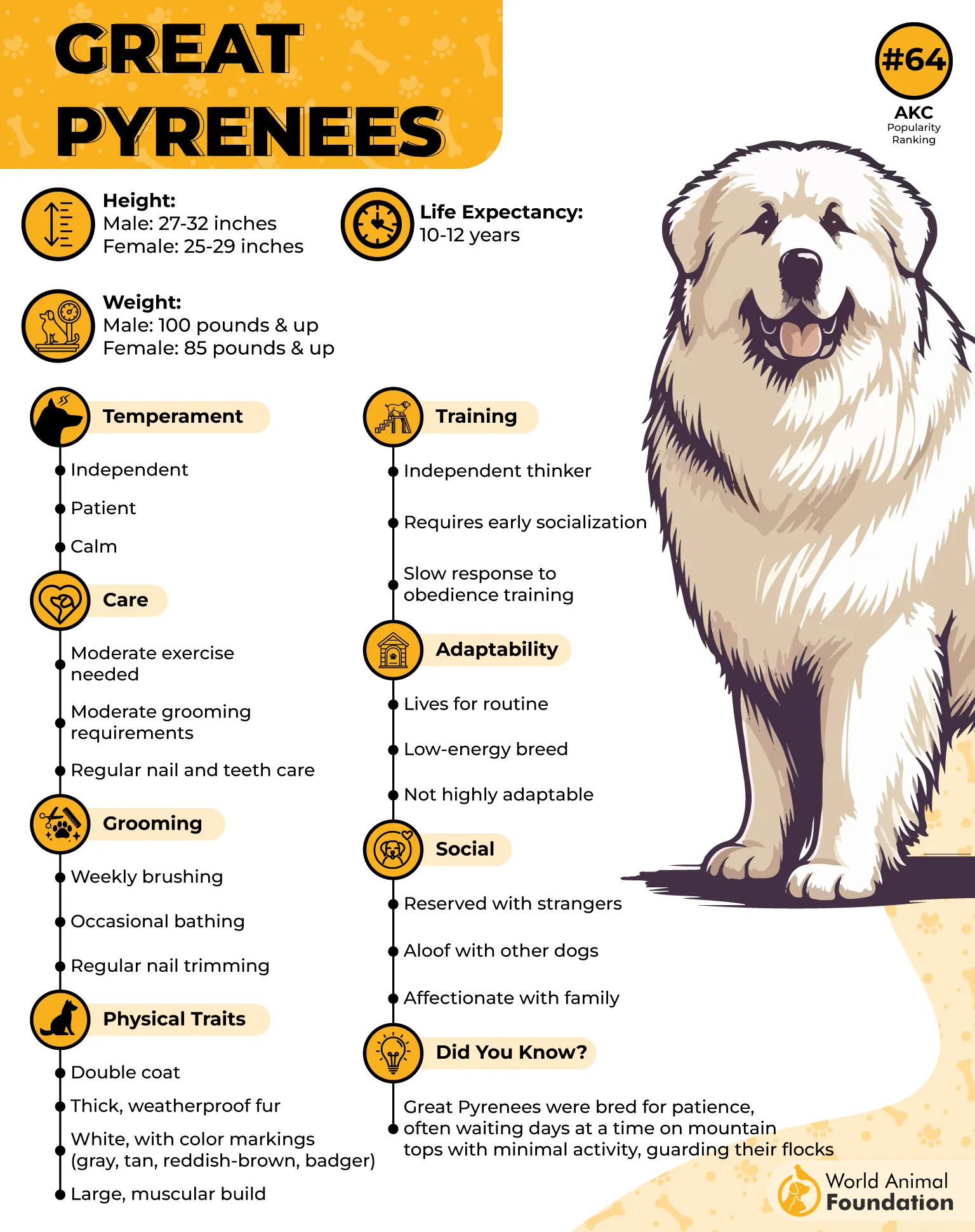
Calm and steady, Great Pyrenees are gentle around the people they love, making them excellent family pets while still maintaining their role as vigilant guardians.
They are incredibly strong and surprisingly fast when duty calls, showing toughness that matches their majestic appearance.
These mountain dogs thrive in spacious environments where they have room to roam and require steady, patient training to guide their independent nature.
Their quiet, observant temperament and loyalty make them a perfect choice for owners who want a reliable outdoor companion and protector of livestock.
More traits to know
Also known as the Pyrenean Mountain Dog or Chien de Montagne des Pyrénées.
Often called “Pato” in France, and the Great Pyrenees in the United States.
The large dog breed was first bred specifically for guarding livestock.
Calm, patient, and highly intelligent, ideal for open farms.
Strong, fast, and protective, yet gentle with family and other pets
9. Leonberger
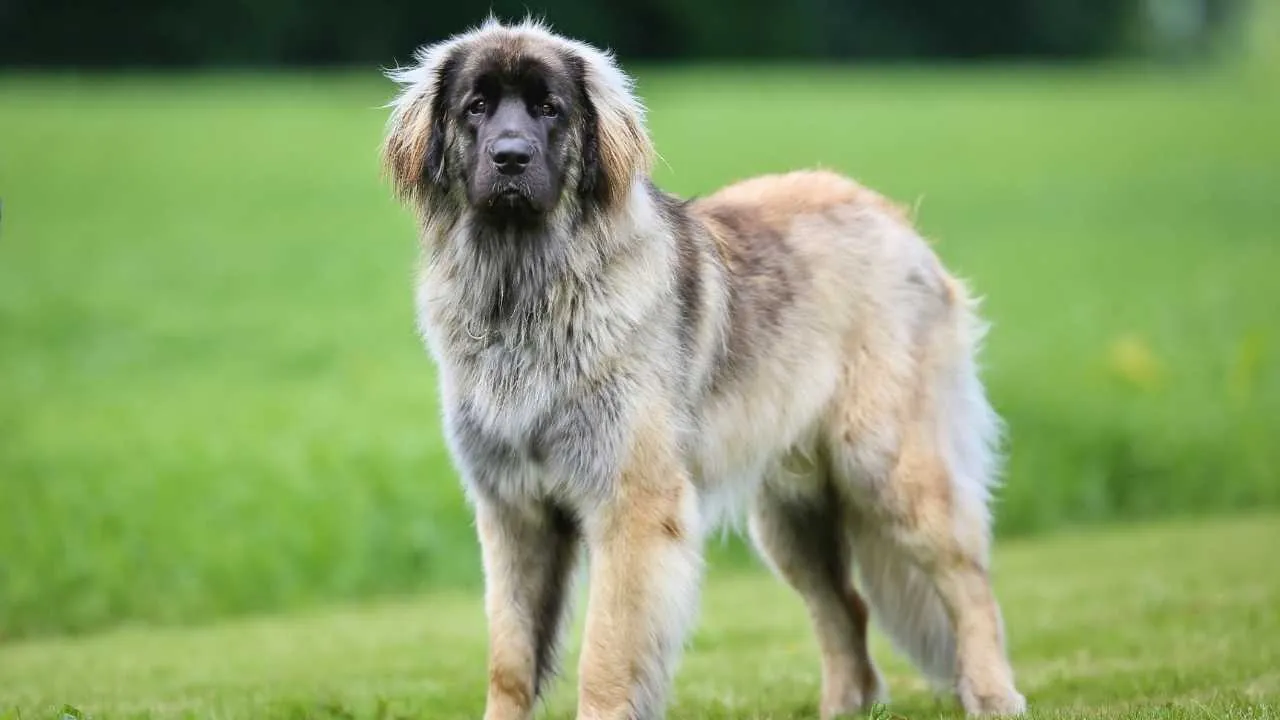
The Leonberger is a large, versatile dog breed known for its love of water, snow, and activity. Originally bred for a variety of outdoor jobs, these big dogs are strong swimmers and thrive in snowy conditions, making them perfect companions for families who enjoy adventure.
Their size and strength give them presence, but they remain gentle, affectionate, and playful with their human family.
Leonbergers need plenty of room to move and play, as their active nature and large build require daily exercise and mental engagement.
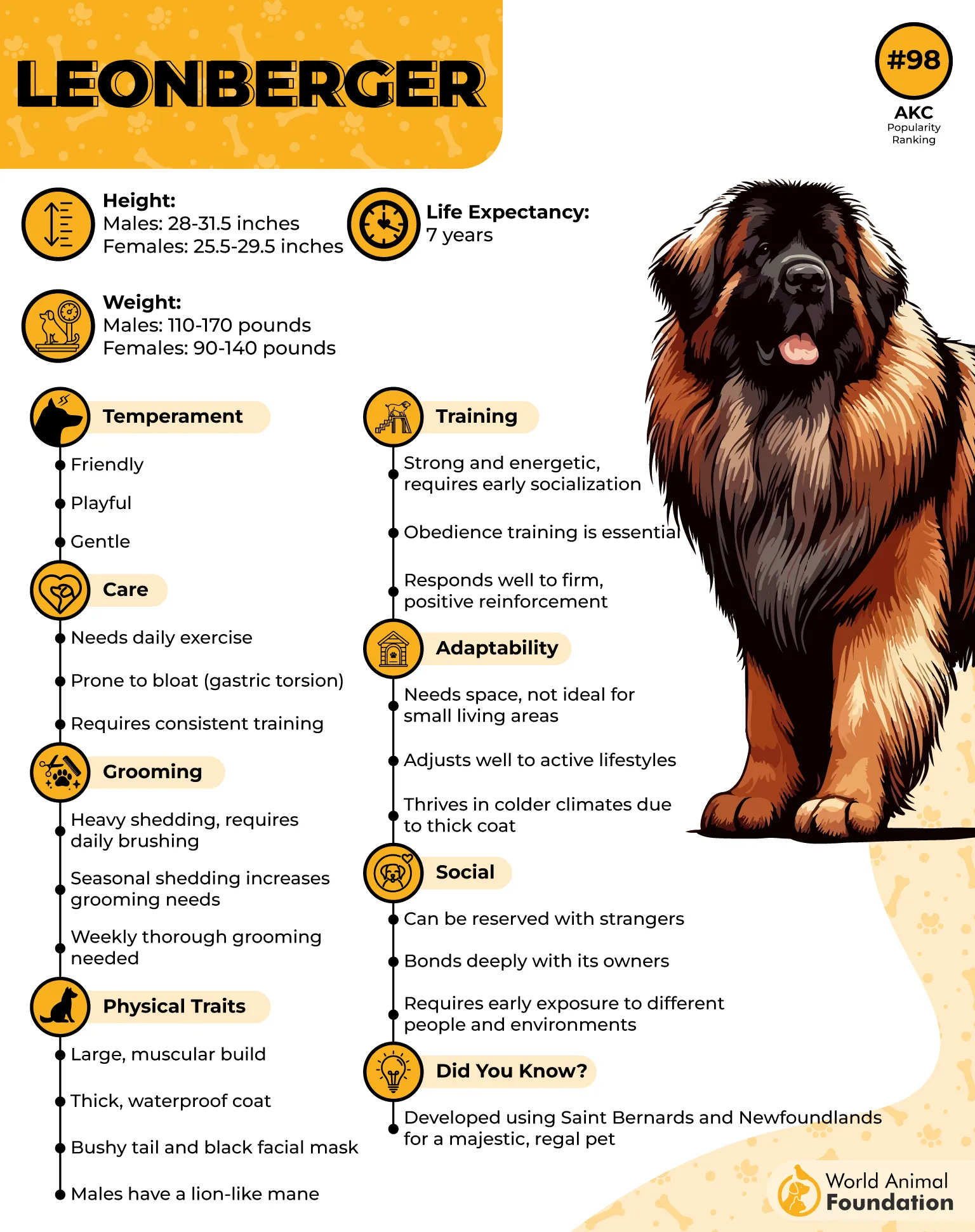
They adapt well to multiple environments, from spacious yards to outdoor tracks, and can participate in sports or simply enjoy walks in nature.
Their calm intelligence, loyalty, and versatility make them a perfect match for active families who love activities.
More traits to know
Large, muscular dog breed built for strength and endurance.
Thrives in water and snowy conditions, showing natural versatility.
Gentle and affectionate, ideal with children and family members.
Needs space and exercise to stay healthy and happy.
Can participate in canine sports or outdoor adventures with ease.
Conclusion
Some dog breeds thrive in rugged terrain, cold climates, or snowy trails; others may prefer calmer surroundings.
Choosing the right dog for your lifestyle is key. Consider your activity level, available space, and how much exercise and mental engagement your dog needs. Matching a breed’s energy and instincts to your routine ensures both you and your puppy enjoy every outing.
Before heading on hikes or outdoor trips, proper training is essential. Leashes, safety gear, and planned rest breaks keep dogs safe and comfortable. Fresh water and time to recover make every adventure enjoyable and stress-free.
For families who love pups and the outdoors, selecting a breed that thrives in adventure can transform every track, hike, or snowy path into a shared journey.
Whether you prefer a playful companion or a vigilant dog, there’s a breed ready to join your outdoor life—and create lasting memories along the way.
